Movement and Wellness Mastery: Using Your Ring for Lifetime Health
The device is a tool for "movement and wellness mastery," supporting health for your entire life.
Movement and Wellness Mastery: Using Your Ring for Lifetime Health
We live in an era of unprecedented health awareness, yet face a paradox of information overload. We know movement is medicine, sleep is foundational, and stress is a silent saboteur. But knowing is not the same as doing, and doing is not the same as optimizing. The bridge between intention and lifelong wellness is not just willpower—it's data-powered insight. This is where the silent revolution on your finger begins.
Gone are the days of bulky, intrusive trackers. The modern smart ring represents the pinnacle of personalized health technology: continuous, comfortable, and incredibly insightful. It moves beyond counting steps to understanding the nuanced symphony of your body—your heart's rhythm, your body's temperature ebbs and flows, the quality of your restorative sleep, and the true cost of your daily stress. But a ring is not a magic talisman. Its power is unlocked only when you move from passively observing metrics to actively engaging with a holistic wellness strategy.
This guide is your master blueprint. We will journey beyond the basics, exploring how to transform raw data from your device into a dynamic, lifelong practice of wellness mastery. We'll delve into the science of movement, the art of recovery, the critical role of the nervous system, and how to create a feedback loop between your body's signals and your daily choices. Whether you're an athlete fine-tuning performance, a professional battling burnout, or simply someone committed to vibrant health for decades to come, the principles here will help you leverage your most personal piece of technology to build a stronger, more resilient you. This isn't about a quick fix; it's about cultivating a deep, enduring partnership with your own physiology. Let's begin.
The Foundation: Why Movement is Your Non-Negotiable Baseline for Health
Movement is not merely an activity; it is the fundamental language of human biology. Our bodies are engineered for motion—from the lymphatic system that relies on muscular contraction for immune function to the brain-derived neurotrophic factor (BDNF), a crucial protein for brain health that is stimulated through physical activity. When we reframe movement from a chore to a biological imperative, it becomes the non-negotiable baseline upon which all other wellness is built. Your smart ring is the perfect tool to honor this imperative, providing not just a nudge, but a deep understanding of how your body responds to and craves activity.
Modern sedentary lifestyles have created a "movement deficit" with profound consequences. Research consistently links prolonged sitting to increased risks of cardiovascular disease, type 2 diabetes, certain cancers, and all-cause mortality, independent of structured exercise. This means your one-hour gym session, while beneficial, does not erase the 9-hour cost of sitting at a desk. The goal, therefore, is two-fold: integrate consistent, low-grade movement throughout the day (known as Non-Exercise Activity Thermogenesis, or NEAT) and engage in purposeful, structured exercise. Your smart ring excels at tracking both, turning abstract goals into tangible, daily rhythms.
From Steps to Strategy: Understanding Your Activity Data
While step count is a familiar metric, it is a blunt instrument. Mastery begins with interpreting the richer data your ring provides.
Active Minutes & Heart Rate Zones: Not all movement is created equal. Five minutes of elevated heart rate activity has a different physiological impact than a leisurely stroll. Your ring’s tracking of active minutes—particularly time spent in moderate or vigorous zones—helps you gauge intensity. Are you getting at least 150 minutes of moderate activity per week, as recommended by global health bodies? Your ring knows.
Caloric Burn Estimation: While not a perfect science, trending data on daily energy expenditure (calories burned) is invaluable. It helps contextualize your nutrition and understand your body’s true metabolic demands on active versus rest days.
The Sedentary Alert: One of the most powerful, simple features is the reminder to move after prolonged inactivity. Heeding this alert is a direct strike against the dangers of sedentary behavior. It’s a micro-intervention with macro health benefits.
Building a Movement-Rich Life: Practical Integration
The data is meaningless without action. Here’s how to build a sustainable movement practice:
Protect Your NEAT: Set a daily step goal that is ambitious yet achievable (e.g., 8,000-10,000). Use your ring’s live data to "close your rings" by taking walking meetings, pacing during phone calls, or doing a 5-minute "micro-walk" every hour.
Schedule Intensity: Plan 2-3 weekly sessions that intentionally elevate your heart rate. Use your ring’s heart rate zone feedback during a run, cycle, or HIIT session to ensure you're training effectively. Did your heart rate recover quickly after your last sprint? That’s a powerful indicator of cardiovascular fitness.
Listen to Your Body: Here’s where the magic happens. Check your ring’s readiness or recovery score in the morning. A low score, often influenced by poor sleep or high stress, is your body’s request for gentler movement—perhaps yoga or walking—instead of an intense grind. Honoring this builds resilience and prevents overtraining.
The journey to wellness mastery starts with honoring your body’s need for motion. By using your ring to quantify, qualify, and guide your daily movement, you establish the solid ground from which all other health gains will grow. As you consistently meet this baseline, you’ll begin to notice subtler signals, which leads us to the critical next pillar: not just how you move, but how you rest and rebuild.
Beyond Steps: Unlocking the Power of Heart Rate Variability (HRV) for True Recovery
If step counts measure the quantity of your movement, Heart Rate Variability (HRV) measures the quality of your recovery and resilience. This single metric, effortlessly tracked by your smart ring overnight, is arguably the most profound biomarker available to consumers today. It offers a direct window into your autonomic nervous system, telling you whether your body is in "build and restore" mode or "stress and survive" mode. Mastering its interpretation is the key to moving from arbitrary workouts to intelligent, body-synced training.
HRV is the subtle variation in time between each heartbeat. Contrary to intuition, a higher HRV is generally better—it indicates a healthy, adaptable heart that can respond swiftly to changing demands. It reflects a strong "vagal tone," the influence of the vagus nerve which governs the rest-and-digest (parasympathetic) state. A low or declining HRV trend suggests your nervous system is under strain from physical training, emotional stress, illness, or poor recovery habits. Your ring tracks this nightly, providing a morning score that serves as your body’s most honest status report.
Interpreting Your Daily HRV Score: Trends Over Absolute Numbers
It’s crucial to understand that HRV is highly individual. Comparing your number to someone else’s is meaningless. The power lies in your personal baseline and trends over time.
Establishing Your Baseline: Your ring’s app will calculate your average HRV over weeks of use. This is your personal north star.
The Morning Check: Each day, don’t fixate on a single point. Ask: Is my HRV near or above my baseline? This suggests good recovery and readiness for challenge.
Reading the Dips: A significant drop below your baseline is a clear signal. Your body is allocating resources to handle stress. This is your cue to pivot: opt for a restorative day, prioritize sleep, manage emotional load, and hydrate. Pushing hard on a low HRV day often leads to diminished returns and increased injury risk.
Actionable Strategies to Improve Your HRV and Build Resilience
Your HRV score isn't just a report card; it's a guide for daily choices. To cultivate a higher, more stable HRV:
Prioritize Sleep Quality: HRV is intimately tied to deep, restorative sleep. The very sleep stages your ring meticulously tracks, especially deep sleep, are when HRV recalibration occurs. Improving your sleep hygiene directly boosts your HRV. For a foundational understanding, our guide on how sleep trackers actually work details the technology capturing this vital data.
Master Your Breath: Direct vagus nerve stimulation is possible through breathwork. Practices like coherent breathing (5-6 breaths per minute) for 5-10 minutes daily can have a dramatic, immediate impact on HRV. Use your ring to track a session and observe the real-time calming effect on your heart rate.
Manage Chronic Stress: Mental and emotional loads directly tax your nervous system. Mindfulness, meditation, and time in nature are not just "feel-good" activities; they are proven HRV modulators. Your ring’s stress score, often derived from HRV and heart rate data, can help you identify triggers and measure the efficacy of your de-stressing practices.
Optimize Training Load: Use HRV to guide your exercise program. A consistently depressed HRV may indicate overtraining, signaling a need for a deload week. Conversely, a rising HRV trend can indicate improving fitness and a capacity for increased intensity.
By shifting your focus to HRV, you graduate from a philosophy of "more is always better" to one of "smarter is stronger." You learn to work with your body’s rhythms, not against them. This deepens your recovery, enhances performance, and builds systemic resilience that protects against burnout. This foundational recovery sets the stage for the most potent recovery tool of all: the science of sleep.
The Sleep Revolution: Moving Beyond Duration to True Quality and Stages
We spend roughly one-third of our lives asleep, yet for centuries it remained a biological black box. The advent of consumer sleep technology, particularly the advanced sensors in devices like smart rings, has democratized access to what happens after we close our eyes. But the goal isn't just to log hours; it's to optimize the architecture of sleep. True wellness mastery requires understanding and maximizing the distinct stages of sleep—each with a non-negotiable role in physical repair, cognitive function, and emotional balance.
Sleep is not a monolithic state of unconsciousness. It's a dynamic, cyclical journey through light sleep, deep sleep, and REM (Rapid Eye Movement) sleep. Your smart ring uses photoplethysmography (PPG) and accelerometers to estimate your time in each stage by tracking heart rate, heart rate variability, body movement, and even temperature shifts. This breakdown is where the real insights begin.
Deep Sleep: The Physical Restoration Phase
Deep sleep (or slow-wave sleep) is your body's prime time for physical repair. During this stage, growth hormone is released, facilitating tissue growth and muscle repair. Your immune system is fortified, and cellular energy is restored. It’s the most restorative sleep for physical recovery. A lack of deep sleep leaves you feeling physically drained and compromises your body's ability to rebuild. If you’re wondering what your deep sleep numbers should look like, it’s typically 15-25% of your total sleep, though this changes with age.
REM Sleep: The Mental and Emotional Processing Phase
REM sleep is often called "brain sleep." It's when your brain is almost as active as when awake, facilitating memory consolidation, learning, emotional processing, and creativity. It's essential for cognitive health and psychological resilience. Deprive yourself of REM, and you may struggle with focus, emotional regulation, and problem-solving.
The Nightly Cycle and Your Morning Score
A healthy sleep architecture involves cycling through these stages every 90-120 minutes, with deep sleep dominating the first half of the night and REM periods lengthening toward morning. Your ring’s algorithm analyzes this complex dance to provide you with a single, comprehensible sleep score. This score considers not just duration, but the balance and quality of your stages, latency (time to fall asleep), and disruptions.
Using Your Ring to Engineer Better Sleep
Data without action is trivia. Your sleep report is a diagnostic tool for intervention.
Identify Disruptions: Are you seeing frequent awakenings correlated with a late meal or alcohol? Is your deep sleep percentage low? This could point to lifestyle or environmental factors.
Leverage Temperature Data: Core body temperature must drop to initiate and maintain sleep. Many smart rings track this trend. If you see your temperature remains elevated, consider strategies like a cooler bedroom, a warm bath 1-2 hours before bed (which causes a compensatory drop), or optimizing your sleep formula with temperature and timing.
Establish Consistency: Your ring will show you how irregular bedtimes wreak havoc on your sleep quality. A consistent schedule is the single most effective free sleep aid available.
Targeted Improvements: If your deep sleep is lacking, focus on evening routines that promote physical relaxation and cooler body temps. If REM is suppressed, look at stress management and avoiding REM-suppressing substances like alcohol and certain medications before bed. For a comprehensive list of strategies, our article on how to get more deep sleep tonight offers proven techniques.
By engaging with your sleep architecture, you stop chasing arbitrary hour targets and start curating the conditions for truly restorative rest. This directly fuels every other aspect of wellness: better recovery (HRV), more energy for movement, and a stronger, more resilient nervous system. To understand the full impact of this approach, you can read about the honest pros and cons of sleep tracking in the modern age.
The Silent Saboteur: Demystifying and Managing Your Stress with Continuous Data
Stress is not inherently bad. It is a fundamental survival mechanism—a physiological reaction to a challenge or threat. The problem in modern life is that our stress response, designed for acute, life-or-death situations, is chronically activated by non-life-threatening but persistent triggers: work deadlines, digital overload, financial worries, and social complexities. This chronic, low-grade activation keeps our nervous system in a sustained state of "fight-or-flight," undermining recovery, disrupting sleep, and accelerating wear and tear on the body. Your smart ring acts as an objective stress barometer, making the invisible visible.
Traditional methods of assessing stress are subjective and retrospective ("I feel stressed"). Your ring, however, provides a physiological, real-time measure by analyzing metrics like heart rate and its variability (HRV). When stressed, your sympathetic nervous system dominates, causing your heart rate to rise and its variability to decrease—your heart beats more monotonously. Advanced algorithms synthesize this data into a continuous stress score or graph throughout the day, revealing your unique stress patterns, triggers, and recovery capacity.
Reading Your Stress Signature
The goal isn't to eliminate stress, but to understand its rhythm and build resilience against its corrosive effects.
Identify Peaks: When do your stress levels spike? Is it during your morning commute, a weekly meeting, or after consuming news? Objectively seeing these peaks helps you pinpoint specific triggers you may have normalized.
Assess Recovery Valleys: After a stressful event, how quickly does your score return to a calm baseline? A slow recovery indicates a taxed nervous system, while a quick rebound is a sign of good resilience. You can track how interventions like a walking break or deep breathing affect this recovery curve.
Understand the Baseline: Is your "resting" stress level gradually creeping higher over weeks? This is a critical warning sign of cumulative, unmanaged load.
Building Your Stress Resilience Toolkit
Armed with this data, you can move from passive victim to active manager of your nervous system.
Micro-Recovery Breaks: Use your ring’s data to prove the efficacy of short breaks. When you see a stress peak, engage in a 3-minute box-breathing session (inhale 4, hold 4, exhale 6, hold 2). Watch your real-time heart rate dip and feel the subjective shift. These practiced moments re-train your nervous system.
Lifestyle Audit: Correlate your stress graph with your daily log. Does caffeine after 2 PM create an elevated baseline for hours? Does a difficult conversation linger physiologically? This turns guesswork into cause-and-effect understanding.
Sleep-Stress Feedback Loop: Observe the direct relationship. A high-stress day often predicts poorer sleep, particularly less deep sleep. Conversely, a night of poor sleep leads to a lower stress threshold the next day. Breaking this cycle starts with using one metric to improve the other. If your evening stress score is high, implement a strict digital sunset and relaxation routine to protect your sleep.
Train Your Resilience: Just as you train muscles, you can train your vagal tone to improve stress resilience. Daily habits like humming, singing, cold exposure on the face, and meditation have been shown to strengthen the parasympathetic response. Your ring’s HRV trend over weeks is the report card for this training.
By demystifying stress through continuous data, you reclaim agency. You learn that stress is a wave you can learn to surf, not a tidal wave that must drown you. This mastery creates a buffer of calm that enhances every other domain of your life. For those looking to dive deeper into the foundational science, exploring the connection between deep sleep and memory reveals how recovery directly combats the cognitive effects of stress.
The Body’s Thermostat: How Temperature Tracking Reveals Hidden Health Rhythms
One of the most sophisticated, yet under-discussed, features of advanced smart rings is continuous skin temperature tracking. This isn't about checking for a fever; it's about observing the subtle, healthy fluctuations that govern your circadian rhythm, metabolic health, and recovery status. Your body's core temperature follows a predictable 24-hour cycle, dipping to its lowest point in the early morning hours (facilitating deep sleep) and rising throughout the day to promote alertness. Deviations from this natural rhythm offer profound clues about your overall health, often long before other symptoms appear.
Unlike a single forehead scan, your ring’s nocturnal temperature trend provides a stable, baseline measurement unaffected by ambient room temperature or daytime activity. This data becomes a foundational pillar for interpreting other metrics.
Decoding Your Temperature Curve: Key Insights
Circadian Rhythm Health: A clear, predictable dip at night and rise in the morning signals a robust, well-aligned internal clock. A flattened curve suggests circadian disruption, potentially from irregular sleep schedules, late-night light exposure, or shift work—all of which have significant health implications.
Sleep Quality Validation: The initiation of sleep is triggered by a drop in core temperature. Your ring can show you if your temperature is falling as you prepare for bed. If it’s not, your sleep onset may be difficult. Furthermore, the depth of the nighttime dip is correlated with the quality of deep, restorative sleep.
Early Illness Detection: One of the most valuable applications is the detection of a sustained elevation in baseline temperature. Your ring may alert you to a 0.5-1.0°C increase over your personal norm, which can be an early sign of infection, inflammation, or an impending autoimmune flare-up—sometimes 24-48 hours before you feel "off."
Hormonal & Metabolic Insights: For women, temperature tracking can provide insights into menstrual cycle phases and ovulation, as progesterone causes a sustained temperature rise in the luteal phase. More broadly, metabolic efficiency is tied to temperature regulation; a consistently low or dysregulated temperature can hint at thyroid or metabolic issues worth discussing with a healthcare provider.
Actionable Strategies from Temperature Data
Chronotype Alignment: Use your temperature rise time to fine-tune your schedule. If your temperature rises late, you may be a natural "night owl," and forcing an extreme early morning might work against your biology. Align demanding tasks with your natural peak temperature (and alertness) window.
Sleep Hygiene Optimization: If your temperature isn't dipping at bedtime, create a routine to encourage it: take a warm bath 90 minutes before bed (the subsequent cooling effect mimics the natural drop), ensure your bedroom is cool (65-68°F or 18-20°C), and avoid heavy exercise too close to bedtime.
Recovery Guidance: A higher-than-normal morning temperature after intense training can indicate significant muscle inflammation and the need for a true recovery day. Combine this with a low HRV score, and you have a compelling case to prioritize rest, hydration, and nutrition over another hard workout.
Health Trend Monitoring: Don’t ignore a persistent upward trend in your baseline. Use it as a signal to rest, hydrate, boost your nutrient intake, and perhaps schedule a check-in with your doctor. It’s preventative health at its most personal.
Temperature is the silent conductor of your body’s orchestra. By learning to read its rhythms, you gain a predictive tool for sleep, a warning system for illness, and a deeper validation of your overall metabolic health. This holistic view is core to the mission at Oxyzen, where we believe technology should reveal your body's innate intelligence, not override it.
Fueling the Machine: Using Data to Personalize Nutrition and Hydration
The age of generic nutrition advice—"eat 2,000 calories," "drink 8 glasses of water"—is over. Wellness mastery in the 21st century is about personalization, and your smart ring provides the metabolic context to make your nutrition as unique as your fingerprint. While it won't tell you to eat kale over chips, the data it generates on energy expenditure, recovery status, and physiological stress creates an indispensable framework for making smarter fueling decisions that align with your body's actual needs, not a textbook average.
Nutrition and hydration are not inputs to be dictated; they are responses to be calibrated. Your ring tells you what your body is doing, so you can determine what it needs.
Caloric Intelligence: Beyond the Burn
Your ring’s estimate of daily energy expenditure (calories burned) is a powerful starting point.
The Dynamic TDEE: Your Total Daily Energy Expenditure (TDEE) isn't static. On a high-activity day with intense training, it might be 500-800 calories higher than on a sedentary recovery day. Using a weekly average from your ring data is far more accurate than online calculators for managing weight or performance goals.
The Recovery Refuel: Post a day of hard training, your ring will likely show elevated energy expenditure and a need for recovery (via HRV/sleep data). This is the scientific rationale for prioritizing quality carbohydrates and protein after exercise—to replenish glycogen and repair muscle. The data validates the "why" behind the meal.
The Rest Day Adjustment: Conversely, on a low-activity day with a high HRV (indicating good recovery), your body needs fewer calories and may benefit from lighter, nutrient-dense meals. Ignoring this and eating the same as a training day can lead to unwanted weight gain over time.
Hydration: The Foundation of Every Metric
Hydration status profoundly influences nearly every metric your ring tracks. Even mild dehydration can:
Elevate resting heart rate.
Lower Heart Rate Variability (HRV), mimicking a stress response.
Increase core body temperature.
Disrupt sleep architecture.
Therefore, your daily ring data can be seen as a proxy hydration check. A sudden, unexplained dip in HRV or a spike in resting heart rate, especially combined with a slight temperature rise, is your body's first billboard for needing water—often before you feel thirsty.
Data-Driven Nutritional Experimentation
Use your ring to run n-of-1 experiments and become your own nutrition scientist.
Meal Timing & Sleep: Eat a large, late meal and check your sleep report. Did your deep sleep percentage plummet and your nighttime disturbances increase? The data provides objective feedback to justify an earlier dinner.
Food Sensitivities & Inflammation: Notice a pattern of elevated resting heart rate, lower HRV, or higher stress scores after meals containing certain foods (e.g., gluten, dairy, high-histamine foods)? This could indicate a mild inflammatory or stress response worth investigating.
Caffeine & Alcohol Impact: The effects are quantifiable. Track how an afternoon coffee affects your evening stress score and sleep latency. Observe how even one drink of alcohol decimates your deep and REM sleep scores and crushes your next-day HRV. This turns anecdote into actionable evidence.
By using your ring’s data as a feedback mechanism, you transition from following external diet rules to cultivating internal food wisdom. You learn to fuel for the day you actually had and the recovery you actually need. For more on how specific nutrients influence your most restorative phases, explore our research on foods that increase deep sleep naturally.
The Performance Edge: Optimizing Training and Preventing Overtraining
For the fitness enthusiast, amateur athlete, or anyone dedicated to progressive improvement, the line between optimal training and detrimental overtraining is notoriously thin. Pushing too hard leads to injury, illness, and burnout; not pushing hard enough leads to stagnation. Traditional training plans rely on predetermined schedules and perceived exertion, which ignore your body's daily readiness. Your smart ring introduces a dynamic, biofeedback-driven layer to training, turning a static plan into an intelligent, responsive dialogue with your physiology.
This approach is often called "autoregulation." Instead of forcing a brutal workout because the calendar says "Interval Tuesday," you adjust Tuesday's intensity based on Monday's recovery. Your ring provides the objective metrics—primarily HRV, resting heart rate (RHR), and sleep quality—to make these calls with confidence.
Key Metrics for the Athlete
HRV: As covered, this is your central nervous system's readiness gauge. A significant deviation below your baseline is the clearest sign to opt for light activity or complete rest.
Resting Heart Rate (RHR): A morning RHR elevated by 7-10 beats per minute above your normal average is a classic, simple indicator of fatigue, incomplete recovery, or impending illness.
Sleep Quality & Duration: Poor sleep, particularly low deep sleep, means inadequate physical repair. Training hard on this foundation is like building a house on cracked concrete.
Training Load vs. Recovery Balance: Some advanced algorithms provide a score comparing your recent strain (from activity) to your recent recovery (from sleep/HRV). A consistently high strain with low recovery is the recipe for overtraining syndrome.
Building an Autoregulated Training Week
Here’s how to apply this daily:
The Morning Check: Before looking at your workout plan, check your ring’s recovery/readiness score, HRV, and RHR. This is your "green light, yellow light, red light" system.
Green Light (High Readiness, HRV ≥ baseline, good sleep): Proceed with your planned intense session. Your body is primed to benefit from the stress.
Yellow Light (Moderate/Low Readiness, HRV slightly depressed): Modify. Swap high-intensity intervals for a steady-state endurance session, reduce volume, or focus on technique. The goal is maintenance, not progression.
Red Light (Low Readiness, HRV/RHR significantly off, poor sleep): Pivot entirely. This is a mandatory recovery day. Engage in gentle movement like walking, yoga, or mobility work—or take a complete rest day. The adaptation happens during recovery, not the workout itself.
Post-Workout Analysis: After a hard session, observe the impact. Does your HRV dip the next morning? That's expected. Does it bounce back within 1-2 days? That's ideal adaptation. If it stays depressed for 3+ days, your training load may be too high relative to your recovery capacity.
Long-Term Periodization and Peak Performance
Over weeks and months, this data allows for intelligent periodization. You can identify when you're truly ready for a "peak" week of high volume and when you need a scheduled "deload" week. It takes the guesswork out of planning and dramatically reduces the risk of injury and burnout. For athletes specifically, the nuances of deep sleep optimization for recovery become a critical component of this performance equation.
By embracing this data-driven, autoregulated approach, you stop fighting your body and start training with it. You achieve more consistent progress, enjoy the process more, and build a sustainable practice that supports lifetime health, not just short-term gains. To see how this plays out in real-world experiences, browse the transformative stories shared in our customer testimonials.
The Long Game: Tracking Trends for Lifelong Healthspan and Disease Prevention
The true power of wearing a smart ring isn't revealed in a single day's score, but in the accumulation of data over months and years. This longitudinal view transforms your device from a fitness tracker into a personal health historian, capable of revealing trends that are invisible in the daily noise. This shift in perspective—from acute management to chronic trend analysis—is where the pursuit of "wellness" matures into the science of healthspan extension: not just living longer, but living vibrantly and functionally for more of your life.
Chronic diseases like cardiovascular disease, metabolic syndrome, and neurodegenerative conditions don't appear overnight. They develop over decades through subtle, cumulative shifts in physiology. Your ring's trending data can serve as an early-warning radar for these shifts, empowering you to make proactive, preventative lifestyle interventions long before a clinical diagnosis is necessary.
Critical Long-Term Trends to Monitor
Resting Heart Rate (RHR) Trend: While daily fluctuations are normal, a gradual, sustained increase in your average RHR over 6-12 months can be a sign of declining cardiovascular fitness, chronic stress, or underlying inflammation. Conversely, a gradual decrease indicates improving fitness and efficiency.
HRV Baseline Trend: Similarly, a slow, steady decline in your HRV baseline is a major red flag for accumulating allostatic load (the wear and tear from chronic stress). It suggests your nervous system is losing its resilience. A stable or slowly rising HRV baseline is a powerful indicator of robust health and effective stress management.
Sleep Architecture Changes: How do your deep sleep and REM percentages change as you age or as life circumstances shift? A marked decline in deep sleep could point to increasing stress, lifestyle changes, or the need to compensate for age-related changes. Tracking this allows you to proactively adjust your routines.
Temperature Rhythm Stability: Is your circadian temperature rhythm becoming more erratic or flatter over time? This could signal lifestyle-driven circadian disruption, which is linked to metabolic issues, mood disorders, and impaired immune function.
Activity Level Trends: Are you gradually becoming more sedentary month-over-month? Long-term activity trends are a powerful predictor of morbidity. Seeing a downward slope can be the motivational jolt needed to recommit to movement.
From Data to Preventative Action
Spotting a negative trend is not a cause for alarm, but for curiosity and action.
Correlate with Life Events: Look back. Did a new job, a life stressor, or a change in relationship coincide with a dip in HRV or sleep? Understanding the trigger is the first step to addressing it.
Implement Targeted Interventions: If your RHR is creeping up, it's time to reassess your cardio training. If your deep sleep is trending down, double down on sleep hygiene and stress management. The data tells you where to focus your efforts.
Share with Healthcare Providers: Your long-term trend data is a goldmine for a proactive doctor or functional medicine practitioner. Showing them a 12-month graph of declining HRV or sleep quality is far more impactful than saying "I'm tired." It provides objective context for a more informed, collaborative health strategy.
Celebrate Positive Trends: Witnessing your HRV baseline rise over a year of consistent practice, or seeing your RHR drop, is profoundly validating. It proves your lifestyle investments are paying compound interest in your health bank.
Ultimately, this long-view approach redefines the purpose of tracking. It's not about today's score, but about the direction of your trajectory. Are your daily habits plotting a course toward vitality and resilience, or toward fragility? Your ring provides the chart. For those interested in the broader vision behind this kind of personalized health technology, you can learn more about our mission and journey at Oxyzen's story page.
Creating Your Personal Wellness Flywheel: Integrating Data into Daily Rituals
Data, insights, and trends are intellectually stimulating, but they only create change when they are woven seamlessly into the fabric of your daily life. The final step in movement and wellness mastery is systemization—building a personalized set of rituals and decision-making frameworks that use your ring's data as a guiding input, not a distracting output. The goal is to create a positive feedback loop, a "wellness flywheel," where small, data-informed actions create compounding benefits, making healthy choices feel automatic and aligned.
A flywheel is a heavy wheel that requires significant effort to start turning, but once in motion, its own momentum makes it easier to keep spinning. Your wellness flywheel works the same way. The initial effort is in setting up the rituals and learning to trust the data. Once established, the positive feedback—feeling better, sleeping better, performing better—provides its own momentum.
Designing Your Daily Data Ritual
Create a consistent, sub-5-minute routine for engaging with your data.
Morning Review (The Plan):
Check: Open your app. View your sleep score and recovery/readiness score.
Ask: "How did I recover?" Look at HRV and RHR relative to your baseline.
Decide: Based on this, decide on today's activity intensity and overall stress tolerance. Plan your hardest work (physical or cognitive) for when your energy and readiness are highest.
Act: Choose one wellness priority for the day (e.g., "hydrate proactively," "take 3 breathing breaks," "be in bed by 10 PM").
Throughout the Day (The Pause):
Respond to Alerts: Heed movement reminders not as annoyances, but as micro-opportunities to protect your long-term health.
Check Stress Peaks: If you feel overwhelmed, glance at your stress graph. Objectively seeing the peak can create a moment of detachment, allowing you to deploy a breathing technique and watch the physiological shift.
Fuel Wisely: Let your activity level guide your hunger. A sedentary morning might mean a lighter lunch.
Evening Wind-Down (The Prepare):
Review: Briefly note what activities correlated with high or low stress.
Unplug: Use your ring's bedtime reminder as a non-negotiable signal to start your sleep ritual.
Optimize Environment: If your temperature data shows you sleep hot, ensure your bedding is appropriate. Use the knowledge from our deep sleep formula guide to set the stage.
Building a Sustainable Mindset
Embrace the 80/20 Rule: Don't aim for perfect scores every day. Aim for consistency in your rituals. The 80% trend matters infinitely more than the 20% of outlier days (sickness, travel, celebrations).
Curiosity Over Judgment: View a low score not as a failure, but as a fascinating data point. Ask, "What is my body communicating?" This reframes you from a critic to an investigator.
Connect the Dots Weekly: Once a week, take 10 minutes to look at the weekly trends. How did your workouts affect your sleep? How did your sleep affect your stress resilience? This macro-view solidifies understanding.
Integrate, Don't Isolate: The ring is a tool for life, not life itself. The ultimate mastery is when the insights become so internalized that you instinctively move, rest, and eat in alignment—not because the ring said so, but because you've learned to listen to the signals it helped you understand.
By creating this personalized flywheel, you close the loop. The ring provides the feedback, you provide the intentional action, and your improved well-being provides the motivation to continue. It becomes a self-reinforcing cycle of learning, growing, and thriving. For ongoing support and to explore common questions as you build this system, our comprehensive FAQ page is an excellent resource.
This foundational portion has laid the essential groundwork—from the biology of movement and recovery to the practical integration of data into a sustainable lifestyle. We've explored how your smart ring transforms from a tracker into a coach, a diagnostician, and a historian for your health. The journey continues as we delve deeper into advanced applications, community and social dynamics, and the future of personalized health technology, all aimed at empowering you toward a lifetime of movement and wellness mastery.
Syncing with Society: Navigating Social Rhythms and Environmental Cues
In our hyper-connected world, personal wellness does not exist in a vacuum. It is constantly being shaped, challenged, and supported by the social and environmental ecosystems we inhabit—our work schedules, family obligations, social gatherings, and even the changing seasons. True wellness mastery requires learning to dance with these external rhythms, not just fight against them. Your smart ring becomes an invaluable mediator in this dance, providing an objective readout of how your body responds to the world around you, empowering you to make intentional choices about when to sync up and when to create healthy boundaries.
Our biology evolved to be exquisitely sensitive to environmental cues, known as zeitgebers ("time-givers"). The most powerful is light, but social interaction, meal timing, and even ambient noise are potent signals that entrain our circadian rhythms. Modern life, however, bombards us with conflicting cues: artificial light at night, irregular social meals, and weekend sleep-ins that clash with weekday alarms. This "social jet lag" creates a chronic state of internal misalignment. Your ring’s data, especially temperature and sleep consistency metrics, vividly illustrates the physiological cost of this mismatch.
The Data of Social Engagement
Social connection is a fundamental human need with proven health benefits, yet social obligation can be a significant stressor. Your ring helps you distinguish between the two.
Positive Co-Regulation: A joyful dinner with close friends, filled with laughter and connection, may show a temporary elevation in heart rate (from excitement) followed by a swift return to baseline and even an improved HRV overnight. This is your nervous system in a state of positive "co-regulation," where social safety supports physiological calm.
The Cost of Obligation: Conversely, a mandatory work event or a conflict-laden family gathering might produce a sustained high-stress score, an elevated heart rate that persists for hours afterward, and a measurable degradation in sleep quality. The data objectifies the often-dismissed feeling of being "drained."
Alcohol's Double-Edged Sword: Social drinking provides a clear case study. While it may initially lower social inhibition (and potentially stress), your ring will incontrovertibly show its true cost: fragmented sleep, decimated deep and REM sleep, a spike in nighttime heart rate, and a crashed recovery score the next day. This allows you to make informed trade-offs: "Is this social event worth the measurable recovery setback?"
Strategies for Harmonious Integration
Use your data to navigate your social world with agency:
Plan and Buffer: Knowing you have a late social event on Friday, use your ring to guide you toward exceptional sleep and low stress on Thursday. Go into the event with a high recovery buffer. Afterwards, proactively schedule a low-key recovery day on Saturday, using gentle movement and good nutrition to aid your body's repair, as shown in your metrics.
Set Boundaries with Confidence: If consistent late-night social screen usage (Zoom calls, gaming) is destroying your sleep metrics, you have objective data to support a firmer boundary. You're not being rigid; you're protecting your biological need for restoration.
Optimize Work Rhythms: Analyze your daily stress and energy data. Do you have a predictable post-lunch slump? Schedule low-cognitive-demand tasks for that window. Are you most alert and calm mid-morning? That's your window for deep, focused work. Share this self-knowledge with your team to set collaborative expectations.
Seasonal Awareness: As daylight hours shift, your ring may reveal natural changes in your sleep duration or energy patterns. Honor these. You may need more sleep in the dark winter months. Use the data to adjust your expectations and routines seasonally, syncing with nature's larger rhythm instead of fighting it.
By viewing your ring as a mediator between your internal state and the external world, you learn to participate in society on terms that also respect your physiology. You gain the confidence to say "yes" to what truly nourishes you and "no" to what depletes you, backed by the unbiased truth of your own body's data. This empowered navigation is a key step in moving from personal tracking to integrated living, a philosophy you can explore further in the resources on our blog.
The Mind-Body Feedback Loop: Leveraging Biofeedback for Mental and Emotional Fitness
Wellness mastery transcends the physical. The state of your mind—your stress, focus, and emotional resilience—is both a driver and a product of your physiological metrics. The connection between mind and body is not metaphorical; it is a continuous, biochemical dialogue. Your smart ring closes this loop by providing real-time biofeedback, turning abstract feelings of anxiety or calm into observable, physiological events. This transforms mental fitness from a vague concept into a trainable skill.
Biofeedback is the process of gaining awareness and control over physiological functions by receiving real-time data about them. Historically, this required clinical equipment. Your ring democratizes this, offering a form of "passive biofeedback" throughout your day and "active biofeedback" during focused sessions. By observing how your thoughts and emotions directly alter your heart rate and HRV, you begin to see your mind not as an uncontrollable force, but as a system you can influence.
From Reactive to Responsive: Using Data for Emotional Regulation
When you feel a surge of stress or anxiety, the sympathetic nervous system response is immediate: heart rate spikes, HRV drops. Typically, we get caught in the emotional narrative ("This is terrible!"). Biofeedback interrupts this cycle by shifting your focus to the physiological signal.
The Observation Tactic: In a moment of stress, glance at your ring's real-time heart rate or open the stress graph. Simply observing the objective data—"My heart rate is 105 bpm"—creates a moment of cognitive distance. You are no longer just the feeling; you are also the observer of the feeling's physical correlate.
The Intervention Experiment: Now, deploy a known calming technique: diaphragmatic breathing, a brief mindfulness pause, or even a few minutes of walking. Watch the data in real-time. Does your heart rate begin to descend? This provides immediate, positive reinforcement. You learn, viscerally, that you have agency over your nervous system state.
Pattern Recognition for Triggers: Over time, you may identify that specific types of meetings, topics, or even individuals consistently trigger a measurable stress response. This isn't paranoia; it's pattern recognition. It allows you to prepare mentally, use pre-emptive breathing, or reframe your approach to these known triggers.
Building Cognitive Resilience Through Physiological Foundations
Your mental performance is built upon a physiological base. Two key ring metrics are paramount:
Sleep & Cognitive Function: The connection between deep sleep, REM sleep, and next-day focus, memory, and creativity is profound. A poor sleep score isn't just about fatigue; it's a predictor of impaired executive function. Use your sleep data to explain and anticipate mental performance. On a low-sleep-score day, avoid critical decision-making and complex tasks if possible. Prioritize those for days following high-quality sleep. For a deep dive into this mechanism, our article on the brain-boosting connection of deep sleep and memory is essential reading.
HRV as an Emotional Buffer: A higher HRV baseline is scientifically correlated with greater emotional regulation, flexibility, and resilience. It means your nervous system can handle stressors without going into total fight-or-flight. By using the strategies in earlier sections to improve your HRV (sleep, breathwork, training balance), you are not just building a healthier heart; you are literally building a more robust, adaptable mind.
Creating a Biofeedback Practice
Dedicate 5-10 minutes daily to active biofeedback training:
Sit quietly and open your ring's real-time heart rate display.
Focus on slow, deep breathing (inhale for 5, exhale for 7).
Simply watch your heart rate respond. The goal is not to force it down, but to observe the connection between breath and body.
Over weeks, this practice strengthens the neural pathways between your conscious mind (breath control) and your autonomic nervous system (heart rate), giving you a powerful tool to summon calm on demand.
By engaging with this mind-body feedback loop, you move from being at the mercy of your thoughts and emotions to becoming a skilled navigator of your inner landscape. The ring provides the map and the compass. This holistic integration is at the heart of our vision, which you can learn more about on our about page.
The Personalized Ecosystem: Integrating Your Ring with Other Apps and Devices
Your smart ring is a powerful, self-contained health monitor, but its true potential is unlocked when it becomes the central, trusted data hub within your broader personal technology ecosystem. By integrating its rich physiological insights with data from nutrition apps, workout platforms, and even your calendar, you create a multidimensional picture of your health that is greater than the sum of its parts. This interoperability turns disparate data points into coherent stories, allowing for a level of personalization and insight that no single device can provide.
Think of it as building your personal "health dashboard." Your ring provides the core vitals: recovery (HRV), restoration (sleep), and stress. Other apps add layers of context: fuel (nutrition), performance (structured workouts), and schedule (time demands). When these streams converge, you can answer complex questions like: "Did my low-carb day yesterday affect my high-intensity workout performance and subsequent sleep quality?" or "How does my stress pattern change on days with back-to-back meetings?"
Key Integration Opportunities and Insights
Fitness Platforms (Strava, Apple Fitness+, Training Peaks): Syncing your ring data with these apps allows workout plans to become dynamic. A fitness app can schedule a workout, but only your ring can tell you if you’re recovered enough to execute it well. Some advanced integrations allow recovery scores to automatically adjust the suggested workout intensity for the day.
Nutrition Trackers (MyFitnessPal, Cronometer): This is where correlation becomes causation. By viewing your ring’s sleep and HRV data alongside your food log, you can identify personal food sensitivities or positive effects. Does logging a high-sodium dinner correlate with a higher nighttime heart rate and restless sleep? Does a day of high vegetable intake align with a better next-morning HRV? This is n-of-1 nutritional science.
Calendar and Productivity Apps: Syncing with your calendar can automatically tag periods of high stress (e.g., "Quarterly Review Presentation") or explain energy dips (e.g., "Post-5 hours of consecutive meetings"). This helps you audit not just what you do, but how your body experiences what you do, enabling better schedule design.
Meditation and Mindfulness Apps (Calm, Headspace): Link your ring to measure the physiological impact of your meditation session. Did a 10-minute meditation actually lower your stress score? Seeing the tangible effect increases adherence and helps you identify which practices (guided, unguided, breathwork) are most effective for your nervous system.
Building Your Cohesive System
Start with One Connection: Begin by integrating your ring with your primary workout app. Observe how different workout types impact your recovery metrics.
Look for Correlations, Not Just Data: Don't just collect data; look for stories. Export weekly summaries or use dashboard views that bring metrics together. The question is always: "What is the relationship between X (my nutrition/training/schedule) and Y (my sleep/HRV/stress)?"
Respect Data Privacy: When enabling integrations, use official API connections and understand what data is being shared. The goal is insight, not surveillance. Choose platforms that respect your data as much as you do.
Let the Ring Be the Anchor: In conflicts of data (e.g., a fitness watch says you had a "great" workout but your ring shows terrible recovery), trust the physiological metrics from the ring. Heart rate, HRV, and temperature measured at the finger (close to central circulation) are often more reliable for recovery status than wrist-based motion data alone.
By thoughtfully integrating your ring, you move from tracking isolated domains to managing a synergistic health system. This ecosystem approach is the future of personalized wellness, and your ring is the perfect, unobtrusive hub to orchestrate it all. To see the full potential of Oxyzen's technology in this connected context, you can discover how it works at the core.
Advanced Metrics Deep Dive: Respiratory Rate, Blood Oxygen (SpO2), and What They Really Tell You
Beyond the core triumvirate of heart rate, HRV, and temperature, modern smart rings often capture more advanced physiological signals: Respiratory Rate (RR) and Blood Oxygen Saturation (SpO2). While these metrics gained public attention during the pandemic, their utility extends far beyond illness detection. For the wellness master, they provide subtle, yet critical, insights into metabolic efficiency, sleep quality, and altitude adaptation. Understanding these metrics elevates your self-knowledge from general trends to precision diagnostics.
Respiratory Rate (RR): The Silent Metric of Efficiency
Respiratory rate is the number of breaths you take per minute. At rest, a typical adult breathes 12-20 times per minute. Your ring calculates this by detecting the subtle, rhythmic variations in your heart rate caused by respiration (a phenomenon called Respiratory Sinus Arrhythmia).
The Resting RR Baseline: Establishing your personal average resting RR is key. Like HRV, it's individual. A lower resting RR (e.g., 10-14) often indicates higher cardiovascular fitness and greater respiratory efficiency—your body needs fewer breaths to achieve the same gas exchange.
Nighttime RR and Sleep Quality: Your respiratory rate naturally slows during deep sleep. A consistent, low RR during the night is a hallmark of restorative, uninterrupted sleep. Conversely, a elevated or highly variable nighttime RR can signal sleep disturbances, such as sleep apnea episodes or even the effects of alcohol consumption before bed.
Stress Indicator: In moments of acute stress or anxiety, your RR will increase. Observing this in your daily stress graph adds another layer of confirmation to your body's stress response.
Illness Detection: A sustained increase in your baseline RR, especially overnight, can be one of the earliest signs of a respiratory infection or other systemic illness, often appearing before a fever or cough.
Blood Oxygen Saturation (SpO2): The Oxygen Delivery Gauge
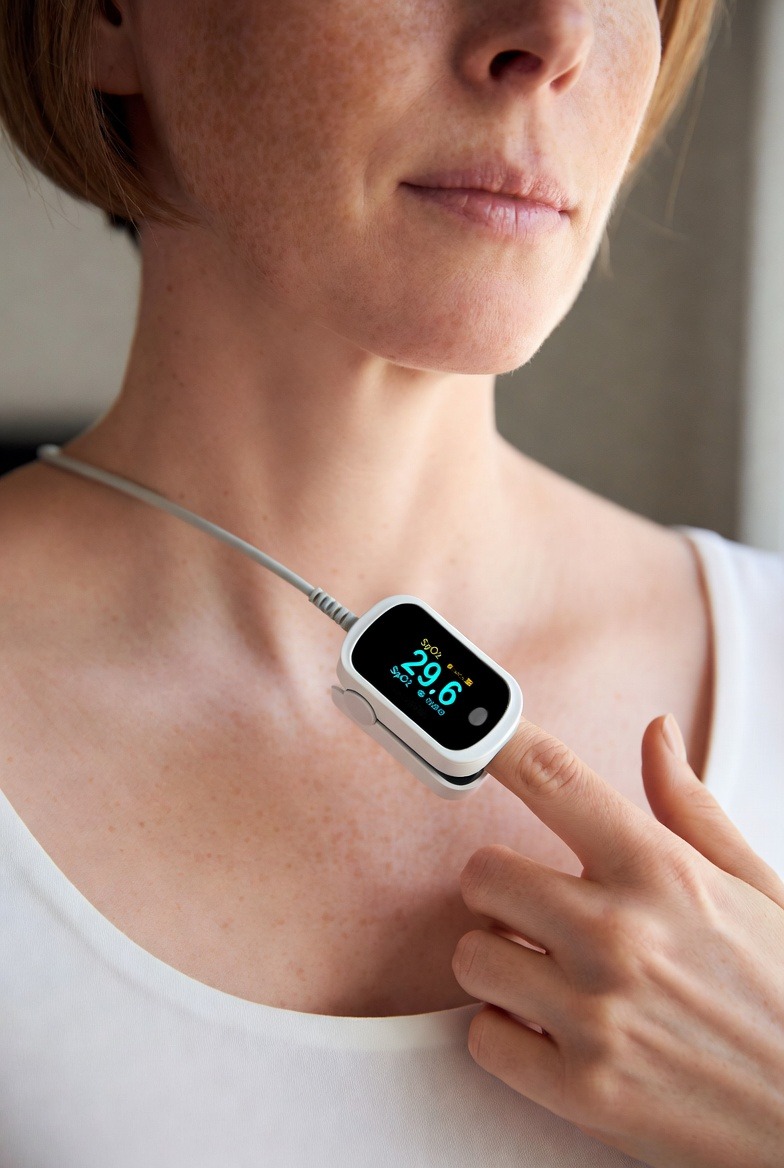
SpO2 measures the percentage of hemoglobin in your blood that is carrying oxygen. For most healthy individuals at sea level, it consistently reads between 95-100%. Your ring uses PPG sensors to estimate this, typically during the stillness of sleep for the most accurate readings.
Nocturnal SpO2: The Key Application: Continuous monitoring during sleep is where SpO2 is most valuable. Brief, periodic dips in SpO2 (called desaturations) are normal. However, frequent or significant dips (below 90%) can be indicative of sleep-disordered breathing, such as obstructive sleep apnea, where breathing repeatedly stops and starts. This is critical data, as sleep apnea is a major risk factor for hypertension, heart disease, and stroke, and often goes undiagnosed.
Altitude Adaptation: If you travel to or exercise at high altitude, tracking your SpO2 is fascinating. You will see it drop as the air thins. Observing it gradually rise back toward your baseline over several days is a direct measure of your body acclimatizing by producing more red blood cells.
Illness and Inflammation: Significant respiratory illnesses, like pneumonia or severe flu, can cause SpO2 to drop. A persistent low SpO2 trend is a clear signal to seek medical attention.
Interpretation with Caution: Ring-based SpO2 is a wellness screening tool, not a medical-grade device. It's excellent for identifying trends and potential issues, but any concerning patterns (like frequent nocturnal dips below 90%) should be discussed with a healthcare professional for formal evaluation.
Actionable Insights from Advanced Data
Sleep Quality Investigation: If you have good sleep duration but still feel unrefreshed, check your nighttime RR and SpO2 graphs. A jagged SpO2 line or elevated RR could point to undetected sleep disturbances that are preventing deep restoration.
Fitness Benchmarking: As you improve your cardiovascular fitness, you may observe a gradual decrease in your resting and sleeping respiratory rate—a tangible sign of improved efficiency.
Holistic Health Picture: Never interpret SpO2 or RR in isolation. Correlate them. A night of poor sleep (low score) combined with elevated RR and SpO2 dips tells a compelling story of disrupted physiology that demands attention to sleep hygiene, weight management, or a medical consult.
By adding these advanced metrics to your analytical toolkit, you gain a more nuanced, comprehensive understanding of your body's inner workings. It's like upgrading from a standard map to a topographical survey—you see not just the roads, but the elevation and underlying terrain of your health. For those interested in the technological precision behind these readings, our explanation of sleep tracking accuracy provides essential context.
Beyond the Individual: The Power of Community, Challenges, and Shared Goals
Human beings are social creatures wired for connection and shared purpose. While the journey to wellness mastery is deeply personal, it need not be solitary. The data from your smart ring can serve as a powerful social catalyst, transforming personal tracking into a source of motivation, accountability, and even friendly competition through community features, group challenges, and shared goals. This social layer adds a dimension of fun and support that can be the difference between a short-term experiment and a lifelong practice.
When you can see how your friends or a community are prioritizing recovery, sleep, or movement, it normalizes healthy behaviors and provides a powerful form of positive peer pressure. It’s no longer just you and your data; it’s you as part of a tribe striving toward similar values.
The Science of Social Accountability
Accountability dramatically increases the likelihood of goal achievement. Knowing that others can see (with your permission) your activity or sleep consistency creates a gentle, positive commitment device. Community features turn abstract health concepts into shared experiences:
Step Challenges: While basic, a weekly step challenge with friends or coworkers can be the nudge that gets you to take that evening walk, directly combating sedentary behavior. Seeing others’ progress makes your own movement feel part of a collective effort.
Sleep Streaks: Competing to maintain a 7+ hour sleep streak for a week can revolutionize your bedtime routine. This friendly competition frames sleep not as a passive state, but as an active, valued achievement.
Recovery Comparisons (With Care): Sharing anonymized trends in a dedicated athlete group can be educational. Seeing how others' HRV responds to different training loads or deload weeks provides a rich learning environment. The key is to compare trends, not absolute numbers, fostering discussion rather than judgment.
Using Community Data Wisely
The goal is positive connection, not toxic comparison.
Focus on Your Own Trends: Use the community as motivation, not as a benchmark for self-worth. Your HRV of 45 is not "worse" than someone else's 75; it's your baseline. Celebrate your own improvements.
Seek Support, Not Just Competition: A true wellness community is a place to ask questions. "My HRV dropped after starting a new training block—has anyone else experienced this?" can yield supportive advice and shared experiences that make the journey less isolating.
Celebrate Others' Wins: The social benefits are bidirectional. Celebrating a friend's new sleep consistency record or activity goal reinforces positive behavior in the entire group, creating a virtuous cycle.
Finding and Building Your Tribe
Platform Communities: Many ring apps have built-in social features or connected online communities. Engage in these spaces to learn how others interpret their data.
Create a Private Group: Start a small, private group with a few like-minded friends, family members, or colleagues. Set a collective goal for the month, like improving sleep scores or increasing average daily steps. Use the shared data for encouragement, not criticism.
Share Insights, Not Just Scores: The most valuable social exchange is about strategy. "I noticed my deep sleep increased when I started reading a book instead of scrolling before bed" is far more helpful than just posting a sleep score screenshot.
By integrating the social dimension, you anchor your wellness practice in relationship and purpose. The data becomes a language you share with others, breaking down the isolation that often accompanies health struggles. It reminds you that the pursuit of vitality is a fundamentally human endeavor, best undertaken with support. For inspiration from others on this path, explore the real-world experiences in our testimonials section.
Navigating Life Stages: Adapting Your Wellness Strategy from Your 20s to Your 80s
A one-size-fits-all approach to health is a recipe for frustration. Our bodies, priorities, and challenges evolve dramatically across the decades. What optimizes performance in your 20s is not what sustains health in your 50s or promotes vitality in your 70s. Wellness mastery, therefore, is not about finding a single, perfect formula, but about learning to adapt your strategy intelligently as you age. Your smart ring is the perfect companion for this lifelong journey, providing the honest feedback needed to adjust your movement, recovery, and sleep strategies at every turn.
The ring’s data doesn't judge; it reflects. It will objectively show you how your physiology changes over time, allowing you to pivot with grace and science, not denial or forced adherence to an outdated model.
Your 20s & 30s: The Foundation and Performance Era
Physiology: Typically, peak physiological resilience. HRV and recovery capacity are often at their highest. The body can tolerate higher training loads and recover quickly from poor sleep or lifestyle choices—though this creates bad habits.
Ring-Driven Strategy:
Focus: Build foundational fitness and robust sleep habits. Use high HRV as a license to train hard, but also use the data to practice recovery.
Warning Signs: Watch for trends of declining HRV due to chronic overtraining or unmanaged stress. Don't let high resilience mask poor lifestyle foundations. Use the ring to establish what "good recovery" feels like physiologically.
Key Metric: HRV Trend & Training Load Balance. Use it to prevent burnout in high-stress careers.
Your 40s & 50s: The Optimization and Sustainability Era
Physiology: Metabolism begins to shift. Recovery may slow. Hormonal changes (perimenopause, andropause) can disrupt sleep and temperature regulation. This is when the cost of poor habits becomes glaringly visible in the data.
Ring-Driven Strategy:
Focus: Shift from sheer performance to sustainable health. Prioritize sleep quality and stress management as non-negotiable. Strength training becomes critical to combat sarcopenia (muscle loss).
Warning Signs: Pay close attention to sleep architecture (declining deep sleep) and resting heart rate (a creeping increase). Temperature data becomes crucial for women navigating perimenopause. Adapt workouts based on daily readiness scores; recovery days are now mandatory.
Key Metric: Sleep Score Consistency & Resting Heart Rate Trend. This is the era of protecting metabolic and cardiovascular health. Understanding your ideal deep sleep duration by age is vital.
Your 60s, 70s, & Beyond: The Vitality and Resilience Era
Physiology: Further slowing of recovery. Increased importance of circadian rhythm stability. Prioritizing muscle mass, mobility, and cognitive health is paramount.
Ring-Driven Strategy:
Focus: Consistency and routine. Use the ring to maintain magnificent sleep hygiene and daily movement. Focus on low-impact, regular activity (walking, swimming, yoga) to protect joints and maintain cardiovascular health.
Warning Signs: Monitor nocturnal SpO2 and respiratory rate closely for any signs of sleep-disordered breathing. Watch for increased variability in metrics, which can indicate declining system resilience. A stable routine that yields stable data is the goal.
Key Metric: Activity Consistency & Circadian Stability (Temperature Rhythm). The goal is to maintain function, prevent falls, and support cognitive health through excellent sleep and circulation.
The Lifelong Adaptation Mindset
At every stage, let your ring be your guide.
Re-baseline Regularly: Your personal "good" score at 30 will not be your good score at 50. Every few years, mentally reset your baseline expectations based on new trends. Celebrate stability and small improvements within your current decade.
Pivot, Don't Quit: If running starts to cause joint pain and consistently lowers your HRV, use your ring to validate the switch to cycling or swimming. The data supports a smart pivot, not a cessation of activity.
Share with Healthcare Providers: This data is gold for geriatricians or functional medicine doctors. Showing long-term trends provides a powerful, objective history to inform care.
By adopting a life-stage lens, you honor your body's wisdom and changing needs. Your ring becomes a lifelong dialog partner, helping you write a health story of adaptation, grace, and sustained vitality across every chapter. For more on navigating one of the most significant age-related changes, our resource on how age affects deep sleep and how to compensate offers targeted guidance.
Troubleshooting and Data Literacy: When to Trust the Numbers and When to Trust Your Gut
As you deepen your engagement with biometric data, a critical skill emerges: data literacy. This is the ability to interpret numbers in context, to understand their limitations, and to balance quantitative feedback with qualitative self-knowledge. Your smart ring is a sophisticated tool, but it is not an oracle. There will be days when the data seems to conflict with how you feel, or when a metric behaves in a confusing way. Navigating these moments with discernment is the mark of a true wellness master—knowing when to trust the numbers, when to investigate, and when to simply listen to the ancient wisdom of your own body.
The relationship with your data should be collaborative, not subservient. You are the CEO of your health; the ring is your chief data officer, providing reports for you to act upon.
Common Data Discrepancies and Their Causes
"I feel great, but my readiness score is low."
Potential Causes: You may be in a state of "euphoric overreaching," where exercise-induced endorphins mask underlying fatigue. Your body's stress response (cortisol) can also create a temporary feeling of energy while hampering true recovery. The low HRV or elevated RHR doesn't lie; it's indicating systemic strain. Action: Trust the data. Opt for a lighter day. Pushing through often leads to a crash later.
"I slept terribly, but my sleep score is high."
Potential Causes: Algorithms aren't perfect. If you spent hours lying still but awake, the ring may interpret that as light sleep. Subjectively, you feel unrested. Action: Trust your gut. Use the detailed breakdown—was your deep/REM sleep low despite long duration? Add manual notes in your app ("felt anxious," "partner snoring") to create a richer context for future pattern recognition.
"My stress score is high, but I feel calm."
Potential Causes: Physiological stress can be subconscious. Digestive issues, a mild immune system activation, caffeine, dehydration, or even intense cognitive work can elevate heart rate and lower HRV without triggering conscious anxiety. Action: Investigate. Check your hydration, nutrition, and consider if you're fighting off a mild bug. The data may be detecting something you haven't yet noticed.
Sudden, Unexplained Metric Shifts.
Potential Causes: Sensor error (dirty sensor, loose fit), a significant change in environment (extreme heat/cold), or the onset of illness. Action: Clean the sensor, ensure proper fit, and observe for 24-48 hours. If the trend continues, especially with temperature or RHR, consider it an early health alert.
Principles of Intelligent Data Literacy
Trends Trump Dailies: Never make a major decision based on a single day's data. Always look at the 7-day and 30-day trends. Is today's low HRV part of a downward spiral, or just a single blip in an otherwise positive trend?
Correlation is Not Causation: Just because two things happen together doesn't mean one caused the other. Use your data to form hypotheses ("Maybe my late coffee is hurting my sleep?"), then test them by making one change at a time and observing the result.
The Ring Measures "What," Not "Why": It tells you your deep sleep was low. It's your job, using context, to determine why—was it stress, alcohol, a late workout, or a hot room?
You Are the Ultimate Integrator: Synthesize the data with how you feel, what your life demands are, and what brings you joy. If a perfect sleep score requires you to miss a once-in-a-lifetime social experience, the right choice for your holistic well-being might be to sacrifice the score for connection.
When to Put the App Away
Data obsession is a form of stress. If checking your scores is causing anxiety, or if you're ignoring clear signals from your body (like pain) because a metric says "go," it's time for a digital detox. Periodically, try a "feel-based" week. Move, eat, and rest purely based on intuition, then check the data at the end of the week to see how well your intuition aligns with your physiology. This practice rebuilds trust in your innate body wisdom.
By cultivating this balanced, literate approach, you ensure your smart ring remains a empowering tool for self-discovery, not a source of rigid dogma or anxiety. It's a partnership where technology amplifies your intuition, not replaces it. For common technical questions and support on getting the best data, our comprehensive FAQ is always available.
The Future on Your Finger: Emerging Tech and the Long-Term Vision of Personalized Health
The smart ring you wear today is just the beginning. It represents the first, mature wave of truly wearable, continuous health sensing. As we look to the future, the convergence of smaller sensors, more powerful AI, and a deeper understanding of human biology promises to transform the ring from a reactive tracker into a proactive, predictive, and deeply integrated health guardian. Understanding this trajectory helps us appreciate the device not just for what it does now, but for the role it will play in a future where personalized, preventative healthcare is the norm, not the exception.
The long-term vision is a device that doesn't just report on your health, but actively collaborates with you to manage it—an always-on, AI-powered health partner.
Emerging Technologies on the Horizon
Continuous, Non-Invasive Glucose Monitoring (cgM): Imagine your ring not only tracking your metabolic output (calories burned) but also your metabolic input—glucose levels. This would provide real-time feedback on how different foods uniquely affect your energy, focus, and even sleep, enabling truly personalized nutrition.
Advanced Biomarker Detection: Research is underway into using spectral PPG to detect other biomarkers in the blood, like cortisol (stress hormone), lactate, or even signs of dehydration and electrolyte imbalance at a molecular level.
Enhanced Women's Health Tracking: Beyond temperature, future rings could provide more nuanced cycle tracking, predicting phases with greater accuracy and offering insights into hormonal health throughout life, from fertility to menopause and beyond.
Environmental Sensing: Integration of tiny sensors for ambient factors like UV exposure, air quality (PM2.5, VOCs), and even sound pollution. Your ring could then tell you, "Your stress score is elevated and your HRV is low—this correlates with poor air quality today. Consider an indoor workout."
AI-Driven Predictive Analytics: This is the game-changer. Instead of telling you you're stressed, future AI could analyze months of your data alongside population studies to say, "Based on your declining sleep consistency and rising RHR trend, you have a 40% increased likelihood of experiencing burnout in the next 6 weeks. Here is a personalized, 4-week intervention plan to reverse this trend."
The Ethical and Personal Framework
With great power comes great responsibility. This future demands a robust framework:
Data Sovereignty: You must own and control your deep health data. The future must be built on platforms that allow you to choose what to share, with whom (e.g., your doctor), and for what purpose.
The Human-in-the-Loop: No algorithm should ever make a health decision for you. The future is decision support: providing you with insights, probabilities, and options, while you, in consultation with professionals, remain the ultimate decision-maker.
Prevention Over Diagnosis: The ultimate goal is to shift the healthcare paradigm "left of sick." These devices will help us maintain wellness and prevent disease, reducing the burden on diagnostic and treatment systems.
Preparing for the Future Today
The habits you build now—learning to interpret data, correlating metrics with lifestyle, creating a feedback loop—are precisely the skills you will need to harness the even more powerful tools of tomorrow. You are not just using a product; you are participating in a revolution in personal health empowerment. The ring is your passport into this future.
By engaging deeply with your current device, you are laying the groundwork for a lifetime of co-evolution with technology that serves your health. You are moving from being a patient in a sick-care system to being an active, informed custodian of your own well-being, supported by the most sophisticated tools humanity can create. This journey of discovery and empowerment is at the core of everything we do, a story you can follow from its beginnings on our story page.
This portion of the article has expanded the context of wellness mastery into the social, mental, technological, and lifelong domains. We've explored how to integrate data into a connected life, adapt it across decades, and prepare for an exciting future. The final third of this comprehensive guide will focus on synthesis: building your personal wellness blueprint, overcoming plateaus, and cementing the principles for a lifetime of movement, resilience, and vibrant health.
Building Your Personal Wellness Blueprint: A Step-by-Step Synthesis
We have journeyed through the layers of data—from the foundational rhythms of movement and sleep to the advanced signals of respiration and oxygen, from the internal dialogue of mind-body feedback to the external dance with social and environmental cues. Now comes the moment of synthesis. Information becomes transformation only when it is organized into a personal, actionable system. This final section is your workshop. Here, we will integrate every insight into a cohesive, dynamic, and adaptable Personal Wellness Blueprint.
A blueprint is not a rigid set of rules; it is a living document of your priorities, your personal metrics, and your chosen rituals. It is the operating system for your unique biology, powered by the continuous feedback from your smart ring. Creating it requires moving from being a passive observer of data to becoming the active architect of your health.
Phase 1: The Audit – Establishing Your Honest Baseline
Before you build, you must survey the land. This is a data-rich, judgment-free fact-finding mission.
The Two-Week Observation Window: For 14 days, live your normal life without trying to "optimize." Simply wear your ring consistently and track your life in a simple journal alongside it.
Life Log: Work hours & perceived stress (1-10), social activities, meal times & general content (e.g., "large dinner, high carb"), exercise type/duration/intensity, alcohol/caffeine intake, and subjective energy/mood (morning, afternoon, evening).
Analyze for Patterns: At the end of two weeks, look for correlations. Answer:
What lifestyle events consistently precede a low sleep score? (Late meals? Alcohol? Late work?)
What types of activities lead to a positive stress response (quick recovery) vs. a negative one (sustained high stress)?
How does your readiness score correlate with your previous day's training and sleep?
What is your true, real-world average for sleep duration, resting heart rate, and HRV?
This audit provides your unvarnished baseline. It reveals the leverage points—the areas where small changes will yield the biggest returns. For many, the first leverage point is sleep. If your audit shows inconsistent sleep architecture, our Sleep Tracking 101 guide for beginners is the perfect place to start building a new foundation.
Phase 2: The Pillars – Defining Your Non-Negotiables
Based on your audit, choose 2-3 wellness pillars to focus on for the next 90 days. These are not goals like "lose weight," but foundational behaviors that influence all metrics. Examples:
Pillar 1: Sleep Sanctuary. Goal: Achieve a Sleep Score of 85+ on 5 out of 7 nights. Actions: Consistent bedtime/wake time within 30 minutes, 1-hour screen curfew, cool/dark room.
Pillar 2: Movement Consistency. Goal: 8,000+ steps daily and 3 structured workouts weekly, guided by readiness score. Actions: Morning readiness check dictates workout intensity, walking meetings, hourly movement alerts.
Pillar 3: Stress Reset. Goal: Lower daily average stress score by 15%. Actions: Two 5-minute breathing sessions (tracked via ring's real-time HR), a strict end-of-work-day shutdown ritual, and a weekly digital sunset.
For each pillar, define:
The "Why": Connect it to your data. (e.g., "Because my audit showed my deep sleep is 40% below the ideal for my age, impacting my recovery.")
The Success Metric: The specific ring metric you will track.
The Rituals: The 1-3 concrete actions you will perform daily/weekly.
The Adaptation Rule: How you will adjust based on your ring's feedback. (e.g., "If my readiness is < 60/100, I will swap my scheduled run for a walk or yoga.")
Phase 3: The Daily and Weekly Operating System
This is where your blueprint meets real life. Design a routine framework.
The Daily Flow:
Morning (5 min): Check readiness score and sleep data. Set daily intention based on data. (Green light = attack day; Yellow = steady day; Red = recovery day.)
Midday (2 min): Check stress graph. Deploy a breathing reset if needed. Honor movement alerts.
Evening (10 min): Begin wind-down ritual 60 mins before target bedtime. Use temperature data—if you run hot, consider a cool shower. Avoid stressors.
Night: Let the ring gather data while you rest.
The Weekly Review (20 min, e.g., Sunday evening):
Review weekly trends in your app: HRV trend, sleep consistency, activity vs. recovery balance.
Compare to your Pillar goals. Did you hit them? Why or why not?
Plan the upcoming week: Schedule workouts tentatively, but mark them as "intensity TBD based on readiness."
Celebrate one win, no matter how small (e.g., "Had my best sleep score on a Tuesday ever!").
This systematic approach turns aspiration into automation. For support in fine-tuning the most challenging pillar for many—sleep—our blog offers a wealth of targeted strategies, such as proven methods to increase deep sleep.
Overcoming Plateaus and Staying Motivated for the Long Haul
Every journey encounters flat terrain. A data-driven wellness practice is no different. You will hit plateaus where, despite consistent effort, your HRV stagnates, your sleep score won't budge past 80, or your fitness seems stuck. This is not failure; it is feedback. It means your body has adapted to your current stimulus, and your blueprint needs a revision. Navigating these plateaus intelligently is what separates a temporary endeavor from a lifetime practice.
Diagnosing the Plateau: The Five Key Questions
When progress stalls, use your ring's data to ask:
Is it a Recovery Deficit? Are your Readiness scores chronically low? You may be in a state of persistent systemic stress. The solution isn't to push harder, but to prioritize rest. Take a true "deload" week—cut workout volume/intensity by 50%, focus on sleep and nutrition, and see if your HRV rebounds.
Is it a Sleep Ceiling? Have you optimized sleep duration but not quality? Dive into your sleep stages. Is your deep or REM sleep lacking? If deep sleep is low, investigate physical stressors (overtraining, late eating). If REM is low, investigate mental/emotional stressors. Our article on the difference between deep and REM sleep can help you target your interventions.
Is it a Training Monotony? Has your body fully adapted to your current exercise routine? Use your ring to experiment. Introduce a new form of stress: if you're a runner, try two weeks with more strength training. Observe how your HRV and sleep respond to the novel stimulus. Often, variety triggers new adaptation.
Is it a Hidden Stressor? Has a non-fitness stressor crept in—a work project, family tension, financial worry—that is elevating your baseline stress scores and consuming your recovery resources? The data doesn't lie. Address the life stressor, and your fitness metrics may unlock.
Is it a Nutritional or Hydration Gap? Are you fueling and hydrating for your actual expenditure? Use your calorie expenditure data to check if you're in a severe deficit. Correlate low-energy days with your nutrition log. Experiment with increasing protein, healthy fats, or overall intake for a week and monitor recovery metrics.
The Motivation Engine: Beyond the Numbers
When the novelty of tracking wears off, sustainable motivation must come from deeper sources.
Connect to Purpose: Revisit your "why." Is it to play with grandchildren without getting winded? To have energy for creative projects? To age with independence? Tape that "why" to your mirror. Data serves the purpose, not the other way around.
Embrace Process Goals: Shift from outcome goals ("HRV of 70") to process goals ("I will complete my weekly review every Sunday" or "I will always check my readiness before training"). Process goals are fully within your control and build the system that creates outcomes.
Practice Data-Informed Gratitude: Instead of focusing on a low score, use the data to practice gratitude for the insight. "I'm grateful my ring showed me that alcohol disrupts my sleep, so I can choose more wisely." This reframes data from a judge to a teacher.
Take Strategic Breaks: If you feel data fatigue, schedule a "sensing" week. Wear the ring but don't look at the app. Just live by feel. At the end of the week, review the data to see how your intuition matched your physiology. This restores a sense of balance and inner knowing.
Remember, the ring is a compass, not the terrain itself. The terrain is your lived experience—your energy, joy, and vitality. Use the compass to navigate, but don't forget to look up and enjoy the view. For inspiration from others who have navigated their own long-term journeys, the stories in our testimonials can provide a powerful boost.
The Oxyzen Ecosystem: Maximizing Your Device Within Our World
Your journey to wellness mastery is supported not just by a device, but by an entire ecosystem designed to empower you. At Oxyzen, we see the ring as the central, silent partner in a broader support system that includes education, community, and seamless integration. Fully leveraging this ecosystem accelerates your learning, deepens your insights, and connects you with others on the same path.
Your Central Hub: The Oxyzen App
The app is your mission control. Beyond displaying scores, master these features:
Trend Analysis: Don't just look at today. Use the weekly and monthly trend views religiously. This is where the story of your health is written.
Annotation Tool: Use the notes or tagging feature! Manually log life events: "Started new project," "Got flu shot," "Ate at new restaurant," "Drank two glasses of wine." In 3 months, when you're analyzing a strange HRV dip, these tags will provide the "why."
Goal Setting & Integrations: Set goals within the app that align with your Personal Wellness Blueprint. Connect to other apps (like Apple Health or Google Fit) to create a unified data hub on your phone.
Continuous Learning: The Oxyzen Blog as Your Knowledge Base
Data is meaningless without context. Our blog is a continuously updated library of context, written to help you become an expert in your own health.
Deep Dives: When your data reveals a question—"Why is my deep sleep low?"—the blog is your first stop. Consult research-based articles like The Science of Deep Sleep: What Happens to Your Body to understand the underlying biology.
Troubleshooting Guides: Facing a specific plateau? Search the blog for targeted advice, such as strategies for combating deep sleep deprivation.
Staying Current: Health science evolves. The blog keeps you informed on the latest research and best practices in biometric tracking and holistic wellness.
Support and Connection: FAQ and Community
No question is too small.
Technical & Interpretive Support: Before you get frustrated, check the comprehensive FAQ. It covers everything from sensor accuracy and charging to interpreting specific metrics.
The Human Element: Our mission is to foster a community of empowered individuals. Engage with other Oxyzen users through our platforms. Share your blueprint, ask for advice on plateaus, and celebrate wins. Learning how others use their data can unlock new strategies for your own life.
The Seamless Experience: From Discovery to Daily Use
The ecosystem is designed for a frictionless journey.
Discovery & Purchase: For those ready to begin, the path to ownership starts at our main shop front, where you can explore the device that will become your wellness partner.
Onboarding & Beyond: Once you join, you're not just buying a product; you're gaining access to this entire system of support, education, and continuous improvement, guided by the principles on our about us page.
By engaging fully with the ecosystem, you transform your ring from a standalone gadget into a node in a intelligent network dedicated to your lifelong health. You are no longer alone with your data; you are supported by a structure designed to help you understand it, act on it, and thrive because of it.
Conclusion: The Mastery Mindset for Lifetime Health
We began this exploration with a simple premise: that the path to lifetime health is not found in fleeting trends or sheer willpower, but in a deep, data-informed partnership with your own body. The smart ring on your finger is the conduit for this partnership. It translates the silent language of your physiology—the beat of your heart, the depth of your sleep, the rhythm of your breath, the flux of your temperature—into a dialogue you can understand and act upon.
Wellness mastery, as we have defined it across these chapters, is not a destination marked by perfect scores. It is a dynamic practice characterized by:
Awareness: Seeing yourself clearly, without judgment, through the objective lens of biometric data.
Curiosity: Meeting each data point—high or low—with a question, not a conclusion. "What is my body communicating?"
Experimentation: Using your own life as a laboratory, testing hypotheses (e.g., "If I stop caffeine after noon, will my deep sleep increase?") and letting the data guide your conclusions.
Adaptation: Fluently adjusting your movement, recovery, nutrition, and mindset based on daily readiness and long-term trends, honoring the changing needs of your body through every life season.
Integration: Weaving this practice seamlessly into the rich tapestry of your social life, work, and passions, so it enhances your humanity rather than detracting from it.
Your ring is the tool that makes this sophisticated practice accessible. It provides the feedback loop necessary for learning. You are the conscious, creative agent who closes that loop with intention and action.
As you move forward, carry this mindset with you. Let your Personal Wellness Blueprint be a living document, revisited and revised with each season of life and each new insight. Remember that the ultimate metric of success is not a number in an app, but the quality of your lived experience: your energy, your resilience in the face of challenge, your capacity for joy, and your ability to engage fully in the life you want to lead.
The journey to lifetime health is a marathon of thousands of daily sprints, recoveries, and steady paces. You now have a world-class coach on your team, one that knows you better than anyone else possibly could—because it is you. Listen to its signals, respect its wisdom, and continue to build, day by day, the masterpiece of your own enduring vitality.
Your Next Step: This guide is your foundation. The ongoing conversation, the latest insights, and the deeper dives await you. Continue your education and stay connected with our community and resources at the Oxyzen blog. The path to mastery is iterative, and we are here to support each step of your lifelong journey.



%402x.svg)