


Healthy Aging Tips: The Circadian Rhythm Preservation Strategy
A strategy for healthy aging that focuses on preserving natural circadian rhythms.
A strategy for healthy aging that focuses on preserving natural circadian rhythms.
%402x.svg)
We spend billions on anti-aging serums, fitness trends, and superfoods, all in pursuit of a single, elusive goal: to not just live longer, but to live vibrantly longer. We want decades filled with energy, sharp cognition, emotional balance, and resilient health. Yet, in our quest for the next miracle, we often overlook the most powerful, ancient, and freely available anti-aging system wired into our very biology: our circadian rhythm.
This isn't just about getting "enough" sleep. Healthy aging, as the latest science reveals, is intrinsically tied to the daily, rhythmic dance of your biology—the rise and fall of hormones, the ebb and flow of cellular repair, the precise timing of metabolism, all conducted by an internal maestro known as the circadian clock. When this rhythm is strong and synchronized, your body performs a symphony of rejuvenation every single night. When it’s disrupted, it’s like an orchestra playing out of tune, accelerating cellular aging, inflammation, and the very processes that lead to chronic disease and decline.
Think of your circadian rhythm not as a simple sleep-wake cycle, but as your body's master plan for maintenance and restoration. Every cell has a clock. Every organ runs on a schedule. Preserving this rhythm is a proactive, foundational strategy for healthy aging. It's about moving beyond damage control and into the realm of synchronization, optimizing your biology to work with time, not just fight against it.
This article is your comprehensive guide to the Circadian Rhythm Preservation Strategy—a modern, science-backed approach to aging well. We will dissect the profound connection between your daily biological cycles and long-term vitality, explore the tangible markers of circadian health, and provide a actionable framework to realign your life with your innate rhythm. In an age of constant connectivity and artificial light, this is not about returning to a primitive past, but about leveraging knowledge and technology—like the advanced biometric tracking offered by smart wearables from Oxyzen.ai—to craft a personalized, sustainable path toward timeless health.
Your journey to mastering your time, from the inside out, begins now.

At the heart of your healthy aging strategy lies a tiny, yet profoundly powerful, region of your brain called the suprachiasmatic nucleus (SCN). Nestled in the hypothalamus, this cluster of about 20,000 nerve cells is your body's master clock. It doesn't just influence your sleep; it orchestrates a complex 24-hour symphony that governs nearly every physiological process crucial for longevity.
The SCN operates on a genetically programmed cycle that is almost, but not exactly, 24 hours. To stay perfectly synchronized with the Earth's rotation, it requires a daily reset. This reset comes primarily from light, specifically the blue-wavelength light of a morning sun. When light enters your eyes, specialized cells in the retina signal the SCN, which in turn sends commands throughout your body via hormonal and neural pathways. It tells your pineal gland to suppress melatonin (the sleep hormone), cortisol to rise for energy, and your body temperature to begin its gradual increase. This is the "zeitgeber" or "time-giver" effect.
But the SCN is not a solitary dictator. It's the conductor of a vast network of peripheral clocks found in every organ and tissue—your liver, gut, pancreas, heart, and even your skin cells all have their own circadian rhythms. For optimal health and slowing the aging process, these peripheral clocks must be in harmony with the master clock. This synchronization is where the magic of cellular repair and metabolic efficiency happens.
Consider your liver: Its clock prepares it to be most efficient at metabolizing fats and sugars during your active, feeding hours. If you eat late at night when your liver clock is in its "rest and repair" phase, you force it into an unnatural state, leading to poor metabolic processing, fat accumulation, and increased oxidative stress—a key driver of aging. Similarly, the circadian rhythm of your muscle tissue influences when it best repairs and rebuilds, directly impacting sarcopenia (age-related muscle loss).
When your master and peripheral clocks are misaligned—a state known as circadian disruption—the consequences for healthy aging are severe. It’s akin to every section of the orchestra playing from a different score. Research directly links chronic circadian disruption to:
Understanding this master clock is the first, non-negotiable step. You cannot preserve what you do not comprehend. The goal of the Circadian Rhythm Preservation Strategy is to become the steward of this internal timekeeper, using deliberate daily habits to reinforce its natural, health-promoting beat. As we'll explore, modern tools can provide unprecedented insight into this hidden world; devices like the Oxyzen smart ring track the downstream outputs of your circadian health—sleep stages, heart rate variability, and body temperature—giving you a data-driven window into your master clock's performance. For a deeper dive into the technology that makes this possible, you can explore how Oxyzen works.
The field of chronobiology—the study of biological rhythms—has moved from a niche scientific area to the forefront of longevity research. The evidence is now overwhelming: a robust circadian rhythm is a biomarker of a long, healthy life, while its disruption is a reliable predictor of accelerated aging and disease.
Groundbreaking studies in genetics have identified "clock genes" such as CLOCK, BMAL1, PER, and CRY. These genes form intricate feedback loops that generate circadian rhythms at a cellular level. Their function declines with age, but crucially, this decline can be accelerated or slowed by lifestyle. Mice genetically engineered with disabled clock genes develop a rapid aging phenotype: premature metabolic syndrome, neurodegeneration, and a significantly shortened lifespan. This provides a direct causal link between functional circadian machinery and longevity.
For humans, the evidence is equally compelling. Consider the real-world experiment of shift work. Night shift workers, who live in a state of chronic misalignment, exhibit significantly higher risks for a host of age-related conditions:
But you don't have to work nights to experience the effects. "Social jet lag"—the all-too-common pattern of staying up late and sleeping in on weekends—creates a mini version of this disruption. Research shows that every hour of social jet lag is associated with an 11% increase in the likelihood of heart disease. Your body experiences the Monday morning alarm not as a minor inconvenience, but as the physiological equivalent of flying across a time zone.
On the flip side, markers of strong circadian rhythms are linked to vitality. A stable, early-timed daily rhythm is associated with lower levels of cortisol (the stress hormone), higher melatonin amplitude (deeper, more restorative sleep), and more stable glucose metabolism. These are the hallmarks of a system that is efficiently repairing itself.
The telomere, the protective cap on the end of our chromosomes, is a primary cellular clock for aging. Shorter telomeres mean a cell is older and closer to senescence. Studies have found that individuals with greater circadian disruption, poorer sleep quality, and irregular rhythms have significantly shorter telomeres. In essence, a chaotic daily life literally erodes your chromosomes at a faster rate.
This science forms the non-negotiable bedrock of our strategy. Preserving your circadian rhythm is not a wellness trend; it is a fundamental, biologically-mandated process for maintaining genomic stability, metabolic health, and cognitive function over decades. It is preventative medicine at its most elegant. To see how individuals are applying these principles in their daily lives, you can read about their experiences in our user testimonials.
If the circadian rhythm is the symphony of healthy aging, then three pillars conduct its harmony: Light, Timing, and Consistency. Mastering these is the essence of the Circadian Rhythm Preservation Strategy. Neglect one, and the entire structure of your biological timing becomes unstable.
Light is the most powerful signal for your master clock. Its management is your first and most important lever.
Your peripheral clocks are set not just by light, but by your behaviors: when you eat, move, and engage mentally.
Your circadian clock thrives on predictability. A consistent sleep-wake time—even on weekends—is perhaps the single most effective habit for strengthening your rhythm. Going to bed and waking up at roughly the same time every day trains your clock, making sleep onset easier, wake-ups more natural, and the overall rhythm more robust against minor disruptions. Inconsistency is the enemy, creating a form of internal jet lag that your body must constantly recover from.
These three pillars work synergistically. Morning light makes it easier to be consistent. Consistency makes your body hungry at the right times for proper meal timing. It’s an integrated system. For many, tracking these pillars and their effects can be transformative. Using a device like the Oxyzen smart ring provides objective feedback on how your light exposure, meal times, and consistency are truly impacting your sleep and recovery metrics, moving you from guesswork to precision. For more resources on building these habits, our blog offers a wealth of practical guides.
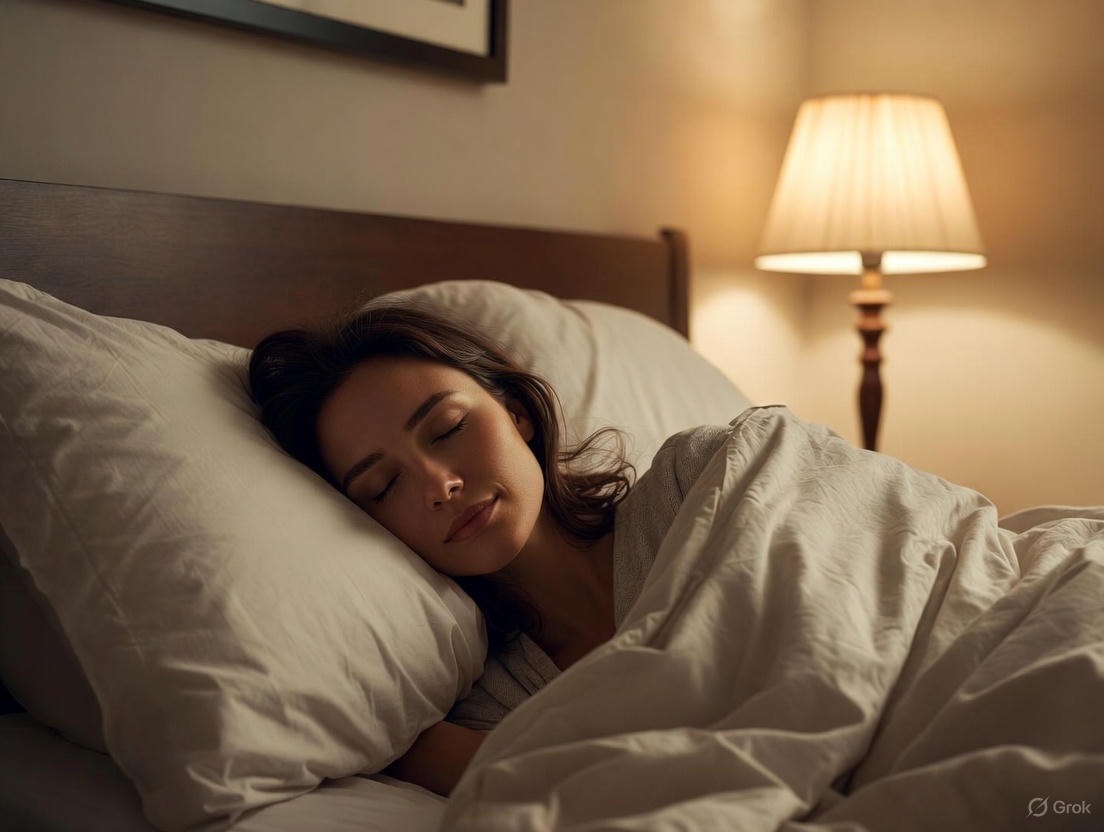
We live in a world of artificial light, a miraculous advancement that has also become a primary disruptor of our ancient biology. To wield light as a tool for healthy aging, we must move beyond "light is light" thinking and understand its nuanced language of intensity, spectrum, and timing.
The Spectrum of Influence: Light is composed of different wavelengths. Blue light (~460-480 nm) is the most potent signal for the melanopsin receptors in our eyes that communicate directly with the SCN. In the morning, this is our greatest ally. It sharply halts melatonin production and triggers cortisol release. However, this same powerful signal, when emitted from LEDs, smartphones, and TVs after sunset, becomes our rhythm's saboteur, tricking the brain into believing it's still daytime and delaying the vital sleep phase.
The Intensity Factor: Light intensity is measured in lux. A bright sunny day can be 50,000-100,000 lux. A well-lit office is about 500 lux. Your living room at night might be 50 lux, and your smartphone screen in a dark room can blast your eyes with over 100 lux of blue-rich light. The SCN requires high-intensity light (ideally over 1,000 lux) in the morning for a proper reset. Our indoor-dominated lives often fail to provide this, leading to a weak daytime signal and a consequently weaker contrast with night, flattening our circadian amplitude.
A Practical Light Hygiene Protocol for Healthy Aging:
This isn't about living in darkness; it's about creating a powerful, rhythmic contrast between day and night. By day, you are a solar panel, soaking in high-intensity light to fuel your biological processes. By night, you are a dark cave, allowing the sacred processes of hormonal release and cellular cleanup to proceed unhindered. Mastering this cycle is a direct investment in reducing inflammation and enhancing cellular repair—the core of aging well. For those curious about the company behind technology designed to track these biological states, you can learn about our mission and story.
You are not just what you eat; you are when you eat. Chrononutrition is the science of aligning food intake with your circadian rhythm to optimize metabolism, weight management, and longevity. It recognizes that your body's ability to process nutrients—its insulin sensitivity, digestive enzyme activity, and gut motility—fluctuates in a predictable daily pattern.
Your metabolic organs have their own clocks. The pancreas secretes insulin more efficiently in the morning. The gut is primed for digestion during active hours. The liver's clock regulates glucose and lipid metabolism. Eating at odds with these clocks—such as consuming a large, carbohydrate-rich meal late at night—creates metabolic chaos. Your body struggles to clear glucose from the bloodstream, leading to elevated insulin, increased fat storage (particularly visceral fat), and the generation of free radicals that accelerate cellular aging.
The Principles of a Circadian-Aligned Diet:
The impact of chrononutrition on healthy aging is profound. It has been shown to improve glycemic control, reduce blood pressure, decrease oxidative stress, and improve lipid profiles. It directly supports the circadian rhythm of your liver and gut, two organs central to detoxification and immune function. By eating rhythmically, you aren't just feeding your body; you are training your metabolism to be resilient and efficient for the long term. For common questions on integrating technology with such lifestyle changes, our FAQ page provides helpful insights.
When we discuss sleep for healthy aging, the conversation must evolve from "I got my 8 hours" to a sophisticated analysis of architecture, timing, and quality. Your sleep is not a monolithic state; it's a meticulously structured cycle of Non-Rapid Eye Movement (NREM) and Rapid Eye Movement (REM) sleep, each with distinct, non-negotiable rejuvenation functions that are exquisitely timed by your circadian rhythm.
Decoding the Sleep Cycle for Longevity:
Your circadian rhythm dictates the timing and balance of these stages. In a well-timed sleep period, you experience more deep NREM sleep in the first half of the night and more REM sleep in the second half, particularly in the final hours before natural awakening.
Chronotype and Sleep Timing: The "When" Matters
Your chronotype—your natural inclination to be a morning lark, night owl, or somewhere in between—is genetically influenced. Fighting against it is counterproductive. However, the health data is clear: an early-to-rise, early-to-sleep pattern is associated with better metabolic health and lower rates of depression compared to a late chronotype. The goal is not to force a night owl to become a lark, but to gently nudge your rhythm earlier where possible and optimize your schedule within your natural framework.
The single most damaging pattern for healthy aging is inconsistent sleep timing. Waking up at 6 a.m. on weekdays and 10 a.m. on weekends creates "social jet lag," confusing your clocks and degrading sleep quality. Consistency is the foundation upon which quality sleep architecture is built.
Practical Steps for Architectural Integrity:
By focusing on the architecture and timing of sleep, you shift from passive rest to active, strategically-timed rejuvenation. You are not just recovering from yesterday; you are conducting the nightly maintenance that directly determines your health and vitality for decades to come.
The hormonal dance between cortisol and melatonin is the chemical expression of your circadian rhythm, and its balance is a direct barometer of your stress resilience and biological age. Chronic stress doesn't just fray your nerves; it dismantles your internal clock, creating a vicious cycle that accelerates aging.
Cortisol: The Dawn Signal and Stress Hormone
In a healthy, youthful rhythm, cortisol follows a steep diurnal pattern. It should spike sharply within 30 minutes of waking (the Cortisol Awakening Response or CAR), providing natural energy and alertness. It then gradually declines throughout the day, reaching its lowest point around midnight. This morning spike is crucial—it's the body's "get up and go" signal that works in concert with morning light. A flat, low, or delayed CAR is a sign of HPA-axis dysregulation (adrenal fatigue) and is linked to chronic fatigue, inflammation, and poor stress resilience.
Melatonin: The Darkness Hormone of Repair
Melatonin is the chemical embodiment of night. Its release from the pineal gland begins as light fades, peaks in the middle of the night, and tapers off by morning. It does far more than make you sleepy. Melatonin is a potent antioxidant, anti-inflammatory agent, and a regulator of other age-related hormones. Its robust, timely release is critical for initiating sleep, lowering core body temperature, and triggering cellular repair processes.
How Chronic Stress Breaks the Rhythm:
When you experience psychological or physiological stress, your body secretes cortisol. If this happens in the evening—through late work, intense exercise, arguments, or even stressful news—it directly suppresses melatonin production. The result? You can't fall asleep, or your sleep is shallow. Poor sleep then leads to elevated cortisol the next day, impaired glucose metabolism, and increased inflammation. This creates a self-perpetuating loop: Stress → High Evening Cortisol → Low Melatonin → Poor Sleep → Higher Daytime Cortisol → More Stress.
Strategies to Harmonize the Duo for Healthy Aging:
Managing the stress-circadian axis is about creating psychological and environmental conditions that allow your natural, health-promoting hormonal rhythm to flourish. It turns down the volume on the aging accelerant that is chronic stress and turns up the volume on nightly repair.
Physical activity is a powerful secondary zeitgeber—a time-giver—for your circadian system. When you move your body, you send strong signals to your peripheral clocks, particularly in your muscles, liver, and cardiovascular system. However, the timing of your exercise can either reinforce your daily rhythm or contribute to its disruption, with significant implications for metabolism, sleep, and healthy aging.
The Circadian Benefits of Exercise:
Regular exercise, in general, strengthens circadian rhythms. It improves sleep quality, increases the amplitude of your core body temperature rhythm (a deeper drop at night aids sleep), and enhances metabolic flexibility. But chrono-exercise asks: When is the optimal time to move?
Morning Exercise: The Syncing Signal
Exercising in the morning, especially outdoors, provides a powerful one-two punch of light exposure and physical activity to reset your master clock. It promotes earlier peaks in cortisol (which is appropriate in the morning) and body temperature, leading to increased daytime alertness and an earlier, easier onset of sleep at night. Morning exercise has been strongly linked to improved sleep architecture, including more time in deep NREM sleep.
Afternoon/Evening Exercise: The Performance Edge
From a performance standpoint, body temperature and muscle function peak in the late afternoon. Strength, power output, and reaction time are often optimal, and the risk of injury may be lower due to warmer muscles and joints. For many, this is the most practical and enjoyable time to train.
The Nighttime Consideration:
The conventional wisdom has been to avoid vigorous exercise within 3 hours of bedtime, as it can raise core body temperature, heart rate, and adrenaline, potentially interfering with sleep onset. However, this is highly individual. Some people—particularly well-trained individuals—sleep soundly after evening exercise. The key is self-awareness and data.
A Circadian-Aligned Movement Strategy:
Ultimately, exercise is a dialogue with your internal clock. Its purpose in the Circadian Rhythm Preservation Strategy is twofold: to reinforce the robust daily signal of activity and rest, and to build the metabolic and muscular resilience that defines healthy aging. By being strategic about timing, you maximize both its immediate and long-term rejuvenating effects.
In the narrative of circadian health, technology often plays the villain: the blue-light-emitting smartphone that steals our sleep, the 24/7 work email that blurs day into night. But this is only half the story. When used intentionally, technology transforms from the primary disruptor into the most powerful tool for circadian preservation and healthy aging. The key lies in shifting from being a passive consumer to an active, data-driven architect of your rhythm.
The Disruption: The Always-On Environment
The pitfalls are real. Excessive screen time, especially before bed, delivers the wrong light signal at the wrong time. Constant notifications keep our nervous systems in a state of hyper-vigilance, elevating cortisol. The erosion of boundaries between work and home destroys the temporal structure that clocks require. Acknowledging this is the first step toward a solution.
The Solution: Biohacking with Biometric Feedback
The rise of consumer health wearables represents a paradigm shift. We can now move from subjective feelings ("I slept okay") to objective, granular data on our internal state. This is the cornerstone of a modern circadian strategy.
Key Metrics for Circadian Health Tracking:
The Smart Ring Advantage:
While wrist-worn devices are common, a smart ring like Oxyzen offers unique advantages for circadian tracking. Worn on the finger, it can provide more consistent, medical-grade PPG sensor data due to better skin contact and less movement artifact. It's also unobtrusive and comfortable for 24/7 wear, ensuring you get continuous data across the full cycle of your day and night. This holistic view is essential for connecting lifestyle inputs (light, food, stress) to biological outputs (sleep, HRV, recovery).
Implementing a Tech-Positive Protocol:
By leveraging technology as a mirror to our biology, we gain agency. We can see the invisible impact of our choices and make precise adjustments to strengthen our circadian foundation for lifelong health. To begin exploring this kind of actionable data, you can discover what Oxyzen offers.
While light, food, and sleep form the core of circadian biology, humans are inherently social creatures. Our interactions, routines, and the very structure of our days are profoundly shaped by—and in turn shape—our social environment. These "social zeitgebers" are powerful, yet often overlooked, drivers of our internal clocks and overall well-being as we age.
The Power of Social Synchrony:
From shared meal times to regular group activities, social rhythms provide external structure that can reinforce our internal timing. Eating lunch with colleagues at a consistent time helps set our metabolic clocks. A weekly book club or walking group creates a predictable anchor in our schedule. These shared activities combat the drift and irregularity that can set in with retirement, remote work, or social isolation—all of which are risk factors for circadian disruption and declining health.
The Danger of Social Isolation and Irregularity:
Loneliness and a lack of social structure are not just psychological stressors; they are biological disruptors. Without the gentle, reinforcing push of social commitments, sleep and wake times can become erratic, meals irregular, and days lacking in purposeful activity. This state of low social rhythmicity is strongly associated with depression, cognitive decline, and poorer physical health outcomes. The circadian system, deprived of these time-giving signals, becomes weak and desynchronized.
Strategies for Cultivating Circadian-Aligned Social Health:
Community and social rhythm are the fabric that holds a healthy lifestyle together. They provide the "why" that motivates the "what." They offer accountability, joy, and a sense of belonging—all of which reduce stress and create a life worth keeping a consistent schedule for. In many ways, the journey to preserve your circadian rhythm is one best traveled with others, sharing insights and successes along the way. For stories of how a focus on holistic health brings people together, you can learn more about our community's journey.
Knowledge is only power when applied. We've explored the science and the pillars; now we arrive at the synthesis: building your own sustainable, personalized Circadian Rhythm Preservation Protocol. This is not a rigid set of rules, but a flexible framework you adapt to your unique life, chronotype, and goals. The aim is gradual, lasting integration, not overnight perfection.
Step 1: The Circadian Audit (Week 1-2)
Before you change anything, observe. Become a scientist of your own life.
Step 2: Foundational Anchor Points (Week 3-4)
Start with the non-negotiable anchors that have the greatest ripple effect.
Step 3: Layered Integration (Week 5-8)
Once the anchors feel stable, add the next layer.
Step 4: Personalization and Refinement (Ongoing)
This is where you use data and self-awareness to fine-tune.
The Role of Your Smart Ring as a Co-Pilot:
A device like the Oxyzen ring becomes invaluable here. It removes the guesswork from your audit and refinement phases. You can see if your new, consistent wake time is actually improving your deep sleep. You can test if moving your dinner earlier boosts your overnight HRV. It provides the objective confirmation needed to stay motivated and make intelligent adjustments.
Your protocol is a living system. It will evolve with travel, life events, and seasons. The ultimate goal is not robotic adherence, but to develop such a strong, resilient circadian rhythm that it can withstand occasional disruptions and snap back quickly—the true hallmark of a youthful, adaptable biology. For ongoing support and answers as you build your protocol, remember that resources are available through our comprehensive FAQ.
Your circadian rhythm evolved in a stable environment of natural light and dark. Modern life, however, is defined by instability: jet planes hurtling us across time zones, screens that obliterate night, and work schedules that defy the sun. The goal is not to retreat from the world, but to develop sophisticated tactics to mitigate these disruptions. Here’s how to protect your rhythm when life challenges it most.
Mastering Jet Lag: A Proactive Protocol
Jet lag is the quintessential state of circadian misalignment. Your internal clock is stuck in your departure city while your body is in a new light-dark cycle. The key is to act before you feel disoriented.
Strategies for the Shift Worker:
For those working nights or rotating shifts, the challenge is chronic. The goal shifts from alignment with the sun to achieving the best possible internal consistency.
Managing Social Obligations:
Life is for living, and that includes late dinners, concerts, and celebrations.
Navigating these challenges successfully requires a blend of preparation, technology, and self-compassion. It proves that the Circadian Rhythm Preservation Strategy is not a cage, but a set of tools that grant you greater freedom and resilience in an unpredictable world. Tracking your recovery after such events with a device from Oxyzen.ai can provide fascinating insight into your personal resilience and how quickly you return to baseline.

One of the most exciting frontiers in chronobiology and healthy aging is the discovery of a profound, bidirectional conversation between your gut microbiome and your circadian clock. This "gut-brain-clock axis" reveals that the trillions of bacteria residing in your intestines are not passive passengers; they are active participants in your daily rhythm, and their health is essential for yours.
Your Gut Flora Has a Schedule Too:
Your gut microbes exhibit daily oscillations in their composition and function. Certain bacterial families are more abundant during the day (feeding phase), while others peak at night (resting phase). These microbes follow their own circadian rhythms, influenced by the clocks in your gut lining and, most powerfully, by when you eat.
How the Clock Influences the Gut:
Your intestinal cells have their own circadian clocks that regulate:
When your central clock is disrupted, it dysregulates these processes, leading to "leaky gut," inflammation, and altered microbial balance (dysbiosis).
How the Gut Influences the Clock:
Conversely, your microbiome sends powerful signals back to your brain and peripheral clocks.
The Vicious Cycle of Dysruption:
A diet high in processed foods, erratic eating times, and chronic stress can damage the gut lining and disrupt the microbiome. This dysbiosis increases inflammation, which impairs central clock function in the SCN. The impaired clock then leads to poorer digestive timing and function, further harming the gut. This cycle is a potent accelerator of aging.
Nourishing the Axis for Healthy Aging:
By synchronizing your eating schedule and your diet with your circadian rhythm, you cultivate a healthy, rhythmic microbiome. This, in turn, stabilizes your clocks, reduces inflammaging, and supports metabolic and cognitive health—creating a powerful, self-reinforcing loop for longevity. For more on the holistic connections between lifestyle and biology, our blog features ongoing research and insights.
Your circadian rhythm is not static. It undergoes predictable and profound changes from infancy through old age. Understanding this evolution is key to applying the Circadian Rhythm Preservation Strategy appropriately at every stage of life, ensuring that your habits support—rather than fight against—your biology.
Childhood and Adolescence: Setting the Foundation
Adulthood (20s-50s): The Peak of Challenge and Opportunity
This is the period where societal demands—careers, parenting, social life—most aggressively conflict with innate biology. It's also the window where the cumulative impact of circadian choices becomes embedded.
The Golden Years (60+): Preserving Rhythm Against Fragmentation
Aging brings a well-documented weakening of circadian rhythms, known as "circadian attenuation."
At every stage, the core tenets remain: seek bright days, embrace dark nights, be consistent, and time your behaviors. The application simply evolves. A device that tracks sleep and activity can be particularly valuable for older adults, providing objective data to differentiate between normal age-related changes and signs of a correctable disruption. Seeing the direct impact of a morning walk on that night's sleep can be powerful motivation. To understand the vision behind creating technology for all stages of the wellness journey, you can read about our founding story and values.
To view circadian rhythm preservation solely as a sleep optimization strategy is to profoundly underestimate its scope. Your internal clock is the master regulator of systems that define your vitality and resilience. Its influence extends into the very hormonal, immune, and cognitive processes that determine how you age.
Hormonal Harmony: The Endocrine Orchestra
Nearly every hormone in your body follows a circadian secretion pattern. Disruption creates cacophony; preservation creates harmony.
Immune Competence: Timing Your Defenses
Your immune system is exquisitely circadian. Immune cell counts, cytokine activity, and the inflammatory response all oscillate over 24 hours.
Cognitive Sharpness: Memory, Mood, and Mental Clarity
The brain is a deeply circadian organ. The SCN is in the brain, and clock genes are active in virtually every brain region.
Preserving your circadian rhythm, therefore, is a holistic intervention. It is simultaneously tuning your metabolism, fortifying your immune defenses, and performing essential maintenance on your brain. It is multi-system medicine, orchestrated by the most natural force imaginable: time itself.
The Circadian Rhythm Preservation Strategy transcends a collection of daily habits. It is a philosophical shift—a long-term vision for living in harmony with your biology to compress morbidity and expand healthspan. It’s about stacking the decades in your favor, not with drastic interventions, but with the quiet, consistent power of rhythm.
From Reactive Healthcare to Proactive Health Creation:
Modern medicine excels at acute, reactive care. The circadian model invites us into a proactive, preventative paradigm. Instead of waiting for biomarkers of disease (high HbA1c, elevated CRP, hypertension) to appear, we focus on upstream biomarkers of rhythm (sleep architecture, HRV, temperature rhythm, meal timing) that predict and prevent those very diseases. This is the essence of healthy aging: maintaining function and resilience for as long as possible.
Creating a Circadian-Conducive Life Design:
As this knowledge becomes integrated, it begins to inform larger life choices:
The Role of Continuous Monitoring:
In this long-term vision, biometric tracking is not a fad, but a fixture. Just as we periodically check our financial portfolio, we will routinely check our "health portfolio" through circadian biomarkers. A device like the Oxyzen ring provides a continuous, low-burden stream of data, allowing you to:
The Ripple Effect:
Your commitment to circadian health has a ripple effect. It influences your family's routines. It makes you a more present, patient, and energetic partner, parent, and friend. It increases your productivity and creativity. It reduces your burden on healthcare systems. This individual commitment, multiplied across communities, has the power to shift cultural norms around work, school start times, and the 24/7 "always-on" expectation.
The long-term vision is not one of rigid restriction, but of cultivated freedom—the freedom that comes from abundant energy, a clear mind, and a body resilient to the passage of time. It is about making your later decades not a period of managed decline, but an extension of your vibrant middle years. To see how others are embracing this long-term approach to wellness, you can read their personal accounts in our collection of user testimonials.
Your Trusted Sleep Advocate: Sleep Foundation — https://www.sleepfoundation.org
Discover a digital archive of scholarly articles: NIH — https://www.ncbi.nlm.nih.gov/
39 million citations for biomedical literature :PubMed — https://pubmed.ncbi.nlm.nih.gov/
Experts at Harvard Health Publishing covering a variety of health topics — https://www.health.harvard.edu/blog/
Every life deserves world class care :Cleveland Clinic - https://my.clevelandclinic.org/health
Wearable technology and the future of predictive health monitoring :MIT Technology Review — https://www.technologyreview.com/
Dedicated to the well-being of all people and guided by science :World Health Organization — https://www.who.int/news-room/
Psychological science and knowledge to benefit society and improve lives. :APA — https://www.apa.org/monitor/
Cutting-edge insights on human longevity and peak performance:
Lifespan Research — https://www.lifespan.io/
Global authority on exercise physiology, sports performance, and human recovery:
American College of Sports Medicine — https://www.acsm.org/
Neuroscience-driven guidance for better focus, sleep, and mental clarity:
Stanford Human Performance Lab — https://humanperformance.stanford.edu/
Evidence-based psychology and mind–body wellness resources:
Mayo Clinic — https://www.mayoclinic.org/healthy-lifestyle/
Data-backed research on emotional wellbeing, stress biology, and resilience:
American Institute of Stress — https://www.stress.org/


