The Healthy Aging Tips That Maintain Hearing and Vision
Tips to help maintain hearing and vision health with age.
Preserving Your Windows to the World: The Ultimate Guide to Healthy Aging for Hearing and Vision
Imagine a sunset. Not just the fading light, but the specific, breathtaking moment when the sun dips below the horizon, painting the sky in a symphony of crimson, orange, and deep purple. Now, imagine the soundscape that often accompanies it: the gentle lap of waves if you’re by the ocean, the distant call of a bird settling in for the night, the soft rustle of leaves in a calming breeze. These experiences—the vivid detail of sight, the nuanced layers of sound—are the rich textures of a life fully lived.
Yet, for many, these sensory gifts begin to subtly fade with time. The world can slowly become a little less sharp, a little more muffled. We accept this as an inevitable part of aging, a passive decline we must simply endure. But what if that narrative is fundamentally flawed? What if the health of your eyes and ears is not a pre-determined destiny, but a dynamic landscape you can actively cultivate?
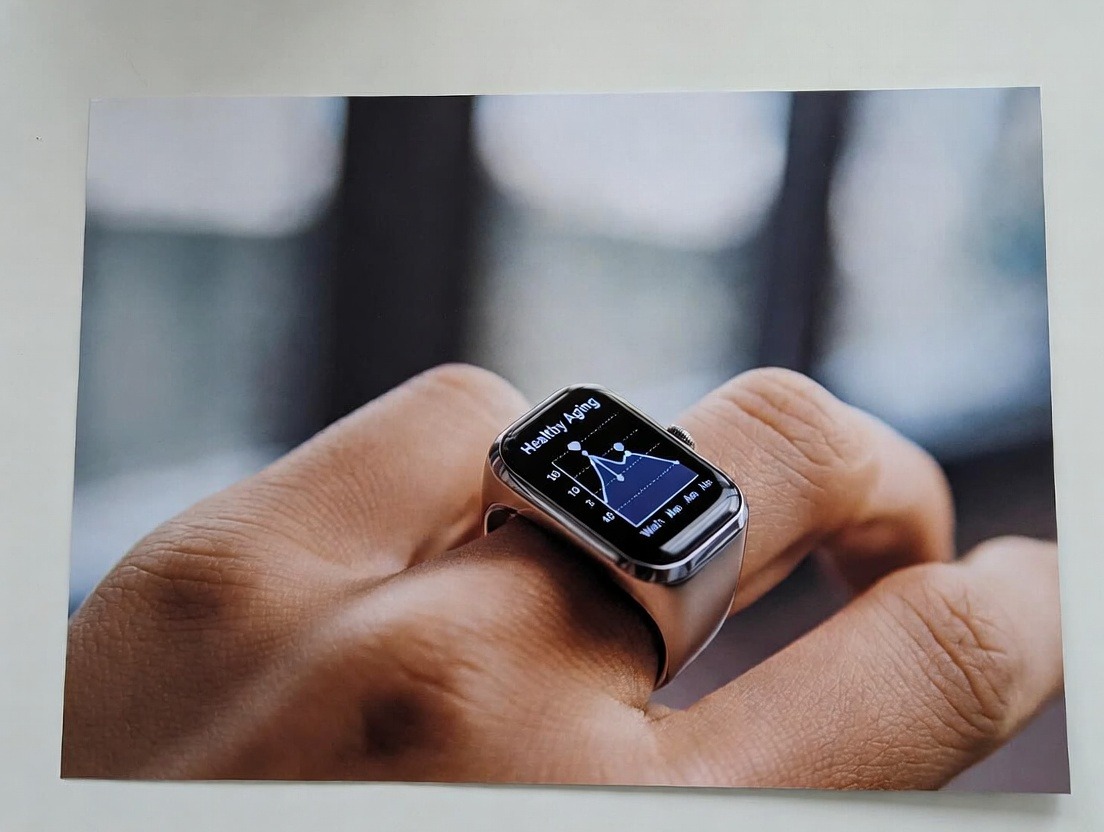
The truth is, healthy aging for your senses is not about luck; it’s about strategy. It’s a proactive, holistic endeavor that blends cutting-edge science with timeless lifestyle wisdom. This comprehensive guide is your roadmap. We will dismantle the myth of passive decline and replace it with a powerful, evidence-based plan to protect, nourish, and optimize your hearing and vision for decades to come. From the foods on your plate and the habits in your day to the innovative technology on your finger, we will explore how a modern, data-informed approach can help you preserve your vital connections to the world.
Your journey to lifelong sensory vitality starts here.
The Unseen Connection: How Hearing and Vision Health Define Your Quality of Life
We often think of hearing and vision in isolation—as two separate systems delivering independent data to the brain. But this is a profound underestimation. Your eyes and ears are the primary gateways through which you experience reality, connect with others, and navigate your environment. Their health is inextricably linked to your overall quality of life in ways that science is only beginning to fully quantify.
Consider this: the brain doesn't just process sight and sound separately; it integrates them to create a cohesive, three-dimensional understanding of the world. This is called multisensory integration. When your hearing diminishes, your brain must work significantly harder to compensate, often drawing cognitive resources away from other functions like memory and focus. Landmark studies, including those from Johns Hopkins University, have drawn a clear line between untreated hearing loss and a dramatically accelerated risk of cognitive decline and dementia. The social isolation that can accompany sensory loss—the difficulty following conversations, the reluctance to engage in group settings—further compounds this risk, creating a vicious cycle that impacts mental and emotional health.
Vision loss carries a similar weight. It’s not merely about needing stronger glasses. Impaired vision is a leading cause of falls and injuries in older adults, directly threatening independence. It can make daily tasks like driving, reading, and even recognizing faces a source of anxiety rather than joy. The resulting loss of autonomy and connection can lead to depression and a shrinking world.
However, the inverse is also powerfully true. Protecting your senses is an investment in your cognitive reserve, your social vitality, and your independent spirit. It’s about maintaining the ability to lose yourself in a grandchild’s laughter, to appreciate the fine brushstrokes in a painting, to safely take a walk in your neighborhood, and to engage in stimulating conversation. This isn't just "health"; it's the foundation of a vibrant, engaged, and autonomous life. By prioritizing your sensory health, you are fundamentally investing in the quality of every future moment.
For those seeking a modern tool to track the foundational pillars of this holistic health—like sleep quality, recovery, and activity levels, which all influence sensory well-being—exploring a comprehensive wellness wearable can be transformative. At Oxyzen, we’ve built our mission around empowering this precise kind of proactive health journey.
Beyond Genetics: Demystifying the Real Causes of Age-Related Sensory Decline
For generations, we’ve blamed fading senses squarely on genetics and the simple passage of time. "It runs in the family," we say with a resigned shrug. While genetics can set the stage, they are far from the sole director of the play. Emerging research reveals that lifestyle and environmental factors are critical co-authors, influencing how and when age-related changes manifest.
Let’s break down what’s actually happening. In the eye, age-related issues often stem from:
Oxidative Stress: This is cellular rust. Over time, free radicals—unstable molecules generated by sunlight (UV exposure), pollution, smoking, and even normal metabolism—damage the delicate cells of the macula (the central part of the retina) and the lens.
Reduced Blood Flow: The tiny, intricate blood vessels that nourish the retina and optic nerve can become less efficient, depriving these tissues of essential oxygen and nutrients.
Cumulative UV and Blue Light Exposure: Chronic exposure to ultraviolet rays contributes to cataract formation. High-energy blue light from digital screens, while less energetic than UV, may contribute to digital eye strain and potentially long-term retinal risk due to cumulative exposure.
In the inner ear, the story is similar but with its own unique players:
Noise-Induced Damage: This is arguably the most preventable cause. Loud sounds, whether a single explosive noise or decades of cumulative exposure (from workplaces, headphones, or recreational activities), can permanently destroy the tiny, irreplaceable hair cells in the cochlea that convert sound waves into electrical signals for the brain.
Reduced Blood Circulation: Just like the eyes, the inner ear requires a superb blood supply. Conditions that affect circulation—such as cardiovascular disease, high blood pressure, and diabetes—can starve these sensitive cells.
Inflammation and Oxidative Stress: Chronic, systemic inflammation and oxidative stress can damage the inner ear’s cellular structures, accelerating hearing loss.
The empowering truth here is that most of these factors are influencable. You cannot change your genes, but you can dramatically alter your exposure to oxidative stress, you can protect your ears from damaging noise, you can support your cardiovascular system to ensure robust blood flow, and you can nourish your body with the building blocks it needs to repair itself. This shifts the paradigm from one of passive acceptance to one of active management. It means the choices you make every day, from what you eat to how you manage stress, are directly writing the story of your sensory future.
For a deeper dive into how daily habits interconnect with long-term wellness metrics, our resource hub at Oxyzen.ai/blog offers continuous insights and research-backed strategies.
Your Dietary Defense: The Top Nutrients for Protecting Eyes and Ears
You truly are what you eat, and this adage holds profound significance for your sensory organs. The eyes and ears are metabolically active tissues with very specific nutritional demands. By strategically including certain nutrients in your diet, you provide the raw materials for protection, repair, and optimal function. Think of it as constructing a nutritional shield for your most precious senses.
Antioxidants: The Cellular Bodyguards
Antioxidants neutralize the free radicals that cause oxidative stress. For the eyes, a few superstars stand out:
Lutein and Zeaxanthin: These are the "macular pigments," concentrated in the very center of your retina. They act like internal sunglasses, filtering harmful high-energy blue light and neutralizing free radicals. Find them in dark leafy greens (kale, spinach), corn, eggs, and orange peppers.
Vitamin C & E: This powerful duo works synergistically. Vitamin C is crucial for collagen production in the cornea and helps regenerate Vitamin E, a fat-soluble antioxidant that protects cell membranes. Citrus fruits, berries, and broccoli are excellent for Vitamin C, while nuts, seeds, and avocados provide Vitamin E.
Zinc: This mineral is highly concentrated in the retina and helps transport Vitamin A from the liver to the eye to produce melanin, a protective pigment. Oysters, beef, pumpkin seeds, and lentils are great sources.
Supporting Auditory Health Through Nutrition
The inner ear benefits from many of the same principles, with a focus on circulation and nerve function:
Magnesium: Research suggests magnesium can help protect the hair cells in the inner ear from noise-induced damage by improving blood flow and acting as a "gatekeeper" for calcium channels. Spinach, almonds, black beans, and whole grains are magnesium-rich.
Potassium & Folate: Potassium helps regulate the fluid in the inner ear, which is essential for converting sound into nerve signals. Folate (Vitamin B9) is critical for cell regeneration and circulation. Bananas, potatoes, and yogurt offer potassium, while leafy greens, beans, and asparagus provide folate.
Omega-3 Fatty Acids: These healthy fats fight inflammation throughout the body, including in the auditory system, and support healthy blood vessels. Fatty fish like salmon, mackerel, and sardines are the best sources, with flaxseeds and walnuts as plant-based options.
Putting It on Your Plate: The MIND-Mediterranean Fusion
The most effective approach isn't to obsess over single nutrients but to adopt a overall dietary pattern rich in these compounds. A fusion of the Mediterranean and MIND (Mediterranean-DASH Intervention for Neurodegenerative Delay) diets is ideal. This means:
A Rainbow of Vegetables and Fruits: Aim for variety and color, emphasizing leafy greens and berries.
Healthy Fats as a Foundation: Use olive oil as your primary fat. Incorporate avocados, nuts, and seeds.
Quality Protein: Prioritize fatty fish at least twice a week, and include lean poultry, beans, and lentils.
Whole Grains: Choose quinoa, brown rice, and oats over refined carbohydrates.
Limit Processed Foods: Reduce intake of processed meats, refined sugars, and fried foods, which promote inflammation.
Nourishing your body with this pattern doesn't just support your eyes and ears; it fuels your entire system for resilience. To understand how dietary patterns impact measurable wellness metrics like heart rate variability and sleep—key indicators of recovery and stress—you can explore the science behind Oxyzen's tracking.
The Silent Threat: How Noise Steals Your Hearing and What You Can Do About It
While diet builds from within, one of the most significant threats to hearing comes from without: noise. Noise-Induced Hearing Loss (NIHL) is permanent, progressive, and utterly preventable. In our modern world, it’s not just factory workers or rock musicians at risk; it’s anyone who uses headphones, attends fitness classes with loud music, rides motorcycles, or uses power tools without protection.
The mechanism is brutally simple: excessively loud sound waves overwhelm the delicate hair cells in your cochlea. These cells bend and vibrate to translate sound. With extreme or prolonged noise, they can become permanently damaged or die. Unlike other cells in your body, inner ear hair cells do not regenerate. Once they’re gone, they’re gone for good.
Know Your Decibels: A Practical Guide
Safe Zone (<75 dB): Normal conversation (~60 dB), dishwasher hum.
Risk Zone (85+ dB): Prolonged exposure at this level can cause damage. This includes heavy city traffic (~85 dB), a noisy restaurant (~85-90 dB), and a gas-powered lawn mower (~90 dB).
Danger Zone (100+ dB): Damage can occur in minutes. This includes a jackhammer (~100 dB), a nightclub or loud concert (~105-110 dB), and a jet plane taking off (~120 dB).
Your Proactive Hearing Protection Strategy
Distance is Your Friend: Simply moving away from a sound source dramatically reduces its intensity. At a concert, stand farther from the speakers.
Use Protection Religiously: Keep ear protection handy.
Disposable Foam Plugs: Cheap and effective, offering about 15-30 dB of reduction when inserted properly.
High-Fidelity Musician’s Earplugs: These reduce volume evenly across frequencies, so music and speech remain clear, just quieter. Ideal for concerts, rehearsals, and loud venues.
Custom-Molded Plugs: For frequent exposure (e.g., musicians, shooters, industrial workers), these offer the best fit and protection.
Practice the 60/60 Rule with Headphones: Listen at no more than 60% of maximum volume for no longer than 60 minutes at a time. Take regular breaks to let your ears rest.
Give Your Ears a "Silent Reset": After exposure to loud noise, seek out quiet for several hours to allow your ears to recover. If you experience tinnitus (ringing) after an event, that’s a clear sign of damage.
Protecting your hearing is a non-negotiable pillar of healthy aging. It’s a simple, consistent practice that pays dividends for a lifetime of rich auditory experience. It’s part of a broader philosophy of listening to your body’s signals—a philosophy that guides everything we do at Oxyzen. To learn more about our foundational commitment to this holistic view, you can read about our story and mission here.
Shielding Your Sight: Proactive Strategies Against UV and Digital Strain
Our eyes face a daily barrage from two distinct but significant sources: the sun and our screens. Each requires a specific defense strategy.
The Sun: More Than Just a Bright Light
Ultraviolet (UV) radiation is a proven contributor to several serious eye conditions:
Cataracts: UV exposure increases the risk of the clouding of the eye's natural lens.
Macular Degeneration: Cumulative UV exposure is believed to be a risk factor for AMD.
Photokeratitis: Essentially a sunburn of the cornea, which is painful though often temporary.
Your Sun Defense Protocol:
Wear Sunglasses Year-Round: Choose labels that promise 100% UV400 or 100% protection against UVA and UVB rays. This is non-negotiable. The darkness of the lens has no bearing on UV protection.
Consider Wrap-Around Styles: These prevent UV rays from entering from the sides.
Don’t Forget a Hat: A broad-brimmed hat can block up to 50% of UV rays from above and around your glasses.
Remember Cloudy Days: Up to 80% of UV rays can penetrate clouds. Make sunglasses a daily habit, like sunscreen for your skin.
The Digital Arena: Combating Blue Light and Eye Strain
While the long-term risks of screen blue light are still being studied, its short-term impact is undeniable: Digital Eye Strain (DES). Symptoms include dry eyes, blurred vision, headaches, and neck and shoulder pain—collectively known as Computer Vision Syndrome.
Your Digital Eye Defense Protocol:
The 20-20-20 Rule: Every 20 minutes, look at something 20 feet away for at least 20 seconds. This allows your focusing muscle (the ciliary muscle) to relax.
Blink Consciously: We blink 66% less often when staring at screens, leading to dry eyes. Make a concerted effort to blink fully and regularly.
Optimize Your Workspace: Position your screen so the top is at or slightly below eye level, about an arm's length away. Reduce glare from windows and overhead lights.
Consider Blue Light Filters: Many devices now have built-in "night shift" or blue light filter settings. While their benefit for long-term retinal health is debated, they can increase comfort and reduce glare, especially in the evening. Physical screen filters and specialized computer glasses are also options.
Prioritize Sleep Hygiene: Avoid screens for at least one hour before bedtime. The blue light they emit can suppress melatonin production, disrupting the very sleep that is critical for your eyes' cellular repair.
Managing these environmental factors is a perfect example of modern wellness: using knowledge and simple habits to create a protective framework for your long-term health. Tracking how these lifestyle adjustments affect your sleep quality and daily readiness is where technology can offer powerful insights, a principle core to the Oxyzen experience.
The Critical Link: How Cardiovascular Health Directly Fuels Your Senses
If you want to protect your eyes and ears, you must care for your heart and blood vessels. This connection is not metaphorical; it is direct, physiological, and absolute. The retina of the eye and the cochlea of the inner ear are among the most metabolically active and densely vascularized tissues in the entire human body. They demand a constant, rich, and well-regulated supply of oxygen and nutrients delivered via a microscopic network of capillaries.
When cardiovascular health falters, these delicate sensory organs are among the first to suffer. Conditions like hypertension (high blood pressure), atherosclerosis (hardening of the arteries), and diabetes can have devastating consequences:
For the Eyes: Hypertension can damage the delicate retinal blood vessels, leading to hypertensive retinopathy. Diabetes can cause diabetic retinopathy, where blood vessels leak or become blocked, potentially leading to vision loss. Poor circulation is a key risk factor for glaucoma and age-related macular degeneration (AMD).
For the Ears: The inner ear is exquisitely sensitive to changes in blood flow. Reduced circulation can starve the hair cells and auditory nerve, accelerating hearing loss. Studies consistently show a strong correlation between cardiovascular disease and hearing impairment—so much so that some researchers call hearing loss a potential early warning sign of vascular issues.
Building a Heart-Healthy Lifestyle for Your Senses
Get Moving: Regular aerobic exercise (brisk walking, swimming, cycling) is the single best thing you can do for your circulation. It strengthens the heart, improves blood vessel elasticity, and helps regulate blood pressure. Aim for 150 minutes of moderate-intensity exercise per week.
Manage Blood Pressure and Cholesterol: Follow your doctor’s advice. A diet low in sodium, saturated fats, and processed sugars, combined with exercise, is foundational. Monitor your numbers regularly.
Don’t Smoke: If you do one thing for your sensory and cardiovascular health, it’s to quit smoking. Smoking damages blood vessels, drastically increases oxidative stress, and is a major risk factor for AMD and other diseases.
Maintain a Healthy Weight: Excess weight strains the cardiovascular system and is linked to inflammation and diabetes risk.
By treating your cardiovascular system as the life-support network for your senses, you adopt the most powerful systemic approach to preservation. It’s a reminder that the body operates as an integrated whole, a concept that resonates deeply with our vision for holistic health tracking at Oxyzen.
Sleep: The Nightly Repair Cycle Your Senses Can't Live Without
Sleep is not a passive state of rest; it is an intense period of active restoration and repair for your entire body, and your sensory systems are prime beneficiaries. During deep, restorative sleep, several critical processes occur:
Cellular Repair and Detoxification: The brain’s glymphatic system, a waste-clearance system, becomes highly active, flushing out metabolic toxins that accumulate during the day, including those that can contribute to oxidative stress.
Reduced Ocular Pressure: Intraocular pressure (IOP) naturally decreases during sleep, giving the optic nerve and other eye structures a crucial respite. Consistently poor sleep may interfere with this healthy fluctuation.
Memory Consolidation and Sensory Processing: The brain organizes and stores the visual and auditory information gathered throughout the day, strengthening neural pathways.
Chronic sleep deprivation or poor-quality sleep sabotages these processes. It leaves the body in a state of heightened inflammation and oxidative stress, directly undermining the defenses of your eyes and ears. Poor sleep is also linked to worsening dry eye syndrome and may exacerbate tinnitus (ringing in the ears).
Cultivating Sleep for Sensory Health
Prioritize Consistency: Go to bed and wake up at the same time every day, even on weekends. This regulates your circadian rhythm.
Create a Sensory Sanctuary: Make your bedroom dark (consider blackout curtains), cool (around 65°F or 18°C), and quiet. A white noise machine can mask disruptive sounds.
Establish a Wind-Down Ritual: An hour before bed, engage in calming activities: read a physical book (not a screen), take a warm bath, practice gentle stretching or meditation.
Banish Screens: As discussed, the blue light from phones, tablets, and TVs disrupts melatonin production. Charge your devices outside the bedroom.
Understanding your personal sleep architecture—how much deep sleep, light sleep, and REM you get—is key to optimizing this critical repair cycle. This is where detailed, personalized data moves beyond guesswork, a capability you can discover more about through Oxyzen's features.
Stress and Your Senses: The Inflammatory Connection You Must Manage
Chronic stress is a slow-burning fire within the body, and your eyes and ears are caught in the crossfire. When you are under constant psychological stress, your body remains in a low-grade "fight-or-flight" mode, perpetually releasing stress hormones like cortisol. Over time, elevated cortisol promotes systemic inflammation and can impair immune function.
This inflammatory state is a common enemy for sensory health:
For Vision: Inflammation is implicated in the development and progression of conditions like uveitis, diabetic retinopathy, and even dry eye disease. Stress can also trigger or worsen conditions like central serous retinopathy, where fluid builds up under the retina.
For Hearing: Inflammation can damage the blood vessels and delicate structures of the inner ear. Stress is also a well-known aggravator of tinnitus, making the perceived ringing or buzzing much more bothersome. Furthermore, the muscle tension that often accompanies stress can affect the temporomandibular joint (TMJ) and Eustachian tube function, impacting hearing perception.
Building Your Anti-Stress Toolkit
Mindfulness and Meditation: Even 10 minutes a day of focused breathing or guided meditation can significantly lower cortisol levels and reduce the inflammatory response. Apps can be helpful guides for beginners.
Regular Physical Activity: Exercise is a powerful stress-buster. It releases endorphins (natural mood lifters) and helps metabolize excess stress hormones.
Connect Socially: Meaningful social interaction is a profound buffer against stress. Make time for friends and family.
Engage in Enjoyable Hobbies: Activities that induce a state of "flow"—where you lose track of time—are deeply restorative. Gardening, playing music, crafting, or reading can all serve this purpose.
Seek Professional Support: If stress feels overwhelming, speaking with a therapist or counselor is a sign of strength, not weakness.
Managing stress is not a luxury for sensory health; it is essential maintenance. It’s about calming the internal environment so your eyes and ears can function in peace. Hearing real stories of how others have used data to manage stress and improve their wellness can be incredibly motivating, which is why we share authentic user testimonials on our site.
The Power of Mindful Audition and Vision: Training Your Brain to See and Hear Better
Sensory health isn't just about the physical organs; it's also about the brain's incredible ability to process information—a skill known as neuroplasticity. You can actively "train" your brain to become a more efficient interpreter of sights and sounds, maximizing the signals it receives.
Auditory Training: Sharpening Your Listening Skills
This is especially valuable if you already experience mild hearing changes or want to maintain sharp auditory processing.
Active Listening Practice: In a quiet setting, try to identify individual sounds. If you hear birdsong, how many different birds can you distinguish? In a piece of music, focus on following a single instrument throughout the song.
Use Technology: Apps and online programs designed for auditory brain training present exercises that challenge your ability to distinguish sounds, remember sequences, or understand speech in noise.
Change Your Environment: When having an important conversation, move to a quieter room, turn off background noise (TV, radio), and face the speaker to use visual cues (lip-reading, body language) to supplement what you hear.
Visual Training and Eye Exercises
While exercises cannot correct refractive errors like nearsightedness, they can help with eye coordination, focusing stamina, and processing efficiency.
The Pencil Push-Up: Hold a pencil at arm's length, focus on the tip, and slowly bring it toward the bridge of your nose until you see double. Stop, try to re-fuse the image, then move it back out. This strengthens convergence (the eyes' ability to turn inward for near tasks).
Brock String Training: A simple tool with three beads on a string. By focusing on each bead at different distances, you improve eye teaming and depth perception.
Get Outside: Numerous studies show that children who spend more time outdoors have a lower risk of developing myopia (nearsightedness). The reasons are likely multifaceted: exposure to natural light, the need to focus at varying distances, and reduced time on near-work. This habit is beneficial at any age for reducing digital strain and giving your eyes a varied workout.
By engaging in these practices, you move from being a passive recipient of sensory data to an active participant in its refinement. You are essentially doing cross-training for your brain, ensuring it remains agile and efficient in its most vital tasks. For more strategies on integrating these brain-healthy practices into a modern lifestyle, our blog is a continually updated resource.
Building Your Sensory Health Defense Plan: A Step-by-Step Action Blueprint
Knowledge is power, but only when translated into action. Let's synthesize everything into a practical, personalized plan. Think of this not as a rigid set of rules, but as a flexible framework you can adapt to your life.
Step 1: Schedule Your Professional Baseline Exams.
Eyes: See an ophthalmologist or optometrist for a comprehensive dilated eye exam. This is non-negotiable for detecting issues like glaucoma, macular degeneration, and diabetic retinopathy long before symptoms appear. Establish a schedule based on your age and risk factors (e.g., every 1-2 years after age 40 or 50).
Ears: See an audiologist for a baseline hearing test (audiogram). Even if you feel your hearing is fine, this provides a crucial reference point for the future. Repeat every 3-5 years, or more frequently if you have risk factors like noise exposure or family history.
Step 2: Implement Your Daily Nutritional Shield.
Adopt the "rainbow plate" mentality at one meal each day.
Add one serving of leafy greens (spinach, kale) to your daily intake.
Swap out one snack for a handful of nuts or berries.
Commit to eating fatty fish twice per week.
Step 3: Execute Your Environmental Protection Protocol.
Place high-fidelity earplugs in your car, bag, and work desk. Use them at movies, concerts, and when using loud tools.
Purchase and wear 100% UV-protection sunglasses. Leave them by the door.
Set a recurring 20-minute timer on your computer/phone to practice the 20-20-20 rule.
Step 4: Commit to Foundational Heart and Body Health.
Block out 30 minutes in your calendar, 4-5 days a week, for brisk walking or other aerobic activity.
If you smoke, speak with your doctor about a cessation plan today.
Have your blood pressure checked and know your numbers.
Step 5: Prioritize Recovery and Resilience.
Set a consistent bedtime and wake-up time for the next week.
Institute a "no screens in the bedroom" policy.
Download a meditation app and commit to a 5-minute session each morning or evening.
Start small. Choose one item from Step 2 and one from Step 3 to implement this week. The goal is consistent progress, not perfection. This blueprint is your declaration that your sensory vitality matters. To see how others have successfully built similar wellness routines using personalized feedback, you can read about their experiences with Oxyzen.
From Data to Defense: How Technology Empowers Proactive Sensory Health
We stand at the frontier of a revolution in personal wellness, one that moves us beyond reactive medicine and into the realm of proactive, personalized prevention. While the previous sections laid the foundational lifestyle pillars, this chapter explores how modern technology—specifically the rise of sophisticated health wearables—becomes a force multiplier in your sensory health defense plan. This isn't about replacing doctors or healthy habits; it's about augmenting them with unprecedented levels of personal data and insight.
The old model of health tracking was episodic: a yearly physical, a blood pressure reading in a doctor's office that might suffer from "white coat syndrome," a vague recollection of how you've been sleeping. The new model is continuous, contextual, and personal. It recognizes that the key to longevity and vitality lies in the subtle, daily rhythms of your body—the very rhythms that underpin the health of your eyes and ears.
Consider the interconnected biomarkers that a comprehensive wellness wearable can now track:
Sleep Architecture: Not just duration, but the quality and balance of deep sleep (critical for cellular repair and toxin clearance), REM sleep (for cognitive and emotional processing), and light sleep.
Heart Rate Variability (HRV): A powerful, non-invasive window into your autonomic nervous system. High HRV indicates a resilient, adaptable system with strong parasympathetic ("rest-and-digest") tone, which is essential for managing inflammation and stress—two key enemies of sensory health.
Resting Heart Rate & Blood Oxygenation: Foundational indicators of cardiovascular efficiency and respiratory health, directly tied to the robust circulation your retina and cochlea demand.
Activity and Recovery: Understanding not just how much you move, but how well your body recovers from that stress. Overtraining without adequate recovery creates systemic inflammation.
Body Temperature Trends: Subtle shifts can indicate the onset of illness, stress, or hormonal changes that impact overall physiological balance.
When you correlate this rich, physiological dataset with your lifestyle choices—the nights you slept poorly after a late, heavy meal; the elevated resting heart rate following a stressful day; the suboptimal recovery after a week of intense workouts—you gain something priceless: self-awareness. You move from guessing to knowing. You can see, in objective data, how a poor night's sleep might correlate with worse tinnitus the next day, or how consistent exercise improves your HRV, suggesting a body better equipped to manage inflammation.
This is the promise of a device like the Oxyzen smart ring. It operates silently in the background, gathering the biometric story your body tells each day. By exploring how Oxyzen works, you can learn how this continuous data stream translates into actionable insights, helping you fine-tune the pillars of your sensory health plan with precision. It turns abstract advice like "manage stress" and "sleep better" into a personalized, data-informed journey.
Navigating the Medical Landscape: When to Seek Professional Intervention
Proactive care is paramount, but it exists in partnership with professional medical oversight, not in place of it. Understanding when to transition from self-management to professional consultation is a critical skill. Your goal is to be an informed, engaged partner in your healthcare, recognizing early warning signs that warrant expert attention.
Red Flags for Your Vision: See an Eye Care Professional Immediately if You Experience:
Sudden Changes in Vision: This includes blurriness, dimness, or a shadow appearing in your central or peripheral vision. A sudden increase in floaters (specks or cobwebs drifting in your field of view), especially if accompanied by flashes of light, could indicate a retinal tear or detachment—a medical emergency.
Pain in or Around the Eye: This is never normal and can signal issues ranging from acute angle-closure glaucoma (often accompanied by nausea and halos around lights) to severe inflammation or infection.
Physical Changes to the Eye: Pronounced redness, swelling of the eyelids, a cloudy appearance to the normally clear cornea, or a pupil that is irregularly shaped or unresponsive to light.
Double Vision: Seeing two images instead of one, whether with one eye or both, can indicate problems with eye muscle alignment, the cornea, lens, or neurological issues.
Your Action Plan: Establish a relationship with an eye care professional. An ophthalmologist is a medical doctor (MD or DO) who can diagnose and treat all eye diseases, perform surgery, and prescribe medication. An optometrist (OD) provides primary vision care, prescribes glasses and contacts, diagnoses common eye disorders, and can prescribe medications in most states. For a comprehensive medical eye exam, particularly with any risk factors, starting with an ophthalmologist is often recommended.
Red Flags for Your Hearing: Schedule an Audiology Appointment if You Notice:
Difficulty Following Conversations: Especially in noisy environments like restaurants or family gatherings. Frequently asking people to repeat themselves.
Muffled Speech Sounds: Others seem to be mumbling, or speech lacks clarity even when volume seems adequate.
Turning Up the Volume: Your TV, radio, or phone volume is set higher than others find comfortable.
Tinnitus: The perception of ringing, buzzing, hissing, or roaring in one or both ears that doesn't come from an external source. While often linked to hearing loss, new or worsening tinnitus should be evaluated.
Pain, Drainage, or Sudden Hearing Loss: Any pain in the ear, fluid drainage, or a rapid decline in hearing in one or both ears requires prompt medical attention.
Your Action Plan: A hearing instrument specialist can conduct basic tests and fit hearing aids. A certified audiologist (AuD) holds a doctoral degree and is trained to diagnose, manage, and treat hearing and balance disorders. For a full diagnostic workup and the most comprehensive non-medical care, an audiologist is your best first stop. They will often work in tandem with an otolaryngologist (ENT – Ear, Nose, and Throat doctor), who can address medical or surgical issues.
Regular check-ups establish your personal baseline. Think of them as the professional calibration of your sensory instruments. Catching conditions like glaucoma, macular degeneration, or hearing loss in their earliest stages dramatically expands your treatment options and improves long-term outcomes. This partnership between your daily vigilance and expert care forms an unbeatable defense. For more resources on integrating professional care with daily wellness tracking, our blog features ongoing discussions on this collaborative approach.
The Social Symphony: How Connection Preserves Your Senses
Human beings are inherently social creatures. Our brains are wired for connection, and our senses are the primary conduits for that connection. The relationship between social engagement and sensory health is a powerful, two-way street. Vibrant social interaction exercises your auditory and visual processing in complex, rewarding ways, while sensory decline can, if unchecked, lead to the profound health risk of social isolation.
Let's break down this virtuous cycle. A lively dinner party is a masterclass for your brain:
Auditory Processing: You're filtering multiple streams of conversation, focusing on the person speaking to you while monitoring the broader room—a skill known as the "cocktail party effect." This actively engages and helps maintain your central auditory processing capabilities.
Visual Processing: You're reading countless non-verbal cues: facial expressions, lip movements (a crucial supplement to hearing), gestures, and body language. This integrates your visual system with emotional and social centers in the brain.
Cognitive Stimulation: Engaging in conversation, debate, storytelling, and laughter provides immense cognitive workout, building neural resilience.
Conversely, when hearing or vision begin to fade, these rich interactions become fatiguing, frustrating, and confusing. The mental effort required to simply follow along is exhausting. The risk of mishearing or misseeing leads to embarrassment and anxiety. The natural, human response is to withdraw. You decline invitations, avoid group settings, and gradually become isolated.
This isolation is not merely loneliness; it's a severe health risk. The CDC equates the mortality impact of social isolation to that of smoking 15 cigarettes a day. It accelerates cognitive decline, increases risk of dementia, depression, and cardiovascular disease. It creates a devastating negative feedback loop: sensory challenge leads to social withdrawal, which leads to poorer health and accelerated sensory decline.
Breaking the Cycle: Strategies for Staying Connected
Be Proactive and Advocate for Yourself: Tell friends and family, "I'm having a little trouble hearing in noise. Could we sit at a quieter table?" or "My eyes are sensitive to glare, could we move to a better-lit spot?" Most people are happy to help.
Leverage Technology: Use video calls with good lighting for one-on-one conversations. Many apps now offer live captioning features for video content and even in-person conversations through phone microphones.
Curate Your Social Environment: Choose venues for meet-ups that are well-lit and have good acoustics (carpets, soft furnishings) rather than loud, echoing spaces. Suggest activities that are less reliant on perfect hearing, like walking in nature, visiting a museum, or crafting together.
Join a Support or Interest Group: Connecting with others who may share similar experiences can reduce stigma and provide practical tips. Book clubs, hobby groups, or low-vision/hearing loss associations offer built-in understanding and accessibility.
Protecting your sensory health is, therefore, an act of social preservation. It's about safeguarding your ability to participate in the human conversation, to give and receive emotional support, and to stave off the profound risks of loneliness. It’s about living a life that is not just longer, but fuller and richer in connection. The founders of Oxyzen understood this deep link between physiological data and lived human experience, which you can learn about in our company's journey.
Lifelong Learning and Cognitive Challenge: Building a Sensory-Resilient Brain
The concept of "use it or lose it" applies profoundly to the brain's sensory processing centers. Neuroplasticity—the brain's ability to reorganize and form new neural connections throughout life—isn't just for memory; it's crucial for how we see and hear. By continually challenging your brain with novel, complex tasks, you build cognitive reserve and maintain the agility of the neural pathways that interpret sensory information.
Think of your brain as a vast, sophisticated network for processing sight and sound. If you only ever send it simple, repetitive data (like scrolling through passive social media feeds), those pathways can become lazy and inefficient. But if you challenge it with new, complex information, you force the network to expand, creating alternate routes and strengthening connections. This resilience can help your brain compensate more effectively even if the raw signal from your eyes or ears begins to change.
Practical Exercises to Train Your Sensory Brain:
Learn a New Language: This is a full-brain workout. It challenges auditory processing (distinguishing new sounds and tones), visual processing (reading new scripts), and cognitive flexibility (switching between grammatical structures). The effort of listening closely in a new language is exceptional auditory training.
Take Up a Musical Instrument: Learning to play music integrates fine motor skills, visual sheet reading (or memorization), and precise auditory discrimination. You train your ear to hear pitch, rhythm, and harmony with ever-greater acuity.
Practice Mindful Observation: Dedicate time to truly seeing. Visit an art gallery and study the brushstrokes, light, and composition in a single painting for 10 minutes. In nature, try to identify specific types of leaves, birds, or cloud formations. This moves vision from a passive reception to an active, discerning process.
Engage in Strategic Games and Puzzles: Games like chess, bridge, or complex strategy video games require visual-spatial reasoning, planning, and adaptive thinking. Jigsaw puzzles and detailed visual search activities (like certain types of puzzle books) directly engage visual processing and pattern recognition.
Switch Up Your Routines: Take a different route on your walk. Use your non-dominant hand for a simple task like brushing your teeth. These small disruptions force your brain out of autopilot and require fresh sensory processing.
The goal is novelty and complexity. By making learning a lifelong habit, you are not just accumulating knowledge; you are performing essential maintenance on the very machinery that makes sense of the world. You are ensuring that your brain remains a powerful, adaptable interpreter for whatever signals your eyes and ears deliver. This commitment to holistic, brain-inclusive wellness is a cornerstone of the philosophy you'll find detailed here at Oxyzen.
Beyond the Basics: Advanced Supplements and Emerging Research
While a nutrient-dense diet should always be the foundation, targeted supplementation can act as an insurance policy or a therapeutic intervention for those at specific risk or showing early signs of sensory decline. It is crucial to approach this area with caution and in consultation with a healthcare provider, as supplements can interact with medications and are not regulated with the same rigor as pharmaceuticals.
For Eye Health: The AREDS2 Formula
The Age-Related Eye Disease Study 2 (AREDS2) is one of the most significant clinical trials in ocular nutrition. It found that a specific formulation could slow the progression of intermediate to advanced Age-related Macular Degeneration (AMD).
The Modified AREDS2 Formula includes:
Vitamin C (500 mg)
Vitamin E (400 IU)
Lutein (10 mg)
Zeaxanthin (2 mg)
Zinc (80 mg as zinc oxide)
Copper (2 mg as cupric oxide) – added to prevent zinc-induced copper deficiency.
Critical Note: This formula is not for everyone. It is specifically for those with intermediate or advanced AMD in one or both eyes. It does not prevent AMD in healthy eyes, and some studies suggest it could be harmful for people with early signs or no AMD. Never self-prescribe AREDS2 supplements; this must be done under direct ophthalmological guidance.
Other Promising Nutrients with Research:
Omega-3s (DHA/EPA): Strong evidence supports their role in managing dry eye disease and their general anti-inflammatory benefits for retinal health.
Astaxanthin: A powerful carotenoid antioxidant from algae, shown in some studies to reduce eye fatigue and improve blood flow in the capillaries of the eyes.
Saffron: Early research is intriguing, suggesting it may have a protective effect on photoreceptor cells and potentially improve retinal function in early AMD.
For Hearing Health: The Search for Otoprotective Agents
Research into supplements for hearing (otoprotection) is less definitive but growing. Key nutrients studied for their potential to protect hair cells or improve cochlear blood flow include:
Magnesium: Often studied in combination with vitamins A, C, and E as a potential "cocktail" to prevent noise-induced hearing loss when taken before exposure.
N-Acetylcysteine (NAC): An antioxidant precursor to glutathione, it has shown promise in some studies for protecting against noise-induced and drug-induced (ototoxic) hearing loss.
Ginkgo Biloba: Traditionally used for tinnitus and circulation, meta-analyses show mixed results. It may offer slight benefit for some with tinnitus due to its vasodilatory effects, but evidence is not strong.
The Bottom Line on Supplements:
Treat supplements as adjuncts, not miracles. They work best in a body already supported by a healthy lifestyle. Always:
Consult Your Doctor: Discuss any supplements with your physician, especially if you have health conditions or take medications.
Choose Quality Brands: Look for third-party testing seals (USP, NSF, ConsumerLab.com) to ensure purity and potency.
Patience is Key: Unlike drugs, supplements often require months of consistent use to potentially show an effect, if any.
The landscape of sensory health research is constantly evolving. Staying informed through credible sources is key. For ongoing analysis of wellness trends and the science behind them, our editorial team curates relevant content on the Oxyzen blog.
Creating Your Personalized Sensory Wellness Dashboard
In the age of information, empowerment comes from synthesis. We've covered a vast array of strategies—nutritional, environmental, medical, social, and cognitive. The final step in this portion of our guide is to move from a list of recommendations to a living, breathing, personalized system. This is your Sensory Wellness Dashboard—a holistic view of the metrics and habits that matter most.
Your dashboard isn't a physical object; it's a mindset and a practice. It's the regular check-in where you assess the various gauges of your sensory health engine. Here’s how to build it:
The Four Quadrants of Your Dashboard:
The Biometric Quadrant (The "Hard Data"):
Vision: Record results from your annual eye exam: visual acuity, intraocular pressure, optic nerve health notes, and any retinal imaging findings.
Hearing: File your audiogram results, tracking thresholds at different frequencies over time.
General Health: Key numbers from your physical: blood pressure, cholesterol, fasting blood sugar, and inflammatory markers like CRP if available.
Daily Biomarkers: This is where a wearable like Oxyzen integrates seamlessly. Track trends in Sleep Score, HRV, resting heart rate, and activity levels. Note correlations: e.g., "When my 7-day avg HRV is above [X], my tinnitus is less noticeable."
The Lifestyle Quadrant (The "Daily Inputs"):
Nutrition: Use a simple food diary app or notes to ensure you're hitting your rainbow of plants, omega-3s, and antioxidants. Don't obsess over daily perfection, but watch weekly patterns.
Protection: A simple yes/no check: "Did I wear hearing protection in noisy environments this week?" "Did I wear UV-blocking sunglasses every day?"
Exercise & Sleep: Track duration and quality. Aim for consistency in your movement and sleep routines.
The Professional Care Quadrant (The "Expert Calibration"):
Maintain a calendar for all preventative appointments: ophthalmologist, audiologist, dentist (gum health is linked to inflammation!), and primary care physician.
Keep a dedicated notes file on your phone or computer for questions to ask at your next appointment. Note any new or changing symptoms here as they occur.
The Subjective Experience Quadrant (The "How I Feel"):
This is the most personal and equally important. Keep a brief journal note weekly.
Sample Prompts: "Did I struggle to follow conversations at the family gathering?" "Do my eyes feel more strained after a long day on the computer?" "Did I enjoy the visual details of my walk today?" "How is my stress level?"
This subjective data helps you interpret the objective data. A dip in HRV might explain why your tinnitus spiked that week.
How to Use Your Dashboard: Schedule a monthly "Sensory Health Review." Spend 20 minutes looking at these four quadrants together. Look for patterns and connections. Is a period of poor sleep (Biometric) correlating with higher subjective eye strain (Subjective)? Is your consistent exercise (Lifestyle) aligning with improved HRV (Biometric)?
This dashboard transforms you from a patient who receives instructions into the CEO of your own sensory health. You are monitoring key performance indicators, adjusting strategies, and consulting with your expert board (doctors) based on comprehensive data. It’s the ultimate expression of proactive, personalized wellness. To see how a streamlined device can automatically populate critical parts of your Biometric Quadrant, you can explore the data insights provided by Oxyzen.
The Long Game: Cultivating a Mindset for Lifelong Sensory Vitality
As we reach the culmination of this foundational section, it's essential to address the most powerful factor of all: your mindset. All the data, strategies, and supplements in the world are filtered through your beliefs and attitudes. Cultivating the right mindset is the force that turns knowledge into sustained action and resilience in the face of challenges.
The outdated mindset is one of passive decline and resignation. It whispers, "It's just part of getting older," and leads to inaction until a crisis occurs. The modern, empowered mindset is one of active stewardship and adaptation. It says, "My choices today directly influence my experience tomorrow," and embraces a lifelong journey of learning and adjustment.
How to Cultivate Your Stewardship Mindset:
Focus on Agency, Not Absolutes: You may not be able to guarantee perfect 20/20 vision or crystal-clear hearing at 90, but you have immense agency over the trajectory. Your goal is not to defy biology, but to optimize your biology within its potential. Celebrate the wins: "Because I wore earplugs at the concert, I have no ringing today." "Because I ate my greens and took a screen break, my eyes feel less tired."
Reframe "Aging" as "Accumulating Wisdom and Data": Each year provides more information about what your unique body needs. A tweak in your diet, a new sleep routine, a different form of exercise—these are all experiments informed by the data of your life. View changes not as failures, but as feedback.
Practice Sensory Gratitude: Actively appreciate your senses daily. Take one minute to truly listen to a favorite song, savor the intricate flavor of a meal, or marvel at the colors in a sunset. This practice reinforces the value of what you are working to protect, fueling your motivation.
Embrace Adaptation as Strength: Needing reading glasses, using a hearing aid app, or preferring brighter lighting are not signs of weakness; they are intelligent adaptations. They are tools that keep you connected and engaged. This proactive use of technology is a hallmark of the modern, empowered individual.
Connect to a Larger "Why": Your sensory health is not an isolated project. It is in service to your larger life goals: being present with grandchildren, continuing your favorite hobbies, traveling independently, engaging in meaningful work or volunteerism. Keep your "why" at the forefront.
This mindset shift is perhaps the most important healthy aging tip of all. It transforms maintenance from a chore into a meaningful practice of self-respect. It allows you to navigate the inevitable changes of life with curiosity and grace, rather than fear and resistance. You are not just preserving cells; you are preserving a way of being in the world—connected, engaged, and vibrant.
This philosophy of empowered, holistic self-care is what inspired the creation of Oxyzen. We believe that by providing elegant, meaningful data, we can support this very mindset. To understand the human story and values behind this mission, we invite you to read more about our founding vision.
Navigating Specific Conditions: A Deep Dive into Age-Related Eye Diseases
Armed with a robust foundation of prevention and a proactive mindset, it’s now crucial to understand the specific adversaries you may face. Age-related eye diseases are among the leading causes of vision impairment, but with knowledge comes the power for early detection, effective management, and often, the preservation of sight. This section moves from general defense to targeted understanding, focusing on the "big three": Age-related Macular Degeneration (AMD), Cataracts, and Glaucoma.
Understanding Age-Related Macular Degeneration (AMD): Protecting Your Central Vision
The macula is a tiny area, only about 5mm in diameter, located at the very center of your retina. Yet, it is responsible for your sharp, central vision—the vision you use for reading, driving, recognizing faces, and seeing fine detail. Age-related Macular Degeneration is a progressive condition where this critical region begins to deteriorate.
The Two Forms of AMD:
Dry (Atrophic) AMD: This is the more common form, accounting for about 90% of cases. It is characterized by the gradual breakdown of light-sensitive cells in the macula and the accumulation of small yellow deposits called drusen. Vision loss in dry AMD is typically slow and gradual.
Wet (Neovascular) AMD: This less common but more aggressive form occurs when abnormal, fragile blood vessels grow under the retina and macula. These vessels can leak blood and fluid, causing rapid and severe damage to the central vision. Wet AMD always begins as dry AMD.
Key Risk Factors Beyond Age:
Genetics & Family History: A significant predictor. Specific genes have been identified that increase risk.
Smoking: The single most controllable risk factor, multiplying risk significantly.
Cardiovascular Disease: Hypertension and high cholesterol are linked to AMD progression.
Race: AMD is more common in Caucasian populations.
Prolonged UV Exposure: A contributing factor, as discussed in our earlier sections.
The Power of the Amsler Grid: Your At-Home Monitoring Tool One of the most powerful things you can do if you are at risk for or have early AMD is to use an Amsler Grid daily. This simple checkerboard grid helps you monitor for distortions in your central vision—often the first symptom of wet AMD conversion or progression.
How to Use It: Wear your reading glasses if needed. Cover one eye. Look directly at the center dot from about 12-15 inches away. While focusing on the dot, check if any lines appear wavy, blurry, distorted, or missing. Repeat with the other eye. Any change should prompt an immediate call to your ophthalmologist. This simple test can be the difference between saving and losing central vision if wet AMD is caught early for treatment.
Modern Management:
Dry AMD: The mainstay is the AREDS2 supplement formula (as prescribed by your doctor for intermediate stages), smoking cessation, and a nutrient-rich diet. New therapies aimed at slowing geographic atrophy (advanced dry AMD) are now emerging.
Wet AMD: Treatment has been revolutionized by anti-VEGF (Vascular Endothelial Growth Factor) injections. These medications, injected into the eye, inhibit the growth of leaky blood vessels. While they don't cure AMD, they can stabilize vision and often lead to significant improvement. Regular, ongoing injections are typically required.
The message with AMD is one of vigilance and action. Regular comprehensive eye exams with retinal imaging (OCT scans) are non-negotiable for at-risk individuals. By combining professional care with at-home monitoring and a strong preventive lifestyle, you can maintain control.
Cataracts: Clarifying the Cloud and Modern Treatment Pathways
Unlike AMD, which affects the retina, a cataract is a clouding of the eye's natural, crystalline lens. This lens, positioned behind the iris, works like a camera lens, focusing light onto the retina. With age, the proteins within this lens can clump together, forming a cloudy area.
Dispelling Common Myths:
Myth: "Cataracts are a 'film' over the eye." Truth: The clouding is inside the lens.
Myth: "Using your eyes too much causes cataracts." Truth: While UV exposure is a risk factor, normal use like reading does not cause them.
Myth: "Cataract surgery is dangerous and should be avoided as long as possible." Truth: Cataract surgery is one of the safest and most successful surgical procedures performed today, with a success rate over 98%. The decision for surgery is based on how much the cataract is impairing your quality of life and daily activities.
Symptoms to Watch For:
Cloudy, blurry, or dim vision.
Increasing difficulty with night vision.
Sensitivity to light and glare (e.g., from oncoming headlights).
Seeing "halos" around lights.
Frequent changes in eyeglass or contact lens prescription.
Fading or yellowing of colors.
Double vision in one eye.
Modern Cataract Surgery: A Restorative Procedure Today's surgery is a marvel of precision. It is typically an outpatient procedure performed under local anesthesia.
The Process: The surgeon makes a tiny incision and uses ultrasonic energy (phacoemulsification) to break up and remove the cloudy lens.
The Implant: The natural lens is replaced with a clear, artificial intraocular lens (IOL). This is where customization comes in. Beyond standard monofocal IOLs (set for one distance, usually far), you now have options:
Multifocal or Extended Depth-of-Focus IOLs: Reduce dependence on glasses for near, intermediate, and distance vision.
Toric IOLs: Correct pre-existing astigmatism.
Recovery: Is usually quick, with most people noticing significant visual improvement within a few days.
The takeaway on cataracts is one of optimism. They are a nearly universal part of aging, but the treatment is highly effective. The conversation with your surgeon is less about "if" and more about "when" and "which IOL best suits your lifestyle." It’s an opportunity to potentially improve your vision beyond its pre-cataract state.
Glaucoma: The Silent Thief of Sight and How to Thwart It
Glaucoma is not a single disease but a group of conditions characterized by damage to the optic nerve—the bundle of over a million nerve fibers that carries visual information from the eye to the brain. This damage is most often, but not always, associated with elevated pressure inside the eye (intraocular pressure, or IOP). The insidious nature of glaucoma has earned it the name "the silent thief of sight," as it typically causes no early symptoms and steals peripheral vision first.
Understanding the Mechanism: A clear fluid called aqueous humor circulates inside the front part of your eye. In a healthy eye, it drains out through a mesh-like channel. If this channel becomes blocked or the eye produces too much fluid, pressure builds. This elevated IOP can compress and damage the fragile optic nerve fibers, leading to permanent vision loss. It’s critical to note that some people can have normal-tension glaucoma, where optic nerve damage occurs despite IOP being within the normal statistical range.
Why Early Detection Through Dilation is Non-Negotiable: You cannot feel elevated eye pressure. You will not notice the gradual loss of peripheral (side) vision until significant damage has occurred. The only way to detect glaucoma early is through a comprehensive dilated eye exam. During this exam, your ophthalmologist will:
Measure your IOP (tonometry).
Visually inspect your optic nerve for signs of damage (cupping).
Perform a visual field test to map your complete area of vision and check for blind spots.
Use imaging technology (like OCT) to measure the thickness of the nerve fiber layer around the optic nerve.
Management: A Lifelong Partnership While vision lost to glaucoma cannot be restored, the disease can almost always be controlled to prevent further loss. Treatment focuses on lowering IOP to a "target pressure" deemed safe for your individual optic nerve.
Medicated Eye Drops: The first-line treatment. They work by either reducing fluid production or improving drainage. Adherence is critical—drops must be used exactly as prescribed, forever.
Laser Therapy: Procedures like Selective Laser Trabeculoplasty (SLT) can help improve drainage and are increasingly used as a first or adjunctive treatment.
Surgery: Various surgical procedures can create a new drainage pathway for the aqueous humor if drops and laser are insufficient.
The mindset for glaucoma is disciplined vigilance. It requires a lifelong commitment to regular monitoring (typically every 3-12 months) and strict adherence to treatment. It is the ultimate example of why proactive, preventative eye care is not an optional wellness activity, but a critical component of preserving your independence. Managing a chronic condition like this is easier with a holistic view of your health, which is why many of our users at Oxyzen find value in tracking their overall wellness trends alongside their medical care.
Navigating the World of Tinnitus: From Ringing to Relief
While not a disease itself, tinnitus—the perception of sound when no external sound is present—is a profound and often distressing sensory experience affecting millions. It is frequently, though not exclusively, linked to hearing loss. Understanding tinnitus is crucial because its management is a blend of auditory health, neuroscience, and behavioral adaptation.
What Is That Sound? Understanding the Types Tinnitus is commonly described as ringing, but it can also manifest as buzzing, hissing, whistling, roaring, or even clicking. It can be constant or intermittent, and its perceived volume can fluctuate.
Subjective Tinnitus: Only you can hear it. This is the most common form and is often linked to issues in the auditory pathway (outer, middle, or inner ear, or the auditory nerve).
Objective Tinnitus: A rare form where a doctor can also hear the sound during an examination, usually caused by blood vessel problems, muscle contractions, or inner ear bone conditions.
The Root Causes: More Than Just "Bad Ears" While hearing loss (often from noise exposure or age) is a primary driver, tinnitus is a complex neurological phenomenon. The leading theory is the neurophysiological model: when hearing loss occurs, the brain's auditory cortex doesn't receive the expected signals from certain frequencies. In response, the brain's neural circuits may "turn up the gain" or become hyperactive, essentially creating phantom sounds (tinnitus) to fill the silence. Other contributors include:
Earwax blockage
Head or neck injuries
Medications that are ototoxic (e.g., some antibiotics, cancer drugs, high-dose aspirin)
Temporomandibular Joint (TMJ) disorders
Cardiovascular issues (e.g., high blood pressure, atherosclerosis)
Stress and anxiety, which can both worsen tinnitus and be worsened by it.
Management Strategies: Retraining Your Brain's Response There is no universal "cure" for chronic subjective tinnitus, but highly effective management strategies focus on reducing its perceived burden and impact on your life.
Comprehensive Audiological Evaluation: Step one is always a full hearing test and medical workup to rule out treatable causes.
Sound Therapy: The use of external sound to make tinnitus less noticeable. This can be as simple as a low-volume fan or white noise machine at night, or specialized devices that provide a gentle, customized sound.
Hearing Aids: For those with hearing loss and tinnitus, properly fitted hearing aids are often the single most effective intervention. By amplifying external sounds, they reduce the auditory system's need to "fill in the gaps," and the brain's focus shifts away from the tinnitus.
Cognitive Behavioral Therapy (CBT): A structured therapeutic approach that helps you change the emotional and cognitive reaction to tinnitus. It teaches you to stop the cycle of stress -> worsened tinnitus -> more stress.
Tinnitus Retraining Therapy (TRT): Combines sound therapy with directive counseling to help your brain classify the tinnitus signal as unimportant background noise, a process called habituation.
Lifestyle Modifications: Stress reduction (mindfulness, exercise), sleep hygiene, and reducing stimulants like caffeine and nicotine are foundational.
The journey with tinnitus is toward habituation and empowerment. The goal is not necessarily for the sound to disappear (though it may fluctuate), but for your emotional and attentional response to it to fade into the background, allowing you to live your life fully. Managing the stress component of conditions like tinnitus is where holistic health tracking can provide invaluable feedback on what works for you. Reading about others' wellness journeys can offer both solidarity and practical ideas.
Assistive Technologies and Innovations: From Hearing Aids to Smart Glasses
The technological revolution in sensory assistance is moving at a breathtaking pace. Today's devices are not merely amplifiers or magnifiers; they are intelligent, connected systems designed to seamlessly integrate into your life, enhance your capabilities, and preserve your independence. Let's explore the cutting edge.
The New Generation of Hearing Devices:
Gone are the days of bulky, whistling hearing aids. Modern devices are discreet, powerful computers.
AI-Powered Sound Processing: New hearing aids use artificial intelligence to automatically scan your sound environment thousands of times per second, distinguishing speech from noise. They can focus on a speaker in front of you while suppressing background chatter, wind noise, or the clatter of a restaurant.
Direct Connectivity: Stream phone calls, music, podcasts, and TV audio directly from your smartphone, tablet, or TV via Bluetooth. Many now offer hands-free calling with built-in microphones.
Health Monitoring Features: Some models now include sensors for fall detection and alerting a loved one, or tracking physical activity and brain engagement as a measure of social activity—linking directly to cognitive health.
Self-Adjustment via Smartphone App: Fine-tune volume, change programs for different environments, or even get a remote adjustment from your audiologist without an office visit.
Over-the-Counter (OTC) Hearing Aids: A new FDA-regulated category for adults with mild-to-moderate perceived hearing loss. These offer a more accessible, self-directed option, though professional guidance from an audiologist is still highly recommended for optimal fitting and results.
Vision Enhancement Technologies:
Smart Glasses: This field is exploding. Devices like eSight or IrisVision use high-definition cameras to capture the world in front of you and display it on near-eye screens inside the glasses, allowing for digital zoom, contrast enhancement, and other image manipulations to help those with low vision.
AI-Powered Wearable Cameras: Devices like OrCam Read or Envision Glasses use a small camera that clips to your glasses. They can read printed text aloud (menus, books, labels), recognize faces, identify products (like a can of soup), and even describe scenes.
Smartphone Apps: Your phone is a powerful visual aid. Use the magnifier function with your camera, apps that convert text to speech instantly, apps that identify colors or currency, and apps that connect you to remote sighted assistants for help with tasks.
The Integration with Your Wellness Ecosystem:
The most forward-thinking aspect is connectivity. Imagine your smart hearing aid detecting a pattern of social withdrawal (based on reduced usage time in conversation-rich environments) and sending an alert to you or your family. Or your smart ring (like Oxyzen) detecting a spike in stress (low HRV) that correlates with a difficult tinnitus day, prompting you to initiate your mindfulness app.
These technologies are moving beyond simple assistance to become proactive health partners. They empower you to live more fully while also providing data-driven insights into your overall well-being. Staying informed about these rapid advancements is key, and our blog frequently covers such emerging wellness tech.
The Auditory and Visual Brain: How Cognitive Health is Intertwined
To truly protect your senses, you must appreciate that they don't end at your eardrum or retina. They are the beginning of a complex journey through the brain. The health of your brain—its vasculature, its neural plasticity, its resistance to inflammation—determines how well it can process, interpret, and find meaning in the signals it receives.
Hearing Loss and Cognitive Load: The Exhaustion Factor When hearing is compromised, the brain must work overtime in a process called effortful listening. It dedicates excessive cognitive resources to the strenuous task of deciphering incomplete or distorted sound signals, filling in gaps, and guessing at words. This "cognitive drain" leaves fewer resources available for higher-order functions like working memory (holding information in mind), executive function (planning, focus), and long-term memory encoding. This chronic cognitive overload is a primary mechanistic link between hearing loss and accelerated cognitive decline.
The "Use It or Lose It" Principle for Sensory Pathways Neural pathways strengthen with use and weaken with disuse. When sensory input is degraded (blurry images, muffled sounds), the corresponding brain regions receive less stimulation. Over time, these areas can undergo cross-modal cortical reorganization. For example, in cases of significant hearing loss, parts of the auditory cortex may be recruited for visual processing. While this shows the brain's adaptability, it may also make it harder to benefit from interventions like hearing aids later, as those neural circuits have been repurposed.
Protecting Your Brain to Protect Your Senses: This creates a powerful positive feedback loop. By protecting your senses, you protect your brain's processing centers. And by engaging in brain-healthy activities, you keep those centers agile and ready to interpret sensory data efficiently.
Treat Hearing Loss: Using hearing aids or other amplification is not just about hearing better; it's about reducing cognitive load and providing the auditory stimulation your brain needs to stay sharp.
Engage in Novel, Complex Activities: As discussed earlier, learning new skills creates new neural connections and strengthens networks, including those involved in sensory processing.
Manage Cardiovascular Risk: Every metric that protects your heart protects the tiny blood vessels in your brain and inner ear. Hypertension, diabetes, and high cholesterol are enemies of both cognitive and sensory health.
Prioritize Sleep: Deep sleep is when the brain clears metabolic waste, including the amyloid proteins associated with Alzheimer's disease. Quality sleep is non-negotiable for cognitive (and sensory) maintenance.
Understanding this brain-sense connection elevates your mission. You are not just preserving ears and eyes; you are preserving the magnificent processor that turns physical signals into lived experience. It’s a holistic view of health that recognizes the body as an interconnected system, a view that aligns with our core philosophy at Oxyzen, which you can learn more about here.
Building Your Support Network: The Role of Community and Professional Allies
The journey to maintain sensory health is not a solo expedition. It is a team effort. Your team consists of both dedicated professionals and a personal community of support. Building and leveraging this network is a critical, often overlooked, component of long-term success.
Your Professional Alliance:
Primary Care Physician (PCP): Your quarterback. They manage your overall health, cardiovascular risk factors, and can refer you to specialists. Ensure they are aware of your sensory health goals.
Ophthalmologist: Your eye surgeon and disease specialist. For managing AMD, glaucoma, cataracts, and other medical eye conditions.
Optometrist: Your primary eye care provider for exams, glasses/contacts, and monitoring of stable conditions.
Audiologist: Your hearing and balance specialist. For diagnostic testing, hearing aid fitting and programming, tinnitus management, and auditory rehabilitation.
Retinal Specialist or Glaucoma Specialist: Sub-specialists within ophthalmology for complex cases.
Nutritionist/Dietitian: Can provide personalized guidance to implement the nutrient-dense diet we've outlined.
Therapist/Counselor: Invaluable for managing the stress, anxiety, or adjustment challenges that can accompany sensory changes.
Action Step: Create a contact list in your phone or a dedicated file. Include names, specialties, phone numbers, and the date of your last/next appointment. Be an active participant in appointments—come with questions written down.
Your Personal Support Community:
Family and Friends: Educate them. Explain what you're experiencing in simple terms ("I have trouble hearing when there's background noise, so let's find a quiet corner"). Their patience and willingness to accommodate (speaking clearly, facing you, ensuring good lighting) makes all the difference.
Support Groups: Connecting with others who share similar experiences reduces isolation and stigma. Organizations like the American Macular Degeneration Foundation (AMDF), the Glaucoma Research Foundation, or the Hearing Loss Association of America (HLAA) offer local chapters and online communities. These groups are treasure troves of practical tips and emotional support.
Technology Trainers: Don’t underestimate the value of a tech-savvy friend, family member, or even a paid service to help you set up and confidently use new assistive devices, smartphone apps, or health trackers.
A strong support network provides accountability, reduces the mental and emotional burden, and makes the practical aspects of managing your health far easier. It transforms a challenge into a shared project. For inspiration on how community and technology can work together, the stories from Oxyzen users often highlight this powerful synergy.
The Future of Sensory Health: Emerging Science and Personalized Medicine
As we look ahead, the frontier of sensory health is glowing with promise. The convergence of biotechnology, genetics, and artificial intelligence is paving the way for interventions that were once the realm of science fiction. Here’s a glimpse at what the coming decades may hold.
Regenerative Medicine and Gene Therapy:
For Vision: Clinical trials are already underway for gene therapies targeting specific forms of inherited retinal diseases (like Leber congenital amaurosis). The goal is to deliver a functional gene to replace a defective one, stopping or even reversing degeneration. Stem cell research aims to replace lost retinal cells in conditions like AMD or glaucoma.
For Hearing: The holy grail is hair cell regeneration. Birds and fish can regenerate these cells; humans cannot. Multiple research avenues—using drugs, gene therapy, or stem cells to trigger progenitor cells in the inner ear—are being aggressively pursued to restore hearing biologically.
Advanced Pharmaceuticals:
For Dry AMD: New drug classes targeting the complement system (part of the immune system implicated in AMD) are now approved to slow the progression of geographic atrophy, the advanced form of dry AMD.
Neuroprotection: A major focus in both eye and ear research is finding drugs that protect neurons (retinal ganglion cells in glaucoma, auditory nerve fibers in hearing loss) from dying, regardless of the initial pressure or noise insult.
The AI-Powered, Hyper-Personalized Future:
Predictive Analytics: AI will analyze your genetic data, lifelong biometric trends (from devices like smart rings), lifestyle logs, and imaging scans to predict your individual risk for specific sensory conditions with astonishing accuracy, allowing for ultra-early, pre-symptomatic intervention.
Fully Adaptive Assistive Devices: Hearing aids and smart glasses will use AI not just to filter noise, but to understand context. They might automatically transcribe and summarize a meeting, whisper the name of someone approaching you based on facial recognition, or highlight a curb step in your path in real-time.
Digital Therapeutics: Prescription-grade apps and software will deliver personalized cognitive training, sound therapy for tinnitus, or vision therapy, tailored in real-time to your performance and biometric state.
This future is not about defying age, but about extending the period of healthy, functional vitality—a concept known as increasing "healthspan." It will demand even more engagement from individuals, using data to guide personalized prevention plans. Staying abreast of these developments will be key, and we are committed to exploring them in our ongoing content at the Oxyzen blog.



%402x.svg)