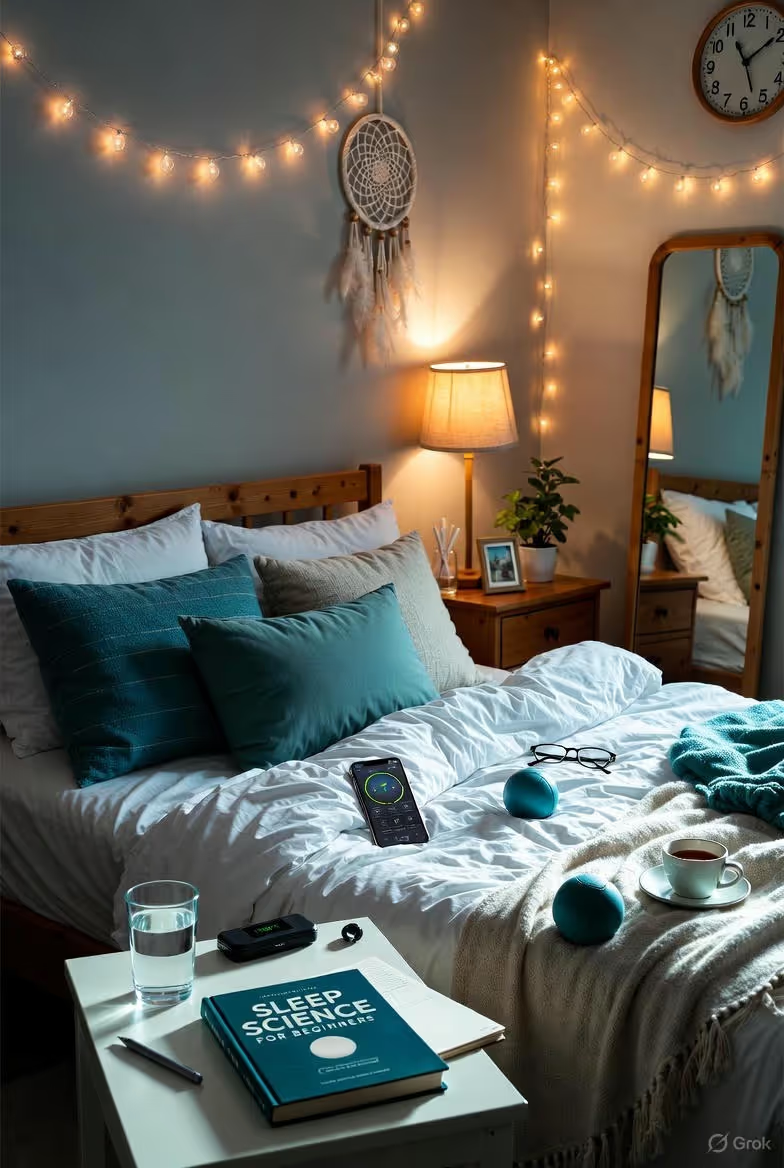
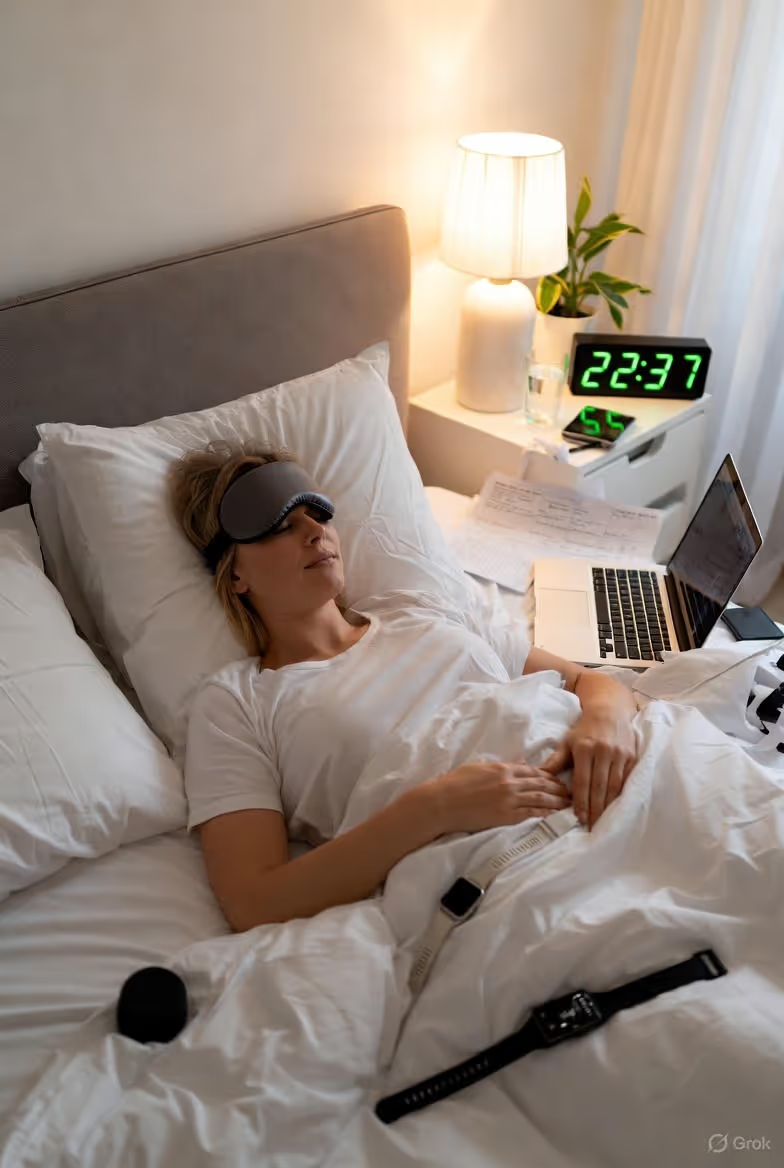
Sleep Quality Assessment: DIY Tests You Can Do Tonight
DIY sleep quality assessment tests provide immediate insights without professional evaluation. This practical guide teaches you self-administered tests including wake-up energy ratings, daytime alertness checks, consistency evaluations, and symptom assessments you can complete tonight for actionable feedback.
Sleep Quality Assessment: DIY Tests You Can Do Tonight
Do you wake up feeling like you’ve run a marathon, not rested from one? Does the morning alarm feel like a personal insult? You’re not alone. In our always-on, screen-saturated world, truly restorative sleep has become a rare currency. We spend roughly one-third of our lives asleep, yet most of us have only the vaguest understanding of what happens during those critical hours. We track our steps, our calories, and our screen time with obsessive detail, but when it comes to sleep, we often rely on a crude, often misleading metric: how many hours we spent in bed.
But sleep is not a monolithic state. It’s a complex, cyclical architecture of light sleep, deep sleep, and REM sleep. High-quality sleep is about the depth, timing, and continuity of these cycles, not just the duration. The consequences of poor sleep quality are far from trivial. It silently undermines your immune function, cognitive performance, emotional resilience, and metabolic health. It’s the hidden variable behind afternoon slumps, brain fog, irritability, and stalled fitness goals.
The good news? You don’t need a $10,000 sleep study in a clinical lab to start understanding your sleep. The first and most powerful step toward better sleep is awareness—a personalized audit of your own nocturnal habits and biology. This article is your comprehensive guide to becoming your own sleep scientist. We will move beyond guessing and into the realm of evidence-based self-assessment.
Tonight, you can begin a journey of discovery using simple, accessible, and profoundly insightful DIY tests. These methods range from pen-and-paper journals and mindful body scans to leveraging the latest in accessible wearable technology. By the end of this guide, you’ll have a toolkit to diagnose common sleep disruptors, establish your personal baseline, and identify clear, actionable paths to the deep, restorative sleep your body and mind crave. This isn’t about achieving a perfect score; it’s about understanding your unique sleep signature so you can finally wake up feeling truly renewed.
The Silent Epidemic: Why You’re Probably Missing Out on Deep Sleep Without Even Knowing It
We live in a society that glorifies busyness and often treats sleep as a luxury or a sign of laziness. This cultural misconception has fueled a silent, global sleep quality epidemic. You might be clocking a solid 8 hours in bed, but if those hours are fragmented, shallow, or misaligned with your circadian rhythm, you are accruing a significant sleep debt. The insidious part? You adapt. Chronic poor sleep quality becomes your new normal. You forget what it feels like to be truly alert, focused, and emotionally steady.
The science is unequivocal. Deep sleep, or slow-wave sleep, is the non-negotiable foundation of physical restoration. It’s when your body repairs tissues, builds bone and muscle, and strengthens the immune system. REM sleep, the stage rich with vivid dreams, is the cognitive and emotional housekeeper. It’s crucial for memory consolidation, learning, and processing the day’s emotions. When either of these stages is truncated or interrupted, the cost is real.
Consider this: A study from the University of California, Berkeley, found that after just one night of poor sleep, participants showed increased activity in the brain’s amygdala (the fear center) and a disconnect from the prefrontal cortex (the rational regulator). In essence, you become neurologically primed for anxiety and poor decisions. On a physical level, research consistently links fragmented sleep to heightened risks for hypertension, weight gain, diabetes, and a weakened immune response.
Yet, most people diagnose their sleep with a single, flawed question: “How long did I sleep?” It’s like evaluating a gourmet meal solely by how long it took to eat it, ignoring taste, texture, and nutritional value. The first breakthrough in solving any problem is accurately defining it. You cannot fix what you do not measure. This is where DIY sleep assessment becomes not just interesting, but essential for your long-term health and performance. By learning to evaluate the quality of your sleep, you reclaim control over one of the most powerful levers of your well-being. For a deeper dive into the science of sleep stages and their impact, our resource hub offers a wealth of detailed articles and research breakdowns.
Your Personal Sleep Lab: Foundational Principles of At-Home Sleep Assessment
Before we dive into the specific tests, it’s crucial to establish the mindset and methodology of effective self-assessment. Think of yourself as a compassionate, curious researcher gathering data on the most important subject: yourself. The goal is observation, not judgment. The principles that follow will ensure your DIY tests yield reliable, actionable insights.
First, Establish a Baseline. You cannot track improvement without a starting point. Commit to a minimum of one week (ideally two) of consistent assessment before drawing major conclusions or making drastic changes. Sleep naturally varies from night to day based on stress, diet, and activity. A baseline period smooths out these daily fluctuations and reveals your true patterns.
Embrace the “Why” Behind the “What.” Simply recording that you woke up at 3 a.m. is data. Noting that you woke up at 3 a.m. with a racing heart after having a spicy chicken curry and watching a stressful news report before bed is insight. Context is everything in sleep science. Your pre-sleep routine, diet, emotional state, and bedroom environment are all variables in your personal sleep experiment.
The Triangulation Method. The most powerful assessments come from combining multiple data sources. For instance, you might correlate a subjective feeling of morning fatigue (Source 1) with data showing low deep sleep from a wearable device (Source 2) and an entry in your sleep journal about drinking coffee after 2 p.m. (Source 3). This triangulation turns anecdotes into evidence. It moves you from “I think I slept badly” to “My data shows that consuming caffeine after midday reduces my deep sleep by an average of 15%, leading to poorer subjective ratings.”
Consistency Over Perfection. The perfect assessment tool is the one you will use consistently. Don’t overwhelm yourself on night one by trying to implement seven different tests. Start with one or two foundational methods, like the Sleep Journal and the Wakefulness Test, and build from there. The ritual of assessment itself can become a powerful sleep cue, signaling to your brain that it’s time to wind down and observe.
Remember, this process is a journey of self-discovery. The data you collect is a map, and the following sections provide the tools to draw it. Each DIY test offers a different lens through which to view your sleep, and together, they create a comprehensive picture of your sleep health. To understand the technology that can help automate much of this data collection, you can learn more about how advanced wearables like smart rings work.
The Cornerstone Test: The Detailed Sleep & Wake Journal (Pen & Paper Method)
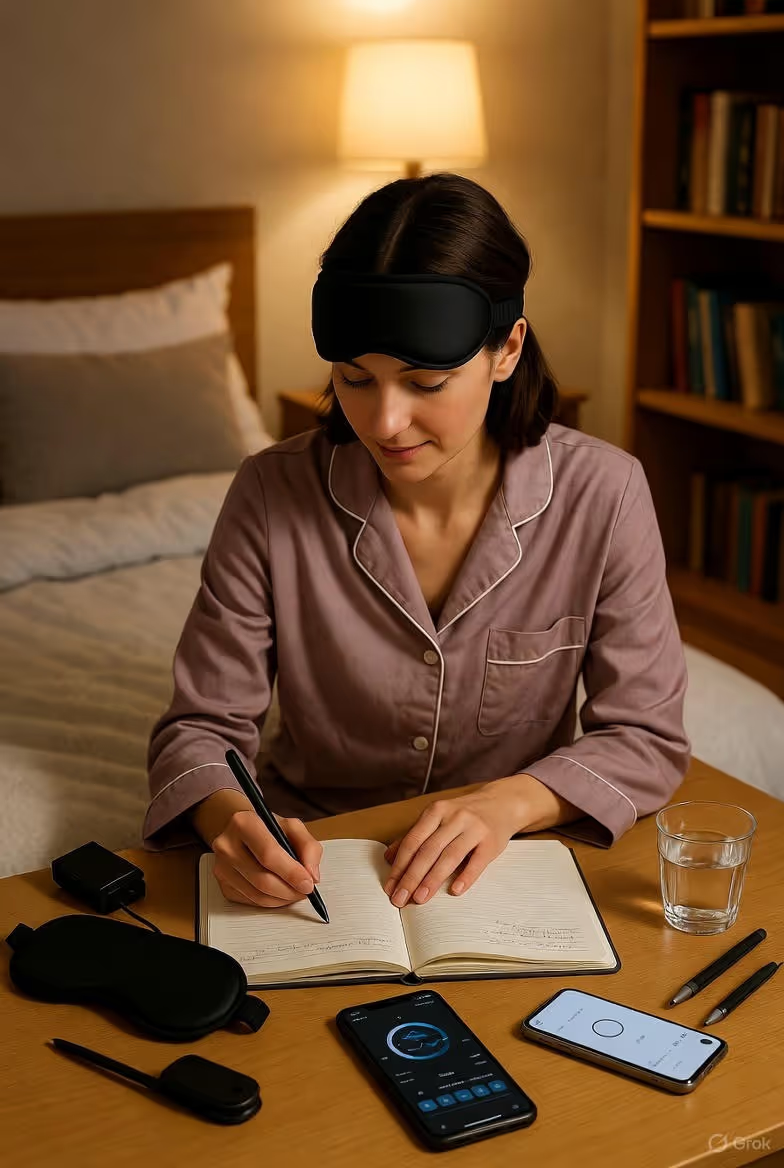
In an age of advanced technology, the humble sleep journal remains the gold standard for subjective sleep assessment. It captures the nuanced, qualitative data that devices often miss—the worries, the dreams, the environmental factors. This test requires nothing more than a notebook and a pen by your bedside, making it the most accessible starting point.
How to Conduct the Test:
Evening Log (10 minutes before bed): Record the day’s key variables. Rate your overall stress level (1-10). List all caffeine/alcohol consumption and the times. Note your evening activities (e.g., intense workout, heated argument, relaxing bath). Describe your pre-bed screen time. Finally, note your “goal” bedtime and how sleepy you feel.
Morning Log (Within 10 minutes of waking): Do this before you check your phone. Record your wake-up time and estimated sleep onset time. Subjectively rate your sleep quality (1-10). Describe how you feel: refreshed, foggy, anxious, achey. Note any remembered awakenings or dreams. Crucially, estimate your total sleep time (TST) and how long you think it took you to fall asleep (sleep latency).
Interpreting Your Data: After a week, look for patterns. Don’t just look at the scores; look at the stories they tell.
The Stress-Sleep Connection: Do nights following high-stress days consistently show lower quality ratings or more awakenings?
The Caffeine Curve: How does afternoon caffeine affect your noted sleep latency or morning fog?
The Routine Reward: Do evenings with a consistent, relaxing wind-down routine correlate with higher morning ratings?
Storytelling Example: *Mark, a project manager, kept a journal for two weeks. He noticed a pattern: On Tuesdays and Thursdays, his sleep quality was always a 3/10. His evening log revealed these were his late-evening basketball nights. While exercise is great for sleep, intense activity too close to bedtime was elevating his core body temperature and adrenaline, preventing him from falling asleep easily and reducing his deep sleep. By simply moving his game to an earlier time, he saw his scores improve to a 7/10 within days.*
This journal is your narrative. It provides the crucial “why” that makes all other data meaningful. For more templates and guided journaling prompts, explore our blog’s dedicated wellness resources.
Listening to Your Body: The Physical Symptom & Morning Wake-Up Assessment
Your body offers direct, physical feedback on your sleep quality every single morning. Learning to interpret these signals is a powerful, instantaneous DIY test. This assessment shifts the focus from abstract numbers to tangible, bodily sensations.
The Morning Body Scan (Conducted Before Getting Out of Bed): Close your eyes and systematically check in with each part of your body.
Eyes & Head: Do your eyes feel gritty, dry, or puffy? Is there a sense of pressure, dull ache, or full-blown headache in your head? Morning headaches can be a sign of sleep apnea or bruxism (teeth grinding).
Mouth & Throat: Is your mouth extremely dry or sore? Do you have a bitter taste? This can indicate mouth breathing or acid reflux during the night, both major sleep disruptors.
Jaw & Face: Does your jaw feel tender, tight, or achy? This is a classic sign of nocturnal bruxism, which fragments sleep and prevents deep restorative stages.
Neck & Shoulders: Is there unusual stiffness or pain? This could relate to poor sleep posture or a mattress/pillow mismatch.
Overall Energy Sensation: Do you feel a heavy, leaden fatigue? Or a wired, jittery exhaustion? The former often points to poor sleep quantity/quality, while the latter can indicate stress hormone (cortisol) dysregulation overnight.
The 60-Second Wakefulness Test: Upon standing, pause. Do you feel a wave of lightheadedness or a need to steady yourself? This could be a sign of orthostatic hypotension, which can be influenced by sleep quality and hydration status during sleep.
Tracking Subjective Metrics: Rate these three factors on a simple scale each morning:
Physical Restoration: 1 (Achy and exhausted) to 10 (Physically renewed).
Emotional Baseline: 1 (Irritable/Anxious) to 10 (Calm/Steady).
Connecting the Dots: The power of this test lies in correlating these physical symptoms with your journal entries and other data. For instance, a morning of gritty eyes, a dry mouth, and a headache paired with your partner’s note that you snored loudly points strongly toward sleep-disordered breathing. An aching jaw and temple headache correlate with stress logs from the day before. By becoming a detective of your own morning symptoms, you can identify physiological patterns that need addressing, whether through lifestyle change, environmental adjustment, or a discussion with a healthcare professional. Hearing how others have decoded their symptoms can be incredibly validating; you can read about similar journeys in our collection of real user testimonials and experiences.
The Digital Sleuth: Leveraging Your Smartphone & Basic Wearables
Most of us have a sophisticated sleep-tracking device already in our pockets: our smartphones. While not as accurate as dedicated medical gear or advanced wearables, when used wisely, they can provide valuable objective data to complement your subjective journal.
Sound Analysis Apps: Apps like SnoreLab or Sleep Cycle’s sound recorder can act as a passive audio monitor. They don’t just track snoring volume; they can detect patterns. Do you snore primarily on your back? Do you have long pauses in breathing (potential apneas) followed by gasps or snorts? This audio evidence is powerful for understanding sleep disruptions you’re completely unaware of. Important: Ensure any app you use has a clear privacy policy regarding audio data.
Motion & Sleep Phase Estimation: Many fitness trackers and smartwatches use accelerometers (motion sensors) and basic heart rate data to estimate sleep stages. They can reliably track your restlessness, total time in bed, and provide a guess at light, deep, and REM sleep based on movement and heart rate variability (HRV) trends. While the specific stage breakdown should be taken with a grain of salt, the trends are useful. Is your device consistently showing very low deep sleep? That’s a trend worth investigating.
The Phone-as-Environmental-Sensor:
Screen Time Reports: Use your phone’s built-in screen time tracker. What is your average screen time in the hour before bed? Blue light emission is one issue, but the cognitive and emotional stimulation from social media, news, or work emails is a far greater sleep thief.
Alarm Clock Analytics: Do you hit snooze an average of 3 times? This is a direct metric of your sleep inertia and a sign your sleep cycle was likely interrupted. Do you wake up naturally before your alarm on days you go to bed earlier? This is a great indicator of aligning with your natural rhythm.
Creating a Data Synthesis: Let’s say your phone’s screen time report shows 45 minutes of social media use before bed. Your sound app records frequent tossing and turning in the first half of the night. Your basic fitness tracker shows a long sleep latency (time to fall asleep) and low sleep efficiency. Combined with your journal noting anxiety, this paints a clear picture: pre-sleep stimulation is triggering anxiety and physical restlessness, delaying sleep onset and reducing sleep quality. The fix becomes targeted: implement a strict 60-minute digital curfew. The mission behind creating tools to simplify this synthesis is a core part of our story and vision for integrated health tracking.
The Bedroom Environment Audit: Transforming Your Sleep Sanctuary
Your sleep environment is the stage upon which the drama of the night unfolds. If the stage is set poorly—too hot, too bright, too noisy—the performance (your sleep) will suffer, no matter how talented the actor (you). This DIY test is a systematic audit of your sleep sanctuary using simple tools, many of which you already own.
The Five Key Environmental Pillars to Test:
Darkness (The Most Critical): True darkness is essential for melatonin production. Conduct the “hand test.” After the lights are out and your eyes have adjusted for 5 minutes, hold your hand about a foot from your face. If you can vaguely see its outline, your room is not dark enough. Check for light leaks from windows (LEDs from electronics, streetlights), under doors, and from devices. Blackout curtains are a top-tier investment. Consider an eye mask as a test—if it improves your sleep, you’ve diagnosed a light problem.
Temperature: The science is clear: a cool room (around 65°F or 18.3°C) is optimal for sleep initiation and maintenance. Your body needs to drop its core temperature to initiate sleep. Use a simple digital thermometer. Is your bedroom temperature in this range? Don’t forget bedclothes—breathable, natural fibers like cotton or bamboo are best.
Sound: Sudden, intrusive noises are arch-enemies of deep sleep, causing micro-arousals you don’t remember. Use a sound meter app on your phone to get a baseline decibel reading. Is it consistently below 30 dB (a whisper)? Identify noise sources: traffic, a partner’s snoring, a creaky house, a humming refrigerator. White noise or pink noise machines can be a transformative, low-cost solution by masking inconsistent sounds with a consistent, soothing auditory blanket.
Air Quality & Humidity: Stale, dry, or allergen-filled air can irritate airways and disrupt breathing. Monitor humidity with a hygrometer; 40-60% is ideal. Lower can dry out sinuses, higher can promote mold and dust mites. Consider an air purifier with a HEPA filter, especially if you have allergies, and ensure good ventilation.
Comfort & Association: This is subjective but vital. Does your bed feel like a sanctuary for sleep (and intimacy) only? Or is it also your office, dining table, and entertainment center? The goal is to strengthen the mental association between bed and sleep. Remove work materials, clutter, and ideally, TVs and other non-sleep screens.
Conducting the Audit: Spend one evening going through this checklist with a notepad. Make one change at a time (e.g., install blackout curtains) and note its effect in your sleep journal over the following week. The environment is one of the easiest sleep levers to pull, and its impact is often immediate and profound. For common questions on optimizing your sleep tech within this environment, our comprehensive FAQ page offers detailed guidance.
The Lifestyle & Chronotype Discovery: Aligning Your Life with Your Internal Clock
You might be a night owl trying to live in a lark’s world, or vice versa. This mismatch, known as social jetlag, is a major source of poor sleep quality and chronic fatigue. This DIY test helps you discover your natural chronotype—your body’s innate timing preference—and assess how your lifestyle supports or sabotages it.
Discovering Your Chronotype: The "Free Day" Test If your schedule allowed, when would you naturally go to sleep and wake up? To find out, you need a few days free of social obligations, alarms, and caffeine swings (like a quiet vacation). Go to bed when you feel naturally sleepy and wake without an alarm. Note the times. After a few days, a pattern will emerge. Are you falling asleep near 10 p.m. and up at 6 a.m.? You’re likely a Lark (Morning Chronotype). Is midnight to 8 a.m. more your speed? You’re probably a Hummingbird (Intermediate). Do you truly hit your stride after dark and would sleep till 10 a.m. if you could? You’re a classic Owl (Evening Chronotype).
Lifestyle Alignment Audit: Once you have a sense of your type, audit your current life:
Work Schedule: Does your job’s start time force you to wake up 2+ hours before your natural time? This is a prime source of social jetlag.
Meal Timing: Are you eating your largest meal right before bed? This can disrupt digestion and sleep. Larks may do better with earlier dinners, while Owls might need to be more mindful of late-night eating.
Light Exposure: Do you get bright light (preferably sunlight) within 30 minutes of waking? This is crucial for setting your circadian rhythm, especially for Owls. Conversely, are you exposed to bright artificial light late into the evening? This delays sleep onset.
Exercise Timing: Intense exercise too close to bedtime can be stimulating for most. Larks often thrive with morning workouts, while Owls might do better with afternoon sessions.
The Mismatch Cost: When your life is out of sync with your chronotype, you are constantly fighting your biology. You rely on willpower (and caffeine) to wake up and melatonin or exhaustion to fall asleep. This chronic misalignment is linked to higher risks of depression, metabolic disorders, and weakened immune function. The goal of this assessment isn’t necessarily to quit your job if you’re an Owl with a 7 a.m. start time, but to find mitigating strategies. Can you negotiate a slightly later start? Can you use bright light therapy in the morning and absolutely prioritize darkness at night? Understanding your chronotype empowers you to negotiate with your schedule and craft a routine that works with your body, not against it. Aligning technology with this biological reality is at the heart of our mission to create intuitive health tools.
The Pre-Sleep Ritual & Wind-Down Diagnostic
The hour before bed is the launch sequence for your night’s sleep. A chaotic, stimulating launch leads to a rocky ascent and poor orbit. A calm, consistent sequence sets the stage for a smooth journey. This DIY test involves meticulously recording and then critically analyzing your pre-sleep routine.
Map Your Current "Default" Routine: For three nights, document everything you do from 90 minutes before your target bedtime until lights out. Be brutally honest.
Minute 90 to 60: Are you finishing work? Scrolling through social media? Having a heated discussion?
Minute 60 to 30: Are you watching an intense thriller? Doing household chores? Checking emails?
Minute 30 to 0: Are you in bed with your phone? Ruminating on the day’s problems? Reading a stimulating book?
The Stimulation Inventory: Label each activity in your routine as either Stimulating, Neutral, or Calming.
Calming: Light stretching/yoga, meditation, breathing exercises, reading a (non-stimulating) book, taking a warm bath, listening to calm music, gentle conversation.
The Diagnostic Questions:
What is the ratio of Stimulating to Calming activities?
When is your last exposure to blue light/screens?
Is your routine consistent from night to night, or wildly variable?
Does your routine actively lower your physiological arousal (heart rate, worried thoughts) or increase it?
Crafting Your "Ideal" Ritual: Based on your audit, design a 60-minute wind-down protocol. A classic, science-backed template might look like:
T-60 min: Stop all work and stimulating screens. Begin dimming household lights.
T-45 min: Engage in a calming activity (e.g., warm bath, which actually helps by raising then dropping body temperature).
T-30 min: Practice a mindfulness or gratitude exercise (5 minutes of deep breathing, listing 3 good things from the day).
T-15 min: Final preparation (brush teeth, set out clothes for morning). Perhaps read a few pages of a physical book under warm light.
T-0 min: Lights out, in a cool, dark room.
Test the New Ritual: Implement your new wind-down for one full week. Track its impact in your sleep journal, particularly on subjective sleep quality and sleep latency. The wind-down is a signal to your nervous system that it’s safe to shift from “fight or flight” (sympathetic) to “rest and digest” (parasympathetic) mode. A consistent, calming ritual is one of the most effective, drug-free sleep aids available. For ideas and guided wind-down practices, you’ll find ongoing inspiration and techniques on our wellness-focused blog.
The Daytime Function & Performance Correlation Test
Sleep quality isn’t an isolated event; it’s the foundation of your daytime performance. This test flips the script: instead of just measuring sleep at night, you measure its downstream effects during the day. By tracking key performance indicators (KPIs) of your waking life, you can backward-engineer an understanding of your sleep’s effectiveness.
Select Your Daytime Metrics: Choose 2-3 simple, trackable metrics that matter to you. These should be objective or consistently subjective.
Cognitive Performance:
Simple Test: Use a free brain game app (e.g., a matching or memory game) first thing in the morning. Track your score or time.
Real-World Metric: Note how often you lose your train of thought in meetings or forget simple tasks.
Emotional Resilience:
Rate your afternoon “irritability index” on a scale of 1-5. How easily are you frustrated by minor inconveniences (slow internet, a messy kitchen)?
Note any uncharacteristic emotional reactivity.
Physical Energy & Output:
For exercisers: Track your performance (e.g., pace, weight lifted, perceived exertion) in a standard, repeated workout (e.g., your Tuesday morning run).
For everyone: Rate your post-lunch energy crash at 3 p.m. (1=severe slump, 5=steady energy).
Focus & Flow:
Time how long you can work on a demanding task without distraction. Does it vary by day?
Note days you achieve a state of “flow” easily versus days you struggle to start.
The Correlation Experiment: For two weeks, track these daytime metrics alongside your nightly sleep journal data. Then, look for correlations.
The “Aha” Moment: Do you consistently see higher morning brain game scores on days following nights where your journal noted “fell asleep quickly” and “slept soundly”?
The Crash Link: Is your 3 p.m. slump significantly worse on days after you recorded multiple nighttime awakenings?
The Workout Connection: Is your workout performance poorer the day after a night of low subjective sleep quality?
This test makes the value of sleep viscerally real. It moves sleep from a health abstract to a direct input for your career, relationships, and personal goals. When you see that a poor night’s sleep reliably predicts a poor workout, a snappy attitude with your partner, and a slow workday, the motivation to protect your sleep becomes concrete and powerful. It’s about optimizing for performance, not just avoiding fatigue. Many of our users first seek out advanced tracking to make these precise correlations, as shared in their personal stories and reviews.
Integrating Data: From DIY Tests to a Personalized Sleep Action Plan
You’ve now conducted a battery of insightful DIY tests. You have pages of journal entries, notes on morning symptoms, environmental data, chronotype insights, and performance correlations. This final section is about synthesis—transforming this wealth of data into a clear, personalized, and actionable plan. Without this step, data is just trivia.
Step 1: The Pattern Identification Summit. Set aside one hour with all your collected data. Look for the top 2-3 consistent patterns that emerge across multiple tests. For example:
Pattern A: Late caffeine + high pre-bed screen time (Journal) → Long sleep latency & multiple awakenings (Basic Wearable/Sound App) → Morning dry mouth & headache (Physical Assessment) → Poor afternoon focus (Daytime Performance).
Pattern B: Consistent 10:30 p.m. bedtime with reading (Journal) + Cool, dark room (Env. Audit) → Higher subjective scores & fewer awakenings → Better morning cognitive game scores.
Step 2: Prioritize Your Interventions. Don’t try to change everything at once. Use the patterns to choose your first “keystone” habit—the one change that will have the greatest ripple effect.
Based on Pattern A, the keystone habit might be: "No caffeine after 12 p.m. and a strict 60-minute digital curfew before bed."
Based on Pattern B, the action is reinforcement: "Protect the 10:30 p.m. bedtime and the reading ritual at all costs."
Step 3: Design a 3-Phase Implementation Plan.
Phase 1 (Weeks 1-2): Implement only your #1 keystone habit change. Continue your simplest tracking (maybe just the morning symptom scan and a sleep quality rating) to monitor its effect.
Phase 2 (Weeks 3-4): Once the first habit feels stable, add your second prioritized intervention. Perhaps it’s optimizing your bedroom temperature based on your audit.
Phase 3 (Ongoing): Use your chronotype insight to gently nudge your schedule. An Owl might aim for 15 minutes earlier wake-up time with immediate morning light exposure.
Step 4: Establish Your Ongoing Monitoring System. You don’t need to run all DIY tests forever. Design a maintenance protocol:
Daily: 30-second morning symptom scan and sleep rating (1-10).
Weekly: A quick review of your wearable’s sleep consistency score or a brief journal check-in.
Monthly: A full "sleep audit" weekend, re-running one or two key tests to ensure you’re on track.
This process turns you from a passive sleeper into an active architect of your own restoration. The journey to better sleep is iterative, not linear. There will be setbacks—stressful weeks, travel, illness. Your personalized action plan, born from your own data, gives you a compass to find your way back. It empowers you to move beyond generic sleep tips and into the realm of what your body specifically needs to thrive. For support in choosing the right tools for this ongoing journey, our team has compiled answers to frequently asked questions about getting started.
This concludes the first portion of our comprehensive guide. You now possess a powerful framework for assessing your sleep from every angle. The foundation has been laid with subjective journals, physical awareness, environmental tweaks, and lifestyle alignment. In the next portion, we will build upon this foundation by exploring more advanced assessment techniques, including the role of Heart Rate Variability (HRV), detailed analysis of sleep architecture, and how to strategically use advanced wearable technology to deepen your insights and lock in lifelong sleep hygiene habits. The path to mastering your sleep is a continuous journey of learning and adjustment, and you’ve just taken the most critical first steps.
The Nervous System Barometer: Heart Rate Variability (HRV) as a Sleep Quality Predictor
Imagine having a direct line to your body’s internal stress and recovery dashboard. You do. It’s called Heart Rate Variability (HRV), and it’s one of the most insightful, yet often misunderstood, metrics for predicting and assessing sleep quality. Contrary to what the name implies, a higher HRV is generally better. It represents the healthy, millisecond variations in time between your heartbeats, indicating a flexible, resilient nervous system that can smoothly transition between stress (sympathetic) and rest (parasympathetic) states.
Why HRV is a Sleep Crystal Ball: Your body’s ability to achieve deep, restorative sleep is profoundly dependent on its ability to activate the "rest and digest" (parasympathetic) branch of your nervous system. A high HRV suggests this transition can happen efficiently. A low or dropping HRV often signals that your body is under cumulative stress (physical, mental, or emotional), fighting an illness, or is chronically fatigued. This stress state directly antagonizes deep sleep.
The DIY HRV Assessment Method:
The Tool: You will need a device that can measure HRV accurately. This includes many modern chest-strap heart rate monitors, some high-end wrist-based wearables, and notably, advanced smart rings worn overnight. Rings like the Oura or our own Oxyzen ring are particularly well-suited as they measure from the finger’s rich vasculature during the natural stillness of sleep, providing a clean, consistent signal.
The Measurement: The most valuable HRV reading for sleep is your overnight average or the reading taken during your longest period of deep sleep. Don’t focus on single, spot measurements during the day. The goal is to see your body’s baseline state when it’s supposed to be in full recovery mode.
The Tracking & Interpretation: Track your nightly HRV trend over weeks and months, not days.
The Positive Signal: A stable or gradually increasing HRV trend alongside good subjective sleep feelings is a strong indicator of effective recovery and good sleep quality.
The Early Warning Signal: A sustained downward trend in HRV, especially if it dips below your personal baseline, is a red flag. It often precedes subjective feelings of fatigue or poor sleep. It’s your body saying, “I am under too much load.” This is the time to prioritize sleep hygiene, reduce training intensity, or manage stress—before you get sick or suffer a major sleep disruption.
The Context Rule: Always interpret HRV with context. A sudden drop paired with a hard workout is expected (stress + intentional recovery). A sudden drop paired with an emotional crisis or work deadline is also expected. The concern is a low HRV that persists despite no obvious acute stressor, indicating possible chronic sleep debt or underlying issues.
Using HRV to Guide Your Decisions: This metric empowers proactive sleep management. If your HRV is low for several nights, treat it as a mandate: enforce an earlier bedtime, skip the intense workout in favor of gentle movement or yoga, and double down on your wind-down ritual. It turns sleep from a passive state into an active recovery strategy you can monitor and optimize. For a deeper exploration of how this technology integrates into daily wellness, you can discover the science and approach behind Oxyzen’s metrics.
Beyond Hours: Analyzing Your Sleep Architecture & Cycle Consistency
True sleep quality is defined by architecture—the rhythmic progression through the four stages of sleep (Light N1, Light N2, Deep N3, and REM) in roughly 90-minute cycles throughout the night. Each stage serves a unique purpose. Disrupting this architecture is like constantly rebooting a computer during a complex software update—the process is incomplete and flawed. This DIY test involves learning to interpret your sleep stage data to diagnose architectural issues.
Understanding the Blueprint of a Healthy Night:
The First Half of the Night: Dominated by Deep Sleep (N3). This is when physical restoration, immune function boosting, and growth hormone release peak. Your body prioritizes this when you are sleep-deprived.
The Second Half of the Night: Dominated by REM Sleep. This is when dreaming, memory consolidation, and emotional processing intensify.
The Glue: Light Sleep (N2) makes up about 50% of the night and is crucial for memory consolidation and processing motor skills. It acts as the bridge between cycles.
Conducting Your Architecture Audit: Use a wearable device that provides sleep stage breakdown (again, advanced smart rings and some watches are excellent for this). Look at your data over a 2-week period for these key patterns:
Deep Sleep Deficiency: Are you consistently getting less than 15-20% of your total sleep as deep sleep? This is a major red flag. Potential DIY culprits include: alcohol consumption (which suppresses REM early but devastates deep sleep), sleeping in a room that’s too warm, or chronic stress elevating cortisol at night.
REM Sleep Suppression: Are you getting less than 20-25% as REM? Culprits can include: alcohol, certain medications (like SSRIs), going to bed very late (which can truncate the REM-rich second half of the night), and—ironically—sleeping with a device that vibrates or lights up, causing micro-awakenings that abort REM periods.
Cycle Fragmentation: This is not about total awakenings you remember, but the invisible breaks in continuity. Look at your hypnogram (the sleep stage graph). Does it look like a chaotic city skyline with constant spikes and drops? Or does it show smooth, rolling hills of 90-minute cycles? Fragmentation is a stealthy killer of sleep quality, often caused by sleep apnea, pain, an uncomfortable environment, or even a partner’s disturbances.
Sleep Onset & Cycle Timing: How long does it take you to reach your first period of deep sleep? A very long delay might indicate poor sleep pressure or circadian misalignment. Is your first REM period occurring unusually early (less than 90 minutes after sleep onset)? This is called a short REM latency and can be associated with certain conditions like depression.
Actionable Insights from Architecture:
If Deep Sleep is Low: Prioritize cooling your bedroom, strictly avoid alcohol, and ensure you’re getting sufficient physical activity earlier in the day.
If REM is Low: Protect the later hours of your sleep. If you must cut sleep short, it’s better to wake up slightly earlier than to go to bed much later. Scrutinize medication timing with your doctor and eliminate alcohol.
If Fragmentation is High: This warrants deeper investigation. Use a sound recording app to check for snoring/gasping. Assess pain. Consider a separate sleeping arrangement if a partner is the cause. The data here can be the crucial evidence needed to seek professional help for sleep apnea.
By analyzing your architecture, you move beyond “I slept poorly” to “My deep sleep was fragmented, likely due to environmental temperature,” enabling a surgical strike on the problem. Our blog features detailed case studies on how users have interpreted their sleep architecture to make transformative changes.
The Advanced Wearable Deep Dive: Maximizing Your Smart Ring or Watch for Sleep Diagnostics
You own a powerful sleep lab that fits on your finger or wrist. But most people use only 10% of its diagnostic potential. This section is a masterclass in configuring and interpreting data from advanced wearables—specifically smart rings and high-fidelity watches—to become a true sleep detective.
Optimal Device Configuration for Sleep Tracking:
Wear Consistency: The single biggest factor is wearing the device every single night. Gaps in data ruin trend analysis. Make charging part of your morning routine (e.g., while showering).
Placement & Fit: For rings, it should be snug but comfortable. A loose ring yields poor data. For watches, wear it slightly higher on the wrist (away from the wrist bone) and snug enough that it doesn’t shift during sleep.
Sleep Mode/Profile: Enable the device’s specific sleep mode if it has one. This often optimizes sensors for nighttime and turns off distracting notifications.
Data Syncing & Review Ritual: Make a habit of reviewing your sleep data each morning alongside your subjective journal. This 2-minute ritual builds unparalleled awareness.
Key Advanced Metrics to Monitor and Cross-Reference:
Resting Heart Rate (RHR) Overnight: Your RHR should drop significantly below your daytime average and reach its lowest point during deep sleep. A flatlined or elevated overnight RHR is a sign of physiological stress, illness, or poor recovery.
Respiratory Rate: This is a remarkably stable metric for a given individual. Track its trend. A sustained increase of 1-2 breaths per minute can be an extremely early sign of oncoming illness, respiratory issues like sleep apnea, or heightened stress—often days before you feel symptoms.
Skin Temperature Trend: Advanced wearables track your proximal body temperature. A natural drop is key for sleep onset. A rising trend overnight can indicate a sleep environment that’s too warm, the onset of a fever, or hormonal fluctuations.
Movement & Toss/Turn Count: Don’t ignore this simple metric. A high movement score doesn’t just mean you’re restless; it indicates frequent micro-awakenings and fragmented sleep architecture. Correlate high-movement nights with potential causes from your journal (e.g., alcohol, big meal, high stress).
The "Story of the Night" Analysis: Don’t just look at scores. Read the hypnogram (sleep stage graph) like a story.
The Plot Twist: “I fell asleep quickly (good latency), but my graph shows a huge spike in heart rate and movement at 2:30 a.m., followed by 40 minutes of mostly light sleep.” Cross-reference with journal: “Ate a very rich, spicy meal at 9 p.m.” Diagnosis: Digestive distress caused a major sleep disruption.
The Tragic Ending: “My graph shows a solid 7 hours of sleep, but my alarm went off during a period of deep sleep at 6:30 a.m.” Correlate with feeling: “Woke up feeling groggy and disoriented (sleep inertia).” Solution: Adjust bedtime or wake-up time by 20-30 minutes to try to wake in a light sleep stage.
By treating your wearable as a diagnostic partner rather than a simple scorer, you unlock its true value. It provides the objective “what” to pair with your subjective “why,” creating an irrefutable case for lifestyle change. To see how this data is seamlessly integrated into a user-friendly platform, you can learn more about the Oxyzen ecosystem and its insights.
The Food & Sleep Connection: The Dietary Impact Log
You are not just what you eat; you sleep how you eat. The timing, composition, and quantity of your food and drink are potent levers on sleep architecture. This DIY test is a focused dietary log designed to uncover your personal sleep saboteurs and allies.
The Tracking Protocol: For a 1-2 week period, add a detailed dietary section to your evening sleep journal. Log:
Timing of Last Meal/Snack: Precisely when did you finish eating?
Meal Composition: Note heavy fats, spicy foods, excessive protein, or refined sugars.
Caffeine: Source and time of last consumption.
Alcohol: Type, quantity, and timing relative to bed.
Hydration: Large volumes of fluids right before bed?
Potential Sleep-Promoting Foods: Did you consume foods with natural melatonin or magnesium (e.g., tart cherries, kiwi, almonds, fatty fish) in the evening?
Common Culprits & Their Mechanistic Effects:
Alcohol (The Deceptive Depressant): It may help you fall asleep faster, but it’s a proven devastator of REM sleep in the first half of the night and leads to deep sleep fragmentation in the second half. The result: you wake up unrefreshed. Log its impact meticulously.
Caffeine (The Long Shadow): Its half-life is 5-6 hours. That means if you have a coffee at 4 p.m., 50% of the caffeine is still in your system at 9-10 p.m. It increases sleep latency and reduces total sleep time. Track even “hidden” sources (soda, tea, chocolate, some medications).
High-Glycemic, High-Sugar Foods Before Bed: Can cause a blood sugar spike and subsequent crash overnight, potentially triggering a cortisol release that wakes you up.
Large, Fatty, or Spicy Meals Close to Bedtime: Force your digestive system to work overtime, raising core body temperature and increasing the risk of acid reflux, both of which disrupt sleep continuity.
The Positive Experimentation Phase: After the logging phase, conduct positive experiments.
Experiment 1: For 3 nights, have your last caffeinated beverage before 12 p.m. Note changes in sleep latency and depth.
Experiment 2: For 3 nights, finish your last meal at least 3 hours before bed. Note changes in nighttime awakenings and morning digestion.
Experiment 3: Try incorporating a small, sleep-friendly snack 60 minutes before bed if you’re hungry, like a banana with almond butter or a tart cherry juice shot. Does it help with sleep maintenance?
This test moves nutrition from a daytime concern to a core component of your sleep hygiene. The data you gather is uniquely yours—while general guidelines exist, your personal tolerance to evening caffeine or a late meal is what truly matters. Many users share their discoveries on how adjusting diet transformed their sleep in our community testimonials and reviews.
The Stress & Sleep Feedback Loop: Quantifying Your Wind-Down Efficiency
Stress and sleep exist in a vicious, self-perpetuating cycle: stress worsens sleep, and poor sleep lowers your stress resilience, creating more stress. This DIY test aims to quantify both sides of that loop—your daytime stress load and your body’s efficiency at discharging it before bed—to break the cycle.
Part 1: Tracking the Daytime Stress Load Use a simple 1-10 scale to log your “Perceived Stress Level” at three points: morning, afternoon, and evening (pre-wind-down). Also, note the primary stressors (e.g., “work deadline,” “family conflict,” “financial worry”). This creates a stress curve for your day.
Part 2: Measuring the Wind-Down "Decay Rate" This is where technology can help. Using an HRV tracker or a wearable with a “stress” or “readiness” score, observe how your physiology changes during your pre-sleep ritual.
Take a Measurement: Note your device’s “stress” score or HRV reading at the start of your wind-down (e.g., 9 p.m.).
Engage in Your Calming Ritual: Proceed with your routine (bath, reading, meditation).
Take a Second Measurement: At the end of your wind-down, just before lights out (e.g., 10 p.m.).
Calculate the Decay: Did your stress score drop? Did your HRV rise? The magnitude of this change is your Wind-Down Efficiency. A highly efficient wind-down shows a significant positive shift. A flat or negative response indicates your ritual isn’t working or your stress load is too high to overcome.
Part 3: The Correlation with Sleep Outcomes Now, correlate this data with your morning sleep assessment.
Scenario A (Inefficient Loop): High evening stress score → Low wind-down decay → Poor sleep quality (per journal and device). Diagnosis: Your current wind-down is insufficient for your stress load. You may need a longer ritual, a different activity (e.g., journaling to download worries), or to address daytime stress more proactively.
Scenario B (Efficient Recovery): High evening stress score → High wind-down decay (big drop in stress score) → Good sleep quality. Diagnosis: Your wind-down ritual is effectively breaking the stress-sleep loop. This is a powerful reinforcing habit.
Advanced Tactics to Improve Wind-Down Efficiency:
Cognitive Download: If worries are the blocker, try a “brain dump” journaling exercise: write down everything on your mind for 10 minutes before starting your relaxing activities.
Physiological Sighs: Practice double-inhale, extended exhale breathing (e.g., in for 2 counts, in again for 1 count, out slowly for 8 counts). This is a rapid way to activate the parasympathetic nervous system.
Progressive Muscle Relaxation: Systematically tense and release muscle groups from toes to head. This teaches your body the direct contrast between tension and relaxation.
By quantifying this loop, you stop blaming “stress” as a monolithic force and start identifying the specific leak in your system: Is it the volume of daytime stress, or the effectiveness of your nightly pressure-release valve? This precision is the key to lasting change. For strategies on building resilience, our blog offers research-backed techniques to complement this assessment.
The Partner & Social Sleep Assessment
For those who share a bed, sleep is rarely a solitary act. It’s a partnership ecosystem. Your sleep quality is intrinsically linked to your bedmate’s habits, rhythms, and physiology. This DIY test involves a collaborative audit to optimize the shared sleep environment and routine.
The Collaborative Data Gathering:
The Gentle Conversation: Frame it as a joint wellness project. “I’m working on understanding my sleep better, and I’d love for us both to feel more rested. Would you be open to tracking a few things with me for a week?”
Sync Baselines: Compare your individual sleep journal notes on key factors: bedtime, wake time, subjective quality.
Log Partner-Specific Factors:
Snoring/Noise: Use a sound app objectively. Have the non-snoring partner note nights with significant disturbance.
Movement: Note if your partner’ tossing and turning wakes you.
Temperature Preferences: Is there a conflict? Does one partner need heavy blankets while the other overheats?
Schedule Conflicts: Does one partner’s much later bedtime or earlier wake-up time with lights/alarm disrupt the other?
Identifying the Friction Points:
The Snoring/Apnea Factor: This is a major health and relationship issue. Objective sound data is critical. If loud snoring, gasping, or pauses are recorded, it is a medical signal for the snoring partner to seek evaluation for sleep apnea.
The Circotype Mismatch: If one is a Lark and one an Owl, rigid shared bedtimes can create frustration. The compromise may involve the Owl reading with a personal book light while the Lark falls asleep, or using a gentle sunrise alarm that wakes the Lark without jarring the Owl.
The "Blanket War": This is solvable. Invest in dual-zone bedding: separate duvets/comforters of different weights, or a dual-zone mattress pad that allows each side to set its temperature.
Co-Creating a Shared Sleep Protocol:
Unified Wind-Down: Can you align the last 30 minutes? Perhaps it’s quiet reading together in bed, or listening to a calming podcast/audiobook simultaneously.
Noise Management: For snoring, options range from earplugs (for the listener) to nasal strips, positional therapy, or CPAP (for the snorer). A white noise machine can mask a multitude of sounds for both parties.
The "Sleep Divorce" Consideration: Normalize the idea that occasionally or permanently sleeping in separate beds or rooms is not a relationship failure, but a profound act of care for each other’s health and sanity. The goal is restorative sleep for both; sometimes separation is the best path to that goal.
This assessment requires empathy and a team mindset. The data you gather together can solve hidden points of resentment (“You’re always waking me up!”) and replace them with collaborative solutions. After all, a well-rested partner is a happier, more patient, and healthier partner. Understanding how technology can support both individuals in a partnership is part of our design philosophy and mission.
The Longitudinal Trend Analysis: Identifying Your Seasonal & Lifestyle Sleep Patterns
Sleep is not static. It ebbs and flows with seasons, life phases, training cycles, and work projects. A night of poor sleep is noise; a trend of declining sleep quality is a signal. This final DIY test is about zooming out to see the bigger picture, using your accumulated data to identify your personal sleep seasons.
The Quarterly Review Ritual: Every 3-4 months, set aside time to review all your data in aggregate.
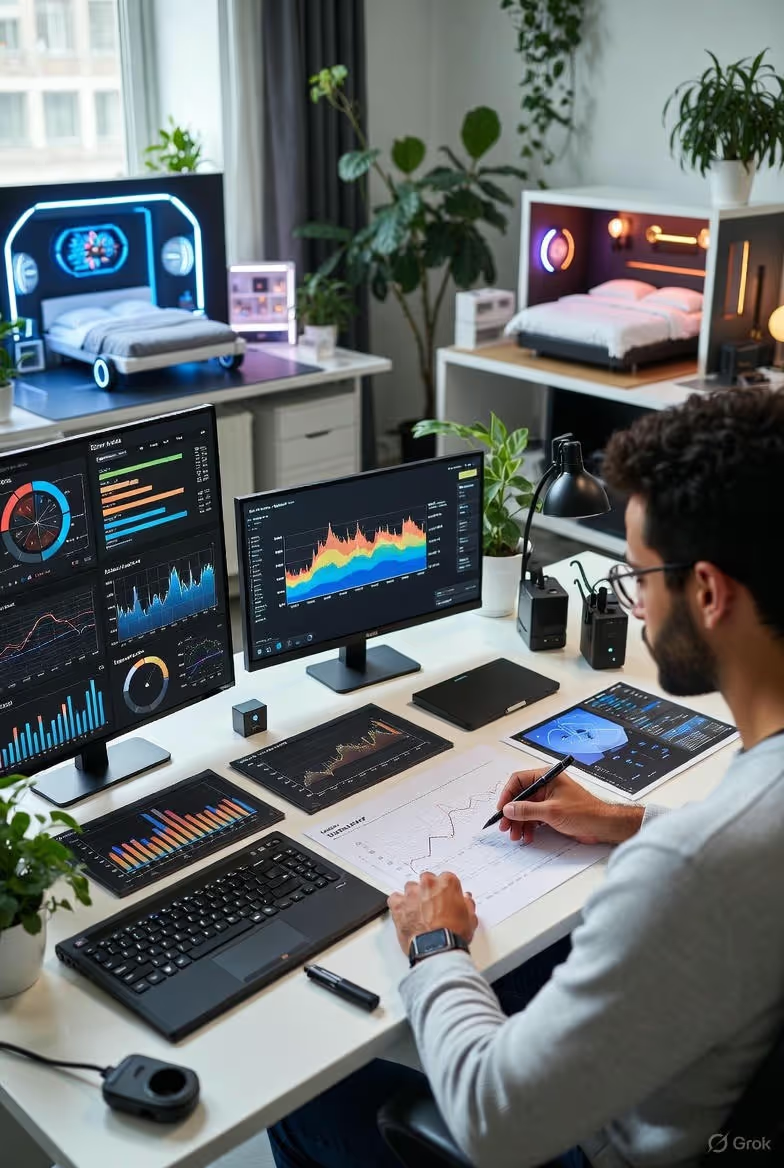
Graph Your Key Metrics: Plot your average sleep duration, subjective quality score, deep sleep %, and HRV on a simple timeline.
Annotate Life Events: Overlay this graph with major life events: started a new job, began intense training for a marathon, went through a stressful period, took a vacation, changed seasons (less daylight).
What to Look For:
Seasonal Shifts: Do your sleep scores and HRV dip in the dark winter months (potential Seasonal Affective Disorder impact) or during high-pollen spring (allergies)? Do they improve during summer vacation?
Training Load Correlation: For athletes, does your deep sleep increase and RHR drop during a recovery week? Does your sleep fragment during peak intensity training? This data is gold for periodizing your training to match recovery capacity.
Work Project Cycles: Can you see a clear degradation in sleep architecture during the final push of a major project, followed by a rebound after completion?
The Impact of Interventions: Can you pinpoint on the graph where you implemented a keystone habit (e.g., digital curfew)? Did it create a sustained upward shift in your trendlines?
Building Your Personal Sleep Playbook: This longitudinal view allows you to create proactive, rather than reactive, sleep strategies.
The Winter Protocol: If you see an annual winter dip, you can preemptively implement a light therapy lamp in the morning, prioritize social connection to combat isolation, and be extra vigilant about sleep hygiene.
The Project-Proof Plan: Knowing you have a high-stress work phase coming, you can institutionalize your wind-down ritual, schedule massages, and block your calendar to protect sleep time before your performance declines.
The Aging Adjustment: Over years, you may notice a natural, gradual decrease in total deep sleep percentage. This is normal. The insight allows you to focus even more on sleep continuity and environment to maximize the deep sleep you can get.
This macro perspective is empowering. It removes the anxiety from a single bad night and replaces it with the confidence of understanding your rhythms. You learn to trust the process, knowing that a down trend will pass and that you have proven strategies to guide yourself back. It’s the culmination of becoming the expert on your own sleep. For ongoing support and to see how others track their long-term wellness journeys, our community and resource hub is always available.
Sleep Quality Assessment: DIY Tests You Can Do Tonight (Final Part)
You’ve journeyed from curious observer to informed analyst. You’ve gathered subjective narratives, quantified physiological signals, audited your environment, and decoded your unique sleep architecture. This wealth of data is your map. Now, we reach the destination: transformation. This final portion is your blueprint for action. We will synthesize every insight into a personalized, living protocol. We’ll confront stubborn sleep problems head-on with advanced troubleshooting, navigate the decision of when to seek professional help, and finally, craft a sustainable system to protect your sleep for life. This is where knowledge becomes habit, and assessment evolves into mastery.
Synthesizing Your Data: Building Your Personalized Sleep Optimization Protocol
You have notebooks, app data, graphs, and observations. The critical final step is to distill this into a clear, simple, and actionable plan—your Personal Sleep Optimization Protocol (PSOP). This isn’t a rigid set of rules, but a flexible playbook based on your own evidence.
Step 1: The Triage List – Identify Your Top 3 Priority Levers. Review all your DIY test findings. Based on the consistency and impact of the patterns, list your interventions in order of potential payoff. For example:
Priority #1 (The Foundation): Environmental Darkness & Temperature. Your audit showed significant light pollution and a room temperature of 72°F. Action: Install blackout curtains and set thermostat to 67°F.
Priority #2 (The Habit): Caffeine & Digital Curfew. Your journal and HRV data show a strong link between post-2 p.m. caffeine/screen use and poor sleep latency. Action: No caffeine after 2 p.m. All screens in Night Mode by 8 p.m., all devices in another room by 9 p.m.
Priority #3 (The Timing): Protecting Sleep Duration. Your wearable data shows you consistently need 7.5 hours to reach 90% sleep efficiency. Your current schedule allows only 6.5. Action: Negotiate a 30-minute earlier bedtime by shifting evening routine.
Step 2: Design Your "Ideal Day" Sleep Scaffolding. Your PSOP should cover the entire 24-hour period, not just the night.
Morning (Upon Waking): 5 minutes of natural or bright light exposure. Hydrate with a large glass of water. Brief morning movement (5-minute stretch).
Afternoon (The Protection Phase): Last caffeine by your set cutoff. Prioritize a 20-minute outdoor walk for light exposure and stress reduction.
Evening (The Wind-Down Sequence): Digital curfew begins. Last meal 3 hours before bed. Begin dimming lights. Execute your personalized 60-minute ritual (e.g., bath, reading, meditation).
Night (The Sanctuary): Bedroom is cool, dark, and quiet. Bed is for sleep and intimacy only.
Step 3: Create Your "If-Then" Contingency Plans. Life is unpredictable. Your protocol needs flexibility.
“If I have a work deadline and must work late…” Then I will use blue-light blocking glasses after 8 p.m., take a 5-minute meditation break every hour, and still protect my wind-down ritual, even if it’s shortened to 20 minutes.
“If I wake up in the middle of the night and can’t fall back asleep…” Then I will follow the 15-minute rule: if awake for >15 minutes, I will get out of bed, go to a dimly lit chair, and read a boring book (no screens) until I feel sleepy.
“If my HRV is in the red for 3 days in a row…” Then I will treat it as a recovery mandate: prioritize an extra 30 minutes of sleep, swap an intense workout for gentle yoga or a walk, and double-check my dietary log.
Step 4: Document and Commit. Write your PSOP down. Keep it in a visible place—a note on your bedside table, a digital document. Share it with a partner or an accountability friend. The act of documentation solidifies commitment. Remember, this protocol is a hypothesis based on your data, and it should be revisited and revised every quarter. For inspiration and templates on structuring such a protocol, our blog features numerous user-generated examples and guides.
Even with a solid protocol, some issues persist. This section addresses common, stubborn problems with targeted, advanced strategies based on your assessment data.
Problem 1: Consistently Low Deep Sleep (Despite Good Habits)
Re-examine Your Temperature Data: Is your body temperature dropping? Even in a cool room, an overly warm mattress or non-breathable pajamas can trap heat. Experiment with moisture-wicking sheets and lighter bedding.
Investigate Noise at a Specific Frequency: Your sound app might show general quiet, but a low-frequency hum (from a fridge, HVAC) can disrupt deep sleep without fully waking you. Try a pink or brown noise machine, which better masks lower frequencies.
Scrutinize Exercise Timing & Type: While exercise boosts deep sleep, high-intensity workouts within 3 hours of bedtime can raise core temperature and adrenaline too late. Consider moving intense sessions to morning or afternoon. Incorporate more strength training, which is strongly linked to increased deep sleep.
Explore Nutritional Supplements (Cautiously): After consulting a healthcare professional, consider experimenting with Magnesium Glycinate or L-Theanine 30-60 minutes before bed. Your dietary log might show a deficiency.
Problem 2: Frequent Mid-Sleep Awakenings (To Pee or For No Reason)
The Nocturia Fix: If awakenings are for bathroom trips, implement a strict hydration schedule: front-load fluids in the morning/afternoon, and limit intake 90 minutes before bed. Reduce diuretics like alcohol and caffeine. Check your evening dietary log for high-sodium foods, which can increase thirst.
The Stress-Dump Awakening: If you wake up with a racing mind at 3 a.m., your wind-down may not be fully downloading cognitive stress. Upgrade your journaling to a "brain dump and problem-solve" session: write down worries, then write one small, actionable step you can take tomorrow. This closes the cognitive loop.
The Blood Sugar Rollercoaster: Correlate your awakening times with your food log. A drop in blood sugar can trigger a cortisol release. If you see a pattern, try a small, protein-focused snack before bed (e.g., a spoonful of almond butter, a few slices of turkey).
Problem 3: Severe Morning Grogginess (Sleep Inertia) Lasting Over 30 Minutes
Alarm Timing vs. Sleep Cycle: Your wearable hypnogram is key. If your alarm consistently goes off during deep or REM sleep, you will experience severe inertia. Use a smart alarm feature (available on many wearables and smart rings) that wakes you in a light sleep window within a set period. Or, adjust your bedtime in 15-minute increments to naturally align your cycle’s end with your wake time.
Light Exposure Upon Waking: The single best cure for sleep inertia is bright light. If you wake before sunrise, invest in a dawn-simulating alarm clock that gradually increases light intensity. Immediately upon waking, seek out sunlight or a 10,000-lux light therapy lamp.
Check for Undiagnosed Sleep Disorders: Persistent, debilitating inertia can be a sign of a disorder like sleep apnea or idiopathic hypersomnia. If your other data (sound recordings, partner observations, high movement) points to apnea, this is a strong signal to seek a professional evaluation.
Problem 4: High Sleep Latency (Taking Over 30 Minutes to Fall Asleep)
The "Bed as a Command Center" Association: If you use your bed for work, eating, or watching stressful TV, you’ve weakened the mental association between bed and sleep. Implement a strict "bed is for sleep only" rule for 2 weeks. Do all other activities elsewhere.
Paradoxical Insomnia: Sometimes, trying too hard to sleep is the problem. If performance anxiety around sleep is high, practice "paradoxical intention": get into bed and try to stay awake with your eyes open. Remove the effort to sleep. This often reduces the anxiety that’s blocking sleep onset.
Body Scanning for Tension: Use a technique from mindfulness. Lying in bed, mentally scan from toes to head, consciously relaxing each muscle group. Often, we hold physical tension (jaw, shoulders) we’re unaware of, which keeps the nervous system alert.
For persistent issues that resist even these targeted solutions, it’s crucial to know when to bring in a professional. Our FAQ section covers common questions about how wearable data can inform those professional conversations.
When to Seek Professional Help: Interpreting Your DIY Data for a Doctor
Your DIY assessment is not a replacement for medical diagnosis, but it is a powerful advocate and diagnostic aid. It transforms a vague complaint of “I’m tired” into a data-rich case file. Here’s how to use your findings to know when and how to seek help.
The Red Flags: Signs You Should Schedule a Visit.
Objective Evidence of Sleep Apnea: Your sound recordings show loud snoring, choking, or gasping sounds. Your partner reports breathing pauses. Your wearable shows an elevated and erratic overnight heart rate and high restlessness. Action: See a sleep specialist or your primary care physician. Bring your audio clips and data graphs.
Chronic, Unexplained Low Deep Sleep & High Fatigue: You’ve optimized environment, diet, and routine for 3 months, but your deep sleep remains below 10% and daytime fatigue is debilitating. This could indicate conditions like Upper Airway Resistance Syndrome (UARS) or other sleep disorders.
Persistent, Severe Insomnia: You consistently take over 45 minutes to fall asleep or get less than 5 hours of total sleep most nights, for over 3 months, despite rigorous CBT-I techniques (which you can learn from professionals).
Uncontrollable Daytime Sleepiness: You fall asleep in inappropriate situations (e.g., in meetings, while driving). This is a serious safety concern and hallmark of disorders like narcolepsy or severe sleep apnea.
Leg Symptoms & Sleep: You have an irresistible urge to move your legs at night, accompanied by uncomfortable sensations, relieved by movement (Restless Legs Syndrome). Your movement data will show corresponding spikes.
How to Prepare for Your Appointment: The Data Dossier. Don’t just show up. Prepare a concise, one-page summary:
Patient History: Your sleep journal highlights (e.g., “Average sleep latency: 55 min, Avg. awakenings: 4 per night.”)
Key Data Trends: Printouts or screenshots of 2-week trends: sleep architecture (highlighting low deep sleep/REM), HRV/RHR graphs, sound app summaries showing snoring events.
Lifestyle Audit Results: A brief list of what you’ve already tried and ruled out (e.g., “Eliminated caffeine after 2 p.m.—no improvement. Installed blackout curtains—moderate improvement in sleep maintenance.”)
Specific Questions: “Based on my sound data, should I have a sleep study?” “Could my low HRV trend be related to X?”
This approach turns you from a passive patient into an active collaborator. It saves time, provides objective evidence, and gets you faster, more accurate care. Sharing the journey from first symptom to seeking help is a common thread in many of our users' personal stories and testimonials.
The Maintenance Phase: Turning Your Protocol into Lifelong Sleep Hygiene
The final challenge is not starting, but sustaining. Optimal sleep is a lifestyle, not a project with an end date. This section is about creating a system that makes your PSOP resilient and automatic.
The Quarterly "Sleep Service": Schedule a recurring calendar event every 13 weeks. In this 1-hour session:
Review Your Longitudinal Data: Look at your trendlines. Are you holding gains? Is there a slow drift?
Re-run One DIY Test: Perhaps do a new bedroom environment audit, or a focused week of dietary logging. Compare to previous results.
Tweak Your Protocol: Update your PSOP based on new life circumstances (new job, new season, new training goal). Remove what’s no longer needed; add a new experiment.
The "Sleep Budget" Mindset: Treat sleep like your most important financial investment. You make daily deposits (good sleep habits) to build resilience (your sleep savings). Stressful events, travel, or illness are withdrawals. If your savings are high, you weather them easily. If you’re living sleep-check-to-check (chronic deprivation), a minor withdrawal causes a crash. Your wearable’s readiness or recovery score is a daily balance check.
Building a Sleep-Positive Identity: Shift your self-talk. Instead of “I should go to bed,” internalize “I am someone who prioritizes recovery.” This identity-based change is more sustainable than willpower-driven behavior. Protect your sleep time with the same fervor you would protect a meeting with your CEO. Say “no” to late-night events that sabotage your next day. This isn’t being antisocial; it’s being professional about your well-being.
Leveraging Community & Technology:
Share Your Journey: Accountability increases adherence. Share your goals and progress with a friend, partner, or an online community focused on wellness.
Use Technology as a Coach, Not a Critic: Configure your wearable’s notifications to be helpful nudges (“Time to start your wind-down”) rather than judgmental scores. Let the data guide you, not guilt you. The ultimate goal of technology like ours is to fade into the background, providing insights that naturally guide you toward better habits, as reflected in our company's vision and values.
Conclusion: Becoming the Architect of Your Restoration
You began this journey seeking answers to a simple, frustrating question: “Why don’t I feel rested?” You are now equipped with far more than answers. You possess a methodology.
You have learned to listen to the subjective story in your journal, decode the physiological language of your HRV and heart rate, analyze the structural blueprint of your sleep cycles, and audit the stage upon which your sleep unfolds. You’ve become a detective of your own habits, a scientist of your own biology, and an advocate for your own health.
The DIY tests outlined across this guide are not a one-time checklist, but a renewable toolkit. They empower you to continually check in, course-correct, and deepen your understanding as your life evolves. From the simple pen-and-paper journal to the advanced insights from a smart ring, each tool has its place in building a complete picture.
Remember, the goal is not a perfect sleep score every night. That is an unrealistic and counterproductive target. The goal is awareness and agency. It’s the ability to know why you slept poorly, and the empowered knowledge of what to do about it. It’s the resilience to navigate life’s inevitable disruptions without spiraling into chronic sleep debt.
Tonight, and every night, you are no longer a passive passenger on the journey of sleep. You are its architect. You hold the tools to design your sanctuary, to build your ritual, and to interpret the feedback. Use this knowledge with compassion and consistency. Prioritize your restoration, for it is the foundation upon which every aspect of your waking life—your health, your creativity, your relationships, and your joy—is built.
Here’s to your next great night’s sleep, and all the vibrant, energized days that follow. For ongoing support, deeper dives into specific topics, and a community of like-minded individuals on the same journey, remember that resources like our comprehensive blog and support center are here to support your path forward.



%402x.svg)