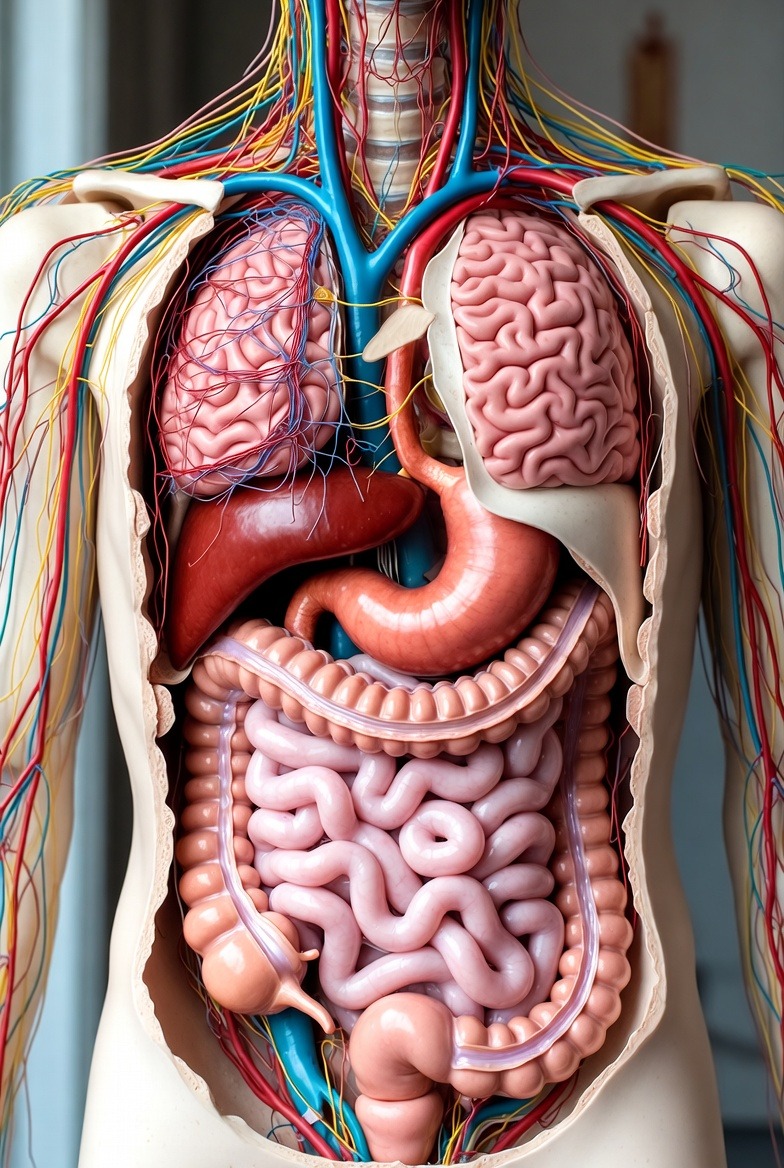
Healthy Aging Tips: Nutrition Approaches That Work for Longevity
Nutritional approaches that support longevity and healthy aging.
The Longevity Code: Unlocking a Longer, Healthier Life Through Revolutionary Nutrition Science
We are living in an extraordinary moment in human history. For the first time, the possibility of not just adding years to our life, but vibrant, healthy life to our years, is within our grasp. This isn't about chasing an impossible fountain of youth, but about decoding the powerful, evidence-based strategies that allow us to age with strength, clarity, and vitality. At the heart of this revolution is a profound truth: what we eat is the single most powerful lever we can pull to influence our long-term health and lifespan.
The narrative around aging is shifting from passive decline to proactive mastery. We now understand that our biological age—the age of our cells—can be vastly different from our chronological age. The science of gerontology reveals that up to 70% of how we age is dictated by our lifestyle and environment, with nutrition accounting for a staggering portion of that influence. This article is your definitive guide to the nutritional approaches that truly work for longevity, moving beyond fads and into the realm of proven science.
In this deep exploration, we’ll connect the dots between ancient dietary wisdom and cutting-edge research, from cellular autophagy to gut microbiome modulation. We’ll also examine how modern technology, like advanced wellness wearables from pioneers such as Oxyzen, provides the real-time, personalized data needed to tailor these nutritional principles to your unique biology. The journey to a longer, healthier life begins not with a pill, but with your very next meal.
The New Science of Aging: It’s Not Just About Living Longer, But Living Better
The quest for longevity is as old as civilization itself. Yet, the modern understanding has evolved from a simple focus on lifespan to a more nuanced pursuit of "healthspan"—the period of life spent in good health, free from chronic disease and disability. The goal is to compress the period of decline at the end of life, creating a long, high-functioning plateau that extends right up until our final years.
At the cellular level, aging is characterized by a set of interconnected processes, often called the "Hallmarks of Aging." These include genomic instability, telomere attrition, epigenetic alterations, loss of proteostasis, deregulated nutrient sensing, mitochondrial dysfunction, cellular senescence, stem cell exhaustion, and altered intercellular communication. While this sounds complex, the exciting news is that dietary components can directly influence nearly every one of these hallmarks.
For instance, nutrient sensing pathways—the systems by which our cells detect the availability of food—are primary longevity regulators. The mTOR (mechanistic Target of Rapamycin) and AMPK (AMP-activated protein kinase) pathways act like a seesaw. Constant activation of mTOR by high protein and calorie intake can accelerate aging processes, while activating AMPK (often through calorie restriction or specific compounds) can promote cellular repair and longevity. This forms the basis for strategies like intermittent fasting, which we will explore in depth.
The data is compelling. Landmark studies like the Nurses' Health Study and the Blue Zones research, which examines regions of the world where people live extraordinarily long and healthy lives, consistently point to diet as the cornerstone of longevity. In places like Okinawa, Japan, and Sardinia, Italy, common dietary patterns emerge: an abundance of plant foods, healthy fats, legumes, and a conscious, moderate approach to eating.
This new science empowers us to move from guesswork to precision. It’s no longer about vague advice to "eat healthy." It’s about understanding how specific foods and eating patterns signal our genes, repair our cells, and build resilience. As you delve into these strategies, remember that knowledge is the first step. Implementation is the key, and consistency is the magic. For those seeking to track how their body responds to these nutritional changes—monitoring sleep quality, recovery, and daily readiness—tools like the Oxyzen smart ring offer unprecedented insight, turning abstract principles into personalized, actionable data. You can discover how this technology works on the Oxyzen homepage.
The Longevity Pantry: Essential Nutrients and Foods for Cellular Rejuvenation
Building a diet for longevity starts with stocking your kitchen with the right ingredients. Think of this not as a restrictive list, but as a celebration of foods that are both delicious and deeply nourishing at the cellular level. This pantry is built on whole, minimally processed foods that are rich in the specific compounds science links to extended healthspan.
Phytonutrient Powerhouses: These are the bioactive compounds found in plants that go beyond vitamins and minerals. They are the plants' own defense systems, and in our bodies, they act as potent antioxidants, anti-inflammatories, and signaling molecules.
Polyphenols: Found in berries (especially blueberries, blackberries, and raspberries), dark leafy greens, nuts, seeds, dark chocolate (85%+ cacao), green tea, and coffee. They combat oxidative stress and support brain health.
Carotenoids: The pigments that give foods like sweet potatoes, carrots, tomatoes, spinach, and kale their vibrant colors. Lutein and zeaxanthin are critical for eye health, while lycopene is a powerful protector for heart and skin.
Glucosinolates: Cruciferous vegetables like broccoli, cauliflower, Brussels sprouts, and kale are rich in these compounds. When chopped and chewed, they convert into isothiocyanates like sulforaphane, which upregulates the body's own antioxidant systems and supports detoxification pathways.
The Healthy Fat Foundation: The myth that fat is the enemy is thoroughly debunked. The right fats are essential for brain structure, hormone production, and reducing inflammation.
Monounsaturated Fats (MUFAs): The cornerstone of the Mediterranean diet. Excellent sources include extra virgin olive oil (a must for its polyphenol content), avocados, and macadamia nuts.
Omega-3 Fatty Acids (EPA & DHA): These are the most potent anti-inflammatory fats, crucial for brain cell membranes and heart health. Prioritize fatty fish like wild-caught salmon, sardines, and mackerel. For plant-based sources, algae oil and flaxseeds (which contain ALA, a precursor) are options.
Saturated Fats from Wise Sources: Not all saturated fat is created equal. Prioritize those from whole foods like coconut (in moderation) and full-fat, pasture-raised dairy, which contains beneficial fatty acids like conjugated linoleic acid (CLA).
The Protein Priority: Adequate protein is essential for maintaining muscle mass (sarcopenia prevention), immune function, and enzyme production as we age. The focus should be on quality and distribution.
Complete Plant Proteins: Legumes (lentils, chickpeas, black beans), tofu, tempeh, and edamame are fiber-rich sources.
High-Quality Animal Proteins: Pasture-raised eggs, wild-caught fish, and occasionally, grass-fed, pasture-raised meats. Bone broth provides collagen, which supports skin, joint, and gut health.
The Leucine Lever: Leucine is the key amino acid for triggering muscle protein synthesis. It’s found abundantly in eggs, dairy, fish, and legumes. Ensuring each meal contains a source of leucine can help preserve metabolic health.
The Fiber Framework: Fiber is the unsung hero of longevity. It feeds the beneficial bacteria in your gut (your microbiome), regulates blood sugar, aids in detoxification, and promotes satiety.
Soluble Fiber: Dissolves in water, forming a gel that slows digestion. Found in oats, beans, apples, citrus fruits, and psyllium husk.
Insoluble Fiber: Adds bulk to stool and promotes regularity. Found in whole grains, nuts, seeds, and the skins of fruits and vegetables.
By centering your meals around this longevity pantry, you create a nutrient-dense foundation that supports every system in your body. For more recipe ideas and practical guides on incorporating these foods, our blog is regularly updated with evidence-based content from nutrition experts.
Mastering Macronutrient Balance: Protein, Carbs, and Fat for Optimal Healthspan
While the quality of your food is paramount, the balance of macronutrients—protein, carbohydrates, and fats—plays a critical strategic role in longevity. There is no one-size-fits-all ratio, but science points to optimal ranges that help regulate the key nutrient-sensing pathways we discussed earlier.
Protein: The Goldilocks Principle The protein debate for longevity is fascinating. On one hand, adequate protein is non-negotiable for preserving muscle and metabolic rate. On the other, excessive protein, particularly from certain animal sources, can chronically activate the mTOR pathway, which is associated with accelerated aging processes.
The Sweet Spot: Research, including that from longevity expert Valter Longo, suggests a target of 0.31 to 0.36 grams per pound of body weight (or 0.7 to 0.8 grams per kilogram) for most adults. For a 150-pound person, this is roughly 55-60 grams per day.
Distribution is Key: Instead of a large steak dinner, aim for 20-30 grams of high-quality protein per meal, evenly distributed. This provides the leucine threshold for muscle synthesis without overwhelming the system. A breakfast of Greek yogurt with nuts, a lunch of lentil soup, and a dinner of salmon with quinoa hits this target perfectly.
Source Matters: Prioritize plant-based proteins and fish. When consuming animal protein, choose leaner cuts and consider it a side dish rather than the main event.
Carbohydrates: Quality, Timing, and Glycemic Load Carbohydrates have been villainized, but for longevity, the type and timing are what count.
Embrace Complex Carbs: Your carbohydrates should come almost exclusively from high-fiber, nutrient-dense sources: vegetables (especially non-starchy ones), legumes, whole fruits, and intact whole grains like quinoa, oats, and farro. These provide steady energy, feed your microbiome, and have a low glycemic load.
Time Your Carbs: Consider aligning your carbohydrate intake with your activity. Consuming more of your complex carbs around periods of movement or exercise can enhance performance and improve nutrient partitioning.
The Sugar Saboteur: Refined sugars and flours are among the most potent drivers of inflammation, insulin resistance, and advanced glycation end-products (AGEs), which damage tissues and accelerate aging. Their elimination is one of the most powerful steps you can take.
Fats: The Longevity Lubricant Fats should be your primary energy source in a longevity-focused diet, making up a significant portion of your calories—anywhere from 35% to 50%, depending on your individual needs and activity.
Make MUFA and Omega-3 Your Stars: As outlined in the pantry section, extra virgin olive oil, avocados, nuts, and fatty fish should be your go-to fats.
Balance Your Omega-6 to Omega-3 Ratio: The modern diet is flooded with pro-inflammatory omega-6 fats from processed seed oils (soybean, corn, sunflower). By eliminating processed foods and using olive or avocado oil for cooking, you naturally improve this critical ratio.
Saturated Fat in Context: Enjoy saturated fats from whole food sources like coconut, dark chocolate, and grass-fed dairy, but let them play a supporting role rather than being the lead.
Finding your personal ideal macronutrient balance is an experiment. It requires tuning into your energy, satiety, and biomarkers. This is where personalized data becomes invaluable. Many users of the Oxyzen smart ring report that by correlating their dietary choices with objective metrics like sleep depth, heart rate variability (HRV), and resting heart rate, they can identify the precise fuel mix that makes their body feel and perform at its best. For common questions on how wearables track these physiological changes, our FAQ page provides detailed answers.
The Power of Phytonutrients: Eating the Rainbow for Cellular Defense
If macronutrients are the architecture of your longevity diet, phytonutrients are the intricate, sophisticated technology within the walls. These compounds, which plants produce to protect themselves from sun damage, pests, and disease, have profound protective effects in the human body. "Eating the rainbow" is more than a catchy phrase—it's a strategy to harness a broad spectrum of these defensive compounds.
Color as Your Guide: Each color family represents a different class of phytonutrients with unique benefits.
Red & Pink (Lycopene, Ellagic Acid): Tomatoes (especially cooked), watermelon, pink grapefruit, and strawberries. Lycopene is a champion for cardiovascular health and prostate health.
Orange & Yellow (Beta-Carotene, Vitamin C, Curcumin): Carrots, sweet potatoes, pumpkin, turmeric, and citrus fruits. These support immune function, vision, and have powerful anti-inflammatory properties (notably curcumin from turmeric).
Green (Chlorophyll, Isothiocyanates, Folate): The most diverse category. Dark leafy greens (spinach, kale), cruciferous veggies (broccoli, Brussels sprouts), and green tea. They are masters of detoxification, cellular protection (via the Nrf2 pathway activated by sulforaphane), and providing essential methylation nutrients like folate.
Blue & Purple (Anthocyanins, Resveratrol): Blueberries, blackberries, red cabbage, eggplant, and red grapes. Anthocyanins are exceptional for cognitive health and vascular function. Resveratrol, found in grape skins and peanuts, activates sirtuins—a family of proteins linked to longevity.
White & Brown (Allicin, Quercetin): Garlic, onions, leeks, mushrooms, and cauliflower. Allicin from crushed garlic has potent antimicrobial and cardiovascular benefits. Quercetin is a flavonoid with strong antihistamine and anti-viral properties.
Synergy is Everything: The true magic of phytonutrients lies in their synergy. Isolated supplements often fail to replicate the benefits of whole foods because they miss the complex interplay of compounds. For example, the fat-soluble vitamins in avocado can dramatically increase the absorption of carotenoids from a spinach salad.
Practical Application: Aim for a minimum of 5-7 servings of vegetables and 2-3 servings of fruit per day, with a heavy emphasis on vegetables. One serving is roughly one cup of raw leafy greens or half a cup of chopped vegetables or fruit.
Start with a Base: Build every lunch and dinner around a generous portion of non-starchy vegetables.
Blend and Don't Peel: Smoothies (with more veggies than fruit) can be an efficient way to increase intake. Where safe and edible, keep the skins on fruits and vegetables, as they are often the most phytonutrient-dense part.
Herbs and Spices are Superfoods: Don't neglect rosemary, oregano, cinnamon, and ginger. They are concentrated sources of antioxidants and anti-inflammatory compounds.
This focus on plant diversity does more than fight oxidation; it fundamentally supports the health of your gut microbiome, which we now know is a central commander of systemic inflammation and immune function. The journey to understanding this deep connection between diet, gut health, and aging is a core part of the research we explore on the Oxyzen blog.
Intermittent Fasting and Time-Restricted Eating: Harnessing Hormesis for Cellular Cleanup
One of the most profound nutritional strategies for longevity isn't about what you eat, but when you eat. Intermittent Fasting (IF) and Time-Restricted Eating (TRE) are practices that create a beneficial, mild stress on the body—a concept known as hormesis. This stress activates ancient, conserved cellular pathways that enhance repair, resilience, and efficiency.
The Science of the Fasted State: When you abstain from food for a sustained period (typically 12-16 hours or more), your body undergoes a metabolic switch.
Depletion of Glycogen: After about 12 hours, your liver glycogen stores are depleted.
Ketogenesis: The body begins to break down fat into ketone bodies, an alternative, clean-burning fuel for the brain and muscles that has been shown to have neuroprotective effects.
Autophagy Activation: This is the star of the show. Autophagy, meaning "self-eating," is the body's innate recycling program. Damaged cellular components, misfolded proteins, and dysfunctional organelles are identified, broken down, and used for energy or to create new, healthy parts. This cellular spring-cleaning is crucial for preventing the accumulation of cellular junk that leads to aging and diseases like Alzheimer's and cancer. Fasting is one of the most potent natural inducers of autophagy.
Popular Protocols:
16/8 Method (Time-Restricted Eating): This involves consuming all your daily calories within an 8-hour window (e.g., 12 pm to 8 pm) and fasting for the remaining 16 hours. This is often the most sustainable and socially compatible approach.
5:2 Diet: Eating normally for five days of the week and restricting calories to about 500-600 on two, non-consecutive days.
Eat-Stop-Eat: Incorporating one or two 24-hour fasts per week.
Beyond Weight Loss: The Longevity Benefits: While weight management is a common result, the deeper benefits are systemic.
Improved Insulin Sensitivity: Fasting gives your pancreas a break and helps your cells become more responsive to insulin, protecting against type 2 diabetes.
Reduced Inflammation: Studies show marked reductions in inflammatory markers like CRP during fasting periods.
Enhanced Brain Function: The boost in BDNF (Brain-Derived Neurotrophic Factor), often called "fertilizer for the brain," supports neuroplasticity and cognitive function.
Cellular & DNA Repair: The fasting state upregulates DNA repair processes and increases antioxidant production.
Implementation with Wisdom:
Start Slowly: Begin with a 12-hour fast (e.g., finish dinner at 8 pm, breakfast at 8 am) and gradually extend the window.
Stay Hydrated: Water, black coffee, and unsweetened tea are allowed and encouraged during the fast.
Break Your Fast Gently: Opt for a balanced meal with protein, healthy fats, and fiber. A giant, refined-carb-heavy meal negates many benefits.
Listen to Your Body: This approach is not suitable for everyone, including those who are pregnant, underweight, or have a history of eating disorders. Consult a healthcare provider.
Adopting a time-restricted eating pattern requires mindful adjustment. Tracking your body's response through metrics like sleep quality, morning resting heart rate, and energy levels can provide objective feedback. Many in the Oxyzen community share their experiences using these insights to fine-tune their fasting windows for optimal personal results, as seen in our testimonials.
The Gut-Brain-Longevity Axis: Why Your Microbiome is the Key to Aging Well
Perhaps no discovery in the last decade has been more transformative for longevity science than the understanding of the gut microbiome. This vast ecosystem of trillions of bacteria, viruses, and fungi living in your digestive tract is not a passive passenger; it is an active, essential organ that communicates directly with your brain, immune system, and metabolism. Its health is a primary determinant of how you age.
Your Microbiome's Role in Aging: Research shows that centenarians (people over 100) have a distinct, more diverse gut microbiome compared to frail elderly individuals. A rich, diverse microbiome:
Produces Vital Metabolites: Gut bacteria ferment dietary fiber to produce short-chain fatty acids (SCFAs) like butyrate, which is the primary fuel for the cells lining your colon, reduces inflammation, and has been shown to protect against cancer and neurodegenerative diseases.
Regulates Immunity: Up to 70% of your immune system resides in and around your gut. A healthy microbiome trains immune cells, promotes tolerance, and prevents systemic inflammation ("inflammaging").
Synthesizes Nutrients: It produces essential vitamins like B12, K2, and folate.
Modulates the Gut-Brain Axis: Via the vagus nerve and through producing neurotransmitters (like serotonin and GABA), your gut directly influences mood, stress response, and cognitive function.
Diet: The Primary Microbiome Sculptor: You feed yourself, and you feed your microbes. Their composition can shift dramatically within days based on your diet.
Prebiotics: Feed the Good Bacteria: These are the specific fibers that your beneficial microbes love. Load up on garlic, onions, leeks, asparagus, dandelion greens, bananas, oats, and flaxseeds.
Probiotics: Add Beneficial Strains: Fermented foods are nature's probiotic supplements. Include unsweetened yogurt, kefir, sauerkraut, kimchi, kombucha, and miso regularly. Diversity is key—rotate your sources.
Polyphenols as Microbiome Fuel: Many polyphenols are poorly absorbed in the small intestine and travel to the colon, where they act as premium fuel for beneficial bacteria, promoting their growth.
The Enemies of a Healthy Microbiome:
Ultra-Processed Foods: These are devoid of fiber and often contain emulsifiers and artificial sweeteners that can damage the gut lining and reduce microbial diversity.
Chronic Stress: Stress hormones can alter gut motility and permeability, and change microbial composition.
Overuse of Antibiotics: While sometimes necessary, antibiotics are a carpet bomb to your microbial ecosystem. Always use them under medical guidance and focus on rebuilding afterward.
Nurturing Your Inner Garden: Think of your gut as a diverse, resilient garden. You want many different species (diversity) and you want to feed them the right fertilizers (prebiotic fibers). A colorful, plant-rich, whole-food diet is the best landscape design for longevity. The profound impact of gut health on overall vitality is a topic we are deeply passionate about, reflecting our core mission to empower holistic wellness, which you can read more about in our story.
Anti-Inflammatory Eating: Cooling the Fires of "Inflammaging"
Chronic, low-grade inflammation is now recognized as a universal driver of aging and age-related diseases—a condition so pivotal it has been dubbed "inflammaging." This isn't the acute inflammation of a sprained ankle; it's a persistent, systemic smoldering that damages tissues, accelerates cellular aging, and underlies conditions from heart disease and diabetes to Alzheimer's and depression. Your diet is either pouring gasoline or water on this fire.
The Inflammatory Culprits in the Modern Diet:
Refined Carbohydrates and Sugars: These cause rapid spikes in blood sugar and insulin, leading to the production of pro-inflammatory cytokines and the formation of AGEs.
Industrial Seed Oils: Oils high in omega-6 fatty acids (soybean, corn, cottonseed, sunflower, safflower) are pervasive in processed and fried foods. While we need some omega-6s, the modern ratio is severely skewed toward pro-inflammatory pathways.
Processed Meats: Contain compounds like advanced glycation end products (AGES) and nitrates that can trigger inflammatory responses.
Food Sensitivities: For some individuals, common foods like gluten or dairy can provoke a low-grade immune response and intestinal permeability ("leaky gut"), fueling systemic inflammation.
The Anti-Inflammatory Food Pharmacy: Build your diet around these powerful inflammation-cooling foods:
Fatty Fish: The EPA and DHA in salmon, mackerel, and sardines are converted into powerful anti-inflammatory resolving and protectins in the body.
Extra Virgin Olive Oil: Contains oleocanthal, a compound with an anti-inflammatory effect comparable to ibuprofen.
Turmeric and Ginger: Curcumin in turmeric is one of the most studied natural anti-inflammatories. Pair it with black pepper (piperine) to boost absorption. Ginger contains gingerol, with similar properties.
Leafy Greens and Berries: Packed with antioxidants that neutralize the free radicals that drive inflammation.
Nuts and Seeds: Especially almonds and walnuts, which provide healthy fats and antioxidants.
Green Tea: Rich in EGCG, a polyphenol that modulates inflammatory pathways.
The Eating Pattern That Extinguishes Flames: The Mediterranean Diet is the gold-standard, evidence-based anti-inflammatory eating pattern. It’s not a temporary diet but a lifelong style characterized by:
Abundant fruits, vegetables, whole grains, and legumes.
Olive oil as the principal fat.
Moderate consumption of fish and poultry.
Low intake of dairy, red meat, and sweets.
Enjoyment of meals with others.
Adopting this pattern isn't about perfection; it's about consistent direction. The reduction in inflammatory burden can be felt in reduced joint stiffness, clearer skin, improved mood, and better energy. Quantifying this shift, however, often requires looking beneath the surface. Wearable technology that tracks physiological markers like Heart Rate Variability (HRV)—a key indicator of autonomic nervous system balance and recovery from stress—can provide tangible proof that your dietary changes are lowering systemic inflammation and improving your body's resilience. To understand how such technology supports this journey, you can learn more about us at Oxyzen.
Hydration and Longevity: Water, Electrolytes, and Cellular Communication
Often overlooked in sophisticated nutrition discussions, hydration is a fundamental pillar of longevity. Every single cellular process—from energy production and nutrient transport to detoxification and temperature regulation—depends on adequate hydration. As we age, our thirst sensation diminishes, making chronic, low-grade dehydration a common but preventable contributor to fatigue, cognitive fog, and even increased fall risk.
Water: More Than Just Fluid Water is the medium of life. It’s not just about the volume you drink, but its role in maintaining the structure and function of your cells.
Cellular Homeostasis: Proper hydration ensures cells are plump and functioning optimally, allowing for efficient exchange of nutrients and waste products.
Joint and Spinal Health: Water is a primary component of synovial fluid, which lubricates joints, and spinal discs, which act as shock absorbers.
Detoxification Pathways: Adequate water is essential for kidney function and the lymphatic system, your body's sewage system for clearing metabolic byproducts and toxins.
Electrolytes: The Conductors of the Symphony Drinking pure water is crucial, but without proper electrolyte balance, you can actually dilute your body's mineral concentrations. Electrolytes—sodium, potassium, magnesium, and calcium—are minerals that carry an electrical charge, vital for:
Nerve Impulses: Every thought, heartbeat, and muscle contraction requires electrolyte-mediated electrical signals.
Muscle Function: Potassium and magnesium are critical for preventing cramps and maintaining muscle strength, which fights sarcopenia.
pH Balance: They help maintain the delicate acid-base balance in your blood and tissues.
The Longevity Hydration Strategy:
Quantity: A common guideline is to drink half your body weight (in pounds) in ounces of water per day. For a 150-pound person, that’s 75 ounces (about 2.2 liters). Increase this with exercise, heat, or high-altitude.
Quality: Filter your tap water to reduce contaminants. Consider adding a pinch of high-quality sea salt (like Celtic or Himalayan) to a glass of water once a day to provide trace minerals.
Food as a Source: About 20% of your fluid intake comes from food. Watermelon, cucumbers, celery, oranges, and soups are excellent hydrating foods.
Herbal Infusions: Incorporate non-caffeinated herbal teas like hibiscus (rich in antioxidants) or mint for variety.
Monitor Your Output: Your urine should be a pale straw color. Dark yellow urine is a sign of dehydration.
Hydration and Biomarkers: Chronic dehydration can subtly increase your resting heart rate and lower your Heart Rate Variability (HRV), as your body works harder to maintain circulation and blood pressure. Conversely, optimal hydration supports cardiovascular efficiency and recovery. This is a perfect example of how a basic habit directly influences the advanced physiological metrics that tools like the Oxyzen ring track, offering a clear feedback loop on your daily wellness practices. For more insights into how data informs holistic health, explore our blog resources.
Smart Supplementation: Navigating Vitamins, Minerals, and Longevity Compounds
A longevity-optimized diet should always come first, acting as the foundation. However, targeted supplementation can fill critical gaps, address age-related declines in absorption, and provide therapeutic doses of compounds difficult to obtain from food alone. This is not about taking a handful of pills, but about strategic, evidence-based enhancement.
The Foundation: Testing, Not Guessing The first rule of smart supplementation is to know your status. A standard blood test can reveal deficiencies in:
Vitamin D: Arguably the most common deficiency, especially in less sunny climates. Vitamin D is crucial for immune function, bone health, and modulating inflammation. Optimal blood levels (25-OH-D) are between 40-60 ng/mL.
Vitamin B12: Absorption decreases with age and can be affected by certain medications (like metformin and proton pump inhibitors). Deficiency leads to fatigue, neurological issues, and elevated homocysteine (a risk factor for heart disease and cognitive decline).
Magnesium: Involved in over 300 enzymatic reactions, including energy production and nerve function. Soil depletion and stress make deficiency common. Glycinate or citrate forms are well-absorbed.
Omega-3 Index: A specialized test that measures the amount of EPA and DHA in your red blood cells. An index of 8% or higher is associated with the lowest risk for heart disease.
Promising Longevity Compounds (The "Geroprotectors"): These are substances that show potential to directly influence the hallmarks of aging. Consult a healthcare professional before starting any new regimen.
Nicotinamide Riboside (NR) or Nicotinamide Mononucleotide (NMN): These are precursors to NAD+, a vital coenzyme that declines sharply with age. NAD+ is essential for mitochondrial function, DNA repair, and activating sirtuins (longevity proteins). Early research is promising for improving vascular health and reversing aspects of age-related metabolic decline.
Resveratrol: The famous compound in red wine, but to get a therapeutic dose, supplementation is typically required. It activates SIRT1 and has potent antioxidant effects.
Alpha-Lipoic Acid & Acetyl-L-Carnitine: This duo works synergistically to support mitochondrial health and energy production in cells.
Curcumin: As mentioned, for a potent anti-inflammatory effect, a high-absorption curcumin supplement (often paired with piperine or in liposomal form) can be beneficial.
Collagen Peptides: May support skin elasticity, joint health, and gut lining integrity as our natural collagen production declines.
A Prudent Approach: Start with the foundational nutrients based on testing (Vitamin D, Magnesium, B12, Omega-3s). Consider adding one "geroprotector" at a time, monitoring for any side effects and, ideally, tracking relevant biomarkers. The world of longevity supplements is exciting but requires discernment. It's a field driven by both rigorous science and bold claims. Our commitment at Oxyzen is to provide the tools that help you measure your body's unique response to any intervention, grounded in our vision for empirical, personalized wellness.
Mindful Eating and Circadian Rhythms: Syncing Nutrition with Your Body’s Internal Clock
Nutrition isn't solely about the components on your plate; it's also about the context in which you consume them. Two of the most powerful, yet often overlooked, frameworks for longevity eating are mindful eating and circadian rhythm alignment. Together, they transform eating from a passive, mechanical task into an active, harmonious dialogue with your body's innate intelligence.
The Art of Mindful Eating: Digestion Begins in the Brain In our fast-paced world, eating has become a multitasking activity. We eat while working, driving, or scrolling through screens. This disconnection has profound consequences. Digestion is a "rest-and-digest" (parasympathetic) process. When we eat under stress or distraction, we are in a "fight-or-flight" (sympathetic) state, which drastically impairs digestive enzyme secretion, gut motility, and nutrient absorption.
The Practice: Mindful eating is the intentional act of paying full attention to the experience of eating. It involves noticing the colors, smells, textures, and flavors of your food; chewing thoroughly; eating slowly; and recognizing hunger and satiety cues.
The Longevity Payoff: Studies show mindful eating leads to better digestion, reduced bloating, improved portion control (by allowing satiety signals to register), and a healthier relationship with food. It lowers cortisol output during meals and turns eating from a potential stressor into a moment of daily meditation and gratitude.
Circadian Rhythms: Timing is Metabolism Your body operates on a 24-hour internal clock, the circadian rhythm, that governs everything from hormone release and body temperature to sleep cycles and, critically, metabolic function. Every organ has its own metabolic clock. Eating in sync with this rhythm—a practice called chrononutrition—optimizes nutrient partitioning, energy expenditure, and hormone balance.
The Science: Insulin sensitivity is highest in the morning and declines throughout the day. Your cells are primed to handle carbohydrates better earlier in the day. Conversely, melatonin production in the evening makes your body more prone to storing calories as fat if you eat late.
The Rules of Circadian Eating:
Front-Load Your Calories: Make breakfast or lunch your largest, most carbohydrate-inclusive meal. Think "king's breakfast, prince's lunch, pauper's dinner."
Implement an Early Time-Restricted Eating (eTRE) Window: Confine all eating to a window that ends by 6 or 7 pm. This gives your digestive system a long overnight rest, aligns with natural melatonin rise, and has been shown in studies to improve metabolic health more effectively than later TRE windows.
Embrace Morning Light: Exposure to bright natural light within an hour of waking is the most powerful signal to reset your master clock, which in turn regulates your hunger hormones like ghrelin and leptin.
Avoid Late-Night Eating: Consuming calories, especially from sugars and refined carbs, in the 2-3 hours before bedtime disrupts sleep architecture, impairs nighttime cellular repair (including autophagy), and can lead to glucose dysregulation.
The Synergy of Mind and Rhythm: When you combine mindful eating with circadian alignment, you create a potent ritual. You eat your largest meal at midday, when your digestive fire is strongest, and you do so with attention and without stress. You finish eating early, allowing your body to focus on repair, not digestion, during the night. This practice respects the ancient wisdom of our biology, a principle that guides much of our philosophy at Oxyzen, which you can explore in our founding story.
Navigating Modern Food Realities: Organic, Regenerative, and the Dirty Dozen
In an ideal world, all our food would be grown in nutrient-rich soil, free of toxic chemicals, and raised in ethical, sustainable systems. The modern reality is more complex. Understanding the landscape of food quality—from conventional to organic to regenerative—is a critical skill for the longevity-focused consumer. It’s about prioritizing your investment to maximize nutrient density and minimize toxic load.
The Pesticide Problem: Understanding the "Dirty Dozen" The Environmental Working Group's (EWG) annual "Dirty Dozen" and "Clean Fifteen" lists are valuable tools. They are based on USDA testing of pesticide residues on conventionally grown produce.
Why It Matters: Chronic, low-level exposure to pesticide cocktails is linked to endocrine disruption, gut microbiome damage, and increased oxidative stress—all drivers of inflammaging. The developing brains of children are particularly vulnerable, but the cumulative effect over a lifetime is a longevity concern.
Practical Application: Use the "Dirty Dozen" list (which typically includes strawberries, spinach, kale, nectarines, apples, grapes, etc.) to prioritize your organic purchases. For the "Clean Fifteen" (avocados, sweet corn, pineapple, onions, etc.), buying conventional is a lower-risk, budget-friendly option.
Organic: The Verified Baseline Organic certification prohibits the use of synthetic pesticides, herbicides, and GMOs, and sets standards for animal welfare. Choosing organic, especially for the Dirty Dozen, is a direct way to reduce your chemical intake.
The Nuance: "Organic" doesn't automatically mean "nutrient-dense." It speaks to what's not in the food (toxins) rather than guaranteeing what is in it (vitamins, minerals). Soil quality is the ultimate determinant of nutrient content.
Regenerative Agriculture: The Gold Standard for Longevity and the Planet This is where the future of longevity nutrition intersects with planetary health. Regenerative agriculture goes beyond sustainable (doing no harm) to actually improve the ecosystem. It focuses on:
Building Soil Health: Through no-till farming, cover cropping, and diverse crop rotations.
Integrating Livestock: Managed grazing that mimics natural herds, fertilizing the soil naturally.
Increasing Biodiversity: On the farm and in the soil microbiome. The Longevity Impact: Food grown in regeneratively managed soil has been shown to have a higher nutrient density—more vitamins, minerals, and phytonutrients. It also has a higher biodiversity of soil microbes, which may translate to a more diverse and resilient gut microbiome when we eat it. Furthermore, it draws carbon down into the soil, making it a climate solution.
How to Navigate and Advocate:
Prioritize: Use the Dirty Dozen list. Always buy organic for thin-skinned berries, leafy greens, and celery.
Look Beyond the Label: At farmers' markets, ask growers about their practices. Many small farms use organic methods but may not afford certification. Terms like "no-spray" or "chemical-free" are good indicators.
Support Regenerative: Seek out brands and farms that use the term "regenerative organic." This is a growing movement, and consumer demand drives change.
Wash All Produce: Use a baking soda and water soak for 12-15 minutes to help remove surface pesticide residues, even on organic produce.
Making informed choices about food sourcing is an act of voting for your health and the health of the planet. It’s a long-term investment. For those tracking their body's subtle signals, many find that reducing their toxic load through cleaner food choices correlates with improvements in metrics like resting heart rate and sleep quality, a trend often discussed by users sharing their experiences with Oxyzen.
Putting It All Together: A 7-Day Longevity-Focused Meal Framework
Theory is essential, but implementation is where life changes. This framework is not a rigid diet, but a flexible, principles-based template designed to incorporate every strategy we've discussed: phytonutrient diversity, macronutrient balance, time-restricted eating, gut health support, anti-inflammatory fats, and circadian alignment.
Guiding Principles for the Week:
Eating Window: Aim for a 12-14 hour feeding window, finishing your last meal by 7:00 PM.
Hydration: Start the day with a large glass of water. Sip water and herbal tea throughout the day.
Mindful Practice: Sit down for meals. Chew thoroughly. Avoid screens.
Plant-Based Foundation: Each meal is built around vegetables, with protein and healthy fats as complements.
A Sample Day Breakdown:
Upon Waking (6:30 AM): Large glass of water with a squeeze of lemon.
Breakfast (8:00 AM - Largest Meal):
The Base: A big handful of spinach or kale, lightly sautéed in extra virgin olive oil or steamed.
The Protein: 2-3 pastured eggs, scrambled or as an omelet.
The Smart Carb: 1/2 cup of cooked black beans or lentils, or a small sweet potato.
The Healthy Fat: 1/4 avocado sliced on top, or a tablespoon of pesto.
The Boost: A sprinkle of turmeric and black pepper.
Lunch (1:00 PM - Substantial Meal):
The Base: A massive mixed salad with romaine, arugula, shredded red cabbage, and grated carrots.
The Protein: A palm-sized portion of grilled wild salmon or a cup of chickpeas.
The Smart Carb & Fiber: 1/2 cup of cooked quinoa or farro mixed into the salad.
The Healthy Fat: A generous drizzle of olive oil and lemon juice dressing.
The Boost: A tablespoon of sunflower seeds or pumpkin seeds for crunch and minerals.
Dinner (6:30 PM - Lightest Meal):
The Base: A large portion of roasted non-starchy vegetables (broccoli, cauliflower, Brussels sprouts, asparagus) with garlic.
The Protein: A palm-sized portion of baked white fish (like cod) or a small serving of tempeh.
The Healthy Fat: The vegetables are roasted in avocado oil.
The Broth: A small cup of homemade or high-quality bone broth to start the meal, supporting gut health and satiety.
Snacks (Only if genuinely hungry):
A small handful of almonds and an apple.
Full-fat Greek yogurt with a few berries.
Carrot sticks with hummus.
7-Day Protein & Vegetable Rotation (to maximize diversity):
Day 1: Focus on Cruciferous & Leafy Greens. Salmon / Eggs.
Day 2: Focus on Alliums & Mushrooms. Chicken / Lentils.
Day 3: Focus on Bright Colors (Bell Peppers, Tomatoes, Carrots). Sardines / Chickpeas.
Day 4: Focus on Sea Vegetables & Roots (add seaweed salad, beets). White Fish / Tempeh.
Day 5: Focus on Beans & Legumes as the star (hearty lentil soup, bean chili). Side of mixed greens.
Day 6: Focus on Fermented Foods (big kimchi or sauerkraut serving). Grass-fed beef / Eggs.
Day 7: "Kitchen Sink" Soup Day: Make a large pot of vegetable soup with bone broth, using all leftover veggies and beans. Clean out the fridge, nourish the body.
Preparation is Key:
Sunday Ritual: Wash and chop vegetables. Cook a batch of quinoa and lentils. Hard-boil a few eggs. Make a dressing. Roast a tray of vegetables.
Listen to Your Body: This is a template. Adjust portion sizes based on your hunger, activity level, and unique metabolism.
This framework demystifies longevity eating. It’s practical, delicious, and inherently varied. For continuous inspiration, new recipes, and guides on adapting this framework to different dietary needs, our wellness blog is an ever-growing resource.
Beyond Food: The Essential Synergy of Sleep, Movement, and Community
Nutrition is the cornerstone, but it is not the entire castle of longevity. It exists in a powerful synergy with other lifestyle pillars. Optimizing your diet while neglecting sleep, movement, or social connection is like tuning one instrument in an orchestra and expecting a symphony. The most profound results come from the harmonious integration of all elements.
Sleep: The Non-Negotiable Pillar of Repair Sleep is when the magic of longevity happens. It is the ultimate regenerative practice.
Glymphatic System Activation: During deep sleep, your brain's waste-clearance system kicks into high gear, flushing out metabolic debris like beta-amyloid, a protein linked to Alzheimer's disease.
Hormone Optimization: Sleep regulates ghrelin (hunger hormone) and leptin (satiety hormone). Poor sleep increases cravings for high-calorie, sugary foods and impairs insulin sensitivity.
Cellular Repair & Memory Consolidation: Growth hormone is released, facilitating tissue repair. The brain processes and stores memories.
The Nutrition Link: A diet high in refined carbs and sugar can disrupt sleep architecture. Conversely, foods rich in magnesium, glycine (from bone broth), and tryptophan (from pumpkin seeds, turkey) can support sleep quality. Action: Prioritize 7-9 hours of quality, uninterrupted sleep. Create a dark, cool, screen-free sleep environment.
Movement: The Signal for Growth and Maintenance Exercise is a hormetic stressor, like fasting. It creates beneficial damage that the body overcompensates for, making you stronger and more resilient.
Resistance Training: The single most important activity to combat sarcopenia (age-related muscle loss). Muscle is your metabolic reservoir and a key regulator of glucose metabolism. Aim for 2-3 full-body strength sessions per week.
Zone 2 Cardio: This is low-intensity, steady-state exercise where you can hold a conversation (e.g., brisk walking, cycling, swimming). It improves mitochondrial density and efficiency—the energy powerhouses of your cells—and enhances metabolic flexibility (your body's ability to switch between fuel sources).
NEAT (Non-Exercise Activity Thermogenesis): The calories you burn from fidgeting, standing, walking to the mailbox. Increasing NEAT is a powerful, underrated tool for metabolic health. Action: Sit less. Walk more. Incorporate strength and endurance. Movement after meals, even a 10-minute walk, can significantly improve glucose metabolism.
Community & Purpose: The Forgotten Nutrient The Blue Zones research consistently highlights strong social ties and a sense of purpose as critical longevity factors.
Social Connection: Loneliness and social isolation are as damaging to health as smoking 15 cigarettes a day. Meaningful relationships buffer stress and provide emotional support.
Purpose (Ikigai): Having a reason to get up in the morning is linked to better cognitive function, lower risk of disability, and longer life.
The Nutrition Link: Shared meals are a cornerstone of community. The Mediterranean and Okinawan diets are as much about the social ritual of eating together as they are about the food on the plate. Action: Nourish your relationships. Share meals. Find and cultivate your sense of purpose.
The Feedback Loop of Data: This is where modern technology becomes invaluable. You can eat perfectly, but if you're chronically stressed and sleeping poorly, your results will be limited. A device like the Oxyzen smart ring provides an objective dashboard for this synergy. It can show you how a poor night's sleep negatively impacts your daytime HRV (a stress/recovery metric), or how a strength training session improves your deep sleep the following night. This holistic view allows you to see the interconnectedness of your choices. For common questions on how to interpret this data for lifestyle integration, our support FAQ offers guidance.
Personalization: The Future of Longevity Nutrition—From Blood Tests to AI
We have covered universal principles, but the final and most important frontier is personalization. The "perfect" longevity diet is the one that works optimally for you—your genetics, your microbiome, your metabolism, your lifestyle, and your preferences. The era of one-size-fits-all dietary advice is ending, thanks to advances in testing and technology.
The Diagnostic Layer: Know Your Numbers Moving beyond guesswork requires data. Key tests to discuss with your healthcare provider include:
Comprehensive Metabolic Panel & Lipid Panel: Standard health metrics.
HbA1c & Fasting Insulin: For understanding blood sugar control and insulin sensitivity (insulin resistance is a primary driver of aging).
High-Sensitivity CRP (hs-CRP): A key marker of systemic inflammation.
Homocysteine: Elevated levels indicate issues with methylation (a critical cellular repair process) and are linked to cognitive and cardiovascular risk.
Vitamin D, B12, Magnesium, Omega-3 Index: As discussed in the supplementation section.
Advanced Thyroid Panel: Including TSH, Free T3, Free T4, and Reverse T3.
Comprehensive Stool Test: To analyze your gut microbiome composition, diversity, and markers of digestion and inflammation.
Nutrigenomics: How Your Genes Influence Your Plate While genes are not destiny, they provide clues. Nutrigenomic testing can reveal variants (SNPs) that affect how you process nutrients.
Example - MTHFR Gene: Affects folate metabolism and methylation. Individuals with a variant may need methylated forms of B vitamins (methylfolate, methylcobalamin).
Example - APOE Gene: The APOE4 variant is associated with altered lipid metabolism and Alzheimer's risk, suggesting a need for a lower saturated fat, higher antioxidant diet.
Caveat: This field is complex. Work with a trained practitioner to interpret results, as genes interact with each other and your environment.
Continuous Biomonitoring: The Real-Time Feedback Loop This is the revolutionary layer. While blood tests provide a snapshot, wearable technology provides a continuous movie of your physiological state.
Glucose Monitors (CGMs): Once only for diabetics, CGMs are now used by biohackers and longevity enthusiasts to see in real-time how different foods, meals, and meal timings affect their blood sugar levels. Spikes and crashes are revealed, allowing for precise dietary tweaks.
Heart Rate Variability (HRV): As tracked by devices like the Oxyzen ring, HRV is a master metric of autonomic nervous system balance and recovery status. A high HRV indicates good resilience and adaptability. You can use it to see how alcohol, a late meal, a hard workout, or a stressful day impacts your body's readiness. It tells you when to push and when to rest.
Sleep Architecture: Detailed breakdown of sleep stages (light, deep, REM) shows whether your diet and lifestyle are supporting true physiological restoration.
The Integration: AI and Personalized Guidance The future lies in synthesizing this data—genetic, blood-based, continuous biometric, and lifestyle—to generate truly personalized recommendations. Imagine an AI coach that knows your genes, sees your daily glucose responses, tracks your sleep and recovery, and can advise: "Based on your low HRV this morning and poor deep sleep last night, postpone your intense workout. Your glucose spiked unusually high with oats yesterday; try eggs and avocado today and let's monitor." This is the direction of personalized longevity medicine.
Embracing personalization is an acknowledgment of your unique biology. It’s the ultimate application of the principles in this guide. To learn more about how one company is working to integrate these layers of data for personalized insights, you can visit Oxyzen's about page.
Getting Started: A Practical, Step-by-Step Roadmap for Your First 30 Days
Overwhelm is the enemy of action. You do not need to implement everything in this guide tomorrow. Lasting change is built through small, consistent, sustainable habits. This 30-day roadmap breaks down the journey into manageable phases, focusing on foundation, refinement, and integration.
Phase 1: Days 1-10 — The Foundation Reset
Goal: Eliminate the biggest inflammatory drivers and establish one core habit.
Action Steps:
The Cleanout: Remove all refined sugars, sugary beverages, and industrial seed oils (soybean, corn, canola, sunflower oil) from your pantry. Read labels.
The One Habit: Implement a 12-hour fasting window every day. Finish dinner by 8 PM, don't eat again until 8 AM. This is non-negotiable for these 10 days.
The Kitchen Staple: Buy a high-quality extra virgin olive oil and use it for dressings. Buy avocados and nuts (almonds, walnuts).
Hydration: Drink a large glass of water first thing every morning.
Phase 2: Days 11-20 — Nutrient Density & Rhythm
Goal: Crowd in the good and establish circadian eating.
Action Steps:
The Vegetable Challenge: Add two fist-sized servings of vegetables to both lunch and dinner. One serving must be leafy greens.
Upgrade Your Fats: Cook with avocado oil or ghee. Use olive oil raw.
Front-Load Your Day: Make breakfast or lunch your largest meal. Try to make dinner the smallest and finish by 7 PM (extending your fast to 13 hours).
Add a Ferment: Introduce one fermented food, like sauerkraut or kimchi, a few times a week.
Phase 3: Days 21-30 — Personalization & Synergy
Goal: Refine based on your body’s signals and add one movement habit.
Action Steps:
Listen to Your Body: After meals, note your energy, mood, and digestion. Do you feel energized or sluggish? Begin to connect dots.
Protein Check: Ensure you have a source of protein (eggs, fish, legumes, Greek yogurt) at each meal.
The Movement Habit: Add two 30-minute walks per week. Add one 20-minute bodyweight strength session (squats, push-ups, planks) per week.
Mindful Meal: Practice one completely mindful meal per week—no phone, no TV, slow chewing.
Consider Tracking: If curious, start tracking one simple metric. This could be your fasting window consistency, your vegetable intake, or even your energy levels on a scale of 1-10. For those ready to go deeper, exploring a device that provides physiological feedback can be the logical next step to understand your personal patterns.
Beyond 30 Days: Lifelong Integration After 30 days, these actions will start to feel like habits, not chores. Now you can cycle in new focuses:
Month 2: Deepen your knowledge of food sourcing (organic, Dirty Dozen).
Month 3: Get basic blood work done to check Vitamin D, B12, and lipids.
Ongoing: Use your increased energy and awareness to explore other pillars—improving sleep hygiene, deepening social connections, or varying your exercise.
Remember, the goal is progress, not perfection. Every positive choice is a vote for your future healthspan. This journey is yours alone, but you don't have to take it alone. For ongoing support, community stories, and scientific deep-dives, our blog and resources are designed to accompany you every step of the way.
Metabolic Mastery: Stabilizing Blood Sugar and Insulin for Longevity
Metabolic health is the bedrock upon which longevity is built. At its core lies the delicate balance of blood glucose and the hormone insulin. When this system functions optimally, energy is steady, cells are receptive, and inflammation is low. When it becomes dysregulated—a condition known as insulin resistance—it acts as a primary accelerator of nearly every age-related disease, from type 2 diabetes and heart disease to Alzheimer's (now often called "type 3 diabetes") and certain cancers. Mastering your metabolism is not optional for a long healthspan; it is imperative.
Understanding the Glucose-Insulin Tango After you eat, carbohydrates are broken down into glucose, which enters your bloodstream. In response, your pancreas releases insulin, a key that unlocks your cells (muscle, fat, liver) to allow glucose to enter and be used for energy. In a healthy system, this is a smooth, efficient dance. Insulin resistance occurs when your cells, bombarded by constant high levels of both glucose and insulin, stop "listening" to the insulin knock. The pancreas then pumps out even more insulin to force glucose into cells. This creates a vicious cycle of high insulin (hyperinsulinemia) and, eventually, chronically elevated blood sugar.
The Silent Toll of Insulin Resistance on Aging
Inflammaging: High blood sugar and insulin are pro-inflammatory, directly fueling systemic inflammation.
Fat Storage & Metabolic Inflexibility: Hyperinsulinemia tells your body to store fat, particularly dangerous visceral fat around organs, and blocks the breakdown of stored fat for energy. You become "metabolically inflexible," unable to easily switch between burning carbs and fats.
Cellular Damage: Excess glucose in the blood can glycate proteins and lipids, forming Advanced Glycation End-products (AGEs). These act like biological rust, stiffening tissues, damaging blood vessels, and aging your skin.
Hormonal Disruption: It can disrupt sex hormones and growth hormone signaling.
Prioritize Fiber-Rich, Low-Glycemic Load Carbohydrates: This is the most powerful lever. Choose carbohydrates that release glucose slowly: non-starchy vegetables, legumes, berries, and intact whole grains. The fiber acts as a buffer, slowing digestion and absorption.
The Fat and Protein Buffer: Always pair carbohydrates with healthy fats and protein. The fat in avocado, the protein in eggs, or the fiber and protein in lentils will dramatically blunt the glucose spike of a meal.
Vinegar as a Tool: Consuming 1-2 tablespoons of vinegar (e.g., in a dressing) diluted in water before or with a meal has been shown to improve insulin sensitivity and reduce the post-meal glucose spike by 20-30%. The acetic acid temporarily inhibits the enzyme that breaks down starches.
Movement After Meals: A 10-15 minute walk after eating is remarkably effective at clearing glucose from the bloodstream into muscles, reducing the demand for insulin.
Order of Eating: Start your meal with vegetables and protein, saving higher-carb items for the end. This simple sequence can significantly smooth the glucose curve.
The Power of Personal Glucose Monitoring While the strategies above are universally beneficial, their impact is highly individual. A food that causes a minor spike in one person can cause a major spike in another. This is where Continuous Glucose Monitors (CGMs), used under guidance, are revolutionary for longevity biohacking. They provide real-time, personalized feedback, allowing you to:
Identify your personal "food triggers."
See the impact of meal timing, sleep, and stress on your metabolic health.
Objectively validate which lifestyle changes are working.
Achieving metabolic mastery turns your body into a efficient, clean-burning engine. It's the single most impactful step you can take to reduce your risk of chronic disease and extend your healthspan. For a deeper exploration of how technology like CGMs and other biometric trackers are personalizing this journey, the Oxyzen blog features ongoing case studies and research analyses.
The Longevity Kitchen: Cooking Methods That Preserve and Enhance Nutrients
You can select the most pristine, phytonutrient-rich ingredients, but how you prepare them can either amplify their life-giving properties or diminish them. The longevity kitchen isn't just about recipes; it's about culinary techniques that maximize nutrient bioavailability, minimize the formation of harmful compounds, and honor the integrity of your food.
The Principles of Nutrient-Preserving Cooking
Minimize Water and Heat Exposure: Water-soluble vitamins (B vitamins, Vitamin C) readily leach into cooking water. Prolonged high heat can degrade heat-sensitive nutrients and phytonutrients.
Enhance Bioavailability: Some nutrients are locked within plant cell walls or require fat for absorption. Proper techniques can "unlock" them.
Avoid Harmful Byproducts: High-heat cooking of certain proteins and fats can create carcinogenic compounds like heterocyclic amines (HCAs) and polycyclic aromatic hydrocarbons (PAHs), as well as inflammatory AGEs.
The Longevity Chef's Toolkit: Best Methods
Steaming: The gold standard for preserving water-soluble vitamins. The food doesn't touch the water, and the gentle heat cooks without scorching. Ideal for: broccoli, leafy greens, carrots, fish.
Sautéing & Stir-Frying: Quick cooking over medium-high heat with a healthy fat (avocado oil, olive oil) preserves texture and nutrients. The fat increases the absorption of fat-soluble vitamins (A, D, E, K) and carotenoids. Ideal for: sliced vegetables, shrimp, tofu.
Roasting & Baking: When done correctly, this can enhance flavors and certain antioxidants (like lycopene in tomatoes). Key: Use medium temperatures (350-400°F / 175-200°C), coat vegetables in healthy oils to protect them, and avoid charring.
Fermenting & Pickling (Lacto-Fermentation): This isn't cooking, but a transformation. It enhances food by creating probiotics, increasing the bioavailability of minerals, and producing new bioactive compounds. Ideal for: cabbage (sauerkraut), cucumbers (pickles), carrots, ginger.
Blending (for Smoothies & Soups): Breaking down cell walls can make nutrients more accessible. For smoothies, blend greens first with liquid before adding other ingredients for a smoother texture and better nutrient integration.
Gentle Simmering (for Soups & Stews): When you make a soup or stew, the nutrients that leach into the water are retained in the broth you consume. This is an excellent way to capture the full spectrum of minerals and phytonutrients.
Methods to Use with Caution:
Boiling: Can lead to significant nutrient loss unless you consume the cooking water (as in a soup). If you must boil, use minimal water and the shortest time possible.
Grilling & Barbecuing: Direct flame and high heat create HCAs and PAHs. Mitigate by: Marinating meat in herbs/spices (especially rosemary, thyme, garlic), using leaner cuts to reduce fat drips and flare-ups, pre-cooking in the oven, and grilling plenty of vegetables (which form fewer harmful compounds).
Microwaving: Contrary to myth, microwaving is actually one of the best methods for nutrient retention due to its short cooking time and minimal water use. Use glass or ceramic containers.
The Synergy of Foods: Culinary Pairings for Enhanced Absorption
Fat & Carotenoids: Drizzle olive oil on your roasted sweet potatoes or spinach salad.
Vitamin C & Iron: Add bell peppers or tomatoes to your lentil soup to boost iron absorption from the lentils.
Black Pepper & Turmeric: Piperine in black pepper increases the bioavailability of curcumin in turmeric by up to 2000%.
Alliums & Cruciferous: Chopping garlic and letting it sit for 10 minutes before cooking (to activate allicin) and then adding it to broccoli boosts the formation of sulforaphane.
Cooking with longevity in mind turns meal preparation into a conscious act of self-care. It’s the delicious application of nutritional science. For practical recipes and technique tutorials that bring these principles to life, our library of resources on the Oxyzen blog is continually expanding.
The Psychology of Longevity Eating: Overcoming Cravings and Building Lasting Habits
Knowledge is only half the battle. The other half—often the more challenging half—is the psychological journey of changing lifelong eating patterns, managing emotional triggers, and building habits that endure. A longevity diet isn't a short-term sprint; it's a marathon you run for the rest of your life. This requires a sustainable mindset, not just a list of rules.
Understanding the "Why" Behind Cravings Cravings are not a sign of weakness; they are complex signals influenced by biology, psychology, and environment.
Physiological Cravings: Often your body's way of seeking quick energy (sugar) or missing nutrients. Chronic stress depletes magnesium and B vitamins, increasing cravings for chocolate. Poor sleep dysregulates hunger hormones, driving cravings for high-carb, high-fat foods.
Psychological & Emotional Cravings: Food is tied to memory, comfort, reward, and boredom. Reaching for ice cream after a hard day is often a quest for dopamine and comfort, not calories.
Habit-Loop Cravings: The brain loves efficiency. If you always have a cookie at 3 PM, the time of day itself becomes the trigger, creating a neural pathway that expects the reward.
Strategies for Rewiring Your Relationship with Food
Become a Curious Observer, Not a Judge: When a craving hits, pause. Ask: "Am I physically hungry? What am I feeling right now? Stressed? Tired? Bored? What does this food represent?" This simple act of mindful inquiry creates space between impulse and action.
Hack Your Physiology First:
Prioritize Protein and Fat at Breakfast: This stabilizes blood sugar for hours, preventing the mid-morning crash that leads to sugary snacks.
Sleep Optimally: Protecting sleep is one of the most effective anti-craving strategies.
Manage Stress: Practice daily breathwork, meditation, or nature walks to lower cortisol, which directly drives cravings.
Reframe Restriction as Addition: Instead of thinking "I can't have sugar," think "I'm choosing to nourish my cells with vibrant foods that give me lasting energy." Focus on the abundance of delicious foods you get to eat.
Practice Structured Flexibility: A 100% perfect diet is a recipe for burnout and eventual rebellion. Designate times for conscious inclusion of foods you love (e.g., "Saturday night is my time to enjoy a special dessert with my family"). This prevents the feeling of deprivation.
Change Your Environment: Make healthy choices the easy choices. Wash and chop vegetables as soon as you get home from the store. Keep a bowl of fruit on the counter. Remove trigger foods from your pantry.
Build Keystone Habits: Start with one small, non-negotiable habit that creates a ripple effect. For many, this is the daily 12-14 hour fast. Mastering this one habit builds discipline and awareness that spills over into other choices.
The Role of Community and Accountability We are social creatures. Sharing your goals with a supportive friend, joining a community (online or in-person) focused on healthy aging, or even tracking your progress with a partner can dramatically increase your adherence. Seeing others succeed provides motivation and proof that it's possible. This is why we foster a community around shared wellness goals, where members often share their breakthroughs and challenges in their user testimonials.
Compassion is Key: You will have days that don't go as planned. The hallmark of a longevity mindset is not perfection, but resilience. A single meal, or even a single day, does not define your health. The next meal is always an opportunity to get back on track. Self-compassion reduces cortisol and makes it easier to resume healthy habits, whereas self-criticism fuels a negative cycle.
Building a longevity psychology is about becoming the architect of your habits, not the victim of your impulses. It’s the inner work that makes the outer work sustainable.
Longevity for the Brain: Nutritional Strategies to Protect Cognitive Function
A long life loses its meaning if the mind is not sharp and vibrant. Cognitive decline is not an inevitable consequence of aging. The brain is a metabolically active organ, highly susceptible to the influences of inflammation, oxidative stress, and fuel quality. A "neuroprotective" diet actively defends against these insults, builds cognitive reserve, and supports the growth of new neural connections—a concept known as neuroplasticity.
The Enemies of the Aging Brain
Chronic Inflammation & Oxidative Stress: Damages neurons and contributes to the pathology of Alzheimer's and Parkinson's.
Insulin Resistance in the Brain: When brain cells become insulin resistant, they struggle to utilize glucose for energy, leading to "brain fog" and, over time, neuronal death.
Reduced Cerebral Blood Flow: A constricted, inflamed vascular system deprives the brain of oxygen and nutrients.
Accumulation of Toxic Proteins: Beta-amyloid plaques and tau tangles are hallmarks of Alzheimer's, linked to impaired cellular cleanup (autophagy) and chronic inflammation.
The MIND Diet: A Blueprint for Brain Health The Mediterranean-DASH Intervention for Neurodegenerative Delay (MIND) diet synthesizes the best of the Mediterranean and DASH (Dietary Approaches to Stop Hypertension) diets, with a specific focus on brain-healthy foods. Adherence to the MIND diet has been associated with a 53% reduced risk of Alzheimer's.
10 Brain-Healthy Food Groups to Embrace:
Leafy green vegetables (6+ servings/week)
Other vegetables (1+ servings/day)
Berries (2+ servings/week, especially blueberries and strawberries)
Nuts (5+ servings/week)
Olive oil (as primary oil)
Whole grains (3+ servings/day)
Fish (1+ servings/week)
Beans (4+ servings/week)
Poultry (2+ servings/week)
Wine (1 glass/day, optional)
5 Food Groups to Limit:
Red meat & processed meat
Butter & stick margarine
Cheese
Pastries & sweets
Fried & fast food
Key Nutrients for Cognitive Longevity (The "Brain Fertilizers")
Omega-3 Fatty Acids (DHA): DHA is a structural component of brain cell membranes, essential for signal transmission and reducing neuroinflammation. Sources: Fatty fish, algae oil.
Polyphenols (Flavonoids & Anthocyanins): Cross the blood-brain barrier, acting as direct antioxidants and upregulating brain-derived neurotrophic factor (BDNF), which stimulates the growth of new neurons. Sources: Berries, dark chocolate, green tea, colorful vegetables.
Vitamin E (Tocotrienols & Tocopherols): A fat-soluble antioxidant that protects neuronal membranes. Sources: Almonds, sunflower seeds, avocados, spinach.
B Vitamins (Especially B6, B9-Folate, B12): Critical for homocysteine metabolism. High homocysteine is a strong risk factor for cognitive decline and brain atrophy. Sources: Leafy greens, legumes, eggs, nutritional yeast.
Choline: Precursor to acetylcholine, a neurotransmitter vital for memory and learning. Sources: Eggs (especially the yolks), liver, soybeans, cruciferous vegetables.
Lion's Mane Mushroom: An emerging superstar. Contains hericenones and erinacines, compounds shown in animal and preliminary human studies to stimulate nerve growth factor (NGF) synthesis, potentially supporting memory and focus.
Lifestyle Synergies for the Brain
Sleep for Memory Consolidation & Detox: Deep sleep is when the glymphatic system clears brain waste.
Aerobic Exercise: Increases BDNF, improves cerebral blood flow, and enhances neurogenesis (the birth of new neurons) in the hippocampus, the brain's memory center.
Cognitive Challenge: Learning new skills, reading, and puzzles build cognitive reserve.
Feeding your brain with intention is one of the most profound acts of future-self care. The clarity, focus, and memory you preserve are the ultimate dividends of a longevity lifestyle. Understanding the deep connection between daily habits and long-term brain health is central to the mission we pursue, as detailed in our company's story.



%402x.svg)