


The Healthy Aging Tips That Preserve Cardiovascular Health
Tips to preserve and maintain cardiovascular health.
Tips to preserve and maintain cardiovascular health.
%402x.svg)
For decades, we’ve viewed aging as a slow, inevitable decline—a gradual dimming of vitality where creaky joints and weary hearts are just part of the deal. But what if the most powerful narrative about getting older is simply wrong? Emerging science reveals a thrilling truth: cardiovascular aging is not a pre-programmed destiny, but a malleable process. The health of your heart and vessels in your 60s, 70s, and beyond is less about the years you’ve lived and more about the daily choices you make. It’s a story written by lifestyle, not just by time.
Welcome to the new era of proactive cardiovascular longevity. This isn't about merely adding years to your life; it's about adding vibrant, energetic life to your years. Preserving your heart health is the master key to unlocking a future where you’re not just surviving, but thriving—able to chase grandchildren, travel spontaneously, and pursue passions with gusto. The journey begins with understanding that your heart is a remarkable organ, capable of incredible resilience and adaptation at any age.
In this comprehensive guide, we’ll move beyond generic advice and dive into the specific, actionable, and science-backed strategies that form the cornerstone of lifelong cardiovascular health. We’ll explore how modern technology, like advanced wellness wearables, provides unprecedented personal insight, turning guesswork into a precise game plan. Whether you’re 40 and looking to build an unshakeable foundation, or 70 and focused on optimizing what you have, the principles of healthy cardiac aging are the same. They are rooted in the powerful intersection of nutrition, movement, recovery, and awareness.
Your heart has carried you this far. Let’s ensure it beats strong for all the adventures yet to come. This is your blueprint for a heart that doesn’t just age, but ages gracefully, powerfully, and healthily.

When we think "heart health," our minds often jump to salad and stair climbs. While fundamental, this view is incomplete. Modern longevity science frames cardiovascular preservation through four interdependent pillars: Nourish, Move, Recover, and Know. Neglecting one weakens the entire structure.
Nourish is about the fuel you provide—the macro and micronutrients that build and repair every cell in your vascular system. Move encompasses not just scheduled exercise, but all physical activity that keeps blood flowing, arteries supple, and the heart muscle strong. Recover is the critical, often overlooked counterpart to activity; it includes quality sleep, stress modulation, and the parasympathetic "rest-and-digest" state where healing occurs. Finally, Know is the empowering pillar of data and awareness—understanding your unique metrics like resting heart rate, heart rate variability (HRV), and sleep patterns so you can make personalized adjustments.
Why is this holistic view so crucial for aging? Because the aging cardiovascular system faces multifaceted challenges. Arteries naturally become less elastic. The heart's pacemaker cells may decline. Systemic inflammation tends to creep upward. Oxidative stress accumulates. Addressing this requires a multi-pronged strategy. You cannot out-exercise a poor diet. You cannot out-supplement chronic sleep deprivation. And you cannot optimize what you do not measure.
This is where the integration of smart technology becomes a game-changer. Tools like the Oxyzen smart ring allow you to quantify your recovery and understand your personal baselines in a way never before possible at home. By continuously tracking biomarkers like nighttime HRV—a profound indicator of your autonomic nervous system's resilience and recovery status—you move from guessing to knowing. This data creates a feedback loop, showing you how your body uniquely responds to a new food, a late night, a hard workout, or a meditation session. It turns the pillars from abstract concepts into a personalized, living blueprint. You can explore the technology behind this approach on our main site to see how seamless integration works.
Embracing all four pillars transforms heart health from a chore into a sustainable, engaging practice. It’s the difference between white-knuckling a restrictive diet and building a joyful, heart-loving lifestyle that stands the test of time.
Your heart is constantly communicating. Each beat tells a story about your fitness, stress, recovery, and overall physiological state. Learning to interpret this language is one of the most powerful steps you can take for proactive health management. For the aging cardiovascular system, three metrics are particularly telling: Resting Heart Rate (RHR), Heart Rate Variability (HRV), and Blood Pressure. Together, they form a real-time dashboard of your heart's efficiency and resilience.
Resting Heart Rate (RHR) is your heart's idle speed. A healthy, well-conditioned heart doesn't need to work hard at rest. A lower RHR (typically between 50-70 beats per minute for non-athletes) generally indicates stronger cardiac output and better autonomic nervous system function. As we age, a creeping RHR can be an early warning sign of declining fitness or increased systemic stress. Tracking it over time provides a clear, simple gauge of your baseline cardiovascular fitness.
Heart Rate Variability (HRV) is the sophisticated, nuanced dialect of your heart's language. It measures the subtle variations in time between consecutive heartbeats, regulated by your autonomic nervous system. A higher HRV is a strong indicator of resilience, adaptability, and good recovery. It signals a healthy balance where your "rest-and-digest" (parasympathetic) system is dominant enough to counterbalance the "fight-or-flight" (sympathetic) drive. Age-related decline in HRV is common, but it is highly responsive to positive lifestyle interventions. Monitoring HRV, especially your nighttime average, gives you unparalleled insight into whether your lifestyle choices are building up or draining your physiological bank account. It answers the question: "Is my body in a state of growth and repair, or stress and depletion?"
Blood Pressure, the force of blood against artery walls, is the long-term structural metric. Sustained high blood pressure (hypertension) is a primary risk factor for heart attack, stroke, and arterial stiffness. It's often called the "silent killer" because it typically has no symptoms. Regular monitoring is non-negotiable for healthy aging.
The revolutionary shift is that these metrics are no longer locked in a doctor's office. Wearable technology like a smart ring allows for continuous, passive, and accurate tracking of RHR and HRV during sleep—the body's most honest state. This creates a rich, longitudinal data set. You're not getting a single snapshot; you're watching the movie of your heart's health. You can see how a week of poor sleep tanks your HRV, or how a consistent meditation practice gradually elevates it. This feedback is motivational and instructional. For a deeper dive into how these metrics interplay with daily wellness, our blog features ongoing analysis and user insights.
By decoding your heart's language, you cease to be a passive passenger in your health journey. You become the informed pilot, equipped with the instruments needed to navigate toward lifelong cardiovascular vitality.

Food is more than fuel; it's information and medicine for every cell. The dietary choices you make directly influence inflammation, oxidative stress, blood lipid profiles, and arterial flexibility—the core battlegrounds of cardiovascular aging. Moving beyond outdated "low-fat" dogma, an anti-aging heart diet is built on patterns, not single nutrients. It’s about abundance, not just restriction.
The Core Principles:
The Plate in Practice:
Imagine your plate at each meal. Half should be vibrant, non-starchy vegetables. A quarter should be a quality protein source. The final quarter should be a high-fiber carbohydrate or starchy vegetable. Drizzle it with healthy fat. This pattern, inspired by Mediterranean and Blue Zone diets, is consistently linked to the world's healthiest, longest-lived populations.
Timing Matters: Intermittent Fasting & Circadian Eating
Emerging research suggests when you eat can be as impactful as what you eat. Time-restricted eating (like a 14:10 or 16:8 fasting window) gives your digestive and metabolic systems a daily reprieve. This can improve insulin sensitivity, promote autophagy (the body's cellular "clean-up" process), and reduce inflammatory markers. Aligning your eating with your circadian rhythm—eating more during daylight hours and less at night—also supports better metabolic health. This doesn’t require drastic daily fasting; even a consistent 12-hour overnight fast can be beneficial.
Nourishment is a daily opportunity to protect your heart. Each meal is a chance to deposit compounds that repair, defend, and energize your cardiovascular system. It’s the most frequent and powerful intervention you have.
If diet provides the building blocks for a healthy heart, exercise is the master architect and construction crew. Physical activity is not optional for cardiovascular longevity; it is the single most potent lifestyle intervention to combat age-related decline. Its benefits are systemic: it strengthens the heart muscle, improves vascular elasticity, lowers blood pressure, optimizes cholesterol, reduces inflammation, and enhances metabolic health. The goal is not to become an elite athlete, but to build a resilient, adaptable body through a balanced mix of exercise types.
The Four Essential Movement Modalities for Heart Health:
Listening to Your Body with Data: This is where smart technology elevates your training. A device like the Oxyzen ring can help you understand the balance between exertion and recovery. Did that new workout routine improve your overnight HRV (a sign of positive adaptation), or crash it (a sign of overreaching)? Did your resting heart rate dip lower after a consistent month of walking, showing improved fitness? This biofeedback allows you to personalize your movement prescription, ensuring you're challenging your heart enough to grow stronger, but not so much that you impede recovery and increase injury risk. It turns exercise from a generic prescription into a personalized dialogue with your body. You can read testimonials from users who have used this data to optimize their training routines for sustainable results.
Remember, the best exercise is the one you enjoy and will do consistently for decades. It's about building movement seamlessly into your life—taking the stairs, walking while on calls, gardening with vigor. This consistent, varied approach builds cardiovascular armor that protects you year after year.

If diet and exercise are the "brakes" that slow cardiovascular aging, chronic stress is the relentless "accelerator." We've evolved to handle acute stress—the short-term "fight-or-flight" response that spikes cortisol and adrenaline to survive a threat. However, the modern world subjects us to a low-grade, persistent drip of psychological stress (work deadlines, financial worries, traffic, digital overload). This state of chronic stress keeps our nervous system in a prolonged state of high alert, with devastating consequences for the heart.
The Physiological Toll: Under chronic stress, consistently elevated cortisol and inflammatory cytokines promote:
Essentially, chronic stress creates an internal environment of constant wear and tear, accelerating the very processes we aim to prevent with healthy eating and exercise.
Strategies to Build Stress Resilience: The goal isn't to eliminate stress (an impossibility), but to change your relationship with it and regularly activate your body's "rest-and-digest" (parasympathetic) system.
Quantifying Calm: How do you know if your stress-management techniques are actually working? Subjective feeling is one thing, but objective data is empowering. A wellness tracker that measures HRV is your direct window into your nervous system's balance. You can run an experiment: practice meditation for 10 minutes before bed for a week and watch your average nighttime HRV. A rising trend is concrete proof that the practice is improving your physiological resilience. This turns stress management from a vague "should do" into a tangible, rewarding practice. For more on the science of stress and recovery, our resource library on the blog offers continuous insights.
By systematically managing stress, you are not just improving your mood—you are removing a primary driver of arterial aging and giving your heart the peaceful environment it needs to thrive for a lifetime.
Sleep is the non-negotiable cornerstone of cardiovascular repair and the most powerful recovery tool you possess. During deep, quality sleep, your body enters a state of profound physiological renewal. Blood pressure dips (the "nocturnal dip"), growth hormone is released to repair tissues, the brain clears metabolic waste, and the nervous system resets. Consistently shortchanging sleep is like taking a loan from your heart's health—and the interest rates are devastatingly high.
The Heart-Sleep Connection: Chronic poor sleep (less than 7 hours per night for most adults) is independently linked to:
Pursuing Sleep Quality, Not Just Quantity: It's not just about being in bed for 8 hours; it's about the architecture of that sleep—sufficient time in deep (N3) and REM stages. This is where wearable technology provides a revolutionary personal insight. Instead of guessing, you can track metrics like:
Actionable Sleep Hygiene for a Healthier Heart:
By prioritizing and optimizing sleep, you are actively prescribing yourself a nightly therapy session for your heart. It is the time when all your other healthy efforts—good food, exercise, stress management—are consolidated into tangible physiological repair. To understand how detailed sleep tracking can inform these habits, you can visit our FAQ for common questions on how the technology captures this vital data.
At the cellular level, two of the primary drivers of cardiovascular aging are inflammation and oxidative stress. Think of them as internal rust and corrosion. While acute, short-term versions of these processes are normal and necessary for healing, their chronic, low-grade presence fuels the development of atherosclerosis, arterial stiffness, and heart disease.
Understanding the Culprits:
Lifestyle as Your Primary Defense: Your daily choices directly influence these microscopic processes.
The Gut-Heart Axis: A fascinating area of research is the gut microbiome's role in inflammation. A diverse, healthy gut flora supports a healthy immune system and reduces systemic inflammation. Feeding your gut bacteria with prebiotic fiber (from onions, garlic, asparagus, oats) and consuming probiotic foods (like yogurt, kefir, sauerkraut) is an indirect but potent strategy for heart protection.
Combating inflammation and oxidative stress isn't about taking a single "super-pill." It's the cumulative effect of a consistent, heart-healthy lifestyle. Every colorful vegetable, every walk, every good night's sleep, and every moment of calm contributes to a less inflammatory, more resilient internal state. This is the deep, cellular work of preserving cardiovascular youth.
The health of your heart is profoundly linked to the health of your relationships. Loneliness and social isolation are not just emotional states; they are significant risk factors for cardiovascular disease, on par with smoking and obesity. Conversely, strong social connections act as a buffer against stress and are a hallmark of the world's longest-lived communities.
The Science of Connection: Positive social interaction:
Cultivating Heart-Healthy Relationships as You Age:
Social wellness reminds us that heart health is not a solitary pursuit. It is interwoven with our humanity. Investing in relationships is an investment in your physiological resilience. It’s a reminder that at the core of our mission for a long, healthy life is the desire to share that life with others. The very story of our brand is rooted in the belief that technology should enhance human well-being and connection, not replace it.
Water is the medium in which every cellular process, including every heartbeat, takes place. Even mild dehydration can strain the cardiovascular system. For the aging body, where thirst signals may diminish and kidney function changes, proactive hydration becomes even more critical.
How Dehydration Stresses the Heart:
Guidelines for Optimal Hydration:
Staying well-hydrated is a simple, zero-calorie, cost-free strategy to support your heart's daily work. It ensures your cardiovascular system operates in a fluid, efficient environment.
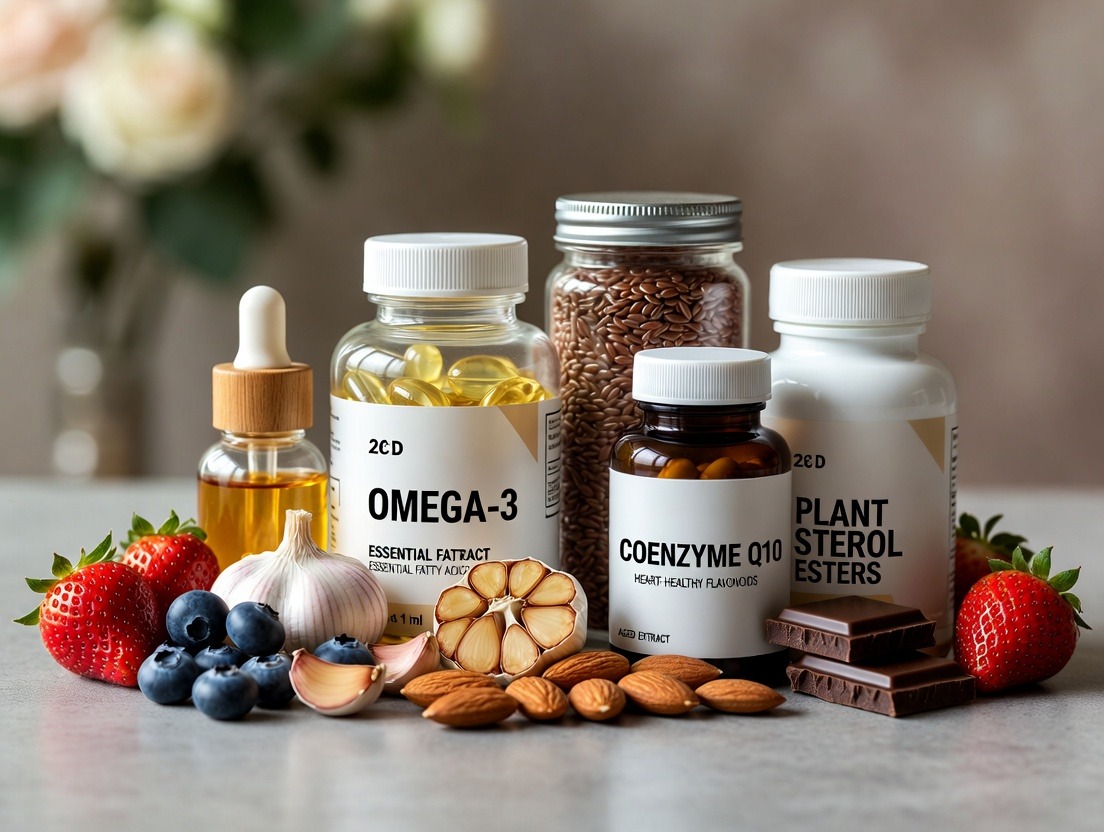
While a nutrient-dense diet is paramount, certain supplements can act as valuable allies, filling gaps or providing therapeutic doses of compounds that are challenging to obtain from food alone. Crucially, supplements are not a substitute for a poor lifestyle. They are "supplements" to a strong foundation. Always consult your healthcare provider before starting any new regimen.
Key Nutrients with Strong Evidence for Cardiovascular Support:
A Personalized, Informed Approach: The decision to supplement should be personalized. Factors like your diet, age, medications, and genetic predispositions matter. Using data from blood tests (like lipid panels, vitamin D levels) and even wellness tracker trends can help you and your doctor make informed decisions about what, if anything, you might need. For instance, consistently poor sleep scores and high stress readings might prompt a deeper look at magnesium status. This integrative, data-aware approach is the future of personalized preventive health.
We've entered an era where you can be the CEO of your own health data. The days of getting a single blood pressure reading once a year at the doctor's office are giving way to continuous, at-home monitoring that paints a dynamic, real-time picture of your cardiovascular health. This shift from episodic to continuous data is transformative for healthy aging.
The Value of Longitudinal Data: A single point of data is a snapshot; a trend line is a story. Technology like the Oxyzen smart ring collects data passively, 24/7, creating a rich longitudinal record. This allows you to see:
From Reactive to Proactive Care: This data empowers you to make micro-adjustments before a small issue becomes a clinical problem. You're no longer waiting for symptoms to appear. If you see your resting heart rate is 10 bpm higher than your personal baseline for a week, it’s a flag to examine your sleep, stress, and recovery. It enables a collaborative dialogue with your healthcare provider, where you bring concrete, quantifiable information about your health between visits.
A Tool for Motivation and Adherence: Seeing the direct, positive impact of a healthy behavior on your biometrics is incredibly motivating. When you see your HRV graph rise after a week of consistent early bedtimes, the value of sleep hygiene becomes viscerally real. It turns abstract health advice into a tangible, rewarding game.
This proactive, data-informed approach represents the cutting edge of personal wellness. It aligns perfectly with a preventive mindset, where the goal is to preserve function and vitality for as long as possible. By leveraging these tools, you take an active, informed role in writing the story of your heart's health for decades to come. To understand the vision behind creating such integrated health technology, you can learn more about our mission and team.
Your heart does not operate in a vacuum. It is conducted by the master clock of your body—your circadian rhythm. This 24-hour internal cycle, governed by light exposure and ingrained in your genetics, regulates everything from hormone release and body temperature to blood pressure and heart rate. Disrupting this rhythm (through irregular sleep, eating at odd hours, or excessive nighttime light) creates a state of "circadian misalignment," a significant but often hidden stressor on your cardiovascular system.
The Circadian Rhythm of Your Cardiovascular System:
Your blood pressure, heart rate, and vascular function follow a predictable daily pattern. They naturally dip during sleep, begin to rise before you wake, peak during the midday, and gradually decline in the evening. This rhythm is orchestrated by hormones like cortisol (which rises in the morning) and melatonin (which rises at night). When you live out of sync with this rhythm—say, by eating a large meal at midnight or getting bright blue light exposure at 11 PM—you send conflicting signals that can lead to elevated nighttime blood pressure, impaired glucose metabolism, and increased systemic inflammation.
Strategies for Circadian Alignment (Chrono-Hygiene):
Technology as a Circadian Insight Tool: A smart ring like Oxyzen provides fascinating data related to your rhythms. You can track your body temperature curve—a core circadian marker that naturally dips at night and rises during the day. A flattened or erratic curve can indicate circadian disruption. Similarly, observing how your resting heart rate and HRV follow a clean, predictable pattern across the day and night is a sign of strong circadian health. By making lifestyle adjustments and watching how these metrics change, you can actively work to optimize your internal timing for heart health. For a deeper understanding of how biometric data reflects daily rhythms, you can explore related case studies on our blog.
By honoring your chronobiology, you work with your body, not against it. You reduce hidden metabolic stress and create the ideal internal environment for cardiovascular repair and resilience.
Your cardiovascular system is in constant dialogue with your environment. Beyond diet and exercise, factors like air quality, temperature, noise pollution, and even the green space around you have measurable, direct effects on your heart. Proactively managing your microenvironment is a powerful layer of defense.
Air Quality & Pollution:
Inhaled fine particulate matter (PM2.5) from traffic, industry, and wildfires doesn't just affect your lungs. These microscopic particles enter your bloodstream, causing systemic inflammation, oxidative stress, endothelial dysfunction, and increasing the risk of arrhythmias, heart attacks, and stroke.
Temperature Extremes:
Both extreme heat and cold put significant strain on the cardiovascular system. Heat forces your heart to work harder to cool you down via increased circulation to the skin. Cold causes vasoconstriction, raising blood pressure and increasing the workload on the heart.
Noise Pollution:
Chronic exposure to traffic, aircraft, or industrial noise is a recognized cardiovascular risk factor. It acts as a non-auditory stressor, disrupting sleep and triggering the release of stress hormones like cortisol and adrenaline, leading to elevated blood pressure and inflammation.
Access to Nature (Green & Blue Spaces):
The benefits of nature immersion, or "forest bathing," are profound for heart health. Time spent in parks, forests, or near water has been shown to lower cortisol, reduce heart rate and blood pressure, improve mood, and lower inflammatory markers.
Your Digital Environment:
The constant ping of notifications, the endless scroll of social media, and the 24/7 news cycle create a state of chronic low-grade psychological stress. This digital noise keeps your nervous system subtly on edge, contributing to the stress burden discussed earlier.
By becoming the architect of your immediate environment, you remove stealthy stressors and incorporate passive healing elements. This creates a daily backdrop that silently supports, rather than undermines, all your active heart-healthy efforts.
A proactive approach to cardiovascular longevity means not waiting for a crisis. It means partnering with your healthcare provider in a preventative, data-informed dialogue. Regular screenings provide the clinical backbone to the lifestyle and biometric data you collect daily. They are the checkpoints on your long-term health journey.
Essential Cardiovascular Screenings by Age Decade:
Becoming an Informed Partner: Walk into your appointments prepared. Bring your trends from your personal wellness tracker. For example: "Doctor, my wearable data shows my average resting heart rate has increased from 58 to 68 over the past year, and my sleep HRV is trending down, even though I feel okay. What should we investigate?" This shifts the conversation from reactive symptom management to proactive system optimization.
Understanding Genetic Risk: Tools like polygenic risk scores can provide information on genetic predisposition. However, genes load the gun, but lifestyle pulls the trigger. Knowing you have a higher genetic risk can be the ultimate motivator to excel in the lifestyle factors you control—often allowing you to outperform someone with "good genes" but a poor lifestyle.
This collaborative, data-rich approach with your doctor ensures that your vibrant, daily efforts are anchored in solid clinical science, creating a full-spectrum defense for your heart. If you have questions about how personal biometric data complements clinical screenings, our FAQ page addresses many common user inquiries on this topic.
We've established sleep as the bedrock of recovery. But recovery is an active process you can enhance throughout your day. Advanced recovery techniques help you modulate your nervous system, reduce inflammation, and promote parasympathetic ("rest-and-digest") dominance, thereby directly supporting cardiovascular repair.
1. Heat and Cold Exposure (Thermogenesis):
2. Breathwork for Nervous System Regulation:
Beyond basic diaphragmatic breathing, structured protocols can powerfully shift your state.
3. Vagus Nerve Stimulation:
The vagus nerve is the main highway of your parasympathetic system. Tonifying it strengthens your relaxation response.
4. Compression and Circulation:
Measuring the Impact: The true power of these techniques lies in verifying their effect on you. After a sauna session, does your nighttime HRV spike? Does a 10-minute breathing practice before bed lower your sleeping heart rate? A device like the Oxyzen ring turns these advanced techniques into a personal science experiment. You can iterate and find the exact recovery protocols that deliver the best results for your unique physiology, moving beyond generic advice to a customized recovery plan. Many users share their personal recovery protocol discoveries in our community testimonials.
By integrating these advanced recovery methods, you actively invest in your cardiovascular system's repair capacity, building greater resilience to handle the stresses of life and aging.
One of the most exciting frontiers in modern medicine is the understanding of the gut microbiome's far-reaching influence, including its direct impact on heart health—termed the "gut-heart axis." The trillions of bacteria in your digestive tract are not passive residents; they are active metabolic players that produce compounds which can either protect or harm your cardiovascular system.
How Your Gut Flora Affects Your Heart:
Beneficial gut bacteria ferment dietary fiber to produce short-chain fatty acids (SCFAs) like butyrate, propionate, and acetate. These SCFAs have anti-inflammatory effects, help maintain the integrity of the gut lining (preventing "leaky gut"), and may help regulate blood pressure and cholesterol metabolism.
Conversely, an imbalanced microbiome (dysbiosis) dominated by less beneficial bacteria can produce metabolites like Trimethylamine N-oxide (TMAO). High levels of TMAO, derived from nutrients in red meat, eggs, and fish, are strongly associated with increased risk of atherosclerosis, thrombosis, and major adverse cardiac events.
Strategies to Nourish a Heart-Healthy Microbiome:
The Diet-Microbiome-Heart Loop: This knowledge reinforces the critical importance of a plant-forward, high-fiber diet. It’s not just about avoiding "bad" cholesterol; it's about actively feeding the gut bacteria that produce heart-protective compounds. The anti-inflammatory effects of such a diet are mediated in part through this microbial ecosystem.
Caring for your gut is a direct investment in your heart. By making dietary choices that cultivate a diverse and thriving microbiome, you harness an internal pharmacy that works around the clock to promote cardiovascular health.
The most perfect plan is useless without adherence. Lasting change is less about willpower and more about strategy, identity, and psychology. Building a heart-healthy lifestyle for decades requires cultivating the right mindset and designing your environment for success.
1. Shift from "Have To" to "Get To":
Reframe your perspective. Instead of "I have to go for a walk," try "I get to move my body and enjoy some fresh air." Instead of "I have to eat vegetables," think "I get to nourish my cells with vibrant, living food." This subtle linguistic shift taps into gratitude and empowerment, making actions feel like choices rather than burdens.
2. Focus on Building Identity-Based Habits:
Don't just set a goal to "lose 10 pounds." Ask, "Who is the person that has a healthy heart for life?" That person is someone who moves daily, prioritizes sleep, and chooses nutritious foods. Then, make choices based on that identity. "I am someone who takes a walk after lunch." "I am someone who prepares a healthy breakfast." Small wins reinforce this new self-image.
3. Use Data as a Non-Judgmental Coach:
This is where technology shines. Your wellness tracker provides objective feedback, free of emotion or guilt. A low HRV score isn't a "failure"; it's information saying, "Your body is under stress; prioritize recovery today." Seeing a positive trend in your resting heart rate is a powerful, visual reward that reinforces your efforts. It turns an abstract health concept into a tangible game you can win. You can learn more about how we designed Oxyzen to be a supportive, intuitive companion in your health journey.
4. Implement Habit Stacking and Environmental Design:
5. Practice Self-Compassion and Embrace Imperfection:
You will have off days, travel disruptions, and holiday feasts. This is normal and part of life. The key is to avoid the "what-the-hell" effect (e.g., "I ate one cookie, my diet is ruined, I might as well eat the whole box"). See each meal, each day, as a new opportunity. Progress is not linear. Self-compassion is linked to better stress resilience and healthier behaviors long-term.
By mastering the psychology of change, you build the mental and emotional resilience needed to maintain your physical resilience. You create a sustainable system where healthy choices become automatic, effortless, and deeply aligned with who you are.
Knowledge is power, but implementation is results. This sample plan integrates the core principles from all previous sections into a manageable weekly rhythm. Use it as a flexible template, adapting it to your life. The goal is consistency and awareness, not perfection.
Daily Foundations (Every Day):
Weekly Integration Schedule:
The Role of Continuous Tracking:
Wear your smart ring continuously throughout this week. At the end, don't just look at daily scores; look at the weekly trends. Did your average sleep duration improve? Did your nighttime HRV show an upward trend by the weekend, indicating cumulative recovery? Did your resting heart rate respond to your strength and cardio sessions? This feedback loop is invaluable. It allows you to see the direct impact of your integrated efforts and motivates you for the week ahead. For ongoing ideas and weekly plans, our blog is a constant resource for refreshed content and community ideas.
This plan is a starting point. The most important step is to begin, observe, and adapt. Your heart’s journey to lasting health starts with a single, conscious week.
While the core principles of heart health remain constant, their application and emphasis shift as we move through different life stages. A targeted approach that addresses the predominant risks and physiological changes of each decade can maximize your protection. Think of it as upgrading your defense system over time.
In Your 40s: The Prevention Inflection Point
This is the critical decade where subclinical changes often begin. Metabolism may slow, and the first signs of hypertension or elevated cholesterol can appear.
In Your 50s: The Hormonal Transition & Metabolic Check
For many, this decade involves hormonal shifts (menopause/andropause) that directly impact cardiovascular risk factors, including changes in cholesterol profiles, blood pressure, and body fat distribution.
In Your 60s and Beyond: The Optimization Era
The goal shifts from solely preventing disease to optimizing function, resilience, and quality of life. Arterial stiffness increases, and the heart's electrical system may become more sensitive.
Throughout all decades, the wearable on your finger serves as a continuous sentinel. It helps you answer age-specific questions: "Is my new exercise routine in my 60s still improving my recovery metrics?" "Are the hormonal changes of my 50s affecting my sleep and stress resilience?" This data allows for personalized, decade-appropriate adjustments, ensuring your strategy evolves as you do. You can see how users across different age groups apply this data on our testimonials page.
Collecting data is only the first step. The transformative power lies in interpretation and action. Your biometric trends tell a story far more revealing than any single data point. Learning to read this story turns your wearable from a fancy pedometer into a true health-coaching partner.
How to Analyze Your Trends for Heart Health:
Turning Insight into Action: The Feedback Loop
This is where behavior change happens. The process is simple:
This feedback loop demystifies health. It replaces vague guilt ("I should be healthier") with clear, actionable insight ("When I do X, my body responds with Y"). It empowers you to have informed conversations with healthcare providers, bringing them concrete data about your life between appointments. For a deeper exploration of how to build these personal insights, our blog features numerous guides on data interpretation.
By making data your daily coach, you move from following generic health advice to engineering your own personalized path to cardiovascular longevity.
Loneliness is a toxin. Purpose is an elixir. An impressive body of research confirms that strong social bonds and a sense of meaning in life are not just "nice to have"—they are fundamental requirements for a healthy cardiovascular system. They operate as powerful modulators of stress, inflammation, and health-seeking behavior.
The Cardiovascular Impact of Connection:
The Cardiovascular Power of Purpose:
Having a strong reason to get up in the morning—whether it's family, volunteer work, a creative pursuit, or mentorship—is linked to:
Cultivating Connection and Purpose at Any Age:
This human element is why we believe technology should foster connection, not replace it. The goal of a device like Oxyzen is to give you the insights to be fully present and engaged in the life and relationships that matter most. Our company's story is rooted in the vision of using technology to enhance human well-being, not isolate it.
By actively nurturing your social world and cultivating a sense of purpose, you provide your heart with an environment of safety and meaning. This psychological and emotional wellness is the fertile ground in which all your physical efforts can flourish.
The field of longevity science is advancing at a breathtaking pace. While lifestyle remains the cornerstone, emerging research points to future tools and understandings that could further revolutionize how we preserve heart health. Being an informed advocate for your health means understanding these horizons.
1. Advanced Biomarkers and Personalized Diagnostics:
Beyond standard cholesterol panels, new tests are providing deeper insight.
2. The Promise of Senolytics and Geroprotectors:
This is a cutting-edge area of research focused on the biology of aging itself.
Important Note: These are largely still in the research phase and are not yet standard preventive therapies. Their future use will require careful medical supervision.
3. The Integration of AI and Continuous Monitoring:
The future lies in predictive, not just descriptive, analytics. Imagine your wearable powered by AI that learns your unique patterns and can predict a potential issue before it manifests.
Staying Grounded in the Present:
While these frontiers are exciting, the most powerful technology for cardiovascular longevity is already here: the combination of continuous biometric monitoring (like that from a smart ring) with a committed, holistic lifestyle. This duo provides 95% of the actionable insight you need today. As new tools emerge, your foundational knowledge and daily habits will position you to evaluate and integrate them wisely.
Staying informed about these developments empowers you to be a proactive participant in your health journey, partnering with forward-thinking providers to build the longest, healthiest future for your heart.
Ultimately, preserving your cardiovascular health is not a project with an end date. It is a lifelong practice—a series of daily, loving commitments to the organ that sustains your life. It's about building a legacy of vitality that impacts not only your own quality of life but also inspires those around you.
The Four Pillars of a Sustainable Practice:
Your Heart-Health Legacy in Action:
Imagine yourself a decade from now. You're not defined by a list of medications or limitations. You're defined by your energy, your ability to engage fully with your passions and your people, and the calm confidence that comes from knowing you are actively caring for your most precious resource. This is the true goal: Healthspan—the number of years you live in good health—not just lifespan.
This journey you've embarked on by reading this guide is the first and most important step. You have equipped yourself with the knowledge of the pillars, the power of data, the importance of mindset, and the vision of a heart-healthy future. The path is now clear.
The First Step Starts Now:
Begin not by overhauling everything at once, but by choosing one single action from this guide to implement today. Perhaps it's drinking an extra glass of water, taking a 10-minute walk, or spending 5 minutes in deep breathing before bed. Observe how it makes you feel. Then, add another.
And as you build this practice, consider making awareness your constant companion. A tool like the Oxyzen smart ring provides the gentle, objective feedback to keep you on track, to celebrate your progress, and to navigate your unique path to cardiovascular longevity with confidence. It’s designed to be the silent partner in your legacy of health. To see how it fits into a long-term wellness vision, you can explore its full capabilities on our main site.
Your heart has been with you from your very first beat. It's time to return the favor. Commit to its care, listen to its wisdom, and together, build a future of strength, resilience, and vibrant health.
Your Trusted Sleep Advocate: Sleep Foundation — https://www.sleepfoundation.org
Discover a digital archive of scholarly articles: NIH — https://www.ncbi.nlm.nih.gov/
39 million citations for biomedical literature :PubMed — https://pubmed.ncbi.nlm.nih.gov/
Experts at Harvard Health Publishing covering a variety of health topics — https://www.health.harvard.edu/blog/
Every life deserves world class care :Cleveland Clinic - https://my.clevelandclinic.org/health
Wearable technology and the future of predictive health monitoring :MIT Technology Review — https://www.technologyreview.com/
Dedicated to the well-being of all people and guided by science :World Health Organization — https://www.who.int/news-room/
Psychological science and knowledge to benefit society and improve lives. :APA — https://www.apa.org/monitor/
Cutting-edge insights on human longevity and peak performance:
Lifespan Research — https://www.lifespan.io/
Global authority on exercise physiology, sports performance, and human recovery:
American College of Sports Medicine — https://www.acsm.org/
Neuroscience-driven guidance for better focus, sleep, and mental clarity:
Stanford Human Performance Lab — https://humanperformance.stanford.edu/
Evidence-based psychology and mind–body wellness resources:
Mayo Clinic — https://www.mayoclinic.org/healthy-lifestyle/
Data-backed research on emotional wellbeing, stress biology, and resilience:
American Institute of Stress — https://www.stress.org/


