Healthy Aging Tips: The Stress Management Connection
The connection between managing stress and healthy aging.
Healthy Aging Tips: The Stress Management Connection
For generations, the quest for longevity was a hunt for a single elixir—a mythical fountain of youth. Today, science reveals a far more profound truth: healthy aging is not about a single potion, but a symphony of interconnected lifestyle choices. At the heart of this symphony, conducting the tempo of our cellular health, cognitive decline, and physical vitality, is a factor we’ve long underestimated: our ability to manage stress.
We meticulously plan for retirement finances, yet often neglect to invest in our physiological resilience. We focus on diet and exercise—the visible pillars of health—while allowing the silent, corrosive drip of chronic stress to erode our foundation from within. This isn't about the acute stress of a missed deadline or a near-miss in traffic; those are evolutionary blips. This is about the low-grade, persistent strain of modern life—financial worry, digital overload, caregiving pressures, and societal uncertainty—that keeps our body's defense systems perpetually on high alert.
This prolonged state of "fight or flight" does more than leave us feeling anxious or tired. It directly accelerates the aging process through a cascade of biological events: shortening our telomeres (the protective caps on our chromosomes), promoting systemic inflammation (inflammaging), and dysregulating crucial hormones. The result? A higher susceptibility to chronic diseases, accelerated cognitive decline, and a decrease in what scientists call "healthspan"—the number of years we live in good health.
But here lies the transformative opportunity. By mastering stress management, we gain a powerful, proactive lever for healthy aging. It’s the meta-habit that makes all other healthy habits more sustainable and effective. This article will delve deep into the intricate biological link between stress and aging, and provide you with a comprehensive, science-backed toolkit to sever that connection. We'll explore everything from the psychology of resilience to the cutting-edge technology, like the advanced sensors in a smart ring from Oxyzen, that can now provide real-time, personalized insights into your stress response, empowering you to age not just longer, but better.
The Biology of Stress: Your Body's Aging Accelerator
To understand why stress management is non-negotiable for healthy aging, we must first journey inside the body. Stress isn't just a feeling; it's a full-scale, multi-system physiological event orchestrated by the hypothalamic-pituitary-adrenal (HPA) axis.
When your brain perceives a threat—be it a looming work presentation or a 20-year mortgage—the hypothalamus sounds the alarm. It signals the pituitary gland, which in turn instructs the adrenal glands to flood your bloodstream with cortisol, the primary stress hormone. In short bursts, cortisol is brilliantly adaptive: it sharpens focus, mobilizes energy, and suppresses non-essential functions like digestion and reproduction. This is your body’s ancient survival protocol.
The problem for modern humans is that our brain often can’t distinguish between a sabertooth tiger and an overflowing inbox. When the alarm never shuts off, we enter a state of chronic stress, and cortisol becomes a toxin. Persistently elevated cortisol levels initiate a destructive cascade that mirrors and accelerates aging:
Telomere Erosion: Telomeres are the repetitive DNA sequences at the ends of our chromosomes, acting like the plastic tips on shoelaces to prevent fraying. Each time a cell divides, its telomeres shorten slightly. When they become too short, the cell can no longer divide and becomes senescent (dormant) or dies. This process is a core marker of biological aging. Research led by pioneers like Dr. Elissa Epel has shown that chronic stress and high cortisol exposure dramatically accelerate telomere shortening. It’s as if stress puts the aging process on fast-forward at a cellular level.
Inflammaging: This portmanteau of "inflammation" and "aging" describes the low-grade, chronic, systemic inflammation that naturally increases as we age. Stress is a potent fuel for this fire. Cortisol is initially anti-inflammatory, but with chronic exposure, the body becomes resistant to its effects. This leads to unchecked production of pro-inflammatory cytokines (immune signaling molecules). This constant inflammatory state damages tissues, contributes to arterial plaque, and is a key player in nearly every age-related disease, from arthritis to Alzheimer's.
Metabolic Mayhem: Chronic stress pushes the body to store visceral fat—the dangerous fat that encases organs—and promotes insulin resistance, a precursor to type 2 diabetes. It disrupts sleep architecture, impairing the critical restorative and metabolic processes that happen during deep sleep. It also alters gut microbiota, impacting everything from nutrient absorption to immune function.
The takeaway is stark: unmanaged stress isn't just compromising your day; it's actively writing an older biological age into your cells. The good news? This script can be rewritten. By learning to regulate your stress response, you directly protect your telomeres, calm inflammation, and support metabolic health. It is, arguably, the most powerful anti-aging intervention at your disposal.
Beyond "Just Relax": Redefining Stress Management for Longevity
When we hear "stress management," clichéd images of spa days and scented candles often come to mind. While relaxation is valuable, true stress management for healthy aging is a far more dynamic, proactive, and skilled discipline. It’s not about eliminating stress—a biological impossibility—but about building resilience and changing our relationship with the stressors we cannot avoid.
Think of your body's stress capacity as a cup. Life events, big and small, fill the cup. Resilience isn't about having an empty cup; it's about having a larger cup and active outlets to drain it. Chronic stress occurs when the cup perpetually overflows. Effective management, therefore, operates on two fronts:
Expanding Your Cup (Building Resilience): This involves strengthening your physiological and psychological buffers. It includes:
Neuroplasticity Training: Actively rewiring your brain's response to challenge through practices like mindfulness, which strengthens the prefrontal cortex (the rational brain) and weakens the amygdala's (the fear center) hijacking power.
Physiological Foundation: Regular exercise, optimal nutrition, and quality sleep don't just make you feel better—they literally fortify your nervous system, making it less reactive to stressors.
Purpose & Mindset: Cultivating a sense of purpose and adopting a "challenge mindset" (viewing stressors as opportunities to grow) versus a "threat mindset" can dramatically alter the biological impact of the same event.
Creating Reliable Outlets (Discharge & Recovery): This is the active process of emptying the cup. It moves beyond passive relaxation to intentional practices that complete the stress cycle. The body needs to receive a signal that the threat has passed. This can be achieved through:
Physical Movement: Vigorous exercise, dancing, or even shaking (a natural animal response to discharge stress) literally metabolizes stress hormones.
Positive Social Connection: Laughter, affectionate touch, and deep conversation with a trusted friend release oxytocin and other "feel-good" neurochemicals that counteract stress.
Creative Expression: Activities like journaling, playing music, or art provide a cognitive and emotional outlet for processing pressure.
Modern tools can now bridge the gap between intention and awareness. For instance, a device like the Oxyzen smart ring can track physiological markers of stress and recovery, such as heart rate variability (HRV) and body temperature, providing objective data on how full your "cup" is and how effectively you're draining it. This moves stress management from a guessing game to a guided practice. You can explore our blog for deeper dives on the science of HRV and completing the stress cycle.
True stress management for longevity is this ongoing, conscious dance between encountering life's inevitable pressures and skillfully applying the techniques to process and recover from them. It's the ultimate act of preventive self-care.
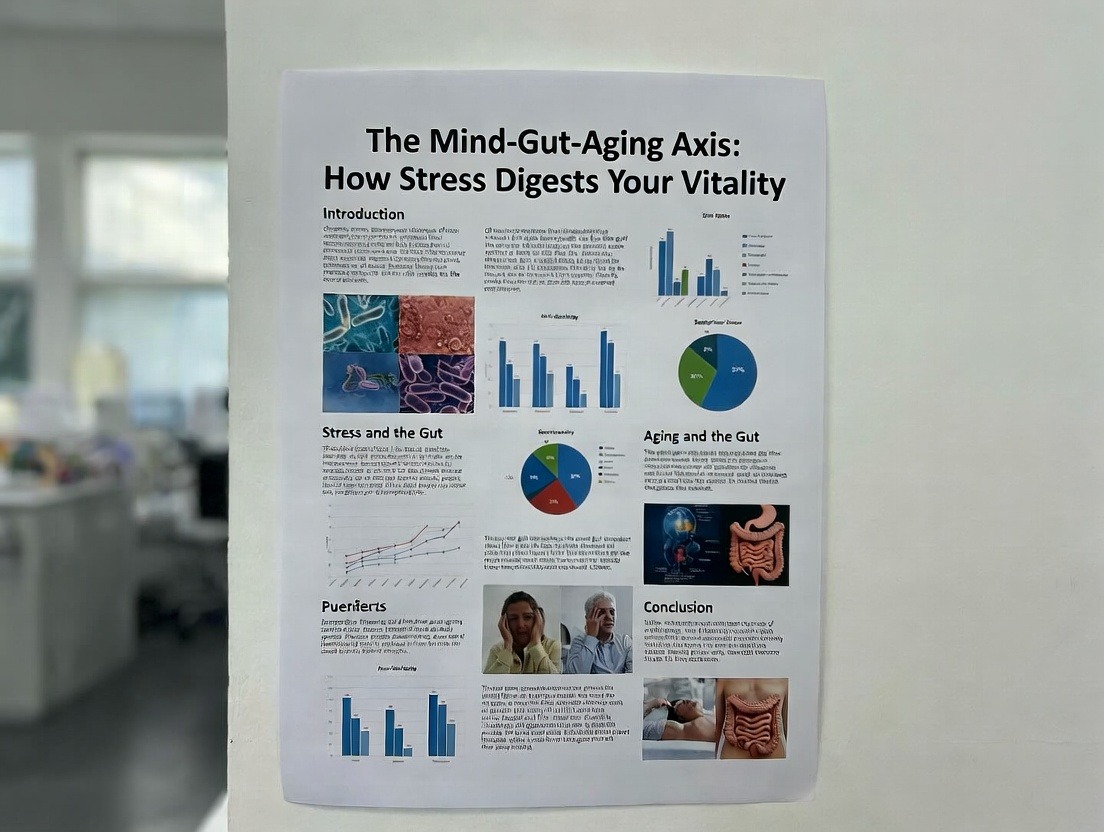
The Mind-Gut-Aging Axis: How Stress Digests Your Vitality
We've explored the brain-adrenal axis, but one of the most profound—and often surprising—connections in the stress-aging puzzle is the one between your mind and your gut. Often called the "second brain," your enteric nervous system is in constant, bidirectional communication with your central nervous system via the vagus nerve. This gut-brain axis means that when your mind is stressed, your gut feels it immediately, with direct consequences for how you age.
Chronic stress doesn't just give you "butterflies." It:
Alters Gut Motility: Leading to symptoms of IBS like diarrhea or constipation.
Compromises the Intestinal Lining: Stress can increase intestinal permeability, often called "leaky gut." This allows bacterial endotoxins to enter the bloodstream, triggering that systemic inflammation (inflammaging) we now know is central to aging.
Decimates Your Microbiome: Your gut is home to trillions of bacteria crucial for digestion, immune function, and even neurotransmitter production. Chronic stress reduces the diversity and abundance of these beneficial microbes, allowing harmful ones to flourish. An imbalanced microbiome is linked to everything from accelerated cognitive decline and mood disorders to weakened immunity and poor nutrient absorption.
The aging connection here is a vicious cycle: Stress disrupts the gut, leading to inflammation and poor nutrient status, which accelerates cellular aging and disease risk, which in turn creates more anxiety about health, perpetuating the stress. Furthermore, a significant portion of serotonin (your "feel-good" neurotransmitter) is produced in the gut. A stressed, damaged gut can literally undermine your brain's ability to regulate mood and resilience.
Breaking the Cycle: Nourishing the Gut-Brain Connection Managing stress for healthy aging must include gut health strategies:
Consume Prebiotic & Probiotic Foods: Feed your good bacteria with fiber-rich plants (prebiotics) and incorporate fermented foods like yogurt, kefir, sauerkraut, and kimchi (probiotics).
Prioritize Anti-Inflammatory Nutrients: Omega-3 fatty acids (from fish, walnuts), polyphenols (from berries, dark leafy greens), and antioxidants help soothe gut and systemic inflammation.
Practice Mindful Eating: The stress response inhibits digestion. Eating in a calm state, chewing thoroughly, and avoiding screens during meals signals to your body that it's safe to "rest and digest."
Consider Targeted Support: During periods of high stress, a high-quality probiotic or collagen supplement may help support gut lining integrity. (Always consult a healthcare professional).
By calming your mind, you directly heal your gut. By healing your gut, you fortify your body against inflammaging and fuel your brain for resilience. It's a powerful feedback loop where stress management becomes literal nourishment. For more on how holistic wellness tracking can illuminate these hidden connections, the team at Oxyzen shares their vision and values behind integrating this science into accessible technology.
Sleep: The Nightly Anti-Aging Stress Reset (That Stress Steals)
If stress management is the cornerstone of healthy aging, then sleep is its most powerful executioner. Sleep is not a passive state of inactivity; it is an intense period of biological restoration. During deep (slow-wave) sleep and REM sleep, your body executes critical anti-aging and stress-resetting functions:
Cellular Repair & Detoxification: Growth hormone is released, facilitating tissue repair. The brain's glymphatic system activates, clearing out metabolic waste products like beta-amyloid, associated with Alzheimer's disease.
Memory Consolidation & Cognitive Maintenance: Neural connections are strengthened, and experiences are integrated into long-term memory.
Hormonal Rebalancing: Cortisol naturally drops to its lowest point in the early night, while leptin (satiety hormone) and other restorative hormones are regulated.
Immune System Reinforcement: Cytokines that help fight infection and inflammation are produced and released during sleep.
Here’s the cruel irony: Stress is the arch-nemesis of sleep, and poor sleep is a monumental stressor on the body. It’s a bidirectional sabotage:
Stress → Poor Sleep: Racing thoughts, anxiety, and elevated cortisol and adrenaline make it difficult to fall asleep and prevent the descent into deep, restorative sleep stages. You might be unconscious, but your nervous system is still on alert.
Poor Sleep → Increased Stress: Even one night of poor sleep raises next-day cortisol levels and amplifies the amygdala's reaction to negative stimuli. You become more emotionally reactive, less resilient, and your physiological stress cup fills faster.
This creates a perfect storm for accelerated aging. Chronically shortened or fragmented sleep is linked to shorter telomeres, heightened inflammaging, impaired glucose metabolism, and a visibly older appearance.
Reclaiming Your Rest: Strategic Sleep Hygiene Breaking this cycle requires treating sleep as a non-negotiable pillar of your stress management protocol:
Craft a Cortisol-Cooling Evening Ritual: Dim lights 90 minutes before bed, disconnect from screens (blue light suppresses melatonin), and engage in calming activities like reading, light stretching, or a warm bath.
Leverage Light & Consistency: Get bright natural light exposure first thing in the morning to anchor your circadian rhythm. Go to bed and wake up at consistent times, even on weekends.
Optimize Your Sleep Environment: Ensure your bedroom is cool (around 65°F or 18°C), dark, and quiet. Consider blackout curtains and a white noise machine.
Use Data to Understand Your Sleep: How do you know if your stress is truly dissipating at night? Subjective feeling is often misleading. Objective data from a wearable that tracks sleep stages, nighttime HRV, and body temperature can reveal if you're getting the deep, restorative sleep you need for cellular repair. Many users find that insights from a device like Oxyzen help them connect the dots between daytime stressors and nighttime recovery, allowing for more targeted interventions. You can read real user experiences on how such data has transformed their sleep and stress management.
By fiercely protecting and optimizing your sleep, you give your body the daily anti-aging, stress-resetting reset it desperately needs. It is the foundation upon which all other daytime resilience is built.
Movement as Medicine: The Dynamic Duo of Exercise and Stress Relief
Exercise is universally prescribed for healthy aging, praised for its benefits to the heart, muscles, and bones. But its role as a premier stress-management tool is equally vital for longevity. Physical activity is not just about building a stronger body; it's about training a more resilient nervous system.
Movement works against the aging effects of stress through multiple, simultaneous mechanisms:
Metabolizing Stress Hormones: Exercise utilizes the cortisol and adrenaline circulating in your bloodstream, literally burning them off. It helps complete the biological stress cycle, signaling to your body that the "threat" has been physically confronted and resolved.
Boosting Neuroprotective Chemicals: It stimulates the release of endorphins (natural mood elevators), brain-derived neurotrophic factor (BDNF, which acts like fertilizer for brain cells and is crucial for neuroplasticity), and endocannabinoids (associated with the "runner's high" and calm).
Improving Heart Rate Variability (HRV): Consistent, moderate exercise is one of the most effective ways to increase HRV—a key metric of your autonomic nervous system's flexibility and resilience. A higher HRV indicates a greater ability to handle stress and is associated with better cardiovascular health and longevity.
Reducing Inflammation: Regular activity lowers levels of pro-inflammatory cytokines, directly countering the "inflammaging" fueled by chronic stress.
However, the relationship between exercise and stress is nuanced. The famous "inverted-U" curve applies: too little exercise leaves stress hormones unspent, while excessive, chronic high-intensity exercise without adequate recovery can become a physical stressor itself, elevating cortisol and contributing to burnout and injury.
Designing an Anti-Aging Movement Protocol: Your exercise regimen should serve your stress resilience, not undermine it.
Embrace Rhythmic, Mind-Body Practices: Activities like walking, swimming, cycling, yoga, Tai Chi, and dancing are particularly effective at calming the nervous system. Their rhythmic, repetitive nature can be meditative and are excellent for improving HRV.
Incorporate Strength Training: Building muscle mass is critical for combating sarcopenia (age-related muscle loss) and maintaining metabolic rate. The sense of mastery and strength also builds psychological resilience.
Prioritize Recovery: Listen to your body. Incorporate rest days, gentle mobility sessions, and prioritize sleep. Overtraining is a form of chronic physical stress. Using a recovery metric like HRV can be incredibly helpful; if your data shows poor recovery, it may be a sign to opt for a walk instead of a high-intensity interval training (HIIT) session.
Find Joy in Movement: Exercise you dread is a psychological stressor. The goal is to find activities you enjoy and that leave you feeling energized, not depleted.
Think of movement as a keystone habit for stress management and healthy aging. It physically discharges tension, fortifies your brain against decline, and builds a body capable of carrying you through life with vitality. For those curious about how technology can help tailor such a protocol, learning more about how Oxyzen works to provide personalized recovery insights can be a valuable next step.
Nutritional Armor: Eating to Buffer Your Body Against Stress
The food you consume under stress isn't just about comfort; it's either fuel for resilience or ammunition for inflammaging. Chronic stress dysregulates appetite hormones (often increasing cravings for high-sugar, high-fat "reward" foods) and impairs nutrient absorption. Meanwhile, the biochemical processes of managing stress—producing neurotransmitters, regulating cortisol, repairing cells—require specific micronutrients in higher amounts. Without them, you operate at a deficit, accelerating wear and tear.
Building nutritional armor means focusing on foods that:
Modulate the Stress Response: Provide steady energy and support calm.
Combat Stress-Induced Damage: Are rich in antioxidants and anti-inflammatory compounds.
Support the Systems Strained by Stress: Particularly the adrenal glands, brain, and gut.
Key Nutritional Strategies for Stress Resilience & Longevity:
Stabilize Blood Sugar: Cortisol is a primary blood-sugar regulator. When blood sugar crashes, cortisol spikes to release stored glucose. Avoid this rollercoaster by combining complex carbohydrates (oats, quinoa, sweet potatoes) with protein (legumes, fish, poultry) and healthy fats (avocado, nuts, olive oil) at every meal. This provides sustained energy and prevents cortisol surges.
Prioritize Magnesium: Dubbed the "original chill pill," magnesium is involved in over 300 enzymatic reactions, including those that regulate the HPA axis and produce neurotransmitters like GABA, which promotes calm. Stress depletes magnesium, and deficiency exacerbates stress—a vicious cycle. Focus on dark leafy greens, nuts, seeds, legumes, and dark chocolate.
Boost B Vitamins: Vitamins B5, B6, B9 (folate), and B12 are cofactors in the production of stress hormones and neurotransmitters like serotonin and dopamine. Include a variety of whole grains, eggs, leafy greens, and legumes. For B12, which is crucial for neurological health, consider fortified foods or a supplement, especially if you're over 50 or follow a plant-based diet.
Increase Omega-3 Fatty Acids: These powerful anti-inflammatory fats, particularly EPA and DHA found in fatty fish (salmon, mackerel, sardines), help counter stress-induced inflammation and support brain cell membrane health. Plant-based sources like walnuts and flaxseeds provide ALA, which the body converts inefficiently.
Leverage Adaptogens: These are a unique class of herbs (like ashwagandha, rhodiola, holy basil) that, according to traditional use and growing research, may help the body "adapt" to stress by modulating the HPA axis and cortisol output. They are not a quick fix but can be supportive when used consistently under guidance.
Hydrate Intelligently: Even mild dehydration increases cortisol. Limit or eliminate caffeine if it makes you jittery, and be mindful of alcohol, which disrupts sleep and depletes B vitamins.
Remember, the goal isn't perfection but consistent nourishment. When stressed, the act of preparing a simple, nutrient-dense meal can itself be a mindful practice. For more guidance on creating a longevity-focused diet, our blog offers a wealth of resources on combining nutrition with holistic wellness data.
The Social Prescription: Why Relationships Are a Longevity Supplement
In the pursuit of healthy aging, we can become hyper-focused on individual biomarkers—our cortisol, our telomere length, our HDL cholesterol. Yet, one of the most powerful modulators of stress and predictors of longevity exists outside our own bodies: our social connections.
Robust epidemiological studies, like the famous Harvard Study of Adult Development, have reached a clear conclusion: the quality of our relationships is a premier determinant of how long and how well we live. Loneliness and social isolation are not just feelings; they are physiological stressors with a mortality risk comparable to smoking 15 cigarettes a day.
How Social Connection Combats Stress & Aging:
Co-Regulation of the Nervous System: Positive social interaction—especially face-to-face contact involving eye contact and touch—triggers the release of oxytocin. This "bonding hormone" dampens amygdala activity, reduces cortisol, and promotes feelings of trust and safety. It literally allows a calm, regulated nervous system to soothe a stressed one.
Practical and Emotional Buffering: Strong networks provide tangible support during crises (e.g., help during illness) and emotional validation during daily struggles. Knowing you have a "tribe" reduces the perceived magnitude of stressors.
Cognitive Engagement & Purpose: Socially active individuals engage in more complex communication and mental stimulation, which builds cognitive reserve against decline. Relationships also give us roles and reasons—being a grandparent, a mentor, a friend—which are powerful antidotes to the stress of existential uncertainty.
Conversely, chronic loneliness keeps the body in a subtle but persistent state of high alert—a form of social threat that activates inflammatory pathways and accelerates cellular aging.
Cultivating Your Longevity Network: This isn't about having hundreds of acquaintances. It's about depth and quality.
Prioritize Existing Bonds: Invest time in nurturing a handful of close relationships. Schedule regular calls or meetups. Be vulnerable and allow others to be vulnerable with you.
Create New Connections Through Shared Purpose: Join a club, take a class, or volunteer for a cause you care about. Shared activities provide natural bonding and a sense of communal purpose.
Embrace Intergenerational Relationships: Connecting with both older and younger people provides unique perspectives, reduces ageist stereotypes, and fosters a sense of continuity.
Be a Proactive Connector: Don't wait for invitations. Reach out. The simple act of letting someone know you're thinking of them strengthens bonds.
In our tech-driven world, it's worth noting that while digital connection has value, it does not replicate the profound physiological co-regulation of in-person contact. Make offline connection a non-negotiable part of your wellness protocol. At Oxyzen, we believe technology should enhance real-life connection, not replace it, which is part of the mission we talk about.
Mindfulness & Meditation: Rewiring the Anxious Aging Brain
At its core, chronic stress is a habit of the mind—a pattern of reacting to thoughts about the future (worry) or the past (rumination) with fear and resistance. Mindfulness and meditation are the direct, evidence-based training to break this habit. They don't empty the mind; they build the metacognitive skill to observe thoughts and sensations without being hijacked by them. For healthy aging, this is neural optimization.
The Neurological Anti-Aging Benefits:
Strengthening the Prefrontal Cortex (PFC): Mindfulness practice thickens the PFC, the brain region responsible for executive function—attention, decision-making, and emotional regulation. A strong PFC is better at putting the brakes on the amygdala's alarm signals.
Taming the Amygdala: Studies show that consistent meditation can actually reduce the size and reactivity of the amygdala, the brain's fear center. This leads to a lower baseline stress response.
Preserving Telomeres: Remarkably, several studies have linked mindfulness meditation and meditation-based interventions like Mindfulness-Based Stress Reduction (MBSR) to reduced cellular aging, as measured by greater telomerase activity (the enzyme that repairs telomeres) and longer telomere length.
Reducing Inflammatory Reactivity: Mindfulness practitioners show a blunted inflammatory response to psychological stress tests, meaning their bodies produce fewer pro-inflammatory cytokines when challenged.
Practical Pathways to a More Mindful Life: You don't need to sit for hours in silence. Integration is key.
Start with Micro-Meditations: Begin with 5-10 minutes daily. Use a reputable app (like Insight Timer, Calm, Headspace) for guided sessions focused on breath awareness or body scans. Consistency with a short practice is far more powerful than sporadic hour-long sessions.
Practice Informal Mindfulness: Bring non-judgmental awareness to daily activities: feel the water on your hands while washing dishes, notice the taste and texture of each bite of food, feel the sensation of your feet on the ground while walking. This trains your brain to reside in the present.
Try a Body-Based Practice: For those who find seated meditation frustrating, yoga, Tai Chi, or Qigong are moving meditations that cultivate mindful awareness of bodily sensations and breath.
Apply the "STOP" Technique in Moments of Stress:
Stop what you're doing.
Take a breath.
Observe your body, thoughts, and emotions without judgment.
Proceed with intention.
This creates a powerful pause between stimulus and reaction, the very space where choice and resilience live. Over time, this practice doesn't just help you manage stress; it fundamentally changes your relationship to your own aging process, fostering acceptance and reducing the secondary stress of fighting reality. For those navigating the common questions about starting a mindfulness practice, we've compiled some helpful insights in our FAQ section.
The Digital Dilemma: Managing Technostress for a Healthier Future
Our environment has changed faster than our biology. The constant connectivity, notification pings, information overload, and blue-light exposure of the digital world represent a novel, pervasive form of environmental stress—often called "technostress." For healthy aging, managing this digital landscape is not optional; it's essential for preserving cognitive resources and neurological calm.
Technostress impacts aging through:
Cognitive Overload & Fragmented Attention: The constant switching between tasks and streams of information exhausts the prefrontal cortex, impairing deep thinking, memory consolidation, and increasing mental fatigue. This chronic cognitive load is itself a stressor.
Sleep Disruption: Blue light from screens suppresses melatonin production, delaying sleep onset and impairing sleep quality, breaking the critical stress-recovery cycle.
Social Comparison & Anxiety: Social media can foster feelings of inadequacy, loneliness, and "FOMO" (fear of missing out), activating social threat pathways and elevating stress hormones.
The "Always-On" Expectation: The blurring of work-life boundaries creates a pervasive sense of being on call, preventing true psychological detachment and recovery.
Building Digital Boundaries for Longevity: The goal isn't to reject technology, but to harness it intentionally, making it a tool rather than a tyrant.
Implement a Digital Sunset: Shut off all screens at least 60-90 minutes before bedtime. Use this time for your cortisol-cooling ritual. If you must use a device, enable night shift/blue light filters.
Create Notification Sanctuaries: Turn off non-essential notifications. Schedule specific times to check email and social media, rather than responding to every ping, which trains your brain for constant interruption.
Practice Single-Tasking: Dedicate blocks of time to one focused activity. Close unnecessary browser tabs, put your phone in another room, and train your attention muscle. This reduces cognitive load and increases the quality of your output and satisfaction.
Curate Your Digital Environment: Unfollow accounts that trigger anxiety or comparison. Mute stressful news cycles when needed. Be intentional about what you allow into your mental space.
Embrace "JOMO" (Joy of Missing Out): Find pleasure in being disconnected. Take a walk without your phone, have a meal where devices are banned, or declare a weekend tech Sabbath.
Paradoxically, technology can also be part of the solution when used mindfully. For example, using a wearable to track stress and recovery can make you more aware of how digital habits affect your physiology, creating a powerful feedback loop. The key is conscious consumption, ensuring your tech use aligns with your values of presence, connection, and calm. The story of Oxyzen is, in part, about using technology to reclaim agency over our wellbeing, not surrender to distraction.
Purpose and Perspective: The Ultimate Stress Antidote for a Meaningful Life
Perhaps the most profound layer of stress management for healthy aging transcends technique and touches philosophy: cultivating a sense of purpose and a resilient perspective. Viktor Frankl, the neurologist, psychiatrist, and Holocaust survivor, famously wrote in Man's Search for Meaning: "Between stimulus and response there is a space. In that space is our power to choose our response. In our response lies our growth and our freedom." As we age, the "stimuli" often increase—health challenges, loss, transitions. The size of that "space" determines our stress response and, ultimately, our quality of life.
Purpose is not a grandiose, single destiny. It's the tapestry of "why"s that give structure and meaning to our days. It could be caring for family, contributing to a community, creating art, mentoring others, or lifelong learning. Research shows that individuals with a strong sense of purpose:
Have lower levels of inflammatory cytokines.
Exhibit better cognitive function and are less likely to develop Alzheimer's disease.
Show greater resilience in the face of adversity and recover from stressors more quickly.
Live longer, healthier lives.
How to Cultivate Purpose and Perspective:
Reflect on Your Values: What truly matters to you? What brings you a sense of fulfillment? Write these down. Let these values guide your decisions and how you spend your time.
Embrace a Growth Mindset: View challenges, including the changes that come with aging, as opportunities for learning and growth rather than as threats or failures. This mindset shift alone can transform physiological stress responses.
Practice Gratitude: Intentionally focusing on what you are thankful for—even small, daily things—activates brain regions associated with dopamine and serotonin production and reduces activity in the stress-prone amygdala. Consider keeping a gratitude journal.
Engage in Legacy Thinking: Ask yourself, "What do I want to contribute? How do I want to be remembered?" This shifts focus from what is being lost to what can be given, a powerful antidote to existential stress.
Find Awe in the Ordinary: Regularly seek out experiences that inspire awe—a walk in nature, gazing at the stars, listening to magnificent music. Awe expands our perception of time, reduces self-focus, and connects us to something larger, putting daily worries into perspective.
This final pillar is the glue that holds all the practical strategies together. When you move, eat, connect, and meditate with a sense of purpose, these actions become more than chores; they become expressions of a life you value deeply. This intrinsic motivation is the most sustainable driver for healthy aging imaginable. It reminds us that the goal is not just to add years to life, but to add life to years—and that journey begins by managing the stress that would otherwise steal our vitality.
The Inner Ecosystem: Emotional Agility as a Longevity Skill
If our bodies are ecosystems, then our emotions are the weather—dynamic, ever-changing, and deeply influential on the entire landscape. For decades, mainstream wellness treated emotions like a nuisance to be controlled or suppressed, especially "negative" ones like anger, sadness, or fear. Modern psychology and neuroscience reveal a paradigm shift crucial for healthy aging: emotional agility—the ability to navigate all feelings with curiosity and compassion—is a non-negotiable skill for managing stress and preserving health.
Chronic stress isn't just about external events; it's often fueled by internal emotional friction. This includes bottling up emotions (which creates physiological tension), or brooding on them (which extends their harmful biochemical lifespan). When we lack the skills to process grief, anger, or anxiety, these emotions don't just fade away. They linger in the body, contributing to the same inflammatory and dysregulating pathways as an external stressor.
How Emotional Rigidity Ages Us:
The Bottling Effect: Suppressing emotions requires constant cognitive effort and vigilance, a hidden tax on your mental energy that elevates sympathetic nervous system activity and blood pressure.
The Brooding Effect: Rumination—repetitively going over a distressing thought or feeling—keeps the stress response active long after the initial trigger has passed. It's like pressing the cortisol "repeat" button.
Psychosomatic Pathways: Unprocessed emotional distress reliably manifests as physical symptoms: tension headaches, digestive issues, exacerbated pain sensitivity, and immune dysfunction. Over decades, these patterns cement into chronic conditions.
Cultivating Emotional Agility for Resilience: This is not about being perpetually happy. It's about developing a flexible, responsive relationship with your entire emotional spectrum.
Name It to Tame It: Neuroscientist Dr. Dan Siegel's famous phrase holds power. When you feel a wave of distress, pause and label the emotion with specificity. Is it disappointment, frustration, loneliness, or shame? This simple act of recognition engages the prefrontal cortex and reduces the amygdala's intensity.
Create Distance with Language: Instead of saying "I am anxious," try "I am noticing anxiety." This small linguistic shift fosters the mindset of an observer, separating your core identity from a transient emotional state.
Practice Radical Acceptance: Fighting against a feeling ("I shouldn't feel this way!") amplifies stress. Acceptance means acknowledging, "This is what I'm feeling right now. It's uncomfortable, but it's not dangerous and it will pass." This reduces the secondary suffering of resistance.
Listen to the Signal: Every emotion carries data. Anger might signal a boundary has been crossed. Sadness might signal a need for comfort or a recognition of loss. Anxiety might signal a need for preparation. Ask yourself, "What is this feeling trying to tell me?" and then decide on a constructive action.
Building emotional agility is like upgrading the internal climate control of your aging ecosystem. It allows storms to pass through without causing lasting damage, ensuring that the emotional weather doesn't become a permanent, destructive climate for your cells. For deeper exploration of balancing emotional and physical well-being, you'll find a wealth of related topics on our blog.
Environmental Mastery: Crafting a Low-Stress Physical World
We optimize our diet and exercise, yet often overlook the profound impact of our physical surroundings on our stress levels and, by extension, our aging process. Your environment is not a passive backdrop; it's an active participant in your nervous system's state. From the light you absorb to the air you breathe and the clutter you see, every element sends signals to your brain about safety and threat. Mastering your environment is a proactive, powerful form of stress management.
Key Environmental Stressors and Their Anti-Aging Antidotes:
Light Pollution & Circadian Chaos: Our circadian rhythms, the 24-hour biological clocks governing hormone release, cell repair, and metabolism, are exquisitely tuned to natural light-dark cycles. Artificial light at night, especially the blue spectrum from LEDs and screens, disrupts this rhythm, suppressing melatonin and elevating cortisol at the wrong time. This misalignment, or "circadian disruption," is a potent driver of inflammaging and metabolic disease.
Antidote: Seek bright, natural light exposure (ideally morning sunlight) for at least 20-30 minutes daily. Use warm, dim lights in the evening. Consider blackout curtains and minimizing digital light after sunset.
Noise Pollution: Chronic exposure to unwanted noise—traffic, construction, even a constant low hum—triggers a subconscious stress response, elevating cortisol and blood pressure even during sleep. It keeps the brain in a state of low-grade vigilance.
Antidote: Identify and mitigate consistent noise sources. Use white noise machines, fans, or noise-canceling headphones to create an auditory buffer. Prioritize quiet time in nature ("forest bathing") to reset your auditory system.
Air Quality & Toxin Load: Indoor air can be 2-5 times more polluted than outdoor air. Inhaled particulate matter and volatile organic compounds (VOCs from paints, plastics, cleaners) provoke systemic inflammation and oxidative stress, forcing the body's detoxification systems to work overtime.
Antidote: Use high-quality air purifiers with HEPA filters. Increase ventilation. Introduce air-purifying plants (like snake plants, peace lilies). Choose natural cleaning and personal care products to reduce your chemical body burden.
Visual Chaos & Clutter: Neuroscientific studies show that visual clutter competes for your attentional resources, creating low-level cognitive overload and raising cortisol. A disorganized space can subconsciously signal that your work is never done.
Antidote: Embrace minimalist principles. Create designated homes for items. Implement a "one-in, one-out" rule. Regularly declutter surfaces. A calm, ordered visual field promotes a calm, ordered mind.
Nature Deficit: Humans have an innate biological need to connect with natural environments—a concept called "biophilia." Time in nature reduces cortisol, lowers heart rate and blood pressure, boosts immune function, and promotes feelings of awe and restoration.
Antidote: Integrate "green" and "blue" (water) spaces into your weekly routine. Even a view of trees from a window, caring for houseplants, or listening to nature sounds can provide a measurable stress-reduction benefit.
By intentionally crafting environments of calm—in your home, your workspace, and your daily routes—you create a fortress against the ambient stress of modern life. This environmental mastery ensures your foundational state is one of recovery, not reactivity, providing a daily advantage in the long game of healthy aging. Understanding these subtle influences is part of the holistic approach we champion, as detailed in our company's mission to integrate comprehensive wellness science.
The Rhythm of Recovery: Why Downtime Isn't Luxury, It's Biology
In a culture that glorifies "hustle" and productivity, rest is often framed as a reward for exhaustion or a sign of laziness. For healthy aging, this mindset is biologically catastrophic. Recovery is not the absence of work; it is a vital, active physiological process where the real "work" of repair, growth, and adaptation occurs. Without deliberate, rhythmic recovery, the stress load accumulates, leading to burnout, accelerated aging, and disease.
Think of your nervous system like a muscle. Stress is the contraction; recovery is the essential relaxation that allows the muscle to grow stronger. Without that relaxation, you get a sustained cramp—a metaphor for the chronic sympathetic ("fight-or-flight") dominance that defines so many modern lives.
The Pillars of Active Recovery:
Daily Micro-Recoveries: These are the small, intentional pauses woven throughout the day that prevent stress accumulation. They reset the system before the cup overflows.
The 5-5-5 Breath: Inhale for 5, hold for 5, exhale for 5. Do this 3 times between meetings or tasks.
The 90-Minute Ultradian Rhythm: Our energy operates in roughly 90-minute cycles. After 90 minutes of focused work, take a 10-20 minute break. Step away from your desk, stretch, gaze into the distance, hydrate.
Transition Rituals: Create a 5-minute ritual to mark the end of your workday—closing your laptop, tidying your desk, jotting down tomorrow's priorities. This signals to your brain that it's time to shift modes.
Weekly Reset: One day a week, ideally, should look and feel distinctly different from your workdays. This is not for running errands and catching up on chores. It's for true detachment: hobbies, nature, connection, play, and digital minimalism. This longer pause allows for deeper neurological and hormonal rebalancing.
Seasonal & Annual Rejuvenation: Longer breaks, like vacations or staycations, are not frivolous. They provide an opportunity for profound psychological detachment, novel experiences that stimulate neuroplasticity, and the breaking of chronic stress loops. The anticipation of a break alone has measurable positive effects.
Listening to Your Body's Recovery Signals (The Data Advantage): How do you know if you're recovering effectively? Subjective feelings of fatigue can be misleading. Objective biomarkers provide a clear window:
Heart Rate Variability (HRV): This is the gold-standard, non-invasive metric for autonomic nervous system balance. A higher HRV (especially upon waking) indicates strong parasympathetic ("rest-and-digest") tone and good recovery. A lower or declining HRV is a clear signal of accumulated stress and insufficient recovery.
Resting Heart Rate (RHR): A elevated morning RHR can indicate your body is still working hard to manage inflammation or stress from the previous day.
Sleep Quality Metrics: Time in deep sleep and REM sleep are direct measures of your brain's and body's recovery success.
Using a wearable that tracks these metrics, like a smart ring, transforms recovery from a guessing game into a guided practice. You can see in real time how a stressful day lowers your HRV, and how a meditation session or an early night improves it. This biofeedback loop is empowering, teaching you which of your "recovery activities" are most effective for your unique biology. Many users have shared how these insights helped them finally prioritize rest without guilt; you can read their stories in our testimonials.
Building a rhythmic recovery practice is the ultimate act of sustainability for your lifelong health. It ensures you are not just living longer, but that you have the energy and vitality to enjoy every chapter.
The Hormonal Harmony: Balancing Cortisol with Its Counterparts
While cortisol has been the star (or villain) of our discussion, it does not operate in a vacuum. It is part of a delicate endocrine orchestra crucial for healthy aging. Chronic stress and elevated cortisol throw this entire system out of tune, silencing some instruments and making others screech. True stress management for longevity requires restoring hormonal harmony, amplifying cortisol's natural counterbalances.
Key Hormonal Players in the Aging Symphony:
DHEA (Dehydroepiandrosterone): Often called the "youth hormone," DHEA is a precursor to both testosterone and estrogen. It supports immune function, bone density, muscle mass, and a sense of well-being. Cortisol and DHEA are made from the same precursor (pregnenolone). Under chronic stress, the body prioritizes cortisol production in a "pregnenolone steal," depleting DHEA. This decline is a hallmark of accelerated biological aging.
Growth Hormone (GH): Primarily secreted during deep sleep, GH stimulates tissue repair, muscle growth, fat metabolism, and bone density. High cortisol directly inhibits GH release. Poor sleep, driven by stress, further cripples this essential nightly repair program.
Sex Hormones (Testosterone & Estrogen): Beyond reproduction, these hormones are vital for brain health, mood, libido, muscle and bone maintenance, and cardiovascular health. Chronic stress lowers testosterone in both men and women and can disrupt estrogen balance, contributing to midlife fatigue, weight gain, and cognitive fog.
Thyroid Hormones: These regulate metabolism, energy, temperature, and heart rate. Prolonged stress can suppress the hypothalamic-pituitary-thyroid axis, leading to a functional hypothyroid state—symptoms include fatigue, weight gain, and depression, often mistaken for "just aging."
Insulin: As discussed, stress cortisol raises blood sugar, demanding more insulin. Over time, this leads to insulin resistance, a direct pathway to type 2 diabetes, heart disease, and accelerated cellular aging.
Strategies to Restore Hormonal Harmony: You cannot directly supplement your way out of a stress-induced hormonal imbalance. The foundation is always managing the stress response itself. Then, you can support the system:
Prioritize Sleep Above All: Protecting deep sleep is the single best way to naturally boost GH and balance cortisol. It's non-negotiable.
Strength Training: Resistance exercise is a powerful stimulus for GH and testosterone release, and it improves insulin sensitivity.
Healthy Fats are Essential: Cholesterol is the building block for all steroid hormones (cortisol, DHEA, sex hormones). Include ample omega-3s and monounsaturated fats (avocado, olive oil, nuts) to provide the raw materials for repair.
Adaptogenic Herbs (With Caution): Some adaptogens like ashwagandha have been shown in studies to not only lower cortisol but also support healthy testosterone levels. Rhodiola can help improve resilience to fatigue. Crucially, these should be used under guidance, especially if you have existing hormonal conditions.
Limit Endocrine Disruptors: Reduce exposure to plastics (BPA/BPS), pesticides, and certain cosmetics that contain chemicals mimicking or blocking hormones, adding to your body's regulatory burden.
By viewing stress management as a strategy for endocrine system support, you empower every cell in your body. You shift from a state of catabolic breakdown (driven by high cortisol) to an anabolic state of repair and renewal (supported by GH, DHEA, and sex hormones). This is the biochemical definition of slowing aging. For practical questions on integrating lifestyle with hormonal health, our FAQ section offers further clarity.
Cognitive De-cluttering: Mental Habits That Protect Your Brain from Stress
Our brain's processing power is a finite resource, and the constant mental chatter of planning, worrying, and comparing—what psychologists call the "default mode network"—consumes a staggering amount of energy. This internal noise is not benign; it is a persistent cognitive stressor that generates its own low-grade cortisol drip and exhausts the neural circuits we need for focus, creativity, and emotional regulation. For an aging brain, cognitive de-cluttering is as vital as vascular health for preserving function.
The Aging Brain Under Cognitive Load: When the brain is preoccupied with ruminative loops or anxious future-tripping, it has fewer resources for:
Working Memory: Holding and manipulating information, essential for learning and complex tasks.
Attentional Control: Staying focused and ignoring distractions.
Executive Function: Planning, decision-making, and impulse control. This "cognitive tax" not only reduces daily performance but may also accelerate the rate of cognitive decline by chronically inflaming neural pathways and impeding neuroplasticity.
Techniques for Mental Hygiene:
The "Brain Dump": A foundational practice. Each morning or evening, spend 5-10 minutes writing down every single thought, task, worry, or idea cluttering your mind. Don't edit or organize; just transfer it from your head to paper or a digital doc. This act externalizes your cognitive load, freeing up RAM in your brain.
Designated Worry Time: Schedule a strict 15-minute "worry appointment" each day. When anxious thoughts arise outside that time, gently tell yourself, "I'll address that during my worry period." This contains rumination, training your brain to disengage from unproductive thought loops.
Practice Single-Tasking with Time Blocks: Use techniques like the Pomodoro Method (25 minutes of focused work, 5-minute break). During a block, close all unrelated tabs and apps. This builds your attentional muscle and reduces the massive cognitive overhead of constant task-switching.
Consume Information Intentionally: Mindless scrolling is the fast food of cognition—high in volume, low in nourishment. Set specific times to check news or social media. Curate your feeds to include inspiring, educational, or uplifting content. Be a gatekeeper for what enters your mind.
Digital Sabbath: One day a week (or even a half-day), disconnect from all non-essential digital communication. This break from incoming pings, emails, and updates allows your brain's alert systems to fully rest and resets your attention span.
The goal is to create spaciousness in your mind. A decluttered mind is more resilient, less reactive to minor stressors, and better equipped to engage in the deep, restorative activities—like mindfulness and quality social connection—that actively protect the aging brain. This philosophy of intentional living is core to our approach at Oxyzen, where we believe technology should serve a calm, focused mind, as reflected in our brand journey.
The Power of Play and Awe: Rediscovering Joy as an Anti-Aging Strategy
In the earnest pursuit of healthy aging, we can become overly serious, turning wellness into a rigid checklist of biohacks. We risk forgetting a fundamental, biologically potent stress-antidote: play and the experience of awe. These are not childish indulgences; they are profound neurological resets that counteract the very mechanisms of stress-induced aging.
The Science of Play (for Adults): Play—any voluntary, enjoyable activity done for its own sake, without a specific goal—activates the brain's reward circuitry (dopamine, endorphins), reduces cortisol, and fosters neuroplasticity. It often involves a state of "flow," where self-consciousness vanishes and time seems to alter. For an aging adult, play:
Counters Rigidity: It encourages cognitive and behavioral flexibility, a buffer against the mental rigidity that can accompany aging.
Fosters Social Bonding: Playful interaction is a powerful form of non-verbal connection and trust-building.
Reduces Allostatic Load: The pure enjoyment and laughter of play actively downregulate the stress response systems.
The Transformative Impact of Awe: Awe is the feeling of encountering something vast that transcends your current understanding of the world—a starry night, a symphony, a majestic landscape, a profound act of kindness. Research from the UC Berkeley Greater Good Science Center shows that regular experiences of awe:
Reduce Inflammatory Cytokines: Just 15 minutes of an awe-inspiring walk in nature can lower levels of IL-6, a key pro-inflammatory marker.
Slow Subjective Time Perception: Awe-rich experiences make us feel we have more time available, reducing feelings of time pressure—a major modern stressor.
Promote "Self-Transcendence": It shrinks the ego, shifting focus from personal worries to a connection with something larger, effectively putting daily stressors in perspective.
Incorporating Play and Awe into Your Longevity Plan:
Revisit Abandoned Joys: What did you love doing as a child? Coloring, building, dancing, playing an instrument, sports? Schedule time to do it again, without judgment on the outcome.
Seek Novelty: Take a different route on your walk, try a new cuisine, visit a museum exhibit on an unfamiliar topic. Novelty is a close cousin of play and a trigger for awe.
Practice "Awe Walks": Intentionally go for a walk with the sole purpose of noticing things that inspire wonder—the pattern of bark on a tree, the play of light through leaves, the architecture of clouds.
Engage in "Deep Play": Find an activity that is so absorbing you lose track of time. It could be gardening, woodworking, coding, writing, or any hobby that challenges and delights you.
In the context of relentless stress, play and awe are acts of biological rebellion. They are declarations that your life is about more than survival and optimization; it is about wonder and engagement. This positive emotional state is perhaps the most beautiful and effective stress management tool of all, reminding us that a life worth living long is a life rich with joy. For inspiration on weaving these principles into a modern, tech-aware lifestyle, explore our blog for fresh perspectives.
Intergenerational Wisdom: Learning Stress Resilience Across the Lifespan
Our search for healthy aging strategies often looks forward to the latest technology or backward to ancient traditions. Yet, a vital, living library of stress resilience exists all around us: in the experiences of older generations who have navigated profound challenges, and in the unfiltered presence of younger ones who remember how to play. Fostering intentional intergenerational connections isn't just socially enriching; it's a practical, research-backed strategy for building perspective and resilience.
What the Old Teach Us About Stress: Older adults who have aged with grace often embody a form of post-traumatic growth or hard-won wisdom. Engaging with them can provide:
Temporal Perspective: They have lived through hardships and witnessed that "this too shall pass." Their long-view can shrink current anxieties to a more manageable size.
Values Clarification: Conversations about life's regrets and proudest moments reveal what truly matters—often relationships and experiences, not accolades or wealth—helping us reorient our own stress-inducing priorities.
Non-Digital Communication Models: They often possess deep skills in face-to-face conversation, letter writing, and patience—antidotes to the frantic pace of digital stress.
Evidence of Resilience: Simply seeing someone thrive in later life dismantles the ageist stereotype of inevitable decline, reducing the existential stress about aging itself.
What the Young Teach Us About Stress: Children and younger adults, often unburdened by decades of accumulated worry, model behaviors we must re-learn:
Present-Moment Engagement: They are masters at becoming absorbed in the now, whether in play or discovery.
Emotional Authenticity and Release: Young children express emotions freely and then move on, a model of healthy emotional processing we often suppress.
Openness to Novelty and Learning: Their growth mindset and curiosity are protective against the cognitive rigidity that can stress an aging brain.
Intuitive Play: They remind us that joy is a fundamental state, not a reward.
Building Your Intergenerational Web:
Seek Mentors and Be One: Formally or informally, seek the counsel of someone 20+ years your senior. Simultaneously, mentor someone younger. The act of teaching consolidates your own knowledge and provides purpose.
Create Family Rituals: Foster regular, device-free gatherings that include grandparents and grandchildren. Encourage story-sharing and collaborative activities (cooking, building, art).
Volunteer Across Ages: Tutor at a school, volunteer at a senior center, or join an organization like a community garden that attracts all ages.
Listen Deeply: In conversations, ask open-ended questions: "What was the most challenging period you overcame?" or "What are you most excited about right now?"
This cross-generational exchange is a powerful psychological buffer. It connects us to the continuum of life, reducing the isolation that fuels stress. It provides concrete role models for resilience and joy at every stage. In learning from and teaching each other, we build not just individual resilience, but a more cohesive, age-positive culture—one where the journey of aging feels less like a solitary stressor and more like a shared, meaningful passage. This belief in connection is central to who we are; you can learn more about the values that drive our community.
The Personalization Principle: Why Your Stress Management Must Be Uniquely Yours
We’ve explored the universal pillars of stress management for healthy aging, from biology to behavior. Yet, the most critical insight from modern science is this: there is no one-size-fits-all solution. Your stress profile—what triggers it, how it manifests, and what truly helps you recover—is as unique as your fingerprint. Ignoring this personalization is why generic wellness advice often fails to stick. The final leap in mastering the stress-aging connection is to become a skilled observer of your own patterns and a compassionate architect of your own protocol.
Understanding Your Stress Signature: Everyone has a "stress signature"—a habitual way their mind and body react to pressure. Some are "hair-trigger" responders (quick, intense spikes in heart rate and anxiety), while others are "slow burners" (a gradual buildup of tension that leads to exhaustion). Some experience stress cognitively (racing thoughts, worry), others somatically (tight shoulders, stomachaches), and many experience both. Identifying your signature is the first step toward targeted management.
The Cognitive Reactor: If your primary stress symptom is mental—rumination, catastrophic thinking, insomnia due to a racing mind—your protocol should heavily emphasize cognitive de-cluttering techniques, mindfulness meditation, and the "designated worry time" practice.
The Somatic Reactor: If stress lives in your body—muscle tension, headaches, digestive upset—your first line of defense should be body-focused practices: progressive muscle relaxation, yoga, Tai Chi, breathwork, and regular massage or foam rolling.
The Emotional Flooder: If stress manifests as overwhelming feelings (anger, tears, panic), focus on building emotional agility skills, creating co-regulation through social support, and using intense physical exercise to metabolize the emotional energy safely.
The Role of Technology in Personalization (Beyond Guesswork): For centuries, we’ve had to rely on subjective, flawed self-reporting to understand our stress. Now, wearable technology provides an objective mirror. A device that tracks physiological markers like Heart Rate Variability (HRV), resting heart rate, sleep stages, and body temperature can reveal patterns invisible to the conscious mind.
You might feel fine, but a consistently low morning HRV could show you’re chronically overreaching and not recovering.
You might blame coffee for poor sleep, but data could reveal that late-day stressful meetings have a far greater impact on your sleep latency and deep sleep.
You can run experiments: Does a 10-minute meditation or a 20-minute walk have a bigger positive impact on your afternoon stress metrics? The data gives you a personalized answer.
This biofeedback loop is transformative. It moves you from following generic advice ("meditate daily") to executing personalized, evidence-based interventions ("a 15-minute mindfulness session after my weekly team meeting prevents my stress spike from ruining my evening"). It turns stress management into a precise science of self. For those curious about how this works in practice, the team at Oxyzen has detailed the technology's approach in their comprehensive FAQ.
Creating Your Personalized Stress Resilience Plan:
Audit Your Current State: For one week, keep a simple journal. Note daily stressors (big and small), your reactions (thoughts, feelings, physical sensations), and your coping mechanisms (both healthy and unhealthy).
Identify Your Top 1-2 Levers: Don’t try to change everything at once. Based on your audit and signature, pick your most impactful focus area. Is it protecting sleep? Adding daily movement? Building a morning ritual?
Design Micro-Habits: Attach your new practice to an existing habit. "After I brush my teeth at night, I will do 5 minutes of deep breathing." "Before I check my email in the morning, I will write my 'brain dump.'"
Measure and Iterate: Use subjective feelings and, if possible, objective data to assess what’s working. Be flexible. If a 6 AM workout leaves you drained, try a lunch walk. Your plan is a living document, not a rigid contract.
Personalization is the bridge between knowledge and lasting change. It honors your unique life, biology, and preferences, making your journey toward a less stressed, longer healthspan not only more effective but also more sustainable and enjoyable.
Navigating Life-Stage Stressors: Tailored Strategies for Your Decade
The nature of stress evolves across the adult lifespan. A strategy that works brilliantly at 35 may need adjustment at 55 or 75. Recognizing the hallmark stressors of each decade allows for proactive, stage-appropriate management, turning potential crisis points into opportunities for growth and resilience-building.
In Your 40s & 50s: The "Pressure Cooker" Years This period often involves peak career demands, financial pressures (mortgages, college tuition), raising teenagers, and caring for aging parents—the "sandwich generation" squeeze. Personal health warnings may also begin to appear.
Primary Aging Stressors: Burnout, chronic sleep deprivation, metabolic slowdown, the initial confrontation with mortality.
Tailored Strategies:
Boundary Engineering: This is the non-negotiable skill. Learn to say "no" to non-essential commitments. Protect time blocks for deep work and family. Digitally detain after work hours.
Precision Health Monitoring: Don't ignore screening tests. Use data from wearables to catch early signs of metabolic dysregulation or chronic sleep debt. This is the decade to establish baselines.
Strength Training Becomes Critical: Combat the onset of sarcopenia (muscle loss) and maintain metabolic rate. It’s also a powerful outlet for mental stress.
Invest in Your Marriage/Friendships: Under immense external pressure, primary relationships can wither. Schedule regular, undistracted connection time with your partner and close friends.
In Your 60s & 70s: The "Transition and Redefinition" Years This stage brings retirement, an "empty nest," potential health diagnoses, and the loss of peers or a spouse. The stress shifts from external demands to internal renegotiation of identity, purpose, and capability.
Primary Aging Stressors: Loss (of role, people, physical prowess), social isolation, fear of cognitive decline, navigating the healthcare system.
Tailored Strategies:
Proactive Social Prescription: Intentionally build a new social infrastructure before retirement. Join clubs, take classes, volunteer. Schedule regular social engagements as you would a doctor's appointment.
Cultivate "Flexible" Purpose: If your purpose was tied to your career, consciously develop new sources of meaning—mentorship, grandparenting, creative pursuits, community service.
Focus on Mobility and Balance: Exercise shifts focus from aesthetics to functionality. Prioritize activities that maintain balance, flexibility, and joint health (yoga, Tai Chi, swimming) to prevent falls and preserve independence.
Financial Peace of Mind: Work with a fiduciary advisor to alleviate the stress of outliving your resources. Simplify your financial life.
In Your 80s and Beyond: The "Legacy and Adaptation" Years The focus is on maintaining quality of life, autonomy, and connection in the face of increasing physical limitations.
Primary Aging Stressors: Chronic health conditions, sensory decline (hearing, vision), dependency, and loneliness.
Tailored Strategies:
Optimize the Environment: Adapt your living space for safety and ease (grab bars, better lighting, decluttered pathways) to reduce stress and fall risk.
Prioritize Sensory Engagement: Even with limitations, engage the senses. Listen to audiobooks or music if vision fades. Use spices and textures to make food appealing if taste dulls. Tactile activities like knitting or gardening remain valuable.
Cherish Micro-Moments of Joy and Connection: A short visit, a phone call, listening to a favorite song—the scale of joyful moments may change, but their power to counteract stress and provide meaning does not.
Life Review and Legacy Work: Telling your story, writing memoirs, or sharing wisdom with family can be a profound source of meaning and a way to integrate one’s life, reducing existential stress.
Understanding that stress management isn't a static skill but an evolving practice allows for grace and self-compassion. It reminds us that at every stage, the core principle holds: listen to your changing needs, and respond with intentional, kind, and evidence-based support. For stories of how individuals navigate these transitions with the aid of mindful technology, our testimonials page shares inspiring journeys.
When Stress Becomes Distress: Recognizing and Seeking Help
A crucial, often overlooked component of healthy aging is knowing when your self-management tools are insufficient. Stress is a normal part of life, but when it escalates into chronic anxiety, depression, or trauma, it becomes "distress"—a state that can cause severe damage to health and accelerate aging far beyond the effects of typical stress. There is no resilience in suffering silently; the bravest and most biologically savvy step is to seek professional support.
Red Flags: When to Reach Out It’s time to consult a mental health professional (therapist, psychologist, psychiatrist) or talk to your doctor when:
Symptoms Persist: Feelings of overwhelm, sadness, anxiety, or irritability last for most of the day, nearly every day, for two weeks or more.
Functioning is Impaired: Stress is significantly interfering with your ability to work, maintain relationships, or take care of basic personal needs.
Physical Health Deteriorates: You experience unexplained weight loss/gain, a complete breakdown in sleep despite good hygiene, or a worsening of chronic pain conditions.
You Rely on Unhealthy Coping Mechanisms: This includes increased alcohol or substance use, emotional eating, or complete social withdrawal.
You Have Thoughts of Harm: Any thoughts of harming yourself or others require immediate professional attention.
Effective Professional Interventions: Modern therapy offers highly effective, evidence-based tools that work synergistically with lifestyle approaches:
Cognitive Behavioral Therapy (CBT): The gold standard for anxiety and depression. CBT helps you identify and restructure the distorted thought patterns that fuel chronic stress. It’s practical, skills-based, and highly effective.
Acceptance and Commitment Therapy (ACT): Focuses on developing psychological flexibility—learning to accept difficult thoughts and feelings while committing to actions aligned with your values. It’s particularly powerful for dealing with the inevitable losses and changes of aging.
Somatic Therapies: Modalities like Somatic Experiencing or EMDR (Eye Movement Desensitization and Reprocessing) are designed to help the body release and resolve trapped trauma or chronic stress that talk therapy alone cannot reach.
Medication: For some, a chemical imbalance is part of the picture. SSRIs or other medications, prescribed by a psychiatrist, can be a vital tool to restore baseline function, allowing you to then effectively engage in therapy and lifestyle changes. They are not a sign of failure, but of a biological need.
Integrating Professional Help with Your Holistic Plan: Think of a therapist as your stress management coach and a psychiatrist as your nervous system mechanic. They provide expert guidance and repair work so your daily practices (meditation, exercise, etc.) can function on a stable foundation. There is no conflict between seeing a therapist and using a wellness tracker; in fact, objective data on sleep and HRV can provide valuable insights for your therapeutic work.
Breaking the stigma around mental healthcare is a profound act of self-care and a direct investment in your longevity. It is the ultimate acknowledgment that your mind is part of your body, and its health is paramount to aging well. For further resources on holistic well-being approaches, our blog often explores the intersection of mental and physical health.
The Long Game: Building a Sustainable, Lifelong Stress Management Practice
The final, and perhaps most important, chapter in mastering the stress-aging connection is shifting your mindset from pursuing a finite "fix" to cultivating an infinite, sustainable practice. You are not trying to "beat" stress; you are learning to dance with it for the rest of your life. This requires designing a practice that is adaptable, enjoyable, and woven into the fabric of your identity, not bolted on as a chore.
Principles of Sustainable Practice:
Focus on Consistency, Not Perfection: Abandon the all-or-nothing mentality. Five minutes of mindfulness is infinitely better than zero. A 10-minute walk counts. Missed a day? Simply resume. The goal is a gentle, positive trend over decades, not a flawless streak.
Embrace Seasonality: Your capacity and needs will change with the seasons of the year and seasons of life. A winter practice might involve more indoor yoga and stews; a summer practice more swimming and salads. A stressful work project might require more micro-recoveries; a vacation might be a time for digital detox and play. Allow your practice to breathe and flex.
Cultivate Self-Compassion as a Core Skill: This is the glue that holds it all together. When you fail, when you get stressed about being stressed, respond with the kindness you would offer a dear friend. Research shows self-compassion is directly linked to lower cortisol, greater resilience, and healthier behaviors. Replace "I failed" with "I'm learning."
Find Your "Why" and Revisit It Often: Connect your daily practices to your deepest values. You're not meditating to check a box; you're doing it to be a more present grandparent. You're not exercising for six-pack abs; you're training to hike with your friends at 80. This intrinsic motivation is unbreakable.
Create a Supportive Ecosystem: Make your healthy choices the easy choices. Keep your walking shoes by the door. Have healthy snacks prepped. Use app blockers to limit social media. Schedule your workouts and recovery time in your calendar as non-negotiable appointments.
The Role of Community and Accountability: We are social creatures, and our habits are contagious. Building or joining a community around healthy aging can provide invaluable support.
Find or Form a "Wellness Pod": A small group of friends who share similar goals can meet for walking talks, share healthy recipes, or simply check in on each other’s efforts.
Leverage Technology for Positive Connection: Use fitness or mindfulness apps with friend features for friendly accountability. Share your non-scale victories and struggles in supportive online forums.
Consider a Coach: For a period of time, working with a health coach, mindfulness teacher, or personal trainer can provide personalized structure and accountability to cement new habits.
Sustainable practice recognizes that the journey is the destination. Each mindful breath, each nourishing meal, each moment of connection, each night of good sleep is not a step toward a future goal—it is the experience of healthy aging, happening right now. It is a lifelong love affair with your own vitality.
Integrating Technology Wisely: From Tracking to Transformation
In our quest to manage stress and age healthily, technology presents a paradoxical double-edged sword. It is a source of unprecedented technostress and also offers unprecedented tools for self-knowledge and empowerment. The key to longevity is not to reject technology, but to master it—to wield it with fierce intentionality so that it serves our well-being, not undermines it.
The Pitfall: When Tracking Becomes a Stressor The dark side of wellness tech is "obsessive optimization," where the tool meant to reduce stress becomes a source of it. This looks like:
Data Anxiety: Feeling like a failure because your HRV score dipped or you didn’t hit a sleep goal.
Compulsive Checking: Constantly looking at your device, seeking validation from metrics.
Ignoring Body Wisdom: Prioritizing the data on your screen over the very clear signals from your body (e.g., pushing through a workout because your plan says to, even though you feel exhausted).
The Promise: When Tracking Fosters Awareness and Agency Used wisely, technology can be a revelation. It acts as a neutral, objective translator of your body’s language.
It Reveals Hidden Patterns: You may not have consciously connected your afternoon latte to your poor sleep, but the data shows a clear correlation. You might not realize how impactful a difficult conversation was until you see your nighttime HRV plummet.
It Provides Positive Reinforcement: Seeing your resting heart rate trend downward or your deep sleep increase over months is incredibly motivating. It turns invisible physiological improvements into visible victories.
It Enables Personalized Experimentation: You can test what works for you. Does a hot bath or reading lower your pre-sleep heart rate more? Does a morning walk or meditation set a better tone for your day? You become the scientist of your own life.
Guidelines for Healthy Tech Integration:
Use Data as a Guide, Not a Gospel: The number on the screen is one piece of information. Always cross-reference it with your subjective feeling. How do you feel?
Establish Tech-Free Zones/Times: Your device is a tool, not a limb. Meal times, the first hour after waking, and the bedroom should be sacred spaces for human connection and sensory experience.
Focus on Trends, Not Daily Scores: A single day’s data is noise. Look at weekly and monthly trends to understand the true direction of your health.
Choose Technology that Fades into the Background: The best wellness tech is comfortable, unobtrusive, and requires minimal daily interaction. A smart ring, for example, gathers data passively without needing to be charged daily or interacted with constantly, allowing you to live your life while it gathers insights.
The goal is to use technology to deepen your embodied awareness, not replace it. It should help you tune into your body, not out of it. When used with this intention, a device becomes a powerful partner in your lifelong practice, offering insights that empower you to make smarter, more compassionate choices for your long-term health. To understand how one company has approached this design philosophy, you can learn more about Oxyzen's story and vision.
The Legacy of a Calm Life: How Your Peace Benefits More Than Just You
Our exploration has been intensely personal, focusing on the direct benefits you gain from mastering stress: longer telomeres, a sharper mind, a more resilient body. But the impact of this work ripples outward in profound ways, creating a legacy that extends far beyond your own biology. By cultivating inner peace, you become a node of calm in your network, influencing the health and happiness of everyone you touch—a truly systemic approach to healthy aging.
The Ripple Effects of Your Resilience:
Your Family & Friends: When you are less reactive and more emotionally regulated, you improve the emotional climate of your closest relationships. You become a safe harbor for your partner, a patient and present parent or grandparent, and a supportive friend. You model healthy coping for the next generation, teaching them by example that stress can be managed with grace, not avoided or erupted by.
Your Community: A person operating from a place of regulated calm has more cognitive and emotional resources to contribute. You are more likely to volunteer, to offer help, to engage in civic life with patience and constructive energy. Your resilience makes you a more reliable and effective community member.
The Collective Consciousness of Aging: By visibly aging with vitality, purpose, and peace, you actively dismantle the toxic, stress-inducing narrative that aging is solely about decline and loss. You become a living testament to the possibility of a vibrant later life, offering hope and a new model to your peers and society at large.
The Micro-Moments of Connection: Every interaction is an opportunity for co-regulation. A calming tone of voice, a genuinely listening ear, a shared moment of laughter—these micro-exchanges of positive connection lower cortisol and boost oxytocin not just in you, but in the person you’re with. Your stress management practice, therefore, has a subtle but powerful public health dimension.
From Self-Care to Community Care: This perspective reframes the work. It’s not selfish; it’s foundational. You cannot pour from an empty cup. By diligently filling your own cup through stress resilience practices, you ensure you have an overflow to offer others. This transforms healthy aging from a solitary pursuit into a communal contribution.
Your commitment to managing stress is a gift to your future self, and a gift to your world. It is a declaration that you choose to engage with the time you are given not in a state of anxious survival, but in a state of purposeful, calm, and connected thriving. This is the ultimate goal: to age not just with health, but with grace, wisdom, and a profound sense of contribution—a life where your inner peace becomes your most enduring legacy.



%402x.svg)