


Healthy Aging Tips for Women: Navigating Hormonal Changes
Healthy aging advice for women, specifically regarding hormonal changes.
Healthy aging advice for women, specifically regarding hormonal changes.
%402x.svg)
For generations, the narrative around women's aging, particularly the hormonal transitions of perimenopause and menopause, has been shrouded in mystery, stigma, and even fear. It was a topic whispered about, endured in silence, or framed as a decline. Today, we are rewriting that story. Healthy aging is not about fighting time or chasing the elusive fountain of youth. It’s about embracing a new phase of life with vitality, clarity, and empowerment. It’s about understanding the sophisticated language of your body’s hormones and learning to work with them, not against them.
This journey is deeply personal, yet universally shared. It’s marked not by loss, but by transformation. The key to navigating this transformation lies in moving from reactive to proactive—from simply managing symptoms to optimizing your long-term health, resilience, and joy. In our modern world, this is no longer a journey you have to take with guesswork. Cutting-edge science, personalized data, and a holistic view of wellness are your new allies. Imagine having a window into your body’s subtle signals—your sleep quality, your stress resilience, your temperature rhythms—all of which are intimately tied to your hormonal health. This is the power of modern, personalized tools that complement timeless wisdom.
Welcome to a comprehensive guide designed to be your companion through the years. We will delve deep into the science of hormonal change, explore actionable strategies for nutrition, movement, and mental well-being, and examine how technology like the advanced health tracking from Oxyzen can provide the personalized insights needed to thrive. This is the beginning of a new chapter, one defined by knowledge, choice, and vibrant health. Let’s begin.
To navigate the seas of change, you first need a map. For women, the primary coordinates on this map are estrogen and progesterone, two powerful hormones produced primarily by the ovaries. Their lifelong dance dictates not just fertility, but the health of your bones, brain, heart, skin, and mood. Understanding their roles and rhythms is the foundational first step toward healthy aging.
Estrogen: The Multitasking Maestro
Often called the "female" hormone, estrogen is actually a group of hormones (estradiol, estrone, estriol) with far-reaching effects.
Progesterone: The Calming Counterbalance
Progesterone works in concert with estrogen, primarily rising in the second half of the menstrual cycle.
The Great Transition: Perimenopause to Menopause
Aging doesn’t mean your hormones simply "switch off" at 50. The transition, known as perimenopause, can begin 8-10 years before the final menstrual period. This phase is characterized not by a smooth decline, but by dramatic and unpredictable fluctuations. Estrogen levels can swing wildly from very high to very low, while progesterone often begins a more steady decline. It is these erratic fluctuations—not just low levels—that cause many classic symptoms like hot flashes, sleep disruption, and mood swings.
Menopause is officially diagnosed after 12 consecutive months without a period, marking the end of ovarian egg release. Postmenopause is the phase that follows, where hormone levels settle at a new, lower baseline. The challenge—and opportunity—of healthy aging is to support the body through this recalibration, protecting long-term health while mitigating disruptive symptoms. It requires a shift in perspective: from a reproductive-centric hormone model to a whole-body wellness model. As you’ll discover on the Oxyzen blog, tracking subtle bodily changes can provide early clues about these shifts, allowing for more proactive and personalized adjustments.

Perimenopause is often the most confusing and symptomatic chapter of the hormonal transition. Because symptoms can be vague, varied, and frequently misattributed to "just stress," many women navigate this time without realizing the root cause. Recognizing these signs is the first step toward empowered management.
Beyond the Hot Flash: A Spectrum of Signals
While hot flashes and night sweats are the most infamous hallmarks, the spectrum of perimenopausal symptoms is remarkably broad, affecting nearly every system in the body.
The Story Your Body Tells: The Power of Tracking
The unpredictable nature of perimenopause makes anecdotal recall ("Have I been sleeping worse?") unreliable. This is where objective data becomes invaluable. By tracking key biomarkers, you can move from a place of confusion to one of clarity.
For instance, Resting Heart Rate (RHR) and Heart Rate Variability (HRV) are excellent proxies for your nervous system state and recovery. As progesterone declines and stress sensitivity increases, you might see a creeping rise in RHR and a drop in HRV, signaling that your body is under more strain. Skin Temperature tracking can objectively identify the subtle rises that precede a night sweat or even subclinical temperature fluctuations that affect sleep quality. Sleep analysis can quantify exactly how much deep and REM sleep you’re getting—stages crucial for hormonal regulation and cognitive repair.
This isn't about creating anxiety over data, but about building a personalized narrative. When you can correlate a night of poor sleep tracked by your Oxyzen smart ring with a day of intense brain fog, it validates your experience. It transforms a vague feeling of "something's off" into a concrete understanding: "My nervous system was in overdrive last night, which explains today." This data empowers you to have more informed conversations with healthcare providers and to test the impact of lifestyle interventions with precision. For more on how real women use this data, the inspiring stories on our testimonials page offer powerful insights.
If there is one pillar of healthy aging that influences every other—hormones, mood, metabolism, cognitive function, and cellular repair—it is sleep. During perimenopause and beyond, sleep often becomes fragile, yet its importance is magnified. Prioritizing sleep is not a luxury; it is the essential foundation upon which all other wellness strategies are built.
Why Sleep Becomes Elusive
Hormonal changes attack sleep from multiple angles. Declining progesterone reduces its natural calming and sleep-promoting effects. Fluctuating estrogen can directly affect the brain's thermostat, leading to night sweats that jolt you awake. Furthermore, lower estrogen can make you more susceptible to environmental sleep disruptors like noise, light, and stress. The result is often a decrease in deep (slow-wave) sleep and REM sleep, the stages critical for physical restoration, memory consolidation, and emotional processing.
Building Your Sleep Sanctuary: A Practical Guide
Optimizing sleep requires a holistic approach, often called "sleep hygiene." This goes beyond just a bedtime.
Measuring Recovery, Not Just Sleep Hours
Modern wellness technology allows us to look beyond just "time in bed." Heart Rate Variability (HRV) is arguably the single best objective metric for measuring your body's readiness and recovery status. A higher HRV generally indicates a resilient, adaptable nervous system, while a lower HRV suggests your body is under stress (physical, mental, or hormonal).
By monitoring your HRV trend alongside your sleep data, you gain a profound insight: How well did you actually recover from yesterday? A night with 8 hours of restless sleep and a low HRV is a clear signal from your body to take it easy—perhaps opting for a gentle walk instead of a high-intensity workout, or prioritizing calm. This level of biofeedback turns recovery from a guessing game into a guided practice. It aligns perfectly with the philosophy at the heart of Oxyzen's mission: to give you the insights you need to listen to and honor your body's true needs.

Food is more than fuel; it is information. Every bite sends signals that can either inflame or soothe, destabilize or balance. During hormonal transitions, your nutritional needs evolve. The goal shifts from merely counting calories to providing the specific building blocks your body needs to manufacture hormones, manage stress, protect bones, and sustain energy.
Macronutrient Mastery: Balancing the Big Three
The days of extreme low-fat or low-carb diets are counterproductive for hormonal health. A balanced, thoughtful approach is key.
Phytoestrogens: Friend or Foe?
These plant compounds (e.g., isoflavones in soy, lignans in flaxseed) have a weak estrogen-like effect. For many women, they can act as gentle modulators, mildly occupying estrogen receptors and potentially easing symptoms during fluctuations. Think of them as a soft, natural buffer. Incorporating whole-food sources like tempeh, miso, edamame, and ground flaxseed is generally beneficial, but it’s wise to monitor your individual response.
The Inflammation Connection
Chronic, low-grade inflammation is a key driver of nearly every age-related disease and can exacerbate hormonal symptoms. Your diet is your primary tool to combat it.
Bone Health Nutrition: Calcium Isn't Solo
While calcium is vital, it needs a team to build strong bones.
Navigating these nutritional nuances can feel complex. For ongoing, research-backed guidance on topics like these, our wellness blog is a continually updated resource designed to support your journey.
The narrative around exercise and aging for women needs a significant rewrite. It’s not about punishing workouts to shrink your body; it’s about strategic, joyful movement to build a resilient, capable, and powerful one. The right exercise regimen can directly counteract some of the most challenging aspects of hormonal change: muscle loss, bone thinning, metabolic slowdown, and stress accumulation.
Strength Training: The #1 Non-Negotiable
If you only do one thing, make it strength training. The decline in estrogen accelerates the loss of lean muscle mass (sarcopenia). Muscle is metabolically active tissue—it burns calories at rest, supports healthy blood sugar, and protects joints.
Cardio for Heart and Mind
Cardiovascular exercise remains crucial for heart health, mood, and cognitive function.
Mobility and Balance: The Foundation of Agility
As we age, maintaining the range of motion in our joints and a keen sense of balance is critical for preventing injury and supporting an active life.
The "Recovery" Metric in Your Workout
This is where data transforms your fitness routine. By reviewing your overnight HRV and resting heart rate data from your wellness tracker each morning, you can objectively answer: Is my body ready for a strenuous workout today?
This personalized approach prevents overtraining, respects your hormonal and stress cycles, and makes your fitness journey sustainable and effective for decades to come. It embodies a principle we hold dear at Oxyzen: that the most advanced technology should serve your most fundamental human need—to understand and care for yourself.
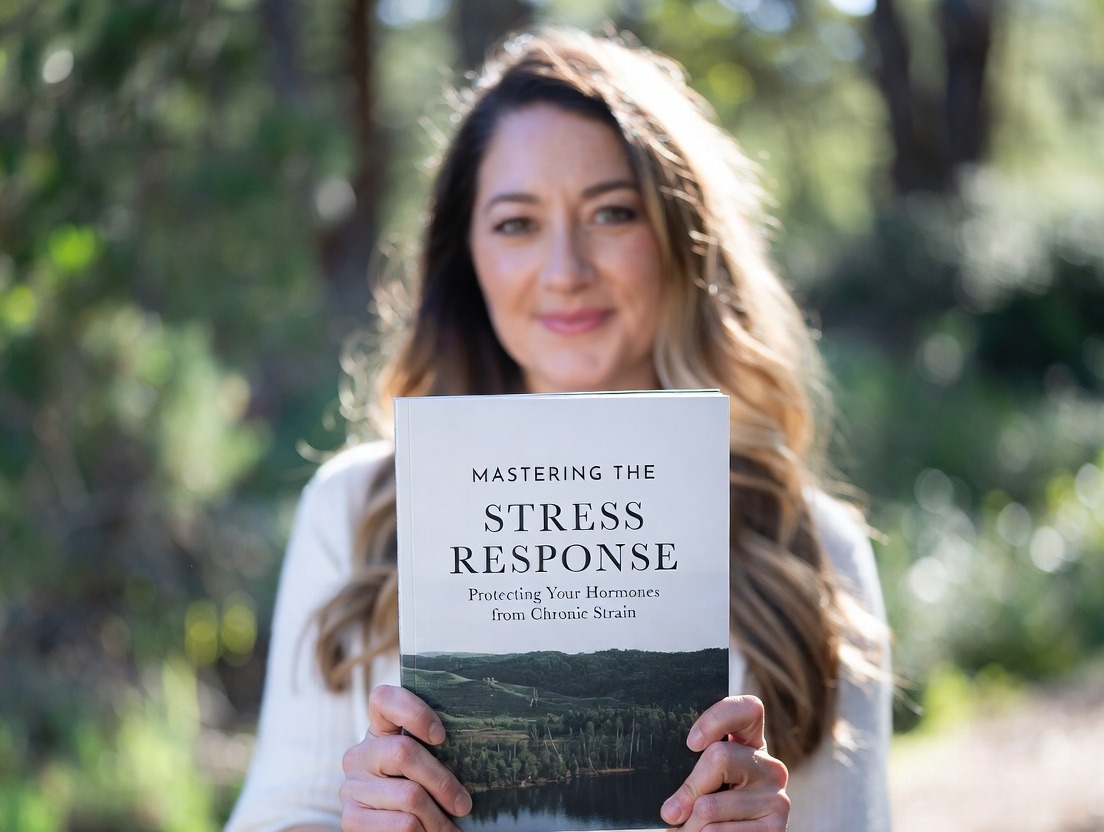
In the context of healthy aging, stress is not just a feeling of being overwhelmed. It is a quantifiable physiological event with direct, often damaging, consequences for hormonal balance. When we talk about stress here, we refer to the body's release of cortisol from the adrenal glands. While acute stress is adaptive, chronic elevation of cortisol is a primary antagonist to healthy aging in women.
The Cortisol-Hormone Tango
Cortisol and your sex hormones are made from the same precursor (pregnenolone). Under chronic stress, the body may "steal" from sex hormone production to keep making cortisol—a phenomenon often called "pregnenolone steal." This can further deplete already declining estrogen and progesterone. Additionally, high cortisol:
From Reactive to Responsive: Building Stress Resilience
The goal isn't to eliminate stress (an impossibility) but to change your relationship with it and improve your recovery from it.
The Role of Adaptogens
These are a class of herbs (like ashwagandha, rhodiola, holy basil) that may help the body adapt to stress by modulating the hypothalamic-pituitary-adrenal (HPA) axis. They are not a substitute for lifestyle change but can be supportive tools for some. Always consult with a healthcare provider before starting new supplements.
Understanding your unique stress signature is critical. The personalized dashboards and trends provided by a device like the Oxyzen ring move stress management from a generic concept ("I should meditate more") to a personalized protocol ("My data shows my nervous system is most stressed on Tuesday afternoons; I will schedule a walking meeting then"). For answers to common questions on how this technology supports stress management, our comprehensive FAQ is a great resource.
The shifts in memory, focus, and mood during perimenopause are among the most concerning symptoms for many women. It’s vital to understand that "brain fog" is not a precursor to dementia, nor is it a character flaw. It is a common, biologically-based symptom of hormonal fluctuation that can be proactively managed. Similarly, increased vulnerability to anxiety and low mood has direct neurochemical roots.
The Estrogen-Brain Connection Revisited
Estrogen receptors are densely located in brain areas responsible for memory (hippocampus), mood (amygdala), and cognitive processing (prefrontal cortex). Estrogen:
Strategies for a Sharper, Calmer Mind
Tracking the Mind-Body Link
Your emotional and cognitive states are reflected in your physiology. A week of poor sleep depth (tracked objectively) will almost certainly correlate with subjective reports of brain fog. A period of high stress load (shown by low HRV) will often precede feelings of anxiety or irritability.
By observing these correlations in your own data, you depersonalize the experience. Instead of thinking, "I'm losing my mind," you can observe, "My data shows my nervous system has been under recovery debt for three days, which is impacting my focus. I need to prioritize restoration." This objective feedback loop is empowering and reduces secondary anxiety about the symptoms themselves. It’s a cornerstone of the holistic support system we envisioned when sharing our story.
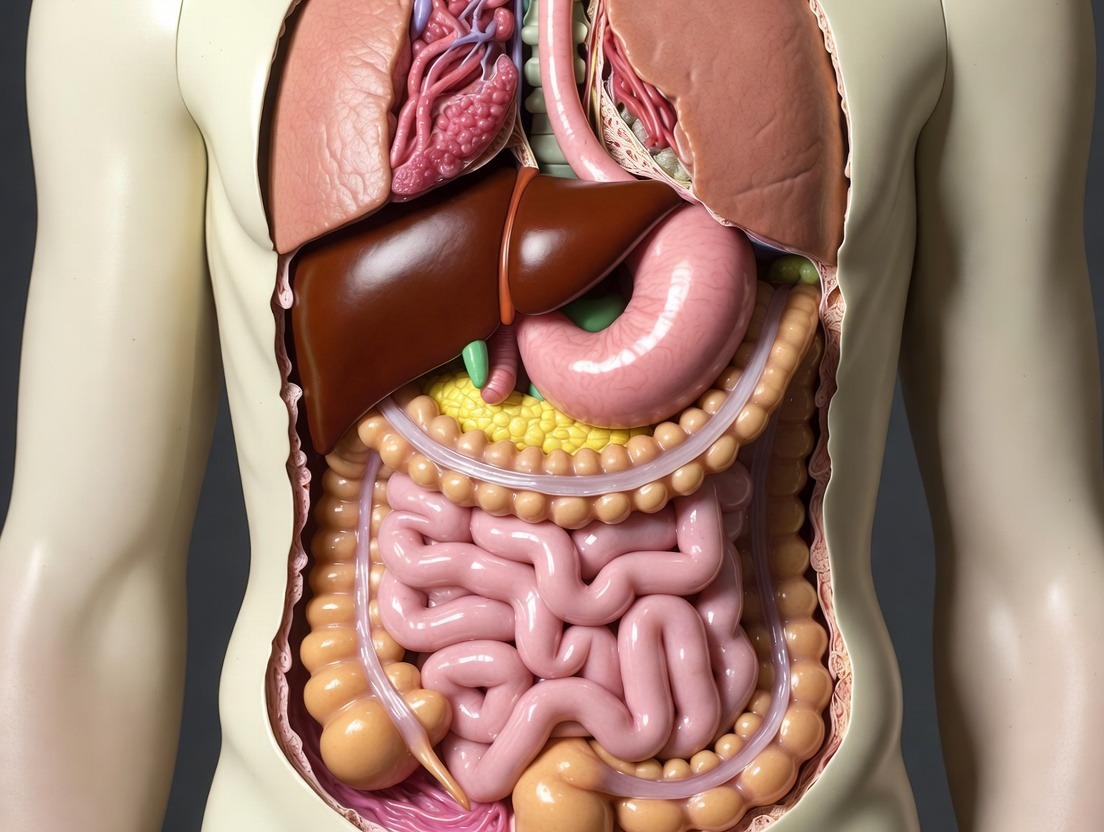
An often-overlooked yet critical player in hormonal health is the gut. Your gastrointestinal system is far more than a digestion tube; it's a complex ecosystem (the microbiome) and a major endocrine organ that communicates bidirectionally with your hormonal systems. This connection is known as the gut-hormone axis, and nurturing it is a non-negotiable for healthy aging.
The Estrobolome and Hormone Metabolism
A specific collection of bacteria in your gut, termed the estrobolome, is responsible for metabolizing and regulating circulating estrogen. These bacteria produce an enzyme called beta-glucuronidase, which determines how much estrogen is recirculated in the body versus excreted. An imbalanced gut microbiome can lead to either excessive estrogen recirculation (potentially driving estrogen-dominant symptoms) or inadequate recirculation (exacerbating deficiency). A healthy, diverse estrobolome promotes estrogen balance.
Leaky Gut, Inflammation, and Hormones
Chronic gut imbalance (dysbiosis) can contribute to increased intestinal permeability ("leaky gut"), allowing bacterial endotoxins (LPS) to enter the bloodstream. This triggers systemic inflammation, which, as discussed, is a key disruptor of hormonal signaling and a driver of insulin resistance.
Building a Hormone-Happy Gut
The Gut-Sleep-Stress Triad
This is where the interconnectedness becomes clear. Poor sleep (Section 4) raises cortisol (Section 6), which damages the gut lining. A damaged gut increases inflammation, which disrupts sleep and hormone production. Breaking this cycle requires a systems-based approach, addressing all three pillars simultaneously.
Tracking can reveal patterns here, too. You might notice that nights of poor sleep efficiency are followed by digestive bloating the next day. Or that a period of high work stress (reflected in your HRV trend) coincides with cravings for sugar, which further disrupts the gut. This holistic view is what enables truly personalized wellness. For more on this interconnected approach to health, the resources on our blog delve deeper into topics like metabolic health and personalized nutrition.
The changes in your skin and hair during hormonal transitions are more than cosmetic concerns; they are outward messengers of internal shifts in collagen, hydration, circulation, and inflammation. Addressing them effectively requires working from the inside out, supported by thoughtful external care.
The Hormonal Impact on Your Largest Organ
An Inside-Out Strategy for Radiant Skin and Hair
The Sleep-Beauty Connection Revisited
This cannot be overstated. Deep sleep is when your body produces growth hormone, which is crucial for cellular repair and regeneration—including skin and hair cells. Consistently poor sleep quality, as shown in your tracking data, will manifest in your skin's vitality over time. Prioritizing the recovery metrics from your wellness device is a direct investment in your external radiance. It’s a perfect example of how the data-driven journey we support at Oxyzen translates into tangible, visible well-being.
In the journey of healthy aging, intuition is vital, but it can be clouded by the slow, subtle nature of hormonal change. Feeling "a bit off" is subjective and hard to quantify. This is where modern health technology transitions from a gadget to a essential guide—a personalized health dashboard that translates your body's silent language into actionable insights.
Beyond Step Counting: The Metrics That Matter
For hormonal and metabolic health, surface-level fitness tracking is insufficient. The most valuable data comes from metrics that reflect your autonomic nervous system and recovery status, which are intimately tied to your hormonal milieu.
Creating Your Own N-of-1 Experiment
With this data, you become the scientist of your own life. You can move beyond generic advice to personalized proof.
Informed Partnerships with Healthcare Providers
Walking into a doctor's office with months of logged data on your sleep disturbances, temperature changes, and stress patterns is transformative. It shifts the conversation from "I'm tired and having hot flashes" to "Here is a graph showing my nocturnal temperature spikes correlating with wake events, and my HRV trend suggests my recovery is chronically low." This facilitates a more precise diagnosis and a more collaborative treatment plan, whether it involves lifestyle modification, hormone therapy, or other interventions.
This empowerment through knowledge is central to our vision. To understand how we built a tool specifically for this kind of deep, meaningful insight, you can read about the passion and purpose behind it in our story. The goal is to equip you with not just data, but with understanding—the kind that leads to lasting, positive change.
The conversation around Hormone Replacement Therapy (HRT) has evolved dramatically over the past two decades, moving from fear and avoidance to a more nuanced understanding of its benefits, risks, and appropriate use. For many women navigating midlife hormonal changes, HRT can be a powerful tool—but it is not a one-size-fits-all solution nor a magic bullet. It is one option within a broader spectrum of strategies for healthy aging.
Understanding Modern HRT: Bioidentical vs. Synthetic
A key development is the wider availability and understanding of bioidentical hormones. These are hormones that are chemically identical to those produced by the human body (estradiol, progesterone), often derived from plant sources like wild yam.
The "Window of Opportunity" Hypothesis
Current research supports the concept of timing. Initiating HRT (particularly estrogen) closer to the onset of menopause (typically within 10 years and under age 60) for the management of significant symptoms appears to have a more favorable benefit-risk profile for many women. This "window" is thought to allow estrogen to provide its protective cardiovascular and cognitive benefits while the vascular system is still relatively healthy.
Potential Benefits of HRT (When Indicated and Personalized)
Risks and Considerations: An Individualized Assessment
HRT is not without risks, which must be weighed against benefits on an individual basis, in consultation with a knowledgeable healthcare provider.
The Role of Lifestyle as Foundational Therapy
It is critical to frame HRT not as a standalone solution, but as one layer in a comprehensive plan. The foundational layers—nutrition, exercise, sleep, and stress management—are non-negotiable for long-term health, whether one chooses HRT or not. In fact, optimizing these pillars can sometimes reduce the need for HRT or allow for a lower, more effective dose.
This is where data-informed decisions become powerful. Tracking your symptom severity, sleep quality, and recovery metrics can provide objective evidence to discuss with your doctor. For example, showing that your nocturnal skin temperature spikes (from your wellness tracker) correlate perfectly with self-reported hot flash diaries adds precision to your symptom report. Monitoring your HRV trend can help assess how much your symptoms are taxing your nervous system. This collaborative, data-rich approach leads to more personalized and effective care plans. For further exploration of how technology integrates with holistic health, the Oxyzen blog offers ongoing analysis and discussion.
Healthy aging transcends the physical. It is equally, if not more, about cultivating a psychological and emotional landscape that fosters resilience, purpose, and joy. The hormonal transition often coincides with other major life shifts—children leaving home, career changes, caring for aging parents—making the cultivation of a positive mindset not just nice, but necessary for well-being.
Reframing the Narrative: From Decline to Ascension
The cultural script around menopause and aging has often been negative. The first step in cultivating resilience is to consciously rewrite that script for yourself. This is not a "pause" but a metamorphosis. It’s a time when the people-pleasing, externally-focused energy of earlier years can transform into a more internally-guided, confident, and authentic power. Research even points to a post-menopausal "upswing" in well-being for many women, often attributed to this emotional liberation and clarity.
Building Psychological Resilience
Resilience is the ability to adapt well in the face of adversity. It’s a muscle that can be strengthened.
The Power of Purpose and Connection
A sense of purpose is a longevity booster. This doesn’t need to be a grand, world-changing mission. It can be found in nurturing relationships, contributing to your community, mentoring others, creative pursuits, or deepening your spiritual practice.
Integrating Data for Mindset Reinforcement
Your wellness data can serve as a powerful ally in building this positive mindset. Instead of a source of anxiety, let it be a source of agency and validation.
This journey of integrating body and mind wisdom is at the core of what we believe in. Hearing how others have navigated this path can be incredibly inspiring; the shared experiences on our testimonials page reflect the diverse and empowering ways women are taking charge of their health narrative.
Healthy aging is not a destination you arrive at; it is a continuous, dynamic process of listening, learning, and adapting. The hormonal transition of midlife is a pivotal chapter—a call to attention from your body to invest deeply in the systems that will support you for the decades to come. By establishing a robust foundation now, you are not just mitigating symptoms; you are actively building a future of resilience, vitality, and empowerment.
The Evolving Nature of Your Needs
Your body's requirements at 50 are different from those at 60, 70, and beyond. The strategies that serve you brilliantly today may need gentle tweaks in the future. This is not a failure but a natural evolution. The key is to maintain a curious, responsive relationship with your own well-being. Regular check-ins—both subjective (How do I feel?) and objective (What does my data show?)—will guide this ongoing optimization.
The Role of Consistent Monitoring
Long-term health is built on trends, not snapshots. This is the profound value of continuous, passive health monitoring through a tool designed for this purpose.
A Holistic, Integrated Vision of Health
The most powerful approach to healthy aging is one that honors the interconnectedness of all the systems we've discussed. You cannot separate sleep from stress, nutrition from hormones, or mindset from metabolism. They are all part of one ecosystem—your ecosystem.
Investing in this holistic view means:
Moving beyond symptom management, the frontier of healthy aging delves into the very cellular machinery of our bodies. Longevity science seeks to understand and influence the fundamental biological processes that dictate how we age. For women navigating hormonal changes, applying these principles can help shift the focus from merely "getting through" menopause to actively promoting vitality for decades to come.
The Hallmarks of Aging: Understanding the "Why"
Scientists have identified several interconnected biological processes that contribute to aging. Key among them relevant to our discussion are:
Lifestyle Levers for Cellular Health
The exciting news is that our daily choices directly impact these hallmarks.
Biomarkers and Tracking Your Cellular Age
While you can't easily measure your telomeres at home, you can track proxies for cellular stress and metabolic health that are intimately linked to these processes.
Using a comprehensive wellness tracker provides a dashboard for the lifestyle factors that directly influence your cellular health. Seeing a positive trend in your HRV or a stabilization in your nocturnal heart rate as you implement these strategies offers tangible, motivating feedback that you're on the right path. For deeper dives into the science behind metabolic health and longevity, explore the resources on the Oxyzen blog.
Navigating the hormonal transition and optimizing long-term health is not a solo endeavor. A robust, informed support system is a critical component of success. This system includes medical professionals, like-minded communities, and your own role as an empowered advocate for your health.
Assembling Your Healthcare Team
A proactive, collaborative approach to healthcare is essential. Consider building a team that may include:
Preparing for Medical Appointments: The Power of Data
Walking into an appointment armed with information transforms the dynamic from passive patient to active partner.
Finding and Building Community
Shared experience is profoundly validating and educational.
Becoming Your Own Best Advocate
This is perhaps the most important skill you can develop.
This journey of partnership and advocacy is central to modern wellness. At Oxyzen, we believe technology should empower you to have richer, more productive conversations about your health, grounded in your personal truth. To understand our deep commitment to this partnership model, you can read more about our story and values.
Our modern environment presents a constant, low-level challenge to our hormonal systems. A class of chemicals known as endocrine-disrupting chemicals (EDCs) can mimic, block, or interfere with the body's natural hormones. For women in a state of hormonal flux, minimizing this added burden is a strategic component of healthy aging.
Common Endocrine Disruptors and Their Sources
Practical Strategies for a "Cleaner" Lifestyle
You don't need to live in a bubble, but you can make impactful swaps that reduce your cumulative exposure.
The Role of Detoxification Pathways
Your body has innate systems for processing and eliminating toxins—primarily through the liver, gut, kidneys, and skin. Supporting these pathways is just as important as reducing incoming exposures.
Connecting Toxin Reduction to Overall Metrics
While you can't directly track EDC levels, you can observe how reducing your toxic load might improve your overall resilience. As you implement cleaner habits, you may notice positive shifts in other tracked areas:
This holistic approach—minimizing incoming stressors while optimizing internal clearance—is a powerful, proactive layer in your healthy aging strategy. It's a testament to the fact that our external environment and internal health are in constant dialogue.
Health and wealth are deeply intertwined, especially when planning for a potentially long and vibrant post-menopausal life. Financial stress is a significant source of chronic anxiety, which, as we've established, has direct negative consequences for hormonal and physical health. Proactive financial planning is, therefore, an act of self-care and a cornerstone of healthy aging.
The Link Between Financial Stress and Physical Health
Chronic worry about money keeps the sympathetic nervous system engaged, elevating cortisol. This can:
Reducing financial uncertainty directly reduces a major life stressor, creating physiological space for healing and thriving.
Key Financial Planning Pillars for Women's Longevity
Women, on average, live longer than men and may have different career trajectories, often with time taken for caregiving. This makes targeted planning essential.
The "Financial Self-Care" Ritual
Incorporate regular, calm check-ins with your finances, just as you would with your health metrics.
Using Your Health Data to Inform Life Planning
Your wellness trends can offer a unique lens on your future planning.
By integrating financial wellness into your holistic health plan, you create a foundation of security that supports every other pillar—from better nutrition to lower stress. It's a profound way of honoring your future self. For more on building a lifestyle that supports both health and vitality, our blog often explores the intersection of wellness and practical life design.
We have journeyed through the science, the systems, and the strategies. Now, we arrive at the most important part: synthesis. A list of recommendations is overwhelming; an integrated, personalized protocol is empowering. This is about weaving the threads of knowledge into the fabric of your daily life in a way that is sustainable, effective, and uniquely yours.
The Principles of Personalization
A Step-by-Step Framework for Integration
Phase 1: The Assessment (Weeks 1-2)
Phase 2: Targeted Intervention (Weeks 3-8)
Phase 3: Evaluation and Expansion (Week 8+)
Leveraging Technology for Protocol Management
A sophisticated wellness device is the central command for your personalized protocol.
Building Flexibility and Self-Compassion
Your protocol is a living document. It must adapt to travel, illness, holidays, and life's unexpected events. On days when your data is poor, let it be a signal for kindness, not criticism. The goal is resilience, not rigid perfection.
This integrated, data-informed, self-compassionate approach is the essence of modern healthy aging. It replaces guesswork with knowledge, and generic advice with personal truth. To see how this philosophy translates into the technology we create, you can learn more about our approach and the Oxyzen smart ring. Your journey to a vibrant, healthy future is not a pre-written prescription—it is a masterpiece you are creating, one informed choice at a time.
Your Trusted Sleep Advocate: Sleep Foundation — https://www.sleepfoundation.org
Discover a digital archive of scholarly articles: NIH — https://www.ncbi.nlm.nih.gov/
39 million citations for biomedical literature :PubMed — https://pubmed.ncbi.nlm.nih.gov/
Experts at Harvard Health Publishing covering a variety of health topics — https://www.health.harvard.edu/blog/
Every life deserves world class care :Cleveland Clinic - https://my.clevelandclinic.org/health
Wearable technology and the future of predictive health monitoring :MIT Technology Review — https://www.technologyreview.com/
Dedicated to the well-being of all people and guided by science :World Health Organization — https://www.who.int/news-room/
Psychological science and knowledge to benefit society and improve lives. :APA — https://www.apa.org/monitor/
Cutting-edge insights on human longevity and peak performance:
Lifespan Research — https://www.lifespan.io/
Global authority on exercise physiology, sports performance, and human recovery:
American College of Sports Medicine — https://www.acsm.org/
Neuroscience-driven guidance for better focus, sleep, and mental clarity:
Stanford Human Performance Lab — https://humanperformance.stanford.edu/
Evidence-based psychology and mind–body wellness resources:
Mayo Clinic — https://www.mayoclinic.org/healthy-lifestyle/
Data-backed research on emotional wellbeing, stress biology, and resilience:
American Institute of Stress — https://www.stress.org/


