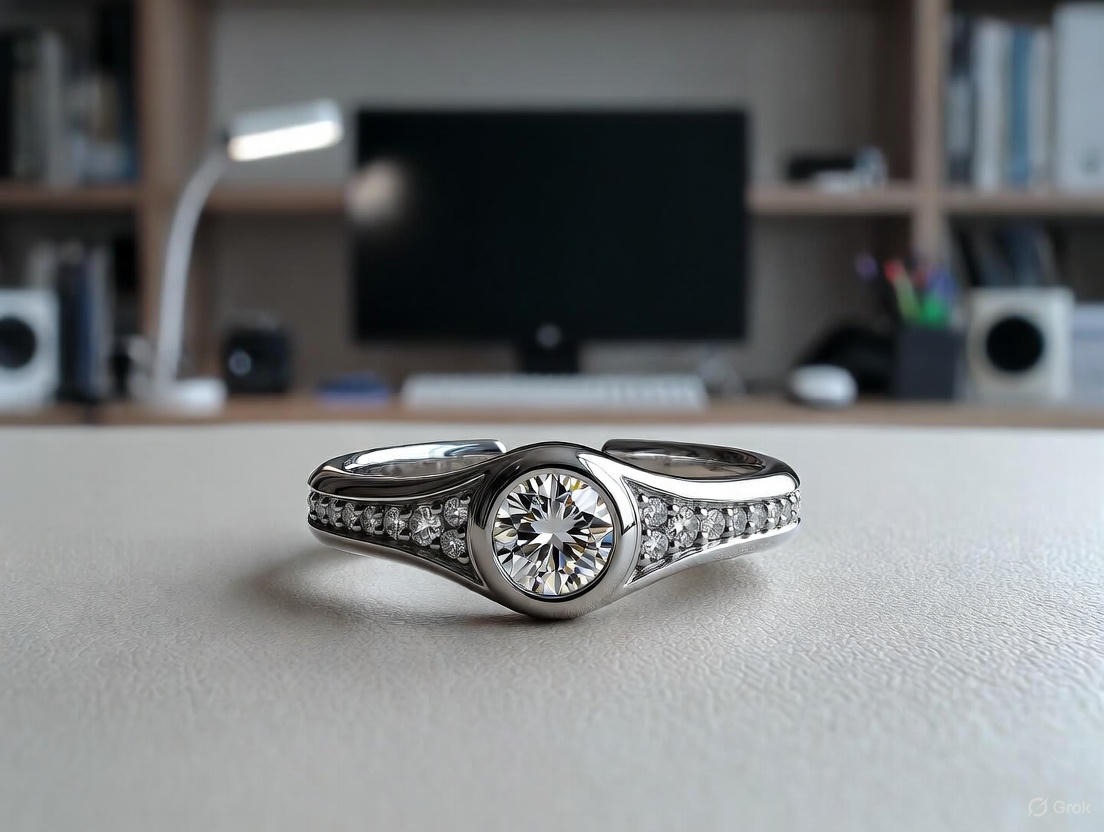
Healthy Lifestyle Tips for Shift Workers: How Your Wellness Ring Adapts
Healthy lifestyle advice tailored for shift workers, using a ring adapted to non-standard schedules.
Healthy Lifestyle Tips for Shift Workers: How Your Wellness Ring Adapts
In the silent hours when the world sleeps, a dedicated workforce powers the rhythms of modern life. From nurses and factory workers to pilots and tech support, over 20% of the global workforce operates outside the traditional 9-to-5, their biological clocks locked in a constant, draining battle against the sun. This is the reality of shift work: a life lived against the grain of natural circadian rhythms, where sleep is fragmented, meals are irregular, and the very definition of "day" and "night" blurs into a haze of fatigue. The cost is steep—increased risks for metabolic disorders, cardiovascular disease, mental health struggles, and chronic sleep deprivation are the hidden hazards of the trade.
But what if you could turn the tide? What if, instead of merely surviving your schedule, you could thrive within it? The revolution isn't just in mindset; it's in the silent, intelligent companion now circling the fingers of the health-conscious: the modern wellness ring. This is not a piece of generic tech; it is a shift worker's personal bio-hacking lab, engineered to decode your unique, non-linear life. It doesn't judge you for a 3 PM "nighttime" routine or a 2 AM lunch. It learns, adapts, and delivers personalized insights that transform survival into strategy.
This guide is your comprehensive roadmap to reclaiming your health amidst the chaos of rotating schedules. We will move beyond generic advice and delve into the actionable, science-backed strategies that work for your rhythm, not against it. And at the heart of this journey is understanding how a sophisticated wellness ring becomes your 24/7 ally. It translates your body's cryptic signals—your heart rate variability, your skin temperature, your sleep stages—into a clear, actionable language. It helps you craft a nighttime wellness routine that works even when your night is at noon, and optimizes your wakefulness when your day begins at dusk.
Prepare to explore how technology and tailored lifestyle design can synchronize. We'll cover everything from mastering sleep in broad daylight and timing nutrients for peak alertness, to building resilience against the social and mental pressures of shift work. Your schedule may be unconventional, but your path to vibrant health is about to become brilliantly clear.
The Invisible Shift Worker Tax: Understanding the Biological Cost
Before we can build solutions, we must fully comprehend the problem. Working against your circadian rhythm isn't just inconvenient; it's a fundamental physiological stressor with cascading effects on every system in your body. Think of your circadian rhythm as the master conductor of a grand, biological orchestra. It cues the release of hormones like melatonin (for sleep) and cortisol (for alertness), regulates body temperature, digestion, immune function, and even cell repair. This conductor takes its primary cue from light, specifically the blue light spectrum of the sun.
When you work night shifts or rotate schedules, you effectively hand the conductor's baton to a chaotic, unpredictable metronome. The orchestra falls into discord. Your pineal gland receives conflicting signals: it's dark outside (produce melatonin!), but you need to be alert for your shift (suppress melatonin!). This internal misalignment is known as "circadian misalignment" or "social jet lag," and it exacts a heavy, invisible tax.
The metabolic toll is profound. Studies consistently show shift workers have a 30-40% higher risk of developing Type 2 diabetes and metabolic syndrome. Why? Insulin sensitivity, glucose metabolism, and appetite-regulating hormones like leptin and ghrelin are all under circadian control. Night eating often coincides with a period of naturally lower insulin sensitivity, leading to higher blood sugar spikes. Furthermore, fatigue drives cravings for high-carb, high-fat comfort foods, creating a vicious cycle.
The cardiovascular system is under siege. Hypertension, elevated resting heart rate, and a 25% increased risk of heart attack and stroke are stark realities. The stress hormone cortisol, which should peak in the morning and decline at night, becomes dysregulated, maintaining a background of low-grade inflammation and vascular stress.
Perhaps the most immediate and debilitating cost is to cognitive function and mental health. Chronic sleep restriction and poor-quality sleep impair memory consolidation, reaction time, decision-making, and emotional regulation. The risk for depression and anxiety is significantly elevated. This isn't just about feeling tired; it's about diminished safety, performance, and quality of life.
This biological tax is the non-negotiable landscape of shift work. But understanding it is the first step toward mitigation. The goal is not to perfectly mimic a day-worker's rhythm—an often impossible feat—but to create the most stable, healthy, and personalized rhythm within your constraints. This is where data becomes your most powerful weapon, moving you from a state of biological confusion to one of informed adaptation.
From Generic Tracker to Shift-Savvy Guardian: How a Wellness Ring Understands Your Unique Rhythm
A standard fitness tracker might count your steps and log your sleep. But for a shift worker, a 7-hour block of "sleep" logged from 8 AM to 3 PM tells an incomplete, even misleading, story. Was it restorative deep sleep or fragmented, light sleep plagued by daytime noise and light? How did your body temperature—a key circadian marker—fluctuate? What was the state of your nervous system recovery throughout that sleep period?
A next-generation wellness ring, like those powered by advanced biometric sensors, operates on a different paradigm: contextual, personalized biomonitoring. It moves beyond mere quantification to qualitative, nuanced understanding. Here’s how it becomes your shift-savvy guardian:
1. Multi-Sensor Fusion for a Holistic Picture: Unlike wrist-based devices prone to motion artifacts, a ring on your finger provides a stable, vascular-rich location for clinical-grade sensors. It continuously measures:
Heart Rate (HR) & Heart Rate Variability (HRV): HRV, the subtle variation in time between heartbeats, is your body's most direct signal of autonomic nervous system (ANS) balance. High HRV indicates strong parasympathetic ("rest-and-digest") activity and recovery. For shift workers, tracking HRV trends reveals how your schedule and habits are impacting your stress resilience and recovery capacity.
Skin Temperature: Core body temperature follows a circadian rhythm, cooling to initiate sleep and warming to promote wakefulness. Continuous skin temperature monitoring provides a proxy for this rhythm. Your ring learns your temperature curve, identifying when your body is naturally priming for sleep, even if that's at 10 AM.
Blood Oxygen Saturation (SpO2): Monitored during sleep, this can help identify disturbances like sleep apnea, which can be exacerbated by shift work and fatigue.
Activity & Movement: Passive tracking of movement and intensity helps calibrate your energy expenditure and sedentary periods.
2. The Power of Circadian Rhythm Modeling: The true genius for shift workers lies in the software. Advanced algorithms don't just collect data; they build a dynamic, evolving model of your personal circadian rhythm. By analyzing months of temperature, HRV, and sleep data, the ring can:
Predict your personal "chronotype" within your shifted schedule (e.g., "Your body shows strongest sleep propensity around 10 AM post-night shift").
Identify the times you are naturally primed for peak cognitive performance or physical activity.
Spot patterns of accumulating sleep debt before you consciously feel it.
3. Actionable, Context-Aware Insights: This is where generic advice dies. Instead of "get 8 hours of sleep," your ring provides insights like:
"Your recovery was low after your last 3 night shifts. Consider a 90-minute nap before your next shift, prioritized over errands."
"Your body temperature data suggests your circadian rhythm is shifting. To better align for your upcoming rotation to days, try getting bright light at 7 AM for the next 3 days."
"Your HRV dipped significantly after your midnight meal. For better metabolic recovery, consider a lighter snack option next time."
This device becomes the cornerstone of a data-driven lifestyle. It removes the guesswork. It validates what works for you and flags what doesn't. It turns the abstract concept of "listening to your body" into a concrete, actionable dashboard. For instance, by analyzing your sleep data over time, you can begin a process of nighttime wellness routine optimization that is uniquely tailored to your sleep window, wherever it falls. The ring provides the feedback loop to see if your new wind-down ritual at 7 AM is actually improving your deep sleep percentage.
Mastering the Daylight Sleep: An Evidence-Based Blueprint for Quality Rest
For the shift worker, sleep is not a passive state of unconsciousness; it is an active, strategic practice that must be defended and optimized. Achieving restorative sleep during the day is a challenge of engineering, not just exhaustion. Here is your evidence-based blueprint, supported by the feedback from your wellness ring.
The Fortress of Sleep: Environment is Everything Your bedroom must become a sanctuary designed to mimic the dark, quiet, cool conditions of night.
Light Elimination: This is non-negotiable. Invest in blackout curtains or a high-quality sleep mask that seals out all light. Even small amounts of ambient light can suppress melatonin and fragment sleep. Consider electrical tape over any LED indicators on electronics. This practice is so critical it forms the foundation of any effective guide to nighttime wellness routine and setting up your bedroom, a principle that applies 24 hours a day.
Sound Control: Daytime brings a symphony of distractions—lawnmowers, traffic, family life. Use a white noise machine, a fan, or quality earplugs to create a consistent auditory blanket. Sound apps with "pink noise" have also been shown to improve sleep stability.
Temperature Regulation: Your body needs to drop its core temperature to initiate and maintain sleep. Set your thermostat cooler (around 65-68°F or 18-20°C). Your wellness ring’s temperature tracking will show you how your sleep quality correlates with room temperature, allowing you to find your personal ideal. This is a perfect example of how temperature control completes your nighttime routine, turning your bedroom into a sleep-conducive cave.
The Cue of Consistency: Even though your sleep time changes, your pre-sleep routine should not. This is your powerful signal to the brain that "sleep is coming now."
The Wind-Down Ritual: Signaling Safety to the Brain A abrupt transition from work or screen time to bed is a recipe for poor sleep. Your brain needs a buffer zone.
The Digital Sunset: Implement a strict 60-90 minute screen blackout before your target sleep time. Blue light from devices is a potent melatonin suppressor. If you must use a device, employ blue-light blocking software and glasses aggressively.
The Relaxation Response: Engage in calming activities that lower cortisol. This could be gentle stretching, reading a physical book (not a tablet), listening to calming music or an audiobook, or a short meditation. For those with racing minds, exploring how journaling fits into the perfect nighttime routine can be transformative, dumping worries onto paper so they don't replay in bed.
Leverage Your Senses: Consider how aromatherapy enhances your nighttime wellness routine by using a diffuser with lavender or chamomile essential oils, which have evidence for promoting relaxation. A warm (not hot) shower or bath 60-90 minutes before bed can also aid the body's natural temperature drop.
Strategic Napping: A Performance Tool Naps are not a sign of laziness; they are a shift worker's tactical tool for managing alertness and sleep debt.
The Power Nap (10-20 minutes): Ideal before a shift or during a break to boost alertness without entering deep sleep and avoiding grogginess (sleep inertia).
The Recovery Nap (90 minutes): Allows a full sleep cycle (including deep sleep and REM). This is best used after a string of night shifts to pay down sleep debt. Your wellness ring can help you time this nap during a natural dip in your circadian rhythm and track its quality.
Your ring is the ultimate auditor of this blueprint. It will show you which environmental tweaks improved your sleep efficiency. It will reveal if your new wind-down ritual increased your deep sleep. It transforms this blueprint from a static list into a dynamic, living experiment in perfecting your personal sleep formula.
Fueling the Machine: Nutritional Strategies for Alertness and Metabolic Health
Shift work notoriously disrupts eating patterns, leading to reliance on vending machine snacks, fast food, and erratic meal times that wreak havoc on metabolism and energy levels. The goal is to move from reactive eating to strategic fueling, using nutrition to stabilize energy, support circadian alignment, and protect long-term health.
Timing is Medicine: Chrono-Nutrition for Shift Workers
The "Night Eating" Paradigm Shift: If you work through the night, you will need to eat. The key is what and when. The traditional three large meals may not serve you. Instead, consider a "anchor meal" strategy.
The Anchor Meal: This is your largest, most nutrient-dense meal, consumed before your shift begins (e.g., at 5 PM for a 7 PM night shift). This primes your body with sustained energy. For a deeper dive into the critical relationship between meal timing, supplements, and circadian biology, the principles discussed in our article on nighttime wellness routine and supplements timing matters are highly relevant, even for meals consumed before a "nighttime" shift.
Strategic "Snack-Meals" on Shift: During the shift, opt for small, balanced portions every 3-4 hours to maintain blood sugar without overtaxing digestion. The worst time for a large, heavy meal is in the middle of the biological night (e.g., 2 AM), when digestive efficiency is low.
The Recovery Meal Post-Shift: After your shift, avoid a large meal right before sleep. A small, sleep-promoting snack (e.g., Greek yogurt with a few nuts, a banana) can help with satiety without causing reflux or disrupting sleep. Then, aim for a proper meal after you wake up from your core sleep.
Macro Composition: Building Balanced Plates for Energy
Prioritize Protein: Include a quality protein source (chicken, fish, tofu, legumes) at every eating occasion. Protein promotes satiety, stabilizes blood sugar, and provides the amino acids necessary for tissue repair and neurotransmitter production (crucial for mood and alertness).
Choose Complex Carbohydrates: Opt for fiber-rich carbs (oats, quinoa, sweet potatoes, whole grains, vegetables) over simple sugars. They provide a slower, more sustained release of glucose, preventing the energy crashes that follow sugary snacks.
Don't Fear Healthy Fats: Avocado, nuts, seeds, and olive oil support hormone production and brain health, and further slow digestion for lasting energy.
The Hydration Imperative: Dehydration mimics and worsens fatigue. Sip water consistently throughout your shift. Limit caffeine to the first half of your shift to avoid interference with your post-shift sleep. Be mindful of sugary drinks which cause energy spikes and crashes.
Leveraging Your Ring for Nutritional Insight Your wellness ring provides indirect but powerful feedback on your nutritional strategies.
HRV & Sleep Quality: Did your HRV tank and your sleep become restless after a particular on-shift meal? This is a clear signal that the food type or timing didn't agree with your system.
Resting Heart Rate (RHR): A consistently elevated morning RHR can indicate systemic inflammation or poor recovery, often linked to diet.
Energy Levels: Subjective logging of energy in the app, correlated with meal times, can help you identify which foods give you steady energy versus a brief spike and a crash.
By combining these strategic eating principles with the biometric feedback from your ring, you can develop a personalized nutrition protocol that turns food from a source of metabolic stress into a tool for enhanced performance and resilience.
Taming the Light: Using Phototherapy to Hack Your Alertness and Sleep
Light is the most powerful zeitgeber (time-giver) for your circadian rhythm. For shift workers, managing light exposure isn't just about comfort—it's a deliberate biohack to promote alertness when you need it and sleep when you can get it. This is phototherapy in practice.
The Science in a Flash: Blue Light vs. Melatonin Specialized cells in your retina detect blue light wavelengths (abundant in sunlight and LEDs) and send a direct signal to your brain's suprachiasmatic nucleus (SCN): "It's day! Be alert! Suppress melatonin!" For the day worker, this is perfect. For the night worker, it's a constant sabotage.
Strategic Light Exposure for Night Shifts: Promoting Alertness Your goal during a night shift is to trick your brain into a daytime state.
Seek Bright Light on the Job: If possible, work in a brightly lit environment, especially during the first half of your shift. Light boxes or blue-light emitting glasses designed for shift workers can be highly effective if ambient light is low.
The Strategic "Light Break": During a break or if feeling drowsy, take a 15-20 minute walk under bright lights or sit in front of a light therapy lamp (10,000 lux). This can provide a significant boost to alertness and cognitive function.
The Commute Home: The Critical Transition: This is where most night workers fail. Driving home at 7 AM as the sun rises is a massive dose of circadian-disrupting light that tells your brain, "Wake up!" just as you're trying to wind down for sleep.
The Post-Shift "Light Shield": Protecting Your Sleep Your mission after your last shift is to create an artificial night.
Blue-Blocking Glasses: This is your most important tool. Invest in high-quality amber or red-tinted glasses that block >90% of blue light. Put them on before you leave work and wear them during your commute home and for any activity in sunlight before bed. Studies show this simple practice significantly improves daytime sleep quality and duration.
The Dark Sanctuary: As detailed in the sleep section, your bedroom must be pitch black. Combine this with your blue-blockers, and you've created a powerful signal of "nighttime" for your brain.
Adapting for Rotating Shifts: The Gradual Shift For those on rotating schedules, you can use light to gently nudge your rhythm before the shift change. In the days leading up to a switch to nights, seek bright light in the evening and avoid morning light to delay your rhythm. Your wellness ring’s circadian modeling can guide this. By tracking your temperature minimum (the lowest point in your cycle, which typically occurs about 2 hours before your natural wake time), you can time light exposure more precisely to phase-shift your rhythm in the desired direction. Understanding how light exposure affects your nighttime routine is the cornerstone of this practice, applied proactively to your ever-changing schedule.
Your Ring as a Light-Response Monitor How do you know your light strategy is working? Your ring provides the answer.
Sleep Metrics: Improved sleep latency (time to fall asleep), increased deep and REM sleep, and higher sleep scores after implementing blue-blockers are clear wins.
Daytime Readiness Scores: If using light to boost alertness on shift, look for correlated improvements in your daytime readiness or activity scores.
Temperature Rhythm Stability: Over time, a successful light management strategy should lead to a more stable, predictable skin temperature rhythm, even as your sleep times shift.
By mastering light, you stop being a passive victim of the sun and become an active architect of your internal clock.
Movement as Medicine: Exercise Timing and Modality for Shift Worker Resilience
Exercise is a potent tool for shift workers, but its effects are double-edged. Done correctly, it boosts energy, improves sleep quality, reduces stress, and fortifies metabolic health. Done incorrectly—at the wrong time or with excessive intensity—it can heighten stress, elevate cortisol at unhelpful times, and impair recovery. The key is strategic movement, guided by your body's signals.
The Circadian Component of Performance Your physical performance, core body temperature, and injury risk follow a circadian rhythm. For most people, strength, flexibility, and anaerobic performance peak in the late afternoon or early evening. While you can't always train at your biological peak as a shift worker, you can be strategic about the type of exercise you do and when you do it relative to your schedule.
Exercise Timing Strategies for Different Shifts
Before a Day Shift: A morning workout can be energizing, but keep it moderate if you're prone to an afternoon energy crash. A brisk walk, light jog, or yoga session can wake up the body without being draining.
Before a Night Shift (Afternoon): This is an excellent time for more intense training (strength training, HIIT, sports). Your body temperature and hormone profile are likely nearing their peak, supporting performance. Finish your workout at least 2-3 hours before your shift starts to allow cortisol levels to normalize and ensure you're fueled and hydrated.
During a Night Shift (Break Time): Use movement to combat drowsiness and stagnation. A 10-15 minute walk, some dynamic stretching, or light bodyweight exercises in a well-lit area can boost circulation and alertness far better than another cup of coffee.
After a Night Shift (Morning): This is the most delicate time. High-intensity exercise is generally contraindicated right before sleep, as it raises core temperature and stimulates the sympathetic nervous system. However, gentle, parasympathetic-nervous-system-focused movement can be incredibly beneficial. Think "wind-down" movement: very gentle yoga (yin or restorative), slow walking, or mobility flows. This can help process the residual stress of the shift and signal to your body that it's time to rest. This aligns with the concept of a nighttime routine that lowers cortisol naturally, where gentle movement is a key component of the wind-down process, even if your "night" is at 8 AM.
Listening to Your Biomarkers: The Ultimate Guide This is where your wellness ring transitions from a sleep tracker to a full-fledged training advisor.
HRV is Your North Star: Your morning HRV reading (or your reading before your main sleep) is a direct indicator of your readiness to handle physical stress. A consistently low or dropping HRV suggests your body is under-recovered. On these days, prioritize rest, gentle movement, or complete recovery over intense training. Pushing through will only deepen fatigue and injury risk.
Resting Heart Rate (RHR): An elevated RHR upon waking can also indicate incomplete recovery, stress, or impending illness. Treat it as a yellow flag.
Sleep Data: If your deep or REM sleep was significantly disrupted, your body's repair processes were impaired. A heavy training session that day may be counterproductive.
Activity Balance: The ring tracks your overall activity and sedentary time. Use it to ensure you're not completely sedentary on your off days, which can worsen circadian disruption and mood.
The shift worker's exercise mantra should be "consistency over intensity, and timing over everything." A consistent routine of moderate exercise, timed appropriately within your schedule and guided by your recovery metrics, will yield far greater benefits than sporadic, intense workouts that leave you drained and compromise your sleep.
The Mind-Shift: Building Psychological Resilience and Managing Social Life
The challenges of shift work extend far beyond the physical. The psychological toll—feelings of isolation, missing out on family and social events, the strain on relationships, and the constant battle against irritability and low mood—can be the most difficult aspect to manage. Protecting your mental health requires intentional strategy.
Reframing Your Identity: You Are Not "Out of Sync," You Are Essential The first step is a cognitive reframe. Society is structured around the day schedule, so it's easy to feel like you're living "wrong." Challenge this. Your work is vital. Your schedule is different, not deficient. Embrace the unique advantages: avoiding rush-hour traffic, having weekdays free for appointments, experiencing a quieter world during your off-hours. This shift in perspective from victim to empowered specialist is foundational.
Boundary Setting: The Art of the "No" Your sleep is non-negotiable work time for your body. Treat it with the same respect you'd treat a critical meeting with your boss.
Communicate Clearly: Educate family and friends about your schedule and its demands. Share that your 2 PM is their 2 AM. A simple, "I'd love to, but that's the middle of my sleep period. How about [alternative time]?" sets a clear boundary.
Manage Expectations at Work: If possible, advocate for schedule consistency (e.g., longer blocks of nights followed by longer blocks off) rather than rapid rotations, which are scientifically shown to be more harmful.
Protect Your Sleep Period: Use "Do Not Disturb" mode on your phone. Put a sign on your door. Be firm. The world can wait.
Strategies for Social Connection Isolation is a real risk, but it's not inevitable.
Quality Over Proximity: A meaningful 30-minute coffee with a friend before your night shift can be more nourishing than a fatigued, resentful appearance at a four-hour party you slept through.
Leverage Your Off-Peak Time: Suggest brunch on a Tuesday, a midday movie, or a morning hike. You have the flexibility to enjoy venues when they are less crowded.
Connect with Fellow Shift Workers: They understand your reality implicitly. Building a community with colleagues can provide crucial peer support.
Digital Connection: When in-person isn't possible, a thoughtful text, voice note, or scheduled video call can maintain bonds. The act of journaling for mental health can also be a powerful outlet for processing the unique social frustrations of shift work, a practice explored in depth in our resources on nighttime wellness rituals for mental health support.
Mindfulness and Stress Inoculation The irregular schedule itself is a stressor. Building daily practices to manage stress is critical.
Micro-Meditations: Even 5 minutes of focused breathing during a break can lower cortisol and reset your nervous system. Apps can guide these short sessions.
Gratitude Practice: Actively noting things you are grateful for—a smooth shift, a good meal, a supportive partner—combats negativity bias and improves overall life satisfaction.
Professional Support: There is zero shame in seeking therapy or counseling to develop coping strategies. Shift work is a recognized occupational stressor.
Your Ring as a Mental Health Sentry Your biometrics are a window into your psychological state.
HRV Trends: Chronic stress and burnout often manifest as a sustained downward trend in HRV, even if sleep hours look okay.
Sleep Disturbances: Increased wake-ups or restless sleep can be indicators of anxiety or unresolved stress.
Self-Reported Mood Logging: Many ring apps allow you to log mood and energy. Correlating this with your biometric data (e.g., "Every time my deep sleep dips below 45 minutes, I report low mood the next day") provides incredible insight into your personal mind-body connection.
By prioritizing your psychological well-being with the same rigor as your physical health, you build the resilience needed not just to endure shift work, but to lead a full, connected, and meaningful life within its framework.
The Recovery Cycle: Optimizing Days Off and Managing Rotations
For the shift worker, days off are not merely a pause; they are an essential period of strategic recovery and recalibration. How you use this time can either amplify the damage of your work cycle or help you rebound, build resilience, and enjoy a high quality of life. This is especially critical for those on rotating schedules, where the body is perpetually playing catch-up.
The Post-Night Shift Cluster: Strategic Decompression After a string of night shifts, your primary mission is sleep debt repayment and circadian realignment.
The First Sleep: After your last shift, go directly to your pre-prepared dark sanctuary. Use your blue-blockers religiously. This first sleep may be long but fragmented—that's normal. Allow your body the time it needs without an alarm, if possible.
The Anchor Sleep Concept: On your off days, aim for one consolidated "anchor" sleep period that is as close to a nighttime schedule as your life allows (e.g., midnight to 8 AM). This provides a stable reference point for your circadian rhythm.
Napping Strategically: Use shorter naps (20-30 minutes) to top up if needed, but avoid long, late-day naps that could interfere with your anchor sleep.
Should Your Weekend Routine Be Different? This is a common dilemma. While complete reversal to a "normal" schedule on days off can cause significant social jet lag, living permanently on a night schedule when you're off may be isolating. The answer lies in a compromise phase-shift.
The Gradual Adjustment: If you want to participate in a Saturday evening event, don't suddenly try to stay awake all day Friday. Instead, on your last night off before the event, go to sleep a few hours later than usual and sleep in, beginning a gentle delay of your rhythm. Your wellness ring’s data can show you if this is successful by tracking changes in your temperature minimum.
The "Modified" Off-Day Schedule: Perhaps you sleep from 4 AM to 12 PM on your off days. This allows you a late evening with family and friends and a morning to yourself, while still protecting a core, consistent sleep block. The question of the weekend nighttime routine and whether it should be different is highly personal, and your biometric feedback is the best guide to what works for your body.
Managing the Brutal Rotation: Swing Shifts The most physiologically damaging schedule is the rapid rotation (e.g., two days, two evenings, two nights). If you are on this schedule, survival depends on hyper-vigilance with all the strategies discussed, with an emphasis on light management and nap strategy.
Forward Rotation is "Easier": It's generally less stressful for the body to rotate forward (days -> evenings -> nights) than backward, as delaying your rhythm is easier than advancing it.
The Power of the Prophylactic Nap: Before starting a night shift block, a 90-minute nap in the afternoon can build a buffer of alertness.
Your Ring is Essential: On such a chaotic schedule, the ring's predictive modeling and recovery metrics become your lifeline, telling you when you are accumulating dangerous levels of debt and when you are adapting.
The Active Recovery Day Not all off-days should be spent in bed. Gentle activity is crucial.
Get Morning Light (If Aligned): If you're on a day-oriented schedule, getting bright light in the morning helps anchor your rhythm.
Move Gently: A walk in nature, light stretching, or recreational activity you enjoy boosts mood and circulation without adding stress.
Socialize Intentionally: Plan one or two meaningful social interactions that fit within your recovery-focused schedule, rather than trying to pack everything in.
The goal of the recovery cycle is to exit it feeling restored, not more fatigued. By planning your off days with the same intentionality as your work days, you break the cycle of chronic fatigue and create a sustainable lifestyle.
The Traveling Shift Worker: Maintaining Consistency on the Road
For many in fields like aviation, healthcare (travel nurses), or consulting, shift work is compounded by travel. Hotel rooms, changing time zones, and unfamiliar environments pose a supreme test to your wellness routine. Here, your wellness ring and a pre-planned strategy are the difference between thriving and burning out.
Creating a Portable "Sleep Sanctuary" Kit Your consistency lies in what you bring with you.
The Non-Negotiables: A high-quality sleep mask and earplugs (or a white noise machine/app) are the bedrock of road sleep. Consider a portable blackout curtain with suction cups for particularly bright rooms.
Circadian Cues: A small travel blue-light blocker for your devices and amber glasses for post-shift commutes or late-night work are essential.
Familiar Scents: A travel diffuser or a linen spray with a calming scent like lavender can make an unfamiliar room feel safe and sleep-conducive, tapping into the power of how aromatherapy enhances your nighttime wellness routine on the go.
Mastering the Hotel Routine The principle is to replicate your home wind-down ritual as closely as possible, creating familiarity amidst the unfamiliar.
Claim the Space: Upon arrival, dim the lights, set up your sleep kit, and adjust the thermostat. This ritual signals to your brain that this is now your safe space for rest.
The Unwind Sequence: Follow your standard pre-sleep activities—whether it's a specific stretching routine, reading, or a mindfulness app session. The consistency of the action matters more than the location. For a comprehensive framework, you can adapt principles from a guide like nighttime wellness routine for solo travelers, which is built around the challenge of maintaining rituals in transient environments.
Mindful Eating on the Road: Seek out grocery stores for simple, balanced foods (yogurt, fruit, nuts, pre-made salads) to avoid total reliance on restaurant or fast food. Stay extra vigilant with hydration, especially during air travel.
Leveraging Your Ring for Jet Lag and Schedule Adherence If your travel involves time zone changes, your ring becomes your personal jet lag coach.
Baseline Before Travel: Note your key metrics (sleep score, HRV, temperature trend) in your home time zone.
Using Light Proactively: Based on the direction of travel, use light exposure and avoidance to shift your rhythm faster. Apps can provide precise schedules, but your ring's temperature data will show you if the shift is happening.
Monitoring Adaptation: The ring will clearly show the disruption in your sleep architecture and recovery metrics upon arrival, and then track your gradual adaptation to the new time zone. This data can inform how hard you push yourself with work or activities in the first few days.
The traveling shift worker must be the most disciplined and prepared. By treating your wellness routine as your most important piece of luggage, you can maintain performance and health no matter where your work takes you.
Data-Driven Adaptation: How to Interpret Your Ring's Metrics and Create a Personal Action Plan
Collecting data is meaningless without interpretation and action. This section transforms you from a passive data viewer to an active bio-hacker, using your wellness ring's dashboard to make iterative, intelligent improvements to your lifestyle.
The Key Dashboard Metrics and What They Really Mean for You
Sleep Score: A composite of duration, efficiency, restfulness, and timing. Don't obsess over a single night's score. Look at the trend over 7-14 days. A declining trend despite consistent habits is a red flag.
Sleep Stages (Light/Deep/REM): Each serves a purpose. Consistently low deep sleep (physical restoration) may indicate you need more time in bed, better temperature control, or less alcohol. Low REM sleep (cognitive and emotional processing) can be linked to stress, antidepressant use, or going to bed too late in your circadian cycle.
HRV: This is your recovery metric. A high or increasing trend is good. A sudden drop can indicate illness, overtraining, or high stress. A consistently low HRV suggests your lifestyle is exceeding your recovery capacity. This is your signal to dial back intensity and prioritize rest.
Resting Heart Rate (RHR): Your fitness and inflammation metric. A well-trained, rested body has a lower RHR. A sudden increase (>5-7 bpm above your baseline) can indicate illness, dehydration, or excessive fatigue.
Body Temperature: Look at the curve, not the absolute value. A clear, predictable dip during your main sleep period and rise before wake-up indicates a robust circadian rhythm. A flattened curve suggests circadian disruption.
The Weekly Review: Your Bio-Feedback Session Set aside 20 minutes once a week (e.g., on a recovery day) to review your data.
Spot Trends: Use the weekly or monthly view. Are your sleep scores higher on days you exercised? Is your HRV lower after nights you ate a heavy meal on shift?
Correlate with Lifestyle: Use the journal/note feature in your app. Tag days with specific events: "Night Shift," "Intense Workout," "Social Event," "Ate late." Over time, patterns will emerge.
Formulate a Hypothesis: "I suspect my poor sleep on Monday is because I drink coffee after 2 AM on my Sunday night shift."
Run an Experiment: "Next Sunday night shift, I will switch to decaf after 2 AM."
Evaluate the Result: Did your Monday sleep score and HRV improve? If yes, you've found a new personal rule. If not, test something else.
Building Your Personal Action Plan Based on your review, create a simple, focused plan for the upcoming week. Limit it to 1-3 actionable items.
Example Plan A (if data shows poor recovery):
Action 1: Prioritize one 90-minute nap before my first night shift.
Action 2: Wear blue-blockers for the entire commute home, no exceptions.
Action 3: No intense workouts; focus on walking and stretching.
Example Plan B (if data shows stable rhythm and good recovery):
Action 1: Add one 20-minute strength session before my evening shifts.
Action 2: Experiment with a new, high-protein midnight snack and monitor HRV response.
Action 3: Try a 10-minute meditation in my break room during shift.
This process of nighttime wellness routine optimization using your sleep data is the core feedback loop. It turns abstract health advice into a personalized, living protocol. Your ring is not your judge; it is your guide, showing you the unique path your body is asking you to take.
Beyond the Ring: Integrating Complementary Tools and Building Your Support System
Your wellness ring is a powerful nucleus, but it operates within a larger ecosystem of health. To build unshakeable resilience, integrate complementary tools and cultivate a human support network.
Digital Companions for Specific Challenges
Light Management Apps: Use apps like f.lux or Iris on your computer, and enable Night Shift on your phone automatically. For shift-specific light timing, apps like "Timeshifter" (designed for jet lag) can be adapted.
Meditation & Mindfulness Apps: Headspace, Calm, or Insight Timer offer guided sessions specifically for stress, sleep, and focus—all critical for shift workers.
Meal Planning & Hydration Apps: Apps like Cronometer can help track nutrient intake, while a simple hydration reminder app can combat the dehydration that worsens fatigue.
The Power of Journaling: The Qualitative Layer Your ring gives you the "what"; journaling gives you the "why."
The 5-Minute Shift Debrief: After a shift, jot down a few notes: How did you feel? What was stressful? What went well? This emotional offload can prevent work stress from contaminating your sleep.
Gratitude & Achievement Log: Actively writing down what you're grateful for and what you accomplished (even "I stayed hydrated") builds a positive mindset against the grind.
Correlation Power: When you have an unexplained dip in HRV, your journal entry might hold the clue: "Fought with spouse before work," or "Project deadline anxiety." This builds profound self-awareness. The practice of how journaling fits into the perfect nighttime routine is a cornerstone of this integrative approach.
Building Your Human Support System Technology cannot replace human connection.
Educate Your Inner Circle: Share simplified versions of what you're learning. "My ring shows my body is really stressed when I skip my wind-down time, so I need to be strict about that 30 minutes before bed." This turns your behavior into understood health maintenance, not rejection.
Find a Shift-Work Buddy: A colleague on the same schedule can be an accountability partner for healthy habits, a sounding board for frustrations, and someone to share a healthy meal with on shift.
Engage Professionals: Consider a nutritionist who understands chronobiology, or a therapist familiar with occupational stress. They can provide expert guidance tailored to your lifestyle.
Family Rituals: Create unique connection rituals that fit your schedule. Maybe it's a "good morning" text when you go to bed at 7 AM, or a special weekend breakfast you always cook. These anchors of connection are vital.
Your wellness journey is not a solitary, data-obsessed pursuit. It is about using the best tools available—both technological and human—to build a life of vitality within the structure of your essential work. The ring provides the map, but you, your habits, and your community walk the path.
Syncing with the Sun: Advanced Chronobiology for Long-Term Health
Mastering the immediate challenges of sleep, nutrition, and light is the first battle. Winning the war for long-term health as a shift worker requires a deeper understanding of chronobiology—the science of biological rhythms—and a commitment to strategies that protect your body at a systemic level over decades, not just days. This is about moving from mitigation to optimization, using your data to build a fortress of health that can withstand the unique pressures of your schedule.
The Core Chronotype Misconception Many people discuss being a "night owl" or "early bird." For permanent night workers, there's a crucial question: can you truly change your core, genetically-influenced chronotype to align with a nocturnal schedule? The evidence suggests a limit. While you can shift your circadian rhythm—a process called entrainment—using light, food, and behavior, you may not fully reverse its deep-seated preference. This is why even seasoned night workers often report feeling "off" or never fully adapted. The goal, therefore, is not to fight a futile war against your innate biology, but to achieve the most stable and functional alignment possible within your imposed schedule. Your wellness ring is critical here, as its long-term temperature and sleep data will show you the degree to which your rhythm has stabilized. A flattened, erratic temperature curve indicates chronic misalignment, while a clear, repeated rhythm—even if its phase is shifted by 12 hours—signals successful adaptation.
The Critical Role of Consistency The most destructive force for a shift worker's circadian system isn't the night shift itself; it's the rotation. The body craves predictability. When sleep-wake times, meal times, and light exposure change daily or weekly, the circadian system exists in a state of perpetual chaos, unable to establish a stable rhythm. This is why, when possible, advocating for longer, consistent shift blocks (e.g., 3-4 weeks of nights followed by ample recovery time) is profoundly healthier than rapidly rotating schedules. Your ring's data is powerful evidence to present to employers: show them the tangible degradation in your recovery metrics during rapid rotations versus the stabilization during consistent blocks.
Protecting Long-Term Systems: Cardiovascular and Metabolic Guardrails With the elevated risks established, you must build proactive, non-negotiable guardrails.
Regular Medical Surveillance: Shift workers need to be proactive patients. Annual check-ups should include advanced lipid panels, HbA1c for blood sugar control, and blood pressure monitoring. Don't dismiss fatigue as "just part of the job"; it can be a symptom of a developing condition.
The Fiber and Phytonutrient Shield: Beyond meal timing, emphasize foods that actively combat inflammation and support metabolic health. Think colorful vegetables, berries, nuts, seeds, and legumes. Their antioxidants and fiber directly counter the oxidative stress linked to circadian disruption.
Strategic Supplementation: Certain supplements may offer support, but timing is everything. For example, melatonin taken 30-60 minutes before your daytime sleep can help signal sleepiness. Magnesium glycinate can support relaxation and muscle recovery. However, this should be done in consultation with a healthcare provider, as supplements can interact with medications or conditions. The principles of proper timing, as discussed in resources on nighttime wellness routine and supplements timing matters, are doubly important for a shifted schedule.
Leveraging Data for Early Warning Signs Your wellness ring provides a continuous, at-home bio-surveillance system. Learn to recognize its long-term warning signs:
A Gradual, Creeping Rise in Resting Heart Rate: This could indicate increasing cardiovascular strain or chronic inflammation.
A Sustained Downward Trend in HRV: This is a key sign of allostatic load—the cumulative burden of chronic stress. It often precedes burnout or illness.
Loss of Circadian Rhythm Definition: If your body temperature curve remains flat and chaotic despite consistent habits, it may indicate your schedule is fundamentally incompatible with your biology, necessitating a broader lifestyle or career evaluation.
This advanced approach transforms you from a shift worker trying to sleep better into a circadian-literate individual actively managing a complex, long-term physiological condition. The payoff is a healthier, more resilient life far beyond your working years.
The Family Dynamic: Navigating Relationships and Parenting on a Shift Work Schedule
The ripple effects of shift work extend into the heart of the home, testing relationships and redefining traditional family roles. Success here hinges on proactive communication, creative planning, and a shared understanding that your schedule is a family dynamic, not an individual burden.
The Partnership: From Resentment to Teamwork The strain on a partner is immense: sleeping alone, managing household responsibilities solo during stretches of nights, and missing shared evening time. Left unaddressed, this breeds loneliness and resentment.
Scheduled "Together Time": Quality connection must be intentionally calendared. This could be a 30-minute coffee together before your night shift, a lunch date on your day off, or a dedicated "date night" that rotates based on your schedule. Protect this time as fiercely as you protect your sleep.
The "Brain Dump" Handoff: Create a simple system for managing household logistics. A shared digital calendar or a physical whiteboard can track appointments, chores, and kid's activities. A brief, dedicated handoff conversation prevents tasks from falling through the cracks and mental load from overwhelming one partner.
Express Appreciation Explicitly: Acknowledge the extra weight your partner carries. A simple "I know it's hard when I'm on nights, and I appreciate all you do to hold things together" is powerful. Share your wellness ring insights with them—showing your improved sleep score because they kept the kids quiet demonstrates the tangible value of their support.
Parenting Against the Clock Parenting as a shift worker is a masterclass in logistics and presence. It requires reframing what "good parenting" looks like.
Quality Over Quantity: An hour of fully engaged, phone-free time before your shift—reading, building, playing a game—is more valuable than a whole day of you being physically present but exhausted and irritable. For parents working late, establishing a nighttime routine for people who work late that still includes a moment of connection (like a goodnight video call or a pre-recorded bedtime story) can maintain that essential bond.
Create Unique Rituals: Build special traditions that fit your rhythm. "Sunday Morning Dad's Big Breakfast" after your last night shift, or "Midnight Snack and Stargazing" on a night off when the kids can have a special late night. These become cherished family memories rooted in your unique reality.
Co-Parenting with Precision: Synchronize calendars with your co-parent (whether a spouse or ex-partner). Clear communication about who is on "sleep duty" (protecting the sleeping parent's rest) versus "kid duty" is critical to avoid conflict and ensure you both get the recovery you need.
Help Them Understand: Age-appropriately explain your work to children. "My job is to help people while they sleep, so I need to sleep during the day to have energy. That makes me a bit like a superhero who needs daytime recharge!" This fosters understanding and respect for your closed door. For those with young children, exploring the nighttime routine for new parents can yield adaptable strategies for maximizing rest amidst unpredictable sleep, a familiar challenge for the shift-working parent.
The Social Family Unit You can still be a social family.
Host on Your Terms: Invite friends and family for a unique weekend brunch or an afternoon barbecue instead of an evening dinner party.
Advocate for Family-Friendly Shift Policies: If you have colleagues with children, collectively advocate for schedules that consider school hours and important family events where possible.
Navigating family life on shift work means abandoning society's script and writing your own. It's harder, but it can forge incredibly strong, flexible, and intentional family bonds where time together is truly valued, not taken for granted.
Beyond Fatigue: Addressing Mental Fog, Memory, and Cognitive Performance
The cognitive impact of shift work—the brain fog, forgetfulness, and slowed reaction times—can be as debilitating as physical fatigue. This "shift work cognitive deficit" isn't a personal failing; it's a direct consequence of sleep disruption and circadian misalignment on brain structure and function. Protecting and enhancing your cognitive performance requires targeted strategies.
The Neurobiological Underpinnings Sleep, particularly deep sleep (NREM) and REM sleep, is essential for cognitive processes. Deep sleep is crucial for memory consolidation (transferring short-term memories to long-term storage) and clearing metabolic waste from the brain. REM sleep is involved in emotional regulation and creative problem-solving. Chronic sleep restriction and poor-quality daytime sleep starve the brain of these critical processes, leading to:
Impaired attention and vigilance
Reduced working memory capacity
Slower cognitive processing speed
Decreased executive function (planning, decision-making)
Emotional dysregulation
Strategic Countermeasures for Peak Mental Performance
Schedule Cognitive Demands: Use your wellness ring's data to identify your personal "peak alertness" windows. Are you sharpest 2 hours after waking on a day schedule? Or midway through a night shift after a strategic light break? Schedule complex tasks, learning, or important decisions for these windows. Save routine, automatic tasks for your circadian troughs.
The Targeted Caffeine Protocol: Caffeine is a cognitive enhancer, but its timing is critical. Use it strategically at the start of your shift or during a predicted trough (e.g., the 3 AM slump). Establish a strict cutoff time (e.g., 6 hours before your target sleep time) to prevent interference with sleep architecture. Your ring can show you if late caffeine is reducing your deep sleep percentage.
Cognitive Fueling: The brain runs on glucose, but needs a steady supply. The nutritional strategies outlined earlier—protein and complex carbs—prevent the blood sugar spikes and crashes that exacerbate brain fog. Include omega-3 fatty acids (from fish, walnuts, flaxseeds) which are vital for brain cell membrane health.
Hydration for Hydrodynamics: Even mild dehydration (1-2%) significantly impairs concentration, memory, and mood. Keep a water bottle at your station and sip consistently.
Movement Breaks for Brain Blood Flow: Brief bouts of physical activity (5 minutes of walking, some air squats) increase cerebral blood flow, delivering oxygen and nutrients that boost cognitive function immediately afterward.
Training Cognitive Resilience Think of your brain as a muscle that can be trained for resilience.
Mindfulness Meditation: Regular practice has been shown to increase gray matter density in brain regions associated with learning, memory, and emotional regulation. It also improves the ability to sustain attention. A short daily practice, even 10 minutes, can build this resilience.
Novel Learning: Engaging in new, cognitively stimulating hobbies during your off time (learning a language, a musical instrument, chess) builds cognitive reserve, which may help buffer against the effects of sleep loss.
The Power Nap for Cognition: A 10-20 minute power nap can provide a significant, short-term boost to alertness and memory encoding without causing sleep inertia.
Your Ring as a Cognitive Dashboard Monitor these metrics as proxies for your brain's operational readiness:
Deep & REM Sleep: Directly correlate with next-day cognitive performance. Track how changes in your routine affect these stages.
Sleep Latency: If it takes you too long to fall asleep, it may indicate an overactive mind or poor sleep pressure, both of which affect next-day cognition.
HRV: A higher HRV is linked to better executive function and emotional regulation. A low HRV often coincides with feelings of brain fog and irritability.
By applying these strategies, you take active control of your mental performance. You stop being a victim of fatigue-induced mistakes and become a pilot who knows exactly when to engage autopilot and when to take the controls for a critical maneuver.
The Ethical Employer: How Organizations Can Use Wellness Tech to Support Shift Teams
The health and performance of shift workers are not solely individual responsibilities. Forward-thinking organizations are recognizing that supporting circadian health is an ethical imperative, a safety critical investment, and a powerful tool for talent retention and productivity. Wellness technology, deployed thoughtfully, can form the backbone of a modern, humane shift work strategy.
From Perks to Core Safety Infrastructure Providing pizza on night shifts is a perk. Providing tools and education for sustainable health is an investment in human infrastructure. Employers should view this through the lenses of:
Risk Mitigation: Fatigued workers have higher rates of errors, accidents, and safety incidents. Improving sleep directly reduces operational risk.
Healthcare Cost Containment: Healthier employees have lower long-term healthcare costs. Proactive wellness programs are a financial strategy.
Performance & Retention: A well-rested, healthy employee is more engaged, productive, and likely to stay with a company that values their well-being beyond their output.
A Blueprint for a Circadian-Smart Workplace
Subsidized Wellness Technology: Provide employees with access to wellness rings or similar biomonitoring devices, either through subsidies, group discounts, or full provision for high-risk roles. Frame it as essential safety equipment, like ergonomic chairs or protective gear.
Group Education & "Bio-Literacy" Training: Offer workshops led by sleep scientists or certified fatigue management trainers. Teach teams about circadian rhythms, strategic light exposure, and nutritional timing. Help them interpret their own data. This empowers employees and shows organizational commitment.
Environmental Design for Shift Health:
Lighting: Install tunable LED lighting in control rooms, break rooms, and other workspaces. Enable brighter, blue-shifted light during the first half of night shifts to promote alertness, and warmer tones later.
Rest Facilities: Provide dedicated, dark, quiet, and cool nap pods or rooms for critical break periods, especially for safety-sensitive roles. This acknowledges the biological need for rest.
Nutritional Support: Ensure that cafeteria or vending options available during night shifts include balanced, protein-rich choices, not just sugar and carbs.
Schedule Design Informed by Data: Use aggregated, anonymized data from wellness tech (with employee consent) to understand the real impact of different schedule rotations. Does the current 2-2-3 rotation cause a 40% drop in average team HRV? Use this evidence to design more sustainable schedules, favoring longer rotations and longer recovery breaks between shift blocks.
Creating a Culture of Recovery: Leadership must actively model and endorse recovery practices. This means not sending emails during off-hours, respecting sleep periods, and celebrating teams that utilize their wellness tools effectively. Shift the culture from "who can endure the most" to "who can manage their energy the best."
Privacy, Consent, and Ethical Implementation This approach must be handled with extreme care to avoid surveillance and coercion.
Voluntary Opt-In: Participation in any device program or data sharing must be fully voluntary.
Individual Ownership: Data belongs to the employee. The organization should only have access to aggregated, anonymized insights for program improvement, never individual scores used for performance evaluation or discipline.
Focus on Support, Not Punishment: The data should be used to offer support—"Our wellness team noticed a trend of fatigue in your group, would you like a refresher training?"—not to penalize individuals.
An organization that embraces this model signals that it views its shift workers as whole human beings with biological needs. This builds profound loyalty, enhances safety, and creates a competitive advantage as an employer of choice in industries reliant on 24/7 operations.
The Future of Shift Work: Emerging Tech and the Personalized Health Horizon
The intersection of shift work and wellness technology is just beginning. The next decade promises a revolution in personalized, predictive, and integrated health support that will fundamentally change the shift work experience. Understanding this horizon allows today's shift worker to be an early adopter and advocate for the tools that will define tomorrow's well-being.
Next-Generation Biomonitoring: Beyond the Ring Future devices will move from tracking to diagnosing and predicting with clinical-grade precision.
Continuous Glucose Monitoring (CGM) Integration: Seeing real-time glucose responses to night-time meals will allow for hyper-personalized nutrition, preventing metabolic disruption before it starts.
Advanced Sleep Staging & Apnea Detection: More sophisticated sensors and AI will provide EEG-like sleep staging from a wearable, accurately identifying sleep disorders exacerbated by shift work.
Cortisol Monitoring: Wearables that non-invasively track cortisol rhythms will provide a direct window into stress dysregulation, allowing for precise interventions.
Core Body Temperature Estimation: Algorithms will evolve to accurately estimate core temperature from skin temperature, providing a gold-standard circadian phase marker.
AI-Powered, Proactive Coaches The future isn't a dashboard; it's a conversational AI coach that lives in your data.
Predictive Alerts: "Based on your declining HRV trend and upcoming three night shifts, I recommend scheduling a 90-minute nap tomorrow afternoon and prioritizing protein at your midnight meal to maintain resilience."
Dynamic Schedule Integration: The coach will sync with your work calendar. When it sees a schedule change, it will automatically generate a personalized light exposure, meal timing, and nap plan to help you adapt with minimal disruption.
Personalized "Shift Recipes": It will learn what works for you. "Your 'Optimal Night Shift' recipe: 20-min nap at 5 PM, blue light glasses on at 6 PM, anchor meal at 6:30 PM (high protein, moderate fat), bright light block from 8 PM-2 AM, carb-light snack at 3 AM. This protocol has historically yielded a Sleep Score >85."
Integrated Environmental Control Your wearable will become the command center for your environment.
Smart Home Sync: It will communicate with your smart lights to simulate sunset before your daytime sleep and sunrise before your nighttime wake-up. It will adjust your thermostat to cool your bedroom at the optimal time based on your real-time temperature data. This is the ultimate realization of how temperature control completes your nighttime routine, automated and personalized.
Adaptive Workspaces: In the workplace, your anonymized biometric data could interface with environmental controls, subtly increasing light intensity at your station when it detects a dip in your alertness.
Pharmacological and Nutritional Personalization
Nutrigenomics: DNA testing combined with continuous biomarker tracking could lead to truly personalized supplement and diet plans for shift workers, identifying who needs extra Vitamin D, magnesium, or specific adaptogens.
Precision Timing of Medications: For those on medications, algorithms could advise on optimal dosing times relative to shifted circadian rhythms to maximize efficacy and minimize side effects.
The Shift Worker of the Future Armed with these tools, the future shift worker will not be a fatigued survivor, but a bio-hacked professional. They will have a deep, data-rich understanding of their unique physiological fingerprint. They will work in environments designed to support their rhythm, not sabotage it. They will carry a digital coach that provides real-time, actionable guidance to optimize every aspect of their health and performance.
The Integration Phase: Building Your Customized, Sustainable Shift Work Lifestyle
We have journeyed through the science, the strategies, and the technology. Now, we arrive at the synthesis: the art of weaving these disparate threads into a seamless, sustainable, and personalized lifestyle fabric. This is the integration phase, where you move from following protocols to embodying a new identity—the Shift Work Strategist. Here, your wellness ring transitions from a coach to a silent partner, your habits become non-negotiable rituals, and your health becomes the stable axis around which your unconventional world spins.
The Philosophy of the 80/20 Shift Worker Perfection is the enemy of progress, especially in the chaotic realm of shift work. The 80/20 rule (Pareto Principle) is your liberating guide: aim for 80% adherence to your optimal plan. This allows for 20% life—the spontaneous family dinner, the unavoidable schedule change, the occasional indulgence. A rigid, 100% perfect regimen will inevitably shatter under the pressure of reality, leading to guilt and abandonment. Your wellness ring helps you practice this intelligently:
Track Your "Wins," Not Just Your "Sins": Instead of fixating on the night you missed your blue-light glasses, celebrate the three nights you used them. The app’s trend lines will show that 80% consistency yields 95% of the benefits.
Use Data for Grace, Not Guilt: If you have a poor sleep score after a social event, view the data with curiosity, not self-flagellation. "Interesting, my deep sleep dropped by 40%. Next time, I'll leave an hour earlier and see if that mitigates it." This turns slip-ups into experiments.
Creating Your Personal Shift Work "Playbook" Every shift worker needs a central, living document—a playbook. This is not a generic blog post; it’s your bespoke operational manual.
Section 1: My Schedules. Have a clear protocol for each shift type you work. For example:
"My Night Shift Protocol": Sleep 9 AM–4 PM. Blackout curtains, white noise, 68°F. Pre-sleep routine starts at 7:30 AM: no screens, journal, 10 min meditation. Meal 1 at 5 PM (protein+veg), Meal 2 at 11 PM (light protein+complex carb), Meal 3 at 7 AM post-shift (small snack only). Blue-blockers on at 6:30 AM.
"My Day Shift Recovery Protocol": Sleep 10 PM–6 AM. Prioritize morning sunlight. No caffeine after 2 PM.
Section 2: My Bio-Signals Decoder. Based on your ring data, list your personal correlations. "When my HRV is below [your baseline], I must: 1) Cancel intense workout, 2) Prioritize a nap, 3) Hydrate aggressively."
Section 3: My Emergency Toolkit. What to do when it all falls apart? Your toolkit: a 20-minute power nap protocol, your go-to non-perishable healthy snack, a 5-minute breathing exercise for acute stress, and the contact for a supportive colleague. Having this pre-written removes decision fatigue during crisis.
The Rhythm of Review and Iteration Your playbook is not static. Every 3 months, conduct a "Quarterly Lifestyle Review."
Export Your Ring Data: Look at 90-day trends in sleep, HRV, and activity.
Audit Your Playbook: What protocol worked brilliantly? What felt unsustainable? Did a new challenge arise (e.g., a child's new school schedule)?
Set 1-2 New Intentions: Based on the data, choose one or two micro-adjustments. "Intention: Increase average deep sleep from 1.2 to 1.5 hours by experimenting with a cooler room temperature (66°F) for the next quarter."
Update Your Playbook: Revise your protocols accordingly. This iterative process, informed by concrete data, ensures your lifestyle evolves with you.
This integrated approach transforms health from a series of tasks into a coherent, responsive system. It builds resilience not through brute force, but through intelligent design and self-compassion.
The Unseen Shift: Gut Health, Immunity, and the Microbiome Connection
An often-overlooked casualty of shift work is the vast ecosystem within: the gut microbiome. This community of trillions of bacteria operates on a robust circadian rhythm, influencing digestion, immune function, inflammation, and even mental health through the gut-brain axis. Disrupting your sleep-wake cycle disrupts your microbial partners, creating a hidden source of systemic inflammation and vulnerability.
The Circadian Gut: A Scheduled Ecosystem Your gut bacteria have daily cycles of activity. Certain species thrive during feeding periods, others during fasting. They help regulate the integrity of the gut lining, produce essential vitamins, and communicate with your immune system. When you eat at erratic times—particularly during the biological night—you send conflicting signals to this ecosystem. Studies show shift workers have altered microbiome composition, often with a reduction in beneficial, anti-inflammatory species and an increase in pro-inflammatory ones linked to metabolic disease.
Strategies for a Shift-Resilient Gut
Time-Restricted Feeding (Within Your Window): Even within your shifted schedule, aim to condense your eating into a consistent 10-12 hour window. For a night worker, this might mean eating between 5 PM and 3 AM, then fasting until 5 PM the next "day." This gives your gut a predictable daily rest period, which improves microbial health and metabolic function. Your ring can correlate fasting periods with improved next-sleep HRV.
The Fiber Imperative: Beneficial gut bacteria feed on dietary fiber (prebiotics). Make a conscious effort to include diverse fiber sources: onions, garlic, leeks, asparagus, oats, apples, flaxseeds, and a wide array of colorful vegetables. This is your most direct tool for cultivating a healthy microbiome.
Fermented Foods as Allies: Incorporate probiotic-rich foods like yogurt, kefir, sauerkraut, kimchi, and kombucha. These introduce beneficial live cultures that can help maintain balance. Consistency is key—a small daily serving is better than a large occasional one.
Mindful of Gut Disruptors: Be extra cautious with substances that can harm gut flora, especially when your system is stressed. Overuse of antibiotics (take only when absolutely necessary), excessive alcohol, and artificial sweeteners can be particularly damaging for a circadian-disrupted gut.
The Gut-Immunity Link A significant portion of your immune system resides in your gut. A disrupted microbiome weakens your first line of defense, which may explain why shift workers often report being more susceptible to common infections like colds and flu. The chronic, low-grade inflammation (inflammaging) driven by a dysregulated gut and circadian system also sets the stage for long-term autoimmune and metabolic conditions.
Leveraging Your Ring for Gut-Health Clues While no consumer ring directly measures gut bacteria, it provides powerful proxy signals:
Skin Temperature & Sleep: Persistent low-grade inflammation from gut dysbiosis can manifest as subtle, elevated nighttime skin temperature and fragmented sleep.
HRV: The gut-brain axis is a key regulator of the autonomic nervous system. A struggling microbiome can contribute to a suppressed HRV.
Subjective Logging: Use your app's note feature to log digestive comfort. If you see a pattern of bloating, gas, or discomfort correlated with poor sleep scores or low HRV, it’s a strong signal to focus on your gut health strategies.
By nurturing your microbiome, you fortify a foundational pillar of health that supports every other system—from your metabolism to your mood—creating an internal environment that is resilient against the chaos of shift work.
Sound and Silence: Auditory Management for Sleep and Stress
In the sensory landscape of a shift worker’s life, sound plays a dual role: it can be the greatest saboteur of daytime sleep or the most powerful tool for inducing relaxation and masking chaos. Mastering your auditory environment is a critical, yet often under-optimized, component of wellness.
The Problem: Daytime Noise is Inherently Alerting The daytime world is loud and full of frequency-rich, unpredictable sounds—lawnmowers, construction, traffic, barking dogs, household activity. These are not just disturbances; they are biologically alerting. Even if you don’t fully wake, these sounds can pull you out of deep sleep stages, fragmenting your sleep architecture and reducing its restorative quality. This is why earplugs alone are often insufficient; they dampen but don't eliminate, and the pressure can be uncomfortable.
The Solution: Sound Masking and Neurological Entrainment The goal is not total silence (which can be unnerving), but the creation of a consistent, neutral auditory blanket.
White Noise & Pink Noise Machines: These are the gold standard. White noise contains all audible frequencies at equal intensity, effectively masking a wide range of external sounds. Pink noise, which emphasizes lower frequencies, is often perceived as more natural (like steady rainfall) and has research suggesting it may enhance deep sleep stability. A dedicated machine is more effective than a phone speaker.
Brown Noise and Soundscapes: For some, even deeper, rumbling brown noise or immersive soundscapes (e.g., forest with distant thunder, ocean waves) are more effective at promoting a sense of safety and detachment from the outside world.
Binaural Beats for Wind-Down: For your pre-sleep routine, consider using headphones with binaural beats—auditory illusions created by playing two slightly different tones in each ear. Specific frequencies (e.g., in the delta or theta range) may encourage brainwave states associated with relaxation and sleep onset. This can be a potent part of the nighttime routine that prepares your mind for sleep, effectively telling your busy brain it’s time to power down.
Strategic Sound Use During Wakefulness
Alertness on Shift: During a night shift, especially in a monotonous role, strategic sound can combat drowsiness. Upbeat music (without lyrics to avoid cognitive distraction) or podcasts can help maintain engagement. The key is to use it intentionally, not as constant background.
Stress Reset with Sound: A 5-minute break listening to calming nature sounds or a guided sound bath can lower cortisol and heart rate more effectively than scrolling through social media.
Your Ring as an Acoustic Auditor Your sleep data provides direct feedback on your sound management.
Sleep Restlessness Score: After introducing a white noise machine, does your "restlessness" metric decrease?
Sleep Stage Consistency: Do you see longer, uninterrupted blocks of deep sleep?
Sleep Latency: Does falling asleep become faster with a wind-down sound ritual?
Experiment with different sounds and volumes while monitoring your ring’s sleep reports. You may discover that pink noise yields a 10% higher deep sleep score for you than silence or white noise. This personalized optimization turns a simple machine into a precision sleep tool.



%402x.svg)