


How Your Wellness Ring Personalizes Activity Level Recommendations
How the ring personalizes activity recommendations for you.
How the ring personalizes activity recommendations for you.
%402x.svg)
For decades, the fitness mantra has been stunningly simplistic: take 10,000 steps. Hit your 30 active minutes. Close your rings. This one-size-fits-all approach to activity has left millions frustrated, plateaued, or even injured. Why does a routine that energizes your friend leave you exhausted? Why does a "moderate" goal feel like a marathon? The stark truth is that generic metrics ignore the most critical component of the equation: you—your unique physiology, your daily readiness, your long-term biology.
Enter the modern wellness ring. This unassuming piece of wearable technology marks the end of the fitness guesswork era. It’s not just counting steps; it’s conducting a continuous, sophisticated symphony of your personal data. By moving beyond the wrist to the richly vascular finger, it captures medical-grade signals—from heart rate variability (HRV) and resting heart rate to skin temperature and blood oxygen—transforming raw data into a deep, dynamic understanding of your body’s current state and needs.
This article delves into the groundbreaking science and sophisticated algorithms that allow a device like the Oxyzen Ring to move from broadcasting blanket recommendations to delivering hyper-personalized activity guidance. We’ll explore how it acts as your 24/7 biomechanics lab, stress auditor, recovery analyst, and health forecaster, all to answer one profoundly personal question: What should my movement look like today? Prepare to discover how personalization is revolutionizing wellness, making effective, sustainable health not just a goal, but a daily reality tailored exclusively to you.
The 10,000-step goal is perhaps the most famous fitness myth in history. Its origins are not in physiology, but in a 1960s Japanese marketing campaign for a pedometer called the manpo-kei, which literally translates to “10,000-step meter.” This arbitrary number was catchy, not scientific. Yet, it became a global gold standard, embedded in default settings on devices worldwide. This reveals the core problem: generic activity metrics are fundamentally disconnected from individual human biology.
Consider two individuals both told to walk 10,000 steps daily. Person A is a 25-year-old athlete with robust cardiovascular health, excellent sleep, and low stress. Person B is a 45-year-old recovering from a mild illness, who slept poorly and is navigating a high-pressure work project. For Person A, 10,000 steps is a warm-up. For Person B, achieving that same target could deplete precious energy reserves needed for recovery and immune function, potentially leading to burnout or setback. The metric is identical, but the physiological cost and benefit are worlds apart.
The failure of generic goals extends beyond steps. The “150 minutes of moderate activity per week” guideline, while evidence-based for population health, lacks crucial nuance. “Moderate” for whom? A brisk walk that elevates a sedentary person’s heart rate to 70% of their max might be a leisurely stroll for a conditioned runner. Without context—your personal baseline fitness, your daily readiness, your real-time heart rate zones—the term “moderate” is meaningless. Furthermore, these goals ignore other vital forms of movement like strength training, mobility work, or non-exercise activity thermogenesis (NEAT), which are essential for metabolic health and functional longevity.
This misalignment has real consequences. It can lead to overreaching for those who need rest, increasing injury risk and suppressing the immune system. Conversely, it promotes under-training for those capable of more, stalling progress. It also creates a psychological cycle of guilt and inconsistency; missing a rigid, externally-imposed target feels like failure, undermining the intrinsic motivation needed for lifelong wellness. The path forward isn’t a better universal number, but a system that adapts the numbers to the individual. That’s the paradigm shift enabled by biometric wearables. To understand how devices like those from Oxyzen are built differently from the ground up, it’s valuable to learn about the mission driving this personalized approach.
To personalize effectively, you need superior data. The choice to place a sensor on the finger versus the wrist is not a design whim; it is a foundational engineering decision rooted in human anatomy and signal fidelity. The wrist is a dynamic, bony area with tendons and ligaments constantly moving. While convenient for watches, it’s a challenging location for obtaining clean, consistent photoplethysmography (PPG) signals, which are the core of optical heart rate, HRV, and blood oxygen sensing.
The finger, particularly the base, offers distinct advantages. It is rich with capillary density, providing a stronger, less noisy blood flow signal for optical sensors. The palmar digital arteries are closer to the surface, allowing for more accurate and consistent readings of pulse waveform. This vascular richness makes the finger an ideal site for clinical pulse oximetry—and by extension, for high-fidelity wellness tracking.
This anatomical advantage translates directly into data quality critical for personalization:
This robust, multi-parameter biometric stream forms the essential raw material. A wellness ring isn’t just reading these signals; it’s continuously learning from them to establish your unique, dynamic baseline. This is the irreplaceable first step in moving from “what people should do” to “what your body needs today.” For a deeper exploration of how this precise data supports long-term vitality, our article on HRV monitoring for healthy aging goals provides detailed insights.
When you first slip on a wellness ring, it doesn’t immediately start issuing commands. It begins a critical phase of listening and learning—often a 7-14 day “calibration” or baseline period. This is where the magic of personalization truly begins. The ring isn’t comparing you to population averages; it’s meticulously documenting what is normal for you across multiple dimensions.
Imagine this period as the ring constructing a multi-layered digital avatar of your physiology:
This personalized baseline is revolutionary. Two people might have identical “fitness age” according to a generic test, but their baselines could look completely different. One may have a naturally higher HRV and lower RHR, indicating strong parasympathetic (rest-and-digest) dominance. Another might show a tighter HRV and higher RHR, suggesting a system more tuned to sympathetic (fight-or-flight) activity. Neither is inherently “wrong”; they are simply different starting points.
The ring’s algorithms use this baseline as the fundamental reference point for all future recommendations. A “good” or “bad” score is not based on a textbook ideal, but on your own established normal. For instance, if your HRV typically sits at 45ms and it suddenly drops to 32ms, the ring’s system recognizes this as a significant deviation (a 29% drop) signaling potential stress or insufficient recovery—even though 32ms might be a normal baseline for someone else. This self-referential model eliminates unfair comparisons and provides meaningful, context-rich feedback. You can see how this personalized tracking translates into actionable insights over time in our piece on how a smart ring tracks healthy aging progress.

With a firm grasp of your baseline, the wellness ring synthesizes its most immediately actionable insight: the Daily Readiness Score (or a similarly named metric like Recovery Score, Body Battery, etc.). This single, composite number is the cornerstone of personalized activity guidance. It’s the algorithm’s best judgment, delivered each morning, of how prepared your body is to handle physical and mental stress that day.
This score is not a simple average. It’s a weighted calculation from several key biometric inputs, often including:
The output typically categorizes your readiness into zones:
This dynamic guidance flips the script on rigid weekly workout plans. Instead of forcing a hard run on a Wednesday because the calendar says so, you learn to modulate intensity based on your body’s actual signals. This fosters a more intuitive, sustainable, and ultimately more productive relationship with activity, reducing the risk of overtraining and injury. It’s a principle that supports vitality at any age, as discussed in our resource on healthy aging tips that start working at any age.
In a post-pandemic world, immune health has taken center stage. While no lifestyle factor can make you invincible to infection, consistent physical activity is a powerful modulator that primes your immune system to function optimally—neither under- nor over-reacting.
The "J-Curve" of Exercise Immunology
The relationship between exercise and immunity is often described by a J-shaped curve:
Mechanisms of Immune Enhancement
For those hitting the moderate, daily threshold, the immune benefits are multifaceted:
The Long-Game: Vaccination and Aging
Studies show that physically active older adults mount a stronger antibody response to influenza and pneumonia vaccinations compared to their inactive peers. This is critical, as vaccine efficacy often wanes with age. By supporting immune competence, daily activity ensures that preventative medicine, like vaccines, works as effectively as possible.
In essence, moving daily doesn't just build muscle and stamina; it trains and tunes your internal defense force, making it smarter, faster, and more balanced in its responses to the challenges of a world full of microbes. This systemic resilience is a cornerstone of preserving independence and vitality as we age.
Chronic diseases often manifest over years, but one of the most immediate and tangible consequences of inactivity is the loss of physical capacity—the very ability to live independently. The gradual decline of muscle mass (sarcopenia), bone density (osteoporosis), and balance leads to frailty, falls, and a loss of autonomy. The daily activity threshold is your primary defense against this decline.
The Sarcopenia Solution: Use It or Lose It
After age 30, adults lose 3-8% of muscle mass per decade, accelerating after 60. This loss is not inevitable; it is primarily driven by disuse.
Bone: Responding to Impact
Bone is living tissue that adapts to stress. The piezoelectric effect—where bone generates a small electrical charge in response to mechanical stress—stimulates osteoblast activity.
Balance and Proprioception: The Unseen Skill
Balance isn't just about standing on one leg; it's a complex integration of sensory input (from eyes, inner ear, and proprioceptors in muscles/joints) and motor output. This system deteriorates with inactivity.
The Functional Payoff: Independence
The culmination of preserving muscle, bone, and balance is functional independence—the ability to perform Activities of Daily Living (ADLs) like rising from a chair, climbing stairs, carrying packages, and walking confidently. Research shows that older adults who maintain higher levels of daily step counts and moderate activity are significantly less likely to develop mobility disabilities. They live not just longer, but with a higher quality of life, in their own homes, for more years. For specific strategies on maintaining strength later in life, our article on healthy aging tips to maintain muscle mass after 60 offers a detailed plan.
This portion of the article has established the profound, systemic case for a specific daily activity threshold. We've seen its targeted effects on the heart, metabolism, cancer risk, brain, immune system, and musculoskeletal framework. In the next segment, we will transition from the why to the how. We will tackle practical strategies for integrating this threshold into every stage and circumstance of life, explore the pivotal role of technology like smart rings in making it sustainable, and provide actionable blueprints for making this golden threshold the cornerstone of your daily routine for life.
We now possess the most valuable tool in preventative health: a clear, evidence-based target. The "Golden Threshold" of 6,000-8,000+ daily steps and 150 minutes of weekly moderate activity is our North Star. But a map is useless without a plan to navigate the terrain. The gap between knowing what to do and consistently doing it is where most wellness resolutions crumble. This is where strategy, psychology, and smart technology converge to bridge intention with action.
The modern world is a masterpiece of convenience engineering, designed to minimize physical effort. Therefore, building a movement-rich life requires a counter-intuitive, deliberate re-engineering of your environment and habits. It’s not about finding more willpower; it’s about designing a lifestyle where the healthy choice becomes the default, easier, and more rewarding choice.
This section is your practical blueprint. We will move beyond theory into the realm of daily application, providing tactical frameworks for integrating the activity threshold into the reality of work, family, and personal energy cycles. We’ll explore how to overcome the most common barriers, how to progress safely, and crucially, how to leverage data from devices like the Oxyzen smart ring to move from guessing to knowing, creating a positive feedback loop that fuels lasting motivation.
Even within a workout, personalization is key. Most fitness guidance uses age-predicted maximum heart rate formulas (like 220 - your age), which are notoriously inaccurate at the individual level. They can be off by 10-20 beats per minute or more, meaning your “Zone 3” could be someone else’s Zone 2 or Zone 4. Training by these generic zones is like navigating with an inaccurate map.
A wellness ring personalizes this map. By collecting data during your daily life, sleep, and varied activities, it can increasingly accurately estimate your personalized maximum heart rate and, more importantly, your heart rate reserve (the difference between your max and resting heart rates). With these individualized anchors, it can then calculate your true, personalized heart rate zones.
This means your “aerobic base building” zone (typically 60-70% of heart rate reserve) is calibrated precisely to your physiology. A run that keeps you in this true personalized zone will deliver the intended aerobic benefits without accidentally drifting into a harder, more glycolytic zone that creates different physiological adaptations and more fatigue.
Furthermore, the ring can provide real-time guidance during activity. If your goal is a recovery workout, it can alert you if your heart rate creeps above your personalized recovery zone. If you’re aiming for a threshold session, it can help you stay in that specific, effective range. This transforms exercise from a game of perceived exertion—which can be skewed by caffeine, music, or emotion—into a precisely dosed physiological stimulus. It ensures you are getting the intended benefit from every minute of movement, whether that’s fat adaptation, VO2 max improvement, or neurological recovery. For those focused on lifelong fitness, understanding this kind of personalized cardio is a game-changer, complementing the broader movement strategies for every decade.
The relationship between sleep and activity is a continuous, two-way dialogue. A wellness ring doesn’t view them as separate metrics in isolated silos; it analyzes them as an interconnected feedback loop. Last night’s sleep is the single biggest predictor of today’s activity capacity and quality, while today’s activity is a primary driver of tonight’s sleep architecture.
The ring’s personalization engine deeply analyzes this loop:
This feedback loop is essential for sustainable progress. You can’t chronically borrow from sleep to fund activity without a crash. The ring acts as an objective mediator, ensuring your activity ambitions are always tempered and informed by your non-negotiable need for recovery. It helps you identify the optimal activity “dose” that promotes, not hinders, restorative sleep—creating a virtuous cycle of energy. This foundational connection is explored in depth in our article on how sleep quality became the foundation of healthy aging.

Physical exertion is only one form of stress on the body. Psychological and emotional stress—driven by work, relationships, finances—imposes an identical “allostatic load” on your autonomic nervous system. Your body doesn’t differentiate between the stress of a deadline and the stress of a hill sprint; both activate the sympathetic nervous system and demand recovery. A wellness ring, through metrics like HRV and resting heart rate, quantifies this total load.
This is a critical layer of personalization. You may have slept 8 hours and be physically rested from your last workout, but if you’re in the midst of a taxing project or emotional situation, your biometrics will show it. Your HRV may be suppressed, and your RHR elevated. In this state, adding a heavy bout of physical stress (a hard workout) could be the proverbial straw that breaks the camel’s back, pushing you toward burnout, illness, or injury.
A personalized system accounts for this. On a day with high life-stress indicators, even if sleep was decent, your readiness score may be moderated. The recommendation might shift from the planned intense workout to stress-supportive activity. This could be:
By respecting the totality of your stress burden, the ring helps you build true resilience. It trains you to see “listening to your body” not as a vague concept, but as a data-informed practice, ensuring your fitness regimen supports your overall well-being rather than competing with it. Managing this total load is a cornerstone of longevity, a topic covered in our guide to healthy aging tips for stress management and connection.
Static goals are demotivating. They either remain too easy, offering no challenge, or become too hard, fostering discouragement. Personalized activity guidance requires adaptive goals that evolve with you. A sophisticated wellness ring doesn’t just tell you how you’re doing; it adjusts what you’re aiming for based on your proven capacity and recent trends.
This process works through continuous reassessment of your baseline. As you consistently meet or exceed your activity recommendations and your recovery metrics remain strong, the algorithm interprets this as an increase in your functional capacity. It will then carefully, incrementally, nudge your targets upward. This might mean suggesting a slightly longer duration for your steady-state cardio, a small increase in daily movement minutes, or introducing more frequent higher-intensity intervals.
Conversely, if the data shows a trend of incomplete recovery—consistently lower HRV, elevated RHR, or poor sleep following activity—the system may intelligently pull back. It might recommend a “deload” week with reduced volume or intensity, or emphasize more recovery-focused activities until your biomarkers stabilize. This is not a failure; it’s intelligent periodization at a micro-level, preventing the overtraining that derails long-term progress.
This creates a responsive, coach-like relationship with your device. It provides a just-right challenge—the “Goldilocks Zone” of progression—that is aligned with the principles of progressive overload while vigilantly respecting your body’s need for adaptation and recovery. It turns your wellness journey into a dynamic, living plan that grows and flexes with you. To see the full ecosystem of insights and support that enables this adaptive journey, explore the resources available on the Oxyzen blog.
Long-Term Trend Analysis: The Ring as Your Fitness Forecaster
While daily readiness and adaptive goals handle the here and now, the true power of personalized biometrics unfolds over months and years. A wellness ring operates as a longitudinal health observatory, tracking subtle shifts in your metrics that reveal profound stories about your fitness trajectory, aging process, and overall health resilience. This long-term trend analysis moves beyond "how you feel today" to answer "how are you changing over time?"
Imagine viewing your data not as daily dots but as a sweeping line graph. The ring's companion app transforms your personal metrics into this narrative:
This forecasting capability is preventative. A sustained, unexplained downward trend in HRV or upward creep in RHR, despite good sleep and manageable activity, can be an early warning sign—prompting you to check in with your hydration, nutrition, stress levels, or even consult a healthcare provider before a minor issue becomes a major setback. It turns the ring from a fitness tracker into a health sentinel, guarding your long-term vitality. For a detailed look at how this long-term tracking supports a key aspect of vitality, read our analysis on healthy aging tips to protect cognitive function.
The Personalization Engine: Algorithms, AI, and the Human in the Loop
The seamless, intuitive guidance you receive is the product of a sophisticated, multi-layered technological engine humming silently in the background. It's crucial to understand that this is not simple "if-then" logic; it's a dynamic system blending established physiological models with adaptive machine learning.
At its core, the engine relies on physiological first principles. These are the non-negotiable rules of human biology: sleep is essential for recovery, chronic stress elevates cortisol and impacts HRV, progressive overload is needed for adaptation, and so on. The algorithms are built upon this bedrock of scientific consensus.
Layered atop this is pattern recognition and machine learning. This is where the system becomes uniquely yours. By ingesting thousands of data points—your sleep, your heart rate during thousands of daily moments, your temperature fluctuations—the algorithms detect your personal patterns. It learns how you specifically respond to different stressors. Does a late meal spike your nocturnal heart rate? Does two days of high-intensity training in a row crater your HRV, while someone else's data might handle it? The system refines its model of you continuously.
However, the most advanced systems embrace the "human-in-the-loop" principle. The technology provides the objective data and evidence-based suggestions, but you remain the ultimate decision-maker. The app should allow you to input subjective feedback: "Felt great today," "Felt fatigued," "Started a new medication," "Fighting a cold." This qualitative data is gold. It allows the algorithm to correlate your subjective experience with the objective biometrics, further refining its accuracy. Did you feel fatigued on a day with "High" readiness? Perhaps the algorithm is over-weighting certain metrics for you and needs adjustment.
This synergy creates a collaborative intelligence. The ring offers a view of your internal state you could never perceive on your own, free from bias or ego. You provide the context, goals, and lived experience. Together, you form a partnership for optimal decision-making. It’s a private, personalized health consultancy on your finger. To understand the philosophy behind creating such human-centric technology, you can explore our story.
Biometric data, for all its precision, exists in a vacuum without context. A spike in resting heart rate could be due to dehydration, an intense workout the day before, the start of an illness, a stressful argument, or a night of poor sleep. The wellness ring’s algorithms make educated guesses based on correlated data (like simultaneous temperature rise suggesting illness), but your conscious input unlocks the final level of hyper-personalization.
This is where integrated lifestyle logging within the companion app becomes a game-changer. By allowing you to easily tag key events and states, you close the loop on causation:
This practice transforms self-experimentation from guesswork into data science. You can run personal trials: "Does cutting off caffeine after 2 PM improve my sleep depth?" or *"How does a 10-minute meditation before bed impact my HRV overnight?"* The ring provides the objective, measurable outcome, validating or refuting your hypothesis. This empowers you to become the expert on your own body, making informed lifestyle choices that are proven to work for your unique biology. For those navigating specific life stages, this kind of precise self-knowledge is invaluable, as discussed in our article on healthy aging tips for women navigating hormonal changes.
A wellness ring personalizes activity not just through activity data, but through a holistic dashboard of health. Metrics that seem unrelated to fitness are, in fact, deeply intertwined with your capacity for and response to movement.
Nocturnal Blood Oxygen (SpO2)
Consistently low or fluctuating oxygen saturation during sleep can indicate sleep-disordered breathing (like sleep apnea). This results in fragmented, non-restorative sleep. A ring detecting this trend will understand that your body is under significant respiratory and metabolic stress every night. Consequently, even if you sleep 8 hours, your readiness score will be adjusted downward, and activity recommendations will be more conservative. Improving your sleep quality (potentially with a medical consultation) becomes the paramount activity goal before intense training can be effective.
Skin Temperature Trends
A sustained elevation in your baseline skin temperature can signal systemic inflammation, the start of an immune response, or hormonal changes. The ring’s algorithm detects this shift. Knowing your body is directing resources toward fighting an internal challenge, it will proactively recommend scaling back physical stress. It might suggest a rest day or very light movement to support immunity, potentially helping you nip an illness in the bud or reduce its severity. This turns the ring into an early warning system, allowing you to prioritize recovery before you consciously feel sick.
Respiratory Rate
Your breathing rate at rest and during sleep is a sensitive metric of overall physiological load and recovery. An elevated respiratory rate can occur with stress, illness, or high-altitude exposure. By monitoring this trend, the ring adds another layer to its recovery assessment. A high respiratory rate coupled with elevated RHR and low HRV paints a clear picture of a system under duress, warranting a strong recommendation for restorative practices over exertion.
This holistic integration ensures that your activity plan is always in service of your total health picture. It prevents the common pitfall of pursuing fitness at the expense of wellness, ensuring your movement always supports, rather than undermines, your body’s broader physiological priorities. This holistic view is central to strategies that fight cellular aging.
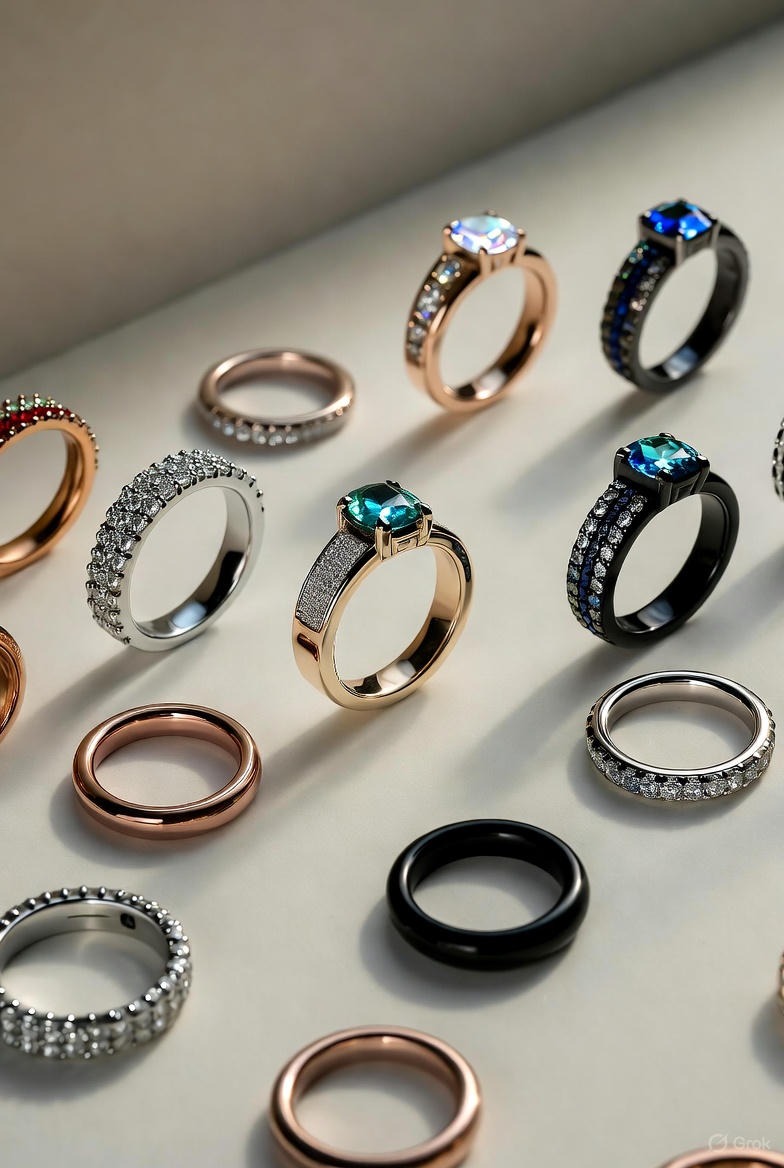
The impact of a personalized wellness ring isn't merely physiological; it's profoundly psychological. It fundamentally reshapes your relationship with health data, exercise, and your own body, fostering sustainable motivation built on trust and self-knowledge.
From External Obligation to Internal Curiosity: Generic goals feel like external mandates—a bossy trainer on your wrist. Personalized recommendations, derived from your own body's signals, feel like collaborative guidance. The question shifts from "Did I hit my arbitrary step goal?" to "What is my body ready for today?" This cultivates intrinsic motivation, driven by curiosity and self-care rather than guilt or external validation.
Building Body Literacy and Trust: Over time, as you see the correlations—how poor sleep leads to a lower readiness score, how a stressful day impacts your HRV, how a rest day often leads to a performance breakthrough—you develop a heightened "body literacy." You learn to trust the subtle signals your body sends. The ring acts as a translator, validating your intuition ("I feel run down") with data ("Your HRV is 30% below baseline, and your temperature is up"). This rebuilds trust in your own physical wisdom, which is often eroded by diet culture and punishing fitness regimens.
Reducing Anxiety and All-or-Nothing Thinking: Rigid plans create a binary of success and failure. Personalized, adaptive guidance exists on a spectrum. A "low" readiness day isn't a failure; it's a smart, data-driven adjustment that protects your long-term progress. This reduces performance anxiety and dismantles the harmful all-or-nothing mindset that leads to burnout cycles. It reinforces that listening to your body and resting is an intelligent, strategic part of the process.
The Empowerment of Self-Experimentation: As covered in the context logging section, the ability to test lifestyle factors and see direct biometric results is powerfully empowering. It moves you from a passive recipient of health advice to an active investigator and CEO of your own well-being. This sense of agency is a cornerstone of lasting behavior change.
By aligning external technology with internal wisdom, personalized wellness technology doesn't create dependency; it fosters autonomy. It’s a tool for deepening your self-connection, making the journey toward health not a punitive chore, but an engaging, lifelong exploration of your unique potential. For real-world examples of this transformative relationship, you can read through authentic user experiences in our testimonials section.
Theoretical models are compelling, but the true test of personalization lies in its application across diverse human experiences. Let’s examine how a wellness ring’s adaptive guidance would manifest in the lives of three distinct individuals, demonstrating its unique value beyond a static fitness plan.
Case Study 1: The Overtrained Marathoner (David, 38)
David is three months into a rigorous 16-week marathon plan. Traditionally, he’d follow the schedule dogmatically: Tuesday intervals, Thursday tempo, Sunday long run. With a personalized ring, the week before a key peak mileage week unfolds differently.
Outcome: David avoids the classic marathoner’s pitfall of pushing through hidden fatigue, which often leads to injury or illness during peak training. He arrives at his taper period genuinely recovered and primed for performance, not battered. The ring’s personalization acted as a protective governor, ensuring his hard work was sustainable.
Case Study 2: The New Parent in Survival Mode (Priya, 34)
Priya’s fitness baseline has been completely upended by 4 months of sleep deprivation and erratic schedules. Her old "30-minute daily workout" goal is a source of guilt and failure. The ring’s first job is to establish a new, realistic baseline.
Outcome: Priya rebuilds fitness without overwhelm. The ring validates that caring for her newborn is the primary physiological stressor and adapts accordingly. It turns fitness from another demand into a supportive tool for her mental and physical resilience during a demanding life chapter, aligning with principles of managing stress for long-term health.
Case Study 3: The Desk Warrior Seeking Vitality (Michael, 52)
Michael is sedentary for 9+ hours a day. His goal isn’t athletic performance; it’s to feel more energetic, reduce back pain, and improve his health markers. Generic advice ("exercise more") is too vague.
Outcome: Michael’s activity becomes strategic, manageable, and directly tied to his immediate quality of life and long-term metabolic health. He sees tangible results: reduced afternoon fatigue, less back pain, and a gradual improvement in his cardiovascular baseline (lower RHR). The ring makes health integration seamless for a busy professional lifestyle. This approach is foundational to preserving function, as highlighted in tips for maintaining muscle mass after 60.
A personalized wellness ring is a powerful tool, but it is not a replacement for professional healthcare or certified coaching. Instead, it acts as a phenomenal force multiplier and communication bridge in these relationships. The integration of rich, personal biometric data creates a new paradigm for collaborative care.
For the Personal Trainer or Coach:
A coach reviewing a client’s dashboard gets an unprecedented window into the 23 hours a day the client isn't in the gym. They can see:
For the Healthcare Provider:
When a patient presents with fatigue, insomnia, or unexplained performance decline, a wellness ring’s trend data is like a detailed logbook of their autonomic nervous system. A doctor or physiotherapist can review months of HRV, RHR, sleep, and activity data to identify patterns. This can help differentiate between overtraining syndrome, underlying metabolic issues, chronic stress, or poor sleep hygiene. It turns subjective patient reports into objective, longitudinal data, facilitating faster, more accurate diagnoses and allowing for better monitoring of treatment efficacy. For instance, does a new medication affect sleep architecture? Does physical therapy for an injury correlate with improved movement and reduced inflammatory markers (like skin temperature)?
Creating a Shared Language: The greatest benefit may be the democratization of health literacy. When a user can go to a professional and say, "My data shows my recovery has been consistently poor despite eight hours of sleep, and I’ve noticed a correlation with my logged digestive issues," it elevates the conversation. It empowers the individual to be an active, informed participant in their own care. For those proactively managing their health journey, this data-driven approach is central to many of the science-backed healthy aging tips that actually work.
Embracing a personalized, data-driven approach is a journey, not a flip of a switch. Users often encounter predictable challenges. Recognizing and navigating them is key to long-term success and avoiding "analysis paralysis" or disillusionment.
1. The "Data Anxiety" Trap:
2. Misinterpreting "Rest" as "Failure":
3. The Calibration Conundrum:
4. When Life Events Overwhelm the Algorithm:
5. Plateaus in Personalization:
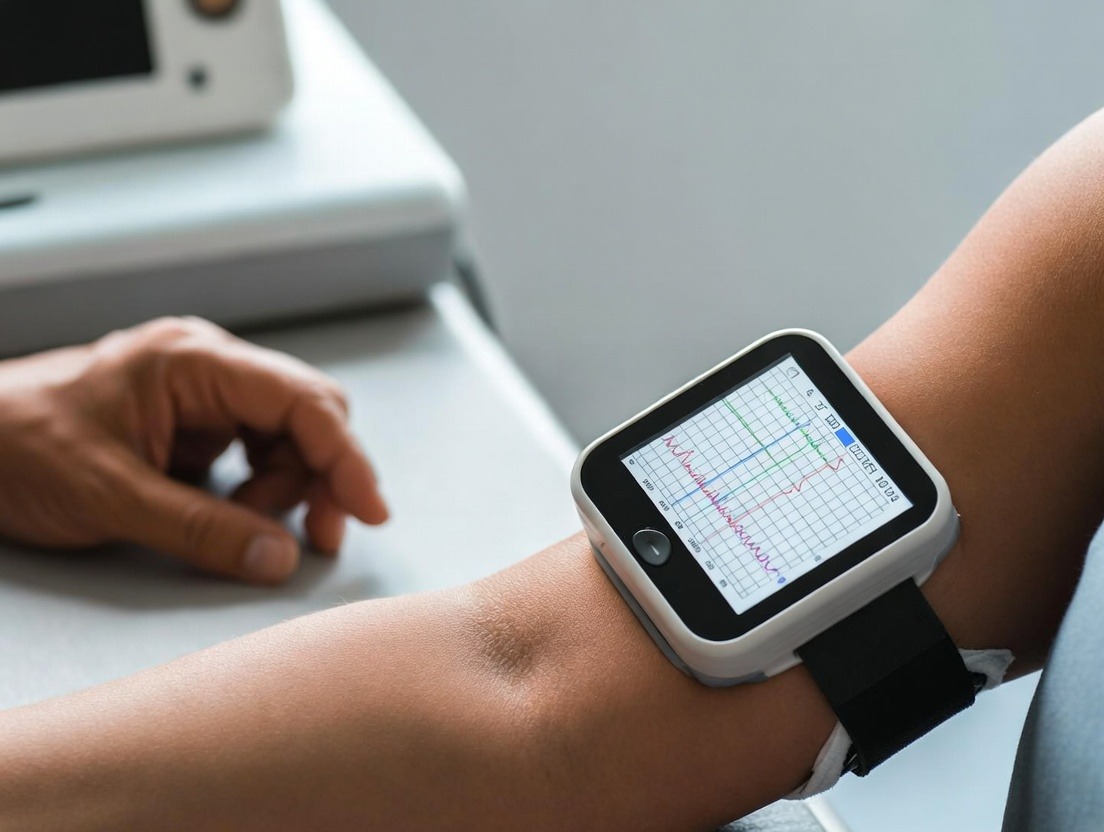
The current state of personalization is already revolutionary, but it is merely the foundation. The convergence of advanced sensor technology, artificial intelligence, and integrative health platforms points to a future where our wellness devices will become even more anticipatory, holistic, and seamlessly integrated into our healthcare.
1. Multimodal Sensing and Metabolic Insight:
Future iterations may incorporate continuous glucose monitoring (CGM) integration or non-invasive sensors that estimate metabolic fuel utilization (fat vs. carbs). This would allow the ring to personalize not just how much to move, but what type of movement is metabolically optimal for you at a given time. For example: "Your glucose is stable and high; this is an ideal window for high-intensity training," or "Your glucose variability is high today; prioritize low-intensity, fat-utilizing Zone 2 cardio."
2. Predictive Analytics and Proactive Nudging:
AI will move from describing your current state to predicting your future state. Algorithms will forecast your likely readiness for an important event (a race, a big presentation) days in advance, allowing you to proactively adjust your behavior to peak at the right time. They may also predict the risk of common issues like upper respiratory infection based on a constellation of early-warning biomarkers (temperature, HRV, RHR), prompting you to take preventative rest and hydration.
3. Deeper Integration with Medical and Fitness Ecosystems:
Your anonymized, aggregated ring data could contribute to large-scale population health studies, refining our understanding of human physiology. On a personal level, seamless, secure data sharing with your electronic health record, physical therapist, or nutritionist will become standard, creating a truly unified health profile.
4. Emotion and Mental State Inference:
While controversial and requiring immense ethical consideration, advanced analysis of heart rate patterns, HRV, and potentially even subtle skin conductance changes could allow algorithms to infer broad emotional states (calm, focused, agitated). This could lead to hyper-contextual recommendations: "Biometrics suggest elevated stress. Would you like to launch a 10-minute mindfulness session?" The key will be user control and transparency.
5. The Fully Context-Aware "Digital Twin":
The ultimate horizon is the creation of a sophisticated "digital twin"—a dynamic computer model of your physiology that simulates outcomes. You could ask: "If I run a 10k tomorrow and have two glasses of wine tonight, what will my recovery look like?" The model, based on your historical data, would simulate the likely impact, empowering unprecedented forward planning. While this is a complex future, it begins with the rich, personalized data streams devices like the Oxyzen Ring are pioneering today. To be part of this journey from the beginning, you can discover the latest innovations at the Oxyzen shop.
Understanding the theory is one thing; putting it into practice is another. Here is a step-by-step guide to begin your journey with a personalized wellness ring, moving from unboxing to integrated habit.
Week 1-2: The Observation Phase
Week 3-4: The Integration Phase
Month 2 and Beyond: The Optimization Phase
We have journeyed from the flawed history of generic fitness goals to the intricate, real-time personalization made possible by the modern wellness ring. We've seen how it learns your unique biology through a calibration period, synthesizes daily readiness from a symphony of biometrics, and tailors everything from heart rate zones to long-term trends specifically to you. We've explored its role in connecting sleep, stress, and activity, and how it empowers rather than dictates, fostering profound body literacy and intrinsic motivation.
The case studies of David, Priya, and Michael illustrate that this technology is not for a single "type" of person—it is for anyone with a body and a desire to understand and optimize it. It bridges the gap between personal effort and professional guidance, turning subjective feeling into objective conversation.
This represents a fundamental paradigm shift. Movement is no longer a prescription to be filled, but a dialogue to be had. The question evolves from "Did I do enough?" to "Was that the right thing for me today?" It’s a shift from external validation to internal wisdom, supported by data.
This personalized approach is, at its heart, a profound act of respect for individual human complexity. It acknowledges that we are not averages, and our path to vitality cannot be found in a universal manual. It must be written, day by day, in the unique language of our own physiology. The wellness ring is the translator, enabling us to finally listen—and respond—to what our bodies have been trying to tell us all along.
Your Trusted Sleep Advocate (Sleep Foundation — https://www.sleepfoundation.org/)
Discover a digital archive of scholarly articles (NIH — https://www.ncbi.nlm.nih.gov/
39 million citations for biomedical literature (PubMed — https://pubmed.ncbi.nlm.nih.gov/)
experts at Harvard Health Publishing covering a variety of health topics — https://www.health.harvard.edu/blog/)
Every life deserves world class care (Cleveland Clinic -
https://my.clevelandclinic.org/health)
Wearable technology and the future of predictive health monitoring. (MIT Technology Review — https://www.technologyreview.com/)
Dedicated to the well-being of all people and guided by science (World Health Organization — https://www.who.int/news-room/)
Psychological science and knowledge to benefit society and improve lives. (APA — https://www.apa.org/monitor/)
Cutting-edge insights on human longevity and peak performance
(Lifespan Research — https://www.lifespan.io/)
Global authority on exercise physiology, sports performance, and human recovery
(American College of Sports Medicine — https://www.acsm.org/)
Neuroscience-driven guidance for better focus, sleep, and mental clarity
(Stanford Human Performance Lab — https://humanperformance.stanford.edu/)
Evidence-based psychology and mind–body wellness resources
(Mayo Clinic — https://www.mayoclinic.org/healthy-lifestyle/)
Data-backed research on emotional wellbeing, stress biology, and resilience
(American Institute of Stress — https://www.stress.org/)


