


How Sleep Quality Became the Foundation of Healthy Aging Tips
The importance of sleep quality as a core element of healthy aging advice.
The importance of sleep quality as a core element of healthy aging advice.
%402x.svg)
For generations, the pursuit of healthy aging was painted as a vibrant, active portrait. It was about the food on our plates, the miles we logged, the supplements we swallowed, and the mental puzzles we solved. We chased longevity through visible, daytime actions. But beneath the surface of this bustling activity, a silent, nocturnal process was always the true architect of longevity, quietly being overlooked. That is, until now.
A seismic shift has occurred in our understanding of wellness and aging. The most profound health optimization tool isn’t found in a gym or a grocery aisle; it unfolds over seven to nine hours each night, in the dark, quiet theater of our bedrooms. Sleep quality has emerged from the background to claim its rightful place as the non-negotiable foundation of healthy aging. It is the master regulator, the nightly tune-up that determines how well our cells repair, our minds consolidate, our hormones balance, and our resilience builds.
This isn’t about merely getting “enough” hours. Quality sleep—characterized by deep, uninterrupted cycles and sufficient REM—is now recognized by leading gerontologists and neuroscientists as the single most potent lever we can pull to influence our "healthspan," the period of life spent in good health. It directly modulates the very hallmarks of aging: from cellular senescence and genomic instability to mitochondrial function and chronic inflammation. Poor sleep, conversely, accelerates biological aging, making us older at a cellular level than our chronological years suggest.
The revolution in this understanding has been fueled by two converging forces: groundbreaking scientific discovery and the advent of sophisticated, personal biometric tracking. We can now move beyond guesswork and truly see the architecture of our sleep—its rhythms, disruptions, and deficiencies—with devices like advanced smart rings. This data transforms sleep from a mysterious, passive state into a rich landscape of actionable insight, the first and most critical piece of the healthy aging puzzle.
In this exploration, we will delve into the science that elevated sleep to its foundational status, unpack the specific mechanisms by which it protects us as we age, and examine how modern technology is empowering us to take control of this vital pillar. Welcome to the new frontier of longevity, where the journey to a vibrant, healthier future truly begins each night when you close your eyes.

For much of modern history, sleep was culturally and even scientifically undervalued. It was often viewed as a period of inactivity, a necessary inconvenience, or even a sign of laziness. The "sleep when you're dead" ethos celebrated burning the candle at both ends, equating sleeplessness with productivity and drive. In medical and wellness circles, while sleep was acknowledged as important, it rarely commanded the central focus given to nutrition or cardiovascular exercise.
This paradigm has been utterly dismantled. The shift began in earnest with a flood of research from disparate fields—neuroscience, immunology, endocrinology, and cardiology—all pointing to the same conclusion: sleep is an active, complex, and indispensable physiological process. It is not merely the absence of wakefulness; it is a state of intense biological activity critical for survival and long-term health.
The turning point can be traced to discoveries around the glymphatic system, the brain's unique waste-clearing process. First described in detail in 2013, this system kicks into high gear during deep sleep, acting like a power washer for the brain. It flushes out metabolic debris, including toxic proteins like beta-amyloid, which is implicated in Alzheimer's disease. This revealed, for the first time, a concrete mechanism explaining why chronic poor sleep is a major risk factor for neurodegenerative decline. Suddenly, sleep became a primary defense mechanism for brain health across the lifespan.
Concurrently, studies on circadian biology illuminated how sleep disruption throws our entire internal clockwork into chaos. Our circadian rhythms govern not just sleepiness and alertness, but also body temperature, hormone release (like cortisol and growth hormone), digestion, and cell regeneration. When we chronically misalign with these rhythms through poor sleep habits, we create a state of internal desynchronization, or "circadian misalignment," which is now linked to a staggering array of age-related conditions: metabolic syndrome, type 2 diabetes, cardiovascular disease, mood disorders, and compromised immune function.
The wellness industry’s focus has logically followed the science. We've moved from counting calories to tracking macronutrients and now, to quantifying sleep stages. The conversation about aging has evolved from "slowing decline" to "optimizing function," and at the heart of that optimization lies quality sleep. It is the bedrock upon which other healthy aging strategies—like targeted nutrition, timed exercise, and stress management—are most effective. You cannot supplement or exercise your way out of chronic sleep deprivation. As leading researchers now state: If sleep were a pill, it would be the most powerful and versatile anti-aging medication ever devised.
This foundational shift in understanding means that any serious approach to healthy aging must begin with a rigorous, data-informed assessment of sleep. It’s no longer a soft recommendation; it’s the first diagnostic metric for future health. For those looking to understand how modern tools can facilitate this assessment, discover how Oxyzen works by translating nocturnal data into a daily blueprint for better health.
The old adage "beauty sleep" was more prescient than we knew, though its benefits extend far beyond skin deep. While we rest, a profound cascade of molecular and cellular repair processes unfolds, each critical for staving off the wear and tear of aging. This nightly rejuvenation operates at multiple levels, from the cleansing of neural networks to the repair of our very DNA.
At the cellular level, sleep is prime time for repair and growth. During deep sleep (slow-wave sleep), the body releases a pulse of human growth hormone (HGH), which is essential for tissue repair, muscle growth, and the metabolism of fat. This is when micro-tears in muscles from daytime activity are repaired, making sleep as crucial for physical recovery as the workout itself. Furthermore, cellular autophagy—the body's process of cleaning out damaged cells and regenerating new, healthier ones—is upregulated during sleep. This cellular "detox" is a fundamental anti-aging mechanism, preventing the accumulation of cellular junk that can lead to dysfunction and disease.
The molecular level reveals even more dramatic activity. As mentioned, the brain's glymphatic system is in overdrive, clearing neurotoxic waste. But the maintenance extends to our genetic blueprint. Research shows that sleep enhances the efficiency of DNA repair mechanisms. During wakefulness, our DNA accumulates damage from environmental stressors like UV radiation and oxidative stress. Sleep provides a protected window where repair enzymes can work more effectively to fix this damage. Chronic sleep deprivation leads to an accumulation of DNA damage, which is a primary driver of cellular aging and oncogenesis.
Simultaneously, sleep is a master regulator of inflammation. While acute inflammation is a healthy immune response, chronic, systemic inflammation—often called "inflammaging"—is a key pillar of nearly every age-related disease, from arthritis to heart disease to cognitive decline. During healthy sleep, the body produces anti-inflammatory cytokines and reduces the production of stress hormones like cortisol, which can promote inflammation. Poor sleep, however, flips this script, leading to elevated levels of pro-inflammatory markers such as C-reactive protein (CRP) and interleukin-6 (IL-6). Essentially, losing sleep literally inflames the body, accelerating the aging process.
This cellular and molecular tune-up has direct, visible impacts. Collagen synthesis, vital for skin elasticity and joint health, occurs during sleep. The stress reduction of good sleep lowers cortisol, which in excess can break down collagen and lead to thinning skin. This is why we literally look older after a night of poor sleep—it’s not just puffiness and dark circles; it’s a reflection of impaired cellular repair.
Understanding this intricate nocturnal repair cycle transforms our view of sleep from passive rest to active, non-negotiable physiological maintenance. It’s the body’s most critical shift for longevity. For a deeper dive into the science of recovery and how to track it, our blog offers a wealth of resources on connecting biometric data to these underlying biological processes.

The brain, perhaps more than any other organ, is utterly dependent on sleep for its long-term health and functionality. While we sleep, the brain is anything but idle; it is engaged in a critical series of operations that organize memories, solidify learning, and perform essential housekeeping to protect against cognitive decline. This nightly reset is our best defense against age-related neurodegeneration.
The process of memory consolidation is one of sleep's most celebrated cognitive functions. Throughout the day, experiences and information are initially encoded in a brain region called the hippocampus, which acts as a temporary, short-term storage site. This storage is fragile. During sleep, particularly during the rapid eye movement (REM) and deep sleep stages, a remarkable transfer occurs. Memories are reactivated, replayed, and gradually transferred from the hippocampus to the long-term storage bank of the neocortex. This process transforms fragile memories into stable, enduring knowledge and skills. It’s the reason why "sleeping on a problem" often yields clarity and why learning is dramatically enhanced by sleep after study.
But sleep's role in brain health goes far beyond filing away memories. It is directly neuroprotective. The aforementioned glymphatic system’s nightly purge of metabolic waste, including beta-amyloid and tau proteins, is arguably its most crucial function for healthy aging. These proteins, when allowed to accumulate, form the plaques and tangles characteristic of Alzheimer's disease. Disrupted sleep leads to a dangerous backlog of these toxins. Landmark studies have shown that even a single night of poor sleep can lead to an increase in beta-amyloid in the brain. Over decades, the cumulative effect of impaired nightly cleansing is a significant, modifiable risk factor for dementia.
Furthermore, sleep is vital for synaptic homeostasis—often called the "synaptic pruning" theory. While awake, our brains are constantly forming new synaptic connections as we learn and experience. This process is energetically expensive and can lead to neural "clutter." Sleep allows the brain to downscale these connections, strengthening the important ones and pruning back the insignificant ones. This reset optimizes neural efficiency, saves energy, and prepares the brain for new learning the next day. Without this reset, cognitive function becomes noisy, inefficient, and overwhelmed.
The emotional brain also gets a tune-up during sleep, particularly during REM sleep. This stage helps process emotional experiences, stripping away the sharp, visceral edges from memories while retaining the factual content. This is crucial for emotional resilience and mental health, which are integral to a high-quality healthspan. Poor sleep, in contrast, is strongly linked to heightened emotional reactivity, anxiety, and depression.
In essence, sleep is the brain's essential maintenance shift. It cleans the workspace, files the documents, repairs the equipment, and prepares for a new day of operations. Neglecting this shift doesn't just lead to next-day fogginess; it directly compromises the structural and functional integrity of the brain over a lifetime. For real-world stories of how individuals have used sleep data to improve cognitive clarity, our testimonials page shares powerful user experiences.
The endocrine system—the network of glands that produce hormones—is the body's master chemical messenger service, regulating everything from metabolism and stress response to reproduction and growth. This system is exquisitely tuned to the rhythms of sleep and wakefulness. When sleep is consistent and high-quality, hormones are released in a harmonious, optimal pattern that promotes vitality and slows aging. When sleep is disrupted, this delicate symphony descends into chaos, accelerating age-related dysfunction.
The most direct link is with growth hormone (GH). Approximately 75% of GH secretion occurs during deep sleep. This hormone is pivotal for adults, not just children. It stimulates protein synthesis, promotes the repair of tissues (including muscle and bone), and helps regulate body composition by encouraging the metabolism of fat. Poor or insufficient deep sleep blunts this essential nightly pulse of repair and rejuvenation, contributing to age-related sarcopenia (muscle loss), increased body fat, and weaker bones.
Equally critical is sleep's relationship with cortisol, the primary stress hormone. Under healthy circadian control, cortisol follows a distinct diurnal rhythm: it peaks in the early morning to help us wake up and declines throughout the day, reaching its lowest point around midnight. This trough allows the body to enter restorative sleep and for other hormones, like GH, to do their work. Chronic sleep deprivation or irregular sleep patterns flatten this rhythm. Cortisol levels remain elevated in the evening, making it hard to fall asleep, and the system fails to provide a robust morning awakening signal. This state of constant, low-grade hormonal stress promotes inflammation, insulin resistance, and abdominal fat accumulation.
Perhaps the most widely studied metabolic connection is with insulin. Sleep deprivation, even for a few days, induces a state of insulin resistance. Cells become less responsive to insulin's signal to take in glucose from the bloodstream, forcing the pancreas to produce more. This leads to elevated blood sugar and, over time, dramatically increases the risk for type 2 diabetes—a major accelerator of aging. Furthermore, poor sleep disrupts the balance of the appetite-regulating hormones leptin and ghrelin. Leptin (the "satiety hormone") decreases, while ghrelin (the "hunger hormone") increases. This hormonal double-whammy leads to increased cravings, especially for high-carbohydrate, sugary foods, creating a vicious cycle that undermines metabolic health.
Sleep also regulates sex hormones like testosterone and estrogen. In men, most testosterone release occurs during sleep. Studies show that sleeping only 5-6 hours per night can reduce testosterone levels by an amount equivalent to 10-15 years of aging. In women, sleep disturbances during perimenopause and menopause can exacerbate symptoms, while poor sleep earlier in life may disrupt menstrual cycles and fertility.
By synchronizing the release of these powerful chemical messengers, high-quality sleep acts as the conductor of the endocrine orchestra. It ensures the right hormones play at the right time and at the right volume. This hormonal harmony is non-negotiable for maintaining metabolic fitness, a healthy body composition, reproductive health, and stress resilience—all cornerstones of aging well. Understanding your body's unique rhythms is the first step; learn more about smart ring technology that can help you track these subtle, vital hormonal patterns through their physiological proxies.

The immune system is our shield against pathogens and a critical guardian against age-related diseases, including cancer. Its effectiveness is not constant; it is dynamically regulated by our circadian rhythms and is profoundly enhanced by sleep. Think of the hours spent in slumber as the immune system's nightly training camp, where troops are deployed, intelligence is gathered, memories are formed, and repair operations are conducted.
During sleep, particularly early in the night during deep sleep, the body undergoes several key immune-enhancing events. There is a significant increase in the production and release of various immune cells, including natural killer (NK) cells, T-cells, and cytokines. Some cytokines, like interleukin-12, are needed to promote immune responses, while others, like anti-inflammatory cytokines, help regulate and resolve inflammation. This orchestrated release primes the immune system for action.
Crucially, sleep is when the adaptive immune system "learns." Upon vaccination or infection, the body develops antigen-specific antibodies and memory T-cells. Research has consistently shown that people who sleep well in the nights following a vaccination develop a stronger, more durable antibody response. Sleep facilitates the "handshake" between antigen-presenting cells and T-helper cells, a fundamental step in forming long-term immunological memory. This means good sleep doesn't just help you fight off a current cold; it ensures your immune system remembers pathogens for decades, making vaccines more effective and providing better lifelong protection.
Conversely, sleep deprivation acts as an immunosuppressant. Studies demonstrate that people who sleep less than six hours a night are more than four times more likely to catch a common cold when exposed to the virus compared to those sleeping over seven hours. Chronic short sleep is associated with lower NK cell activity and a less robust response to vaccines like the flu shot. This state of immune deficiency creates a permissive environment for viruses, bacterial infections, and even the development and progression of cancer, as the immune system's surveillance against malignant cells is weakened.
The relationship between sleep and immunity is a two-way street. When we are fighting an infection, our immune system actively promotes sleepiness through the release of inflammatory cytokines. This is a evolved strategy: it forces the body to rest and enter the state where immune function is optimized. Fighting an infection while sleep-deprived is like sending an army into battle exhausted and under-equipped.
For healthy aging, this means that consistent, high-quality sleep is a proactive strategy for maintaining immunological resilience. It keeps the defense system sharp, responsive, and capable of lifelong learning. In a world of persistent pathogens and as vaccine efficacy becomes increasingly important for older adults, sleep is a powerful, natural adjuvant. To explore how monitoring your nightly recovery can be an indicator of immune readiness, visit our FAQ for insights on interpreting your biometric data.
The principle "timing is everything" is profoundly true for human biology. We all operate on an internal, roughly 24-hour cycle known as our circadian rhythm. This master clock, located in the brain's suprachiasmatic nucleus, governs the daily ebb and flow of virtually every physiological process, from hormone release and body temperature to digestion and cognitive performance. However, not everyone's clock is set to the same time. Your natural inclination to be a morning person ("lark"), an evening person ("owl"), or something in between is your chronotype—and it is genetically influenced.
Ignoring your chronotype and the principles of chronobiology is like swimming against a powerful current; it exhausts your system and accelerates aging. Social jet lag—the chronic misalignment between your internal biological clock and your socially imposed sleep-wake schedule (e.g., an owl forced to wake at 6 AM for work)—is now recognized as a significant health stressor. It is associated with increased risk for obesity, metabolic syndrome, cardiovascular disease, and mood disorders.
Healthy aging, therefore, is not just about getting good sleep, but about getting sleep in sync with your innate rhythm. When you align your lifestyle with your chronobiology, you allow all the repair processes we've discussed—cellular repair, memory consolidation, hormonal release—to occur at their optimal times and with maximal efficiency.
So, what does alignment look like? It starts with honoring, as much as possible, your natural sleep and wake times. For an owl, this might mean negotiating a later work start time or shifting demanding cognitive tasks to the afternoon when their alertness peaks. For a lark, it means protecting an early bedtime and capitalizing on morning productivity. Beyond sleep timing, chronobiology extends to other daily habits:
Respecting your chronotype isn't about rigidly adhering to a schedule; it's about working with your biology, not against it. This alignment reduces systemic stress, improves metabolic function, enhances cognitive performance, and makes high-quality sleep more effortless. It is a foundational, yet often overlooked, strategy for reducing the cumulative wear and tear of daily life. Our about us page details the mission to create technology that helps individuals discover and honor their unique biological rhythms.
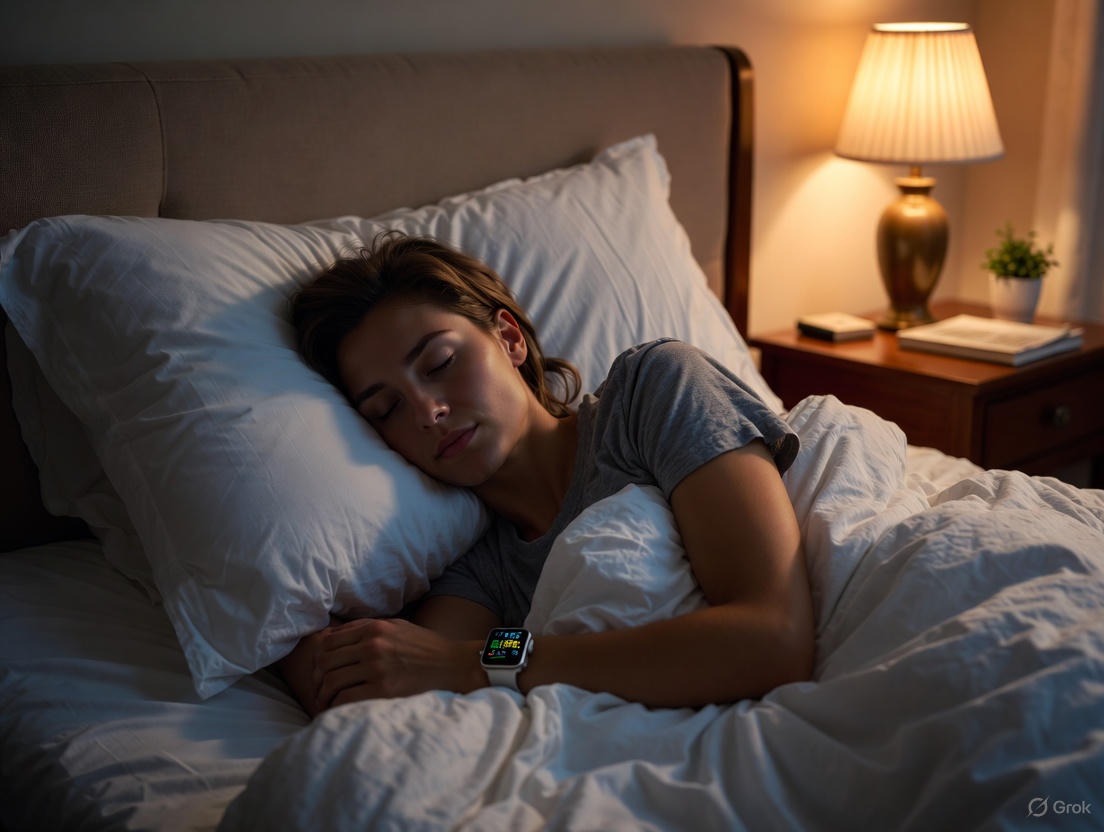
While our biology is wired for rhythmic, restorative sleep, our modern environment is expertly designed to sabotage it. The pillars of healthy aging are being undermined by a constant barrage of sleep disruptors that our ancestors never faced. Understanding these adversaries is the first step in building an effective defense.
The most pervasive disruptor is artificial light, especially blue light. Our circadian rhythms evolved to be cued by the sun: bright, blue-rich light during the day, and darkness at night. The screens of our smartphones, tablets, computers, and TVs emit concentrated blue light that tricks the brain into thinking it's still daytime, suppressing melatonin production sometimes by over 50%. This delays sleep onset, fragments sleep, and reduces REM sleep. The constant connectivity also leads to psychological arousal—checking work emails or engaging in stressful social media interactions—which is antithetical to the wind-down process.
Irregular schedules are another hallmark of modern life. Shift work is the most extreme example, forcing a complete misalignment with circadian biology, but even standard 9-to-5 workers often have highly variable weekend sleep schedules. "Sleeping in" on Saturday creates a form of internal jet lag, making it harder to fall asleep Sunday night and initiating a cycle of poor sleep at the week's start. Consistency is perhaps the most underrated component of sleep hygiene.
Dietary habits also play a direct role. Consuming caffeine late in the day (its half-life is 5-6 hours), large or spicy meals before bed that cause indigestion, and alcohol—which, while sedating, severely fragments sleep and obliterates REM sleep in the second half of the night—are all common culprits. Dehydration can also disrupt sleep by causing nighttime awakenings.
Chronic stress and anxiety create a state of hyperarousal, both mentally and physically. Elevated cortisol and adrenaline levels are the antithesis of the relaxed state required for sleep onset. The "racing mind" has become a signature ailment of the modern age, trapping individuals in a cycle where stress impairs sleep, and poor sleep then reduces resilience to stress the next day.
Finally, our environments are often not optimized for sleep. Noisy neighborhoods, a room that's too warm (the body needs a cool drop in core temperature to initiate sleep), uncomfortable mattresses, and even a partner's snoring can all degrade sleep quality.
These disruptors don't just steal an hour of rest; they degrade the very architecture of sleep, robbing us of the precious deep and REM stages where the most critical anti-aging work is done. Combating them requires intentional strategy and, often, the ability to measure their impact. For practical tips and deeper discussions on creating a sleep sanctuary, explore our blog for more wellness tips tailored for the modern world.
For millennia, sleep was a black box. We could only judge it by how we felt upon waking—a subjective, often flawed, measure. The statement "I slept like a baby" might be uttered by someone whose sleep tracking data reveals frequent awakenings and minimal deep sleep. This gap between perception and reality has been a major barrier to optimizing sleep for health. The revolution in biometric sleep tracking has blown the door off that black box, providing an objective, data-driven window into our nightly physiology.
Early tracking was limited to clunky actigraphy watches that could only estimate sleep vs. wake based on movement. The true leap forward came with the ability to track sleep stages (light, deep, REM) and vital signs throughout the night using medical-grade sensors miniaturized into wearable devices, most notably the smart ring.
A modern smart ring, worn on the finger, is uniquely positioned for sleep tracking. The finger has a rich capillary bed, allowing for highly accurate continuous measurement of heart rate (HR), heart rate variability (HRV), and blood oxygen saturation (SpO2) via photoplethysmography (PPG). It also contains a 3D accelerometer for measuring movement. By analyzing the complex interplay of these signals—the subtle changes in heart rhythm, the presence of movement, and the respiratory-induced variations in blood flow—advanced algorithms can now construct a detailed hypnogram, or sleep stage chart, with impressive accuracy.
This data moves us far beyond duration. We can now answer critical questions:
This objective feedback is transformative. It eliminates guesswork. You can see, in cold, hard data, how that late-night espresso or stressful day impacted your deep sleep. You can track how a new wind-down routine improves your sleep latency. For the first time in history, individuals have a personal sleep lab at their fingertips, enabling a process of experimentation and optimization that was previously impossible. This is the cornerstone of a modern, proactive approach to healthy aging: using data to inform personal strategy. To understand the philosophy behind creating such a tool, you can read our complete guide on the journey to making this technology accessible.
With the power of biometric tracking comes the need for interpretation. The dashboard of a sleep tracker presents a series of metrics that can seem abstract. But each one is a vital sign of your nocturnal health and a proxy for your biological resilience. Let’s decode the key metrics and connect them directly to the aging process.
1. Resting Heart Rate (RHR) During Sleep: Your sleeping RHR is your cardiovascular system at its most relaxed state. A lower RHR (typically, but not always, in the 40-60 bpm range for healthy adults) generally indicates higher cardiovascular fitness and more efficient heart function. A trend of increasing nocturnal RHR can be an early warning sign of overtraining, impending illness, chronic stress, or declining cardiovascular health. It's a foundational metric of systemic recovery.
2. Heart Rate Variability (HRV): This is arguably the most important metric for assessing autonomic nervous system (ANS) balance and recovery. HRV measures the tiny, millisecond variations between heartbeats. A higher HRV indicates a healthy, adaptable ANS—one that can smoothly shift between sympathetic ("fight or flight") and parasympathetic ("rest and digest") dominance. During deep sleep, we should see a strong parasympathetic (high HRV) dominance, signifying deep recovery. Chronically low HRV is a strong predictor of all-cause mortality and is linked to chronic stress, inflammation, and poor resilience. Tracking HRV trends over time provides a direct readout of your body's capacity to handle stress and repair itself.
3. Sleep Stages (Light, Deep, REM):
4. Blood Oxygen (SpO2) and Disturbances: Continuous SpO2 monitoring can reveal nocturnal hypoxemia—periods where blood oxygen drops below normal levels. Frequent, significant dips can be a signature of sleep apnea, a condition where breathing repeatedly stops and starts. Sleep apnea is a massive accelerator of aging, driving hypertension, heart disease, stroke, and cognitive impairment due to repeated oxygen starvation and sleep fragmentation. Identifying potential apnea is one of the most critical health interventions a sleep tracker can prompt.
5. Sleep Latency and Efficiency: Consistently taking a long time to fall asleep (high latency) points to poor sleep hygiene, excessive evening stimulation, or anxiety. Low sleep efficiency (lots of time awake in bed) fragments the sleep architecture and reduces restorative time.
By learning to read this nocturnal biography, you move from being a passive sleeper to an active steward of your health. These metrics provide the feedback loop necessary to connect daily behaviors—what you eat, when you exercise, how you manage stress—with their ultimate impact on your body's most important recovery process. For those ready to start this journey of discovery, you can compare wellness tracking devices to find the tool that best fits your quest for longevity.
Understanding the individual mechanisms is critical, but it's the synergistic, vicious cycle that truly reveals why poor sleep is so catastrophic for healthy aging. One sleep disruption doesn't operate in a vacuum; it triggers a cascade of interrelated dysfunctions that feed back on each other, creating a downward spiral that accelerates biological aging far beyond chronological years.
Let's map the cycle:
This cycle doesn't just make you feel old; it makes you biologically older. Telomeres—the protective caps on the ends of chromosomes that shorten with each cell division and are a key marker of cellular aging—shorten more rapidly in individuals with chronic sleep problems. Epigenetic clocks, which measure biological age based on DNA methylation patterns, show that poor sleep can add years to your biological age.
Breaking this cycle is the single most effective intervention for slowing the aging process. And because it's a cycle, intervening at any point—by improving sleep, reducing stress, or improving diet—can help slow the momentum. However, improving sleep is often the most powerful leverage point, as it positively influences every other node in the cycle simultaneously. It is the master key. For support in starting this process and answers to common questions, our FAQ section is a valuable resource.
Knowing that sleep is foundational is one thing; building that foundation is another. The strategies for optimizing sleep are multifaceted, targeting environment, behavior, and mind. They are not one-size-fits-all, but a toolkit from which to craft a personal protocol. Here are actionable, evidence-based strategies, structured as a holistic approach.
The Environmental Pillar: Craft Your Sleep Sanctuary
The Behavioral Pillar: Rituals and Rhythms
The Psychological Pillar: Quieting the Racing Mind
The goal is not perfection but progressive improvement. Start with one change from each pillar—perhaps cooler room temperature, a fixed wake time, and a 10-minute reading wind-down. Track the impact. This is where the power of objective data from a tool like a smart ring becomes invaluable, allowing you to see which levers move the needle for you. For inspiration from others who have built this foundation, the real-world journeys shared in our testimonials can be a powerful motivator.
Armed with foundational strategies and objective data, we move into the realm of advanced sleep optimization. This is where the one-size-fits-all advice ends, and the true personalization begins. It’s about interpreting your unique biometric feedback to fine-tune your daily habits, creating a virtuous cycle that not only improves sleep but amplifies the benefits of every other health investment you make. This stage transforms you from a passive sleeper into an active biohacker of your own longevity.
The core principle is the feedback loop: Action → Measurement → Insight → Refined Action. For example, you might implement a new 9:00 PM digital curfew (Action). Your smart ring data then shows a 15-minute reduction in sleep latency and a 12% increase in deep sleep (Measurement). The insight is that screen-induced mental stimulation was a significant barrier for you (Insight). The refined action could be to make this curfew non-negotiable and add a magnesium supplement to your wind-down routine, then measure that impact.
Advanced optimization often involves investigating subtle patterns:
Furthermore, this phase involves stress-sleep integration. Since psychological stress is a primary sleep thief, advanced optimization uses sleep data to validate stress management techniques. A consistent meditation practice, for instance, should theoretically improve sleep metrics over time. If it doesn’t, it might not be the right technique for you, or its timing might be off. The ring becomes a biofeedback device, showing you in real data which mindfulness apps, breathing techniques (like 4-7-8 breathing), or therapy modalities are actually moving your physiological needle.
For the longevity-focused individual, this isn't about chasing a perfect sleep score every night. It's about understanding the why behind the fluctuations, building resilience so that occasional disruptions don’t derail you, and creating a lifestyle that systematically supports your body’s innate repair mechanisms. It’s about making sleep the non-negotiable centerpiece of your health strategy, around which all other activities—diet, exercise, work, socializing—are thoughtfully arranged. To explore the technology that enables this level of personal discovery, you can discover how Oxyzen works to turn nightly data into daily wisdom.
Sleep does not exist in a vacuum. It is the conductor of the orchestra, but the other musicians—nutrition, exercise, and mindfulness—must play in tune for the symphony of health to be harmonious. When sleep is optimized, it creates a state of metabolic and hormonal readiness that makes every other healthy action more effective. Conversely, excelling in these other areas reciprocally defends and enhances sleep quality. This is the synergy that powers a world-class healthspan.
Sleep and Nutrition: The Metabolic Pas de Deux
The relationship is intensely bidirectional. As discussed, sleep regulates the hunger hormones leptin and ghrelin. Good sleep naturally curbs cravings and supports better food choices. But nutrition also directly fuels sleep. Key nutrients act as co-factors for sleep-related neurotransmitters:
Furthermore, meal timing is a chronobiological act. Eating your largest meal earlier in the day, aligned with peak insulin sensitivity, and avoiding large meals close to bedtime supports both metabolic health and uninterrupted sleep. The synergy is clear: good sleep helps you choose better food, and the right nutrients, consumed at the right times, build the biochemical foundation for restorative sleep.
Sleep and Exercise: The Recovery Partnership
This is the ultimate symbiotic relationship. Exercise is a potent sleep promoter. It increases sleep drive, reduces anxiety, and can help shift circadian phase. It also increases the amount of deep sleep you get. However, the timing and intensity matter. Morning or afternoon exercise is generally ideal for reinforcing circadian rhythms. Intense exercise too close to bedtime can be overly stimulating for some, though gentle movement like stretching or yoga can be beneficial.
The critical synergy is on the recovery side. The benefits of exercise—muscle repair, mitochondrial biogenesis, cardiovascular adaptation—do not happen during the workout. They happen during recovery, primarily in deep sleep. Without quality sleep, you are merely breaking your body down without allowing it to rebuild stronger. Your fitness gains plateau, injury risk rises, and exercise feels like a grind. Great sleep turns your workout from stress into an adaptive signal for growth and resilience. Tracking your HRV and resting heart rate can tell you if you’re recovered enough for your next intense session or if you need a rest day—a concept known as data-informed periodization.
Sleep and Mindfulness: Calming the Circuits
Chronic stress activates the sympathetic nervous system, the enemy of sleep onset. Mindfulness practices—meditation, deep breathing, gratitude journaling—actively stimulate the parasympathetic nervous system, promoting the "rest and digest" state conducive to sleep. Regular practice can lower baseline cortisol and reduce sleep-interfering rumination.
The synergy here is a positive feedback loop. Mindfulness improves sleep. Better sleep, in turn, improves prefrontal cortex function, the brain region responsible for executive function and emotional regulation. This makes it easier to practice mindfulness during the day. You’re less reactive, more focused, and better able to engage in the stress-busting techniques that will, in turn, protect your sleep that night.
Mastering this synergy is the hallmark of a holistic healthy aging strategy. It’s about seeing these pillars not as separate checklist items, but as an interconnected web. Pulling on the thread of sleep strengthens the entire network. For more on integrating these pillars, explore our blog for more wellness tips on creating a synergistic lifestyle.
For many, the path to better sleep is not simply a matter of habit change; it involves navigating clinical or subclinical sleep disorders. These are not just inconveniences; they are serious medical conditions that accelerate aging and erode healthspan. Recognizing their signs in your biometric data or subjective experience is a critical step, as effective treatment can be life-changing—and in some cases, life-saving.
Sleep Apnea: The Silent Age Accelerator
Obstructive Sleep Apnea (OSA) is characterized by repeated pauses in breathing during sleep, leading to oxygen desaturations and micro-awakenings. It is notoriously underdiagnosed. Key signs from a biometric tracker include:
The aging impact of untreated apnea is severe. It dramatically increases the risk for hypertension, atrial fibrillation, heart failure, stroke, and type 2 diabetes. The chronic intermittent hypoxia and sleep fragmentation also double the risk for cognitive decline and Alzheimer's disease. Treatment, often with CPAP (Continuous Positive Airway Pressure) therapy, is not just about better sleep; it is a direct intervention in cardiovascular and neurological aging.
Insomnia: The Cycle of Hyperarousal
Insomnia involves persistent difficulty falling or staying asleep. It becomes a self-reinforcing cycle: anxiety about sleep creates a state of physiological and cognitive hyperarousal that makes sleep impossible. Biometric data might show very long sleep latency, low sleep efficiency, and elevated nighttime heart rate.
Advanced treatment moves beyond basic sleep hygiene to include Cognitive Behavioral Therapy for Insomnia (CBT-I), which is considered first-line treatment. CBT-I helps reframe thoughts about sleep, establishes strict sleep schedules to rebuild sleep drive, and includes techniques like stimulus control (the "get out of bed" rule). It addresses the psychological root of the disorder.
Restless Legs Syndrome (RLS) and Periodic Limb Movement Disorder (PLMD)
RLS causes uncomfortable sensations and an urge to move the legs, typically in the evening. PLMD involves involuntary leg jerks during sleep. Both fragment sleep and reduce deep sleep. Trackers may show increased periods of movement or restlessness. Treatment can involve iron supplementation (if ferritin is low), medications, or lifestyle adjustments.
Circadian Rhythm Disorders
These are mismatches between the internal clock and the desired schedule. Delayed Sleep-Wake Phase Disorder (extreme "night owls") and Advanced Sleep-Wake Phase Disorder (extreme "early birds") fall into this category. Treatment involves precisely timed light therapy and melatonin, under professional guidance, to gradually shift the circadian phase.
The crucial takeaway is this: if you consistently practice good sleep hygiene but your data shows poor sleep architecture (minimal deep/REM sleep, frequent awakenings, low SpO2) or you feel unrefreshed, it is time to consult a sleep specialist. A sleep tracker’s data can be a powerful conversation starter with your doctor, providing objective evidence to support further testing, such as a home sleep study or polysomnogram. Addressing a sleep disorder is one of the most impactful longevity investments you can make. For support and common questions on this journey, our FAQ section offers guidance on next steps.
We are standing at the forefront of a revolution in personalized health, driven by artificial intelligence and advanced wearable technology. The smart ring, with its continuous, non-intrusive biometric capture, is becoming the central hub for this new paradigm, moving sleep science from the lab into the lived experience of millions. This is where data transforms into predictive and prescriptive insight.
From Descriptive to Predictive Analytics
First-generation wearables described what happened: "You got 6 hours of sleep with 45 minutes of REM." The next generation, powered by machine learning, is becoming predictive. By analyzing your unique longitudinal data—sleep patterns, HRV, RHR, activity, and temperature—algorithms can identify subtle precursors to poor sleep or suboptimal recovery. For example, the system might learn that for you, a daytime HRV below a certain threshold, combined with an elevated afternoon body temperature, predicts a 70% chance of reduced deep sleep that night. It can then send a pre-emptive alert: "Your body shows signs of accumulated stress. Consider a gentle evening and an early bedtime."
The Rise of the "Digital Twin"
A more advanced concept is the development of a personalized physiological model or "digital twin." This model simulates how your body responds to various inputs. By feeding it data from your ring, it could virtually test interventions: "If you drink caffeine at 3 PM today, the model predicts a 22% reduction in your sleep efficiency. If you move your workout to the morning, it predicts a 15% increase in deep sleep." This turns guesswork into guided experimentation.
Holistic Integration and Context
Modern AI doesn't look at sleep in isolation. It correlates it with everything else. Did your stress spike during a work meeting at 2 PM? Did you have a high-glycemic lunch? Did you skip your morning walk? The AI can find patterns across these disparate data points that a human would never see. It might discover that for you, social interactions after 7 PM are highly stimulating and disrupt sleep, while daytime sunlight exposure is your strongest positive predictor of sleep quality. This context is everything.
Passive, Unbiased Measurement
Unlike self-reported sleep diaries, which are subjective and flawed, a smart ring provides objective, passive data. It doesn’t forget, and it doesn’t have good or bad days. It simply records. This eliminates bias and creates a true baseline from which to measure progress or detect deviations that may signal illness.
This technological frontier is making high-level, personalized sleep coaching accessible to everyone. It democratizes the kind of biofeedback and analysis that was once available only to elite athletes in high-performance labs. The goal is no longer just to tell you how you slept, but to tell you why, and more importantly, to tell you what to do about it tomorrow. To understand the vision behind creating such intelligent health tools, you can read our complete guide on the fusion of technology and human-centric design.
The quality of your sleep is largely determined long before your head hits the pillow. Your daytime choices set the hormonal, neurological, and metabolic stage for the night's performance. By cultivating specific daytime habits, you actively "program" your body for restorative sleep, building sleep pressure (the homeostatic drive to sleep) and reinforcing circadian timing with precision.
1. Light: The Master Zeitgeber
This cannot be overstated. Viewing bright, ideally natural, light within an hour of waking is the most powerful signal to your suprachiasmatic nucleus that the day has begun. This suppresses melatonin, boosts cortisol (in a healthy morning spike), and starts the timer for melatonin release roughly 14 hours later. Aim for at least 15-30 minutes of outdoor light. Conversely, minimizing bright and blue light exposure after sunset is equally critical. This supports the natural rise of melatonin. Consider smart bulbs that shift to warmer tones in the evening.
2. Movement and Timing of Exercise
Physical activity increases adenosine, a neurotransmitter that builds up as a sleep-promoting substance. It also helps regulate circadian rhythms and reduces anxiety. The timing rule of thumb: Finish intense exercise at least 3 hours before bed. However, gentle movement like an after-dinner walk or evening yoga can be beneficial for some, as it may promote muscle relaxation and stress reduction without a significant cortisol spike.
3. Nutritional Timing and Composition
4. Stress Management as a Daily Practice
Don't save stress relief for bedtime. Incorporate micro-moments of parasympathetic activation throughout the day. This could be a 5-minute breathing exercise between meetings, a short walk in nature, or a lunch break away from your desk. This "drains the stress bucket" so it doesn't overflow at night. Consistent mindfulness practice trains your nervous system to return to calm more easily.
5. Temperature Regulation
Your body needs to drop its core temperature by about 1-2 degrees Fahrenheit to initiate sleep. You can support this by taking a warm bath or shower 60-90 minutes before bed. The subsequent rapid cooldown mimics the natural circadian temperature drop, sending a strong sleep-onset signal. Likewise, keeping your bedroom cool is essential.
6. The Power of Consistency (Especially on Weekends)
Varying your wake time by more than an hour on weekends creates "social jet lag," forcing your internal clock to constantly adjust. This makes Sunday night insomnia and Monday morning fatigue inevitable. The most pro-sleep habit is a consistent wake time, seven days a week. Let yourself sleep in a bit if needed, but use light exposure immediately upon waking to recalibrate.
Think of your day as a carefully crafted pre-sleep ritual. Every hour is an opportunity to invest in the quality of the night to come. By aligning your daytime life with your nocturnal biology, you make high-quality sleep an effortless, natural outcome rather than a constant struggle. For a collection of daytime protocols and routines, our blog offers additional resources curated from the latest chronobiology research.
We have explored the mechanisms—the cellular repair, the hormonal balance, the cognitive protection. But what does this translate to in terms of tangible, real-world longevity? What is the actual return on investment for prioritizing sleep? A growing body of epidemiological and clinical research is putting hard numbers on the healthspan benefits, painting a compelling picture of sleep as the most potent longevity "drug" in our arsenal.
Reduced Mortality Risk: Large-scale studies consistently show a U-shaped curve between sleep duration and mortality. Both short sleep (<6 hours) and excessively long sleep (>9 hours, often a marker of underlying illness) are associated with increased all-cause mortality. The sweet spot for longevity appears to be 7-8 hours of quality sleep per night. One seminal study found that sleeping 5 hours or less per night was associated with a 15% increased risk of mortality from all causes.
Cardiovascular Disease: The data here is stark. Chronic short sleep is associated with a 48% increased risk of developing or dying from coronary heart disease and a 15% greater risk of stroke. The mechanisms—elevated blood pressure, inflammation, impaired glucose metabolism—are directly modulated by sleep.
Type 2 Diabetes and Metabolic Health: Sleep restriction to 5-6 hours per night for just one week induces a state of insulin resistance equivalent to that seen in pre-diabetic individuals. Long-term, poor sleep is linked to a significantly higher risk of developing type 2 diabetes, independent of other lifestyle factors.
Neurodegeneration: Perhaps one of the most compelling cases is for brain health. Research indicates that individuals with untreated sleep apnea are diagnosed with Mild Cognitive Impairment (MCI) an average of 10 years earlier than those without sleep apnea. Furthermore, studies tracking sleep quality over decades suggest that those with poor sleep patterns in midlife have a significantly elevated risk for dementia later in life.
Immune Competence and Cancer: As discussed, sleep enhances immune memory. From a longevity perspective, this means better lifelong protection from pathogens and a more robust response to vaccines, which are critical for older adults. There is also emerging evidence linking circadian disruption and poor sleep to higher risks for certain cancers, including breast and prostate cancer, likely through impacts on melatonin (which has oncostatic properties) and immune surveillance.
Mental and Emotional Healthspan: Beyond adding years to life, sleep adds life to years. Quality sleep is foundational for emotional regulation, resilience, and the ability to experience joy and connection. It protects against depression and anxiety, which are themselves risk factors for physical decline. A long healthspan is not just about being free of disease; it's about maintaining vitality, purpose, and cognitive sharpness. Sleep is the guardian of these qualities.
Quantifying the payoff makes the case undeniable. Investing in sleep is not a luxury or an act of laziness; it is a strategic, non-negotiable pillar of a long, healthy, and vibrant life. The data shows that the person who prioritizes 8 hours of quality sleep is not "missing out"—they are actively buying high-quality time for their future self. For insights into how real people are experiencing these benefits, the stories on our testimonials page offer powerful, qualitative evidence of this payoff.
Knowledge is only power when it is applied. This section is your practical workshop for translating everything we’ve discussed into a Personal Sleep Blueprint—a living, breathing plan tailored to your biology, your lifestyle, and your goals. Follow these steps to build your foundation for healthy aging.
Step 1: Establish Objective Baseline Measurement (2-4 Weeks)
Before changing anything, you must know your starting point. For at least two weeks, wear a reliable sleep tracker consistently. Go about your normal routine. The goal is to collect baseline data on:
Step 2: Analyze and Identify Your Unique Patterns & Levers
After the baseline period, analyze your data. Look for patterns, not just single bad nights. Ask:
Step 3: Prioritize and Implement One Keystone Habit
Don’t try to change everything at once. Based on your analysis, choose the ONE habit change likely to have the biggest impact. This is your "keystone habit." Examples:
Implement this single change with dedication for two full weeks.
Step 4: Measure the Impact and Iterate
After two weeks, review your data. Did your keystone habit move the needle? Look for improvements in your target metric (e.g., faster sleep latency, more deep sleep). Even a small positive shift is a win. If it worked, lock that habit in as a permanent part of your blueprint. If it didn’t, hypothesize why and choose a different keystone habit to test.
Step 5: Layer in Additional Optimizations
Once your first habit is solid, add a second. Then a third. Always test and measure. This iterative process might look like:
Step 6: Address Red Flags and Seek Professional Help
If your baseline data shows persistent, significant SpO2 dips, extremely low HRV, or no deep/REM sleep despite excellent habits, do not ignore it. This is the value of objective data. Bring these findings to your doctor or a sleep specialist. Your Personal Sleep Blueprint may need to include a professional diagnosis and treatment plan.
Remember, this blueprint is not static. It evolves with your life—through travel, stress, aging, and changing goals. The constant is your commitment to measuring, learning, and adapting. You are both the scientist and the subject of your own longevity experiment. To begin this journey with the right tools, you can compare wellness tracking devices to find the perfect partner for your optimization journey.
The science of sleep and its role in aging is advancing at a breathtaking pace. What we know today is merely the foundation for tomorrow's breakthroughs. As we look to the horizon, several promising frontiers are emerging that will further cement sleep's position as the cornerstone of longevity and open doors to novel interventions.
1. Sleep and the "Senolytic" Revolution:
Senescent cells—"zombie" cells that have stopped dividing but refuse to die—accumulate with age and secrete inflammatory factors that drive aging. Early research is exploring whether specific sleep stages, particularly deep sleep, enhance the body's innate clearance of these senescent cells. Could sleep be a natural senolytic? Furthermore, scientists are investigating whether poor sleep accelerates cellular senescence. This could provide a direct mechanistic link between sleep fragmentation and accelerated tissue aging.
2. Precision Sleep Medicine:
Just as pharmacogenomics tailors drug prescriptions to your genetics, the future lies in tailoring sleep interventions to your genotype and phenotype. Genetic testing may reveal if you have variants that make you more susceptible to circadian disruption or require more deep sleep. Your biometric data will then be used to prescribe not just "sleep more," but a precise protocol: "Based on your CYP1A2 genotype, your caffeine cutoff should be 12 PM. Your PER3 variant suggests you need 8.5 hours with a focus on protecting REM, so we recommend light therapy at 7 AM and melatonin at 10:15 PM."
3. Closed-Loop Sleep Environments:
Imagine a bedroom that actively responds to your real-time physiology. A smart mattress that gently adjusts firmness or temperature when it detects you're stuck in light sleep. Environmental sensors that modulate room temperature, humidity, and even soundscapes (e.g., introducing pink noise during light sleep phases) based on your sleep stage, all synced to data from your wearable. The bedroom becomes an active partner in your sleep optimization.
4. Advanced Neurostimulation and Entrainment:
Non-invasive brain stimulation techniques are being studied to enhance specific sleep stages. For example, delivering gentle auditory or electrical pulses synchronized to slow brain oscillations has been shown to boost deep sleep in some studies. Future consumer devices may offer safe, gentle stimulation to enhance the restorative quality of sleep, especially for older adults who naturally produce less deep sleep.
5. The Gut-Brain-Sleep Axis:
Emerging research on the microbiome is revealing a fascinating connection: the composition of your gut bacteria influences sleep architecture and circadian rhythms, potentially through the production of sleep-modulating neurotransmitters like GABA and serotonin. Future interventions may include personalized probiotic or prebiotic regimens designed to improve sleep quality and resilience.
6. Sleep as a Diagnostic Window:
Your nightly biometric data is a continuous, non-invasive health monitor. Algorithms are being trained to detect early signs of conditions like Parkinson's disease (through REM sleep behavior disorder), depression (through altered REM latency), or cardiovascular events through subtle heart rhythm changes long before daytime symptoms appear. Sleep becomes the most important daily check-up.
These frontiers point to a future where sleep is not just a pillar of health, but the central dashboard of our well-being—a rich source of diagnostic data and a target for highly personalized, proactive interventions that extend our healthspan dramatically. The companies leading this charge, like Oxyzen, are built on the vision of this future, where understanding your night is the key to owning your day—and your decades to come.
Your Trusted Sleep Advocate: Sleep Foundation — https://www.sleepfoundation.org
Discover a digital archive of scholarly articles: NIH — https://www.ncbi.nlm.nih.gov/
39 million citations for biomedical literature :PubMed — https://pubmed.ncbi.nlm.nih.gov/
Experts at Harvard Health Publishing covering a variety of health topics — https://www.health.harvard.edu/blog/
Every life deserves world class care :Cleveland Clinic - https://my.clevelandclinic.org/health
Wearable technology and the future of predictive health monitoring :MIT Technology Review — https://www.technologyreview.com/
Dedicated to the well-being of all people and guided by science :World Health Organization — https://www.who.int/news-room/
Psychological science and knowledge to benefit society and improve lives. :APA — https://www.apa.org/monitor/
Cutting-edge insights on human longevity and peak performance:
Lifespan Research — https://www.lifespan.io/
Global authority on exercise physiology, sports performance, and human recovery:
American College of Sports Medicine — https://www.acsm.org/
Neuroscience-driven guidance for better focus, sleep, and mental clarity:
Stanford Human Performance Lab — https://humanperformance.stanford.edu/
Evidence-based psychology and mind–body wellness resources:
Mayo Clinic — https://www.mayoclinic.org/healthy-lifestyle/
Data-backed research on emotional wellbeing, stress biology, and resilience:
American Institute of Stress — https://www.stress.org/


