


How HRV Monitoring Supports Healthy Aging Goals (Ring Data)
How monitoring Heart Rate Variability (HRV) with a ring supports aging goals.
How monitoring Heart Rate Variability (HRV) with a ring supports aging goals.
%402x.svg)
Imagine having a direct, real-time window into your body's most fundamental engine: your autonomic nervous system. A metric that whispers warnings days before a cold strikes, shouts about hidden stress you thought you'd managed, and provides a daily report card on your resilience. This isn't science fiction; it's the reality of Heart Rate Variability (HRV) monitoring, a biometric once confined to cardiology clinics that is now, thanks to smart rings like Oxyzen, available on your finger 24/7.
For anyone pursuing healthy aging—the conscious, proactive journey to extend not just lifespan, but healthspan—HRV is the ultimate compass. It moves us beyond vague goals like "feel better" or "be less stressed" and into the realm of precise, actionable data. Aging, at its physiological core, is characterized by a loss of complexity and adaptability—a decline in the body's ability to respond to and recover from life's stressors. HRV is the single best non-invasive measure of that very adaptability.
This article is your deep dive into how the continuous, nuanced data from a smart ring can transform your approach to aging. We'll move from the fundamental science of HRV to the practical, daily applications that empower you to make smarter choices about sleep, exercise, nutrition, and stress management. We will decode the stories your ring data tells, showing you how to spot trends, interpret dips and peaks, and create a personalized, data-backed longevity protocol. The goal is not to chase an arbitrary score, but to build a more resilient, vibrant, and adaptable you—one data point at a time.
Why a Smart Ring for Aging? While wrist-worn devices have popularized health tracking, the smart ring form factor offers distinct advantages for the precision required in HRV monitoring. Worn on the finger, it provides a more stable and consistent photoplethysmogram (PPG) signal due to better vascular perfusion and less motion artifact from daily activities. This is crucial for capturing the subtle, millisecond-level variations between heartbeats that define HRV, especially during the critical overnight recovery period. For a comprehensive look at how this technology is engineered for accuracy, you can learn more about smart ring technology.

To harness HRV for healthy aging, we must first understand its profound language. At first glance, a steady, metronomic heartbeat might seem ideal. In reality, a healthy, resilient heart dances to a complex, irregular rhythm. Heart Rate Variability measures the subtle variations in the time intervals between consecutive heartbeats, known as R-R intervals. These variations, measured in milliseconds, are governed not by the heart muscle itself, but by the continuous, push-pull conversation between two branches of your autonomic nervous system (ANS).
Think of your ANS as your body's autopilot, managing everything you don't consciously control: digestion, respiration, and, crucially, your heart rate. It has two primary components engaged in a constant, dynamic tug-of-war:
HRV is the biomarker of this conversation. A higher HRV typically indicates strong vagal tone and parasympathetic activity, meaning your body is in a state capable of recovery, adaptation, and resilience. You have a responsive system that can rev up effectively when needed and brake efficiently to restore balance. A lower HRV suggests sympathetic dominance—your system is stuck in a state of high alert, less capable of recovery, and more vulnerable to the wear and tear of chronic stress.
This is where aging inherently intervenes. One of the most consistent physiological markers of aging is "autonomic aging"—a decline in parasympathetic (vagal) tone and a blunting of autonomic flexibility. We become less "variably able." The heart's rhythm becomes more rigid, less complex. This loss of heart-brain communication flexibility is a core substrate for increased disease risk, slower recovery, and diminished resilience.
What Your Smart Ring Actually Tracks: Modern rings don't just give you a single number. They capture a rich dataset, often focusing on RMSSD (Root Mean Square of Successive Differences), a time-domain measure particularly sensitive to parasympathetic activity and ideal for shorter, frequent readings. They track this continuously, but the most critical reading is your nightly average—a pure measure of recovery without the noise of daily movement, food, or conversation. By observing trends in this nightly HRV, along with resting heart rate (which typically has an inverse relationship with HRV), you get an objective, unfiltered report on your nervous system's restoration. For those curious about how this data translates into daily insights, our blog offers deeper dives into biometric interpretation.
The seminal gerontologist Dr. James Fries described aging as the "progressive constriction of the homeostatic reserve of each organ system." In simpler terms, as we age, our margins for error shrink. Our body's ability to maintain stability amidst change diminishes. This concept is powerfully captured by the scientific principle of "complexity loss."
A young, healthy system is complex and fractal—think of the intricate, branching pattern of a tree, the unpredictable yet structured rhythm of a healthy heartbeat, or the dynamic variability in your stride length when walking. This complexity represents a vast reservoir of adaptive capacity. When a stressor hits, a complex system has many degrees of freedom and pathways to respond and maintain function.
Aging and disease processes erode this complexity, leading to greater regularity, predictability, and rigidity. The heartbeat becomes more metronomic. The gait becomes more shuffling and less variable. The physiological "orchestra" loses its nuanced interplay and begins to play in a monotonous, simplified key.
HRV is a direct, quantifiable measure of complexity within your cardiovascular and autonomic systems. The beat-to-beat variations are a form of "healthy chaos." A high, complex HRV signal indicates a system rich with information, connection, and adaptive potential. It signifies a strong heart-brain connection (via the vagus nerve) and a system that can elegantly toggle between energy expenditure and recovery.
For the individual focused on healthy aging, therefore, HRV is not just a stress score; it is a biomarker of systemic resilience and biological age. Research consistently shows that higher HRV is associated with:
Monitoring your HRV trend is, in essence, monitoring the rate of your autonomic aging. The goal of any longevity intervention—be it exercise, diet, or sleep optimization—is to slow, halt, or even reverse this complexity loss. Your smart ring provides the feedback loop to see if your lifestyle choices are moving the needle in the right direction. This philosophy is core to our mission at Oxyzen, which you can read more about in our story.

The journey of HRV from an esoteric clinical tool to a mainstream wellness metric is a story of technological convergence. For decades, accurate HRV measurement required an electrocardiogram (ECG) in a controlled lab setting, with electrodes placed on the chest to capture the precise electrical signature of each heartbeat. This made it invaluable for specific clinical applications—assessing diabetic neuropathy, predicting mortality after a heart attack, or monitoring elite athlete training—but inaccessible for daily life.
The revolution began with the advent of photoplethysmography (PPG) technology. PPG uses a simple principle: a light-emitting diode (LED) shines light onto the skin (typically on the wrist or finger), and a photodetector measures the amount of light reflected back. Blood absorbs light, so with each heartbeat pulse, blood volume in the capillaries changes slightly, creating a rhythmic waveform—the PPG signal. While not a direct electrical measurement like ECG, advanced algorithms can accurately detect pulse-to-pulse intervals from this optical signal.
The smart ring is the ideal form factor for PPG-based HRV for several reasons relevant to the aging adult:
Modern rings like Oxyzen don't just collect raw PPG data. They employ sophisticated machine learning algorithms to filter out noise (from movement, poor fit, or environmental factors), validate each pulse detection, and calculate HRV metrics with clinical-grade reliability for lifestyle monitoring. This technological evolution means you now have access to a longitudinal dashboard of your autonomic nervous system function, turning what was once a single snapshot into a rich, flowing narrative of your health. For answers to common technical questions, our FAQ section provides detailed support.
If you take only one HRV reading seriously, it should be the one you get from your sleep. Your overnight average HRV is your body's most honest report card. During deep sleep, external influences are minimized—you're not eating, moving, or engaging in cognitive stress. Your parasympathetic nervous system should ideally take the driver's seat, orchestrating physical repair, memory consolidation, and metabolic regulation. This is when your body reveals its true restorative capacity.
A smart ring tracks this entire process. As you transition from wakefulness to light sleep, to deep sleep (N3), and REM sleep, your HRV follows a dynamic pattern. Typically, HRV rises as you enter deep sleep, reflecting intense parasympathetic activity, and may show more variability during REM sleep, mirroring brain activity. The ring's algorithm averages these cycles to provide a single, powerful number that represents your net recovery for the night.
How to Interpret Your Morning HRV Reading:
For the aging individual, paying attention to these nightly patterns is crucial. It allows for proactive adjustment. A few consecutive nights of depressed HRV might be the signal to prioritize an early bedtime, skip an intense workout in favor of gentle yoga or a walk, double down on hydration, or manage your calendar to reduce obligations. It turns aging from a passive process into an active dialogue with your physiology. To see how others have used this data to transform their recovery, browse real user experiences in our testimonials.

Chronological age tells us little about biological age. Two 60-year-olds can have vastly different health capacities. One of the greatest accelerants of biological aging is chronic, unmanaged stress. While acute stress is adaptive, the persistent, low-grade activation of the hypothalamic-pituitary-adrenal (HPA) axis and sympathetic nervous system creates a corrosive internal environment—often called "inflammaging"—characterized by elevated cortisol, increased systemic inflammation, and cellular damage.
The insidious problem with chronic stress is that we often adapt to it subjectively. We feel "used to it" or "managing okay." But our autonomic nervous system tells the unvarnished truth. This is where HRV monitoring becomes an essential lie detector for your own well-being.
Your HRV reacts to allostatic load—the cumulative burden of chronic stress and life events. When your load is high, your HRV trend will be suppressed. It provides an objective measure of a subjective feeling. You might think you're handling a difficult work project, but a steadily declining HRV trend over those weeks indicates the physiological cost is real and accumulating.
Real-World Examples from Ring Data:
By making the invisible visible, HRV data empowers you to take action before stress manifests as burnout, anxiety, insomnia, or a weakened immune response. It shifts stress management from a vague concept of "self-care" to a targeted practice: seeing a dip, you might institute a daily 10-minute breathing exercise, schedule a walking meeting instead of a tense sit-down, or use the data to justify setting a firmer boundary. This objective feedback is foundational to the modern approach to longevity, which you can explore further on our blog.
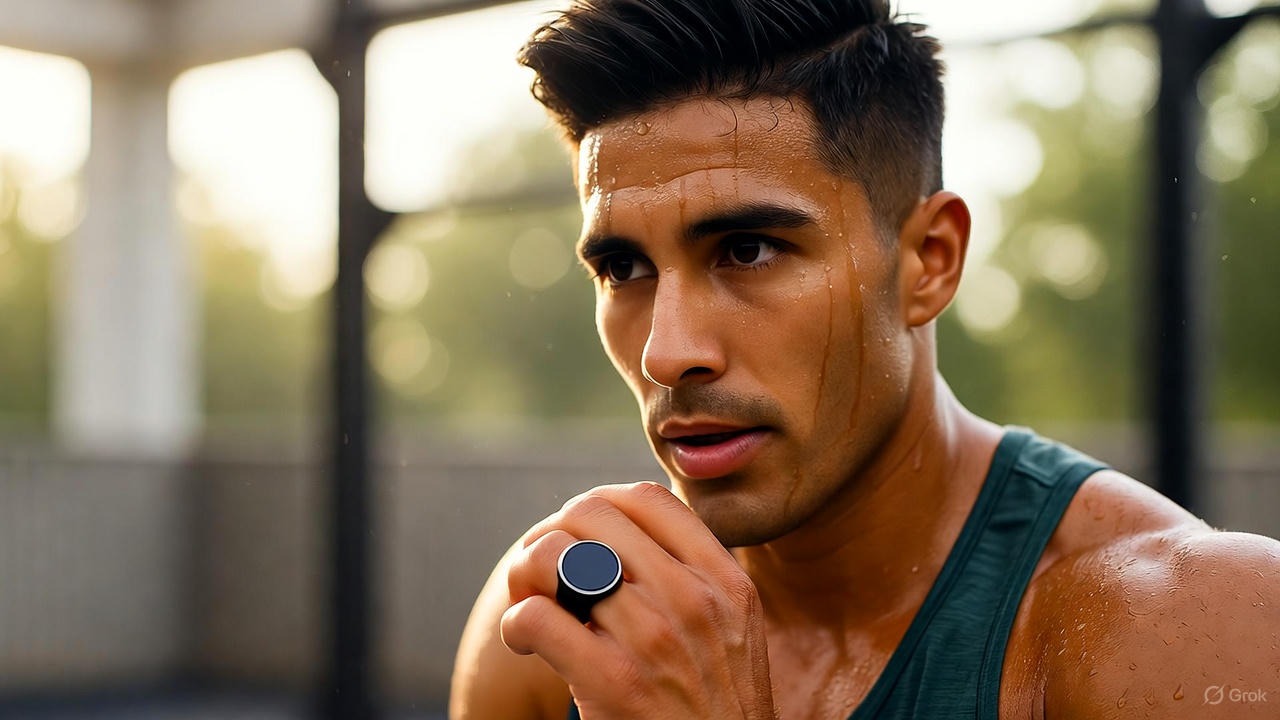
Exercise is a non-negotiable pillar of healthy aging. It builds muscle mass (combating sarcopenia), strengthens bones, improves metabolic health, and boosts cognitive function. But more is not always better, especially as we age. The "no pain, no gain" mentality can backfire, leading to excessive inflammation, joint wear, and hormonal disruption. The optimal formula is "the minimum effective dose" that provides maximum benefit with minimal recovery cost.
This is where HRV-guided training becomes a game-changer. Instead of following a rigid, pre-set calendar, you let your body's readiness guide your workout intensity.
How to Use Daily HRV for Exercise Decisions:
For the aging individual, this approach is profoundly protective. It helps prevent the boom-bust cycles of overtraining and injury that derail consistency—the single most important factor in lifelong fitness. It also teaches you to recognize the difference between laziness and legitimate fatigue, a distinction that becomes harder to make subjectively as we age. By aligning your exercise with your nervous system's capacity, you ensure that your fitness regimen is truly supporting—not undermining—your healthy aging goals.
Sleep is the most potent recovery tool we have. Its degradation is one of the most common and damaging hallmarks of aging. We experience more frequent awakenings, less deep (slow-wave) sleep, and fragmented sleep architecture. This isn't just about feeling groggy; it directly attacks autonomic resilience.
HRV and sleep have a bidirectional, intimate relationship. High-quality sleep elevates HRV, and a high HRV can facilitate better sleep onset and quality. Your smart ring data allows you to dissect this relationship in detail.
Key Sleep Metrics That Interplay with HRV:
Practical Application: By tracking both, you can run experiments. If you notice low HRV, examine your sleep data first. Did you drink alcohol? (A major disruptor of deep sleep and HRV). Was your room too warm? Did you use screens late? Implementing one sleep hygiene improvement—like a consistent cool, dark environment—and observing the corresponding effect on your HRV over a week creates a powerful positive feedback loop. You're not just "trying to sleep better"; you're proving to yourself that a specific change improves your fundamental recovery metric.
You are not just what you eat; your autonomic nervous system reflects what you eat. Every meal is a physiological event, and your HRV can reveal how your body is responding to your nutritional choices. The core connection lies in inflammation, blood sugar volatility, and digestive load.
Dietary Factors That Can Depress HRV:
Dietary Strategies to Support HRV:
While sleep, nutrition, and exercise form the bedrock, the most direct lever we have to intentionally influence our HRV is through the breath. Breathing is unique—it's an automatic function we can also consciously control. By doing so, we can directly "hack" our autonomic nervous system, strengthening the vagus nerve and boosting parasympathetic tone.
This is the realm of HRV biofeedback, a clinical technique now accessible to anyone with a continuous HRV monitor like a smart ring.
The Science of Coherent Breathing: Research shows that breathing at a specific, slow pace—typically 5 to 6 breaths per minute (0.1 Hz)—creates a state of "psychophysiological coherence." This rhythm synchronizes the rhythms of the heart, respiration, and blood pressure oscillations, maximizing HRV amplitude. It's the resonant frequency of the human cardiovascular system.
How to Practice with Your Ring:
For healthy aging, this practice is neural training. It's like weightlifting for your vagus nerve. Consistent practice can:
The ring provides the motivation and proof. Seeing a tangible HRV increase after a breathing session reinforces the practice, moving it from a "nice-to-do" to an evidence-based pillar of your resilience protocol. For guided techniques and further reading on mind-body practices, our blog features several helpful resources.
Data is useless without integration. The final step in leveraging HRV for healthy aging is moving from being a passive observer of graphs to an active architect of your daily rhythm, using the data as your guide. This is about cultivating autonomic awareness.
Creating Your Personal Protocol:
The ultimate gift of HRV monitoring for aging is agency. It replaces fear of decline with a sense of exploration and control. It transforms aging from something that happens to you into a process you can actively partner with. By listening to the silent language of your heart, you gain a compassionate, objective guide on the path to a longer, healthier, and more vibrant life. To begin this journey with a device designed for this precise purpose, discover how Oxyzen works.
No single metric tells the full story of your health, and HRV is no exception. Its true power is unlocked when viewed in concert with other key biomarkers that a modern smart ring tracks. This creates a multidimensional "Longevity Dashboard," where the interplay between data points reveals a far richer narrative about your biological age and daily status than any one number could. For the healthy aging enthusiast, understanding these correlations is like learning to read a sophisticated symphony of your physiology, where HRV acts as the conductor.
The Core Quartet: HRV, Resting Heart Rate, Sleep, and Body Temperature
Your smart ring continuously monitors a suite of signals. Here’s how they interact:
Integrating Activity and Readiness Scores:
Advanced platforms synthesize these raw metrics into a Daily Readiness or Recovery Score. This score, often heavily weighted by your overnight HRV and its trends, is designed to answer one simple question: "How prepared is my body to handle stress today?" It is the ultimate integrator, meant to guide your daily decisions.
Using this dashboard requires moving from observation to interpretation. For instance:
*A 58-year-old user sees her readiness score is low. She drills down: her HRV is 22% below baseline, her RHR is 8 bpm above average, and her sleep graph shows frequent awakenings. Her temperature is also slightly elevated. Instead of pushing through her planned HIIT class, she interprets this cluster of data as a strong signal for systemic stress, potentially the onset of a bug. She opts for a gentle walk, extra sleep, and hydration. The next day, her temperature is normal, RHR is down, and HRV is recovering, validating her decision and potentially shortening the illness.*
This holistic view prevents the myopia of focusing on a single metric and fosters a more nuanced, systems-based approach to self-care, which is at the heart of modern longevity science. For more on interpreting your integrated health data, explore our blog for detailed case studies.
While the fundamental principles of HRV are constant, the context in which they operate changes dramatically across the decades of mid-life and beyond. Understanding these life-stage nuances helps you set realistic expectations, interpret data with appropriate context, and tailor your interventions for maximum impact.
In Your 40s: The Stress Divide. This decade is often the crucible where lifestyle choices begin to crystallize into future health trajectories. Career, family, and financial pressures peak, leading to high allostatic load. Hormonal shifts perimenopause begin for women. The key HRV insight here is trend establishment and stressor identification. Your goal is to establish a solid, stable baseline despite the chaos. A sharply declining HRV trend in your 40s is a critical red flag, indicating that chronic stress may be accelerating autonomic aging prematurely. This is the time to use HRV data to ruthlessly identify non-negotiable recovery practices—protecting sleep, scheduling recovery, and learning breathwork—to build resilience for the decades ahead.
In Your 50s: The Transition Zone. This is a pivotal decade for hormonal changes (menopause for women, andropause for men), often accompanied by shifts in metabolism, sleep architecture, and body composition. HRV can be volatile. You may see more pronounced dips related to sleep disruptions from night sweats or a greater sensitivity to dietary triggers like alcohol or sugar. The focus shifts from pure performance to recovery optimization and adaptation. It’s less about battling stress and more about elegantly navigating new physiological realities. HRV feedback becomes essential for fine-tuning exercise (prioritizing strength and recovery over intense cardio), nailing nutrition to stabilize energy, and validating the effectiveness of hormone replacement therapy or other interventions if pursued.
In Your 60s and Beyond: The Resilience Benchmark. By this stage, the cumulative effects of lifestyle are fully manifest. HRV’s role evolves into that of a master resilience benchmark and early warning system. The absolute number is less important than its stability and your ability to recover from dips. A stable, moderate HRV is a fantastic sign of maintained autonomic integrity. The data becomes crucial for:
Across all stages, the smart ring provides a continuous thread of data, allowing you to see your own aging process in real-time and respond not with fear, but with informed agency. The stories of users across these decades powerfully illustrate this; you can read their journeys in our testimonials.
Data becomes compelling through story. Let’s examine two detailed, anonymized case studies that show how HRV monitoring from a smart ring catalyzed meaningful change for individuals focused on healthy aging.
Case Study 1: David, 52 – Breaking the Burnout Cycle.
Case Study 2: Elena, 67 – From Aching and Anxious to Active and Assured.
As powerful as HRV is, it is also nuanced. Misinterpreting its signals can lead to unnecessary anxiety or counterproductive behaviors. Here are key pitfalls to avoid on your healthy aging journey.
1. Obsessing Over the Absolute Number. It is tempting to compare your RMSSD of 35 to a friend’s 75 or an online chart. This is meaningless. HRV is highly individual, influenced by genetics, age, sex, and fitness background. A 35 could be a strong, healthy baseline for one person and a sign of significant distress for another. The only numbers that matter are your own baseline and your deviations from it. Focus on personal trends, not peer comparison.
2. Overreacting to a Single-Day Dip. HRV is inherently variable. A low score one morning is a data point, not a diagnosis. It could be due to a hard workout (a positive stress), a poor night’s sleep, or a single stressful day. The proper response is curiosity, not panic. Note the context and observe the recovery over the next 24-48 hours. Resilience is defined by the rebound, not the absence of dips.
3. Ignoring the Context of "Good" Dips. Not all decreases are bad. A significant, acute drop in HRV during and immediately after a intense exercise session is normal and expected—it reflects a healthy sympathetic response to a controlled stressor. The problem arises if it remains depressed 24-48 hours later. Similarly, a minor dip after a stimulating social event or a passionate conversation is a sign of a system fully engaged with life, not necessarily a negative.
4. Chasing a High Score with Counterproductive Habits. This is a subtle trap. You might notice that very light, sedentary days sometimes yield a high HRV. Concluding that "less activity is better for my HRV" would be a profound mistake for long-term health. The goal is to build a system resilient enough to handle the beneficial stress of exercise and life, and recover robustly. Sometimes you need to temporarily suppress HRV with positive stress to stimulate adaptation and raise your baseline over time. A smart ring helps you balance this training-recovery cycle, not avoid stress entirely.
5. Neglecting the Macro-Trend for Daily Micro-Movements. It’s easy to get lost in the daily graph. Pull back regularly—look at your 3-month and 6-month trends. Is the wiggly line generally floating higher, or is it sinking? The macro-trend tells you if your overall lifestyle is supporting autonomic health, which is the ultimate goal for aging well. The day-to-day is for fine-tuning; the long-term trend is for validation of your path.
By sidestepping these pitfalls, you move from being a slave to the data to becoming its master, using it as a wise guide rather than an absolute oracle. For further clarification on data interpretation, our FAQ section addresses many common questions.
The connection between low HRV and poor health outcomes is well-established in epidemiology. But for the individual, understanding the mechanistic links between autonomic dysfunction and specific conditions common in aging makes the case for monitoring even more urgent. It’s not just a correlation; it’s a window into the underlying pathophysiology.
Cardiovascular Disease: This is the most robust link. The autonomic nervous system directly controls heart rate, blood pressure, and vascular tone. Low HRV, indicating sympathetic dominance and reduced vagal activity, is a powerful independent predictor of:
Cognitive Decline & Neurodegeneration: The brain is intimately connected to the body via the vagus nerve—the "vagal highway." This heart-brain axis is critical for neuroinflammation, neurotransmitter regulation, and cerebral blood flow. Low HRV is associated with:
Metabolic Health & Type 2 Diabetes: The autonomic system regulates insulin secretion, glucose production in the liver, and blood flow to muscles. Insulin resistance and hyperglycemia damage autonomic nerves, while autonomic dysfunction worsens glycemic control—another vicious cycle. Low HRV is a known predictor of the development of type 2 diabetes and is associated with worse outcomes in those who have it. Improving HRV through exercise and diet can help break this cycle.
Immune Function & Inflammaging: The vagus nerve has a direct anti-inflammatory pathway—the cholinergic anti-inflammatory pathway. High vagal tone (reflected in higher HRV) is associated with better-regulated inflammatory responses. As we age, chronic low-grade inflammation ("inflammaging") is a key driver of many diseases. A declining HRV trend can be a marker of increasing inflammatory burden, while practices that boost HRV (like meditation) have been shown to reduce inflammatory markers.
For the proactive individual, this science transforms HRV from an abstract wellness score into a strategic monitoring tool for the very systems most vulnerable to aging. It provides a functional readout of your vulnerability to—or resilience against—these common conditions.
Knowledge must translate into action. Based on everything we’ve covered, here is a practical, step-by-step guide to building your own personalized protocol to support healthy aging through HRV optimization.
Phase 1: The Observation Month (Weeks 1-4)
Phase 2: The Connection Experiment (Weeks 5-8)
Phase 3: The Integration & Refinement (Ongoing)
This protocol turns your ring from a passive tracker into an active partner in biohacking your healthspan. It creates a virtuous cycle of action, feedback, learning, and adaptation—the very definition of resilience. To get started with the device that enables this entire process, you can discover how Oxyzen works.
We are on the cusp of a paradigm shift, from reactive sick-care to proactive, predictive health management. Smart rings and continuous HRV monitoring are at the forefront of this shift, especially for aging populations. The future lies not just in tracking, but in pattern recognition and predictive nudges.
From Descriptive to Predictive Analytics: Current data tells you what happened last night. The next evolution uses machine learning on longitudinal datasets (your HRV, RHR, temperature, sleep, and activity over months) to identify your personalized patterns that precede a negative health event. For example, the algorithm might learn that a specific combination of a 15% HRV drop, a 5 bpm RHR rise, and a 0.3°C temperature increase has, for you, an 80% probability of developing a cold within 48 hours. It could then send a proactive notification: "Your biomarkers suggest your body is fighting something. Consider prioritizing rest and hydration today."
Integrating with Digital Health Ecosystems: The true power will be unlocked when this granular, continuous data from wearables can be integrated—with your permission—into your electronic health record. Your doctor could see a 3-month trend of declining HRV before your annual physical, prompting a more targeted conversation about stress management. A cardiologist could monitor a patient’s post-discharge recovery remotely with far more sensitivity than sporadic check-ups.
Personalized, Dynamic Recommendations: Beyond alerts, the system could move to recommendations. "Based on your low recovery score and past responses, a 30-minute nature walk today has a 90% predicted probability of improving tonight’s sleep HRV more than a stretching session." This moves wellness from generic advice to hyper-personalized, dynamic guidance.
For the aging individual, this future is one of empowerment and security. It means having an intelligent guardian that knows your body’s unique language, provides early warnings, and helps you take small, effective actions to maintain stability and prevent decline. It turns the home into the front line of preventive healthcare. This vision of democratized, data-driven longevity is what drives innovation at companies like ours, and you can read more about our journey and future vision here.
We have journeyed from the fundamental science of a heartbeat’s variability to the future of predictive health, all through the lens of a device worn on your finger. The overarching theme is one of awareness leading to agency. Heart Rate Variability is more than a metric; it is a profound conversation with your deepest physiological self.
For the goal of healthy aging—adding vibrant, functional years to your life—HRV monitoring provides the missing feedback loop. It quantifies the abstract concept of "resilience." It exposes the hidden cost of chronic stress. It validates the effectiveness of your positive lifestyle choices. It helps you walk the fine line between effective training and overreaching. It turns sleep, nutrition, and breath from vague good ideas into precisely calibrated tools in your longevity toolkit.
The data from your smart ring is not meant to be a source of anxiety or a score to gamify. It is meant to be a compassionate, objective guide. Some mornings it will affirm that you are on the right path. Other mornings it will gently suggest a course correction. Learning to listen to this guidance is the practice of autonomic awareness.
As you move forward, remember the core principles: Trends over single points. Recovery over perfection. Personalized baselines over peer comparison. Your healthspan journey is unique. Let your heart’s complex, wise rhythm—made visible through technology—light the way toward a future not defined by chronological years, but by enduring vitality and adaptability.
This concludes the foundational exploration of HRV and healthy aging. In the next portion of this comprehensive guide, we will delve even deeper into advanced topics: the interplay of HRV with specific longevity supplements and diets (e.g., fasting, NAD+ precursors), its role in managing chronic age-related conditions, advanced breathwork and biofeedback protocols, and how to build a community or work with a coach using shared biometric data for accountability and optimization. The journey from data to wisdom continues. To access the next section and continue your learning, keep an eye on our blog for the latest updates and full series.
The quest for healthy aging has fueled a booming market in supplements and specialized diets, each promising to slow the clock. Yet, individual responses vary wildly. What works miracles for one person may do nothing—or even cause harm—for another. This is where HRV monitoring transitions from a wellness tool to a sophisticated personal bioassay, providing real-time, objective feedback on how your nervous system responds to any nutritional intervention. It moves supplement and diet choices from the realm of faith and anecdote into the realm of personalized, data-driven experimentation.
Why HRV is the Ideal Feedback Metric for Supplements:
Most longevity supplements target fundamental cellular and metabolic processes that directly influence autonomic function: reducing inflammation, improving mitochondrial energy production, supporting neurotransmitter balance, or modulating stress hormones. HRV, as an integrative measure of systemic balance and adaptability, is exquisitely sensitive to these shifts. A positive response should, over time, support a higher, more stable HRV baseline and better recovery from dips.
Testing Protocols for Key Longevity Supplement Categories:
The Critical Role of HRV in Dietary Patterns:
Beyond supplements, entire dietary patterns impact HRV, and your ring can help you find your optimal fit.
The Golden Rule: Test One Variable at a Time. You cannot determine the effect of a new supplement or diet change if you also start a new exercise program, change your sleep schedule, and experience a major work stress simultaneously. Isolate the intervention, hold other factors as steady as possible, and let your HRV, RHR, and sleep data be the judge. This empirical approach is the cornerstone of a truly personalized longevity strategy. For more on integrating data with lifestyle choices, our blog offers ongoing insights and case studies.
While HRV monitoring is a powerful personal wellness tool, its roots are deeply clinical. For individuals managing specific age-related health conditions, partnering with a healthcare provider to incorporate HRV data can add a valuable layer of insight, moving beyond symptom management to systemic monitoring.
Hypertension and Cardiovascular Risk Management: As discussed, low HRV is a risk factor. For patients with hypertension, HRV trends can offer feedback on the effectiveness of lifestyle modifications (e.g., DASH diet, aerobic exercise) beyond just blood pressure readings. Improving HRV can be a secondary, functional goal. Some forward-thinking cardiologists also use short-term HRV measurements to gauge autonomic recovery after cardiac events.
Type 2 Diabetes and Metabolic Syndrome: Here, HRV acts as a biomarker of autonomic neuropathy, a common and serious complication. A persistently low HRV can be an early indicator of this nerve damage, even before overt symptoms appear. For patients actively managing diabetes, positive lifestyle changes that improve glycemic control (like regular exercise) should also improve HRV, providing encouraging, reinforcing feedback. Conversely, a declining HRV trend could signal worsening control or the onset of complications, prompting earlier clinical review.
Anxiety, Depression, and Mood Disorders: The heart-brain connection is paramount. Therapists are increasingly incorporating biofeedback, including HRV training, into treatment for anxiety and PTSD. Patients can learn to use their breath to raise their HRV in real-time, directly demonstrating their ability to self-regulate their nervous system out of a fight-or-flight state. For aging adults dealing with late-life anxiety or depression, this tangible skill can be more empowering than abstract counseling alone. The ring provides continuous data to track progress outside of therapy sessions.
Chronic Pain and Inflammation: Conditions like fibromyalgia and arthritis are states of constant physiological stress and inflammation, which suppress HRV. HRV biofeedback can be part of a pain management strategy, teaching patients to activate the parasympathetic nervous system, which has natural anti-inflammatory and analgesic effects. Monitoring HRV can also help patients identify activities and periods that exacerbate their systemic stress, allowing for better pacing and activity management.
Important Caveat & Collaboration: HRV data from a consumer wearable is not a diagnostic device. It is for lifestyle insight and trend monitoring. Any concerning trends, especially sharp, unexplained declines, should be discussed with a physician who can interpret them in the full context of your medical history and other diagnostics. The goal is to foster a collaborative partnership: you bring detailed, longitudinal data about your daily life; your provider brings clinical expertise. Together, you can make more informed decisions. For users with specific health conditions, we always recommend reviewing data with a professional, and our FAQ touches on these integrations.
The journey of healthy aging, while personal, need not be solitary. One of the most powerful—and often overlooked—applications of HRV data is in the realm of social connection and professional guidance. Sharing this intimate biometric data, when done thoughtfully, can deepen accountability, provide expert insight, and foster motivating community.
Working with a Health Coach or Personal Trainer: The era of generic workout plans is over. A modern coach equipped with access to your HRV and readiness data (with your permission) can provide truly dynamic guidance.
This transforms the coach-client relationship from guessing to precise, responsive partnership, accelerating progress and preventing burnout. It validates the coach's recommendations and empowers the client with clear cause-and-effect understanding.
The Power of Community and "Biohacking" Groups: Online and in-person communities centered around data-driven health are flourishing. Sharing anonymized trends and protocols can be incredibly educational. Seeing how a peer of similar age and goals responded to a new supplement, a specific breathing technique, or a sleep protocol provides a rich source of real-world experimentation. It can normalize the variability of HRV ("I see everyone's dips on Monday too!") and provide motivation through friendly, data-backed challenges (e.g., a "sleep consistency week" where participants compare HRV stability). The Oxyzen community, for instance, shares stories that inspire others on their journey, as seen in our user testimonials.
Couples and Family Dynamics: Sharing HRV trends with a partner can improve mutual understanding and empathy. Rather than a subjective "I'm stressed," you can show a tangible, multi-day dip. This can lead to supportive, collaborative problem-solving: "Your data shows you're really run down; let me handle the kids tonight so you can get to bed early." It externalizes the stress, making it a shared challenge to manage rather than a personal failing. For aging couples caring for each other, this objective data can inform care decisions and highlight when one partner is taking on too much.
Ethical Considerations & Boundaries: This level of sharing requires clear consent and boundaries. Data should be shared selectively and for a purpose. The focus should be on trends and responses, not judgment over absolute scores. The goal is support and optimization, not comparison or competition. When used ethically, shared biometric data has the potential to make our most important health relationships more supportive, intelligent, and effective.
Your autonomic nervous system doesn't only react to internal states like food and thought; it is continuously sampling and responding to your external environment. HRV data can serve as a powerful audit tool to identify hidden environmental and lifestyle stressors that may be silently eroding your resilience.
The Digital Environment: Screen Time and Information Overload.
The Physical Environment:
Social and Temporal Triggers:
By treating your HRV as a canary in the coal mine of your modern life, you can make deliberate, evidence-based choices to design an environment—digital, physical, and social—that actively supports, rather than undermines, your healthy aging goals. This process of environmental audit is a continuous journey of refinement that our technology is designed to support from its very core, a principle embedded in our company's story and vision.
Once you’ve mastered coherent breathing, a world of advanced biofeedback techniques opens up, using your smart ring’s HRV data not just as an outcome measure, but as the central guiding signal in real-time. These practices offer a potent method for actively training your nervous system for greater resilience.
1. Resonance Frequency (RF) Biofeedback – Finding Your Personal Calibration. While 5-6 breaths per minute is a general guideline, each person has a unique resonance frequency—the breathing pace that creates the greatest amplitude (peak-to-trough difference) in their heart rhythm, maximizing HRV. This is where true physiological coherence is achieved.
2. HRV-Biofeedback for Emotional Regulation. This technique involves using the HRV signal to practice shifting your physiological state in response to recalled emotions or stressors.
3. Gratitude & Positive Emotion Cultivation. The heart-brain connection works both ways. Just as calm breathing boosts HRV, cultivated positive emotions can also drive physiological coherence.
4. Stacking Recovery Practices: The Synergy Effect. Use your ring to test the compound effect of combining practices. For example:
These advanced techniques transform your smart ring from a tracker into an interactive training device for your autonomic nervous system—the control center for aging itself. For deeper dives into specific biofeedback methods, our blog features expert guides and tutorials.
In a guide centered on data, it is crucial to address its limits. An over-reliance on biometrics can lead to "data anxiety," a disconnection from bodily intuition, and a mechanistic view of health. The true art of healthy aging lies in the integration of objective data with subjective wisdom. Your ring provides the numbers; you must provide the context and meaning.
Listening to the Body’s Narrative, Not Just the Numbers. Your body speaks in many languages: energy levels, mood, motivation, digestion, muscle soreness, and intuition. A high readiness score on a day you feel subjectively drained is a paradox to be explored, not ignored. Perhaps the score is lagging, or perhaps there’s an emotional or spiritual component not captured by physiology. The data is one chapter in your story, not the entire book.
Avoiding "Quantified Self" Paralysis. It is possible to become so focused on optimizing every metric that you lose the joy of living. Skipping a celebratory dinner with friends because it might lower your HRV misses the point. The goal of longevity is to live a fulfilling, connected life. Data should inform balance, not become a source of restriction or orthorexia. Sometimes, the life-extending benefit of social connection and joy outweighs the temporary biometric cost.
The Danger of Misattribution. We are wired to find patterns, even where none exist. A random HRV dip on a Tuesday might be falsely attributed to the new supplement you started Monday, causing you to abandon it prematurely. This is why trend observation and controlled experimentation are key. Correlations must be tested, not assumed.
Embracing the Unquantifiable. Some of the most powerful levers for healthy aging are difficult to measure with a ring: purpose, creativity, lifelong learning, spiritual practice, and community contribution. These nourish the psyche in ways that undoubtedly influence physiology through pathways we may not yet fully understand or capture via HRV. Your health protocol must make space for these unquantifiable essentials.
The Integrative Mindset: Let your data serve as a check and balance, a source of curiosity, and a motivator. But always return to the central question: "How do I feel?" Use the data to explain your feelings, not to override them. This balanced approach prevents the technology from becoming a tyrant and ensures it remains a servant to your holistic well-being. This philosophy of balanced, human-centric technology is central to who we are, which you can read more about in our mission statement.
The field of longevity medicine is rapidly advancing, moving from generic advice to targeted, molecular-level interventions. HRV monitoring is poised to become an integral component of this new paradigm, serving as a dynamic, functional endpoint for cutting-edge therapies.
HRV as a Biomarker for Senolytics and Other Therapeutics: Senolytic drugs, which clear aged, dysfunctional "senescent" cells, are a promising frontier. These cells secrete inflammatory factors that drive aging. A successful senolytic therapy should reduce systemic inflammation. How would you know it's working at a functional level? An improvement in HRV would be a strong, non-invasive indicator of reduced inflammatory burden and improved autonomic function, potentially preceding changes in other clinical biomarkers.
Personalized Peptide Therapy: Certain peptides (like BPC-157, Epitalon) are used for repair, gut health, and sleep regulation. Individual responses vary. HRV trends could be used to titrate dosages and assess efficacy, particularly for peptides targeting sleep quality and tissue repair, which should directly impact recovery metrics.
HRV and "Biological Age" Clock Testing. Epigenetic clocks like GrimAge or PhenoAge provide a snapshot of biological age from a blood test. HRV provides a continuous, functional readout of the systems that contribute to that age. It's the dynamic performance data to complement the static molecular snapshot. A person might use an epigenetic test annually, but track their HRV daily to see how lifestyle changes are influencing the very systems that drive epigenetic aging. Improving your HRV trend could be a leading indicator that your next epigenetic test will show rejuvenation.
The Future Clinic Visit: Imagine a future where you arrive for your longevity medicine consultation with a year’s worth of continuous HRV, temperature, sleep, and activity data from your ring. Your physician analyzes the trends, correlates them with your lab work, and can ask precise questions: "I see your HRV consistently dips and your temperature rises every 4-6 weeks. Let's investigate that pattern." Or, "Your HRV recovery after exercise has improved 40% since starting the mitochondrial supplement regimen, which aligns with your improved fatigue scores."
This integration democratizes and personalizes high-level health optimization, making you an active, data-empowered participant in your own care plan. It represents the ultimate synthesis of consumer wellness technology and clinical science. To stay updated on these exciting intersections of tech and longevity science, our blog is a dedicated resource.
We have traversed a vast landscape—from the microscopic milliseconds between heartbeats to the macroscopic decades of a life well-lived, from the solitude of personal biofeedback to the connectedness of shared data communities. The throughline is clear: Heart Rate Variability is a master key to understanding and influencing the aging process.
It teaches us that aging is not just about wear and tear, but about a loss of adaptive capacity—of complexity. Our interventions, therefore, must aim to preserve and restore that complexity. The smart ring on your finger is the lens that brings this abstract concept into sharp, daily focus.
You now have the knowledge to:
The pursuit of healthy aging is not a destination, but a style of travel. It is marked by curiosity, flexibility, and a willingness to listen—both to the sophisticated technology we now have at our disposal and to the ancient wisdom of our own bodies. Let your HRV data be a trusted companion on this journey, a source of insight that empowers you to make each choice, each day, a conscious investment in a longer, healthier, and more vibrant healthspan.
This foundational guide has equipped you with the principles and practices to begin. The path forward is one of consistent application, gentle curiosity, and the empowering knowledge that you are no longer simply aging—you are actively participating in the creation of your future self. To begin this journey with a tool designed for this purpose, discover how Oxyzen works and join a community of like-minded individuals. Your data-driven path to resilient aging starts here.
Your Trusted Sleep Advocate: Sleep Foundation — https://www.sleepfoundation.org
Discover a digital archive of scholarly articles: NIH — https://www.ncbi.nlm.nih.gov/
39 million citations for biomedical literature :PubMed — https://pubmed.ncbi.nlm.nih.gov/
Experts at Harvard Health Publishing covering a variety of health topics — https://www.health.harvard.edu/blog/
Every life deserves world class care :Cleveland Clinic - https://my.clevelandclinic.org/health
Wearable technology and the future of predictive health monitoring :MIT Technology Review — https://www.technologyreview.com/
Dedicated to the well-being of all people and guided by science :World Health Organization — https://www.who.int/news-room/
Psychological science and knowledge to benefit society and improve lives. :APA — https://www.apa.org/monitor/
Cutting-edge insights on human longevity and peak performance:
Lifespan Research — https://www.lifespan.io/
Global authority on exercise physiology, sports performance, and human recovery:
American College of Sports Medicine — https://www.acsm.org/
Neuroscience-driven guidance for better focus, sleep, and mental clarity:
Stanford Human Performance Lab — https://humanperformance.stanford.edu/
Evidence-based psychology and mind–body wellness resources:
Mayo Clinic — https://www.mayoclinic.org/healthy-lifestyle/
Data-backed research on emotional wellbeing, stress biology, and resilience:
American Institute of Stress — https://www.stress.org/


