


The Science-Backed Healthy Aging Tips That Actually Work in 2025
Science-backed healthy aging tips that are effective in the current year (2025).
Science-backed healthy aging tips that are effective in the current year (2025).
%402x.svg)
The pursuit of longevity has captivated humanity for millennia. Today, a new quest has emerged—one focused not on adding years to life, but on adding life to years. We call this "healthy aging," a concept that transcends mere survival to encompass living vibrantly, independently, and with purpose well into our later decades. In 2025, this vision is no longer a distant hope but a tangible reality, powered by a convergence of groundbreaking scientific discoveries and practical, accessible lifestyle strategies.
What was once considered inevitable decline is now understood as malleable. Research published in JAMA in 2025, such as the landmark U.S. POINTER trial, delivered a powerful message: lifestyle changes can actively improve cognitive function in older adults at risk for decline . Concurrently, a massive 30-year study published in Nature Medicine identified specific dietary patterns that significantly boost the odds of reaching age 70 and beyond in excellent physical, cognitive, and mental health .
This article synthesizes the most compelling scientific insights of 2025 into a cohesive, actionable roadmap. We'll move beyond hype and marketing to explore what truly works, from the macro-habits that protect your brain and body to the micro-habits you can start today. You'll learn how to apply the latest findings on nutrition, movement, cognitive engagement, and social connection to build a personalized plan for a longer, healthier, and more fulfilling life.
We are at a pivotal moment in the science of aging. For decades, the dominant narrative framed aging as an inexorable march toward frailty and cognitive decline—a path dictated largely by our genes. The advice was often generic and disempowering. Today, that story is being rewritten.
The most exciting revelation from recent research is that our daily choices exert a profound influence on how we age. Dr. Eric Verdin, president of the Buck Institute for Research on Aging, notes that genetics accounts for less than 10% of our life expectancy . The rest—over 90%—is shaped by modifiable lifestyle factors. "Most people today could expect to live to 95 in good health based on what we know," Verdin states, emphasizing that this is not a speculative hope but a conclusion drawn from data .
Furthermore, the goalposts have shifted. The conversation is no longer just about lifespan (how long you live) but about healthspan—the period of life spent in good health, free from chronic disease and disability. Karen Cutler from Manulife frames this beautifully, encouraging us to think of our health like a financial investment. Every nutritious meal, every workout, and every good night's sleep is a deposit into our "healthspan account," compounding into a future of vitality and independence .
The year 2025 provided unprecedented clarity on how to make those investments. Two studies stand out as cornerstones. First, the U.S. POINTER trial, a major two-year clinical trial, demonstrated that structured lifestyle programs focusing on diet, exercise, cognitive training, and health monitoring could actually improve global cognition in older adults, effectively protecting the brain from age-related decline . Second, the comprehensive Nature Medicine analysis, tracking over 105,000 people for 30 years, pinpointed the exact dietary patterns most strongly linked to "healthy aging"—defined as reaching age 70 with robust physical function, sharp mental capacity, and mental well-being, all while being free of major chronic diseases .
Together, this research dismantles fatalism and replaces it with agency. It tells us that the tools for a longer, healthier life are already in our hands. The following sections will translate these monumental findings—and other key trends from 2025—into the specific, science-backed habits that form the new blueprint for aging well.
The single most important paradigm shift in healthy aging is the move away from silver-bullet solutions toward integrated, multidomain approaches. For years, headlines touted the "one secret" to longevity—be it a miracle supplement, a superfood, or a specific exercise. The science of 2025 has resoundingly declared that strategy insufficient.
The evidence is unequivocal. The U.S. POINTER trial explicitly found that a coordinated lifestyle program targeting multiple areas simultaneously yielded measurable cognitive improvements . The National Institutes of Health’s 2025 Alzheimer’s research report echoed this, concluding that "multidomain lifestyle interventions show stronger and more consistent benefits than isolated changes" . In simpler terms, doing one healthy thing is good, but combining several creates a powerful synergy where the whole is greater than the sum of its parts.
Why is this integrated approach so effective? Aging is not a single-process event. It’s a complex interplay of biological systems: our cardiovascular health influences our brain; our gut health affects our immune system and mood; our muscle mass supports our metabolism and balance. Attacking from only one angle leaves other vulnerabilities exposed. A multidomain strategy, however, reinforces the entire structure.
The U.S. POINTER trial tested two approaches: a highly structured program with peer support and coaching, and a more self-guided one. Both groups focused on the same four pillars—physical activity, nutrition, cognitive/social engagement, and health monitoring—but the structured group showed greater cognitive gains . This highlights a second critical component: structure and accountability matter. It’s not enough to know what to do; we need systems to help us do it consistently.
Think of building your healthy aging plan like constructing a resilient, beautiful building. You need:
Neglecting any one of these areas weakens the entire structure. This holistic philosophy is the bedrock upon which all other specific tips are built. It’s the "why" behind the "what" we’ll explore next. As Dr. Stephen Pomedli notes, about 75% of our longevity is determined by our daily habits —habits that are most powerful when they work together.
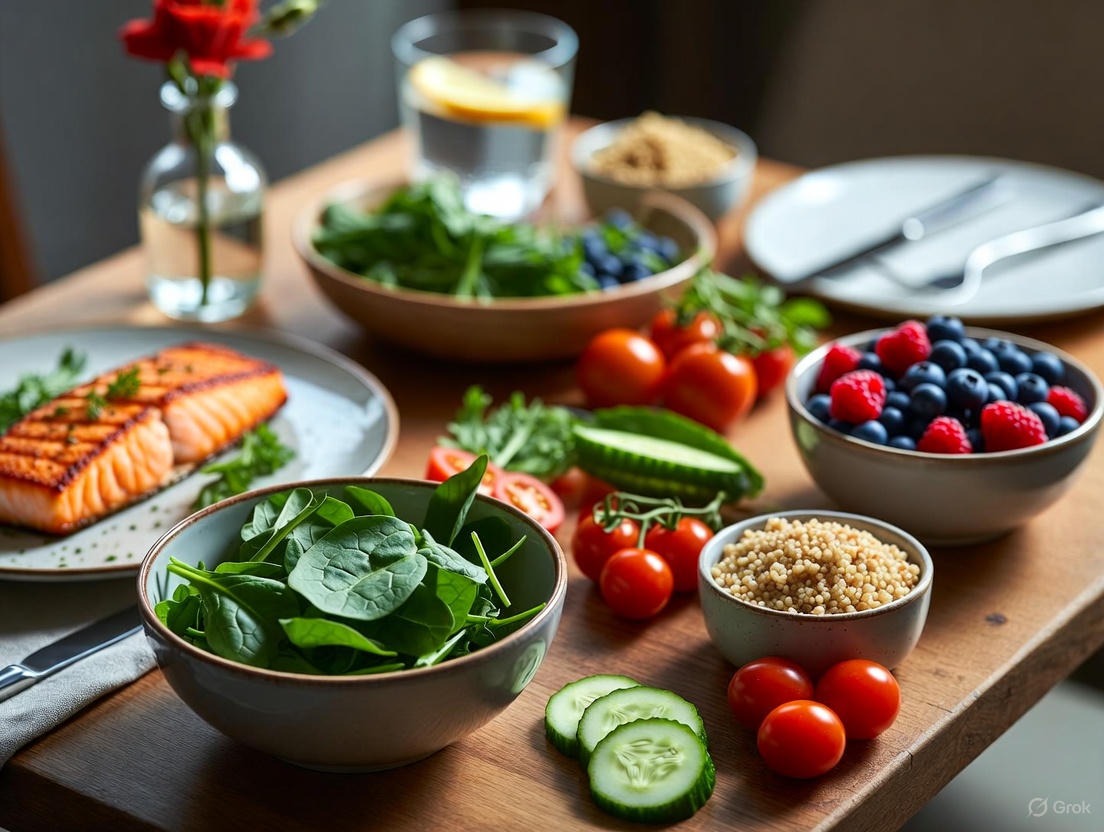
If multidomain strategy is the blueprint, then nutrition is the cornerstone. In 2025, the conversation about food and aging moved decisively from weight loss and restriction to nourishment and prevention. The goal is to use food as foundational medicine to build cellular resilience, reduce inflammation, and fuel a long, active life.
The most compelling evidence comes from the landmark Nature Medicine study. After analyzing three decades of data, researchers identified that higher adherence to several high-quality dietary patterns was strongly associated with "healthy aging" . The diets that rose to the top shared common principles: they were rich in plant-based foods, included healthy fats, and minimized ultra-processed foods, red meat, and sugar.
The top performer was the Alternative Healthy Eating Index (AHEI), which showed the strongest link to aging well, followed closely by the Alternative Mediterranean (aMED) and MIND diets . What do these diets have in common? They are all variations on a "plant-forward" theme, emphasizing:
A fascinating insight from the Nature Medicine data is that the benefits of these diets were even more pronounced when the "healthy aging" threshold was moved from age 70 to 75, with the AHEI showing an odds ratio of 2.24 . This suggests that the longer you maintain these eating patterns, the greater the protective payoff.
Longevity researcher Dr. Thomas Rando personally follows this philosophy, adhering to a Mediterranean-style diet and strictly avoiding ultra-processed foods . Dr. Eric Verdin of the Buck Institute calls sugar "the enemy of healthy aging," particularly fast-acting carbohydrates that spike blood glucose and insulin . This aligns with a key 2025 trend: functional nutrition, where people choose foods not just to be "free-from" something bad, but to actively include components that deliver specific health benefits like improved gut health, immunity, or joint support .
Actionable Tip for 2025: Don't get bogged down in choosing the single "best" diet. Focus on the common pillars. Start with one meal a day built on this template: a large portion of colorful vegetables, a serving of whole grains or legumes, and a source of healthy fat (e.g., a drizzle of olive oil or a handful of nuts). Gradually reduce your intake of sugary beverages, packaged snacks, and processed meats. For personalized guidance, consider consulting a registered dietitian—their services may be covered by your health plan .
Physical activity remains one of the most potent longevity "drugs" we have, but the prescription has evolved. In 2025, exercise science for aging adults moved beyond generic "cardio" recommendations to a more sophisticated and essential "movement matrix" that targets the specific vulnerabilities of an aging body: loss of muscle (sarcopenia), declining balance, and reduced power.
The consensus is clear: aerobic activity, strength training, and balance work are non-negotiable, distinct pillars. Stanford geriatrician Dr. Silvia Tee emphasizes that for optimal function, adults should aim for 150 minutes of moderate aerobic activity (like brisk walking) plus muscle-strengthening activities at least twice weekly .
Furthermore, the latest brain health research confirms that physical activity benefits the brain at any age and any starting point. Dr. Thomas Rando, the longevity researcher, is a testament to this, having become an avid marathon runner in his 30s and crediting it with cognitive benefits . The key is consistency and tailoring the activity to your ability.
Actionable Tip for 2025: Build your weekly movement matrix:

For years, "brain training" was mired in controversy, with questions about whether puzzles and games offered any real, biological benefit. 2025 brought decisive clarity, moving cognitive health from a vague concept of "staying busy" to a targetable, trainable system.
The breakthrough came from a study at McGill University, which provided the first direct evidence in humans that rigorous, targeted cognitive exercise can reverse a key brain chemical change associated with aging. Researchers found that 30 minutes a day of specific brain training increased levels of acetylcholine—a neurotransmitter critical for memory and attention—in older adults, effectively "turning back the clock" by about a decade in that brain region .
This is a paradigm shift. It means mental exercise isn't just "good for you"; it can induce measurable neurochemical repair. As Dr. Étienne de Villers-Sidani, the study's lead, stated, the training used was "targeted at attention and speed of processing, and it kind of pushes you to the limit" . It was not passive game-playing but active, challenging work.
This aligns perfectly with the U.S. POINTER trial, which included cognitive challenge as a core component of its successful lifestyle intervention . The emerging principle is that not all mental activity is equal. Passive consumption (like watching TV) does little. The benefit comes from activities that demand focused attention, rapid information processing, and learning.
Beyond digital brain training, other powerful cognitive exercises include:
Perhaps the most powerful cognitive enhancer, however, is social connection. Neurologist Dr. Victor Henderson points out that social engagement itself is a complex cognitive exercise—requiring us to listen, process, remember context, and respond appropriately . This brings us to our next critical pillar.
Actionable Tip for 2025: Dedicate 30 minutes, 4-5 times a week, to focused cognitive training. This could be using a scientifically validated program like BrainHQ (used in the McGill study), taking an online course on a new subject, or learning the rules and strategies of a new board game. The key is to choose an activity that feels challenging and requires your full attention.
If nutrition and exercise are the bricks and mortar of healthy aging, social connection is the architectural plan that gives the structure purpose and resilience. In 2025, research solidified social well-being not as a "soft" lifestyle perk, but as a hardcore biological determinant of longevity, on par with diet and exercise.
Dr. Eric Verdin places community in his "five pillars of aging" and identifies it as potentially the strongest factor for a long life—even though it's the hardest to study in a lab . The data is compelling: studies consistently show that individuals who are more socially connected have better cognitive function, memory, and emotional health . Conversely, social isolation is a significant risk factor for cognitive decline and poorer health outcomes .
Why is connection so powerful? Stanford's Dr. Abby King explains that staying socially engaged is "one of the most protective things you can do for your long-term health" . Social interaction reduces stress, provides emotional support, and creates a sense of purpose and belonging. From a cognitive standpoint, conversations are a dynamic workout for the brain, requiring active listening, memory recall, and emotional processing.
The "Creative Aging" movement beautifully illustrates this link. Participating in communal art-making, theater, or music groups combats isolation by fostering social bonds and a shared sense of achievement . Similarly, emerging trends like intergenerational mentoring, facilitated by platforms that use AI to connect older adults with youth, provide a profound sense of purpose and reciprocal learning .
For the growing number of "solo agers"—those living without a partner or children—intentionally building community is essential. This demographic faces unique challenges, but organizations are creating tailored services, from volunteer matching to social travel opportunities, to foster connection .
Actionable Tip for 2025: Proactively schedule social investment like you would a medical appointment. This could mean:
As Dr. Thomas Rando observes from his own social work life, the anecdotal and scientific evidence in favor of strong relationships is overwhelming . Make building and maintaining your social portfolio a non-negotiable part of your health routine.
While diet, exercise, brain training, and socializing often grab the headlines, sleep and stress management form the essential, non-negotiable foundation upon which all other healthy aging habits rest. They are the bioregulators that control hormone balance, cellular repair, cognitive consolidation, and immune function. Neglecting them undermines every other effort.
Sleep as a Cleansing Cycle: Sleep is not passive downtime; it's an active state of restoration and repair. During deep sleep, your brain clears metabolic waste via the glymphatic system, a process crucial for preventing neurodegenerative diseases. It's also when muscle tissue repairs from exercise, memories are consolidated, and hormones like growth hormone (vital for muscle maintenance) are released. Poor or insufficient sleep disrupts these processes, accelerates cellular aging, and is linked to increased risks for obesity, diabetes, cardiovascular disease, and cognitive decline. As noted in wellness surveys, sleep consistently ranks as a top priority across all age groups .
Stress as an Accelerant: Chronic stress is like pressing the accelerator pedal on the aging process. It floods your body with cortisol, a hormone that, in sustained high levels, breaks down muscle tissue, promotes fat storage (particularly visceral fat), impairs immune function, and can even damage the hippocampus—a brain region vital for memory. Managing stress isn't about eliminating all pressure (which is impossible) but about building resilience and recovery capacity.
The 2025 perspective integrates modern solutions with timeless wisdom:
Actionable Tip for 2025: Conduct a one-week audit of your sleep and stress. Track your sleep duration and quality (many smartphones or simple wearables can help). Note your daily stress peaks. Then, implement one foundational change: institute a strict digital sunset 60 minutes before bed, or schedule two 5-minute "breathing breaks" into your daily calendar. Protecting these regenerative periods is not selfish; it's essential maintenance for the complex system that is your body.
The old model of healthcare—waiting for a symptom to appear and then seeking treatment—is a losing strategy for healthy aging. The 2025 model is proactive, predictive, and personalized. It involves actively monitoring key biomarkers and health metrics to detect subtle shifts long before they become serious problems, allowing for early, often lifestyle-based, interventions.
This shift is strongly supported by the preventive care emphasis from Stanford experts, who recommend regular, personalized screenings for blood pressure, cholesterol, diabetes, bone density, and vision/hearing starting in one's 60s and 70s . Dr. Silvia Tee notes that screening decisions are often based on whether a patient has a 10-year life expectancy, highlighting the personalized nature of this care .
Beyond annual check-ups, 2025 sees the rise of personal biomonitoring, empowered by accessible technology:
The goal is not to create health anxiety through data overload, but to empower informed self-experimentation. Does that new exercise routine improve your deep sleep? Does a 15-minute evening meditation improve your morning heart rate variability? This data-driven feedback loop turns healthy aging from a guessing game into a guided, personalized experiment.
Actionable Tip for 2025: Talk to your doctor at your next physical about which preventive screenings are right for you based on your age and family history . Consider experimenting with one piece of monitoring technology for 3 months—like a CGM or a detailed sleep tracker—not to diagnose, but to discover one or two actionable insights about how your body responds to your current lifestyle.
One of the most inspiring trends of 2025 is the "Creative Aging" movement, which redefines later life as a period of growth, contribution, and exploration rather than decline . This goes beyond casual hobbies to recognize structured creative engagement as a powerful promoter of cognitive vitality, emotional resilience, and social connection.
Research indicates that creative activities stimulate neuroplasticity—the brain's ability to form new neural connections—which can help delay cognitive decline . A study by Dr. Gene Cohen even suggested that creativity may increase as we age . Engaging in arts like painting, music, writing, or theater provides a meaningful outlet for self-expression, reduces stress, and combats isolation by fostering community.
The benefits are multidimensional:
This trend is seeing institutional support through partnerships between arts organizations and aging services, offering classes, residencies, and museum programs tailored for older adults . It challenges ageist stereotypes head-on, enabling people to embrace a creative identity later in life.
Actionable Tip for 2025: Don't say "I'm not creative." Instead, choose one creative skill you've been curious about and commit to a beginner's course. This could be:
In the quest for longevity, the space between foundational habits and cutting-edge "biohacking" is filled with promising but nuanced strategies like supplementation and fasting. The 2025 guidance here is marked by cautious optimism and a strong emphasis on personalization over dogma.
The Supplement Reality Check: The market is flooded with promises, but the scientific consensus remains clear. Dr. Eric Verdin states unequivocally, "we currently have no drugs and no supplements that have been proven to increase lifespan in humans" . Dr. Thomas Rando, a leading longevity researcher, takes no supplements, believing that if you eat well, sleep well, and exercise, supplements are unlikely to make a difference . This doesn't mean all supplements are useless—targeted ones like Vitamin D (for bone health) or high-quality omega-3s may be beneficial for some, based on specific deficiencies or needs. The key is to view them as potential adjuncts to a solid lifestyle foundation, not substitutes for it. Always consult with a healthcare provider before starting any regimen.
Intermittent Fasting (IF): Time-restricted eating has gained significant attention. Dr. Rando himself fasts for 24 hours once a week, following a generally Mediterranean diet . Research in animals and some human studies suggest IF can improve metabolic health, promote cellular repair processes (autophagy), and control blood sugar. However, as Dr. Rando acknowledges, the long-term human data is still evolving, and he considers his practice partly "a leap of faith" based on the scientific premise . It's not suitable for everyone, particularly those with certain medical conditions or a history of disordered eating.
The Personalization Principle: This is the overarching theme for 2025. From the Nature Medicine study finding that dietary benefits were stronger for women, smokers, and those with higher BMI , to the understanding that preventive screening must be tailored to the individual , the message is clear: There is no universal formula. Your ideal diet, exercise routine, and even sleep schedule are influenced by your genetics, current health status, lifestyle, and even gut microbiome.
Actionable Tip for 2025: Before investing in expensive supplements or a restrictive fasting protocol, master the basics outlined in the first eight sections. If you are curious about IF, experiment cautiously—start with a simple 12-hour overnight fast and see how you feel. Consider using a CGM or other monitor to see how your body responds. Your best strategy is to become a student of your own body, using data and mindful observation to craft a plan that works uniquely for you.
With all this information, the final step is synthesis and action. Knowledge is only powerful when applied. Here is a practical, phased 30-day guide to start building your personalized, multidomain longevity protocol, drawing on all the science we've covered.
Days 1-10: The Foundation & Audit Phase
Days 11-20: Integration & Connection Phase
Days 21-30: Refinement & Personalization Phase
The path to healthy aging is a marathon, not a sprint. It's built through the consistent, daily application of good habits, not through perfection or drastic overhauls. As Dr. Pomedli reminds us, "Future You" gets the longevity benefit, but "Present You" gets the immediate rewards of better mood, more energy, and greater resilience . Start small, be consistent, and build the vibrant, healthy life you deserve, one science-backed habit at a time.
For more resources on integrating technology with your wellness journey, you can find related articles and deep dives on the Oxyzen.ai blog. To understand the mission behind creating tools for personalized health, you can learn more about the company's story and vision.
As we venture deeper into the science of healthy aging, we encounter one of the most fascinating discoveries of the 21st century: the gut-brain axis. This bidirectional communication network between your digestive system and your central nervous system represents a critical frontier in longevity science. In 2025, research has conclusively established that the composition of your gut microbiome—the trillions of bacteria, viruses, and fungi living in your intestines—profoundly influences not just digestive health, but brain function, immune response, inflammation levels, and even your mood.
The groundbreaking work of researchers like Dr. John Cryan at University College Cork has demonstrated that gut microbes produce neurotransmitters (like serotonin and GABA), influence the stress response system, and modulate inflammation throughout the body . This is particularly relevant for aging, as chronic low-grade inflammation (termed "inflammaging") is now recognized as a key driver of age-related decline across multiple organ systems .
The Aging Microbiome Problem: As we age, our gut microbiome naturally undergoes changes. Diversity typically decreases, with a decline in beneficial bacteria like Bifidobacterium and an increase in potentially harmful pro-inflammatory species. This shift correlates with increased intestinal permeability ("leaky gut"), allowing bacterial fragments to enter the bloodstream and trigger systemic inflammation—a process implicated in neurodegenerative diseases, cardiovascular issues, and weakened immunity .
Dietary Levers for a Youthful Gut: Fortunately, we have powerful dietary tools to shape our microbiome toward a more youthful, resilient state:
Beyond Diet: The Lifestyle Connection: Your microbiome is sensitive to more than just food. Chronic stress, poor sleep, and certain medications (especially repeated antibiotic use) can damage its diversity and balance. This creates a feedback loop: stress harms the gut, and an unhealthy gut amplifies the body's stress response. Breaking this cycle through the multidomain strategies we've discussed—stress management, quality sleep, and regular movement—is essential for microbial health.
The Practical Gut-Health Protocol for 2025:
The state of your gut is a powerful predictor of your healthspan. By nourishing your microbial partners, you're directly investing in reduced systemic inflammation, sharper cognition, and a more resilient immune system—all pillars of aging well.
One of the most paradigm-shifting concepts in modern longevity science is hormesis—the biological phenomenon where exposure to a low-dose stressor triggers a protective, overcompensating response that makes the organism stronger and more resilient. In 2025, strategically applying hormetic stressors has moved from biohacker circles into mainstream preventive health recommendations.
The principle is ancient, but the molecular understanding is new. When cells experience mild stress, they activate survival pathways—like the Nrf2 pathway for antioxidant defense or AMPK for cellular energy sensing—that not only repair the immediate damage but also build broader resistance to future challenges. This is the opposite of chronic, unrelenting stress (which is destructive); it's acute, controlled, and followed by adequate recovery.
The Four Key Hormetic Practices for Longevity:
Implementing Hormesis Safely and Smartly in 2025:
By intelligently incorporating hormetic practices, you're essentially giving your body a "vaccination" against the wear and tear of aging, training it to be more robust, adaptive, and resilient at a cellular level.
While we focus intently on what we put in our bodies, we often neglect the environment our bodies exist within. In 2025, "environmental gerontology" has gained prominence, recognizing that our daily surroundings—from the air we breathe to the light we see—profoundly influence our biological aging clocks. Optimizing your personal ecosystem is a powerful, often overlooked, lever for extending healthspan.
1. Light: Regulating Your Circadian Rhythm
Your circadian rhythm is the master clock governing sleep, hormone release, metabolism, and cellular repair. It is primarily set by light exposure.
2. Air Quality: Beyond the Obvious
Indoor air pollution can be 2-5 times worse than outdoor air, laden with volatile organic compounds (VOCs), mold spores, and particulate matter that drive inflammation.
3. Toxin Reduction: A Low-Burden Lifestyle
Our bodies are constantly detoxifying, but we can reduce the burden through conscious choices.
4. The Sound Environment: Auditory Health and Peace
Chronic noise pollution is a significant stressor, linked to increased cortisol, hypertension, and sleep disturbance. Protect your hearing and cultivate quiet.
Optimizing your environment isn't about creating a sterile bubble; it's about creating a space that passively supports your biological needs, reducing invisible stressors and aligning your external world with your internal health goals.
Perhaps the most pragmatic, yet frequently omitted, component of a healthy aging plan is financial security. The stress of economic uncertainty is not abstract—it has direct, measurable physiological consequences. Chronic financial worry activates the sympathetic nervous system (fight-or-flight), elevates cortisol, promotes inflammation, and degrades sleep quality. Therefore, a comprehensive longevity strategy must address this foundational pillar.
The Financial Stress-Health Loop:
Studies consistently show that lower socioeconomic status is correlated with poorer health outcomes and shorter life expectancy. This isn't just about access to healthcare; it's about the daily psychological burden of scarcity, which impairs executive function (decision-making) and leads to poorer health choices. Breaking this cycle is critical.
A 2025 Action Plan for Financial Longevity:
Financial wellness reduces anxiety, grants freedom of choice (including the choice to retire or work on your terms), and allows you to invest in your health without constant monetary stress. It is not separate from healthy aging; it is its essential foundation.
Our beliefs about aging are not neutral. They are self-fulfilling prophecies that wire our brains and influence our behaviors. Pioneering research by Dr. Becca Levy at Yale has demonstrated that individuals who hold more positive views of aging live 7.5 years longer, on average, and experience better cognitive and physical health than those with negative perceptions . In 2025, cognitive reframing is recognized as a legitimate longevity intervention.
The Impact of Ageism (Internal and External):
Societal ageism—the stereotypes, prejudice, and discrimination against people based on their age—is pervasive. Worse, we often internalize these negative messages, leading to "stereotype threat." When older adults are subtly primed with negative age stereotypes, they perform worse on memory and physical tests. Conversely, positive priming improves performance .
Building an Anti-Fragile Aging Identity:
Cultivating a positive psychology of aging may be the most cost-free and universally accessible longevity "technology" available. It changes the narrative from one of loss to one of continued development, turning the aging process itself into a journey of growth.
The final piece of the 2025 healthy aging puzzle is the thoughtful integration of technology. Used wisely, modern tech acts as a force multiplier, enhancing the effectiveness of all the other strategies by providing personalized data, motivation, and connection. It represents the practical toolset of the "quantified self" movement for mainstream longevity seekers.
1. Advanced Wearables: From Tracking to Interpreting
The latest generation of devices goes far beyond counting steps.
2. Artificial Intelligence (AI) and Personalized Insights
Raw data is overwhelming. AI is the translator.
3. Telehealth and Remote Monitoring
This technology democratizes access to specialized care.
Using Technology Wisely: The 2025 Guidelines
Technology, in this context, is not about replacing human wisdom or the fundamentals of healthy living. It's about providing a high-definition mirror, showing you the direct impact of your choices and empowering you to fine-tune your personalized longevity protocol with unprecedented precision.
We have now traversed the core domains of the modern science of healthy aging, from the cellular level of your microbiome and hormetic stress responses to the psychological level of your mindset and the practical level of your finances and environment. The overwhelming message of 2025 is one of radical agency.
You are not a passenger on the journey of aging. You are the navigator, with more maps and tools at your disposal than any previous generation. The evidence is clear: the integrated, multidomain approach—simultaneously attending to physical nutrition, movement, cognitive challenge, social connection, stress recovery, environmental optimization, financial planning, and positive psychology—creates a synergy that can dramatically extend your healthspan.
The task is not to implement all 16 sections perfectly tomorrow. That is a recipe for burnout. The task is to start. Revisit the 30-Day Start Guide. Choose one or two areas where you feel most motivated or curious. Begin your self-experiment. Use technology to get feedback. Notice what makes you feel more energetic, resilient, and joyful.
Remember, you are building a life, not just a longer one. Each positive choice is a deposit into your healthspan account, compounding over time into a future of vitality, purpose, and independence. The science has provided the blueprint. The first step belongs to you.
If you were to identify one physiological system whose health most directly dictates the pace of aging, it would be the vascular system. Your network of arteries, veins, and capillaries is the delivery and waste-removal highway for every organ, especially your brain. In 2025, the concept of "vascular aging" has moved to the forefront, with clear strategies to keep this system young and supple.
Why Vascular Health is Paramount:
The brain, which constitutes only 2% of body weight, receives 20% of cardiac output. It is exquisitely sensitive to changes in blood flow. Reduced cerebral blood flow, driven by stiffening arteries (arteriosclerosis) and plaque buildup (atherosclerosis), is now recognized as a primary contributor not just to stroke, but to age-related cognitive decline and vascular dementia. Furthermore, vascular endothelial dysfunction—the inability of blood vessels to dilate properly—impairs delivery of nutrients and oxygen to muscles and organs, accelerating their decline.
The 2025 Vascular Defense Strategy:
Protecting your vascular system is protecting the lifeline to your brain and every other organ. A youthful circulatory system is the foundation upon which a long, cognitively sharp, and physically active life is built.
Aging is accompanied by a gradual decline in immune function, termed immunosenescence, and a chronic, low-grade inflammatory state called inflammaging. This dual phenomenon leaves older adults more susceptible to infections, less responsive to vaccines, and at higher risk for chronic inflammatory diseases (like arthritis, atherosclerosis, and Alzheimer's). The 2025 longevity protocol directly targets both sides of this equation.
Understanding the Immune Shift:
As we age, the innate immune system (the first, non-specific line of defense) tends to become overactive and inflammatory, while the adaptive immune system (which provides targeted, memory-based protection) becomes less efficient. Key changes include:
The Lifestyle-Based Immuno-Rejuvenation Plan:
By adopting these strategies, you actively combat immunosenescence and dampen inflammaging. The goal is not to have the immune system of a 20-year-old, but to maintain a competent, balanced, and responsive defense system that protects you without turning its fire on your own tissues—a cornerstone of healthspan.
Often overlooked in grand longevity plans are the sensory and gateway systems—vision, hearing, and oral health. Their decline is frequently dismissed as "just part of getting old," but in 2025, we understand their preservation is non-negotiable for cognitive health, social engagement, and systemic well-being. They are not isolated issues; they are integral to the healthspan ecosystem.
1. Hearing Health: A Critical Cognitive Gateway
Hearing loss is far more than an inconvenience.
2. Vision Health: More Than Just Sight
Like hearing, vision connects us to the world and our independence.
3. Oral Health: The Mirror and Gateway to Systemic Health
The mouth is not separate from the body. Periodontal (gum) disease is a chronic inflammatory condition.
Investing in the health of your senses and your mouth is an investment in your brain, your social life, and your overall inflammatory status. These are not minor quality-of-life issues; they are central pillars of functional independence and cognitive longevity.
As we approach the frontier of personalized longevity, one of the most promising and practical advances is pharmacogenomics—the study of how your genes affect your response to drugs and other compounds. In 2025, this science is beginning to move from the lab to the clinic, heralding the end of the dangerous guessing game that often characterizes supplementation and medication.
The Problem with "Blind" Supplementation:
The supplement industry operates on a presumption of uniformity: that everyone will benefit from the same dose of vitamin D, omega-3s, or CoQ10. This is biologically false. Genetic variations (single nucleotide polymorphisms, or SNPs) can profoundly affect:
A Practical Guide to Personalized Nutrient Strategies in 2025:
This precision approach moves health optimization from folklore and marketing to legitimate, personalized biochemistry. It respects your individuality and ensures that your efforts and resources are directed toward interventions that your body can actually use.
We touched on social connection as a biological imperative earlier. Now, we delve deeper into the structure and quality of that connection. Research in 2025 underscores that it's not just about having social ties, but about being embedded in meaningful community and experiencing purposeful intergenerational exchange. These are active ingredients for psychological and cognitive vitality.
Beyond Your Peer Group: The Power of Intergenerational Contact
Social circles naturally constrict with age, often becoming homogenous. Actively seeking relationships with people younger than yourself provides unique benefits:
How to Cultivate Intergenerational Connections:
Building Intentional Community in Later Life:
For "solo agers" or those whose families are distant, creating a chosen "family" or "village" is essential.
A robust community provides the "why" that makes all the healthy habits worthwhile. It offers practical support, reduces the lethal health risk of loneliness, and creates a web of meaning that sustains well-being. In the words of longevity researcher Dan Buettner, who studies Blue Zones, "The healthiest, longest-lived people in the world don't think about their health. They are surrounded by the right people."
Your Trusted Sleep Advocate: Sleep Foundation — https://www.sleepfoundation.org
Discover a digital archive of scholarly articles: NIH — https://www.ncbi.nlm.nih.gov/
39 million citations for biomedical literature :PubMed — https://pubmed.ncbi.nlm.nih.gov/
Experts at Harvard Health Publishing covering a variety of health topics — https://www.health.harvard.edu/blog/
Every life deserves world class care :Cleveland Clinic - https://my.clevelandclinic.org/health
Wearable technology and the future of predictive health monitoring :MIT Technology Review — https://www.technologyreview.com/
Dedicated to the well-being of all people and guided by science :World Health Organization — https://www.who.int/news-room/
Psychological science and knowledge to benefit society and improve lives. :APA — https://www.apa.org/monitor/
Cutting-edge insights on human longevity and peak performance:
Lifespan Research — https://www.lifespan.io/
Global authority on exercise physiology, sports performance, and human recovery:
American College of Sports Medicine — https://www.acsm.org/
Neuroscience-driven guidance for better focus, sleep, and mental clarity:
Stanford Human Performance Lab — https://humanperformance.stanford.edu/
Evidence-based psychology and mind–body wellness resources:
Mayo Clinic — https://www.mayoclinic.org/healthy-lifestyle/
Data-backed research on emotional wellbeing, stress biology, and resilience:
American Institute of Stress — https://www.stress.org/


