


The Neurochemistry of Anxiety: Understanding Your Brain's Worry Mechanism
Explains the brain's chemical processes that cause anxiety.
Explains the brain's chemical processes that cause anxiety.
%402x.svg)
It begins as a whisper. A thought, fleeting and sharp, about a looming deadline, a social interaction, or an unread text message. For a moment, you dismiss it. But then, the whisper gains a voice. Your heart rate ticks up—a subtle, rhythmic thud you can now feel in your ears. Your breath becomes shallow, a tightness gathering in your chest. Your thoughts begin to race, spiraling from that single spark into a blaze of "what ifs" and catastrophic predictions. The world hasn't changed, but your perception of it has been hijacked. You are in the grip of anxiety.
This experience, in its many forms, is one of the most common human conditions. Yet, for centuries, anxiety was relegated to the realm of philosophy, character flaws, or vague "nerves." Today, we know better. We know that anxiety is not a choice, a weakness, or a personal failing. It is a complex, deeply biological process—a symphony of electrical signals and chemical cascades playing out within the intricate architecture of your brain. It is, fundamentally, a story of neurochemistry.
Understanding this story is more than an academic exercise; it is a profound act of empowerment. When we move beyond the nebulous feeling of "being anxious" and into the precise language of neurotransmitters, neural circuits, and hormonal surges, we demystify the experience. We see anxiety for what it truly is: a highly evolved survival system that, in our modern world, can sometimes fire too readily or too fiercely. This knowledge shifts the narrative from one of blame to one of insight, from confusion to clarity, and from helplessness to agency.
In this deep exploration, we will journey into the very heart of the anxious mind. We will map the brain's fear circuitry, meet the key chemical messengers that orchestrate our worry and dread, and uncover how chronic stress rewires our neural pathways. But this knowledge alone isn't enough. The final, crucial step is learning to apply this understanding to your daily life. This is where the convergence of ancient wisdom and modern technology creates new possibilities. By pairing insights into your unique neurochemical patterns with tools that provide objective, real-time data on their physiological echoes—like heart rate variability, sleep architecture, and stress readiness—you can move from passive sufferer to active participant in your neurological wellbeing.
This is the promise of a new era in personalized wellness, where understanding your brain's worry mechanism is the first step toward mastering it. Let's begin by meeting the master conductor of this entire system: your brain's own security network.
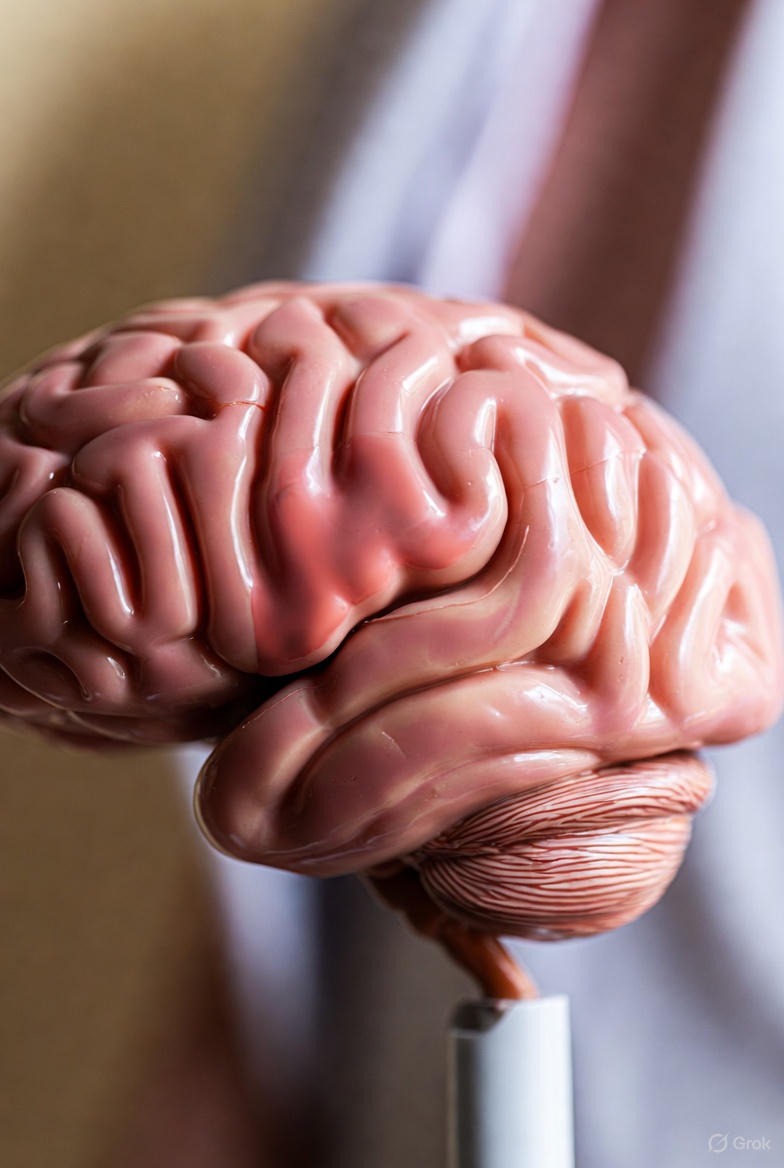
Deep within the temporal lobes of your brain, two almond-shaped clusters of neurons—one in each hemisphere—stand as perpetual sentinels. This is the amygdala, your brain's fear headquarters and the central hub of your emotional alarm system. It does not think, reason, or contemplate nuance. Its sole, evolutionary mandate is to answer one primitive question with lightning speed: "Is this a threat?"
To perform this life-preserving duty, the amygdala operates on a fast, dirty, and highly efficient processing pathway. When sensory information from your eyes, ears, or skin enters the brain, it travels along two parallel routes. The "low road" is a direct, superhighway to the amygdala. This pathway bypasses the conscious, analytical parts of your brain entirely, delivering a raw, unfiltered signal. The "high road" sends the same information to the sensory cortex and prefrontal cortex for detailed analysis and context—but this takes precious milliseconds longer.
In a true life-or-death situation—like jumping out of the way of a speeding car—the low road is your best friend. The amygdala receives the blur of movement and sound, instantly categorizes it as "DANGER," and activates a full-body alarm before you've even consciously registered what you saw. It's a brilliant, non-negotiable survival mechanism.
However, in our modern landscape, this same system is often activated by non-lethal threats: a critical email, a crowded room, or the thought of public speaking. The amygdala, a relic shaped by predators and physical peril, cannot distinguish between a saber-toothed tiger and a sinking feeling before a performance review. It treats both with the same biochemical urgency.
When the amygdala is activated, it doesn't just create a feeling of fear. It initiates a meticulously coordinated chemical and electrical cascade:
The Hyperactive Amygdala and Anxiety Disorders: Research using fMRI scans has consistently shown that individuals with anxiety disorders, such as Generalized Anxiety Disorder (GAD) or Panic Disorder, tend to have amygdalae that are both more reactive and slower to calm down after a perceived threat. It's as if the alarm's sensitivity is permanently turned up too high, and its "off" switch is faulty. This hyperactivity is not a character trait; it's a measurable neurological condition, often influenced by genetics, early life stress, or chronic exposure to anxiety-provoking situations.
Understanding the amygdala's role is foundational. It explains the involuntary, physical nature of anxiety—the pounding heart, the sweaty palms, the tunnel vision. These aren't "all in your head" in the dismissive sense; they are the direct, physical output of a specific brain region doing its job, albeit too zealously. To modulate this response, we must look to the brain's regulatory centers and the chemical messengers that facilitate this delicate dance between alarm and calm. This brings us to the master regulator often subdued by an overactive amygdala: the prefrontal cortex.
If the amygdala is the emotional gas pedal, the prefrontal cortex (PFC) is the brake, the steering wheel, and the navigation system all in one. Located directly behind your forehead, the PFC is the most evolutionarily advanced part of the human brain. It is the seat of executive function: planning, decision-making, impulse control, and—most critically for anxiety—emotional regulation and cognitive appraisal.
When functioning optimally, the PFC acts as a wise, deliberate commander for the amygdala's reactive soldier. It receives the amygdala's alarm signal and performs a rapid reality check. It accesses memories, considers context, and evaluates probabilities. "Is that sound a potential intruder, or just the house settling?" "Is my boss's terse email a sign of impending dismissal, or is she just having a busy day?" The PFC can then send inhibitory signals back to the amygdala, effectively saying, "Stand down. Threat assessment revised. No action needed."
This top-down control is mediated by a network of neural connections, with a key highway being the pathway between the ventromedial prefrontal cortex (vmPFC) and the amygdala. The strength and efficiency of this connection are paramount for emotional resilience.
When the Connection Falters: In states of acute and chronic anxiety, this critical circuitry breaks down. The neurochemical surge initiated by the amygdala—particularly involving cortisol and certain excitatory neurotransmitters—can actually impair the function of the PFC. High levels of cortisol have been shown to disrupt synaptic communication in the PFC, weakening its ability to focus, make decisions, and, crucially, regulate the amygdala.
This creates a vicious, self-reinforcing cycle:
This is why telling someone with severe anxiety to "just calm down" or "think rationally" is neurologically naive. Their very apparatus for rational thought is being chemically subdued. Effective interventions for anxiety, from cognitive behavioral therapy (CBT) to mindfulness, work in part by strengthening the PFC and its connections to the amygdala. CBT trains the PFC to identify and challenge catastrophic thought patterns (cognitive appraisal), while mindfulness meditation has been shown to increase gray matter density in the PFC and enhance its regulatory control.
The battle between the amygdala and the PFC is not fought in a vacuum. It is orchestrated and modulated by a cast of chemical messengers that tip the scales toward either alarm or calm. To truly understand the worry mechanism, we must meet these key players, starting with the central nervous system's most ubiquitous workhorse: glutamate.
While often overshadowed in popular discussions by neurotransmitters like serotonin, glutamate is the most abundant excitatory neurotransmitter in the vertebrate brain. It is the brain's primary "GO" signal. Approximately 40% of all neurons in the central nervous system are glutamatergic. Its role is fundamental: to facilitate learning, memory formation, neural plasticity, and, critically, the rapid relay of sensory information—including threat signals.
Think of glutamate as the electrical grid of your brain's alarm system. When a sensory neuron detects a potential threat, it releases glutamate into the synapse (the gap between neurons). This glutamate binds to receptors on the downstream neuron—most notably NMDA and AMPA receptors—causing it to fire and pass the signal along. This excitatory cascade is essential for the amygdala to receive and process threat information with the necessary speed.
The Double-Edged Sword of Excitation: In a balanced system, glutamate activity is tightly regulated. After transmitting its signal, it is quickly cleared from the synapse by special transporter cells. Problems arise, however, when there is excessive glutamate signaling or impaired clearance. This state, known as excitotoxicity, leads to overstimulation of neurons.
In the context of anxiety and chronic stress:
The relationship between glutamate and anxiety is a prime example of a necessary brain process becoming pathological when dysregulated. It's not that glutamate is "bad"; it is indispensable for life and learning. But in the over-stressed, anxiety-prone brain, this essential excitatory system can go into overdrive, essentially creating a state of constant, low-level neurological alarm that primes the brain for anxiety.
This excitatory storm, however, does not act alone. It is counterbalanced by the brain's primary inhibitory force, a neurotransmitter whose very name implies calm and control. To restore balance, we must now turn to GABA.
If glutamate is the brain's accelerator, then Gamma-Aminobutyric Acid (GABA) is its brake. As the chief inhibitory neurotransmitter in the central nervous system, GABA's fundamental role is to reduce neuronal excitability. It counteracts the firing of neurons, slowing down signals, creating calm, and preventing the electrical storms that can lead to seizures or, on a smaller scale, the uncontrolled cascade of anxiety.
When GABA is released from a neuron, it binds to GABA receptors on a neighboring neuron. This binding typically opens chloride channels, allowing negatively charged chloride ions to flow into the target neuron. This makes it more difficult for that neuron to generate an action potential (the electrical impulse that constitutes a neural signal), effectively dampening its activity and calming neural circuits.
In the anxiety circuitry, GABA's role is paramount:
The GABA Deficit Hypothesis of Anxiety: A substantial body of research points to reduced GABAergic activity as a key factor in anxiety disorders. Imaging studies have shown that people with panic disorder and GAD often have lower levels of GABA in certain brain regions. Furthermore, genetic variations affecting GABA receptor function have been linked to a higher risk for anxiety.
This deficiency creates a neurochemical imbalance. With insufficient GABAergic braking power, the excitatory force of glutamate goes unchecked. The amygdala's alarm signals face less resistance, and the PFC's regulatory capacity is undermined. The result is a nervous system that is perpetually idling too high, primed to overreact to minor stressors.
Understanding the glutamate-GABA balance is a cornerstone of the neurochemistry of anxiety. It's a literal yin and yang of brain function. Modern wellness approaches, including diet, supplementation (like L-theanine or magnesium), and practices like yoga and meditation, are believed to support a healthier balance by promoting GABAergic tone. But the chemical conversation of anxiety involves more than just these two primary players. A deeply influential modulator enters the scene, one that profoundly shapes our mood, rumination, and sense of wellbeing: serotonin.

Serotonin, or 5-hydroxytryptamine (5-HT), is arguably the most famous neurotransmitter in popular culture, synonymous with "happiness." This characterization, while oversimplified, points to a core truth: serotonin is a master modulator of a vast array of brain functions, including mood, appetite, sleep, cognition, and—fundamentally—emotional stability and behavioral inhibition.
Unlike glutamate and GABA, which are primarily fast-acting, "point-to-point" communicators, serotonin (and its fellow monoamine, norepinephrine) often acts more like a broadcast system. Serotonergic neurons, clustered primarily in the brainstem's raphe nuclei, send their axons throughout the entire brain, releasing serotonin to modulate the activity of entire neural networks. This allows it to tune the overall "volume" and "tone" of brain states.
In anxiety, serotonin's role is complex and multifaceted:
SSRIs and Beyond: The link between serotonin and anxiety is powerfully demonstrated by the effectiveness of Selective Serotonin Reuptake Inhibitors (SSRIs)—medications like sertraline (Zoloft) and escitalopram (Lexapro)—for treating anxiety disorders. By blocking the reuptake of serotonin into the releasing neuron, SSRIs make more serotonin available in the synaptic cleft, enhancing its modulatory signaling over time. This gradual increase is thought to promote neuroplastic changes that strengthen inhibitory circuits and improve emotional regulation.
It's crucial to understand that serotonin does not act in isolation. Its effects are deeply intertwined with other systems, particularly with the body's main stress hormone, which acts as a powerful orchestrator of the entire anxiety response: cortisol.
When the amygdala perceives a threat, it doesn't just trigger a local neural response; it activates a full-body hormonal cascade designed to mobilize energy and sharpen focus for survival. This is the work of the Hypothalamic-Pituitary-Adrenal (HPA) axis, and its primary chemical output is cortisol.
The sequence is a masterpiece of physiological coordination:
Cortisol is the body's primary glucocorticoid, a steroid hormone with wide-ranging effects:
In an acute, short-term stressor, this system is lifesaving. The cortisol surge peaks, helps you handle the crisis, and then—critically—negative feedback loops shut the system down. Cortisol itself signals the hypothalamus and pituitary to stop producing CRH and ACTH, returning the body to homeostasis.
When the Alarm Doesn't Silence: Chronic Stress and Anxiety The pathology in anxiety disorders often lies in a dysregulated HPA axis. Under chronic psychological stress—the kind defined by constant worry, social pressure, or financial insecurity—the HPA axis can become persistently activated or dysregulated in its shut-off mechanism.
This dysregulated cortisol directly feeds back into the brain's anxiety circuitry:
Understanding the HPA axis and cortisol is key to understanding why anxiety isn't just "in your head"—it's a whole-body endocrine event with profound effects on sleep, energy, immunity, and metabolism. Monitoring markers of this system, such as heart rate variability (HRV) which is inversely correlated with stress, can provide powerful external insights into this internal chemical symphony. Many users of advanced wellness technology, like the smart rings from Oxyzen, find that tracking HRV and sleep patterns offers an objective window into their HPA axis health and stress resilience, data you can explore in our blog's deep dives on physiological tracking.
But the brain's chemical story doesn't end with these primary players. A host of other influential modulators fine-tune our anxiety response, starting with a neurotransmitter that sharpens our attention to threat: norepinephrine.
Norepinephrine (NE), also known as noradrenaline, is the brain's primary chemical messenger for vigilance, arousal, and attention. Produced mainly in the locus coeruleus, a tiny cluster of neurons in the brainstem, NE projects its fibers throughout the entire brain, acting as a master alertness system. When released, it increases heart rate, blood pressure, and blood flow to muscles, while sharpening focus and heightening sensory awareness. In evolutionary terms, it's the chemical that makes you freeze, scan the environment, and prepare to fight or flee.
In the acute stress response, norepinephrine and its close relative epinephrine (adrenaline, released from the adrenal glands) are the first-wave chemicals that create the immediate, jolting sensations of anxiety—the surge of energy, the pounding heart, the hyper-alertness. They are the rapid responders, while cortisol provides the sustained energy.
In anxiety disorders, the norepinephrine system is often dysregulated:
The role of norepinephrine helps explain why anxiety is so physically energizing and mentally exhausting. It's not just a mood state; it's a state of heightened physiological and perceptual readiness that drains the body's resources. Medications that target the NE system, such as certain SNRIs (Serotonin-Norepinephrine Reuptake Inhibitors) or alpha-2 adrenergic agonists, work by modulating this alertness signal to reduce hyperarousal.
As we've seen, anxiety is orchestrated by a complex interplay of chemicals designed for survival. But how do these acute responses translate into the persistent, often debilitating condition of chronic anxiety? The answer lies in the brain's remarkable ability to change itself—a process called neuroplasticity, which can, under stress, forge pathways of worry.
The human brain is not a static organ. It is dynamic, constantly reshaping itself in response to experience—a property known as neuroplasticity. "Neurons that fire together, wire together." This famous Hebbian axiom is the foundation of learning and memory, but it also underlies the development of maladaptive anxiety pathways.
When you experience a stressful or fearful event, the intense activation of the amygdala-PFC-HPA axis, fueled by glutamate, cortisol, and norepinephrine, strengthens the synaptic connections along that specific neural pathway. This is fear conditioning. It's a useful adaptation if you're learning to avoid a genuinely dangerous situation. However, in chronic anxiety, this plastic process goes awry, reinforcing circuits of worry even in the absence of real danger.
Key Mechanisms of Anxiety-Related Neuroplasticity:
This plastic reshaping explains why anxiety can feel so entrenched and automatic. It's not just a chemical imbalance of the moment; it is a structural and functional remodeling of the brain's fear network. The worry mechanism becomes a well-worn, default pathway.
The Hope of Plasticity: The same property that allows anxiety to take root also provides the avenue for healing. The brain can be rewired toward resilience. Evidence-based interventions leverage positive neuroplasticity:
Understanding neuroplasticity transforms anxiety from a life sentence into a manageable condition. It empowers you with the knowledge that your daily thoughts, behaviors, and experiences are actively shaping your brain's architecture. This is a principle we embrace at Oxyzen, where our mission is to provide the precise, personalized data that helps you track the physiological impacts of your lifestyle and see the tangible effects of positive change. The journey of reshaping your brain's worry pathways is deeply personal, and it begins with a question that has puzzled both sufferers and scientists for decades: why are some of us more prone to this rewiring than others?
Not everyone exposed to stress develops a clinical anxiety disorder. This variation points to a critical underlying factor: individual predisposition, much of which is written into our biological blueprint through genetics and modified by life experience through epigenetics.
The Genetic Load: Anxiety disorders, like most mental health conditions, are polygenic—influenced by variations in many genes, each contributing a small amount of risk. Twin and family studies suggest that genetics account for approximately 30-40% of the risk for developing disorders like GAD or panic disorder.
Researchers have identified candidate genes related to the neurochemical systems we've discussed:
It's crucial to understand that having a genetic variant is not a diagnosis. It represents a potential vulnerability, a tendency for certain brain systems to react more strongly or recover more slowly. This genetic makeup forms the initial "hardware" of your worry mechanism.
Epigenetics: Where Experience Meets Biology: This is where the story becomes dynamic. Epigenetics refers to changes in gene expression (whether a gene is turned "on" or "off") without altering the underlying DNA sequence. These changes are driven by environmental factors—and they can be passed down to future generations.
Early life stress, trauma, chronic adversity, and even prenatal maternal stress can leave epigenetic marks on genes related to the HPA axis and stress response. For example:
This explains why two people with similar genetic vulnerabilities can have vastly different anxiety outcomes based on their life experiences. Epigenetics provides a biological mechanism for how "nurture" shapes "nature." The environment writes a chemical signature onto our genome, dialing the sensitivity of our anxiety circuitry up or down.
The Empowerment of Understanding: Knowing about genetic and epigenetic influences is not about fatalism. It’s about precision. It explains why some people may need to be more intentional about stress management, sleep hygiene, or cognitive training. It also highlights that the brain and its stress systems are shaped by experience, even experiences from our past or our ancestors' past. The hopeful corollary is that positive, enriching, and supportive experiences can also induce beneficial epigenetic changes and promote resilience. The lifestyle choices, therapies, and tools we use to manage anxiety today are actively participating in rewriting our epigenetic story for a calmer tomorrow.
Understanding your unique blueprint is the ultimate form of personalized wellness. It’s why a one-size-fits-all approach to mental wellbeing often falls short. This foundational knowledge of the neurochemistry, circuitry, and origins of anxiety sets the stage for the most important part of the journey: applying this science to cultivate a life of greater peace and resilience, a journey we will continue to explore. For those seeking to understand their own unique physiological patterns as a first step, reviewing frequently asked questions about biometric tracking can be an excellent starting point.
For centuries, we've used language that intuitively connected our gut to our emotions: "gut-wrenching fear," "butterflies in the stomach," "a visceral reaction." Modern neuroscience has revealed this is far more than metaphor. A vast, bidirectional communication network, known as the gut-brain axis, links your enteric nervous system (the complex network of neurons lining your gastrointestinal tract, often called the "second brain") directly to your central nervous system. This connection is a major, yet often overlooked, player in the neurochemistry of anxiety.
The primary communication channels of this axis are:
The Anxiety-Gut Cycle: This creates a self-perpetuating loop familiar to many with anxiety:
This explains why gastrointestinal disorders like Irritable Bowel Syndrome (IBS) have such a high comorbidity with anxiety disorders. It also highlights why dietary interventions, probiotics, and prebiotics are gaining traction as adjuncts to anxiety treatment. Nourishing a healthy gut microbiome is, in a very real sense, nourishing a calmer brain. Monitoring how your body's stress responses (like shifts in heart rate variability, which can be influenced by digestion) correlate with meals or digestive states can offer profound personal insights, a topic frequently explored by users sharing their experiences and results.
Understanding this axis moves us from a brain-centric view to a whole-body perspective on anxiety. But the body communicates through more than nerves and chemicals. Another profound, rhythmic signaler deeply entwined with our emotional state is our own circadian biology.
Your brain and body do not operate at a constant state. They follow roughly 24-hour cycles known as circadian rhythms, governed by a master clock—the suprachiasmatic nucleus (SCN) in the hypothalamus. This internal timekeeper regulates everything from hormone release and body temperature to sleep-wake cycles and, pertinently, emotional regulation and stress reactivity.
The synchronization of this internal clock with the external world (primarily through light exposure) is crucial for mental health. When this synchronization falters—a state known as circadian disruption—it directly fuels the machinery of anxiety.
How Circadian Rhythms Influence Anxiety Neurochemistry:
Modern Life as a Circadian Disruptor: Our environment is now engineered to dysregulate our natural rhythms:
This creates another vicious cycle: Anxiety disrupts sleep and circadian rhythms → Disrupted rhythms impair GABA function, elevate evening cortisol, and weaken the PFC → These neurochemical changes increase anxiety the next day → Repeat.
Mastering your circadian rhythm is therefore a non-negotiable pillar of managing anxiety. It's not just about "getting sleep"; it's about when you sleep, eat, see light, and manage stress. Harnessing data on your sleep stages, resting heart rate, and morning readiness—metrics that devices like smart rings track—can move this from guesswork to a precise science, allowing you to align your habits with your biology for a more resilient nervous system.
While our internal clocks and gut bacteria set the stage, the final, conscious layer of the anxiety experience is constructed by our thoughts. The next system we must examine is the cognitive engine that interprets threat and constructs worry: the brain's Default Mode Network.
When you're not focused on an external task—when you're daydreaming, reminiscing, or thinking about yourself—a specific, large-scale brain network activates. This is the Default Mode Network (DMN), involving hubs like the medial prefrontal cortex (mPFC), posterior cingulate cortex (PCC), and angular gyrus. The DMN is the seat of self-referential thought, mental time travel (to the past and future), and social cognition.
In a balanced state, the DMN allows for healthy introspection, creativity, and planning. However, in anxiety and depression, the DMN often becomes hyperactive and dysregulated. It transforms from a tool for reflection into a factory for worry.
The Anxious DMN: A System Gone Rogue
Neurochemistry Meets Network Dynamics: The dysregulated DMN doesn't operate in a vacuum. It is influenced by the very chemicals we've discussed:
This understanding reframes anxiety as a default state of the mind at rest. For someone with an anxiety disorder, idle moments are not peaceful; they are an invitation for the DMN to launch its worry program.
Quieting the Machine: Effective interventions directly target the DMN:
By recognizing that your "wandering mind" has a specific neural address—the DMN—you gain critical distance from its content. You can learn to observe its activity without being hijacked by it. This moves us from the realm of pure biology into the powerful intersection of mind and brain, where our conscious practices can reshape our neural hardware.
Having mapped the internal landscape—from amygdala to gut, from circadian clocks to the DMN—we now arrive at a pivotal juncture. Understanding the mechanism is the first step; the next is learning to intervene. We begin with the most foundational and powerful tool at our disposal for retuning our neurochemistry: breath.
Breathing is unique. It is the only automatic, life-sustaining bodily function that we can also consciously control with ease. This dual nature makes it a master key to the autonomic nervous system (ANS)—the system that governs the fight-or-flight (sympathetic) and rest-and-digest (parasympathetic) branches. Every anxiety symptom we've explored—racing heart, tense muscles, scattered thoughts—is mediated by an ANS skewed toward sympathetic dominance. Conscious breathing is our most direct lever to restore balance.
The Neurophysiology of a Calm Breath:
When you take a slow, deep, diaphragmatic breath, you stimulate stretch receptors in the lungs. These send signals via the vagus nerve to the brainstem, which then:
Specific Breathing Techniques and Their Targets:
Breathing doesn't just calm the body; it changes the brain. Studies show consistent breathwork:
This makes breathwork not a placebo or "just relaxation," but a direct, evidence-based neuromodulation technique. It is a way to manually dial down the amygdala's alarm and dial up the PFC's control in real-time. For those tracking their physiology, observing how a five-minute breathing session can immediately elevate a depressed HRV score is a powerful, tangible reinforcement of this mind-body connection, a practice often highlighted in our blog's wellness guides.
Breath is the gateway intervention, demonstrating we have agency. But to create lasting change, we must build upon this foundation with targeted lifestyle modifications that support the anxious brain's unique needs, starting with the cornerstone of all neurochemical repair: sleep.

If anxiety is a state of hyper-arousal and synaptic over-potentiation in fear circuits, then sleep is its essential antithesis. Sleep is not passive downtime; it is an active, highly orchestrated neurological maintenance period. For the anxious brain, achieving quality sleep is arguably the single most effective therapeutic intervention.
Sleep's Multifaceted Role in Anxiety Regulation:
1. GABA and Glutamate Rebalancing: During deep, slow-wave sleep (N3), the brain undergoes a crucial shift. Glutamatergic activity decreases, while GABAergic inhibition increases systemically. This acts as a global reset for over-excited neural circuits, including those in the amygdala. Chronic sleep deprivation directly leads to a relative deficit in GABA and an excess of glutamate, recreating the exact neurochemical imbalance of anxiety.
2. Prefrontal Cortex Restoration: The PFC is metabolically expensive and accumulates "neurotoxic waste products" like beta-amyloid during waking hours. Deep sleep clears these metabolites and restores energetic resources. Without it, the PFC is functionally impaired the next day, leaving the amygdala less regulated.
3. Emotional Memory Processing: Sleep, particularly REM sleep, is when the brain processes and contextualizes emotional memories. The hippocampus replays the day's events and communicates with the amygdala and prefrontal cortex, effectively "detoxifying" emotional experiences by stripping away the raw affective charge while retaining the factual memory. This process, called memory consolidation, is critical for fear extinction—learning that a previously feared stimulus is now safe. Disrupted sleep halts this emotional digestion, leaving fears raw and unintegrated.
4. HPA Axis Regulation: A full night of quality sleep helps normalize the diurnal cortisol rhythm. It ensures a robust cortisol awakening response for morning alertness and a sufficient drop in cortisol in the evening to permit sleep onset. Poor sleep creates a flat, dysregulated rhythm that perpetuates anxiety.
The Vicious Cycle of Anxiety and Insomnia: This creates perhaps the most pernicious loop in anxiety disorders:
Anxiety → Hyperarousal, racing DMN thoughts, high nighttime cortisol → Difficulty falling/staying asleep, reduced deep sleep → Impaired GABA, exhausted PFC, unprocessed fears, dysregulated HPA axis → Heightened anxiety and stress reactivity the following day.
Breaking the Cycle: Sleep Hygiene as Neurology: "Sleep hygiene" is often presented as bland advice. Framed through neurochemistry, it becomes a critical protocol for neurological repair.
Prioritizing sleep is not indulgence; it is active treatment. Tracking objective sleep data—not just duration, but the balance of light, deep, and REM sleep—provides invaluable feedback. It allows you to see the direct impact of a stressful day on your sleep architecture or the positive effect of a wind-down routine on your deep sleep percentage, making abstract advice concrete and personal. This kind of personalized feedback loop is at the heart of the journey we've chronicled in our story of developing actionable wellness insights.
With sleep and breath as our foundation, we can now turn to the active, waking-day strategies that fortify the brain against anxiety: the potent combination of movement and nourishment.
The brain is an organ, and like any organ, its structure and function are profoundly influenced by what we do with our bodies and what we put into them. Exercise and diet are not alternative therapies; they are fundamental modulators of the neurochemical systems underlying anxiety.
Physical exercise is one of the most potent, evidence-based anti-anxiety interventions available. Its effects are systemic and transformative:
The type matters less than consistency. Even daily brisk walking has measurable benefits. The goal is to use movement not as punishment, but as a daily dose of neurochemical and neurostructural repair.
Every molecule of neurotransmitter is built from nutrients we consume. A brain running on poor fuel cannot manufacture the chemicals of calm effectively.
This isn't about a single "anxiety-reducing" superfood. It's about adopting a dietary pattern—such as a Mediterranean-style diet—that provides a steady, rich supply of the raw materials the brain needs to build resilience, quell inflammation, and maintain balanced neurotransmitter systems.
Together, consistent movement and mindful nourishment create a physiological environment where the brain's natural anti-anxiety mechanisms can thrive. They are the slow, steady, and powerful forces that reshape your neurobiological terrain from the ground up. With this strong foundation in place, we can then employ more precise, cognitive tools to manage the thought patterns that anxiety generates, completing our toolkit for mastery.
The neurochemical storms and hyperactive circuits we've explored manifest in our conscious experience as a relentless stream of thoughts: catastrophic predictions, harsh self-critiques, and paralyzing "what-ifs." While these thoughts feel like undeniable truths in the moment, they are often distortions—cognitive glitches generated by an anxious brain. Cognitive Restructuring, the core component of Cognitive Behavioral Therapy (CBT), is the systematic process of identifying, challenging, and changing these maladaptive thought patterns. It is, in essence, conscious neuroplasticity for your thinking.
CBT is built on the understanding that thoughts, emotions, and behaviors are inextricably linked in a continuous feedback loop. You do not simply feel anxious; you feel anxious about something you're thinking. A triggering event (A) leads to an automatic thought (B), which then generates an emotional and behavioral consequence (C). In anxiety, this process is hijacked by cognitive distortions.
Common Cognitive Distortions in Anxiety:
These distortions are the language of an overactive amygdala and a dysregulated DMN. They are not rational assessments; they are threat-detection algorithms running on faulty data.
Cognitive restructuring teaches you to intervene at point "B"—the automatic thought. The process is forensic:
The Neurological Impact of Restructuring: This is not "positive thinking." It is accurate thinking. Each time you successfully challenge a catastrophic thought and replace it with a balanced one, you are performing two crucial neurological actions:
With practice, this process moves from a slow, written exercise to a rapid, internal skill. You begin to catch distortions in real-time, creating a space between stimulus and reaction—a space of choice. This is the empowerment of applied neurochemistry: using the conscious mind to reshape the subconscious processes driving anxiety.
While cognitive restructuring targets the content of thoughts, another powerful approach focuses on changing your relationship to those thoughts altogether. This leads us to the transformative practice of mindfulness.

If cognitive restructuring is about debating your anxious thoughts, mindfulness is about learning to stop believing you are your thoughts. It is the practice of paying attention to the present moment, on purpose, and without judgment. For anxiety—which is almost exclusively about the feared future or regretted past—this is a radical act. Mindfulness and its clinical offspring, Acceptance and Commitment Therapy (ACT), do not aim to eliminate anxiety. They aim to defuse its power by changing how you experience it.
The anxious mind creates a compelling fusion: "I am anxious" becomes "I am anxiety." Mindfulness introduces a critical separation: "I am experiencing anxiety." This shift from fusion to defusion is neurologically profound.
Key Mindfulness Practices for Anxiety:
Neuroimaging studies on long-term meditators reveal tangible changes in the anxiety circuitry:
Mindfulness, therefore, is not just a relaxation technique. It is a formal training regimen for your brain that directly reverses the structural and functional changes induced by chronic anxiety. It builds the neurological muscles of attention, emotional regulation, and present-moment awareness.
Acceptance and Commitment Therapy (ACT) takes mindfulness principles and applies them with a clear goal: psychological flexibility—the ability to feel what you feel, think what you think, and still choose actions aligned with your core values.
ACT posits that much of human suffering comes from experiential avoidance (trying to avoid or suppress unwanted thoughts and feelings) and cognitive fusion (being entangled with our thoughts). Its six core processes guide you to:
This last point is revolutionary. It moves the goalpost from "feeling less anxious" to "living a meaningful life, with anxiety as a sometimes passenger." You learn to say, "I am feeling very anxious about this social event, but connection is my value. Therefore, I will go, and make space for my anxiety to come along." This decouples your behavior from your emotional state, restoring a profound sense of agency.
Integrating these cognitive and mindfulness-based approaches creates a comprehensive mental toolkit. However, humans are not islands. Our neurochemistry is exquisitely sensitive to our social environment, which can be either a potent source of anxiety or its most powerful antidote.
From an evolutionary standpoint, social connection was synonymous with survival. Being ostracized from the tribe meant almost certain death. Consequently, our brains have developed powerful neurochemical systems that reward bonding and punish isolation. This "social brain" is deeply implicated in both the cause and cure of anxiety.
The brain processes social rejection and isolation using some of the same neural pathways as physical pain. The dorsal anterior cingulate cortex (dACC) and the anterior insula, regions involved in the distressing component of pain, light up when we experience social exclusion. Loneliness and perceived social threat are potent activators of the amygdala and the HPA axis.
Just as social threat triggers stress chemistry, genuine connection and support trigger a cascade of calming, rewarding neurotransmitters.
This isn't just about having a large number of friends. It's about the quality of connection. A few deep, secure, and supportive relationships are far more protective than a network of shallow acquaintances.
In our increasingly digital and often isolated world, intentionally cultivating real, face-to-face (or voice-to-voice) connection is a non-negotiable component of managing anxiety. It is a way of using our evolutionary social biology as medicine. This understanding of our social needs naturally extends to the environments we create and the tools we use within them. Our modern technological landscape presents unique challenges and opportunities for the anxious brain.
We live in a world of perpetual cognitive engagement. Smartphones, social media, constant notifications, and the 24/7 news cycle have created an environment that directly exploits and exacerbates the neurobiological vulnerabilities of the anxious brain. Understanding this impact is essential for crafting a conscious digital diet.
As previously discussed, the blue light emitted by screens suppresses melatonin production, directly disrupting the circadian rhythms essential for emotional stability. Evening screen time is a direct attack on the quality of deep sleep, impairing the GABA/glutamate rebalance and emotional memory processing the anxious brain desperately needs.
While often a culprit, technology also holds immense potential as part of the solution when used intentionally. This is the promise of the quantified self movement and biometric wearables.
This is where a device like a smart ring from Oxyzen transitions from a simple tracker to a personal neurofeedback tool. By providing continuous, passive biometric data, it helps you close the loop between your internal state, your behaviors, and their measurable physiological outcomes. It transforms abstract wellness advice into a personalized, data-driven journey, allowing you to experiment and see what truly works for your unique biology. For those curious about how this translates to real-world use, our FAQ section details the practical applications of this continuous insight.
The key is conscious, intentional use. Technology must be a servant, not a master. This involves setting digital boundaries (e.g., no-phone periods, notification curfews), curating your feed to reduce comparison, and using apps and devices that provide empowerment through data rather than anxiety through overload. By mastering our digital environment, we reclaim cognitive space and calm for our overstimulated brains.
Having equipped ourselves with knowledge and tools, the final challenge is integration. How do we weave these disparate strands—neurochemical understanding, cognitive skills, lifestyle habits, and tech insights—into a sustainable, personalized practice for lifelong resilience?
Understanding the universal neurochemistry of anxiety is empowering, but applying it is deeply personal. What quiets one person's amygdala may not resonate with another. Your genetic blueprint, life history, current stressors, and even your microbiome make your anxiety signature unique. Therefore, the final and most critical step is moving from general knowledge to a personalized protocol—a living, breathing set of practices that you iteratively refine based on what your mind and body tell you.
Think of building resilience as constructing a stable table. It needs multiple legs to stand firmly. Relying on only one (e.g., only medication, only exercise) creates wobble. A robust protocol integrates several pillars:
Your protocol is not a rigid set of rules. It is a dynamic process:
This process cultivates self-efficacy—the belief that you can influence your own state. This belief itself is anxiolytic. Each time you successfully use a breath technique to lower your heart rate, or see your HRV improve after a month of consistent meditation, you are providing your brain with concrete evidence that you are not powerless against anxiety.
Ultimately, the goal is not to eradicate anxiety—an impossible and counterproductive aim—but to build a nervous system that is resilient, adaptable, and responsive. It's about widening your "window of tolerance" so that life's inevitable stressors don't automatically trigger a neurochemical avalanche. It's about having a toolkit so robust that when anxiety visits, as it will, you can say, "I see you. I have a place for you. And you do not get to drive the car."
This journey from understanding to mastery is the most important work we can do for our wellbeing. It is a commitment to befriending your own biology and using every tool at your disposal—from ancient wisdom to cutting-edge technology—to craft a life of greater peace, purpose, and presence.
Your Trusted Sleep Advocate (Sleep Foundation — https://www.sleepfoundation.org/)
Discover a digital archive of scholarly articles (NIH — https://www.ncbi.nlm.nih.gov/
39 million citations for biomedical literature (PubMed — https://pubmed.ncbi.nlm.nih.gov/)
experts at Harvard Health Publishing covering a variety of health topics — https://www.health.harvard.edu/blog/)
Every life deserves world class care (Cleveland Clinic -
https://my.clevelandclinic.org/health)
Wearable technology and the future of predictive health monitoring. (MIT Technology Review — https://www.technologyreview.com/)
Dedicated to the well-being of all people and guided by science (World Health Organization — https://www.who.int/news-room/)
Psychological science and knowledge to benefit society and improve lives. (APA — https://www.apa.org/monitor/)
Cutting-edge insights on human longevity and peak performance
(Lifespan Research — https://www.lifespan.io/)
Global authority on exercise physiology, sports performance, and human recovery
(American College of Sports Medicine — https://www.acsm.org/)
Neuroscience-driven guidance for better focus, sleep, and mental clarity
(Stanford Human Performance Lab — https://humanperformance.stanford.edu/)
Evidence-based psychology and mind–body wellness resources
(Mayo Clinic — https://www.mayoclinic.org/healthy-lifestyle/)
Data-backed research on emotional wellbeing, stress biology, and resilience
(American Institute of Stress — https://www.stress.org/)


