


Heart Health Basics: The Metrics That Matter Most
The most important heart health metrics to understand.
The most important heart health metrics to understand.
%402x.svg)
In the quiet rhythm of your own body, a tireless muscle beats roughly 100,000 times a day, pushing life through 60,000 miles of intricate vascular pathways. This is your heart—the unceasing engine of your existence. Yet, for something so central to life, its health often remains an abstract concept until a problem forces it into sharp, alarming focus. For decades, understanding this vital system was relegated to the annual check-up, a fleeting snapshot of numbers we vaguely recognized as important but seldom felt equipped to manage daily.
Today, a seismic shift is underway. We are transitioning from passive patients to empowered guardians of our own well-being, thanks to a convergence of medical insight and personal technology. The era of waiting for a yearly report card is over. We now have the capability to understand the language of our cardiovascular system in real-time, to interpret the subtle whispers and rhythms that tell the story of our heart's health. This isn't about fostering anxiety over every heartbeat; it’s about cultivating awareness, the kind of profound, data-informed insight that enables true prevention and lasting vitality.
This comprehensive guide is your map to that new frontier. We will move beyond simplistic notions of "good" and "bad" numbers to explore the foundational metrics of heart health—what they are, why they are critically important, and how they interconnect to paint a holistic picture of your cardiovascular resilience. From the force of your blood pressure to the cadence of your pulse, from the quality of your sleep to your body's hidden stress signals, we will demystify the key indicators that modern medicine, and now modern technology, recognize as essential.
The journey to a healthier heart begins not with a dramatic overhaul, but with understanding. It starts by learning the metrics that matter most.
To appreciate the metrics, we must first understand the magnificent system they measure. Your heart is not merely a pump; it is a sophisticated, self-regulating organ system, a marvel of biological engineering that has evolved over millions of years to perform one of life's most essential tasks: circulation.
At its core, the heart's function is elegantly simple—to create pressure. With each contraction, it generates the force needed to propel oxygen-rich blood out through the aorta, the body's main arterial highway. This blood then travels through a branching network of arteries, delivering oxygen and nutrients to every cell, from the neurons in your brain to the fibers in your toes. The now oxygen-depleted blood returns via the veins, passing through the lungs to shed carbon dioxide and pick up a fresh load of oxygen, before re-entering the heart to begin the cycle anew. This complete circuit happens in under a minute, a constant loop of renewal that sustains your consciousness, movement, and very life.
The heart's structure is perfectly designed for this perpetual motion. Its four chambers—the right and left atria on top, and the right and left ventricles below—work in a precise, coordinated sequence. The right side handles the "used" blood, sending it to the lungs. The powerful left side, with its thick muscular wall, receives the re-oxygenated blood and launches it into systemic circulation. Four one-way valves act as gates, ensuring blood flows in the correct direction with a sound we recognize as the familiar "lub-dub" of a heartbeat.
But this engine does not run in a vacuum. It is exquisitely tuned by your autonomic nervous system, which has two primary settings: the gas pedal (sympathetic nervous system) and the brake (parasympathetic nervous system). When you need to spring into action or face a stressor, the sympathetic system revs your heart rate and increases contractility. When you rest, digest, or sleep, the parasympathetic system applies the brake, slowing the heart and promoting recovery. The balance between these two systems—your heart rate variability—is a profound indicator of your heart's adaptability and overall resilience, a metric we will explore in great depth.
Consider the story of Michael, a 42-year-old software developer. He considered himself healthy—he wasn't overweight and didn't have any dramatic symptoms. His only metric was a resting heart rate he’d occasionally check on a smartwatch, which seemed "normal." It was only when he began using a device that tracked more nuanced data, like heart rate variability and overnight resting heart rate, that he noticed a pattern: his recovery metrics were consistently poor after days of high stress and poor sleep. This data wasn't a diagnosis, but it was a clear, personalized insight that his "engine" was running too hot, even at rest, without adequate time to cool down. It was the prompt he needed to address his chronic stress and sleep hygiene, steps that likely preempted more serious issues down the road.
This is the power of moving from a basic to a sophisticated understanding. Your heart's health is a dynamic story, told through a symphony of interdependent metrics. It’s about more than just the number of beats per minute; it's about the rhythm, the force, the recovery, and the context. By learning to read this story, you transition from being a passenger in your body to becoming its skilled pilot. The following sections will equip you with the knowledge to do just that, turning abstract numbers into a clear, actionable picture of your cardiovascular well-being. For a deeper look at how modern technology is making this possible, you can discover how Oxyzen works to translate these complex biological signals into actionable insights.
If one metric has traditionally held the crown as the primary vital sign for heart health, it is blood pressure. Often reduced to two numbers on a cuff, its true significance lies in what it reveals about the constant, invisible force within your entire vascular system. Think of your arteries not as inert pipes, but as dynamic, living conduits with elastic walls. Blood pressure is the measure of the push of blood against those walls with each heartbeat and the resistance it meets as it travels.
The two numbers—systolic over diastolic (e.g., 120/80 mmHg)—tell two parts of a continuous story. The systolic pressure (the top number) is the peak force generated when the left ventricle contracts and ejects blood into the arteries. It's a direct reflection of your heart's pumping strength and the elasticity of your large arteries. The diastolic pressure (the bottom number) is the pressure that remains in the arteries when the heart is at rest, between beats. This pressure is maintained by the tone and resistance of your smaller peripheral arteries. Together, they create a waveform of pressure that pulses through your body approximately 100,000 times a day.
Why does this matter so profoundly? Chronically elevated blood pressure, or hypertension, is often called "the silent killer" for a reason. It does its damage quietly, over years. Excessive force against arterial walls causes microscopic tears. In response, your body patches these tears with plaques made of cholesterol, calcium, and other substances. This process, atherosclerosis, stiffens and narrows the arteries, forcing the heart to work even harder to push blood through, creating a vicious cycle of increasing pressure and damage. This relentless strain can lead to catastrophic events: heart attack, stroke, heart failure, and kidney disease.
The guidelines from leading health organizations paint a clear picture of risk:
But here’s the critical insight most people miss: blood pressure is not a static number. It is a river, not a pond. It fluctuates constantly—dipping during deep sleep, spiking during exercise or stress, varying from arm to arm, and even exhibiting a natural daily rhythm called "nocturnal dipping." A single reading at a doctor's office can be misleading, often elevated due to "white coat hypertension" (the anxiety of the clinical setting) or, conversely, not capturing dangerous spikes that occur at other times. This is why 24-hour ambulatory monitoring or frequent at-home tracking provides a far more accurate picture of your true cardiovascular load.
Managing blood pressure is the cornerstone of heart health prevention. While medication is essential for many, foundational lifestyle interventions have a monumental impact: adopting a diet rich in vegetables, fruits, and lean proteins while low in sodium and processed foods (the DASH diet is a gold standard); engaging in regular aerobic exercise, which makes blood vessels more flexible; managing stress through mindfulness or meditation; limiting alcohol; and maintaining a healthy weight. Each of these actions directly reduces the mechanical stress on your arterial walls.
In the new paradigm of continuous health monitoring, the future of blood pressure tracking is moving away from the bulky cuff. Emerging technologies, like the advanced photoplethysmography (PPG) sensors in some smart rings, are researching ways to infer pressure trends and vascular stiffness through pulse wave analysis. While not yet a replacement for clinical measurement, this kind of continuous vascular insight can highlight patterns—showing how your pressure responds to stress, a poor night's sleep, or a salty meal—empowering you with context no single reading can provide. To see how real users are integrating these insights into their daily lives, you can read authentic user experiences in our testimonials.
While blood pressure measures the force of your circulation, resting heart rate (RHR) measures its frequency at rest. Expressed in beats per minute (bpm), your RHR is the idling speed of your heart's engine when you are awake but completely at ease—not immediately after activity, stress, or caffeine consumption. It is a deceptively simple metric that serves as a powerful proxy for your cardiovascular fitness and autonomic nervous system balance.
A lower resting heart rate, within a healthy range, is generally a sign of a more efficient cardiovascular system. Think of a well-trained athlete: their heart muscle is strong and can eject a large volume of blood with each beat (a high stroke volume). Therefore, it doesn't need to beat as often to meet the body's resting oxygen demands. For the average adult, a RHR between 60 and 100 bpm is considered normal, but many cardiologists note that a rate consistently below 80 or even 70 is preferable for long-term health. Endurance athletes often have RHRs in the 40s or 50s.
Conversely, a chronically elevated resting heart rate can be a red flag. Studies have consistently linked a higher RHR to increased risks of cardiovascular events and mortality, independent of other factors. A persistently high idle speed suggests your heart is working harder than it needs to, which can be due to poor fitness, chronic stress, dehydration, illness, or underlying thyroid issues. It indicates your sympathetic nervous system (the "gas pedal") is overactive, keeping your body in a state of heightened readiness.
However, the raw number is just the beginning. The trend of your RHR is where the real personal insight lies. Tracking your RHR over time allows you to establish your personal baseline. Meaningful deviations from this baseline can be incredibly informative:
The most reliable time to capture your true RHR is during sleep, particularly during your deepest sleep stages, when external stimuli and conscious activity are absent. This is where wearable technology shines. A device worn overnight can pinpoint your lowest, most accurate resting rate, eliminating the guesswork and variability of daytime spot checks. Observing how your nocturnal RHR changes in response to your lifestyle choices—a week of consistent exercise versus a week of poor sleep and high stress—provines direct, personal feedback on how your behavior affects your most vital organ.
Take, for example, Maya, a teacher who started tracking her sleep and RHR with a smart ring. She noticed that on Sundays, after a weekend of socializing that included a glass of wine or two, her overnight RHR was consistently 5-7 bpm higher than her weekday average. She also felt more groggy on Monday mornings. This data connection helped her understand the direct physiological impact of even moderate alcohol consumption on her system's ability to rest and recover, leading her to make more mindful weekend choices.
Monitoring your resting heart rate transforms it from a static number into a dynamic conversation with your body. It is a foundational metric that, when tracked consistently, teaches you the conditions under which your heart thrives and flags the times when it is under duress, offering you the chance to intervene long before more serious symptoms arise. For more insights on optimizing recovery and other wellness metrics, explore our blog for more wellness tips.

If resting heart rate is the idle speed of your engine, then Heart Rate Variability (HRV) is the sophistication of its transmission and control systems. This is arguably the most important—and most misunderstood—advanced metric in modern physiological monitoring. Contrary to what the name might imply, a higher HRV is generally better. It is not about arrhythmia; it is a sign of a healthy, resilient, and adaptable heart and nervous system.
In simplest terms, HRV is the measure of the subtle variations in the time interval between consecutive heartbeats, measured in milliseconds. If your heart beat exactly once every second (60 bpm), it would have zero variability—a rigid, metronome-like rhythm that is actually a sign of severe illness or extreme stress. A healthy heart, under the balanced influence of the autonomic nervous system, has a dynamic, constantly changing rhythm. The time between one beat and the next might be 1.03 seconds, then 0.98 seconds, then 1.05 seconds. These tiny fluctuations are the signature of life and adaptability.
HRV is the direct output of the tug-of-war between your sympathetic ("fight or flight") and parasympathetic ("rest and digest") nervous systems. When you are calm, recovered, and healthy, your parasympathetic system has a strong influence, introducing subtle, high-frequency brakes and accelerations to your heart rate, primarily linked to your breathing (this is called respiratory sinus arrhythmia). This results in a higher HRV. When you are stressed, sick, or fatigued, the sympathetic system dominates, producing a more uniform, rigid heart rate pattern and a lower HRV.
Therefore, your HRV score is a profound biomarker for:
Tracking HRV requires sensitive technology, like the PPG or ECG sensors found in advanced wearables. Unlike RHR or blood pressure, there is no universal "good" number for HRV. It is highly individual, influenced by age, genetics, fitness, and even gender. The paramount importance lies in establishing your own personal baseline and observing the trends. A sudden, sustained drop in your HRV from your personal norm is a clear signal from your body that something is amiss—be it an oncoming cold, excessive training load, emotional stress, or poor sleep.
Integrating HRV awareness into your life is a practice in listening to your body's whispers. For instance, if you wake up and see your HRV is significantly lower than usual, it might be a day to prioritize gentle movement, hydration, and stress management instead of an intense workout. It’s a tool for periodization—knowing when to push and when to pull back—which is the cornerstone of sustainable progress in both fitness and health.
The story of David, a competitive amateur cyclist, illustrates this perfectly. He used to follow a rigid training schedule. Some days he felt great and set personal records; other days he felt sluggish and would "fail" his workout, leading to frustration. Once he began tracking his HRV, he saw a pattern: his performance peaks directly correlated with days his HRV was high, and his struggles came after nights of low HRV. He switched to a HRV-guided training plan, pushing hard on high-HRV days and taking active recovery days when his HRV was low. His performance, consistency, and overall energy levels improved dramatically. He wasn't training less; he was training smarter, in harmony with his body's readiness.
By paying attention to HRV, you move beyond just tracking your heart's activity and begin monitoring its responsiveness and capacity. It is the golden metric that connects the physical heart to the nervous system, offering a window into your body's total load and its readiness to perform, making it an indispensable tool for anyone seeking to optimize their wellness and longevity. To understand the science and intent behind developing such nuanced tracking, you can learn about our brand journey and vision on our story page.
Every beat of your heart, every breath you take, serves one paramount physiological mission: to deliver oxygen (O₂) to your tissues. Oxygen saturation, often called SpO₂, is the report card on how well that mission is being accomplished. It measures the percentage of your hemoglobin—the protein in red blood cells that carries oxygen—that is currently saturated with oxygen. In a healthy individual at sea level, this number should consistently be between 95% and 100%.
This metric is the vital link between your respiratory and circulatory systems. You breathe in oxygen through your lungs, where it binds to hemoglobin in the tiny capillaries surrounding the air sacs (alveoli). Your heart then pumps this oxygen-rich blood throughout your body. At the tissue level, oxygen detaches from the hemoglobin to fuel cellular metabolism, the process that creates energy (ATP). The now oxygen-poor blood returns to the heart and lungs to be re-saturated. A drop in SpO₂ indicates a breakdown somewhere in this elegant delivery chain.
While famously used to monitor respiratory conditions like COPD, asthma, and, more recently, COVID-19, SpO₂'s relevance to overall heart health is profound. Chronic, low-grade dips in oxygen saturation, especially during sleep, place significant strain on the cardiovascular system. The most common cause is sleep apnea, a condition characterized by repeated pauses in breathing throughout the night. Each apnea event causes a drop in blood oxygen, triggering a stress response: your brain briefly wakes you (often without conscious awareness) to restart breathing, your heart rate spikes, and your blood pressure surges. This cycle can repeat hundreds of times a night, leading to chronic inflammation, endothelial dysfunction (damage to blood vessel linings), and a dramatically increased risk of hypertension, atrial fibrillation, heart failure, and stroke.
This is why monitoring nocturnal SpO₂ has become a critical component of preventive cardiology. It's no longer just about feeling rested in the morning; it's about protecting your heart from the silent, cyclical stress of oxygen deprivation. Symptoms like loud snoring, witnessed breathing pauses, and excessive daytime sleepiness are strong indicators, but many people with sleep apnea, especially those who are not overweight, may be unaware they have it. Nocturnal SpO₂ tracking can provide the first objective clue.
Beyond sleep apnea, SpO₂ is a key metric for anyone engaging in endurance sports or living at altitude. Athletes monitor it to understand their acclimatization to high elevation and to gauge recovery. A lower-than-baseline SpO₂ reading during the day at rest can also be a sign of respiratory infection, lung issues, or anemia.
Modern wearable technology has made tracking SpO₂ trends accessible. While medical-grade pulse oximeters are required for absolute clinical diagnosis, the trends recorded by a capable smart ring or watch are exceptionally valuable for spotting patterns. Seeing a pattern of frequent, even minor, dips in your overnight SpO₂ is a powerful impetus to seek a formal sleep study. It turns an invisible, insidious risk factor into a visible data pattern you can act upon.
Consider the case of Robert, a 55-year-old who considered himself a "healthy snorer." He tracked his sleep with a device that included SpO₂ monitoring and was surprised to see his oxygen levels dipping into the high 80s multiple times per hour, with clear correlations to spikes in his heart rate. This data gave him the evidence he needed to consult his doctor. A subsequent sleep study diagnosed moderate obstructive sleep apnea. With treatment (a CPAP machine), his overnight SpO₂ stabilized at 97-98%, his morning resting heart rate dropped, his blood pressure improved, and his decades-long daytime fatigue vanished. He addressed a major cardiac risk factor by first understanding this one key metric.
Oxygen saturation completes the picture. We have the force (blood pressure), the frequency (heart rate), the adaptability (HRV), and now the outcome: is the system effectively delivering its most crucial cargo? By ensuring your SpO₂ remains robust, especially during the restorative period of sleep, you safeguard the very purpose of your cardiovascular system.
Understanding individual metrics is the first step, but true mastery of heart health literacy comes from seeing how these vital signs interact in a dynamic, living system. Blood pressure, resting heart rate, and heart rate variability are not isolated data points; they are in constant conversation, influencing and reflecting each other to paint a cohesive picture of your cardiovascular state. We can think of them as a trinity, where a change in one almost always elicits a change in the others.
The Pressure-Frequency Relationship: There's a fundamental link between heart rate and blood pressure. When your heart rate increases—say, due to stress or exercise—your cardiac output (the volume of blood pumped per minute) generally increases. This can lead to a rise in systolic blood pressure. Conversely, a consistently high resting heart rate often coexists with hypertension; both are markers of a stressed, overactive sympathetic nervous system. Interventions like aerobic exercise beautifully improve both: they lower RHR by increasing stroke volume and lower blood pressure by improving arterial elasticity.
HRV: The Orchestrator of Balance: Heart Rate Variability is the key that modulates this relationship. High HRV indicates a strong parasympathetic tone, which acts as a buffer. It helps to lower RHR and promotes vasodilation (relaxation of blood vessels), which can help moderate blood pressure. When you are stressed and your HRV drops, the sympathetic system takes over, leading to a higher RHR and vasoconstriction (tightening of blood vessels), which increases blood pressure. Therefore, a low HRV is often the canary in the coal mine, predicting unfavorable shifts in both RHR and blood pressure.
A Real-World Scenario: The Stress Response
Imagine a demanding work deadline. Your body perceives this as a threat, activating the sympathetic nervous system.
Now, imagine you have developed resilience through mindfulness practices and good sleep hygiene. Faced with the same deadline:
This scenario illustrates that improving one metric—often starting with HRV through stress management and recovery practices—can have a cascading positive effect on the entire system.
The Overnight Symphony: Sleep is when this trinity should harmonize perfectly to facilitate recovery. As you enter deep sleep:
If you track these metrics simultaneously, you can see this symphony in action—or spot the discord. A night of poor sleep might show a higher-than-normal overnight RHR, a low HRV, and a less pronounced blood pressure dip. This holistic view is infinitely more valuable than any single number in isolation.
By learning to interpret the cardiovascular trinity, you move from reading individual notes to understanding the entire musical score of your heart's health. This integrated awareness allows you to make more nuanced lifestyle choices, recognizing that a morning meditation might improve your HRV, which in turn helps regulate your RHR and blood pressure throughout a stressful day. It is the foundation of a truly proactive, systems-based approach to wellness, where technology provides the data, and you become the expert interpreter of your own body's language. For answers to common questions about how these metrics are tracked and interpreted, our comprehensive FAQ provides detailed support.

We often think of health in terms of active pursuits: the food we eat, the miles we run, the weights we lift. Yet, one of the most powerful pillars of heart health is a passive state: sleep. This is not mere downtime; it is an intensive, mandatory maintenance period for your cardiovascular system. During quality sleep, your body executes repair processes that are impossible to replicate during waking hours, making sleep metrics not just about fatigue, but about direct cardiac risk mitigation.
The connection between poor sleep and heart disease is robust and alarming. Chronic short sleep (less than 7 hours per night for adults) and disordered sleep (like apnea) are linked to hypertension, coronary artery disease, diabetes, obesity, and stroke. The reasons are multifaceted and physiological, not just correlative.
First, during deep sleep (Slow-Wave Sleep), your body enters a state of pronounced parasympathetic dominance. This is when your heart gets its deepest rest: your RHR hits its lowest point, your HRV is often at its highest, and your blood pressure dips. Growth hormone is released, facilitating tissue repair and cellular regeneration, including within the blood vessels and heart itself. Skimping on deep sleep robs your heart of this essential recovery window.
Second, sleep regulates critical hormones that directly impact heart health. Cortisol, the stress hormone, follows a diurnal rhythm, dropping to its lowest point around midnight. Poor or fragmented sleep disrupts this rhythm, leading to elevated nighttime cortisol, which contributes to insulin resistance, inflammation, and hypertension. Simultaneously, sleep deprivation disrupts leptin and ghrelin, the hormones that control satiety and hunger, often leading to weight gain—a major cardiac risk factor.
Third, as discussed, sleep-disordered breathing like apnea causes intermittent hypoxia (low oxygen) and triggers repeated sympathetic nervous system activations. This one-two punch of oxygen deprivation and stress-response surges is catastrophically inflammatory and damaging to the endothelium.
Therefore, tracking sleep is tracking a primary determinant of heart health. Key metrics include:
Modern sleep tracking technology provides unprecedented insight into these patterns. It can show you not just how long you slept, but how well you cycled through restorative stages, how restful your night truly was, and how your sleep architecture impacts your morning physiology (like RHR and HRV).
Let’s revisit Maya, the teacher. By correlating her sleep data with her RHR and HRV, she saw that on nights she got less than 6.5 hours of sleep with low deep sleep percentage, her morning HRV was in the 20s (low for her) and her RHR was 68 bpm (high for her). On nights she prioritized a wind-down routine and slept 7.5+ hours with good deep sleep, her morning HRV jumped to the 40s and her RHR was a cool 58 bpm. The data made the cause-and-effect undeniable, turning "I should get more sleep" from a vague good intention into a non-negotiable pillar of her heart health strategy, based on her personal, quantifiable response.
Prioritizing sleep is the ultimate leverage point. It enhances every other positive intervention—improving your body's response to exercise, stabilizing your appetite for healthier eating, and boosting your resilience to stress. In the quest for heart health, the bedroom is as important as the gym or the kitchen.
Physical activity is the most potent, evidence-based medicine for the prevention and management of cardiovascular disease. It strengthens the heart muscle, improves the efficiency of the entire circulatory system, reduces blood pressure, improves lipid profiles, aids in weight management, and enhances insulin sensitivity. Yet, exercise is a deliberate, acute stressor. The magic lies in the dose and the recovery—the balance between the beneficial strain of the workout and the subsequent adaptive strengthening that occurs during rest. This is where monitoring moves from counting steps to understanding physiological impact.
The old paradigm of "10,000 steps" or "30 minutes a day" is a good starting point for general health, but for optimizing heart health, we need deeper metrics. The heart responds specifically to the intensity and volume of training.
This brings us to the critical concept: Exercise is the stimulus; recovery is when the adaptation occurs. If you constantly apply the stimulus without adequate recovery, you move from a state of positive adaptation (eustress) to negative breakdown (distress). This is where your heart metrics become your essential guide.
Using Metrics to Guide Training:
The story of David, the cyclist using HRV, is a perfect example of this balanced approach. But consider also Elena, a 38-year-old who started a running program. She was frustrated that her pace wasn't improving despite consistent effort. By tracking her heart rate, she realized she was running all her easy runs too fast (in high Zone 3), never truly recovering, and never having enough in the tank for a quality speed session. She used her heart rate data to slow down her easy runs, keeping them firmly in Zone 2. Within two months, her Zone 2 pace had increased, her RHR had dropped, and she was able to perform better in her weekly interval session. She was training her heart's efficiency, not just her legs.
Activity tracking, therefore, evolves from a simple pedometer to a sophisticated coaching system. It answers the crucial questions: Was that workout effective? Was it too hard? Has my body adapted? Am I recovered enough for the next one? By listening to the data from your heart during and after exercise, you can ensure that your active life is building a stronger, more resilient cardiovascular system, not inadvertently wearing it down.
For centuries, the connection between a "broken heart" and physical decline was poetic metaphor. Modern psychoneuroimmunology has revealed it to be precise physiology. Emotional and psychological stress is not just a feeling; it is a cascade of biochemical events that have direct, measurable, and often damaging effects on the heart. The mind-heart connection is arguably the most overlooked, yet most pervasive, factor in cardiovascular health.
When you experience stress—whether from a looming deadline, a financial worry, or chronic anxiety—your brain's amygdala sounds the alarm. It triggers the hypothalamic-pituitary-adrenal (HPA) axis, leading to the release of cortisol and adrenaline. This is the classic "fight or flight" response, designed for short-term survival. The problem in our modern world is that this response is often chronically activated by non-life-threatening, persistent stressors.
The cardiovascular impact of this chronic activation is profound:
Crucially, your body cannot distinguish between physical and psychological stress. A tough workout and a tough argument can elicit a similar sympathetic nervous system response: elevated heart rate, increased blood pressure, and a drop in HRV. The key difference is that after the workout, you (ideally) rest and recover. After the argument, you might ruminate, keeping the stress response simmering for hours or days.
This is where biometrics become a bridge between the subjective feeling of stress and its objective physiological footprint. You may feel you're handling stress well, but your body's metrics may tell a different story.
Tracking these metrics provides biofeedback. It turns the invisible, insidious effects of stress into visible data. Seeing your HRV plummet after a difficult meeting, or your sleep-derived RHR creep up during a taxing project week, creates a moment of awareness. It objectifies the experience, allowing you to say, "This situation is having a real, quantifiable impact on my heart. I need to intervene."
Effective stress management, therefore, is not a luxury for mental well-being; it is a core prescription for heart health. Practices that increase parasympathetic activity are directly cardioprotective:
By monitoring your heart's response to your daily life, you can identify your personal stress triggers and measure the efficacy of your management techniques. You learn which practices truly calm your nervous system and which situations are most taxing. This empowers you to build a lifestyle that not only feels calmer but is provably, physiologically safer for your heart. It completes the holistic picture: a healthy heart requires not just a healthy body, but a managed mind. For more resources on building a resilient lifestyle, our blog offers a wealth of related articles on managing stress and wellness.
While we often picture heart disease as a problem originating within the chest, its roots frequently extend deep into the body's metabolism and composition. The interplay between body fat, muscle mass, blood sugar, and lipids forms a complex biochemical environment that either supports or relentlessly attacks the cardiovascular system. Understanding this connection moves heart health from a purely mechanical model (the pump and the pipes) to a metabolic one, where every cell's energy management impacts the whole.
The central villain in this story is often visceral adipose tissue (VAT)—not the subcutaneous fat you can pinch, but the deep, bioactive fat that surrounds your internal organs. This fat is not an inert storage depot; it is an endocrine organ that pumps out inflammatory cytokines (like TNF-alpha and IL-6), releases free fatty acids into the bloodstream, and contributes to insulin resistance. This creates a state of chronic, low-grade inflammation that damages the endothelial lining of arteries, promotes the oxidation of LDL cholesterol (making it more likely to form plaque), and increases the risk of thrombosis. A person can have a "normal" BMI yet carry dangerous levels of this inflammatory visceral fat—a condition known as "normal-weight obesity" or "TOFI" (Thin Outside, Fat Inside).
This leads directly to the cornerstone of metabolic heart risk: Insulin Resistance. When cells become resistant to insulin, the pancreas must produce more and more of it to usher glucose out of the bloodstream. Elevated insulin levels (hyperinsulinemia) have direct negative effects: they increase sodium retention (raising blood pressure), stimulate the sympathetic nervous system, promote vascular smooth muscle growth, and exacerbate dyslipidemia. The resulting elevated blood glucose itself is also damaging, glycating proteins and contributing to arterial stiffness. Thus, metrics of blood sugar control—like fasting glucose, hemoglobin A1c (a 3-month average), and even continuous glucose monitor (CGM) trends—are direct windows into a process that erodes cardiovascular health long before a diabetes diagnosis.
Closely tied to this is the blood lipid profile, which has evolved beyond just "good" and "bad" cholesterol. Key metrics include:
The powerful antidote to this metabolic dysfunction is skeletal muscle. Muscle is not just for movement; it is your body's largest metabolic organ. It is a primary site for glucose disposal (acting as a "sink" for blood sugar), it burns fat for fuel at rest, and it secretes beneficial myokines that combat inflammation. Increasing muscle mass and strength is therefore one of the most potent strategies for improving all the metabolic metrics above. It lowers visceral fat, improves insulin sensitivity, lowers triglycerides, and can improve blood pressure.
This creates a new, holistic framework for action. The goal shifts from simple weight loss to body composition improvement: reducing visceral fat and increasing or preserving lean muscle mass. Strategies must combine:
Biometric technology is beginning to bridge this gap. While smart rings don't measure blood glucose or lipids directly, they provide powerful proxy data. Resting Heart Rate and HRV are acutely sensitive to metabolic strain—a high-glycemic meal or a night of poor sleep that spikes cortisol will often manifest in worsened recovery metrics. Heart rate during exercise can indicate fitness level, a major determinant of metabolic health. Furthermore, tracking how your body responds to different foods and activities—noting, for instance, that your sleep HRV plummets after a late, heavy meal—provides personalized feedback on what "metabolic health" means for your unique physiology.
Take the case of Ben, a 48-year-old with "borderline" blood work (slightly elevated triglycerides, fasting glucose creeping up). He was not overweight but had a soft midsection. He started strength training three days a week while using a smart ring to track recovery. He noticed a clear pattern: on days after strength sessions where he prioritized protein, his overnight HRV was higher and his morning RHR was lower. When he indulged in a sugary dessert, his sleep was more restless and his recovery scores suffered. This biofeedback loop reinforced his new habits not as a diet, but as a system for metabolic optimization. Over six months, his waist circumference shrank, his energy soared, and his follow-up blood work showed marked improvement—all guided by the daily data from his heart.
By focusing on body composition and the metabolic health it reflects, you address the foundational chemistry that dictates the long-term health of your arteries. It is a powerful reminder that heart health is built as much in the kitchen and the weight room as it is managed in the doctor's office.
Your heart does not beat at a constant tempo. It follows a sophisticated, innate 24-hour rhythm known as the circadian rhythm, governed by a master "clock" in the brain's suprachiasmatic nucleus (SCN) and peripheral clocks in virtually every organ, including the heart itself. This rhythm is not a passive response to sleep and wakefulness; it is an active, genetically programmed conductor that orchestrates nearly every aspect of cardiovascular function. Disrupting this rhythm—through irregular sleep schedules, nighttime light exposure, or shift work—is not merely inconvenient; it is a direct assault on heart health.
The circadian influence is profound and predictable in a healthy system:
When your external lifestyle clashes with this internal biological timetable, you create circadian misalignment. This is the state where your behaviors (eating, sleeping, being active) are out of sync with your body's prepared metabolic and cardiovascular state. Chronic misalignment, seen in shift workers, frequent flyers crossing time zones, or even "social jet lag" (staying up late and sleeping in on weekends), is linked to:
Light is the primary "zeitgeber" (time-giver) for the master clock. Exposure to bright, blue-rich light in the morning signals the SCN to suppress melatonin and promote cortisol release, aligning the body with the day. Conversely, exposure to artificial light at night—especially from screens—delays melatonin production, blunts the nocturnal dip in blood pressure and heart rate, and signals to the peripheral clocks in the heart and liver that it's still "daytime," disrupting their local rhythms.
Therefore, respecting your circadian rhythm is a potent, non-pharmacological cardioprotective strategy. Key practices include:
Modern wearables are exceptional tools for visualizing your personal circadian rhythm. They don't just track sleep; they track the timing and quality of your rest in the context of your 24-hour cycle. They can show you if your sleep is consistently misaligned (e.g., going to bed at 11 p.m. one night and 2 a.m. the next), and how that instability correlates with poor recovery metrics (high RHR, low HRV). They can help you see the direct impact of a late-night work session or a weekend of social jet lag on your heart's physiology.
Consider Anya, a graphic designer who worked from home with a flexible schedule. She felt tired but attributed it to her workload. Her wearable data revealed a chaotic pattern: her sleep onset varied by over 3 hours each night, and her "biological night" (as indicated by consistent low heart rate) was often shifted. Consequently, her HRV was chronically low, and her resting heart rate trended higher than expected. By using the data to enforce a consistent bedtime and wake time—and using morning light exposure—she saw her sleep quality scores stabilize, her HRV rise, and her energy levels improve within two weeks. She wasn't just getting more sleep; she was getting it at the right time, allowing her heart to follow its natural, restorative rhythm.
By aligning your lifestyle with your circadian biology, you allow your cardiovascular system to perform its daily functions with optimal efficiency and minimal stress. You are not fighting against your own physiology but working with it, turning time itself into an ally for your heart's health. For a deeper understanding of the philosophy behind designing technology that respects human biology, you can explore our company mission and values on the about us page.

We have journeyed through the core metrics that define heart health: the force of blood pressure, the cadence of resting heart rate, the resilience signified by HRV, the delivery report of oxygen saturation, the foundational repair of sleep, the balanced strain of activity, the physiological footprint of stress, the hidden load of metabolism, and the guiding rhythm of our circadian biology. Individually, each offers a critical insight. Together, they form a living, breathing dashboard of your cardiovascular well-being.
But data, in isolation, is just noise. The true power lies in synthesis—in learning to interpret the conversations between these metrics to derive actionable, personalized wisdom. This is the shift from being a data collector to becoming the insightful steward of your own health. The goal is not to obsess over daily fluctuations, but to discern meaningful trends and patterns that tell the story of how your lifestyle choices manifest in your physiology.
How to Read Your Personal Dashboard:
The ultimate purpose of this deep awareness is proactive prevention and optimized vitality. It’s about catching the whisper of a problem—like a creeping rise in resting heart rate or a gradual decline in HRV—long before it becomes a shout in the form of a diagnosable condition. It empowers you to have informed conversations with your healthcare provider, bringing them trends and patterns rather than vague complaints.
Imagine having a month's worth of data showing your blood pressure spikes at work, your sleep is fragmented with oxygen dips, and your HRV is chronically low. This is a powerful, objective case to discuss sleep apnea, stress management, or other interventions with your doctor. You become a collaborative partner in your care.
This journey of understanding is exactly why platforms like Oxyzen exist. By integrating these multifaceted metrics into a cohesive, easy-to-understand system, the goal is to demystify your body's signals. The aim is to provide not just data, but context and insight, helping you see the full picture of your heart health. It's about transforming complex physiology into a clear narrative you can understand and act upon every day.
The path to a healthier heart is not paved with fear or drastic restrictions, but with knowledge, awareness, and small, consistent actions informed by self-knowledge. By learning the language of these key metrics, you gain the most valuable tool of all: the ability to listen to, understand, and thoughtfully care for the relentless, magnificent engine that sustains your life. To begin your own journey of discovery and see how this integrated approach can work for you, the best starting point is to visit the Oxyzen homepage.
The profound understanding of heart health metrics we've detailed was, until very recently, confined to research labs and clinical settings. The democratization of this knowledge—the ability for anyone to track their personal cardiovascular symphony daily—is a revolution driven entirely by technological innovation. This section explores the evolution of the modern health toolkit, from the first step-counting pedometers to the sophisticated, biomarker-sensing smart rings of today, focusing on how the right technology can transform data into true wisdom.
From Counting Steps to Sensing Physiology: A Brief Evolution
The journey began with simple accelerometers that tracked movement. The "10,000 steps" mantra, while a useful motivational tool, provided a one-dimensional view of activity. Next came optical heart rate monitors on wrist-worn devices, adding a layer of cardiovascular data. These brought resting heart rate and exercise heart rate zones into the mainstream. However, the wrist, while convenient, presented challenges: motion artifacts during activity and even subtle wrist movements during sleep could affect accuracy, especially for delicate metrics like Heart Rate Variability (HRV).
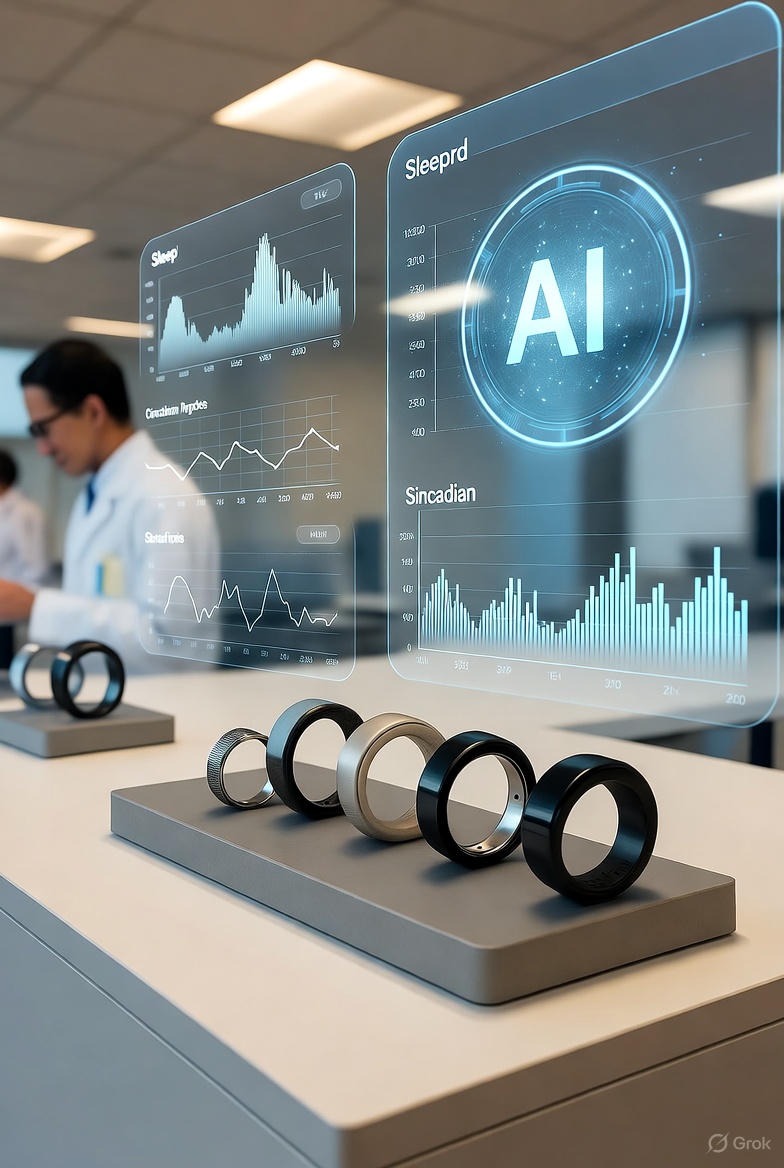
This pursuit of more accurate, comfortable, and continuous data led to the rise of the smart ring. Worn on the finger, a location with rich capillary density and less movement during sleep and daily activities, smart rings offer a compelling advantage: they can capture cleaner, more consistent physiological signals, particularly at night. This makes them exceptionally well-suited for tracking the recovery-focused metrics that are foundational to heart health: sleep stages, nocturnal heart rate, HRV, and blood oxygen saturation (SpO₂).
Core Technologies Inside Your Wearable:
Understanding how your device works builds trust in the data. Two primary technologies are at play:
The Critical Difference: Data vs. Insight
A common pitfall in the wearable world is data overload—a barrage of numbers without context or guidance. The true value of a modern health platform is not in presenting raw data, but in synthesizing it into personalized insight.
This means:
Choosing Your Tool: What Matters for Heart Health
When selecting a device to support your heart health journey, consider these key factors:
The story of Leo, a 50-year-old with a family history of hypertension, illustrates the power of the right tool. He used a smartwatch for years, mainly for workouts. He switched to a ring-based system focused on recovery. For the first time, he got clear, consistent data on his sleep and nervous system. The platform flagged that despite 8 hours in bed, his deep sleep was low and his overnight HRV showed high stress. It correlated this with his elevated evening skin temperature. This prompted him to experiment: he stopped drinking his single evening glass of wine. The result was immediate: his deep sleep percentage increased, his HRV improved, and his morning resting heart rate dropped by 5 beats per minute. The technology didn't diagnose him; it gave him the personalized feedback to identify and remove a barrier to his own heart's recovery.
The modern health toolkit is no longer about fitness tracking alone; it's about physiological awareness. It extends our senses, allowing us to perceive the inner workings of our nervous and cardiovascular systems. By choosing technology that provides accurate, insightful, and holistic data, you equip yourself with the most powerful asset for preventive health: a deep, ongoing understanding of your own body's unique language. This empowers you to move from generic health advice to a personalized plan for lifelong cardiovascular resilience. For specific questions on how this technology works in practice, our detailed FAQ offers extensive support.
While the metrics we've covered form the essential core of daily heart health monitoring, a complete picture also involves periodic, deeper dives into more advanced biomarkers. These are typically measured through blood tests or specialized scans and provide a detailed audit of your internal cardiovascular and metabolic environment. Pairing continuous lifestyle data from wearables with periodic clinical biomarker testing creates the ultimate proactive health strategy: the former shows you the daily effects of your choices, while the latter reveals the underlying state of your system.
Key Advanced Blood Biomarkers:
The Power of Advanced Imaging:
Creating Your Proactive Testing Plan:
The goal is not to run every test annually, but to create a strategic, personalized baseline and follow-up plan in consultation with a forward-thinking healthcare provider. A proactive approach might look like this:
Integrating Continuous Data with Periodic Testing:
This is where the magic happens. Let’s say your CAC score is 25 (indicating some plaque presence). This is your "why." Your wearable data then becomes the "how" for daily management. You can see in real-time how a week of poor sleep and high stress affects your HRV and RHR—knowing that these states promote inflammation and may accelerate plaque progression. Conversely, you can see how a month of consistent zone 2 exercise, improved sleep, and meditation correlates with improved recovery scores, and then confirm the systemic benefit with a follow-up blood test showing lower hs-CRP and triglycerides.
Maria's story illustrates this integration. A 45-year-old with a family history of heart disease, she was active but had borderline cholesterol. Her doctor ordered a CAC scan, which revealed a surprising, moderate score. This was a wake-up call. She adopted a smart ring to manage her daily habits rigorously. She used her HRV and sleep data to optimize recovery, tracked her activity to ensure she was getting the right kind of exercise, and monitored trends. At her follow-up blood test a year later, her ApoB had dropped 15%, and her hs-CRP was in the optimal range. Her doctor noted her aggressive lifestyle intervention was working. The CAC scan provided the urgency; her daily wearable provided the roadmap and proof of effective daily action.
By embracing both continuous physiological monitoring and proactive advanced testing, you move beyond guesswork and generic advice. You build a complete, evidence-based feedback loop for your heart health, where deep clinical insights inform your daily priorities, and your daily habits produce measurable improvements in your underlying biology. This is the cutting edge of personalized, preventive healthcare.
Armed with an understanding of the key metrics and the tools to track them, we arrive at the most crucial phase: application. Knowledge without action is merely trivia. This section translates the science of heart health into a sustainable, personalized lifestyle protocol. It’s not about rigid, one-size-fits-all rules, but about creating a flexible framework of habits that positively influence your cardiovascular dashboard, turning daily choices into a cumulative medicine.
The Pillars of a Heart-Healthy Lifestyle:
These are the non-negotiable, evidence-based foundations. The art lies in tailoring them to your life.
Building Your Protocol: A Step-by-Step Approach
The Story of James, a busy executive, shows this process. His baseline data showed high stress (low HRV), poor sleep efficiency, and an elevated RHR. He first tackled sleep, using blackout curtains and a strict 10:30 p.m. bedtime. His sleep scores and morning RHR improved slightly. Next, he added a 10-minute meditation before bed. His HRV began to trend up. Encouraged, he started three 30-minute lunchtime walks per week (Zone 2). His resting heart rate dropped into a new, lower range. A year later, his annual physical showed his blood pressure had decreased from the "elevated" to "normal" category without medication. He built his protocol one data-informed step at a time.
Lifestyle is the most powerful medicine we have for heart health. By using your personal metrics as a guide, you can tailor this medicine perfectly to your body's unique needs and responses, creating a sustainable, effective, and empowering plan for lifelong cardiovascular vitality. For inspiration and to see how others have built their protocols, you can read real-world customer reviews and experiences in our testimonials.
Embarking on a data-informed heart health journey is empowering, but it is not a linear path to perfection. You will encounter plateaus where metrics stall, setbacks where old habits resurface, and confusing data days that defy easy explanation. This phase is not a sign of failure; it is an integral part of the process. Learning to navigate these challenges with curiosity rather than frustration is what separates a short-term experiment from a lifelong practice of self-care.
The Plateau: When Progress Stalls
You've been diligently following your protocol—sleep is better, exercise is consistent, nutrition is on point—and for months, your metrics improved. Then, they stop. Your HRV settles into a new but static range, your RHR doesn't drop further, and sleep scores level off. This is normal and expected.
The Setback: Life Happens
You get sick. A work crisis demands 80-hour weeks. You go on vacation and indulge. Your metrics will reflect this. A setback is a temporary deviation, not an erasure of all progress.
Interpreting "Noisy" or Confusing Data
Some days, the data will puzzle you. You slept 9 hours but have low HRV. You feel great but your RHR is up. This is where critical thinking is essential.
Avoiding Obsession and Anxiety
For some, constant data can lead to "orthosomnia" — a preoccupation with perfect sleep scores — or health anxiety. This defeats the purpose.
The Case of Sofia: She was making great progress but hit a 3-month HRV plateau. Frustrated, she almost quit tracking. Instead, she decided to run an experiment. She took a week off from her intense gym routine and did only yoga and walking. Her HRV jumped 15%. The plateau wasn't about a lack of effort; it was about accumulated fatigue. The data, once confusing, revealed she needed more balance. She returned to the gym with a renewed focus on periodization, and her metrics began a new, steady climb.
Navigating these challenges is where you build resilience and wisdom. The data is a mirror, reflecting the complex interplay of your life. By learning to interpret its messages with patience, curiosity, and self-compassion, you develop a sophisticated and sustainable relationship with your own health—one that can withstand the inevitable ups and downs of being human. For further reading on cultivating a balanced approach to health technology, our blog features articles on mindful tracking and avoiding burnout.
We stand at the precipice of a new era in cardiovascular care, one that is shifting decisively from reactive treatment to predictive, personalized prevention. The convergence of continuous biometric monitoring, artificial intelligence (AI), advanced genomics, and digital health platforms is creating a future where heart disease is not a sudden event but a process that can be seen, understood, and intercepted years or even decades before it manifests clinically. This final exploration looks forward to the horizon of heart health.
From Descriptive to Predictive Analytics
Today's wearables are largely descriptive: they tell you what has happened (your heart rate was elevated last night, your sleep was poor). The next leap is to predictive analytics. By applying machine learning algorithms to longitudinal, multi-metric data streams (heart rate, HRV, sleep, activity, SpO₂, temperature), these systems will learn your unique patterns and identify subtle deviations that precede negative health events.
The Integration of Multi-Omics Data
The future of prevention is "multi-omic." This means layering different data types to create a hyper-personalized health model:
AI will synthesize these layers. It could, for instance, interpret that for a person with a specific genetic variant, a pattern of poor sleep and high stress (shown in physiomics) leads to a disproportionate inflammatory response (shown in biomarker hs-CRP), thereby pinpointing the exact lifestyle lever to pull for that individual to mitigate their unique genetic risk.
Digital Therapeutics and Closed-Loop Systems
Data and insight are meaningless without action. The future lies in digital therapeutics—software and apps that are prescribed to prevent, manage, or treat a medical condition. Imagine a system that:
These systems will work in tandem with healthcare providers, giving them rich, continuous data streams to make more informed decisions and tailor medications with unprecedented precision.
The Challenge and the Promise
This future is not without challenges. Data privacy, security, and ownership are paramount. There are risks of algorithmic bias and ensuring equitable access. The human element must remain central; technology should augment, not replace, the patient-provider relationship and personal intuition.
Yet, the promise is breathtaking: a world where a personalized heart health "forecast" is as routine as a weather forecast. Your system might alert you: "Based on your recent stress load and sleep debt, your model predicts a 40% increased inflammatory risk over the next week. Recommended actions: prioritize 8-hour sleep, add two meditation sessions, and consider postponing your high-intensity workout."
Envisioning Your Role in This Future
You are already an early participant in this shift. By engaging with your health data today, you are:
The story of heart health is being rewritten. It is moving from a narrative of fear and failure—of waiting for a heart attack—to one of empowerment and potential. It is becoming a story you can author yourself, guided by insights drawn from the very rhythms of your life. The technologies and platforms at the forefront, like those developed with the vision you can learn more about on our story page, are not just creating products; they are building the infrastructure for this new, hopeful future of human health. The ultimate metric of success will no longer be just longevity, but the quality of vitality preserved throughout a lifetime.
Your Trusted Sleep Advocate (Sleep Foundation — https://www.sleepfoundation.org/)
Discover a digital archive of scholarly articles (NIH — https://www.ncbi.nlm.nih.gov/
39 million citations for biomedical literature (PubMed — https://pubmed.ncbi.nlm.nih.gov/)
experts at Harvard Health Publishing covering a variety of health topics — https://www.health.harvard.edu/blog/)
Every life deserves world class care (Cleveland Clinic -
https://my.clevelandclinic.org/health)
Wearable technology and the future of predictive health monitoring. (MIT Technology Review — https://www.technologyreview.com/)
Dedicated to the well-being of all people and guided by science (World Health Organization — https://www.who.int/news-room/)
Psychological science and knowledge to benefit society and improve lives. (APA — https://www.apa.org/monitor/)
Cutting-edge insights on human longevity and peak performance
(Lifespan Research — https://www.lifespan.io/)
Global authority on exercise physiology, sports performance, and human recovery
(American College of Sports Medicine — https://www.acsm.org/)
Neuroscience-driven guidance for better focus, sleep, and mental clarity
(Stanford Human Performance Lab — https://humanperformance.stanford.edu/)
Evidence-based psychology and mind–body wellness resources
(Mayo Clinic — https://www.mayoclinic.org/healthy-lifestyle/)
Data-backed research on emotional wellbeing, stress biology, and resilience
(American Institute of Stress — https://www.stress.org/)


