


How Heat Therapy (Sauna, Bath) Provides Physiological Stress Relief
Positive social interaction releases oxytocin, buffers stress, and provides emotional support.
Positive social interaction releases oxytocin, buffers stress, and provides emotional support.
%402x.svg)
In a world that moves at a blistering pace, where digital notifications are the new circadian rhythm and chronic stress has become a cultural backdrop, the human body is crying out for a reset. We are, physiologically speaking, creatures of contrast. Our systems thrive on rhythm—the oscillation between effort and rest, consumption and fasting, engagement and solitude. Yet, modern life has flattened these essential waves into a relentless, stress-inducing hum. Amid this imbalance, an ancient and profound solution is experiencing a renaissance: deliberate, therapeutic heat.
From the smoky löyly of Finnish saunas to the tranquil steam of Japanese onsens, from the profound sweat of Native American sweat lodges to the ubiquitous hot bath at the end of a long day, humanity has instinctively turned to heat for cleansing, healing, and community for millennia. Today, a growing body of rigorous scientific research is catching up to this primal wisdom, revealing that heat therapy is not merely a relaxing indulgence, but a potent, systemic intervention for physiological stress. It is a form of "hormetic stress"—a beneficial, mild adversity that trains the body’s resilience, much like exercise strengthens muscle.
This deep dive explores the intricate biological symphony activated when we willingly step into the heat. We will unravel how the deliberate application of heat—through saunas, hot baths, and other modalities—triggers a cascade of adaptive responses that lower inflammation, rebalance the nervous system, enhance cellular repair, and foster a state of profound recovery. It is a journey into the very mechanisms of resilience, understanding how turning up the temperature can, paradoxically, cool the fires of chronic stress and illuminate a path to restored vitality.
For the modern wellness enthusiast, this knowledge is power. And in harnessing this power, technology like the Oxyzen smart ring becomes an invaluable ally, transforming subjective experience into objective data. By tracking core biometrics like heart rate variability, sleep quality, and body temperature trends, a device like Oxyzen allows you to personalize your heat therapy practice, measure its tangible impact on your nervous system, and optimize your journey toward physiological balance. It bridges the ancient and the algorithmic, the intuitive and the informed.
So, let’s step into the heat. Let’s explore how this timeless practice provides not just an escape, but a sophisticated upgrade to your body’s fundamental operating system.

To understand why heat therapy is so effective, we must first deconstruct the very concept of stress. In popular parlance, "stress" is a dirty word, synonymous with anxiety, overwhelm, and burnout. But from a physiological standpoint, stress is simply the body's nonspecific response to any demand placed upon it. The critical distinction lies not in the stressor itself, but in the dose, duration, and our perception of it. This is the dichotomy between distress and eustress.
Distress is the toxic, chronic stress we are most familiar with. It’s the relentless ping of emails, financial worries, social conflicts, and the pervasive sense of having too much to do with too little time or control. This type of stress activates the hypothalamic-pituitary-adrenal (HPA) axis, flooding the body with cortisol and adrenaline—the "fight-or-flight" hormones. When this state becomes persistent, it leads to a cascade of dysfunction: systemic inflammation, impaired immune function, disrupted sleep, digestive issues, anxiety, and accelerated cellular aging. Distress is like holding the gas pedal to the floor indefinitely, until the engine begins to seize.
Eustress, on the other hand, is "good stress." It is a short-term, manageable challenge that motivates, focuses energy, and ultimately strengthens resilience. The exhilaration of a challenging workout, the focused pressure of a deadline, the thrill of public speaking, or the adaptive shock of a cold plunge—these are all forms of eustress. They trigger a similar, but more acute and controlled, hormonal response. The key difference is in the recovery: after eustress, the body not only returns to baseline but overcompensates, becoming stronger, more adaptable, and more efficient—a process known as hormesis.
Heat therapy is a quintessential form of hormetic eustress. By exposing the body to a controlled, high-temperature environment, we apply a measurable, acute physiological load. The body perceives this as a challenge to its homeostasis (its stable internal state). In response, it marshals a sophisticated array of cooling and survival mechanisms. Crucially, once the heat exposure ends and the body cools, it doesn't just return to its previous state. It initiates powerful repair and strengthening processes. The cardiovascular system becomes more efficient. Heat shock proteins are produced to repair damaged cells and increase their future resistance to stress. Endorphins are released, improving mood.
This is the alchemy of heat therapy: it uses a disciplined, acute stressor (heat) to combat the effects of a disordered, chronic stressor (modern life). It trains the body's stress response system to be more robust, flexible, and quicker to recover. In a world saturated with unmanaged distress, heat offers a structured, voluntary, and profoundly beneficial dose of eustress. It's a master class in teaching your physiology how to handle pressure, making the inevitable distresses of daily life feel less overwhelming. To explore more on how different stressors impact your physiology, our blog features a range of articles on nervous system regulation.
The moment you enter a sauna or sink into a hot bath, your body shifts into high gear. This is not a passive experience; it is an active, whole-system engagement. Understanding this real-time choreography reveals why heat therapy is such a potent workout for your physiology.
1. The Skin as a First Responder: As soon as your skin sensors detect the elevated temperature, they send urgent signals to the brain's thermostat—the hypothalamus. The hypothalamus immediately orders a massive dilation of peripheral blood vessels, a process called vasodilation. Blood is shunted from your core to the surface of your skin. This is why you turn pink or red; it’s your body’s primary cooling mechanism, attempting to radiate heat away from the body. Your heart rate can increase by 50-75%, sometimes mirroring the intensity of moderate physical exercise, as it works harder to pump this redistributed blood.
2. The Sweat Symphony: Simultaneously, the hypothalamus activates your eccrine sweat glands. Sweat production is not merely about wetness; it’s a sophisticated evaporative cooling system. As sweat transitions from liquid to vapor on your skin, it draws a significant amount of heat energy from your body. A single session can result in the loss of over a pint of water, along with trace minerals and metabolic byproducts.
3. The Hormonal Cascade: The acute heat stress triggers a release of several key hormones. Beta-endorphins, the body's natural opioids, are released, creating the sense of relaxation and mild euphoria often called the "sauna glow." Growth hormone, a crucial agent for repair, muscle growth, and anti-aging, can see a dramatic spike—some studies show increases of 2-5 times baseline levels following an acute sauna session. Norepinephrine increases, sharpening focus and alertness during the stress, while prolactin, which may promote myelin repair in the nervous system, is also elevated.
4. The Cardio Challenge: With blood pooled at the surface and heart rate elevated, the cardiovascular system gets a unique workout. Cardiac output (the volume of blood the heart pumps per minute) increases significantly. This is not due to increased oxygen demand from muscles, as in exercise, but from the thermoregulatory demand. It's a different kind of cardiovascular training that improves blood vessel elasticity and efficiency.
This entire real-time response is a controlled crisis. Your body is intelligently managing a threat to its core temperature. The beauty lies in the fact that you are in a safe, controlled environment, allowing you to sit with this acute stress and, in doing so, teach your body resilience. Monitoring this response can be fascinating; with a device like the Oxyzen smart ring, you can watch your heart rate climb and then observe its rapid recovery post-session—a key metric of cardiovascular fitness and autonomic nervous system resilience. For those curious about how technology can decode these biological signals, you can discover how Oxyzen works to provide this precise feedback.

If the immediate cardiovascular response is the "workout" of heat therapy, then the activation of Heat Shock Proteins (HSPs) is its cellular-level "recovery and upgrade" protocol. Discovered in the 1960s, HSPs are a family of proteins produced by cells in response to exposure to stressful conditions, including heat, cold, UV light, and even exercise. They are the body's premier molecular chaperones and repair crew.
When a cell is stressed by heat, its proteins—the complex molecules that perform virtually every cellular task—begin to lose their delicate, folded shape. This process, called denaturation, can render proteins dysfunctional and even toxic if they form clumps. Here is where HSPs spring into action:
The hormetic benefit is profound: a mild heat stress that triggers HSP production doesn't just repair the minor damage caused by the sauna session itself. It pre-conditions the cell. The elevated levels of HSPs stick around for hours or even days, providing enhanced protection against a subsequent, more severe stress. This means a regular heat therapy practice can make your cells more resistant to a wide array of insults, from inflammation and infection to the metabolic and oxidative stresses of daily life.
Research links HSPs to a staggering array of health benefits:
This is perhaps the most profound molecular argument for regular heat therapy: you are not just relaxing; you are actively upregulating your body's most fundamental repair and defense systems, building a cellular army that stands guard against the myriad stresses of modern living. It’s a foundational investment in your biological resilience.
Inflammation is a double-edged sword. Acute inflammation is a life-saving immune response—the redness, heat, and swelling around a cut or infection is a sign of your body’s healing forces marshaling to the site. Chronic, systemic inflammation, however, is a silent, smoldering fire linked to nearly every modern ailment: heart disease, diabetes, cancer, autoimmune disorders, depression, and Alzheimer's. Chronic stress is a major driver of this pathological inflammation, primarily through the prolonged release of cortisol and inflammatory cytokines like IL-6 and TNF-alpha.
Heat therapy executes a brilliant, multi-pronged attack on this inflammatory cascade, acting as both a direct dampener and a systemic moderator.
1. The Acute Inflammatory Spike and Long-Term Calm: Interestingly, a single heat therapy session causes a sharp, transient increase in markers like IL-6. This might seem counterintuitive, but it’s a controlled, beneficial provocation. This acute rise acts as a signal, triggering the subsequent production of anti-inflammatory cytokines, primarily IL-10. IL-10 is a potent inflammation-resolving molecule that tells the immune system to stand down. Think of it like a fire drill: the initial alarm (IL-6 spike) ensures the fire department (anti-inflammatory response) is well-trained and responsive. Regular heat exposure trains the body to produce this anti-inflammatory response more robustly and efficiently, leading to a lower overall inflammatory baseline.
2. Hormonal Rebalancing: Chronic stress dysregulates the HPA axis, often leading to cortisol resistance (where cells stop responding to cortisol's anti-inflammatory signals) or abnormal cortisol rhythms. The acute stress of heat therapy helps "exercise" and recalibrate this axis. The predictable, controlled stressor of heat helps restore a healthier cortisol curve, improving its ability to perform its vital anti-inflammatory and regulatory functions.
3. Nitric Oxide Boost: The vasodilation caused by heat is mediated in part by a powerful molecule called nitric oxide (NO). NO is a vasodilator, but it's also a potent anti-inflammatory and antioxidant agent. It improves blood flow, reduces oxidative stress in blood vessels, and inhibits the adhesion of inflammatory cells to vessel walls. Regular heat exposure upregulates the activity of the enzymes that produce NO, providing a sustained vascular and anti-inflammatory benefit.
4. Reduction of Oxidative Stress: Inflammation and oxidative stress are vicious partners. Heat therapy, through the activation of HSPs and other pathways (like the Nrf2 pathway, which upregulates antioxidant enzymes), enhances the body's endogenous antioxidant defenses. This helps neutralize the free radicals that fuel inflammation.
The result is a system-wide cooling effect. Studies on regular sauna users show marked reductions in C-reactive protein (CRP), a key clinical marker of systemic inflammation. By dousing the inflammatory fires, heat therapy addresses a root cause of countless chronic diseases and the pervasive sense of unwellness that accompanies modern, high-stress lifestyles. Tracking subtle changes in your wellness metrics, such as resting heart rate and heart rate variability—which often improve as inflammation drops—can provide powerful motivation. Many users find that integrating data from a tool like the Oxyzen ring helps them see the correlation between their heat therapy practice and these markers of systemic calm, adding a layer of objective proof to the subjective feeling of well-being. To see how others have connected their practices to tangible data, browse real user experiences and testimonials.
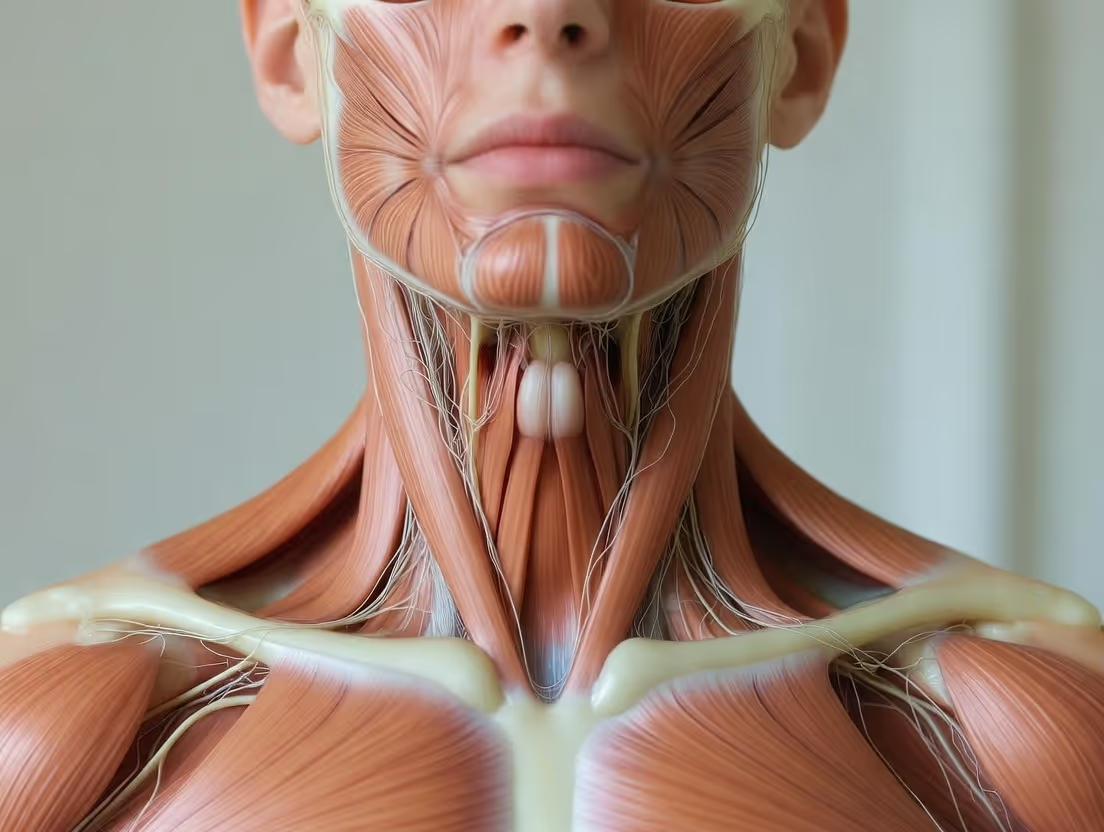
Our nervous system operates on a perpetual seesaw between two main branches: the sympathetic nervous system (SNS), our "gas pedal" responsible for fight-or-flight responses, and the parasympathetic nervous system (PNS), our "brake pedal" responsible for rest, digestion, and repair. The vagus nerve is the superhighway of the PNS, a meandering cranial nerve that connects the brain to the heart, lungs, gut, and other major organs, sending calming signals that slow the heart rate, promote digestion, and induce a state of relaxation.
Chronic stress essentially jams the SNS gas pedal down while silencing the vagal brake. Heat therapy performs a masterful reset on this system through a process that involves both acute stress and profound recovery.
The Biphasic Vagus Response:
This cycle—sympathetic activation followed by strong parasympathetic recovery—is akin to strength training for your autonomic nervous system. It increases what is known as heart rate variability (HRV), the healthy variation in time between heartbeats. High HRV is a key marker of resilience, indicating a nervous system that can flexibly respond to stress and then efficiently recover. Low HRV is linked to chronic stress, burnout, and poor health outcomes.
Regular heat therapy trains this flexibility. It teaches the body that it can withstand a significant stressor and then return swiftly and deeply to a state of calm. Over time, this raises your overall HRV and improves your vagal tone—the activity level of your vagus nerve. The benefits of high vagal tone are immense: better emotional regulation, improved digestion, enhanced immune function, reduced inflammation, and a greater overall capacity to weather life's storms without being tipped into prolonged fight-or-flight.
The feeling of deep, almost meditative calm after a sauna session is not just psychological; it is the palpable sensation of your vagus nerve humming, your PNS in the driver's seat, and your entire physiology shifting into repair mode. For those dedicated to quantifying their recovery, using a device that accurately tracks HRV can be transformative. It turns an abstract feeling into a measurable trend, showing how practices like heat therapy directly strengthen your biological foundation of calm. This journey of quantified self-discovery is part of the broader mission at Oxyzen to empower individuals with actionable insights into their own physiology.
The concept of "sweating out toxins" is a mainstay of spa and wellness marketing. The image is compelling: pores opening, toxins flowing out with sweat, leaving you purified. The scientific reality, however, is more nuanced and in some ways, even more interesting. Let's debunk the myth and redefine the true "detox" power of heat therapy.
The Sweat Myth: Human sweat is composed primarily of water (99%), with small amounts of electrolytes (sodium, chloride, potassium), lactate, and urea. While trace amounts of heavy metals (like lead, cadmium, and arsenic) and persistent organic pollutants can be found in sweat, the primary organs of detoxification are the liver and kidneys. These organs filter blood, neutralize toxins, and excrete them via bile and urine. The volume of toxins excreted through sweat is negligible compared to the work done by the hepatic and renal systems. So, you are not "sweating out" a significant load of environmental toxins.
The Real Detoxification: Metabolic and Cellular Cleansing
Where heat therapy excels is in a more sophisticated form of detoxification: enhancing the body's internal cleaning processes at the systemic and cellular levels.
So, while you shouldn't rely on a sauna to chelate heavy metals, you can confidently embrace it as a powerful tool for metabolic and cellular detoxification. It enhances your body's innate, sophisticated cleaning systems, promoting renewal from the inside out. This deeper understanding aligns with a more holistic view of wellness, one that we explore in various resources on our blog dedicated to modern health practices.
In the relentless buzz of modern life, sleep is often the first casualty. Yet, it is during sleep that the body performs its most critical repair work: tissue growth and repair, memory consolidation, hormonal regulation, and immune system strengthening. Heat therapy, particularly when timed in the evening, is a powerful, natural sleep enhancer that works in harmony with your body's core temperature rhythm.
The Core Temperature Dip Hypothesis: Your body follows a circadian rhythm for core temperature. It is highest in the late afternoon and early evening and reaches its lowest point in the middle of the night, typically around 4 a.m. This drop in core temperature is a key signal that initiates sleepiness. It tells the brain and body that it's time to transition into rest mode.
Heat therapy ingeniously leverages this biology through a process called "passive heating." Here’s how it works:
The Hormonal and Neurological Shift:
The heat-induced cooldown also promotes optimal sleep chemistry:
Studies on sauna use consistently report improvements in sleep quality, including fewer nighttime awakenings, more restful sleep, and feeling more refreshed in the morning. For individuals struggling with insomnia or non-restorative sleep, this can be a game-changer. It’s a non-pharmacological, side-effect-free intervention that addresses the underlying thermoregulatory mechanism of sleep.
Monitoring this improvement is deeply rewarding. A smart ring like Oxyzen, worn overnight, can quantify the impact: showing you an increase in deep sleep duration, a more stable sleep heart rate, and improved sleep efficiency scores after incorporating evening heat therapy. This feedback loop transforms an ancient practice into a precision tool for modern sleep optimization, a topic frequently discussed by our community of users who share their stories of improved recovery.
We have established that a sauna session can elevate heart rate to levels comparable to moderate exercise. But does this "passive cardio" actually confer similar cardiovascular training benefits? A compelling body of epidemiological and interventional research suggests it does, earning heat therapy the title of a "cardio mimetic"—an activity that mimics the beneficial effects of cardiovascular exercise on the heart and blood vessels.
The Epidemiological Evidence:
Large, long-term population studies from Finland, the global epicenter of sauna culture, provide striking evidence:
The Physiological Mechanisms:
How does sitting in a hot room protect the heart as effectively as running? The mechanisms are multifaceted:
It is crucial to note that heat therapy is complementary to, not a replacement for, physical exercise. The combination is synergistic. Exercise builds muscular strength and endurance; heat therapy builds vascular resilience and efficiency. Together, they form a comprehensive cardio-protective lifestyle. For athletes and active individuals, using a device to monitor cardiovascular strain and recovery can help balance these two powerful inputs. Understanding your unique physiological data can help you integrate heat sessions for optimal performance and heart health, a principle central to the vision behind our technology at Oxyzen.

The benefits of heat therapy extend far beyond the physical, penetrating deep into the realms of the mind and emotions. The sense of mental clarity, calm, and even euphoria reported after a sauna session—often described as a "sauna high"—has a robust neurochemical and physiological basis.
1. The Endorphin and Endocannabinoid Boost:
The acute stress of heat triggers the release of beta-endorphins. These endogenous opioids bind to receptors in the brain, reducing the perception of pain and creating feelings of pleasure and well-being. This is the same system activated by "runner's high." Concurrently, evidence suggests heat stress may increase the production of the body's own endocannabinoids, such as anandamide (the "bliss molecule"). This dual activation of the opioid and endocannabinoid systems creates a powerful, natural mood lift that can alleviate symptoms of stress, anxiety, and even mild depression.
2. Brain-Derived Neurotrophic Factor (BDNF):
Often called "miracle-gro for the brain," BDNF is a protein that supports the survival of existing neurons and encourages the growth and differentiation of new neurons and synapses. It is essential for learning, memory, and higher-order thinking. Both exercise and heat stress are potent stimulators of BDNF production. Elevated BDNF levels are associated with improved cognitive function, resilience against stress, and a lower risk of neurodegenerative and mood disorders. The mental clarity you feel post-sauna may be, in part, the sensation of your brain bathing in this nourishing protein.
3. Cortisol Regulation and HPA Axis Resilience:
By providing a predictable, controllable stressor, heat therapy helps recalibrate a dysregulated HPA axis. For individuals with chronic stress, this can mean bringing abnormally high or flattened cortisol rhythms back into a healthy pattern. A healthier cortisol profile translates directly to better mood stability, reduced anxiety, and improved energy levels throughout the day.
4. The Meditative State:
The sauna environment itself often induces a mindful, meditative state. The quiet, the heat, the rhythmic sensation of sweat and heartbeat, the absence of digital distractions—all these elements encourage a present-focused awareness. This mental break from constant cognitive processing is a form of stress relief in itself. It allows the default mode network (the brain's "background" activity linked to rumination and worry) to quiet down, fostering a sense of peace and mental spaciousness.
5. Potential Impact on Neurotransmitters:
The heat and relaxation may influence other key neurotransmitters. The rise in prolactin may have calming effects. The overall shift toward parasympathetic dominance facilitates a state conducive to serotonin production, a key regulator of mood and contentment.
The cumulative effect is a brain that is not only better protected and nourished but also operating in a more balanced, resilient, and positive state. In an age of digital overload and cognitive fatigue, heat therapy offers a reset button for the mind, clearing mental fog and elevating mood through innate biological pathways. For those tracking their holistic wellness, noting changes in subjective mood alongside objective data like sleep and HRV can paint a complete picture of progress, a integrative approach we support through resources on our FAQ and support pages.
If heat therapy is a powerful hormetic stressor, then combining it with its opposite—acute cold exposure—creates a supercharged adaptive protocol known as contrast therapy or thermal cycling. This practice, moving deliberately between hot and cold environments (e.g., sauna to cold plunge, hot bath to cold shower), doesn't just offer the benefits of each in isolation; it creates a synergistic effect that dramatically trains the body's resilience, circulatory system, and nervous system.
The Vascular Gymnastics:
The primary mechanism is extreme, rapid vasodilation and vasoconstriction.
This "pumping" action is a profound workout for the cardiovascular system. It:
The Nervous System Masterclass:
Contrast therapy is the ultimate workout for autonomic nervous system flexibility.
The Hormetic and Metabolic Effects:
The Mental Fortitude:
Perhaps the most immediate benefit is psychological. Willingly submitting to the intense discomfort of a cold plunge after the heat builds mental resilience, discipline, and a sense of empowerment. It teaches you that you can handle acute discomfort, a skill that translates directly to managing psychological stress.
Implementing contrast therapy should be done gradually and with caution, especially for those with cardiovascular conditions. Always end with a neutral or cool state, not heat, before finishing. Listen to your body. When practiced wisely, it represents the pinnacle of using environmental stressors to forge a stronger, more adaptable physiology. Tracking your body's response to these intense cycles—seeing the dramatic heart rate swings and the powerful recovery—can be incredibly insightful with a wearable device, highlighting the incredible flexibility you are building.
Understanding the science is the first step; applying it consistently is where transformation happens. Designing a safe, effective, and enjoyable personal heat therapy protocol requires considering modality, timing, duration, frequency, and cooldown. Here is a practical framework to build your practice.
Step 1: Choose Your Modality.
Step 2: Determine Timing and Frequency.
Step 3: Structure Your Session (The Finnish Template):
Step 4: Safety First – Essential Contraindications.
Step 5: Personalize with Data.
This is where modern technology elevates an ancient practice. Using a device like the Oxyzen smart ring allows you to move beyond guesswork:
This data-driven approach allows you to fine-tune your protocol. Maybe you discover that saunas after 8 PM disrupt your sleep, or that a 15-minute session is your sweet spot for maximizing HRV improvement. It turns a wellness practice into a personalized biohack. For those ready to start this journey of quantified self-discovery, the first step is to learn more about how this technology integrates into a holistic wellness lifestyle.
To fully grasp the profound impact of heat therapy on modern physiology, we must journey back in time—not merely centuries, but millennia. The human relationship with deliberate heat is not a recent wellness trend; it is an evolutionary adaptation etched into our biology. Our ancestors didn't have infrared panels or digital temperature controls, but they did have fire, geothermal springs, and the sun. Understanding this deep-seated connection explains why our bodies respond so positively and powerfully to heat stress today; we are engaging with an environment that shaped our very existence.
Fire as the First Home Technology: The control of fire, dating back at least 1 million years, was a pivotal moment in human evolution. Fire provided warmth, protection from predators, and a means to cook food, which altered our digestive systems and allowed for brain growth. But beyond these practicalities, the social space around the fire likely served as an early prototype for the sauna. It was a place of community, storytelling, and ritual—a zone of safety and warmth contrasting sharply with the cold, dangerous dark. To gather around a heat source after a day of survival-based stress (hunting, gathering, enduring the elements) was likely our first form of structured recovery. The physiological shift from the sympathetic arousal of the day to the parasympathetic calm of the firelit night is a rhythm our nervous systems may still crave.
Geothermal Springs: Nature's First Spas: Across the globe—from Iceland to Japan, from the Americas to New Zealand—human settlements have gravitated towards natural hot springs. These were not just convenient bathing spots; they were often considered sacred, healing places. The Romans built vast bath complexes (thermae) around natural springs, turning hydrotherapy into a cultural cornerstone for health, hygiene, and social cohesion. The consistent use of these geothermal gifts throughout history suggests an instinctual understanding of their restorative power. Our bodies, when immersed in naturally heated water, recognize the environment. The mineral content of many springs may have provided additional benefits, but the core therapy was the heat itself.
The Physiology of a Tropical Primate: Humans evolved in equatorial Africa. While we are a highly adaptable species, our core thermoregulatory systems are optimized for dissipating heat, not retaining it. Our relative lack of body hair and our prolific sweat glands are testaments to this. Engaging in deliberate heat exposure is, in a sense, returning to a primordial stressor our bodies are exceptionally well-equipped to handle. The sophisticated sweating response and peripheral vasodilation that feel so intense in a sauna are actually displays of our evolutionary prowess in managing thermal load.
The Hormetic Principle in Evolution: Life itself evolved in a challenging environment. The concept of hormesis—benefit from mild stress—is a fundamental principle of evolution. Organisms that could not only survive but adapt and grow stronger from environmental stressors like heat, cold, and scarcity were the ones that thrived. Heat therapy taps directly into this ancient survival mechanism. By applying a controlled, acute heat stress, we are essentially giving our bodies a "remembered" challenge—one that triggers the deep, evolutionary playbook of adaptation, repair, and strengthened resilience. We are speaking to our cells in a biological language they have understood for eons.
This evolutionary perspective reframes heat therapy from a mere relaxation technique to a fundamental human behavior. It’s not about "biohacking" in the sense of creating something new; it's about "bio-remembering"—reconnecting with a practice that aligns with our deep physiological heritage. In a world of artificial temperatures (perpetual 72°F/22°C), sedentary lifestyles, and chaotic mental stressors, we have lost the natural rhythms of thermal contrast and recovery. Reintroducing deliberate heat is a way to realign with a core aspect of our human nature. It satisfies an ancient, hardwired expectation for periods of intense, safe challenge followed by profound rest.
This reconnection is at the heart of a modern wellness philosophy that values data-informed intuition. Just as our ancestors learned to listen to their bodies by the fire, we can now use technology to deepen that understanding. Tools that track physiological responses allow us to confirm these innate feelings with data, creating a powerful feedback loop that honors both our evolutionary past and our scientific present. This principle of intuitive, data-supported wellness guides the resources we provide, from detailed guides to user stories that can be found on our blog and community platforms.
For athletes and individuals engaged in rigorous physical training, recovery is not passive—it is an active, competitive edge. Heat therapy has moved from the periphery to the center of advanced athletic recovery and performance protocols, offering benefits that extend far beyond simple relaxation. It acts as a powerful adjunct to training, enhancing both adaptation and recuperation through several distinct mechanisms.
1. Hyperthermic Conditioning for Endurance:
Also known as "heat acclimation training," this involves using heat therapy before or in conjunction with endurance training. The logic is elegant: by stressing the thermoregulatory system separately, you improve its efficiency, which then confers benefits during physical exertion in normal temperatures.
2. Post-Exercise Recovery and Muscle Soreness:
The application of heat after intense exercise tackles the twin issues of metabolic waste and muscle damage.
3. Potential for Improved Flexibility and Injury Prevention:
While static stretching is the standard for flexibility, heat can be a powerful primer. Applying heat to muscles and connective tissues increases their elasticity and reduces viscous resistance. A heat session before stretching or mobility work can allow for a greater, safer range of motion. For athletes in sports requiring flexibility, or for those managing tight tissues, incorporating heat can be a valuable tool in a dynamic warm-up or maintenance routine.
Implementation for Athletes:
For the data-driven athlete, quantifying the impact of these protocols is essential. A smart ring like Oxyzen isn't just a sleep tracker; it's a 24/7 recovery monitor. An athlete can track:
This objective feedback allows for precise personalization, turning heat therapy from a generic "good practice" into a finely tuned component of a periodized training plan. The stories of athletes and high-performers who have integrated such data into their regimens often highlight this precision, something we see reflected in the experiences shared by our community.
The quest for longevity is not merely about adding years to life, but adding life to years—extending healthspan, the period of life spent in good health. Heat therapy emerges as a compelling, non-pharmacological intervention with strong mechanistic links to slowing the biological processes of aging. It doesn't just help you feel better now; it may help protect the integrity of your cells and systems for decades to come.
1. Telomere Attrition and Cellular Senescence:
One of the hallmarks of aging is the shortening of telomeres—the protective caps on the ends of chromosomes that erode with each cell division. Short telomeres are associated with cellular senescence (when cells stop dividing and become dysfunctional) and age-related diseases. Chronic inflammation and oxidative stress accelerate telomere shortening.
2. Proteostasis and Autophagy:
Aging is characterized by a decline in proteostasis—the cell's ability to maintain its proteins in a functional, folded state. Misfolded proteins accumulate, contributing to neurodegeneration and other diseases. Autophagy, the cellular cleanup process, also declines with age.
3. Mitochondrial Biogenesis and Function:
Mitochondria are the power plants of our cells. Their dysfunction is central to aging and metabolic disease. Exercise is a known stimulator of mitochondrial biogenesis—the creation of new, healthy mitochondria.
4. Hormonal Optimization:
The age-related decline in hormones like growth hormone (GH) is linked to loss of muscle mass, increased body fat, and reduced vitality.
5. Cardiovascular and Cerebrovascular Health:
Aging is the primary risk factor for cardiovascular and neurodegenerative diseases. The benefits of heat on endothelial function, blood pressure, and inflammation directly protect the vascular system. This has a dual impact:
The epidemiological data from Finland is the most compelling human evidence: frequent sauna use is associated with a significantly reduced risk of all-cause mortality. This means sauna users were less likely to die from any cause during the study period—a powerful testament to its systemic, longevity-promoting effects. It suggests that heat therapy doesn't just target one aging pathway; it modulates several interconnected hallmarks simultaneously.
Integrating this practice into a longevity-focused lifestyle requires a long-term view and consistent tracking. Observing trends in physiological biomarkers over months and years can reveal its stabilizing, youth-preserving effects. This commitment to long-term wellness through actionable data is at the core of our company's mission and vision.
While the benefits of heat therapy are broad and systemic, its application can be particularly potent for managing specific chronic conditions. It serves as a complementary, often drug-free, modality that addresses underlying pathophysiology. Here we explore its role in several common modern health challenges.
Chronic Pain Management (e.g., Arthritis, Fibromyalgia):
Pain is often fueled by inflammation, muscle tension, and impaired circulation.
Metabolic Syndrome and Type 2 Diabetes:
This cluster of conditions (insulin resistance, high blood pressure, abdominal obesity, dyslipidemia) is driven by inflammation and metabolic dysfunction.
Respiratory Conditions (e.g., Chronic Obstructive Pulmonary Disease - COPD, Asthma):
The warm, humid air of a steam room has long been used for respiratory relief.
Mental Health: Depression and Anxiety Disorders:
The connection between chronic inflammation, HPA axis dysregulation, and mood disorders is well-established.
Neurological Health and Cognitive Decline:
As discussed, the benefits for brain health are profound.
Important Disclaimer: For individuals with any diagnosed medical condition, consultation with a healthcare provider is absolutely essential before beginning a heat therapy protocol. Conditions like uncontrolled hypertension, severe cardiovascular disease, or certain medications may contraindicate its use. It is a powerful tool, not a substitute for professional medical advice or treatment.
The journey of managing a chronic condition is deeply personal. For many, having objective data that shows improvement—like a downward trend in resting heart rate, better sleep scores, or more stable HRV—provides immense motivation and proof that lifestyle interventions are working. This empowerment is a key reason why individuals managing their health holistically often turn to technology for guidance and validation, a topic we address in our comprehensive FAQ and support resources.
Heat therapy is not a silver bullet, but rather a powerful golden thread that, when woven into a broader tapestry of healthy practices, creates a fabric of exceptional resilience. Its effects are magnified when it synergizes with other pillars of wellness: nutrition, exercise, sleep, and stress management. Here’s how to integrate it seamlessly and effectively.
1. Synergy with Exercise: The Perfect Partner.
As explored, heat and exercise are complementary hormetic stressors.
2. Nutrition and Hydration: Fueling the Fire.
Heat therapy places significant metabolic and hydrative demands on the body.
3. Sleep Hygiene: The Ultimate Feedback Loop.
Use evening heat as the cornerstone of a wind-down routine.
4. Synergy with Cold Exposure:
Contrast therapy is the pinnacle of integration, but even standalone cold exposure (cold showers, plunges) on alternate days or at different times can provide complementary benefits. Cold boosts metabolism, reduces inflammation locally, and trains mental fortitude. The key is to listen to your body and not overstress it—balance heat, cold, and rest.
5. Mindfulness and Breathwork:
The sauna is a perfect environment for meditation and controlled breathing. The heat demands presence. Practices like box breathing (4-second inhale, 4-second hold, 4-second exhale, 4-second hold) can help manage the discomfort of the heat, further enhance parasympathetic activation, and turn the session into a moving meditation for the mind and body.
Creating Your Weekly Rhythm:
A sample integrated week for a moderately active person might look like:
The Role of Technology in Integration:
This is where a holistic wellness device becomes your integration hub. A smart ring like Oxyzen doesn't just track one thing; it connects the dots:
This ecosystem approach—where heat therapy is a key, interconnected component rather than an isolated activity—creates a virtuous cycle of stress, recovery, and adaptation that elevates every aspect of your health. To explore more on building such a personalized, data-informed ecosystem, our blog offers a wealth of integrated wellness strategies.
As heat therapy gains popularity, it's crucial to separate evidence-based practice from pervasive myths and to uphold the highest standards of safety. Misinformation can lead to ineffective routines or, worse, harmful outcomes. Let's address the most common questions and concerns head-on.
Myth 1: "The hotter, the better. If you're not enduring extreme heat, you're not getting benefits."
Myth 2: "You should stay in as long as you can to 'push through.'"
Myth 3: "Sweating profusely in a sauna is an effective weight loss strategy."
Myth 4: "Infrared saunas are 'detoxifying' while traditional saunas are just for relaxation."
Essential Safety Realities:
By respecting these realities, you ensure that your heat therapy practice remains a source of profound benefit, not risk. For individuals with specific health questions, it's always best to seek professional medical advice and refer to reliable sources. We encourage anyone with detailed questions about integrating wellness practices with technology to explore our comprehensive FAQ section for further guidance.
The renaissance of heat therapy is unfolding at a fascinating intersection of ancient wisdom and cutting-edge science. Its future lies not in discarding tradition, but in enhancing it with precision, personalization, and seamless integration into our digital lives. We are moving from a one-size-fits-all approach to a nuanced, data-informed practice.
1. Personalized Thermal Dosing:
Just as exercise programming is personalized based on fitness level, goals, and recovery, heat therapy protocols will become increasingly tailored. Factors like:
The role of wearable technology is central here. Imagine a smart ring or patch that not only tracks your readiness for stress but also communicates with your sauna. It could recommend a session length based on your morning HRV, monitor your core temperature and heart rate in real-time during the session to ensure safety, and then guide the optimal cooldown protocol before quantifying the recovery benefit overnight.
2. Advanced Modalities and Targeted Applications:
3. Integration with Digital Health Platforms:
Heat therapy data will become a standard input in comprehensive digital health dashboards. Your "recovery score" will aggregate data from sleep, activity, nutrition, and your heat/cold exposure practices. This holistic view will allow AI-driven coaches to make sophisticated recommendations: *"Your HRV is depressed and sleep was poor. Skip the sauna today and opt for a 10-minute meditation and an early night. Tomorrow, based on your schedule, a 15-minute infrared session at 55°C is recommended."*
4. Mainstream Accessibility and Design:
As demand grows, heat therapy will become more accessible. We'll see innovations in home sauna design—more space-efficient, energy-efficient, and aesthetically integrated units. Public wellness centers will likely expand beyond standard gym saunas to include a variety of thermal experiences (salt caves, steam rooms, infrared lounges, cold plunge pools) as standard offerings.
5. Research Expansion:
The research wave is just beginning. Future studies will likely focus on:
The trajectory is clear: heat therapy is evolving from a generic wellness activity into a precise, measurable component of proactive health management. It embodies the future of medicine, which is increasingly focused on prevention, resilience, and harnessing the body's innate adaptive capacities. This future is one where technology serves as a gentle guide, helping each individual find their unique path to vitality—a vision that is deeply embedded in our story and the journey of Oxyzen.
Your Trusted Sleep Advocate: Sleep Foundation — https://www.sleepfoundation.org
Discover a digital archive of scholarly articles: NIH — https://www.ncbi.nlm.nih.gov/
39 million citations for biomedical literature :PubMed — https://pubmed.ncbi.nlm.nih.gov/
Experts at Harvard Health Publishing covering a variety of health topics — https://www.health.harvard.edu/blog/
Every life deserves world class care :Cleveland Clinic - https://my.clevelandclinic.org/health
Wearable technology and the future of predictive health monitoring :MIT Technology Review — https://www.technologyreview.com/
Dedicated to the well-being of all people and guided by science :World Health Organization — https://www.who.int/news-room/
Psychological science and knowledge to benefit society and improve lives. :APA — https://www.apa.org/monitor/
Cutting-edge insights on human longevity and peak performance:
Lifespan Research — https://www.lifespan.io/
Global authority on exercise physiology, sports performance, and human recovery:
American College of Sports Medicine — https://www.acsm.org/
Neuroscience-driven guidance for better focus, sleep, and mental clarity:
Stanford Human Performance Lab — https://humanperformance.stanford.edu/
Evidence-based psychology and mind–body wellness resources:
Mayo Clinic — https://www.mayoclinic.org/healthy-lifestyle/
Data-backed research on emotional wellbeing, stress biology, and resilience:
American Institute of Stress — https://www.stress.org/


