
The Symphony Within: Decoding the Hormonal Influences on Emotional Balance

Think of your last emotional rollercoaster. That sudden flare of irritation over a misplaced key. The wave of inexplicable sadness on a sunny afternoon. The anxious knot in your stomach before a routine meeting. For decades, we’ve pointed a singular finger at the usual suspect: cortisol, the "stress hormone." While cortisol is a crucial player, this story is far richer, more complex, and more beautifully orchestrated than a single-note narrative.

Our emotional landscape is not a barren field governed by one weather system. It is a lush, dynamic ecosystem, meticulously tended by a symphony of chemical messengers—our hormones. These molecules course through our bloodstream, whispering instructions to our brain, our heart, our gut, and every cell in between. They are the invisible conductors of mood, motivation, focus, desire, and resilience. To understand emotional balance—true, sustained equilibrium—we must move beyond cortisol and listen to the entire hormonal orchestra.

From the ebb and flow of estrogen and progesterone dictating the nuanced tides of mood throughout a menstrual cycle, to testosterone’s underappreciated role in confidence and calm. From thyroid hormones setting the metabolic and emotional tempo of our entire body, to the gut-derived serotonin that reminds us we are truly a "second brain." This is a story of interconnected systems, where a dip in one hormone can send ripples through our entire emotional pond.

In this exploration, we will dismantle the myth of the monolithic stress hormone and embark on a journey through the endocrine system. We’ll uncover how these powerful chemicals shape our daily experiences, why "feeling off" is often a hormonal clue, and how modern technology, like advanced wellness wearables from pioneers like Oxyzen, is giving us unprecedented insight into this invisible symphony. The goal is not just knowledge, but empowerment: to equip you with the understanding needed to interpret your body’s signals and cultivate a profound, hormonally-supported emotional balance.

The Endocrine Orchestra: Understanding the System Behind the Symphony

Before we meet the individual players, we must understand the stage and the conductor. The endocrine system is a network of glands and organs that produce, store, and secrete hormones. Unlike the nervous system's lightning-fast electrical signals, the endocrine system communicates through these chemical messengers released into the bloodstream, enacting slower, longer-lasting changes. Think of it as the body's long-term strategic planning division, while the nervous system handles immediate tactics.

The maestro of this orchestra is the hypothalamus, a tiny region at the brain's base. It constantly monitors the body's status—like a chief sensor—and communicates with the pituitary gland, the so-called "master gland" dangling just below it. The pituitary then releases its own hormones, which travel to target glands (like the thyroid, adrenals, and ovaries/testes) to stimulate or inhibit their hormone production. This is a system of exquisite feedback loops. When a hormone reaches an optimal level, it signals back to the hypothalamus and pituitary to slow production, maintaining a delicate state of balance, or homeostasis.

When this balance is disrupted, our emotional world feels the tremor. It’s not merely a "chemical imbalance" in the brain; it’s often a systemic hormonal conversation that has gone awry. For instance, the adrenal glands don't just produce cortisol; they also make dehydroepiandrosterone (DHEA), a precursor to sex hormones and a crucial buffer against stress. An imbalance here can affect energy, anxiety, and resilience.

Similarly, the pancreas releases insulin, a hormone whose dysregulation can lead to blood sugar rollercoasters, directly causing mood swings, irritability, and brain fog. The pineal gland secretes melatonin, governing our sleep-wake cycle, and poor sleep is a notorious saboteur of emotional stability.

This interconnectedness is key. You cannot separate thyroid function from menstrual cycle health, or gut health from stress response. They are all parts of a whole. For those seeking to track these complex biological rhythms, modern tools have evolved beyond simple step counters. Companies like Oxyzen are at the forefront, developing technology that goes deeper. You can discover how Oxyzen works to provide insights into these physiological patterns, helping you see the correlations between your body’s data and your emotional state.

Understanding this orchestra is the first step toward harmony. It shifts the question from "Why am I so anxious?" to "What is my endocrine system trying to tell me about my current state of balance?"

Beyond the Stress Monolith: DHEA, The Resilience Hormone

Cortisol has dominated the stress conversation for good reason. In acute doses, it’s life-saving—sharpening focus, mobilizing energy, and preparing us for "fight or flight." However, chronic elevation of cortisol is corrosive, linked to anxiety, depression, weight gain, and immune suppression. But cortisol is only one side of the adrenal coin. Its often-overlooked counterpart is Dehydroepiandrosterone (DHEA).

DHEA is a steroid hormone produced primarily by the adrenal glands. It serves as a parent molecule, a precursor that the body converts into both estrogen and testosterone. But beyond its role as a precursor, DHEA has powerful direct effects, particularly on the brain and our resilience to stress. While cortisol helps you survive a threat, DHEA helps you thrive through it and recover afterward. Scientists sometimes call it an "anti-aging" or "resilience" hormone.

The Cortisol-DHEA Ratio: The True Stress Indicator
Modern endocrinology suggests it's not the absolute level of either hormone, but the ratio of cortisol to DHEA that most accurately predicts stress-related wear and tear and emotional vulnerability. A healthy, resilient system shows a balanced ratio. Under chronic stress, however, cortisol production often remains high while DHEA production dwindles—a state known as "adrenal fatigue" or, more accurately, HPA axis dysfunction.

This skewed ratio has profound emotional consequences:

  • Low DHEA with High Cortisol: This combination is a hallmark of burnout. It’s associated with persistent fatigue, "tired but wired" feeling, difficulty recovering from setbacks, low motivation, anxiety, and a diminished sense of well-being. The body is stuck in survival mode without the counterbalancing resources for repair and optimism.
  • Healthy DHEA Levels: Adequate DHEA supports neurogenesis (the growth of new brain cells), particularly in the hippocampus—a region critical for memory and regulating the stress response. It acts as a neuroprotective buffer, enhancing mood, improving cognitive function, and fostering a sense of vitality and resilience.

Cultivating a Favorable Ratio
The goal isn't to eliminate cortisol, but to support DHEA and bring the ratio back into balance. Lifestyle interventions are key:

  • Adaptogenic Herbs: Herbs like ashwagandha and rhodiola rosea are studied for their ability to modulate the stress response, potentially lowering cortisol and supporting DHEA.
  • Strength Training: High-Intensity Interval Training (HIIT) and resistance training are powerful stimulants for natural DHEA production.
  • Quality Sleep: DHEA and growth hormone (closely linked to repair) are primarily secreted during deep, slow-wave sleep.
  • Nutritional Support: Adequate intake of healthy fats (cholesterol is a hormone precursor), zinc, magnesium, and vitamins B5 and B6 is crucial for adrenal hormone synthesis.

Tracking your body’s response to these interventions can be transformative. Wondering how your daily habits are affecting your underlying physiology? Reading real customer reviews and user experiences can illuminate how others have used detailed biometric feedback to make meaningful changes to their stress management routines.

The Monthly Tide: Estrogen and Progesterone’s Dance on Mood

For anyone who menstruates, the intimate link between hormones and emotion is a lived, monthly reality. The cyclical dance between estrogen and progesterone is perhaps the most dramatic and clear-cut example of hormones directly steering emotional states. This isn't just about "PMS"; it's about two powerful neuroactive hormones influencing neurotransmitter activity, brain connectivity, and emotional processing throughout an entire cycle.

Estrogen: The Mood and Energy Boost
Estrogen, particularly estradiol, is a potent neuromodulator. In the first half of the cycle (the follicular phase), rising estrogen levels:

  • Boost Serotonin activity and receptor density, enhancing mood, calm, and feelings of well-being.
  • Increase Dopamine production and sensitivity, leading to improved motivation, focus, and a sense of drive.
  • Enhance Brain Energy Metabolism and support the health of brain synapses, often leading to peak verbal fluency and creative energy around ovulation.

Progesterone: The Calming Counterbalance
After ovulation, progesterone rises to prepare the body for a potential pregnancy. It is metabolized into allopregnanolone, a neurosteroid that acts on GABA receptors—the same receptors targeted by anti-anxiety medications like benzodiazepines.

  • Its primary effect is calming and sedative, promoting relaxation and sleep.
  • However, as levels peak and then fall precipitously before menstruation, some brains react sensitively to this sharp withdrawal, leading to symptoms of anxiety, irritability, and insomnia—key features of premenstrual dysphoric disorder (PMDD).

When the Dance Becomes a Struggle: Common Imbalances
Emotional distress tied to the cycle often points to an imbalance in this dance:

  • Estrogen Dominance: A relative excess of estrogen to progesterone. This can cause heightened anxiety, irritability, heavy periods, and breast tenderness. It can result from poor progesterone production, exposure to environmental xenoestrogens, or impaired liver detoxification.
  • Low Progesterone: Inadequate progesterone fails to provide that essential calming effect and can lead to severe PMS, anxiety, and disrupted sleep in the luteal phase. It can be caused by chronic stress (which steals progesterone precursors to make cortisol), anovulatory cycles, or perimenopause.
  • The Perimenopausal Transition: This 5-10 year period before menopause is characterized by wild, unpredictable fluctuations in both hormones, often leading to intense mood swings, anxiety, "brain fog," and a feeling of losing one's emotional footing.

Understanding this internal rhythm allows for profound self-compassion and targeted intervention. Tracking physical signs (basal body temperature, cervical fluid) alongside mood and energy can reveal personal patterns. For a deeper dive into how hormonal phases affect sleep and recovery metrics, explore our blog for more wellness tips on cyclical living. By syncing with, not fighting against, this tide, we can navigate our emotions with greater wisdom and grace.

Not Just for Libido: Testosterone’s Role in Confidence, Motivation, and Calm

Testosterone is often boxed into narrow categories: the hormone of male sexuality, aggression, and muscle mass. This reductionist view overlooks its critical, nuanced role in emotional balance for all genders. In optimal levels, testosterone is less about aggression and more about assertion, confidence, motivation, and a foundational sense of well-being and calm.

The Emotional Portfolio of Testosterone
In the brain, testosterone influences areas involved in mood regulation, risk assessment, and reward. Its emotional effects include:

  • Motivation and Drive: Testosterone supports dopaminergic pathways, the brain's "reward and pursuit" system. Healthy levels are linked to goal-directed behavior, initiative, and the ability to tackle challenges.
  • Confidence and Assertiveness: It modulates social behavior, fostering a healthy sense of self-assurance and the ability to set boundaries, without tipping into dominance or aggression.
  • Mood Stability and Calm: Studies link low testosterone in both men and women to higher rates of depression, anxiety, and irritability. It appears to have an anxiolytic (anxiety-reducing) effect, contributing to emotional resilience.
  • Cognitive Clarity: Optimal levels are associated with improved focus, verbal memory, and protection against brain fog.

Low Testosterone: An Overlooked Contributor to Mood Disorders
While a natural, gradual decline occurs with age, precipitous or premature drops can wreak havoc on emotional health. Causes include chronic stress (which diverts cholesterol away from sex hormone production), poor sleep, nutrient deficiencies (especially zinc and vitamin D), obesity, and environmental toxins.

Symptoms of Low Testosterone Can Include:

  • Emotional: Loss of motivation, flat mood, persistent fatigue, increased anxiety or irritability, difficulty concentrating.
  • Physical: Reduced muscle mass, increased body fat (particularly visceral fat), low libido, decreased bone density.

Supporting Healthy Testosterone Levels Naturally
Unlike the menstrual cycle, testosterone rhythms in men follow a circadian pattern, peaking in the morning and declining through the day. Disrupted sleep or circadian misalignment can directly impair its production.

  • Strength & Sprint Training: Compound movements like squats, deadlifts, and sprint intervals are potent stimulators.
  • Adequate Sleep & Circadian Rhythm Hygiene: Prioritizing 7-9 hours of quality sleep, especially before midnight, and morning light exposure are non-negotiable.
  • Managing Stress: Chronic cortisol elevation is a direct antagonist to testosterone.
  • Nutrition: Sufficient healthy fats, protein, zinc (found in oysters, pumpkin seeds), magnesium, and vitamin D are essential.

For individuals tracking their holistic health, understanding these subtle hormonal influences is key. The Oxyzen smart ring is designed to capture the physiological outputs of these hormonal states—like sleep quality, heart rate variability (a marker of stress and recovery), and body temperature trends—offering actionable insights into your overall endocrine harmony.
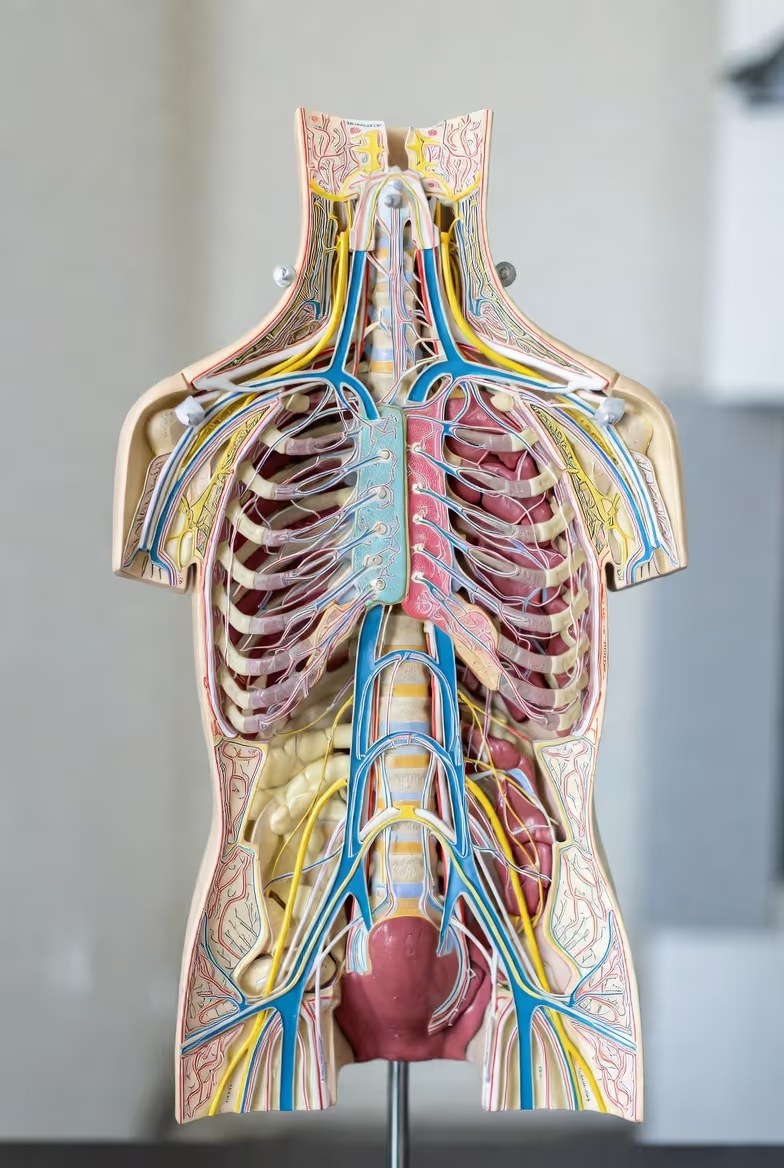
The Body’s Thermostat: How Thyroid Hormones Regulate Emotional Energy

If hormones were a household, the thyroid gland would be the metabolic and energetic thermostat. Situated in the neck, it produces thyroxine (T4) and the more active triiodothyronine (T3). These hormones set the metabolic rate for every single cell in your body, dictating how quickly you convert food and oxygen into energy. It’s no surprise, then, that when this thermostat malfunctions, our emotional and energetic world is thrown into disarray. Thyroid dysfunction is a master masquerader, often misdiagnosed as depression or anxiety.

Hyperthyroidism: The Overheated Engine
An overactive thyroid floods the system with excess hormones, speeding up all bodily processes.

  • Emotional Symptoms: Anxiety, panic attacks, nervousness, irritability, emotional lability (quickly shifting moods), and difficulty concentrating. It can feel like being perpetually "wired," jittery, and on edge.
  • Physical Clues: Unintended weight loss, rapid heartbeat, heat intolerance, tremors, and insomnia.

Hypothyroidism: The Slow Burn
An underactive thyroid is far more common, especially among women. The body’s processes slow to a crawl.

  • Emotional Symptoms: Depression, persistent fatigue, brain fog, memory lapses, low motivation, and a general sense of apathy or melancholy. It’s not just "feeling sad" but a deep, cellular-level fatigue that affects mood.
  • Physical Clues: Unexplained weight gain, cold intolerance, dry skin and hair, constipation, and heavy, irregular periods.

The Crucial Role of Conversion and Autoimmunity
The story is often more complex than simply "high" or "low." The body must convert the storage hormone T4 into the active T3. Factors like chronic stress, nutrient deficiencies (selenium, zinc, iron), gut inflammation, and environmental toxins can impair this conversion, leading to a functional deficit of T3 even if TSH (Thyroid Stimulating Hormone) levels appear "normal."

Furthermore, the most common cause of hypothyroidism in the developed world is Hashimoto's thyroiditis, an autoimmune condition where the body’s immune system attacks the thyroid gland. This creates a fluctuating, often deteriorating function and is strongly linked to gut health and systemic inflammation, which themselves are powerful drivers of mood disorders.

Nurturing Thyroid Health for Emotional Stability
Supporting the thyroid is a cornerstone of emotional balance for many.

  • Nutrient-Rich Diet: Ensuring adequate iodine (from seaweed, seafood), selenium (Brazil nuts), zinc, and iron.
  • Managing Inflammation: Since autoimmunity is inflammatory, an anti-inflammatory diet (rich in omega-3s, colorful vegetables) and gut healing are paramount.
  • Stress Reduction: Chronic stress directly suppresses thyroid function and hampers T4-to-T3 conversion.
  • Comprehensive Testing: Seeking tests beyond just TSH, including Free T4, Free T3, Reverse T3, and thyroid antibodies (TPO and TgAb) for a complete picture.

Understanding your body’s unique rhythms, including its temperature regulation (a key thyroid output), can provide early clues. Advanced wearable technology, like that developed by Oxyzen, can track these subtle biometrics. To learn more about the science behind this holistic tracking, you can read our complete guide on interpreting your body's data for better health.

The Gut-Brain Axis: Serotonin, The Hormone That Isn’t Just in Your Head

Here is a paradigm-shifting fact: Over 90% of your body's serotonin is produced not in the brain, but in your gastrointestinal tract. Serotonin, that famed "happy chemical," is primarily a gut hormone. This revelation is at the heart of the gut-brain axis, a bidirectional superhighway of communication where the gut microbiome directly dialogues with the brain via the vagus nerve, hormones, and immune messengers.

Serotonin’s Dual Citizenship
While brain serotonin regulates mood, sleep, appetite, and cognition, gut serotonin has different, but equally vital, jobs: it governs intestinal motility, modulates the immune response in the gut, and even influences bone metabolism. However, this gut-derived serotonin is a critical player in emotional health because it:

  1. Precursor Availability: The gut produces the majority of the body’s tryptophan, the amino acid building block for serotonin. Gut inflammation or dysbiosis (an imbalance in gut bacteria) can limit tryptophan production and its availability to cross the blood-brain barrier to make brain serotonin.
  2. Vagus Nerve Signaling: The state of the gut—whether calm or inflamed—is communicated directly to the brainstem via the vagus nerve, influencing stress responses and emotional tone.
  3. Microbial Metabolites: Beneficial gut bacteria produce short-chain fatty acids (like butyrate) and other neuroactive compounds that can reduce inflammation and support the production of brain-derived neurotrophic factor (BDNF), essential for neuronal health and a resilient mood.

When the Gut Goes Rogue: Dysbiosis and "Leaky Gut"
An unhealthy gut microbiome, often caused by a poor diet, chronic stress, antibiotics, or infections, can lead to:

  • Increased Intestinal Permeability ("Leaky Gut"): This allows bacterial endotoxins (like LPS) to enter the bloodstream, triggering a systemic, low-grade inflammatory response. Chronic inflammation is a known driver of depression and anxiety.
  • Direct Impact on Neurotransmitters: Certain harmful bacteria can produce metabolites that interfere with neurotransmitter synthesis or function.

Cultivating a Serotonin-Supportive Gut
Emotional health truly begins in the gut.

  • Diverse, Prebiotic Fiber: Feed your beneficial bacteria with a wide variety of fruits, vegetables, legumes, and whole grains.
  • Probiotic & Fermented Foods: Incorporate kefir, yogurt, sauerkraut, kimchi, and kombucha to add live, beneficial bacteria.
  • Polyphenol-Rich Foods: Berries, dark chocolate, green tea, and olive oil feed good bacteria and have anti-inflammatory effects.
  • Stress Management: Chronic stress alters gut motility, blood flow, and bacterial composition, creating a vicious cycle.

The journey to optimal gut health is personal and requires tuning into your body’s signals. For those navigating this path, understanding the company behind tools that aid this journey can be helpful. You can learn more about the mission and values of Oxyzen, a company dedicated to empowering individuals with the data to connect lifestyle choices with physiological outcomes like those influenced by gut health.

The Sleep Regulator: Melatonin’s Influence on Mood and Repair

In our 24/7 world, sleep is often the first sacrifice at the altar of productivity. Yet, the hormone that governs it, melatonin, is a linchpin of emotional balance and neurological repair. Secreted by the pineal gland in response to darkness, melatonin does far more than make you sleepy. It is a powerful chronobiotic (synchronizer of circadian rhythms) and a potent antioxidant, and its rhythmic release is foundational for emotional stability.

Melatonin’s Mood-Mending Functions

  • Circadian Rhythm Regulation: Melatonin sets the timing for virtually every other hormone's release, including cortisol, growth hormone, and even reproductive hormones. A disrupted melatonin rhythm leads to a cascading dysregulation of the entire endocrine orchestra, a prime recipe for mood disorders.
  • Neuroprotective and Antioxidant Effects: During sleep, melatonin crosses the blood-brain barrier and neutralizes free radicals in the brain, reducing oxidative stress—a key factor in depression and anxiety. It also enhances the production of GABA, the brain’s primary calming neurotransmitter.
  • Facilitating Deep Sleep: Melatonin onset initiates the sleep cycle, allowing you to progress into deep, slow-wave sleep. This stage is when critical emotional processing occurs, memories are consolidated, and the brain's "glymphatic system" flushes out metabolic waste, including amyloid-beta proteins linked to poor mental health.

The Consequences of Melatonin Disruption

  • Blue Light & Nighttime Exposure: Artificial light, especially the blue spectrum from screens, is the primary suppressor of melatonin. Evening exposure delays its release, shortening and fragmenting sleep.
  • Shift Work & Social Jet Lag: Inconsistent sleep schedules confuse the pineal gland, leading to erratic, insufficient melatonin production.
  • Low Melatonin Output: This is linked not only to insomnia but also to increased susceptibility to depression, seasonal affective disorder (SAD), anxiety, and a lower threshold for stress.

Optimizing Your Melatonin Rhythm for Emotional Resilience
You cannot supplement your way out of poor sleep hygiene. The goal is to support your body’s natural production.

  • Embrace Morning Light: Bright, natural light exposure within an hour of waking resets your circadian clock and strengthens the melatonin signal for that night.
  • Defend Your Dusk: Dim lights 2-3 hours before bed. Use blue-light blocking glasses or screen filters in the evening. Create a dark, cool, and tech-free sleep sanctuary.
  • Consistency is Key: Go to bed and wake up at roughly the same time every day, even on weekends, to reinforce your circadian rhythm.
  • Dietary Support: Foods containing tryptophan (precursor to serotonin and melatonin) like turkey, pumpkin seeds, and bananas, or small amounts of tart cherry juice (natural melatonin source) can be supportive when paired with good hygiene.

Tracking your sleep objectively is the first step to improving it. Simple wearables have evolved; the Oxyzen smart ring, for instance, is designed to monitor sleep stages, nighttime movement, and even peripheral body temperature—a key proxy for circadian rhythm timing—giving you a clear picture of your sleep architecture and how to optimize it for emotional repair.

The Bonding Molecule: Oxytocin’s Power to Counteract Stress and Foster Connection

If cortisol is the hormone of "fight or flight," then oxytocin is the hormone of "tend and befriend." Synthesized in the hypothalamus and released by the pituitary gland, this neuropeptide has earned its nickname as the "love hormone" or "cuddle chemical," but its role in emotional balance is far more profound than romantic sentiment. Oxytocin is the biochemical substrate of connection, trust, and safety, and it acts as a powerful physiological antidote to stress.

Oxytocin: The Physiological Antidote to Cortisol
During moments of positive social connection—a hug, a meaningful conversation, playing with a pet, even sharing a meal—oxytocin is released. Its effects create a positive feedback loop for emotional well-being:

  • Reduces Stress & Anxiety: Oxytocin directly dampens the activity of the amygdala, the brain's fear center. It also suppresses the release of cortisol and lowers blood pressure and heart rate, counteracting the stress response.
  • Promotes Pro-Social Behavior: It enhances empathy, generosity, trust, and the ability to read social cues, making it easier to form and maintain supportive relationships—which are themselves protective against mental health disorders.
  • Increases Pain Threshold & Promotes Healing: It has mild analgesic effects and is known to accelerate wound healing, highlighting its role in overall physical and emotional repair.

The Oxytocin Deficit: Loneliness and Hypervigilance
In an age of digital connection and social fragmentation, an oxytocin deficit is a real concern. Chronic loneliness and social isolation are associated with lower oxytocin levels, creating a vicious cycle: lack of connection reduces oxytocin, which increases social anxiety and makes future connection feel more difficult. This state keeps the nervous system in a subtle but persistent state of threat vigilance, eroding emotional resilience.

Cultivating Oxytocin in Daily Life
The beautiful thing about oxytocin is that it’s triggered by simple, accessible actions:

  • Physical Touch: Hugs, hand-holding, massage, or even self-massage. Touch is a primal oxytocin trigger.
  • Eye Contact: Meaningful, attentive eye contact during conversation can stimulate its release.
  • Acts of Kindness & Generosity: Both giving and receiving kindness boost oxytocin.
  • Social Bonding: Shared laughter, deep conversations, singing in a group, or team sports.
  • Pet Interaction: Playing with or petting a dog or cat provides a reliable oxytocin boost.
  • Self-Compassion: Interestingly, practices of self-kindness and self-soothing may also stimulate oxytocin pathways, teaching the nervous system internal safety.

Understanding and prioritizing these micro-moments of connection is not a luxury; it’s a non-negotiable pillar of hormonal and emotional health. For a community that values this holistic approach to well-being, you can explore the brand journey and vision of companies that build technology to support, not replace, these essential human connections.

The Hunger Hormones: How Leptin and Ghrelin Steer Mood and Cravings

Our relationship with food is deeply emotional, and the hormones that regulate hunger and satiety are direct players in this dynamic. Leptin and ghrelin are often described in simple terms: ghrelin is the "hunger hormone" that signals an empty stomach, and leptin is the "satiety hormone" released from fat cells to signal fullness. However, their influence extends deep into the brain's emotional and reward centers, impacting mood, energy, and even symptoms of depression and anxiety.

Leptin: The Satiety Signal with a Mood Connection
Produced primarily by adipose (fat) tissue, leptin’s job is to communicate energy sufficiency to the hypothalamus. But leptin receptors are also found in brain regions involved in mood regulation.

  • Leptin Resistance: In obesity or chronic overnutrition, a dangerous paradox can occur: high levels of circulating leptin, but a brain that is deaf to its signal. This "leptin resistance" is similar to insulin resistance. Beyond promoting overeating, leptin resistance is independently linked to increased symptoms of depression and anxiety. The theory is that the brain, despite having ample energy stores, is in a state of perceived starvation and stress.
  • Low Leptin: In cases of extreme calorie restriction, anorexia, or very low body fat, leptin levels plummet. This state signals a severe energy crisis to the brain, leading to obsessive thoughts about food, irritability, anxiety, depression, and a shutdown of reproductive function—the body's way of prioritizing survival.

Ghrelin: The Hunger Hormone with an Anxiolytic Twist
Secreted by the stomach when empty, ghrelin stimulates appetite. But intriguingly, ghrelin also has anti-depressant and anti-anxiety effects in animal studies. It appears to boost dopamine activity in reward pathways and may help the brain cope with stress. This creates a complex picture: the hormone that makes us seek food also seems to provide a short-term mood buffer, which may explain the emotional pull of "comfort food" during times of stress, even when we're not physically hungry.

The Blood Sugar Rollercoaster’s Emotional Toll
While not a hormone itself, blood sugar stability is governed by insulin and directly impacts the hunger hormones. A diet high in refined sugars and carbohydrates leads to rapid spikes and crashes in blood glucose. This rollercoaster causes corresponding spikes and crashes in energy and mood, leading to irritability, anxiety, brain fog ("hanger"), and intense cravings—driven in part by ghrelin—for more quick-energy food, perpetuating the cycle.

Stabilizing the System for Emotional Balance

  • Prioritize Protein & Healthy Fats at Meals: These nutrients promote satiety, blunt ghrelin spikes, and provide steady energy.
  • Embrace Fiber-Rich Carbohydrates: Vegetables, legumes, and whole grains slow glucose absorption, preventing sharp spikes.
  • Prioritize Sleep: Sleep deprivation increases ghrelin and decreases leptin, a double whammy for hunger and mood.
  • Manage Stress: Chronic stress can disrupt normal hunger/satiety signaling and drive cravings for high-energy foods.

Tuning into your body’s true hunger and satiety signals, rather than emotional cues, is a skill. For support and answers to common questions on using data to understand your body's unique rhythms, you can always visit our comprehensive FAQ and support page.

The Inflammation Link: How Cytokines Can Hijack Your Emotional State

Perhaps the most revolutionary understanding in modern psychiatry and endocrinology is the role of inflammation as a direct driver of mood disorders. We’ve moved beyond seeing the brain as an isolated organ; we now understand it is in constant, dynamic conversation with the immune system. The messengers in this conversation are cytokines—small proteins released by immune cells that signal inflammation. When this system becomes chronically activated, it can fundamentally alter brain chemistry and function, leading to a state often termed "sickness behavior" that mirrors depression.

From Peripheral Inflammation to Brain Fog and Gloom
When your body is fighting an infection, dealing with gut permeability, or carrying excess visceral fat (an active endocrine organ that secretes pro-inflammatory cytokines), systemic inflammation rises. These inflammatory cytokines can:

  • Cross the Blood-Brain Barrier: Or signal via the vagus nerve, accessing key brain regions.
  • Disrupt Neurotransmitter Synthesis: Inflammation depletes tryptophan by shunting it towards the production of neurotoxic compounds (like quinolinic acid) instead of serotonin. It also disrupts dopamine and norepinephrine pathways.
  • Impair Neuroplasticity: Cytokines can reduce the production of Brain-Derived Neurotrophic Factor (BDNF), the "fertilizer" for the brain, hindering the growth of new neurons and connections.
  • Activate the HPA Axis: Contributing to cortisol dysregulation.

Emotional Symptoms of a "Inflamed Brain" (Neuroinflammation)
This isn't about feeling "a bit off." It can manifest as:

  • Anhedonia: The loss of pleasure or interest in activities, a core symptom of depression.
  • Psychomotor Retardation: Fatigue, slowed thinking, and physical movement.
  • Cognitive Impairment: "Brain fog," poor concentration, and memory issues.
  • Heightened Anxiety and Irritability.
  • Non-restorative Sleep: Waking up feeling tired despite adequate hours.

Sources of Chronic, Mood-Disrupting Inflammation

  • Poor Diet: High in processed foods, sugar, and unhealthy fats (like industrial seed oils).
  • Chronic Stress: Elevates pro-inflammatory markers.
  • Sedentary Lifestyle: While acute exercise is anti-inflammatory, chronic inactivity is pro-inflammatory.
  • Hidden Infections: Like periodontal disease, gut dysbiosis, or chronic viral loads (e.g., Epstein-Barr virus).
  • Environmental Toxins: Exposure to pesticides, mold, and heavy metals.
  • Obesity & Insulin Resistance: Visceral fat is a factory for inflammatory cytokines.

Calming the Fire for a Calmer Mind
An anti-inflammatory lifestyle is a direct strategy for emotional health.

  • Anti-Inflammatory Diet: Emphasize omega-3 fatty acids (fatty fish), colorful phytonutrient-rich plants (berries, leafy greens, turmeric), and minimize processed foods.
  • Regular, Moderate Exercise: Consistent movement is one of the most potent anti-inflammatory interventions.
  • Gut Health: Healing the gut lining and cultivating a diverse microbiome reduces systemic endotoxin load.
  • Stress Management & Quality Sleep: Both are powerful modulators of the inflammatory response.

Connecting daily choices to internal states like inflammation requires seeing the unseen. The data from a comprehensive wellness tracker can reveal patterns—how poor sleep one night correlates with lower heart rate variability (a marker of stress/inflammation) the next day. To see how others have made these connections, explore real customer reviews and experiences with in-depth health tracking.

Insulin: The Master Metabolic Hormone with a Direct Line to the Brain

We typically think of insulin in the context of blood sugar and diabetes. However, this pancreatic hormone is a master regulator of metabolism with profound and direct effects on brain function and emotional health. The brain is a glucose-hungry organ, and insulin is the key that allows glucose to enter cells for energy. But insulin’s role in the brain extends far beyond fueling neurons; it acts as a neuroactive hormone that influences neurotransmitter activity, synaptic plasticity, and inflammation.

Insulin Resistance: When the Brain Starves in a Sea of Sugar
Insulin resistance is a condition where cells throughout the body—including, critically, brain cells—become less responsive to insulin's "open up for glucose" signal. This is often driven by a diet high in refined carbohydrates and sugars, chronic stress, and inactivity. The pancreas compensates by pumping out more and more insulin, leading to hyperinsulinemia (high insulin levels).

This metabolic dysfunction has devastating consequences for emotional balance:

  • Brain Energy Crisis: If brain cells are resistant to insulin, they struggle to get adequate glucose, their primary fuel. This can manifest as brain fog, mental fatigue, poor concentration, and memory issues—common symptoms in both depression and anxiety disorders.
  • Disrupted Neurotransmitter Synthesis: Insulin helps transport tryptophan (serotonin precursor) and tyrosine (dopamine/norepinephrine precursor) into the brain. Insulin resistance can starve the brain of the building blocks it needs to make these crucial mood-regulating chemicals.
  • Increased Inflammation: Hyperinsulinemia is a pro-inflammatory state. As discussed, inflammation is a direct driver of neuroinflammation and mood disorders.
  • Impact on Other Hormones: High insulin can increase ovarian production of testosterone (contributing to PCOS) and interfere with leptin signaling, creating a tangled web of endocrine dysfunction.

The Emotional Profile of Insulin Dysregulation
Mood symptoms are often the first sign of insulin resistance, appearing long before a diagnosis of prediabetes. These can include:

  • Chronic fatigue, especially after meals.
  • Irritability, anxiety, or mood swings tied to hunger ("hanger").
  • Intense cravings for carbohydrates and sweets.
  • Difficulty with focus and "fuzzy" thinking.
  • A feeling of being "tired but wired."

Re-Sensitizing the Brain: Diet and Lifestyle as Medicine
The good news is that insulin resistance is largely reversible through lifestyle.

  • Dietary Shift: The most powerful lever. Reduce/eliminate refined sugars and processed carbohydrates. Emphasize whole foods: high-quality proteins, healthy fats (avocado, olive oil, nuts), and high-fiber, non-starchy vegetables. This stabilizes blood glucose and lowers insulin demand.
  • Time-Restricted Eating: Limiting your daily eating window (e.g., 12-8 pm) gives your pancreas a break and can improve insulin sensitivity.
  • Strength & High-Intensity Training: Muscle is your largest glucose sink. Building muscle through resistance training and using high-intensity intervals dramatically improves how your body handles glucose.
  • Stress & Sleep Management: Both are foundational for metabolic health.

Understanding your body’s unique metabolic responses is key. Tracking biomarkers like fasting glucose (and ideally, insulin) with your doctor, and observing how your energy and mood respond to different foods, is crucial. For a deeper exploration of the science behind metabolic health and wearable technology, be sure to explore our blog for more wellness tips. This knowledge empowers you to make food choices that fuel both your body and your emotional resilience.

The Quiet Regulator: Vitamin D’s Surprising Role as a Neurohormone

Often categorized merely as a vitamin, Vitamin D is, in fact, a potent secosteroid hormone. It is synthesized in the skin from sunlight exposure and undergoes activation in the liver and kidneys. While its role in bone health is well-known, its function as a neuroactive hormone is critical for emotional balance. Receptors for vitamin D are found throughout the brain, particularly in areas linked to mood regulation, such as the prefrontal cortex and hippocampus. Its deficiency is now recognized as a significant, yet modifiable, risk factor for depression, seasonal affective disorder (SAD), and anxiety.

Vitamin D’s Mood-Modulating Mechanisms
This "sunshine hormone" operates on multiple levels to support emotional well-being:

  • Neurogenesis and Neuroprotection: Vitamin D promotes the growth and survival of neurons in the hippocampus, a brain region central to memory and emotion that is often shriveled in cases of chronic depression. It also exerts antioxidant and anti-inflammatory effects within the brain, protecting against neuroinflammation.
  • Neurotransmitter Synthesis: It regulates the enzymes responsible for converting tryptophan into serotonin. In fact, the production of serotonin in the brain rises and falls directly with exposure to bright light, illustrating the interconnected pathway of sunlight → vitamin D → serotonin → mood.
  • Immune System Modulation: By helping to regulate the immune system, vitamin D prevents the overproduction of pro-inflammatory cytokines that can lead to "sickness behavior" and depressive symptoms.
  • Regulation of Circadian Rhythms: Emerging research suggests vitamin D may help synchronize the body’s internal clock, supporting healthy sleep-wake cycles, which are foundational for mood stability.

The Modern Epidemic of Deficiency and Its Emotional Toll
Despite its name, it is challenging to get sufficient vitamin D from diet alone (fatty fish, egg yolks, fortified foods). The primary source is sun exposure, which is limited by modern indoor lifestyles, use of sunscreen, geographical location, and seasonal changes.

  • Symptoms of Deficiency: Beyond bone and muscle pain, deficiency can manifest as persistent low mood, fatigue, cognitive fog, and a heightened vulnerability to stress.
  • Seasonal Affective Disorder (SAD): This condition is a stark example of the light-vitamin D-mood connection. The reduced daylight hours in winter lead to lower vitamin D synthesis, which correlates with the depressive symptoms characteristic of SAD.

Optimizing Vitamin D for Emotional Resilience

  • Sensible Sun Exposure: Aim for 10-20 minutes of midday sun exposure on large areas of skin (arms, legs) several times a week, without burning. This is the most natural and effective method.
  • Supplementation: Given how common deficiency is, supplementation is often necessary. It is crucial to have your blood levels tested (aiming for a 25(OH)D level of 40-60 ng/mL) and to work with a healthcare provider to determine the correct dose, as needs vary dramatically by individual.
  • Co-factors: Vitamin D works synergistically with other nutrients. Ensure adequate intake of magnesium (which activates vitamin D) and vitamin K2 (which helps direct calcium to bones, not arteries).

As with all hormones, balance is key. While deficiency is harmful, megadoses can also have negative consequences. The goal is sufficiency, not excess. For individuals using comprehensive wellness trackers, observing correlations between mood scores, energy levels, and even sleep quality across different seasons can provide personal insight into one’s sensitivity to this light-dependent hormone, a fascinating data point explored in many resources on the Oxyzen blog.

The Growth and Repair Hormone: How IGF-1 and Human Growth Hormone Influence Brain Health

While often discussed in the context of athletic performance and aging, Human Growth Hormone (HGH) and its primary mediator, Insulin-like Growth Factor-1 (IGF-1), are vital for brain health and emotional equilibrium. Released in pulses from the pituitary gland, primarily during deep, slow-wave sleep, this hormonal axis is responsible for cellular repair, growth, and regeneration throughout the body—including the brain.

The Brain’s Maintenance Crew
HGH stimulates the liver to produce IGF-1, which then crosses the blood-brain barrier. Their roles in the nervous system are profound:

  • Neurogenesis and Synaptic Plasticity: IGF-1 is a powerful promoter of the birth of new neurons (neurogenesis) in the hippocampus and supports the formation and maintenance of synapses—the connections between neurons. This is the biological basis for learning, memory, and cognitive flexibility, all of which are impaired in mood disorders.
  • Brain Energy Metabolism: IGF-1 enhances the brain’s ability to take up and utilize glucose, ensuring neurons have the fuel they need to function optimally.
  • Neuroprotection: It protects neurons from oxidative stress and apoptosis (programmed cell death) and supports the integrity of the myelin sheath that insulates nerve fibers, ensuring efficient communication.
  • Mood Regulation: Lower levels of IGF-1 have been associated with depression and poor response to antidepressant treatment. It appears to interact with serotonin and BDNF pathways, creating a supportive environment for a resilient mood.

The Decline and Disruption of the Growth Axis
Production of HGH/IGF-1 naturally declines with age, but lifestyle factors can cause a premature or precipitous drop:

  • Poor Sleep Quality: Since the majority of HGH is released during deep sleep (stages 3 & 4), fragmented or insufficient sleep directly cripples this repair cycle.
  • Chronic Stress and High Cortisol: Elevated cortisol directly inhibits the release of HGH and blunts the activity of IGF-1.
  • Hyperinsulinemia and Poor Diet: High insulin levels and diets lacking in quality protein can disrupt IGF-1 signaling.
  • Sedentary Lifestyle: Specifically, a lack of high-intensity exercise.

Supporting Natural HGH/IGF-1 Production
Pharmacologic HGH is controversial and reserved for specific medical diagnoses. The focus for emotional health should be on supporting the body’s natural production.

  • Prioritize Deep Sleep: This is non-negotiable. Strategies for deep sleep include consistent sleep schedules, a dark/cool room, and avoiding alcohol and large meals before bed.
  • High-Intensity Exercise: Short, intense bursts of activity (sprinting, heavy weightlifting, HIIT) are potent natural stimulants for HGH release.
  • Intermittent Fasting: Extended periods without food (16+ hours) can trigger significant pulses of HGH, partly to preserve muscle mass and mobilize fat for energy.
  • Optimize Protein Intake: Adequate dietary protein provides the amino acids (like L-arginine and L-glutamine) that serve as building blocks and stimulants for HGH release.
  • Manage Stress: Keeping cortisol in check is essential to allow the growth and repair system to function.

The profound link between deep sleep and this repair axis highlights why simply tracking "hours in bed" is insufficient. Understanding your sleep architecture—how much time you spend in each restorative stage—is key. Advanced wearables like the Oxyzen ring are designed to provide this precise analysis, helping you connect the dots between your lifestyle, your sleep quality, and your body’s innate repair processes. You can discover how Oxyzen works to uncover these vital patterns.

The Pleasure and Reward Pathway: Dopamine’s Delicate Balance for Motivation and Satisfaction

Dopamine is frequently mislabeled as the "pleasure hormone." A more accurate description is the "motivation, reward, and anticipation molecule." It is the core driver of our "seek and pursue" behavior, fueling desire, focus, goal-directed action, and the feeling that our efforts are worthwhile. Its balance is exquisite—too little leads to apathy and anhedonia; too much, or dysregulated signaling, is linked to anxiety, addiction, and psychosis.

Dopamine’s Role in Emotional Drive
Dopaminergic pathways, particularly the mesolimbic pathway, are central to how we experience motivation and satisfaction.

  • Anticipation vs. Consumption: Dopamine spikes most sharply in anticipation of a reward, not necessarily upon its receipt. It’s the chemical of wanting, driving you to work towards a goal, learn a new skill, or engage socially.
  • Motivation and Initiative: Healthy dopamine tone is what gets you out of bed with a sense of purpose. Low dopamine is characterized by procrastination, lack of enthusiasm, and the feeling that everything requires Herculean effort.
  • Focus and Cognitive Control: Dopamine in the prefrontal cortex is essential for executive functions: attention, working memory, and the ability to plan and follow through.
  • Motor Control and Fine-Tuning: It also coordinates smooth, purposeful movement.

Dopamine Dysregulation: Two Sides of the Same Coin

  • Dopamine Deficiency (Low Tone): This state underpins the motivational deficits in depression. Symptoms include anhedonia (inability to feel pleasure), profound fatigue, lack of interest in life, cognitive slowing, and sometimes a restless, agitated feeling. Conditions like Parkinson’s disease, which involves the degeneration of dopamine-producing neurons, highlight its critical role in movement and mood.
  • Dopamine Dysregulation (Faulty Signaling): This isn't necessarily about low levels, but about receptors that are desensitized or pathways that are overstimulated and then crash. This is seen in:
    • Addiction: Drugs, gambling, or even social media provide unnatural, massive dopamine spikes that downregulate receptors, making normal, everyday pleasures feel dull in comparison.
    • ADHD: Often related to impaired dopamine transmission in the prefrontal cortex, leading to distractibility and poor impulse control.
    • Anxiety & Mania: In some contexts, excessive or erratic dopamine activity can contribute to heightened arousal, racing thoughts, and anxiety.

Supporting Healthy Dopamine Tone Naturally
The goal is not to spike dopamine artificially, but to support its natural, rhythmic production and receptor sensitivity.

  • Celebrate Small Wins: Breaking large goals into smaller, achievable tasks creates regular, healthy dopamine releases that reinforce positive behavior.
  • "Dopamine Fasting" from Hyper-Stimuli: Consciously reducing time on addictive digital platforms, sugary foods, and other sources of instant, intense gratification can help resensitize dopamine receptors.
  • Tyrosine-Rich Foods: The amino acid L-tyrosine is the precursor to dopamine. Include foods like pasture-raised eggs, grass-fed meat, wild-caught fish, almonds, and avocados.
  • Regular Exercise: Physical activity, especially rhythmic exercise like running or cycling, boosts dopamine production and receptor availability.
  • Mastery and Learning: Engaging in activities that provide a challenge and a sense of progression (learning an instrument, a language, a craft) provides a sustainable, healthy dopamine reward loop.

Understanding your own motivational patterns and energy cycles is a form of self-awareness that can be enhanced by data. Tracking your daily activity, sleep, and recovery metrics can help you identify the times of day you are naturally most focused and driven, allowing you to schedule demanding tasks accordingly. For more on structuring your day for optimal performance, the Oxyzen blog offers a wealth of related insights.

The Calming Force: GABA, The Brain’s Chief Inhibitory Neurotransmitter

While not a hormone in the classic endocrine sense, Gamma-Aminobutyric Acid (GABA) is the primary inhibitory neurotransmitter in the central nervous system. Its function is paramount to emotional balance: it acts as the brain’s "brake pedal," slowing down neural activity, promoting relaxation, reducing neuronal excitability, and quieting the "noise." Where cortisol, norepinephrine, and glutamate (the main excitatory neurotransmitter) accelerate, GABA applies the brakes. An imbalance in this system is at the heart of many anxiety disorders, insomnia, and even seizures.

GABA’s Role in Quieting the Mind and Body

  • Counteracting Anxiety: GABAergic neurons project to the amygdala, hippocampus, and prefrontal cortex—key nodes in the brain's fear and stress circuits. By inhibiting over-firing in these areas, GABA induces calm, reduces worry, and prevents the spiral of anxious thoughts.
  • Promoting Sleep: The transition from wakefulness to sleep is mediated by a rise in GABA activity. It helps quiet cortical arousal and is essential for initiating and maintaining sleep, particularly deep sleep.
  • Muscle Relaxation: GABA also operates in the spinal cord, helping to relax skeletal muscles, which is why physical tension is a hallmark of GABA deficiency (and chronic stress).
  • Modulating Other Neurotransmitters: GABA helps regulate the release of dopamine, serotonin, and norepinephrine, placing it in a central position for overall neurochemical harmony.

GABA Deficiency and Dysfunction
Low GABA activity is strongly linked to:

  • Anxiety Disorders: Generalized anxiety, panic attacks, and phobias.
  • Insomnia: Difficulty falling asleep due to a "racing mind."
  • Chronic Stress: The constant firing of the stress response can deplete GABA resources over time.
  • Physical Symptoms: Muscle stiffness, tension headaches, and a feeling of being "on edge" or "wired."

It’s important to note that oral GABA supplements are controversial, as it’s unclear how well they cross the blood-brain barrier. The more effective strategy is to support the body’s own production and the sensitivity of GABA receptors.

Natural Strategies to Enhance GABAergic Tone

  • Mindfulness and Meditation: These practices have been shown to increase GABA levels in the brain, likely by training the prefrontal cortex to regulate lower brain centers, effectively strengthening the brain's natural calming pathways.
  • Yoga and Tai Chi: The combination of controlled movement, breathwork, and meditation in these practices is particularly effective at boosting GABA.
  • Breathwork: Specifically, extended exhalations (e.g., the 4-7-8 technique) stimulate the parasympathetic nervous system and are linked to increased GABA activity.
  • Foods & Ferments: Some studies suggest foods rich in glutamic acid/glutamate (the precursor to GABA) like brown rice, spinach, and broccoli may help. Additionally, fermented foods like kimchi, kefir, and yogurt contain lactic acid bacteria that can produce GABA.
  • Herbal Support: Certain herbs, like valerian root, passionflower, and lemon balm, are thought to work by modulating GABA receptors, promoting relaxation.
  • Prioritize Sleep and Manage Stress: As with all systems, chronic stress depletes, while restorative sleep replenishes.

The ability to track your physiological state of calm—through metrics like Heart Rate Variability (HRV)—provides direct feedback on your nervous system's balance between "gas" (sympathetic) and "brake" (parasympathetic, which is GABA-influenced). A higher HRV generally indicates a more resilient, flexible system capable of calming down effectively. Seeing this data can motivate and guide relaxation practices. To understand how this technology fits into a holistic wellness vision, you can learn more about the company’s mission and values.

The Second Brain’s Messengers: Peptide YY, GLP-1, and The Gut’s Direct Mood Influence

We’ve explored serotonin’s gut connection, but the enteric nervous system—the "second brain" in your gut—produces a vast array of other hormones that directly signal the brain. Two key players are Peptide YY (PYY) and Glucagon-like Peptide-1 (GLP-1). Released from intestinal cells in response to food, especially protein and fat, these hormones do far more than regulate digestion and appetite; they are potent modulators of stress, anxiety, and reward.

Peptide YY (PYY): The Satiety Hormone with Anxiolytic Effects
PYY is released after eating and works to slow gastric emptying and promote a lasting feeling of fullness. New research reveals a fascinating brain-gut connection:

  • Stress and Anxiety Reduction: PYY has been shown to reduce the release of corticotropin-releasing hormone (CRH) in the hypothalamus, the very initiator of the HPA axis stress cascade. Animal studies demonstrate direct anxiolytic effects. In essence, a well-fed gut, signaled by PYY, tells the brain, "We are safe and nourished; you can stand down from high alert."
  • Reward Pathway Interaction: PYY may also modulate the brain's reward system, potentially reducing the drive for hyper-palatable, high-reward foods that often accompany stress eating.

Glucagon-like Peptide-1 (GLP-1): Beyond Blood Sugar Control
GLP-1 is famous for its role in stimulating insulin release and inhibiting glucagon, making it a target for diabetes and weight loss drugs. Its emotional effects are profound:

  • Neuroprotection: GLP-1 receptors are found throughout the brain. GLP-1 analogs have been shown to reduce neuroinflammation, promote neurogenesis, and protect neurons—effects being studied for neurodegenerative diseases and depression.
  • Appetite, Reward, and Possibly Mood: By signaling satiety and influencing reward pathways in the brain, GLP-1 can reduce cravings. There is emerging evidence that these pathways overlap with those governing mood, suggesting a potential mood-stabilizing role.

The Gut-Brain Dialogue in Real Time
This means the composition of your meal directly influences the hormonal messages sent to your brain. A meal high in processed carbohydrates that causes a rapid blood sugar spike and crash will send very different signals (involving insulin and subsequent hunger hormones) than a balanced meal with protein, fat, and fiber that stimulates a sustained, calming release of PYY and GLP-1.

  • A Dysbiotic Gut's Impact: An unhealthy gut microbiome can impair the production and release of these beneficial peptides, disrupting both metabolic and emotional signaling.

Feeding Your Gut for a Calmer Brain

  • Prioritize Protein and Healthy Fats: These are the most potent stimulators of PYY and GLP-1 release. Include sources like fish, eggs, lean meat, legumes, avocado, nuts, and olive oil.
  • Load Up on Fiber: Soluble fiber, found in oats, beans, apples, and carrots, feeds the beneficial bacteria that support gut lining health and hormone production.
  • Mindful Eating: Eating slowly and chewing thoroughly allows time for these satiety and mood-signaling hormones to be released and reach the brain, preventing overeating and promoting a sense of calm satisfaction.

Tuning into how you feel after meals—not just physically, but emotionally—is a powerful practice. Do you feel energized and focused, or sluggish and irritable? This biofeedback is your gut-brain axis speaking. For those navigating dietary changes and seeking community support, reading real customer reviews and experiences can provide relatable insights and motivation.

The Electrifying Messenger: Norepinephrine, The Catalyst for Focus and Alertness (And Its Flip Side)

Norepinephrine (or noradrenaline) is both a neurotransmitter and a hormone. Released from the adrenal glands into the bloodstream and from neurons in the brainstem's locus coeruleus, it is the body’s primary chemical for alertness, arousal, focus, and vigilance. It prepares the mind and body for action. In a balanced amount, it is essential for motivation, attention, and responding to challenges. However, like all potent molecules, its dysregulation is central to several mood and anxiety disorders.

The Dual Role of Norepinephrine

  • In the Brain (as a neurotransmitter): It enhances signal-to-noise ratio in the cortex, sharpening focus and attention. It plays a key role in the "fight-or-flight" response, increasing vigilance and priming memory formation for important events.
  • In the Body (as a hormone): It increases heart rate, blood pressure, and blood flow to muscles, while diverting it from digestion—the classic physical preparation for action.

Norepinephrine in Emotional Balance and Imbalance

  • Optimal Levels: Support a state of engaged, calm focus—often described as "flow." You are alert, motivated, and able to concentrate on tasks without being distractible or anxious.
  • Deficiency (Low Tone): Associated with the lethargic, fatigued, and cognitively "foggy" symptoms of depression. It manifests as lack of energy, difficulty concentrating, and apathy. Many classic antidepressants (like SNRIs and TCAs) work in part by increasing norepinephrine availability.
  • Excess or Erratic Release (High/Dysregulated Tone): This is the domain of anxiety, panic, and hyperarousal.
    • Anxiety Disorders: Persistent, low-grade overactivity of the noradrenergic system contributes to generalized anxiety, constant worry, and a feeling of being "on edge."
    • Panic Attacks: These are often characterized by a sudden, massive surge of norepinephrine, causing the intense physical symptoms (racing heart, sweating, trembling, dread) and the feeling of losing control.
    • PTSD: Involves a hypersensitive noradrenergic system, where minor triggers can provoke an exaggerated fear and arousal response.
    • ADHD: Interestingly, in some cases, ADHD may involve underactivity of norepinephrine in the prefrontal cortex, leading to poor focus and impulse control, which is why stimulant medications (which increase norepinephrine and dopamine) can be calming for individuals with ADHD.

Modulating Norepinephrine for Calm Focus
The goal is not to eliminate norepinephrine, but to support its healthy, regulated release.

  • Regular Exercise: A powerful, natural modulator that helps train the nervous system to regulate norepinephrine release appropriately.
  • Stress Management Techniques: Practices like meditation, deep breathing, and yoga help lower baseline sympathetic tone and prevent chronic norepinephrine overdrive.
  • Sleep Hygiene: Deep sleep is crucial for "resetting" the noradrenergic system. Sleep deprivation leaves the locus coeruleus in a hyperactive state.
  • Nutritional Support: Adequate tyrosine (the precursor) from protein-rich foods, along with co-factors like vitamin C, copper, and folate, support its synthesis.
  • Cold Exposure: Brief cold showers or plunges are a controlled, acute stressor that can help improve the body's regulation of norepinephrine over time, increasing baseline levels while enhancing the ability to return to baseline.

Tracking physiological markers of arousal, such as resting heart rate and heart rate variability, can provide objective insight into your sympathetic (norepinephrine-driven) tone. Seeing these metrics improve with consistent stress-management practices offers powerful positive reinforcement. For technical questions on how these metrics are captured and interpreted, our FAQ page is a valuable resource.

The Interconnected Web: How Hormones Influence Each Other in a Dynamic Feedback Loop

Up to this point, we have examined the individual players in the endocrine orchestra. But the true magic—and complexity—lies in their interactions. Hormones do not operate in isolation; they exist in a state of constant, dynamic conversation through feedback loops. A shift in one creates a ripple effect, altering the production, sensitivity, or function of others. This interconnected web explains why emotional imbalance is rarely about a single "deficiency" but rather a systemic pattern of dysregulation.

Key Hormonal Conversations

  • The Cortisol-Thyroid Axis: Chronic elevation of cortisol suppresses the conversion of the inactive thyroid hormone T4 into the active T3, while increasing the production of Reverse T3 (rT3), an inactive form that blocks thyroid receptors. This means chronic stress can induce a functional hypothyroid state, leading to fatigue, low mood, and weight gain, even if standard thyroid labs appear normal.
  • The Cortisol-Sex Hormone Axis (The "Pregnenolone Steal"): Pregnenolone is the mother hormone from which both cortisol and sex hormones (DHEA, progesterone, testosterone, estrogens) are made. Under chronic stress, the body prioritizes survival (cortisol) over reproduction and well-being. Enzymatic pathways are shunted towards producing more cortisol, "stealing" the raw material away from sex hormone production. This is a primary reason why chronic stress leads to low libido, irregular cycles, and symptoms of estrogen/progesterone/testosterone imbalance.
  • The Insulin-Sex Hormone Connection: High insulin levels, as seen in insulin resistance and PCOS, stimulate the ovaries to produce more testosterone and can decrease Sex Hormone Binding Globulin (SHBG), leaving more free, active testosterone circulating. This directly links metabolic health to hormonal and emotional symptoms like anxiety, acne, and mood swings.
  • The Leptin-Reproductive Hormone Link: Leptin, the satiety hormone from fat cells, signals to the hypothalamus that there is sufficient energy stored for reproduction. Extremely low leptin levels (from very low body fat or starvation) shut down the HPG axis, leading to amenorrhea (loss of periods) and low sex hormones. This illustrates how energy availability is the foundation upon which all other hormonal systems are built.
  • The Estrogen-Serotonin Synergy: As noted earlier, estrogen enhances the production, release, and receptor sensitivity of serotonin. This is why serotonin-related mood symptoms often fluctuate with the menstrual cycle and why perimenopause, with its estrogen fluctuations, can be a time of increased anxiety and depression for some.

The Vicious Cycles of Imbalance
These interconnections often create self-perpetuating cycles:

  1. Stress → Cortisol ↑ → Insulin Resistance ↑ → Inflammation ↑ → Worse Stress Response.
  2. Poor Sleep → Cortisol ↑ & Growth Hormone ↓ → Insulin Resistance ↑ → Weight Gain → Sleep Apnea risk ↑ → Worse Sleep.
  3. Gut Dysbiosis → Inflammation ↑ → Cortisol ↑ → Altered Gut Motility & Permeability → Worse Dysbiosis.

The Systems-Thinking Approach to Emotional Health
This web affirms that the most effective approach to hormonal and emotional balance is holistic. It is futile to address only one hormone in isolation. The most powerful interventions are those that positively influence multiple systems simultaneously:

  • Prioritizing Sleep: Improves cortisol, growth hormone, insulin sensitivity, leptin/ghrelin, and neurotransmitter clearance.
  • Managing Stress: Lowers cortisol, supports thyroid function, frees up sex hormone production, and improves gut health.
  • Eating a Nutrient-Dense, Anti-Inflammatory Diet: Stabilizes insulin, reduces inflammation, supports gut-derived hormones, and provides raw materials for all hormone synthesis.
  • Regular, Varied Movement: Improves insulin sensitivity, boosts growth hormone and testosterone, reduces inflammation, and is a potent stress reliever.

Understanding this symphony allows you to be the conductor of your own health. By making lifestyle choices that support the entire system, you create harmony. For a deeper look at the philosophy behind creating technology that honors this complexity, you can explore our story and vision. The journey toward emotional balance is about connecting the dots, and with the right knowledge and tools, you can map your unique path to harmony.

Citations:

Your Trusted Sleep Advocate: Sleep Foundation — https://www.sleepfoundation.org

Discover a digital archive of scholarly articles: NIH — https://www.ncbi.nlm.nih.gov/

39 million citations for biomedical literature :PubMed — https://pubmed.ncbi.nlm.nih.gov/

Experts at Harvard Health Publishing covering a variety of health topics — https://www.health.harvard.edu/blog/  

Every life deserves world class care :Cleveland Clinic - https://my.clevelandclinic.org/health

Wearable technology and the future of predictive health monitoring :MIT Technology Review — https://www.technologyreview.com/

Dedicated to the well-being of all people and guided by science :World Health Organization — https://www.who.int/news-room/

Psychological science and knowledge to benefit society and improve lives. :APA — https://www.apa.org/monitor/

Cutting-edge insights on human longevity and peak performance:

 Lifespan Research — https://www.lifespan.io/

Global authority on exercise physiology, sports performance, and human recovery:

 American College of Sports Medicine — https://www.acsm.org/

Neuroscience-driven guidance for better focus, sleep, and mental clarity:

 Stanford Human Performance Lab — https://humanperformance.stanford.edu/

Evidence-based psychology and mind–body wellness resources:

 Mayo Clinic — https://www.mayoclinic.org/healthy-lifestyle/

Data-backed research on emotional wellbeing, stress biology, and resilience:

 American Institute of Stress — https://www.stress.org/
