


How Breathing Patterns Affect Deep Sleep Quality
Learn how breathing patterns affect deep sleep quality throughout the night. Discover optimal breathing during sleep and techniques to improve respiration for better restorative rest.
Learn how breathing patterns affect deep sleep quality throughout the night. Discover optimal breathing during sleep and techniques to improve respiration for better restorative rest.
%402x.svg)
You’ve optimized your sleep hygiene to perfection. Your room is a cave of cool darkness. You’ve banished blue light and embraced a calming routine. Yet, you still wake feeling unrefreshed, as if the deepest, most restorative sleep remains just out of reach. The missing piece to this puzzle may not be in your environment, but in the most fundamental rhythm of your life: your breath.
While you sleep, your breathing is far from passive. It acts as a master conductor, orchestrating the complex symphony of your sleep cycles, directly influencing your descent into and sustainment of deep sleep—the critical phase where physical repair, memory consolidation, and hormonal regulation occur. Disrupted, shallow, or misaligned breathing doesn’t just cause snoring or wake you up; it silently fragments the architecture of your sleep, robbing you of its most potent benefits.
Modern wellness technology, particularly advanced smart rings like those developed by Oxyzen, is now illuminating this intimate connection with stunning clarity. By tracking subtle physiological signals like heart rate variability (HRV) and blood oxygen saturation alongside breathing rate, we can finally see the real-time impact of each breath on sleep quality. This isn’t just about counting hours in bed; it’s about understanding the quality of those hours at a biological level. To grasp the full potential of this technology in uncovering your personal sleep patterns, you can discover how Oxyzen works.
This exploration will dive into the profound science linking breath to deep sleep, unravel the common patterns that sabotage restoration, and provide actionable strategies to harmonize your breathing for the most restorative sleep of your life.
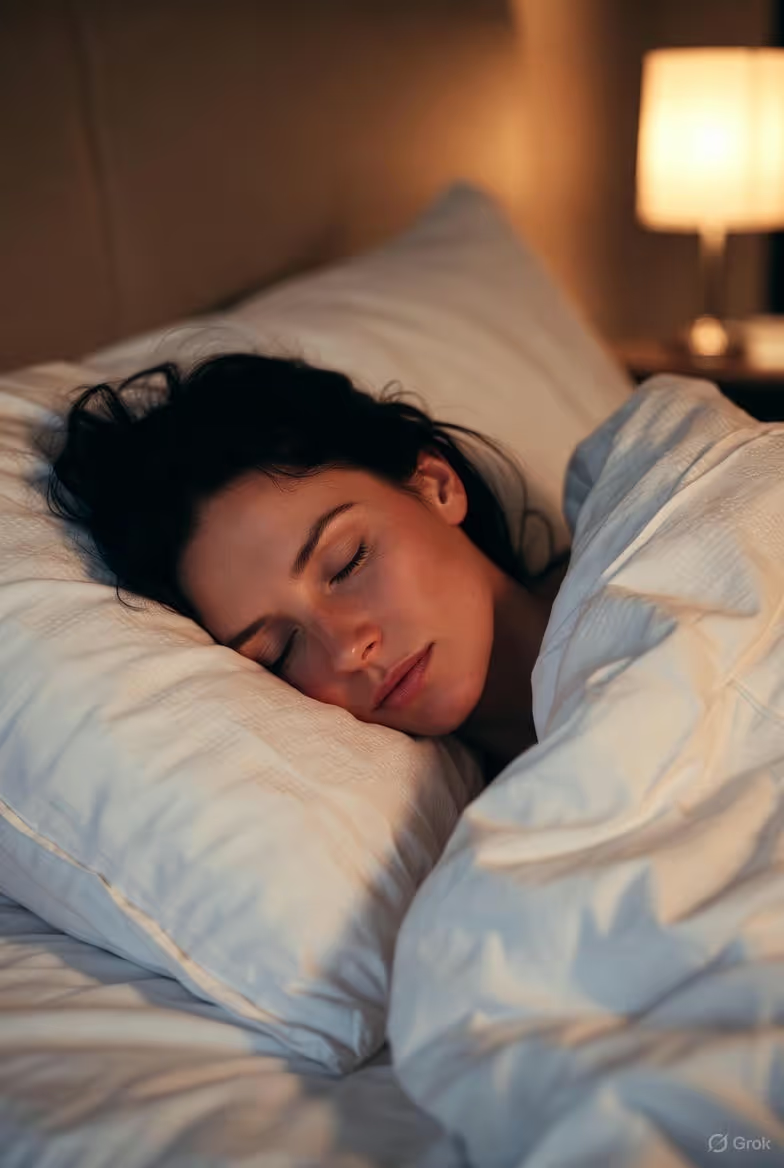
Sleep is not a monolithic state of unconsciousness. It is a dynamically structured process, a nightly journey through distinct stages that repeat in cycles of approximately 90 minutes. This architecture consists of two primary types: Non-Rapid Eye Movement (NREM) sleep and Rapid Eye Movement (REM) sleep. NREM sleep is further divided into three stages, progressing from light sleep to the holy grail of restoration.
Stage 1 (N1) is the brief, transitional phase between wakefulness and sleep, lasting several minutes. Your muscles relax, your heartbeat and breathing begin to slow, and you can be easily awakened.
Stage 2 (N2) is the onset of true sleep, where you spend nearly 50% of the night. Your body temperature drops, eye movements cease, and brain waves show characteristic "sleep spindles" and "K-complexes" that protect sleep and aid in memory processing.
Stage 3 (N3) is Deep Sleep. Often called "slow-wave sleep" due to the dominant, slow delta brain waves, this is the most physically restorative phase. It’s notoriously difficult to be awakened from; if you are, you’ll likely feel disoriented and groggy. This stage is the cornerstone of cellular repair, tissue growth, immune system strengthening, and energy restoration. Growth hormone is primarily released during deep sleep, making it crucial for recovery, muscle repair, and overall vitality.
The brain also engages in critical "housekeeping" during deep sleep, clearing out metabolic waste products via the glymphatic system, a process increasingly linked to long-term neurological health. Following deep sleep, we enter REM sleep, the stage most associated with vivid dreaming, emotional processing, and cognitive consolidation.
The proportion of deep sleep is highest during the first half of the night. Each successive cycle contains less deep sleep and more REM sleep. This is why the initial hours of sleep are non-negotiable for physical recovery. A disruption in the first or second cycle—often where breathing irregularities strike—can catastrophically impact your total deep sleep quota for the night.
Understanding this architecture is the first step. The next is recognizing the conductor that guides the transitions between these stages: your autonomic nervous system, whose most visible rhythm is your breath.

To comprehend how breathing affects sleep, we must move beyond the lungs and understand the brain’s command center. Your breathing is uniquely dual-natured: it is an automatic process governed by the brainstem, yet it can also be consciously controlled. This places it at a powerful crossroads of your nervous system.
The autonomic nervous system (ANS) has two primary branches that act like a seesaw, constantly balancing your body’s state:
Your breathing pattern is a direct dial into this system. Rapid, shallow, chest-focused breathing (often initiated in the upper lungs) stimulates the SNS, signaling a state of alertness or threat. In contrast, slow, deep, diaphragmatic breathing (engaging the belly) powerfully stimulates the PNS, triggering a relaxation response.
The key metric here is Heart Rate Variability (HRV). HRV is the subtle variation in time between each heartbeat. A higher HRV indicates a flexible, resilient nervous system that can smoothly transition between sympathetic and parasympathetic states. A low HRV suggests a stressed, inflexible system stuck in "fight-or-flight" mode.
Here’s the critical link to sleep: As you successfully transition from wakefulness to light sleep to deep sleep, your heart rate should gradually decrease, and your HRV should reflect increased parasympathetic dominance. Your breathing becomes the pacesetter for this transition. A calm, rhythmic, deep breathing pattern facilitates the smooth descent into deep sleep. An erratic, held, or shallow breath keeps the SNS engaged, blocking access to the deeper, restorative stages.
This is why pre-sleep breathing exercises are so effective—they manually dial up the PNS, setting the stage for the night. And this is also why unconscious breathing disorders like sleep apnea are so destructive; they constantly jolt the SNS awake with each breathing pause, preventing the nervous system from ever settling into the deep rest state. For a deeper dive into the science of HRV and recovery, our resource hub offers additional resources and related articles.

Not all breathing is created equal, especially during sleep. While occasional shifts are normal, chronic dysfunctional breathing patterns create a hidden barrier to deep sleep. Here are the primary culprits, often identifiable with detailed physiological tracking.
1. Sleep Apnea and Hypopnea: The most direct and severe disruptor. Apnea is a complete cessation of airflow for 10 seconds or more. Hypopnea is a significant reduction in airflow. Both lead to dramatic drops in blood oxygen saturation (SpO2). The brain, sensing this life-sustaining threat, triggers a micro-arousal—a brief awakening to restart breathing. This jolt activates the sympathetic nervous system, spiking heart rate and blood pressure. These events can occur dozens or even hundreds of times per night, fragmenting sleep architecture and making sustained deep sleep nearly impossible. The result is profound fatigue despite "adequate" time in bed.
2. UARS (Upper Airway Resistance Syndrome): Often considered a milder cousin of sleep apnea, UARS involves increased respiratory effort due to a narrow airway, without full apneas or major oxygen dips. The constant struggle to breathe creates repetitive micro-arousals and keeps the nervous system in a state of low-grade stress, similarly eroding deep sleep.
3. Chronic Mouth Breathing: Nasal breathing is the design standard for humans. The nose filters, humidifies, and warms air, and it produces nitric oxide—a molecule that improves oxygen uptake in the lungs and has a mild vasodilating effect. Mouth breathing bypasses these benefits, leading to drier airways (increasing snoring and irritation), reduced nitric oxide, and a tendency toward upper chest breathing. This pattern is less efficient and more stimulating to the SNS, preventing the nervous system calm needed for deep sleep.
4. Thoracic (Chest) Dominant Breathing: Healthy, relaxed breathing is diaphragmatic. The diaphragm contracts downward, the belly expands, and the lower lungs fill efficiently. During sleep, this should be our default. However, chronic stress, poor posture, or habit can lead to a pattern where the secondary muscles of the chest and neck do most of the work. This is a "fight-or-flight" breathing pattern, even if done slowly. It is metabolically inefficient and sends subtle stress signals to the brain, raising the baseline level of nervous system arousal and making the descent into deep sleep more challenging.
5. Holding or Irregular Breathing Patterns: Some individuals develop subtle, unconscious habits of briefly holding their breath or breathing in an irregular, uneven rhythm. This can be a sign of anxiety or a learned response. Each irregularity can cause a minor fluctuation in blood CO2 levels and neural feedback, potentially causing micro-instability in sleep stages and preventing the smooth, rhythmic descent into deep sleep.
Identifying these patterns was once confined to clinical sleep labs. Now, with the advent of advanced wearable technology that tracks respiration rate, HRV, and SpO2 throughout the night, individuals can spot these trends from the comfort of their own home. For instance, reviewing real-world data and experiences can be enlightening; you can read real customer reviews and user experiences to see how others have identified their unique sleep challenges.
The choice of airway—nose or mouth—is not a trivial detail of sleep. It is a fundamental physiological switch that influences everything from airway stability to nervous system state and, ultimately, sleep quality.
The Nitric Oxide Advantage: The paranasal sinuses are production sites for nitric oxide (NO), a potent gaseous signaling molecule. When you inhale through your nose, you carry a dose of NO directly into your lungs. NO acts as a bronchodilator (opening the airways) and a vasodilator (improving blood flow). This enhances the efficiency of oxygen uptake in the alveoli, meaning your body gets more oxygen with less effort. Mouth breathing delivers plain air, devoid of this biochemical bonus.
Airway Stability and Snoring: Nasal breathing promotes a more stable airway. The tongue naturally rests against the palate when the mouth is closed, helping to keep the airway open. Mouth breathing often involves the jaw dropping open and the tongue falling back, which can narrow the airway at the level of the oropharynx. This increases turbulence (snoring) and resistance, raising the risk of hypopneas and apneas. The vibration from snoring itself is also inflammatory and disruptive to sleep continuity.
The Neurological Filter: The nasal passages are rich with neural receptors. The act of drawing air through them has a more calming, regulating effect on the brainstem breathing centers compared to mouth breathing. Nasal breathing is intrinsically linked to slower, more rhythmic respiration, which, as we've established, is the gateway to parasympathetic dominance.
The CO2 Balance: Nasal breathing offers greater resistance than mouth breathing. This subtle resistance helps maintain optimal levels of carbon dioxide (CO2) in the blood. While we think of CO2 merely as a waste gas, it is essential for the efficient release of oxygen from hemoglobin to your cells (the Bohr Effect). Chronic over-breathing (hyperventilation), often associated with mouth breathing, blows off too much CO2. This can lead to constricted blood vessels and reduced oxygen delivery to tissues, including the brain—a state hardly conducive to restorative deep sleep.
Making the shift to consistent nasal breathing, both day and night, is one of the most powerful, low-tech interventions for improving sleep architecture. For many, this may require addressing nasal congestion, but for others, it is simply a matter of conscious habit retraining. The team at Oxyzen understands that shifting these fundamental habits is part of a holistic wellness journey, a principle rooted in our brand's vision and founding story.

The diaphragm is the unsung hero of restful sleep. This dome-shaped muscle, sitting beneath your lungs, is the primary engine of respiration. Its proper function is non-negotiable for efficient, calm breathing during sleep.
Biomechanical Efficiency: When the diaphragm contracts efficiently, it moves downward, creating negative pressure that pulls air into the lower lobes of the lungs. This is accompanied by a gentle expansion of the lower ribs and abdomen. This pattern uses minimal energy for maximum air intake—exactly what the body desires during the restorative state of sleep. It allows the accessory muscles of the neck, chest, and shoulders to remain in a state of relaxation.
The Lymphatic Pump: The diaphragm’s movement also plays a secondary but vital role. As it rhythmically descends and ascends, it acts as a pump for the lymphatic system and venous blood return to the heart. This gentle massage supports the body's nocturnal detoxification and repair processes, which are hallmarks of deep sleep.
The Stress Connection: A tight, restricted diaphragm—often a result of chronic stress, poor posture, or shallow breathing habits—cannot descend fully. This forces the body to recruit secondary muscles in the chest and neck to breathe. This pattern is neurologically linked to the sympathetic "fight-or-flight" response. Even if you are asleep, this inefficient, upper-chest breathing pattern can maintain a low level of neurological arousal, acting as a barrier to the deep parasympathetic state of N3 sleep.
The Link to Sleep Disordered Breathing: A poorly functioning diaphragm can contribute to sleep-disordered breathing. Inefficient breathing may lead to faster, shallower breaths, which can destabilize the delicate balance of gases in the blood and contribute to upper airway collapsibility. Strengthening and retraining diaphragmatic breathing is a core component of many non-CPAP therapies for mild sleep apnea and UARS.
Training diaphragmatic breathing is a daytime practice that pays off at night. By consciously engaging in deep, belly-focused breathing for a few minutes each day, you strengthen the neural pathway and muscular habit, making it more likely to become your default pattern during sleep. This is a foundational practice that complements advanced tracking, a synergy you can learn more about on our homepage.
The relationship between a busy mind and troubled sleep is well-known, but the mediating mechanism is often the breath. Anxiety and stress don’t just keep your thoughts racing; they directly alter your breathing biochemistry and pattern, creating a vicious cycle that sabotages deep sleep.
The Biochemical Trigger: Stress activates the sympathetic nervous system, which immediately shifts breathing from the diaphragm to the chest, increases respiration rate, and can lead to sighs or breath-holding. This pattern, if sustained, can lower blood CO2 levels (hypocapnia). Ironically, low CO2 can trigger feelings of anxiety, breathlessness, and arousal—perpetuating the very stress that started the cycle.
The Pre-Sleep Wind-Down Failure: As you lie in bed, an unresolved stressful day or anticipatory anxiety about sleep itself can maintain this dysfunctional breathing pattern. Your body remains in a state of subtle physiological arousal, with a higher heart rate and respiratory rate. This elevated baseline makes the transition through N1 and N2 sleep more fragile and can completely block the entry into deep N3 sleep. You may "sleep," but it will be a light, unrefreshing sleep filled with more awakenings.
Sleep-Related Performance Anxiety: For those struggling with sleep, the bed itself can become a trigger. The effort to "try to sleep" or the fear of another poor night creates mental and physical tension. This tension invariably manifests in the breathing—shallow, held, or erratic. The mind observes this "wrong" breathing, interprets it as proof that sleep won’t come, and anxiety escalates, further cementing the dysfunctional pattern.
Breaking the Cycle: The powerful insight here is that while directly controlling thoughts is difficult, controlling the breath is accessible. By using deliberate, slow diaphragmatic breathing (e.g., 4-7-8 breathing or box breathing), you can directly intervene in this loop. You manually stimulate the parasympathetic nervous system, which lowers heart rate, increases HRV, and reduces mental anxiety. This creates the precise physiological pre-conditions necessary for deep sleep to initiate. It’s a way of using the body to calm the mind, thereby unlocking the door to restorative sleep. For those with frequent questions on managing pre-sleep anxiety, we’ve compiled helpful guidance in our support and FAQ section.
For centuries, the mysteries of sleep and breathing were locked inside the black box of the night. Today, consumer-grade technology, particularly advanced smart rings, has democratized access to this vital data, transforming subjective feeling into objective insight.
Beyond Step Counters: Modern wellness rings like Oxyzen are equipped with medical-grade sensors—including photoplethysmography (PPG) for heart rate and pulse oximetry for blood oxygen (SpO2), and accelerometers. Through sophisticated algorithms, they derive key metrics without intrusive chest straps or nasal cannulas.
Critical Metrics for the Breath-Sleep Link:
The Power of Correlation: The true value lies in connecting the dots. Your app might show you had "fair" sleep. But by drilling down, you see that between 1:00 AM and 3:00 AM, your SpO2 dropped five times, each corresponding to a spike in heart rate and a shift from deep to light sleep. This is actionable evidence of a breathing-related disruption.
Personalized Baselines: Over time, this technology establishes your personal baseline. You learn what your normal deep sleep percentage is, what your typical sleeping respiratory rate is, and how your body responds to different variables. Did your deep sleep increase after you started using a nasal strip? Did your HRV plummet after two glasses of wine? The ring quantifies these cause-and-effect relationships, empowering you to make data-informed lifestyle changes. This commitment to empowering personal insight is central to our company's mission and values.
Your breathing pattern during the day is not discarded when you fall asleep. It is a practiced, neural-muscular habit that your brain defaults to when conscious control fades. Therefore, cultivating healthy breathing habits in waking hours is the most effective long-term strategy for improving nighttime breathing and deep sleep.
1. Conscious Diaphragmatic Practice: Set aside 5-10 minutes daily for focused breathing. Lie down, place a hand on your belly, and practice inhaling deeply through your nose, feeling your belly rise before your chest. Exhale slowly. This isn't about force, but about retraining the neural pathway. Apps or guided videos can help establish this routine.
2. Posture Alignment: The diaphragm cannot move freely if you are slumped in a chair all day. Poor posture compresses the abdomen and chest. Practice an upright, aligned posture whether sitting or standing. Imagine a string lifting the crown of your head, allowing your ribcage to expand. This creates physical space for the diaphragm to function.
3. Nasal Breathing as a Default: Make a conscious effort to breathe through your nose during the day, during light exercise, and while working. If your nose feels congested, consider saline rinses or exploring underlying allergies. Taping the mouth lightly at night (after consulting a doctor if you have severe apnea) can be a powerful retraining tool for those who chronically mouth-breathe.
4. Stress-Reduction Integration: Since stress disrupts breathing, integrate breathing checks into your day. Set reminders to pause and take three slow, deep breaths. Use your breath as an anchor during stressful moments. By regularly resetting your breathing pattern under stress, you prevent the chronic chest-breathing habit from solidifying.
5. Mind-Body Practices: Yoga, tai chi, and meditation are fundamentally practices of breath awareness and control. Engaging in them regularly builds the mind-body connection and strengthens the diaphragm and parasympathetic tone, creating a profound carryover effect into sleep.
The goal is to make slow, deep, nasal, diaphragmatic breathing your body's unconscious default. When this is your daytime norm, your sleep-time breathing will naturally follow suit, seamlessly guiding you into deep, restorative sleep cycles. For more practical strategies and daily integration tips, our wellness community shares further reading and techniques on our blog.
Your bedroom environment and daily lifestyle choices exert a powerful, often underappreciated, influence on how you breathe while asleep. Optimizing these factors can remove external burdens from your respiratory system, allowing it to function optimally.
The Air You Breathe:
Sleep Position:
Lifestyle Factors:
By treating your sleep environment as a breathing sanctuary and being mindful of how daily choices affect your airway, you create the external conditions that support, rather than hinder, the internal process of achieving deep sleep.
Knowledge is only power when it is applied. Understanding the link between breath and deep sleep sets the stage for the most critical phase: actionable intervention. Specific breathing techniques, practiced consistently, can serve as a direct manual override for your autonomic nervous system, training your body to access the parasympathetic state required for deep sleep more readily and sustain it for longer periods. Think of these not as quick fixes, but as neurological and muscular training regimens for your diaphragm and brainstem.
The 4-7-8 Breathing Technique (The Relaxing Breath):
Popularized by Dr. Andrew Weil, this technique is a natural tranquilizer for the nervous system. The numbers represent a specific timing pattern: Inhale quietly through your nose for a count of 4. Hold your breath for a count of 7. Exhale completely through your mouth, making a gentle "whoosh" sound, for a count of 8. This prolonged exhalation is key; it stimulates the vagus nerve, the main highway of the parasympathetic nervous system, more powerfully than inhalation. Completing four to eight cycles of this pattern before bed can dramatically lower heart rate and quell mental chatter. It’s particularly effective for breaking the cycle of pre-sleep anxiety.
Diaphragmatic (Belly) Breathing Practice:
This is the foundational exercise. The goal is to make this unconscious during sleep, so we practice it consciously during the day.
Box Breathing (Four-Square Breathing):
Used by Navy SEALs to calm nerves in high-stress situations, its structure is profoundly regulating for sleep. Visualize a box with four equal sides. Inhale through your nose for a count of 4 (first side). Hold your breath for a count of 4 (second side). Exhale smoothly through your nose or mouth for a count of 4 (third side). Hold your breath again for a count of 4 (fourth side). Repeat for several cycles. The equal timing creates a predictable, rhythmic pattern that the mind can latch onto, displacing anxious thoughts and creating neural stability.
Alternate Nostril Breathing (Nadi Shodhana):
A staple of yoga pranayama, this technique is believed to balance the hemispheres of the brain and calm the entire nervous system.
Progressive Muscle Relaxation (PMR) with Breath:
While not a breathing exercise per se, PMR is profoundly enhanced when synchronized with breath. Systematically tense and then relax different muscle groups, starting from your toes and moving up to your face. The key instruction: inhale deeply as you tense the muscle group, hold for 5-7 seconds, and then exhale fully as you release the tension completely. This pairs the physiological release of muscle tension with the neurological trigger of a deep exhalation, teaching the body that exhale equals "let go." This state of physical release is the perfect precursor to deep sleep.
Consistency is paramount with these techniques. They are skills that improve with practice. The effect is cumulative; over weeks, you are not just calming yourself for one night, you are remodeling your nervous system's default setting toward greater calm and resilience, a journey many of our users document as they share their experiences and reviews.
While lifestyle changes and breathing exercises are powerful for optimizing healthy sleep and addressing mild dysfunction, they are not substitutes for professional medical diagnosis and treatment of legitimate sleep disorders. It is crucial to recognize the red flags that indicate your breathing issues may require clinical intervention. Self-tracking data from a device like an Oxyzen ring can provide compelling evidence to take to a healthcare provider.
Key Symptoms That Warrant a Professional Sleep Evaluation:
How Tracking Data Can Inform the Conversation:
Walking into a doctor's office with subjective complaints is one thing. Walking in with objective data is another. If your wellness ring shows:
Common Professional Treatments:
Seeking help is not a failure of self-care; it is the ultimate act of it. Addressing a significant breathing disorder is the single most effective thing one can do to restore deep sleep and protect long-term cardiovascular and neurological health. If you suspect a disorder, start the conversation with your doctor and explore our FAQ for common questions about sleep data and health.
We stand at the frontier of a revolution in sleep health—moving from generic advice to hyper-personalized optimization. The convergence of continuous physiological monitoring, artificial intelligence, and a growing understanding of sleep science is creating a future where your sleep improvement plan is as unique as your fingerprint.
From Data Collection to Intelligent Interpretation:
The next generation of devices like advanced smart rings will go beyond simply reporting numbers. AI algorithms will analyze your multi-night data—breathing rate, HRV, SpO2, sleep stages, movement, and even skin temperature—to identify your unique sleep signatures.
Integrated Wellness Ecosystems:
Sleep does not exist in a vacuum. Future platforms will seamlessly integrate sleep data with other health metrics from fitness trackers, food logs, and stress journals. Imagine a dashboard that shows: "Your stress score was high yesterday afternoon (based on voice analysis and calendar), your evening workout was intense, and your pre-bed breathing was shallow. To compensate and protect deep sleep tonight, we recommend: 1) A 15-minute PMR session, 2) Lowering bedroom temperature by 1°C, 3) Avoiding fluids 90 minutes before bed." This moves from tracking to true coaching.
Personalized Breathing Guidance:
Instead of a one-size-fits-all breathing exercise, biofeedback-driven guidance will emerge. A device or app could use real-time HRV to guide your breathing pace. For example, a soothing voice or visual pacer would adjust in real-time, saying, "Breathe in now... and out... slower..." to actually maximize your parasympathetic response in that moment. This in-the-moment training is far more effective than following a static timer.
Longitudinal Health Forecasting:
By establishing your personal baseline over months and years, these tools could detect subtle, negative trends long before symptoms appear. A gradual, sustained increase in your sleeping respiratory rate or a creeping decline in your deep sleep percentage could be an early warning sign of underlying stress, an oncoming illness, or the worsening of a subclinical breathing disorder, prompting proactive check-ups.
This future is not distant; it is being built now by companies dedicated to holistic wellness. At Oxyzen, we believe this personalized, data-informed yet human-centric approach is the key to unlocking lasting well-being, a principle that guides our ongoing product development and company mission.
The journey through the science of breath and sleep culminates here, not as an end, but as a new beginning for your nights. The invisible symphony of your nocturnal breathing is no longer a mystery; it is a system you can understand, measure, and, most importantly, influence. The bridge between your conscious day and your restorative night is built on the rhythm of your breath.
We have established that deep sleep is non-negotiable for physical repair, cognitive function, and emotional resilience. We have seen how the autonomic nervous system uses breath as its dial, shifting between the alertness of sympathetic tone and the restoration of parasympathetic dominance. We've identified the disruptive patterns—from apnea to chronic mouth breathing—that fragment sleep architecture. And we've uncovered the profound impact of daytime habits, environment, and even mindset on this nightly process.
The path forward is clear and actionable:
This is not about achieving a perfect night of sleep every single night. That is an unrealistic goal that creates its own anxiety. This is about progress, understanding, and empowerment. It is about knowing that you have the tools to gently guide your own nervous system toward greater restoration.
By harmonizing your breath, you take direct conductor's baton of your sleep symphony. You move from a passive passenger in your own health to an active, informed participant. The result is more than just better deep sleep; it is improved energy, sharper focus, a more resilient mood, and a profound sense of being truly restored by the night.
To continue exploring specific techniques, the science behind recovery metrics, and real-world stories of sleep transformation, we invite you to dive deeper into our comprehensive blog and resource library. Your journey to mastering the art of restorative sleep is just beginning.
To truly master the breath-sleep connection, we must descend to the molecular level. Breathing is fundamentally a gas exchange process, and the balance of oxygen (O2) and carbon dioxide (CO2) in your bloodstream is not just a matter of life support; it's a delicate dance that dictates tissue oxygenation, brainstem signaling, and ultimately, your ability to sustain deep, restorative sleep. Understanding this biochemistry demystifies why certain breathing patterns are so destructive and others so beneficial.
The Bohr Effect: Why Carbon Dioxide is Your Oxygen’s Key
A common misconception is that breathing is only about getting more oxygen. In reality, the efficient release of oxygen from your red blood cells to your tissues—including your hungry brain and recovering muscles during sleep—is governed by CO2. This is the Bohr Effect: increased CO2 in the tissue capillaries causes hemoglobin to release its bound oxygen more readily. Conversely, low CO2 (hypocapnia) causes hemoglobin to hold onto oxygen more tightly, effectively starving your cells of oxygen despite your blood being "full" of it. This is the paradoxical, dangerous effect of chronic over-breathing.
Nocturnal Gas Equilibrium:
During stable deep sleep, your metabolism slows, and your body's demand for O2 decreases while CO2 production continues. Your brainstem's respiratory center is exquisitely tuned to maintain a precise, slightly elevated level of arterial CO2 (around 40-45 mm Hg). This slight rise is not an error; it's a feature. It promotes the offloading of oxygen to repair tissues and supports the vasodilation of blood vessels, including those in the brain, facilitating the glymphatic clearance process that is a hallmark of deep sleep.
How Disordered Breathing Disrupts the Chemistry:
Nasal Breathing’s Biochemical Advantage Revisited:
The nitric oxide (NO) produced in the sinuses and carried nasally does more than open airways. It also influences this gas exchange. NO helps regulate the matching of blood flow to air flow in the lungs and supports vasodilation. Nasal breathing, with its inherent slight resistance, also helps prevent the rapid flushing out of CO2, maintaining a healthier, more stable baseline for gas exchange throughout the night.
Practical Takeaway: The Goal is Balance, Not Maximization.
This biochemistry underscores that the goal of breathing for sleep is not to "get as much oxygen as possible." It is to achieve a efficient, rhythmic, and metabolically appropriate gas exchange that maintains optimal O2 and CO2 partial pressures. Slow, deep, nasal, diaphragmatic breathing accomplishes this. It ensures adequate ventilation without "blowing off" precious CO2, creating the stable internal chemical environment in which deep sleep can flourish. Monitoring nighttime SpO2 with a smart ring gives you a window into one side of this equation; recognizing the importance of CO2 completes the picture.
Your breathing does not exist in a vacuum; it is intrinsically woven into the fabric of your body's 24-hour biological clock—your circadian rhythm. This master clock, governed by the suprachiasmatic nucleus (SCN) in the brain, regulates core body temperature, hormone release (like cortisol and melatonin), and, importantly, respiratory drive. Understanding this link reveals why timing matters and how thermoregulation is a silent partner in sleep-time breathing.
The Circadian Rhythm of Respiratory Drive:
Research shows that your lungs have their own circadian clock, influencing airway function and inflammation. More broadly, your body's propensity for deep sleep and stable breathing is heavily influenced by circadian phase. The SCN promotes a natural dip in core body temperature beginning in the evening, reaching its nadir in the middle of your sleep period. This cooling process is not a side effect; it is a necessary signal for sleep initiation and maintenance. As your core temperature drops, your metabolic rate slows, and your breathing naturally becomes slower and more regular—setting the stage for deep sleep.
The Temperature-Breathing-Sleep Feedback Loop:
The Impact of Light and Timing:
Your circadian rhythm is set primarily by light exposure. Bright light, especially blue light in the evening, suppresses melatonin and delays the temperature drop. This delay means your body isn't primed for slow, deep-breathing sleep at your desired bedtime. You may go to bed, but your respiratory drive and metabolism are still in a daytime-like state, favoring lighter, more fragmented sleep with less-efficient breathing.
Lifestyle Alignment for Rhythmic Breathing:
By respecting your circadian biology, you create the temporal and thermal conditions that naturally coax your breathing into the slow, steady rhythm conducive to deep sleep. It’s a holistic approach where light, temperature, and breath work in concert, a symphony of biology that you can conduct with daily habits. For more on aligning daily routines with circadian principles, our blog features detailed guides and science-backed strategies.
What you consume—and when you consume it—plays a significant, often overlooked role in the mechanics and stability of your breathing during sleep. From the direct mechanical impact of a full stomach to the inflammatory potential of certain foods, your diet is a key player in the quest for unimpeded deep sleep.
The Mechanical Load: Evening Meal Size and Timing
A large meal close to bedtime poses a direct physical challenge to diaphragmatic breathing. A full stomach presses upward against the diaphragm, limiting its range of motion. This can force a shift to less efficient, shallower chest breathing. Furthermore, a heavy meal, especially one high in fat or protein, requires significant metabolic effort to digest, which can raise core body temperature and metabolic rate, working against the circadian cooling process. The general guideline is to finish your last large meal at least 3 hours before bedtime, allowing for partial digestion and gastric emptying.
Acid Reflux (GERD) and Airway Irritation:
This is a critical and common link. When you lie down, stomach acid can more easily reflux into the esophagus and, in a phenomenon known as laryngopharyngeal reflux (LPR), can reach as high as the larynx and nasal passages. This acid is a potent irritant to the sensitive tissues of the upper airway. It can cause:
Inflammatory and Allergenic Foods:
Chronic, low-grade systemic inflammation can exacerbate airway swelling and nasal congestion. Common dietary culprits include:
Hydration: A Double-Edged Sword
Adequate hydration is crucial for maintaining thin, healthy mucus in the airways. Dehydration can make mucus thick and sticky, clogging nasal passages and the throat. However, consuming large volumes of fluids right before bed guarantees nocturia (nighttime urination), leading to disruptive awakenings. The key is front-loading hydration throughout the day and tapering off 90 minutes before bed, with only small sips if needed.
Practical Dietary Strategies for Calm Breathing:
By viewing your diet as fuel not just for your day, but for your night’s respiratory function, you can make choices that support an open, stable airway and the effortless breathing that deep sleep demands. This level of personal experimentation and tracking is what turns data into wisdom, a process many users detail when they share their personal wellness journeys and testimonials.
For many, the barrier to deep sleep isn't physical; it's psychological. The anxiety about not sleeping—often accompanied by frustrated monitoring of the clock—creates a state of hyperarousal that directly manifests in dysfunctional breathing. This is where Cognitive Behavioral Therapy for Insomnia (CBT-I) and mindfulness practices become powerful tools, with breath awareness serving as the central bridge between mind and body.
Sleep-Related Performance Anxiety and the Breath:
The moment your head hits the pillow with the thought "I must sleep now," you introduce performance pressure. This anxiety triggers the sympathetic nervous system. The physiological signature of this anxiety? Increased heart rate, muscle tension, and a shift to faster, shallower chest breathing. You then notice this "wrong" breathing (a racing heart, a tight chest) and interpret it as proof that sleep is failing, which amplifies the anxiety—a classic vicious cycle. The breath is both the symptom and a potential solution.
CBT-I Principles and Breathing:
CBT-I is the gold-standard psychological treatment for chronic insomnia. Key components directly involve breath regulation:
Formal Mindfulness Meditation Practices:
A regular mindfulness meditation practice, even 10-20 minutes during the day, trains the "mental muscle" of non-reactive awareness. You practice observing your breath (and thoughts) without getting caught up in them. This skill translates directly to the nighttime. When an anxious thought about sleep arises, a trained individual is more likely to notice it, let it pass without engaging, and gently return attention to the breath or body sensations, thereby short-circuiting the anxiety-arousal cycle before it escalates.
Body Scan Meditation for Sleep:
This is a potent pre-sleep ritual. Lying in bed, you systematically bring gentle, non-judgmental awareness to each part of your body, from toes to head. Crucially, this is often paired with breath awareness: "As you breathe in, bring awareness to your feet. As you breathe out, release any tension there." This practice marries diaphragmatic breathing with deep physical relaxation, directing the body toward the parasympathetic state. It also moves focus away from the busy mind and into the physical body, where sleep actually happens.
By addressing the psychological component with these structured approaches, you calm the mind's turbulence. A calm mind permits calm breathing. And calm, rhythmic breathing is the physiological permission slip your brain needs to initiate the descent into deep, restorative sleep. For those seeking structured guidance on these techniques, we often point to additional resources and expert-led content available on our platform.
While CPAP is a lifesaving intervention for many, it is not the only solution. A growing landscape of alternative and adjunctive therapies addresses breathing-related sleep disorders from different angles—behavioral, muscular, and technological. These options are particularly relevant for those with mild-to-moderate conditions, UARS, or for CPAP-intolerant individuals seeking complementary strategies.
1. Myofunctional Therapy:
Think of this as physical therapy for your mouth, face, and throat. It involves exercises to strengthen and retrain the muscles of the tongue, soft palate, lips, and face. The goals are to:
2. Oral Appliance Therapy (OAT):
Custom-fitted by a qualified dentist, these mandibular advancement devices (MADs) are worn like a sports mouthguard. They work by gently repositioning the lower jaw (mandible) and tongue slightly forward, mechanically opening the airway behind the tongue. They are often a first-line treatment for mild-to-moderate OSA and for those who cannot tolerate CPAP. Success depends on a precise fit and ongoing dental monitoring.
3. Positional Therapy:
For "positional" sleep apnea sufferers (where events occur primarily on the back), simple devices can be highly effective. These range from wearable vibrating alarms that gently buzz when you roll onto your back (e.g., NightShift) to simple DIY solutions like a tennis ball sewn into the back of a pajama top. The goal is to encourage and maintain side-sleeping.
4. Expiratory Positive Airway Pressure (EPAP):
Small, disposable single-use devices (e.g., Provent, now Bongo) that fit over the nostrils. They use a valve system that creates resistance only during exhalation. This expiratory resistance increases pressure in the airway, helping to stent it open. They are less effective than CPAP for severe cases but offer a minimally invasive option for some with mild apnea or snoring.
5. Hypoglossal Nerve Stimulation (Inspire):
A surgically implanted device for moderate-to-severe OSA patients who fail CPAP. It works like a pacemaker for the tongue. A small generator implanted in the chest senses your breathing cycle and sends a mild stimulus to the hypoglossal nerve, which controls tongue movement. With each breath, the tongue is gently moved forward, keeping the airway open. It represents a significant advance in neurostimulation therapy.
6. Nasal Valve Dilators and High-Flow Therapy:
For those whose primary issue is nasal obstruction, internal nasal dilator strips (e.g., Mute, NasalAid) can be more comfortable and effective than external strips. High-flow nasal oxygen therapy, while often used in clinical settings, is also emerging as a niche home therapy that can reduce work of breathing and improve airway splinting through warmed, humidified air delivered at a high flow rate.
The Importance of a Holistic Plan:
Often, the most effective approach is combination therapy. A patient might use a mandibular advancement device and practice myofunctional therapy. Another might use positional therapy and a nasal dilator. The key is accurate diagnosis and working with a sleep specialist to tailor a plan. Data from a personal wellness tracker can be invaluable here to monitor the efficacy of any alternative therapy at home, providing objective feedback on changes in SpO2, respiratory rate, and sleep scores. Understanding these diverse pathways is part of our commitment to comprehensive wellness, which you can learn more about through our company's mission and resources.
Armed with science, awareness, and a suite of strategies, the final step is synthesis. It's time to build your personalized, sustainable protocol. A one-size-fits-all approach fails because the root cause of your disrupted sleep-breathing connection is unique. Follow this step-by-step framework to design your path to better deep sleep.
Step 1: The Assessment Phase (Week 1-2)
Step 2: Foundational Habit Stacking (Week 3-4)
Start with non-negotiable basics that benefit everyone. Integrate one new habit every 3-4 days.
Step 3: Targeted Intervention (Week 5-6)
Based on your assessment, choose one primary area to address.
Step 4: Refinement and Personalization (Ongoing)
Creating Your Nightly Ritual:
Weave your chosen strategies into a consistent 30-60 minute pre-sleep wind-down. For example:
Remember, the goal is progress, not perfection. Some nights will be better than others. The power lies in having a protocol—a personal playbook—to return to, rather than feeling helpless. This empowered, iterative approach to well-being is at the heart of the journey for our community, as many share in their stories and testimonials.
As we reach the culmination of this exploration, the overarching theme is one of profound interconnection. Your breathing is not merely a physiological function to keep you alive; it is the keystone in the arch of holistic sleep health. It physically supports the airway, biochemically manages gas exchange, neurologically directs the autonomic nervous system, and psychologically anchors a racing mind. When this keystone is aligned, the entire structure of restorative sleep stands strong. When it is unstable, the architecture crumbles.
We have moved from macro-architecture—the stages of sleep—down to the micro-level of gas molecules and neural signals, and back out to the environmental and lifestyle factors that shape it all. This journey reveals that improving deep sleep is rarely about finding one magic bullet. It is about orchestrating alignment across multiple systems, with the breath as the central conductor.
The Core Takeaways:
By embracing breath as the keystone, you take an active, informed role in your own well-being. You learn to listen to the subtle symphony of your body at night, not with anxiety, but with the curiosity of a conductor fine-tuning a performance. Each slow, deep, nasal breath is a note played toward the harmony of deep sleep.
This journey of understanding and optimization is continuous. As science evolves and personal awareness deepens, new layers of the connection will be revealed. We are here to support that ongoing exploration. To continue learning, to compare insights, and to join a community focused on mastering the art of rest, we invite you to explore our comprehensive blog and resource center for the latest research, user stories, and expert guidance. The path to truly restorative sleep begins with a single, conscious breath.
Your Trusted Sleep Advocate: Sleep Foundation — https://www.sleepfoundation.org
Discover a digital archive of scholarly articles: NIH — https://www.ncbi.nlm.nih.gov/
39 million citations for biomedical literature :PubMed — https://pubmed.ncbi.nlm.nih.gov/
Experts at Harvard Health Publishing covering a variety of health topics — https://www.health.harvard.edu/blog/
Every life deserves world class care :Cleveland Clinic - https://my.clevelandclinic.org/health
Wearable technology and the future of predictive health monitoring :MIT Technology Review — https://www.technologyreview.com/
Dedicated to the well-being of all people and guided by science :World Health Organization — https://www.who.int/news-room/
Psychological science and knowledge to benefit society and improve lives. :APA — https://www.apa.org/monitor/
Cutting-edge insights on human longevity and peak performance:
Lifespan Research — https://www.lifespan.io/
Global authority on exercise physiology, sports performance, and human recovery:
American College of Sports Medicine — https://www.acsm.org/
Neuroscience-driven guidance for better focus, sleep, and mental clarity:
Stanford Human Performance Lab — https://humanperformance.stanford.edu/
Evidence-based psychology and mind–body wellness resources:
Mayo Clinic — https://www.mayoclinic.org/healthy-lifestyle/
Data-backed research on emotional wellbeing, stress biology, and resilience:
American Institute of Stress — https://www.stress.org/


