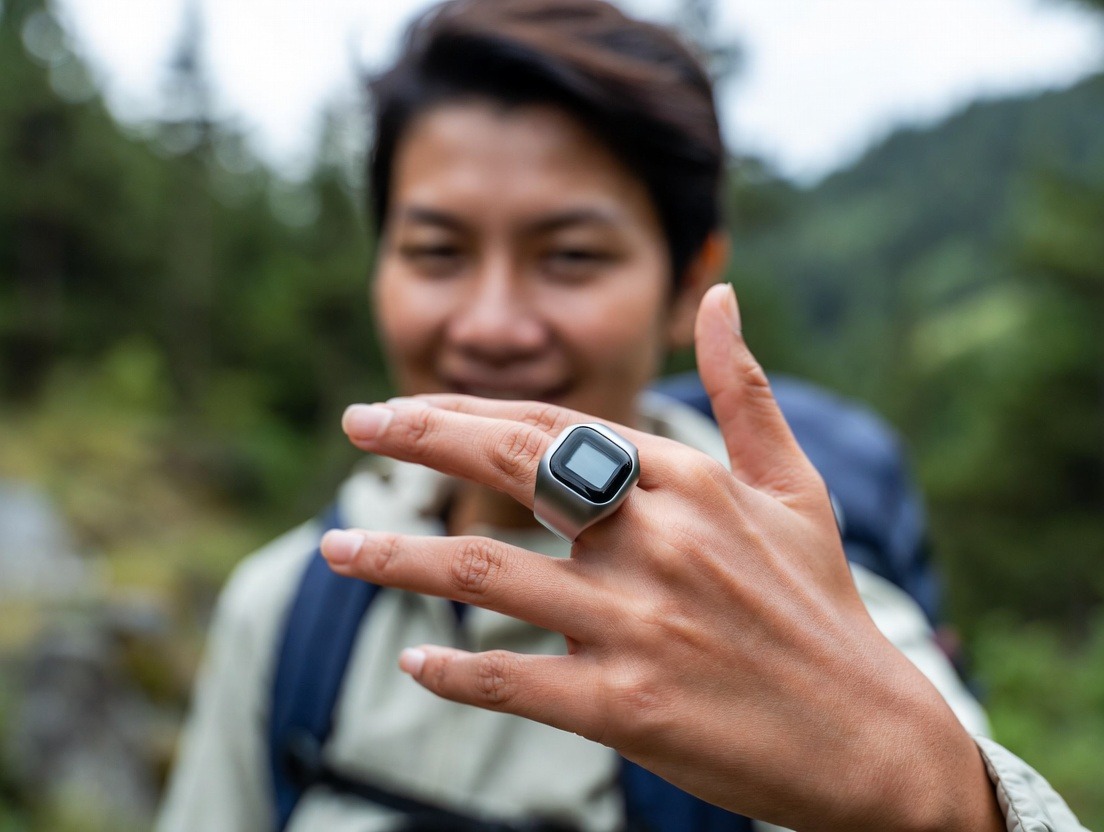
How to Maximize Health for Athletes Using Your Smart Ring as Training Partner
How to maximize athletic health using your ring as a training partner.
How to Maximize Health for Athletes Using Your Smart Ring as Training Partner
For decades, the athlete’s toolkit was defined by grit, stopwatches, and rigid training plans. We pushed through fatigue, ignored whispers of pain, and equated suffering with success. Recovery was an afterthought, measured in cold baths and days off the calendar. But a quiet revolution is happening on the fingers of elite and everyday athletes alike. The modern smart ring, a sleek band of titanium or ceramic, is transforming from a passive health tracker into an active, intelligent training partner. It’s not just counting steps or monitoring sleep; it’s decoding the silent language of your autonomic nervous system, providing a real-time, physiological dashboard that tells you not just how you’re performing, but how ready you are to perform.
This is the new frontier of athletic optimization: personalized, data-driven, and centered on the symbiotic relationship between strain and recovery. Imagine knowing with confidence whether today is the day to smash a personal record or to prioritize mobility and hydration. Picture a device that warns you of impending illness before symptoms appear, or confirms that your new nutrition strategy is genuinely improving your resilience. This is the promise of the smart ring. It moves beyond the external metrics of pace and power to illuminate the internal landscape—your heart rate variability (HRV), resting heart rate (RHR), respiratory rate, blood oxygen saturation (SpO2), and skin temperature. These biomarkers are the true narrators of your body’s story, and learning to listen to them is the key to unlocking sustainable peak performance, preventing overtraining, and extending your athletic longevity.
In this comprehensive guide, we will explore how to transform your smart ring from a novelty into your most trusted coach. We’ll dive deep into the physiology behind the metrics, translate data into actionable decisions, and build a holistic system where technology enhances intuition. Whether you’re a marathoner, a CrossFit enthusiast, a team-sport athlete, or a weekend warrior, your journey to maximizing health and performance starts with understanding the conversation your body is already having. Your smart ring is simply the translator. Let’s begin.
The Athlete’s New Sixth Sense: Understanding Your Ring’s Core Biomarkers
Your smart ring is a biometric powerhouse, gathering terabytes of data from your body’s most subtle signals. To use it effectively, you must first become fluent in its core language. These aren’t just numbers; they are vital signs of your readiness, strain, and recovery status.
Heart Rate Variability (HRV): The King of Metrics HRV is the measure of the time variation between each heartbeat, regulated by your autonomic nervous system. A higher HRV typically indicates a strong, resilient parasympathetic ("rest-and-digest") response, meaning your body is recovered and adaptable to stress. For athletes, a rising HRV trend suggests positive adaptation to training, while a sharp, sustained drop is a glaring red flag for overreaching, insufficient recovery, or illness. It’s your body’s most honest feedback loop. Think of it not as a daily score to "beat," but as a trend to observe. A single low reading might be due to a hard training session or a late night, but a week-long dip warrants immediate attention to your training load and lifestyle.
Resting Heart Rate (RHR): The Baseline Barometer Your RHR, best measured during deep sleep, is a fundamental indicator of cardiovascular fitness and systemic stress. Well-trained athletes often have lower RHRs. A elevated RHR (typically 5-7+ bpm above your personal baseline) upon waking is a classic sign that your body is fighting something—be it physical fatigue, dehydration, emotional stress, or an oncoming infection. Your smart ring automates this tracking, giving you a clear, consistent morning benchmark far more reliable than a manual check.
Sleep Architecture: The Non-Negotiable Foundation Athletic performance is built on sleep. Your ring tracks not just duration, but quality: time spent in light, deep, and REM sleep, along with awakenings. Deep sleep is crucial for physical repair and growth hormone release, while REM sleep consolidates motor learning and memory. Poor sleep architecture, even with adequate hours, sabotages recovery, impairs reaction time, and increases injury risk. By analyzing your sleep scores, you can directly correlate your sleep quality with next-day performance and how your Wellness Ring's Sleep Score impacts your next-day productivity. The data provides an undeniable case for prioritizing sleep hygiene.
Respiratory Rate & Skin Temperature: The Early Warning System These are your stealth biomarkers. An elevated nighttime respiratory rate can be one of the earliest indicators of heightened metabolic stress, fluid buildup, or respiratory infection. Similarly, a rise in baseline skin temperature, especially overnight, can signal inflammation, the onset of illness, or overtraining long before you feel symptoms. Your ring’s continuous monitoring acts as a 24/7 sentinel, alerting you to issues you might otherwise ignore.
Blood Oxygen (SpO2) and Activity/Readiness Scores: While SpO2 is often stable in healthy athletes, monitoring it can be valuable at altitude or for identifying sleep apnea events. Many rings synthesize these raw metrics into composite "Readiness" or "Recovery" scores. Use these as a starting point for your daily decision, but always drill down into the contributing metrics (HRV, RHR, sleep) to understand the "why" behind the score.
Mastering this language is the first step. As you begin to see the patterns, you’ll develop what I call "data-informed intuition." You’ll learn, for instance, that for you, a slight dip in HRV paired with perfect sleep might just mean you’re perfectly primed for a breakthrough session—a phenomenon known as "functional overreaching." This nuanced understanding is what separates using a gadget from partnering with an intelligent system. For a foundational deep dive into interpreting this data, our complete beginner-friendly guide to peak performance using ring data is an excellent next resource.
From Data to Decision: Building Your Daily “Ring Check” Ritual
Data is meaningless without a consistent ritual to interpret it. The most successful athlete-with-a-ring cultivates a mindful, 5-minute morning routine—a "Ring Check"—to set the tone for the entire day. This ritual replaces guesswork with guided intention.
Step 1: The Non-Negotiable Morning Review (Before Coffee) Open your ring’s app before you scroll through email or social media. Your first physiological assessment should be unbiased by external stress. Look at your composite Readiness/Recovery Score, but immediately investigate the pillars:
Sleep: Did I get enough total time? What was my deep/REM split? How restless was I?
HRV: What is the value, and more importantly, what is the 7-day trend? Is it balanced, rising, or falling?
RHR: Is it within my normal range (+/- 3-5 bpm)?
Don’t just look at the numbers; sit with them. How do you feel subjectively? Does the data confirm or contradict your sensation? This moment of biofeedback is powerful for rebuilding mind-body connection that intense training can sometimes blur.
Step 2: The Context Layer Your ring doesn’t know everything… yet. Manually log context. Did you have alcohol? Train exceptionally hard yesterday? Have a stressful work deadline? Are you menstruating? This context turns isolated data points into a coherent story. You’ll start to see patterns: "Ah, even one glass of wine drops my HRV by 15% and truncates my deep sleep," or "My HRV consistently dips on heavy strength days, but rebounds after 48 hours of protein and sleep."
Step 3: The Actionable Prescription This is where your ring becomes a coach. Based on the review, prescribe your day:
Green Light (High Readiness): All systems go. This is the day to attack a high-intensity interval session, lift heavy, or compete. Your body is signaling it can handle and benefit from significant stress.
Yellow Light (Moderate/Low Readiness): Proceed with caution. This isn’t a day off, but a day for skill work, technique-focused sessions, moderate steady-state cardio, or active recovery (walking, light cycling). The goal is to support recovery, not impede it. It’s a perfect day to heed what your smart ring says about when to rest and listen.
Red Light (Very Low Readiness): Your body is shouting for rest. Honor it. This means genuine rest: gentle walking, mobility, meditation, hydration, and extra nutrition. Pushing through a red light day is the fastest path to injury, illness, or a prolonged performance plateau. Think of it as a strategic investment in future performance.
This ritual creates a dynamic, responsive training plan that respects your body’s reality, not just a pre-written calendar. It teaches you that discipline isn’t just about pushing harder; it’s about having the wisdom to pull back when needed. For athletes balancing other life demands, this ritual is crucial for managing overall energy, a topic explored in depth in our guide on energy management with smart ring productivity insights.
Periodization 2.0: Auto-Regulating Your Training Cycles with Live Biomarkers
Traditional periodization—the planned manipulation of training variables over weeks and months—is a cornerstone of athletic development. But it has a critical flaw: it assumes you will recover at a predetermined rate. Life, stress, and individual physiology don’t follow a spreadsheet. Smart ring data introduces the concept of auto-regulated periodization, where your body’s live biomarkers guide the micro-adjustments within your macro plan.
Instead of blindly following a plan that says "Week 4: High Intensity," you adapt Week 4 based on your readiness data. Did a stressful work week leave you with suppressed HRV by Thursday? Your Friday interval session becomes a tempo run. Did you sleep incredibly well and see a HRV spike? Maybe you add an extra set or shave target pace by a few seconds.
Implementing the Feedback Loop:
Establish Baselines: Use a relatively low-stress training week to establish your personal baselines for HRV, RHR, and sleep.
Define Your Zones: Create personal "zones" for each metric. For example:
HRV: Green (within 10% of baseline), Yellow (10-20% below), Red (>20% below).
RHR: Green (within 5 bpm of baseline), Yellow (5-10 bpm above), Red (>10 bpm above).
Sleep Score: Green (>85), Yellow (70-85), Red (<70).
Program Your Responses: Build simple "if-then" rules.
If 2+ metrics are in the Red zone → THEN execute a full rest day.
If 1 metric is in the Red, others are Yellow → THEN swap planned workout for active recovery (30-45 min zone 1-2 cardio, yoga).
If all metrics are in the Green zone → THEN execute the planned high-intensity or high-volume session as prescribed.
If metrics are in the Yellow zone → THEN modify the session: reduce volume by 20%, lower target intensity by one zone, or extend rest intervals.
This system turns your training plan from a rigid prescription into a dynamic conversation. It acknowledges that adaptation isn’t linear. This approach is the ultimate form of listening to your body, preventing the all-too-common pitfall of digging a recovery hole so deep it takes weeks to climb out of. It aligns perfectly with the principles of sustainable high performance, ensuring your progress is built on a foundation of health, not just short-term gains.
Sleep: The Ultimate Performance-Enhancing Drug (And How Your Ring Optimizes It)
We pay for supplements, coaches, and gear, yet often neglect our most potent performance tool: sleep. For the athlete, sleep is not passive; it’s an active state of physiological restoration. Your smart ring provides an objective audit of this critical process, moving you from hoping you slept well to knowing exactly how you did and why.
Beyond Hours: The Quality Quartet Your ring breaks sleep into actionable components:
Sleep Duration: The non-negotiable foundation. Most athletes need 7-9 hours. The ring holds you accountable, showing the direct correlation between short sleep and poor next-day readiness.
Sleep Consistency: Going to bed and waking up at consistent times (even on weekends) strengthens your circadian rhythm, improving sleep quality and hormonal regulation. Your ring’s sleep timeline makes your consistency (or lack thereof) starkly visible.
Sleep Stages: This is the gold. See how stress or late eating cuts into your deep sleep. Observe how alcohol annihilates REM sleep. Connect a high-volume training day with an increase in deep sleep duration—a clear sign of your body’s repair demands.
Restfulness: Tosses, turns, and awakenings fragment sleep and impair its restorative power. High restlessness can be linked to caffeine timing, room temperature, digestion, or underlying stress.
Actionable Sleep Hygiene, Informed by Data: Use your ring’s data to run experiments:
Experiment with Caffeine Cut-off: Move your last coffee from 4 PM to 2 PM for a week. Did your deep sleep percentage increase and restlessness decrease?
Optimize Dinner Timing: Eat your last meal 3 hours before bed instead of 90 minutes. Did your sleep latency (time to fall asleep) improve?
Cool the Room: Lower your bedroom temperature by 2 degrees. Did your ring show a more stable skin temperature and improved sleep efficiency?
Wind-Down Protocol: Implement 30 minutes of screen-free time (reading, meditation). Did your HRV during the first sleep cycles improve?
The ring removes the mystery. It proves, with your own data, which levers to pull. This creates a powerful positive feedback loop: better sleep leads to higher readiness, which leads to more productive training, which further improves sleep. It’s the cornerstone of the true relationship between health and output. By treating sleep as a trainable skill, you unlock gains no workout can provide.
Nutrition & Hydration: Connecting Fuel to Recovery Metrics
Nutrition is often governed by macronutrient goals and meal timing. Your smart ring adds a powerful, often missing, feedback dimension: How is my fueling strategy affecting my physiological recovery and resilience?
The Post-Workout Biomarker Response After a hard session, your body is inflamed, glycogen-depleted, and in need of repair. How quickly your biomarkers return to baseline is a direct reflection of your recovery nutrition. By analyzing your nighttime data after a training day, you can assess:
HRV Rebound: Did your HRV dip severely and stay low, or did it recover quickly? A sharp, unrecovered dip may indicate insufficient carbohydrate replenishment or protein intake to manage muscle damage.
RHR Elevation: Is your RHR still elevated the next morning? This could point to persistent metabolic stress, potentially exacerbated by poor post-workout fueling or dehydration.
Sleep Quality: Did your hard training lead to more deep sleep (good, repair-focused) or just more restlessness and awakenings (bad, indicative of poor recovery)?
Running Nutritional Experiments: Use your ring to become your own nutrition scientist.
The Carb-Refeed Test: After a particularly depleting workout, consciously increase your post-workout carbohydrate intake. Compare your HRV/RHR/sleep data to a similar workout day with your standard intake. Does the extra fuel speed your biomarker recovery?
The Protein Timing Test: For strength athletes, try increasing protein intake in the meal following a heavy lifting session. Monitor your deep sleep and morning HRV. Does it improve muscle repair signaling (reflected in better recovery scores)?
The Hydration Audit: Dehydration directly increases RHR and lowers plasma volume, stressing the cardiovascular system. On a day you know you’ve been diligent with water/electrolytes, check your overnight respiratory rate and RHR. Compare it to a day you were less attentive. The data often reveals a clearer need for consistent hydration than thirst alone.
The Alcohol & Inflammation Link: The data here is almost always unequivocal. Note the impact of even a single drink on your HRV, RHR, and REM sleep. This objective feedback can be a powerful motivator for moderating intake during key training phases.
This approach moves nutrition from dogma ("eat X grams per kg") to personalization ("this amount of carbs and protein brought my HRV back to baseline in 12 hours"). It helps you fuel not just for the workout, but for the recovery from the workout. Understanding these cycles is key for anyone, especially entrepreneurs or professionals who train, as detailed in our look at productivity and health metrics every smart ring user should track together.
Stress: The Silent Performance Thief (And How to Manage It)
Athletes meticulously manage training stress but often ignore life stress, which taps from the same recovery reservoir. Work deadlines, relationship tensions, and financial worries activate the same sympathetic nervous system ("fight-or-flight") response as a hard interval. Your smart ring, particularly through HRV and sleep data, is an unbiased auditor of your total stress load.
Seeing the Invisible:
Chronic Stress Signature: A consistently suppressed HRV, despite good sleep and controlled training, is a classic sign of high non-training stress. Your RHR may also trend upward.
Sleep Disruption: Stress often manifests as difficulty falling asleep (high sleep latency), frequent awakenings, or reduced deep sleep.
Sympathetic Overdrive: Some advanced metrics may show an increased sympathetic nervous system influence overnight, when your body should be deeply parasympathetic.
Using Your Ring as a Stress Intervention Tool:
Identify Triggers: When you see a stress signature in your data, journal about the previous day. Was there a specific event? Often, the correlation reveals hidden stressors you’ve minimized.
Quantify Calming Practices: Don’t just think meditation or breathwork helps; prove it. Perform a 10-minute guided breathing session before bed and compare your sleep HRV and restlessness to nights you don’t. Use the data to find the most effective modality for your nervous system.
Schedule Strategic Downtime: If your ring shows you’re in a chronically stressed state, it’s a mandate to schedule deload weeks not just from training, but from life. This is critical for preventing productivity and training burnout. A true deload involves reducing cognitive and emotional loads as well.
Leverage HRV Biofeedback: Some apps use the ring’s heart rate data for real-time biofeedback exercises. Watching your HRV rise as you practice coherent breathing (e.g., 5-second inhale, 5-second exhale) provides powerful instant reinforcement, training your nervous system to self-regulate.
By acknowledging and managing life stress with the same rigor as training stress, you protect your recovery capacity. This holistic approach ensures your hard-earned fitness translates to performance, rather than being eroded by unseen psychological drains.
Injury Prevention & Early Detection: Listening to the Whispers
Injuries rarely happen without warning. They are often the culmination of repetitive strain, poor recovery, and ignored signals. Your smart ring can help you detect the subtle "whispers" before they become screams.
Biomarkers of Emerging Imbalance:
Asymmetric HRV Responses: While research is evolving, some data suggests that localized pain or inflammation can affect autonomic balance. A sudden, unexplained change in HRV pattern without a clear lifestyle cause could warrant extra attention to how your body feels.
Elevated Nighttime Metrics: A rising baseline in RHR, respiratory rate, or skin temperature can indicate systemic inflammation, which often accompanies an overuse injury brewing beneath the surface.
Disrupted Sleep Due to Discomfort: Your ring may show increased restlessness or awakenings. Subjectively, you might be tossing due to an achy knee or tight shoulder you’ve been dismissing.
The Proactive Protocol:
The "Green-Yellow-Red" System for Niggles: Apply your readiness logic to minor aches.
Green: Minor stiffness that warms up and disappears during activity. Proceed with training, monitor.
Yellow: Pain that is present during warm-up and lingers at a low level during activity. Modify the workout (reduce load/volume, change exercise), and prioritize post-session recovery (ice, mobility).
Red: Pain that intensifies with activity or causes limping/compensation. This is a full stop. Use the time for professional assessment (physio, doctor), not "working through it."
Correlate with Load: Did your emerging "yellow" signal coincide with a rapid increase in training volume or intensity (which your ring’s activity data can show)? This helps identify the likely cause.
Track Rehabilitation: When returning from injury, your readiness scores and sleep data are invaluable. They confirm that your rehab exercises and graded return are not overwhelming your system, allowing for a safer, more confident comeback.
The ring promotes a culture of proactive care instead of reactive treatment. It encourages you to take a strategic rest day when biomarkers are low, potentially avoiding the need for a forced 6-week layoff later. This principle of strategic rest is fundamental for maximum long-term output.
The Traveling Athlete: Maintaining Performance Across Time Zones and Beds
Travel is a massive stressor on an athlete’s system, disrupting circadian rhythms, hydration, nutrition, and sleep. Your smart ring is the perfect companion to mitigate these effects and maintain performance on the road.
Pre-Travel Preparation (The "Pre-Hab"):
Start Hydrated: Use your ring’s baseline RHR and HRV as a marker. Begin aggressive hydration 48 hours before travel to ensure you start your journey in the green.
Gradually Shift Sleep: If crossing multiple time zones, use your ring’s sleep consistency data to guide you. Gradually shift your bedtime and wake time 30-60 minutes per day toward the destination schedule in the days leading up to travel.
During Travel & Acclimatization:
Monitor Dehydration: Air travel is dehydrating. Watch for a rising RHR and falling HRV as clear indicators. Let this data prompt you to drink more water and electrolytes than you think you need.
Use Light Strategically: Your circadian rhythm is set by light exposure. Use your ring’s sleep/wake data to be disciplined about light. Seek bright morning light at your destination to reset your clock, and avoid blue light from screens in the evening.
Prioritize Sleep Quality Over Duration: The first few nights in a new environment often yield poor sleep scores. Don’t panic. Use your ring to optimize what you can: a dark, cool room (travel blackout curtains, lower AC), consistent wind-down routine, and perhaps a mindfulness app to help fall asleep. The ring will show you when your sleep architecture starts to normalize.
Adjust Training by Readiness, Not Schedule: It’s tempting to jump right into training. Instead, let your recovery score guide you. The first day might be for very light activity (walking, mobility) only. Your first real session should wait until your HRV and RHR show adaptation.
The Return Home: Re-acclimatizing is also a stress. Apply the same principles. Your ring provides the objective patience needed, proving that it may take several days for your physiology to fully return to baseline, even if you "feel" fine. This disciplined, data-driven approach is what allows elite performers to compete globally, and it’s a skill any traveling athlete can develop. For those who need to maintain cognitive sharpness while traveling, similar principles for optimal meeting energy and ring preparation can be incredibly useful.
Integrating with Your Existing Tech Stack: Creating a Centralized Command Center
The smart ring excels at measuring the internal, autonomic state. It is the "why" behind the "what" captured by other devices. To build a complete performance picture, integrate it with your existing tech ecosystem.
The Synergistic Triad:
Smart Ring (The Readiness/Recovery Gauge): Answers: Is my system recovered and ready for stress?
GPS Watch/Fitness Tracker (The External Load Gauge): Answers: What was the duration, distance, pace, and heart rate during my activity?
Strength Training App/Bike Computer (The Performance Gauge): Answers: What was my power output, speed, or weight lifted?
Creating the Feedback Loop: The magic happens in the analysis. Correlate the data:
Cross-Reference: After a day you logged a massive cycling workload (high TSS/TRIMP from your watch), check your ring’s recovery data the next morning. How deep was the impact? Did your HRV plummet, or did it hold steady, indicating good resilience?
Performance Validation: On a day your ring gave you a green "Go" score, did your subsequent workout performance (e.g., power output, lifting volume) actually improve? This validates that your readiness metrics are meaningful for you.
Identify Mismatches: This is critical. If your watch says you had an "easy" day (low training load), but your ring shows terrible recovery (low HRV, high RHR), it signals that non-training stressors are dominating your recovery. This prompts you to look at sleep, nutrition, and life stress.
Practical Integration:
Use platforms like Apple Health, Google Fit, or Strava as central hubs that pull data from all your devices.
Once a week, review the integrated story: "My training load increased 15% this week. My average HRV dropped 8%, but my deep sleep increased 12%. My performance in Friday's key session was strong. Conclusion: I’m adapting well, but must monitor the HRV trend closely."
This centralized command center turns fragmented data into a coherent narrative of strain, recovery, and adaptation, empowering you to make supremely informed decisions. This strategic use of data is at the heart of using a smart ring as a performance coach.
Beyond the Physical: Mental Performance, Focus, and the Cognitive Athlete
Peak athletic performance is as much mental as it is physical. Reaction time, decision-making, tactical focus, and emotional regulation under pressure are all cognitive skills. Your smart ring, through its window into your nervous system, provides unique insights into your brain’s readiness to perform.
The Neural Readiness Connection:
HRV and Cognitive Function: Research shows a strong link between higher HRV and better executive function, emotional regulation, and focus. A low HRV state is associated with cognitive rigidity, impulsivity, and poor stress management—all detrimental in competition.
Sleep and Motor Learning: REM sleep is crucial for consolidating procedural memory—the "muscle memory" of skills and plays. Poor sleep, revealed by your ring, directly impairs your brain’s ability to solidify technical improvements from practice.
Stress and "Choking": High sympathetic drive (indicated by low HRV/high RHR) narrows perceptual focus and can trigger "fight-or-flight" responses in high-pressure moments, leading to performance errors.
Applications for the Mental Game:
Pre-Competition Routines: Check your readiness score on game day. If it’s lower than expected, don’t panic. Implement a extended, deliberate calming routine: breathing exercises, visualization, and positive self-talk to consciously downregulate your nervous system. You can literally watch the impact of breathwork on your real-time heart rate in the app.
Optimize Film & Strategy Sessions: Schedule demanding cognitive work—studying playbooks, analyzing film—for times when your biometrics suggest high readiness. Your ability to absorb complex information is tied to your physiological state. This is a key tactic explored in our guide to deep work when your ring says you're ready.
Post-Mental Load Recovery: A grueling tactical meeting or intense media session is a cognitive stressor. Recognize that this may impact your recovery metrics just like physical training. After such days, prioritize true mental recovery: digital detox, nature time, or light socializing instead of more screen-based stimulation.
By viewing your cognitive capacity as another system governed by physiology, you can train and protect it with the same precision as your muscles. The ring helps you align your mental and physical peaks for truly integrated performance.
The Long Game: Tracking Fitness Age, Trends, and Athletic Longevity
The ultimate goal for any serious athlete is not just a single peak season, but a long, healthy, and productive athletic life. Your smart ring is an exceptional tool for tracking long-term trends that speak to your overall fitness age and resilience.
Moving Beyond Daily Scores:
The 30,000-Foot View: Weekly and monthly averages of your HRV and RHR are far more meaningful than daily fluctuations. Is your 3-month HRV average trending upward? That’s a powerful indicator of improving autonomic fitness and resilience.
Fitness Age Algorithms: Some rings use your biometric data (RHR, HRV, respiratory rate, activity) to estimate a "fitness age" or "body battery" capacity. While a single number should not be over-interpreted, a positive trend over months or years is incredibly motivating and validating.
Seasonal & Lifecycle Patterns: Your data will reveal natural cycles. You may see predictable biomarker shifts with seasonal training changes, during periods of high life stress, or as you age. This knowledge allows for smarter, more compassionate planning.
Building Your Athletic Biography: Your ring’s data log becomes your physiological autobiography. You can look back and see:
The exact training block where you achieved your highest, most resilient HRV.
How your recovery patterns changed after introducing a new mobility routine.
The long-term impact of consistently prioritizing 8 hours of sleep.
This long-view perspective is antidote to short-term obsession. It teaches patience and reinforces that sustainable practices—quality sleep, stress management, auto-regulated training—compound over time to create not just a faster athlete, but a more durable human. This is the essence of performance longevity through health. By partnering with your smart ring, you’re not just training for next week’s race; you’re investing in your ability to enjoy movement and performance for decades to come.
The Art of the Deload: Why Your Smart Ring Makes Strategic Downtime Smarter
Every athlete knows the concept of the deload week—a scheduled period of reduced training volume or intensity to facilitate recovery and supercompensation. Yet, in practice, deloads are often misapplied: taken too late (after burnout), skipped entirely due to enthusiasm or fear of losing fitness, or executed poorly with the wrong kind of stress reduction. Your smart ring transforms the deload from a blind date on the calendar into a precisely timed, physiologically-validated strategic retreat.
The Problem with Calendar-Based Deloads: A rigid "every fourth week" deload ignores your body's actual adaptive state. You might be adapting beautifully in week four, making gains, and forcing a deload then wastes a potential breakthrough. Conversely, you might be drowning in accumulated fatigue by week three, and waiting another week to deload digs you into a deeper hole, prolonging the required recovery time. This misalignment is one of the most common causes of plateau and stagnation.
The Biomarker-Guided Deload Protocol: Instead of watching the calendar, watch your ring's trends. Implement a proactive deload when you see two or more of the following signals over a 5-7 day period:
A Persistent Downward Trend in HRV: Not a single-day dip, but a consistent 7-10% drop from your rolling baseline that doesn't rebound after an easier day or two.
Elevated Resting Heart Rate (RHR): A sustained increase of 5-7+ beats per minute above your personal norm, especially upon waking.
Deteriorating Sleep Scores: Despite no change in routine, your sleep efficiency, deep sleep, or overall score trends down for several nights.
A Rising "Training Readiness" or "Body Battery" Deficit: Many algorithms show a growing gap between strain and recovery. If your "battery" is chronically low and failing to recharge fully overnight, it's a systemic sign of overload.
Subjective Feelings Confirmed by Data: You feel flat, irritable, and unmotivated—and your ring's data objectively confirms your physiology is struggling.
Executing an Effective Smart Ring Deload: A deload is not a vacation from all activity; it's a reduction in systemic stress to allow for adaptation. Use your ring's low-readiness state to guide the type of deload:
For a Severe Biomarker Crash (Multiple Red Metrics): This calls for a "True Rest" Deload. Cut training volume by 60-70%. Focus on non-stressful movement: leisurely walks, gentle mobility flows, or recreational activities you enjoy. Prioritize sleep, hydration, and nutrition. The goal is purely restoration.
For a Moderate Downtrend (Yellow Metrics): This calls for a "Skill & Technique" Deload. Reduce volume by 40-50% and intensity significantly. This is the perfect week to focus on movement quality: drill technique, work on mobility limitations, engage in low-intensity plyometrics or balance work. You maintain neurological engagement without imposing heavy physiological stress.
Post-Deload Validation: The success of your deload is measured by the rebound. As you reduce load, your ring's metrics should begin to recover. By the end of the week, you should see HRV trending back up, RHR down, and sleep scores improving. This confirms the deload worked. If metrics don't improve, it may indicate an underlying health issue, insufficient deload intensity, or overwhelming non-training stress that needs addressing.
This intelligent approach ensures you deload before you break down, maximizing the supercompensation effect when you return to full training. It aligns perfectly with the principle that recovery is an active, measurable component of training, not just an absence of work. For athletes juggling other high-pressure roles, this skill is directly transferable to preventing productivity and performance burnout.
Heart Rate Variability (HRV) Training: Using Your Ring to Build a More Resilient Nervous System
We've discussed HRV as a dashboard metric. But what if you could actively train your HRV to be higher and more robust, thereby increasing your capacity to handle stress, recover faster, and perform more consistently? This is the frontier of autonomic fitness, and your smart ring is the primary tool.
Understanding HRV Trainability: Your HRV is influenced by genetics, age, fitness level, and lifestyle. While you can't change your genetics, you can profoundly influence the latter three. A higher HRV reflects a heart that is responsive and adaptable—a sign of a resilient system. Training it involves applying stimuli that challenge your autonomic nervous system in a controlled way, then allowing for adaptation.
Practical HRV-Boosting Protocols (Using Your Ring for Feedback):
Coherent Breathing Biofeedback: This is the most direct method. Using your ring's real-time heart rate display (often in a "breathwork" mode), practice breathing at your resonant frequency—typically around 5-6 breaths per minute (5-second inhale, 5-second exhale). Aim for 10-20 minutes daily. Watch as your heart rate rhythm synchronizes with your breath, and your HRV (shown as a smoother, more coherent wave pattern) increases during the session. Track the long-term impact on your resting HRV over weeks. This practice directly trains vagal tone, strengthening your "rest-and-digest" response. For a deeper dive into this technique and its cognitive benefits, see our guide on morning breathwork and HRV.
Cold Exposure: Acute, controlled cold stress (like cold showers or ice baths) is a powerful autonomic challenge. It causes an initial sympathetic spike, followed by a strong parasympathetic rebound. Monitor your HRV response: a well-timed cold plunge (e.g., post-training, not before bed for some) can lead to elevated HRV in the subsequent 12-24 hours, indicating a positive adaptive stress response. Use your ring to find the optimal duration and timing for you. For science-backed protocols, our beginner-friendly guide to cold showers and ring-measured recovery is an excellent resource.
Meditation and Mindfulness: Consistent meditation practice has been shown to increase HRV over time. Use your ring to connect the practice to tangible results. Perform a meditation session and check your HRV status immediately after and later in the day. Does it help you recover from a stressful event faster? Tracking this provides motivation and helps you identify the most effective meditation style for your physiology.
Aerobic Base Building: Long, slow, zone 2 cardiovascular training is foundational for improving parasympathetic activity and cardiac efficiency, which raises HRV. Use your ring to ensure these sessions are truly easy (your RHR should return to baseline quickly afterward, and your HRV should not crash). Over months, your resting HRV baseline should slowly climb as your aerobic engine improves.
The Golden Rule: Stress + Rest = Growth. Each of these protocols is a stressor. The adaptation—the higher HRV—occurs during the recovery period afterward. This is why monitoring your ring's sleep and recovery data is non-negotiable. Piling HRV training on top of maximal athletic training without adequate recovery will backfire. Think of HRV training as a separate, complementary discipline to your sport-specific work, one that builds the foundation all other performance rests upon.
The Female Athlete: Tracking Your Cycle for Precision Performance and Health
For athletes who menstruate, the hormonal cycle is not a glitch—it's a central feature of physiology that dramatically impacts energy, recovery, injury risk, and performance potential. Ignoring it is leaving massive gains (and health safeguards) on the table. Your smart ring, with its continuous biometric monitoring, is a revolutionary tool for cycle syncing and identifying potential red flags like Relative Energy Deficiency in Sport (RED-S).
Mapping the Biometric Phases: By logging your cycle in your ring's app and observing trends over several months, you can build a powerful personal map:
Follicular Phase (Post-Period to Ovulation): Often characterized by rising estrogen. Many athletes report feeling stronger, more energetic, and recovering better. Your ring data may show a natural upward trend in HRV and improved sleep scores during this window. This can be an ideal time for high-intensity training, strength peaks, and competition.
Luteal Phase (Post-Ovulation to Period): Progesterone rises, increasing core temperature and metabolic rate. Your ring's skin temperature data will objectively show this rise. This phase often comes with:
A slightly elevated RHR (by 3-8 bpm) due to increased metabolic demand.
A potential slight dip in HRV as the system is under more metabolic load.
Possibly more fragmented sleep due to higher body temperature.
Subjectively: You may feel more fatigued, require more fuel, and be more prone to hydration swings.
Actionable Cycle-Syncing Strategies:
Auto-Regulate Training Intensity: Don't force identical sessions across your cycle. Use your ring's readiness score, combined with cycle phase awareness.
Follicular: "Green Light" for heavy strength, HIIT, and speed work.
Luteal: "Yellow Light" approach. Perfect for maintaining strength with moderate loads, focusing on endurance (Zone 2), technical skill work, and mobility. If your ring shows particularly low readiness, honor it with a recovery day.
Adjust Nutrition & Hydration: Let your ring's data guide you. A higher RHR and temperature in the luteal phase mean you're burning more calories at rest. Increased hunger is physiological, not a lack of discipline. Prioritize complex carbs and ensure ample hydration and electrolytes, as progesterone can affect fluid balance.
Prioritize Sleep & Thermoregulation: During the luteal phase, be extra diligent with sleep hygiene. Your ring's sleep score feedback is critical. Cool your bedroom even more. Consider earlier bedtimes to account for potentially less efficient sleep.
Identify Red Flags (RED-S): This is potentially life-saving. A missing period (amenorrhea) is a major red flag, but biomarkers often sound the alarm earlier. Warning signs your ring can detect: A chronically suppressed HRV that doesn't cycle, a consistently elevated RHR, low resting body temperature (opposite of the expected luteal rise), and poor sleep scores despite adequate rest. These can indicate low energy availability, where the body lacks sufficient fuel for both training and basic physiological functions. This data provides objective evidence to take to a healthcare professional and adjust nutrition and training immediately.
By embracing your cycle as a source of information rather than an inconvenience, you unlock a new level of personalization. Your smart ring provides the objective data to move beyond general guidelines and create a finely-tuned plan that works with your biology, not against it. This holistic approach is the cornerstone of truly sustainable achievement through health.
The Masters Athlete: Leveraging Data for Longevity and Injury-Free Performance
For the athlete over 40, the goals often gracefully shift from pure peak performance to a blend of performance, longevity, and pain-free movement. Recovery becomes slower, injury risk higher, and the margin for error smaller. Here, the smart ring transitions from a performance optimizer to an essential health preservation system.
Key Biomarker Shifts and What to Monitor:
HRV's Natural Decline: HRV naturally decreases with age. For the masters athlete, the focus is less on achieving the high absolute numbers of youth and more on maintaining stability and minimizing drastic dips. A sharp drop for a masters athlete can take longer to rebound from and is a more urgent signal to rest.
Sleep Architecture Changes: Deep sleep tends to decrease with age. This makes tracking sleep quality via your ring even more critical. Protecting and maximizing the deep sleep you do get through impeccable sleep hygiene is a non-negotiable performance strategy.
Inflammation & Recovery: The inflammatory response to training can be more pronounced and prolonged. Use your ring's skin temperature and resting heart rate as key monitors. A longer-than-usual elevation post-training may indicate you need more proactive recovery (nutrition, hydration, mobility) between sessions.
The Masters-Specific Protocol:
Embrace Extended Recovery Windows: Where a younger athlete might recover from a hard session in 24-48 hours, you may need 48-72. Use your ring's readiness score religiously. A "Yellow" score might mean you need a second easy day before another quality session. This is strategic patience.
Prioritize Strength & Mobility as Primary Training: Your ring's activity data should reflect a commitment to resistance training and mobility work—not just sport-specific volume. This protects muscle mass, bone density, and joint health. Monitor how these sessions impact your recovery metrics to find the optimal dose.
Use Data to Justify Deloads and Off-Seasons: The need for longer, more frequent deloads and a genuine off-season is physiological, not psychological. Let your ring's long-term trend data be the objective proof that guides your annual planning. A gradual 3-4 week ramp-up period after a break, monitored by slowly improving readiness scores, is wise.
Correlate Aches and Biomarkers: That nagging joint pain might flare up predictably when your recovery metrics are low. This data helps you distinguish between "good soreness" and "bad pain," allowing you to intervene earlier with pre-hab, bodywork, or rest.
For the masters athlete, the smart ring is a longevity tool. It provides the hard data needed to train smarter, not just harder, ensuring you can enjoy your sport and the health benefits of activity for decades to come. It empowers you to make evidence-based decisions that prioritize performance longevity.
The Team Sport Athlete: Individual Readiness in a Collective Environment
Team sport athletes face a unique challenge: their training and competition schedule is largely dictated by the team. You can't always auto-regulate your session on Tuesday because your HRV is low—you have practice. However, this doesn't render your smart ring useless; it makes it even more valuable for managing your personal contribution within the team framework.
Strategies for the Team Environment:
Communicate Proactively with Staff: Share your data trends with your athletic trainer, strength coach, or sports scientist (if available). Objective data like a consistently elevated RHR or plummeting HRV is a powerful, non-whiny way to communicate fatigue. It can lead to individualized modifications within the team session: "Coach, my metrics show I'm in a deep recovery phase. Can I focus on technical reps today rather than full-contact drills?"
Optimize Your "Controllables" Around Fixed Sessions: Since you can't always change the external load, you must master the internal recovery. Your ring dictates your nutrition, hydration, and sleep around fixed training.
If your readiness is low the morning of a hard practice, double down on pre-fueling and intra-workout hydration/electrolytes.
If the session is done and your metrics are wrecked, your evening becomes a sacred recovery bubble: prioritize post-workout nutrition, gentle mobility, and an early bedtime. Your ring will show you the direct ROI of these choices.
Guide Your Rehabilitation: When injured, your ring is your best friend. It objectively tracks your systemic recovery from surgery or injury, separate from the localized healing. Are you sleeping poorly due to pain? Is your stress high? This data helps your physio and medical team tailor your rehab. It also provides a psychological boost: seeing your HRV improve and RHR normalize as you heal confirms you're on the right path, even before the injured tissue feels 100%.
Navigate the Grind of the Season: The long season is a war of attrition. Use weekly trend views to catch a gradual slide in your biomarkers before it becomes a full-blown slump or illness. This might prompt you to be extra vigilant about sleep during a road trip, or to use an off-day for true rest, not additional casual sport.
The team athlete uses the ring for advocacy and self-preservation. It provides an objective voice for your body in a system that must manage many individuals as a group. By taking responsibility for your own biometrics, you increase your chances of being healthy, fresh, and impactful when the team needs you most—at the end of the season. This requires the kind of disciplined self-awareness discussed in our guide for athletes using smart ring data for training synergy.
The Power of Negative Data: Learning When NOT to Train
Our culture glorifies the grind. Social media is filled with "no days off" mentality. But the most profound wisdom your smart ring imparts might be the power of strategic inaction. Learning to interpret and act on negative data—the red lights, the downward trends—is what separates durable athletes from those who are perpetually injured, burnt out, or plateaued.
Reframing the "Rest Day": A rest day guided by low biometrics isn't a failure or laziness; it's a highly targeted physiological intervention. You are not "skipping" training; you are "executing a recovery protocol" prescribed by your body's own data. This shift in mindset is critical.
How to Execute a High-Quality "Red Light" Day: When your ring shows a very low readiness score (or multiple red metrics), follow this protocol:
Embrace Complete Physical Rest or Minimal Movement: This means a gentle walk, restorative yoga, or nothing. It does not mean a "light jog" that turns into a tempo run. The goal is to minimize sympathetic nervous system activation.
Double Down on Hydration and Nutrition: Focus on nutrient-dense, anti-inflammatory foods. Ensure you're hitting protein targets to support repair and drinking plenty of water and electrolytes. Your body is in repair mode; give it quality materials.
Prioritize Nervous System Downtime: This is crucial. A rest day spent in stressful cognitive work (catching up on emails, intense planning) or emotional drama defeats the purpose. Engage in calming activities: read, spend time in nature, meditate, listen to music. Use your ring's real-time HRV display during a breathing session to actively practice down-regulation.
Go to Bed Early: Without the fatigue of a workout, you might not feel sleepy. Go to bed early anyway. The extra time in bed can yield more total sleep and deeper recovery. Your ring will quantify the benefit the next morning.
The Outcome: The true test is the rebound. A successful rest day results in a measurable improvement in your next morning's metrics: HRV up, RHR down, sleep score up. This positive reinforcement trains you to trust the process. You learn that a single day of "less" often leads to multiple subsequent days of "more" and "better." This is the ultimate hack for achieving elite productivity through health optimization. It proves that health is not the opposite of performance; it is its prerequisite.
Beyond Trends: Spotting Acute Health Issues Before They Derail Your Season
While much of our focus is on performance optimization, the smart ring's continuous monitoring serves a vital health protection role. It can act as an early warning system for acute illnesses like infections, allowing you to act fast and potentially shorten their impact.
The "Sick Day" Signature: Your body begins fighting an infection long before you feel a sore throat or congestion. This immune activation creates a distinct biometric signature:
A Significant, Unexplained Spike in Resting Heart Rate: This is often the first and clearest sign. An increase of 10+ bpm above your normal waking baseline, without a corresponding hard training day, is a major red flag.
A Concomitant Drop in HRV: As your body diverts resources to fight infection, autonomic flexibility plummets.
Elevated Skin Temperature: A fever often starts with a rising baseline skin temperature overnight, which your ring tracks meticulously.
Increased Nighttime Respiratory Rate: Your breathing becomes more rapid as your metabolism speeds up to fight illness.
The Proactive "Sick Day" Protocol: The moment you see this combination (especially elevated RHR + low HRV), initiate your "Sick Day Protocol" immediately:
Full Stop on Training: This is non-negotiable. Exercise during this window stresses an already stressed system, can prolong the illness, and increases the risk of more serious complications (like myocarditis).
Aggressive Rest & Hydration: Your job is now to support your immune system. Sleep, hydrate, and consume easy-to-digest, nutrient-rich foods (broths, soups, fruits).
Monitor the Data: As you rest, watch your metrics. The return of your RHR to baseline and a rebound in HRV are signs your body is winning the fight. Wait until these metrics are stable for at least 24-48 hours after you feel subjectively better before considering very light activity.
By acting on these early warnings, you can often mitigate the severity and duration of an illness, turning a potential week-long derailment into a 2-3 day nuisance. This protective function alone can justify the investment in a smart ring for any serious athlete. It's the ultimate tool for listening to the subtle whispers of your body, ensuring small issues don't become season-ending problems. This principle of listening to early signals is just as valuable for managing cognitive health, as explored in our article on decision-making quality based on ring metrics.
Creating Your Personal Performance Blueprint: A 90-Day Integration Plan
Knowledge is powerless without implementation. Let's synthesize everything into a practical, 90-day plan to integrate your smart ring seamlessly into your athletic life. This phased approach ensures you build habits, learn your patterns, and avoid data overwhelm.
Phase 1: The Observational Month (Days 1-30) – "Collect and Correlate"
Goal: Establish baselines WITHOUT changing behavior.
Actions:
Wear your ring consistently, 24/7.
Perform your daily 5-minute "Ring Check" each morning, noting scores.
Log your training, diet, stress, and sleep subjectively (in the app's notes or a journal).
Do NOT make training decisions based on data yet. Simply observe.
At the end of the month, review trends. What's your average HRV, RHR? How does a hard training day affect your sleep? What's the impact of a poor night's sleep on your next-day readiness? This phase builds your personal data dictionary.
Phase 2: The Experimental Month (Days 31-60) – "Test and Learn"
Goal: Begin making small, data-informed adjustments.
Actions:
Start using your morning readiness score as a guide, not a gospel. On a "Yellow" day, try modifying one workout (reduce volume by 20%). See how you feel and perform.
Run one lifestyle experiment: e.g., "I will stop caffeine at 2 PM for two weeks and track my deep sleep."
Implement a basic "Red Light" rule: If HRV is >20% below baseline and RHR is >7 bpm above, take a true rest day.
Begin using your ring's data to optimize your post-workout recovery nutrition. Note the effect on next-morning metrics.
Phase 3: The Integration Month (Days 61-90) – "Systematize and Refine"
Goal: Fully integrate ring data into your training philosophy.
Actions:
Formalize your personal "Green/Yellow/Red" decision matrix for training modifications.
Schedule your first biomarker-guided deload based on trends, not the calendar.
Start one HRV-training practice (e.g., 10 minutes of coherent breathing 3x per week) and track its effect on your baseline.
Create a "travel protocol" and "sick day protocol" based on your learnings.
Your ring should now feel less like a device and more like an integrated sense—a sixth sense for recovery and readiness.
By the end of 90 days, you will have transformed from an athlete who wears a ring to an athlete whose training is in a continuous, intelligent dialogue with their physiology. You will have built a personalized morning routine based on ring readiness that sets up each day for success, and you'll have mastered the art of strategic rest for maximum output.
The journey with your smart ring is ongoing. As you grow and change as an athlete, your data will tell new stories. The ultimate goal is not to become a slave to the numbers, but to use them to cultivate such a deep, intuitive connection with your body that the ring simply confirms what you already feel—while always catching the subtleties you might miss. This is the future of athletic training: personalized, precise, and profoundly in tune with the human being at the center of it all.
The Endurance Athlete's Edge: Optimizing Volume, Intensity, and Fueling with Continuous Data
For endurance athletes—runners, cyclists, triathletes, swimmers—training is a delicate balance of high-volume stress and meticulous recovery. The margin between a perfectly executed training block and overtraining syndrome is perilously thin. Your smart ring provides the continuous, internal monitoring needed to walk that line with confidence, transforming grueling miles into smart, adaptive progress.
The Volume vs. Readiness Paradox: More miles don't always equal more fitness. There's a point of diminishing returns where added volume simply adds fatigue without stimulating further adaptation. Your ring's recovery metrics are the direct indicator of where that point is for you today.
Actionable Insight: After a high-volume week (or a long run/bike), don't just assess soreness. Check your HRV trend and morning RHR. A moderate dip that recovers within 1-2 days indicates positive adaptation. A severe, prolonged crash signals you exceeded your current recoverable volume. This data allows you to adjust the next week's planned volume proactively.
Precision Intensity Management: Endurance training requires polarized intensity: mostly easy, some very hard. The "easy" is often done too hard, sabotaging recovery. Your ring helps you truly honor the easy day.
The "Easy Day" HRV Lock: Before an easy recovery run or Zone 2 bike, check your HRV. If it's still significantly depressed from a previous hard effort, your "easy" day should be even easier—perhaps just walking or complete rest. The goal is to facilitate a biomarker rebound. As explored in our guide to recovery-based productivity planning, the principle is identical: low physiological readiness dictates low-output activity.
The "Hard Day" Green Light: Conversely, a high readiness score (green HRV, low RHR, good sleep) is your license to attack a threshold or VO2 Max session with full confidence. Your body is signaling it can handle and benefit from the intense stress.
Fueling the Engine: Data-Driven Nutrition for Long Efforts: Endurance depletes glycogen, stresses the gut, and causes significant fluid loss. Your ring's post-long-effort metrics are a direct report card on your fueling strategy.
Post-Long Run/Bike Audit: After a 2+ hour effort, analyze your next night's data.
Did your HRV plummet and stay low for 24+ hours? This could indicate severe glycogen depletion or excessive muscle damage. Solution: Increase carbohydrate intake during and immediately after the session.
Is your RHR still elevated 24 hours later? This suggests sustained metabolic stress and inflammation. Solution: Improve intra-workout hydration/electrolytes and post-workout protein/anti-inflammatory nutrients.
Was your sleep poor despite fatigue? This can be due to dehydration, high core temperature, or GI distress from poorly tolerated fuels. Solution: Experiment with different fuel sources (e.g., switching gel brands, using more real food) and improve cooling/rehydration post-exercise.
By using your ring to close the loop between long-duration exertion and overnight recovery, you can iteratively perfect your in-race nutrition and hydration plan, turning your biggest training days into powerful adaptive stimuli instead of debilitating ordeals.
The Strength & Power Athlete: Tracking Neuromuscular Recovery and Hormonal Stress
For athletes whose sports demand maximal strength, power, and explosive movements (weightlifters, CrossFit athletes, sprinters, football players), the primary stress is neuromuscular and hormonal. Recovery isn't just about muscle repair; it's about central nervous system (CNS) fatigue and anabolic/catabolic balance. Your smart ring provides unique proxies for these internal states.
CNS Fatigue and Autonomic Correlation: Heavy lifting and high-power output place immense demand on your central nervous system. While a smart ring can't measure CNS fatigue directly, autonomic imbalance is a strong correlate.
The Heavy Lift Signature: A session featuring near-maximal lifts (1-5 rep maxes) or high-power output (sprints, Olympic lifts) often produces a different recovery pattern than steady-state cardio. You may see:
A sharp, immediate drop in HRV post-session.
A significant elevation in RHR that night and next morning.
A notable increase in deep sleep demand as the body prioritizes physical repair.
Application: This pattern tells you that heavy strength days require more total recovery time and different recovery nutrition (emphasizing protein) compared to metabolic conditioning days. If your biomarkers haven't recovered after 48 hours, your next session should be technique-focused or deloaded, not another heavy day.
Anabolic Windows & Sleep Architecture: Growth hormone and testosterone, critical for muscle repair and strength gains, are primarily released during deep sleep. For the strength athlete, deep sleep isn't a luxury; it's the anabolic factory floor.
Action: Make your deep sleep percentage a key performance metric. If your ring shows poor deep sleep after a strength day, you are literally leaving gains on the table. Investigate causes: late eating, alcohol, room temperature, or excessive late-day caffeine. Your ring provides the evidence to justify an earlier bedtime or better sleep hygiene. This direct link between health and output is crucial for any performance-driven individual, as detailed in our analysis of the true relationship between health and output.
Managing the CrossFit/High-Intensity Functional Training Conundrum: These modalities combine heavy strength, high power, and metabolic conditioning—a perfect storm for systemic stress. Your ring is essential for navigating the frequent, varied, and randomized programming.
Strategy: You cannot be 100% ready for every WOD. Use your morning readiness score to scale intelligently.
Green Score: Rx the weights and push the pace.
Yellow Score: Scale weight by 10-15% or reduce target rounds/reps. Focus on moving well.
Red Score: Turn the day into a skill/mobility session. Practice handstand walks, muscle-up transitions, or soft tissue work. The community aspect is preserved without the systemic damage.
Tracking Chronic Strain: The constantly varied stimulus can mask accumulating fatigue. Your 7-day average HRV is your best guardrail. A downward trend over 2-3 weeks is a non-negotiable signal to schedule a deload week, regardless of how exciting the upcoming workouts look.
For the strength athlete, the ring shifts the focus from the weight on the bar to the readiness of the system lifting it. This ensures that every heavy session is productive, not destructive.
The Youth & Collegiate Athlete: Building Lifelong Habits and Preventing Overtraining
Young athletes are often caught between immense potential, relentless schedules (school, training, competition), and social pressures. They are also particularly susceptible to overtraining, burnout, and injury due to developing bodies and often less autonomy over their schedules. A smart ring can be a powerful educational tool, teaching them to listen to their bodies and build sustainable habits.
Educational Tool Over Surveillance Device: The goal is empowerment, not parental spying. Frame the ring as a "personal coach" that helps them understand their own body.
Teach the Basics: Explain HRV as a "recovery score" and RHR as an "engine idle speed." Show them how a hard practice lowers the recovery score and how good sleep brings it back up. This creates a tangible cause-and-effect understanding of training and recovery.
Connect Lifestyle Choices: Objectively show how staying up late on their phone crushes their sleep score and next-day readiness. Demonstrate how forgetting to hydrate after practice leads to a higher RHR. The data provides a neutral third-party opinion that is often more persuasive than a parent or coach's nagging.
Preventing Overtraining and RED-S: Young athletes, especially in aesthetic or weight-class sports, are at high risk for Relative Energy Deficiency in Sport (RED-S). The ring can spot the early warning signs discussed earlier (chronically low HRV, elevated RHR, amenorrhea). Having this objective data can open a crucial, evidence-based conversation with a coach, parent, or doctor about the need for increased nutritional intake and reduced load.
Navigating the Double-Day and Competition Schedule: For high school and college athletes, double-day practices and weekend tournaments are the norm. The ring teaches strategic recovery.
Between Sessions: On a two-a-day, the ring's midday status (via a quick check of heart rate and HRV if possible) can guide the intensity of the second session. If metrics are still in the tank, the second session should be technical and tactical, not physical.
Tournament Weekends: Use the ring to emphasize off-field/court recovery. After a game, the mission—guided by data—is to hydrate, eat, and sleep to be ready for the next one. It turns recovery into a proactive game within the game.
By introducing a smart ring at this stage, you're not just optimizing a season; you're installing an operating system for lifelong athletic health and self-awareness.
The Tactical Athlete & First Responder: Optimizing Performance Under Extreme Stress
Military personnel, law enforcement officers, firefighters, and other tactical athletes operate in uniquely stressful environments where peak physical and cognitive performance is a matter of life and death. Their "training" includes unpredictable shifts, sleep deprivation, psychological trauma, and extreme physical demands. For them, a smart ring is less about athletic peaks and more about maintaining operational readiness and resilience.
Shift Work and Circadian Resilience: Tactical schedules destroy natural sleep-wake cycles. The ring's data is critical for managing this chaos.
Strategy: Use the ring to find your personalized post-shift recovery protocol. After a 24-hour shift, what truly helps your biomarkers recover fastest? Is it 4 hours of uninterrupted sleep immediately, followed by a wakeful period and then another sleep block? Or one long sleep? The data will reveal your best strategy.
Pre-Shift Preparation: Check readiness before a shift. A low score might prompt extra caffeine strategy planning, prioritizing hydration, and mental preparation for a tougher day. Our guide on work timing based on ring metrics, while office-focused, contains principles perfectly applicable to pre-mission preparation.
Monitoring Cumulative Stress Load: The stress of the job is all-encompassing. The ring tracks the total load—physical, psychological, emotional.
Critical Insight: A period of high operational tempo with poor sleep will show a gradual degradation of HRV and rise in RHR. This isn't a sign of weakness; it's a quantifiable measure of cumulative strain. This data can inform leadership about unit readiness or justify an individual's need for mandated recovery time before resilience is critically compromised.
Enhancing Situational Awareness Through Self-Awareness: Cognitive performance—vigilance, decision-making, reaction time—is degraded by poor physiological status. A firefighter entering a blaze with a sky-high RHR and low HRV is at a disadvantage.
Application: Develop a pre-mission check-in habit. A 60-second breathing exercise while glancing at your real-time heart rate can serve as a biofeedback tool to downregulate the nervous system before a high-stakes event, potentially clearing the mind and improving focus.
For the tactical athlete, the smart ring is a mission-critical piece of gear that monitors the most important system in the operation: the human operator.
The Mindset Shift: From Ignoring Pain to Interpreting Signals
Perhaps the most profound transformation a smart ring facilitates is psychological. It coaches you out of a destructive "no pain, no gain" mentality and into a sophisticated partnership with your body. This mindset shift is the bedrock of long-term success.
Redefining "Hard": The old mindset: Hard means ignoring discomfort and pushing through. The new, data-informed mindset: Hard means having the discipline to execute the optimally stressful stimulus for adaptation, and then having the equal discipline to execute the precise recovery required. Sometimes, the harder thing is to rest when you want to train, or to train easy when you want to go hard.
Your ring validates this discipline. When you take a rest day due to low metrics and see a 15-point HRV rebound the next morning, that positive reinforcement rewires your brain. Rest becomes an active, productive part of training.
Building Body Trust (With Verification): Many athletes, especially after injury, lose trust in their body's signals. Is this twinge an injury or just stiffness? The ring helps rebuild that trust.
Process: You feel "off." You check your ring. It shows low readiness. You take a conservative day. You feel better, and the metrics improve. This cycle of "signal → action → positive result" strengthens your intuitive connection. Over time, you'll often feel what the ring is about to show you. The device becomes a verification tool, boosting confidence in your own perception.
Eliminating Comparison: Athletes are comparison machines. Your ring data is the ultimate antidote. Your HRV, your RHR, your sleep needs are yours. They cannot be compared to a teammate's or someone on social media. This fosters an inward focus on your own progress, your own trends, your own journey. You're competing against your past self's physiology, not anyone else's.
This mindset is the final piece of the puzzle. Technology without the right philosophy can lead to data anxiety. But when you embrace the ring as a partner in a journey of sustainable excellence, it liberates you from guesswork and dogma, empowering you to write your own, intelligent training story. It is the ultimate tool for those seeking sustainable high performance.
Case Study Integration: Real-World Applications Across Sports
Theory is compelling, but real-world examples solidify understanding. Let's examine hypothetical but data-informed case studies of how athletes across different sports might use their smart ring.
Case Study 1: The Marathoner Avoiding Overtraining
Athlete: Sarah, aiming for a Boston Qualifier.
Problem: Stuck in a cycle of strong long runs followed by illness or injury during peak mileage weeks.
Ring Intervention: Sarah establishes her HRV baseline at 65ms. Her plan calls for a 20% mileage increase. She monitors her 7-day average HRV weekly.
Outcome: In week 3 of the build, her HRV average drops to 52ms (-20%) and her RHR is up 8 bpm. Her ring flags low readiness four mornings in a row. Instead of forcing the scheduled 22-mile run, she replaces it with a 12-mile easy run and schedules a deload week. Her HRV recovers to 68ms within 10 days. She completes the next high-mileage week strong, stays healthy, and qualifies. The ring helped her distinguish between normal training fatigue and the brink of overtraining.
Case Study 2: The Weightlifter Peaking for a Meet
Athlete: David, a 94kg weightlifter.
Problem: Inconsistent performance on competition day; often feels "flat" or neurologically fried.
Ring Intervention: David tracks his deep sleep and HRV response to heavy (>90%) sessions. He notices his HRV takes 72 hours to fully rebound after heavy squats. He also sees his deep sleep is poor if he eats within 2 hours of bed.
Outcome: He restructures his peak week. He places his last heavy squat session 5 days out (not 3), ensures a 3-hour eating window before bed all week, and uses his morning readiness score to decide his openers. On meet day, his readiness is high, and he hits a personal best total. The ring provided the data to individualize his taper.
Case Study 3: The Collegiate Soccer Player Managing a Congested Schedule
Athlete: Chloe, a D1 midfielder.
Problem: Fatigue and underperformance during Wednesday games following weekend matches and Monday strength sessions.
Ring Intervention: Chloe and her sports scientist use her ring data to create a "micro-regeneration" protocol. On Sunday (post-Saturday game), her metrics are terrible. She is prescribed complete rest, hydration, and extra protein. Monday morning, readiness is still low. Her strength session is auto-regulated: lower volume, focus on prehab. By Tuesday, her HRV rebounds. Wednesday game-day readiness is high.
Outcome: Her midweek performance improves dramatically. The coaching staff uses her anonymized data to adjust training loads for the entire team, reducing soft-tissue injuries. Chloe learns to use her off-day truly for recovery, a habit that will benefit her long after college. This is a perfect example of the productivity-health synergy for athletes.
These cases illustrate the universal principle: objective biometric data removes the guesswork from individual response, enabling precision adjustments that keep athletes healthy, consistent, and performing at their best when it matters most.
Troubleshooting Common Data Dilemmas and Avoiding Analysis Paralysis
With great data comes great responsibility. It's easy to become obsessed, anxious, or confused by the constant stream of information. Here’s how to navigate common pitfalls.
1. The "Noise" vs. "Signal" Problem:
Dilemma: Your HRV drops 10% today for no apparent reason. Panic?
Solution: Always trend, never obsess over a single point. Human physiology is variable. Look at the 7-day rolling average. Is the overall trend flat or down? A single low reading could be due to a weird dream, a minor transient stress, or even the ring's sensor placement. No decision should be made on one data point. Make decisions based on sustained trends (3+ days).
2. The "I Feel Great, But My Data is Bad" Conflict:
Dilemma: You wake up energized, ready to crush a workout, but your ring shows low HRV and high RHR.
Solution: Trust the data over fleeting feeling. Adrenaline and motivation can mask underlying physiological strain. Proceed with extreme caution. Use the workout as a warm-up and reassess. If you still feel amazing 15 minutes in, you can gradually increase intensity. However, the data is likely warning you of a subsurface issue (like a brewing infection or deep fatigue). More often than not, ignoring this mismatch leads to a crash midway through the session or excessive soreness later. This is a key moment to practice the discipline of strategic rest, as outlined in our piece on what your smart ring says about when to rest.
3. The "Data Is Perfect, But I Feel Terrible" Conflict:
Dilemma: All metrics are green, but you're mentally drained or emotionally flat.
Solution: Listen to the subjective. The ring measures autonomic physiology, not your psychology. A high HRV with low motivation could mean you're physically recovered but mentally burnt out or lacking purpose. This is a sign to address non-physical recovery: social connection, play, a change of scenery, or addressing life stressors. Performance is holistic.
4. Device and Measurement Errors:
Dilemma: A wildly unrealistic reading (e.g., RHR of 100 during sleep).
Solution: Sanity-check the data. Ensure the ring is snug (not loose) and on the correct finger (usually non-dominant hand). Consider temporary factors like a very cold hand affecting perfusion. Most apps allow you to delete obvious erroneous data. If strange readings persist, contact support. Don't build a narrative around a glitch.
The goal is to use data as a wise counsel, not a tyrant. Establish a simple, repeatable review process (the morning check-in) and stick to your pre-defined action rules. This prevents you from staring at the app all day and fosters a healthy, productive relationship with your biometrics.
The Future Is Here: Emerging Metrics and Where the Technology Is Headed
The current suite of metrics is powerful, but the technology is evolving rapidly. Understanding where it's headed helps you future-proof your approach and anticipate the next level of personalization.
On-the-Horizon Metrics:
Continuous Glucose Monitoring (CGM) Integration: The holy grail for endurance and metabolic health. Imagine your ring (or its app) receiving data from a tiny CGM sensor, showing in real-time how your blood sugar responds to different foods, training sessions, and sleep. This would revolutionize fueling strategies and metabolic flexibility training.
Advanced Hydration Status: Using optical sensors to estimate plasma osmolarity or fluid shifts, giving direct feedback on hydration needs beyond simple heart rate cues.
Localized Heart Rate & HRV: Future rings with multiple sensors might attempt to gauge autonomic stress on specific limbs, potentially offering insights into localized muscular fatigue or recovery.
More Sophisticated Sleep Staging: Using movement, heart rate, and potentially new signals like brainwave proxies to give even more accurate breakdowns of sleep quality and cycles.
The AI-Powered Coach: The true future lies not in more data, but in smarter synthesis. We will see apps that:
Automatically correlate your training load (from your watch) with your recovery scores (from your ring) and suggest specific workout modifications for the day: "Based on your low HRV trend, today's planned 8x400m intervals are auto-adjusted to 6x400m with 90s rest instead of 60s."
Predict illness or overtraining with higher accuracy by analyzing multi-metric patterns over time and sending proactive alerts: "Your data pattern over the last 5 days has an 85% correlation with onset of upper respiratory infection. Recommend full rest today."
Integrate with calendars and life events to predict stressors: "You have a big work presentation Friday. Data suggests you are stress-sensitive this week. Recommending light training Wednesday-Thursday to conserve cognitive resources."
This AI coach will make the principles in this guide automatic, moving from manual interpretation to a true, conversational partnership. Your role will shift from data analyst to strategic decision-confirmer, working with an intelligence that knows your physiology intimately.
Embracing this future means starting now. By building the habits of daily review, contextual logging, and data-informed action today, you are preparing to seamlessly integrate these advanced capabilities tomorrow. You are not just buying a device; you are enrolling in a lifelong course in understanding your greatest asset—yourself.



%402x.svg)