


Preventive Wellness Mastery: Your Complete Protection Strategy
Your complete master strategy for preventive wellness.
Your complete master strategy for preventive wellness.
%402x.svg)
Imagine a future where you don't simply react to illness, but actively preempt it. Where subtle whispers from your body are heard loud and clear, and you possess a personalized map to navigate toward sustained, vibrant health. This is not the plot of a sci-fi novel—it is the tangible promise of preventive wellness, a paradigm shift from fixing what's broken to fortifying what's thriving. And today, we stand at the precipice of this new era, armed with a tool so elegant and powerful it fits on a finger: the modern smart wellness ring.
For too long, healthcare has been a fortress we visit only when under siege. We wait for the storm—a diagnosis, a symptom, a crash—before we scramble for cover. Preventive wellness flips this script. It is the art and science of building a life so resilient, so finely tuned, that external threats are minimized and internal balance is maintained. It's about mastering the daily habits, understanding the unique rhythms of your own biology, and creating a comprehensive protection strategy for your most valuable asset: your health.
The journey from concept to mastery, however, has been hindered by a critical gap: accessible, continuous, and meaningful data about our own bodies. We’ve had guesswork, generic advice, and sporadic check-ups. Enter the smart ring. This discreet wearable represents a seismic leap in health tracking technology, moving metrics from our wrists to a more physiologically informative location to provide 24/7 insights into sleep quality, recovery, stress, activity, and core body metrics. It transforms the abstract idea of "listening to your body" into a concrete, data-driven dialogue.
This article is your definitive guide to constructing that complete protection strategy. We will dismantle the old reactive model and build a new proactive framework from the ground up. We’ll explore the core pillars of preventive wellness, understand the revolutionary role of biometric monitoring, and provide you with actionable steps to integrate this knowledge into your daily life. By the end, you will possess not just information, but a master plan—a living system designed to protect, optimize, and empower your well-being for years to come.
Let's begin.
We are living longer, but are we living better? The modern medical system, for all its heroic emergency interventions and life-saving technologies, is fundamentally architected for reaction. It's a brilliant fire department, but a poor construction inspector. This "sick care" model waits for the flames of disease to erupt before swinging into action, often at a staggering human and financial cost. To embrace true preventive wellness, we must first understand the profound shortcomings of the system it seeks to replace.
Consider the annual physical. For many, it's the cornerstone of their health strategy: a yearly hour-long appointment where key metrics are checked against population-wide averages. But human health is not a static snapshot; it's a dynamic, flowing river. A single data point once a year cannot capture the nightly fluctuations in heart rate variability (a key stress and recovery marker), the subtle degradation of sleep architecture over a stressful month, or the way your body temperature rises in response to a brewing infection days before you feel symptoms. By the time a conventional test flags an issue, the physiological imbalance has often been progressing for months or years. Diseases like hypertension, type 2 diabetes, and cardiovascular issues are famously dubbed "silent killers" precisely because they operate in this data void.
The financial burden is catastrophic. In the United States alone, chronic diseases, which are largely preventable, account for roughly 90% of the nation's $4.1 trillion in annual healthcare expenditures. We pour resources into managing advanced-stage conditions with medications and procedures that are exponentially more expensive and less effective than early lifestyle interventions would have been. The personal cost is even greater: lost time, diminished quality of life, anxiety, and the strain on relationships. We sacrifice our vitality on the altar of crisis management.
This reactive trap also breeds a profound sense of disempowerment. Health becomes something mysterious, managed by experts in white coats, with you as a passive recipient of instructions. You are handed a prescription for high cholesterol with the advice to "eat better and exercise," but without the tools to understand which foods uniquely affect your lipids, or how your body specifically recovers from different types of exercise. This one-size-fits-all approach ignores a fundamental truth: your biology is unique. Your optimal sleep duration, macronutrient balance, stress threshold, and training load are not identical to anyone else's.
The consequence of this gap is what we might call "preventive frustration." You know you should be proactive. You try to follow generalized wellness advice, but without personalized feedback, it's like navigating a complex landscape without a map or compass. You might be diligently exercising but overtraining and hindering recovery. You might think you're sleeping eight hours, but your ring could reveal you're getting minimal deep sleep due to late-night blue light exposure. The feedback loop is too slow, too coarse.
Escaping the reactive trap requires a new framework. It demands a shift from sporadic, generalized check-ups to continuous, personalized monitoring. It means moving from treating diagnosed diseases to optimizing fundamental physiological processes: sleep, recovery, metabolic flexibility, and nervous system balance. This is where the tools of the modern age, particularly advanced wearables like smart rings, become indispensable. They provide the real-time, personalized data needed to make the abstract concept of prevention a concrete daily practice. By making the invisible visible, they return agency to the individual, turning patients into active participants and architects of their own health. To see how this transformation is taking place, you can explore how health tracking technology has changed preventive medicine.
Preventive wellness is not a single action but a synergistic structure. Like a temple that stands for centuries, it requires deeply rooted, interconnected pillars. These pillars support everything else you will build in your protection strategy. They are the non-negotiable fundamentals that, when mastered, create a state of resilience that permeates every cell in your body. Let's examine each cornerstone.
Pillar 1: Recovery-Centric Sleep. Sleep is the ultimate preventive medicine. It is not downtime; it is vital, active time for cellular repair, memory consolidation, metabolic regulation, and immune system strengthening. Preventive mastery reframes sleep from a passive state to an active performance metric. It's not just about duration, but about quality and architecture: the balance of light, deep, and REM sleep. A smart ring tracks this architecture, along with restlessness and respiratory rate, offering a nuanced picture far beyond what a fitness tracker's simple "sleep score" can provide. Optimizing this pillar means creating a ritual—a cool, dark, quiet environment, consistent timing, and managing factors like evening nutrition and stress that can sabotage sleep quality. As you'll discover in resources on our blog, such as 50 actionable tips for healthy aging, sleep optimization is consistently the number one lever for long-term health.
Pillar 2: Nervous System Balance. Your autonomic nervous system (ANS) is the control center for your stress response. It has two main branches: the sympathetic ("fight or flight") and the parasympathetic ("rest and digest"). Modern life chronically tips the scale toward sympathetic dominance, leading to a state of constant, low-grade stress that erodes health. The key metric here is Heart Rate Variability (HRV)—the subtle variation in time between heartbeats. A higher HRV generally indicates a resilient, adaptable nervous system with strong parasympathetic tone. A smart ring provides nightly HRV readings, a reliable, resting baseline that tells you if your body is recovered or stressed. Practices like diaphragmatic breathing, meditation, mindful movement, and time in nature are direct tools for training your nervous system back into balance, and HRV data shows you if they're working.
Pillar 3: Purposeful Movement & Metabolic Health. Movement is life, but not all movement is created equal. The preventive framework emphasizes purposeful movement: a blend of cardiovascular conditioning, strength training, flexibility, and low-level non-exercise activity thermogenesis (NEAT). The goal is to build a metabolically flexible body—one that can efficiently use both glucose and fat for fuel. A wellness ring helps by tracking activity levels, estimating calorie expenditure, and, through trends in resting heart rate and HRV, indicating whether your training load is appropriate or leading to overreaching. It helps you find the sweet spot where movement enhances, rather than depletes, your foundational resilience.
Pillar 4: Nutritional Alignment. Food is information. Every bite sends instructions to your genes, your immune system, and your metabolism. Preventive nutrition moves beyond fad diets to focus on eating patterns that reduce inflammation, support gut health, and provide steady energy. While a ring doesn't track food intake, its data is invaluable for understanding your body's response to nutrition. Did that late meal disrupt your sleep depth? Is a period of higher sugar consumption correlating with a dip in HRV or a higher resting heart rate? This biofeedback allows for truly personalized nutritional tweaks, moving from dogma to data-driven discovery.
Pillar 5: Environmental & Social Harmony. Your health does not exist in a vacuum. It is deeply influenced by your physical environment (air and water quality, toxin exposure, light cycles) and your social ecosystem (relationships, community, sense of purpose). Chronic loneliness is as detrimental as smoking, and circadian disruption from artificial light is a major sleep saboteur. A smart ring can track your exposure to natural light patterns and how they affect your sleep-wake cycle, and the stress metrics may even reflect the impact of positive or negative social interactions.
These five pillars are interdependent. Poor sleep wrecks HRV and increases cravings for unhealthy food. Chronic stress disrupts sleep and hinders recovery from exercise. By monitoring the core biometrics tied to these pillars, a device like a smart wellness ring gives you the feedback needed to keep your entire temple of health in balance. It allows you to move from guessing to knowing, building an unshakeable foundation for a life of vitality.
For decades, the pursuit of wellness was shrouded in ambiguity. We relied on subjective feelings ("I feel tired"), lagging indicators (annual blood work), and generic advice ("get 8 hours of sleep"). The biometric revolution, powered by miniaturized sensors and sophisticated algorithms, has shattered this fog of uncertainty. It has given us a precise, personal, and continuous stream of objective data, transforming wellness from an art into a guided science. This revolution is the engine that makes true preventive mastery possible.
At the heart of this revolution are the sensors embedded in devices like advanced smart rings. Unlike wrist-based wearables that can be affected by arm movement, a ring on your finger provides a superior signal for certain key metrics due to the density of capillaries and the stability of the placement. Let's demystify the core technologies:
So, what does this biometric revolution actually measure for prevention? Here are the key biomarkers:
The power of this data is not in isolated numbers, but in trends and correlations. Your wellness ring's app becomes a dashboard for your biology. You can see how a week of poor sleep correlates with a steady decline in HRV. You can prove to yourself that a meditation practice actually improves your deep sleep percentage. You can receive an alert that your temperature is elevated and your RHR is up, prompting you to rest and hydrate before full-blown flu symptoms appear. This is the shift from guesswork to guided mastery. It’s about having a conversation with your body in a language it understands: data. To delve deeper into the specifics of these sensors, you can read about the sensors and AI that make it all possible.
In the crowded landscape of wearables—watches, chest straps, patches, and clips—the smart wellness ring is emerging as the optimal tool for preventive health monitoring. Its advantage is not just about miniaturization or aesthetics; it's rooted in physiological accuracy, practical usability, and a focus on the metrics that matter most for prevention. Choosing to wear your health intelligence on your finger is a strategic decision for mastery.
Physiological Superiority: The finger, specifically the base of the finger, offers a unique vascular advantage for optical heart rate monitoring. It has a high density of capillaries and consistent blood flow, providing a strong, clean signal for PPG sensors. The ring form factor is also less prone to motion artifacts during sleep compared to a wristband, which can shift or be worn too loosely. This leads to more accurate and reliable data for sleep staging, HRV, and overnight heart rate—the very cornerstones of recovery tracking. Furthermore, the finger is an excellent site for peripheral temperature measurement, a key early warning biomarker.
The Unobtrusive Guardian: Prevention is a 24/7 endeavor. A device meant to support it must be worn continuously to be effective. This is where the ring excels through sheer wearability. It is lightweight, non-bulky, and waterproof. You can wear it while sleeping, swimming, typing, or lifting weights without interference. It doesn't buzz with social media notifications, turning your health data into another source of digital stress. It works silently in the background, collecting your vital data without demanding your attention. This seamless integration into daily life ensures compliance and creates a complete, unbroken dataset, which is far more valuable than sporadic snapshots.
Actionable Focus, Not Data Overload: Many advanced fitness watches offer a dizzying array of features—GPS mapping, music storage, contactless payments, and dozens of sport modes. For preventive wellness, this can be counterproductive, creating noise that distracts from the core signals. A purpose-built wellness ring like those from Oxyzen is intentionally focused. It prioritizes depth over breadth in the most critical areas: sleep, recovery, and readiness. Its companion app is designed not to overwhelm you with numbers, but to provide clear insights and personalized recommendations. This focused approach aligns perfectly with the pillars of preventive wellness, helping you master the fundamentals before getting lost in the extraneous.
A Personal Health Logbook: Think of your smart ring as the most detailed journal you've ever kept—one written by your autonomic nervous system. Over time, it builds a rich, longitudinal profile of your normal. This personal baseline is priceless. A doctor knows the population average for HRV, but only you (and your ring) know what is high or low for you. This allows for incredibly personalized detection. The system isn't just flagging when you're outside a generic range; it's alerting you when you're outside your own optimal range. This is the essence of personalized preventive care.
The smart ring, therefore, is more than a gadget; it's a strategic health partner. By choosing a device that offers accuracy, comfort, and a focused data set, you equip yourself with the right tool for the job of lifelong wellness mastery. It's the difference between having a noisy dashboard with warning lights for every possible system and having a clear, trusted gauge for your engine's core vitals. For those considering this tool, our guide for beginners on making the perfect choice is an essential first step.
If preventive wellness is a pyramid, sleep is its base. Without a solid, reliable foundation of high-quality sleep, every other effort you make—perfect nutrition, intense exercise, meticulous stress management—becomes an uphill battle on shaky ground. Sleep is the ultimate regenerative process, the time when your body performs its most critical maintenance work. Mastering sleep is the first and most important command in your protection strategy.
The damage of sleep deprivation is systemic and insidious. Acutely, it impairs cognitive function, emotional regulation, and immune response. Chronically, it is a primary driver of inflammation, a key risk factor for virtually every major disease, including Alzheimer's, cardiovascular disease, diabetes, and depression. It disrupts hunger hormones (increasing ghrelin and decreasing leptin), making weight management nearly impossible. It erodes your body's ability to recover from the stresses of the day, both physical and mental. In the context of prevention, poor sleep isn't just a bad night; it's a direct attack on your resilience.
A smart wellness ring transforms your understanding of sleep from a single number (hours in bed) into a multidimensional analysis. It reveals your sleep architecture—the cyclical journey through light, deep, and REM sleep stages. Each stage has a non-negotiable role:
A ring shows you not just how long you slept, but how that time was allocated. You might be in bed for 8 hours but getting only 45 minutes of deep sleep, which is a critical deficiency. It also tracks sleep latency (how long it takes to fall asleep), restlessness, and sleep consistency across nights.
With this data, you move from guessing to targeted optimization. For example, the ring might reveal that on nights you have alcohol, even just one glass, your deep sleep percentage plummets. Or that your sleep is consistently disrupted between 3-4 AM, prompting you to investigate factors like blood sugar dysregulation or stress. It can show the direct impact of evening screen time on your sleep latency.
Here are actionable, data-informed strategies to master your sleep foundation:
By treating sleep as the measurable, optimizable pillar it is, you build an unparalleled foundation for health. The data from your ring provides the proof and the motivation, turning "I should sleep better" into "I know how to sleep better, and here's the evidence that it's working." This is the essence of mastery. For a comprehensive look at how to enable these monitoring features, our guide on enabling preventive health monitoring is an excellent resource.
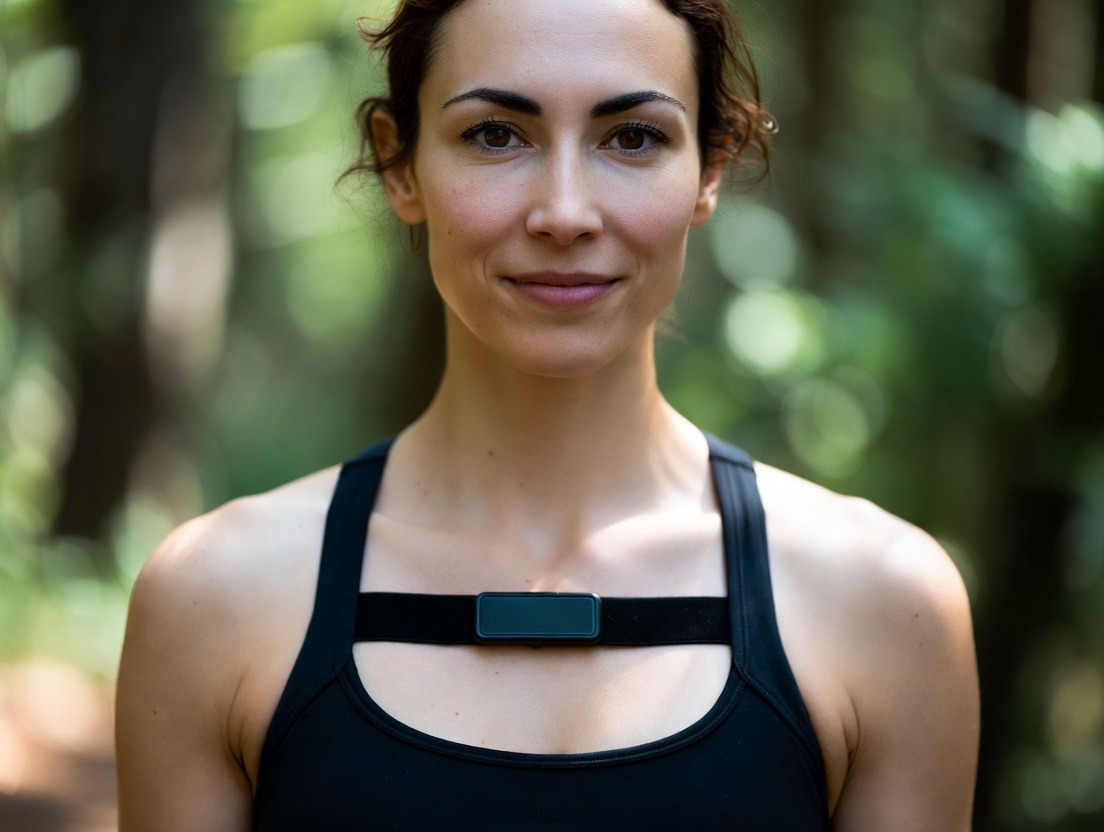
Stress is not the enemy. In fact, acute stress—the kind that comes from a challenging workout, a demanding project, or a thrilling experience—is essential for growth and adaptation. The enemy is chronic, unresolved stress: the grinding, pervasive feeling of overwhelm that keeps your nervous system locked in a perpetual state of "fight or flight." This chronic state is a corrosive force in preventive wellness, undermining digestion, immune function, sleep, and cognitive performance. The key to mastering stress is not eliminating it, but developing resilience—the ability to encounter stress and then efficiently return to a state of calm and recovery. Your guide to this resilience is Heart Rate Variability (HRV).
HRV Explained: Contrary to what you might assume, a healthy heart does not beat with the metronomic regularity of a drum machine. The time interval between heartbeats fluctuates slightly, measured in milliseconds. This is Heart Rate Variability. It is controlled by your autonomic nervous system. When you inhale, your heart rate speeds up slightly (sympathetic influence); when you exhale, it slows down (parasympathetic influence). Higher HRV indicates a strong, responsive nervous system that can easily switch between exertion and recovery. Low HRV suggests a nervous system that is taxed, fatigued, or stuck in a stressed state, leaving you with less capacity to handle life's demands.
A smart wellness ring measures your HRV most accurately during sleep, providing a clean, resting baseline free from the noise of daily activity. Tracking this number over time reveals your unique stress signature—how your body responds to different life events.
Interpreting Your HRV Data for Prevention:
Actionable Strategies to Improve HRV and Build Resilience:
By learning the language of your HRV, you gain an intimate dialogue with your nervous system. You move from feeling "rundown" to knowing why and what to do about it. You stop pushing through warning signs and start responding with intelligence. This mastery turns stress from a health threat into a manageable part of a resilient life. For those curious about how this technology can be tailored to individual needs, our article on how wellness rings support different health goals provides deeper insight.
We have meticulously tuned the internal pillars of sleep, stress, movement, and nutrition. Now, we must turn our attention outward. Your body does not exist in isolation; it is in a constant, dynamic exchange with your environment and daily habits. The final layer of your complete protection strategy involves mastering these external factors—crafting a lifestyle and environment that actively support your biological goals rather than undermining them. This is about building a 360-degree shield.
Circadian Rhythm Engineering: Light is the most potent signal for your master biological clock, located in your brain's hypothalamus. Get this signal wrong, and everything else—sleep, hormone release, metabolism—falls out of sync. Modern life, with its artificial light and screen-filled evenings, represents a constant state of circadian disruption. Your smart ring, by tracking sleep/wake patterns and potentially daytime light exposure, helps you re-engineer this rhythm.
The Hidden World of Environmental Toxins: We are exposed to a low-level barrage of synthetic chemicals daily—in our food packaging, cleaning products, personal care items, and even household dust. These endocrine-disrupting chemicals can interfere with hormonal signaling, contributing to metabolic dysfunction, reproductive issues, and inflammation. A preventive strategy involves a mindful reduction of this toxic load.
The Social Immune System: Loneliness and social isolation are not just emotional states; they are biological stressors with a health impact comparable to smoking 15 cigarettes a day. Conversely, strong, positive social connections boost immune function, lower stress hormones, and are linked to longevity. Cultivating your "social immune system" is a non-negotiable part of preventive wellness.
Thermoregulation & The Power of Cold & Heat: Deliberate exposure to temperature extremes—cryotherapy, cold plunges, saunas—is a powerful form of hormetic stress (a beneficial, adaptive stress). These practices can reduce inflammation, improve circulation, boost mood, and enhance metabolic health. Your ring can help you gauge your body's response.
By consciously designing your light exposure, minimizing toxic inputs, investing in relationships, and strategically using environmental stressors, you create an ecosystem that is inherently health-promoting. Your smart ring provides the feedback loop, showing you how a weekend spent in nature, a digital detox, or a new non-toxic mattress affects your core biomarkers. This 360-degree approach ensures your internal mastery is supported and reinforced by the world you live in. For those interested in the device itself, understanding the material and hypoallergenic options ensures your choice aligns with this toxin-aware philosophy.
You now possess a deep understanding of the pillars and the powerful tool that measures them. The critical bridge between knowledge and results is systematic implementation. This is where we move from passive observation to active protocol design. A "protocol" is not a rigid, military schedule; it is a flexible, intelligent framework for your day, built around your personal data rhythms and non-negotiable wellness priorities. It turns prevention from a concept into a repeatable daily practice.
Step 1: Establish Your Non-Negotiables (The Fixed Points)
These are the anchors of your day that change rarely. They provide the structure upon which everything else is built. Identify 2-3.
Step 2: Create Your Morning Check-In Ritual
This is your 5-minute command center review. Upon waking, before the day's demands hit, open your wellness ring app and review your Recovery Readiness data. Ask yourself:
Based on this, you prescribe your day's intensity.
Step 3: Design Activity Blocks Around Energy, Not the Clock
Instead of forcing a 5 PM workout because it's on your calendar, learn to flex based on your energy and recovery.
Step 4: Integrate Micro-Practices
Weave your pillars into the fabric of your day with small, high-impact habits:
Step 5: The Evening Review & Wind-Down
This is your closing ritual. Reflect on the day:
This protocol is a living document. You will tweak it weekly based on your trend data. Perhaps you discover you need more recovery days than you thought. Maybe you find your ideal workout time is late morning, not early. The ring's data is your guide. By creating this structured-yet-flexible framework, you ensure that the principles of preventive wellness are not abandoned when life gets busy; they become the resilient structure that holds you steady through the chaos. To see this mastery in action, from unboxing to expert use, explore our guide on mastering your wellness ring from day one.

Preventive wellness mastery is not a 12-week program; it is a lifelong continuum. The ultimate power of this data-driven, proactive approach reveals itself over years and decades. It shifts the goalpost from merely avoiding disease to continuously optimizing function and extending your healthspan—the number of years you live in full, vibrant health. This is the long game, where your daily protocol and your wearable data evolve into a predictive health system and a tool for graceful adaptation.
From Descriptive to Predictive Analytics
Initially, your ring describes your current state: "You slept poorly last night." "Your HRV is low today." As your dataset grows into months and years, it begins to reveal predictive patterns. Advanced algorithms and your own observational wisdom can start to forecast.
Adapting Through Life's Phases
Your biology is not static. It moves through seasons: periods of intense career building, parenthood, perimenopause/menopause, and aging. A rigid wellness protocol will break. Mastery lies in adaptation.
The Integration with Professional Care
This is not about replacing your doctor; it's about empowering a more collaborative partnership. Imagine walking into your annual physical not with vague complaints, but with a year's worth of trend data:
Playing the long game means viewing every day's data not as a score to be judged, but as a point on a map of your life. Some points will be peaks, others valleys. The map's value is in showing you the overall direction and allowing you to navigate toward higher ground. Your commitment becomes a lifelong conversation with your body, ensuring that your later years are not defined by managing illness, but by enjoying the compounded interest of decades of intelligent, protective choices. For a glimpse into where this technology is headed, consider the future of wearable health tech.
You have built your foundation, established your protocol, and begun playing the long game. Now, we ascend to a higher level of mastery: the nuanced interpretation of advanced biomarkers and their intricate interplay. At this stage, you move beyond reacting to single metrics and begin to understand the story your data is telling—a story of systems in conversation. This is where you transition from a competent user to a true expert in your own biology.
Respiratory Rate: The Silent Sentinel
While heart rate and HRV often take center stage, your nighttime respiratory rate (RR) is a profoundly insightful and underutilized metric. Measured in breaths per minute, it is a stable vital sign in healthy individuals. Its value lies in its sensitivity.
Temperature Dynamics: More Than Just a Fever
Continuous skin temperature monitoring reveals patterns far more subtle than a binary "fever/no fever" assessment.
HRV: Deepening the Analysis
Beyond the daily number, advanced analysis of HRV involves looking at the ratio between its low-frequency (LF) and high-frequency (HF) components. While consumer devices don't always show this raw data, the principle is important.
The Art of Correlation: Solving the Bio-Puzzle
Mastery is in the connections. Never look at a metric in isolation. When you see a deviation, become a detective.
This level of interpretation transforms your app from a report card into a diagnostic console. You learn to differentiate between the fatigue of growth and the fatigue of sickness, between stress from a good workout and stress from emotional strain. This is the pinnacle of self-knowledge through data. To understand the precision behind these measurements, explore the blog on the accuracy revolution in health tracking technology.
A generic wellness strategy is a weak strategy. True mastery involves applying the framework to your specific, evolving objectives. Whether you're an athlete, managing a chronic condition, seeking cognitive peak performance, or navigating a major life transition, your biometric data is the compass. Here’s how to tailor your complete protection strategy.
For the Performance Athlete & Fitness Optimizer:
The goal shifts from general health to maximizing adaptation and hitting specific performance markers.
For Metabolic Health & Weight Management:
Move beyond calorie counting to metabolic flexibility and hormonal harmony.
For Cognitive Performance & Emotional Resilience:
Your brain’s health is your body’s health. The goal is clarity, focus, and emotional stability.
For Chronic Condition Management & Support:
(Important: This is for support and data-sharing with your doctor, not for diagnosis or treatment.)
By directing the power of your preventive framework toward a specific aim, you create a feedback loop of unprecedented efficiency. You waste less effort on what doesn’t work and double down on what does, accelerating your progress and deepening your understanding of your unique physiology. For more on how technology enables this personalization, read about how health tracking enables personalized wellness.
Your smart wellness ring is a powerhouse, but it is not an island. For true mastery, it should become the central, integrative hub of your personal health ecosystem. By connecting it to other apps and services, you create a synergistic tech stack that paints a complete, actionable picture of your well-being. This is about creating seamless workflows that turn data into effortless action.
Nutrition & Logging Integration: While manual logging can be tedious, strategic integration is key.
Fitness & Training Platform Synergy: Move beyond the ring’s basic activity tracking.
Mindfulness & Mental Fitness Apps: Quantify the unquantifiable.
The Central Hub: Apple Health & Google Fit: These are the vital conduits. Ensure your wellness ring writes all its rich data (HRV, RHR, sleep stages, respiratory rate, temperature) to Apple Health (on iOS) or Google Fit (on Android). This accomplishes two things:
Smart Home & Environmental Integration: The future of prevention is contextual.
By thoughtfully building this ecosystem, you automate insights and create a living system that works for you. The goal is to minimize manual tracking and maximize intelligent, cross-correlated feedback. Your ring is the bedrock of biometric truth, and these connections allow that truth to inform every aspect of your lifestyle. Learn more about integrating your device with other health apps for a seamless experience.

Even with the most sophisticated protocol and ecosystem, you will encounter plateaus. Your HRV stops climbing. Your sleep scores stagnate. The initial rapid progress gives way to a frustrating flatline. Furthermore, an over-reliance on data can create its own blind spots—a phenomenon sometimes called "quantified self-absorbtion." Navigating this phase is what separates a committed user from a wise master.
Diagnosing the Plateau:
A plateau is data telling you your current stimulus is no longer sufficient for growth. It’s a signal to change your approach, not a sign of failure.
Avoiding Data Narcissism and Listening to Qualitative Feelings:
The data is a map, but you are the territory. Do not confuse the two.
Emboring the Seasons: Your body has natural rhythms—daily, monthly, seasonal. Your summer optimal protocol may not work in the dark of winter. Allow your habits to flex. Maybe winter is for more strength training and higher-carb comfort foods, while summer is for outdoor cardio and lighter meals. Let your data guide these seasonal adjustments, not fight them.
Mastery, therefore, is the balanced integration of quantitative data and qualitative wisdom. It’s knowing when to lean on the numbers for guidance and when to set them aside and listen to the deeper, intuitive voice of your body. It is the understanding that the data serves the life, not the other way around. For community support and shared experiences on this journey, reading real customer testimonials can provide valuable perspective.
Preventive wellness mastery, while deeply personal, is not a solitary pursuit. The final, often overlooked, element of a complete protection strategy is the social dimension. Humans are tribal; our behaviors, motivations, and resilience are profoundly influenced by those around us. Integrating community and positive accountability into your journey transforms it from a private project into a shared, sustainable, and more joyful endeavor.
The Power of the Tribe:
Joining or creating a community aligned with your values—whether it's a group focused on data-driven wellness, a fitness challenge, or a mindfulness circle—provides immense benefits that pure self-tracking cannot.
Data-Sharing for Deeper Connection (With Consent):
With trusted partners—a spouse, a close training buddy, or a health coach—selectively sharing your data can deepen understanding and support.
Navigating the Social Landscape with Your New Habits:
Adopting a preventive lifestyle can sometimes feel alienating if your social circle has different priorities. Mastery involves navigating this with grace, not dogma.
The Ripple Effect:
Your commitment has a ripple effect. As you optimize your sleep, manage your stress, and move your body, you become a better partner, parent, friend, and colleague. Your increased patience, presence, and energy benefit everyone in your orbit. In this way, your personal protection strategy becomes a gift to your community, inspiring others to consider their own well-being without you ever saying a word.
By embracing the social dimension, you weave a safety net of support and shared meaning around your technical protocol. The journey becomes less about isolated metrics and more about connected well-being, ensuring your mastery is not only sustainable but also deeply fulfilling. To understand the brand philosophy behind tools designed for this holistic journey, you can explore Oxyzen's story and mission.

The landscape of preventive health is evolving at a breathtaking pace. What is cutting-edge today will be standard tomorrow. As a master of your own wellness, part of your strategy involves looking ahead—understanding the trajectories of technology, medicine, and personal data ownership so you can adopt, adapt, and benefit from the coming waves without being overwhelmed by them.
The Imminent Next Wave: Multimodal Sensing & Advanced Analytics
The near future (1-3 years) of devices like smart rings will involve more sensors and smarter software.
The Mid-Term Horizon (3-7 Years): Integration with Digital Therapeutics & Telemedicine
Your wearable data will become a seamless part of your medical record and active treatment plans.
The Long-Term Vision & Ethical Imperatives: Ownership and Agency
As this future unfolds, masters must be proactive about the ethics of their data.
Preparing Yourself Now:
Future-proofing isn't about buying the latest gadget; it's about cultivating the right mindset and habits.
By looking ahead with clear eyes, you ensure that your mastery is dynamic. You become an active participant in shaping the future of your own health care, equipped with the knowledge and critical thinking to harness emerging tools for your continued protection and optimization. The journey of prevention is never complete; it is an ever-evolving practice of learning, adapting, and thriving.
Your Trusted Sleep Advocate (Sleep Foundation — https://www.sleepfoundation.org/)
Discover a digital archive of scholarly articles (NIH — https://www.ncbi.nlm.nih.gov/
39 million citations for biomedical literature (PubMed — https://pubmed.ncbi.nlm.nih.gov/)
experts at Harvard Health Publishing covering a variety of health topics — https://www.health.harvard.edu/blog/)
Every life deserves world class care (Cleveland Clinic -
https://my.clevelandclinic.org/health)
Wearable technology and the future of predictive health monitoring. (MIT Technology Review — https://www.technologyreview.com/)
Dedicated to the well-being of all people and guided by science (World Health Organization — https://www.who.int/news-room/)
Psychological science and knowledge to benefit society and improve lives. (APA — https://www.apa.org/monitor/)
Cutting-edge insights on human longevity and peak performance
(Lifespan Research — https://www.lifespan.io/)
Global authority on exercise physiology, sports performance, and human recovery
(American College of Sports Medicine — https://www.acsm.org/)
Neuroscience-driven guidance for better focus, sleep, and mental clarity
(Stanford Human Performance Lab — https://humanperformance.stanford.edu/)
Evidence-based psychology and mind–body wellness resources
(Mayo Clinic — https://www.mayoclinic.org/healthy-lifestyle/)
Data-backed research on emotional wellbeing, stress biology, and resilience
(American Institute of Stress — https://www.stress.org/)


