


How Calm Mind Practices Lower Blood Pressure Naturally
Regular calm practices can lead to measurable reductions in blood pressure by reducing systemic stress and promoting vascular relaxation.
Regular calm practices can lead to measurable reductions in blood pressure by reducing systemic stress and promoting vascular relaxation.
%402x.svg)
You’ve heard the diagnosis, felt the anxiety, or seen the numbers creep up on the monitor. Hypertension. High blood pressure. It’s a silent force affecting nearly half of all adults, a primary driver behind heart disease, stroke, and a cascade of health issues. The conventional path often leads directly to medication—a lifelong commitment to pills with potential side effects. But what if there was a parallel, powerful, and profoundly natural pathway to cardiovascular health? What if the very calm you seek holds the key to lowering the pressure within?
Modern science is now catching up to ancient wisdom, revealing an undeniable truth: the state of your mind directly dictates the state of your arteries. Chronic stress, anxiety, and a racing mind trigger a primal physiological storm—the release of hormones like cortisol and adrenaline that constrict blood vessels, accelerate your heart, and force your blood pressure to climb. This "fight-or-flight" response, meant for short-term survival, becomes a destructive constant in our always-on world.
But here lies the opportunity. By cultivating a calm mind through deliberate practices, we can consciously downshift our nervous system. We can activate the "rest-and-digest" mode, a state where healing occurs, inflammation reduces, and blood vessels relax. This isn't merely relaxation; it's a biological recalibration. This article is your definitive guide to that process. We will journey through the compelling science, explore a toolkit of accessible yet powerful mind-calming techniques, and demonstrate how integrating this awareness into your life, potentially aided by modern technology like the Oxyzen smart ring, can lead to measurable, lasting reductions in blood pressure. This is the art and science of finding peace, and in doing so, gifting your heart the peace it deserves.

To disarm an enemy, you must first understand its mechanisms. The link between a turbulent mind and elevated blood pressure is not anecdotal; it is a well-charted physiological pathway rooted in our evolutionary biology. When your brain perceives a threat—be it a looming deadline, a financial worry, or a traffic jam—it activates the sympathetic nervous system. This is your body’s emergency broadcast system, releasing a flood of stress hormones, chiefly cortisol and adrenaline.
Instantly, your body prepares for action. Your heart rate skyrockets to pump more blood. Your breath quickens to oxygenate muscles. And critically, your blood vessels constrict—a process known as vasoconstriction. This narrowing of the arterial pathways increases resistance, forcing your heart to work harder to push blood through, which elevates both your systolic (the pressure during a heartbeat) and diastolic (the pressure between beats) numbers. This is perfect for outrunning a predator. It’s catastrophic when triggered by a hundred daily emails.
The true damage occurs when this acute reaction becomes chronic. Persistent stress means your blood vessels are under constant, unrelenting tension. The endothelial lining—the delicate inner layer of arteries—becomes inflamed and damaged. Over time, this contributes to the buildup of plaque (atherosclerosis), further stiffening and narrowing arteries. It’s a vicious, self-reinforcing cycle: stress raises blood pressure, high blood pressure damages vessels and stresses the body, leading to more stress.
Recognizing this cycle is the first step toward breaking it. It moves the problem from an abstract "I need to relax" to a concrete biological imperative: "I need to deactivate my sympathetic nervous system to protect my vascular health." The goal of calm mind practices, therefore, is not just to feel better emotionally, but to perform a direct, therapeutic intervention on this stress-response pathway, initiating vasodilation (the widening of blood vessels) and allowing pressure to normalize. For a deeper exploration of how modern devices can help you visualize this mind-body connection, our blog features insights into tracking these physiological shifts.
If stress flips the "panic switch," meditation is the master key that gently turns it off. Once considered the domain of monks and mystics, meditation is now a front-line subject in cardiology journals. The evidence is overwhelming: consistent meditation practice can lead to significant, clinically meaningful reductions in blood pressure.
How does sitting quietly accomplish what medication does? The magic lies in activating the parasympathetic nervous system—the antidote to the stress response. When you meditate, particularly styles focused on mindfulness or breath awareness, you trigger what Harvard researcher Dr. Herbert Benson famously termed the "relaxation response." This is a measurable state of deep rest that alters your physical and emotional responses to stress.
Physiologically, during this state:
A landmark study published in the American Journal of Hypertension analyzed data from nearly 1,000 participants and found that mindfulness meditation was associated with an average reduction of 4.7 mm Hg in systolic and 3.2 mm Hg in diastolic blood pressure. To put that in perspective, a reduction of just 5 mm Hg in systolic pressure can lower the risk of stroke by 14% and heart disease by 9%. This isn't placebo; it's physiology.
The practice essentially retrains your brain. It strengthens the prefrontal cortex (the area responsible for rational thought and emotional regulation) and dampens the reactivity of the amygdala (the brain's fear center). Over time, you don't just get better at meditating; you get better at life. You build a buffer between a stressful event and your physiological reaction to it, intercepting the stress cascade before it can spike your blood pressure. For those curious about tracking metrics like HRV to see this training in action, devices like the Oxyzen smart ring provide real-time, personalized feedback on your nervous system's state.

Your breath is the most powerful, always-available, and immediate tool you possess to lower your blood pressure. It is the remote control for your autonomic nervous system. While meditation builds long-term resilience, targeted breathing exercises can drop your pressure within minutes. This is because the act of breathing is uniquely straddled between voluntary and involuntary control—you can consciously change it to send direct signals to your brain.
The key lies in slow, deep, diaphragmatic breathing. Shallow, rapid chest breathing (a hallmark of anxiety) stimulates the sympathetic nervous system. Conversely, deep belly breathing activates the vagus nerve—the longest cranial nerve and the main highway of the parasympathetic system. Stimulating the vagus nerve triggers a cascade of calming effects: heart rate slows, blood vessels dilate, and peace descends.
One of the most studied and effective techniques is Paced Breathing, often at a rhythm of 5-6 breaths per minute (inhaling for 5 seconds, exhaling for 5 seconds).
How to Practice "Resonant Frequency" Breathing:
This isn't just "taking a deep breath." It's a precise, physiological intervention. Imagine facing a stressful work call. By taking 90 seconds to practice this breathing beforehand, you can enter the conversation with a calmer nervous system, preventing the stress-induced spike in pressure that would otherwise occur. It's a portable pressure-management strategy. To understand how technology can guide and reinforce this practice, explore how Oxyzen works with real-time breath pacing exercises and biofeedback.
While breathing and meditation work from the "mind down," practices like Yoga and Tai Chi work from the "body up," creating a powerful bidirectional bridge to calm. These are not merely forms of exercise; they are moving meditations that integrate physical postures, conscious breathing, and mental focus. This triad makes them exceptionally effective for managing hypertension.
The benefits are multifaceted:
A comprehensive review in the Journal of Human Hypertension concluded that regular yoga practice can lead to average reductions of 5-10 mm Hg in systolic blood pressure. Tai Chi, often described as "meditation in motion," shows similar results. A study of patients with prehypertension found that 12 weeks of Tai Chi was more effective than aerobic exercise in lowering blood pressure and improving stress levels.
Why It Works for Hypertension: These practices reduce the stiffness of arteries (arterial compliance), a major factor in hypertension. They also consistently lower levels of stress hormones and catecholamines. Furthermore, they cultivate body awareness. You become more attuned to where you hold tension—the clenched jaw, the tightened gut—and can consciously release it before it contributes to a chronic stress state.
For beginners, a gentle Hatha or Restorative yoga class, or a beginner Tai Chi program, is ideal. The goal is not intensity or perfection of form, but the conscious connection of movement, breath, and awareness. This integration makes the calm cultivated on the mat more readily accessible off the mat, in the chaos of daily life. Many users find that using a wellness tracker like Oxyzen during these practices provides valuable feedback on their stress levels and recovery, helping them understand their unique body-mind patterns. You can read about similar user journeys in our customer testimonials.

Meditation is a dedicated training session for your mind. Mindfulness is the application of that training in the game of life. It is the practice of paying deliberate, non-judgmental attention to the present moment. When applied to daily activities, it acts as a circuit breaker for the automatic stress reactions that elevate blood pressure.
The hypertensive trigger is often not the event itself, but our ruminative, anxious, or reactive thoughts about the event. Mindfulness creates a space between stimulus and response. In that space lies your power to choose a calmer physiological path.
Practical Mindfulness Applications for Blood Pressure Management:
The clinical impact is profound. Programs like Mindfulness-Based Stress Reduction (MBSR), developed by Jon Kabat-Zinn, have been extensively studied. Participants in MBSR programs consistently show reductions in both psychological distress and blood pressure. A study in the journal Psychosomatic Medicine found that individuals who underwent MBSR training had significantly lower ambulatory blood pressure during the day compared to a control group.
This practice trains you to notice the early warning signs of a stress response—the quickening pulse, the shallow breath, the rising frustration—and to meet them with awareness rather than reaction. By repeatedly choosing the mindful path, you weaken the neural pathways of stress and strengthen those of calm resilience, leading to a lower baseline blood pressure over time. For more resources on integrating mindfulness into a busy life, our blog is a dedicated space for practical, science-backed tips.
The Japanese practice of Shinrin-yoku, or "forest bathing"—the simple act of being mindfully present in a forest—is now recognized as a powerful form of preventative medicine. Our bodies and minds evolved in natural environments, and reconnecting with them triggers a deep, innate relaxation response that directly counteracts hypertensive stress.
The therapeutic effect isn't just poetic; it's biochemical. Trees release airborne compounds called phytoncides (essential oils with antimicrobial properties). When we inhale these in a forest setting, studies show our bodies respond by increasing the activity of natural killer (NK) immune cells and reducing stress hormone production. Furthermore, the visual tapestry of nature—the fractal patterns of leaves, branches, and streams—engages our attention in a gentle, effortless way known as "soft fascination." This allows the prefrontal cortex, the brain's overworked CEO, to rest and recover.
Research consistently links time in nature with lower blood pressure:
Implementing Nature Therapy:
You don't need a remote wilderness. The principle is conscious engagement with any natural setting.
This practice works by pulling us out of the artificial, high-stimulus environments that chronically activate our stress response. It returns us to a sensory world our physiology understands, promoting a shift into the parasympathetic state where healing and regulation occur. The lowered blood pressure is a direct symptom of this profound systemic calm. This connection to natural rhythms is part of a broader philosophy of holistic wellness, something we delve into in our story and mission.
Sound is vibration, and vibration has a direct line to your autonomic nervous system. The right kinds of sound can act as an "auditory drug," slowing brainwaves, synchronizing heart rhythms, and inducing a state of deep relaxation that lowers blood pressure. This goes beyond simply listening to pleasant music; it's about engaging with specific, therapeutic auditory patterns.
The Science of Soothing Sound:
A study published in the Journal of Advanced Nursing found that patients with hypertension who listened to 30 minutes of classical, Celtic, or Indian raga music daily for one month experienced significant reductions in systolic and diastolic blood pressure compared to a control group who did not.
Creating Your Pressure-Lowering Sound Protocol:
Integrating intentional sound into your routine is a passive yet potent way to bathe your nervous system in calming frequencies, guiding it away from the jagged rhythms of stress. It’s a testament to the idea that our environment, even its sonic texture, is a key determinant of our cardiovascular health.
What does thankfulness have to do with blood pressure? More than you might think. Gratitude is not a passive emotion; it is an active practice that directly counters the negative thought patterns—worry, resentment, perceived lack—that keep the stress response simmering. By consciously cultivating gratitude, you are effectively performing cognitive therapy on yourself, shifting your brain's habitual pathways toward positivity and safety.
The physiological benefits are measurable:
The Practice of Gratitude for Blood Pressure Management:
This is more than just thinking "I'm thankful." It's a structured intervention.
Research from the University of California, San Diego, found that patients with asymptomatic heart failure who kept a gratitude journal for 8 weeks showed reduced inflammatory markers and improved HRV. Another study in Psychology Today linked gratitude with a 10% reduction in systolic blood pressure for hypertensive patients.
By regularly engaging in gratitude, you are not ignoring life's challenges. You are actively balancing your brain's innate negativity bias. You are telling your body, through thought, that there is safety, abundance, and goodness present. This perceived safety is the fundamental condition required for your nervous system to disengage the stress response and allow your blood pressure to settle into a healthier range. It’s a powerful reminder that the stories we tell ourselves directly shape our biology.
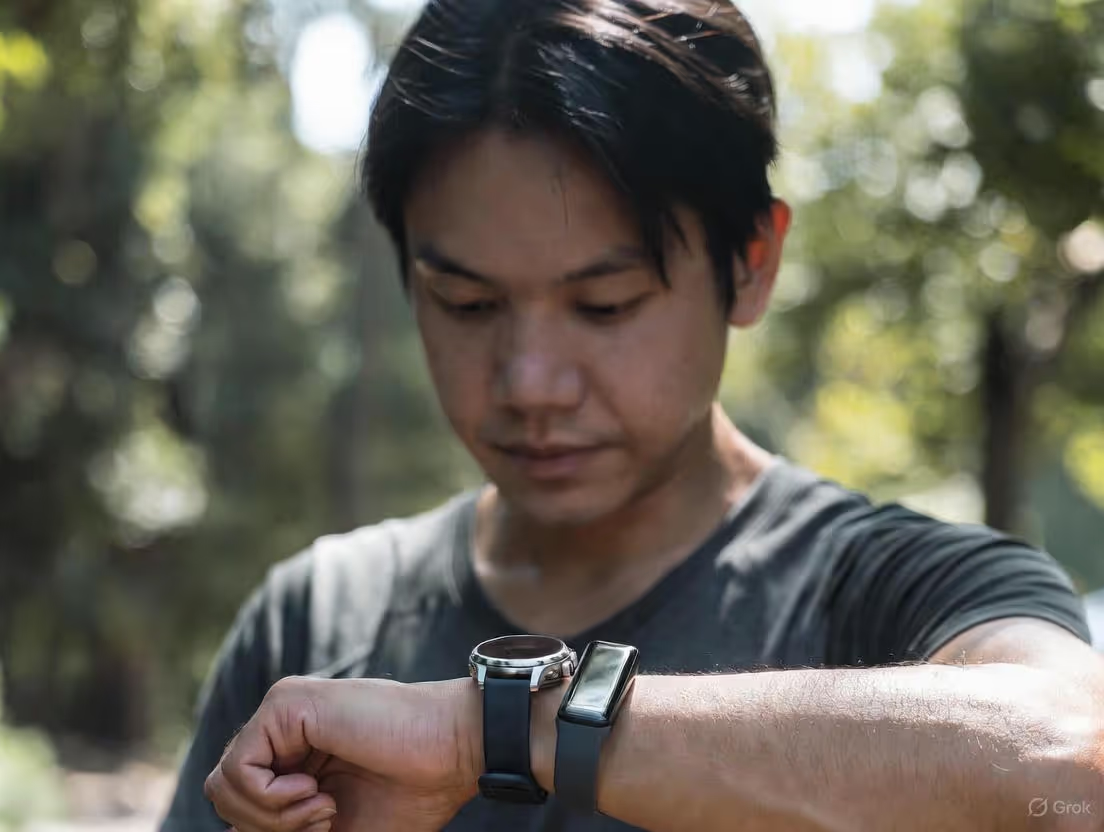
In the quest for a calm mind and healthy blood pressure, knowledge is power. For centuries, the inner workings of our stress response were a mystery, felt but not seen. Today, wearable technology and biofeedback devices have made the invisible visible, transforming subjective feelings of "stress" into objective, actionable data. This bridges the gap between intention and result, providing the feedback loop essential for lasting change.
Biofeedback involves using sensors to monitor physiological functions—like heart rate, skin temperature, and muscle tension—and presenting that information back to you in real-time. You can then use conscious techniques (like the breathing methods discussed earlier) to influence those functions. It’s a masterclass in learning to control your own nervous system.
How Modern Wearables, Like Smart Rings, Empower You:
A device like the Oxyzen smart ring acts as a continuous, non-intrusive biofeedback tool. It tracks key biomarkers directly related to blood pressure and stress:
The Empowerment Loop:
This loop turns abstract wellness advice into a personalized science experiment. You learn what specifically triggers your stress (e.g., late-night screen time, certain types of work, lack of movement) and which interventions work best for you. It moves you from guessing to knowing. For anyone serious about using data to manage their hypertension naturally, understanding these tools is crucial. You can explore the Oxyzen FAQ for detailed information on how the technology captures and interprets this vital data.
The journey to lower blood pressure through a calm mind is not about finding one magic bullet. It's about building a synergistic toolkit where the whole becomes greater than the sum of its parts. Each practice we've explored—meditation, breathwork, mindful movement, nature immersion, sound, gratitude, and technology—addresses the stress-response system from a slightly different angle. When combined, they create a comprehensive, self-reinforcing ecosystem of calm.
Think of it like strengthening a muscle. You wouldn't only do bicep curls and expect a strong, balanced body. You need a regimen that works multiple muscle groups, cardio, and flexibility. Similarly, a resilient nervous system and healthy vasculature require a multi-modal approach.
Building Your Personalized "Calm Protocol":
The Synergistic Effect:
This integrated approach ensures you're not just fighting stress reactively, but proactively building a life and a physiology that is resistant to it. The cumulative impact on blood pressure is far greater and more sustainable than any single practice pursued in isolation. It becomes a lifestyle of conscious calm. For inspiration on how others have built their holistic routines, our testimonials page shares real-world stories of transformation.
Our thoughts are not passive background noise; they are active directors of our physiological state. For individuals with hypertension, patterns of catastrophic thinking, chronic worry, and perceived helplessness can act as a constant drip of stress hormones, keeping blood vessels taut. Cognitive Behavioral Therapy (CBT) offers a structured, evidence-based framework to intercept and rewrite these thought patterns, serving as a powerful psychological tool for blood pressure management.
CBT operates on a core model: our Thoughts influence our Feelings, which drive our Behaviors and Physical Reactions. A hypertensive stress cycle might look like this:
CBT teaches you to become a detective of your own mind, to identify these automatic negative thoughts (ANTs) and challenge their validity. This process, known as cognitive restructuring, directly dampens the emotional and physiological cascade.
Clinical Evidence for CBT and Blood Pressure:
Multiple meta-analyses confirm CBT's efficacy. A review in JAMA Internal Medicine found that psychological interventions, particularly CBT, led to an average reduction of 3.4 mm Hg in systolic and 2.8 mm Hg in diastolic blood pressure—effects that persisted for months after therapy ended. Another study in Psychosomatic Medicine showed that CBT was particularly effective in lowering blood pressure in patients whose hypertension was strongly linked to stress reactivity.
Key CBT Techniques for Hypertension Management:
By practicing CBT, you effectively install a "mental filter" that catches stress-inducing thoughts before they can trigger the full fight-or-flight response. Over time, this rewires neural pathways, making calmer, more rational responses your default. This isn't about positive thinking; it's about accurate thinking, which naturally leads to a less threatened, and thus lower-pressure, physiological state. For those interested in the intersection of mental training and physiological tracking, learning more about Oxyzen's approach to holistic data can provide insights into how mental and physical metrics interact.
If you are diligently practicing calm mind techniques during the day but sabotaging your efforts with poor sleep at night, you are trying to bail water out of a boat with a gaping hole. Sleep is the foundation of cardiovascular repair and nervous system reset. During deep, non-REM sleep, your heart rate and blood pressure naturally dip—a phenomenon known as "nocturnal dipping." This 10-20% decrease is critical for vascular health. Non-dippers, whose pressure stays high at night, face a significantly increased risk of cardiovascular events.
The mechanisms linking sleep and hypertension are direct:
Actionable Steps for Sleep-Driven Blood Pressure Reduction:
Research is unequivocal. The Journal of Sleep Research published a study showing that improving sleep quality through behavioral interventions led to measurable reductions in 24-hour ambulatory blood pressure. Treating sleep apnea—a major cause of secondary hypertension—often results in dramatic blood pressure improvements.
Viewing sleep as a core component of your hypertension management plan reframes it from a passive state to an active therapeutic process. It is the period when the benefits of your daytime calm mind practices are consolidated and your vascular system receives its most profound rest. Investing in sleep is investing directly in lower blood pressure. For more detailed guidance on building a sleep-supportive routine, our blog features expert articles on sleep hygiene and recovery.
Humans are wired for connection. Loneliness and social isolation are not just emotional pains; they are recognized biological stressors that carry a cardiovascular risk comparable to smoking and obesity. Conversely, strong, positive social bonds act as a powerful buffer against life's stressors, directly mitigating the physiological pathways that lead to hypertension.
The stress of feeling alone or unsupported triggers a chronic, low-grade fight-or-flight response. The brain perceives a lack of social safety as an existential threat, keeping defensive systems activated. This leads to elevated inflammation, increased vascular resistance, and higher baseline blood pressure.
How Connection Lowers Pressure:
Building a Hypertension-Protective Social Web:
A landmark study from the University of North Carolina found that the quality and quantity of social relationships were directly linked to systolic and diastolic blood pressure across adulthood. Older adults with strong social ties had blood pressure readings up to 10 mm Hg lower than their isolated peers.
In the context of a calm mind, social connection provides the external container for internal peace. It reminds our primal physiology that we are not alone in facing life's challenges. This profound sense of safety is the ultimate antidote to the hypertensive stress response. Cultivating community is not a sidebar to health; it is central to it. This philosophy of connected well-being is at the core of our story and vision for holistic health technology.
The connection between a racing mind and a churning stomach is one most of us know intimately. But this gut-brain conversation is a two-way street with profound implications for blood pressure. The state of your digestive system—driven by stress and diet—directly influences inflammation, nervous system balance, and vascular health. By calming the mind, you can positively influence this "gut-brain-heart axis," creating another pathway to lower pressure.
Chronic stress wreaks havoc on digestion. It shunts blood flow away from the digestive organs to the muscles, halts digestive enzyme production, and alters gut motility (leading to constipation or diarrhea). Crucially, it disrupts the delicate balance of the gut microbiome—the trillions of bacteria living in your intestines. An imbalance in this microbiome (dysbiosis) increases intestinal permeability ("leaky gut"), allowing inflammatory compounds called lipopolysaccharides (LPS) to enter the bloodstream. This triggers systemic inflammation, a key driver of endothelial dysfunction and arterial stiffness.
How Calm Mind Practices Heal the Gut, Helping the Heart:
Actionable Steps to Leverage the Axis:
Research in Hypertension journal has shown that probiotic supplementation can lead to modest but significant reductions in blood pressure, likely by improving gut barrier function and reducing inflammation. By calming your mind, you create the optimal internal environment for a healthy gut, which in turn supports a calm cardiovascular system. It’s a virtuous cycle where mental peace promotes physical peace at the most fundamental level.
While meditation quiets the mind, Progressive Muscle Relaxation (PMR) directly quiet the body—and a relaxed body cannot sustain a stressed mind. Developed by Dr. Edmund Jacobson in the early 20th century, PMR is based on the simple principle that physical tension is a companion to anxiety and stress, and systematically releasing muscle tension can induce mental calm and lower autonomic arousal. For hypertension, this is particularly powerful, as it releases the literal tightness that can contribute to vascular constriction.
The technique involves deliberately tensing and then relaxing specific muscle groups throughout the body. This process accomplishes two key things:
The Physiological Impact on Blood Pressure:
When you chronically tense your shoulders, jaw, or abdomen, you create a feedback loop to the brain signaling "danger," which perpetuates the stress response. PMR breaks this loop. Studies, including one published in the Journal of Behavioral Medicine, have shown that regular PMR practice can reduce systolic and diastolic blood pressure as effectively as some biofeedback interventions. It reduces circulating norepinephrine and decreases overall sympathetic nervous system activity.
A Guided PMR Sequence for Hypertension:
Find a quiet place to sit or lie down. Progress through these muscle groups, holding each tension for 5-7 seconds, then releasing for 20-30 seconds, focusing on the wave of warmth and heaviness as you let go.
Finish by scanning your body from head to toe, inviting any remaining tension to melt away. Practice this for 10-15 minutes daily. The effect is cumulative; over time, your baseline muscle tone lowers, sending continuous "all is well" signals to your brain, thereby helping to maintain a lower baseline blood pressure. It is a direct, physical form of stress excavation.
The idea that one must find 30 minutes of perfect silence to practice calm is perhaps the biggest barrier to consistent practice—and thus, to consistent blood pressure benefits. The revolutionary concept is that calm is not a state to be achieved only in isolation, but a quality of attention that can be woven into the fabric of your busiest days. These "micro-moments" of mindfulness act like pressure-release valves throughout the day, preventing stress from accumulating to hypertensive levels.
A micro-moment is any brief, intentional pause where you bring non-judgmental awareness to your present experience. It could be as short as one breath. The goal is not to empty your mind, but to anchor it in the present, interrupting the autopilot of worry and reaction.
Hypertension-Specific Micro-Practices:
The Cumulative "Neuroprotective" Effect:
Neurologically, these micro-moments are like strength-training reps for your prefrontal cortex. Each time you consciously redirect from a stressful thought to a neutral anchor (your breath, your senses), you weaken the default stress pathway and strengthen the calming one. Over weeks and months, this literally changes the structure of your brain (neuroplasticity) to be less reactive.
For blood pressure, this means the small, frequent stressors of the day—the ding of a notification, a critical comment, a misplaced item—no longer trigger the same sharp vascular response. Your system develops a resilience, a "stress cushion." This approach makes calm accessible and sustainable, proving that you don't need a quiet life to have a quiet mind and a peaceful cardiovascular system. For those tracking their progress, noting these micro-practices in a journal or app alongside data from a device like Oxyzen can reveal how small moments lead to significant shifts in daily stress load and recovery metrics.
Our devices, while invaluable, have become potent, constant sources of hypertensive stress. The endless scroll, the barrage of notifications, the blue light, and the pressure of perpetual connectivity keep our nervous systems in a state of low-grade alarm. This "technostress" contributes directly to elevated cortisol, poor sleep, and thus, higher blood pressure. Calming the mind in the 21st century requires intentionally managing our digital environment.
The Digital Stress-Blood Pressure Link:
A Calm-Tech Protocol for Cardiovascular Health:
The goal is to shift from being passively used by technology to actively using it as a tool for well-being. By reducing the chaotic, demanding inputs from our digital world, we create more mental space for the calm practices that lower blood pressure. It’s about creating an informational diet that is as nourishing as the food you eat. For support in establishing these boundaries and understanding their impact, our FAQ section addresses common questions about balancing tech use with wellness tracking.
Paradoxically, one of the most powerful ways to calm the anxious mind is not through passivity, but through deep, positive engagement. The psychological state of "flow"—being completely absorbed in an activity that is challenging yet matched to your skills—is a potent antidote to stress-related hypertension. Similarly, living with a sense of purpose provides a long-term psychological buffer against life's adversities. Both states direct cognitive resources away from worry and toward constructive action, with direct cardiovascular benefits.
During a flow state (often experienced during hobbies like gardening, playing music, coding, painting, or even certain aspects of work), several therapeutic shifts occur:
Cultivating Flow for Blood Pressure Management:
The Power of Purpose:
Beyond momentary flow, a overarching sense of purpose—whether through work, family, community service, creativity, or spiritual practice—is linked to longer, healthier lives and lower rates of cardiovascular disease. Purpose provides meaning, which helps you reframe stressors as challenges to be met rather than threats to be feared. This cognitive shift is profoundly protective.
Studies, including one in the Journal of Psychosomatic Research, have found that individuals with a strong sense of purpose have better-regulated blood pressure responses to stressors and lower overall ambulatory blood pressure. They are more resilient.
By intentionally making time for flow and reflecting on your personal sources of purpose, you build a life that is not merely low-stress, but positively engaging. This moves your cardiovascular health strategy from defense ("managing stress") to offense ("building a meaningful life"). The calm that comes from engagement is active and fulfilling, creating a sustainable foundation for long-term blood pressure health. This holistic view of wellness is central to the vision we share at Oxyzen, where technology serves to support a more engaged and meaningful life, not distract from it.
The mind's eye is a potent therapeutic tool. Visualization and guided imagery involve using mental imagery to create sensory-rich experiences that promote relaxation and healing. For blood pressure, this technique leverages the brain's inability to distinguish between a vividly imagined experience and a real one to coax the nervous system into a state of profound calm.
When you close your eyes and vividly imagine yourself on a peaceful beach, feeling the warm sun, hearing the waves, and smelling the salt air, your brain sends signals to your body consistent with actually being in that safe, relaxing environment. This triggers the parasympathetic nervous system, slows the heart, and encourages vasodilation.
Scientific Support for Visualization:
Studies in psychoneuroimmunology have demonstrated that guided imagery can lower cortisol, reduce heart rate, and decrease blood pressure. A study published in the Journal of Alternative and Complementary Medicine found that patients with hypertension who practiced guided imagery for 15 minutes daily for 8 weeks experienced significant reductions in both systolic and diastolic pressure compared to a control group.
How to Practice Blood Pressure-Lowering Guided Imagery:
This practice not only provides immediate relaxation but also strengthens the neural pathways associated with calm and safety. It’s a form of mental rehearsal for a low-pressure state. Over time, your body learns to access this state more readily, even in the face of minor stressors, helping to maintain a healthier blood pressure baseline throughout the day. It is a direct application of the mind's power to influence physical reality.
Our environment is not a passive backdrop; it is an active participant in our nervous system's state. Clutter, chaos, and ugliness can be subtle, chronic stressors, while beauty, harmony, and order can act as subtle, chronic soothers. This concept, sometimes called "aesthetic wellness," is a powerful adjunct to formal calm mind practices for managing hypertension.
The brain processes a chaotic, cluttered environment as a series of unresolved tasks or threats, keeping the mind in a low-grade state of alertness and overwhelm. Conversely, environments characterized by order, natural elements, and beauty can trigger the "rest-and-digest" response. This isn't about luxury; it's about intentionality.
Pathways from Aesthetics to Lower Blood Pressure:
Practical Applications for Your Spaces:
By intentionally shaping your environment to be less demanding and more nourishing, you create a world that supports your calm mind efforts. It’s about engineering low-stress defaults into your daily life, making the healthy, low-pressure response the path of least resistance. This environmental strategy works in tandem with internal practices, creating a holistic container for cardiovascular health. For ideas on creating a supportive wellness environment, our blog offers inspiration on blending technology and mindful living spaces.
The most profound promise of consistent calm mind practice is not temporary relief, but permanent change. This is the domain of neuroplasticity—the brain's remarkable ability to reorganize itself by forming new neural connections throughout life. Every time you react with stress, you strengthen the neural pathway for that reaction. Every time you pause, breathe, and respond with calm, you strengthen that pathway instead. Over time, you can literally rewire your brain for a less hypertensive temperament.
This is why short-term interventions often fail and why lifestyle change is emphasized: the brain needs repeated, consistent practice to build new highways. The stress response is a well-paved superhighway (thanks to evolution and modern life). Calm mind practices are the conscious effort to build a new, equally efficient parkway toward peace.
How Neuroplasticity Manifests in Blood Pressure Control:
The Timeline of Change:
Understanding that this is a process manages expectations and fosters commitment.
This long-game perspective is liberating. It means a "bad day" or a missed practice session doesn't ruin your progress. It’s about the aggregate of thousands of small repetitions. It explains why the most significant blood pressure benefits are seen in those who practice consistently for many months. You are not just managing symptoms; you are renovating the very system that generates them. This journey of transformation is something we hear about in the personal stories shared by our community.
Embracing calm mind practices does not mean rejecting conventional medicine. The most powerful, effective, and scientifically sound approach is a synergistic one: using lifestyle and mind-body interventions in collaboration with medical guidance. This integrative model empowers you, reduces reliance on medication (under a doctor's supervision), and addresses the root causes of hypertension, not just the numbers.
How to Build a Collaborative Partnership with Your Healthcare Provider:
The Role of the Smart Ring in Integrative Care:
A device like the Oxyzen smart ring can serve as the perfect bridge between personal practice and clinical insight. The longitudinal data it provides—on sleep, stress, recovery, and activity—creates a holistic picture of your cardiovascular nervous system's health that a single blood pressure reading in a clinic (which can be artificially high due to "white coat syndrome") cannot. This rich dataset can inform more nuanced conversations with your cardiologist or primary care physician about your total lifestyle impact.
The goal is to move from a passive patient model ("Here's your pill") to an active health partnership. In this model, calm mind practices are your foundational, daily work, medical guidance provides the safety framework and pharmaceutical tools if needed, and technology offers the feedback loop to optimize both. This collaborative path represents the future of chronic disease management—personalized, preventive, and empowering. For those seeking to understand how data can inform health decisions, learning more about Oxyzen's technology provides a clear picture of this integrative potential.
Your Trusted Sleep Advocate: Sleep Foundation — https://www.sleepfoundation.org
Discover a digital archive of scholarly articles: NIH — https://www.ncbi.nlm.nih.gov/
39 million citations for biomedical literature :PubMed — https://pubmed.ncbi.nlm.nih.gov/
Experts at Harvard Health Publishing covering a variety of health topics — https://www.health.harvard.edu/blog/
Every life deserves world class care :Cleveland Clinic - https://my.clevelandclinic.org/health
Wearable technology and the future of predictive health monitoring :MIT Technology Review — https://www.technologyreview.com/
Dedicated to the well-being of all people and guided by science :World Health Organization — https://www.who.int/news-room/
Psychological science and knowledge to benefit society and improve lives. :APA — https://www.apa.org/monitor/
Cutting-edge insights on human longevity and peak performance:
Lifespan Research — https://www.lifespan.io/
Global authority on exercise physiology, sports performance, and human recovery:
American College of Sports Medicine — https://www.acsm.org/
Neuroscience-driven guidance for better focus, sleep, and mental clarity:
Stanford Human Performance Lab — https://humanperformance.stanford.edu/
Evidence-based psychology and mind–body wellness resources:
Mayo Clinic — https://www.mayoclinic.org/healthy-lifestyle/
Data-backed research on emotional wellbeing, stress biology, and resilience:
American Institute of Stress — https://www.stress.org/


