


How Cold Water Therapy Provides Rapid Stress Relief
Brief exposure to cold water triggers a shock response followed by a powerful parasympathetic rebound, reducing stress hormones.
Brief exposure to cold water triggers a shock response followed by a powerful parasympathetic rebound, reducing stress hormones.
%402x.svg)
In a world that glorifies “hustle” and wears burnout as a badge of honor, stress has become a silent, chronic tax on our well-being. We chase digital solutions, scroll through mindfulness apps, and ingest adaptogens, yet a profound, ancient antidote is flowing freely from our taps. It’s not a pill, a protocol, or a purchase. It’s a shock—a deliberate, breath-stealing, skin-tingling plunge into cold water.
Cold water therapy, from icy showers to wild swims, is experiencing a modern renaissance, championed by athletes, CEOs, and wellness pioneers. But beyond the bravado and social media trends lies a potent, evidence-backed biological toolkit for rapid stress relief. This isn't just about "feeling invigorated"; it's about fundamentally recalibrating your body's response to pressure. It's about teaching your nervous system, in real-time, that you can remain calm and in control even when your environment screams "emergency."
The mechanism is elegant and immediate. When cold water hits your skin, it triggers a "fight-or-flight" alarm—the very stress response we seek to manage. But here’s the paradox: by voluntarily and repeatedly entering this controlled stressor, you become the author of the reaction. You learn to steady your breath, quiet your mind, and command your physiology. This practice, known as hormesis, strengthens your resilience, much like lifting weights strengthens muscle. The result? A nervous system that is less reactive to life's minor irritations and more capable of handling true challenges with grace.
In this deep exploration, we'll dissect the precise science of how cold exposure extinguishes the flames of chronic stress. We'll journey from the shocking first gasp to the lasting glow of tranquility, understanding how this simple, stark practice can rewire your brain, balance your hormones, and unlock a state of focused calm. As we navigate this icy path, we'll also see how modern technology, like the advanced biometric tracking from Oxyzen smart rings, provides unprecedented insight into these internal transformations, turning subjective experience into objective data.
Prepare to dive into the physiology of calm. This is your guide to using cold as a keystone habit for a more resilient, peaceful, and empowered life.

To understand why cold water is such a powerful remedy, we must first diagnose the malady: chronic stress. Stress, in its original design, is a brilliant, life-saving physiological reaction. When our ancestors faced a predator, the sympathetic nervous system (SNS) launched a flawless cascade: the hypothalamus signaled the pituitary gland, which alerted the adrenal glands to flood the bloodstream with adrenaline and cortisol. Heart rate and blood pressure spiked, shunting blood to muscles. Pupils dilated. Non-essential functions like digestion and immune response were put on hold. This "fight-or-flight" response provided the explosive energy needed to survive an acute, physical threat.
The problem in our modern world is that the "saber-toothed tiger" has been replaced by a relentless barrage of psychological threats: an overflowing inbox, financial worries, social comparisons, and the 24/7 news cycle. The body, however, responds with the same ancient, full-body alarm. When this alarm is triggered dozens of times a day, the acute stress response becomes a chronic state. The cortisol tap never fully turns off.
This chronic cortisol bath is corrosive. It impairs cognitive function, shrinks the hippocampus (critical for memory), and weakens the immune system. It promotes the storage of visceral fat, disrupts sleep, and leaves the nervous system stuck in a state of high alert—a condition often called "sympathetic dominance." You feel wired but tired, anxious yet lethargic. The system designed for short bursts is now idling in the red zone, and the "brake" of our nervous system—the parasympathetic nervous system (PNS), responsible for "rest and digest"—is unable to engage.
We attempt to soothe this state with counterproductive habits: scrolling through devices (which delivers more stimulus), consuming sugar or alcohol (which further dysregulates cortisol), or ruminating in worry. What we need is not a sedative, but a reset. We need a clear, unambiguous signal to the body that the "threat" is over, and it is safe to restore balance. This is where cold water therapy performs its first magic trick: it creates a massive, acute, physical stressor to displace the nebulous, chronic psychological stress. It gives the nervous system a definitive problem to solve—thermoregulation—and a clear endpoint: when you step out and warm up. In the chapters ahead, we’ll map every step of this reset, from the initial gasp to a lasting sense of equilibrium. For those tracking their wellness journey, observing how metrics like Heart Rate Variability (HRV) shift with practice can be revelatory; a deeper dive into this is available in our resource library on biometric feedback.
The moment your body meets cold water—whether it's a 60-second shower finale or a plunge into a natural body of water—something primal and instantaneous occurs. This is the "shock point," the critical interface where voluntary action meets involuntary biology. Understanding this phase is key to moving from a victim of the cold to a conscious participant in its benefits.
As your skin’s thermoreceptors register the drastic temperature drop, they send a five-alarm fire signal directly to your brain’s command center: the hypothalamus. This signal bypasses higher thought and initiates a primordial survival sequence. Your first, most visible reaction is the "gasp reflex"—a sudden, involuntary inhalation followed by rapid, shallow breathing (hyperventilation). This is the SNS seizing control, attempting to oxygenate muscles for imminent action.
Simultaneously, a phenomenon called "cold shock" occurs. Blood vessels in your extremities and skin (peripheral vasoconstriction) tighten dramatically to shunt warm blood away from the surface and toward your vital core organs to protect them. Your heart rate and blood pressure spike sharply. This is the quintessential fight-or-flight response in its pure, physical form.
For the uninitiated, this shock point feels like panic. The mind races: "This is a mistake! Get out!" But herein lies the foundational practice of cold therapy: This is where you intervene. The entire transformative potential of the practice hinges on what you do in the next 10-20 seconds. By consciously forcing your breathing to slow—taking deep, controlled breaths against the body’s desperate urge to pant—you send a powerful counter-signal to the brainstem. You are essentially telling your autonomic nervous system, "I see the alarm, but I am in control. This is not an emergency."
This act of "top-down" regulation—where your conscious mind (prefrontal cortex) overrides the brainstem’s panic signal—is a profound exercise in neuroplasticity. You are literally strengthening the neural pathways for calm under pressure. Each plunge is a repetition, a workout for your psychological resilience. The shock point doesn't disappear with practice; rather, your relationship to it transforms. The physiological reaction becomes a familiar wave you learn to surf, rather than a torrent that drowns you. This mastery over the initial shock is the first and most direct form of stress relief: the immediate proof that you can face a profound physical stimulus and remain the calm, commanding center of the storm.

Once you navigate the initial shock and steady your breath, the body transitions from pure alarm to a remarkable adaptive phase. This is where cold water therapy moves from a stressor to a powerful pharmacological event, triggering a cascade of "feel-good" and resilience-building hormones. It’s a natural high with profound implications for mood and stress resilience.
The most celebrated players in this cascade are endorphins. These endogenous opioids, chemically similar to morphine, are released by the pituitary gland in response to stress and pain—including the "pain" of cold. Their primary job is to act as analgesics, reducing the perception of discomfort. This is why, after the first minute or two, the biting edge of the cold often softens, replaced by a tingling numbness. But endorphins do more than dull pain; they induce a state of euphoria and well-being, often called the "after-drop glow." This natural high can last for hours, providing a buffer against anxiety and low mood, effectively resetting your emotional baseline.
Alongside endorphins comes a flood of norepinephrine (noradrenaline). Unlike the initial adrenaline spike (which is short-lived), norepinephrine release is more sustained during cold exposure. This neurotransmitter sharpens focus, increases alertness, and improves mood. Deficiencies in norepinephrine are linked to depression, ADHD, and brain fog. The cold-induced surge acts like a system reboot, clearing mental cobwebs and enhancing clarity. It’s the reason you feel incredibly alert and focused after a cold plunge, not sleepy.
Finally, we have dopamine, the motivation and reward molecule. Cold exposure has been shown to cause a sustained increase in dopamine levels—by as much as 250%—that can linger for hours post-exposure. This isn't the fleeting spike from checking social media, but a long, steady rise. Elevated dopamine improves drive, mood, and a sense of satisfaction. It also plays a key role in the learning and reinforcement of the cold practice itself, making you more likely to return to it.
This powerful hormonal trifecta—endorphins, norepinephrine, and dopamine—creates a potent antidote to the biochemical profile of chronic stress. Where chronic stress depletes these very neurotransmitters, leading to anhedonia (lack of pleasure), fatigue, and anxiety, cold exposure effectively replenishes the tank. It’s a self-administered, non-pharmacological intervention that shifts your neurochemistry from a state of depletion to one of abundance and resilience. For a deeper look at how biometrics can track mood and recovery trends influenced by such practices, our FAQ on biomarker interpretation offers valuable insights.
While the hormonal cascade addresses the chemical dimension of stress, a deeper, more fundamental shift is occurring within your nervous system's wiring. This shift is orchestrated by one of the most critical nerves in your body: the vagus nerve. Acting as the central command of the parasympathetic nervous system (PNS), the vagus nerve is your body's brake pedal. It slows heart rate, stimulates digestion, promotes relaxation, and facilitates recovery and social connection. A "high vagal tone" is synonymous with resilience—the ability to quickly return to calm after stress.
Here lies one of cold therapy's most elegant paradoxes: an intense sympathetic stimulus, when met with calm, conscious breathing, becomes a powerful vagus nerve workout. The key mechanism is "the dive reflex" (or mammalian dive reflex). When cold water contacts the face, especially the area around the eyes and upper cheeks, it triggers this innate reflex. The body optimizes for underwater survival: heart rate slows (bradycardia), peripheral blood vessels constrict further, and blood is prioritized for the brain and heart.
The dive reflex is mediated by the vagus nerve. By voluntarily activating it through cold exposure, you are directly stimulating and strengthening your parasympathetic response. The conscious, deep breathing you employ to overcome the initial gasp is another direct vagus nerve stimulant. Each long, slow exhale sends a signal via the vagus nerve to the heart to beat a little slower.
With repeated practice, you are training your vagal brake to be stronger and more responsive. You teach your body that it can encounter a massive stressor and, rather than spiraling into prolonged panic, it can efficiently engage the calming, restorative PNS. This translates directly to everyday life. The coworker's snide remark, the traffic jam, the looming deadline—these become lesser stressors because your nervous system has been "conditioned" to apply the brake more effectively. It learns that not every alarm requires a full-body mobilization. This neurobiological training is the cornerstone of lasting stress resilience, moving you from a state of sympathetic dominance to one of vagal prowess. Understanding this mind-body connection is central to our philosophy at Oxyzen; you can read more about our mission to empower this kind of precise, personal insight.
Engaging in regular cold water therapy is not just a series of discrete events; it is a process of profound physiological adaptation. Your body, in its brilliant drive for homeostasis, begins to change at a systemic level to become more efficient at managing not just cold, but all forms of stress. This is the principle of hormesis in action: a beneficial adaptive response to a low-dose or moderate-intensity stressor.
One of the most significant adaptations is in your brown adipose tissue (BAT), or brown fat. Unlike white fat, which stores energy, brown fat is metabolically active, packed with mitochondria. Its job is to generate heat (thermogenesis) to maintain core body temperature. Acute cold exposure activates existing brown fat, while regular exposure can actually increase its volume and activity. This is crucial for stress relief in two ways: First, a more active thermogenic system means you feel less distressed by mild environmental cold, reducing a subtle but constant background stressor. Second, the process of non-shivering thermogenesis in brown fat is incredibly metabolically efficient, improving insulin sensitivity and metabolic health—factors intimately linked to stress resilience.
Next, your cardiovascular system adapts. The repeated vasoconstriction and vasodilation (when you warm up) acts like a gym workout for your blood vessels, improving their elasticity and endothelial function. This leads to better blood flow and blood pressure regulation. Your heart becomes more efficient, and your heart rate variability (HRV)—a key metric of autonomic nervous system balance and recovery capacity—tends to increase. A higher HRV indicates a heart that is responsive and adaptable, a sign of a resilient system ready to handle stress and quickly return to baseline.
Finally, your nervous system itself becomes more adaptable, a state known as autonomic flexibility. Instead of being rigidly stuck in a stressed "on" state, it gains the ability to shift appropriately between sympathetic arousal and parasympathetic calm. You become like a skilled driver, able to accelerate decisively when needed but always with a firm, confident connection to the brake.
These adaptations collectively build a fortress against stress. You are not just feeling better in the moment after a cold shower; you are constructing a physiology that is inherently more robust, energy-efficient, and calm. The stress of yesterday becomes a training stimulus for the resilience of tomorrow. Many users of advanced wellness wearables observe these long-term trends in their biometric data; for real-world accounts of this journey, consider browsing inspiring user testimonials.
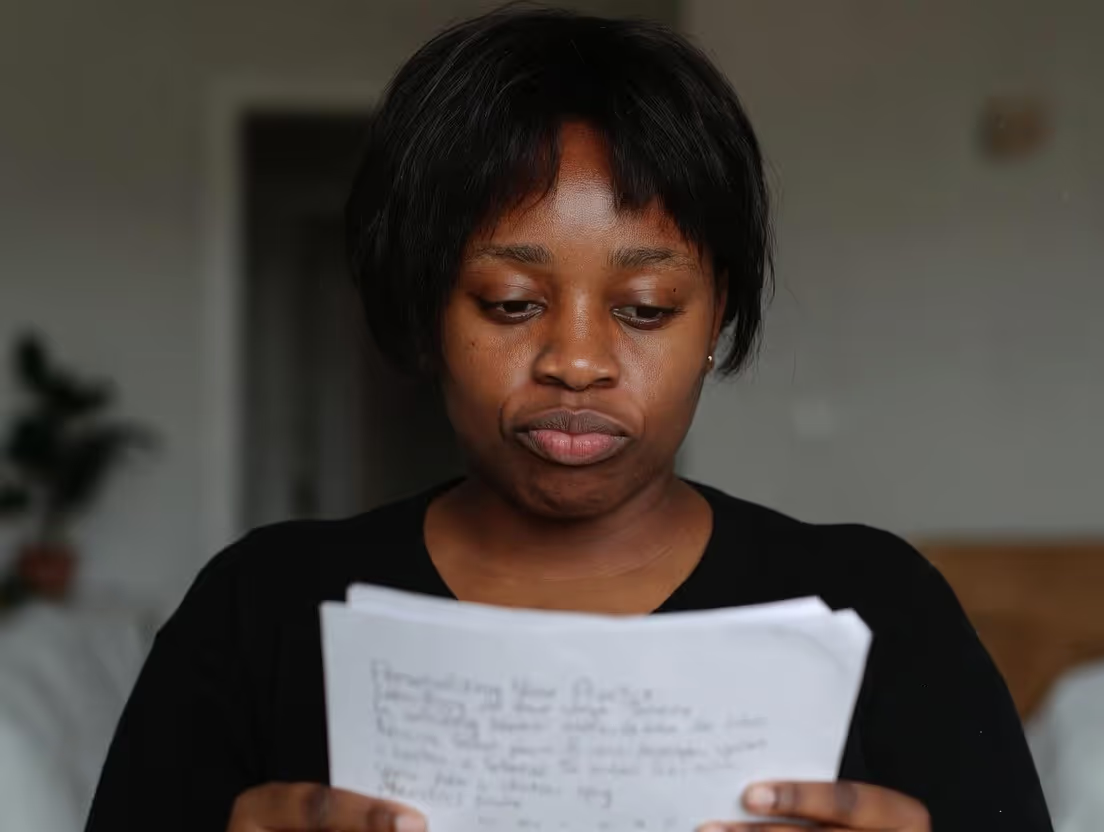
The physiological benefits of cold water therapy are undeniable, but its true power as a stress-relief tool may lie in the parallel development of mental fortitude. Each session is a microcosm of confronting a challenge: the anticipation, the encounter with discomfort, the conscious choice to persist, and the triumphant emergence. This daily ritual builds psychological muscles that directly transfer to life's emotional and cognitive stressors.
At its core, cold exposure is a masterclass in voluntary discomfort. In a culture obsessed with seeking ease and avoiding pain, this practice is a radical act. You are willingly choosing a difficult experience. This reverses the typical stress dynamic where you feel victimized by external pressures. In the cold, you are the instigator and the conqueror. This cultivates an internal locus of control—the fundamental belief that you are the author of your responses and, by extension, your life. When a stressful work project arises, you are more likely to think, "I can handle this," because you have a daily reference point of handling something objectively harder.
The practice also hones mindful presence. The cold is an unforgiving anchor to the present moment. You cannot ruminate about yesterday's argument or tomorrow's deadline when your entire nervous system is reporting live from the edge of physiological tolerance. You are forced into a state of acute sensory awareness. This is mindfulness in its most raw, un-meditative form. Over time, this ability to drop into the present moment during discomfort becomes a portable skill, usable when anxiety tries to pull you into past regrets or future fears.
Furthermore, it builds stress inoculation. Just as vaccines introduce a weakened virus to prepare the immune system, cold exposure introduces a manageable, self-limited stressor to prepare the psyche. You are showing your brain, repeatedly, that you can survive and even thrive on the other side of intense sensation. This raises your threshold for psychological stress. The petty frustrations and anxieties that once consumed mental energy begin to seem smaller, put into perspective by the concrete challenge you voluntarily overcome each morning. This forged mental toughness is not about being stoic or unfeeling; it's about developing a confident, calm competence in the face of life's inevitable storms.
Chronic stress and inflammation are two sides of the same corroding coin. When the stress response is constantly activated, the hormone cortisol, which initially has anti-inflammatory properties, can become dysregulated. Over time, this leads to systemic, low-grade inflammation, a silent driver behind nearly every modern chronic disease—from depression and anxiety to arthritis, heart disease, and diabetes. Here, cold water therapy acts as a powerful, natural anti-inflammatory, dousing these cellular flames.
The primary anti-inflammatory mechanism is threefold. First, the vasoconstriction followed by vasodilation (when rewarming) creates a powerful "pumping" effect on the lymphatic and circulatory systems. This helps flush out metabolic waste and inflammatory cytokines (signaling proteins that promote inflammation) from tissues, enhancing recovery and reducing localized swelling and pain.
Second, cold exposure itself has been shown to downregulate the production of pro-inflammatory cytokines. Studies on whole-body cryotherapy and cold water immersion consistently show a reduction in markers like interleukin-6 (IL-6) and C-reactive protein (CRP) in regular practitioners. This is particularly impactful for stress relief because inflammation in the brain (neuroinflammation) is heavily implicated in mood disorders, brain fog, and heightened anxiety. By cooling systemic inflammation, you are quite literally cooling an overheated, stressed brain.
Third, the activation of brown adipose tissue (BAT) plays a surprising role. The process of non-shivering thermogenesis in BAT releases anti-inflammatory signaling molecules. Furthermore, BAT consumes large amounts of glucose and lipids from the bloodstream for fuel, indirectly reducing the substrates that can feed inflammatory processes.
For anyone dealing with the physical manifestations of stress—aches, pains, fatigue, sluggishness—the anti-inflammatory effect of cold therapy can be transformative. It's like resetting the body's internal climate control from a state of chronic low-grade fever to one of cool, efficient operation. This physical relief then feedbacks into mental relief: when the body feels less burdened, the mind naturally follows. Reducing this inflammatory burden is a key component of holistic wellness, a topic we explore frequently in our curated blog content on integrated health.
Sleep is the foundation of stress resilience, and yet, stress is the primary thief of sleep. It’s a vicious cycle: stress causes poor sleep, and poor sleep lowers your threshold for stress. Cold water therapy intervenes in this cycle with remarkable effectiveness, serving as a powerful catalyst for deep, restorative slumber.
The pathway to better sleep through cold is primarily thermal. Our core body temperature follows a circadian rhythm, naturally dropping in the evening to initiate sleep. The process of falling asleep involves releasing heat from our core to our extremities. Insomnia and restless sleep are often linked to a dysregulation of this core temperature drop.
A cold exposure session, particularly one taken 1-2 hours before bed, creates an optimal thermal scenario. The initial cold causes vasoconstriction, but the rebound effect during rewarming is key. As your body works to restore its core temperature, it drives a significant, sustained vasodilation—blood vessels expand, sending warm blood to the skin and extremities. This mimics and amplifies the natural pre-sleep temperature drop. You are essentially giving your body a clear, strong thermal signal that it's time to transition into rest mode. Many practitioners report falling asleep faster and experiencing fewer nighttime awakenings.
Furthermore, the hormonal rebalancing induced by cold exposure supports sleep architecture. By lowering chronically elevated cortisol levels in the evening (through improved HPA axis regulation), it removes a major chemical barrier to sleep onset. The rise in mood-stabilizing neurotransmitters like dopamine and serotonin (a precursor to melatonin) also sets a healthier neurochemical stage for sleep.
Finally, the activation of the parasympathetic nervous system via the vagus nerve and dive reflex, as discussed earlier, is essentially practicing the state of "rest and digest" that defines sleep. Regular cold training makes it easier for your nervous system to make this critical shift from daytime alertness to nighttime restoration. The result is not just more sleep, but higher-quality sleep—increased time in deep (slow-wave) and REM sleep, the phases most critical for physical repair, memory consolidation, and emotional processing. Waking up truly refreshed is perhaps the single greatest buffer against the stressors of the coming day. Tracking these sleep improvements is a key feature of modern wellness tech, and understanding your personal patterns is a journey of discovery we champion—learn more about our story and vision for personalized health.
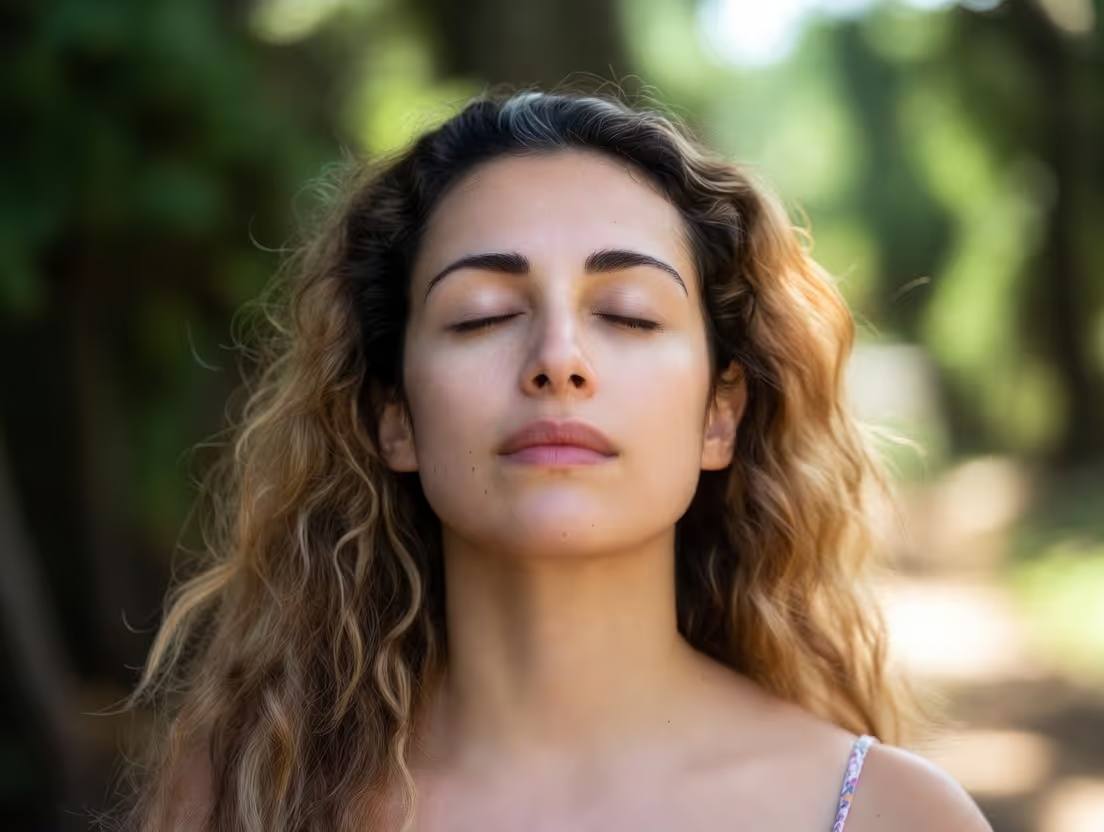
If cold water is the stressor, then the breath is the steering wheel. Without conscious control of the breath, a cold plunge is merely a traumatic shock. With it, it becomes a transformative practice. The interplay between cold exposure and breathing techniques is so synergistic that one cannot be fully mastered without the other. This section delves into how breath work bridges the gap between sympathetic panic and parasympathetic calm.
The initial gasp reflex is pure autonomic rebellion. The immediate goal is to transition from reflexive hyperventilation to conscious, diaphragmatic breathing. This often follows a pattern:
Advanced practitioners often integrate specific pranayama (yogic breathing) techniques. The Wim Hof Method, for instance, employs cycles of powerful, deep breaths followed by breath retention, both before and during cold exposure. This hyper-oxygenates the blood and tissues, alkalizes the body, and provides a profound sense of control, reducing the perceived intensity of the cold.
Why does this matter for everyday stress? Because you are ingraining a neuromuscular pattern for calm. Every time you use your breath to navigate the cold, you are strengthening the mind-body connection that allows you to use your breath to navigate a stressful meeting, a difficult conversation, or a moment of anger. The cold becomes the ultimate training ground for this essential life skill. You learn that no matter how intense the external stimulus, your breath is an internal lever you can always pull to regain equilibrium. This portable, invisible tool is perhaps the most valuable takeaway from the entire practice.
Understanding the science is one thing; applying it is another. Embarking on cold water therapy requires respect for the process and intelligent progression to reap benefits while avoiding risk. This is not about endurance or machismo; it’s about consistent, mindful practice. Here is a practical, safety-first framework to begin your journey.
Safety First: Contraindications
Cold exposure is a significant stressor. Consult your physician before starting if you have: cardiovascular conditions (uncontrolled hypertension, heart disease), Raynaud’s syndrome, a history of severe hypothermia, are pregnant, or have any other serious health concern. Never practice alone in open water when starting.
The Gradual Progression Method:
The Essential Post-Cold Routine:
Listen to Your Body:
Distinguish between the "good stress" of adaptive challenge and the "bad stress" of warning signs. Stop immediately if you experience extreme dizziness, nausea, chest pain, or a confused mental state. Consistency with a moderate approach always beats sporadic, extreme bouts. For a community of people navigating this practice and sharing their data-driven experiences, the stories and support found in our community resources can be invaluable.
In the quest for stress relief, subjectivity can be a trap. We might feel less stressed, but is our physiology confirming it? This is where the marriage of ancient practice and modern technology creates a powerful synergy for optimization and motivation. Wearable devices that track key biomarkers transform cold water therapy from a subjective ritual into a data-informed pillar of your wellness protocol.
The most telling metric for stress resilience is Heart Rate Variability (HRV). As mentioned, HRV measures the subtle variations in time between heartbeats, controlled by the continuous tug-of-war between the sympathetic and parasympathetic nervous systems. A higher, less variable HRV generally indicates greater parasympathetic tone and resilience. With regular cold exposure, many practitioners see a steady, long-term rise in their baseline HRV—a concrete number proving their nervous system is becoming more adaptable and less stressed. Observing how your HRV responds immediately after a cold plunge (often a dip followed by a significant rebound) and how it trends over weeks is profoundly motivating.
Sleep tracking provides objective proof of cold therapy's restorative benefits. Metrics like sleep duration, time in deep/REM sleep, and resting heart rate overnight offer undeniable evidence of improved recovery. Seeing a correlation between an evening cool shower and a higher sleep score turns a habit into a validated strategy.
Body temperature and skin conductance sensors can illustrate the thermal and nervous system response in real-time. Seeing your skin temperature plummet and then rebound, or observing a stress-induced sweat response diminish over time, offers a fascinating window into your adaptation.
This data does two critical things: First, it provides positive feedback, reinforcing the habit by showing you the tangible, internal benefits that may not always be felt emotionally. On a day you don't "feel like" taking a cold shower, remembering it boosts your HRV can provide the necessary nudge. Second, it allows for personalized optimization. You can experiment: Does a morning plunge or an evening cool shower yield better sleep for you? What duration and temperature give you the best HRV recovery? This moves you from following generic advice to becoming the expert on your own body's unique responses.
Tools like the Oxyzen smart ring are designed for this precise purpose—to make the invisible visible. By wearing a device that continuously captures this biometric story, you close the feedback loop between action, physiology, and result, empowering you to master your stress response with precision. To explore how this technology can deepen your practice, you can learn more about the Oxyzen system.
Human beings are inherently social creatures, and our stress levels are deeply influenced by our sense of connection and community. Interestingly, the solitary, intense act of cold water therapy has spawned a global, deeply connected community—from local "polar bear" swim clubs to online forums of millions. This social dimension is not incidental; it amplifies the stress-relief benefits through powerful psychological and neurobiological mechanisms.
Engaging in cold exposure within a group transforms the experience. The shared, voluntary confrontation with discomfort creates an immediate and profound bonding experience, often referred to as "communitas." This is the spirit of community and belonging that arises when people undergo a common ordeal or ritual. When you stand shivering at the water's edge with others, sharing nervous laughs and encouraging words, you are participating in a modern rite of passage. This social connection directly counters the isolation that often accompanies chronic stress and anxiety.
From a neurochemical perspective, shared challenging experiences trigger the release of oxytocin, the "bonding" or "love" hormone. Oxytocin dampens the activity of the amygdala (the brain's fear center), reduces cortisol, and promotes feelings of trust, safety, and generosity. So, while the cold itself stimulates stress hormones, the social context of doing it with others can simultaneously stimulate oxytocin, creating a more balanced and positive neurochemical cocktail. The experience becomes less about solitary endurance and more about collective empowerment.
Furthermore, community provides accountability and modeling. On mornings when motivation wanes, knowing your group is meeting at the lake provides a powerful external nudge. Seeing others—of all ages, body types, and fitness levels—embrace the challenge dismantles limiting beliefs. It models resilience and makes the practice feel more accessible and sustainable. This supportive network also provides a space to share not just cold plunge stories, but life’s other stresses, reinforcing that the resilience built in the water is meant to be applied on land.
For many, this community becomes a cornerstone of their mental well-being. It’s a tribe united not by profession or hobby, but by a fundamental commitment to building toughness and finding calm. The shared vulnerability of the cold forge a unique social support system, proving that we can indeed "heal in community." This ethos of shared growth and support resonates with our core values at Oxyzen; you can discover more about our founding vision for building wellness through technology and human connection.
The benefits of cold water immersion extend far beyond mood and stress hormones, directly into the realm of cognitive function. In an age of constant distraction and information overload, the ability to focus, think clearly, and make decisive decisions is paramount—and often eroded by chronic stress. Cold therapy acts as a potent cognitive enhancer, scrubbing away mental fog and sharpening the mind's edge.
The acute effects are immediately noticeable for most practitioners: a state of hyper-alertness and laser-like focus following exposure. This is primarily driven by the massive noradrenaline (norepinephrine) dump discussed earlier. Noradrenaline increases arousal and vigilance in the brainstem and modulates the prefrontal cortex (PFC), the brain's executive control center responsible for focus, decision-making, and impulse control. Essentially, cold exposure delivers a targeted neurochemical boost to the very circuits needed for high-level thinking.
But the cognitive benefits are not just short-term. Regular practice induces neuroprotective and neurogenerative effects. Cold stress proteins, like Brain-Derived Neurotrophic Factor (BDNF), are upregulated. BDNF is often called "miracle-gro for the brain." It supports the survival of existing neurons, encourages the growth of new neurons and synapses (neurogenesis), and enhances synaptic plasticity—the brain's ability to learn, adapt, and form memories. Low levels of BDNF are associated with depression, anxiety, and cognitive decline. By boosting BDNF, cold water therapy strengthens the brain's very infrastructure against the corrosive effects of stress and aging.
Furthermore, the practice enhances cerebral blood flow. The initial vasoconstriction is followed by a robust rebound vasodilation. This "pump" effect, combined with the body's effort to keep the brain warm (a top priority), may lead to increased circulation in the brain, delivering more oxygen and nutrients. Improved glymphatic system function—the brain's waste-clearance system—is also theorized to occur during the cool-down phase post-exposure, akin to how it activates during sleep, helping to clear out metabolic debris linked to brain fog.
For anyone whose stress manifests as racing thoughts, indecision, or an inability to concentrate, cold therapy offers a direct and powerful intervention. It doesn't just calm the emotional feeling of stress; it upgrades the brain's hardware and software to better process the demands that cause stress. The result is a mind that is not only calmer but also clearer, faster, and more resilient. For more on optimizing cognitive performance through data-driven habits, our blog features extensive resources on the intersection of physiology and mental acuity.
As with any powerful intervention, cold water therapy is not without its risks and potential for misuse. A responsible and sustainable practice requires acknowledging its "dark side"—the dangers, common misconceptions, and situations where it is contraindicated. Ignoring these can turn a wellness practice into a source of harm, undermining the very stress relief it seeks to provide.
Primary Risks and Dangers:
Common Misconceptions to Dispel:
When to Avoid or Proceed with Extreme Caution:
A safe practice is built on education, humility, and listening to your body. It’s far better to do 30 seconds consistently and safely than 10 minutes once recklessly. For personalized guidance and to answer specific safety questions you may have, always consult a healthcare professional and refer to trusted sources like our comprehensive FAQ.
Cold water therapy is a formidable tool, but it is not a standalone solution. Its power is magnified exponentially when integrated into a cohesive, holistic stress-management ecosystem. Think of it as the keystone habit—the one discipline that, when practiced, creates a ripple effect, making all other healthy behaviors easier to adopt and sustain. Here’s how to weave cold exposure into a comprehensive protocol for unwavering resilience.
1. The Synergy with Movement:
Cold exposure and exercise are a potent pair. A cold plunge post-strength training can reduce muscle soreness and perceived inflammation, aiding recovery. Conversely, light movement after a cold plunge (like walking, dynamic stretching, or yoga) helps with natural rewarming and capitalizes on the increased alertness and circulation. The discipline cultivated in the cold translates directly to showing up for your workouts.
2. The Foundation of Nutrition:
Stress depletes nutrients. Supporting your cold practice (and recovery from it) requires adequate fuel. Focus on:
3. The Non-Negotiable: Sleep Hygiene:
Use cold exposure (particularly evening sessions) to deepen your sleep, as detailed earlier. Then, protect that enhanced sleep with strict hygiene: consistent bed/wake times, a dark/cool room, and digital sunset an hour before bed. The better you sleep, the more you’ll benefit from your cold practice, and vice versa—a virtuous cycle.
4. The Companion Practices: Mindfulness and Breathwork:
Your breathwork in the cold is a live drill. Formalize this skill with daily meditation or dedicated breathwork sessions (like box breathing or the physiological sigh). This trains the "calm response" offline, making it more accessible during the cold and during daily stressors.
5. The Digital and Social Environment:
In this integrated model, cold therapy is the catalyst. It shocks the system out of chronic stress patterns, making you more mindful of your body's signals, more disciplined in your choices, and more appreciative of recovery. It creates a physiological and psychological "clean slate" upon which other healthy habits can be built more easily. For those building such a holistic system, tracking the interplay of these factors is key. Platforms and tools that consolidate data on sleep, activity, HRV, and subjective mood—like those explored at Oxyzen.ai—can provide the map for this deeply personal journey.
There is no universal prescription for cold water therapy. What is an invigorating splash for one person could be a dangerous shock for another. The key to sustainable, effective practice lies in personalization—discovering your unique "cold dose": the ideal combination of temperature, duration, frequency, and time of day that maximizes benefits and minimizes undue strain. This is a journey of self-experimentation and attentive listening.
Factors Influencing Your Cold Dose:
A Framework for Self-Experimentation:
Example Personalization Journey:
This process turns cold therapy from a generic hack into a finely tuned personal instrument for stress management. It fosters a deep, intuitive connection with your own physiology. To see how others have navigated their personalization journey using detailed feedback, you can explore real user experiences and reviews.
Viewing cold water therapy as a quick fix or a 30-day challenge misses its profound potential. Its true value is revealed when adopted as a lifelong practice—a consistent, evolving dialogue with your own capacity for resilience. The adaptations it fosters are not permanent; they are maintained through practice, much like muscle strength. This long-term perspective transforms it from a wellness tactic into a philosophical cornerstone for navigating an uncertain world.
The Evolution of the Practice:
Over years, the practice will change. The initial dramatic "high" may mellow into a more subtle, grounded sense of capability. The focus often shifts from enduring extreme cold to appreciating the mindful ritual and the consistent, quiet reinforcement of nervous system balance. You may find shorter, more frequent exposures suit your life better than weekly ice marathons. The practice becomes woven into the fabric of your routine, as automatic as brushing your teeth.
Sustained Benefits Over a Lifetime:
Passing the Torch:
Many long-term practitioners find deep meaning in introducing the practice to others—friends, family, children (in safe, playful, and controlled ways). It becomes a way to share not just a health habit, but a toolkit for mental fortitude. This communal and intergenerational aspect deepens the practice's significance, rooting it in shared human experience and the passing on of wisdom.
Embracing cold therapy as a lifelong journey means accepting that some days will feel easy and empowering, while others will feel like a gritty chore. Both are valid. The commitment is not to a specific temperature or time, but to the ongoing process of showing up, listening, and challenging your edges. It is, in essence, a practice of building a relationship with the most fundamental elements—water, temperature, breath, and self—to forge a life of greater calm, vitality, and purpose. This commitment to long-term, principled wellness is at the heart of our vision; you can learn more about our company's mission to support enduring health journeys.
We have journeyed from the cellular shock of a cold plunge to the philosophical implications of a lifetime practice. We've seen how this simple, stark act of immersion can recalibrate hormones, rewire nervous systems, douse inflammation, sharpen cognition, deepen sleep, and forge unshakeable mental fortitude. Cold water therapy is not a magic bullet, but it is a uniquely potent lever—one that operates on both the most ancient, reptilian parts of our brain and the most modern, sophisticated understanding of human physiology.
The rapid stress relief it provides is not an illusion; it is the direct result of teaching your body, in the most unambiguous terms possible, that you are in command of your reactions. It is the embodied knowledge that you can face a profound physical challenge with steady breath and a calm mind. This knowledge, earned drop by freezing drop, becomes a quiet confidence that permeates your entire life. The stressful email, the difficult conversation, the unexpected setback—they all shrink slightly in the shadow of the personal mountain you choose to climb each day.
The cold, paradoxically, shows us the way to a warmer, more vibrant, and more resilient existence. It strips away the non-essential, bringing us back to the raw, thrilling experience of being alive in a body that is capable of extraordinary adaptation. It reminds us that within discomfort lies the seed of our own growth.
As you consider integrating this practice, remember the principles of safety, personalization, and holistic integration. Start small, listen deeply, and let the data—both subjective feeling and objective biometrics—guide you. This is a personal science, and you are both the experiment and the scientist.
The path to lasting calm is not always comfortable, but it is clear. Sometimes, it begins with a single, deliberate, breathtaking step into the cold.
The modern cold water therapy movement, often associated with charismatic figures and social media trends, is not an innovation but a reclamation. Our attraction to the cold is woven into the very fabric of human history and spirituality across countless cultures. Understanding this deep-rooted lineage adds a layer of meaning to the practice, transforming it from a biohack into a participation in an ancient human tradition of harnessing nature for resilience and transcendence.
Northern European Traditions: Perhaps the most iconic are the Scandinavian and Russian practices. The Finnish sauna culture is inseparable from the avanto—the ice hole. This ritual of intense heat followed by a plunge into frozen water is a cornerstone of community, health, and mental fortitude, believed to purify the body and spirit. Similarly, Russian winter swimming ("morzhevanive") has been practiced for centuries, tied to religious celebrations like the Epiphany and a cultural ethos of toughness.
Ancient Asian Practices: In Japan, Misogi is a Shinto practice of ritual purification, often involving standing under an ice-cold waterfall. This is not for physical health alone but for spiritual cleansing, washing away impurities (kegare) and resetting the mind and spirit. In Tibetan Tantric Buddhism, the Tummo (“inner fire”) meditation involves advanced breathwork and visualization to raise core body temperature, allowing practitioners to sit in the snow or dry freezing sheets—a testament to the mind's power over physiology.
Indigenous and Global Rituals: Many Native American tribes used sweat lodges followed by cold river immersions for spiritual and physical purification. Various African initiation rites have incorporated cold water challenges as tests of courage and resilience. The “Polar Bear Plunge” is a New Year's Day tradition in many coastal communities worldwide, symbolizing a fresh, bold start.
The Medical History: Formally, cold water’s therapeutic use was documented by Hippocrates and in Roman bathhouses (frigidarium). In the 18th and 19th centuries, “hydropathy” or the “water cure” was a popular medical treatment across Europe and America, with proponents like Vincent Priessnitz building entire sanitariums around cold water applications for everything from fever to “nervous disorders.”
This historical tapestry reveals a crucial insight: humans have long intuited that voluntary exposure to the elemental stress of cold catalyzes something profound. It was seen as a gateway to purification, courage, community bonding, and spiritual clarity. The modern scientific explanation—hormetic stress, vagus nerve stimulation, neurochemical release—provides the "how," but our ancestors understood the "why." They knew it made them stronger, clearer, and more connected. Engaging in cold therapy today is to join this unbroken lineage of humans seeking to forge resilience directly from the elements. This respect for timeless wisdom combined with modern science is a balance we strive for; you can discover more about our philosophy of integrating the old with the new.
For those who have established a consistent foundational practice, the world of cold exposure expands into nuanced protocols and techniques designed to target specific outcomes—from elite athletic recovery to profound psychological breakthroughs. These advanced methods should be approached with respect, adequate acclimatization, and often, guidance.
1. Contrast Therapy (Hot-Cold Immersion):
This involves alternating between hot (sauna, hot tub: 100-110°F) and cold (ice bath: 50-59°F) exposures. A common protocol is 3-5 cycles: 3-5 minutes hot, 1-3 minutes cold, finishing with cold.
2. The Wim Hof Method (WHM) Integration:
While the WHM includes cold exposure, its power is magnified by its specific breathwork component. The advanced protocol involves 3-4 rounds of 30-40 deep, forceful breaths followed by a full exhalation and breath retention, often performed before and sometimes during the cold exposure.
3. Goal-Oriented Exposure Times:
4. Environmental Immersion (Wild Swimming):
Taking the practice into natural bodies of water—oceans, lakes, rivers—adds unpredictable elements: currents, waves, wind, and a profound connection to nature. This requires significantly greater safety precautions (never alone, know the conditions, have an exit plan) but offers unparalleled psychological benefits. The combination of cold, awe, and natural beauty can produce significant reductions in stress hormones and elevate mood states beyond what a controlled tub can provide.
A Critical Note on Advanced Practice: These are not for beginners. Mastery of breath control during basic cold exposure is a prerequisite. Always prioritize safety over duration or temperature. The goal is progressive overload, not trauma. Tracking biometrics like HRV becomes even more critical here to ensure you are recovering and not driving yourself into a state of overtraining or nervous system exhaustion. For those delving deep into optimizing their protocols, our blog features case studies and advanced guides on interpreting data for performance.
While the general principles of cold exposure apply broadly, its application must be carefully tailored for specific populations or individuals with particular health conditions. What is therapeutic for one person can be risky for another. Here we explore nuanced considerations.
For Athletes and High-Performers:
For Individuals with Anxiety and Depression:
For Individuals with Chronic Pain or Autoimmune Conditions:
For the Elderly:
General Contraindications Reiterated: Cold therapy should be avoided or heavily modified for: uncontrolled hypertension, severe cardiovascular disease, Raynaud’s disease (severe), open wounds, certain nerve conditions, pregnancy, and during acute illness (fever). When in doubt, consult a healthcare provider familiar with both your history and the practice. For a curated list of common questions on safety and suitability, our FAQ section is a helpful resource.
The personalization of cold therapy is being revolutionized by technology. We are moving beyond guesswork into an era of the "quantified cold," where wearable devices and sophisticated apps provide real-time feedback and long-term trend analysis, turning anecdotal experience into actionable data.
Biometric Wearables (Smart Rings, Watches, Chest Straps):
Devices like the Oxyzen smart ring are at the forefront, capturing a suite of relevant metrics:
Specialized Cold Therapy Tech:
Apps and Community Platforms:
Dedicated apps allow users to log their cold exposure (temperature, duration, type), track subjective feelings, and correlate this with data imported from wearables. They often include guided breathwork timers for pre-plunge preparation and post-plunge recovery breathing. Community features enable sharing of protocols and results, fostering accountability and collective learning.
The Future: Personalized AI Coaches:
The next step is AI-driven platforms that synthesize your biometric data, session logs, sleep, and activity to provide personalized recommendations. Imagine an alert: "Your HRV recovery from last night's sleep was 15% below your baseline. Consider reducing your planned cold plunge duration from 3 minutes to 90 seconds today." This moves cold therapy from a static protocol to a dynamic, responsive component of a holistic health system.
This technological layer demystifies the practice. It replaces "I think this is working" with "My data shows my nervous system resilience has improved 22% over eight weeks." It empowers the user with knowledge, reduces the risk of overdoing it, and provides powerful motivation through visible progress. To see how this integrated approach works in practice, you can explore the technology behind Oxyzen and its application for lifestyle optimization.
As cold water therapy surges in popularity, it is inevitably surrounded by hyperbole, oversimplification, and outright myths. Navigating this landscape with a critical eye is essential to harness its benefits safely and effectively, without falling for misleading claims or ignoring genuine risks.
Myth 1: "The Colder and Longer, The Better."
Reality: This is the most dangerous misconception. Benefits follow a hormetic curve—a little is good, more is better up to a point, and too much is harmful. The optimal dose is unique and often far milder than social media portrays. Extreme, prolonged exposure significantly increases risks of hypothermia, afterdrop, and cardiovascular strain without providing linearly increasing benefits. Consistency with a moderate dose outperforms sporadic extreme bouts.
Myth 2: "It's a Replacement for Therapy or Medication."
Reality: Cold therapy is a powerful adjunctive tool, not a replacement for professional mental healthcare. While it can significantly reduce symptoms of anxiety and depression for many, it does not address deep-seated trauma, complex psychological disorders, or biochemical imbalances that require pharmaceutical intervention. It should be viewed as part of a wellness toolkit, not a cure-all.
Myth 3: "You Must Suppress the Shiver."
Reality: Shivering is a vital, involuntary thermogenic mechanism. It's your body's way of generating heat through rapid muscle contraction. Attempting to consciously stop it is futile and unnecessary. The practice is about maintaining mental calm while allowing the body's automatic responses to occur. Over time, non-shivering thermogenesis (via brown fat) increases, and shivering may decrease, but it should not be forced.
Myth 4: "It Burns a Huge Number of Calories."
Reality: While cold exposure does increase metabolic rate—primarily through shivering and brown fat activation—the caloric burn is often overstated. A 10-minute cold plunge might burn an extra 50-100 calories, comparable to a brisk walk. Its primary value for metabolism is in improving insulin sensitivity and metabolic flexibility over the long term, not in acute calorie torching.
Myth 5: "Anyone Can Do It, Anytime, Anywhere."
Reality: As detailed, there are serious contraindications. Furthermore, context matters. Jumping into cold water when already exhausted, dehydrated, or emotionally volatile can be counterproductive. It’s a practice that requires a base level of physical readiness and mindful intention.
Navigating the Hype:
Be wary of influencers or products promising miraculous, immediate results. Look for sources that:
By debunking myths, we can elevate the practice from a trending "challenge" to a respected, sustainable discipline. For balanced, well-researched perspectives on cold therapy and other wellness practices, our blog is committed to cutting through the noise with evidence-based information.
As we embrace practices rooted in nature, like wild swimming, it’s imperative to extend our awareness beyond personal benefit to our impact on the environment and the ethical dimensions of the wellness industry that has grown around cold therapy.
Environmental Stewardship for Wild Swimmers:
Ethical Consumption in the Cold Therapy Market:
The rise in popularity has led to a boom in products: expensive plunge tubs, branded apparel, and retreats.
Community Ethics:
Ultimately, a practice that connects us to nature and our own resilience should also foster a sense of responsibility. It should make us better stewards of the environments we plunge into and more conscious consumers within the wellness landscape. This ethos of mindful, responsible engagement is part of our core values; you can read about our company's commitment to sustainable and ethical innovation.
We have traversed the vast landscape of cold water therapy, from the microscopic shock to individual cells to its place in grand cultural traditions; from the perils of the uneducated plunge to the precision of the quantified, personalized protocol. We've seen it as a biochemical lever, a neural workout, an anti-inflammatory, a cognitive enhancer, and a philosophical discipline.
The central, unifying thread is adaptation. Cold water therapy is a master teacher of adaptability. It forces the body to adapt thermally, the nervous system to adapt between states of alarm and calm, the mind to adapt to discomfort, and the spirit to adapt to challenge. In a world of constant, nebulous psychological stress, it provides a concrete, physical crucible in which to forge a more resilient self.
The rapid stress relief it offers is not an escape from stress, but a transformation of your relationship to it. The cold does not eliminate life's pressures. Instead, it builds a container within you that is strong enough to hold them without cracking. The gasp becomes a deep breath. The shock becomes a wave to ride. The urge to flee becomes the will to stay—and in that staying, you discover a reservoir of calm you carry back into your warm, daily life.
This practice asks for courage but rewards it with clarity. It demands respect but offers profound connection—to your own body, to the elemental world, and to a community of others on the same path. It is a lifelong conversation with the edge of your own comfort, a conversation that slowly but surely expands the boundaries of what you are capable of enduring, and ultimately, enjoying.
As you move forward, remember the principles that make this practice sustainable and transformative: Start small. Listen deeply. Breathe consciously. Personalize relentlessly. Integate holistically. Whether you begin with a 10-second splash at the end of your shower or commit to a daily minute in an ice bath, you are taking a step on a ancient, icy path that leads, paradoxically, to a warmer, more vibrant, and profoundly resilient life.
The water is cold. The opportunity for transformation is waiting.
Your Trusted Sleep Advocate: Sleep Foundation — https://www.sleepfoundation.org
Discover a digital archive of scholarly articles: NIH — https://www.ncbi.nlm.nih.gov/
39 million citations for biomedical literature :PubMed — https://pubmed.ncbi.nlm.nih.gov/
Experts at Harvard Health Publishing covering a variety of health topics — https://www.health.harvard.edu/blog/
Every life deserves world class care :Cleveland Clinic - https://my.clevelandclinic.org/health
Wearable technology and the future of predictive health monitoring :MIT Technology Review — https://www.technologyreview.com/
Dedicated to the well-being of all people and guided by science :World Health Organization — https://www.who.int/news-room/
Psychological science and knowledge to benefit society and improve lives. :APA — https://www.apa.org/monitor/
Cutting-edge insights on human longevity and peak performance:
Lifespan Research — https://www.lifespan.io/
Global authority on exercise physiology, sports performance, and human recovery:
American College of Sports Medicine — https://www.acsm.org/
Neuroscience-driven guidance for better focus, sleep, and mental clarity:
Stanford Human Performance Lab — https://humanperformance.stanford.edu/
Evidence-based psychology and mind–body wellness resources:
Mayo Clinic — https://www.mayoclinic.org/healthy-lifestyle/
Data-backed research on emotional wellbeing, stress biology, and resilience:
American Institute of Stress — https://www.stress.org/


