How Exercise Affects Your Sleep Stage Distribution
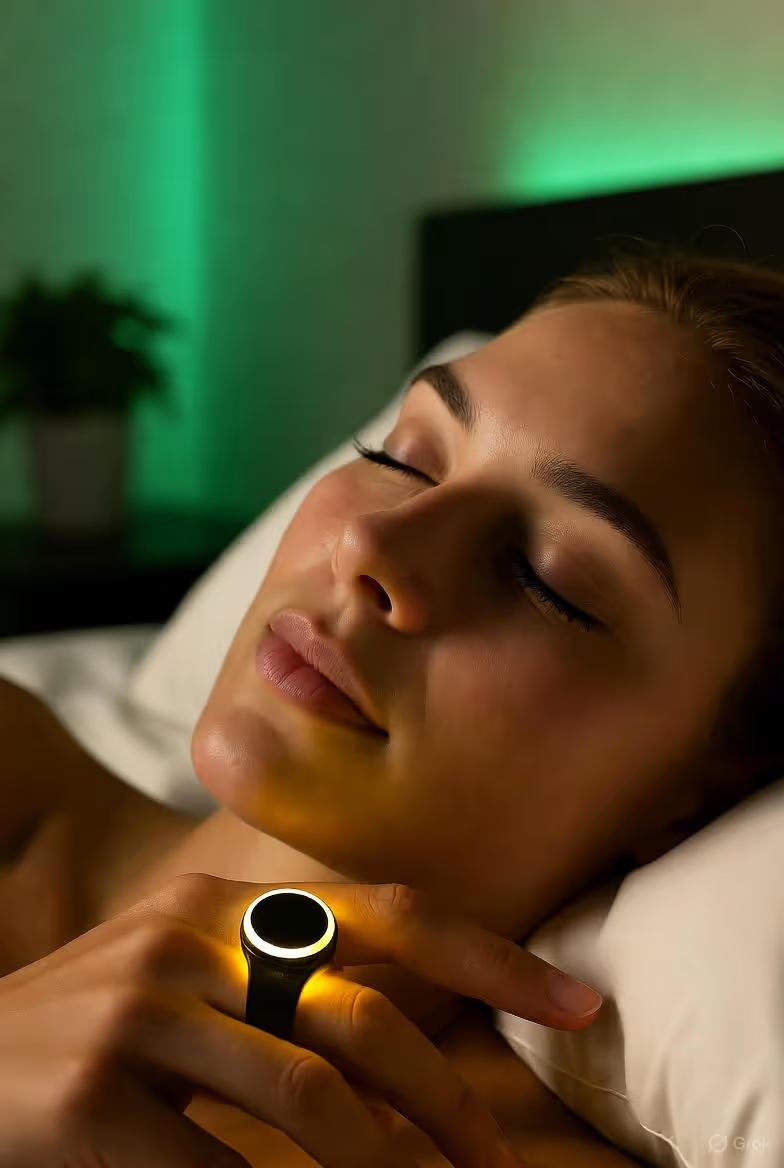
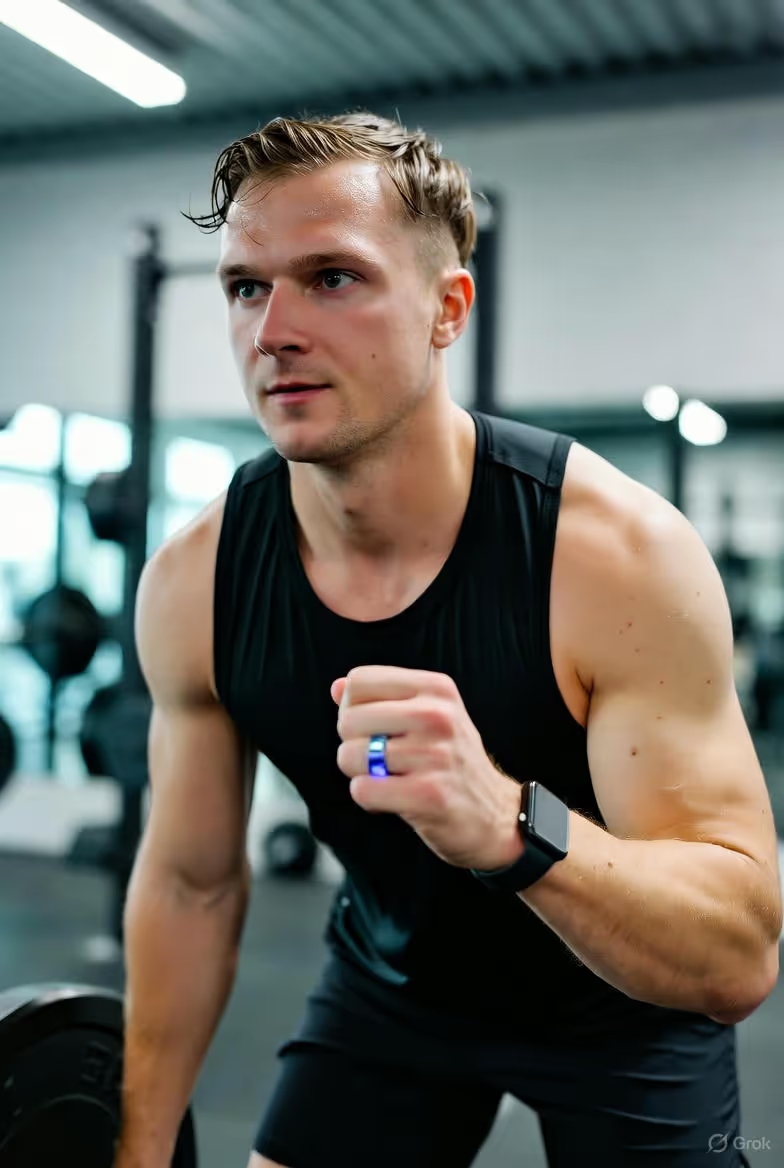
Regular exercise generally increases deep sleep duration but timing matters, as intense exercise too close to bedtime can be disruptive.
The Unseen Symphony: How Your Workout Reshapes the Architecture of Your Sleep
You've crushed a morning run, powered through an evening strength session, and collapsed into bed, expecting the deep, restorative slumber of the righteous. But when you wake, you don't feel that legendary renewal. Instead, you might feel oddly unrested, or perhaps you slept so deeply you missed your alarm. The mystery lies not in whether you slept, but in how you slept—the intricate, hidden architecture of your sleep stages. This nightly voyage through light sleep, deep sleep, and REM sleep is a delicate biological ballet, and your exercise routine is one of its most powerful choreographers.
For decades, the advice was simple: exercise improves sleep. While true, this is a dramatic oversimplification. Modern science, powered by advanced biometric tracking from devices like smart rings, reveals a far more nuanced story. Exercise doesn't just turn the sleep switch "on"; it meticulously rewires the distribution of your sleep stages—the very foundation of physical recovery, cognitive consolidation, and emotional resilience. The type, timing, intensity, and even your personal physiology transform your workout from a mere physical act into a direct programming language for your brain's nocturnal software.
This article is your map to that unseen landscape. We will move beyond simple sleep duration and plunge into the dynamic world of sleep stage distribution. You'll discover how a long, slow cardio session whispers different commands to your sleep cycle than a burst of high-intensity intervals. We'll decode why lifting weights at 6 PM might steal REM sleep from one person yet supercharge deep sleep for another. This is the intersection of movement and restoration, where sweat equity pays dividends in delta waves and dream states. By understanding this relationship, you can stop guessing and start strategically engineering your sleep for ultimate recovery and performance. For a deeper dive into how technology like the Oxyzen smart ring unlocks these insights, explore our complete guide to sleep tracking technology.
The Foundation: Understanding Sleep Stage Distribution
To appreciate how exercise alters the landscape, we must first survey the terrain. Sleep is not a monolithic state of unconsciousness. It is a cyclical journey through distinct, neurologically defined stages, each with a unique purpose. A full cycle lasts roughly 90 to 110 minutes, and a healthy adult typically completes four to six of these cycles per night. The composition of these cycles—the percentage of time spent in each stage—is your sleep stage distribution, and it is a critical biomarker of health.
The Four Pillars of Sleep Architecture:
N1 (Stage 1 - Light Sleep): This is the doorway to sleep, lasting only a few minutes. Your muscles relax, brain waves begin to slow from their waking patterns (alpha waves to theta waves), and you can be easily awakened. It acts as a transition period.
N2 (Stage 2 - Light Sleep): This stage constitutes the largest portion of an adult's sleep, typically 45-55%. Here, your body further decreases its temperature, heart rate slows, and brain activity is marked by specific waveforms called "sleep spindles" and "K-complexes." These are thought to play a key role in sensory gating (blocking out external noise) and long-term memory consolidation. It's the maintenance phase of sleep.
N3 (Stage 3 - Deep Sleep or Slow-Wave Sleep): This is the most physically restorative phase. Brain waves slow to large, synchronized delta waves. It is extremely difficult to wake someone from deep sleep. This stage is crucial for tissue repair, muscle growth, bone building, immune system strengthening, and energy restoration. Growth hormone is predominantly secreted during deep sleep. As we age, the percentage of time we spend in this vital stage naturally decreases.
REM (Rapid Eye Movement Sleep): The stage most associated with vivid dreams. Your brain becomes highly active, resembling wakefulness, while your voluntary muscles are temporarily paralyzed (a state called atonia). Your eyes dart rapidly beneath your lids. REM sleep is essential for cognitive functions: memory processing, learning, creativity, and emotional regulation. It typically occupies 20-25% of an adult's sleep, with REM periods lengthening in later cycles of the night.
The balance between these stages is everything. Skimp on deep sleep, and your body fails to fully repair itself. Disrupt REM, and your mood and memory can suffer. This distribution is influenced by age, genetics, stress, diet, and, as we will see in profound detail, physical activity. Tracking this distribution is no longer the domain of sleep labs; it's accessible through wearable technology. For instance, users of the Oxyzen smart ring often share in real customer reviews how seeing their deep sleep data changed their training approach.
The goal of understanding exercise's impact is not to maximize one stage at the expense of all others, but to cultivate a harmonious, optimal distribution that serves your health and performance goals. It’s about conducting the symphony, not just playing one note loudly.
The Core Mechanism: How Physical Exertion Talks to the Sleep Brain
At first glance, a weight room and a sleeping brain seem worlds apart. The connection is forged through a complex cascade of physiological and psychological processes triggered by exercise. It's a dialogue between the body's stress and recovery systems, mediated by a host of biological messengers.
Thermoregulatory Theory: The Body's Cool-Down Signal One of the most well-supported mechanisms is the heating and subsequent cooling of the body's core. Vigorous exercise raises your core temperature significantly. In the hours that follow, your body works diligently to cool itself down, a process facilitated by the dilation of blood vessels in the skin. This drop in core temperature is a powerful circadian signal that promotes sleep onset. Think of it as mimicking the body's natural temperature dip that occurs in the evening. This cooling process is particularly associated with facilitating the transition into deep, slow-wave sleep, as the body enters a state of energy conservation and repair.
Adenosine Accumulation: The Biochemical Sleep Debt Adenosine is a neuromodulator that accumulates in your brain throughout the hours you are awake, creating a pressure to sleep—often called "sleep drive." Exercise accelerates the production and release of adenosine. The more intense the exertion, the faster this "sleep pressure" builds. This is why you often feel profoundly sleepy after a major athletic event or a very hard training day. This adenosinergic push helps you fall asleep faster (decrease sleep latency) and may help consolidate sleep, making it harder for minor disturbances to wake you.
Autonomic Nervous System (ANS) Regulation: Balancing Stress and Calm Exercise is a controlled stressor. It acutely activates the sympathetic nervous system (the "fight-or-flight" response), raising your heart rate, blood pressure, and alertness. However, in the recovery period following consistent exercise, the body adapts by enhancing the tone and resilience of the parasympathetic nervous system (the "rest-and-digest" system). This is known as an increase in "vagal tone." A stronger parasympathetic system is better at quieting the mind and body for sleep, reducing nighttime arousal, and promoting the stable, slow heart rate characteristic of deep sleep. Regular exercisers often have a more robust and responsive ANS, allowing them to switch more effectively from wakefulness to restorative sleep states.
Hormonal Symphony: Cortisol, Endorphins, and Growth Hormone Exercise orchestrates a powerful hormonal response:
Cortisol: This stress hormone follows a diurnal rhythm, peaking in the morning. Acute exercise causes a healthy spike in cortisol, but chronic overtraining can flatten this rhythm, leading to elevated nighttime levels that fragment sleep and suppress REM. Properly timed exercise helps reinforce a healthy circadian cortisol curve.
Endorphins: These "feel-good" chemicals provide mood elevation and analgesia during and after exercise. By reducing anxiety and pain, they can alleviate two common psychological barriers to sleep onset, allowing for a smoother entry into the sleep cycle.
Growth Hormone (GH): While GH is released during exercise, its major secretory pulse occurs during deep sleep (N3). Here, the relationship is synergistic: exercise increases the body's need for tissue repair, which in turn may "prime" the system to seek out and spend more time in the deep sleep stage where GH does its primary work.
Psychological and Cognitive Effects Beyond biology, exercise is a potent anxiolytic and antidepressant. It reduces ruminative thinking, manages stress, and fosters a sense of well-being. By clearing the mental clutter and anxiety that often lead to insomnia or light, fragmented sleep, exercise paves the way for deeper, more continuous sleep architecture. This mind-body connection is central to our philosophy at Oxyzen, which you can read more about in our brand journey and values.
Understanding these core mechanisms reveals that exercise is not a blunt instrument for sleep, but a precise set of dials that can be adjusted—sometimes with unintended consequences if mismanaged. The next question is: do all types of tuning have the same effect?
Aerobic Exercise vs. Resistance Training: A Divergent Impact on Sleep Architecture
Not all exercise is created equal in the eyes of your sleeping brain. The fundamental nature of the stress you apply—endurance-based or strength-based—elicits different recovery demands, which are reflected in distinct alterations to your sleep stage distribution.
The Aerobic Effect: Champion of Deep Sleep and Efficiency Steady-state aerobic exercise—such as running, cycling, swimming, or brisk walking—has the most consistent and research-backed link to improvements in sleep architecture, particularly for deep sleep.
Deep Sleep Enhancement: Aerobic activity, especially when performed consistently, is strongly associated with an increase in the percentage and absolute amount of slow-wave sleep (N3). The thermoregulatory mechanism is a key player here. The prolonged elevation and subsequent drop in core temperature following cardio create an ideal environment for deep sleep initiation and maintenance. The body interprets the metabolic demands of endurance work as a need for systemic restoration—energy replenishment (glycogen resynthesis), cardiovascular repair, and broad cellular recovery—processes dominated by the deep sleep stage.
Sleep Efficiency & Consolidation: Regular aerobic exercisers tend to fall asleep faster (shorter sleep latency) and experience fewer awakenings after sleep onset (WASO). This results in higher sleep efficiency (the percentage of time in bed actually spent sleeping). The increased adenosine drive and improved parasympathetic tone from cardio help consolidate sleep into more solid, uninterrupted blocks.
Impact on REM: The effect on REM sleep is more nuanced and timing-dependent. Morning or afternoon aerobic exercise typically has little negative effect on REM and may even support it through overall sleep quality improvements. However, prolonged, intense aerobic sessions done very late in the day can sometimes encroach on REM percentage in the first sleep cycles, as the body may prioritize deep sleep for immediate physical recovery. This trade-off is often temporary.
The Resistance Training Response: A Complex Dialogue with Sleep Strength training introduces a different kind of stress: localized muscle damage, higher acute hormonal surges, and a need for protein synthesis and muscular repair. Its impact on sleep architecture is more variable and personalized.
Deep Sleep Promotion (with a Caveat): Like aerobic exercise, regular resistance training can promote deep sleep, driven by the significant physical repair required for muscle fibers. The need to release growth hormone and facilitate protein synthesis can increase the "pull" toward N3 sleep.
The REM Sleep Wild Card: This is where resistance training diverges. Some studies and anecdotal reports from athletes indicate that heavy resistance training, particularly when performed close to bedtime, can lead to a reduction in REM sleep percentage during that night. The leading hypothesis centers on the hyper-arousal theory. Intense lifting creates a significant sympathetic nervous system and hormonal (cortisol, adrenaline) surge. If the body hasn't fully downregulated by bedtime, this heightened arousal state can persist into sleep and interfere with the fragile, brain-active state of REM. The body may also prioritize the physical repair of deep sleep over the cognitive processing of REM when muscles are heavily damaged.
Individual Variability: The impact on REM is not universal. Well-trained individuals or those who lift in the morning or early afternoon may see no REM suppression and only enjoy the deep sleep benefits. It heavily depends on individual recovery capacity, training volume, and timing.
The Verdict: If your primary sleep goal is to maximize deep, physically restorative sleep and improve sleep continuity, consistent aerobic exercise is your most reliable tool. If you are a strength athlete or focused on muscle building, understanding the potential for evening training to disrupt REM is crucial; shifting sessions earlier or carefully monitoring your sleep data can help you find your personal balance. To explore more research and insights on balancing fitness and recovery, our blog is a dedicated resource for wellness enthusiasts.
The Critical Variable: How Exercise Timing Reshapes Your Nightly Cycle
You've chosen your exercise modality. Now, when you do it may be just as important. The timing of your workout acts as a powerful zeitgeber (a time cue) for your circadian rhythm, pushing and pulling on your sleep stages in predictable yet complex ways.
Morning Exercise (Upon Waking - Before Noon): Aligning with Circadian Biology
Effects: Morning exercise, especially in natural light, is a potent signal to your master body clock (the suprachiasmatic nucleus) that the day has begun. It helps solidify a consistent sleep-wake cycle. By raising cortisol and body temperature at an appropriate morning time, it reinforces a healthy diurnal rhythm, leading to a more pronounced temperature drop and melatonin rise in the evening.
Impact on Sleep Stages: This alignment typically results in excellent sleep architecture. The long interval between exertion and bedtime allows all arousal systems (sympathetic nervous system, core temperature, cortisol) to fully normalize. This creates a clean, strong drive into sleep, often supporting robust amounts of both deep sleep and REM sleep without interference. It's generally considered the safest timing for optimizing overall sleep stage distribution.
Effects: This window may be physiologically ideal for performance, as core temperature and muscle function peak in the late afternoon. From a sleep perspective, it leverages the thermoregulatory mechanism perfectly.
Impact on Sleep Stages: Finishing a workout 3-4 hours before bed allows for the full completion of the core temperature cycle—the rise during exercise and the significant fall afterward, which coincides perfectly with your desired bedtime. This can powerfully enhance sleep onset and increase deep sleep. The arousal from exercise has time to dissipate, minimizing negative impacts on REM. For many, this is the optimal compromise for maximizing deep sleep without REM disruption.
Late Evening/Night Exercise (After 8 PM): Navigating the Arousal Minefield
Effects: This is the most controversial and individual-dependent timing. The primary risk is hyper-arousal. High-intensity or heavy resistance training late at night can leave your sympathetic nervous system humming, cortisol elevated, and core temperature high at a time when all should be declining.
Impact on Sleep Stages: The consequences are often seen in sleep architecture:
Delayed Sleep Onset: Difficulty falling asleep.
Suppressed REM Sleep: The first few sleep cycles may show reduced REM as the brain struggles to achieve the required state of paralysis and high activity amidst lingering arousal signals. The body may also shunt early sleep cycles toward deep sleep for urgent repair.
Fragmented Sleep: More frequent awakenings, especially in the first half of the night.
The Exception - Gentle Movement: Notably, low-intensity, mind-body exercise like yoga, tai chi, or gentle stretching in the evening can have the opposite effect. These activities promote parasympathetic activation and can reduce anxiety, potentially improving sleep continuity and even benefiting sleep architecture.
The key takeaway is that timing doesn't just affect if you sleep; it directs the flow of your sleep stages. An evening HIIT session might rob Peter (REM) to pay Paul (Deep Sleep), while a morning jog pays dividends to both. For answers to common questions on how to interpret your own sleep data in relation to workout timing, our comprehensive FAQ section provides detailed support.
Intensity and Duration: Finding the Dose-Response Sweet Spot
If exercise were a sleep medication, its prescription would require precise dosing. The concepts of "intensity" and "duration" define this dose. More is not always better, and understanding the dose-response curve is critical to avoiding a rebound effect that sabotages the very sleep you're trying to enhance.
Moderate-Intensity Steady-State (MISS): The Goldilocks Zone for Sleep This is the intensity where you can hold a conversation but not sing—think a brisk walk, light jog, or steady cycling. At this dose, the relationship with improved sleep architecture is strongly positive and linear for most people.
Impact: Consistent moderate exercise builds sleep drive through adenosine, improves parasympathetic tone, and manages stress—all without overwhelming the system with excessive physiological stress. It reliably increases deep sleep, improves sleep efficiency, and supports healthy REM cycles. It's the foundational, sustainable dose for sleep health.
High-Intensity Interval Training (HIIT): A Powerful but Double-Edged Sword HIIT involves short bursts of all-out effort followed by recovery periods. Its impact on sleep is more complex and timing-sensitive.
Positive Effects: When performed earlier in the day, HIIT can be superb for sleep. The massive metabolic and hormonal stimulus can create a strong subsequent drive for deep, restorative sleep. Some studies show HIIT can be particularly effective at reducing sleep latency and increasing slow-wave sleep.
Negative Risks: The high sympathetic arousal and adrenaline surge are the culprits. If performed too close to bedtime (within 3 hours), HIIT is the type of exercise most likely to cause sleep onset problems, reduce REM sleep, and lead to fragmented sleep. The dose is potent—misapplied, it can overstimulate.
Long-Duration Endurance Exercise: The J-Shaped Curve Here we see a clear "J-shaped" or even "U-shaped" relationship. While regular, moderate-duration cardio improves sleep, excessive duration (think marathon training volumes, multi-hour sessions) can backfire.
Overtraining Syndrome & Sleep: Chronically excessive exercise volume without adequate recovery leads to a state of systemic dysregulation. Key sleep markers of overtraining include:
Elevated Resting Heart Rate: Often visible in your nightly biometrics.
Fragmented Sleep & Reduced Deep Sleep: The body is in a chronic stress state (high sympathetic tone, altered cortisol rhythm), which is antagonistic to deep, restorative sleep.
A Crash in Performance: This is the body's ultimate protest.
This is why athletes in heavy training must monitor sleep data as a primary recovery metric. A sudden drop in deep sleep or a rise in nighttime heart rate is an early warning sign.
The Principle of Progressive Overload and Recovery Just as you progressively overload muscles to get stronger, your sleep architecture adapts to training load. A new or increased training stimulus will temporarily increase the need for deep sleep. If recovery (nutrition, sleep, stress management) is sufficient, sleep architecture will adapt and support the new load. If the load is too high or recovery insufficient, sleep quality will degrade, creating a vicious cycle. This delicate balance is why understanding your personal data is so powerful. Many of our users at Oxyzen discover how their smart ring data helps them avoid overtraining, turning generic advice into a personalized recovery protocol.
The First-Hand Evidence: What Biometric Data from Smart Rings Reveals
The theories and population studies we've discussed come to life in the personal, nightly data captured by advanced wearable technology like smart rings. These devices move us from general principles to personalized insight, revealing the intimate conversation between your daily exertion and your nocturnal restoration.
Beyond Guesswork: Tracking the Direct Correlates Modern smart rings don't just track steps; they measure the physiological variables that are the very language of the exercise-sleep connection:
Resting Heart Rate (RHR) & Heart Rate Variability (HRV): These are the premier biomarkers of autonomic nervous system balance. A successful, well-recovered training day should, over time, lead to a lower sleeping RHR and a higher HRV—signs of strong parasympathetic (rest-and-digest) dominance during sleep. A spike in sleeping RHR or a plummet in HRV is a clear, objective flag of excessive stress from overtraining, illness, or poor recovery, often appearing before you feel overly fatigued.
Respiratory Rate: A stable, low respiratory rate during sleep indicates relaxation and efficient recovery. Stress or physical strain from a very hard workout can sometimes elevate nighttime respiratory rate.
Skin Temperature: The thermoregulatory theory becomes visible here. A successful evening cool-down post-exercise should be reflected in a stable or optimal skin temperature curve throughout the night. Disruptions can hint at poor recovery or circadian misalignment.
Sleep Stage Breakdown: This is the ultimate outcome metric. You can literally see if your afternoon swim increased your deep sleep percentage, or if your late-night weight session truncated your REM.
Case Study in Data: The Overtraining Warning Imagine your data shows: You increase your running mileage by 30% over two weeks. Your nightly data begins to show a creeping rise in your sleeping Resting Heart Rate of 5-8 bpm, a steady decline in your HRV, and a corresponding drop in your Deep Sleep (N3) percentage, despite feeling more tired. Your sleep efficiency might also fall. This data triad is a classic, objective signature of accumulating too much stress without adequate recovery—it's your body asking for a deload week, more precisely than any feeling of fatigue could.
Case Study in Data: The Perfect Synergy Conversely, your data shows: You consistently lift weights at 5 PM, finish with a light cardio cool-down, and maintain good sleep hygiene. Your nightly readouts show a strong, stable HRV, a low RHR, and your sleep stage distribution shows robust deep sleep in the first half of the night and lengthening REM periods in the second half. This is the biometric signature of a well-adapted, optimally recovered system.
This power to see the direct line from action (exercise) to outcome (sleep architecture) is transformative. It turns sleep from a black box into a manageable, optimizable system. For a look at the technology that makes this possible and our mission behind it, you can learn more about Oxyzen and our approach here.
Individual Factors: Why Your Best Friend's Routine Might Wreck Your Sleep
We've laid out the principles, but human physiology refuses to be monolithic. The same workout, at the same time, can produce dramatically different sleep outcomes for different people. This is the realm of individual factors—the variables that personalize the exercise-sleep equation.
Chronotype: The Lark vs. Owl Dichotomy Your innate preference for morning or evening activity is a major modifier.
Morning Types (Larks): Their circadian rhythms are advanced. They peak earlier and wind down earlier. For a Lark, evening exercise after 7 PM is far more likely to cause hyper-arousal and disrupt sleep architecture because it conflicts with their early biological downturn.
Evening Types (Owls): Their rhythms are delayed. They naturally feel more alert and perform better in the evening. An Owl might tolerate—and even benefit from—exercise ending at 9 PM without the same negative impact on sleep onset or REM that a Lark would experience. Their system is still primed for activity at that hour.
The Implication: A one-size-fits-all timing prescription fails. A Lark should aim for morning/afternoon exercise, while an Owl can successfully utilize the late afternoon/early evening window.
Age: The Shifting Baseline Sleep architecture changes fundamentally with age. Deep sleep (N3) decreases significantly from young adulthood onward.
Young Adults: Have a high capacity for deep sleep. Exercise, especially intense exercise, can powerfully increase their already-robust deep sleep.
Middle-Aged & Older Adults: The absolute amount of deep sleep is lower. Here, the role of exercise shifts. It becomes a critical defensive tool to preserve the deep sleep that remains and to prevent further deterioration of sleep continuity. Moderate aerobic exercise may be particularly potent for helping older adults maintain healthier sleep architecture and combat the fragmentation that comes with age.
Fitness Level: The Adaptability Factor A well-trained athlete's body is highly adapted to manage and recover from physiological stress.
Trained Individuals: They experience a less dramatic and shorter-lived spike in sympathetic arousal and core temperature from a given workout compared to a novice. They also recover faster (faster parasympathetic reactivation). Therefore, they can often train closer to bedtime without disrupting their sleep architecture, as their systems are efficient at up-regulating and down-regulating.
Beginners/Deconditioned Individuals: The same moderate workout is a much greater relative stress. The sympathetic and thermal response is larger and lasts longer. For beginners, even afternoon exercise might slightly disrupt sleep initially, and evening exercise is very likely to be problematic. Their need for a longer recovery buffer between exercise and bed is greater.
Gender and Hormonal Fluctuations Emerging research suggests men and women may respond differently, influenced by hormonal cycles. For example, the luteal phase of a woman's menstrual cycle (post-ovulation) is associated with a higher core temperature and potentially more sleep fragmentation. The impact of evening exercise on sleep during this phase might be more pronounced. This area demands more research, but it underscores the need for personalized, longitudinal tracking to see patterns across cycles.
These factors explain why "I worked out at night and slept terribly" can be an absolute truth for one person and a complete non-issue for another. It moves the conversation from universal rules to guided self-discovery.
The Downside: When Exercise Can Disrupt or Fragment Sleep
Thus far, we've focused on the optimizable benefits. But it's crucial to acknowledge that exercise can be a sleep disruptor when misapplied. Ignoring these potential pitfalls can turn your greatest recovery tool into an adversary.
Exercise-Induced Insomnia: The Hyper-Arousal State As previewed, this is the most common negative outcome, primarily linked to high-intensity or heavy resistance training performed too close to bedtime. The physiological signature is an inability to downshift:
Prolonged elevation of core temperature.
Sustained sympathetic nervous system activity (high heart rate, mental alertness).
Elevated levels of cortisol, adrenaline, and noradrenaline at a time when they should be declining.
This state is directly antagonistic to the quiescent brain and body state required for sleep onset and the fragile architecture of REM sleep. The result isn't just less sleep, but a skewed distribution—often at the expense of REM and stable deep sleep.
Overtraining Syndrome: The Systemic Breakdown This is the chronic, pathological end of the spectrum. It occurs when the cumulative stress of exercise (combined with other life stressors) far exceeds recovery capacity for a prolonged period. The sleep disturbances are profound and diagnostic:
Significantly increased sleep latency (taking hours to fall asleep).
Extremely fragmented, non-restorative sleep with frequent awakenings.
A stark reduction in deep sleep (N3)—the body is too systemically stressed to engage in deep restoration.
Alterations in REM sleep, which may increase early in the night (a possible stress response) or become chaotic.
Marked increases in sleeping heart rate and decreases in HRV.
This state requires immediate intervention: deloading, rest, and addressing nutritional and psychological stressors.
The Impact of Extreme Endurance Events Marathons, ultramarathons, and Ironman events create a unique, acute sleep disruption pattern. Studies show that in the night(s) immediately following such an event:
Deep sleep often increases—the body's desperate need for physical repair is met.
REM sleep is often significantly suppressed—the massive systemic inflammation, muscle damage, and hormonal chaos disrupt the brain's ability to enter the complex REM state.
Sleep is highly fragmented by aches, pains, and elevated core temperature.
This pattern can last for several nights as the body works through the monumental recovery task.
Dehydration and Sleep A workout without proper hydration doesn't end when you stop sweating. Even mild dehydration can increase core temperature and cause nocturnal leg cramps, both of which can fragment sleep and pull you out of deep stages. Proper hydration is a non-negotiable adjunct to using exercise for sleep benefit.
Understanding these downsides is not to discourage exercise, but to promote intelligent application. It's the difference between using a scalpel and a sledgehammer. If you're struggling with sleep despite exercising, these are the first patterns to investigate. For a community of users who share experiences and solutions for these very challenges, browse through real user experiences and testimonials.
Strategic Exercise Programming for Optimal Sleep Architecture
Now we synthesize the science into strategy. This is a framework for intentionally programming your movement to engineer better sleep, not as a happy accident, but as a targeted outcome.
Principle 1: Align with Your Chronotype
Larks: Front-load your day. Prioritize moderate to vigorous exercise in the morning or before 5 PM. Embrace gentle evening movement like walking or yoga if desired.
Owls: Use your later advantage. Schedule more intense sessions for the late afternoon (4-7 PM). Your body will tolerate this well and utilize the thermoregulatory benefit. Morning exercise is still fine but may require more warm-up.
Neutral Types: You have the most flexibility. The afternoon/early evening sweet spot (3-7 PM) is likely ideal for maximizing deep sleep.
Principle 2: Periodize Intensity and Timing Based on Goals
For General Sleep Health & Deep Sleep Enhancement: A consistent routine of moderate-intensity aerobic exercise (30-60 mins, most days) in the morning or afternoon is the gold-standard prescription.
For Performance (Including Strength) with Sleep in Mind: Place your most intense, heavy, or HIIT sessions as early in the day as your schedule allows. If you must train hard in the evening, ensure a long, deliberate cool-down (low-intensity cardio, stretching, foam rolling) and allow a full 3-hour buffer before bed. Consider following a heavy evening strength day with a dedicated recovery-focused day (light cardio, mobility) to allow sleep architecture to normalize.
The Deload Week Protocol: Intentionally reduce volume and/or intensity by 40-60% for one week every 4-8 weeks. Use your sleep data (HRV, RHR, deep sleep) as a guide for when to implement this. Watch for rebounds in these metrics—this is when much of the positive physiological and sleep adaptation occurs.
Principle 3: The Strategic Cool-Down and Transition Ritual The hour after your workout is programming time for your sleep.
Post-Exercise, Especially Evening Exercise: Actively cool down. This isn't optional. 10-15 minutes of very light cycling, walking, or gentle stretching facilitates the parasympathetic shift and aids the core temperature drop. A cool (not cold) shower can also help signal the cooling process.
The 90-Minute Wind-Down: Treat exercise as the beginning of your sleep preparation. After an evening session, the subsequent 90 minutes should be a gradual wind-down: dim lights, minimize screens, hydrate, perhaps use light stretching or meditation. This ritual helps override any residual arousal from the workout.
Principle 4: Leverage Low-Intensity & Mind-Body Exercise Don't underestimate the sleep-power of gentle movement.
Non-Sleep Deep Rest (NSDR)/Yoga Nidra: A 10-20 minute session in the afternoon or early evening can dramatically increase slow-wave sleep activity later that night.
Evening Yoga or Tai Chi: Perfect for promoting parasympathetic dominance before bed, reducing anxiety, and improving sleep continuity without the arousal risk.
Walking: A 20-30 minute walk after dinner is a digestive and circadian aid that can gently boost sleep quality.
Principle 5: Utilize Technology for Feedback Loops This is where strategy becomes personalized science. Use your biometric wearables not just for tracking, but for active experimentation and feedback.
Run Experiments: Try the same workout at 8 AM and 7 PM on different weeks (holding other variables constant). Compare your sleep latency, deep sleep, and REM data.
Establish Baselines: Know your normal HRV, RHR, and sleep stage ranges. Deviations are your guideposts.
Let Data Dictate Deloads: Don't deload on a arbitrary schedule; deload when your data shows a sustained drop in HRV and deep sleep.
This strategic approach transforms exercise from a random variable into the most powerful dial on your sleep control panel. For more detailed guides on implementing these strategies and interpreting your data, our blog is continually updated with expert insights.
The Synergy of Sleep Stages: How Optimized Distribution Fuels Your Fitness
The relationship is not a one-way street. We've spent thousands of words examining how exercise affects sleep. But the circle is only complete when we see how that newly optimized sleep architecture reciprocates, creating a virtuous cycle that elevates every aspect of your fitness, health, and performance. This is the payoff for your strategic effort.
Deep Sleep: The Physical Performance Multiplier The deep sleep (N3) you cultivated through well-timed, moderate exercise now pays you back with interest:
Muscle Repair and Growth: This is when protein synthesis peaks, repairing the micro-tears from resistance training and building stronger muscles. Without adequate deep sleep, your workouts are an invoice your body can't pay.
Human Growth Hormone (HGH) Release: The major pulse of HGH occurs in deep sleep. This hormone is essential for muscle growth, fat metabolism, and overall tissue repair.
Glycogen Restoration: Your muscles and liver replenish their carbohydrate stores (glycogen) during deep sleep, ensuring you have the energy for your next training session.
Immune System Fortification: Deep sleep enhances immune cell activity and the production of cytokines. This means fewer sick days interrupting your training consistency.
REM Sleep: The Cognitive and Motor Skill Engineer The REM sleep you protected from late-night arousal becomes your secret weapon for skill acquisition and mental resilience:
Motor Learning Consolidation: When you learn a new movement pattern—a clean and jerk, a golf swing, a dance routine—the brain "practices" and consolidates these skills during REM sleep. This is why "sleeping on it" often leads to better performance the next day.
Emotional Regulation and Mental Recovery: REM sleep processes emotional experiences and helps regulate stress hormones. A night rich in REM leaves you mentally sharper, more emotionally balanced, and better equipped to handle the psychological stress of intense training or competition.
Creativity and Problem Solving: The associative, nonlinear brain activity of REM can lead to novel insights into technique or strategy.
Sleep Efficiency & Continuity: The Foundation of Consistency Falling asleep quickly and staying asleep (high sleep efficiency) means you get a full, uninterrupted dose of both deep and REM cycles. This translates directly to:
Higher Pain Tolerance: Quality sleep increases pain threshold, allowing you to train harder and longer.
Better Reaction Time and Accuracy: Sleep fragmentation impairs cognitive and motor function as much as alcohol intoxication.
Optimal Hormonal Environment: Quality sleep maintains healthy levels of testosterone (critical for muscle building and recovery) and keeps cortisol (a catabolic stress hormone) in check.
Appetite Regulation: Sleep deprivation disrupts leptin and ghrelin, increasing hunger and cravings, which can derail nutrition plans.
The Virtuous Cycle in Action Imagine this feedback loop: You perform a well-timed afternoon strength session. That night, your sleep architecture shifts to provide extra deep sleep for repair. The following day, you are not only physically recovered but your REM-sculpted brain has better consolidated the motor patterns from your lifts. You feel strong, coordinated, and mentally sharp for your next workout, which you can therefore perform with better technique and intensity... which then signals for another night of quality sleep. This is the flywheel of high performance.
Conversely, the vicious cycle is clear: Poor sleep leads to worse workouts, which increase stress and inflammation, which further degrades sleep. Breaking this cycle starts with strategically using exercise to fix sleep, so that sleep can amplify your fitness. This synergistic relationship is at the heart of our mission to provide actionable insights, a philosophy you can explore further in our company's vision and story.
Athletic Recovery and Injury Prevention: The Protective Power of Engineered Sleep
For the athlete—whether elite or devoted amateur—recovery is not passive; it is the active, essential process that transforms training stress into adaptation. Sleep is the most potent recovery tool in existence, and its stage-specific architecture dictates the quality and speed of that recovery. Furthermore, by optimizing this recovery, we unlock sleep’s most underrated benefit: its powerful role in injury prevention.
Sleep as the Primary Anabolic State While nutrition provides the raw materials, sleep—particularly deep sleep (N3)—provides the factory floor and the workforce for repair.
Cellular Repair and Inflammation Resolution: Intense exercise creates micro-damage and acute inflammation. Deep sleep is when the body shifts into high-gear repair mode. Anti-inflammatory cytokines are released, and the cellular cleanup crew (autophagy) is most active. This reduces exercise-induced muscle soreness (DOMS) and allows you to return to training sooner, fresher, and stronger.
Connective Tissue Remodeling: Tendons and ligaments, which adapt slower than muscle, rely heavily on the prolonged, restorative processes of deep sleep for collagen synthesis and remodeling. Chronic sleep deprivation or poor sleep architecture can leave these critical structures weak and vulnerable.
The Hormonal Orchestra: The anabolic (building) hormones like Growth Hormone and Testosterone reach their secretory peaks during deep sleep. Conversely, the catabolic (breaking down) hormone cortisol should reach its lowest point. Quality sleep ensures this favorable hormonal milieu, turning the body into a rebuilding machine.
The Injury Prevention Triad: Sleep, Load Management, and Neuromuscular Function Injury is rarely a single-event catastrophe. It is typically the result of accumulated fatigue, poor movement patterns, and a system overwhelmed by stress. Optimized sleep architecture fights this on three fronts:
Pain Modulation and Perception: Deep sleep increases your pain threshold. An athlete with restorative sleep can better tolerate high training loads and perceive minor aches as less debilitating, preventing the over-cautious or, conversely, pain-ignoring behaviors that can lead to injury.
Cognitive Function and Movement Precision: REM sleep is critical for consolidating motor skills and cognitive function. A brain rich in REM is sharper, has better reaction time, and executes complex movement patterns with greater precision and efficiency. A sleep-deprived athlete is clumsy, with slower reactions and degraded technique—a perfect storm for a misstep, a mistimed landing, or a poor lifting posture.
Psychological Resilience: The emotional regulation fostered by REM sleep is a buffer against burnout and training stress. An athlete who is mentally recovered is more likely to adhere to a sensible training plan, listen to their body’s warning signs, and avoid the "push through at all costs" mentality that precipitates overuse injuries.
Data-Driven Recovery: Using Sleep Metrics to Guide Training This is where biometrics transform intuition into intelligence. An athlete should monitor:
Resting Heart Rate (RHR): A consistent elevation of 5-10 bpm above your personal baseline upon waking is a classic early sign of under-recovery or impending illness. It’s a signal to consider a lighter day.
Heart Rate Variability (HRV): A downward trend in HRV indicates your autonomic nervous system is struggling with accumulated stress. It’s a more sensitive metric than RHR for gauging recovery status and readiness to perform.
Deep Sleep Percentage/Nightly HRV Correlation: Observing that your deep sleep dips on nights following a specific type of workout (e.g., heavy eccentric lifts) provides invaluable feedback. It tells you what modalities require more focused recovery strategies.
By treating sleep architecture not as a byproduct but as a primary training metric, athletes can periodize their recovery as deliberately as they periodize their loads. For example, a deload week should see a marked improvement in HRV and deep sleep—if it doesn’t, the deload may not have been sufficient. The stories of how data transforms training are powerful; you can read real customer reviews from athletes who’ve used this approach.
The Nutritional Mediator: How Diet Influences the Exercise-Sleep Dialogue
You cannot out-train or out-sleep a poor diet. Nutrition is the essential mediator that determines whether the physiological stress of exercise results in positive adaptation and restorative sleep, or in lingering fatigue and fragmented rest. The timing, quality, and composition of your food and drink directly script the conversation between your workout and your sleep stages.
Macronutrients: The Building Blocks of Sleep Signals
Carbohydrates: Often misunderstood, carbs can be a sleep facilitator when timed correctly. A moderate-carbohydrate meal 3-4 hours before bed can promote sleep onset by increasing the availability of tryptophan (a precursor to serotonin and melatonin) in the brain. However, a large, high-glycemic meal immediately before bed can disrupt sleep by raising core temperature and demanding digestive effort.
Protein: Adequate protein intake is non-negotiable for providing the amino acids for overnight repair. The amino acid tryptophan is particularly important as it converts to serotonin and then melatonin. A light protein snack (e.g., Greek yogurt, cottage cheese) before bed may provide a steady trickle of amino acids for overnight repair without overburdening digestion.
Fats: Healthy fats support stable blood sugar and the absorption of fat-soluble vitamins involved in sleep regulation (like Vitamin D). However, very high-fat meals before bed can delay sleep onset and reduce sleep quality due to prolonged digestion.
Key Micronutrients: The Sleep Cofactors Deficiencies in specific vitamins and minerals can short-circuit the exercise-sleep benefits:
Magnesium: Known as the "relaxation mineral," magnesium plays a role in over 300 enzymatic reactions, including those regulating GABA (a calming neurotransmitter) and melatonin production. Exercise increases magnesium demand through sweat and stress. Deficiency is linked to insomnia, muscle cramps (which can disrupt sleep), and restless legs.
Zinc: Crucial for the synthesis of serotonin and melatonin. Like magnesium, zinc is lost in sweat and is vital for recovery.
B Vitamins (B6, B9, B12): Act as cofactors in the metabolic pathways that produce serotonin, melatonin, and regulate homocysteine (an inflammatory marker that can disrupt sleep when elevated).
Vitamin D: Emerging research strongly links low Vitamin D levels to poor sleep quality, reduced sleep duration, and sleep disorders. As many train indoors, deficiency is common.
The Hydration Equation Dehydration, even by 2%, can elevate core temperature and increase heart rate—both antagonistic to sleep. Conversely, drinking large volumes right before bed guarantees sleep fragmentation via nocturia (nighttime bathroom trips). The strategy is front-loading hydration: consuming the majority of your fluids earlier in the day and tapering off 60-90 minutes before bed.
Timing and The "Recovery Window" The post-exercise meal or snack is a direct instruction to your body about what to do overnight.
Combining Protein and Carbs within 1-2 hours after training replenishes glycogen stores and provides amino acids for repair, signaling the body that resources are available for deep sleep recovery processes.
Caffeine and Alcohol: These are the two most common pharmacological disruptors. Caffeine's half-life is 5-6 hours; it can fragment sleep architecture even if you fall asleep. Alcohol may sedate you, but it dramatically suppresses REM sleep in the first half of the night and leads to rebound arousal and fragmentation later. It turns a night of restorative sleep into a night of light, unrefreshing slumber.
The goal is to see nutrition as the literal fuel for the recovery processes that happen during your sleep stages. A well-fueled body, post-exercise, is a body primed to utilize deep sleep efficiently. For more detailed resources on syncing nutrition with biometric data, our blog features ongoing research and practical guides.
Exercise as an Intervention for Sleep Disorders
For the millions diagnosed with clinical sleep disorders, the advice to "get more exercise" can sound simplistic. However, when applied with precision and understanding, physical activity moves beyond general wellness advice to become a powerful adjunctive therapy, directly targeting the pathophysiology of conditions like insomnia and sleep apnea.
Exercise for Insomnia: Resetting Hyperarousal Chronic insomnia is characterized by a state of 24-hour hyperarousal—a nervous system stuck in "on" mode. Exercise, strategically used, is a potent tool for recalibrating this system.
Mechanism: Consistent, moderate aerobic exercise (e.g., 30 minutes of brisk walking, cycling) works by:
Increasing Sleep Drive: Building adenosine pressure.
Reinforcing Circadian Rhythms: Morning light exposure during outdoor exercise strengthens the master clock.
Reducing Somatic and Cognitive Anxiety: Exercise burns off nervous energy and acts as a moving meditation, breaking cycles of rumination.
Improving Parasympathetic Tone: Over time, it teaches the nervous system to downshift more effectively.
Clinical Evidence: Multiple meta-analyses confirm that regular exercise is as effective as hypnotic sleep medication for improving sleep onset latency and total sleep time in people with insomnia, but without the side effects or dependency risks. The key is consistency over intensity; overly vigorous exercise can exacerbate anxiety in some.
Exercise for Sleep Apnea: Beyond Weight Loss Obstructive Sleep Apnea (OSA) is primarily a mechanical disorder of the upper airway. While weight loss is a primary recommendation, exercise confers benefits independent of shedding pounds.
Strengthening Airway Musculature: Specific exercises for the tongue, soft palate, and throat (oropharyngeal exercises) can reduce apnea severity by improving muscle tone and preventing airway collapse.
Improving Oxygen Utilization: Cardiovascular exercise increases respiratory muscle strength and efficiency, which may help mitigate the oxygen desaturation events during apneas.
Reducing Systemic Inflammation: Both OSA and sedentary behavior promote inflammation. Exercise is a powerful anti-inflammatory, potentially reducing the comorbid risks associated with apnea.
Enhancing Sleep Quality Despite Apnea: Even if the Apnea-Hypopnea Index (AHI) doesn't change dramatically, exercise can improve the architecture of the sleep that occurs between events—increasing deep sleep and consolidating sleep—leading to feeling more rested.
Exercise for Restless Legs Syndrome (RLS) RLS involves uncomfortable sensations and an urge to move the legs, predominantly at rest and in the evening. The relationship with exercise is delicate:
Moderate, Regular Activity: Often reduces the severity and frequency of RLS symptoms. The mechanism may relate to boosting dopamine function or improving iron metabolism in the brain.
The Caveat—Excessive or Late Exercise: Intense exercise, especially involving eccentric muscle contractions (like downhill running), or exercising too close to bedtime, can exacerbate RLS symptoms in many sufferers. Finding the right type (often moderate aerobic or yoga) and timing (morning/afternoon) is a personal trial.
Important Considerations It is critical to state that exercise is a complement to, not a replacement for, professional medical diagnosis and treatment. Someone with suspected sleep apnea must seek a sleep study and may require CPAP therapy. However, integrating a tailored exercise program can significantly enhance treatment outcomes and overall health. For anyone with a health condition, consulting a physician before starting a new regimen is essential. If you have questions about how wearable data complements clinical care, our FAQ addresses many common inquiries.
The Mind-Body Connection: Stress, Anxiety, and Sleep Architecture
Physical exercise is, at its core, a form of psychological stress applied to the body. Yet, paradoxically, it is one of our most effective buffers against psychological stress and anxiety—two of the greatest thieves of deep, restorative sleep. This section explores the profound triangle between movement, mental state, and sleep stage integrity.
The Physiology of Mental Stress and Its Sleep Toll When you experience chronic stress or anxiety:
Cortisol Rhythm Flattens: Instead of a sharp morning peak and low evening trough, cortisol levels remain elevated at night. This high cortisol is antagonistic to the onset of both deep sleep and REM sleep.
Sympathetic Overdrive: The "fight-or-flight" system remains engaged, leading to a higher resting heart rate, increased muscle tension, and a mind that races instead of quiets.
Sleep Architecture Impact: The result is a characteristic pattern: difficulty falling asleep (increased sleep latency), frequent nocturnal awakenings (especially in the second half of the night, linked to REM sleep attempts), a reduction in deep sleep, and light, unrefreshing sleep.
How Exercise Interrupts the Stress-Sleep Cycle Exercise acts as a "controlled stressor" that builds resilience.
Acute Catharsis: A workout provides a physiological outlet for the nervous energy of anxiety. It metabolizes excess stress hormones like adrenaline and cortisol in the short term.
Endorphin and Endocannabinoid Release: These neurochemicals create the "runner's high," producing feelings of calm and well-being that can last for hours, directly countering anxious feelings.
Long-Term Adaptation: Regularly challenging the body with exercise improves the efficiency of the hypothalamic-pituitary-adrenal (HPA) axis—the body's central stress response system. This leads to a more tempered cortisol response to all stressors, psychological and physical, making you less reactive to daily anxieties.
Meditative Movement: Rhythmic, aerobic exercise can induce a flow state or act as a moving meditation, breaking the chain of repetitive, anxious thoughts.
The Special Role of Mind-Body Exercises For high-anxiety individuals, or for evening movement, practices like yoga, tai chi, and qigong are exceptionally potent. They uniquely combine:
Physical Movement: Gentle exertion that improves fitness.
Breathwork (Pranayama): Direct stimulation of the parasympathetic nervous system via controlled, deep breathing.
Mindfulness/Meditation: Training the mind to observe thoughts without reaction, reducing cognitive arousal.
Studies show regular yoga practice can significantly increase melatonin levels at night, improve sleep efficiency, and increase total sleep time, particularly in populations with high stress.
Creating a Positive Feedback Loop The cycle becomes virtuous: Exercise reduces anxiety → Reduced anxiety allows for deeper, more consolidated sleep → High-quality sleep improves mood, emotional regulation, and energy for the next day → This creates a more resilient mindset, making it easier to engage in exercise. Breaking the initial link—using exercise to manage anxiety—is often the most powerful step toward reclaiming sleep. This holistic view of wellness is central to our approach, which you can learn more about in our company's mission.
The Future of Personalized Fitness: Data-Driven Sleep-Exercise Prescription
We stand at the frontier of a revolution in health optimization. The convergence of ubiquitous biometric sensing, advanced analytics, and a deep understanding of physiology is moving us from generic guidelines ("exercise for better sleep") to truly personalized, dynamic prescriptions. The future is not a static plan, but an adaptive feedback loop where your daily data informs your daily actions.
From Wearables to Continuous Physiology Current smart rings and watches track heart rate, movement, and estimated sleep stages. The next generation is moving toward clinical-grade, non-invasive, continuous monitoring:
Core Temperature Rhythms: Tracking the precise circadian curve of your temperature, the key driver of sleep-wake timing, to pinpoint your ideal workout and sleep windows.
Nocturnal Blood Biomarkers: Emerging technology aims to non-invasively estimate markers like blood glucose variability, cortisol patterns, and inflammatory markers overnight, providing a direct window into the metabolic and endocrine results of your daily exercise and diet.
EEG-Integrated Wearables: More accurate, consumer-friendly devices capable of measuring brain waves will provide a gold-standard validation of sleep stages, moving beyond estimation to direct measurement.
AI-Powered Coaching and Dynamic Adjustment Imagine an app that doesn't just log your sleep and exercise, but actively interprets and prescribes:
The Algorithmic Coach: Your device notes a 15% drop in HRV and a decrease in deep sleep for two nights. Instead of you guessing why, the AI cross-references your data: *"Increased training load by 30% this week, plus two late work nights. Prescription: Today's scheduled HIIT session is replaced with Zone 2 steady-state cardio. Bedtime moved 30 minutes earlier. Increase carbohydrate intake at dinner."*
Predictive Modeling: Based on thousands of data points from you and population cohorts, the system could predict: *"Based on your current sleep debt and stress load, a 5K race tomorrow has an 80% predicted probability of delaying your recovery by 3 days. Suggested: Taper today, race, then follow a 72-hour focused sleep protocol."*
Genetic and Microbiome Integration Personalization will delve deeper into our biological blueprint:
Sleep and Exercise Genetics: Understanding your genetic predispositions (e.g., are you more prone to deep sleep or REM sleep deprivation under stress? Do you have a gene variant that affects caffeine metabolism or heat tolerance?) could tailor recommendations from the start.
The Gut-Sleep-Exercise Axis: The gut microbiome produces neurotransmitters that affect sleep (GABA, serotonin) and influences inflammation. Future programs may include personalized probiotic or dietary recommendations based on your microbiome profile to optimize the recovery environment for your specific training.
The End of One-Size-Fits-All This future dismantles blanket statements. The question will no longer be "Is evening exercise bad?" but "Is evening exercise bad for me, tonight, given my current sleep reservoir, yesterday's workout, and my upcoming schedule?" It turns wellness from a static destination into a navigable, personal landscape. The journey toward this future is already underway, driven by a passion for deep insight that you can explore in our founding story and vision.
Beyond the Night: How Daytime Naps and Recovery Interact with Exercise
The focus on nocturnal sleep is paramount, but the human sleep-wake cycle is biphasic for many, and intentional daytime rest—napping—plays a fascinating and strategic role in the exercise-recovery equation. Understanding how to wield naps (or avoid them) can complement your nightly sleep architecture for optimal results.
The Physiology of a Nap: A Mini-Cycle of Sleep Stages A short nap (10-20 minutes) primarily consists of Stage N1 and N2 (light sleep). This is enough to provide a burst of alertness, improve mood, and enhance cognitive performance without entering deep sleep, which can cause sleep inertia (grogginess). A longer nap (60-90 minutes) allows you to complete a full sleep cycle, including deep sleep (N3) and REM sleep. This can enhance creativity, procedural memory, and emotional processing, and provide more substantial physical recovery.
Strategic Napping for Athletic Recovery For athletes managing two-a-day training sessions or high cumulative loads, naps are a secret weapon.
Post-Morning Training Nap: A 20-30 minute nap 1-2 hours after a hard morning session can blunt cortisol spikes, initiate parasympathetic recovery, and improve afternoon performance or focus. It may reduce the need for extreme deep sleep redistribution that night.
The "Prophylactic" Power Nap: A short nap before evening training (if schedule allows) or before an endurance event can improve alertness, reaction time, and motor skill performance.
The Deep Recovery Nap: On days of extremely high volume or damage (e.g., after a marathon or heavy competition), a 90-minute nap can actively contribute to physical repair and hormonal rebalancing, taking pressure off the first night's sleep, which is often disrupted.
The Critical Caveat: Napping and Sleep Drive The primary risk of napping is reducing homeostatic sleep pressure (adenosine buildup), which can delay sleep onset or reduce the depth of the first deep sleep cycle at night. This is especially problematic for:
Individuals with Insomnia: For them, preserving a strong, unified sleep drive for the night is crucial. Naps are generally discouraged in standard Cognitive Behavioral Therapy for Insomnia (CBT-I).
Evening Nappers: A nap after 4 PM is most likely to interfere with nocturnal sleep architecture.
Long or Late Naps: A 2-hour nap ending at 6 PM is a surefire way to sabotage that night's deep sleep.
Creating a Personal Nap Policy Your "nap policy" should be intentional, not accidental. Ask:
What is my goal? (Alertness boost vs. physical recovery)
What is my sleep health? (Good sleeper vs. insomniac)
What is my training load? (In heavy training, naps become more valuable)
When can I nap? (Early afternoon, ideally between 1-3 PM, aligns with the natural post-lunch dip in circadian alertness).
Used wisely, napping is not a sign of laziness but a sophisticated recovery tool that can help manage the distribution of sleep pressure and even influence which sleep stages you prioritize on a given day. For more discussions on advanced recovery strategies, our community and blog are rich resources.
Case Studies & Real-World Application: From Theory to Transformation
Theory provides the map, but the journey happens in the messy, wonderful reality of individual lives. Let's examine how the principles we've explored manifest in distinct scenarios, highlighting the power of personalized application and data awareness.
Case Study 1: The Overtrained Marathoner
Profile: Sarah, 38, increasing mileage for her first marathon. Feels constantly fatigued, workouts feel harder, and she's grumpy.
Data Pattern (Pre-Intervention): Her Oxyzen ring shows a steadily rising sleeping RHR, a plummeting HRV trend, and her deep sleep percentage has dropped from ~20% to ~12% over 4 weeks. She's waking up frequently.
The Science: She is in a state of sympathetic overdrive and systemic inflammation from excessive chronic load. Her body is too stressed to engage in deep, restorative sleep.
Intervention: A prescribed 7-day "recovery micro-cycle." No running. Only walking, gentle yoga, and foam rolling. Focus on hydration, magnesium-rich foods, and a strict 10 PM bedtime.
Result: Within 3 days, her HRV began to climb and RHR fell. By day 7, her deep sleep had rebounded to 18%. She returned to training with a 15% reduced mileage plan, using HRV as her guide. Her sleep architecture became her primary recovery metric.
Case Study 2: The Evening Warrior with Sleep Onset Problems
Profile: David, 29, a software engineer who loves intense CrossFit-style classes at 7:30 PM. He's wired until midnight and then lies awake for over an hour.
Data Pattern: His sleep latency averages 75 minutes. His heart rate remains elevated for 2+ hours post-workout. His REM sleep in the first half of the night is minimal.
The Science: Late-evening high-intensity training is causing hyperarousal, disrupting his circadian temperature drop, and suppressing early REM.
Intervention: David shifted his hardest workouts to 6 AM before work (a tough transition for 2 weeks). For evenings, he reserved for mobility work or a 30-minute walk. He implemented a 60-minute screen-free wind-down ritual.
Result: Sleep latency dropped to 15 minutes. His deep sleep became more consistent, and his REM sleep rebounded. He reported feeling more energized in the morning and less anxious at night.
Case Study 3: The Stressed Executive with Fragmented Sleep
Profile: Maria, 52, under high work stress, finds her mind racing at night. She wakes at 3 AM and can't fall back asleep.
Data Pattern: High sleep latency, frequent and long periods of wakefulness after sleep onset (WASO), very low HRV scores.
The Science: Her anxiety is creating a flattened cortisol rhythm and nocturnal cognitive arousal, preventing sleep continuity.
Intervention: Maria committed to a non-negotiable 45-minute brisk walk every morning at 7 AM (for light and circadian reset). She added a 20-minute yoga nidra (NSDR) session at 4 PM. She used her smart ring's breathing guide for 5 minutes when she woke at 3 AM.
Result: Over 6 weeks, her WASO decreased by 70%. Her HRV showed a clear upward trend, indicating improved stress resilience. While her total sleep didn't increase dramatically, its quality and consolidation improved immensely, leading to better daytime focus.
These cases illustrate that the goal is never to force a generic template, but to use an understanding of mechanisms—paired with personal data—to diagnose the disruption in the exercise-sleep dialogue and prescribe a precise corrective strategy. The transformation happens at this intersection of knowledge and self-awareness. To see how others have navigated their own journeys, you can explore a wide range of real user experiences and testimonials.



%402x.svg)