How Heart Rate Drops During Nightly Recovery (What's Normal)
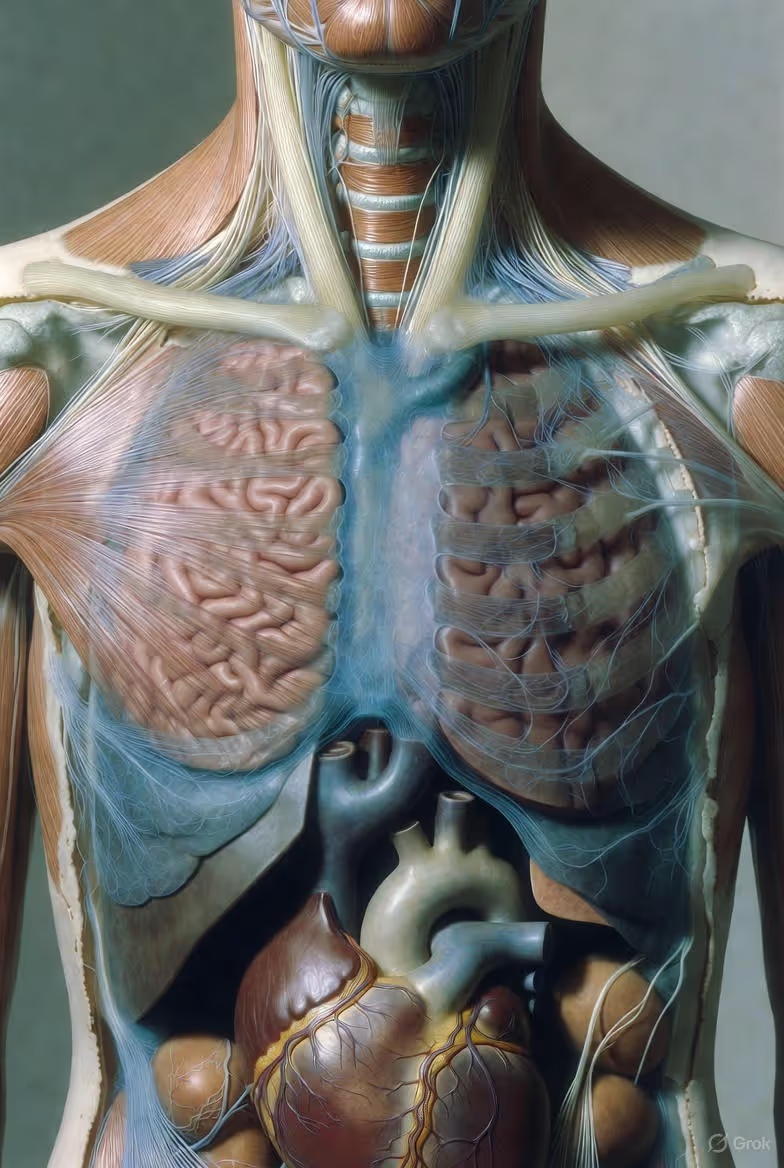
Heart rate typically drops by 10-30% during deep sleep as the body enters a state of parasympathetic-dominant rest.
The Nightly Pulse: Decoding Your Heart’s Recovery Rhythm for Optimal Health
In the quietest hours of the night, while the conscious world fades away, your body enters its most vital state of repair. Here, beneath the surface of sleep, your cardiovascular system performs a delicate, predictable ballet. Your heart rate, that steady daytime drummer, begins to slow—descending into a deeper, more restorative rhythm. This nocturnal drop is not a passive event; it is an active, measurable, and profoundly informative signature of your health, resilience, and recovery capacity.
For centuries, this nightly descent was a mystery, observable only as a faint pulse at the wrist. Today, with the advent of continuous health monitoring via devices like smart rings, we can translate this rhythm into a precise language of well-being. A significant, controlled drop in nighttime heart rate is a cornerstone of physical recovery, a biomarker of fitness, and a window into the autonomic nervous system’s balance. Conversely, a blunted or erratic drop can be one of the first whispers of overtraining, illness, or chronic stress.
This article is your definitive guide to understanding why your heart rate drops at night, what constitutes a normal—and optimal—recovery pattern, and how to interpret the data at your fingertips. We’ll move from the foundational physiology of sleep and the nervous system to the practical application of your own nightly metrics. By understanding this core aspect of your biology, you can make informed decisions to enhance your sleep quality, boost your day-time energy, and truly listen to what your body is telling you every single night.
The Physiology of Sleep: Why Your Body Powers Down
Sleep is far from a state of passive inactivity. It is a highly orchestrated, anabolic period where the body shifts its resources from external engagement to internal maintenance and growth. This shift is commanded by a profound change in our autonomic nervous system (ANS)—the unconscious control center regulating heart rate, digestion, respiratory rate, and more.
The ANS has two primary branches that act like a physiological accelerator and brake:
The Sympathetic Nervous System (SNS): Often called the "fight-or-flight" system. It prepares the body for action. When activated, it increases heart rate, blood pressure, and blood flow to muscles, while diverting it from processes like digestion.
The Parasympathetic Nervous System (PNS): Known as the "rest-and-digest" (or "feed-and-breed") system. It promotes relaxation, recovery, and digestion. When dominant, it slows the heart rate, stimulates digestive activity, and facilitates energy storage.
During the day, especially during periods of activity, stress, or mental focus, the SNS holds varying degrees of influence. As you transition into sleep, however, a monumental shift occurs. The PNS gradually assumes dominance, applying a physiological brake to your heart. This shift is the primary reason your heart rate begins its characteristic descent.
This nocturnal transition enables critical restorative processes. Growth hormone, essential for tissue repair and muscle growth, is secreted. The brain’s glymphatic system activates, clearing out metabolic waste products that accumulate during waking hours. Memory consolidation occurs, and the immune system releases cytokines to fight infection and inflammation.
In essence, the drop in heart rate is the most direct cardiovascular sign that your body has successfully entered this essential state of repair. Without this parasympathetic dominance and the subsequent cardiac slowing, the depth and quality of sleep—and therefore recovery—are fundamentally compromised. Understanding this basic physiology is the first step to appreciating the data on your own sleep tracker. For a deeper dive into how modern technology interprets these biological signals, you can explore our blog for more insights on sleep science and wearable data.
The Autonomic Nervous System: The Conductor of Your Nightly Rhythm
To fully grasp the how behind your falling nighttime heart rate, we must look closer at the conductor of this symphony: the autonomic nervous system. The dynamic interplay between its sympathetic (SNS) and parasympathetic (PNS) branches doesn't just initiate the drop in heart rate—it meticulously modulates it throughout the night in response to your sleep architecture.
Your journey through sleep is not a monotone descent into unconsciousness. It is a cyclical voyage through distinct stages—light sleep (N1 & N2), deep sleep (N3, or slow-wave sleep), and REM (rapid eye movement) sleep. The ANS subtly adjusts its balance as you move through these stages:
Deep Sleep (N3): This is the peak of physical restoration. Here, parasympathetic activity reaches its highest nocturnal dominance. Your heart rate achieves its lowest, most regular rates of the night. Breathing becomes slow and steady. This is the period of maximum tissue repair, cellular regeneration, and energy replenishment.
REM Sleep: A fascinating paradox occurs during REM, the stage most associated with vivid dreams. While the brain is highly active, the body experiences muscle atonia (temporary paralysis). The ANS balance shifts. Sympathetic activity can surge intermittently, leading to temporary increases in heart rate, blood pressure, and breathing variability, reflecting the emotional and cognitive activity of dreaming.
Light Sleep (N1 & N2): These stages act as transitions. Parasympathetic tone is higher than in wakefulness but not as profound as in deep sleep. Your heart rate in these stages will be lower than your daytime resting rate but higher than your deep sleep rate.
A healthy, recovered individual will show a clear, rhythmic pattern: heart rate drops significantly upon sleep onset, reaches a nadir during periods of deep sleep, shows variability during REM, and then begins a gradual rise as morning approaches and SNS activity prepares the body for wakefulness.
This intricate dance is what advanced wellness wearables like the Oxyzen smart ring aim to capture. By analyzing heart rate variability (HRV)—the millisecond variations between heartbeats—alongside absolute heart rate, these devices can infer ANS balance. A high nocturnal HRV typically indicates strong parasympathetic activity and good recovery, while a low HRV can suggest sympathetic dominance, even during sleep. This granular view of your nervous system's activity is at the core of modern recovery tracking, a principle central to our mission at Oxyzen to make advanced health insights accessible.
What is a "Normal" Nightly Heart Rate Drop? Defining the Parameters
So, what does a typical, healthy drop look like? While individual baselines are paramount, research and population data provide strong guidelines for expected ranges.
A commonly cited benchmark is that the average sleeping heart rate is typically 10-20% lower than the daytime resting heart rate. For a person with a resting daytime heart rate of 70 beats per minute (BPM), a sleeping heart rate dipping into the mid-50s to low-60s would be expected.
However, this is a simplistic view. A more nuanced understanding considers several key metrics:
Sleeping Heart Rate (SHR): This is the average heart rate across your entire sleep period. For most adults, a SHR between 50-70 BPM is common. Well-trained athletes often have SHRs in the 40-60 BPM range due to higher cardiac efficiency and parasympathetic tone.
Minimum Heart Rate: The lowest single heart rate reading achieved during the night, usually during a sustained period of deep sleep. This number is often 5-15 BPM lower than your overall SHR.
Heart Rate Dip: The percentage difference between your waking resting heart rate (measured ideally in a calm, seated state) and your sleeping heart rate. The 10-20% dip is the gold standard for good recovery.
Time to Nadir: How long it takes after sleep onset to reach your lowest heart rate. A healthy pattern shows a progressive drop, reaching the nadir typically in the first third to half of the night when deep sleep is most prevalent.
Crucial Individual Factors:
Age: Heart rate tends to increase slightly with age, and the absolute dip may be less pronounced.
Fitness Level: As mentioned, athletes and highly fit individuals have lower baselines and often show more pronounced dips due to superior vagal (parasympathetic) tone.
Genetics: Your inherent circadian rhythm and nervous system wiring set a personal baseline.
Medication: Beta-blockers, for example, lower heart rate, which can affect dip percentages.
Therefore, "normal" is best defined as what is normal and optimal for you. The most powerful insights come not from comparing your 55 BPM to someone else's 50 BPM, but from observing your own trends over time. A consistent, predictable dip within your personal range is a stronger indicator of health than any single night's number. This principle of personalized baselines is a foundational concept behind the insights provided by devices like the Oxyzen ring, and we frequently address questions on this in our comprehensive FAQ for users.
The Stages of Sleep and Corresponding Heart Rate Patterns
Your heart rate tells the story of your sleep journey. By examining its patterns, we can infer the architectural quality of your night. Let's map the characteristic heart rate signatures to each sleep stage.
Wakefulness & Sleep Onset (Transition): As you lie in bed relaxing, heart rate begins a gradual descent from its daytime level. The initial drop marks the withdrawal of sympathetic tone and the onset of N1 sleep. This phase can show variability as the mind drifts.
Light Sleep (N1 & N2): In N1, the lightest stage, heart rate continues to decline but may still be variable. Upon entering N2, which constitutes the bulk of an adult's sleep, the descent becomes more stable. Heart rate settles into a pattern distinctly lower than wakefulness, punctuated by brief, sharp decelerations associated with "sleep spindles" and "K-complexes"—brain waves that characterize this stage and help with memory consolidation and sensory disconnection.
Deep Sleep (N3 - Slow-Wave Sleep): This is the period of maximum cardiac slowing. The heart rate reaches its nightly nadir, exhibiting a slow, steady, and highly regular rhythm. The variation between beats (HRV) often increases in a measurable way, reflecting safe, parasympathetic-dominated control. The depth of this drop and the total time spent in this state are critical markers of physical recovery. Disruptions during this phase—from noise, discomfort, or sleep disorders—can cause abrupt, sympathetic-driven spikes in heart rate.
REM Sleep: The heart rate pattern becomes dramatically more variable. It can quickly accelerate to near-waking levels in response to dream content, then just as rapidly decelerate. This lability is due to a suspension of the usual homeostatic heart rate control and increased sympathetic bursts, despite the continued muscle paralysis. A healthy sleep cycle will show these characteristic peaks during REM periods, which become longer in the later half of the night.
Cycling Through the Night: A healthy adult completes a full cycle (Light -> Deep -> Light -> REM) every 80-120 minutes. Your heart rate graph on a detailed tracker should reflect this: a descent at the start of the night (into deep sleep), a rise into REM, then a gradual descent again into the next cycle's deep phase (though deep sleep diminishes in later cycles). The overall trend should be a "basin" shape—lowest in the middle of the sleep period—with rhythmic variability superimposed.
Recognizing this pattern on your own data is empowering. It moves you from seeing a single "sleep score" to understanding the dynamic biological process that created it. If your graph shows a flat line with little variability or dip, it may indicate poor sleep quality, fragmented sleep, or an underlying issue preventing you from reaching restorative stages.
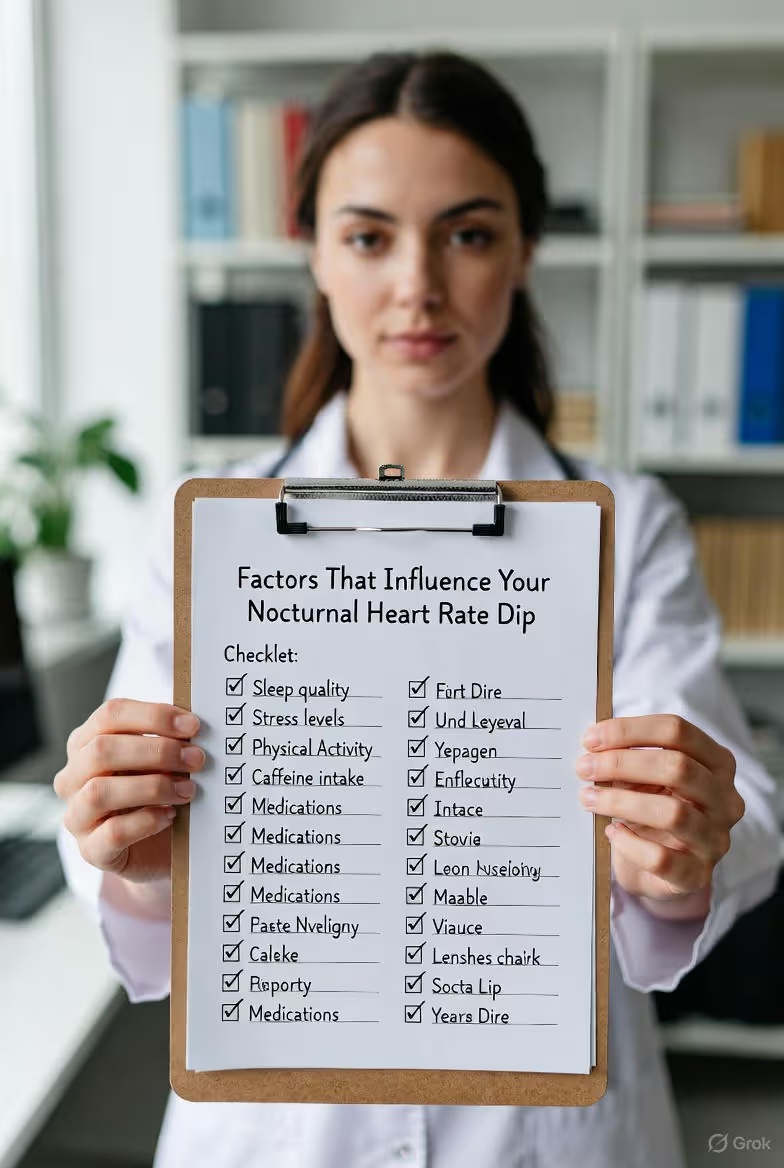
Factors That Influence Your Nocturnal Heart Rate Dip
Your nightly heart rate is a sensitive barometer, responsive to a wide array of internal and external factors. Understanding these influencers is key to interpreting nightly variations and optimizing your recovery.
Lifestyle & Behavioral Factors:
Exercise: This is a primary modulator. Moderate, consistent exercise strengthens parasympathetic tone, leading to a deeper, more reliable nighttime dip. However, intense late-evening workouts can elevate core body temperature and sympathetic nervous system activity for several hours, potentially blunting the heart rate drop and delaying sleep onset.
Diet & Timing: Large, heavy, or spicy meals close to bedtime force your body to focus on digestion, maintaining a higher metabolic and heart rate. Alcohol is a particular disruptor; while it may induce sleepiness initially, it later fragments sleep and suppresses REM and deep sleep, leading to a shallower, more erratic heart rate pattern.
Caffeine & Stimulants: Consumed even 6-8 hours before bed, caffeine can antagonize sleep-promoting neurotransmitters and sustain sympathetic activity, reducing the depth of your cardiac slowdown.
Stress & Mental Load: Unresolved psychological stress elevates cortisol and keeps the SNS engaged. This can manifest as a higher sleeping heart rate and a reduced dip, as your body remains in a state of heightened alert even during sleep.
Environmental & Physiological Factors:
Sleep Environment: A room that is too warm is a common culprit. To initiate and maintain sleep, your core body temperature must drop. A hot room impedes this process, forcing your cardiovascular system to work harder to dissipate heat.
Hydration Status: Dehydration reduces blood volume, requiring the heart to beat faster to maintain circulation. Conversely, overhydration can lead to nocturia (disruptive trips to the bathroom), fragmenting sleep.
Hormonal Fluctuations: The menstrual cycle influences core body temperature and basal heart rate, which often rises in the luteal phase. Perimenopause and menopause, with their associated night sweats and hormonal shifts, are notorious for disrupting nocturnal heart rate patterns.
Subclinical Illness: One of the earliest signs of an oncoming cold or infection is an elevated resting and sleeping heart rate. Your body ramps up its metabolic rate to fuel the immune response, which is clearly visible in your data before symptoms appear.
Tracking these factors alongside your heart rate data is where the true power of a holistic wellness device shines. By correlating a night of poor recovery with a late workout, a stressful day, or a poor meal, you move from observation to actionable insight. Many users share how this feedback loop has transformed their habits; you can read their stories in our testimonials.
How to Measure and Track Your Nightly Heart Rate Effectively
To move from abstract knowledge to personal insight, you need reliable data. The advent of consumer wearable technology has revolutionized our ability to track nocturnal physiology effortlessly. Here’s how to ensure you’re getting the most accurate and useful readings.
The Technology: From Smart Rings to Chest Straps
Smart Rings (e.g., Oxyzen Ring): These have become a gold standard for sleep tracking due to their form factor. Worn on the finger, they provide a stable, comfortable platform with excellent blood perfusion (PPG signal) for continuous heart rate and HRV monitoring throughout the night without the bulk of a wrist device. Their minimal movement during sleep also reduces motion artifact, leading to cleaner data.
Wrist-Worn Wearables (Fitness Trackers & Smartwatches): Convenient and popular. While technology has improved, the wrist is a more mobile location, and data accuracy can suffer from shifts in position during sleep. They remain a good option for general trends.
Chest Strap Monitors: Considered the most accurate for heart rate dynamics during activity, they are less practical for comfortable, continuous sleep tracking over many nights.
Medical-Grade Devices (ECG/Holter Monitor): Used for clinical diagnosis, these provide the highest accuracy but are not intended for long-term, at-home wellness tracking.
Best Practices for Accurate Tracking:
Wear It Consistently: The greatest value is in long-term trends. Wear your device every night to establish a reliable baseline. A single night is a data point; weeks of data tell a story.
Ensure a Proper Fit: The device must maintain skin contact. A smart ring should be snug but not tight; a wrist device should be secure a finger's width above the wrist bone.
Sync and Review in Context: Use the accompanying app not just to see your score, but to review the graph. Look for the shape of the curve—the dip, the variability. Correlate it with the app’s logged sleep stages.
Establish Your Personal Baseline: Spend 2-4 weeks tracking under "normal" conditions to understand your unique range for sleeping heart rate, minimum heart rate, and dip percentage.
Track Contributing Factors: Use journal features in your app to note exercise timing, meals, stress levels, and alcohol consumption. This creates a powerful cause-and-effect log.
By measuring effectively, you transform your nightly rest from a black box into a rich source of biofeedback. This data becomes the foundation for all subsequent interpretation and action, empowering you to take control of your recovery. For those curious about the specific technology that enables this, you can learn more about the precise sensors and algorithms behind our approach at Oxyzen.
Interpreting Your Data: What a Healthy Dip Looks Like on Your Graph
Now, with data in hand, let's translate the lines on your graph into a narrative of your night. A healthy, recovery-focused sleep will typically produce a heart rate graph with the following visual characteristics:
A Clear, Pronounced Descent: Shortly after indicated sleep onset, your heart rate line should trend decisively downward from your pre-sleep resting rate. The drop should be smooth, not a jagged, hesitant decline.
The "Basin" or "U" Shape: The lowest points of your night should be clustered in the middle third of your sleep period. The graph should resemble a deep valley, with the heart rate rising slightly as you approach morning wake-up. This reflects the predominance of deep sleep in the first half of the night and longer REM periods later on.
Sustained Low Periods: You should see plateaus of low, stable heart rate (likely during deep sleep) lasting for significant chunks of time, not just brief, spiky troughs.
Controlled Variability in Later Cycles: In the second half of the night, the graph may show more pronounced, rhythmic peaks and valleys. These often correspond to REM/light sleep cycles and are a sign of healthy sleep architecture, not poor sleep.
Concrete Example: Imagine your daytime resting heart rate is 68 BPM. A healthy night might show:
Pre-sleep (in bed): 65 BPM
Sleep Onset: Drop to 60 BPM within 20 minutes.
Middle of Night: Average of 55 BPM, with minimum dips to 52 BPM during deep sleep phases.
Early Morning: Gradual rise from 55 BPM back to 60-62 BPM before wake-up.
High Baseline: Heart rate starts at 75 BPM due to evening stress or caffeine.
Shallow, Erratic Drop: Descends only to 70 BPM, with frequent spikes back to 75+.
Flat or "W" Shape: No clear basin; the graph looks jagged or has multiple peaks, indicating frequent arousals or an inability to sustain deep sleep.
Overall Dip: ((75 - 70) / 75) * 100 = ~7% dip — a sign of poor recovery.
The goal is to see that deep, smooth, basin-shaped curve consistently. When you do, you can be confident your nervous system successfully made the shift into a restorative state. This visual literacy turns abstract numbers into a clear picture of your health.
When to Pay Attention: Signs of a Blunted or Abnormal Heart Rate Drop
Not every night will be perfect. Life happens. However, consistent deviations from your personal norm are your body's data-driven plea for attention. Here are key signs that your nocturnal heart rate pattern may indicate an underlying issue.
1. A Consistently High Sleeping Heart Rate: If your average sleeping heart rate trends upward over weeks despite no change in fitness, it’s a significant red flag. This persistent nocturnal tachycardia (elevated heart rate during sleep) can be associated with:
Chronic Stress or Burnout: Sustained sympathetic overdrive.
Overtraining Syndrome: The body is in a perpetual state of strain and cannot achieve parasympathetic recovery.
Suboptimal Thyroid Function: Hyperthyroidism can elevate resting and sleeping heart rates.
Cardiovascular Deconditioning: A sudden drop in fitness levels.
Early Sign of Infection or Illness: As mentioned, your heart rate often rises before other symptoms.
2. A Reduced or Absent Dip (<10%): A chronically blunted dip suggests your body is not fully disengaging its "fight-or-flight" systems. This is a hallmark of:
Sleep Disorders: Sleep apnea is a prime culprit. Repetitive breathing interruptions cause micro-arousals and oxygen desaturations, triggering sympathetic spikes and preventing deep, restorative sleep. A flat, erratic heart rate graph with frequent spikes can be a strong indirect indicator.
Chronic Pain: Pain signals continuously stimulate the nervous system.
Certain Medications: Some prescriptions can affect ANS balance.
3. Excessive Variability or Frequent Spikes: While some variability is normal, a graph that looks like a "city skyline" with sharp, frequent peaks indicates sleep fragmentation. You may be experiencing:
Frequent Apneas or Hypopneas (in sleep apnea).
Periodic Limb Movement Disorder.
Environmental disruptions (noise, partner movement, poor temperature control).
Alcohol consumption, which causes later-night rebounds into light, fragmented sleep.
The Imperative of Tracking Trends: A single night with a high heart rate or poor dip after a hard workout or stressful day is normal physiology. The concern arises when it becomes a persistent pattern. This is why the longitudinal data from a wearable is so valuable—it helps distinguish a one-off from a trend. If you observe a sustained, unexplained change in your nocturnal patterns for more than a week, it is prudent to review your lifestyle factors and consider consulting a healthcare professional. It’s a non-invasive, powerful piece of information to bring to a discussion about your health. For more resources on interpreting health data, our blog offers ongoing analysis and guides.
The Athlete's Edge: Nightly Heart Rate and Recovery in Training
For athletes and dedicated fitness enthusiasts, the nocturnal heart rate dip is not just a health metric—it’s a critical performance tool. It provides a daily, objective readout of how well your body is adapting to training stress.
The Supercompensation Feedback Loop: Training is a process of controlled stress (breaking down tissue) followed by recovery (rebuilding stronger). This supercompensation cycle hinges on quality recovery. A deep, reliable nighttime heart rate dip is a direct measure of that recovery state.
Well-Recovered Athlete: After a day of appropriate training and good recovery practices, the athlete’s data shows a deep dip, a low sleeping HR, and high HRV. This signals parasympathetic reactivation and readiness for another quality training session.
Strained or Overtraining Athlete: After excessive volume or intensity without adequate recovery, the sympathetic nervous system remains engaged. The data shows a higher sleeping HR, a blunted dip, and lower HRV. This is a clear sign to modify training—perhaps taking an easy day, focusing on active recovery, or prioritizing sleep and nutrition.
Practical Applications for Training:
Guiding Daily Intensity: Some elite athletes use morning HRV or their previous night’s heart rate recovery as a “readiness score.” A poor recovery score might prompt a shift from a planned high-intensity interval day to a low-intensity aerobic or rest day.
Identifying Overtraining Early: Before performance plateaus or declines, and before feelings of chronic fatigue set in, a persistent elevation in resting and sleeping heart rate can be an early warning sign of non-functional overreaching or overtraining syndrome.
Monitoring Adaptations: As aerobic fitness improves, an athlete’s resting and sleeping heart rates will typically trend downward over months, reflecting increased stroke volume and parasympathetic tone. This long-term trend is incredibly rewarding to observe.
Perfecting Taper: In the lead-up to a competition, a successful taper should be reflected in progressively better recovery metrics—lower sleeping heart rate, deeper dip, higher HRV—peaking on the eve of the event.
The Lifestyle Component: Athletes quickly learn that what they do outside the gym is measured inside their sleep data. The need for consistent sleep schedules, optimized nutrition timing, stress management, and hydration becomes irrefutably clear when reflected in objective recovery metrics. This biofeedback is what turns good athletes into smart, resilient ones. The journey of optimizing performance through recovery is a story shared by many in our community, which you can discover through our user testimonials.
Beyond the Beat: Heart Rate Variability (HRV) as the Ultimate Recovery Metric
While the absolute drop in heart rate is vital, the true sophistication of nocturnal recovery analysis lies in the spaces between the beats. This is Heart Rate Variability (HRV), and for modern wellness tracking, it is arguably the most insightful single metric for assessing autonomic nervous system balance and recovery status.
What is HRV? If your heart beats at an average of 60 BPM, it does not tick like a metronome at exactly one beat per second. The intervals between beats might be 1.05 seconds, then 0.95 seconds, then 1.02 seconds. This beat-to-beat variation, measured in milliseconds, is HRV. Contrary to intuition, a higher HRV (more variability) is generally better. It indicates a resilient, adaptable heart and a nervous system that can fluidly shift between sympathetic and parasympathetic states. A low HRV suggests a heart under rigid, often sympathetic-dominated control, which is associated with stress, fatigue, and poor recovery.
HRV During Sleep: Nocturnal HRV provides a pristine view of your ANS without the "noise" of daily movement and conscious thought. A healthy pattern shows:
A Rise in HRV During Deep Sleep: As parasympathetic activity peaks, HRV typically increases, reflecting the safe, variable control of the heart.
Variability During REM: HRV patterns during REM are complex and can show both high and low-frequency changes, mirroring the emotional and cognitive activity.
An Overall Nocturnal Baseline: Your average nighttime HRV establishes a personal baseline. Like sleeping heart rate, the trend over time is what matters most.
Using HRV for Recovery Insights:
Trend is Everything: A sustained downward trend in your weekly average HRV is a strong indicator of accumulating stress, whether from training, work, or lifestyle. It suggests your body is struggling to recover fully.
The Morning Dip: Many people experience a slight dip in HRV the night after a very intense training session as the body deals with inflammation and repair. This is normal. An abnormal pattern is when HRV stays suppressed for multiple days.
The Lifestyle Correlate: You can experiment to see what boosts your HRV: meditation, breathing exercises, prioritizing sleep duration, reducing alcohol, or managing emotional stress. The data provides immediate, objective feedback on what works for your nervous system.
HRV turns the simple story of "heart rate up/down" into a nuanced novel about your body's capacity to handle stress and restore itself. It is the ultimate biofeedback tool for the modern individual seeking to optimize their resilience. Understanding metrics like HRV is part of our core mission to provide not just data, but knowledge, which we elaborate on in our about us section.
The Impact of Diet, Alcohol, and Substances on Nocturnal Heart Rate
The adage "you are what you eat" extends powerfully into the night. The composition and timing of your evening intake act as direct biochemical instructions to your nervous system, dramatically shaping your heart's recovery rhythm. Understanding this influence is key to wielding diet as a tool for better sleep, not a disruptor.
The Meal Timing and Composition Effect:
Digestion is an active, metabolically costly process that stimulates the sympathetic nervous system to a degree—a phenomenon known as diet-induced thermogenesis. A large, heavy, or high-fat meal within 2-3 hours of bedtime forces your body to prioritize digestion over parasympathetic-dominant recovery.
Graphic Evidence: On your heart rate tracker, a late meal often manifests as a delayed and shallower descent. Your sleeping heart rate baseline may be elevated by 5-10 BPM, and the characteristic "basin" may be truncated or never fully form.
Macronutrient Specifics:
High-Glycemic Carbohydrates: A surge of sugar can initially cause drowsiness (via insulin and tryptophan), but may later lead to reactive hypoglycemia during sleep, triggering a cortisol and adrenaline release that spikes your heart rate.
High-Fat Meals: Slow to digest, they can maintain elevated metabolic activity and core temperature for hours, impeding the cooling process necessary for deep sleep.
Protein: Moderate protein at dinner can support overnight muscle repair and provide satiety, but very high amounts may increase thermogenesis.
Alcohol: The Deceptive Depressant:
Alcohol is one of the most common, yet misunderstood, disruptors of nocturnal heart rate architecture. Its initial sedative effect, mediated by boosting the inhibitory neurotransmitter GABA, creates a false sense of deep sleep promotion.
The Reality of the "Rebound Effect": As alcohol is metabolized (typically 3-5 hours after consumption), it causes a rebound increase in glutamatergic activity. This shifts ANS balance towards sympathetic dominance. The consequence?
Suppressed REM Sleep: The first half of the night may show deceptively low heart rates, but REM sleep is drastically reduced.
Fragmented Second Half: The later sleep cycles become shallow and fragmented. Your heart rate graph will show a pronounced and erratic rise in the early morning hours—a pattern of multiple sympathetic surges, often accompanied by wake-ups.
Overall Impact: Despite potentially falling asleep faster, your heart rate dip is compromised, deep sleep is less effective, and you wake unrefreshed. Regular consumption can lead to a chronically elevated sleeping heart rate.
Caffeine and Stimulants: The Long Shadow:
Caffeine has a half-life of 5-6 hours, meaning even a 3 PM coffee can leave a quarter of its stimulant effect in your system at midnight. It works by antagonizing adenosine receptors (adenosine is a key sleep-promoting chemical). This not only makes sleep onset harder but sustains a low level of sympathetic alertness, preventing the full parasympathetic dive. Your data may show a longer "time to nadir" and a higher minimum heart rate.
Hydration: Finding the Balance:
The state of your hydration is written in your heart rate. Dehydration reduces plasma volume, decreasing stroke volume. To maintain cardiac output, your heart must beat faster. This can elevate both resting and sleeping heart rates. Conversely, excessive fluid intake right before bed can lead to nocturia (waking to urinate), causing direct sleep fragmentation and associated heart rate spikes. The goal is optimal hydration throughout the day, tapering intake 1-2 hours before bed.
Practical Takeaways for an Optimal Nocturnal Rhythm:
Finish large meals 3+ hours before bedtime. Opt for a lighter, balanced evening meal.
Establish an "alcohol and caffeine curfew." Consider ceasing caffeine by 2 PM and limiting alcohol to early evenings, understanding its clear impact on recovery.
Use your data: Experiment with a "clean" week—no late meals, no alcohol, no afternoon caffeine—and observe the changes in your sleeping heart rate and HRV. This objective feedback is often the most powerful motivator for sustainable change. For more detailed guides on nutrition and recovery synergy, our blog features ongoing research and tips.
Stress, Anxiety, and Their Nocturnal Cardiovascular Signature
The mind does not clock out when the body goes to sleep. Unprocessed stress, anxiety, and rumination activate the hypothalamic-pituitary-adrenal (HPA) axis, leading to elevated cortisol and catecholamines (like adrenaline). This biochemical state is the antithesis of recovery, and its signature is unmistakable in your nocturnal heart rate data.
The Physiology of a Worried Heart at Rest:
Even if you manage to fall asleep, a mind under stress keeps the sympathetic nervous system (SNS) in a state of low-grade activation. It’s akin to leaving the engine of a car idling all night. The parasympathetic nervous system (PNS) cannot assume full dominance, resulting in:
A Higher Set-Point: Your entire sleep architecture is built on a elevated platform. Both light and deep sleep occur at a higher heart rate than your physiological potential.
A Blunted Dip: The percentage drop from your (already elevated) daytime resting rate is minimal.
Sleep Fragmentation: Stress increases sleep-state instability, leading to more frequent micro-arousals and shifts into lighter sleep stages. On your graph, this looks like frequent, sharp upward spikes interrupting an otherwise smooth descent.
Altered Sleep Architecture: High cortisol at bedtime can suppress slow-wave (deep) sleep and disrupt REM sleep, further eroding the quality of recovery.
Differentiating Stress from Other Factors:
The pattern of stress-induced elevation can be distinct:
Vs. Overtraining: Both elevate sleeping HR. Overtraining often shows a more consistent, night-after-night elevation paired with other signs like persistent fatigue and performance decline. Stress may cause more night-to-night variability tied to daily psychological load.
Vs. Illness: An oncoming illness typically causes a sudden, marked elevation for 1-3 nights. Chronic stress is more of a sustained, background hum.
The "Sunday Night" Phenomenon: A classic example is seeing a poorer heart rate recovery on Sunday night before a high-pressure work week, compared to a deeper dip on Friday night after the week's burdens are shed.
The Vicious Cycle of Poor Sleep and Stress:
This creates a self-reinforcing loop: Stress → poor sleep and elevated nocturnal HR → waking unrefreshed and with lower emotional resilience → increased stress reactivity the next day → further sleep disruption. Breaking this cycle requires intentional intervention at the level of the nervous system.
Data as a Tool for Mental Wellness:
Here, nocturnal heart rate and HRV tracking become powerful biofeedback tools for mental health.
Objective Validation: It provides physical proof of your mental state, which can be validating and motivate stress-management practices.
Measuring Intervention Efficacy: When you begin a stress-reduction practice—be it mindfulness meditation, diaphragmatic breathing, yoga, or journaling—you can see its impact on your recovery metrics. A successful practice should, over time, lead to a lower sleeping heart rate, a deeper dip, and higher HRV.
Identifying Triggers: By logging daily stress levels alongside your data, you can identify specific stressors (e.g., certain meetings, family conflicts, financial worries) that have the most pronounced physiological impact.
By viewing your nocturnal heart rate as a transcript of your nervous system's day, you gain a powerful, non-judgmental ally in your journey toward better mental and physical health. It underscores the profound truth that recovery is not just physical; it is neurological and emotional. The stories of users who have leveraged this insight to transform their relationship with stress are a testament to this power, and you can read about their journeys in our testimonials.
Medical Conditions That Affect Nightly Heart Rate Patterns
While lifestyle factors are the most common influencers, certain medical conditions have a direct and often pronounced effect on nocturnal heart rate. Recognizing when your data may be pointing toward a physiological issue is a critical aspect of being an informed steward of your own health. It is essential to state that a wearable device is not a diagnostic tool, but it can provide compelling evidence to discuss with a healthcare professional.
1. Sleep-Disordered Breathing (Sleep Apnea & Hypopnea): This is one of the most significant medical conditions detectable through nocturnal heart rate patterning. In Obstructive Sleep Apnea (OSA), the airway repeatedly collapses during sleep, causing breathing pauses (apneas) or shallow breaths (hypopneas).
The Tell-Tale "Sawtooth" Pattern: Each apnea creates a cascade: blood oxygen drops (desaturation), the brain triggers a micro-arousal to restart breathing, and this activates a sympathetic nervous system surge. On a detailed heart rate graph, this manifests as cyclic, rhythmic spikes—the heart rate drops during the apnea, then spikes sharply with each arousal, creating a repeating "sawtooth" or "rollercoaster" pattern. The overall sleeping heart rate is often elevated, and the dip is severely blunted.
Key Data Signs: Consistently high resting/sleeping heart rate, very low HRV (due to sympathetic overload), and oxygen saturation drops (if your device measures it).
2. Cardiac Arrhythmias: Certain arrhythmias may become more apparent or frequent during sleep due to changes in autonomic tone.
Atrial Fibrillation (AFib): May show as an extremely erratic, irregular heart rate pattern with little consistency, even during presumed deep sleep. While consumer PPG sensors are not FDA-approved for AFib diagnosis, they can sometimes flag an irregular rhythm worth investigating.
Bradycardia: A consistently very low sleeping heart rate (e.g., sustained periods in the 30s or low 40s) may be normal for a supremely fit athlete, but in others, it could signal a issue with the heart's electrical conduction system, especially if accompanied by symptoms like daytime fatigue or dizziness.
3. Thyroid Disorders: The thyroid gland is a master regulator of metabolism.
Hyperthyroidism (Overactive Thyroid): Increases metabolic rate and sensitizes the body to catecholamines, leading to a consistently elevated resting and sleeping heart rate, often with anxiety and sleep onset difficulties.
Hypothyroidism (Underactive Thyroid): Can slow metabolism. While it might lower heart rate, it more commonly is associated with poor sleep quality, fatigue, and may not show the healthy, variable dip associated with good recovery.
4. Chronic Pain and Inflammatory Conditions: Persistent pain is a constant sympathetic nervous system activator. Conditions like fibromyalgia, arthritis, or chronic back pain can prevent the full parasympathetic shift, resulting in a higher, more variable nocturnal heart rate and significantly reduced deep sleep.
5. Diabetes and Blood Sugar Dysregulation: Nocturnal hypoglycemia (low blood sugar) is a potent trigger for the release of counter-regulatory hormones like glucagon, epinephrine, and cortisol. This creates a significant sympathetic surge, often causing a heart rate spike, night sweats, and waking. Your data may show unexplained, sharp elevations in the middle of the night.
When to Consult a Professional: If you observe persistent, unexplained patterns like:
A consistent "sawtooth" heart rate pattern.
A sleeping heart rate that remains >20% above your established baseline for over a week without lifestyle cause.
Extreme, unexplained bradycardia.
Reports of irregular rhythm notifications from your device. ...it is prudent to share this data with your doctor. A screenshot of your nightly graph can be a more effective communication tool than simply saying "I sleep poorly." For common questions about what data from wellness devices can and cannot indicate, our FAQ provides further guidance.
Age, Gender, and Genetic Influences on the Nocturnal Dip
Your nightly heart rate recovery is not evaluated on a universal curve. It is deeply personal, shaped by the fundamental biological factors of age and gender, all underpinned by your unique genetic blueprint. Understanding these baselines prevents unnecessary alarm and fosters a more personalized approach to your data.
The Aging Cardiovascular System:
As we age, several physiological changes affect nocturnal heart rate patterns:
Intrinsic Heart Rate Decline: The heart's own pacemaker (the SA node) shows a slight decline in intrinsic firing rate with age.
Reduced Parasympathetic (Vagal) Tone: This is a key change. The responsiveness and overall activity of the PNS diminish, which can blunt the depth of the heart rate dip. The "braking power" is not as strong.
Increased Arterial Stiffness: This reduces cardiovascular flexibility and can contribute to a higher resting heart rate.
Altered Sleep Architecture: Deep sleep (N3) decreases significantly with age. Since the deepest heart rate drops occur in N3, the overall nocturnal dip may be less pronounced.
What This Looks Like in Data: A healthy 60-year-old will likely have a higher average sleeping heart rate (e.g., 60-75 BPM) and a smaller percentage dip (e.g., 8-15%) compared to a healthy 25-year-old. The trend over time within your age bracket is what matters most.
Gender Differences: Hormones and Heart Rate
Biological sex influences cardiovascular physiology due to differences in body size, composition, and, crucially, hormonal cycles.
Women & The Menstrual Cycle: Basal heart rate is influenced by the ebb and flow of estrogen and progesterone.
Follicular Phase (post-period, rising estrogen): Often associated with lower resting heart rates and potentially better recovery metrics.
Luteal Phase (post-ovulation, high progesterone & estrogen): Progesterone raises core body temperature and metabolic rate. It is common to see a 3-5 BPM increase in resting and sleeping heart rates during this phase, with a corresponding slight reduction in HRV. This is normal physiology, not a sign of poor recovery.
Pregnancy: A state of profound physiological change. Blood volume increases significantly, requiring the heart to work harder. Resting and sleeping heart rates rise progressively throughout pregnancy—a healthy adaptation, but one that recalibrates "normal" for that period.
Menopause: The decline in estrogen is linked to increased sympathetic nervous system activity and decreased parasympathetic tone. This often leads to higher average heart rates, more heart rate variability, and the notorious night sweats (which cause dramatic sympathetic spikes). These shifts can fundamentally alter a woman's nocturnal heart rate baseline.
The Genetic Blueprint:
Your genes set the potential range for your autonomic function. Some people are genetically predisposed to higher vagal tone (and thus lower heart rates and higher HRV), while others have a naturally more reactive sympathetic system. This is why comparing your absolute numbers to others is fruitless. Your genetically influenced personal baseline is your only meaningful benchmark. The power of tracking lies in noticing significant deviations from your own norm.
Personalized Health Intelligence:
This understanding transforms data interpretation. Instead of wondering "Why is my HRV lower than my friend's?", you learn to ask, "Why is my HRV 20 points lower this week than my own average last month?" Or, "My sleeping heart rate is 8 BPM higher in the second half of my cycle—this is normal for me." This is the essence of personalized health intelligence, a philosophy that guides the development of tools like the Oxyzen ring and its analytics.
Optimizing Your Sleep Environment for an Ideal Heart Rate Dip
You can have impeccable habits, but if your sleep environment is working against your biology, you will never achieve your optimal recovery. Your surroundings must facilitate the core thermoregulatory and neurological shifts necessary for deep, parasympathetic-dominant sleep. Here’s how to engineer your bedroom for the perfect heart rate dip.
1. Temperature: The Non-Negotiable Catalyst
The single most important environmental factor is cool temperature. The initiation of sleep is tightly coupled to a ~1°C drop in core body temperature. This drop signals the suprachiasmatic nucleus (your brain's master clock) that it's time for sleep and promotes the release of melatonin.
The Ideal Range: Research consistently points to a bedroom temperature between 60-67°F (15.5-19.5°C) for most people. This cool environment allows your body to efficiently dissipate heat.
The Cost of Being Too Warm: A hot room forces your cardiovascular system to work harder to cool you via vasodilation and sweating. This maintains a higher metabolic and heart rate, blunting your dip. It also fragments sleep, pulling you into lighter stages.
Actionable Tip: Invest in a thermostat you can program for a cooler temperature at night. Use breathable, moisture-wicking bedding (like cotton, bamboo, or advanced performance fibers). Consider a cooling mattress pad or pillow if you tend to sleep hot.
2. Darkness: Securing Melatonin Production
Light is the primary zeitgeber (time-giver) for your circadian rhythm. Even small amounts of ambient light—from a streetlamp, a charging LED, or a crack under the door—can penetrate your eyelids and suppress melatonin production, subtly activating the sympathetic nervous system.
Pitch Black is the Goal: Your bedroom should be so dark you cannot see your hand in front of your face.
Tools for Darkness: Use blackout curtains or a high-quality sleep mask. Cover or remove all electronic light sources. Consider dim, red-spectrum nightlights if you need to navigate, as red light has the least impact on melatonin.
3. Silence and Sound Management
Unexpected noise is a potent trigger for micro-arousals, causing sympathetic spikes that appear as jagged peaks on your heart rate graph. Even if you don't fully wake, the disruption fragments sleep architecture.
Prioritize Quiet: Use earplugs if necessary. White noise or pink noise machines can be incredibly effective at masking disruptive, variable sounds (like traffic, snoring, or neighbors) with a constant, soothing auditory blanket that the brain can ignore.
4. The Bed Itself: Support and Allergens
An uncomfortable bed can cause subtle, frequent shifts in position (micro-awakenings) and prevent the sustained relaxation needed for deep sleep. Furthermore, allergens like dust mites in old bedding or pillows can create low-grade inflammation and nasal congestion, subtly impairing breathing and sleep quality.
The Experiment and The Data:
The proof is in your metrics. Try a "sleep environment optimization week":
Cool the room to 65°F.
Achieve total darkness.
Introduce white noise.
Ensure your bedding is clean and comfortable.
Compare your average sleeping heart rate, minimum heart rate, and HRV from this week to a prior baseline week. For many, the difference is as clear as night and day—a deeper, smoother dip and higher HRV scores. This tangible feedback makes the effort of optimization permanently worthwhile. For more actionable tips on creating the perfect sleep sanctuary, our blog is a continual resource.
Advanced Tracking: Integrating HRV, Respiratory Rate, and Movement
While sleeping heart rate is a foundational metric, the most profound insights emerge when it is viewed not in isolation, but as part of an integrated physiological symphony. Modern advanced wearables track multiple data streams simultaneously, allowing for a holistic interpretation of your recovery state.
Heart Rate Variability (HRV): The Nuance Behind the Beat
We've discussed HRV, but its integration is key. Viewing HRV alongside heart rate provides context:
Scenario: Your sleeping heart rate is low (good), but your HRV is also very low (concerning). This combination could indicate a state of parasympathetic withdrawal or even fatigue, rather than healthy vagal tone. The heart is slow, but rigidly controlled, not adaptively variable.
Scenario: After a hard training day, your heart rate is slightly elevated but your HRV has dipped moderately. This is a classic stress/recovery response—your body is allocating resources to repair. If HRV rebounds within 1-2 days, it's a sign of good adaptability. If it stays low for days, it's a warning of under-recovery.
Respiratory Rate: The Silent Partner
Your nighttime breathing rate is a stable, often overlooked vital sign that holds significant clues.
Normal Range: A healthy adult typically breathes 12-20 times per minute during sleep. Like heart rate, it decreases during deep sleep.
Integration Insights:
Elevated Respiratory Rate: A consistently high sleeping respiratory rate (e.g., >18-20) can be a sign of stress, anxiety, sleep-disordered breathing, or even cardiac or pulmonary strain. It often accompanies an elevated heart rate.
Coupling with HRV: There is a natural synchronization called respiratory sinus arrhythmia (RSA)—your heart rate speeds up slightly on inhalation and slows on exhalation. Strong RSA is a sign of healthy vagal tone. Some advanced devices can measure this coupling, which is a potent recovery indicator.
Detecting Apnea: A pattern of repetitive breathing pauses (apneas) followed by recovery breaths is a clear sign of sleep-disordered breathing.
Body Movement and Sleep Stage Correlation:
While not a direct cardiovascular metric, movement data is crucial for interpreting heart signals.
Minimal Movement during Deep Sleep: Periods of very low heart rate and high HRV that are also associated with minimal movement are almost certainly deep sleep. This confirms the quality of the recovery phase.
Movement-Induced Spikes: A spike in heart rate that is perfectly correlated with a large movement (a toss or turn) is likely harmless. A spike without movement is more suggestive of an internal arousal—from a dream, a pain signal, or a breathing event.
Restlessness: High overall movement, especially when correlated with a higher, more variable heart rate, is a clear indicator of poor, fragmented sleep quality.
The Power of the Multi-Metric Dashboard:
By learning to read these signals together, you become a skilled interpreter of your own physiology.
A Perfect Recovery Night: Characterized by a deep, smooth heart rate dip, high and stable HRV, a low and regular respiratory rate (~12-14), and long periods of minimal movement.
A Stressed Night: Shows an elevated heart rate with a shallow dip, low HRV, a higher respiratory rate, and potentially increased restlessness.
A Possible Apnea Night: Shows a "sawtooth" heart rate, very low HRV, a variable respiratory rate with visible pauses, and movement spikes often following the arousal.
This integrative approach moves you far beyond simple step counting into the realm of true physiological insight. It's the difference between knowing you slept 8 hours and knowing how you slept during those 8 hours. This commitment to integrated, meaningful data is at the heart of what we do at Oxyzen.
Case Studies: Real-World Nocturnal Heart Rate Patterns Analyzed
Let's translate theory into practice by examining anonymized, illustrative case studies. These examples show how different factors manifest in real data and how that information can be used to drive positive change.
Case Study 1: The Overtraining Executive
Profile: Mark, 42, avid amateur cyclist training for a century ride. Holds a high-stress job.
Presenting Data: Over two weeks, Mark's average sleeping heart rate crept up from 52 BPM to 58 BPM. His HRV trendline showed a steady 15% decline. His subjective feeling: "Constantly tired, irritable, and my last few rides felt awful."
Analysis: The sustained elevation in sleeping HR and drop in HRV, despite adequate sleep duration, pointed to systemic stress and under-recovery. The cause was likely a combination of high training volume and unmanaged work stress—classic overreaching.
Action: Mark used this data to justify a scheduled recovery week. He reduced cycling volume by 60%, incorporated daily meditation, and prioritized an 8:30 PM digital curfew.
Result: Within four days, his sleeping HR returned to 53 BPM and his HRV rebounded past his original baseline. He returned to training feeling refreshed and set a personal best in his event. The data provided the objective proof needed to rest without guilt.
Case Study 2: The "Healthy" Sleeper with Undiagnosed Sleep Apnea
Profile: Sarah, 58, non-smoker, normal weight. Reported sleeping "a solid 8 hours" but waking unrefreshed with morning headaches.
Presenting Data: Sarah's sleep duration was excellent (7h 45m avg). However, her heart rate graph was a dramatic "sawtooth" pattern of rhythmic spikes all night. Her HRV was persistently in the "low" range for her age group. Her device also recorded frequent, brief oxygen desaturation dips.
Analysis: The cyclic heart rate spikes paired with oxygen drops are a textbook signature of sleep-disordered breathing (obstructive sleep apnea). Her brain was causing micro-arousals hundreds of times a night to restart breathing, preventing deep, restorative sleep.
Action: Sarah brought screenshots of her heart rate and oxygen graphs to her doctor. She was referred for a sleep study, which confirmed moderate OSA.
Result: Upon starting CPAP therapy, her heart rate graph transformed into a smooth, deep basin. Her HRV improved by 40%, and her morning headaches vanished. The data was the crucial clue that her "good" sleep was not restorative.
Case Study 3: The Impact of Alcohol & Late Meals
Profile: David, 35, generally healthy but social.
Experiment: David tracked two typical weeks. Week A: Normal routine, including 2-3 glasses of wine with dinner 3x a week and occasional late meals. Week B: No alcohol, dinner finished by 7:00 PM every night.
Week B: Avg Sleeping HR: 59 BPM. Min HR: 52 BPM. HRV: 48ms. Graph was consistently smooth and deep.
Analysis: The difference was stark and personally revelatory. Alcohol and late meals were costing David a 7 BPM elevation in his sleeping heart rate and a 33% reduction in HRV—a massive penalty on his recovery.
Result: David didn't quit alcohol entirely, but he became strategic. He saved it for weekends only and never within 3 hours of bed. His weekday recovery metrics stayed excellent, and he felt more energetic. The objective data changed his relationship with habits he thought were benign.
These cases illustrate the transformative power of moving from feeling to knowing. Your nocturnal data is a continuous, honest biography of your body's response to your life. Learning to read it is the first step to writing a healthier story. For more real-world examples of how data informs lifestyle, our user testimonials page is filled with such stories.
Creating Your Personal Nocturnal Heart Rate Baseline
All insightful interpretation begins with a baseline. You cannot identify what is abnormal or track progress if you don't first establish what is normal for you. This process turns raw data into personal intelligence.
Step 1: The Data Collection Phase (The "Normal" Period)
Commit to 3-4 weeks of consistent, "clean" tracking. This doesn't mean living perfectly, but rather living in a way that represents your target healthy routine as much as possible.
Consistency is Key: Wear your tracker every single night.
Minimize Major Disruptors: Try to avoid binging alcohol, extreme late nights, or drastically changing your exercise routine during this period. The goal is to capture your body's signature under good conditions.
Log Context: Note any deviations—a stressful day, a hard workout, a late meal.
Step 2: Calculating Your Key Baseline Metrics
After the collection phase, calculate averages for the following, ignoring obvious outlier nights (e.g., the night after a wedding):
Daytime Resting Heart Rate (RHR): Measure this mid-morning after you've been sitting calmly for 5 minutes, or use your wearable's daily RHR reading.
Average Sleeping Heart Rate (SHR): The mean heart rate across your entire sleep period.
Minimum Heart Rate: Your lowest nightly reading.
Heart Rate Dip Percentage: ((RHR - SHR) / RHR) * 100. Calculate for a few nights and find your average dip.
Average HRV: Use the same metric consistently (e.g., rmSSD or SDNN).
Average Respiratory Rate.
Example Baseline:
Alex, 38, Moderately Active
RHR: 62 BPM
SHR: 54 BPM
Min HR: 49 BPM
HR Dip: ~13%
HRV (rmSSD): 42ms
Resp. Rate: 14 breaths/min
This is Alex's personal fingerprint. This is the profile of Alex recovered.
Step 3: Establish Your "Zones" and Ranges
Understand that daily life causes variation. Don't expect to hit your baseline every night. Instead, establish ranges:
Optimal/Green Zone: SHR within ±3 BPM of baseline, HRV within ±10% of baseline, clear dip pattern. (e.g., Alex: SHR 51-57 BPM, HRV 38-46ms).
Stressed/Yellow Zone: SHR 4-8 BPM above baseline, HRV 10-25% below baseline, blunted dip. A signal to prioritize recovery. (e.g., Alex: SHR 58-62 BPM, HRV 32-38ms).
Depleted/Red Zone: SHR >8 BPM above baseline, HRV >25% below baseline, very poor dip. A clear sign of illness, extreme stress, or severe overreaching. (e.g., Alex: SHR 63+ BPM, HRV <32ms).
Step 4: Ongoing Monitoring and Trend Analysis
Now, you monitor for deviations from your norm.
Daily Check: Don't overreact to a single yellow zone night. Look for the cause (hard workout, bad day). It's expected.
Weekly Trend: This is critical. Is your 7-day average SHR trending up? Is your weekly HRV trending down? A multi-day trend into the yellow or red is a robust signal that your lifestyle load is exceeding your recovery capacity.
Long-Term Shifts: As you get fitter, your baseline may improve (lower SHR, higher HRV). After an illness or period of intense stress, it may take time to return to baseline. Your baseline itself is a living metric that can change with age and lifestyle.
This personalized framework turns anxiety-inducing data into empowering knowledge. You are no longer guessing; you are tracking. You are having a data-driven dialogue with your body. For support in establishing and understanding your personal metrics, our FAQ covers many common baseline questions.
From Data to Action: Protocols to Improve Your Nocturnal Heart Rate Recovery
Understanding your data is only half the journey. The true value is unlocked when you use those insights to create positive, lasting change. If your metrics indicate a suboptimal dip, or you simply want to optimize further, these science-backed protocols can systematically enhance your body's ability to achieve deep, restorative recovery.
Morning Sunlight: View bright, outdoor light within 30-60 minutes of waking. This signals your suprachiasmatic nucleus (SCN) to start the circadian clock, promoting melatonin release ~14-16 hours later. Even 10 minutes on a cloudy day is effective.
Daytime Brightness: Seek bright light throughout the day. This strengthens the circadian signal.
The Digital Sunset: Implement a 90-minute pre-bed "light curfew." Dim overhead lights. Use blue-light blocking apps (like f.lux) or glasses on all screens. The goal is to shift light exposure to the warmer, red/orange end of the spectrum, which minimally impacts melatonin.
2. The Thermal Ritual: Leveraging Body Temperature The core body temperature drop is a direct sleep trigger. You can hack this system:
Evening Warm Bath/Shower: Taking a warm bath or shower 1-2 hours before bed seems counterintuitive, but it's highly effective. As you exit the warm water, your blood vessels dilate to radiate heat, causing a rapid drop in core temperature that mimics the natural sleep-onset signal. Studies show this can improve deep sleep.
Cool and Cave-Like Bedroom: Reinforcing the environment: keep your bedroom at 65°F (18°C). Use breathable bedding. Consider a cooling mattress pad if you are a hot sleeper.
3. The Wind-Down Routine: Neurological Decompression Create a 60-minute buffer zone between your day and your bed. This is not passive scrolling; it's an active shift into parasympathetic dominance.
Option A (Calm): Gentle stretching, yoga nidra, meditation, reading a physical book, listening to calm music or a sleep story.
Option B (Reflective): Journaling—specifically a "brain dump" or gratitude journal—to offload worries and positive reflections, reducing bedtime cognitive arousal.
The Rule: This time must be screen-free and low-stimulus.
The Nutritional Protocol: Fueling Recovery, Not Disruption
Align your intake with your circadian biology.
1. Meal Timing & The Fasting Window:
Finish Eating 3 Hours Before Bed: This ensures digestion is largely complete, allowing metabolic resources to shift toward repair, not processing.
Consider a Time-Restricted Eating (TRE) Window: Aligning your eating with daylight hours (e.g., a 10-hour window from 9 AM to 7 PM) has been shown in studies to improve sleep quality and depth, likely by synchronizing with natural metabolic cycles.
2. Strategic Evening Nutrition:
The "Sleepy" Snack (If Needed): If you need a pre-bed snack, choose a small combination of:
Complex Carbohydrate + Tryptophan Source: e.g., a small bowl of oatmeal, a banana with almond butter, or whole-grain crackers with turkey. Tryptophan is a melatonin precursor, and carbs can help shuttle it across the blood-brain barrier.
Limit Fluids 90 Minutes Before Bed: This minimizes sleep-disrupting nocturia.
3. Supplement Considerations (Consult Your Doctor):
Magnesium Glycinate/Threonate: Magnesium is a cofactor for hundreds of enzymatic reactions, including those involved in nervous system regulation. Glycinate is known for its calming properties.
L-Theanine: An amino acid found in green tea that promotes alpha brain waves (relaxed alertness) and can reduce cortisol.
Note: Use supplements to augment a solid foundation, not replace it. Track their effect on your HRV and sleeping heart rate for 2-3 weeks to assess personal efficacy.
The Stress-Deactivation Protocol: Lowering the Nervous System's Set Point
If stress is keeping your SNS active, you need active interventions to engage the brake.
1. Diaphragmatic Breathing (The Instant Reset): This is the most direct way to stimulate the vagus nerve and shift into parasympathetic dominance.
The 4-7-8 Technique (Dr. Andrew Weil): Inhale quietly through your nose for 4 seconds. Hold your breath for 7 seconds. Exhale completely through your mouth, making a whoosh sound, for 8 seconds. Repeat 4-6 times.
Box Breathing: Inhale for 4, hold for 4, exhale for 4, hold for 4.
Practice: Do this during your wind-down routine and anytime you feel stressed during the day.
2. Mindfulness and Meditation (The Long-Term Rewire): Regular practice increases baseline vagal tone and reduces amygdala reactivity (the brain's fear center).
Consistency Over Duration: 10 minutes daily is far more powerful than 70 minutes once a week.
Use Apps for Guidance: Apps like Insight Timer, Calm, or Headspace provide excellent guided sessions for beginners.
Data Correlation: Observe how a consistent 2-week meditation practice impacts your weekly average HRV and sleeping heart rate. The connection is often remarkably clear.
3. Physical Practices for Nervous System Regulation:
Yoga & Tai Chi: These combine movement, breath, and mindfulness, proven to improve HRV and reduce stress hormones.
Non-Sleep Deep Rest (NSDR) / Yoga Nidra: A 10-20 minute guided lying-down practice that induces a state of deep relaxation akin to the twilight zone of sleep. It can significantly lower heart rate and is a powerful tool for afternoon recovery.
The Experimentation and Refinement Loop
This is where your wearable becomes a biofeedback lab.
Introduce One Change at a Time: For 2-3 weeks, implement only a 4-7-8 breathing routine before bed, or only a strict 7 PM dinner cutoff. Keep other variables constant.
Measure the Impact: Compare your average metrics (SHR, HRV, Dip%) from the intervention period to your established baseline.
Analyze and Adapt: Did it help? If yes, make it a permanent habit. If no effect, it may not be a lever for you. Move on to test the next protocol.
Stack Habits: Once you've found 2-3 effective levers, combine them. For example: Light curfew at 9 PM + 4-7-8 breathing + magnesium glycinate.
This systematic, data-informed approach removes guesswork. You are no longer following generic advice; you are engineering your own optimal recovery based on your body's unique responses. For a continuous stream of science-backed protocols and optimization strategies, our blog is dedicated to this very topic.
The Role of Daytime Activity: How Exercise Influences Nightly Recovery
Your heart's behavior at night is a direct report card on your day. Daytime physical activity is the single most powerful modifiable factor for improving nocturnal heart rate and HRV—but the dose, timing, and type are critical.
The Adaptative Stress of Exercise
Exercise is a hormetic stressor: a controlled dose of stress that triggers an adaptive, strengthening response. This adaptation is largely mediated through the autonomic nervous system and occurs during recovery, primarily sleep.
The Fitness Effect (Long-Term Adaptation):
Increased Parasympathetic Tone: Regular aerobic endurance training (e.g., running, cycling, swimming) enhances vagal nerve output, effectively strengthening your "physiological brake." This leads to a lower resting and sleeping heart rate and a higher HRV.
Increased Stroke Volume: The heart muscle becomes stronger and more efficient, pumping more blood per beat. It doesn't need to beat as often, allowing for a deeper dip.
Data Manifestation: Over months of consistent training, you will see your baseline sleeping heart rate trend downward and your baseline HRV trend upward. This is a hallmark of improved cardiovascular fitness and resilience.
Timing: The When is as Important as the What
The proximity of exercise to bedtime is a major determinant of its impact on that night's sleep architecture.
Morning/Afternoon Exercise (Ideal):
Pros: Aligns with natural circadian rhythms of cortisol and body temperature. The stress of exercise is fully processed during the day. The subsequent cooling phase and parasympathetic rebound perfectly support evening relaxation and sleep onset. This timing is consistently associated with deeper sleep and a more pronounced heart rate dip.
Evening Exercise (Within ~3 Hours of Bed):
The Complication: High-intensity exercise (HIIT, heavy weightlifting, competitive sports) elevates core temperature, adrenaline, noradrenaline, and cortisol. These sympathetic signals can take 2-3 hours to subside.
The Data Impact: Evening HIIT often results in:
Delayed sleep onset.
A higher sleeping heart rate for the first half of the night.
A suppressed or delayed dip.
Potentially reduced REM sleep in the first cycles.
The Nuance: Low-intensity, steady-state activity (e.g., a gentle 30-minute walk, light yoga, mobility work) in the evening may promote relaxation and improve sleep for some people by aiding the core temperature drop and reducing mental stress.
Practical Guidance Based on Your Data:
If optimizing sleep/recovery is your primary goal: Schedule intense workouts for the morning or early afternoon.
If you must train late: Monitor your data closely. If you see a pattern of elevated SHR and low HRV after late sessions, consider:
Shifting the session earlier.
Reducing the intensity.
Implementing a very deliberate, extended cool-down and thermal regulation strategy (cool shower, relaxation).
Experiment and Compare: Track a week of morning workouts vs. a week of evening workouts (keeping other factors similar). Let your own nocturnal heart rate and HRV data be the judge.
Overtraining vs. Productive Training: Reading the Signals
This is where nocturnal metrics become an essential coaching tool.
Productive Training Cycle: Hard day → slight elevation in sleeping HR/slight dip in HRV for 1 night → full recovery to baseline or supercompensation (better metrics) within 24-48 hours.
Non-Functional Overreaching: Consecutive hard days without adequate recovery → sleeping HR stays elevated, HRV stays depressed for multiple days. Performance plateaus or declines. This is a critical warning sign to insert a rest or deload day.
Overtraining Syndrome: Chronic imbalance → persistent elevation in resting/sleeping HR, chronically low HRV, along with fatigue, mood changes, and illness. Recovery can take weeks or months.
The Daily Readiness Check: Many athletes use their morning HRV or their previous night's heart rate recovery as a guide. A significant deviation from personal baseline (e.g., HRV drop >25%) can be a rational reason to swap a planned high-intensity day for a low-intensity or rest day. This practice, known as autoregulated training, prevents digging a deeper recovery hole and maximizes long-term progress.
By viewing your daytime activity as an input and your nocturnal heart rate as the output, you create a closed feedback loop for sustainable performance and health. It’s the embodiment of listening to your body with data-informed ears. The journey of balancing activity and recovery is a common thread in the stories shared by our community of active users.



%402x.svg)