


How Seasonal Changes Affect Sleep Patterns
Seasonal changes in daylight length can shift your sleep pattern, often leading to a need for more sleep in darker winter months.
Seasonal changes in daylight length can shift your sleep pattern, often leading to a need for more sleep in darker winter months.
%402x.svg)
There’s a reason you feel it in your bones. As the long, languid days of summer give way to the crisp, darkening evenings of fall, a subtle shift occurs—not just outside your window, but within your very body. The urge to sleep a little longer, the struggle to spring out of bed on a gloomy morning, the afternoon energy slump that feels more pronounced when daylight is scarce. This isn't just a figment of your imagination or a case of the "winter blues"; it's a profound biological response written into your DNA.
For millennia, humans have been exquisitely tuned to the rhythms of the planet. Our sleep, arguably the most vital of our biological functions, is deeply entangled with the Earth’s annual journey around the sun. Yet, in our modern world of electric lights, climate-controlled environments, and relentless schedules, we often wage a silent war against these natural cycles. We ignore the light and temperature cues that have governed our physiology for ages, then wonder why we feel perpetually out of sync, fatigued, and mentally foggy during certain times of the year.
This disconnect comes at a cost. Sleep is the cornerstone of wellness—it's when our bodies repair, our brains consolidate memories, and our hormones rebalance. When seasonal shifts disrupt this delicate process, the impacts cascade through every aspect of our health: immunity can waver, mood may dip, cognitive performance often falters, and even metabolic functions can go awry.
But what if we could move from being victims of the seasons to becoming harmonious collaborators with them? Understanding the why behind these seasonal sleep changes is the first step toward reclaiming restorative rest year-round. This knowledge, combined with modern technology that makes the invisible visible, empowers us to adapt our habits and environments in sync with nature's tempo, not against it. By leveraging tools like the advanced biometric tracking offered by smart rings from innovators like Oxyzen, we can gain personalized, actionable insights into how our unique sleep architecture changes with the seasons, turning guesswork into a precise science of self-optimization.

To understand seasonal sleep disruption, we must first travel back in time. Our ancestors weren't merely affected by the seasons; they were governed by them. Survival depended on synchronizing activity with the availability of light and food. In summer, longer days meant more time for hunting, gathering, and socializing. In winter, shorter, colder days necessitated conservation of energy, more time spent in sheltered rest, and a reliance on stored resources.
This evolutionary pressure hardwired a sophisticated internal timing system into our biology: the circadian rhythm. Often called the "body clock," this 24-hour cycle regulates not just sleep and wakefulness, but also core body temperature, hormone release (like cortisol and melatonin), digestion, and cell regeneration. Crucially, this internal clock is not perfectly precise; it requires daily resetting. The most powerful reset button? Light.
Specifically, the blue-wavelength light of a morning sun. When sunlight hits specialized cells in our eyes, it sends a direct signal to the brain's master clock—the suprachiasmatic nucleus (SCN). This signal halts the production of the sleep hormone melatonin, boosts alertness hormones like cortisol, and sets the entire circadian cycle in motion for the day. As dusk falls and light fades, melatonin production ramps up, ushering in a state conducive to sleep.
But here’s the rub: the timing and duration of this critical light signal change dramatically with the seasons. A July sunrise is early and bright; a December sunrise is late and often weak. This variation in photoperiod (the length of daylight) is the fundamental driver of seasonal biological changes, not just in humans, but across the animal kingdom. Birds migrate, bears hibernate, and coats thicken—all guided by photoperiod. While humans don't hibernate, our systems still respond. We are essentially receiving a different environmental instruction manual every season, and if we don't consciously update our modern habits to match, our sleep pays the price.
This ancient, light-sensitive system worked flawlessly for millennia. Today, however, we live in a state of "circadian chaos." We bombard our eyes with artificial blue light from screens long after sunset, effectively telling our brain it's a perpetual summer evening. We wake in darkness to blaring alarms, missing the vital morning light cue. We override temperature cycles with constant heating and cooling. In doing so, we muddle the very signals our bodies rely on to navigate the seasonal shifts they are still primitively expecting. The result is a state of chronic misalignment, where our internal rhythm is out of sync with both the external natural world and our imposed social schedule—a phenomenon scientists call social jetlag, which often worsens seasonally.
Light is not just something we see; it's a potent neurochemical agent. To grasp its pivotal role in seasonal sleep changes, we need to delve deeper into the photobiology of sleep. The process begins in the retina, where intrinsically photosensitive retinal ganglion cells (ipRGCs) act as dedicated circadian photoreceptors. These cells are particularly sensitive to short-wavelength blue light (around 460-480 nanometers), which is abundant in morning sunlight and, problematically, in LEDs and device screens.
When morning light is detected, the ipRGCs send a signal along the retinohypothalamic tract directly to the SCN. Think of the SCN as the conductor of a grand 24-hour orchestra. Upon receiving the "light on" cue, it directs various biological sections to play their parts: it suppresses the pineal gland's melatonin production, triggers a rise in cortisol to promote alertness, and begins slowly raising core body temperature from its nocturnal low. This cascade primes you for a day of activity.
As daylight wanes, the SCN, now devoid of its activating light signal, gives the pineal gland the go-ahead. Melatonin, often dubbed the "hormone of darkness," begins its secretion into the bloodstream. This isn't a simple sleep switch but a gentle hormonal tide that rises in the evening, peaks in the middle of the night, and falls by morning. It lowers blood pressure, glucose levels, and body temperature—creating the perfect internal environment for sleep initiation and maintenance.
Now, superimpose seasonal changes onto this elegant system. The quality, quantity, and timing of natural light transform:
This is why so many people report feeling perpetually tired in winter, even if they spend more hours in bed. The alignment is off. The sleep you get may not be properly synced with your circadian-driven periods of peak sleep quality. It's akin to trying to sleep deeply in the middle of the afternoon—possible, but not optimal. For a deeper exploration of circadian science and practical tips for light management, our comprehensive resources on the Oxyzen blog offer valuable guidance.
The modern insult to this injury is our self-created "light pollution." Evening screen time emits the same blue light that tells your SCN it's midday, slamming the brakes on melatonin production. This can be particularly damaging in winter when your body is already primed for an earlier melatonin rise. The consequence is a confusing cross-signal: your environment says "summer evening," but the outdoor photoperiod and your deep biology whisper "winter night." Navigating this conflict is central to achieving resilient sleep through the seasons.

While light is the principal conductor, temperature and humidity are essential members of the circadian orchestra. Our sleep is exquisitely sensitive to thermal cues, and these environmental factors undergo dramatic seasonal shifts that directly impact sleep architecture.
Core body temperature follows a robust circadian rhythm, independent of activity. It peaks in the late afternoon and reaches its lowest point around 4-5 AM. The process of falling asleep is intrinsically linked to a drop in core temperature. This is facilitated by increased blood flow to the skin (vasodilation), particularly in the hands and feet, which acts as a radiator to dissipate internal heat. This is why you might have cold hands and feet as you fall asleep—it's a sign your body is efficiently cooling its core.
Seasonal ambient temperature changes interact with this process:
Our modern climate control is a double-edged sword. It protects us from extreme discomfort but can also blunt a vital natural cue. A centrally heated home that is constantly at 72°F (22°C) year-round removes the seasonal thermal signal that helps our bodies adjust. Some researchers suggest that a slight seasonal variation in bedroom temperature—cooler in winter, but not cold, and as cool as possible in summer—may be more in tune with our physiology.
Humidity, often overlooked, plays a supporting role. The ideal relative humidity for sleep is between 40% and 60%. Below 40% (common in heated winter interiors), mucosal membranes dry out, increasing susceptibility to pathogens and causing irritation. Above 60% (common in humid summers), the air feels muggier, impairing the body's cooling capacity and creating an environment conducive to allergens like dust mites and mold.
The interplay here is complex. A hot, humid summer night challenges thermoregulation. A cold, dry winter night challenges respiration and hydration. Both scenarios, if unmanaged, can degrade sleep quality. This highlights that optimizing sleep seasonally isn't just about managing light; it requires a holistic approach to the entire sleep microenvironment. For individuals seeking to understand their personal thermoregulation during sleep, devices that track skin temperature variability, like the Oxyzen smart ring, provide unprecedented insights into how your body responds to these seasonal changes night by night.
Perhaps the most profound example of the season-sleep nexus is Seasonal Affective Disorder (SAD), often called "winter depression." While SAD is a clinical condition requiring professional diagnosis and treatment, its symptoms exist on a spectrum, and many experience a milder "winter slump" with similar hallmarks. At its core, SAD is a circadian rhythm disorder triggered by reduced sunlight exposure.
The link to sleep is direct and powerful. The primary symptoms of SAD—persistent low mood, loss of interest, fatigue, and carbohydrate cravings—are deeply intertwined with sleep disturbances. The most common sleep-related manifestation is hypersomnia: excessive daytime sleepiness and prolonged nighttime sleep (often 10 hours or more), yet still waking up unrefreshed. It's as if the sleep is long but shallow, lacking in restorative quality. Less commonly, some experience insomnia.
The biological mechanism creates a vicious, self-reinforcing cycle:
This cycle demonstrates how a seasonal environmental change (short days) can trigger a cascade of biological events that degrade both mental health and sleep architecture. Breaking the cycle often requires targeted interventions aimed at resynchronizing the circadian clock, such as light therapy lamps that mimic a bright summer morning. The goal is to provide the strong, early light cue that winter withholds, thereby shifting the delayed phase back to a more adaptive timing. Tracking sleep metrics can be crucial for individuals managing SAD, as objective data helps gauge the effectiveness of interventions. Reading testimonials from real users often reveals how individuals have used detailed biometric data to navigate seasonal challenges and collaborate more effectively with their healthcare providers.

Conversely, summer presents its own unique set of sleep challenges, often overlooked in the cultural narrative of winter sleep problems. The season of vacations and vitality can be ironically hostile to high-quality sleep. The primary culprit is, again, the extended photoperiod, but its effects manifest differently.
The Late Sunset Effect: With daylight lasting until 8 or 9 PM, the natural evening cue for melatonin release is significantly delayed. Socially, this encourages later dinners, evening activities, and general alertness. While falling asleep might not be difficult after a long, active day, the sleep opportunity window is compressed. If a work or school schedule still demands a 6 AM wake-up, the result is chronic sleep restriction—getting, for example, only 6.5 hours of sleep when your body needs 8. This creates a pervasive, hidden sleep debt over the summer months.
Heat and Humidity: As outlined earlier, high nighttime temperatures are anathema to sleep physiology. The body cannot initiate sleep effectively if it cannot cool its core. This leads to longer sleep latency (time to fall asleep), more frequent awakenings, and less time in the crucial deep and REM sleep stages. Waking up feeling sticky and unrested is a common summer complaint.
Disrupted Schedules and Travel: Summer often means vacations, time zone changes (jet lag), and irregular routines for children and adults alike. Inconsistency is the enemy of robust circadian rhythms. The "free-running" schedule of a holiday, while pleasurable, can desynchronize your internal clock, making the return to a structured routine in the fall a painful process of readjustment.
Increased Alcohol and Social Consumption: Barbecues, parties, and vacations often correlate with higher consumption of alcohol and caffeine. While an evening drink might seem to aid sleep onset, it notoriously fragments sleep in the second half of the night, suppressing REM sleep and leading to non-restorative rest. Late-day caffeine can linger in the system for hours, further delaying sleep in an already phase-delayed environment.
Light Pollution and Early Mornings: The early summer sunrise, coupled with thinner curtains or blinds, can lead to premature morning awakening as light floods the bedroom at 5 AM. This can truncate the final sleep cycles, again robbing you of essential REM sleep.
The summer sleep paradox is that we have more energy and desire for activity during the day, but we often undermine the very recovery process that fuels that energy. Recognizing these seasonal-specific pitfalls is the first step toward mitigating them, allowing you to enjoy the vitality of summer without sacrificing the foundation of sleep.
Twice a year, in many parts of the world, we undertake a mass, state-mandated circadian experiment: Daylight Saving Time (DST). While the one-hour time shift may seem trivial, its effects on sleep and health are significant and provide a concentrated microcosm of seasonal disruption.
The Spring Transition ("Spring Forward"): This is notoriously the more difficult of the two. By moving clocks forward one hour, we effectively lose an hour of sleep opportunity on a single night. More insidiously, we are forced to align our social clocks with a biological clock that has not yet shifted. Your 7 AM alarm now occurs at what your body still believes is 6 AM—the circadian dead zone, when melatonin levels are often still high, core temperature is at its lowest, and alertness is minimal. This sudden misalignment is a textbook case of social jetlag.
Research consistently shows a spike in negative outcomes in the days following the spring shift: a marked increase in heart attacks and strokes, more workplace and traffic accidents, a rise in mood disturbances, and a measurable decline in cognitive performance. It can take the average person several days to a full week for their circadian rhythm to fully adjust to the new time. For "night owls," whose rhythms are naturally delayed, this adjustment can be even more prolonged and painful.
The Autumn Transition ("Fall Back"): Gaining an extra hour of sleep is generally easier on the body, as a phase delay (staying up later) is typically easier for the circadian system than a phase advance (going to bed earlier). However, it can still cause fragmentation. You may find yourself waking an hour earlier than desired for a few days until your clock adjusts. Furthermore, the sudden plunge into earlier evening darkness in the fall can have a pronounced psychological and biological impact, abruptly jump-starting the winter pattern of early melatonin release.
DST acts as a seasonal stress test, highlighting our innate biological fragility in the face of artificial time manipulation. It underscores that time is not just a number on a clock; it's a physiological state. Managing these transitions carefully—by gradually adjusting bedtimes in 15-minute increments in the days leading up to the change, and being scrupulous about morning light exposure afterward—can help mitigate the shock. These periods are an excellent time to observe your body's response using detailed sleep data from a wearable like the Oxyzen ring, allowing you to navigate the shift with personalized insight rather than guesswork.

What we eat, and when we eat it, sends powerful signals to our circadian system. Just as we have a master clock in the brain, we have peripheral clocks in almost every organ, including the liver, pancreas, and gut. These clocks regulate metabolic processes and are synchronized by food intake. Seasonal changes in food availability and our own cravings are not arbitrary; they often reflect our body's attempt to align metabolism with environmental conditions.
Winter Cravings and Sleep: The common craving for hearty, carbohydrate-rich, and warm foods in winter may have a biological basis. Carbohydrates can increase the availability of tryptophan, an amino acid precursor to both serotonin and melatonin. In a season of low light and potentially low mood, this could be the body's crude attempt to boost serotonin production. However, large, heavy meals close to bedtime can disrupt sleep by forcing the digestive system to work overtime, potentially causing discomfort, acid reflux, and elevated core body temperature during the critical cooling-down phase. Conversely, going to bed hungry can also be disruptive.
Summer Eating Patterns: Lighter meals with more fruits and vegetables align with natural availability and can be easier to digest in the heat. However, late-night social eating, often accompanied by alcohol and sugary desserts, can be highly disruptive to sleep, especially when combined with the already delayed melatonin onset of long summer evenings.
The Timing Factor: Chrononutrition. This emerging field studies the interaction between nutrition, metabolism, and circadian rhythms. Key principles highly relevant to seasonal sleep include:
Hydration's Seasonal Role: Dehydration is a common yet overlooked cause of sleep fragmentation (waking up thirsty, dry mouth). In dry winter air, we lose more water through respiration. In hot summers, we lose it through sweat. Chronic mild dehydration can elevate cortisol levels, which is antagonistic to restful sleep. Maintaining adequate hydration throughout the day, while tapering off slightly before bed to avoid nighttime bathroom trips, is a simple yet powerful seasonal sleep strategy.
Adapting your diet to support your sleep as the seasons change is a form of nutritional mindfulness. It’s about listening to your body's cues—not just its cravings, but its digestive comfort and energy levels—and using food as a tool to stabilize your internal rhythms rather than disrupt them.
Physical activity is a cornerstone of health and a potent promoter of sleep. But its effects on sleep are mediated by timing and intensity, and the optimal "when" can shift with the seasons due to changes in daylight, temperature, and energy levels.
Exercise as a Circadian Signal: Vigorous exercise, particularly in the morning or afternoon, acts as a strong zeitgeber (time-giver) for the circadian clock. It raises core body temperature sharply, followed by a compensatory drop several hours later, which can facilitate sleep onset. It also promotes deeper slow-wave sleep. However, exercising too close to bedtime (generally within 1-2 hours for most people) can be over-stimulating, keeping core temperature and heart rate elevated when they should be declining.
Seasonal Adjustments:
The Type of Activity: The season may also naturally influence the type of exercise. High-intensity workouts might feel more natural in the energetic, long days of summer. In winter, mindful, indoor practices like yoga, Pilates, or strength training can be incredibly beneficial for stress reduction and sleep without the barrier of cold, dark conditions.
The key principle is consistency and adaptation. A consistent exercise habit is one of the best defenses against seasonal sleep disruption. But be willing to adapt the timing and type of your activity to align with the seasonal realities of light, temperature, and your personal energy fluctuations. Paying attention to how different workout times affect your sleep metrics—something easily observable with a detailed tracker—can help you find your personal seasonal sweet spot.
Seasonal shifts don't just affect whether you sleep; they alter the very structure and quality of that sleep. Sleep architecture—the cyclical pattern of sleep stages (Light Sleep, Deep Sleep, REM Sleep) we progress through each night—is sensitive to environmental and circadian influences.
Deep Sleep (Slow-Wave Sleep): This is the most physically restorative stage, crucial for tissue repair, immune function, and memory consolidation. It is predominantly concentrated in the first half of the night and is strongly influenced by sleep pressure (how long you've been awake) and circadian timing.
REM Sleep (Rapid Eye Movement): This stage is associated with dreaming, emotional processing, and cognitive functions. REM periods become longer and more predominant in the second half of the night and are tightly coupled to the circadian rhythm, peaking just before habitual wake time.
Light Sleep: This acts as a transition stage between wakefulness and deeper sleep. While less restorative, it is essential and makes up about 50% of the night.
The overall sleep efficiency (percentage of time in bed actually spent sleeping) can also suffer seasonally due to increased awakenings from temperature discomfort (summer heat, winter dryness/cold) or circadian misalignment (waking up too early or in the middle of the night).
Understanding these nuanced impacts moves us beyond the simplistic question of "how many hours?" to the more critical question of "what kind of sleep am I getting?" This is where modern biometric technology becomes invaluable. A device that tracks sleep stages, like the Oxyzen smart ring, can reveal these subtle architectural shifts. You might discover that while your sleep duration is constant year-round, your deep sleep percentage dips in August due to heat, or your REM sleep becomes more variable in February. This data transforms a vague feeling of "not sleeping well" into a specific, actionable insight, allowing you to tailor your environment and routines with precision. You can learn more about the science of sleep staging and how it's measured in our detailed resources on the Oxyzen blog.
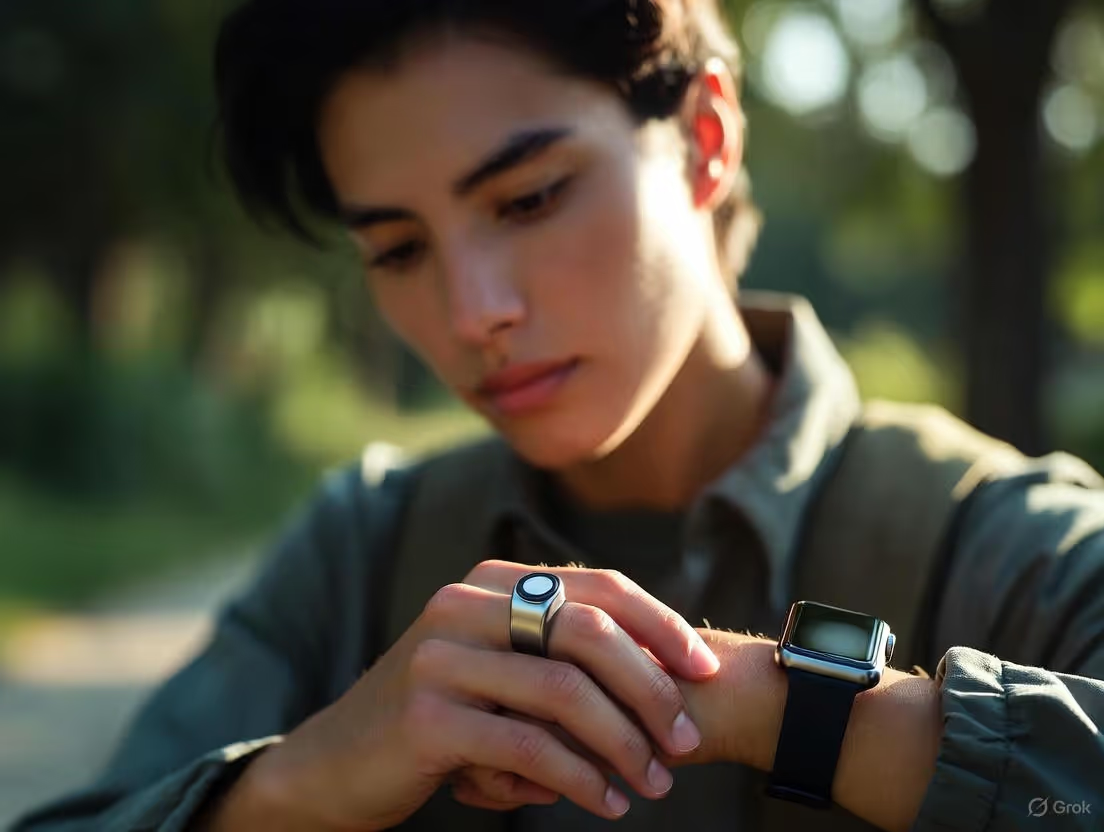
In the quest for better sleep, knowledge is power. Subjective feelings of tiredness are often unreliable. You might think you slept "okay," but feel drained by 3 PM. Or you might fret over a "bad night" yet function perfectly well. Objective data cuts through the guesswork, and for seasonal sleep patterns, this is particularly powerful.
This is where a sophisticated wellness tool like the Oxyzen smart ring shifts the paradigm. Worn on your finger, it operates continuously, providing a comfortable, non-intrusive way to collect a wealth of physiological data that is directly relevant to seasonal adaptation:
By compiling this data, you move from a generic understanding of seasonal effects to a Personalized Seasonal Sleep Signature. You learn:
This biofeedback loop is transformative. Instead of blaming the season, you engage in a informed dialogue with your own body. You become a scientist of your own sleep, running gentle experiments and having clear data on what works for you to maintain balance year-round. For those curious about how this technology integrates into a holistic wellness journey, the Oxyzen story delves into the philosophy of using precise data for meaningful lifestyle empowerment.
Knowledge of seasonal sleep disruption is only as valuable as the action it inspires. This section transforms the science we've explored into a practical, season-by-season battle plan. The goal is not to create rigid, burdensome routines, but to cultivate a flexible mindfulness—an awareness of the shifting environmental cues and a toolkit of adaptable responses. By making small, strategic adjustments aligned with nature's tempo, you can build resilience and protect the sanctity of your sleep year-round.
Think of this as maintaining a delicate internal garden. You wouldn't water a cactus and a fern the same way, nor would you treat a summer rose like a winter pansy. Your sleep needs the same attentive, seasonal care. The following strategies are your gardening tools, and the data from a consistent tracker like your Oxyzen ring is your soil moisture meter and sunlight gauge—telling you exactly what your garden needs, when.
Spring is a time of transition, often marked by volatile weather, shifting light, and the jarring "spring forward" of Daylight Saving Time. Your strategy should focus on resynchronization and gentle stimulation.
1. Master the Daylight Saving Time Transition:
2. Harness the Increasing Light:
3. Adapt to Temperature Swings:
4. Spring-Clean Your Sleep Hygiene:
Summer’s challenge is managing an excess of the very things we crave: light and warmth. The strategy shifts to protection and cooling.
1. Defend Your Sleep Opportunity Window:
2. Become a Thermoregulation Expert:
3. Achieve Darkness in a Bright Season:
4. Mind Your Summer Habits:
5. Leverage Data: Summer is a prime time to observe how lifestyle choices affect your sleep architecture. Notice on your Oxyzen dashboard how a night with an evening drink reduces your REM sleep, or how a cooler bedroom temperature correlates with higher deep sleep percentages. For more insights on interpreting this data, our community often shares their experiences in the Oxyzen testimonials section.
Autumn brings a welcome relief from summer’s intensity, but the rapidly shortening days and "fall back" time change require a focus on acceptance and preparation for the inward turn of winter.
1. Navigate the "Fall Back" with Wisdom:
2. Cozy, But Not Comatose:
3. Establish a Rock-Solid Wind-Down Routine:
4. Nutrition for Transition:
Winter asks for surrender and introspection. The strategy is one of maximizing quality within the constraints of limited light and embracing the potential for deeper, more restorative sleep if conditions are right.
1. Chase Every Photon of Light:
2. Optimize the Sleep Cave:
3. Listen to Your Body’s Hibernation Cues:
4. Use Data for Encouragement:
The unifying thread across all seasons is intentionality. You are no longer passively enduring seasonal changes. You are actively collaborating with them, using light, temperature, routine, and personalized data to craft a sleep sanctuary that evolves with the Earth's orbit. This is the essence of truly intelligent wellness.
To fully appreciate the profundity of seasonal sleep changes, we must descend from the realm of habit and environment into the microscopic world of our own cells. Here, we find the beating heart of the circadian rhythm: a feedback loop of clock genes that exists in virtually every cell of the body. Understanding this molecular machinery reveals why our response to seasons is not just behavioral, but fundamentally genetic.
The core mammalian circadian clock consists of several key genes, including CLOCK, BMAL1, PER, and CRY. Here’s a simplified view of their 24-hour dance:
Where Seasons Come In: The master SCN clock in the brain synchronizes these peripheral clocks primarily through neural and hormonal signals (like melatonin and body temperature rhythms). However, research shows that photoperiod—the length of daylight—can alter the expression pattern of these clock genes themselves.
The Melatonin Link: Melatonin is the hormonal hand that adjusts these genetic clocks. Its prolonged secretion during long winter nights acts as a chemical signal of darkness duration for cells throughout the body. This signal can influence the phase and amplitude of circadian gene expression in tissues, effectively telling your liver, fat cells, and immune system, "It's winter."
Implications for Modern Humans: When we live under artificial, seasonless light conditions, we send garbled signals to this exquisitely tuned genetic network. We may be activating "summer" metabolic genes with our late-night screen use while our environment and perhaps our diet are "winter." This internal desynchronization—where different organ systems' clocks are out of sync with each other and the environment—is hypothesized to be a contributor to modern metabolic disease, immune dysfunction, and mood disorders.
This molecular perspective elevates seasonal sleep hygiene from a wellness "nice-to-have" to a foundational biological imperative. We are not just managing fatigue; we are providing clear cues to align the complex genetic orchestras within our trillions of cells. Providing a strong, consistent light-dark signal is akin to giving a symphony a clear downbeat from the conductor—it allows every section to play in harmonious time.
For some populations, the baseline challenge of seasonal sleep disruption is multiplied by life circumstances that already strain circadian rhythms. Shift workers and parents of young children operate on the frontiers of sleep biology, where seasonal changes can tip a fragile balance into chronic exhaustion.
The Shift Worker’s Seasonal Double Bind:
A night shift worker is already in a state of profound circadian misalignment, fighting against the master clock’s drive for sleep at night. Add winter into the mix:
Strategic Tools for Shift Workers:
Parents: The Ultimate Circadian Disruptors (and Seasonal Warriors):
New parents experience a form of extreme shift work imposed by a tiny, adorable boss. Seasonal changes affect both parent and child.
For both groups, the principles of seasonality are the same, but the stakes are higher and the need for ruthless prioritization is greater. The goal shifts from "optimal" sleep to "survival and harm reduction" sleep, using every tool available—especially objective data to track the fragile balance. Seeing a tangible drop in resting heart rate or an improvement in HRV on a day off can provide the motivation to maintain difficult routines.
Treating seasonal sleep disruption as merely an inconvenience of "feeling tired" underestimates its profound systemic impact. When the subtle drift of seasonal misalignment becomes chronic—repeating year after year without corrective action—it can insidiously contribute to the development of serious long-term health conditions. This is the slow burn of circadian dysfunction.
1. Metabolic Syndrome and Weight Gain:
The circadian system governs glucose metabolism, insulin sensitivity, and appetite hormones (leptin and ghrelin). Chronic misalignment, such as that induced by poor light habits in winter or shifted eating patterns in summer, can lead to:
2. Cardiovascular Strain:
Sleep is when the heart gets a rest. Blood pressure dips by 10-20% during normal sleep (nocturnal dipping). Fragmented, shallow, or misaligned sleep blunts this dip, a condition known as non-dipping, which is a strong independent risk factor for hypertension and cardiovascular events. The stress of the spring DST transition, with its documented spike in heart attacks, is an acute example of this risk.
3. Immune System Dysregulation:
Nearly all aspects of immunity are under circadian control. Key immune cells are released from bone marrow on a schedule, and inflammatory cytokines follow a daily rhythm. Chronic misalignment can result in:
4. Mood and Cognitive Decline:
The link between poor sleep and depression/anxiety is well-established. Chronic seasonal misalignment, especially the low-grade version that doesn't reach full SAD, can maintain a background of suboptimal mood, irritability, and lack of motivation. Over decades, chronic sleep disruption is also a recognized risk factor for neurodegenerative diseases like Alzheimer's. The brain's glymphatic system, which clears metabolic waste like beta-amyloid, is most active during deep sleep.
5. The Accelerated Aging Link:
Telomeres are the protective caps on the ends of chromosomes; their length is a biomarker of cellular aging. Chronic stress and poor sleep are associated with shortened telomeres. The cumulative physiological stress of fighting against seasonal rhythms year after year could theoretically contribute to accelerated biological aging.
The frightening part of these long-term repercussions is their silence. You don't feel your insulin sensitivity dropping by 5% one winter. You don't sense a slight rise in inflammatory cytokines. The damage is incremental, compounding over seasons and years until it manifests as a diagnosable disease.
This underscores the preventive, rather than reactive, power of mastering seasonal sleep. It's not just about feeling sharp tomorrow; it's about investing in the health of your future self. By using technology to stay aligned, you are engaging in a powerful form of preventative medicine, ensuring your body's intricate rhythms are supported through every turn of the Earth's journey. To understand more about the mission behind creating technology for this kind of long-term wellness, you can explore our story at Oxyzen.
For those who have mastered the foundational strategies and seek to push their seasonal adaptation to its peak, the world of advanced biohacking offers precise, data-driven interventions. This is about moving from general best practices to a highly personalized protocol, often guided by continuous biometric feedback.
1. Precision Light Timing with a Lux Meter:
2. Temperature Biohacking:
3. Nutrigenomics for Sleep:
4. Chronotype-Fueled Scheduling:
5. The Role of Continuous Biometric Feedback (The Oxyzen Ring as a Biohacking Tool):
This is where a device transitions from a tracker to a true biofeedback instrument. An advanced user can:
A Word of Caution: Biohacking is most effective and safe when it is incremental, data-informed, and contextual. It's about layering one small change at a time and measuring its effect. It is not about blindly following protocols from the internet. The most powerful tool is the feedback loop: intervene, measure, analyze, and adapt. For those embarking on this path, the community and resources found on the Oxyzen blog can be a source of evidence-based ideas and shared experiences from fellow data-driven wellness enthusiasts.
While managing light, temperature, and schedule forms the bedrock of seasonal sleep health, a holistic approach can integrate complementary therapies that work synergistically with these core principles. These tools can help modulate the nervous system, support hormonal balance, and enhance the body's natural resilience to seasonal shifts.
1. Light Therapy Lamps: The Gold Standard for Winter
2. Dawn Simulators: A Gentler Awakening
3. Red/Amber Light Therapy: The Evening Signal
4. Mindfulness, Meditation, and Breathwork
5. Acupuncture and Traditional Chinese Medicine (TCM)
6. Weighted Blankets
7. Smart Home Integration
The key with complementary therapies is to view them as adjuvants, not replacements, for core circadian hygiene. They are the fine-tuning instruments in your orchestra. Experiment with one at a time, observe their effect on both your subjective feeling and your objective biometrics, and integrate what works for you into your personalized, seasonal wellness toolkit. For support and common questions on integrating technology with these traditional practices, our FAQ page is a great starting point.
Your Trusted Sleep Advocate: Sleep Foundation — https://www.sleepfoundation.org
Discover a digital archive of scholarly articles: NIH — https://www.ncbi.nlm.nih.gov/
39 million citations for biomedical literature :PubMed — https://pubmed.ncbi.nlm.nih.gov/
Experts at Harvard Health Publishing covering a variety of health topics — https://www.health.harvard.edu/blog/
Every life deserves world class care :Cleveland Clinic - https://my.clevelandclinic.org/health
Wearable technology and the future of predictive health monitoring :MIT Technology Review — https://www.technologyreview.com/
Dedicated to the well-being of all people and guided by science :World Health Organization — https://www.who.int/news-room/
Psychological science and knowledge to benefit society and improve lives. :APA — https://www.apa.org/monitor/
Cutting-edge insights on human longevity and peak performance:
Lifespan Research — https://www.lifespan.io/
Global authority on exercise physiology, sports performance, and human recovery:
American College of Sports Medicine — https://www.acsm.org/
Neuroscience-driven guidance for better focus, sleep, and mental clarity:
Stanford Human Performance Lab — https://humanperformance.stanford.edu/
Evidence-based psychology and mind–body wellness resources:
Mayo Clinic — https://www.mayoclinic.org/healthy-lifestyle/
Data-backed research on emotional wellbeing, stress biology, and resilience:
American Institute of Stress — https://www.stress.org/


