


How Sleep Health Changes Throughout Your Life
Sleep needs and patterns evolve from infancy through childhood, adulthood, and into older age.
Sleep needs and patterns evolve from infancy through childhood, adulthood, and into older age.
%402x.svg)
Imagine a single thread, woven into the very fabric of your existence from your first breath to your last. It is not your heartbeat or your breath, but the quiet, rhythmic companion that underscores them both: your sleep. This is not a passive state of absence, but an active, dynamic, and profoundly complex symphony of biological processes that evolve with every chapter of life. From the marathon sleep sessions of a newborn to the fractured patterns of old age, our sleep is a living diary, recording and responding to the relentless march of time.
For generations, sleep was a mystery, a blank space in the ledger of our days. Today, we stand at a revolution. We no longer have to guess. With the advent of personal health technology like the Oxyzen smart ring, we can now listen in on this silent symphony. We can track its rhythms, decode its disruptions, and understand its profound dialogue with our physical health, cognitive sharpness, and emotional resilience. This article is not just a timeline of sleep; it is a deep exploration of a core pillar of human health that is perpetually in flux. By understanding how sleep health changes throughout your life, you gain more than knowledge—you gain the power to adapt, optimize, and harmonize with your body’s innate needs at every age.
The journey we are about to begin will trace the arc of a lifetime through the lens of sleep. We will explore the explosive neural construction of infancy, the stable rhythms of adulthood, and the subtle shifts of our later years. This is the foundation of a 20,000-word master guide, and here, in this first portion, we lay the essential groundwork, diving deep into the science, the stages, and the stories that define our nocturnal lives. Consider this your comprehensive map to the ever-changing landscape of sleep.

Before we chart the journey, we must define the territory. "Sleep health" is a holistic concept that moves far beyond mere duration. It’s the multidimensional quality of your sleep-wake cycle, encompassing not just how long you sleep, but how well you sleep and how effectively that sleep serves your waking life. The American Academy of Sleep Medicine outlines key pillars that constitute true sleep health, each one a vital instrument in the symphony.
Sleep Duration: This is the most straightforward metric—the total time spent asleep. However, the "right" amount is famously variable and age-dependent, a fact we will explore in minute detail throughout this article. It’s the basic score of the symphony, but not the quality of the performance.
Sleep Continuity (or Efficiency): This measures how seamlessly you sleep through the night. Do you drift off easily and stay asleep, or is your night a fragmented story of awakenings—brief moments of consciousness you may not even recall? High sleep continuity means less time tossing and turning and more time in restorative sleep stages.
Sleep Timing (Chronotype): Are you a lark or an owl? Your chronotype is your body’s natural predisposition to be alert or sleepy at certain times. This internal timing, governed by the circadian rhythm, dictates the ideal window for your sleep. Fighting against it is like swimming upstream.
Sleep Architecture: This is the structural blueprint of your night. Healthy sleep is a cyclical journey through distinct stages: light sleep (Stages N1 & N2), deep slow-wave sleep (N3), and REM (Rapid Eye Movement) sleep. Each cycle lasts about 90-110 minutes, and we typically experience four to six per night. Deep sleep is physically restorative, while REM sleep is crucial for memory consolidation and emotional processing. The proportion and quality of these stages are fundamental to sleep health.
Alertness and Subjective Satisfaction: How do you feel upon waking and throughout the day? Do you feel refreshed, alert, and emotionally stable? Or are you foggy, irritable, and dependent on caffeine? This subjective feeling is the ultimate report card for your sleep health.
Modern devices, like the Oxyzen smart ring, bring this science out of the lab and onto your finger. By continuously tracking physiological signals such as heart rate variability, skin temperature, and blood oxygen saturation, these tools provide an unprecedented personal view into your sleep architecture and continuity. They translate the silent symphony into a readable score, allowing you to see not just that you slept, but how you slept. For a deeper dive into the technology that makes this possible, you can explore how Oxyzen’s advanced sensors work.
Understanding these pillars is crucial because they don’t change in unison. As we age, one pillar may weaken while another adjusts. The story of lifelong sleep health is the story of managing these evolving priorities.
If sleep architecture is the score, then the circadian rhythm is the conductor. This near-24-hour internal clock, housed in the brain's suprachiasmatic nucleus (SCN), is the master regulator of not just sleep, but of almost every physiological process you can name: hormone release (cortisol, melatonin), body temperature, digestion, and cellular repair. It is the reason you feel sleepy at night and alert in the morning, even in the absence of external cues.
The conductor takes its primary cue from light. Specialized cells in your retina detect blue-wavelength light and send a direct signal to the SCN: "It is day." This suppresses melatonin, the "sleep hormone," and promotes alertness. As darkness falls, the SCN triggers the pineal gland to release melatonin, gently ushering the body toward sleep.
But here’s the critical life-course twist: This rhythm is not static. Its timing, amplitude, and resilience change dramatically from childhood to old age.
This lifelong evolution of our internal conductor explains so much of the sleep challenges unique to each life stage. Managing sleep health, therefore, is often about respecting and reinforcing this innate rhythm, a practice known as good "sleep hygiene." For practical strategies on aligning your habits with your biology, our blog features numerous evidence-based guides.
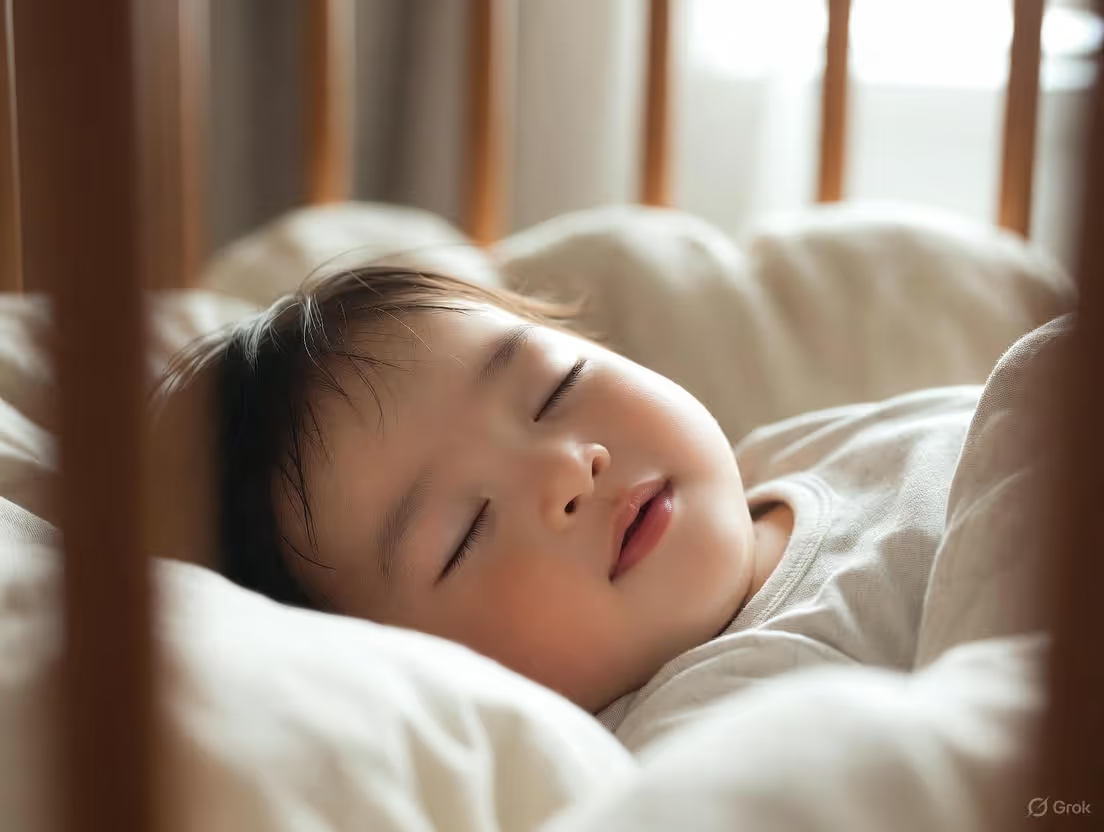
The story of sleep begins with what looks like chaos. A newborn’s sleep is polyphasic—scattered in chunks across a 24-hour period, totaling a staggering 14 to 17 hours. There is little distinction between night and day. This is because the circadian conductor is still backstage, learning the ropes. The primary driver of sleep in the earliest weeks is the homeostatic sleep drive—the simple biochemical pressure to sleep that builds the longer we are awake.
Then, around 6-12 weeks, a miracle of development occurs. The circadian rhythm begins to synchronize with the external world, primarily through exposure to natural light-dark cycles and consistent feeding/social routines. The first major milestone emerges: consolidation of nighttime sleep. The random chunks start to glue together into a longer nocturnal period.
The Role of Sleep in Neural Development: To call infant sleep "important" is a galactic understatement. This period represents the most explosive brain growth humans will ever experience. Sleep, particularly active REM sleep (which occupies about 50% of a newborn’s sleep, compared to 20-25% in adults), is the foreman on this construction site.
Evolution of Sleep Patterns: By 6 months, most babies are capable of sleeping through the night (6-8 hour stretches) and take 2-3 naps. By 12-18 months, naps typically consolidate to one or two. These naps are not optional luxuries; they are essential processing units for the tsunami of daily learning. Disrupted or insufficient sleep in infancy is linked to later issues with attention, emotion regulation, and cognitive performance.
For new parents navigating this complex, exhausting phase, understanding these biological imperatives can be a lifeline. It transforms the challenge from a behavioral puzzle into a developmental process to be supported. Tracking tools can offer reassurance, showing the gradual consolidation of sleep, though they are no substitute for pediatric guidance. The journey of understanding sleep from the very start is part of our broader mission to empower health at every life stage.
As the toddler becomes a preschooler, sleep matures into a more recognizable, monophasic pattern—one long overnight period and, usually, a single afternoon nap that eventually fades by age 5. Total sleep needs remain high at 10-13 hours per 24-hour period. This is a golden age for sleep rhythm, where the circadian conductor is strong and the social pressures of late nights are minimal. The primary challenges here are often behavioral, revolving around the child’s growing autonomy.
The Power of the Routine: Consistency is king. A predictable, calming pre-sleep routine (bath, book, bed) acts as a powerful external cue that signals to the brain’s SCN that sleep is imminent. This routine helps bridge the transition from the stimulation of the day to the quiet of night, managing the common fears of separation and the dark that emerge at this age.
Sleep Architecture Matures: The proportion of deep, slow-wave sleep reaches its lifetime peak during early childhood. This is the most physically restorative sleep, crucial for tissue repair, immune function, and energy restoration. You can see its power in the profound stillness of a sleeping child. Concurrently, REM sleep remains abundant, supporting the incredible linguistic, social, and imaginative leaps characteristic of this period.
Common Disruptors:
The sleep habits solidified in these formative years set a template for the future. A healthy relationship with sleep, where the bed is a safe and welcome place, is a gift that lasts a lifetime. Parents observing persistent issues like snoring, gasping, or extreme restlessness should consult a pediatrician, as sleep-disordered breathing can appear at this age.
Often called the "sweet spot" of human sleep, the school-age years are characterized by robust, stable, and generally high-quality sleep—if lifestyle permits. The sleep need is still significant: 9-12 hours per night. The circadian rhythm is strong and favorably aligned with early school start times (compared to adolescents). Deep sleep is still plentiful, fueling the physical growth spurts and cognitive demands of mastering academic fundamentals.
Yet, this stability is deceptive. Underneath the surface, powerful forces begin to gather that will erupt in adolescence.
The Gathering Storm of Technology: This is the period where personal screens (tablets, phones, gaming devices) often migrate into the bedroom. The blue light emitted suppresses melatonin production, while the engaging, often stressful content (social media, games, videos) stimulates the brain precisely when it should be winding down. This introduces the first major, society-wide challenge to the natural circadian rhythm.
Increasing Social and Academic Demands: Homework, extracurricular activities, and socializing start to encroach on evening time, pushing bedtime later. The mantra "early to bed, early to rise" becomes harder to enforce, even as school start times remain early.
The Importance of Vigilance: Because sleep is often good, problems can be overlooked. Chronic sleep deprivation in this age group can manifest not as obvious fatigue, but as:
This is a critical window for reinforcing ironclad sleep hygiene. Protecting the bedroom as a screen-free sanctuary, maintaining consistent weekday/weekend wake times (within an hour), and prioritizing sleep duration over late-night activities are essential investments. The habits formed here are the last line of defense before the biological tsunami of adolescence. For families navigating the balance between technology and health, our FAQ section offers practical advice on establishing household rules for digital wellness.
Adolescent sleep is a case study in societal structure clashing with biological imperative. It is not laziness; it is a profound neurodevelopmental shift. Virtually every factor influencing sleep health undergoes a dramatic change, creating what sleep researcher Mary Carskadon famously termed a "perfect storm."
The Biological Delay: As mentioned, the circadian rhythm shifts later. The melatonin surge happens later at night and lingers later into the morning. This means a teenager physiologically cannot fall asleep at 9 PM and is biologically driven to sleep until 8 AM or later.
The Slower Sleep Drive: The homeostatic sleep drive—the build-up of sleep pressure—accumulates more slowly in teens than in adults or children. They can stay awake longer without feeling the same level of sleepiness, further enabling late nights.
Increased Sleep Need: Despite this, their actual requirement for sleep remains high at 8-10 hours per night—a need that is almost universally unmet due to early school start times.
The Consequence: Chronic, Systemic Sleep Deprivation. The average teenager is losing multiple hours of sleep per school night. This deficit has severe, wide-ranging implications:
The Role of Technology as an Amplifier: Social media and smartphones supercharge this storm. They provide endless stimulation during the delayed sleep window and deliver blue light that further suppresses melatonin. The social anxiety and FOMO (Fear Of Missing Out) they generate also create psychological barriers to sleep.
Addressing this crisis requires systemic change (like later school start times) and individual strategies. For teens and parents, understanding the biology is the first step toward compassion and effective action. Encouraging a "digital sunset," using night mode on devices, and fighting for a later bedtime—even by 30 minutes—can have measurable benefits. Hearing how other families manage these challenges can be insightful, as seen in some of the real-user experiences shared in our testimonials.
Emerging from the storm of adolescence, sleep in early adulthood enters a phase of negotiation. The biological drive is for 7-9 hours of quality sleep, and the circadian rhythm, while now stabilized, faces its most relentless array of voluntary and involuntary challenges. This is the life stage where personal choice and social pressure often directly override biological need.
The Landscape of Competing Demands: This period is defined by major life transitions—college, launching careers, serious relationships, starting a family. Each brings unique sleep stealers:
The Architecture Begins to Shift: A subtle but important change starts in our mid-20s: the percentage of deep, slow-wave sleep begins its lifelong gradual decline. The brain’s physical restoration capacity slowly decreases. We may start to notice we don’t "bounce back" from a short night as quickly as we did as teens.
Lifestyle Choices Cement: This is the stage where long-term sleep habits are cemented. The choice to prioritize sleep, or to consistently sacrifice it for work or social life, sets a trajectory. It’s also when the consequences of chronic sleep deprivation become clinically visible: weight gain, increased stress reactivity, heightened anxiety, and diminished cognitive performance.
For the health-conscious early adult, this is a critical window for intervention. Using technology intentionally—such as a smart ring to identify personal sleep patterns and triggers for disruption—can provide the data needed to make informed choices. It turns sleep from a vague concept of "rest" into a managed pillar of performance. To learn more about how precise tracking can inform these life-stage decisions, a look at the core technology is beneficial.
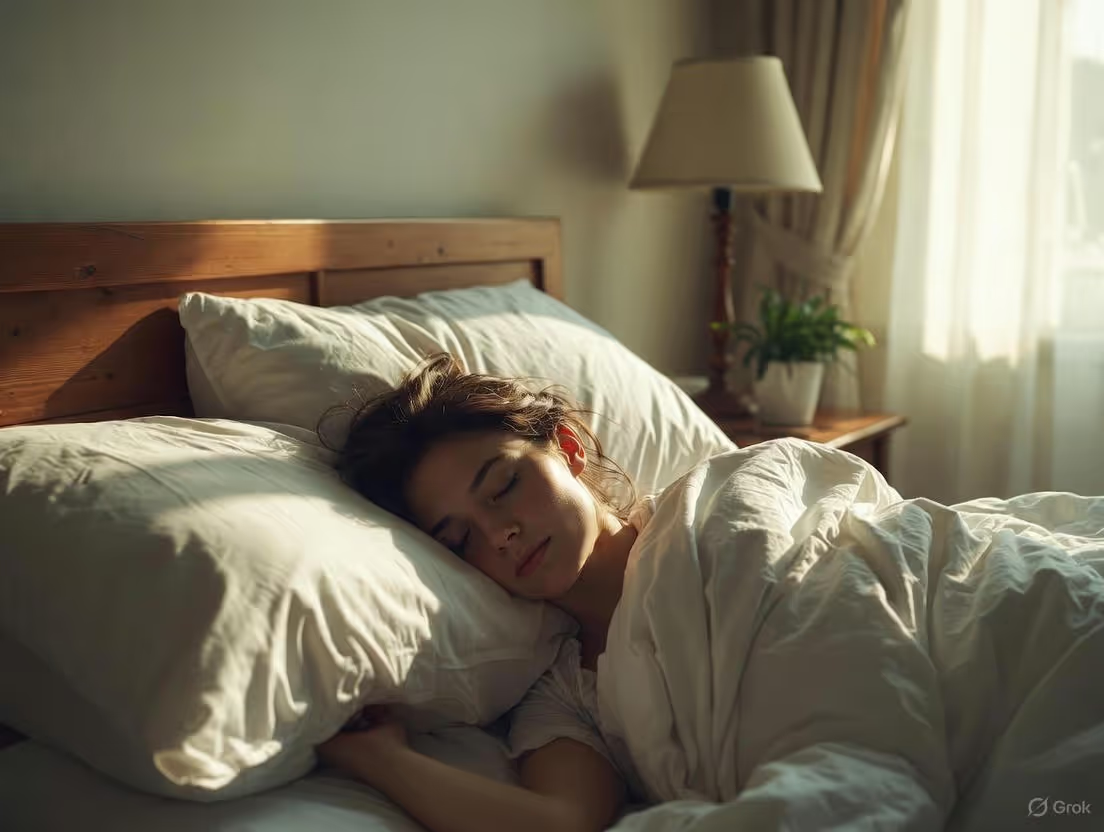
Midlife is often the great squeeze for sleep. Biological changes converge with peak career and family responsibilities, creating a potent recipe for deterioration in sleep quality, even if duration is defended.
The Biological Shifts Accelerate:
The Lifestyle Pressure Cooker: This is often the peak of career responsibility, financial pressure, and the "sandwich generation" phenomenon—caring for aging parents while still supporting children. Stress, a potent enemy of sleep, is frequently at a lifetime high. Time becomes the most precious commodity, and sleep is often the first sacrifice, despite the body's increased need for recovery.
The Rise of Sleep Disorders: Midlife is when underlying sleep disorders often become symptomatic enough to be diagnosed.
This life stage demands a shift in strategy from merely seeking more sleep to fiercely protecting quality sleep. It requires a more sophisticated approach to sleep hygiene, stress management, and a willingness to seek medical evaluation for persistent issues. Monitoring tools can be invaluable here, providing objective data to distinguish between a bad night and a concerning trend, and offering a way to track the impact of lifestyle adjustments over time.
The transition into older adulthood brings a new set of sleep norms. The classic pattern emerges: earlier bedtime, earlier wake time, more frequent nighttime awakenings, and a tendency to nap. Total sleep time may remain similar to midlife (7-8 hours), but it is spread across a 24-hour period rather than consolidated into one solid block. This is not inherently pathological; it is, in part, a normal evolution of the sleep-wake rhythm.
Understanding the Changes:
The Vicious Cycle of Sleep & Health: At this stage, the bidirectional relationship between sleep and health becomes starkly clear. Poor sleep exacerbates chronic conditions like hypertension and diabetes, and those conditions, in turn, degrade sleep. Breaking this cycle is a primary health goal.
Rethinking the 8-Hour Mandate: The fixation on a single, unbroken 8-hour sleep can be counterproductive and anxiety-inducing. Historians and sleep scientists note that segmented sleep (two periods of sleep with a wakeful interval in between) may be a more natural pattern for older adults. The key metric shifts from "did I sleep through the night?" to "do I feel reasonably alert and functional during the day, and is my total sleep in a 24-hour period sufficient?"
Embracing this new normal involves adapting routines: maximizing morning light exposure to strengthen the circadian signal, ensuring the sleep environment is optimal for comfort, carefully timing medications with a doctor's input, and viewing a short, intentional afternoon nap (before 3 PM) as a potential tool rather than a failure. For many in this age group, leveraging technology to monitor trends and share objective data with healthcare providers is becoming a key part of proactive health management. The vision behind creating tools for this kind of lifelong health tracking is rooted in a commitment to empowering every generation.

In the later years, sleep patterns established in the previous decade often become more pronounced. The goal shifts decisively from achieving idealized sleep metrics to optimizing sleep for quality of life, cognitive preservation, and physical functioning.
The Dominance of Fragmentation: Sleep is typically polyphasic again, broken into several periods across the day and night. The ability to sustain long bouts of sleep diminishes. This is influenced by the further weakening of the circadian rhythm, reduced physical activity, and the increased prevalence of health issues.
Critical Focus on Sleep Disorders: The prevalence of sleep disorders like insomnia and, especially, sleep apnea, remains very high and is often underdiagnosed. Treating sleep apnea in older adults is not just about snoring; it’s about protecting cardiovascular health, slowing cognitive decline, and improving overall vitality.
The Sleep-Dementia Link: Research has uncovered a powerful bidirectional relationship between sleep and neurodegenerative diseases like Alzheimer’s. During deep sleep, the brain’s glymphatic system—a waste-clearance system—becomes highly active, flushing out metabolic toxins, including beta-amyloid, a protein that forms the plaques characteristic of Alzheimer’s. Chronic poor sleep may reduce this clearance, potentially increasing the risk of pathology. Conversely, Alzheimer’s disease early on attacks the brain regions that regulate sleep, making sleep disruption a potential early symptom.
Adapting the Environment and Expectations: Success at this stage is defined by practicality and safety.
The narrative here is one of adaptation and dignity. Sleep may look different, but its importance is undiminished. It becomes a vital sign of overall well-being. For caregivers and family members, understanding these changes is crucial to providing support that is helpful, not anxious or pressuring. Finding community and support through shared stories can be invaluable, a sentiment reflected in the experiences shared by our diverse user community.
While each life stage has its unique challenges, certain sleep disorders are persistent adversaries that can appear at any time, their impact and presentation shifting with age. Understanding them is essential to a complete picture of lifelong sleep health.
Insomnia: The most common sleep disorder, characterized by persistent difficulty falling asleep, staying asleep, or waking too early, despite adequate opportunity for sleep. In youth, it’s often tied to anxiety or poor routines. In midlife, stress and hormonal changes are key triggers. In older adults, it can be related to health conditions, medications, or the natural fragmentation of sleep. Chronic insomnia is a disorder of hyperarousal—a nervous system that cannot power down.
Sleep Apnea: A serious disorder involving repeated pauses in breathing during sleep. In children, it’s often due to enlarged tonsils/adenoids and can manifest as hyperactivity or learning problems. In adults, it’s typically obstructive (OSA), where the airway collapses, and is strongly linked to obesity, hypertension, and cardiovascular disease. The loud snoring and gasping may be dismissed as normal aging but are anything but.
Restless Legs Syndrome (RLS): An irresistible urge to move the legs, often accompanied by uncomfortable sensations, that occurs in the evening and at rest. It can begin at any age and tends to worsen over time. It severely delays sleep onset and fragments sleep.
Circadian Rhythm Disorders: These occur when the internal clock is permanently misaligned with the desired sleep-wake schedule (e.g., Delayed Sleep-Wake Phase Disorder in teens, Advanced Sleep-Wake Phase Disorder in older adults). They are more than poor habits; they are a fundamental mismatch between biology and social demands.
The key takeaway is that persistent, debilitating sleep problems are not a normal part of any life stage. They are medical conditions that warrant evaluation, often by a sleep specialist. Data from a wearable device can be a powerful first step, providing a detailed sleep log to bring to a doctor, moving the conversation from "I'm tired" to "Here is what my sleep looks like." For those curious about how such data is collected and used, our FAQ addresses common questions on accuracy and application.
Having charted the biological evolution of sleep from infancy to our later years, we now turn our focus to the intricate web of connections that make sleep not just a personal function, but a pillar of public health. Sleep does not exist in a vacuum. It is in constant, dynamic conversation with our mental state, our physical habits, our work, and our world. To master sleep health across a lifetime is to understand these dialogues. This portion of our exploration dives into the critical intersections where sleep meets the defining aspects of our waking lives, offering a roadmap for holistic optimization that respects the wisdom of each life stage.
The relationship between sleep and mental health is not merely correlational; it is bidirectional, intimate, and often cyclical. Disrupted sleep can be both a symptom and a cause of psychiatric conditions. Understanding this loop is crucial for breaking it.
The Emotional Brain on No Sleep: Neuroimaging studies reveal a striking picture. Sleep deprivation dampens activity in the prefrontal cortex—the brain's CEO, responsible for rational decision-making, impulse control, and emotional regulation. Simultaneously, it amplifies activity in the amygdala—the primal threat center associated with fear, anxiety, and aggression. This neural state is akin to driving with a hypersensitive alarm system and a faulty brake. The result is heightened emotional reactivity, negativity bias (interpreting neutral events as negative), and reduced resilience to stress. A single night of poor sleep can leave us irritable and fragile; chronic deprivation can erode our fundamental emotional stability.
Sleep and Specific Conditions:
The Protective Power of Sleep: On the flip side, healthy sleep, particularly the deep N3 and REM stages, acts as overnight therapy. It helps process and contextualize emotional memories, stripping away the raw intensity from the previous day's experiences. It resets our emotional compass, allowing us to face a new day with greater equilibrium. Prioritizing sleep is not an indulgence; it is a foundational practice of mental hygiene, as critical for a teenager navigating social stress as it is for a midlife professional managing burnout or an older adult coping with loss. For more resources on building mental resilience through lifestyle habits, our blog offers a wealth of supportive content.
The ancient Roman poet Virgil wrote, "The greatest wealth is health." Today, we understand that the two most potent tools for managing that wealth—nutrition and physical activity—have a profound and immediate impact on the third: sleep.
Nutrition: The Building Blocks of Sleep Chemistry:
What you eat, and when you eat it, provides the raw materials for the neurotransmitters and hormones that regulate sleep.
Exercise: The Ultimate Sleep Regulator: Regular physical activity is one of the most evidence-based prescriptions for improving sleep quality and duration.
Tracking the impact of dietary choices and exercise on your sleep can be revelatory. A device like the Oxyzen smart ring can help you see, for instance, how a late meal affects your sleep efficiency or how a day with a 30-minute walk improves your deep sleep percentage. This turns guesswork into a personalized science, a principle central to our approach to holistic health tracking.
We live in an unprecedented era of connection and information, powered by devices that have fundamentally altered our relationship with the natural world and with darkness itself. Technology is both the greatest disruptor of sleep and, potentially, its most powerful ally.
The Disrupter: Blue Light and Cognitive Hyperarousal:
The backlit screens of smartphones, tablets, and laptops emit high levels of blue-wavelength light. As previously discussed, this light is the primary environmental cue for our circadian rhythm. Evening exposure tricks the brain into believing it is still daytime, suppressing melatonin production by up to 50% and delaying sleep onset.
Beyond the light, the content is stimulating. Scrolling through social media can trigger social comparison and anxiety. Answering work emails activates the stress response. Watching thrilling or violent shows elevates arousal. This state of "cognitive hyperarousal" is the antithesis of the calm needed for sleep. For children and adolescents, whose brains are highly plastic and whose social lives are increasingly online, this effect is particularly potent.
The Ally: The Dawn of Personal Sleep Tech:
Paradoxically, the same technological revolution has birthed tools to fight back.
The key is intentionality. We must cultivate digital hygiene: implementing "screen curfews" (60-90 minutes before bed), using night shift/blue light filter modes (though these only partially mitigate the issue), and charging devices outside the bedroom. Simultaneously, we can leverage technology as a diagnostic and motivational tool, using data to inform better choices. The story of Oxyzen is, at its heart, about harnessing technology for this precise purpose—to illuminate the unseen and empower better health. You can discover more about this philosophy in our founding story.
Sleep deprivation is not a private struggle; it is a public health crisis with staggering economic and social ramifications. When we view sleep loss at a population level, its true cost comes into sharp, alarming focus.
The Productivity Drain: Sleepy workers are less productive, less creative, more prone to errors, and have slower reaction times. The RAND Corporation estimated that sleep deprivation costs the U.S. economy up to $411 billion annually in lost productivity, with Japan and the UK losing up to $138 billion and $50 billion, respectively. This "presenteeism"—being at work but functioning sub-optimally—is more costly than absenteeism.
Safety Catastrophes: Some of history's worst industrial and environmental disasters—the Chernobyl nuclear meltdown, the Exxon Valdez oil spill, the Space Shuttle Challenger explosion—have sleep deprivation and shift-work-related errors cited as contributing factors. On a smaller but more frequent scale, drowsy driving is a silent epidemic. The National Highway Traffic Safety Administration conservatively estimates 100,000 police-reported crashes annually are a direct result of driver fatigue, leading to thousands of deaths.
Healthcare System Burden: Poor sleep is a direct risk factor for the chronic diseases that dominate healthcare spending: obesity, diabetes, cardiovascular disease, and dementia. Treating the downstream effects of sleep disorders, rather than the disorders themselves, places an immense and preventable burden on medical systems. For instance, undiagnosed sleep apnea is a major driver of treatment-resistant hypertension and atrial fibrillation.
The Social and Educational Impact: In schools, sleep-deprived students cannot learn effectively. Their ability to consolidate memory, pay attention, and think critically is impaired, widening achievement gaps. Socially, sleep loss erodes empathy, increases conflict, and reduces prosocial behavior, fraying the fabric of communities.
This macro view underscores a critical point: prioritizing sleep health is not a sign of weakness or laziness; it is an act of social responsibility, economic prudence, and profound self-care. Creating a culture that values sleep requires systemic change—from later school start times for adolescents to corporate policies that discourage 24/7 email culture and respect boundaries. It begins, however, with individual understanding and advocacy, a mission we are deeply committed to at Oxyzen, as outlined in our core values and company mission.
This life stage is about establishing the habits that will support you for decades. The challenges are external: social life, career launch, and often, new parenthood. The strategy is proactive defense.
1. Cement Your Chronotype & Routine: Your circadian rhythm is now stable. Identify your natural tendency (lark vs. owl) and design a sleep schedule that honors it as much as possible, even on weekends (within a 60-minute window). Consistency is your strongest weapon against social jet lag.
2. Master the Pre-Sleep Wind-Down: Your brain needs a bridge from the stimulation of the day. Create a 45-60 minute "power-down" ritual. This might include: dimming lights, reading a physical book, taking a warm shower (the subsequent drop in body temperature aids sleep), gentle stretching, or a mindfulness practice. Make it non-negotiable.
3. Redesign Your Bedroom Sanctuary:
* Pitch Black: Invest in blackout curtains or a quality sleep mask. Even small amounts of light can disrupt melatonin.
* Cool & Quiet: Aim for a temperature around 65°F (18.3°C). Use a fan, white noise machine, or earplugs to mask disruptive sounds.
* Screen-Free Zone: Banish TVs, laptops, and most critically, smartphones. The bed is for sleep and intimacy only. This strengthens the powerful mental association between bed and sleep.
4. Navigate Social Pressures with Strategy: You can socialize and protect your sleep. Be the one to suggest an earlier dinner. Limit alcohol intake and alternate drinks with water. Have an exit strategy and communicate your needs to friends—you'll often find others are grateful for the excuse to leave, too.
5. Leverage Data for Parenthood: For new parents, survival mode is real. While perfect sleep is impossible, data can help you maximize opportunities. When your baby finally sleeps, a tracker can show you if you're actually sleeping or just lying awake with anxiety. It can help you and your partner create a fair shift schedule based on objective rest levels. Remember, this phase is temporary, and protecting your own sleep is essential for being the parent you want to be.
These years are about building a fortress of good habits. When the inevitable disruptions come—a sick child, a work deadline—you have a strong baseline to return to. For those seeking product-specific guidance on using technology within this framework, our detailed FAQ is an excellent resource.
As deep sleep naturally declines and life stressors peak, the focus must shift from simply logging hours to fiercely protecting the quality of each hour slept.
1. Double Down on Stress Management: Chronic stress is the arch-nemesis of sleep in midlife. Your wind-down routine must now actively combat stress. Incorporate proven techniques:
* Mindfulness Meditation: Even 10 minutes daily can reduce bedtime anxiety and improve sleep quality.
* Gratitude Journaling: Writing down a few positive things before bed can shift cognitive focus away from worries.
* Progressive Muscle Relaxation: Systematically tensing and relaxing muscle groups can release physical tension.
2. Become a Diet Detective: Your metabolism is changing, and your body's tolerance for sleep disruptors like caffeine and alcohol is likely decreasing. Use a tracking tool to identify your personal triggers. You may find that even one glass of wine in the evening now devastates your sleep continuity, or that caffeine after noon leaves you restless.
3. Prioritize Movement, But Time It Right: Exercise is non-negotiable for managing stress, weight, and sleep quality. However, if you notice vigorous evening workouts are causing insomnia, shift them to the morning or afternoon. Embrace low-impact, restorative evening movement like walking or yoga.
4. Address Hormonal Changes Head-On: For women entering perimenopause, don't suffer in silence. Talk to your healthcare provider about strategies for managing night sweats and sleep disruption, which may include lifestyle adjustments, non-hormonal therapies, or, if appropriate, hormone therapy. For men, discuss symptoms like low energy and poor sleep with a doctor to check testosterone and other relevant levels.
5. Seek Evaluation for New Symptoms: Loud snoring, witnessed pauses in breathing, gasping/choking sensations, or unrefreshing sleep despite adequate time in bed are not normal signs of aging. They are potential indicators of sleep apnea. A sleep study can be life-changing and literally life-saving. Bring data from your wearable to your appointment to illustrate the problem.
This decade is about sophisticated self-care. It’s about listening closely to a changing body and responding with precision, using all the tools and knowledge at your disposal.
The goal here is not to recapture the sleep of your youth, but to optimize the sleep you have for maximum daytime vitality and long-term health protection.
1. Maximize Circadian Signal Strength:
* Morning Light: Get bright natural light exposure within 30-60 minutes of waking. This is the most powerful cue to reset your daily clock and improve nighttime sleep drive.
* Daytime Activity: Stay physically and socially active during the day. This builds a strong sleep pressure for night and reinforces the difference between day (active) and night (rest).
2. Reframe Your Sleep Expectations: Accept that waking 1-2 times per night is normal. The key is to not become agitated. Keep the lights off, avoid checking the clock (which creates performance anxiety), and practice a simple breathing exercise until drowsiness returns.
3. Strategic Napping: If you need to nap, do it intentionally. Limit naps to 20-30 minutes, and take them before 3 PM. This can boost alertness without dipping into deep sleep, which can make it harder to sleep at night.
4. Optimize the Environment for Safety & Comfort:
* Safety First: Ensure clear, well-lit paths to the bathroom. Remove tripping hazards. Consider a bedside motion-activated light.
* Comfort is Key: Invest in a supportive mattress and pillows for aging joints. Manage room temperature meticulously, as temperature regulation often becomes less efficient.
5. Medication Review: Have your doctor or pharmacist review all medications (prescription and over-the-counter) for side effects that may impact sleep or cause daytime drowsiness. Timing of diuretics ("water pills"), for instance, can often be adjusted.
6. Prioritize the Sleep-Dementia Link: View consistent, quality sleep as a cognitive preservative. The nightly clearance of neurotoxins during deep sleep is one of the most powerful brain maintenance processes you have. Protecting sleep is protecting your memory and independence.
This stage is about wisdom, adaptation, and grace. It’s about working with your body’s changes, not against them, and using every strategy to support enduring health and quality of life. The journey of learning and adapting never truly ends, a truth reflected in the continuous stories of discovery from our users of all ages.
We stand on the brink of a revolution in how we understand and manage sleep. The future moves beyond one-size-fits-all advice and into the realm of hyper-personalized, predictive, and integrated medicine.
From Tracking to Predicting: Current wearables provide retrospective data—what happened last night. The next generation will use artificial intelligence and machine learning on longitudinal datasets (your sleep, activity, heart rate, temperature over months and years) to predict your sleep. It could alert you: "Based on your elevated resting heart rate and low activity today, you are at high risk for poor sleep tonight. Consider a 20-minute meditation session before bed."
Multi-Omics Integration: The future of sleep medicine lies in convergence. Imagine a world where your sleep data is integrated with your genomics (do you have a genetic predisposition for being a night owl or for restless legs?), your metabolomics (how do your nighttime metabolic processes differ?), and your gut microbiome profile (the gut-brain axis is a major regulator of sleep and mood). This would allow for truly personalized interventions—specific nutrient recommendations, probiotic strains, or medication types tailored to your unique biology.
Closed-Loop Systems: Emerging technology points toward automated sleep environments. A "smart" bedroom could subtly adjust temperature, humidity, and ambient sound in real-time based on your sleep stage, detected by non-contact sensors. It could use gentle light to seamlessly guide you through your circadian transitions at dawn and dusk.
Telehealth and Digital Therapeutics: Access to sleep specialists will expand through telehealth platforms. Prescription digital therapeutics—FDA-approved software applications like CBT-I programs—will become standard first-line treatments for conditions like chronic insomnia, delivered conveniently through your phone and synced with your wearable data.
This exciting future hinges on one thing: high-fidelity, user-generated health data. The choice to wear a device like an Oxyzen ring today is not just about understanding your present; it is about contributing to and benefiting from this personalized future. It represents an active partnership in your own health journey, a concept central to our vision for the future of wellness technology.
We have journeyed through the biology of a lifetime, navigated the intersections of sleep with mind and society, and equipped ourselves with decade-specific strategies. Now, we arrive at the synthesis: the integration of this knowledge into a coherent philosophy of living. This final portion moves from understanding to mastery. We will confront pervasive myths, address the unique needs of special populations, and construct a personalized, actionable plan. Our goal is to transform sleep from a nightly challenge into a sustainable, non-negotiable pillar of a vibrant, healthy, and conscious life.
While the core principles of sleep science apply to all, certain groups face amplified challenges or unique physiological landscapes that demand tailored understanding and approaches.
Shift Workers: Living Against the Sun
Approximately 20% of the global workforce engages in shift work, forcibly misaligning their circadian rhythm from the natural environment. This chronic "circadian misalignment" carries severe consequences: dramatically increased risks for metabolic syndrome, cardiovascular disease, certain cancers, mental health disorders, and accidents.
Athletes and High Performers: Sleep as the Ultimate Performance Enhancer
For athletes, sleep is not recovery; it is part of training. Studies show that extended sleep improves athletic performance metrics like speed, accuracy, reaction time, and endurance.
Individuals with Chronic Health Conditions
For those managing conditions like chronic pain, fibromyalgia, autoimmune disorders, or neurodegenerative diseases, a vicious cycle ensues: the condition disrupts sleep, and poor sleep exacerbates the symptoms of the condition (pain sensitivity, inflammation, fatigue).
Understanding these specialized needs underscores a universal truth: respecting and optimizing sleep is a critical component of managing any demanding or compromised state of being. It is the foundation upon which resilience is built. For more insights on tailoring wellness strategies to specific life challenges, our blog features a variety of expert perspectives.
Misinformation about sleep is rampant, often preventing people from adopting truly helpful habits. Let’s dismantle the most persistent myths with science.
Myth 1: "You can 'catch up' on sleep on the weekend."
Reality: This is one of the most damaging beliefs. While sleeping in on weekends can pay off a small portion of your "sleep debt," it creates a phenomenon called "social jet lag." You effectively travel several time zones every weekend, confusing your circadian rhythm. This makes it harder to fall asleep on Sunday night and leads to groggy, inefficient Monday mornings. Consistency is far more powerful than binge-sleeping.
Myth 2: "Snoring is normal and harmless."
Reality: While common, loud, habitual snoring—especially when accompanied by gasps, snorts, or pauses in breathing—is the primary symptom of obstructive sleep apnea (OSA). OSA is a serious medical condition where breathing repeatedly stops and starts, straining the cardiovascular system and fragmenting sleep. It requires medical evaluation. Not all snoring is apnea, but it should never be casually dismissed.
Myth 3: "Alcohol helps you sleep better."
Reality: Alcohol is a sedative, not a sleep aid. It may help you lose consciousness faster, but it severely disrupts sleep architecture. It suppresses vital REM sleep early in the night and leads to rebound REM later, often causing vivid nightmares or restless sleep. It also relaxes throat muscles, worsening snoring and apnea, and causes dehydration and nocturnal awakenings to use the bathroom.
Myth 4: "If you wake up at night, you should stay in bed and try harder to sleep."
Reality: This creates a toxic association between your bed and frustration/awakeness. The gold-standard behavioral advice is: if you are awake for more than 20 minutes, get out of bed. Go to another dimly lit room and do a quiet, boring activity (read a physical book, listen to calm music) until you feel drowsy. Then return to bed. This preserves the bed as a cue for sleepiness.
Myth 5: "Older adults need less sleep."
Reality: Sleep patterns change with age, but the need for 7-8 hours of total sleep in a 24-hour period does not diminish. The ability to consolidate that sleep into one uninterrupted block often declines, leading to more fragmented sleep and naps. The requirement, however, remains.
Myth 6: "Watching TV in bed helps me relax."
Reality: The light from the TV (especially blue light) suppresses melatonin. More importantly, the content—whether news, drama, or comedy—is cognitively and emotionally engaging. It stimulates your brain when it should be powering down. The bed should be reserved for sleep and intimacy only.
Myth 7: "I can function just fine on 5-6 hours of sleep."
Reality: A tiny fraction of the population has a genetic mutation allowing them to thrive on short sleep. For the vast majority, chronic restriction to 5-6 hours leads to cumulative deficits in cognitive performance, emotional regulation, and metabolic health, even if subjective feelings of sleepiness fade due to adaptation. You may be surviving, but you are not thriving.
Dispelling these myths is a critical step toward taking effective, evidence-based action for your sleep health. For further clarification on sleep technology and its applications, our FAQ tackles many common questions head-on.
Knowledge is power, but only when applied. This step-by-step plan helps you synthesize everything you’ve learned into a living, breathing practice tailored to your life stage and personal data.
Step 1: The Two-Week Audit (Gather Data)
Step 2: Establish Your Non-Negotiables (The Foundation)
Based on your audit and life stage, lock in 2-3 foundational habits. These are non-negotiable, like brushing your teeth. Examples:
Step 3: Optimize Your Sleep Environment (The Sanctuary)
Conduct a bedroom audit. Is it:
Step 4: Craft Your Personalized Wind-Down Ritual (The Bridge)
Design a 45-60 minute sequence that signals "day is over" to your brain. It should be enjoyable and consist of low-stimulation activities. Your ritual might include:
Step 5: Master the Daytime Fundamentals (The Support)
Sleep health is built during the day.
Step 6: Iterate and Refine (The Continuous Improvement)
After a month, review your data and subjective feelings. Are you waking up more refreshed? Has your sleep efficiency improved? Adjust one variable at a time. Perhaps you need to move dinner earlier, or maybe your wind-down needs to start sooner. Your plan is a living document that evolves with you.
This systematic approach turns abstract advice into a concrete, personal protocol. It’s the embodiment of taking control, a principle that guides everything we do at Oxyzen. To see how our technology is designed to support this exact kind of personalized journey, explore the core features.
Ultimately, the pursuit of great sleep is not about chasing perfect scores on a tracker. It is about recognizing sleep as one of the fundamental, interconnected pillars of a conscious, healthy, and purposeful life—alongside nutrition, movement, stress management, and social connection.
Sleep and Lifespan vs. Healthspan: Medicine has excelled at extending lifespan (how long we live). The new frontier is healthspan—the number of years we live in good health, free from chronic disease and disability. High-quality sleep is arguably the most potent, under-leveraged tool for extending healthspan. It protects the brain from neurodegeneration, the heart from disease, and the metabolism from dysregulation. Investing in sleep is an investment in your future vitality.
The Ripple Effect: When you sleep well, every other aspect of your life improves. You have more patience for your relationships. You have more focus and creativity for your work. You have more energy for physical activity. You make better food choices. You are more resilient to stress. Optimizing sleep creates a positive cascade that elevates your entire existence.
A Philosophy, Not a Chore: This journey invites you to reframe sleep. It is not a wasteful period of inactivity to be minimized, but a vital, active, and productive state of being. It is when your body repairs, your brain files memories, your emotions are processed, and your hormonal balance is restored. Honoring sleep is honoring your humanity.
The tools we have today, from the science we understand to the technology we can wear, grant us unprecedented agency. We are no longer passive passengers on the journey of our sleep health. We can observe, understand, and intervene. We can partner with our own biology to craft a life of greater energy, clarity, and well-being.
The story of how sleep health changes throughout your life is not a predetermined script of decline. It is a narrative of adaptation, challenge, and opportunity. From the explosive growth of infancy to the wisdom of our later years, sleep is our constant, evolving companion.
We have traversed the biological milestones, confronted the modern disruptors, armed ourselves with decade-specific strategies, and laid out a plan for personalized action. The final step, as always, is yours.
Begin not with an overhaul, but with curiosity. Observe your own patterns. Commit to one small, consistent change—perhaps a slightly earlier bedtime or a firm screen curfew. Notice the effect. Let the data, both subjective and objective, guide you.
This comprehensive guide is a testament to the profound complexity and importance of sleep. It is also an invitation—to listen more closely to the silent symphony of your nights, to respect the dialogue between your body and time, and to embrace the power you have to influence it.
The pursuit of great sleep is a lifelong journey, but it is one that pays dividends every single day. May your nights be restorative and your days be bright. For continued learning, support, and community on this journey, remember that resources like our blog and the stories of others are here to guide and inspire you.
Your Trusted Sleep Advocate: Sleep Foundation — https://www.sleepfoundation.org
Discover a digital archive of scholarly articles: NIH — https://www.ncbi.nlm.nih.gov/
39 million citations for biomedical literature :PubMed — https://pubmed.ncbi.nlm.nih.gov/
Experts at Harvard Health Publishing covering a variety of health topics — https://www.health.harvard.edu/blog/
Every life deserves world class care :Cleveland Clinic - https://my.clevelandclinic.org/health
Wearable technology and the future of predictive health monitoring :MIT Technology Review — https://www.technologyreview.com/
Dedicated to the well-being of all people and guided by science :World Health Organization — https://www.who.int/news-room/
Psychological science and knowledge to benefit society and improve lives. :APA — https://www.apa.org/monitor/
Cutting-edge insights on human longevity and peak performance:
Lifespan Research — https://www.lifespan.io/
Global authority on exercise physiology, sports performance, and human recovery:
American College of Sports Medicine — https://www.acsm.org/
Neuroscience-driven guidance for better focus, sleep, and mental clarity:
Stanford Human Performance Lab — https://humanperformance.stanford.edu/
Evidence-based psychology and mind–body wellness resources:
Mayo Clinic — https://www.mayoclinic.org/healthy-lifestyle/
Data-backed research on emotional wellbeing, stress biology, and resilience:
American Institute of Stress — https://www.stress.org/


