


How Sleep Stages Support Cellular Repair and Anti-Aging
Deep sleep is particularly important for cellular repair processes that are linked to anti-aging and longevity.
Deep sleep is particularly important for cellular repair processes that are linked to anti-aging and longevity.
%402x.svg)
For centuries, sleep was a mystery—a silent, passive state of nothingness. Today, science has ripped back the curtain to reveal a breathtaking truth: the night is a hive of intense, purposeful activity. While you dream, your body is engaged in a profound symphony of restoration, a nightly ritual of repair so critical that to neglect it is to fast-forward the hands of time. This isn't just about feeling rested in the morning; it’s about a deep, cellular rejuvenation that forms the very bedrock of longevity and vitality.
We live in an age obsessed with anti-aging serums, superfoods, and biohacking protocols, yet we systematically undermine the most powerful, innate rejuvenation program we possess: a full night of structured sleep. Each sleep stage—from the light descent of NREM Stage 1 to the deep, slow waves of NREM Stage 3 and the bizarre narrative of REM—plays a distinct, non-negotiable role in cleansing the brain, repairing tissue, consolidating memories, and rebalancing hormones. This intricate cycle is nature's master algorithm for cellular repair and anti-aging.
Modern life, with its artificial light, relentless stress, and constant connectivity, has hacked this algorithm, leading to what experts call an epidemic of insufficient and poor-quality sleep. The cost is measured not just in yawns but in accelerated cellular aging, cognitive decline, and a weakened defense against disease. But knowledge is power. By understanding the nocturnal science of repair, we can reclaim our nights and transform sleep from a passive state into an active, optimized tool for healthspan extension. This journey begins with a deep dive into the architecture of sleep itself and the extraordinary, life-sustaining work that happens in each phase.

Sleep is not a monolithic block of unconsciousness. It is a meticulously organized series of stages that repeat in cycles throughout the night, each with its unique physiological signature and purpose. Think of it as a nightly rounds schedule for your body’s maintenance crew, with different specialists clocking in at precise times to perform their tasks.
A complete sleep cycle lasts approximately 90 to 110 minutes, and a healthy adult will journey through four to six of these cycles per night. The composition of these cycles, however, changes as the night progresses. The early cycles are dominated by deep, restorative sleep, while later cycles feature longer periods of REM (Rapid Eye Movement) sleep. This evolving architecture is not random; it’s a deliberate strategy for prioritizing different types of repair.
The journey begins with NREM (Non-Rapid Eye Movement) Sleep, which consists of three stages:
Following NREM, we enter REM Sleep. Characterized by rapid eye movements, increased brain activity (similar to wakefulness), vivid dreams, and temporary muscle paralysis (atonia), REM is the stage most associated with cognitive and emotional processing. Your heart rate and blood pressure can become variable, and breathing may be irregular.
The progression of these stages is not linear but cyclical: N1 → N2 → N3 → N2 → REM. As dawn approaches, NREM Stage 3 periods shorten, and REM periods lengthen, which is why we often wake from a dream. This architectural blueprint sets the stage for the specific anti-aging and repair processes we will explore. Understanding this rhythm is the first step to optimizing it, a principle that guides the design of advanced wellness tools like the Oxyzen smart ring, which tracks these very stages to provide a clear picture of your nightly repair cycles. For a deeper look at how technology deciphers this architecture, you can explore our blog for more insights on sleep science.
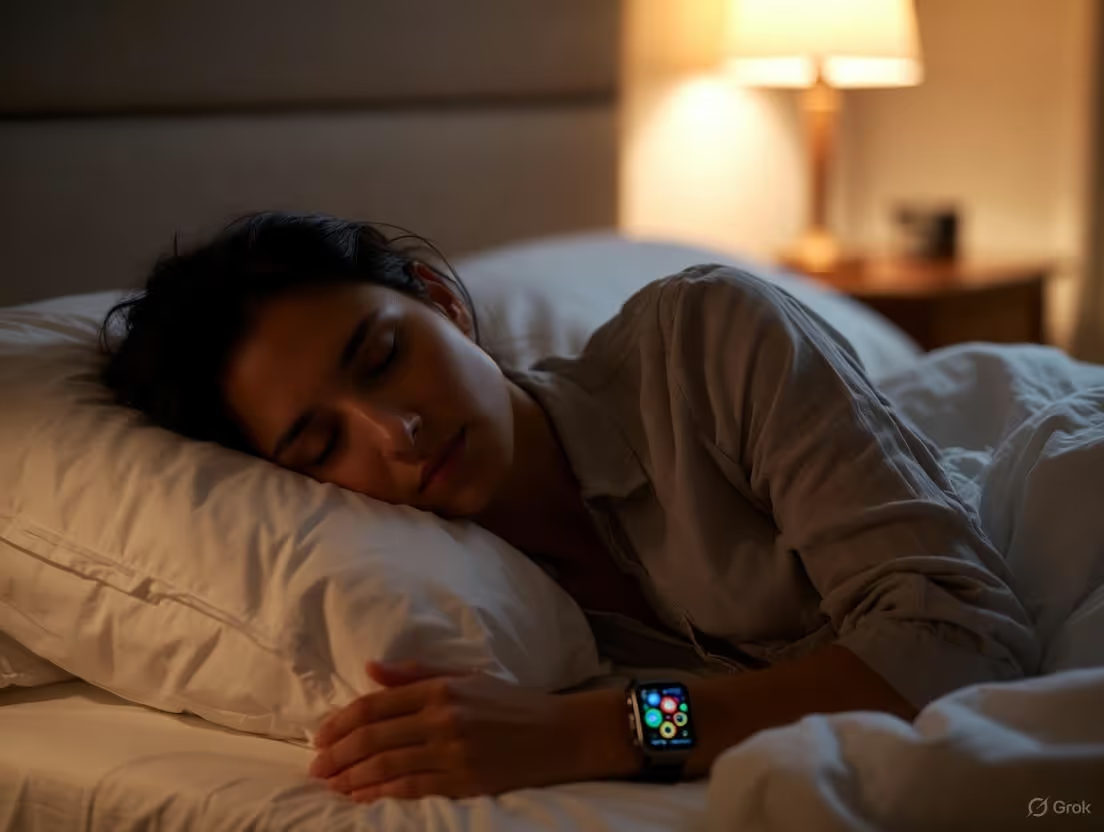
If you could pinpoint one phase of sleep as the cornerstone of cellular repair and anti-aging, it would be deep sleep, or NREM Stage 3. This is when your body shifts its energy from external engagement to intensive internal renovation. It is the physiological equivalent of a factory's night shift, where the most heavy-duty maintenance and cleanup operations are performed.
During deep sleep, the brain is dominated by slow, synchronized delta waves. This synchronized activity allows for a remarkable redirection of resources. Growth hormone (GH), often dubbed the "fountain of youth" hormone, is primarily secreted during this stage. GH is not just for children; in adults, it is instrumental in stimulating tissue growth, muscle repair, bone building, and the breakdown of fat stores. It directly counteracts the catabolic (breaking down) processes of the day, promoting anabolic (building up) recovery. Without sufficient deep sleep, this critical hormonal signal is severely blunted, hindering the body's ability to repair itself from daily wear and tear.
Simultaneously, deep sleep acts as a booster for the immune system. The production of cytokines—proteins that regulate immunity and inflammation—is increased. Some cytokines are pro-inflammatory and help fight infection, while others are anti-inflammatory. Deep sleep promotes a balanced release, strengthening your defense arsenal while keeping harmful, chronic inflammation in check. Since chronic inflammation is a key driver of virtually every age-related disease, from arthritis to heart disease and neurodegeneration, this nightly anti-inflammatory treatment is invaluable.
Furthermore, this stage is crucial for metabolic health. Deep sleep enhances insulin sensitivity, allowing your body to manage blood glucose more effectively. Disrupted or insufficient deep sleep is strongly linked to insulin resistance, a precursor to type 2 diabetes and a major accelerator of cellular aging. In essence, deep sleep resets your metabolic engine, ensuring it runs cleanly and efficiently.
The physical sensations associated with deep sleep underscore its importance. It is the most difficult stage from which to be awakened. If you are roused during deep sleep, you will likely feel profoundly disoriented. This is a protective mechanism, ensuring that this vital repair work is not easily interrupted. Prioritizing deep sleep is perhaps the single most effective anti-aging strategy you can adopt, and it requires a conscious effort to create the conditions for it to flourish.
While deep sleep handles the body, REM sleep is the custodian of the mind. This paradoxical stage—where the brain is as active as when you're awake, but the body is locked in temporary paralysis—serves as the night’s master editor, emotional therapist, and creative incubator.
One of REM's primary functions is memory consolidation and integration. The brain is not merely storing the day's events like a simple video recorder; it is actively processing, connecting, and integrating new information with existing knowledge networks. Procedural memories (how to do things) and emotional memories are particularly processed during REM. This synaptic pruning and strengthening is essential for learning, problem-solving, and cognitive flexibility—all of which decline with age if not maintained. A lack of REM sleep can leave you with fragmented memories, reduced learning capacity, and "stiff" thinking.
Perhaps even more critical for long-term wellness is REM sleep's role in emotional regulation. The brain's emotional center, the amygdala, and the prefrontal cortex, responsible for rational thought, engage in a delicate dance during REM. This process helps to strip away the intense emotional charge from the previous day's experiences while retaining the factual memory. It’s like "defragging" your emotional hard drive. This is why after a good night's sleep, a problem that seemed overwhelming the night before often feels more manageable. Chronic REM deprivation is strongly correlated with heightened emotional reactivity, anxiety, and difficulty managing stress—states that fuel systemic inflammation and accelerate aging.
REM sleep also appears to be crucial for brain detoxification at a higher, functional level. While the physical cleansing of metabolic waste (which we will explore later) is associated with deep sleep, REM may facilitate the clearing of unnecessary neural connections and the integration of complex neural patterns. Furthermore, the vivid dreaming characteristic of REM, though its exact purpose is still debated, may be a byproduct of this intense neural reorganization and emotional processing.
The progression of REM periods throughout the night is telling. The first REM period may be just a few minutes, but the final one, near morning, can last up to an hour. This design suggests that the brain prioritizes physical repair first (deep sleep), followed by increasingly longer sessions of cognitive and emotional housekeeping. Sacrificing sleep, and therefore truncating these later, longer REM periods, directly compromises your brain's resilience and emotional equilibrium.
One of the most groundbreaking discoveries in neuroscience this century is the glymphatic system. Discovered in 2012, this is the brain's unique waste-clearance system, and its activity increases by more than 60% during deep sleep. Think of it as a nightly power wash for your most vital organ, and its efficiency is a major determinant of brain health and longevity.
During the day, neurons are metabolically active, producing protein byproducts and other metabolic waste, including beta-amyloid and tau proteins. In a healthy brain, these are cleared away. However, when they accumulate, they form the sticky plaques and tangles that are the hallmarks of Alzheimer's disease and other neurodegenerative disorders. The glymphatic system is the brain's solution to this problem.
Here's how it works during deep sleep: Glial cells in the brain shrink in size, effectively widening the channels between neurons. Cerebrospinal fluid (CSF) then flushes through these expanded channels at a much faster rate, facilitated by the slow, rhythmic electrical pulses of deep NREM sleep. This fluid sweeps away the accumulated metabolic debris, shipping it out to the body's circulatory system for disposal. It's a elegant, efficient cleaning cycle that is almost exclusively reserved for the state of deep, unconscious rest.
This revelation fundamentally changes our understanding of sleep's role in anti-aging. It's not just about feeling sharp; it's about literally cleansing the brain of toxic compounds that drive age-related cognitive decline. Chronic sleep deprivation or fragmentation means this cleaning cycle is cut short or never reaches full capacity, allowing neurotoxic waste to build up year after year.
The implications are profound. Prioritizing deep sleep isn't just for today's focus; it's a long-term investment in cognitive capital. It is a direct, proactive measure to support brain resilience against age-related diseases. This biological reality underscores why "burning the candle at both ends" is so detrimental—you are literally forgoing your brain's essential maintenance window. Ensuring robust, uninterrupted deep sleep is perhaps the most powerful neuroprotective strategy at your disposal. To learn more about how tracking your sleep can offer insights into this vital process, discover how detailed sleep stage analysis works.
Sleep is the conductor of a complex endocrine orchestra. The rise and fall of sleep stages precisely regulate the release of key hormones that govern growth, stress, appetite, and reproduction—all central players in the aging process. Disrupt this nocturnal rhythm, and you create hormonal chaos that accelerates cellular decline.
As discussed, Growth Hormone (GH) secretion is pulsatile and peaks during deep NREM sleep. Its anabolic effects are comprehensive: it stimulates protein synthesis, encourages the use of fat for fuel, and promotes collagen production, which is vital for skin elasticity and joint health. Low GH levels, often seen with poor sleep, are associated with increased body fat, decreased muscle mass, reduced bone density, and thinner, more fragile skin—a classic picture of accelerated physiological aging.
Conversely, the stress hormone cortisol follows a diurnal rhythm that is intrinsically linked to sleep. In a healthy cycle, cortisol levels are lowest around midnight, during your deep sleep, and begin to rise in the early morning hours to help you wake up and face the day. Sleep deprivation, however, flattens this curve. Cortisol levels remain elevated at night, which directly suppresses deep sleep and GH release. This creates a vicious cycle: high cortisol breaks down tissue, impairs immune function, and promotes belly fat storage, while simultaneously blocking the hormonal signals for repair.
Sleep also masterfully regulates the hormones that control appetite: leptin and ghrelin. Leptin, produced by fat cells, signals fullness to the brain. Ghrelin, produced in the stomach, stimulates hunger. During a full night's sleep, leptin levels rise, and ghrelin levels fall. Skimp on sleep, and this flips: leptin drops, and ghrelin surges. The result is increased hunger, particularly for high-calorie, carbohydrate-rich foods. This hormonal shift is a major contributor to weight gain and metabolic dysfunction associated with poor sleep, driving inflammation and insulin resistance.
Furthermore, sleep is essential for the proper regulation of insulin. Deep sleep improves insulin sensitivity, allowing cells to efficiently take up glucose from the bloodstream. Even partial sleep deprivation can induce a state of insulin resistance, forcing the pancreas to produce more insulin to achieve the same effect. This metabolic strain is a direct pathway to type 2 diabetes and cardiovascular disease.
This hormonal symphony highlights that sleep is a non-negotiable regulator of your metabolic and endocrine health. You cannot out-supplement or out-diet a hormonal profile thrown into disarray by chronic sleep loss. Restoring healthy sleep architecture is the first step to re-harmonizing these powerful chemical messengers of youth and vitality.

Beneath the level of hormones and systems lies the fundamental unit of life: the cell. Every night, during the quietude of deep sleep, your body initiates a massive project of cellular maintenance and repair. This is where the abstract concept of "anti-aging" becomes a tangible, molecular reality.
The day is inherently destructive. UV radiation, environmental toxins, metabolic processes, and even normal physical activity cause cellular damage. This damage manifests as oxidative stress (the production of free radicals) and direct wear and tear on cellular machinery, including DNA. While the body has repair mechanisms operating throughout the 24-hour cycle, sleep—particularly deep sleep—dramatically upregulates their efficiency.
DNA Repair is a prime example. Research has shown that the rate of DNA damage in cells accumulates during wakefulness. During sleep, however, the expression of genes involved in DNA damage response and repair pathways is increased. The brain and other tissues utilize this period of low energy demand to scan the genetic code, identify errors caused during the day, and mend them. This nightly genetic "proofreading" is critical for preventing mutations that can lead to cellular dysfunction and cancer.
Simultaneously, protein synthesis—the process of building new proteins from amino acids—is shifted into high gear. Proteins are the workhorses of the cell; they form structures, catalyze reactions, and send signals. During deep sleep, under the influence of growth hormone, the body enters a net positive protein balance. Damaged or misfolded proteins are cleared away, and new, functional proteins are synthesized to repair muscle tissue, organ parenchyma, enzymes, and immune cells. This turnover is essential for maintaining the integrity and function of every organ system.
The autophagy process, which literally means "self-eating," is also enhanced during sleep. This is the cell's recycling program. Damaged organelles, like mitochondria (the cell's power plants), and aggregated proteins are identified, engulfed, and broken down into their component parts for reuse. Efficient autophagy is a hallmark of longevity; its decline is linked to nearly every age-related disease. By facilitating this cellular "spring cleaning," sleep helps to remove the cellular garbage that accumulates with time and stress.
In essence, deep sleep provides the optimal physiological environment—with energy redirected, anabolic hormones peaked, and catabolic hormones suppressed—for this intensive molecular restoration to occur. It is your body's prime time to undo the micro-damage of the day, a process that, when consistently supported, directly slows the ticking of your biological clock.
Your skin is the most visible canvas upon which the quality of your sleep is painted. The term "beauty sleep" is not a myth; it is a biological fact. The skin, as the body's largest organ, undergoes a significant portion of its repair and renewal cycle during sleep, governed by the same stages and hormones we've discussed.
During deep sleep, the surge in growth hormone accelerates the production of collagen and elastin. These structural proteins are responsible for skin's firmness, elasticity, and plumpness. Collagen production naturally declines with age, but this decline is hastened by poor sleep. More collagen synthesized at night means fewer fine lines, wrinkles, and sagging. Furthermore, blood flow to the skin increases during sleep, which helps nourish skin cells and gives rise to that characteristic "morning glow."
Sleep is also a time of enhanced skin barrier repair. The skin barrier, which protects against moisture loss and environmental aggressors like pollutants and allergens, is replenished. Transepidermal water loss decreases at night, allowing for better hydration. This is why applying moisturizers and targeted treatments before bed is so effective—the skin is in its most receptive and reparative state.
The anti-inflammatory effects of deep sleep also manifest clearly on the skin. Inflammatory skin conditions like psoriasis, eczema, and acne often flare with stress and poor sleep due to elevated cortisol and inflammatory cytokines. By damping down systemic inflammation, quality sleep helps to calm these conditions. Conversely, chronic sleep deprivation leads to increased inflammatory markers, which can break down collagen and exacerbate skin sensitivity and redness.
Perhaps most visibly, the dark circles and puffiness that accompany a poor night's rest are direct physiological consequences. Lack of sleep causes blood vessels under the thin skin of the eyes to dilate, creating dark shadows. It can also lead to fluid retention, causing puffiness. These are outward signs of internal dysregulation.
Therefore, a consistent sleep schedule that prioritizes deep, restorative stages is one of the most effective, and cost-free, anti-aging skincare regimens available. It works from the inside out, addressing the root causes of aging skin rather than just the surface symptoms. For those seeking to optimize this process, understanding their personal sleep patterns is key. Many users find that tracking their sleep with a device like the Oxyzen ring provides the data needed to make tangible improvements, as shared in real customer reviews and testimonials.
Understanding the repair power of sleep naturally leads us to examine the dark flip side: the profound damage caused by its absence. Chronic sleep deprivation or fragmentation—a reality for millions—does not merely make you tired. It initiates a multisystem cascade of dysfunction that mimics and accelerates the aging process.
At the cellular level, as we've seen, repair processes are short-circuited. DNA damage accumulates, autophagy is impaired, and protein synthesis for repair is sidelined. This leaves cells vulnerable to dysfunction and apoptosis (programmed death), contributing to tissue aging. Telomeres, the protective caps on the ends of chromosomes that shorten with each cell division (a key marker of biological aging), have been shown to shorten more rapidly in individuals with chronic sleep loss.
Cognitively, the consequences are dire. With a impaired glymphatic system, neurotoxic waste like beta-amyloid builds up. Synaptic plasticity, maintained by REM sleep, suffers. The result is a faster decline in memory, executive function, and processing speed. Long-term epidemiological studies consistently link mid-life sleep problems with a significantly increased risk of developing dementia later in life.
Metabolically, the body is thrown into a pre-diabetic state. Insulin resistance, driven by sleep loss, promotes fat storage (particularly visceral fat), elevates triglycerides, and contributes to hypertension. This cluster of conditions, known as metabolic syndrome, is a powerful accelerator of cardiovascular aging and disease.
Immunologically, the body becomes both weakened and over-reactive. The production of protective antibodies and immune cells in response to vaccines is blunted by poor sleep. At the same time, the constant, low-grade inflammation (inflammaging) promoted by sleep deprivation damages tissues and is a root cause of atherosclerosis, arthritis, and other age-related illnesses.
Finally, the hormonal dysregulation creates a perfect storm: reduced anabolic (growth) signaling and elevated catabolic (breakdown) signaling. This leads to sarcopenia (muscle loss), osteopenia (bone loss), increased adiposity, and a loss of vitality.
In essence, chronic sleep deprivation forces the body into a state of constant emergency alert, diverting energy from long-term maintenance to short-term survival. This "emergency mode" is exceptionally corrosive over time, compressing your healthspan and making you physiologically older than your chronological age. Recognizing this cascade is the first step toward prioritizing sleep not as a luxury, but as the foundation of a longevity strategy.
For generations, sleep was a black box. We knew we needed it, but we had only subjective, often inaccurate, impressions of its quality. "I slept like a rock" or "I tossed and turned all night" were the best metrics we had. The digital health revolution has changed that, bringing laboratory-grade insights into our bedrooms. At the forefront of this revolution is the smart ring, a category of wearable that offers a unique window into our nocturnal physiology.
Unlike wrist-based wearables, a smart ring worn on the finger provides several advantages for sleep tracking. The finger hosts a rich vascular bed, allowing for highly accurate and consistent measurements of heart rate (HR), heart rate variability (HRV), and blood oxygen saturation (SpO2) through photoplethysmography (PPG). Furthermore, through a 3-axis accelerometer, it detects minute movements. This combination of biomarkers is the key to estimating sleep stages (Wake, Light, Deep, REM) without the need for intrusive electrodes.
Why are these metrics so important for understanding repair and anti-aging?
By synthesizing this data, a sophisticated device like the Oxyzen smart ring generates a comprehensive sleep score and a detailed hypnogram—a chart of your sleep stages throughout the night. This moves you from guessing to knowing. You can see if you're getting sufficient deep sleep, if your REM cycles are being truncated, or if frequent awakenings are breaking up your restorative periods. This objective feedback is the cornerstone of intelligent sleep optimization, allowing you to connect lifestyle choices—like evening meals, caffeine timing, or stress management—to their direct impact on your repair cycles. For those curious about the technology and philosophy behind such devices, you can learn more about the Oxyzen mission and approach.

Armed with the science of why sleep stages are crucial and the tools to measure them, we arrive at the most critical step: actionable optimization. How can you engineer your lifestyle and environment to promote the robust, cyclical sleep architecture that drives cellular repair and anti-aging? The strategies fall into two categories: promoting overall sleep quality and targeting specific stages.
Foundational Strategies for Sleep Hygiene:
Targeting Deep Sleep (NREM Stage 3):
Targeting REM Sleep:
Using Your Data: This is where a biometric tracker becomes your coach. Notice how a late coffee affects your deep sleep percentage. See if meditation before bed improves your HRV dip. Observe how alcohol truncates your REM graph. This feedback loop turns abstract advice into personalized, proven rituals. For a repository of such personalized tips and scientific deep-dives, our blog is a continually updated resource.
To fully appreciate the life-sustaining necessity of sleep stages, we must step back and view them through the lens of evolution. The complex, cyclical architecture of sleep did not arise by accident; it is a highly conserved, adaptive trait that has been refined over hundreds of millions of years. Every mammal and bird exhibits clear REM and NREM sleep, suggesting these stages solved critical survival problems for our ancestors. Understanding this evolutionary "why" deepens our respect for the process and clarifies why fighting it is so detrimental to our health.
One prevailing theory, the synaptic homeostasis hypothesis (SHH), provides a compelling explanation for the cycling between NREM and REM. It posits that wakefulness is a state of net synaptic strengthening—we learn, we form new neural connections, and our brains become energetically "saturated." This comes at a cost: increased cellular stress, higher energy demands, and a cluttering of neural circuits. Deep NREM sleep, with its slow, synchronized waves, acts as a global "downscaler." It selectively weakens less important synaptic connections formed during the day, thereby reducing overall energy consumption, clearing out "neural noise," and strengthening the most salient memories by contrast. This synaptic pruning is essential for maintaining cognitive efficiency and plasticity.
Following this downscaling, REM sleep may then act as a period of selective synaptic integration and exploration. The chaotic, associative nature of dreaming could be the brain testing and strengthening the remaining, important connections in a protected, offline state—simulating scenarios, integrating new information with old, and fostering creativity without the risks of real-world action. This NREM-REM cycle—prune, then integrate—ensures the brain remains adaptable, efficient, and capable of learning anew each day.
From a physiological standpoint, the prioritization of deep NREM sleep early in the night makes strategic sense. For our ancestors, the first half of the night in a safe haven was the optimal time for the most vulnerable state: the profound unconsciousness of deep sleep, where the body is immobile and unresponsive to the environment. This is when the most intensive, energy-consuming physical repair occurs. As the night wears on and the safety of darkness begins to wane, the brain shifts to lighter sleep and longer REM periods, where it is more internally active but the body remains paralyzed, preventing dream-enacted actions. This architecture maximizes repair while managing risk.
This evolutionary perspective reframes sleep deprivation as more than a modern inconvenience; it is a fundamental subversion of our biology. We are depriving ourselves of a core adaptive function that has been meticulously honed to ensure our survival, cognitive resilience, and physical longevity. The deep cellular repair that occurs is not a bonus—it is the system working as designed to counteract the entropy of daily living. Embracing this ancient rhythm is to work with millions of years of evolutionary wisdom, a principle that guides the development of tools aimed at restoring that harmony, as detailed in our story of creating Oxyzen.
Your sleep stages do not occur in a vacuum. They are orchestrated by a master conductor: your circadian rhythm. This approximately 24-hour internal clock, located in the suprachiasmatic nucleus (SCN) of the brain, regulates not only sleep and wakefulness but also body temperature, hormone secretion, digestion, and cellular activity. The timing and quality of your sleep stages are profoundly influenced by how well your circadian rhythm is aligned with your environment and behavior.
The circadian rhythm generates a powerful drive for wakefulness that builds throughout the day, peaking in the early evening. It interacts with a separate homeostatic sleep drive (the pressure to sleep that builds the longer you’re awake) to determine the timing of sleep. Crucially, your circadian clock also governs the propensity for different sleep stages. Deep NREM sleep is more strongly tied to the homeostatic drive—the longer you’ve been awake, the more you need it. However, REM sleep is under pronounced circadian control. The likelihood of entering REM sleep increases as the night progresses and peaks in the last third of your sleep episode, closely tied to your core body temperature rhythm, which reaches its minimum in the early morning hours.
When you are in sync—sleeping in alignment with your natural, dark-light cycle—these two drives work in harmony. You fall asleep as your circadian wake drive drops and melatonin rises, progress smoothly through deep-sleep-rich cycles early on, and enjoy extended REM periods before morning. This synergy is the state of optimal repair.
Circadian Disruption: The Anti-Aging Saboteur
Modern life is a masterclass in circadian disruption. This misalignment, often called social jet lag, occurs when we stay up late under artificial light and wake to alarms, forcing our biology out of its natural phase. The consequences for sleep architecture and repair are severe:
Respecting your circadian rhythm is therefore the first and most critical step in optimizing your sleep stages for repair. You cannot simply "get more sleep" at the wrong time and expect the same benefits. The when is as important as the how long. Anchoring your rhythm with morning light, maintaining consistency, and respecting the natural signal of evening darkness are non-negotiable for accessing the full anti-aging potential of your sleep cycles.
At the very heart of cellular energy production—and by extension, cellular aging—lie the mitochondria. Often called the power plants of the cell, these organelles convert nutrients into adenosine triphosphate (ATP), the energy currency that powers every biological process, from muscle contraction to DNA repair. Mitochondrial health is a cornerstone of vitality and longevity, and their function is inextricably linked to the quality of your sleep.
During wakefulness, mitochondria are under constant demand, generating ATP but also producing reactive oxygen species (ROS) as a natural byproduct. At normal levels, ROS play a role in cell signaling. However, excessive or chronic ROS production leads to oxidative stress, damaging mitochondrial DNA, proteins, and membranes—a key driver of cellular aging. Sleep, particularly deep sleep, is the primary time for mitochondrial maintenance and biogenesis.
The Nightly Reset for Power Plants
The consequences of sleep deprivation for mitochondrial health are profound. Studies show that even a single night of poor sleep can increase markers of oxidative stress and decrease mitochondrial function. Chronically, this leads to a state of cellular energy crisis. Organs and tissues—especially high-energy consumers like the brain, heart, and muscles—are left underpowered. This manifests as fatigue, brain fog, muscle weakness, and reduced exercise tolerance. More insidiously, it impairs the very repair processes we rely on sleep to perform; if a cell lacks the ATP to power DNA repair enzymes or protein synthesis, those anti-aging processes stall.
Therefore, prioritizing deep, restorative sleep is a direct investment in your cellular energy infrastructure. It ensures your mitochondria are clean, efficient, and plentiful, providing the vital spark needed for all other repair activities. It’s not just about feeling energetic; it’s about maintaining the fundamental engines of youth at the cellular level.
If you’ve ever noticed you’re more likely to get sick after a period of poor sleep, it’s not a coincidence—it’s immunology. The relationship between sleep and immune function is one of the most robust in all of sleep science. Deep sleep acts as a nightly reboot and strategic meeting for your immune defenses, orchestrating both innate and adaptive immunity in ways that are profoundly anti-aging.
During deep NREM sleep, the body enters a state of heightened immune activity. The production and release of several key immune warriors are strategically timed:
Perhaps even more critical for long-term health is the role of sleep in immunological memory. During sleep, the immune system appears to "review" the pathogens it encountered during the day, strengthening the memory of adaptive immune cells (B-cells and T-cells). This ensures a faster, more effective response upon future exposure—a cornerstone of long-term resilience.
Conversely, chronic sleep deprivation creates a state of low-grade, systemic inflammation (inflammaging). Levels of C-reactive protein (CRP), a key inflammatory marker, are elevated in poor sleepers. This constant inflammatory background:
Thus, deep sleep serves as both a tactical boost for immediate immune defense and a strategic regulator to prevent the chronic inflammation that drives age-related disease. It is a period of immune recalibration, ensuring your defenses are sharp, precise, and not turned against your own body. Sacrificing sleep doesn't just make you susceptible to a cold; it weakens a fundamental pillar of your long-term health defense system. For those navigating health challenges, understanding this link is paramount, and our FAQ section often addresses related questions.
Emerging research has uncovered a fascinating, bidirectional highway between your brain and your gut, known as the gut-brain axis. The trillions of microbes residing in your intestines—collectively called the gut microbiome—do not just aid digestion; they produce a vast array of neurotransmitters and metabolites that directly communicate with your brain, influencing mood, cognition, and, critically, sleep.
The gut microbiome appears to play a significant role in regulating sleep architecture and the production of key sleep-related neurotransmitters:
Studies have shown that individuals with more diverse gut microbiomes tend to have healthier sleep patterns, including more efficient sleep and higher percentages of restorative sleep stages. Conversely, sleep deprivation can negatively alter the composition of the gut microbiome in as little as 48 hours, reducing beneficial bacteria and increasing pro-inflammatory strains.
This creates a powerful feedback loop: Poor sleep disrupts the gut, and a disrupted gut impairs sleep. Breaking this cycle is essential for accessing deep repair. Strategies to support the gut-sleep axis include:
By nurturing your gut microbiome, you are indirectly nurturing your sleep architecture. This holistic view underscores that sleep optimization is not just about the bedroom environment; it extends to the dinner plate, connecting digestive health directly to the quality of your nightly cellular repair.
Beyond memory consolidation, REM sleep serves a vital function as the brain's emotional metabolism. During this stage, the brain processes and "metabolizes" the emotional experiences of the day, stripping away the raw, visceral charge while preserving the learned lesson. This nightly therapy session is fundamental to psychological resilience and long-term mental health—key components of a youthful, adaptive mind.
The neurochemical environment of REM sleep is unique. Key stress- and alertness-related neurotransmitters, like norepinephrine (noradrenaline), are virtually absent in the brain during REM. This creates a "safe space" where emotionally charged memories can be reactivated and processed without the high-stress neurochemical context in which they were formed. The brain, particularly the amygdala (the emotional center) and the prefrontal cortex (the rational executive), appears to re-engage with these memories in a way that integrates them and reduces their latent emotional intensity.
This is why "sleeping on" a difficult decision or emotional upset often brings clarity and calm. The experience has been cognitively integrated and emotionally defused. fMRI studies show that after a night of sleep, especially REM-rich sleep, reactivity in the amygdala to negative emotional stimuli is reduced, while connectivity between the amygdala and prefrontal cortex is strengthened, indicating better top-down emotional control.
When REM sleep is chronically disrupted—by alcohol, sleep disorders, or insufficient sleep duration—this emotional processing is short-circuited. The consequences are significant:
This function of REM sleep positions it as a critical guardian of psychological youth. Just as physical flexibility prevents stiffness, emotional flexibility—the ability to adapt, recover from setbacks, and maintain a balanced perspective—is a hallmark of a resilient, "young" mind, regardless of chronological age. By ensuring adequate, uninterrupted REM sleep, we actively support our brain's innate capacity for emotional healing and maintenance, protecting against the psychological wear and tear that can age us prematurely.
The universal advice to "get 8 hours of sleep" obscures a critical variable: timing. Not everyone is biologically wired to fall asleep at 10 PM and wake at 6 AM. Your natural inclination for sleep and wake times—known as your chronotype—is genetically influenced and dictates the optimal alignment of your sleep stages with the 24-hour day. Honoring your chronotype is essential for accessing the deepest, most reparative sleep.
Chronotypes exist on a spectrum, often categorized as:
Fighting your chronotype (e.g., a Wolf trying to live as a Lion) creates a state of perpetual social jet lag, where your internal clock is misaligned with your social clock. This forces you to wake during your biological night (when your body is still producing melatonin and expecting deep sleep) and try to sleep during your biological day. The result is:
Personalizing for Optimal Repair
Optimizing sleep for anti-aging isn't about adhering to an arbitrary schedule; it's about discovering and respecting your innate rhythm.
By personalizing your sleep schedule to your chronotype, you minimize circadian misalignment, allowing your sleep stages to unfold at their biologically programmed times. This maximizes the efficiency of growth hormone release, glymphatic clearance, and emotional processing, making every hour of sleep count more heavily toward repair and rejuvenation. This commitment to personalized health is at the core of the Oxyzen vision and values.
Even with the best intentions and a personalized schedule, powerful disruptors can fragment sleep architecture and sabotage cellular repair. Three of the most pervasive modern disruptors are alcohol, artificial light, and unmanaged stress. Understanding their specific mechanisms of action is key to mitigating their damage.
1. Alcohol: The Deceptive Depressant
While alcohol is a sedative that can hasten sleep onset, it is a profound disruptor of sleep architecture. It suppresses REM sleep in the first half of the night, leading to a REM rebound in the second half, characterized by intense, often disturbing dreams and restless sleep. This rebound fragments sleep and prevents the normal, smooth progression of cycles. Furthermore, as alcohol is metabolized, it can cause awakenings, night sweats, and increased sympathetic nervous system activity (the "fight-or-flight" system), further disrupting deep sleep. For true restorative sleep, it's best to avoid alcohol within 3-4 hours of bedtime.
2. Artificial Light: The Circadian Hijacker
Light is the most powerful zeitgeber (time-giver) for your circadian rhythm. Blue-wavelength light, abundant in LED screens, smartphones, and energy-efficient bulbs, is particularly effective at suppressing melatonin production. Evening light exposure delays your circadian clock, pushing your sleep phase later and making it harder to fall asleep at your target time. It also reduces the overall amount of melatonin produced, a hormone that not only induces sleepiness but also has antioxidant and anti-inflammatory properties. The result is delayed, lighter, and less reparative sleep. Countermeasure: Implement a "digital sunset" 90 minutes before bed. Use blue-light blocking glasses, enable night-shift modes on devices, and opt for dim, warm-toned lighting in the evening.
3. Psychological Stress: The Internal Alarm
Stress activates the hypothalamic-pituitary-adrenal (HPA) axis, leading to elevated cortisol. As discussed, high evening cortisol is antagonistic to deep sleep. But stress also increases cognitive and physiological arousal, making it difficult to initiate sleep (sleep-onset insomnia) and causing micro-awakenings throughout the night that fragment sleep stages. You may be asleep, but your brain is stuck in a shallow, vigilant state, never descending into the deep, restorative waves needed for repair. Countermeasure: Build a "buffer zone" between your day and sleep. This can include practices like mindfulness meditation, gratitude journaling, progressive muscle relaxation, or a brief, non-stimulating wind-down routine. The goal is to signal to your nervous system that the threat is over and it is safe to enter a state of deep repair.
Successfully navigating these disruptors isn't about perfection; it's about creating habits that tip the scales in favor of recovery more often than not. Each night you minimize these factors is a night you grant your body uninterrupted access to its full anti-aging protocol. For more practical strategies and troubleshooting, our blog offers a wealth of detailed guides.
As our understanding of sleep's role in repair and aging deepens, so does the sophistication of our approaches to optimizing it. We are moving beyond generic sleep hygiene tips into an era of personalized sleep biohacking, where data, technology, and targeted interventions converge to maximize the restorative yield of each night.
Advanced Biometric Tracking: The future lies in multi-modal data integration. Beyond heart rate and movement, future wearables may reliably track core body temperature (a key circadian marker), nocturnal HRV dynamics with clinical precision, and even estimate specific neurotransmitter or metabolite fluctuations related to sleep quality. This will provide a holistic picture of your physiological state, not just your sleep stages.
Sleep Environment Automation: Smart bedrooms will become the norm. Beds and lighting systems will sync with your circadian rhythm and sleep tracker data, gradually lowering temperature as you approach sleep, using light wavelengths that promote melatonin production in the evening and cortisol in the morning, and even using subtle acoustic pulses shown to enhance slow-wave deep sleep.
Nutraceuticals and Chrononutrition: Supplementation will move from generic melatonin to targeted support for specific sleep stages. Ingredients like glycine, apigenin, and specific forms of magnesium may be used to promote deep sleep, while others might support REM density. Furthermore, chrononutrition—the timing of food intake to align with circadian biology—will be recognized as critical. Avoiding late-night eating supports better deep sleep and mitochondrial health, while timing protein intake can support overnight muscle repair.
Cognitive and Behavioral Personalization: Apps and devices will offer highly personalized wind-down routines based on your daily stress load (as measured by HRV trends), chronotype, and sleep history. They may suggest specific meditation types, breathing exercises, or cognitive reframing techniques proven to lower pre-sleep arousal for individuals with your specific profile.
The goal of this future is not to turn sleep into a high-performance chore, but to use technology to remove modern obstacles and amplify a natural biological process. It's about creating an ecosystem that effortlessly supports what your body is designed to do. This philosophy of enhancing human potential through intelligent design is what drives innovation at Oxyzen, where we are constantly exploring the frontiers of wellness technology.
The journey of sleep is not static from cradle to grave. Its architecture, depth, and consequently, its reparative power, undergo profound transformations across the human lifespan. Understanding these shifts is crucial for setting realistic expectations and adapting our strategies to maximize cellular repair at every age, turning sleep into a targeted ally against age-related decline.
Infancy and Childhood: The Foundation of Growth
In newborns, sleep is polyphasic (occurring in multiple chunks throughout 24 hours) and dominated by REM sleep, which can constitute up to 50% of total sleep time. This immense amount of REM is believed to be essential for the explosive brain development occurring in early life, facilitating the massive synaptic formation and neural pathway organization. As the child grows, sleep consolidates into a nocturnal pattern. Deep NREM (Slow-Wave Sleep) is exceptionally robust and abundant during childhood and adolescence. This mirrors the parallel peaks in growth hormone secretion, supporting the physical growth, bone development, and immune system maturation that characterize these years. Sleep is the engine of construction.
Adulthood: The Shift from Growth to Maintenance
By the mid-20s, a noticeable decline in both the quantity and quality of deep sleep begins. The amplitude of slow, restorative delta waves starts to diminish. This reduction continues steadily throughout adulthood. Total REM sleep percentage remains relatively more stable but can be easily compromised by lifestyle factors. The primary function of sleep subtly shifts from a focus on growth to one of maintenance and repair. The nightly repair work becomes less about building new structures and more about counteracting the accumulated metabolic and oxidative stress of daily life, repairing DNA damage, and clearing metabolic waste. This is when the anti-aging imperative of sleep becomes paramount, as the body's inherent repair capacity begins its natural, gradual decline.
Middle and Older Age: The Fragmentation Challenge
From middle age onward, the decline in deep sleep amplitude becomes more pronounced. Older adults may experience a 60-70% reduction in deep sleep compared to young adults. Sleep also becomes more fragmented, with increased nighttime awakenings and difficulty maintaining sleep. This is due to a confluence of factors: age-related changes in the brain's sleep-regulating centers, increased prevalence of medical conditions and pain, medication side effects, and changes in circadian rhythm (often shifting earlier, leading to earlier bedtimes and wake times).
The critical consequence is not just less sleep, but less efficient repair. With diminished deep sleep, the pulses of growth hormone are blunted, glymphatic clearance is less vigorous, and mitochondrial maintenance may be less thorough. This creates a vicious cycle: age-related changes impair sleep, and impaired sleep accelerates aging processes. However, this trajectory is not a fait accompli. While some change is inevitable, the rate and severity are highly influenced by modifiable lifestyle factors. Protecting sleep quality in later decades becomes one of the most potent interventions for preserving cognitive function, metabolic health, and physical resilience.
Lifelong Implications for Anti-Aging Strategy
This lifespan perspective dictates a personalized approach:
Recognizing that your sleep needs and capabilities evolve allows you to work with your biology, not against it, at every stage of life, ensuring sleep remains a pillar of your healthspan strategy.
The modern wellness landscape is flooded with interventions promising to extend healthspan: caloric restriction mimetics, NAD+ boosters, stem cell therapies, and an endless array of supplements. While some show intriguing potential, their efficacy often hinges on a factor rarely given primacy: high-quality sleep. When we examine the hierarchy of longevity practices, sleep is not merely one item on a list; it is the foundational bedrock upon which all others are built.
Sleep as a Metabolic Prerequisite: Consider a popular intervention like intermittent fasting or time-restricted eating. Its benefits for autophagy, insulin sensitivity, and metabolic health are well-documented. However, these benefits are significantly blunted by poor sleep. Sleep deprivation induces insulin resistance and increases ghrelin (the hunger hormone), which can make fasting periods miserable and lead to poor food choices. Furthermore, the cellular cleanup of autophagy is itself upregulated during sleep. Fasting enhances a process that sleep initiates; without robust sleep, you are trying to amplify a signal that is barely there.
Sleep and Supplement Synergy: The same principle applies to supplements. Magnesium is often taken for relaxation and sleep support—its benefits are directly realized during the sleep state. Melatonin is a chronobiotic signal, not just a sleep pill; its role in regulating circadian rhythms and acting as an antioxidant is optimized within the context of a dark, sleep-conducive environment. Protein synthesis for muscle repair, which supplements like branched-chain amino acids (BCAAs) support, is primarily driven by the growth hormone surge of deep sleep. Taking a supplement without prioritizing the physiological state in which it works is an inefficient approach.
Sleep as a Non-Negotiable Input for Recovery: For those engaged in intense exercise—a cornerstone of longevity—sleep is the ultimate performance-enhancer and recovery tool. Exercise creates microscopic damage in muscles and depletes glycogen. Deep sleep is when growth hormone repairs that damage and when glycogen stores in the brain and muscles are replenished. It's also when the cognitive benefits of exercise (like neurogenesis) are consolidated. Without adequate sleep, exercise becomes a net stressor, contributing to overtraining syndrome, hormonal imbalance, and elevated inflammation.
The Cost-Benefit Analysis: Compared to many advanced (and expensive) "biohacks," sleep optimization is uniquely accessible, free of monetary cost, and side-effect-free when pursued naturally. It offers a staggering return on investment: simultaneously improving metabolic, cognitive, immune, and emotional health. While exploring other interventions can be valuable, they should be viewed as adjuncts to, not replacements for, excellent sleep. To neglect sleep while pursuing exotic longevity protocols is to build a mansion on sand.
In the pyramid of health interventions, sleep forms the broad, essential base. Nutrition, exercise, and targeted supplementation form the next layers. Only with a solid base can the upper layers be stable and effective. This foundational philosophy informs a holistic approach to wellness, one where understanding your body's innate rhythms is the first step, a principle you can explore further in our resources.
Faced with insomnia, millions turn to pharmaceutical aids. While these medications can be necessary and beneficial for short-term use under medical supervision, it is critical to understand that drug-induced sleep is not physiologically identical to natural sleep. The architecture of sleep generated by many common sleep medications often lacks the reparative quality of natural sleep cycles, potentially undermining the very anti-aging benefits we seek.
Sedation vs. Sleep: Many widely prescribed "Z-drugs" (like zolpidem/Ambien) and benzodiazepines act as central nervous system sedatives. They powerfully suppress neural activity to induce unconsciousness. However, this blanket sedation distorts the natural sleep architecture:
The result is a sleep that may be longer in duration but shallower and less organized. You are unconscious, but the precise, evolutionarily honed sequence of repair operations is disrupted. Furthermore, these drugs can cause next-day "hangover" effects like drowsiness, cognitive impairment, and decreased balance, which are themselves risk factors for accidents and reduced quality of life.
The Dependency Trap and Withdrawal: Perhaps the most pernicious issue is tolerance and rebound insomnia. The brain adapts to the presence of the drug, requiring higher doses for the same effect. When the medication is stopped, withdrawal often causes a severe rebound of insomnia, worse than the original problem, trapping individuals in dependency. This cycle creates chronic stress and sleep anxiety, further dysregulating the natural sleep system it was meant to fix.
A More Nuanced Approach: This is not to categorically dismiss medication. In certain cases, for severe, acute insomnia, short-term use can break a cycle of anxiety and restore a pattern. However, for chronic sleep issues and as a long-term strategy for promoting cellular repair and anti-aging, pharmaceutical sedation is a poor substitute. The focus should shift to addressing root causes: cognitive behavioral therapy for insomnia (CBT-I), which is considered first-line treatment, treating underlying sleep disorders like apnea, and optimizing sleep hygiene and circadian rhythms.
The goal is to facilitate the body's innate ability to generate natural, architecturally sound sleep. This is where non-pharmacological tools—like consistent routines, light management, temperature control, and biometric feedback from devices like the Oxyzen ring—prove invaluable. They support the biology of sleep rather than overriding it, leading to truly restorative rest. For individuals navigating the complex landscape of sleep solutions, our FAQ provides support and guidance.
While the primary theater of cellular repair is the consolidated block of nighttime sleep, the question of daytime naps often arises. Can a well-timed nap contribute to anti-aging repair, or does it disrupt nocturnal sleep? The answer is nuanced and hinges on understanding sleep inertia and strategic timing.
The Potential Benefits of Strategic Napping:
A short nap, particularly one that includes deep NREM sleep, can offer a measurable boost in certain repair processes. Studies on "power naps" indicate they can:
The Perils of Poorly Timed Naps:
The major risks are sleep inertia and nocturnal sleep disruption.
Guidelines for a Repair-Supportive Nap:
To harness the benefits while avoiding the pitfalls, follow these rules:
For most adults focused on anti-aging, the primary investment should be in optimizing nighttime sleep. View naps as a tactical tool for occasional recovery from sleep debt or an especially demanding morning, not as a replacement for poor nocturnal sleep. The deep, cyclical, hormone-regulating repair that defines anti-aging sleep is uniquely the domain of a long, consolidated, and architecturally sound night of rest. For more insights on perfecting your daily rhythm for recovery, explore our collection of expert articles.
By curating your sonic environment, you protect the fragile architecture of your sleep from disruption and open the door to potential enhancement. It is a powerful, low-cost intervention that safeguards the time your body needs to perform its essential, quiet work of repair. For real-world experiences on how environmental adjustments impact sleep quality, you can read about user journeys and testimonials.
Optimizing sleep for cellular repair is the sum of many parts. It requires integrating knowledge of circadian biology, temperature regulation, acoustics, and psychology into a single, cohesive environment and routine—your Personal Sleep Sanctuary. This is not about purchasing expensive gadgets, but about intentionally designing a context that passively supports your biology. Here is a holistic blueprint.
The Physical Environment (Your Sleep Cave):
The Pre-Sleep Ritual (The Wind-Down Buffer):
This 60-90 minute period is your "buffer zone" to lower physiological and psychological arousal.
The Daytime Foundation:
Your sanctuary's effectiveness is built on daytime habits.
The Role of Data and Personalization:
This is where technology like the Oxyzen smart ring transforms the blueprint from generic to personal. It allows you to:
Creating your sanctuary is an active, ongoing process of experimentation and refinement. It is the ultimate act of self-care, a daily commitment to providing your body and mind with the conditions they need to perform their most vital work. By taking a systematic, holistic approach, you move from hoping for good sleep to engineering it, night after night, for lasting repair and vitality. For a deeper dive into creating personalized routines, our blog offers extensive guides and science-backed tips.
Your Trusted Sleep Advocate: Sleep Foundation — https://www.sleepfoundation.org
Discover a digital archive of scholarly articles: NIH — https://www.ncbi.nlm.nih.gov/
39 million citations for biomedical literature :PubMed — https://pubmed.ncbi.nlm.nih.gov/
Experts at Harvard Health Publishing covering a variety of health topics — https://www.health.harvard.edu/blog/
Every life deserves world class care :Cleveland Clinic - https://my.clevelandclinic.org/health
Wearable technology and the future of predictive health monitoring :MIT Technology Review — https://www.technologyreview.com/
Dedicated to the well-being of all people and guided by science :World Health Organization — https://www.who.int/news-room/
Psychological science and knowledge to benefit society and improve lives. :APA — https://www.apa.org/monitor/
Cutting-edge insights on human longevity and peak performance:
Lifespan Research — https://www.lifespan.io/
Global authority on exercise physiology, sports performance, and human recovery:
American College of Sports Medicine — https://www.acsm.org/
Neuroscience-driven guidance for better focus, sleep, and mental clarity:
Stanford Human Performance Lab — https://humanperformance.stanford.edu/
Evidence-based psychology and mind–body wellness resources:
Mayo Clinic — https://www.mayoclinic.org/healthy-lifestyle/
Data-backed research on emotional wellbeing, stress biology, and resilience:
American Institute of Stress — https://www.stress.org/


