How Sleep Tracking Detects Sleep Apnea Warning Signs
Sleep tracking can detect sleep apnea warning signs through breathing pattern analysis and oxygen monitoring. This screening-focused guide explains which metrics indicate potential breathing disorders, what patterns warrant professional evaluation, and limitations of consumer devices versus diagnostic sleep studies.
Sleep Quality Problems: The 5 Most Common Causes Solved
You’ve followed the rules. You’ve dimmed the lights, put away your phone, and climbed into bed at a “reasonable” hour. Yet, as the clock ticks toward morning, you’re still staring at the ceiling, trapped in a cycle of frustration and fatigue. Or perhaps you do sleep, but you wake up feeling like you’ve run a marathon in your dreams, unrefreshed and dragging through the day. You’re not alone. In our always-on, stress-filled modern world, poor sleep quality has become a silent epidemic, undermining our health, happiness, and productivity.
But what if the problem isn't that you're trying to sleep, but how you're approaching it? Chasing generic "eight-hour" advice is like trying to fix a complex engine with a single wrench. The real solution lies in precise diagnosis. You must move from guessing to knowing. This is where the frontier of personal health technology, like the advanced sensors in a smart ring from Oxyzen, changes the game. It allows you to move beyond subjective feelings—“I slept terribly”—to objective data: your sleep stages, heart rate variability, resting heart rate, and even subtle movements.
This article is your definitive guide. We will dismantle the five most common, yet often overlooked, root causes of poor sleep quality. For each, we will provide not just band-aid solutions, but a deep understanding and a actionable, data-driven strategy for lasting change. This journey begins with the most fundamental disruptor of modern slumber, one that has hijacked our biology: Light.
The Blue Light Dilemma: How Your Screens Are Stealing Your Sleep
We live in a world bathed in artificial light long after the sun has set. While this is a marvel of modernity, our ancient brains haven’t caught up. The single most pervasive cause of poor sleep onset and disrupted circadian rhythm is improper light exposure, specifically from the blue light spectrum emitted by LEDs, smartphones, tablets, and computers.
Your body has a master clock called the suprachiasmatic nucleus (SCN), located in your brain. It doesn’t tell time on a watch; it tells time with light. Specialized cells in your eyes detect blue wavelengths, which are abundant in morning sunlight. This signal tells your SCN to suppress melatonin (the sleep hormone), boost cortisol (for wakefulness), and set in motion a cascade of processes that define your awake state. In the evening, as blue light fades from the natural environment, your SCN triggers the pineal gland to release melatonin, gently ushering you toward sleep.
Here’s the rupture: Your smartphone screen emits a potent burst of this same blue light. Checking email, scrolling social media, or watching a show at 10 PM sends a direct, blindingly clear signal to your SCN: “It’s high noon! Be alert!” This instantly halts melatonin production, pushing your sleep window later and fragmenting the early, critical stages of sleep.
The Data Doesn't Lie: Quantifying the Damage
Studies are unequivocal. A landmark Harvard study found that blue light exposure suppressed melatonin for about twice as long as green light and shifted circadian rhythms by twice as much (3 hours vs. 1.5 hours). Participants exposed to blue light had reduced REM sleep (the restorative dream stage) and reported feeling less alert the next morning. When you track your sleep with a device like the Oxyzen ring, you see this play out in real data: a delayed sleep onset time, a depressed HRV (indicating poor recovery), and a restless sleep graph with frequent awakenings in the first half of the night.
Solving the Blue Light Problem: A Layered Defense
Fixing this isn’t just about installing a f.lux app. It requires a systematic, evening-long protocol.
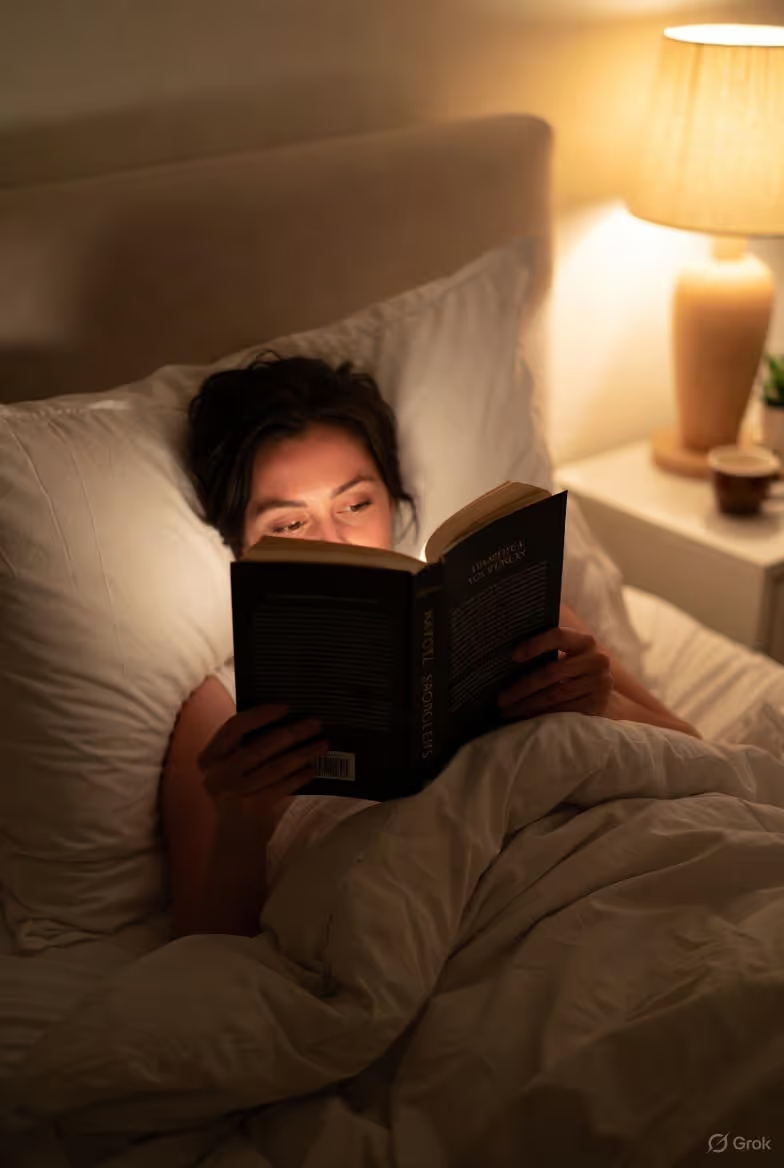
1. The Digital Sunset: Institute a mandatory “screen curfew” 90 minutes before your target bedtime. This is non-negotiable. Your evening ritual must begin with disconnection. Replace scrolling with a physical book, gentle stretching, or conversation.
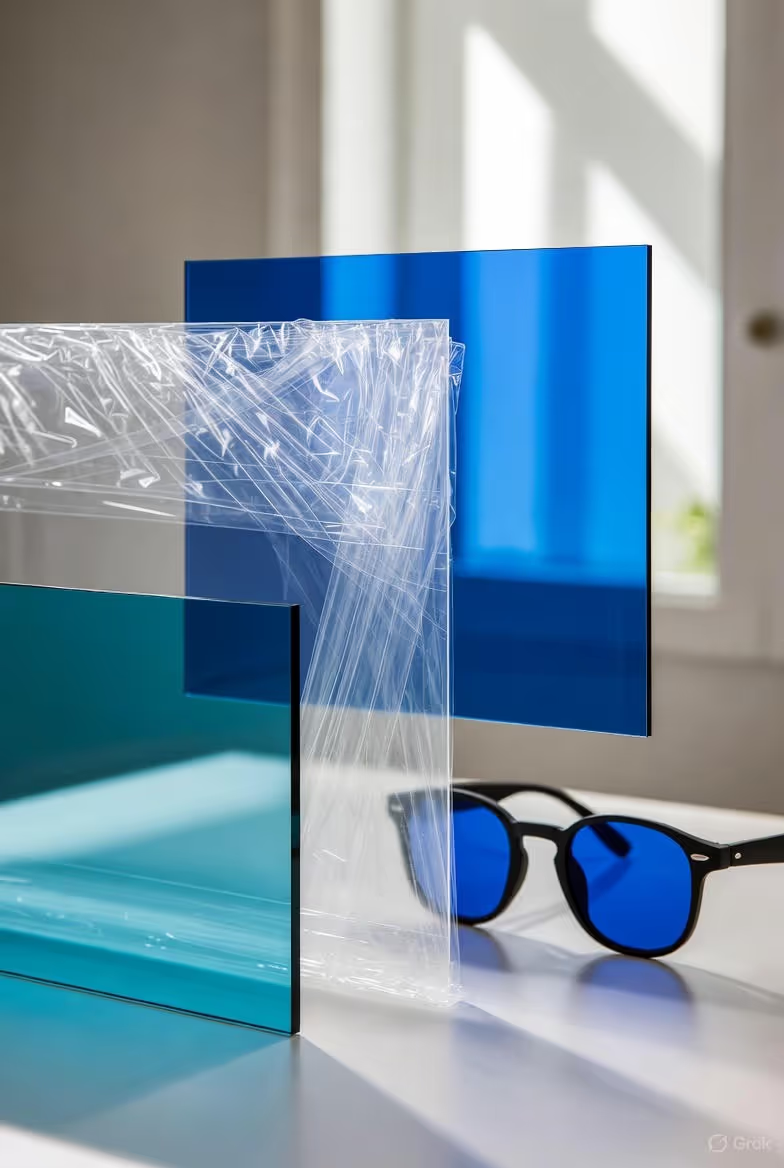
2. Embrace Amber: After sunset, shift all lighting to warm, amber tones. Use dimmable, low-color-temperature bulbs (under 2700K, ideally 2200K) in bedrooms and living areas. Consider wearing blue-light-blocking glasses in the evening—not the clear, ineffective ones, but those with an amber or red tint that blocks 100% of blue and green light.
3. Device-Level Fixes: Enable “Night Shift” or “Blue Light Filter” on all devices all day long, not just at night. Crank the warmth to maximum. It will look odd for a day, then normal. For Android and Windows, use apps like Twilight or Iris.
4. Master Your Morning Light: The solution is balanced. To anchor your circadian rhythm, you need strong blue light exposure first thing in the morning. Get 10-15 minutes of direct morning sunlight (without sunglasses) or use a high-quality light therapy lamp (10,000 lux) for 20-30 minutes. This strengthens the SCN’s signal, making the evening drop-off more pronounced and effective.
By mastering your light environment, you stop fighting your biology and start working with it. The result, visible on your Oxyzen sleep analysis, is a faster sleep onset, deeper, more consolidated deep sleep in the first half of the night, and a waking heart rate that reflects true restoration. For more on crafting the perfect sleep environment, our wellness blog offers in-depth guides on circadian hacking.
The Silent Saboteur: Stress, Anxiety, and an Overactive Nervous System
Your mind is racing. Tomorrow’s presentation, a lingering argument, financial worries—these thoughts don’t clock out when you do. Stress and anxiety are the second monumental pillar of sleep destruction. But it’s not the stressor itself that ruins sleep; it’s your body’s physiological response to it, governed by your autonomic nervous system (ANS).
The ANS has two main branches: the sympathetic (fight-or-flight) and the parasympathetic (rest-and-digest). Sleep is a parasympathetic-dominant state. It requires a sense of safety. Chronic stress traps you in sympathetic overdrive, flooding your system with cortisol and adrenaline. High evening cortisol is a direct melatonin antagonist. It tells your body it’s time to run from a threat, not slip into unconscious vulnerability.
This creates a vicious cycle: poor sleep elevates stress hormones, which in turn cause poorer sleep. You wake up with a high resting heart rate and low Heart Rate Variability (HRV)—the gold-standard, non-invasive metric for nervous system recovery and resilience. A high HRV indicates a flexible, resilient system that can smoothly transition from stress to recovery. A low HRV indicates a system stuck in overdrive.
From Racing Thoughts to Restful Nights: Calming the System
The goal is not to eliminate stress (impossible) but to cultivate a relaxation response powerful enough to counter it and transition your nervous system into its restorative state.
1. The Buffer Zone Ritual: You cannot go directly from “doing” to “sleeping.” Create a 60-minute buffer zone before bed dedicated solely to de-arousal. This is not passive TV watching. It’s active relaxation.
Physiological Sigh: A powerful, immediate nervous system reset. Try Dr. Andrew Huberman’s double-inhale, extended exhale technique: Inhale deeply through the nose, then take another sharp inhale to fully inflate the lungs, then exhale slowly and completely through the mouth. Do this 2-3 times when you feel anxiety spike.
Progressive Muscle Relaxation (PMR): Systematically tense and then release each muscle group from toes to head. This teaches your body the physical sensation of release, directly countering the “bracing” of stress.
2. The Journaling Exit Ramp: “Worry journaling” is transformative. 30 minutes before bed, take a notebook and dump every anxious thought, task, and rumination onto the page. The key is to not just list problems, but to write the next concrete, actionable step for each. This tricks your brain into believing the problem has a plan and can be “shelved” for the night. It’s a cognitive closure.
3. HRV Biofeedback & Data-Driven Calm: This is where technology becomes a coach. Devices like the Oxyzen ring track your HRV and resting heart rate overnight. By correlating your daily actions (evening meditation, a stressful day at work, a late meal) with your morning HRV score, you get objective feedback. You learn which relaxation practices actually move the needle for your unique physiology. Was your deep sleep higher after a warm bath or after 10 minutes of guided meditation? The data tells the true story, allowing you to double down on what works. Many users find this objective proof of recovery to be, in itself, a powerful stress-reducer. Reading user testimonials reveals how this data-awareness breaks the anxiety cycle.
By systematically downshifting your nervous system, you don’t just hope to sleep; you create the precise biochemical and physiological conditions required for it. The next frontier in this battle for calm often lies not in the mind, but in the body’s hidden inflammation triggers.
The Inflammatory Intruder: How Diet, Digestion, and Hidden Sensitivities Ruin Rest
You are what you eat, and you sleep how you eat. The third major cause of poor sleep quality is systemic inflammation and poor gut health, often driven by dietary choices, timing, and hidden intolerances. Your gut is your “second brain,” housing a vast network of neurons and producing about 90% of your body’s serotonin—a precursor to melatonin. An unhappy gut means dysregulated sleep chemistry.
Inflammation is your body’s immune response to a perceived threat. When chronic, it creates a state of low-grade alarm throughout the system. This inflammatory state can manifest as joint pain that wakes you up, acid reflux that worsens when lying down, or a general restlessness that prevents deep, restorative sleep stages. Furthermore, blood sugar dysregulation is a prime suspect. A large, sugary, or high-carb meal close to bedtime can cause a spike and subsequent crash in blood glucose during the night, triggering a release of cortisol and adrenaline to stabilize it—waking you up or pulling you out of deep sleep.
The Sleep-Optimized Plate and Schedule
Fixing sleep through nutrition is a two-pronged approach: what you eat and when you eat it.
1. Master the Timing: Circadian Fasting Your digestive system has a circadian rhythm too. Eating late forces it to work when it should be resting, raising core body temperature (you need a temperature drop to sleep well) and diverting energy. Aim to finish your last meal at least 3 hours before bedtime. For many, this simple change is revolutionary. It allows digestion to complete, blood sugar to stabilize, and the body to focus on repair, not processing.
2. Identify Your Personal Triggers: Common inflammatory culprits include:
Refined Sugar & Carbs: Cause blood sugar rollercoasters.
Alcohol: It’s a sedative, not a sleep aid. It destroys sleep architecture, suppressing REM sleep massively and causing frequent awakenings in the second half of the night as your body metabolizes it.
Caffeine: Has a half-life of 5-6 hours. That 3 PM coffee means 25% of its caffeine is still in your system at 9 PM. Enforce a 1 PM cutoff.
High-Histamine Foods: Aged cheeses, processed meats, fermented foods, and leftovers can trigger histamine release in sensitive individuals, causing flushing, congestion, and restlessness.
Gluten & Dairy: For those with sensitivities (even subclinical), these can cause gut inflammation and systemic effects that disrupt sleep.
3. Incorporate Sleep-Supportive Nutrients:
Magnesium: The original chill pill. Magnesium glycinate is particularly good for sleep, acting as a nervous system relaxant. Found in leafy greens, nuts, seeds, and dark chocolate.
Tryptophan: The amino acid precursor to serotonin and melatonin. Pair it with complex carbs for best effect (e.g., turkey with sweet potato).
Anti-inflammatory Fats: Omega-3s from fatty fish, walnuts, and flaxseeds help quell systemic inflammation.
Using Data to Connect Food and Sleep
This is where personalized tracking shines. By logging your meals and supplements and reviewing your sleep data—specifically, deep sleep percentage, HRV, and wake-up events—you can begin to see direct correlations. Did that glass of wine with dinner crater your REM sleep? Did a late pizza cause restless light sleep and a low HRV score? The Oxyzen ring provides the objective feedback loop to move from generic dietary advice to a personally-optimized sleep diet. For those curious about the technology behind this tracking, you can learn more about how Oxyzen works to capture these nuanced physiological signals.
The Temperature Trap: Why Your Thermostat is More Important Than Your Mattress
You’ve invested in a great mattress and blackout curtains, but you might be missing the single most important physical regulator of sleep: core body temperature. The human sleep-wake cycle is inextricably linked to a thermal rhythm. To fall and stay asleep, your core temperature must drop by about 1-2 degrees Fahrenheit (0.5-1 degree Celsius). This drop signals the brain that it’s time for sleep and facilitates the release of melatonin. A room that’s too warm prevents this critical drop, leading to restless, light, and fragmented sleep.
Most people sleep in bedrooms that are far too warm. The ideal sleep environment is cool. Not cold, but cool enough to facilitate that core temperature drop without causing shivering (which is thermogenic and wakes you up).
The Science of the Thermal Drop
The process is ingenious. In the evening, as part of your circadian rhythm, blood flow increases to your extremities (hands and feet). This acts like a radiator, dissipating heat from your core. This is why people with sleep onset problems often have cold hands and feet—the body is trying, and sometimes struggling, to initiate this heat dump. If the ambient room temperature is too high, this heat dissipation is inefficient, and sleep suffers.
Crafting the Perfect Sleep Climate
1. The Goldilocks Zone: Aim for a bedroom temperature between 60-67°F (15.5-19.5°C). This is the scientifically-supported range for most adults. Experiment within this range.
2. Bedding as a Thermoregulator: Ditch the heavy, insulating comforter for a system. Use layers: a moisture-wicking bottom sheet (cotton or bamboo), a light blanket, and a duvet that can be easily kicked off. The goal is thermoregulation, not just warmth.
3. The Pre-Sleep Temperature Ritual:
The Warm Bath Paradox: Taking a warm bath or shower 60-90 minutes before bed is powerfully soporific. It raises your core temperature slightly, but when you step out, the rapid cooling effect mimics and amplifies the natural circadian temperature drop, sending a strong sleep signal.
Cool the Head and Neck: Using a cooling pillow or a pillow with breathable materials can make a disproportionate difference, as the head is a major site of heat loss.
4. Technology-Enhanced Cooling: For serious sleep optimizers, solutions like the ChiliPad or Ooler sleep systems allow you to set an exact mattress temperature, often starting slightly cool to aid sleep onset and warming slightly toward morning to align with your natural temperature rise, preventing an early wake-up.
When you dial in your temperature, the effect on sleep architecture is profound. You’ll experience faster sleep onset, longer periods of uninterrupted deep sleep (which occurs in the first half of the night when your core temp is lowest), and more consolidated REM sleep. Tracking this with a device that monitors skin temperature and sleep stages, like the Oxyzen ring, provides concrete proof. You’ll see a direct correlation between a cooler room and a cleaner, deeper sleep graph—a powerful motivator to finally turn down the thermostat. Our brand’s journey into wellness technology began with understanding these core physiological principles.
Movement Mismatch: How Exercise Timing and Type Make or Break Your Night
“Exercise helps you sleep” is universal advice. But it’s incomplete. The type, intensity, and most critically, the timing of your movement are what determine whether it becomes a powerful sleep enhancer or a potent sleep disruptor. This is the fifth key cause of sleep quality problems.
Physical activity exerts a profound influence on your circadian rhythm, core body temperature, stress hormones, and sleep pressure (the buildup of adenosine, a sleep-inducing chemical). Used correctly, it’s one of the most effective sleep tools available. Used haphazardly, it can keep you wired for hours.
The Chronobiology of Movement
Morning Exercise (Upon Waking or Before Noon): This is the gold standard for sleep enhancement. It acts as a powerful circadian cue, telling your master clock that the day has begun. It raises core temperature and cortisol early, promoting a strong, alert daytime phase that sets you up for a robust temperature drop and melatonin release in the evening. Outdoor morning exercise, with exposure to natural light, is a double win.
Afternoon Exercise (Late Afternoon, e.g., 3-5 PM): This can be highly beneficial, as it often coincides with a natural peak in body temperature and athletic performance. The post-exercise rise in core temperature, followed by the gradual cooling over several hours, can perfectly align with and enhance the evening temperature drop, promoting deep sleep.
Evening Exercise (Within 3 Hours of Bed): This is the danger zone for many. High-intensity interval training (HIIT), heavy weightlifting, or competitive sports can be highly stimulating. They spike cortisol, adrenaline, and core body temperature dramatically—exactly the opposite of what you need for sleep onset. This can delay sleep, reduce slow-wave sleep, and increase nighttime awakenings.
Designing Your Sleep-Supportive Movement Plan
1. Prioritize Consistency Over Intensity: Regular, moderate exercise is better for sleep than sporadic, exhausting bouts. Aim for at least 30 minutes of moderate activity most days.
2. Align Intensity with Time of Day:
Morning/Afternoon: Ideal for high-intensity, sweat-inducing, and strength-training workouts.
Evening (Post-Work): Shift to gentle movement. This is the time for:
Restorative Yoga or Stretching: Promotes parasympathetic activation and muscular relaxation.
Leisurely Walk: A 20-30 minute walk after dinner aids digestion and provides gentle circadian reinforcement without overstimulation.
Mobility Work or Foam Rolling: Addresses physical tension without raising heart rate or core temperature significantly.
3. Listen to Your Biomarkers: This is the ultimate personalization. How do you know if your 7 PM spin class is hurting your sleep? The data tells the story. By wearing a device like the Oxyzen ring, you can see the direct impact. Did your resting heart rate remain elevated into the night? Was your HRV depressed the next morning? Was your deep sleep percentage lower? Conversely, did a day with a morning hike and evening stretch yield a stellar HRV and a clean sleep graph? This biofeedback allows you to fine-tune not just if you exercise, but how and when in a way that’s optimized for your recovery. Exploring the complete capabilities of Oxyzen reveals how it transforms exercise from a guessing game into a precision tool for recovery.
By strategically aligning your movement with your circadian biology, you transform exercise from a potential sleep thief into its most powerful guardian. It becomes a deliberate signal to your body, reinforcing the natural rhythm that culminates in profound, restorative rest.
The Sleep Environment Audit: Optimizing Your Bedroom for Sanctuary
Your bedroom should be a sanctuary for sleep and intimacy only. For many, it’s a multipurpose room for work, entertainment, eating, and worrying. This cognitive association weakens the powerful psychological link between your bed and sleep. The sixth critical area for intervention is your physical sleep environment. It’s not just about a good mattress; it’s about engineering an entire ecosystem that passively promotes sleep through all your senses.
The Pillars of a Sleep Sanctuary
1. Darkness: The Non-Negotiable Complete darkness is crucial for melatonin production. Even small amounts of light from a charging LED, a streetlamp, or a digital clock can be processed by your photoreceptors and disrupt sleep quality.
Solution: Invest in blackout curtains or a high-quality sleep mask. Cover or remove all electronic light sources. If you need a nightlight for safety, use a dim red bulb (red light has the least impact on melatonin).
2. Silence & Sound Management Unexpected noises—a snoring partner, traffic, a creaking house—can cause micro-arousals, pulling you out of deep sleep stages without full awakening, fragmenting your sleep architecture.
Solution: Use earplugs (moldable silicone ones are comfortable) or a white noise machine. White noise, pink noise, or brown noise creates a consistent auditory blanket that masks disruptive variable sounds. Studies show pink noise can even enhance deep sleep and memory consolidation.
3. The Air You Breathe Air quality and humidity matter. Dry air can irritate airways and sinuses, leading to snoring or wake-ups. Stale air feels oppressive.
Solution: Aim for a humidity level between 40-60%. Use a humidifier in dry climates/seasons and a dehumidifier in damp ones. An air purifier with a HEPA filter can remove allergens and dust, reducing potential inflammatory triggers for your respiratory system.
4. The Psychology of Space Your brain creates powerful associations. If you work, watch thrilling shows, or argue in bed, your brain begins to associate the bed with alertness and stress.
Solution: Adhere strictly to the “Bed is for Sleep (and Sex)” rule. Remove TVs, laptops, and work materials. If you can’t sleep after 20 minutes, get out of bed. Go to another room and do a quiet, boring activity in dim light until you feel sleepy. This reinforces the association that bed = sleep.
Creating this sanctuary is a one-time investment with nightly returns. When combined with the physiological fixes from previous sections, it creates a fortress against sleep disruption. For more ideas on crafting your perfect sleep haven, a wealth of resources awaits on our dedicated wellness blog.
The Supplement Conundrum: Navigating Sleep Aids from Magnesium to Melatonin
When sleep is elusive, the supplement aisle beckons. It’s a billion-dollar industry, but it’s also a minefield of misinformation, improper dosing, and dependency risks. Supplements should be viewed as adjuncts, not solutions, to be used strategically to support the foundational habits we’ve already built. This section provides a clear, evidence-based map through the most common sleep supplements.
Foundational Supporters (Generally Safe for Long-Term Use)
These work by addressing common nutrient deficiencies or supporting natural sleep pathways.
Magnesium: As mentioned, it’s a nervous system relaxant and muscle relaxant. Forms matter: Magnesium Glycinate or L-Threonate are best for sleep (good bioavailability and calming effects). Avoid Magnesium Oxide (poorly absorbed, can cause digestive upset). Dose: 200-400 mg about 30-60 minutes before bed.
Glycine: A calming amino acid that can lower core body temperature. Studies show it improves subjective sleep quality and reduces daytime sleepiness. Dose: 3 grams before bed.
L-Theanine: An amino acid found in green tea. It promotes alpha brain waves (associated with relaxed alertness) and can reduce anxiety without sedation. Excellent for those whose sleep problems are stress-based. Dose: 100-400 mg, either in the evening or as needed during stressful days.
The Hormone Helper: Melatonin – Use With Caution
Melatonin is a hormone, not a herb. It signals timing to your brain, not sedation. It’s most effective for:
Jet lag
Shift work disorder
Delayed Sleep Phase Syndrome (night owls trying to shift earlier) The Critical Mistakes People Make:
Dosage: Most over-the-counter pills are 3mg, 5mg, or even 10mg. This is pharmacological, not physiological. A dose as low as 0.3mg can effectively shift circadian rhythm. High doses can cause morning grogginess, vivid dreams, and even suppress your body’s own production over time.
Timing: It’s not a “knock-out pill.” It should be taken 2-3 hours before your desired bedtime to gently signal the onset of your sleep phase. Taking it right before bed is often ineffective. Recommendation: If you use it, start with a time-release 0.3mg or 1mg formulation and take it 2-3 hours before bed, primarily for circadian resetting purposes.
The Risky Route: Prescription & OTC Sleep Aids
Antihistamines (Diphenhydramine - Benadryl, Doxylamine): Found in OTC sleep aids like ZzzQuil. They induce sedation by blocking histamine, but they have significant downsides: tolerance builds quickly (ineffective after a few nights), they cause next-day grogginess (“hangover effect”), and long-term use is linked to increased dementia risk.
Prescription Sedatives (Ambien, Lunesta, etc.): These are true last-resort options under strict medical supervision. They often create unnatural sleep architecture, have risks of dependence, complex sleep behaviors (like sleep-driving), and rebound insomnia when stopped.
The smart approach is to use foundational supporters like magnesium and L-Theanine consistently while using low-dose melatonin strategically for timing fixes. Always track the effects. Does a magnesium supplement correlate with a higher HRV or more deep sleep on your Oxyzen data? That’s the kind of personalized feedback that makes supplementation intelligent, not guesswork. For specific questions on how biometric tracking interacts with supplement regimes, our FAQ page offers detailed insights.
The Chronotype Disconnect: Why Fighting Your Biological Night Owlishness or Early Bird Tendencies Is a Losing Battle
You’ve optimized your light, diet, and routine, but you’re still struggling. The problem may be that you’re trying to live on a schedule that is fundamentally at odds with your innate biological wiring: your chronotype. This is your genetically influenced predisposition for sleep timing. Are you a true “night owl” or an “early bird”? Most advice is written for the idealized “early bird,” leaving the 30-40% of the population with evening tendencies in a state of perpetual social jetlag.
Chronotype is largely determined by the length of your PER3 gene and other circadian clock genes. It influences your ideal times for sleep, waking, eating, and even peak cognitive and physical performance. Forcing an owl to wake at 5 AM is as biologically punishing as forcing a lark to stay up until 3 AM.
Identifying and Honoring Your Chronotype
The Major Types:
Lions (Morning Types): Wake early, energetic in the morning, peak productivity before noon, wind down early.
Bears (Middle of the Road): Follow the solar cycle, peak productivity mid-morning to early afternoon. The most common type.
Wolves (Evening Types): Natural tendency to stay up late and sleep in. Struggle with morning alertness, hit their stride in the late afternoon and evening.
Dolphins (Light, Anxious Sleepers): Often have irregular sleep, are light sleepers, and may have insomnia. Their sleep is highly sensitive to environment and routine.
Strategies for Owls (Wolves) in a Lark’s World:
Maximize Evening Light Management: You are especially sensitive to evening blue light. Be militant about your digital sunset and amber lighting.
Use Morning Light Strategically, Not Brutally: Don’t try to become a 5 AM riser overnight. Instead, get bright light exposure as soon as you wake up, even if it’s 8 AM. This will, over time, gently pull your circadian phase earlier.
Schedule Important Work for Your Peak Hours: If possible, structure your day to do demanding cognitive work in your natural peak (late afternoon/evening). Save admin tasks for the morning slump.
Advocate for Flexible Schedules: The post-pandemic world is more accepting of flexible work. If you perform best from 10 AM to 7 PM, see if you can arrange a schedule that honors that.
The goal is not to violently change your chronotype, but to gently nudge it toward a more socially compatible schedule while designing your life to capitalize on your natural strengths during your biological prime time. Fighting it leads to chronic sleep deprivation and misery; honoring it leads to sustainable performance and better sleep quality on your own terms. Understanding your unique biology is at the heart of our company’s mission to provide personalized health insights.
The Data-Driven Diagnosis: How Biometric Tracking Transforms Guessing into Knowing
Throughout this guide, a common thread has emerged: the power of moving from subjective feeling to objective data. This is the ninth and perhaps most transformative piece of the modern sleep solution puzzle. You can follow all the advice in the world, but if you don’t know how your body specifically responds, you’re working in the dark. Biometric tracking via a wearable like a smart ring illuminates the path.
A device like the Oxyzen ring moves far beyond simple step counting. It uses photoplethysmography (PPG) sensors and a 3D accelerometer to capture a rich dataset while you sleep:
Heart Rate (HR) & Heart Rate Variability (HRV): Your nighttime HR and HRV are pristine metrics, free from the noise of daily activity. A lower, stable sleeping HR and a higher HRV are clear indicators of recovery and parasympathetic nervous system dominance.
Sleep Stages (Light, Deep, REM): It estimates the duration and proportion of each sleep stage. You can see if you’re getting enough crucial deep sleep (for physical repair) and REM sleep (for mental and emotional processing).
Restlessness & Awakenings: It detects micro-movements and actual awake periods, showing you how fragmented your sleep truly is—often far more than you realize.
Respiratory Rate & Skin Temperature: Trends in these metrics can indicate illness, stress, or the effectiveness of environmental changes.
Turning Data Into Action: The Feedback Loop
This data creates a closed-loop system for self-experimentation.
Establish a Baseline: Wear your ring for a week without changing anything. See your true, unvarnished sleep metrics.
Implement One Change: Based on a suspected cause (e.g., blue light), institute the 90-minute digital sunset.
Measure the Effect: The next morning, check your data. Did sleep onset latency decrease? Did deep sleep increase? Did morning HRV improve?
Iterate: Keep what works, discard what doesn’t. Try moving your last meal earlier. Check the data. Try a cooler room. Check the data.
This process removes the placebo effect and guesswork. It provides positive reinforcement when you see a green “Recovery Score” or a chart showing consolidated deep sleep. It turns sleep optimization from a vague chore into an engaging, personalized science project. Seeing the direct, graphical proof that your new habit works is the ultimate motivator for long-term adherence. To see how real people have used this data to transform their sleep, explore the stories and testimonials from our community.
Building Your Personalized Sleep Protocol: A Step-by-Step Integration Plan
You now understand the five core causes and the supporting factors. The final step is synthesis. Throwing all 10 solutions at the wall at once is a recipe for overwhelm and failure. The key is systematic, patient integration. This section provides a phased, sustainable plan to build your ironclad sleep protocol over 6-8 weeks.
Weeks 1-2: The Foundation Phase (Light & Schedule) Focus solely on the two most powerful levers: light and a consistent wake time.
Goal 1: Establish a consistent wake time, 7 days a week (+/- 30 minutes). Use morning light exposure immediately upon waking.
Goal 2: Implement the 90-minute digital sunset. Use amber lighting after dark.
Do not change diet, exercise, or supplements yet. Just master these two circadian anchors. Use your tracker to observe early changes in sleep timing and restlessness.
Weeks 3-4: The Nourishment & Wind-Down Phase Layer in dietary timing and the pre-sleep buffer zone.
Goal 3: Move your last meal to at least 3 hours before bedtime. Observe energy and digestion.
Goal 4: Create your 60-minute de-arousal buffer zone. Introduce your chosen ritual: journaling, PMR, gentle stretching, or reading a physical book.
Track the impact on deep sleep (from meal timing) and sleep onset latency (from the buffer zone).
Weeks 5-6: The Optimization Phase (Environment & Movement) Now, refine your physical space and align your exercise.
Goal 5: Conduct the Sleep Environment Audit. Optimize temperature (aim for 65°F), ensure total darkness and quiet.
Goal 6: Audit your exercise timing. Shift intense workouts to morning/afternoon. Introduce gentle evening movement if needed.
Your data should now show significant improvements in sleep score, HRV, and restfulness.
Weeks 7+: The Fine-Tuning & Personalization Phase With strong habits in place, use your data to personalize.
Experiment: Under guidance, try a foundational supplement like magnesium glycinate. Does your HRV respond?
Refine Chronotype Alignment: Adjust your work and creative blocks to match your energy peaks if possible.
Troubleshoot: If data shows persistent issues (e.g., low REM, frequent wakes), you now have the context to investigate deeper—is it a hidden food sensitivity? Is stress still spiking cortisol? Your data provides the clues.
This gradual, data-informed approach builds lasting habits. It transforms sleep from a source of anxiety into a pillar of predictable, renewable energy. You are no longer a passive victim of poor sleep; you are the architect of your own restoration. The journey to mastering your sleep is the journey to mastering your health, mood, and potential. To begin this journey with the right tools, explore what Oxyzen offers as your partner in precision health and recovery.
The Hidden Hormonal Hurdle: How Cortisol, Insulin, and Sex Hormones Dictate Your Sleep
We’ve addressed the environmental and behavioral pillars of sleep. Now, we must dive deeper into the invisible biochemical orchestra that conducts your sleep-wake cycle: your hormones. Think of hormones as the body’s messaging system. When they are in harmony, sleep is a natural, rhythmic process. When they are dysregulated—too high, too low, or mistimed—they become the seventh, and often most complex, root cause of poor sleep quality.
This isn't just about melatonin. A symphony of hormones, including cortisol, insulin, estrogen, progesterone, and testosterone, plays a critical role in sleep architecture, body temperature regulation, and nervous system state. Disruption in any one can create a cascade of sleep issues that are impossible to fix with better sheets alone.
The Stress Hormone Saboteur: Cortisol's Crucial Curve
Cortisol is not the enemy; it’s essential. It’s your get-up-and-go hormone. The problem is its pattern. A healthy cortisol rhythm looks like a steep hill: it peaks sharply within 30-60 minutes of waking (the Cortisol Awakening Response or CAR), providing alertness and energy, then gradually declines throughout the day, reaching its lowest point around midnight to allow for melatonin rise and deep sleep.
Modern life flattens this hill into a chaotic plain. Chronic stress, poor sleep itself, blood sugar swings, and even overtraining can lead to:
High Evening Cortisol: The classic "tired but wired" feeling. Your body is signaling alertness when it should be winding down, directly opposing melatonin.
Blunted Morning Cortisol: You wake up feeling groggy, not refreshed, needing multiple alarms and caffeine to function. This poor start often predicts a poor evening drop.
Dysregulated Daily Rhythm: Erratic spikes and drops from perceived stressors throughout the day keep your nervous system on edge.
Solutions for Cortisol Harmony:
Morning Light & Movement: Reinforce the natural CAR with bright light upon waking and, if possible, mild movement like a walk. This helps "set" the rhythm.
Stress Buffering Rituals: Incorporate short "stress breaks" throughout your day—3 minutes of diaphragmatic breathing, a walk outside, or even closing your eyes—to prevent cortisol from staying chronically elevated.
Avoid Catastrophizing Night Wakings: Waking at 3 AM and spiraling into anxiety about being tired creates a cortisol spike that guarantees you won't fall back asleep. Practice acceptance and a calm breathing protocol instead. Data from a device like the Oxyzen ring can be revealing here; you might see your heart rate spike after a natural awakening due to anxiety, not before.
The Blood Sugar Rollercoaster: Insulin's Role in Nighttime Stability
Your brain runs on glucose. Wild fluctuations in blood sugar are a significant source of sleep disruption that few connect. When you eat a high-sugar or high-refined-carb meal close to bedtime, your blood sugar soars. Your pancreas releases insulin to shuttle glucose into cells. Often, this leads to a reactive hypoglycemic dip a few hours later during sleep. This dip is a crisis for your brain, triggering the release of cortisol and adrenaline to liberate stored glucose, waking you up—often around 2-3 AM—anxious, sweaty, and with a racing heart.
Solutions for Nocturnal Blood Sugar Stability:
The 3-Hour Rule is Non-Negotiable: Give your body time to complete the major digestion and insulin response before sleep.
Prioritize Protein & Fiber at Dinner: A meal balanced with protein, healthy fats, and fiber (e.g., salmon, avocado, and broccoli) slows glucose absorption and provides a steady energy release.
Consider a Small, Protein-Based Snack if needed: If dinner is early and you're truly hungry before bed, a small snack of cottage cheese, a handful of almonds, or a tablespoon of almond butter can prevent a blood sugar drop without causing a spike.
Limit Alcohol & Hidden Sugars: Alcohol causes significant blood sugar dysregulation, often leading to a crash a few hours after falling asleep.
The Sex Hormone Sleep Connection (For Men and Women)
For Women: Estrogen and progesterone have a profound, cyclical effect on sleep.
Progesterone is a neurosteroid with natural sedative, anti-anxiety properties. In the luteal phase (post-ovulation), higher progesterone can promote deeper sleep initially but also raise core body temperature slightly, which can become disruptive for some. The premenstrual drop in both progesterone and estrogen can trigger insomnia, anxiety, and more frequent awakenings.
Perimenopause & Menopause: The decline and fluctuation of estrogen often lead to notorious sleep problems: hot flashes (caused by estrogen's role in temperature regulation), increased nighttime awakenings, and increased sensitivity to light and sound.
For Men: Declining or imbalanced testosterone can significantly impact sleep quality. Low testosterone is associated with increased sleep apnea risk, reduced slow-wave sleep, and increased fatigue. Conversely, healthy, deep sleep is critical for testosterone production, creating another vicious cycle.
Hormonal Harmony Strategies:
Track and Correlate: For women, using an app to track your cycle alongside sleep data from a device like Oxyzen is revolutionary. You can see exactly how your sleep architecture changes in different phases and plan accordingly (e.g., being extra vigilant with sleep hygiene in the late luteal phase).
Temperature Management is Key: For those sensitive to hormonal temperature shifts, cooling mattress pads, moisture-wicking bedding, and a cool bedroom become even more critical.
Foundational Support: Balancing blood sugar, managing stress, and prioritizing sleep are the first-line interventions for supporting healthy sex hormone balance in both men and women. Extreme dieting, over-exercising, and chronic sleep loss are direct pathways to hormonal dysfunction.
Seek Professional Guidance: Persistent issues may warrant testing and consultation with an endocrinologist or functional medicine practitioner who understands the sleep-hormone axis.
Understanding that your sleep is a biochemical report card is empowering. It moves the conversation from "I can't sleep" to "My cortisol rhythm may be flattened" or "My blood sugar is crashing at night." This precise language is the first step toward targeted solutions. For a deeper exploration of how biomarkers interact with lifestyle, our blog offers continuous research insights.
The Breath You Take: How Undiagnosed Sleep Apnea and Disordered Breathing Fragment Rest
You might be following every sleep hygiene rule perfectly, yet still wake up exhausted. The culprit could be occurring entirely outside your conscious awareness: disordered breathing during sleep. This is the eighth core cause, and it's shockingly common and under-diagnosed. It ranges from full-blown Obstructive Sleep Apnea (OSA) to the subtler Upper Airway Resistance Syndrome (UARS) and even chronic nighttime mouth breathing.
The mechanism is simple but devastating. An obstructed or restricted airway leads to:
Apneas: Complete pauses in breathing for 10 seconds or more.
Hypopneas: Significant reductions in breathing.
RERAs (Respiratory Effort-Related Arousals): Increased effort to breathe against resistance, causing a micro-arousal from sleep without a full oxygen desaturation.
Each event, which can happen hundreds of times a night, triggers a mini "alarm" from your brainstem. Your sympathetic nervous system fires, cortisol and adrenaline spike, and you experience a micro-awakening to gasp and reopen your airway. These events are so brief you rarely remember them, but they completely fracture sleep architecture, robbing you of deep and REM sleep. The result is unrefreshing sleep and daytime fatigue, despite "getting" 8 hours in bed.
Signs You Might Have Disordered Breathing
Loud, chronic snoring (though not everyone who snores has apnea, and not everyone with apnea snores loudly).
Witnessed pauses in breathing during sleep (a partner's observation is key).
Waking up gasping or choking.
Morning headaches.
Severe daytime sleepiness and brain fog.
High blood pressure that's difficult to control.
Nighttime grinding of teeth (bruxism) – the jaw often clenches in an attempt to open the airway.
Frequent nighttime urination (nocturia) – the intrathoracic pressure changes from apnea events release a diuretic hormone.
From Diagnosis to Solutions
1. Seek a Professional Diagnosis: The gold standard is an in-lab polysomnogram. Home sleep tests are also available. Don't self-diagnose; this is a serious medical condition linked to cardiovascular disease, stroke, and metabolic dysfunction.
2. The CPAP Solution: For moderate to severe OSA, Continuous Positive Airway Pressure (CPAP) is the frontline, most effective treatment. It provides a gentle air pressure that acts as a pneumatic splint, keeping the airway open. Modern machines are quiet and more comfortable than ever.
3. Beyond CPAP: Lifestyle and Mechanical Interventions
Weight Management: Excess weight, especially around the neck, is a major risk factor.
Positional Therapy: Many have apnea only when sleeping on their back (supine). Wearable devices or simple DIY solutions (tennis ball sewn into the back of a t-shirt) can encourage side-sleeping.
Oral Appliance Therapy: Mandibular advancement devices (MADs), fitted by a dentist, gently pull the jaw forward to open the airway. Often effective for mild to moderate OSA and UARS.
Nasal Breathing Optimization: Chronic congestion or deviated septums contribute. Saline rinses, nasal strips, or even surgical correction can be life-changing.
Myofunctional Therapy: Exercises to strengthen the tongue and orofacial muscles can help keep the airway open and promote nasal breathing.
4. The Critical Role of Nasal Breathing Mouth breathing during sleep is inherently disruptive. It dries the airways, increases snoring, and reduces nitric oxide production (a beneficial molecule produced in the sinuses that improves oxygen uptake). Training yourself to breathe through your nose 24/7 is a foundational health practice.
Daytime Practice: Consciously keep your lips sealed and tongue on the roof of your mouth.
Nighttime Aid: Hypoallergenic paper tape (like mouth tape) can be used to gently keep lips closed, forcing nasal breathing. This should only be considered if you are confident you do not have severe nasal obstruction or OSA.
Tracking your sleep can provide compelling clues. A device that estimates blood oxygen saturation (SpO2) and measures resting heart rate and HRV is incredibly revealing. With Oxyzen, for example, you might see frequent, repetitive dips in your overnight SpO2 graph or a resting heart rate that remains abnormally high and erratic throughout the night—both potential red flags for breathing disturbances. This data can be the catalyst that motivates someone to seek a formal diagnosis. The journey to better sleep often starts with a single data point, a story echoed in many of our users' personal testimonials.
The Mind-Body Feedback Loop: How Cognitive Behavioral Therapy for Insomnia (CBT-I) Rewires Your Brain for Sleep
After addressing physiology, we must address psychology. For many, especially those with chronic insomnia, the original cause of poor sleep may be gone, but a powerful psychophysiological insomnia remains. The bed and the ritual of trying to sleep have become conditioned stimuli for anxiety, frustration, and hyperarousal. This is where generic "sleep hygiene" fails, and the gold-standard psychological treatment, Cognitive Behavioral Therapy for Insomnia (CBT-I), succeeds brilliantly as the ninth pillar of sleep restoration.
CBT-I is a structured, multi-component program delivered by a trained therapist (or via validated digital platforms). It targets the thoughts and behaviors that perpetuate insomnia. It’s more effective and durable than sleep medication, with effects that last long after treatment ends.
The Core Components of CBT-I
1. Cognitive Therapy: Reframing the "Threat" of Sleeplessness Insomniacs often have catastrophic thoughts about sleep: "If I don't sleep 8 hours, tomorrow will be a disaster," "I'm damaging my health," "There's something fundamentally wrong with me." These thoughts create performance anxiety around sleep, making it impossible to achieve.
The Work: Identify and challenge these dysfunctional beliefs. Is it truly the lack of sleep, or the anxiety about the lack of sleep, that ruins your day? Therapists use Socratic questioning to develop more balanced, evidence-based thoughts: "My body will get the sleep it needs," "I have functioned on less sleep before," "Resting in bed is still beneficial."
2. Sleep Restriction Therapy (The Most Powerful Tool) This sounds counterintuitive but is profoundly effective. It works by increasing sleep drive (homeostatic pressure) and breaking the association between bed and wakefulness.
The Process: You temporarily restrict your time in bed to closely match your actual, current average sleep time (e.g., if you're in bed for 8 hours but only sleeping 5.5, your initial time in bed might be set to 6 hours). This creates mild sleep deprivation, which consolidates sleep, reduces night wakings, and makes sleep more efficient. As efficiency improves, time in bed is gradually increased.
3. Stimulus Control Therapy: Re-Associating Bed with Sleep This directly attacks the conditioning. The rules are strict:
Go to bed only when sleepy.
Use the bed only for sleep and sex (no reading, TV, worrying, or phone use in bed).
If you're not asleep within 20 minutes, get out of bed. Go to another room and do a quiet, boring activity in dim light. Return to bed only when sleepy. Repeat as needed.
Get up at the same time every day, regardless of sleep duration.
No napping.
4. Relaxation Training: As covered earlier, techniques like PMR, diaphragmatic breathing, and mindfulness meditation are formally incorporated to reduce somatic and cognitive arousal at bedtime.
5. Sleep Hygiene Education (Placed in Proper Context): Here, sleep hygiene (light, noise, temperature, caffeine) is presented not as a cure, but as a supportive foundation for the above behavioral and cognitive work.
Why CBT-I Works and How to Access It
CBT-I works because it targets the root maintenance mechanisms of insomnia, not just the symptoms. It gives the patient a sense of control and a set of tools. Access is expanding:
Find a Certified Therapist: Through organizations like the Society of Behavioral Sleep Medicine.
Digital Therapeutics: FDA-cleared apps like Sleepio and CBT-i Coach deliver full, automated CBT-I programs. Others like Somryst are prescription digital therapeutics.
The Role of Biometric Data: When undergoing CBT-I, tracking with a device provides objective proof of progress. Seeing your "sleep efficiency" score rise from 70% to 90% as you follow sleep restriction is powerfully motivating. It provides hard evidence that the therapy is working, even on nights when you feel it isn't.
CBT-I is the missing piece for those who have "tried everything" behavioral. It addresses the fear of sleeplessness itself, which is often the final barrier to lasting recovery. For those interested in the science of sleep behavior, our company's resource hub delves into how technology complements therapeutic approaches.
The Modern Malady: Electromagnetic Pollution and Non-Native EMFs
We arrive at the tenth, and most controversial, potential disruptor of sleep quality: our immersion in an unprecedented sea of artificial electromagnetic fields (EMFs). While the science is still evolving and hotly debated, a growing body of observational research and anecdotal reports suggest that sensitivity to non-native EMFs—from Wi-Fi routers, cell phones, smart meters, and even the wiring in your walls—could be a real factor for a subset of the population.
The theory is that these man-made, pulsating frequencies (unlike the natural, static geomagnetic field of the Earth) may interfere with the body's own delicate electrical systems, including the pineal gland's production of melatonin and the synchronization of cellular repair processes that occur during deep sleep. Some proposed mechanisms include:
Calcium Ion Channel Activation: Certain EMF frequencies may cause voltage-gated calcium channels in cell membranes to open excessively, leading to cellular stress and nitric oxide depletion.
Melatonin Suppression: Several studies (though not all) have shown that exposure to EMFs, particularly at night, can reduce melatonin production.
Nervous System Excitation: The nervous system itself operates via electrical impulses. Chronic EMF exposure may act as a low-grade stressor, keeping the sympathetic nervous system subtly activated.
It's crucial to state that regulatory bodies maintain that low-level EMF exposure is safe. However, the precautionary principle—and the goal of creating the most pristine sleep sanctuary possible—leads many sleep optimizers to mitigate this potential variable.
Creating a Low-EMF Sleep Sanctuary
You don't need to live in a Faraday cage. Simple, free, or low-cost steps can drastically reduce your exposure during the critical 8-hour repair window.
1. The Bedroom Electrical Shutdown:
Turn Off Wi-Fi at Night: This is the single most effective step. Use a simple outlet timer to shut off your router automatically from bedtime until morning.
Enable Airplane Mode on ALL Devices: Your smartphone, tablet, and smartwatch should be in Airplane Mode (which turns off cellular, Wi-Fi, and Bluetooth) while you sleep. Better yet, charge them in another room.
Remove Unnecessary Electronics: Get all non-essential electronics out of the bedroom. This includes TVs, cordless phone bases, computers, and Bluetooth speakers.
2. Address "Dirty Electricity": This refers to high-frequency voltage transients on your home's electrical wiring, often caused by switch-mode power supplies (like phone chargers and LED drivers) and dimmer switches.
Unplug Devices: Physically unplug chargers, lamps, and other non-essential electronics at the outlet before bed.
Consider a Battery-Powered Alarm Clock: Use a simple battery or mechanical clock instead of your phone or a digital plug-in clock.
Use Hardwired Connections Where Possible: For devices you must use, an ethernet cable is preferable to Wi-Fi.
3. Distance is Your Friend: EMF intensity drops dramatically with distance (following the inverse-square law).
Ensure your bed is not directly against a wall that houses a circuit breaker panel, a smart meter, or major wiring runs.
Don't sleep with your head close to a wall outlet or a powered device.
4. Grounding (Earthing): The theory behind grounding—making direct skin contact with the Earth's surface or a grounded conductive system indoors—is that it can help neutralize the body's exposure to environmental EMFs and reduce inflammation. While more research is needed, many report subjective improvements in sleep and pain.
Practice: Walk barefoot on grass, sand, or soil for 20-30 minutes daily.
Indoor Solutions: Grounding sheets or mats that plug into the ground port of a properly grounded electrical outlet are available.
The goal here is not to fuel paranoia, but to eliminate another potential source of physiological noise. For the person who has optimized everything else yet still feels a pervasive, unshakeable "buzz" of unrest at night, a 30-day trial of a low-EMF bedroom can be an enlightening experiment. Track your sleep data before and after. Does your HRV rise? Do you feel more deeply rested? The data, combined with your subjective experience, will tell you if this is a relevant factor for your unique biology. This commitment to exploring all facets of wellness reflects the depth of inquiry found in our broader mission and story.
The Long Game: Sleep Consistency, Aging, and Lifelong Sleep Health
Sleep needs and patterns are not static. The final, overarching consideration in solving sleep quality problems is understanding that sleep is a lifelong practice that must adapt with you. The strategies that worked at 25 may need refinement at 45 or 65. The tenth principle is adaptive consistency—maintaining the core pillars while gracefully adjusting to life's phases.
How Sleep Changes With Age
Sleep Architecture Shifts: The percentage of deep (slow-wave) sleep naturally decreases from young adulthood onward. This makes the preservation of the deep sleep you can get even more critical, emphasizing the importance of perfecting temperature, timing, and environment.
Circadian Rhythm Advances: Older adults often experience a phase advance—getting sleepy earlier in the evening and waking earlier in the morning. This is natural, not a disorder. Fighting it by staying up late can lead to chronic sleep deprivation.
Increased Fragmentation: Sleep becomes more fragile, with more frequent and longer nighttime awakenings. Bladder function, pain, medication side effects, and increased sensitivity to light and sound all play a role.
The Non-Negotiable: Protecting Sleep Consistency
Across all ages, consistency of timing is the bedrock of sleep health. Your circadian rhythm craves predictability.
The Anchor Habit: Your wake time is the most powerful anchor. Keeping it consistent within a 30-60 minute window 7 days a week (yes, even weekends) stabilizes your entire circadian system more than any other single habit.
The Weekend Lie-In Trap: Sleeping in 2-3 hours later on Saturday and Sunday creates "social jetlag," making Monday morning feel like you've flown across time zones. It's deeply disruptive to your weekly rhythm.
Adaptive Strategies for Life Stages
For New Parents & Caregivers: Sleep is fragmented by necessity. The goal shifts from consolidated nighttime sleep to maximizing sleep quality in every possible minute.
Master the Nap: When the baby sleeps, you sleep. Forget chores. Prioritize closing your eyes in a dark, cool room.
Tag-Team for Core Sleep: If possible, partner sharing can allow each person to get one 4-5 hour uninterrupted block of core sleep, which is far more restorative than 8 hours of constant interruption.
Radical Sleep Hygiene: Make the 2-3 hours you do get count. Perfect darkness, white noise, and temperature are non-negotiable.
For Shift Workers: You are fighting your biology directly. The goal is damage control and strategic resetting.
Use Light Strategically: Wear blue-blocking glasses on the commute home after a night shift. Use bright light therapy lamps during your "awake" period at night.
Protect Daytime Sleep: Create a fortress-like bedroom with blackout curtains, a white noise machine, and a "do not disturb" policy with family.
Prioritize Recovery on Days Off: Use your off days to gently nudge your rhythm back toward a more normal pattern with morning light and consistent meals.
For Older Adults:
Embrace the Phase Advance: Go to bed when you're sleepy, even if it's 8 PM, and enjoy the quiet of the early morning. It's okay.
Maximize Daylight Exposure: Getting bright light, especially in the afternoon, can help strengthen a fading circadian signal and reduce evening agitation (sundowning).
Review Medications: Many common medications (diuretics, beta-blockers, some antidepressants) can disrupt sleep. A periodic review with a doctor or pharmacist is essential.
Strengthen the Sleep Drive: Regular daily physical activity, even just walking, is crucial for maintaining sleep pressure and overall health.
The message is one of empowerment and patience. Sleep is a skill and a foundational health practice. By understanding its many facets—from photons to hormones, from breath to belief—you equip yourself to solve not just one night's problem, but to cultivate a lifetime of restorative rest. It is a journey of continuous learning and adjustment, a journey perfectly supported by the objective feedback of tools designed to listen to your body's subtle language. To continue this journey with the latest insights and community support, we invite you to explore the full range of resources we've curated for your path to optimal wellness.
The Gut-Brain-Sleep Axis: How Your Microbiome Holds the Key to Restorative Rest
We've journeyed through light, stress, hormones, and breath. Now, we venture into one of the most exciting and rapidly evolving frontiers in sleep science: the gut-brain axis. Your gastrointestinal tract, home to trillions of bacteria, viruses, and fungi collectively known as the microbiome, is in constant, bidirectional communication with your brain. This dialogue doesn't pause at night; it fundamentally orchestrates your sleep quality. Disruption in this internal ecosystem is a profound, yet often overlooked, root cause of poor sleep.
The mechanisms are multifaceted and powerful:
Neurotransmitter Production: Your gut microbes are prolific chemists. They produce a significant portion of your body’s serotonin (estimated at 90-95%), the precursor to melatonin. They also synthesize GABA, your brain’s primary calming neurotransmitter, and dopamine, which influences sleep-wake cycles. An imbalanced microbiome can lead to a shortage of these critical sleep-supporting chemicals.
Inflammatory Signaling: A unhealthy gut, characterized by dysbiosis (microbial imbalance) or increased intestinal permeability ("leaky gut"), becomes a source of systemic inflammation. Pro-inflammatory cytokines can cross the blood-brain barrier, triggering neuroinflammation that disrupts the sleep-regulating centers of the brain and interferes with normal sleep architecture.
Circadian Rhythm of the Gut: Your microbiome has its own daily rhythm, influenced by your eating patterns. These microbes help regulate peripheral circadian clocks in the gut and liver, which in turn communicate with the brain's master clock. Jet lag and shift work disrupt not just your brain's clock, but your gut's as well, and feeding your microbes at odd hours can send conflicting time signals to your entire system.
Recognizing the Gut-Sleep Connection
How do you know if your sleep issues are gut-related? Look for these concomitant signs:
Digestive complaints: Bloating, gas, constipation, diarrhea, or diagnosed conditions like IBS or SIBO.
Food sensitivities: Reactions to gluten, dairy, FODMAPs, or other foods that may coincide with restless nights.
"Brain fog" and mood issues: Anxiety, low mood, and fatigue that parallel digestive discomfort.
Skin conditions: Issues like acne, eczema, or rosacea, which are often external markers of internal inflammation.
A history of antibiotic use: While sometimes necessary, antibiotics can decimate beneficial gut flora, the effects of which can linger for years if not proactively addressed.
Cultivating a Sleep-Supportive Microbiome: A Strategic Protocol
1. Feed the Good Guys: Prebiotic Fibers Are Non-Negotiable Your beneficial bacteria thrive on specific fibers you can’t digest. Include a diverse array of these prebiotic foods daily:
Resistant Starch: Found in cooled cooked potatoes and rice, green bananas, and legumes. It’s a premier fuel for butyrate production, a short-chain fatty acid that reduces inflammation and may protect the blood-brain barrier.
Soluble Fiber: Present in oats, apples, chia seeds, flaxseeds, and psyllium husk.
Vegetable Diversity: Aim for 30+ different plant foods per week (herbs, spices, nuts, seeds, vegetables, fruits, legumes). Diversity breeds resilience.
2. Repopulate with Care: Probiotics and Fermented Foods
Food-First: Regularly incorporate traditionally fermented, unpasteurized foods like sauerkraut, kimchi, kefir, plain yogurt, kombucha, and miso. Start slowly to avoid gas.
Targeted Supplementation: While food is best, certain probiotic strains show promise for sleep. Look for supplements containing:
Lactobacillus helveticus and Bifidobacterium longum: Studied for reducing cortisol and improving subjective sleep quality.
Lactobacillus rhamnosus: May influence GABA receptors and reduce stress-related sleep disturbances.
Important: Probiotics are not one-size-fits-all. Their effects are highly individual. Tracking your sleep data while introducing a new probiotic can reveal if it’s helping or not.
3. Eliminate Aggressors (The "Remove" Phase) For a 3-4 week period, consider eliminating common gut irritants to see if sleep improves. This isn’t forever, but a diagnostic experiment.
Refined sugars and artificial sweeteners: Fuel pathogenic bacteria and yeast.
Processed foods: Often contain emulsifiers and additives that can disrupt the gut lining.
4. The Power of Postbiotics: Butyrate Butyrate, produced by your good bacteria when they ferment fiber, is a superstar for sleep. It’s anti-inflammatory, supports the gut lining, and may enhance the integrity of the blood-brain barrier. You can support its production with the fibers listed above. For therapeutic intervention, butyrate supplements (like sodium butyrate) are available, but should be used under guidance.
5. Mind Your Meal Timing for Your Microbes Just as you have a circadian rhythm, so do your gut bacteria. Late-night eating forces your microbiome to work on a shifted schedule, which can dysregulate their metabolic outputs and the signals they send to your brain. Adhering to your 3-hour pre-bed fasting window is as much for your microbes as it is for your blood sugar.
Tracking the impact of gut interventions requires patience and precision. A device like the Oxyzen ring becomes your lab partner. As you increase prebiotic fiber, you might see a gradual rise in your HRV (indicating reduced inflammation and better recovery) over weeks. Eliminating a food sensitivity might correlate with a dramatic reduction in nighttime restlessness and a deeper sleep graph. This objective feedback turns gut healing from a vague concept into a data-driven personal science. To understand how such precise tracking is possible, you can explore the technology behind Oxyzen.



%402x.svg)