How Sleep Tracking Improves Athletic Performance and Recovery
Sleep tracking dramatically improves athletic performance and recovery when athletes monitor relevant metrics. This sports-focused guide explains which sleep data matters most for training optimization, injury prevention, competition preparation, and periodization decisions that maximize athletic results.
How Sleep Tracking Unlocks Peak Athletic Performance and Recovery
For an athlete, the quest for peak performance often begins where the training ends: in the quiet, dark hours of sleep. This is where the real magic happens—where muscles repair, memories consolidate, energy stores are replenished, and the mind resets for the next challenge. Yet, for decades, this critical one-third of an athlete's life has been shrouded in mystery. Coaches could quantify every rep, time every sprint, and measure every heartbeat during exertion, but the body's nightly regenerative processes remained a black box.
Today, that has all changed. The explosive growth of wearable sleep tracking technology is illuminating this dark corner of human physiology, giving athletes and their support teams unprecedented insight into the foundational pillar of recovery. Once a guessing game based on groggy morning feelings, sleep is now a quantifiable, optimizable component of a professional training program. From the professional leagues to collegiate programs and dedicated amateurs, the ability to track sleep is no longer a novelty—it's becoming a non-negotiable part of a serious athlete's toolkit.
This deep dive into the science and strategy of sleep tracking will explore how modern technology is revolutionizing athletic performance. We'll move beyond simply counting hours to understanding the complex architecture of sleep stages, decoding the physiological signals that whisper secrets about recovery, and translating raw data into actionable strategies for better rest, faster healing, and more dominant performances.
The Non-Negotiable Foundation: Why Sleep is an Athlete's Most Powerful Performance Tool
Before we can understand how to track and optimize sleep, we must first grasp its monumental role. Sleep is not merely a passive state of rest; it is a highly active, complex, and essential period of biological restoration. For athletes who subject their bodies to intense physical and mental stress, this nightly "regenerative window" is where the true gains from training are cemented.
The architecture of sleep is a cyclical journey through distinct stages, each with a specialized function. We transition from light sleep (N1 and N2) into the profoundly restorative deep sleep (N3, or slow-wave sleep), and then into the vivid, brain-active stage of rapid eye movement (REM) sleep. A full cycle takes roughly 90 minutes, and a healthy sleeper will complete four to six of these cycles each night.
For the athlete, deep sleep (N3) is where critical physical repair occurs. It is during this stage that the body releases a significant pulse of growth hormone, which is vital for muscle development, tissue repair, and bone remodeling. Studies suggest up to 95% of the body's daily growth hormone is secreted during deep sleep, making this phase indispensable for adapting to and recovering from training loads. Deep sleep is also when the body prioritizes replenishing energy stores like muscle glycogen, directly impacting endurance capacity for the next day's session. Furthermore, this stage strengthens the immune system, helping athletes fend off the illnesses that can derail a training block.
REM sleep, often associated with dreaming, is the mind's recovery phase. Brain activity resembles wakefulness, and this stage is crucial for cognitive functions essential to sports performance. REM sleep plays a major role in learning, memory consolidation, and emotional regulation. For an athlete, this is when the brain solidifies the motor patterns of a newly learned skill, processes complex tactics, and resets emotional stress levels. It sharpens focus and creativity, which are as vital on the field as physical prowess.
The consequences of shortchanging this process are severe and measurable. Research clearly shows that sleep deprivation impairs an athlete across the board:
Cognitive Decline: Reaction times slow, decision-making becomes impaired, and the ability to learn new skills diminishes.
Physical Performance Drops: Studies on basketball players have shown sleep deprivation can slash free-throw and three-point accuracy by 50%. Sprint times decrease, athletes exhaust more quickly, and overall power output falters.
Increased Injury and Illness Risk: Chronic sleep loss is linked to higher rates of musculoskeletal injuries in athletes and suppresses immune function, leaving the body vulnerable to infection.
Hormonal Havoc: Even a single night of poor sleep can reduce anabolic hormones like testosterone while elevating the catabolic stress hormone cortisol, creating a physiological environment hostile to recovery and adaptation.
The evidence is unequivocal: high-quality sleep is not a luxury; it is the bedrock upon which athletic success is built. For those dedicated to maximizing their potential, tracking this vital sign is the logical first step. To explore more foundational wellness principles that complement advanced tracking, you can find additional resources on our blog.
From Lab to Wrist: The Evolution of Sleep Tracking Technology
For most of medical history, understanding sleep required a massive intrusion. The gold standard, polysomnography (PSG), involves spending a night in a clinical lab wired with a constellation of electrodes to monitor brain waves (EEG), eye movements (EOG), muscle activity (EMG), heart rhythm, and breathing. While incredibly accurate for diagnosing clinical sleep disorders like sleep apnea, PSG is ill-suited for athletes. It's expensive, inaccessible, and most importantly, measures sleep in an artificial environment for a single night—hardly representative of an athlete's typical sleep at home or on the road.
The quest for practical, longitudinal sleep data led to the first major innovation: actigraphy. Typically worn on the wrist, these devices use accelerometers to detect movement. The simple, yet powerful, premise is that less movement correlates with sleep. Actigraphy provided a revolutionary way to estimate sleep patterns (like time asleep and wakefulness) over weeks or months in a person's natural environment. However, its major limitation was its inability to distinguish sleep stages (light, deep, REM). It could tell you if someone was asleep, but not how they were sleeping.
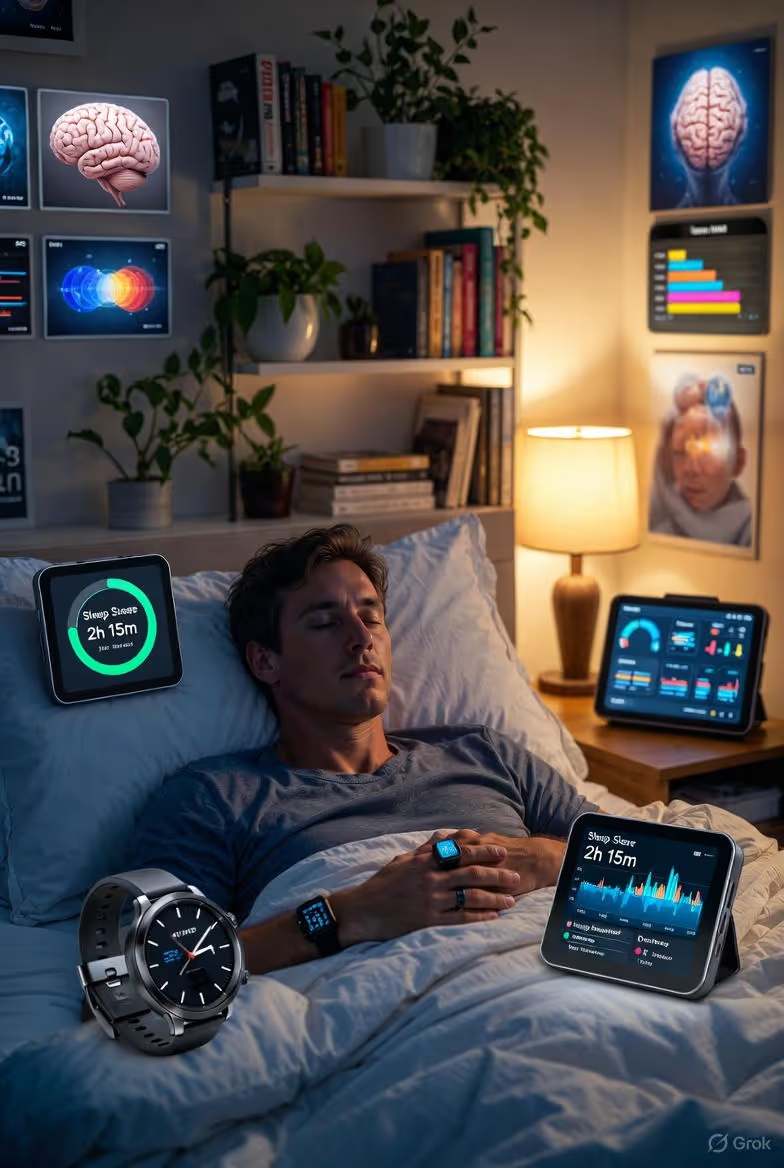
The current era is defined by the rise of consumer wearables and "nearables"—devices like smart rings, watches, and bedside sensors. This represents a quantum leap. By combining advanced accelerometers with a suite of other biosensors, these devices attempt to approximate the multi-parameter analysis of a PSG, but from the comfort of your own bed.
Modern sleep trackers synthesize data from multiple streams:
Movement (Actigraphy): The foundational metric for detecting periods of wakefulness and sleep.
Heart Rate (HR) and Heart Rate Variability (HRV): The heart's pattern provides profound insights into autonomic nervous system activity. During deep sleep, heart rate typically reaches its lowest, most steady point of the day. HRV, the beat-to-beat variation, also follows a characteristic pattern through the night.
Pulse Oximetry (SpO2): Sensors that measure blood oxygen saturation by shining light through the skin. Significant or frequent drops in SpO2 can indicate breathing disturbances like sleep apnea, which severely fragment sleep quality.
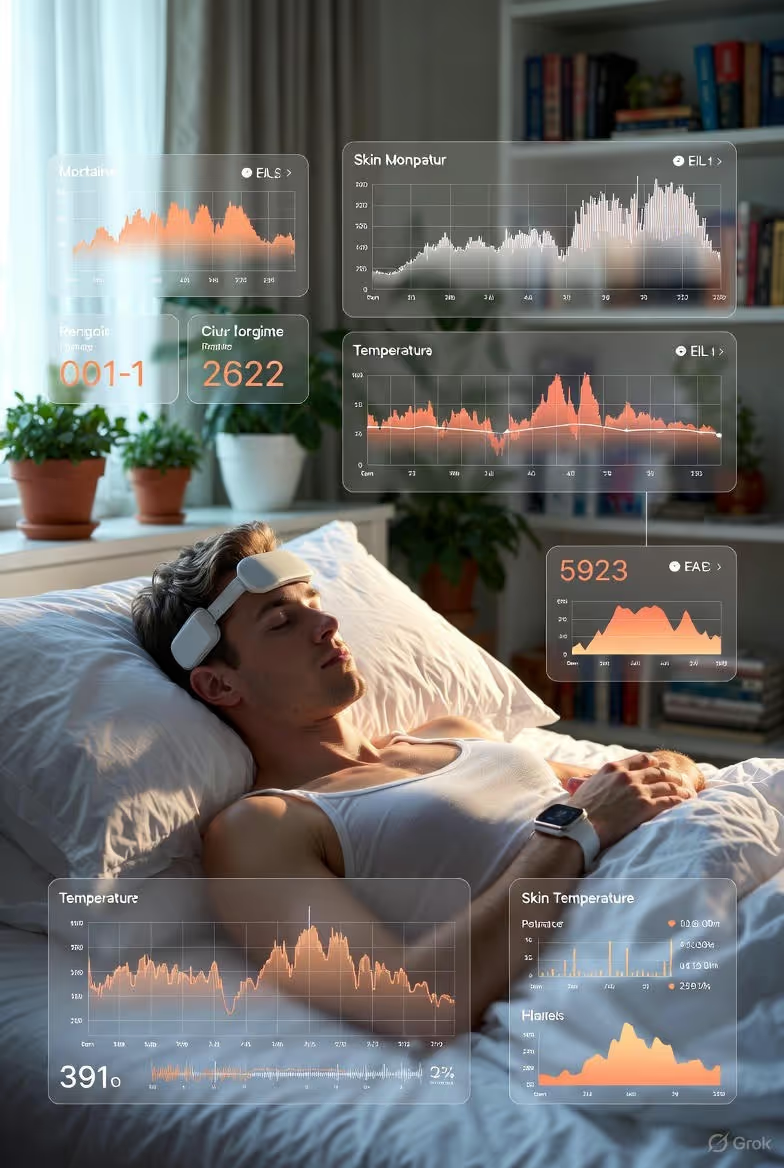
Skin Temperature: Core body temperature drops to initiate sleep. Tracking peripheral skin temperature can help identify this circadian-driven transition and provide context for sleep quality.
Respiratory Rate: The number of breaths per minute, which typically slows and stabilizes during deeper sleep stages.
By feeding these continuous data streams into sophisticated (though often proprietary) algorithms, modern wearables generate detailed sleep reports. They estimate time spent in each sleep stage, provide a "sleep score," and flag potential issues like restlessness or breathing interruptions. This has democratized access to sophisticated sleep insights, moving monitoring from the exclusive realm of sleep clinics to the nightstands of everyday athletes. The story of Oxyzen is rooted in this very mission—to make advanced, actionable health insights accessible and intuitive for everyone seeking better performance and recovery.
Decoding the Night: Key Sleep Metrics Every Athlete Must Understand
Armed with a tracking device, an athlete is presented with a dashboard of data each morning. Moving from overwhelming numbers to actionable insight requires understanding what these key metrics truly mean for recovery and performance.
1. Sleep Duration: The Non-Negotiable Baseline This is the most straightforward metric: total time spent asleep. While general guidelines recommend 7-9 hours for adults, research consistently shows that elite athletes benefit from 9+ hours of sleep per night. This extended need is due to the extreme physical and cognitive loads they endure. Stanford studies on basketball and swim teams demonstrated that extending sleep to 10 hours significantly improved sprint times, shooting accuracy, reaction times, and mood. Duration is the foundational box that must be checked before any other quality metric can be fully effective.
2. Sleep Architecture: The Quality Beneath the Quantity This refers to the composition of your night—the proportion of time spent in light (N1/N2), deep (N3), and REM sleep. A healthy, restorative night shows a balanced architecture that shifts predictively, with more deep sleep in the first half of the night and more REM sleep in the second half.
Deep Sleep (Slow-Wave Sleep): For the athlete, this is prime recovery time. Tracking trends in deep sleep percentage is crucial. A consistent drop may indicate incomplete recovery from training, onset of illness, or excessive life stress. It's when the body does its heaviest physical repair work.
REM Sleep: Trends in REM sleep are windows into cognitive and emotional recovery. Suppressed REM can impact memory, skill consolidation, and emotional resilience. It's also sensitive to factors like alcohol consumption and certain medications.
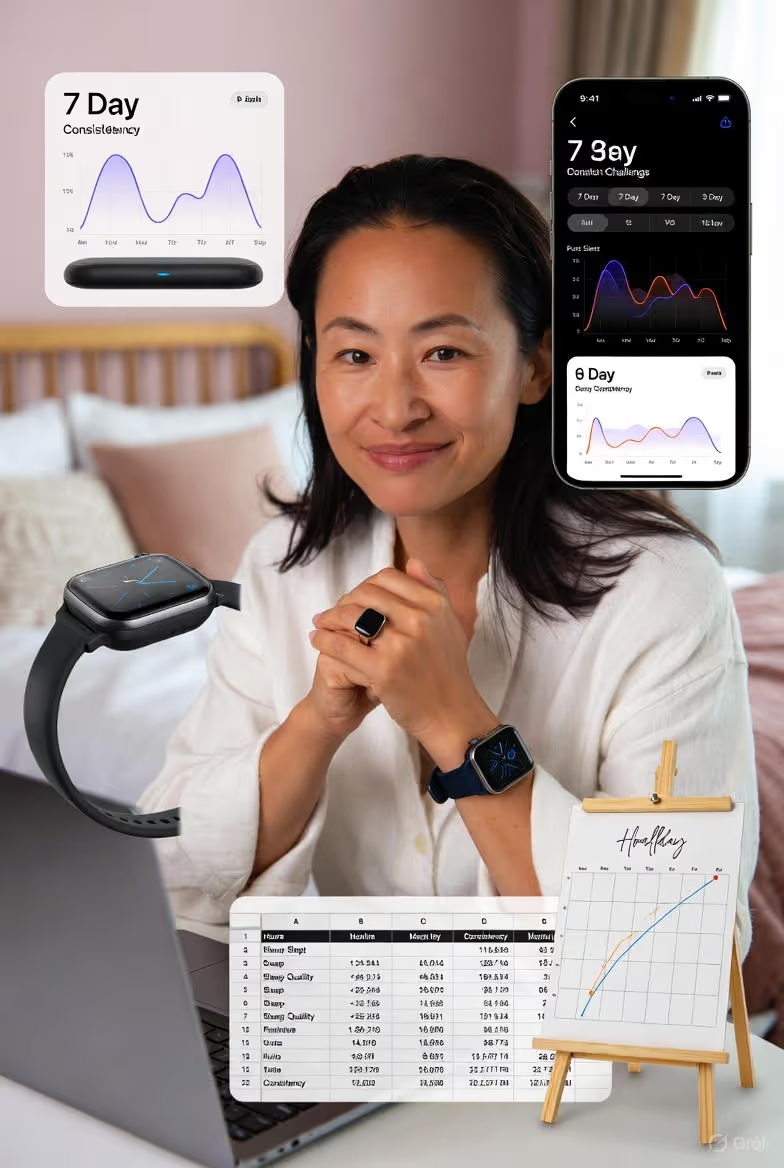
3. Sleep Consistency: The Power of Rhythm The human body thrives on rhythm. Going to bed and waking up at consistent times—even on weekends—is one of the most powerful ways to stabilize sleep quality. Sleep trackers excel at visualizing this consistency. A stable circadian rhythm makes falling asleep easier, improves sleep architecture, and ensures hormonal release (like melatonin and cortisol) happens at optimal times. Erratic bedtimes force the body's internal clock to constantly readjust, degrading sleep efficiency and next-day alertness.
4. Resting Heart Rate (RHR) and Nighttime HRV While not sleep stages per se, these cardiovascular metrics are gold mines of recovery information, best captured during sleep when the body is at its most rested state.
Resting Heart Rate (RHR): Your lowest, most stable heart rate typically occurs during deep sleep. A trend of an elevated nighttime RHR can be one of the earliest signs of under-recovery, impending illness, or overtraining. The body is working harder even at rest, signaling systemic stress.
Heart Rate Variability (HRV): This measures the subtle variations in time between each heartbeat. Higher HRV generally indicates a robust, adaptable autonomic nervous system with strong "rest and digest" (parasympathetic) tone, which is the state of recovery. A declining HRV trend is a clear, objective warning sign that the body is stressed and not fully recovered, often suggesting a need for a lighter training day or more focus on rest.
5. Sleep Latency and Efficiency
Sleep Latency: The time it takes to fall asleep. Ideally, this is between 10-20 minutes. Consistently taking too long (e.g., >30 minutes) can point to anxiety, poor sleep hygiene, or circadian misalignment. Falling asleep too quickly (<5 minutes) can be a sign of significant prior sleep deprivation.
Sleep Efficiency: This is the percentage of time in bed actually spent asleep. An efficiency of 85% or higher is considered good. Low efficiency indicates frequent awakenings or prolonged periods of wakefulness after sleep onset, fragmenting the precious sleep architecture.
Understanding this lexicon of sleep is the first step toward intelligent training adjustments. In the following sections, we'll explore how to connect these nightly readouts directly to your daily performance.
Connecting the Dots: How Sleep Data Predicts and Explains Daily Performance
The true value of sleep tracking lies not in the nightly report card, but in its correlation with how you feel and perform the following day. By learning to connect specific sleep metrics to physical and cognitive outcomes, athletes can move from passive observation to proactive management.
The Clear-Cut Correlations Research and anecdotal evidence from thousands of athletes have established strong, direct links:
Low Sleep Duration/Disturbed Deep Sleep → Poor Physical Output. After a short or fragmented night, expect to feel it in the weight room or on the track. Strength, power, and endurance metrics often drop. The body hasn't had sufficient time for glycogen restoration, muscle repair, or hormonal rebalancing. One study found sleep-deprived athletes experienced up to a 50% decrease in shooting accuracy and decreased sprint speeds.
Suppressed or Disrupted REM Sleep → Impaired Cognition. Waking up from a night with little REM sleep often comes with a mental fog. Reaction times slow, decision-making becomes hesitant, and learning new plays or techniques feels like an uphill battle. This is the brain's way of saying it hasn't completed its filing and processing work.
Elevated Nighttime RHR or Low HRV → High Perceived Effort. Even if you muster the will to train, a workout will feel harder than it should. Your cardiovascular system is starting the day in a stressed state, so maintaining a given pace or power output requires a higher level of perceived exertion.
Using Data for Micro-Adjustments This is where sleep tracking becomes a strategic tool. Instead of blindly following a pre-written training plan, an athlete can use morning data to make informed micro-adjustments:
Green Light (Great Sleep, High HRV): Proceed with the planned high-intensity session or heavy lift. The body is signaling it is recovered and ready to absorb and adapt to a new stressor.
Yellow Light (Moderate/Poor Sleep, Slightly Lower HRV): Consider modifying the session. This might mean reducing the volume (fewer sets or intervals), lowering the intensity (slower pace, less weight), or switching the focus to skill-based technique work, which is less systemically taxing.
Red Light (Very Poor Sleep, Low HRV, Elevated RHR): This is a clear signal for a recovery day. The goal shifts from building fitness to restoring it. Prioritize gentle movement like walking, mobility work, or complete rest. Forcing a hard session on a "red light" day dramatically increases the risk of injury, illness, and prolonged underperformance.
Case Study: The Overtraining Whisperer Consider a marathon runner in a heavy training block. Her sleep duration is consistent, but over two weeks, her wearable shows a creeping elevation in her nighttime resting heart rate and a steady decline in her HRV. Her deep sleep percentage is also trending down. Subjectively, she reports that her standard easy runs feel harder, and she's unusually irritable. This cluster of data—before a major drop in performance or full-blown illness—is an early warning sign of non-functional overreaching, the gateway to overtraining syndrome. Armed with this objective data, she and her coach can immediately dial back the training load for a few days, increase focus on nutrition and hydration, and prioritize sleep hygiene, potentially averting a weeks-long setback.
By learning this language of recovery, athletes transform their relationship with training from one of brute-force effort to one of intelligent partnership with their body. For personalized guidance on interpreting your own data and making these adjustments, our FAQ section offers deeper insights into common scenarios and questions.
Beyond the Basics: Advanced Sleep Insights for the Elite Performer
For athletes who have mastered the fundamentals of duration and consistency, the next frontier of sleep optimization lies in advanced metrics and nuanced interpretations. This is where the latest generation of wearable technology, particularly smart rings, offers a distinct advantage due to their ability to capture high-fidelity physiological data from the vascular-rich finger.
1. The Critical Role of Blood Oxygen (SpO2) and Breathing Nocturnal blood oxygen saturation is a game-changing metric for identifying sleep-disrupting breathing issues. Obstructive Sleep Apnea (OSA) and other breathing disorders are not exclusive to older or overweight populations; they can affect fit athletes, often due to anatomy or high training loads affecting airway muscle tone.
What it is: SpO2 measures the percentage of oxygen-saturated hemoglobin in your blood. During stable sleep, it should remain in a healthy range (typically above 95%).
Why it matters for athletes: When breathing is disrupted (an apnea or hypopnea), oxygen levels drop, causing a micro-arousal—a brief awakening that fragments sleep architecture, often without the sleeper's conscious awareness. The result is you might log 8 hours in bed but wake up feeling unrefreshed because you were repeatedly pulled out of deep and REM sleep.
The Data: Advanced wearables track your Oxygen Desaturation Index (ODI)—the number of times per hour your SpO2 drops by a significant amount (usually 3% or more). They may also report your lowest SpO2 value for the night. An elevated ODI is a strong indicator of unstable breathing and poor sleep quality, sabotaging recovery despite adequate time in bed.
2. Detailed Heart Rate Dynamics: More Than Just a Average While RHR and HRV are vital, the pattern of your heart rate throughout the night tells a deeper story.
Heart Rate Dip: A healthy, recovered cardiovascular system shows a pronounced dip in heart rate after sleep onset, reaching its nadir during deep sleep. A blunted dip can indicate autonomic nervous system imbalance or poor recovery.
Nocturnal Heart Rate Spikes: Sudden, brief spikes in heart rate during sleep can be correlated with apnea events, nightmares, or external disturbances (like noise). Tracking their frequency can help identify sources of sleep fragmentation.
3. Skin Temperature and Circadian Alignment Core body temperature must drop to initiate sleep. Wearables that track skin temperature on the wrist or finger can detect this decline, offering insight into your circadian rhythm alignment. A delayed temperature drop might indicate you're trying to sleep "against" your natural rhythm (e.g., an early bedtime for a night owl). Furthermore, a higher-than-normal nighttime skin temperature can be a very early sign of impending illness or inflammation, often appearing before other symptoms.
4. The Promise of Biomimetic Design in Smart Rings The finger offers a unique advantage for sensor accuracy. The vascular bed is rich, the skin is thin, and—unlike the wrist—there is minimal bone and tendon to create signal "noise" from incidental movement. This allows devices like smart rings to capture a cleaner photoplethysmography (PPG) signal for measuring heart rate, HRV, and SpO2. This biomimetic approach—placing the sensor on a part of the body evolutionarily designed for efficient blood flow and tactile sensing—can lead to more reliable data, especially for metrics like blood oxygen where accuracy is paramount. A recent controlled clinical study on a wearable ring demonstrated SpO2 accuracy meeting international clinical standards across a broad range of oxygen levels and skin tones, highlighting this technological advancement.
For the athlete leaving no stone unturned, these advanced metrics provide a granular view of sleep health, turning vague feelings of "not recovering well" into specific, addressable issues like breathing disturbances or circadian misalignment. The journey to integrate this level of insight into a cohesive performance strategy is at the heart of the Oxyzen mission.
From Data to Action: Building Your Personalized Sleep Optimization Protocol
Collecting sleep data is only half the battle. The transformative step is using that information to build and refine a personalized sleep optimization protocol—a set of daily habits and environmental tweaks that systematically engineer better sleep. Think of it as sleep hygiene, but supercharged by your personal biometric feedback loop.
Phase 1: Master the Non-Negotiables (Sleep Hygiene 101) These are the foundational habits that create the conditions for sleep to occur. Your tracker will show you their direct impact.
Consistent Schedule: Anchor your circadian rhythm by waking up at the same time every day, even after a poor night's sleep. Use your tracker's bedtime reminder to nudge you toward consistency.
The Wind-Down Routine: Your body needs a signal to transition from "go" mode to "slow" mode. 60-90 minutes before bed, initiate a screen-free ritual: dim lights, read a physical book, practice gentle stretching or meditation, or take a warm bath. Watch how this practice improves your sleep latency metric.
Optimize Your Environment:
Darkness: Use blackout curtains and eliminate all LED lights (cover them with tape). Darkness triggers melatonin production.
Coolness: Aim for a bedroom temperature between 60-67°F (15-19°C). A cool room facilitates the core temperature drop necessary for sleep onset.
Quiet: Use earplugs or a white noise machine to buffer disruptive sounds.
Phase 2: Leverage Data for Precision Tweaks Now, use your specific data to diagnose and address weaknesses.
If your data shows frequent awakenings or low sleep efficiency:
Audit your evening fluid and food intake. Avoid large meals, alcohol, and excessive fluids within 3 hours of bedtime.
Check your SpO2/ODI data. Frequent awakenings can be linked to breathing disturbances. If ODI is elevated, it's worth discussing with a healthcare professional.
Ensure your bedroom is truly dark and quiet. Even small disturbances can cause micro-awakenings that fragment sleep architecture.
If your deep sleep is consistently low:
Time your exercise strategically. While exercise improves sleep overall, intense training too close to bedtime can elevate core temperature and cortisol, impairing deep sleep. Finish vigorous workouts at least 2-3 hours before bed.
Manage life stress. High daytime stress elevates cortisol, which can inhibit deep sleep. Practices like mindfulness, journaling, or leisurely walks can help down-regulate the nervous system.
Review nutrition. Ensure you're consuming adequate protein and calories to support repair. Severe calorie restriction can impair deep sleep.
If your HRV is chronically low or RHR is high:
This is a systemic recovery red flag. It may be time for a deliberate deload week in your training, reducing volume and intensity by 40-60%.
Double down on Phase 1 habits, especially consistency and wind-down routines.
Consider incorporating daily parasympathetic-activating practices like diaphragmatic breathing or meditation to directly stimulate the "rest and digest" system.
Phase 3: Strategic Use of Naps For athletes, strategic napping can be a powerful tool to supplement nighttime sleep, especially during periods of high volume, double-day training, or travel. The key is to nap smart:
Keep it short: 20-30 minutes is ideal to avoid sleep inertia (grogginess) and prevent interference with nighttime sleep.
Time it early: Nap before 3 PM to avoid disrupting your evening sleep drive.
Make it count: Use your nap to truly rest in a dark, quiet place. Even brief non-sleep rest (NSDR) can be beneficial.
By treating your sleep protocol with the same intentionality as your training plan—observing, testing, and adjusting based on data—you turn your bedroom into a high-performance recovery lab. Hearing how others have successfully made this transformation can be incredibly motivating; you can find real-world examples and user testimonials that illustrate this powerful journey.
The Novice Athlete: Building Foundational Sleep Awareness
For the individual just beginning their fitness journey or taking recovery seriously for the first time, the world of sleep data can be overwhelming. The goal at this stage is not to optimize complex biometrics, but to build foundational awareness and establish consistent, healthy sleep habits. The focus is on behavior change, enabled by simple, clear data.
The Starter Protocol: The "Big Three" Metrics A novice should ignore advanced graphs and hone in on three simple metrics provided by virtually every tracker:
Total Sleep Time: Aim for a consistent 7.5 to 9 hours each night. Use the tracker's bedtime reminder to help you wind down and hit a consistent lights-out time.
Sleep Consistency: The tracker's chart of your bedtime and wake time is your best friend. The primary behavioral goal is to reduce the variation in your sleep schedule. Strive to keep your bedtime and wake time within a 30-minute window, even on weekends.
Subjective Morning Feeling: Most apps ask for a simple "How do you feel?" rating. The goal is to start connecting the objective data (hours slept) with your subjective reality. Do you feel better on nights you slept 8 hours versus 6.5?
Actionable Steps for the First 30 Days:
Week 1-2: Observation. Simply wear the tracker and collect data without changing anything. Establish your baseline. How much are you actually sleeping versus what you thought?
Week 3: One Habit Change. Based on your data, pick ONE easy win. If your data shows you go to bed at wildly different times, set a consistent bedtime alarm. If you see frequent awakenings, try eliminating screens 60 minutes before bed.
Week 4: Connect Data to Performance. After a night of good sleep (per your tracker), note your energy during your workout. After a poor night, note how you feel. Start building the mental model: Better Sleep = Better, Easier Workouts.
The novice's victory is moving from a vague sense of being "tired" to the concrete knowledge: "I slept 6.5 hours last night with three awakenings, which is likely why my run felt so labored today." This foundational awareness sets the stage for more advanced interventions. For those seeking to understand these basics in more detail, our FAQ section is a great resource for common starting questions.
The Amateur Competitor: Optimizing for Training Cycles and Events
The amateur competitor—the dedicated marathoner, triathlete, league sports player, or strength athlete—has structured training and clear performance goals. Here, sleep tracking shifts from awareness to active optimization aligned with the training cycle. The goal is to use data to support adaptation, peak for events, and navigate life stress.
Strategic Tracking for Periodization:
Base/Preparation Phase: During higher-volume, foundational training, sleep quantity is paramount. The goal is to support the increased physiological load. Trackers help ensure you are hitting 8.5+ hour targets consistently. Watch for a gradual decline in HRV or rise in RHR as a sign you need to incorporate more recovery days.
Intensity/Build Phase: As interval work and heavy lifts increase, sleep quality becomes critical. Pay close attention to your deep sleep percentage and sleep efficiency. This is when sleep disruptors like late caffeine or evening intense training have their most pronounced negative effect. A drop in deep sleep is a signal to double down on sleep hygiene.
Taper Phase: In the 1-2 weeks before a key event, the goal is to maximize recovery and supercompensation. Sleep data is your guide. You should see a clear, positive rebound: HRV should climb to its highest levels, RHR should drop, and sleep scores should be consistently excellent. If they are not, it may indicate an overly aggressive taper or lingering life stress that needs management.
Race/Event & Recovery: Use your tracker during multi-day events or tournaments. It will objectively show the cumulative fatigue. Post-event, let your recovery metrics guide your return to training. Don't start hard workouts again until your HRV and sleep data have returned to baseline.
Managing the "Double Life": Amateurs balance training with work and family. Sleep tracking helps manage this strain:
Identify Stress Signatures: A stressful work project will likely show up as elevated nighttime RHR and reduced HRV, even if training is light. This data allows you to autoregulate—perhaps swapping a hard session for an easy one on a high-stress workday.
Optimize Limited Time: If you can only get 7 hours due to family commitments, the tracker helps you maximize the quality of those 7 hours. It reinforces the need for a strict wind-down routine and a perfect sleep environment to protect your precious deep and REM sleep.
For this athlete, the tracker evolves from a sleep journal into a training partner, providing objective feedback that helps balance the demands of sport and life.
The Elite and Professional Athlete: The Marginal Gains of High-Frequency Biometrics
At the elite level, where physical potentials are closely matched, the winner is often determined by who recovers better and more consistently. Here, sleep tracking is integrated into a high-performance ecosystem. The focus is on high-frequency, high-fidelity biometrics to detect the smallest signs of maladaptation and to fine-tune the environment for peak recovery.
The Professional Protocol:
24/7 Wear and Multi-Sensor Fusion: Data collection is constant. A smart ring or wearable is worn at all times, capturing not just night-time sleep but daytime HRV stress/recovery scores, training load, and physiological responses to travel. This data is often integrated with other metrics like GPS workload, lactate measurements, and subjective wellness questionnaires in a centralized athlete management system (AMS).
Advanced Metric Focus: Beyond basics, elite teams and athletes monitor:
Nocturnal Heart Rate Decay: The precise slope and nadir of heart rate drop after sleep onset.
Ultra-Detailed HRV Analysis: Breaking HRV down into frequency domains (LF/HF ratio) for deeper autonomic nervous system insight.
Pulse Arrival Time (PAT): An emerging metric related to blood pressure and vascular stiffness that can change with fatigue.
Temperature Dysregulation: Spotting the earliest, most subtle rises in distal body temperature that can signal inflammation or onset of illness 24-48 hours before symptoms appear.
Personalized Baselines and Alert Systems: Algorithms learn the athlete's unique biometric fingerprint. The system doesn't just show data; it flags anomalies. An alert might be sent to the performance staff if an athlete's HRV drops 20% below their 7-day rolling average, prompting a conversation and potential intervention.
The Sleep Environment as a Performance Lab: For the professional, the bedroom is engineered:
Temperature and Humidity Control: Precisely controlled to the individual's ideal setting (often 60-65°F, 40-50% humidity).
Lighting: Use of smart lighting that mimics sunset (increasing red/orange, eliminating blue) in the evening and sunrise (increasing blue) in the morning to perfectly entrain circadian rhythms.
Hypoxic Chambers: Some endurance athletes use normobaric hypoxic chambers (simulating high altitude) to stimulate erythropoiesis. Sleep tracking here is critical to ensure the additional stress is not overly disrupting restorative sleep architecture.
The Role of the Performance Team: Data is interpreted by sleep specialists, physiologists, and dietitians. They correlate sleep metrics with:
Neurological Function: Reaction time tests, pupilometry.
Nutritional Interventions: Personalized evening snacks, strategic supplementation (e.g., magnesium bisglycinate, tart cherry extract) based on individual sleep architecture flaws.
At this level, a 2% improvement in sleep efficiency or a 5% increase in deep sleep is considered a significant competitive advantage. It's a world of microscopic analysis and hyper-personalization, where sleep is treated with the same precision as technique. This relentless pursuit of optimized recovery is mirrored in the journey and vision of Oxyzen, dedicated to providing the tools that make this level of insight accessible.
The Coach's Playbook: Using Athlete Sleep Data for Smarter Team Management
For coaches at any level, from high school to professional, athlete sleep data transforms team management from a guessing game into a science-driven strategy. It shifts the coach's role from solely a trainer of skills to a manager of athlete readiness and health.
Building a Culture of Recovery: The first step is cultural. By valuing and discussing sleep data, the coach sends a powerful message: Recovery is not optional; it is a core part of your job as an athlete. This can be more effective than any lecture. Sharing anonymized team trends (e.g., "Our team average sleep duration increased to 8.2 hours this week, and we saw a 15% reduction in reported muscle soreness") makes recovery tangible and collective.
Practical Applications for Team Coaches:
Load Management and Injury Prevention: This is the most powerful application. By monitoring a dashboard of athlete readiness scores (based on sleep, HRV, RHR), a coach can:
Identify At-Risk Athletes: The player with a consistently low readiness score for a week is at a significantly higher risk of soft-tissue injury. The data provides an objective reason to reduce their rep count in practice, modify their drill intensity, or give them an extra rest day.
Guide Return-to-Play: After an injury or illness, objective sleep and HRV data can help determine when an athlete's body is truly recovered and ready to handle full training load again, beyond just subjective "feeling good."
Optimizing Practice Planning:
Scheduling Intensity: If the team has a late-night game or travel, the coach can see the aggregate sleep debt the next morning and plan a lighter, recovery-focused "walkthrough" practice instead of a high-intensity session.
Individualizing Drills: For a technical skill session, the coach might pair an athlete with low readiness (poor sleep, low HRV) with a high-readiness partner, using the latter to set the pace and focus.
Managing Travel and Competition Schedules:
Pre-Travel Planning: Use historical data from previous trips to educate athletes on the importance of pre-adjusting sleep schedules and using light exposure.
Post-Travel Adjustments: Upon arrival, the coach can use the team's aggregate sleep data to justify adjusting the first practice time or intensity, accepting that performance will be physiologically sub-optimal.
Communication and Ethical Considerations:
Athlete Ownership: The data belongs to the athlete. Coaches should foster an environment of trust where data is shared voluntarily as a tool for collaborative optimization, not as a surveillance device for punishment.
Education is Key: The coach's staff must be educated to interpret the data correctly. A low HRV could be from training, but it could also be from academic stress, a relationship issue, or an illness. Data prompts a conversation; it does not provide a definitive diagnosis.
For the modern coach, sleep data is the ultimate tool for proactive, athlete-centered management. It moves the decision-making process from "I think" to "The data suggests," allowing for more precise, individualized, and health-preserving coaching. The impact of this data-driven approach is evident in the experiences shared by teams and athletes on our testimonials page.
The Future of Sleep Science: Emerging Technologies and the Next Frontier in Athletic Recovery
The field of sleep and recovery science is advancing at a breathtaking pace. The wearables of today are merely the foundation for a future where monitoring is seamless, insights are predictive, and interventions are hyper-personalized and automated.
On the Horizon: Next-Generation Sensing Technologies
Epidermal Electronics (E-Tattoos): Ultra-thin, stretchable sensors that adhere to the skin like a temporary tattoo. These could provide hospital-grade ECG, EMG (muscle activity), and sweat biomarker data (cortisol, lactate) continuously during sleep, with zero discomfort.
Contactless Radar and Sonar: Advanced bedside devices using millimeter-wave radar or ultrasonic sonar will be able to map detailed cardiopulmonary signals—not just breathing rate, but detailed lung volume, heart wall motion, and even sleep posture changes—all without any wearable. This could become the gold standard for at-home sleep apnea screening.
EEG-Integrated Headbands & Pillows: Consumer-friendly devices that incorporate simplified electroencephalography (EEG) to directly measure brain waves, providing the first truly accurate, at-home sleep staging outside a lab. This would finally resolve the current limitations of stage estimation from heart and movement data alone.
The AI-Powered Recovery Coach: Raw data is useless without interpretation. The future lies in advanced artificial intelligence and machine learning that acts as a personalized recovery consultant.
Predictive Analytics: Algorithms will analyze your sleep, HRV, training load, calendar, and even weather data to predict your readiness for upcoming days or weeks. It could alert you: "Based on your declining recovery trend and an upcoming high-stress work deadline, we recommend scheduling your key interval session for Thursday, not Tuesday."
Causal Inference Engines: Future apps won't just tell you your sleep was poor; they will identify the most likely cause with high probability. "Your deep sleep was 40% lower than usual last night. The highest correlating factor was your cortisol spike from a high-intensity workout ending at 8:30 PM. Consider moving such sessions earlier."
Automated Environmental Integration: Your sleep tracker will communicate with your smart home. Upon detecting you are in light sleep in the morning, it could trigger your lights to gradually simulate sunrise. If it detects elevated nighttime heart rate and restlessness, it could slightly lower the bedroom temperature.
Personalized, Dynamic Interventions:
Nutrigenomic Sleep Plans: Combining sleep phenotype data with genetic information (e.g., genes related to caffeine metabolism, melatonin production, neurotransmitter function) to create truly personalized nutritional and supplement recommendations for sleep optimization.
Adaptive Sound and Stimulation: Beyond white noise, systems could use real-time sleep stage detection (from EEG or accurate proxies) to deliver phase-locked auditory stimulation. Gentle sound pulses delivered in sync with slow-wave oscillations have been shown in studies to enhance deep sleep duration and quality.
Cognitive Optimization: Understanding the link between specific sleep architecture and next-day cognitive task performance could allow athletes to schedule their most mentally demanding training (film study, tactical learning) for days following nights with abundant REM sleep.
The destination is a closed-loop ecosystem: the body's signals are measured seamlessly, interpreted intelligently by AI, and used to automatically optimize the environment, schedule, and lifestyle in real-time to keep the athlete in an ideal state of recoverable stress. This isn't just tracking; it's active physiological steering. This forward-looking vision of seamless health integration is a core part of our story at Oxyzen.
Conclusion of This Portion: Integrating Knowledge into a Winning Routine
We have journeyed from the fundamental biology of sleep to the cutting edge of its technological tracking and optimization. We've seen how sleep is the silent, non-negotiable partner to every training session—the period where effort is converted into improvement. We've decoded the key metrics, from the basic duration to the advanced language of HRV and nocturnal SpO2, and learned how each speaks to a different facet of recovery.
The through-line is empowerment. Sleep tracking demystifies the recovery process, replacing folklore and guesswork with objective, personal data. It allows the novice to build life-changing habits, the amateur to strategically align recovery with training cycles, the elite to hunt for microscopic marginal gains, and the coach to manage athlete health with unprecedented precision.
The final step, as with all knowledge, is application. This isn't about achieving a perfect sleep score every single night—that's an unrealistic goal. It's about building a resilient sleep practice and using data as a guide, not a tyrant. It's about listening to what your body is telling you through the numbers and having the wisdom to adjust your training, your schedule, and your habits accordingly.
Start tonight. Not with a goal of perfection, but with a commitment to observation. Wear your tracker, review your data in the morning, and ask one simple question: "What is one small thing I can do today to support better sleep tonight?" Perhaps it's shutting off screens 10 minutes earlier, hydating better throughout the day, or scheduling a worrisome task earlier so it doesn't haunt your night. The compound interest of these small, data-informed choices is what builds the unshakable foundation of enduring athletic performance.
To continue your journey and explore how these principles are integrated into a single, seamless device designed for the athlete's life, you can discover more about Oxyzen. The path to peak performance is a 24-hour journey, and it begins the moment you close your eyes.
The Human Element: Psychology, Habit Formation, and Sustainable Sleep Practices
While technology provides the data, the athlete provides the commitment. The most advanced sleep tracker is useless without the psychological framework and daily habits to act on its insights. This section moves from the "what" and "why" to the "how"—the practical, human-centered strategies for making sleep optimization a sustainable, non-negotiable part of your athletic identity.
The Psychology of Sleep: Overcoming Mental Barriers and Building Rituals
For many athletes, the biggest obstacle to better sleep isn't a noisy environment or a poor mattress—it's their own mind. Performance anxiety, perfectionism, and the constant drive to "do more" can directly sabotage the ability to rest.
Reframing Rest as Active Performance: The critical psychological shift is to stop viewing sleep as passive downtime or lost training hours. You must cognitively reframe it as the most potent, active performance-enhancing session of your day. Every minute of high-quality sleep is an investment in tomorrow's strength, speed, and focus. This mindset turns going to bed on time from a chore into a strategic advantage—another rep in your training plan.
Conquering "Monkey Mind" and Pre-Competition Anxiety: The quiet of night often amplifies the brain's tendency to race. To combat this, you need a cognitive off-switch:
The Pre-Sleep "Brain Dump": Keep a notebook by your bed. 30-60 minutes before sleep, write down everything on your mind—worries about tomorrow's workout, unfinished tasks, random thoughts. The act of externalizing them onto paper signals to your brain it can stop clinging to them.
Designated "Worry Time": If anxiety is chronic, schedule a 15-minute "worry period" earlier in the evening. Sit down and consciously think about your stressors. When the time is up, and thoughts arise in bed, you can tell yourself, "I already addressed that during my worry time; now it's time to sleep."
Guided Imagery for Athletes: Instead of lying awake visualizing everything that could go wrong, practice structured, positive visualization. Systematically relax each muscle group (progressive muscle relaxation) and then visualize yourself executing a skill with perfect, effortless form or crossing a finish line feeling strong. This combines relaxation with positive neural priming.
The Power of the Ritual: Humans are ritualistic creatures. A consistent, 30-45 minute pre-sleep ritual acts as a powerful psychological signal that shifts your nervous system from sympathetic (alert) to parasympathetic (restful) dominance. This ritual should be screen-free and pleasurable. It might include:
Light stretching or foam rolling (focusing on breath, not exertion)
Drinking a caffeine-free herbal tea
Reading a physical book (fiction is often better for escapism)
Listening to calming music or a sleep story
Practicing 5-10 minutes of mindful breathing or meditation
Your sleep tracker will show you the tangible result of this ritual: a decrease in sleep latency (the time it takes to fall asleep) and an increase in sleep efficiency.
Habit Stacking and Environmental Design for Automatic Success
Willpower is a finite resource. The goal is to design your environment and daily routines to make good sleep the default, effortless choice. This is where the principles of behavioral psychology are paramount.
Habit Stacking: Anchoring Sleep Hygiene to Existing Routines "Start flossing" is a weak goal. "After I brush my teeth, I will floss one tooth" is a stacked habit that can build. Apply this to sleep:
"After I finish my last sip of water at 8 PM, I will plug my phone in to charge outside the bedroom."
"After I get into bed, I will do 10 deep diaphragmatic breaths before opening my book."
"When my wearable's bedtime reminder vibrates at 9:30 PM, I will start my pre-sleep tea."
These tiny, specific actions, tied to existing cues, are far more sustainable than a vague intention to "have better sleep hygiene."
Engineering the Sleep Sanctuary: Your bedroom environment should scream one thing: SLEEP. This requires intentional design:
The Light Audit: Eliminate all blue and white light sources. Use blackout curtains or a sleep mask. Cover or remove every tiny LED from electronics. Consider using smart bulbs that emit only red/orange hues in the evening, which do not suppress melatonin.
The Soundscape: If noise is unpredictable, use a white noise machine, a fan, or earplugs. Consistent, low-level sound masks disruptive bumps and cracks.
The Temperature Control: This is non-negotiable. A cool room (60-67°F or 15-19°C) is a prerequisite for deep sleep. Invest in a thermostat you can control, cooling bedding (like cotton or bamboo), and consider a mattress cooling pad if you sleep hot.
The Bed Association: Strengthen the mental link between your bed and sleep (and intimacy only). Do not work, watch exciting movies, or scroll social media in bed. This prevents your brain from associating the bed with alertness and cognitive arousal.
The "Phone Jail": The single most effective environmental hack is to remove your smartphone from the bedroom. Use a traditional alarm clock or a dedicated wearable with a gentle vibration alarm. This eliminates the temptation for late-night scrolling, which exposes you to sleep-disrupting blue light and psychologically stimulating content.
Navigating Slumps, Plateaus, and Overtraining: The Long-Term View
Even with perfect habits, you will have bad nights. Travel, illness, life stress, and hard training blocks will disrupt sleep. The key is to avoid catastrophic thinking and use your data to navigate these periods intelligently.
The Data-Informed Response to a Bad Night: When you see a poor sleep score, follow this protocol:
Don't Panic. A single night is noise, not a trend. Do not let it create anxiety that will spill into the next night.
Diagnose (Without Obsessing). Briefly check the metrics. Was it short duration? Low deep sleep? Frequent awakenings? Make a calm, educated guess at the cause (e.g., "I had coffee too late" or "I was stressed about that work project").
Adjust Today, Not Tonight. Your immediate response should be to modify your training plan for the day. Swap your hard session for a recovery session. This is respecting the data and preventing a cascade of fatigue.
Double Down on Basics. For the next 24 hours, be impeccable with your sleep hygiene, nutrition, and hydration. Trust that your body, given the right conditions, will self-correct.
Identifying and Escaping the Overtraining Vortex: Overtraining Syndrome (OTS) is a state of prolonged maladaptation. Sleep data provides the earliest warnings:
A multi-week trend of declining HRV that doesn't rebound with a rest day.
A persistent elevation in nighttime resting heart rate.
Chronic suppression of deep sleep, even when duration is adequate.
Subjectively, workouts feel brutally hard, mood is low, and motivation plummets.
If you see this cluster of signals, you need a structured intervention:
Communicate: Share the data with your coach or a sports medicine professional.
Mandatory Rest: This may require 3-7 days of complete rest—no training, just walking and stretching.
Nutritional Support: Ensure you are in a caloric balance or slight surplus, with ample protein and micronutrients.
Professional Help: Consider working with a sports psychologist to address the mental fatigue and a registered dietitian to audit your nutritional support.
The tracker's value here is providing the objective evidence to justify a radical reduction in training that an athlete's driven mind might otherwise resist. It can be the voice of reason that prevents months of lost progress.
Special Populations: Sleep Tracking for Youth Athletes, Female Athletes, and Masters Competitors
A one-size-fits-all approach to sleep fails to account for important physiological and life-stage differences. Tailoring your approach is essential.
Youth and Adolescent Athletes: For young athletes, sleep is the engine of growth and development. Their needs are even greater.
Higher Requirements: Teenagers may need 9-11 hours of sleep per night. Sleep tracking can help parents and coaches advocate for early bedtimes, even amidst social and academic pressures.
Circadian Shift: Adolescents have a biologically delayed circadian rhythm, making early bedtimes difficult. Tracking can help find a compromise—perhaps a later bedtime but a non-negotiable, consistent wake-up time to anchor the rhythm. The focus should be on protecting weekend sleep-in time to pay back sleep debt.
Education Over Surveillance: The goal with youth is to educate them on the link between sleep and performance, not to police them. Use data to start conversations: "I notice your reaction time drill scores are lower on days after you get less than 8 hours of sleep. What can we do to help you get to bed earlier on school nights?"
Female Athletes and the Menstrual Cycle: Hormonal fluctuations across the menstrual cycle have a pronounced, measurable effect on sleep and recovery metrics.
Follicular Phase (Post-Period to Ovulation): Often associated with better sleep quality, higher HRV, and faster recovery. This is a good window for introducing new high-intensity training.
Luteal Phase (Post-Ovulation to Period): Rising progesterone increases core body temperature and can disrupt sleep continuity and reduce deep sleep. HRV may trend lower and RHR higher. This is a biological reality, not a flaw.
Actionable Insight: Tracking sleep alongside cycle phases allows female athletes to cycle-sync their training. They can plan deload weeks or technique-focused sessions for the luteal phase when recovery is physiologically harder, and plan peak intensity or competition during the follicular phase when the body is more resilient. Apps that integrate sleep and cycle data are invaluable here.
Masters Athletes (40+): As we age, sleep architecture naturally changes: deep sleep becomes lighter and more fragmented, and nighttime awakenings become more common. The need for quality recovery, however, remains critical.
Priority on Consistency and Environment: For masters athletes, perfecting the sleep environment and ritual becomes even more important to combat age-related fragmentation.
Focus on HRV and SpO2: Monitoring HRV trends is crucial for managing overall stress and recovery capacity. Nocturnal SpO2 tracking is also key, as the risk of sleep-disordered breathing increases with age, even in fit individuals.
Strategic Napping: A well-timed, 20-30 minute afternoon nap can be a powerful tool to supplement potentially reduced nighttime sleep quality and boost afternoon training sessions.
Recognizing these differences ensures that sleep tracking advice is relevant, effective, and respectful of each athlete's unique physiology. For more personalized insights that consider your individual context, exploring resources like our blog can provide ongoing, tailored information.
The Ethical and Practical Considerations of Biometric Monitoring
As sleep and recovery tracking becomes ubiquitous, important questions about data ownership, privacy, and psychological impact arise. Navigating these thoughtfully is part of being a modern, empowered athlete.
Data Privacy and Ownership:
Read the Terms of Service: Understand what anonymized data your wearable company collects and how it might be used (e.g., for aggregate research, which can be positive, or sold to third parties).
Control Your Shares: Be intentional about who you share your raw data with. A trusted coach or physiotherapist? Perhaps. A public social media feed? Probably not.
You Own Your Story: The data is a tool to tell you about your body. You are not obligated to share it to justify your need for rest or a modified session. "My recovery metrics are low today" is a complete sentence.
Avoiding Orthosomnia: The Unhealthy Obsession with Perfect Sleep A potential pitfall of sleep tracking is orthosomnia—a term coined by sleep researchers to describe insomnia fueled by an obsessive pursuit of perfect sleep data. Signs include:
Excessive anxiety over sleep scores.
Spending more time analyzing data than sleeping.
Making drastic, unsustainable life changes to chase a "perfect" score.
Feeling like a failure after a sub-optimal night.
The Antidote: Remember that the tracker is a guide, not a grade. It provides feedback, not your self-worth. Its purpose is to improve your life and performance, not become a source of life-consuming stress. If you find yourself becoming anxious, take a break from looking at the data for a week and just practice the habits. Use the device, but hide the scores.
Balancing Data with Intuition: The most advanced algorithm cannot capture the full human experience. A low HRV score might be from a hard workout, or it might be from the joyous stress of your wedding day. Always combine objective data with subjective check-ins:
How do I feel emotionally?
How is my motivation?
Do I have any niggling pains?
Am I excited to train, or am I dreading it?
The data should start a conversation with yourself, not end it. The wise athlete learns to listen to both the numbers and their own innate bodily wisdom.
Building Your Personal Sleep Optimization Blueprint: A 21-Day Action Plan
Theory is meaningless without action. This 21-day plan is designed to help you systematically build your sleep practice, using your tracker not as a critic, but as a curious collaborator.
Phase 1: Foundation Week (Days 1-7) – Awareness & Environment
Goal: Establish baseline and perfect your sleep cave.
Actions:
Day 1-3: Wear your tracker and live normally. Record your baseline sleep duration, consistency, and subjective feeling.
Day 4: Perform a "Light Audit." Eliminate all artificial light in your bedroom. Get blackout curtains or a sleep mask.
Day 5: Set a consistent bedtime and wake time, even on the weekend. Use your tracker's reminders.
Day 6: Banish your phone. Charge it outside the bedroom. Buy an alarm clock if needed.
Day 7: Adjust your thermostat. Aim for 65°F (18°C). Assess how you feel after a week of environmental tweaks.
Goal: Connect sleep data to daily performance and autoregulate.
Actions:
Day 15-17: Each morning, check your readiness score (or a simple combo of sleep duration + HRV/RHR trend). Label it Green, Yellow, or Red.
Day 18: On a Green day, execute a key workout. Note how it feels.
Day 19: On a Yellow or Red day (you can simulate one by staying up slightly later), autoregulate. Do a lighter, recovery-based session.
Day 20: Practice a strategic 20-minute nap after a hard morning workout. Note your afternoon energy.
Day 21: Conduct a full review. What were your biggest improvements? What one habit will you carry forward forever? What is your next single, small improvement?
This blueprint is a starting point. The ultimate goal is to internalize these practices until they become as automatic as brushing your teeth—the foundational hygiene of a high-performing athlete.
For the modern athlete, crossing time zones is often part of the job. Jet lag—the misalignment between your internal circadian clock and the external environment—is a formidable opponent that degrades sleep, mood, and performance. However, with planning and data, it can be managed and minimized.
Understanding the Enemy: East vs. West
Traveling East (e.g., New York to Paris) is typically harder. You need to fall asleep earlier than your body wants to, which often results in difficulty initiating sleep.
Traveling West (e.g., Paris to New York) is often easier, as it requires staying up later, which aligns with the body's natural tendency to delay.
A Data-Informed Jet Lag Protocol
1. Pre-Travel Preparation (The Proactive Phase)
Gradually Shift Sleep/Wake Times: In the days before travel, gently adjust your bedtime and wake time toward the destination schedule. Even a 30-60 minute daily shift can significantly soften the blow.
Use Light Strategically: Light is the most powerful cue for your circadian clock. Seek bright light exposure in the morning when traveling east (to advance your clock) and in the evening when traveling west (to delay your clock). Your wearable's sleep data will help you see if these adjustments are taking hold.
2. During Travel and Upon Arrival (The Execution Phase)
Immediately Switch to Destination Time: Set your watch to the new time zone when you board the plane. Schedule meals and sleep (if possible) according to destination time.
Hydrate, But Avoid Saboteurs: Drink plenty of water. Avoid alcohol and caffeine on the flight and upon arrival, as they severely disrupt sleep architecture and dehydrate you.
Use Light Exposure Like Medicine: As soon as you arrive, get strategic light exposure. If you arrive in Europe in the morning (from the US), get outside into bright sunlight to forcefully advance your clock. Use sunglasses to block light at times that would push your clock in the wrong direction.
Consider Short-Term Aids (With Caution): Melatonin supplements can be useful in small doses (0.5-3 mg) taken at destination bedtime to help signal sleep onset, especially when traveling east. Always consult with a sports medicine professional first.
3. Post-Arrival Monitoring (The Adjustment Phase)
Be Patient and Observe Data: Full adaptation can take about one day per time zone crossed. Don't expect to feel or perform perfectly on day one.
Watch Your Metrics: Your wearable is your best friend here. You will likely see:
Reduced Sleep Efficiency and Fragmented Architecture for the first few nights.
Elevated Nighttime RHR and Lower HRV, indicating the stress of travel and circadian disruption.
Use this objective data to temper expectations and communicate with coaches. A hard training session planned for arrival day +1 might need to be modified based on clear biometric signals of poor recovery.



%402x.svg)