


How to Improve Heart Health Using Your Wellness Ring Insights
How to improve heart health using insights from your wellness ring.
How to improve heart health using insights from your wellness ring.
%402x.svg)
For centuries, the heartbeat has been a symbol of life itself—a rhythm we feel in moments of passion, fear, and love, yet one we largely ignore in the quiet hum of daily existence. We might get a snapshot of our heart's health during an annual physical, a fleeting moment of data that tells us little about how our heart behaves while we sleep, under stress, or during our morning run. This gap between anecdotal feeling and empirical knowledge is closing, and it’s happening right on your finger.
Welcome to the era of the wellness smart ring, a device that transforms your most vital metric from an abstract concept into a continuous, actionable story. This isn't about counting steps; it's about decoding the profound narrative of your autonomic nervous system, your recovery, and your cardiovascular resilience, all through the subtle pulse of blood in your finger. Imagine having a 24/7 cardiology assistant, not to diagnose disease, but to illuminate the path to optimal heart health. This is the power you now hold.
The journey to a healthier heart is no longer guesswork. It's a precise, personalized science fueled by the insights from devices like the Oxyzen ring. These rings measure Heart Rate Variability (HRV), Resting Heart Rate (RHR), blood oxygen saturation (SpO2), respiratory rate, and sleep architecture—a symphony of data points that, when interpreted correctly, provide an unparalleled window into your cardiovascular system. This article is your master guide to interpreting that symphony and conducting it toward a stronger, more resilient heart.
Before you can improve your heart health, you must first understand the language your body is speaking. Your wellness ring is a sophisticated interpreter, translating the subtle, often imperceptible signals from your cardiovascular and nervous systems into clear, visual data. These aren't just numbers; they are the key vital signs of your daily well-being, each telling a distinct part of your heart's story.
Heart Rate Variability (HRV): The Master Metric of Resilience
HRV is arguably the most insightful metric your ring provides, and it’s frequently misunderstood. Contrary to what the name might imply, a higher HRV is generally better. It measures the subtle variations in the milliseconds between each heartbeat. Think of it not as an erratic rhythm, but as a sign of supreme adaptability. A healthy heart is not a metronome; it's a responsive, dynamic system.
When your HRV is high, it indicates a strong, balanced autonomic nervous system. Your body can effortlessly switch between the stress-response (sympathetic) mode and the rest-and-digest (parasympathetic) mode. A low HRV often signals that your nervous system is stuck in a state of high stress, fatigue, or poor recovery, which is a known risk factor for future cardiovascular issues. By tracking HRV trends, you can see how your lifestyle, diet, exercise, and even your mental state directly impact your body's fundamental resilience. For a deeper dive into the science behind these metrics, our blog offers a comprehensive guide to understanding your wellness data.
Resting Heart Rate (RHR): Your Cardiovascular Baseline
Your Resting Heart Rate is the number of times your heart beats per minute when you are completely at rest—ideally measured during deep sleep or first thing in the morning. A lower RHR typically indicates a more efficient heart muscle and better cardiovascular fitness. As you become more aerobically fit, your heart can pump more blood with each beat, requiring fewer beats per minute to sustain your body.
A sudden, unexplained increase in your RHR can be an early warning sign. It might indicate the onset of illness, dehydration, excessive stress, or poor recovery from training. Monitoring your RHR trend over time gives you a clear benchmark for your heart's efficiency and alerts you to potential disruptions in your system long before you feel symptoms.
Blood Oxygen Saturation (SpO2) and Respiratory Rate
SpO2 measures the percentage of oxygen-saturated hemoglobin in your blood. While typically stable in healthy individuals, consistent nocturnal dips (especially when correlated with snoring or pauses in breathing) can be indicative of sleep apnea—a condition that puts tremendous strain on the heart and is a major risk factor for hypertension and arrhythmias.
Similarly, your respiratory rate, especially during sleep, is a critical vital sign. An elevated sleeping respiratory rate can be a sign of respiratory or cardiac stress. Together, SpO2 and respiratory rate paint a picture of how well your body is oxygenating itself, a non-negotiable component of heart health.
Sleep Architecture: Where the Heart Heals
Sleep is not a passive state for your heart; it's essential maintenance time. During deep sleep (slow-wave sleep), your blood pressure drops, and your heart gets a chance to rest and recover. Disrupted or insufficient deep sleep means your heart is working harder, 24 hours a day. Your ring tracks the stages of your sleep—light, deep, and REM—allowing you to see not just how long you sleep, but how well you sleep. Improving your sleep quality is one of the most direct levers you can pull to improve heart health, a connection we are passionate about at Oxyzen. Our mission is built on empowering this kind of insight, which you can read more about in our story.
Understanding these metrics individually is the first step. The transformative power, however, lies in seeing how they interact. A night of poor sleep (low deep sleep) will likely lead to a lowered HRV and a elevated RHR the next morning. A stressful day might suppress your HRV, which then impacts your ability to fall into restorative sleep, creating a negative cycle. Your wellness ring reveals these connections, turning isolated data points into a coherent narrative of your daily heart health.
The ancient adage of "getting your beauty sleep" desperately undersells the process. While you are asleep, your body isn't just resting; it's conducting critical cardiovascular repair. Ignoring your sleep data is like ignoring the maintenance logs for your body's most vital engine. Your wellness ring provides an intimate look into this nocturnal repair cycle, offering actionable insights to turn sleep into your most powerful heart-health strategy.
Deep Sleep: The Blood Pressure Reset
During deep sleep, your body enters a state of physiological restoration. For your heart, this is when magic happens. Your sympathetic nervous system activity decreases, allowing your heart rate and blood pressure to drop significantly below your daytime levels. This "nocturnal dip" is crucial. Research consistently shows that a blunted or absent blood pressure dip during sleep is a strong predictor of adverse cardiovascular events, including stroke and heart attack.
By tracking your deep sleep duration and quality, you can assess whether you're giving your heart this essential recovery period. A pattern of low deep sleep is a clear signal that your heart is missing its nightly reset, operating under constant strain. Improving deep sleep isn't a vague goal; with ring data, you can test and verify specific interventions.
HRV During Sleep: Your True Baseline
Daytime HRV can be noisy, influenced by meetings, meals, and movement. Sleep HRV, particularly the average during your deepest sleep cycles, is considered your purest baseline. It strips away the external stimuli and tells you about your underlying recovery status. A consistently high sleep HRV indicates strong cardiovascular resilience and autonomic balance. Tracking this trend helps you understand the cumulative impact of your lifestyle. Did that extra glass of wine or week of intense training suppress your sleep HRV? Your data holds the unbiased answer.
SpO2 Dips and Breathing Irregularities: Screening for Silent Strain
This is where the ring transforms from a wellness tool into a potentially life-saving insight engine. Obstructive Sleep Apnea (OSA) is a notoriously under-diagnosed condition where breathing repeatedly stops and starts during sleep. Each apnea event causes a drop in blood oxygen, jolting the brain awake (often without conscious awareness) and spiking heart rate and blood pressure. This cycle can happen hundreds of times per night, placing immense stress on the cardiovascular system.
Your ring’s continuous SpO2 and respiratory rate sensors can detect patterns suggestive of disrupted breathing. Frequent, cyclical dips in SpO2 throughout the night are a major red flag. While a wellness ring is not a medical diagnostic device, it can provide the compelling evidence you need to seek a professional sleep study. Addressing sleep apnea is one of the most effective ways to reduce hypertension and lower long-term heart disease risk. If your ring data shows concerning patterns, it’s crucial to consult a healthcare provider—our FAQ section discusses how to approach these conversations with your doctor.
Actionable Insights from Your Nightly Report:
By becoming a student of your sleep data, you stop chasing arbitrary sleep scores and start engaging in targeted, evidence-based heart recovery. It’s about creating the conditions each night for your heart to repair, reset, and strengthen. As countless users have discovered, this level of insight can be transformative; you can read their personal stories and testimonials here.
That single number or color-coded score you see each morning—often called "Readiness," "Recovery," or "Body Battery"—is far more than a sleep summary. It is a synthesized, AI-powered analysis of your nocturnal data, specifically designed to advise you on how to treat your heart and body for the day ahead. Think of it as a daily conversation with your cardiovascular system. Learning to interpret and act on this score is the cornerstone of personalized, responsive heart care.
The Algorithm Behind the Score: More Than Just Sleep
While deep sleep and total sleep time are significant inputs, your readiness score is a multidimensional calculation. It typically integrates:
A high readiness score (often green) indicates your heart and nervous system are primed for performance. It suggests you have strong cardiovascular resilience, are well-recovered, and can handle physical or mental stress effectively. This is the day for that intense workout, important presentation, or social engagement.
A low readiness score (often red or orange) is a protective signal, not a judgment. It tells you your system is under-recovered. Your HRV may be low, your RHR elevated, or your sleep may have been insufficient. Your heart is essentially asking for a gentler day. Ignoring this signal and pushing through with intense exercise or high stress is like ignoring a "check engine" light—it forces your cardiovascular system to work harder under suboptimal conditions, hindering long-term improvement.
Using the Score to Modulate Exercise: The Art of Listening
This is where data-driven heart health separates itself from rigid, one-size-fits-all workout plans.
Beyond Exercise: Managing Life Stress
Your readiness score is equally sensitive to mental and emotional stress. A poor night's sleep after a highly anxious day will reflect in your score. This insight allows you to proactively manage your day. A low score might prompt you to schedule a meditation session, decline non-essential meetings, or prioritize a calming evening routine. It turns an internal feeling of "being off" into an objective data point you can act upon.
By treating your morning readiness score as a trusted advisor, you transition from training by calendar to training—and living—by physiology. This responsive approach reduces cumulative strain on your heart, optimizes the benefits of your workouts, and builds sustainable cardiovascular fitness. It embodies the proactive philosophy we champion; to learn more about our approach to holistic wellness technology, explore our foundational principles.

Exercise is the most potent prescription for heart health, but the dosage matters immensely. More is not always better, and consistency trumps heroic, sporadic efforts. Your wellness ring shifts the paradigm from "How long did I work out?" to "How did that workout affect my heart and nervous system?" This allows you to optimize both the intensity and the recovery of your training, ensuring every session builds a stronger cardiovascular system without pushing you into counterproductive overtraining.
Using HRV and RHR to Guide Training Intensity
Your pre-workout readiness score gives you the green, yellow, or red light. But your heart rate data during the workout provides a masterclass in effort and efficiency.
The Power of Purposeful Recovery
The most critical part of exercise for heart health happens after you stop. This is when the adaptation occurs. Your ring data ensures you honor this process.
Non-Exercise Activity Thermogenesis (NEAT) and Heart Health
Formal workouts are only one piece of the puzzle. Your heart thrives on consistent, low-grade movement throughout the day—walking, taking stairs, gardening. This NEAT keeps your blood flowing, helps regulate blood sugar and blood pressure, and combats the negative cardiovascular effects of prolonged sitting. Use your ring's general activity alerts or step data as a nudge to get up and move. Setting a goal to avoid long periods of inactivity can be as beneficial for your heart as your daily workout.
By leveraging workout heart rate data and respecting the recovery metrics, you create a virtuous cycle: intelligent stress followed by dedicated repair. This is how you systematically build a more powerful, efficient, and resilient heart. For more strategies on balancing activity and recovery, our blog is a constant resource for updated, science-backed methods.
You are what you eat, and your heart metrics are the real-time review. The food and fluids you consume have a direct and often rapid effect on your cardiovascular and autonomic nervous systems. Your wellness ring acts as a biofeedback loop, revealing how your personal physiology responds to different dietary choices. This turns nutrition from a game of generic rules into a personalized experiment in heart-friendly fueling.
The Sodium-Blood Pressure Connection You Can Actually See
High sodium intake can lead to fluid retention and increased blood pressure, forcing your heart to work harder. While you can't measure blood pressure directly with a ring, you can see its proxies. A meal very high in sodium might lead to:
By tracking your meals and observing these nighttime and morning metrics, you can identify your personal sensitivity to sodium and make informed adjustments.
Glucose Spikes, Inflammation, and Autonomic Stress
Large meals, particularly those high in refined carbohydrates and sugars, can cause rapid spikes and subsequent crashes in blood glucose. This rollercoaster creates oxidative stress and inflammation, which directly irritates the cardiovascular system. Furthermore, the body's effort to manage this glucose flux is a stressor on the autonomic nervous system.
You might notice that after a heavy, carb-laden dinner, your sleep HRV is lower and your heart rate during sleep is higher than after a lighter, balanced meal. This insight empowers you to experiment with meal timing and composition. Perhaps having your largest meal at lunch, or ensuring your dinner includes protein, fiber, and healthy fats to blunt the glucose response, leads to markedly better heart recovery data.
Hydration: The Lubricant of the Cardiovascular System
Water is the primary component of blood. Even mild dehydration makes blood more viscous (thicker), requiring your heart to pump harder to circulate it. This manifests clearly in your data:
Your ring helps you correlate days of lower fluid intake with these negative trends, making hydration a non-negotiable, data-backed pillar of your heart health strategy.
Alcohol: The Deceptive Depressant
Alcohol is a profound disruptor of heart metrics, even in moderate amounts. It suppresses the central nervous system, which might help you fall asleep, but it devastates sleep quality. It blocks REM sleep and fractures deep sleep. The result? A night of alcohol consumption almost universally leads to:
Seeing this objective impact can be a powerful motivator to moderate consumption and avoid alcohol close to bedtime, prioritizing your heart's recovery instead. The stories of transformation often start with these simple, data-driven realizations, as shared by users who have documented their journey with Oxyzen.
The connection between a stressed mind and a strained heart is not metaphorical; it's electrochemical. When you experience anxiety, anger, or chronic worry, your brain triggers the release of stress hormones like cortisol and adrenaline. These hormones prepare your body for "fight or flight": your heart rate accelerates, blood pressure rises, and blood is shunted away from non-essential systems. While essential for survival in acute danger, chronic activation of this stress response is a primary driver of hypertension, arterial inflammation, and heart disease. Your wellness ring makes the invisible visible, showing you the tangible cardiovascular cost of mental stress and the measurable benefit of calming practices.
Seeing Stress in Your Data: The Signature of Sympathetic Overdrive
You don't need to be in a panic attack for stress to leave its mark. Low-grade, persistent worry or a hectic workday can manifest clearly:
Using Your Ring for Real-Time Stress Awareness
The ring's value here is in biofeedback. Feeling "stressed" is subjective, but a notification showing a sudden spike in your heart rate while you're in a difficult conversation makes it objective. This moment of awareness is powerful. It allows you to pause and deploy a calming technique before the stress spiral deepens. It turns your ring into a mindfulness bell, reminding you to check in with your physiological state.
Measuring the Calm: Quantifying the Impact of Mindfulness
This is where the data becomes profoundly motivating. By intentionally practicing stress-reduction techniques and observing the immediate and downstream effects on your metrics, you build a positive feedback loop.
By tracking these interventions, you move from hoping meditation is good for you to knowing that your 10-minute session today improved your heart's resilience by 12%. This empirical evidence transforms mindfulness from an optional wellness activity into a non-negotiable, data-validated pillar of cardiovascular care. For those curious about integrating technology with holistic practices, we explore this synergy in our company's vision and values.
Daily scores and individual data points are insightful, but the true power of your wellness ring is revealed over weeks, months, and years. Heart health is a marathon, not a sprint, and long-term trends tell the definitive story of your progress, warn of potential backslides, and help you establish what "normal" truly means for your unique body. This historical view transforms the ring from a daily reporter into a lifelong health advisor.
Establishing Your Personal Baseline: Why Averages Beat Ideals
There is no universal "perfect" HRV of 80 ms or RHR of 60 bpm. A highly trained athlete might have an RHR in the 40s, while a healthy, active individual might sit in the mid-50s. Comparing your numbers to others or to generic charts is not only unhelpful, it can be discouraging.
Your mission is to establish your baseline. Wear your ring consistently for at least 30 days to allow its algorithms to learn your patterns. After this period, you can identify your personal averages:
These become your foundational benchmarks. Deviations from your norm are far more meaningful than deviations from a population average.
Identifying Meaningful Trends: The Stories in the Graphs
Once your baseline is set, you can interpret the waves and trends in your data:
Using Trends to Set and Achieve Goals
Instead of vague goals like "get healthier," set data-informed goals:
Your ring provides the objective tracking to measure your progress toward these concrete, heart-centric objectives. This long-view approach is central to our philosophy of sustainable wellness, a topic we elaborate on in our about us section.
No metric exists in a vacuum. The profound insight from a wellness ring emerges when you stop looking at numbers in isolation and start exploring the connections between them. This is the art of correlation: seeing how your sleep score impacted your workout performance, how your nutrition choice influenced your stress resilience, or how a week of poor sleep created a cascade of suboptimal data. By becoming a detective of your own patterns, you unlock a truly holistic understanding of your heart's health.
Building Cause-and-Effect Awareness
Your ring's app is a journal of your physiology. The most powerful practice is to use the notes or tagging feature to log key events, then look for their echoes in your data.
These personal experiments move you from following general advice to creating a personalized, verified owner's manual for your heart.
Identifying Your Unique Levers and Vulnerabilities
Through correlation, you'll discover what most powerfully moves the needle for you—your unique "levers."
Conversely, you'll identify your "vulnerabilities"—the things that disproportionately disrupt your system. For some, it's alcohol. For others, it's missing a workout or having a difficult conversation right before bed.
Creating Your Positive Feedback Loops
The ultimate goal is to chain these insights together to create virtuous cycles. For example:
Insight: You notice that on days you exercise in the morning, your stress levels (as indicated by a higher, more stable daytime HRV) are lower.
Action: You prioritize morning workouts, especially on days with big meetings.
Result: Lower stress leads to better sleep (data shows more deep sleep), which leads to higher morning readiness.
Next Action: That high readiness allows for a more effective workout the next morning.
The Cycle Continues: You've built a self-reinforcing loop of exercise, stress management, and recovery, all documented and guided by your ring's correlated data.
This process of connection turns fragmented data into wisdom. It answers the "why" behind your scores and empowers you to make precise, effective changes. For those eager to learn more about conducting these personal experiments, we compile and share methodologies and user findings on our blog.

Your wellness ring is a revolutionary tool for empowerment, awareness, and proactive health optimization. However, it is crucial to understand its scope. It is a wellness device, not a medical device. This distinction is not about quality; it's about intended use and regulatory classification. Knowing the difference ensures you use your ring to its full potential while safeguarding your health by seeking professional care when necessary.
What Your Ring is Excellent For: Trend Analysis and Lifestyle Guidance
Understanding the Limitations: Diagnosis and Medical Advice
Creating a Powerful Doctor-Patient Partnership
This is where your ring data becomes a superpower in the clinical setting.
This approach transforms you from a passive patient into an engaged, data-literate partner in your healthcare. Your doctor gains insights into your life between visits, and you gain clarity and direction. For common questions on how to interpret data for medical discussions, we've compiled helpful guidance in our FAQ.
By respecting the line between wellness insight and medical diagnosis, you harness the full, safe power of your device. It becomes a bridge to better professional care and a daily guide for living in a way that supports a lifetime of heart health.
Having established a deep understanding of your ring's core metrics and their daily implications, we now venture into the realm of advanced application. This is where knowledge transforms into mastery, and where the continuous stream of data becomes the foundation for lifelong cardiovascular resilience. The journey thus far has equipped you with the language of your heart; the journey ahead focuses on crafting the perfect dialogue—a lifestyle where every choice is informed, every habit is optimized, and your heart's well-being is the central, governing principle.
The true potential of your wellness ring is unlocked not in passive observation, but in proactive, iterative experimentation. It empowers you to move beyond generic health advice and into the world of personalized physiology. Here, we will explore how to leverage your data to fine-tune every aspect of your existence, from the timing of your activities to your response to life's inevitable disruptions, ensuring your heart remains strong, adaptable, and resilient through all of life's seasons.
Your heart does not operate at a constant rate throughout the day and night; it dances to the rhythm of your circadian clock. This internal, 24-hour master regulator influences everything from hormone release and body temperature to, most critically for our purposes, blood pressure and heart rate. Disrupting your circadian rhythm—through irregular sleep, mistimed meals, or exposure to light at the wrong times—is a potent stressor on your cardiovascular system. Your wellness ring provides the tools to not just see this rhythm, but to harmonize with it, a practice known as chronoalignment.
The Circadian Rhythm of Blood Pressure and Heart Rate
In a healthy, well-aligned system, your blood pressure and heart rate follow a predictable diurnal pattern. They peak in the mid-morning (coinciding with the cortisol awakening response), gradually decline throughout the day, reach their lowest point during the deep sleep phases of the night, and begin to rise again in the early morning hours. This "dipping" pattern is a sign of a healthy, responsive cardiovascular system. Your ring’s continuous heart rate tracking, especially the nightly nadir and the morning rise, allows you to visualize this rhythm. A flattened pattern—where your nighttime heart rate doesn't drop sufficiently—is a significant risk marker, often correlated with shift work, poor sleep, or autonomic dysfunction.
Using Light Exposure to Set Your Heart's Clock
Light is the primary "zeitgeber" (time-giver) for your circadian system. Morning sunlight, rich in blue wavelengths, signals to your suprachiasmatic nucleus (your brain's master clock) that the day has begun. This suppresses melatonin, boosts cortisol appropriately, and sets in motion the cascade that regulates your heart's daily cycle.
The Timing of Food, Exercise, and Stress
By using your ring to audit and adjust the timing of your lifestyle pillars, you move from doing the right things to doing the right things at the right time. This reduces systemic stress and allows your heart to function in its most efficient, natural rhythm, building resilience from the inside out. For more on the science of biological rhythms and technology, our blog features ongoing research and discussions.
Data without action is merely trivia. The culmination of your insights—from morning readiness and sleep connections to nutritional impacts and circadian alignment—must now be synthesized into a dynamic, living plan. This is not a rigid, punitive regimen, but a flexible playbook informed by your unique physiology. Your ring is the feedback mechanism that tells you which plays are working.
Step 1: Identify Your Primary Lever
Based on your correlation work, determine the single most impactful area for you to focus on first. This is your "lead metric." Don't try to optimize everything at once. Choose one based on your data:
Step 2: Design a Simple, Testable Experiment
For a 2-4 week period, commit to a clear intervention around your lead metric.
Step 3: Measure, Analyze, and Iterate
At the end of your experiment period, analyze the trend in your lead metric. Did it improve? Did a secondary metric (like RHR) also improve? Use the notes feature to document how you felt subjectively.
Building Your Playbook Over Time
Your personalized plan becomes a curated list of verified interventions:
This dynamic, data-responsive approach is the antithesis of dogmatic health advice. It honors your individuality and empowers you with the confidence that your choices are backed by your own physiological evidence. The journey to this level of personalization is what drives the team at Oxyzen, a journey you can learn more about here.
Life is not a controlled laboratory. It involves time zone crossings, work deadlines, family emergencies, and common colds. These events are potent stressors that show up vividly in your heart metrics. Rather than viewing these disruptions as failures, you can use your ring to navigate them intelligently, minimizing their cardiovascular impact and recovering more swiftly. Your data becomes a compass during life's storms.
Jet Lag and Circadian Disruption
Travel across time zones is a direct assault on your circadian rhythm. Your internal clock is out of sync with the external light-dark cycle, and your heart bears the brunt.
Acute Stress Periods (Work Deadlines, Exams, Family Events)
Mental and emotional pressure creates real physiological strain.
Illness and Infection: Listening to Your Body’s Red Alerts
Your immune system's fight against a virus or bacteria is a massive physiological undertaking. Ignoring this and "pushing through" is one of the most dangerous things you can do for your heart (a key risk factor for myocarditis).
By using your ring to objectively assess your state during these life events, you remove guilt and guesswork. You have a clear, physiological mandate to rest when needed and a roadmap for a safer, smarter recovery. For support on interpreting data during these challenging times, our FAQ resource is always available.

Your heart does not beat in isolation. It is deeply influenced by the environment you inhabit and the social connections you cultivate. Pollution, noise, temperature, and the quality of your relationships all send signals to your nervous system that are reflected in your HRV and heart rate. Your wellness ring can help you audit these external factors and create a heart-healthy ecosystem.
Environmental Stressors: The Invisible Load
Actionable Insight: Use your data to make environmental adjustments. Invest in a high-quality air purifier for your bedroom and track if your sleep HRV improves. Use white noise or soundproofing to combat disruptive noises. Be mindful of intense exercise during temperature extremes and hydrate accordingly. Your ring quantifies the benefit of these interventions.
Social Connection: The Heart's Nutrient
Loneliness and social isolation are now recognized as potent risk factors for heart disease, on par with smoking. Conversely, positive, supportive social interactions stimulate the release of oxytocin and endorphins, which promote parasympathetic activity (the "rest-and-digest" state).
Creating a Heart-Supportive Habitat:
By broadening your view to include these external and social factors, you use your ring to curate a total lifestyle that actively supports your cardiovascular system. It's a holistic approach to heart health that acknowledges we are not just biological, but also social and environmental beings. The community of users who share this holistic view often find inspiration in each other's experiences and testimonials.
While your ring’s app provides a simple, digestible HRV number (often the rMSSD or SDNN calculation), this metric is derived from a rich and complex dataset. For the dedicated user, delving deeper into HRV analysis can reveal even more nuanced information about nervous system balance, stress tolerance, and recovery capacity. Understanding these layers turns HRV from a wellness score into a sophisticated diagnostic tool for your daily state.
Time-Domain vs. Frequency-Domain: A Deeper Look
Most consumer rings use time-domain analysis (like rMSSD), which is excellent for tracking overall autonomic flexibility and is less sensitive to breathing patterns. However, frequency-domain analysis, often used in clinical research, breaks down the heart rate signal into different frequency bands that can indicate sympathetic (SNS) and parasympathetic (PNS) activity.
While most rings don't display this raw frequency data in their apps, understanding the concepts helps you interpret your time-domain HRV more intelligently. A rising rMSSD trend generally indicates increasing parasympathetic tone and better recovery.
The Phenomenon of "Supercompensation" and the Overreaching Warning
In athletic training, the goal is to apply a stress (workout), see a dip in HRV, and then observe a rebound above baseline—this is supercompensation, where the body has adapted and become stronger. Your ring is perfect for spotting this positive pattern.
HRV Responsiveness: A Test of System Flexibility
Beyond the absolute value, how your HRV responds to stimuli is telling.
By appreciating HRV as a dynamic, responsive system rather than a static number, you gain a master key to your body's adaptive capacity. You learn not just what your state is, but how your system behaves under pressure and during rest. This advanced understanding is part of the cutting-edge conversation we follow and contribute to on our blog.
We've established the boundary between wellness and medicine, but the most exciting frontier lies in the collaboration between the two. You, equipped with your long-term trend data, can become an empowered, articulate partner in your cardiovascular healthcare. This integration is the future of preventive medicine, moving from episodic, symptom-driven care to continuous, data-informed health management.
Preparing for a Cardiovascular Check-Up: Your Data as a Health History
Walking into your doctor's office with a year's worth of personalized heart data is a game-changer.
Collaborating on Chronic Condition Management
For individuals managing conditions like hypertension, pre-diabetes, or diagnosed sleep apnea, the ring is a powerful adherence and monitoring tool.
The Emerging Role of Remote Patient Monitoring (RPM)
Forward-thinking clinicians are beginning to incorporate patient-generated health data (PGHD) from devices like smart rings into their practice. While not yet widespread, the potential is immense:
By being prepared, articulate, and data-literate, you not only get better care for yourself but also help pioneer this new model of collaborative healthcare. You demonstrate the value of continuous monitoring, encouraging the medical community to embrace these tools. Our commitment at Oxyzen is to build technology that fosters this kind of partnership, a goal rooted in our company's mission and vision.
The initial excitement of new data can fade. The challenge of long-term heart health is not in knowing what to do, but in sustaining the behaviors that lead to improvement over years and decades. This is where your wellness ring transitions from a novelty to an essential companion, helping you cultivate not just actions, but an identity rooted in cardiovascular resilience. The goal is to make listening to your heart as natural as breathing.
From External Motivation to Internalized Habit
Initially, you may check your scores compulsively, motivated by curiosity and the novelty of the data. To sustain this, the motivation must become intrinsic.
Building Rituals, Not Rules
Rigid rules invite rebellion. Flexible, data-informed rituals foster sustainability.
The Identity Shift: "I am a person who listens to my heart."
This is the ultimate goal. When you automatically choose the walk because your body needs it, when you leave a party early to protect your sleep, when you take a breathing break during a stressful moment—you are not depriving yourself. You are acting in alignment with a core identity: someone who prioritizes and understands their body's needs. Your ring provides the consistent, objective feedback that reinforces this identity. It reminds you that you are the expert on your own physiology.
This journey of sustained motivation is deeply personal, yet universally challenging. Hearing how others have navigated it can provide powerful support. Many have found community and inspiration by exploring the shared stories of Oxyzen users.
The technology on your finger today is just the beginning. The convergence of advanced sensors, artificial intelligence, and personalized medicine is accelerating at a breathtaking pace. Understanding these future frontiers helps contextualize the power you already hold and excites the possibilities for even more profound heart health management tomorrow. Your current ring is your passport into this evolving landscape.
Multi-Wavelength PPG and Beyond HR/SpO2
Current rings use photoplethysmography (PPG) with green LED lights to measure heart rate and red/infrared for SpO2. The next generation is moving towards multi-wavelength PPG. Adding new light spectra could enable non-invasive, continuous monitoring of additional biomarkers:
Electrodermal Activity (EDA) and Stress Signature Mapping
Some next-gen devices are incorporating EDA sensors, which measure tiny changes in skin conductance linked to sympathetic nervous system arousal (sweat gland activity). Coupling EDA spikes with simultaneous heart rate and HRV data creates a rich "stress signature." This could help differentiate between types of stress (excitement vs. anxiety) and provide even more precise triggers for biofeedback interventions.
AI-Powered Predictive Insights and Personalized Coaching
Raw data is meaningless without interpretation. The future lies in AI that doesn't just report your metrics but predicts your states and prescribes personalized actions.
The Empowered Patient in a Data-Rich Future
This future is not about technology replacing human judgment or medical care. It's about arming individuals with a depth of self-knowledge that makes them active, informed, and empowered stewards of their own health. The relationship with your doctor becomes a partnership between two experts: you, the expert on your daily life and continuous data, and them, the expert on clinical medicine and pathology.
By engaging with your wellness ring today, you are not just improving your heart health; you are building the literacy, habits, and mindset to thrive in this coming era of personalized, preventive health. You are at the forefront of a movement that redefines healthcare from something that happens to you to something you actively cultivate with intelligent tools. We are dedicated to being part of that journey, and you can follow our progress and insights as we develop.
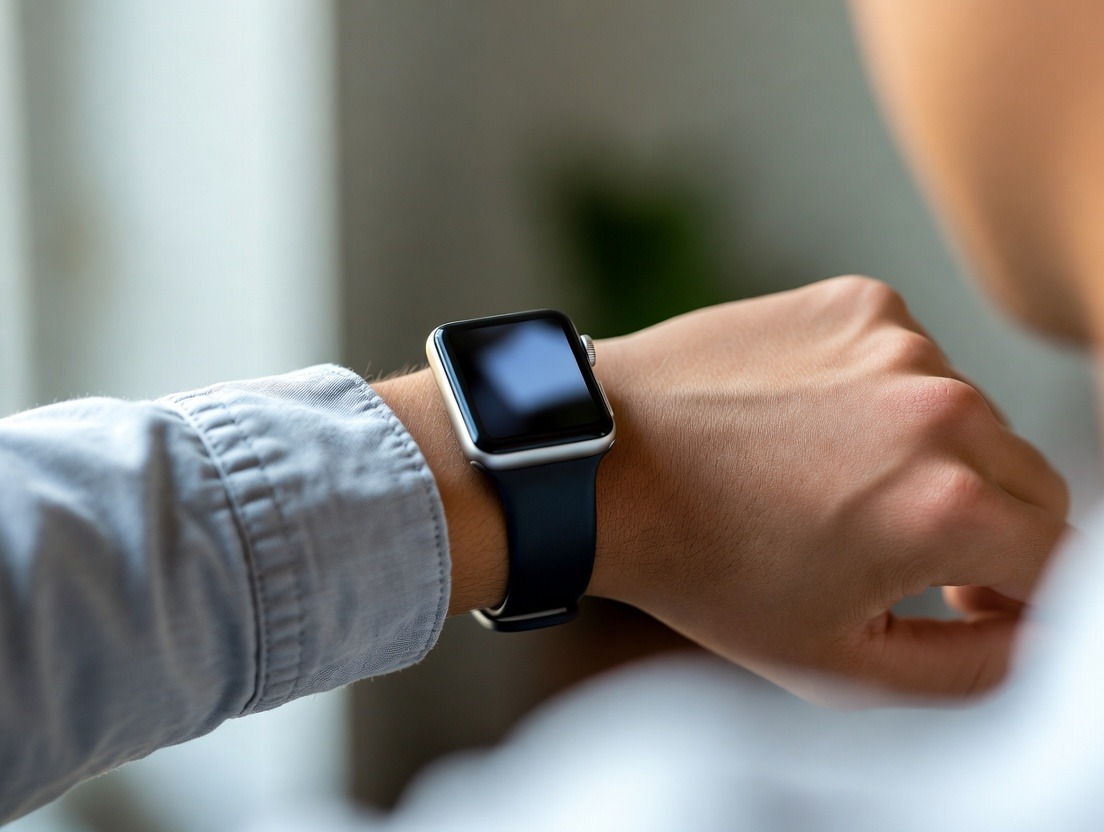
You have journeyed through the foundational science and strategic application of your wellness ring data. You now hold the map to a stronger heart, charted with the coordinates of HRV, RHR, SpO2, and sleep architecture. But a map is only as valuable as the terrain it helps you navigate. This final portion of our guide is about that terrain—the real-world, lifelong practice of heart-centered living. We move from theory and experimentation to integration, community, and the profound mindset shift that turns data into wisdom and habits into identity.
The ultimate goal is not to be forever tethered to a device, but to internalize its lessons so deeply that you develop an intuitive sense of your heart’s needs. The ring becomes a trusted advisor, a periodic check-in, and a safety net, while you become the confident author of your cardiovascular destiny. Here, we explore the art of maintaining progress, overcoming plateaus, building a supportive environment, and envisioning a future where this technology is a seamless part of a vibrant, heart-healthy life.
In any long-term endeavor, progress is rarely a straight line upward. You will encounter plateaus where, despite your consistent efforts, your HRV stagnates, your RHR won’t budge lower, or your sleep quality seems capped. Furthermore, as you age or as life circumstances shift, your personal baselines themselves will change. Navigating these phases without frustration is critical for sustained heart health. Your ring provides the objective evidence to do so intelligently.
Understanding the Fitness-Health Plateau
In physical training, a plateau often signals that your body has adapted to the current stimulus. The same principle applies to broader heart health metrics. If you’ve been doing the same Zone 2 runs, meditation practice, and 10 PM bedtime for six months and your metrics have stabilized, your system is no longer being challenged to improve. This isn’t failure; it’s homeostasis.
The Art of Strategic Deloading
Sometimes, the plateau is actually a sign of accumulated, low-grade fatigue. Your metrics aren’t improving because they can’t—your system is maxed out. This is where a planned deload week is essential.
Adapting to Aging and Life-Stage Baselines
It is biologically normal for average RHR to increase slightly and HRV to decrease gradually with age. A woman going through perimenopause or a man entering andropause may see shifts in their baselines due to hormonal changes. The goal is not to fight this natural progression, but to optimize within your current decade.
By using your ring to distinguish between a temporary plateau, a need for deloading, and a natural baseline shift, you avoid burnout and self-criticism. You learn to work with your body’s long-term rhythms, not against them. For ongoing discussions on navigating these long-term trends, our blog serves as a resource for all ages and stages.
Your willpower is a finite resource. Relying on it daily to make heart-healthy choices against a tide of environmental temptation is a recipe for exhaustion. The most effective strategy is to design your environment—both digital and physical—so that the healthy choice is the easy, automatic, and default choice. Your wellness ring data can guide you in auditing and engineering these spaces for effortless cardiovascular support.
The Digital Environment: Curating Your Inputs for Lower Stress
The information you consume directly impacts your nervous system. A chaotic digital environment creates a chaotic internal state.
The Physical Home & Workspace: An Ecosystem for Recovery
The Social Environment: Cultivating a Heart-Supportive Circle
Your social network is a powerful environmental lever. Surrounding yourself with people who value health makes your journey easier and more joyful.
By thoughtfully designing your environments, you reduce the cognitive load required to make healthy choices. You create a world that passively supports your heart’s well-being, allowing your willpower to be reserved for true emergencies and creative pursuits. This philosophy of environmental design is core to our vision of seamless wellness, detailed further in our company's story and values.
The pinnacle of using any tool is reaching a point where you internalize its principles so completely that you can sometimes set it aside. With your wellness ring, the goal is to cultivate a profound body awareness—an intuitive connection to your heart's signals—so that the data becomes a confirmation of what you already feel, not the sole source of truth. This is the mindset of mastery: using technology to transcend its need.
Developing Interoceptive Awareness
Interoception is your sense of the internal state of your body. It’s the ability to feel your heart rate, sense muscle tension, or notice hunger and fullness cues. Modern life dulls this sense. Your ring is a training wheel for rebuilding it.
The Confidence to Deviate from the Data
Data is a guide, not a tyrant. There will be days when your data says "low readiness," but you feel a surge of energy and have a fantastic, light workout with no negative after-effects. There will also be days when your data is "green," but you listen to a gut feeling of needing rest.
Periodic "Ring Fasts" for Recalibration
To prevent data anxiety and test your intuitive skills, consider a periodic "ring fast"—wearing the ring but not looking at the app for 3-7 days.
From Manager to Partner
Your relationship with the ring evolves:
This journey to intuitive wisdom is deeply personal and rewarding. It’s about reclaiming an innate connection to your body that technology had initially mediated. Hearing how others have navigated this path can be illuminating, as seen in the diverse user experiences shared in our testimonials.
While the path to heart health is personal, walking it in isolation is unnecessary and often less sustainable. Humans are social creatures, and motivation, accountability, and shared understanding flourish in community. Your wellness journey, amplified by your ring data, can connect you to a like-minded tribe, transforming a private pursuit into a shared mission with collective energy and support.
Finding Your Tribe: Online and In-Person
The Data of Shared Experience: Group Challenges and Insights
Participating in a group challenge (e.g., a "sleep hygiene week" or a "daily steps challenge") where everyone shares their ring-data outcomes creates a powerful laboratory for learning.
Using Shared Data for Family Health
The most impactful community is often your own household. When partners or families sync their wellness journeys, it creates a home environment aligned toward health.
By weaving your heart-health journey into a social fabric, you gain resilience. On days when your personal motivation wanes, the community holds the belief for you. Your successes inspire others, and their victories fuel you. It transforms the pursuit from a solitary task into a connected, human experience. For those looking to start or deepen these connections, finding others on a similar path is often just a click away in shared spaces like our blog and community forums.
The work you do today with your wellness ring is not just for you. It is an investment in your future self and a legacy for those who love you and those who will come after you. By reframing heart health from a personal chore to a generational gift, you tap into a deeper, more enduring source of motivation. The data on your app is not just numbers; it’s the story of you building a longer, healthier, more vibrant life in which you can fully participate.
The Cumulative Impact of Micro-Choices
Every green readiness day honored, every extra hour of deep sleep earned, every stressful moment met with a breathing break is a brick in the fortress of your long-term health. Your ring’s long-term trend graphs are the visual proof of this fortress being built.
Creating a "Health Span" Not Just a "Life Span"
The goal is not merely to live longer, but to live well longer—to compress morbidity and extend vitality. This is your "health span."
Modeling a New Relationship with Health
Perhaps the most powerful legacy is the example you set. By openly using a tool like a wellness ring to guide thoughtful choices, you demonstrate that health is a valued, active pursuit.
This long-view perspective turns daily discipline into a profound act of self-respect and love for your future self and your community. It’s the final, most important layer of insight your ring can provide: the story of a life well-lived, measured in beats of a strong and resilient heart. This vision of empowered, long-term wellness is at the core of our mission at Oxyzen.
We began this journey by introducing your wellness ring as a translator for your heart's silent language. We have explored, in depth, the lexicon of that language—HRV, RHR, SpO2, and sleep—and the grammar that connects them. You have learned to interpret daily reports, conduct personal experiments, align with natural rhythms, navigate life's disruptions, and even collaborate with healthcare professionals. You have moved from being a passive recipient of data to an active architect of your cardiovascular well-being.
The thread running through every section is empowerment. This technology returns agency to you. No longer are you guessing about the impact of a late meal, wondering if you're training effectively, or blindly pushing through fatigue. You have evidence. You have insight. You have a 24/7 companion that reflects back to you the consequences and rewards of your choices with unwavering objectivity.
The ultimate promise of your wellness ring is not a perfect, green score every day. That is neither possible nor desirable. The promise is awareness, understanding, and choice. It is the awareness to see when your system is stressed. The understanding to know what likely caused it and what might help. The choice to act in a way that supports your long-term vitality.
As you move forward, let your ring be a lens for compassion, not criticism. Let the data inform you, not define you. Use it to build rituals that sustain you, to create an environment that supports you, and to foster connections that inspire you. Internalize its lessons so that you grow more attuned to the wise, rhythmic beat within you—a beat that has been there all along, now finally heard, understood, and honored.
Your heart health journey is now a data-informed, personalized, and empowered path. Walk it with curiosity, act with the confidence of evidence, and build the strong, resilient heart that will carry you through a long and vibrant life.
Your Trusted Sleep Advocate (Sleep Foundation — https://www.sleepfoundation.org/)
Discover a digital archive of scholarly articles (NIH — https://www.ncbi.nlm.nih.gov/
39 million citations for biomedical literature (PubMed — https://pubmed.ncbi.nlm.nih.gov/)
experts at Harvard Health Publishing covering a variety of health topics — https://www.health.harvard.edu/blog/)
Every life deserves world class care (Cleveland Clinic -
https://my.clevelandclinic.org/health)
Wearable technology and the future of predictive health monitoring. (MIT Technology Review — https://www.technologyreview.com/)
Dedicated to the well-being of all people and guided by science (World Health Organization — https://www.who.int/news-room/)
Psychological science and knowledge to benefit society and improve lives. (APA — https://www.apa.org/monitor/)
Cutting-edge insights on human longevity and peak performance
(Lifespan Research — https://www.lifespan.io/)
Global authority on exercise physiology, sports performance, and human recovery
(American College of Sports Medicine — https://www.acsm.org/)
Neuroscience-driven guidance for better focus, sleep, and mental clarity
(Stanford Human Performance Lab — https://humanperformance.stanford.edu/)
Evidence-based psychology and mind–body wellness resources
(Mayo Clinic — https://www.mayoclinic.org/healthy-lifestyle/)
Data-backed research on emotional wellbeing, stress biology, and resilience
(American Institute of Stress — https://www.stress.org/)


