


How to Increase Your HRV Naturally: The Complete Wellness Ring Guide
A complete guide to naturally increasing HRV using your wellness ring.
A complete guide to naturally increasing HRV using your wellness ring.
%402x.svg)
You wake up feeling groggy. Your coffee seems less effective, your afternoon slump hits harder, and your stress feels more pronounced. You check your smartwatch—sleep score: 82. Not bad. Step count: on track. But something fundamental, something beneath the surface, is whispering that your resilience is fading. That whisper has a name: Heart Rate Variability (HRV).
For decades, HRV was a metric confined to cardiology clinics and elite sports labs. Today, thanks to wearable technology like advanced wellness rings, it’s a daily feedback loop available on your finger. It’s not just another number; it’s your body’s most honest conversation about stress, recovery, and overall autonomic nervous system balance.
Imagine having a personal, 24/7 biofeedback coach that tells you not just what you did, but how it affected your deepest physiology. That’s the promise of modern HRV tracking. This guide isn’t just about understanding this critical biomarker—it’s about mastering it. We’ll dive into the science-backed, natural methods to elevate your HRV, transforming it from a mysterious metric into a lever for unparalleled vitality. And we’ll explore how the discreet power of a wellness ring, like those developed by pioneers at Oxyzen, is revolutionizing personal health by making this deep data accessible, actionable, and integral to daily life.
Your journey to a more resilient, adaptable, and vibrant you starts with the rhythm of your own heart. Let’s begin.
To understand how to improve Heart Rate Variability, we must first grasp what it truly measures. Contrary to popular belief, a healthy heart is not a perfect metronome. The time between heartbeats—measured in milliseconds—constantly fluctuates. If your heart beats 60 times per minute, it’s not beating exactly once per second. The intervals might be 0.95 seconds, then 1.05 seconds, then 0.98 seconds. This subtle, millisecond-scale variation is your HRV.
Why does this matter? HRV is the single best non-invasive window into your autonomic nervous system (ANS)—the dual-channel autopilot that controls every involuntary function in your body. The ANS has two primary branches:
High HRV generally indicates a robust, balanced ANS. It means your body can swiftly and efficiently switch between the gas and brake pedals, adapting to stress and then recovering from it. You are resilient. Low HRV suggests a nervous system stuck in a dominant state—often chronic sympathetic (stress) drive—or a system that lacks the flexibility to respond appropriately. It’s a red flag, a sign your body is operating under strain.
Beyond Stress: The Holistic HRV Story
While stress is a primary driver, HRV is influenced by a symphony of factors:
The power of tracking HRV, especially with a continuous device like a wellness ring, is in connecting these dots. You move from guessing to knowing. Did that hard workout make you stronger or push you into overtraining? Was that "relaxing" evening scroll through social media actually activating your stress response? The data doesn’t lie. For a deeper exploration of the science behind biometric tracking, our blog features ongoing research and insights.
As Dr. Stephen Porges, a pioneer in polyvagal theory, states: “HRV is a marker of our neurophysiological state. It reflects our capacity to self-regulate, to engage socially, and to be resilient in the face of challenge.” This isn't just about performance; it's about the fundamental quality of your life experience.
In the era of quantified self, we've been drowning in data but often starved for meaning. We can track steps, calories, and sleep stages, but these are largely behavioral outputs. HRV is different. It is a physiological input—a direct readout of your body's internal state and its response to everything life throws at it. This makes it the contextual glue that makes all other data make sense.
The Limitations of Common Metrics:
HRV as Your Predictive Health Dashboard:
Research consistently links higher HRV to remarkable health outcomes:
The introduction of comfortable, accurate wellness rings has been a game-changer in accessing this metric. Unlike chest straps (uncomfortable for all-day wear) or smartwatches (which can be bulky and have poor overnight tracking due to wrist movement), a ring like Oxyzen's provides continuous, clinical-grade data from the vascular-rich finger, especially during the critical recovery window of sleep. This allows for the most reliable single measurement: your Nightly HRV Average or Morning Readiness Score.
By making this master metric accessible 24/7, the mission at Oxyzen is to empower individuals to move from passive tracking to active restoration. It's about closing the loop between action and insight.
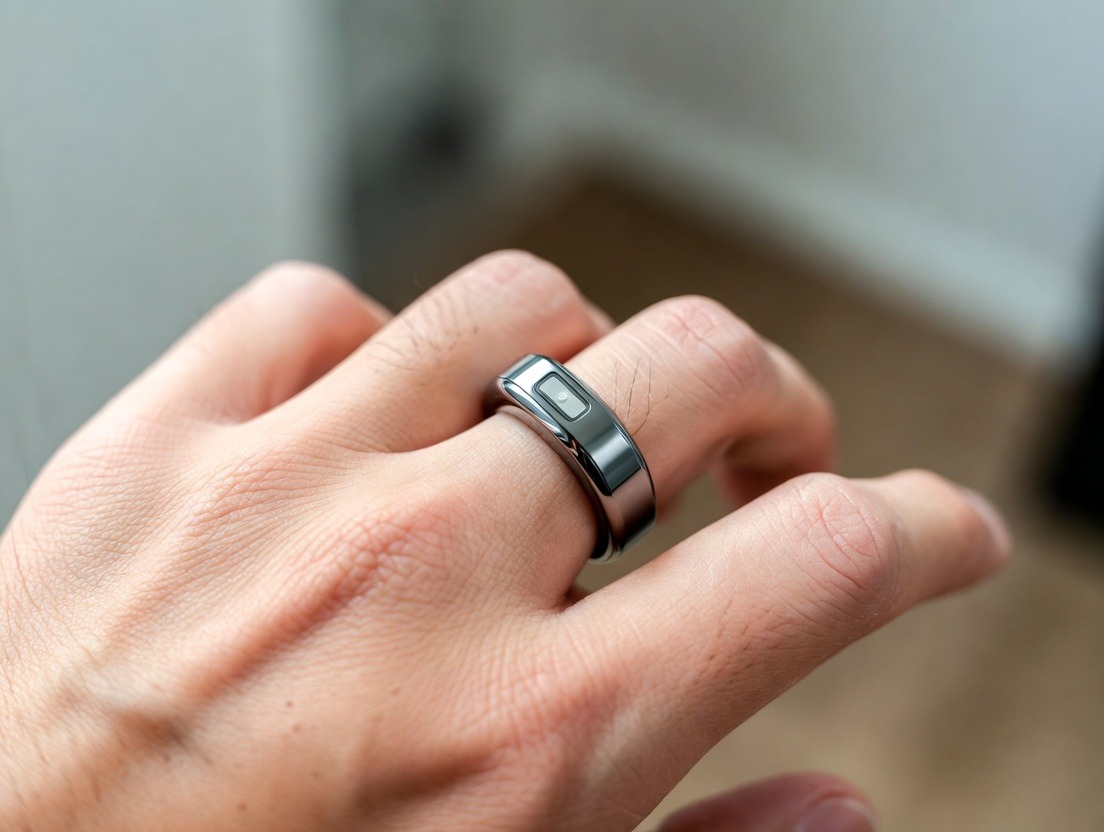
You can’t manage what you don’t measure, but you can also be paralyzed by what you mismeasure. The leap from sporadically checking an HRV app with a finger sensor to wearing a dedicated wellness ring is the leap from taking snapshots to recording a full-length film of your physiology. The context it provides is transformative.
The Unique Advantages of Ring-Based Tracking:
From Raw Data to Actionable Intelligence:
A sophisticated wellness ring doesn't just collect milliseconds of interval data. Its companion app acts as a data fusion center, creating your personal Readiness Score or Recovery Index. This score typically synthesizes:
Seeing a low score isn't a judgment; it's an invitation. It’s your body saying, "Prioritize restoration today." This allows for truly personalized decision-making:
This feedback loop creates what psychologists call interoceptive awareness—a heightened sense of your internal state. You begin to feel the subtle signs of sympathetic drive or parasympathetic calm as they happen, and you can use the ring's data to validate and hone that intuition. Countless users have shared stories of this empowerment on our testimonials page, highlighting how data-driven insights led to tangible life changes.
The ring becomes less of a device and more of a partner in your wellness journey, providing the objective clarity needed to make subjective life choices that consistently nudge your nervous system toward greater balance and resilience.
If HRV is the report card of your autonomic nervous system, then sleep is its most important study period. You cannot hack, supplement, or biohack your way to high HRV if you are chronically sleep-deprived or experiencing poor sleep quality. This is the non-negotiable foundation.
The Sleep-HRV Symbiosis:
During deep sleep (Stage N3), your body enters a state of profound physical restoration. Growth hormone is released, tissue repair occurs, and your sympathetic nervous system activity drops to its lowest point. This is when your parasympathetic system gets to work unchallenged, leading to the highest, most stable HRV readings of the 24-hour cycle. Poor or insufficient sleep brutally truncates this vital recovery window.
Actionable Strategies for Sleep-Enhanced HRV:
Craft Your Non-Negotiable Sleep Sanctuary
Harness the Power of Routine (Your Circadian Rhythm)
Your body thrives on predictability. A consistent sleep-wake time, even on weekends, strengthens your circadian rhythm, which in turn regulates the cortisol-melatonin seesaw that governs sleep and wakefulness. A stable rhythm promotes more efficient transitions into deep sleep, directly benefiting HRV.
Optimize the Pre-Sleep Wind-Down
The hour before bed should be a gradual descent into parasympathetic dominance.
Tracking your sleep with a wellness ring provides the crucial feedback to see what works for you. You can experiment with a cooler room or an earlier digital sunset and see the direct impact on your sleep depth and, consequently, your morning HRV reading. For more nuanced tips on perfecting your sleep hygiene, explore our blog for dedicated deep-dives. Remember, you aren't just tracking sleep; you're engineering it for autonomic nervous system restoration.
If sleep is the foundation, then breathing is the most direct lever you can pull to influence your HRV in real-time. The connection is immediate and physiological: your heart rate naturally accelerates slightly when you inhale (sympathetic nudge) and decelerates when you exhale (parasympathetic nudge). This is called Respiratory Sinus Arrhythmia (RSA), and it’s a primary component of HRV. By consciously slowing and deepening your breath, you amplify this natural rhythm, giving your parasympathetic system a powerful, immediate workout.
The Science of Coherent Breathing:
Research from the HeartMath Institute and others has identified an optimal breathing rhythm for maximizing HRV and creating "psychophysiological coherence": 5-6 breaths per minute (an inhalation and exhalation cycle totaling 10-12 seconds). This pace, typically achieved with equal inhale and exhale times (e.g., 5 seconds in, 5 seconds out), appears to naturally synchronize your heart rate, blood pressure, and respiratory rhythms, leading to a smooth, high-amplitude HRV wave pattern.
Practical Breathing Protocols for HRV Enhancement:
Daily HRV Biofeedback Training (The 10-Minute Tune-Up)
This is your daily workout for your vagus nerve and ANS balance.
The Acute Stress Reset (The 90-Second Rescue)
When you feel stress mounting—before a big presentation, during a conflict, or when anxiety spikes—use this immediate tool.
Integrative Breathing for Activity
The beauty of pairing these practices with a wellness ring is the tangible feedback. You can do a 10-minute breathing session and often see a direct, positive shift in your real-time HRV reading within the app. This positive reinforcement builds a powerful habit loop. It turns an abstract practice into a measurable skill. For those curious about the technology that makes this instant feedback possible, you can learn more about Oxyzen's approach to precise biometric capture.
Exercise is a powerful, double-edged sword for HRV. In the right dose, it’s a potent stimulus for positive adaptation, strengthening your heart-brain axis and boosting resilience. In excess or without proper recovery, it becomes a chronic stressor that depletes your ANS. The key is intelligent dosing—using HRV as your guide to distinguish between productive strain and destructive overreach.
The Acute vs. Chronic Effect:
Designing an HRV-Friendly Fitness Regimen:
Prioritize Low-Level Aerobic Activity (The HRV Foundation)
Zone 2 cardio—where you can hold a conversation comfortably—is arguably the best type of exercise for building ANS resilience. It improves mitochondrial efficiency, capillary density, and strengthens vagal tone without imposing a large systemic stress.
Dose High-Intensity Training (HIT) Strategically
HIT (like sprints, heavy weightlifting, CrossFit) provides tremendous benefits but at a high recovery cost. It should be sprinkled into your regimen, not used as the daily bread.
Embrace Recovery as an Active Discipline
Recovery is not passive; it’s where adaptation happens.
Listen to Your Body (Backed by Data)
This is where your wellness ring becomes an indispensable coach. By tracking your nightly HRV trend, you can answer critical questions:
This data-driven approach prevents the common trap of following a rigid plan that ignores your body's daily reality. It cultivates body literacy. Many athletes and fitness enthusiasts have documented this journey, sharing how tuning into their data transformed their performance and well-being, as seen in some of the stories on our testimonials page. You learn to work with your physiology, not just on it.

Every bite of food is information that either promotes inflammation or quells it, stresses your system or supports its repair. Since your autonomic nervous system is intimately connected to your immune and digestive systems, what you eat directly influences HRV through pathways like gut-brain communication, oxidative stress, and blood sugar volatility.
Core Nutritional Principles for High HRV:
Stabilize Your Blood Sugar Rollercoaster
Sharp spikes and crashes in blood glucose trigger a sympathetic stress response (releasing cortisol and adrenaline) to mobilize energy. Chronic instability keeps your nervous system on alert.
Fight Inflammation with Every Meal
Chronic inflammation is a constant low-grade stressor that depresses HRV. Your diet is your primary anti-inflammatory tool.
Master Hydration and Electrolytes
Dehydration increases heart rate and reduces blood volume, forcing your heart to work harder and directly lowering HRV. Electrolytes—especially sodium, potassium, and magnesium—are critical for the electrical impulses of your heart and nervous system.
Time Your Fuel for Recovery
Using Your Ring for Nutritional Insight:
Your wellness ring can be a powerful biofeedback tool for nutrition. Try an experiment:
Your thoughts and emotions are not ephemeral; they have a direct, electrochemical impact on your physiology. Chronic worry, anger, or anxiety maintain a background of sympathetic nervous system activation, constricting your HRV. Conversely, practices that cultivate calm, gratitude, and presence actively stimulate the parasympathetic branch. Training your mind is as critical as training your body for high HRV.
Cognitive and Emotional Levers for HRV:
Practice Mindfulness & Present-Moment Awareness
Mindfulness meditation isn't about clearing your mind; it's about observing your thoughts and sensations without judgment. This practice reduces the "stickiness" of stressful thoughts and decreases activity in the amygdala (the brain's fear center), directly promoting parasympathetic activity.
Cultivate Gratitude and Positive Affect
Feeling genuine gratitude and positive emotions creates a physiological shift. Research using HeartMath techniques shows that consciously generating feelings of appreciation or care creates an immediate, coherent HRV pattern.
Foster Deep Social Connection
Loneliness and social isolation are profound stressors linked to low HRV. Positive, warm social interaction—feeling seen, heard, and safe with others—triggers the ventral vagal state (a branch of the parasympathetic system) described in polyvagal theory, which is the foundation for safety and connection.
Reframe Your Stress Narrative
The work of Dr. Alia Crum at Stanford shows that your mindset about stress matters. Viewing stress as a enhancing challenge (e.g., "This is exciting; my body is preparing me to perform") rather than a debilitating threat can lead to healthier physiological responses, including better HRV profiles during stressful tasks.
Your wellness ring provides the objective feedback that these "soft" practices have "hard" physiological effects. You might do a 10-minute meditation and see your real-time HRV climb in the app. You might notice that days filled with positive social interaction lead to better overnight recovery scores. This biofeedback loop makes the mind-body connection tangible, moving it from theory to lived experience. The vision behind creating tools for this connection is part of the story we're passionate about at Oxyzen—bridging technology with human well-being.
Your autonomic nervous system is in constant dialogue with your surroundings. From the light hitting your eyes to the noise in your ears and the air in your lungs, environmental factors can be stealthy stressors or powerful promoters of balance. Optimizing your environment is about reducing the "allostatic load"—the cumulative burden of chronic stress—on your system.
Key Environmental Modulators of HRV:
Harness Light for Circadian Strength
We touched on this for sleep, but light exposure throughout the day is critical.
Manage Acoustic Pollution
Chronic exposure to unwanted noise—traffic, office din, construction—is a documented autonomic stressor. It can keep your nervous system in a state of low-grade vigilance, even if you're not consciously aware of it.
Prioritize Nature Immersion ("Forest Bathing")
The Japanese practice of Shinrin-yoku (forest bathing) has robust research showing it lowers cortisol, blood pressure, and heart rate, while increasing HRV. It's not about exercise; it's about mindful sensory engagement with a natural environment.
Optimize Your Immediate Workspace
Many of us spend hours a day in one spot. Make it serve your nervous system.
Tracking your HRV can reveal surprising environmental triggers. You may discover that your recovery scores are consistently worse after a day working in a loud, windowless office versus a day working from a quiet, sunlit home space. This data empowers you to advocate for changes or create micro-environments that support, rather than deplete, your resilience. It turns your awareness outward, helping you curate a life that nourishes your biology. For common questions on how to best use technology to navigate these environmental factors, our FAQ page offers helpful guidance.
While lifestyle is the bedrock of HRV, targeted nutritional supplementation can serve as a powerful adjunct—filling gaps, supporting stressed systems, and optimizing biochemical pathways crucial for autonomic balance. However, supplements are not magic pills; they are amplifiers of a healthy foundation. Think of them as specialized tools, not the carpenter.
The Foundational "Big Three" for Nervous System Support:
Before exploring advanced options, these three are critical for basic cellular function and nerve transmission, and deficiencies are common.
Magnesium – The Relaxation Mineral
Magnesium is a cofactor in over 300 enzymatic reactions, including those regulating neurotransmitter function and muscle relaxation. It acts as a natural calcium channel blocker, helping to calm nerve and muscle cell excitability.
Omega-3 Fatty Acids (EPA & DHA) – The Membrane Modulators
The cell membranes of your neurons and cardiac cells need to be fluid and flexible for optimal communication. Omega-3s, especially EPA and DHA, are incorporated into these membranes, reducing inflammation and improving cell signaling.
Vitamin D – The Hormonal Regulator
Vitamin D functions more like a hormone than a vitamin, and receptors for it are found throughout the nervous system. Deficiency is rampant and strongly associated with fatigue, low mood, and systemic inflammation—all HRV depressors.
Advanced Adaptogens & Botanicals for Stress Resilience
These herbs help the body "adapt" to stress by modulating the hypothalamic-pituitary-adrenal (HPA) axis, the central stress response system.
Important Cautions & Protocol:
Your wellness ring provides the perfect feedback mechanism for supplementation. Rather than guessing, you can track. Does adding magnesium glycinate before bed improve your deep sleep and morning HRV? Does ashwagandha blunt your stress response during a difficult work week, reflected in more stable daily readings? This bio-individual approach turns supplementation from a shot in the dark into a precise, data-informed strategy. For personalized questions on integrating tech with your health regimen, our FAQ is a great place to start.
Deliberate, controlled exposure to extreme temperatures is one of the most potent biohacks for training autonomic nervous system resilience. The acute stress of cold or heat forces your body to mount a strong, compensatory regulatory response, powerfully engaging both branches of your ANS and, over time, teaching your system to recover more swiftly and efficiently—a process reflected in improved HRV.
The Cold Exposure Protocol for HRV:
The Physiological Shock and Adaptation
Cold exposure causes vasoconstriction (sympathetic activation), a spike in norepinephrine, and a surge in metabolic rate. Following the exposure, your body mounts a powerful "rebound" effect: vasodilation, a flood of endorphins, and a strong parasympathetic recovery response. This "stress-and-recover" cycle is the perfect workout for your ANS.
The Heat Exposure Counterbalance (Sauna)
Heat exposure, typically via sauna, imposes a different but complementary stress: thermoregulatory. Your core temperature rises, your heart rate increases dramatically (similar to moderate exercise), and you sweat profusely. This promotes cardiovascular conditioning, releases heat shock proteins (for cellular repair), and induces a deep state of relaxation afterward.
Creating a Contrast Therapy Cycle
Alternating hot and cold (e.g., sauna for 15 minutes, followed by a 1-3 minute cold plunge, repeated 2-3 times) is the pinnacle of autonomic training. This "pumping" of the vascular system and rapid switching between stress and recovery states is exceptionally challenging for the ANS and can lead to robust long-term improvements in its flexibility and tone. Always listen to your body and your data. A contrast cycle is advanced; if your HRV is severely depressed the next day, you overdid it.
By using your wellness ring, you can objectively measure the impact of these powerful practices. You're not just seeking a fleeting buzz; you're tracking the downstream effect on your core recovery metrics. This turns an intense experience into a quantifiable part of your resilience-building toolkit, perfectly aligned with the Oxyzen mission of using precise data to guide powerful lifestyle interventions.

Owning a wellness ring that tracks HRV is like having a high-performance dashboard for your body. But a dashboard is useless if you don't understand the gauges or know how to respond to the warnings. Mastery lies not in the collection of data, but in its intelligent interpretation and application.
Establishing Your Personal Baseline – The Critical First Step
Your HRV is uniquely yours. Comparing your number to someone else's is meaningless. A value of 45 ms could be excellent for one person and low for another. The true power is in the trend relative to your own baseline.
Understanding the Signals: What Your Daily HRV is Telling You
The Art of the HRV-Informed Day: Dynamic Lifestyle Adjustment
This is where the rubber meets the road. Your morning readiness score is your guide for the day.
Action Plan for a "Low Readiness" Day:
Avoiding Analysis Paralysis and Data Anxiety
A common pitfall is becoming obsessed with daily fluctuations, creating a new source of stress—"Why is my HRV down 3 ms today?" Remember:
Your ring’s app is designed to synthesize this for you, but your judgment is the final layer. By learning the language of your own body through this data, you become an expert in self-management. This journey of discovery, of connecting cause and effect, is at the heart of the positive user experiences shared on our testimonials page. It’s about moving from being a passenger in your body to becoming its skilled pilot.
Increasing your HRV is not a 30-day challenge; it is a lifelong practice in cultivating resilience. The goal is not to chase a perpetually high number, but to build a system—a lifestyle and a mindset—that allows your autonomic nervous system to withstand, adapt to, and recover from life's inevitable stresses with grace and efficiency. This is the foundation of not just longevity, but of healthspan—the quality of those years.
Integrating Practices into Sustainable Rhythms
The strategies outlined in this guide are not a checklist to be completed, but a palette of tools to be woven into the fabric of your life.
Embracing Setbacks as Data Points
You will have low HRV weeks. A sickness, a family crisis, or a period of overwork will depress your numbers. The key is to not view this as failure, but as critical feedback. A sharp drop in HRV is your body’s early warning system, giving you the chance to course-correct before a minor dip becomes a chronic issue or leads to burnout or injury. This reframes "setbacks" into "system check-ins."
The Cumulative Effect: Beyond the Numbers
Over months and years of consistent practice, the benefits of a higher, more stable HRV compound:
This long-term transformation is the true promise of mastering your HRV. It’s the difference between surviving your days and thriving through them. The wellness ring is your companion on this journey, providing the objective, gentle nudges needed to stay on a path that aligns with your deepest well-being. It embodies a commitment to understanding the self, a principle that has been central to our story from the beginning.
As you move forward, remember that this is not about perfection. It’s about progression. It’s about listening a little more closely to the subtle rhythm of your heart, trusting its wisdom, and having the tools to respond. The path to a more resilient you is already beating within your chest. Now, you have the map and the compass to follow it.
While the core science of Heart Rate Variability applies universally, the application of its principles must be adapted to individual biology, lifestyle, and life stages. A one-size-fits-all approach can lead to frustration or misinterpretation of data. Understanding how HRV interacts with your unique circumstances is key to making it a truly personal tool for wellness.
HRV Through the Female Hormonal Cycle
For individuals with menstrual cycles, HRV is not a static metric—it dances in a predictable rhythm with hormonal fluctuations. Ignoring this can lead to misinterpreting natural dips as signs of poor recovery.
Actionable Insight: Track your cycle alongside your HRV in your wellness ring app. Observe your personal pattern. Use the high-resilience follicular phase for challenging workouts and big projects. Honor the luteal phase as a time for more recovery-focused activities (yoga, walking, strength maintenance), deeper sleep hygiene, and nourishing foods. A pre-menstrual HRV dip is not a failure; it's physiology. Adjust your expectations accordingly.
The Athlete's Edge: HRV for Peak Performance & Overtraining Prevention
For athletes, HRV is the ultimate coach for navigating the fine line between peak adaptation and overtraining syndrome (OTS).
HRV in Managing Chronic Stress & Burnout Recovery
For those navigating high-stress careers or recovering from burnout, HRV tracking is less about optimization and more about restoration and boundary-setting.
The Aging Nervous System: Supporting HRV in Later Decades
HRV naturally declines with age as part of the reduced physiological reserve. However, this decline can be significantly slowed, and function can be improved at any age through the very practices outlined in this guide.
Understanding your population-specific context turns HRV from a generic health metric into a deeply personal dialogue. It allows you to work with your biology, not against it, fostering a more compassionate and effective path to lifelong resilience. For more tailored resources on any of these paths, our blog offers a continually growing library of focused content.
As HRV enters the mainstream wellness lexicon, it's accompanied by a wave of oversimplifications and misunderstandings. Clarity is essential to use this tool effectively and avoid unnecessary anxiety or misguided efforts.
Myth 1: "Higher HRV is Always Better."
Reality: While a higher trend over time is generally positive, an abnormally or suddenly very high HRV can sometimes indicate a problem. For instance, in certain stages of endurance overtraining (the "parasympathetic overtaking" model), an athlete may show an unusually high HRV alongside fatigue and declining performance. It can also be a sign of excessive vagal tone in some clinical conditions. Context—how you feel and other metrics like resting heart rate—is everything. The goal is an optimal, resilient HRV, not a maximized one.
Myth 2: "I Can Directly Compare My HRV Number to Someone Else's."
Reality: This is perhaps the most common and damaging misconception. HRV is highly individual. Genetics, age, sex, fitness type (endurance athletes often have higher HRV than strength athletes), and even the specific algorithm your device uses (RMSSD, SDNN, etc.) create vast differences. A value of 60 ms might be low for one person and elite for another. Your only meaningful comparison is you, yesterday, last week, and last month.
Myth 3: "A Single Low HRV Reading Means I'm Unhealthy or Overtrained."
Reality: A single data point is noise. HRV is inherently variable. A poor night's sleep, a heavy meal, a couple of drinks, a stressful argument, or the start of a minor illness can all cause a one-day dip. The signal is in the trend. Is your HRV consistently lower than your baseline for 5-7 days? That's a pattern worth investigating. A single low reading is just a snapshot of a potentially challenging day.
Myth 4: "HRV Tracking Devices Are Not Accurate Enough."
Reality: While it's true that a clinical-grade ECG is the gold standard, modern PPG sensors in high-quality wellness rings are exceptionally accurate for measuring resting and sleep HRV, which are the most valuable metrics for daily tracking. The finger is an ideal location for a strong vascular signal. The consistency and convenience of a ring, worn 24/7, provide a data richness that far outweighs any minor margin of error compared to a perfect, but infrequent, clinical measurement. For a deeper dive into the technology and accuracy behind our approach, you can learn more about Oxyzen.
Myth 5: "If My HRV is Low, I Just Need to Relax More."
Reality: While stress management is crucial, low HRV is a systemic signal. Focusing solely on "relaxation" while ignoring other pillars like poor sleep, inadequate nutrition, dehydration, or a lack of proper physical activity will yield limited results. A low HRV is a question: "What is taxing my system?" The answer could be mental stress, but it could equally be physical inflammation, metabolic dysfunction, or an impending illness. A holistic investigation is required.
Myth 6: "HRV is Only for Elite Athletes and Biohackers."
Reality: This metric is fundamentally about your body's capacity to handle life. Everyone experiences stress, needs recovery, and benefits from resilience. A parent managing a household, a student facing exams, or a professional in a high-stakes job can all gain profound insight from understanding their nervous system's state. It is a universal tool for anyone interested in moving from surviving to thriving.
Dispelling these myths empowers you to engage with your HRV data intelligently and calmly. It becomes a source of insight, not anxiety. This educational approach is core to our philosophy, and we encourage anyone with questions to explore our comprehensive FAQ for further clarification.

Knowledge is only potential power. Execution is everything. This section is your workbook—a step-by-step guide to synthesizing everything you've learned into a sustainable, personalized plan for elevating your HRV and, by extension, your overall vitality.
Phase 1: The Observation & Baseline Month (Weeks 1-4)
Goal: Collect data without judgment. Establish your personal normal.
Phase 2: Foundation Fortification (Weeks 5-8)
Goal: Systematically strengthen the non-negotiable pillars.
Phase 3: Strategic Implementation (Weeks 9-12+)
Goal: Layer in active practices based on your data and goals.
Building Your HRV Decision Tree
Create a simple "If-Then" plan for low-readiness days:
The Review & Refine Cycle
Every month, conduct a brief review:
This personalized, phased approach prevents overwhelm. You are not changing your life overnight; you are conducting a series of compassionate experiments on yourself, guided by the most honest data source you have: your own body. This iterative process of learning and adapting is the essence of modern, empowered well-being, a journey we are committed to supporting as outlined in our story.
The field of biometric tracking and HRV application is not static; it's accelerating at a breathtaking pace. What we see today in advanced wellness rings is merely the foundation for a future where health management is profoundly predictive, personalized, and preventative.
From Tracking to Predictive Analytics & AI Coaching
The next evolution is moving beyond describing your current state to predicting your future one.
Multi-Modal Sensor Fusion: The Complete Physiological Picture
Future devices will move beyond PPG to incorporate additional sensors, creating a holistic dashboard:
Integration with Healthcare and Professional Guidance
The wall between consumer wearables and clinical medicine will continue to crumble.
The mission of companies at the forefront, like Oxyzen, is to responsibly shepherd this future—one where technology doesn't alienate us from our bodies but deepens our connection to them. It's a future where data sovereignty, privacy, and user empowerment are paramount. The goal is a seamless partnership between human intuition and machine intelligence, all in service of unlocking your highest potential for health and resilience. To stay updated on these evolving trends and technologies, we invite you to follow along on our blog.
This journey through the science, strategy, and future of HRV underscores a profound truth: the most advanced technology for wellness isn't something external. It's the complex, beautiful, and adaptable system already within you. The ring, the data, the insights—they are merely translators, helping you listen to and understand the ancient, wise language of your own physiology. By increasing your HRV naturally, you are not hacking your body; you are honoring it, supporting its innate design for balance and strength. You are investing in the foundational capacity that makes everything else in life—performance, joy, connection, creativity—not only possible but sustainable. The path to resilience is now clear, measurable, and uniquely yours to walk.
Your Trusted Sleep Advocate (Sleep Foundation — https://www.sleepfoundation.org/)
Discover a digital archive of scholarly articles (NIH — https://www.ncbi.nlm.nih.gov/
39 million citations for biomedical literature (PubMed — https://pubmed.ncbi.nlm.nih.gov/)
experts at Harvard Health Publishing covering a variety of health topics — https://www.health.harvard.edu/blog/)
Every life deserves world class care (Cleveland Clinic -
https://my.clevelandclinic.org/health)
Wearable technology and the future of predictive health monitoring. (MIT Technology Review — https://www.technologyreview.com/)
Dedicated to the well-being of all people and guided by science (World Health Organization — https://www.who.int/news-room/)
Psychological science and knowledge to benefit society and improve lives. (APA — https://www.apa.org/monitor/)
Cutting-edge insights on human longevity and peak performance
(Lifespan Research — https://www.lifespan.io/)
Global authority on exercise physiology, sports performance, and human recovery
(American College of Sports Medicine — https://www.acsm.org/)
Neuroscience-driven guidance for better focus, sleep, and mental clarity
(Stanford Human Performance Lab — https://humanperformance.stanford.edu/)
Evidence-based psychology and mind–body wellness resources
(Mayo Clinic — https://www.mayoclinic.org/healthy-lifestyle/)
Data-backed research on emotional wellbeing, stress biology, and resilience
(American Institute of Stress — https://www.stress.org/)


