


The 4 Stages of Sleep: What Happens in Each Phase
The four main phases range from light sleep to deep, restorative sleep and REM sleep, where dreaming occurs.
The four main phases range from light sleep to deep, restorative sleep and REM sleep, where dreaming occurs.
%402x.svg)
For centuries, sleep was considered a passive, monolithic state—a simple blank period between days. Today, we know it is one of the most dynamic, complex, and essential processes of human life. Sleep is not a single event but a meticulously choreographed neurological ballet, cycling through distinct stages, each with its unique purpose and signature brainwave patterns. Understanding these stages is more than academic curiosity; it is the key to unlocking better health, sharper cognition, and a more resilient life.
This nightly journey is far from random. It is a structured progression that repeats every 90 to 120 minutes, a rhythm known as the ultradian sleep cycle. Within each cycle, we voyage through light sleep, deep restorative slumber, and the surreal, vivid landscape of dreams. When this architecture is disrupted—whether by stress, lifestyle, or unrecognized disorders—our physical repair, memory consolidation, and emotional regulation can falter. The consequences ripple into our waking hours as brain fog, weakened immunity, and irritability.
The advent of personal sleep technology has transformed this hidden biological process into something we can see, measure, and optimize. No longer confined to the sleep lab, tools like advanced wellness wearables allow us to decode the night's secrets from our own bedrooms. By mapping our personal sleep architecture, we gain unprecedented insight into our health. This article will guide you through a deep exploration of the four stages of sleep, demystifying the science of what happens after dark and providing a blueprint for harnessing its restorative power.
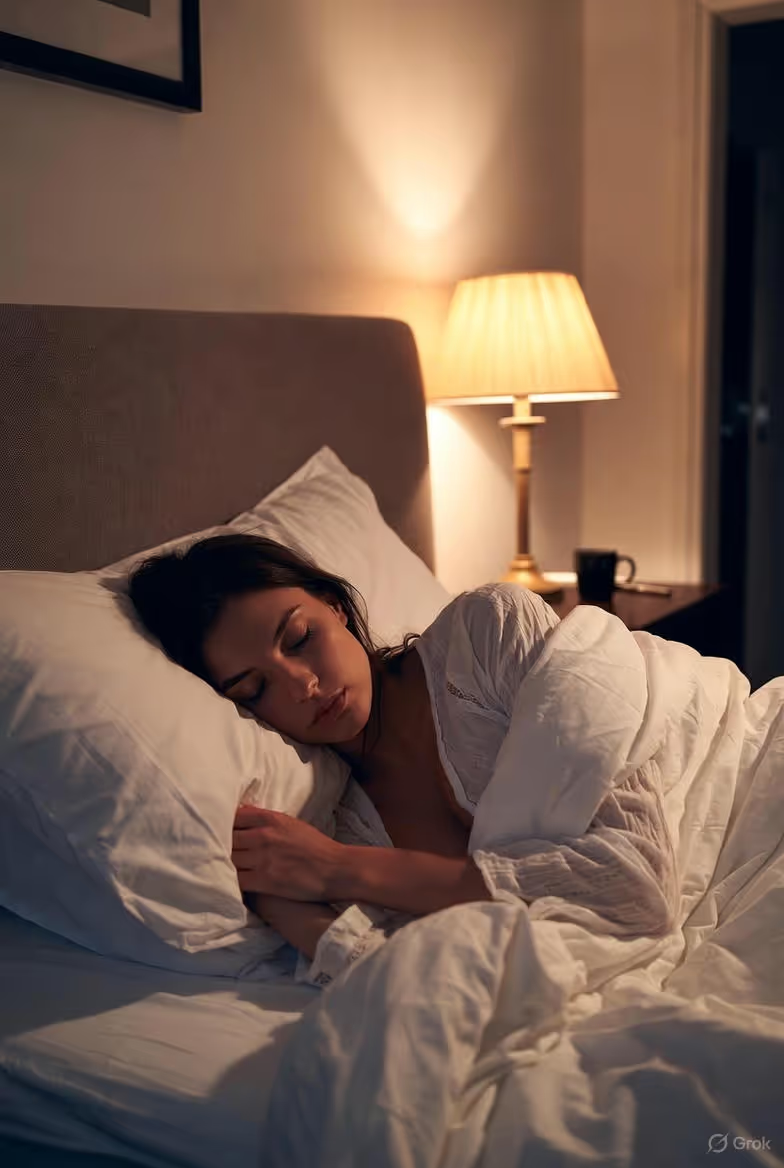
Before we delve into the specific stages, we must first understand the framework that houses them: sleep architecture. Think of it as the blueprint of your night. It’s not merely the total hours you spend in bed, but the precise sequencing, duration, and quality of each sleep stage and how they cycle throughout the night.
This architecture is governed by two primary biological systems: the circadian rhythm and the sleep-wake homeostasis. Your circadian rhythm is your internal 24-hour master clock, primarily influenced by light and darkness, which dictates your overall propensity for sleep and wakefulness. Sleep-wake homeostasis, often called "sleep pressure," is a biochemical timer that builds the longer you are awake—driven by the accumulation of adenosine in the brain—and dissipates during sleep. The elegant interplay between these systems determines when you feel sleepy and how your sleep cycles are structured.
A typical night’s sleep for a healthy adult consists of 4 to 6 of these 90-minute cycles. Crucially, the composition of these cycles changes as the night progresses. The first half of the night is dominated by deep, slow-wave sleep (Stages 3), which is critical for physical restoration and immune function. As the night continues, REM (Rapid Eye Movement) sleep periods become longer and more prominent, while deep sleep dwindles. This shift is why you’re more likely to remember a vivid dream from the hours just before waking. This architecture isn't static; it evolves with age, stress levels, and lifestyle, which is why tracking it can be so revealing. For a deeper dive into how modern technology interprets this personal data, you can learn more about smart ring technology and its approach to holistic wellness tracking.
When your sleep architecture is robust and undisrupted, you wake up feeling refreshed. When it’s fragmented—by sleep apnea, restless legs, or even a partner’s snoring—you miss out on crucial stages, leading to non-restorative sleep regardless of time in bed. Recognizing the patterns of your own sleep architecture is the first, most critical step toward improving it, a journey many have begun by exploring real customer reviews and user experiences with detailed sleep tracking.
Stage 1, known as N1 (Non-Rapid Eye Movement 1), is the twilight zone of consciousness. Lasting only 1 to 7 minutes at the beginning of a cycle, it’s the lightest stage of sleep, the fleeting transition from wakefulness to slumber. If you’ve ever jerked awake with the sensation of falling, you’ve likely been pulled directly from N1 sleep.
Physiologically, the body begins its wind-down process. Your brainwave activity, which was brisk and irregular while awake (beta waves), starts to slow into alpha and then theta waves—the rhythms associated with daydreaming and meditation. Your eye movements slow, muscle tone relaxes, and your heartbeat and breathing begin to decelerate. You can be easily awakened during this stage, and if you are, you might insist you were never actually asleep.
While it may seem insignificant due to its short duration, N1 plays a vital role as the neurological bridge to deeper sleep. It’s the brain’s initial disconnection from the external environment, a necessary buffering phase. However, excessive time in N1 is a hallmark of poor sleep quality. Individuals with insomnia or those in disruptive sleep environments may find themselves repeatedly dipping into Stage 1 only to be awakened, never progressing to the more restorative stages. This creates a night of fragmented, shallow sleep. For those troubleshooting such issues, resources like our comprehensive FAQ and support page can offer valuable guidance on creating an optimal sleep environment.
If Stage 1 is the gateway, Stage 2 (N2) is the bedrock of a good night’s sleep. Accounting for approximately 45-55% of total sleep time in healthy adults, it is the stage in which we spend the most time throughout the night. Upon entering N2, you are unequivocally asleep, and your awareness of the external world fades significantly.
The brain produces definitive bursts of activity that are the signature of this stage: sleep spindles and K-complexes. Sleep spindles are rapid, rhythmic bursts of brainwave activity believed to play a crucial role in sensory gating—they help keep you asleep by shielding the brain from external noises or disturbances. They are also intimately linked to memory consolidation, particularly for procedural and declarative memories. K-complexes are large, high-voltage waves that are thought to serve as a bridge for memory formation and help suppress cortical arousal in response to stimuli that aren’t threatening (like a car passing outside).
Your body continues to downshift: core body temperature drops, eye movements stop, and heart rate and breathing become regular and slow. This stage is essential for overall sleep stability and preparing the brain for the deep restoration to come. The prevalence of N2 sleep increases in the later cycles of the night, partially compensating for the decrease in deep sleep. Because it occupies such a substantial portion of our sleep, its quality is paramount. Consistent disruptions during N2 can prevent the brain from engaging in the necessary memory and learning processes that occur during these spindle-rich periods. For more insights on how sleep impacts daily performance and learning, explore our blog for more wellness tips.
Stage 3, also known as N3 or Slow-Wave Sleep (SWS), is the most restorative and physically crucial phase of the sleep cycle. Often called "delta sleep" due to the presence of slow, high-amplitude delta brain waves, this is the stage that truly recharges the body. It is hardest to wake someone from deep sleep; if awakened, they will likely feel groggy and disoriented—a state known as sleep inertia.
This stage is the body’s premier maintenance window. Human Growth Hormone (HGH) is released in pulses, stimulating tissue growth, muscle repair, and cellular regeneration. The immune system is fortified, with increased production of cytokines, proteins that help fight infection and inflammation. Energy is restored, and the brain’s glymphatic system—its waste-clearance pathway—kicks into high gear, flushing out metabolic toxins like beta-amyloid, which is associated with Alzheimer’s disease.
Deep sleep is most abundant in the first half of the night. As we age, the total amount of SWS we get naturally decreases, which is one reason recovery from physical exertion or illness can take longer. Factors that sabotage deep sleep—such as alcohol consumption, untreated sleep apnea, or significant stress—can have profound negative impacts on physical health, recovery from exercise, and even metabolic function. Protecting this stage is non-negotiable for athletes, those healing from injury, and anyone seeking long-term vitality. The mission to empower individuals with the data to protect such vital health metrics is at the core of our company’s information and mission.

Stage 4 is the famous REM (Rapid Eye Movement) sleep, the domain of dreams. Following a period of deep sleep, the brain becomes incredibly active—in many ways, as active as it is during wakefulness. However, the body enters a state of temporary muscle atonia (paralysis), a protective mechanism that prevents you from acting out your dreams. Your eyes dart rapidly behind closed lids, your heart rate and blood pressure increase, and your breathing becomes faster and more irregular.
REM sleep is the brain’s emotional and cognitive workshop. It is vital for processing emotions, consolidating and integrating memories (particularly emotional and procedural memories), and fostering creativity and problem-solving. During REM, the brain sifts through the day’s experiences, deciding what to store in long-term memory and what to discard. It’s also thought to play a key role in brain development in infants, who spend nearly 50% of their sleep in REM.
The length of REM periods expands with each successive sleep cycle. The first REM period may last only 10 minutes, while the final one, in the early morning hours, can stretch to an hour. This is why you often wake from a vivid dream. Deprivation of REM sleep, which can occur with certain medications, alcohol, or sleep disorders, is linked to increased emotional reactivity, difficulty learning complex tasks, and poor concentration. It is the stage where the mind, in a sense, heals and organizes itself. Understanding this delicate balance is part of the brand journey and vision behind creating tools that illuminate these hidden biological rhythms.
A single night of sleep is not a static collection of stages but a dynamic, evolving journey. The sequence is remarkably consistent: we typically move from wakefulness to N1, then to N2, into the deep waters of N3, back up through N2, and finally into a REM period. This complete circuit constitutes one sleep cycle, lasting roughly 90 to 110 minutes.
The magic, however, is in the changing proportions across the night. The first cycle might look like this: N1 (5 min) → N2 (10-25 min) → N3 (20-40 min) → N2 (brief) → REM (1-10 min). Here, deep sleep is the star. In the second and third cycles, deep sleep durations may remain significant, but REM periods begin to lengthen. By the fourth and fifth cycles, deep sleep may disappear entirely, replaced by longer stretches of N2 and expansive REM periods that can last up to an hour.
This architectural design is biologically strategic. The body prioritizes physical repair (deep sleep) early in the night when sleep pressure is highest. As the need for physical restoration is met, the brain shifts its focus to memory integration, emotional processing, and neural pruning (REM) in the later cycles. This is why both getting enough total sleep and maintaining an uninterrupted sleep schedule are critical—cutting your sleep short by two hours often means sacrificing the longest, most potent REM periods of the night, which are crucial for cognitive and emotional health.
The seamless transition between sleep stages is a feat of neurobiological engineering, orchestrated by a complex interplay of brain structures, electrical waves, and chemical messengers. At the helm is the suprachiasmatic nucleus (SCN) in the hypothalamus, the body’s circadian pacemaker, which synchronizes sleep-wake cycles with light/dark cues.
Key sleep-promoting structures include the ventrolateral preoptic nucleus (VLPO), which sends inhibitory signals to arousal centers to initiate sleep. The pineal gland secretes melatonin, the hormone of darkness, which promotes sleepiness but does not directly cause sleep. The transition into and maintenance of different stages involves a delicate dance of neurotransmitters. Gamma-aminobutyric acid (GABA) is the brain’s primary inhibitory neurotransmitter, quieting arousal. Adenosine accumulates as a byproduct of energy use during wakefulness, increasing "sleep pressure." During sleep, it is cleared away.
The brainwaves themselves tell the story of each stage, measured by an EEG (electroencephalogram):
The shift into REM sleep is governed by the pons and amygdala, which trigger the characteristic eye movements and emotional dream content, respectively. Understanding this intricate neurology underscores that sleep is an active, highly regulated state, not a passive one. For those fascinated by the data behind these biological processes, discover how Oxyzen works to translate this complex neurology into actionable insights.
Your sleep architecture is not fixed from adulthood onward; it is a living blueprint that is continuously redrawn by age and lifestyle. Age is the most powerful architect. Newborns spend about 50% of their sleep in REM and cycle every 50-60 minutes. By young adulthood, the percentages stabilize to the typical 20-25% REM, 15-25% deep sleep, and the rest in N2. In middle and older age, deep sleep (N3) decreases significantly, often replaced by lighter N2 or N1 sleep. Sleep becomes more fragmented, with more frequent awakenings and a shift toward earlier bedtimes and wake times.
Lifestyle factors act as contractors, either fortifying or weakening the structure. Consistent exercise generally promotes deeper, more efficient sleep, though timing matters (vigorous exercise too close to bedtime can be disruptive). Diet and substance use have profound effects: caffeine and nicotine are stimulants that fragment architecture; alcohol may induce sleepiness but notoriously suppresses REM sleep and leads to later-night awakenings. A heavy meal before bed can disrupt deep sleep as the body focuses on digestion.
Light exposure, especially from blue-light-emitting screens in the evening, can delay melatonin release and shift the circadian rhythm, making it harder to fall asleep and altering stage progression. Chronic stress elevates cortisol, a wake-promoting hormone, which can shorten REM sleep and reduce sleep efficiency. The cumulative impact of these choices either builds a resilient, restorative sleep architecture or one that is fragile and inefficient, directly influencing daily energy and long-term health risks. For a comprehensive look at modifying these lifestyle factors, consider reading our complete guide to sleep hygiene and wellness optimization.

Historically, understanding an individual’s sleep architecture required a polysomnography (PSG) test in a sleep lab—a comprehensive recording of brain waves (EEG), eye movements (EOG), muscle activity (EMG), heart rate, and breathing. While this remains the gold standard for diagnosing sleep disorders, it is inaccessible and impractical for nightly use.
The rise of consumer sleep technology has democratized sleep stage tracking. Modern wearables, like advanced smart rings and watches, use a combination of sensors—typically photoplethysmography (PPG) to measure heart rate and heart rate variability (HRV), accelerometers to measure movement, and sometimes temperature sensors. Sophisticated algorithms analyze these physiological signals to estimate sleep stages, duration, and disruptions.
While no consumer device can match the accuracy of a medical EEG for staging, the best ones provide a remarkably good approximation of sleep architecture and, more importantly, track trends over time. The true power lies not in a single night’s absolute accuracy but in observing patterns: How does your deep sleep change after a hard workout? Does your REM sleep drop after an evening of alcohol? How does your sleep latency (time to fall asleep) respond to a new wind-down routine? This longitudinal data transforms subjective feeling into objective insight, empowering you to make informed lifestyle adjustments. The evolution of this accessible, personal health technology is part of the inspiring founding story and values behind innovative wellness companies.
The meticulously balanced progression through sleep stages is not a luxury; it is a biological necessity. When this balance is disrupted, the consequences are systemic, affecting nearly every aspect of health. Deep sleep deprivation impairs physical recovery, weakens immune defense, and is linked to an increased risk of hypertension, cardiovascular disease, and metabolic issues like insulin resistance. The brain’s waste-clearance system falters, potentially allowing neurodegenerative proteins to accumulate.
REM sleep deprivation has striking cognitive and emotional effects. It can lead to increased anxiety, irritability, and difficulty coping with stress. Memory consolidation suffers, making learning new information or skills more challenging. Creativity and problem-solving abilities can stagnate. Chronic REM disruption is also observed in conditions like depression and PTSD.
Furthermore, disorders like sleep apnea cause repeated, brief awakenings (often from deep sleep) to restart breathing, fragmenting the entire architecture and preventing progression into restorative stages. Insomnia often traps individuals in light N1 sleep, with heightened physiological arousal preventing descent into N2 and N3. The goal, therefore, is not just more sleep, but better, well-architected sleep with the right balance of stages. Achieving this balance is one of the most impactful steps you can take for long-term wellness, a principle that guides the development of tools designed to help you monitor and understand your sleep.
Understanding the architecture of sleep is only half the battle; the other half is learning how to actively cultivate and protect it. Each stage serves a distinct purpose, and by employing targeted strategies, you can create an environment and lifestyle that promotes the full, uninterrupted progression through all four phases. This isn't about chasing perfection in a single night, but about building consistent habits that strengthen your sleep architecture over time.
For Stage 1 (N1), the goal is to create a seamless, rapid transition from wakefulness to sleep. This "sleep onset latency" is a key indicator of sleep health. Strategies here focus on the wind-down ritual. This means establishing a 60-90 minute buffer zone before bed dedicated to calming activities: dimming lights (using amber-toned bulbs if possible), engaging in light stretching or restorative yoga, reading a physical book, or practicing mindfulness meditation. The critical tactic is a digital sunset—disconnecting from phones, computers, and TVs to eliminate blue light, which suppresses melatonin, and to reduce cognitive and emotional stimulation from news or social media. A cool, dark, and quiet bedroom environment signals to your brain that it's time to initiate that first, gentle descent.
Optimizing Stage 2 (N2), the foundational sleep, involves promoting stability and reducing disruptions. Since sleep spindles in N2 are crucial for memory, activities that challenge the brain during the day—like learning a new language, playing a musical instrument, or solving puzzles—can actually increase spindle density. Consistency in your sleep schedule is paramount; going to bed and waking up at the same time every day (even on weekends) strengthens your circadian rhythm, making N2 sleep more robust. Managing noise pollution with white noise machines or earplugs can prevent auditory disruptions from pulling you out of this vital stage. Furthermore, ensuring you are not deficient in key minerals like magnesium, which supports nervous system regulation, can promote longer, more stable periods of N2.
To nurture Stage 3 (Deep Sleep), you must focus on physical recovery and physiological down-regulation. Strategic exercise is one of the most powerful deep-sleep boosters; however, timing is key. While regular physical activity increases overall slow-wave sleep, finishing intense workouts at least 3 hours before bed allows core body temperature to drop, which is a necessary trigger for deep sleep. Nutrition plays a role: a small protein-rich snack before bed can provide the amino acids needed for repair, while avoiding heavy, high-sugar, or high-fat meals prevents the digestive system from working overtime overnight. Thermoregulation is critical—a bedroom temperature of around 65°F (18.3°C) is ideal for most people to facilitate the natural drop in core temperature. Practices like taking a warm bath 1-2 hours before bed actually aid this process; as you leave the bath, your body rapidly cools, mimicking the natural temperature drop that invites deep sleep. For those seeking to track the impact of these changes on their physiology, explore our blog for more wellness tips on data-driven health optimization.
Cultivating rich Stage 4 (REM Sleep) is about supporting emotional and cognitive processing. Since REM periods lengthen toward morning, protecting your total sleep duration is non-negotiable. Cutting sleep short directly robs you of your longest, most potent REM phases. Managing stress and emotional health through daytime practices like journaling or therapy can prevent excessive emotional processing from overwhelming REM sleep, leading to restless dreams. Because alcohol is a potent REM suppressant, moderating evening alcohol consumption is one of the most direct ways to improve REM quality. Interestingly, certain dietary components, like the omega-3 fatty acids found in fatty fish, have been linked to healthier REM patterns. Finally, allowing yourself to wake up naturally, without a jarring alarm, can let you complete that final, lengthy REM cycle, leading to a feeling of mental freshness. The journey to balancing these stages is personal, and many find value in the real customer reviews and user experiences shared by others on a similar path.
Even with the best intentions, numerous stealthy disruptors can shatter the continuity of your sleep stages, leaving you with a fragmented, non-restorative night. Identifying and mitigating these culprits is essential for architectural integrity.
Technology & Blue Light: The artificial blue light emitted from LEDs, smartphones, tablets, and computers is the most pervasive modern disruptor. It tricks the suprachiasmatic nucleus (SCN) into believing it's still daytime, suppressing melatonin production by up to 50% and delaying the onset of Stage 1 sleep. This not only makes it harder to fall asleep but can also compress and displace later stages, particularly REM.
Caffeine & Stimulants: Caffeine's half-life is about 5-6 hours, meaning that a cup of coffee at 3 PM still leaves half the caffeine in your system at 9 PM. It works by blocking adenosine receptors, the very neurotransmitters that signal sleep pressure. This artificial alertness can significantly reduce total sleep time, increase sleep latency, and, according to some studies, reduce the percentage of deep sleep. Nicotine is another potent stimulant with similar effects, often causing lighter, more restless sleep and earlier morning awakenings.
Alcohol (The Deceptive Sedative): While alcohol may induce initial drowsiness and help you fall asleep faster, it dramatically alters sleep architecture. It is a potent suppressant of REM sleep, particularly in the first half of the night. As alcohol is metabolized later in the night, it leads to a rebound effect of fragmented, lighter sleep and frequent awakenings—often during what should be a long REM period. This leads to the common experience of "sleeping" for 8 hours but waking up unrefreshed.
Stress & Hyperarousal: The "fight-or-flight" nervous system (sympathetic) is the arch-nemesis of sleep. Chronic stress leads to elevated levels of cortisol, which should be at its lowest at bedtime. This creates a state of physiological and cognitive hyperarousal, making it difficult to transition into N1 and N2 sleep and causing "light sleep dominance" where you rarely dip into deep, restorative stages.
Sleep Disorders (The Silent Architects): Conditions like Obstructive Sleep Apnea (OSA) cause repeated, momentary awakenings (often from deep sleep) to restart breathing, fragmenting the entire cycle. Restless Legs Syndrome (RLS) creates an irresistible urge to move the legs just as you're trying to relax into sleep, delaying onset and preventing progression. Insomnia is often characterized by a hyper-alert brain that gets "stuck" in light sleep. If you suspect an underlying disorder, tracking your patterns can provide valuable insights to discuss with a healthcare professional. For common questions on how wearables can assist in identifying potential issues, our FAQ and support page offers detailed information.
While lifestyle choices are major players, a host of other subtle factors can fine-tune or disturb your sleep architecture in surprising ways.
Dietary Timing & Composition: It’s not just what you eat, but when. Large, high-fat meals close to bedtime force your digestive system to work overtime, raising core body temperature and disrupting the descent into deep sleep. Conversely, being overly hungry can cause a drop in blood sugar that may wake you up. Foods containing the amino acid tryptophan (found in turkey, milk, nuts, and seeds) are precursors to serotonin and melatonin, and when paired with complex carbohydrates, can mildly support sleep onset. Spicy foods can cause indigestion and thermogenesis, directly working against the body's cooling process needed for deep sleep.
Medications & Substances: Many prescription and over-the-counter drugs have sleep architecture side effects. Common culprits include:
Hormonal Fluctuations: The menstrual cycle, pregnancy, and menopause are powerful sleep disruptors for women. In the days leading up to menstruation, the drop in progesterone (a sleep-promoting hormone) and a slight rise in body temperature can impair sleep quality and reduce REM sleep. During perimenopause and menopause, declining estrogen leads to hot flashes and night sweats, which are notorious for causing abrupt awakenings from deep sleep.
Genetic Predispositions: Emerging research in chronogenetics shows that your inherent "chronotype" (whether you're a natural early bird or night owl) is genetically influenced and determines your ideal window for sleep. Fighting against your chronotype by forcing an early bedtime can result in prolonged sleep latency and inefficient cycling. Furthermore, some individuals may have genetic variants that make them more susceptible to the negative effects of caffeine or more resilient to sleep deprivation.
Environmental Noise & Light Pollution: Even if you don't fully wake up, low-level ambient noise (like traffic, a snoring partner, or a humming appliance) or subtle light pollution (from a streetlamp, LED clock, or charger light) can prevent you from reaching or maintaining deep N3 and REM sleep, keeping you in lighter, less restorative stages. This is why creating a cave-like environment is so often recommended.
Understanding these nuanced factors empowers you to become a detective of your own sleep, looking beyond the obvious to fine-tune your habits and environment for optimal restoration. This holistic approach to well-being is central to the company’s information and mission.
The true power of sleep lies not in any single stage, but in their symphonic interplay. Each phase plays its unique part, and the seamless transitions between them create a restorative whole greater than the sum of its parts. Disrupting one movement throws the entire orchestra out of harmony.
Consider the physical and cognitive restoration cascade. Deep N3 sleep facilitates the physical repair of tissues, muscle growth, and immune strengthening. The brain's glymphatic system performs its deep clean. This physical restoration primes the brain for the cognitive work of REM. In REM sleep, the memories and skills "filed" during N2 and the neural pathways cleared in N3 are integrated, connected, and woven into your existing knowledge base. Emotional memories are processed, stripping away their raw intensity. You literally wake up with a cleaner, more organized, and emotionally balanced brain because of this sequence.
The hormonal dance across the night is another critical interplay. During deep sleep, growth hormone is released, and cortisol reaches its lowest point. As you move toward morning and REM, cortisol begins its gradual rise to help prepare you for wakefulness. The balance of hunger hormones, leptin and ghrelin, is also regulated. Fragmented sleep that disrupts deep stages can lead to elevated cortisol at night and dysregulated appetite hormones, contributing to weight gain and insulin resistance.
This synergy also explains why sleep quality is more important than sheer quantity. Eight hours of fragmented, apnea-riddled sleep that never allows for sustained deep or REM cycles is far less restorative than six hours of solid, uninterrupted cycling. The brain and body need uninterrupted time in each stage to complete their essential tasks. This is the core reason why simply "being in bed" for a recommended duration is an incomplete metric for health. The quest to measure and understand this holistic symphony drives innovation in personal health technology, as detailed in our brand journey and vision.
In the modern wellness landscape, moving from generalized advice to personalized optimization requires data. Wearable sleep trackers provide a daily readout of your personal sleep architecture, turning abstract concepts into tangible metrics. The key to using this data effectively lies in interpretation and trend analysis.
First, understand the core metrics provided:
Rather than fixating on a single night's "perfect" scores, look for patterns over weeks and months. Ask yourself: Does my deep sleep increase the night after a day of intense physical activity? Does my REM percentage drop after an evening of social drinking? Does my sleep latency improve when I stick to my wind-down routine? Do I see a correlation between high-stress days and increased nighttime awakenings (WASO)?
This longitudinal view allows for intelligent experimentation. You might test: "If I stop caffeine after 12 PM this week, how does it affect my sleep latency and deep sleep?" or "If I meditate for 15 minutes before bed, does it increase my sleep efficiency?" The tracker provides the objective feedback to see if your subjective feeling of "I slept better" is backed by data. This empirical approach removes the guesswork and empowers you to become the architect of your own restoration. To discover how Oxyzen works to provide this kind of actionable, trend-based insight, exploring the technology behind the data is a valuable next step.
The cumulative effect of disrupted sleep architecture isn't just fatigue; it's a significant, independent risk factor for a host of chronic diseases. When the nightly restorative cycle is consistently short-circuited, systemic inflammation increases, hormonal balance is upended, and metabolic processes go awry.
Cardiovascular Health: Deep sleep is when the heart gets a break—heart rate and blood pressure dip significantly. Chronic deprivation of this restorative stage is associated with sustained nighttime blood pressure (non-dipping), a major risk factor for hypertension, stroke, and heart disease. Furthermore, sleep fragmentation increases inflammatory markers like C-reactive protein (CRP), which damages blood vessels.
Metabolic Health & Diabetes: Sleep architecture plays a direct role in glucose metabolism and insulin sensitivity. Deep sleep deprivation reduces the body's ability to regulate blood sugar. Studies show that after just a few nights of selective deep sleep disruption, healthy young adults can exhibit insulin resistance akin to a prediabetic state. The disruption of REM and slow-wave sleep also alters the balance of leptin (the "I'm full" hormone) and ghrelin (the "I'm hungry" hormone), leading to increased appetite and cravings for high-calorie, high-carbohydrate foods.
Neurological & Mental Health: The brain's nightly cleansing process during deep sleep is crucial for clearing beta-amyloid, the protein implicated in Alzheimer's disease. Chronic poor sleep is now considered a major modifiable risk factor for cognitive decline and dementia. The emotional dysregulation that comes from REM sleep disruption is strongly linked to mood disorders. Insomnia, often characterized by reduced deep sleep, is a well-established risk factor for the development of depression and anxiety disorders.
Immune Function: Deep N3 sleep is when the immune system releases cytokines, proteins that orchestrate the immune response. Consistently missing this stage can lead to a weakened immune defense, making you more susceptible to infections and potentially reducing the effectiveness of vaccines. There's a reason you feel the need to "sleep it off" when you're sick—the body is prioritizing deep sleep to fuel the immune battle.
This evidence underscores that protecting your sleep architecture is not a self-indulgent wellness trend; it is a foundational pillar of preventive medicine. Investing in sleep is investing in long-term resilience against some of the most prevalent diseases of our time. For further reading on the science of sleep and longevity, our blog offers a wealth of related articles.
Armed with knowledge about the stages, their disruptors, and their profound importance, the final step is synthesis: creating a personalized, actionable plan. This is not about a rigid, overnight overhaul, but about implementing sustainable changes that compound over time. Think of it as renovating your sleep architecture, one habit at a time.
Step 1: Establish Non-Negotiable Foundations (The "Sleep Hygiene" Pillars):
Step 2: Address Stage-Specific Priorities:
Step 3: Leverage Technology Wisely:
Use a wearable tracker not as a source of nightly anxiety, but as a tool for curiosity and trend-spotting. Review your data weekly, not daily. Look for the connections between your lifestyle inputs and your sleep outputs. Let the data validate what works for you and reveal what doesn't.
Step 4: Practice Patience and Self-Compassion:
Sleep is a biological process, not a performance metric. There will be nights of poor sleep due to stress, travel, or illness. The goal is the long-term trend. Avoid "sleep effort"—trying too hard to sleep often creates the anxiety that prevents it. If you can't fall asleep after 20 minutes, get out of bed, do a quiet, non-stimulating activity in dim light, and return only when you feel sleepy.
Remember, the most sophisticated sleep plan is the one you can consistently maintain. It’s a personal experiment in well-being, and the reward is not just better sleep, but a more vibrant, resilient, and healthy waking life. For ongoing support and community experiences on this journey, the stories shared in real customer reviews and user experiences can be both inspiring and informative.
A deep understanding of the four sleep stages provides more than a blueprint for optimization; it also gives us the lens to recognize when the architecture has fundamentally failed. Sleep disorders are, at their core, disruptions to the natural progression and balance of these stages. They are not simply about feeling tired—they are systemic breakdowns in a critical biological process, with consequences that permeate every aspect of health. Recognizing the signs is the first step toward reclaiming restorative rest.
Many people endure fragmented sleep for years, attributing their daytime fatigue to "just how they are" or the stresses of modern life. However, when poor sleep architecture becomes chronic, it often points to an underlying disorder. These conditions hijack the sleep cycle, preventing the brain and body from completing their essential nightly work. From the repeated airway collapses of sleep apnea that sabotage deep sleep to the neurological misfires of REM Sleep Behavior Disorder, these disorders have distinct signatures that distort the normal sleep stage landscape.
Understanding these disorders through the framework of sleep stages demystifies their symptoms. Why does someone with sleep apnea wake up unrefreshed despite 8 hours in bed? Because their cycle is shattered into hundreds of micro-awakenings, never sustaining deep or REM sleep. Why does someone with narcolepsy collapse with sudden muscle weakness upon laughter? Because the boundaries between wakefulness and REM sleep are dangerously porous. By learning to identify these red flags—in yourself or loved ones—you can move beyond generic sleep tips and seek targeted, effective intervention. This knowledge is power, and it aligns with our mission to empower individuals with insights into their health, a core part of our company’s information and mission.
Insomnia is the most common sleep disorder, characterized not just by difficulty falling or staying asleep, but by a profound distortion of sleep architecture. It is best understood as a state of 24-hour hyperarousal—a nervous system stuck in "high alert." This heightened state of physiological and cognitive activation directly attacks the transition into and maintenance of the deeper, restorative sleep stages.
For individuals with insomnia, the descent from wakefulness into Stage 1 (N1) is fraught. Instead of a smooth transition, the mind races with anxious thoughts ("I need to sleep, why can't I sleep?"), and the body remains tense. They may spend excessive time in the twilight of N1, easily disturbed, or they may fall into a light, unrefreshing N2 sleep that is perpetually on the brink of waking. The greatest casualty is Slow-Wave Sleep (N3, deep sleep). The hyperaroused brain finds it exceedingly difficult to generate the slow, synchronized delta waves necessary for deep restoration. Consequently, sleep is "shallow," dominated by lighter stages, and the physical repair and immune strengthening of N3 are severely curtailed.
REM sleep is also affected, often appearing earlier in the night (a phenomenon called REM sleep latency shortening) and can be fragmented. The dreams during these periods may be more stressful or vivid, reflecting the daytime anxiety. The result is a night that feels like long stretches of "fake sleep"—conscious awareness of the passage of time without the feeling of having been truly asleep. This creates a vicious cycle: the fear of not sleeping fuels more arousal, which further prevents sleep. Breaking this cycle often requires Cognitive Behavioral Therapy for Insomnia (CBT-I), which specifically targets the hyperarousal and the maladaptive thoughts and behaviors that perpetuate it. For those exploring all avenues of support, our FAQ and support page addresses common questions about how technology can complement such therapeutic approaches.
Obstructive Sleep Apnea (OSA) is a master saboteur of sleep architecture. It is characterized by repeated collapses of the upper airway during sleep, leading to breathing pauses (apneas) or significant reductions in airflow (hypopneas). Each event, which can occur hundreds of times per night, ends with a brief micro-arousal—often just a few seconds—to restart breathing. The sleeper is rarely aware of these awakenings, but their impact on sleep stages is catastrophic.
The pattern is brutally efficient at destroying restorative sleep. As an individual begins to descend into the deeper stages of N2 and especially into the vulnerable, relaxed state of N3 (deep sleep), the muscles of the airway relax excessively, triggering an apnea. The brain, detecting a drop in blood oxygen, sends a stress signal (a surge of cortisol and adrenaline) that jolts the sleeper back to a lighter stage of sleep (N1 or very light N2) just enough to reopen the airway. This prevents the sustained periods of deep sleep the body desperately needs for physical repair. Consequently, people with severe OSA may have almost zero measurable deep sleep.
REM sleep is particularly vulnerable because the muscle atonia (paralysis) that defines REM extends to the upper airway muscles, making apneas longer and more severe. The brain may avoid REM altogether or allow only brief, fragmented periods. The result is a sleep cycle stuck in a loop of light, fragmented sleep, with constant interruptions that prevent progression into the restorative depths. This explains the hallmark symptom of OSA: severe excessive daytime sleepiness despite a full night in bed. The body has been "asleep," but the architecture has been demolished. Treatment, typically with CPAP (Continuous Positive Airway Pressure) therapy, works by splinting the airway open, allowing for the uninterrupted descent through N2, into deep N3, and through full, sustained REM cycles—literally rebuilding the architecture night by night.
Restless Legs Syndrome and Periodic Limb Movement Disorder are related sensorimotor disorders that act as gatekeepers, blocking entry into sustained deep sleep. RLS is a compelling, often uncomfortable urge to move the legs that occurs primarily during periods of rest and inactivity in the evening. It strikes precisely at the time one is trying to initiate sleep, making the transition into Stage 1 (N1) agonizingly difficult. The constant need to stretch, jiggle, or walk delays sleep onset, increases sleep latency, and heightens frustration and arousal.
Once sleep is finally achieved, PLMD often takes over. This condition involves involuntary, repetitive leg jerks or kicks (periodic limb movements) that occur every 20-40 seconds during sleep, primarily in N1 and N2 stages. These movements cause brief cortical arousals—momentary shifts to a lighter stage of sleep—that fragment the sleep continuum. Just as the brain begins to organize the sleep spindles and K-complexes of N2 to prepare for deep sleep, a kick occurs, resetting the process. Like sleep apnea, this prevents the consolidation of deep N3 sleep and can also disrupt REM.
The architecture of someone with untreated RLS/PLMD shows a pattern of prolonged initial wakefulness, an excessive amount of light N1/N2 sleep, and a stark reduction in deep sleep. The sleep is brittle and easily shattered. Treatment focuses on addressing underlying causes (like iron deficiency) and using medications that modulate dopamine or other neurotransmitters in the central nervous system to quiet the erroneous movement signals, thereby allowing the natural progression into deeper, more restorative stages. The journey to diagnosing such subtle yet disruptive conditions often starts with noticing patterns, something that detailed tracking can illuminate, as shared in some real customer reviews and user experiences.
Narcolepsy presents one of the most profound disturbances to sleep architecture and the boundaries between sleep stages. It is a neurological disorder caused by the loss of hypocretin-producing neurons in the brain, a chemical crucial for stabilizing wakefulness and sleep states. The result is a chronic inability to regulate sleep-wake cycles, leading to a fascinating and debilitating intrusion of REM sleep phenomena into wakefulness.
The sleep architecture in narcolepsy is characterized by a severely shortened REM sleep latency. Instead of progressing through 60-90 minutes of NREM sleep before entering REM, a person with narcolepsy may plunge directly into REM sleep within 15 minutes of falling asleep (Sleep Onset REM Periods, or SOREMPs). This disrupts the normal, sequential order of stages. Furthermore, nighttime sleep is highly fragmented, with frequent awakenings.
The classic symptoms of narcolepsy are direct manifestations of REM sleep intruding where it shouldn't be:
For the narcoleptic brain, the walls between being awake, in NREM sleep, and in REM sleep are porous and crumbling. Treatment aims to consolidate nighttime sleep and manage daytime symptoms with stimulants for sleepiness and specific medications to control cataplexy and REM intrusion, striving to rebuild the lost boundaries between the states of consciousness.
In a healthy sleep cycle, REM sleep is accompanied by muscle atonia—a temporary paralysis that prevents us from acting out our dreams. REM Sleep Behavior Disorder (RBD) is a fascinating and potentially dangerous condition where this paralysis fails. The brain's mechanism for inhibiting motor neurons during REM sleep malfunctions, allowing individuals to physically enact their often vivid, intense, and violent dreams.
This disorder provides a unique window into the dream-enacting brain. During an RBD episode, which occurs during REM sleep, a person might shout, swear, flail, punch, kick, or get out of bed. This is in stark contrast to sleepwalking (somnambulism), which occurs during deep N3 sleep and typically involves calm, confused behaviors with no memory of dream content. RBD behaviors are direct, forceful projections of dream narratives, such as fighting off an attacker or fleeing danger.
From an architectural standpoint, the sleep staging itself may appear normal—the individual cycles into REM sleep—but the physiological signature is abnormal. A sleep study (polysomnogram) will show excessive muscle tone or limb movement during REM, confirming the lack of atonia. The danger is significant, leading to injuries for the sleeper or their bed partner.
Notably, idiopathic RBD is now recognized as a very strong early predictor of neurodegenerative synucleinopathies, such as Parkinson's disease and Lewy body dementia, often appearing years or even decades before other symptoms. It represents a profound breakdown in the brain's control systems during sleep and is managed with medications like clonazepam, which helps suppress the motor activity during REM. Understanding such complex interactions between sleep stages and long-term health is a key focus of modern wellness research, a topic we often explore to further our brand journey and vision.
Our sleep architecture doesn't exist in a vacuum; it is launched and anchored by our internal circadian clock. Circadian Rhythm Sleep-Wake Disorders occur when this master clock is misaligned with the external 24-hour day, leading to a chronic inability to sleep and wake at desired times. This misalignment doesn't just shift the entire sleep episode; it can distort the quality and structure of the stages within it.
The most common forms include:
Treating circadian disorders involves strategic light therapy (using bright light to shift the clock earlier or later), strict sleep scheduling, and sometimes melatonin supplementation taken at precise times to help reset the rhythm. The goal is to realign the internal architecture with the external world, allowing the natural, robust progression of stages to occur at a socially functional time. For those navigating shift work or irregular schedules, explore our blog for more wellness tips on managing circadian health.
Parasomnias are undesirable physical events or experiences that occur during sleep, during specific sleep stages, or in the transitions between sleep and wakefulness. They are dramatic examples of how different neural networks can be activated—or fail to deactivate—in isolation during the sleep cycle.
Parasomnias are often classified by the sleep stage from which they arise:
Understanding the stage-origin of a parasomnia is critical for accurate diagnosis and management. NREM parasomnias are often managed by ensuring safety (securing windows, doors) and addressing triggers like sleep deprivation, fever, or stress that deepen sleep and make arousals more likely. REM parasomnias require different neurological approaches. This stage-specific understanding transforms frightening, bizarre events into manageable neurological phenomena.
When a sleep disorder is suspected, the definitive tool for assessing sleep architecture is the overnight polysomnography (PSG), or sleep study. Conducted in a specialized lab or, increasingly, with home testing devices, a PSG is a comprehensive recording of the biophysiological changes that occur during sleep. It is the only way to objectively quantify the disruption to sleep stages.
A full in-lab PSG involves the application of sensors that monitor:
The resulting data generates a detailed report called a hypnogram—a graph of the night's sleep architecture. A healthy hypnogram shows clean, cyclical transitions between stages. A hypnogram from someone with severe sleep apnea shows a "sawtooth" pattern, with constant ascents to light sleep and no sustained deep sleep. A narcolepsy hypnogram will show a sleep-onset REM period. This objective analysis is irreplaceable; it moves the diagnosis from subjective complaint ("I'm tired") to objective pathophysiology ("You have 45 apneas per hour, and your deep sleep is less than 5% of the night"). For those curious about how consumer technology approximates this clinical gold standard, you can discover how Oxyzen works to provide accessible insights.
Treatment for sleep disorders is fundamentally about restoring healthy, cyclical sleep architecture. The approach is as varied as the disorders themselves, but the goal is universal: to enable the brain to progress unimpeded through the full sequence of restorative stages.
The success of any treatment is often visible in the data—a longer, more stable hypnogram, increased deep and REM sleep percentages, and a reduction in awakenings. This objective feedback is incredibly motivating and confirms that the biological process of restoration is being healed. For ongoing discussion and resources on navigating sleep health, our blog offers a wealth of related articles.
Receiving a diagnosis for a sleep disorder is often a turning point—the beginning of validation and recovery. However, living well with a chronic sleep condition requires ongoing management, self-advocacy, and a commitment to prioritizing sleep as non-negotiable for health. It involves building a life that accommodates your biological needs while challenging the stigma that still surrounds "invisible" disorders like these.
Becoming an Educated Advocate is crucial. Understand your disorder, your treatment options, and your legal rights (such as workplace accommodations under the Americans with Disabilities Act). Keep a detailed sleep diary or use tracker data to share with your healthcare provider, creating a partnership in your care.
Building a Support System is essential. Educate your family, partner, or roommates about your condition. For disorders like sleep apnea or RBD, a bed partner's observations are invaluable. For insomnia or narcolepsy, having understanding friends who don't equate your sleep needs with laziness reduces social stress.
Relentless Consistency with Treatment is the daily work. Whether it's wearing your CPAP mask every single night, practicing your CBT-I techniques, or taking medication on schedule, adherence is what rebuilds your sleep architecture night after night. The payoff is cumulative: better mood, sharper thinking, improved physical health, and reclaimed energy.
Practicing Self-Compassion is perhaps the most important element. There will be difficult nights and setbacks. Defining success not by perfection but by consistent effort and overall trend is key. The journey to reclaiming restorative sleep is a profound act of self-care, with ripple effects that enhance every facet of your life. For inspiration and community, the shared experiences in real customer reviews and user experiences can remind you that you are not alone in this journey.
Your Trusted Sleep Advocate: Sleep Foundation — https://www.sleepfoundation.org
Discover a digital archive of scholarly articles: NIH — https://www.ncbi.nlm.nih.gov/
39 million citations for biomedical literature :PubMed — https://pubmed.ncbi.nlm.nih.gov/
Experts at Harvard Health Publishing covering a variety of health topics — https://www.health.harvard.edu/blog/
Every life deserves world class care :Cleveland Clinic - https://my.clevelandclinic.org/health
Wearable technology and the future of predictive health monitoring :MIT Technology Review — https://www.technologyreview.com/
Dedicated to the well-being of all people and guided by science :World Health Organization — https://www.who.int/news-room/
Psychological science and knowledge to benefit society and improve lives. :APA — https://www.apa.org/monitor/
Cutting-edge insights on human longevity and peak performance:
Lifespan Research — https://www.lifespan.io/
Global authority on exercise physiology, sports performance, and human recovery:
American College of Sports Medicine — https://www.acsm.org/
Neuroscience-driven guidance for better focus, sleep, and mental clarity:
Stanford Human Performance Lab — https://humanperformance.stanford.edu/
Evidence-based psychology and mind–body wellness resources:
Mayo Clinic — https://www.mayoclinic.org/healthy-lifestyle/
Data-backed research on emotional wellbeing, stress biology, and resilience:
American Institute of Stress — https://www.stress.org/


