Learn how to measure deep sleep accurately without expensive sleep lab testing. Discover consumer wearables, apps, and assessment methods with accuracy levels and limitations explained.
How to Measure Deep Sleep Without a Sleep Lab: A Complete Guide to Reclaiming Your Most Restorative Night
For centuries, the mysteries of sleep unfolded in the dark, unseen and unmeasured. We knew we needed it, we craved it, but understanding its architecture—especially its deepest, most restorative phase—was the exclusive domain of scientists in white coats. A sleep lab, with its tangled wires, glued electrodes, and unfamiliar beds, was the only gateway to that knowledge. It was a clinical, intimidating, and inaccessible fortress guarding the secrets of our slumber.
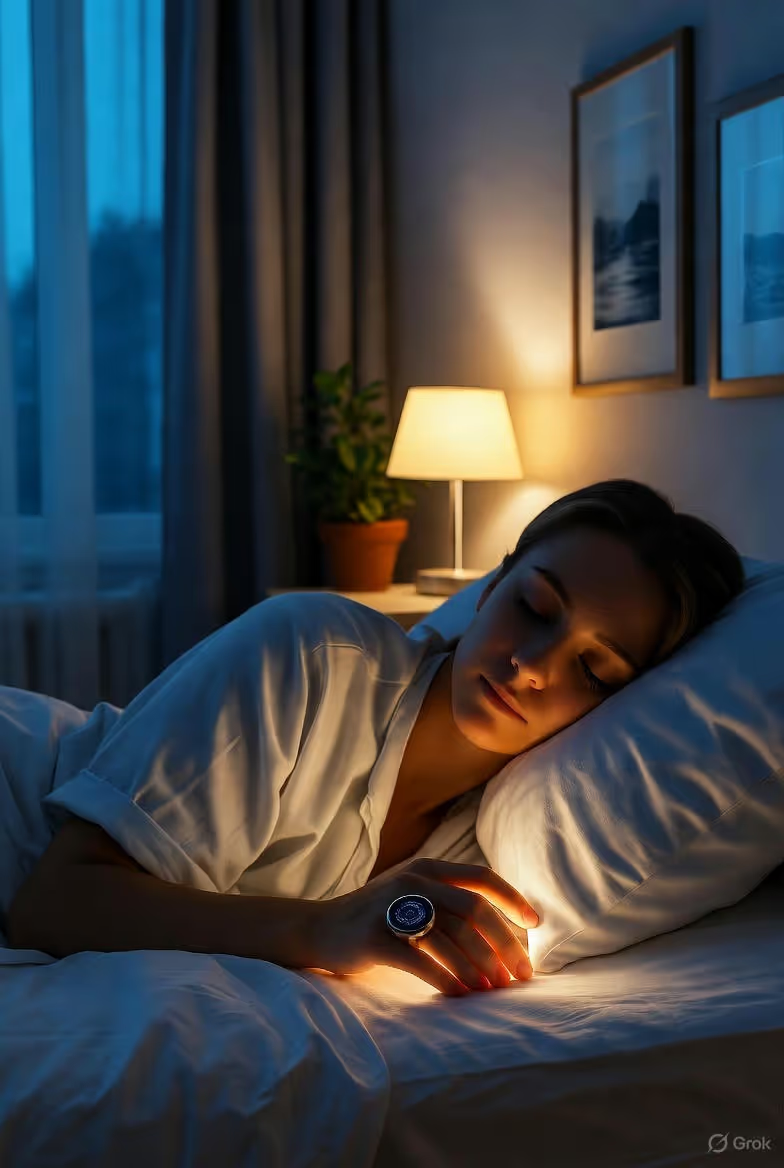
But what if the key to unlocking the profound benefits of deep sleep isn’t found in a sterile lab, but on your own finger?
The quest for quality sleep has moved from the clinic to the consumer. We’re no longer satisfied with simply counting hours; we demand a blueprint of our night. We want to know: Am I getting enough deep sleep? What’s stealing it from me? How can I get more? This deep, slow-wave sleep is the cornerstone of physical repair, memory consolidation, hormone regulation, and immune function. Without it, we wake up unrefreshed, our cognition foggy, our resilience low.
This article is your definitive guide to demystifying that process. You will learn not only how to measure deep sleep accurately from the comfort of your home but also how to interpret the data and, most importantly, how to use it to transform your sleep and your waking life. We’ll journey from the foundational science of sleep stages to the cutting-edge technology that makes personal sleep tracking both possible and powerful, culminating in how a sleek, intelligent device like the Oxyzen smart ring is revolutionizing this personal health revolution.
The era of guessing is over. The era of personalized, data-driven sleep mastery is here.
The Non-Negotiables: Understanding Sleep Architecture and Why Deep Sleep is King
Before you can measure something, you must understand what it is. Sleep is not a monolithic state of unconsciousness. It’s a dynamic, cyclical process with a precise architecture, composed of two main types: Non-Rapid Eye Movement (NREM) sleep and Rapid Eye Movement (REM) sleep. NREM sleep is further divided into three stages—N1, N2, and N3—with N3 being the holy grail we commonly call deep sleep or slow-wave sleep.
Think of a typical night not as a flat line, but as a series of rolling hills and valleys. You descend from light sleep (N1) into slightly more stable sleep (N2), then plunge into the deep, restorative valley of N3, before climbing back up into the vibrant, dream-filled peak of REM sleep. This complete cycle lasts about 90-110 minutes and repeats four to six times per night. Crucially, the composition of these cycles changes. In the first half of the night, the deep sleep valleys are deeper and longer. As the night progresses, REM sleep peaks become more prominent. This is why cutting your sleep short often robs you of a disproportionate amount of deep sleep.
But why does deep sleep deserve the crown?
Physical Restoration & Cellular Repair: This is when growth hormone secretion peaks, facilitating tissue growth and muscle repair. Your body undertakes critical maintenance.
Memory Consolidation: The brain transfers short-term memories from the hippocampus to the long-term storage of the neocortex, solidifying learning and experiences.
Brain Detoxification: The glymphatic system, the brain’s waste-clearance system, kicks into high gear, flushing out metabolic toxins like beta-amyloid, which is associated with Alzheimer’s disease.
Immune System Strengthening: Deep sleep boosts the efficiency of your T-cells, enhancing your body’s ability to fight off pathogens.
Metabolic & Endocrine Regulation: It helps regulate glucose metabolism and appetite hormones like leptin and ghrelin.
Measuring your deep sleep, therefore, isn’t just a curiosity. It’s a direct metric for your body’s nightly renewal process. It tells you if your physiology is getting the fundamental reset it requires for health, longevity, and peak performance. Without sufficient deep sleep, no amount of coffee, supplements, or willpower can fully compensate. For a deeper dive into the science of sleep cycles and their impact on daily performance, our blog features a series of foundational articles that explore this in detail.
The Gold Standard: How Sleep Labs Measure Deep Sleep (And Its Limitations)
To appreciate the modern alternatives, we must first understand the benchmark. Polysomnography (PSG), conducted in a sleep lab, is the undisputed gold standard for sleep measurement. It’s a multi-parameter recording that paints a comprehensive picture of your sleep physiology. Here’s what it involves:
Electroencephalogram (EEG): Electrodes on the scalp measure brain wave activity. This is the primary tool for distinguishing sleep stages. The high-amplitude, slow delta waves of deep sleep are unmistakable on an EEG readout.
Electrooculogram (EOG): Electrodes near the eyes detect eye movements, crucial for identifying REM sleep.
Electromyogram (EMG): Electroments on the chin and limbs monitor muscle tone (which drops in REM sleep) and detect movements like leg kicks.
Additional Sensors: These often include an electrocardiogram (EKG) for heart rate, nasal and oral sensors for airflow, belts for chest and abdominal effort, and a pulse oximeter for blood oxygen levels.
A sleep technologist monitors all these data streams in real-time, and a sleep physician later scores the recording in 30-second epochs, labeling each as wake, N1, N2, N3, or REM based on strict criteria from the American Academy of Sleep Medicine.
So, what are the limitations for the everyday person seeking answers?
Accessibility & Cost: It’s expensive (often thousands of dollars) and typically requires a physician’s referral for a suspected sleep disorder like apnea.
The “First-Night Effect”: Sleeping in a strange environment covered in wires is profoundly unnatural. Data from the first night is often less representative of your typical sleep due to this discomfort and anxiety.
A Single Snapshot: It provides data for one or two nights, which may not reflect your typical sleep patterns or variability across weeks, months, or seasons.
Lack of Context: It measures sleep in a vacuum, disconnected from your daily life variables like stress, diet, exercise, and work schedule.
The sleep lab is an exceptional diagnostic tool for pathology. But for the wellness-oriented individual seeking optimization, it’s overkill, inaccessible, and provides a limited snapshot. The goal of modern technology is not to replicate the 16-channel PSG at home, but to provide a highly accurate, convenient, and longitudinal proxy for sleep staging—especially for tracking trends in deep sleep—that you can use every night. This mission of bringing lab-grade insight into daily life is at the very heart of our story and product vision at Oxyzen.
Beyond the Wrist: The Rise of Wearable Sleep Trackers and the Smart Ring Revolution
The first wave of consumer sleep tracking came from wrist-worn fitness bands and smartwatches. Using a combination of accelerometers (to detect movement) and optical heart rate sensors (to measure pulse), these devices made a valiant attempt to infer sleep. They popularized the concept of sleep stages for the masses. However, they have inherent limitations rooted in their form factor and sensor placement.
The wrist is a dynamic, bony location. During sleep, it can end up under pillows, above your head, or dangling off the bed, leading to unreliable optical heart rate readings. Movement from the wrist is also not perfectly correlated with sleep stage transitions. This can result in significant inaccuracies, especially in distinguishing light sleep from deep sleep and detecting brief awakenings.
Enter the smart ring.
This discreet form factor represents a paradigm shift in wearable biometric tracking. Worn on the finger, it leverages a fundamentally superior physiological position:
Vascular Richness: The fingers contain dense vascular beds, allowing for a stronger, more consistent photoplethysmogram (PPG) signal for heart rate and heart rate variability (HRV) measurement compared to the wrist.
Reduced Motion Artifact: During sleep, your fingers move far less than your wrists. This results in cleaner, more reliable data with fewer gaps or motion-induced errors.
Unobtrusive Comfort: A well-designed ring is often forgotten while worn, eliminating the discomfort or bulk of a wrist device, which can itself disrupt sleep for some users.
Continuous Wearability: Its comfort and social acceptability allow for 24/7 wear, capturing not just sleep data but also daytime metrics like resting heart rate, activity, and temperature trends—all crucial context for interpreting sleep quality.
A modern advanced smart ring like Oxyzen doesn’t just track movement. It employs a sophisticated array of sensors—including a medical-grade PPG sensor, a 3-axis accelerometer, and a skin temperature sensor—to collect raw physiological signals. It is this multi-sensor data fusion, processed through advanced algorithms, that enables a much more accurate estimation of sleep stages, including the elusive deep sleep. To understand how this technology translates into user experience, you can read real customer reviews and testimonials from those who have made the switch.
Decoding the Signals: The Key Biometrics Your Device Uses to Estimate Deep Sleep
So, how does a device on your finger approximate what a lab measures from your brain? It acts as a physiological detective, piecing together a compelling story from several key biometric clues. None alone is definitive, but together, they create a highly accurate profile.
Heart Rate (HR): During deep sleep, your heart rate typically reaches its lowest, most steady point of the 24-hour cycle. The parasympathetic nervous system (your "rest-and-digest" system) is dominant, slowing the heart. A tracker looks for these sustained periods of low, stable heart rate as a primary indicator.
Heart Rate Variability (HRV): This is the nuanced time variation between heartbeats. Contrary to intuition, a higher HRV (when at rest) indicates a healthy, resilient nervous system. During deep sleep, HRV often shows a characteristic pattern and elevated baseline, reflecting strong parasympathetic activity. It’s a subtle but incredibly powerful signal of physiological recovery.
Movement (via Accelerometer): This is the most basic signal. Deep sleep is characterized by minimal body movement. While movement alone can’t confirm deep sleep (you can be still but awake), a complete absence of major movement is a necessary condition.
Respiratory Rate: Derived from the subtle rhythmic patterns in the heart rate signal (known as respiratory sinus arrhythmia), your breathing rate slows down and becomes very regular during deep sleep. An elevated or erratic nocturnal respiratory rate can be a sign of disrupted sleep or other issues.
Skin Temperature: Your core body temperature naturally dips at night to initiate and maintain sleep. The pattern of distal skin temperature (like at the finger) is closely linked to sleep phases and circadian rhythm. Devices track this trend as supportive data.
An advanced device doesn't just look at these metrics in isolation. It uses machine learning algorithms trained on massive datasets that correlate these physiological signals with gold-standard PSG sleep stages. It asks: "When the PSG says 'deep sleep,' what is the unique combination of low heart rate, high HRV, no movement, and slow breathing?" It then applies that learned pattern to your data. For a technical breakdown of how we implement this at Oxyzen, our FAQ page provides detailed insights into our sensor technology and data processing.
Setting the Stage for Accuracy: Best Practices for At-Home Sleep Tracking
Even the most advanced technology requires proper usage to yield reliable data. Garbage in, garbage out. To ensure your deep sleep measurements are meaningful and consistent for trend analysis, follow these foundational practices:
Wear It Consistently: The power of this technology lies in longitudinal tracking. Wear your device every night. Trends over weeks and months are infinitely more valuable than data from a single night.
Ensure a Proper Fit: The ring must be snug but comfortable. A loose ring will move around, causing poor sensor contact and erratic data. Most manufacturers provide sizing kits—use them meticulously. A good fit ensures the optical sensor maintains consistent contact with the skin.
Charge Proactively: Establish a routine, like charging it while you shower and get ready in the morning, so it’s always ready for sleep and daytime wear.
Sync Regularly: Sync your device with its companion app each morning to transfer the night’s data and keep the firmware updated for optimal performance.
Remember It’s an Estimation: Maintain a healthy perspective. You are using a sophisticated estimator, not a medical-grade PSG. Focus on the direction of trends ("my deep sleep duration is improving") rather than obsessing over absolute minute-by-minute accuracy ("did I really get 72 minutes vs. 75?").
Provide Context: Use your app’s journaling or tagging features. Note factors like evening alcohol consumption, a late heavy meal, an intense workout, significant stress, or illness. This context is the key to understanding why your deep sleep fluctuates.
By adhering to these practices, you transform your device from a simple sleep logger into a true personal biometrical lab, building a robust dataset you can trust. This commitment to user empowerment and accurate data is a core part of our company mission at Oxyzen.
Your Deep Sleep Dashboard: How to Interpret the Data in Your App
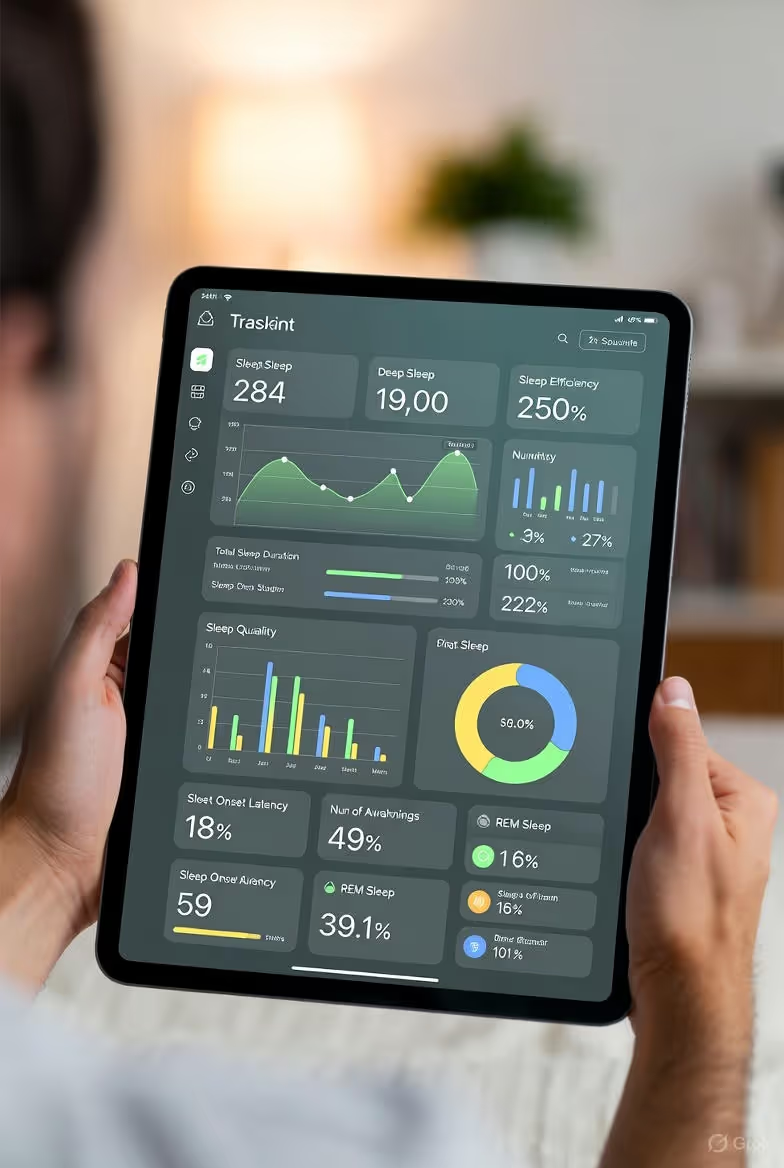
The morning after your first tracked night, you open your app. You’re greeted not just with a simple "8 hours," but a detailed dashboard. Let’s break down what you’re likely to see and, more importantly, what it means.
Sleep Duration: The total time from sleep onset to final awakening. This is your baseline metric.
Sleep Stages Breakdown: A visual graph, often a hypnogram, showing the cyclical journey through light, deep, and REM sleep. You’ll see the deep sleep blocks concentrated in the first half of the night.
Deep Sleep Duration (Minutes or %): The raw number you’re after. For most adults, deep sleep constitutes about 13-23% of total sleep. In an 8-hour night, that’s roughly 60-110 minutes. This number naturally decreases with age.
Sleep Score: A composite score (often out of 100) that weighs various factors like duration, deep/REM sleep, restlessness, and consistency. It’s a useful, quick-glance metric for overall sleep quality.
Resting Heart Rate & HRV: Often displayed as a nightly average or a graph across the night. Look for a low resting heart rate and a higher HRV, which typically correlate with good recovery and deep sleep.
Timeline Insights: Notations like "Fell asleep in 12 minutes," or "Longest deep sleep period: 65 min."
Interpreting for Insight: Don’t just look at last night in isolation. Swipe to the weekly or monthly view. This is where patterns emerge.
Trend is Your Friend: Is your deep sleep percentage gently climbing? That’s a win. Is it consistently lower on Sunday nights? Maybe weekend schedule disruption or anxiety about Monday is a culprit.
Correlate with Context: Recall that note you made about having two glasses of wine? Check that night’s deep sleep. It’s likely suppressed, as alcohol is a notorious deep sleep disruptor despite causing initial drowsiness.
Benchmark, Don’t Compare: Use population averages as a loose guide, not a strict target. Your optimal sleep is personal. Focus on achieving your best, most consistent sleep.
The dashboard is not a report card; it’s a conversation with your body. It’s telling a story about your recovery. Your job is to listen, learn, and experiment. For more on interpreting specific metrics and turning data into action, explore our comprehensive blog resources.
The Lifestyle Levers: Actionable Strategies to Increase Deep Sleep Naturally
Now for the most empowering part: using your data to make changes that work for you. Measurement is pointless without intervention. Here are the most potent, evidence-based lifestyle levers you can pull to cultivate more deep sleep.
1. Thermoregulation & The Sleep Environment: Your body needs to drop its core temperature to initiate and maintain sleep. You can facilitate this by:
Keeping your bedroom cool (around 65°F or 18°C).
Taking a warm bath or shower 1-2 hours before bed. This sounds counterintuitive, but it draws blood to the skin’s surface, and the subsequent cooling effect mimics the body’s natural temperature drop.
Using breathable, moisture-wicking bedding.
2. Light & Circadian Rhythm Discipline: Your circadian clock is your master sleep regulator.
Seek bright, ideally natural, light first thing in the morning. This firmly anchors your rhythm.
Dim lights and minimize blue light exposure from screens 2-3 hours before bed. Use blue light filters or, better yet, read a book.
Go to bed and wake up at consistent times, even on weekends. This regularity strengthens your sleep-wake cycle.
3. Nutrition & Substance Timing:
Caffeine: Its half-life is about 5-6 hours. Avoid it after 2 PM.
Alcohol: While it may hasten sleep onset, it fragments the second half of the night and severely suppresses REM and deep sleep. Limit or avoid it close to bedtime.
Food: Finish large meals at least 2-3 hours before bed. A small, sleep-promoting snack (like tart cherries, kiwi, or a handful of almonds) is fine if you’re slightly hungry.
4. Strategic Exercise: Regular physical activity is one of the best long-term promoters of deep sleep. However, timing matters. Intense exercise too close to bedtime can be over-stimulating for some. Gentle movement like yoga or stretching in the evening can be beneficial.
5. Stress & Wind-Down Rituals: An active, anxious mind is the enemy of deep sleep. Your pre-sleep routine should be a "bridge" from the busyness of the day to the calm of the night.
Practice techniques like diaphragmatic breathing, meditation, or progressive muscle relaxation.
Use a journal to "dump" worries from your mind onto paper.
Create a consistent, screen-free 30-60 minute wind-down ritual.
By experimenting with one lever at a time and observing the changes in your deep sleep data, you move from generic advice to personalized sleep optimization. This journey of experimentation and discovery is something our users frequently share; you can discover their personal stories and breakthroughs for inspiration.
Beyond the Night: How Daytime Data Informs Your Deep Sleep Story
The most sophisticated modern sleep tracking doesn’t stop when you open your eyes. The story of your night is often written during the day. Your daytime biometrics provide the crucial context to interpret your sleep data and vice-versa, creating a holistic 24-hour picture of your health.
Daytime Resting Heart Rate (RHR): A creeping elevation in your daytime RHR over several days can be an early sign of stress, impending illness, or insufficient recovery from training. This often presages or accompanies poorer sleep quality.
Heart Rate Variability (HRV): This is the star metric of readiness. A higher daytime HRV suggests good recovery and autonomic nervous system balance, often predicting better sleep. A sustained drop in HRV is a clear signal from your body to prioritize rest, dial back intensity, and double down on sleep hygiene.
Activity & Strain: How much you move and exert yourself directly influences your sleep drive. A day of adequate physical activity builds a healthy sleep pressure. A completely sedentary day might lead to more restless sleep.
Body Temperature Trends: Longitudinal tracking of skin temperature can reveal subtle shifts related to menstrual cycles, immune response, or circadian misalignment.
By viewing your deep sleep score alongside your daytime HRV trend, you stop asking, "Why was my sleep bad last night?" and start asking, "What was my body trying to tell me yesterday?" This integrated, 24/7 feedback loop is the true power of continuous wearable technology. It allows for proactive adjustment rather than reactive confusion. To learn more about how Oxyzen integrates these daily metrics into a cohesive health picture, visit our main platform page.
Red Flags and Limitations: When to Trust the Data and When to Seek Professional Help
While consumer devices are powerful wellness tools, it is vital to understand their boundaries and recognize signs that point to a need for professional medical evaluation.
Understand the Device's Limits:
It Estimates, Not Diagnoses: Your device cannot diagnose sleep disorders like sleep apnea, insomnia, narcolepsy, or periodic limb movement disorder. It can only suggest patterns that may warrant further investigation.
Accuracy Varies: No consumer device is 100% accurate in sleep staging. They are best at identifying sleep vs. wake and providing reliable trends for the cyclical nature of sleep.
Data is Personal: Your baseline is unique. Comparing your 70 minutes of deep sleep to a friend’s 90 minutes is not meaningful. Focus on deviations from your own baseline.
Red Flags in Your Data That Merit a Doctor’s Visit:
Consistently Very Low or Absent Deep Sleep: Despite excellent sleep hygiene, you rarely register significant deep sleep and wake unrefreshed.
Frequent, Unexplained Awakenings: The hypnogram shows a "sawtooth" pattern of constant waking.
Severe Snoring or Gasping Episodes (if noted by a partner): Coupled with device data showing elevated nighttime heart rate and low blood oxygen (if measured), this strongly suggests sleep apnea.
Extreme Daytime Sleepiness: Falling asleep uncontrollably during the day, despite your device reporting 8+ hours of sleep.
Chronic, Debilitating Insomnia: Inability to fall or stay asleep for months, significantly impacting your quality of life.
In these cases, your tracked data becomes an invaluable tool for your physician. You can bring weeks of sleep logs, heart rate charts, and personal observations to the appointment, providing far more information than the typical "I sleep poorly." A sleep medicine professional can then determine if an in-lab or home sleep apnea test is appropriate. If you have questions about how data from a device like Oxyzen can complement professional healthcare, our FAQ addresses this important topic.
The Future of Personal Somnology: Where At-Home Sleep Tracking is Heading
We are at the frontier of a revolution in personal health intelligence. The future of at-home sleep measurement is moving beyond estimation and towards more comprehensive, clinical-grade insight, all while becoming more seamless and integrated.
Advanced Sensor Fusion: Future devices will incorporate new sensor types, such as more advanced bioimpedance sensors to measure physiological stress, or even miniature EEG elements to get closer to direct brain wave measurement in a wearable form.
Blood Oxygen (SpO2) Tracking: This is already present in some rings and watches. Nocturnal SpO2 monitoring is critical for identifying potential sleep-disordered breathing events without a full lab setup.
Predictive & Prescriptive Analytics: Algorithms will evolve from telling you what happened last night to predicting what will happen tonight based on your daytime data and behavior, offering prescriptive, personalized recommendations. ("Based on your high stress score and elevated resting heart rate today, we recommend a 20-minute meditation and an earlier bedtime tonight.")
True Integration with Smart Environments: Your sleep data will automatically communicate with your home ecosystem—dimming lights, lowering thermostat, and playing your optimal wind-down soundscape as your biometrics indicate you are preparing for sleep.
Longitudinal Health Biomarkers: By tracking sleep metrics like HRV, respiratory rate, and temperature over years, these devices may help identify long-term trends and risks, contributing to preventative healthcare.
This future is not about more data for data’s sake. It’s about creating a closed-loop system of measurement, insight, and automated, personalized intervention that seamlessly supports your health goals. The aim is to make optimizing something as fundamental as sleep as intuitive and effortless as possible. This vision of effortless, intelligent health optimization drives the ongoing innovation at Oxyzen, a journey you can learn more about here.
The Silent Saboteurs: Common, Overlooked Factors That Steal Your Deep Sleep
You’ve optimized your bedroom, nailed your wind-down routine, and you’re tracking consistently. Yet, your deep sleep graph still shows frustrating dips and valleys. Often, the culprits are subtle, chronic factors that operate beneath your conscious awareness. Identifying these silent saboteurs requires you to become a detective of your own habits and physiology.
1. Chronic Low-Grade Stress & Cortisol Dysregulation: Stress isn’t just a feeling; it’s a hormonal cascade. The stress hormone cortisol should follow a beautiful, predictable rhythm: high in the morning to help you wake, tapering throughout the day, and reaching its lowest point around midnight to allow for deep sleep. Chronic stress flattens this curve. Elevated evening cortisol acts as a biological alarm signal, directly antagonizing the state of physiological calm required for deep sleep. You might not feel “stressed” while reading in bed, but if your body is humming with cortisol, deep sleep is off the table. Your device can hint at this through a higher-than-normal resting heart rate and lower HRV in the evening and first part of the night.
2. Suboptimal Meal Timing & Macro Composition: Beyond just avoiding late meals, what you eat matters. A diet very high in refined carbohydrates and sugar can lead to blood sugar rollercoasters. A sharp drop in blood sugar (hypoglycemia) during the night can trigger a release of cortisol and adrenaline, pulling you out of deep sleep. Conversely, a small amount of complex carbohydrates paired with protein (like almond butter on whole-grain toast) before bed can help stabilize blood sugar for some individuals. Experimentation with your data is key.
3. Hidden Sleep Disruptors: Noise & Light Pollution: Your brain remains on sentry duty, even in sleep. A silent room isn’t truly silent. Intermittent, low-level noises—a distant siren, a partner’s snore, a creaking house—can cause micro-arousals, fracturing the continuity of deep sleep cycles without waking you fully. Similarly, even small amounts of ambient light from a charging LED, a crack under the door, or streetlights can penetrate your eyelids and subtly suppress melatonin, impairing sleep depth. The solution isn’t always perfection, but mitigation: high-quality earplugs or a white noise machine and a truly blackout sleep mask can be transformative.
4. Undiagnosed Nutrient Deficiencies: Magnesium, in particular, is a cofactor for hundreds of enzymatic processes, including those that regulate GABA (a calming neurotransmitter) and melatonin. A deficiency is common and can manifest as muscle tension, restless legs, and an inability to settle into truly deep, restorative sleep. Other players include B vitamins, zinc, and vitamin D. While not an excuse for indiscriminate supplementation, it’s a reminder that foundational nutrition underpins sleep physiology.
5. Inconsistent Physical Activity Patterns: It’s not just about exercising; it’s about the pattern. A sedentary weekday followed by a grueling, unfamiliar weekend workout can create inflammation and stress that disrupts Sunday night’s sleep. Consistency in movement—daily moderate activity—builds a more stable sleep drive than erratic, intense exertion.
The process of uncovering these saboteurs is the essence of personalized wellness. By tracking your deep sleep and cross-referencing it with a detailed log of diet, stress events, and environment, you can start to see the invisible patterns. Many users find this investigative process empowering, as detailed in the personal journeys shared in our community testimonials.
The Temperature Connection: Mastering Thermoregulation for Optimal Deep Sleep
We touched on a cool bedroom, but the relationship between body temperature and sleep is profound and worth its own deep dive. Your circadian rhythm dictates a roughly 1°C (1.8°F) drop in core body temperature to initiate sleep. This drop is not passive; it’s an active process facilitated by increased blood flow to your skin’s surface to dissipate heat. This is why your hands and feet often feel warmer as you get sleepy—they are the radiators.
The Science of the Thermal Window: Research points to a specific “thermal window” for optimal sleep initiation: a core temperature that is dropping and skin temperature, particularly in distal areas like hands and feet, that is rising. When this gradient is optimal, sleep onset is faster, and deep sleep is more robust.
Actionable Thermoregulation Strategies:
Strategic Heating to Enhance Cooling: This is the paradox. Taking a warm bath (not hot) 1-2 hours before bed causes vasodilation—your blood vessels expand, moving warm blood from your core to your skin’s surface. When you step out, the rapid evaporation and heat loss accelerate the core temperature drop, sending a strong signal to your sleep systems. A warm foot bath can have a similar, targeted effect.
Bedding as a Thermoregulation Tool: Ditch the single heavy duvet. The modern approach is to use layers: a moisture-wicking bottom sheet, a light blanket, and a removable top layer. This allows you to modulate your microclimate throughout the night as your temperature fluctuates across sleep cycles.
The Power of Cooling Pads & Phase-Change Materials: Advanced sleep products use materials that absorb heat as they change phase (e.g., from solid to gel). A cooling mattress pad or pillow can help maintain an optimal head and core temperature throughout the night, preventing the awakenings that occur when you overheat.
What Your Smart Ring Reveals: A device that tracks skin temperature all night is a game-changer here. You can see your personal temperature curve. Do you see a clear drop as you fall asleep? Does your temperature start to rise prematurely in the early morning, leading to wakefulness? This data allows you to finetune your environment. For instance, if your skin temperature graph shows you heating up around 4 AM, you might lower your bedroom thermostat another degree or switch to lighter pajamas.
Understanding your personal thermal rhythm transforms your approach from guesswork to precision. It turns your bedroom from a static space into a dynamic sleep-enhancing environment. For more insights on how biometric tracking informs lifestyle adjustments, our blog covers these topics in detail.
The Mind-Gut-Sleep Axis: How Digestive Health Dictates Sleep Depth
The gut is often called the "second brain," and for good reason. It produces a vast array of neurotransmitters, including about 90% of the body’s serotonin, which is a precursor to melatonin. The state of your digestive system directly communicates with your central nervous system via the vagus nerve, influencing stress response, inflammation, and sleep.
Key Mechanisms at Play:
The Microbiome’s Role: Your gut microbiota produce metabolites that can influence sleep. Some strains produce GABA and serotonin. An imbalance in gut bacteria (dysbiosis) can promote systemic inflammation and disrupt the production of these sleep-critical neurotransmitters.
Evening Indigestion & Reflux: Gastroesophageal reflux (GERD) is a notorious deep sleep thief. The act of lying down allows stomach acid to creep into the esophagus. This often causes micro-arousals (brief awakenings your tracker may not even flag) as your body reacts to the irritation, preventing sustained deep sleep. You may not feel full-blown heartburn, just a vague discomfort or a morning hoarse throat.
Food Sensitivities & Inflammation: Undiagnosed food sensitivities (e.g., to gluten, dairy, or nightshades) can create low-grade intestinal inflammation. This inflammatory state triggers the release of cytokines, which can interfere with normal sleep cycle progression and reduce slow-wave sleep.
The Timing of Your Last Meal: Digestion is an active process that raises core body temperature and requires energy. A large meal too close to bedtime forces your body to prioritize digestion over the cooling and parasympathetic state needed for deep sleep.
Building a Sleep-Supportive Gut:
Time Your Last Meal Wisely: Aim for 3-4 hours between your last substantial meal and bedtime. If you need a snack, make it small, easily digestible, and rich in sleep-promoting nutrients (e.g., tryptophan, magnesium).
Experiment with an Elimination Diet: If you have unexplained sleep issues and other digestive symptoms, working with a professional to identify potential food triggers can be revolutionary.
Incorporate Fermented Foods & Fiber: Support a healthy microbiome with diverse, prebiotic fibers (found in onions, garlic, asparagus, oats) and probiotic foods (like yogurt, kefir, sauerkraut).
Manage Evening Reflux: Elevate the head of your bed by 4-6 inches using blocks under the bedposts (stacking pillows is less effective). Avoid known trigger foods (spicy, acidic, fatty) in the evening.
When you see a night of poor deep sleep, ask yourself not just about stress, but about dinner. The connection is often direct and powerful. This holistic view of health, where sleep is interconnected with every other system, is central to the philosophy behind Oxyzen’s comprehensive tracking approach.
Navigating the Digital Night: How to Use Technology Without Letting It Use You
We use technology to measure our sleep, yet technology is often the very thing that ruins it. The blue light emitted by screens is just one part of the problem. The real issue is cognitive and emotional activation. Scrolling through social media, answering work emails, or watching an intense thriller before bed engages your brain’s reward, anxiety, and attention circuits, making the transition to the slow, synchronous brainwaves of deep sleep nearly impossible.
Creating a Digital Sunset:
Set a Firm Shutdown Time: Determine a non-negotiable time, 60-90 minutes before bed, when all work-related and stimulating digital activity ceases. This is your “digital sunset.”
Curate Your Evening Content: If you must use a screen, make it passive, calm, and non-interactive. Listening to a calm audiobook or podcast (with a sleep timer) is less activating than scrolling or playing a video game. Use an e-reader with a front light (not a backlit tablet) if you read digitally.
Make Your Phone a Sleep Ally, Not an Enemy: Use its Do Not Disturb and Scheduled Focus modes to silence all but essential calls. Charge it outside the bedroom. This breaks the compulsive checking habit and removes the temptation of the “midnight scroll.”
Leverage Technology for Good: Use smart home integrations. Set your lights to automatically dim and shift to warmer hues in the evening. Use your smart speaker to play soothing soundscapes or guided meditations as part of your wind-down.
The Tracker’s Paradox: A final, critical note on using your sleep tracker wisely. It is possible to develop orthosomnia—an unhealthy preoccupation with achieving perfect sleep data. This anxiety over sleep metrics can itself cause insomnia. Remember, the tracker is a guide, not a judge. Its purpose is to give you insights and confirm the effects of positive changes, not to make you anxious about a single night’s low deep sleep score. If you find yourself obsessing, take a step back. Wear the device but don’t check the app for a few days. Reconnect with how you feel in the morning. The data should serve your well-being, not undermine it. For balanced perspectives on using wellness technology, our FAQ includes advice on healthy engagement with your data.
Deep Sleep Across the Lifespan: What’s Normal for You?
A 25-year-old athlete and a 65-year-old retiree should not expect the same deep sleep profile. Age is the single most significant factor influencing sleep architecture, and understanding this prevents unnecessary alarm and sets realistic expectations.
The Evolution of Deep Sleep:
Infancy & Childhood: This is the deep sleep peak. Children can spend up to 50% of their sleep in deep stages, which is critical for growth, brain development, and learning.
Adolescence: While the need for sleep is still high, the circadian rhythm shifts later. The depth of deep sleep remains robust but is often compromised by early school start times.
Early to Mid-Adulthood (20s-40s): Deep sleep begins a gradual but steady decline. Percentage-wise, it drops to the 13-23% range. Lifestyle factors (career, children, stress) now become the dominant modifiable variables influencing sleep quality.
Middle to Older Age (50s+): The decline in deep sleep (N3) continues. There is also an increase in sleep fragmentation (more awakenings) and a tendency for earlier wake times. The deep sleep that does occur may be less “deep” in terms of brain wave amplitude. This is a normal part of the aging nervous system.
Implications for Tracking:
Benchmark Against Your Age Group, But Focus on Yourself: Use population averages for your decade as a rough guide, but your personal baseline is what matters most. A stable 15% deep sleep at age 60 might be excellent for you.
Look at Sleep Continuity: For older adults, the metric of “sleep efficiency” (time asleep vs. time in bed) and reduced nighttime awakenings can become more relevant goals than chasing the deep sleep duration of a 20-year-old.
Emphasize Sleep Quality Over Rigid Duration: The pressure to get “8 hours” can cause anxiety. Focus on consistency, good hygiene, and how you feel. Your tracker can help you find your personal optimal sleep window, which may be 7 or 7.5 hours of high-quality, well-architected sleep.
Adjusting your expectations relieves performance pressure and allows you to work with your biology, not against it. The goal at every age is to achieve the best possible sleep your body is capable of, maximizing the deep sleep you can get. This principle of personalized, age-aware health tracking is embedded in the design philosophy of our products at Oxyzen.
The Recovery Trinity: Connecting Deep Sleep, HRV, and Resting Heart Rate
Your deep sleep score does not exist in a vacuum. It is one member of a holy trinity of recovery metrics, each validating and informing the others. When viewed together, they provide an ironclad assessment of your body’s restorative state.
1. Deep Sleep: The process of physical and neurological restoration. 2. Heart Rate Variability (HRV): The readiness of your nervous system to handle stress and recover. A high HRV indicates strong parasympathetic tone and resilience. 3. Resting Heart Rate (RHR): The outcome of that recovery. A low RHR suggests efficient cardiac function and good recovery.
How They Interact in a Perfect Night: During deep sleep, your parasympathetic nervous system is dominant. This should cause a noticeable drop in your overnight heart rate to its lowest point (your true resting heart rate) and a rise in HRV to its highest point. In the morning, your app should reflect this: a good deep sleep percentage, a lower RHR than your weekly average, and a higher HRV than your weekly average. This is the signature of a truly restorative night.
Reading the Discrepancies – What Mismatches Tell You:
"Good" Deep Sleep but Low HRV & High RHR: This is a red flag. It suggests your device may have overestimated your deep sleep (possible), or more importantly, that your body is under physiological stress (e.g., fighting off an illness, dehydrated, overtrained, or emotionally stressed). Your nervous system is too taxed to achieve true recovery, despite the quiet sleep.
Poor Deep Sleep but Surprisingly Good HRV: This can happen. It might indicate that while your sleep was fragmented (by a newborn, or a noisy environment), your underlying physiological resilience is strong. Your body is ready to recover as soon as it gets the chance. It can also suggest you need to look at sleep continuity issues rather than just depth.
All Three Metrics are Poor: This is a clear signal to prioritize recovery. Take a rest day, double down on sleep hygiene, manage stress, and hydrate. Your body is sending a unified message.
All Three Metrics are Excellent: This is your green light. Your body is recovered, resilient, and ready for performance, intense training, or high cognitive demand.
By analyzing this trinity, you move beyond a single data point. You start to understand the story of your recovery. This integrated analysis is the cornerstone of moving from simple sleep tracking to true health intelligence. To see how this plays out in real life, many users document their experiences with these interconnected metrics in their shared testimonials and stories.
Advanced Tinkering: Nootropics, Supplements, and Biohacks for Deep Sleep (An Evidence-Based Review)
The world of sleep optimization is rife with supplements and “biohacks” promising deeper sleep. It’s crucial to navigate this space with skepticism and a focus on the scientific evidence. Remember: supplements are meant to complement a solid foundation of sleep hygiene, not replace it.
Tier 1: Foundational & Well-Researched
Magnesium Glycinate or Bisglycinate: Magnesium is a cofactor for GABA receptors. Glycinate is both highly bioavailable and has calming properties itself. Multiple studies show it can improve sleep quality, especially in those deficient. This is often the first and most effective supplement to try.
L-Theanine: An amino acid found in green tea. It promotes alpha brain waves (associated with relaxed alertness) and can increase GABA, serotonin, and dopamine. It’s excellent for calming an anxious mind before bed without causing drowsiness.
Tart Cherry Juice/Concentrate: A natural source of melatonin and anti-inflammatory compounds. Studies show it can increase sleep time and efficiency.
Tier 2: Situational & Considerate Use
Melatonin: A powerful circadian signal, not a sedative. It’s most effective for resetting sleep cycles (jet lag, shift work) or addressing delayed sleep phase disorder. For general sleep onset, a very low dose (0.3-1 mg) taken 30-60 minutes before bed is often more effective than the high doses (3-10 mg) commonly sold, which can cause morning grogginess and downregulate your own production.
Glycine: An inhibitory neurotransmitter. A 3-gram dose before bed has been shown to improve subjective sleep quality and reduce daytime sleepiness. It may also help lower core body temperature.
Apigenin: A flavonoid found in chamomile. It acts as a positive allosteric modulator of GABA-A receptors. It’s a key reason chamomile tea is a classic sleep remedy.
Tier 3: Proceed with Caution & Professional Guidance
GABA: The brain’s primary inhibitory neurotransmitter. Oral GABA supplements have a questionable ability to cross the blood-brain barrier, though some studies show subjective benefits, possibly via gut receptors.
5-HTP: A precursor to serotonin. It can influence sleep but must be used with extreme care and never combined with SSRIs or other serotonergic drugs due to the risk of serotonin syndrome.
The Golden Rule: Experiment with Data. This is where your tracker is invaluable. Introduce only one new supplement at a time. Take it consistently for at least 5-7 nights while closely monitoring your deep sleep percentage, HRV, and RHR. Does the data show a positive trend? Do you feel better? Without measurement, you’re guessing. With it, you’re conducting a personal N-of-1 clinical trial. For more research-backed discussions on sleep and supplementation, our blog features regular updates on the latest science.
From Data to Wisdom: Building Your Personal Sleep Optimization Protocol
You now have the knowledge: the science, the tools, the lifestyle levers, and the context. The final step is synthesis. It’s time to move from collecting data points to building a personalized, sustainable protocol—a repeatable system that consistently delivers your best sleep.
Step 1: Establish Your Baseline (2-4 Weeks) Do not change anything. Wear your tracker nightly, maintain your normal routine, and use the app’s journal to note your daily activities. Let the data accumulate. At the end of this period, calculate your averages: average deep sleep %, average HRV, average RHR. This is your personal baseline, your “normal.”
Step 2: Identify One Key Lever Analyze your baseline data and journal. What is the most obvious, consistent disruptor? Is it late-night screen time? Evening stress? An inconsistent bedtime? Variable meal times? Choose ONE area to improve. For example: “I will implement a 9:30 PM digital sunset, 7 nights a week.”
Step 3: Implement and Observe (2-3 Weeks) Make that single change. Be religious about it. Continue tracking. At the end of this period, look at the trends. Did your average deep sleep increase? Did your HRV improve? Has your RHR trended down? Look at the graphs, not just single nights.
Step 4: Consolidate or Pivot If the data shows clear improvement, congratulations! This lever is now a permanent, non-negotiable part of your sleep protocol. Cement it as a habit. If there was no improvement, it’s not a failure—it’s invaluable information. That lever may not be primary for you. Pivot. Return to your journal and choose the next most likely lever (e.g., “I will finish eating 3 hours before bed”).
Step 5: Iterate and Layer Once a habit is solidified, add the next lever. You are building a personalized sleep protocol brick by brick, validated by your own biometric data. Over months, you will layer optimal temperature management, perfect meal timing, a tailored wind-down routine, and perhaps a foundational supplement.
Your Protocol Becomes Your Foundation: Eventually, this protocol becomes automatic. You won’t need to check your data every morning because your habits consistently produce good results. The tracker then transitions from a daily coach to a periodic check-in system—a guardian of your hard-earned sleep quality, alerting you to deviations caused by illness, extreme stress, or lifestyle creep.
This journey from ignorance to insight to intuitive mastery is the ultimate goal. It’s a process of building a profound partnership with your own body, using technology as the translator. This ethos of empowering personal discovery guides everything we do, a principle you can learn more about in our company’s mission.
The Long View: Using Yearly Trends to Uncover Seasonal and Lifestyle Patterns
The final frontier of personal sleep science isn’t the night or the week—it’s the year. Our lives are cyclical: seasons change, work projects ebb and flow, training cycles progress, and personal rhythms evolve. Viewing your sleep data through a macro lens reveals these profound patterns, allowing you to plan and adapt your life in harmony with your physiology.
Seasonal Influences:
Winter: Shorter days and less sunlight can disrupt circadian rhythms (Seasonal Affective Disorder is an extreme example). You may naturally need slightly more sleep. Check your data: does your deep sleep dip in January? This might be a cue to invest in a sunrise alarm clock and prioritize morning light exposure.
Summer: Longer days and heat can delay sleep onset and cause more fragmentation due to overheating. Does your sleep efficiency drop in July? This reinforces the need for aggressive cooling strategies and blackout curtains.
Lifecycle & Training Cycles:
Periods of High Stress (Work Deadlines, Family Events): Your yearly graph will clearly show these as troughs in HRV and deep sleep. In hindsight, you can see the recovery period afterward. In the future, seeing the early signs of such a period on your dashboard can prompt you to proactively intensify your sleep hygiene.
Training for an Event: A marathon training block will leave a distinct signature: increasing strain may lower HRV and deep sleep, while taper weeks should show a beautiful rebound. This data validates your training plan and informs recovery needs.
Dietary Changes: Starting a new diet? Moving to more plant-based eating? Your yearly sleep trends can show you the long-term impact of these major nutritional shifts on your recovery.
The Power of the Annual Review: Once a year, sit down with your app’s yearly view. Look for the repeating patterns. When are you at your resilient best? When do you consistently struggle? This isn’t about judgment; it’s about strategic awareness. It allows you to say, “Based on my data, I know November is a tough month for my sleep. This year, I’ll block out my calendar more, start my light therapy earlier, and protect my wind-down routine fiercely.”
This longitudinal perspective is the ultimate sign that you have transitioned from a passive sleeper to an active architect of your own well-being. You are no longer measuring deep sleep just to fix a problem tonight. You are mapping the terrain of your life, using the most fundamental metric of health—your sleep—as your compass. To begin your own journey of long-term discovery, explore the tools and community that can support you.
The Hormonal Symphony: How Deep Sleep Orchestrates Your Endocrine Health
Deep sleep is not merely a beneficiary of your hormonal state; it is a powerful regulator of it. This bidirectional relationship creates a virtuous—or vicious—cycle. Understanding this symphony is crucial, as imbalances here can be both a cause and a consequence of poor deep sleep, creating a self-perpetuating loop that’s difficult to break without insight.
Key Hormones Conducted by Deep Sleep:
Growth Hormone (GH): This is the headline act. Approximately 75% of your daily pulsatile release of GH occurs during deep sleep (N3). GH is essential for cellular repair, muscle growth, bone density, and metabolism. Suppress deep sleep, and you suppress your body’s prime time for physical restoration. This is why athletes and those in physical recovery have an especially high demand for quality deep sleep.
Cortisol: As discussed, the cortisol rhythm is paramount. Deep sleep helps ensure the proper, sharp decline of cortisol in the evening. Conversely, poor sleep or sleep deprivation results in elevated evening cortisol and a flatter diurnal rhythm. This high cortisol then makes achieving deep sleep the following night more difficult—a classic negative feedback loop.
Leptin & Ghrelin (The Hunger Hormones): Deep sleep increases leptin (the satiety hormone) and decreases ghrelin (the hunger hormone). When deep sleep is curtailed, this flips: leptin drops, and ghrelin rises, driving increased appetite, particularly for high-calorie, carbohydrate-rich foods. This is a primary mechanistic link between chronic sleep loss and weight gain/obesity.
Insulin Sensitivity: Deep sleep enhances your body’s sensitivity to insulin. A night of poor deep sleep can induce a state of temporary insulin resistance, causing higher blood sugar levels. Chronically, this contributes to the risk of metabolic syndrome and Type 2 diabetes.
Sex Hormones (Testosterone & Estrogen): Testosterone production is tied to sleep quality and quantity. The majority of daily testosterone release occurs during sleep, with peaks linked to REM and deep sleep stages. Consistently poor sleep can lower testosterone levels in men. In women, sleep disturbances are closely linked with menstrual cycle irregularities and menopausal symptoms, where declining estrogen can itself disrupt sleep.
Actionable Steps for Hormonal Harmony via Sleep:
Protect Your Sleep Schedule for Metabolic Health: Consistency is more than a convenience; it’s an endocrine mandate. A regular sleep-wake cycle stabilizes cortisol and optimizes the timing of GH release.
Leverage Data for Dietary Choices: If your tracker shows poor deep sleep and you notice uncontrollable cravings the next day, understand it’s not a lack of willpower—it’s biology. Use this insight to prepare with healthy, satisfying meals and snacks to avoid the blood sugar spiral.
Consider Cycle-Specific Sleep Strategies (For Women): Tracking sleep alongside your menstrual cycle can reveal patterns—e.g., poorer sleep and lower HRV in the luteal phase. This awareness allows for proactive adjustments, like emphasizing magnesium-rich foods, cooler bedroom temperatures, and extra wind-down time during those predicted tougher nights.
By viewing your deep sleep data through a hormonal lens, it transforms from a recovery metric into a fundamental regulator of your metabolism, body composition, and long-term health trajectory. This deep interconnection between systems is a core focus of the holistic health insights we strive to provide at Oxyzen.
Gender and Sleep: Unique Deep Sleep Challenges and Strategies for Men and Women
While the fundamental need for deep sleep is universal, the obstacles to achieving it and the consequences of missing it can differ significantly between men and women due to biological, hormonal, and social factors. A one-size-fits-all approach to sleep optimization is incomplete.
Women’s Sleep: Navigating Hormonal Tides
The Menstrual Cycle: Progesterone, which rises after ovulation, has a soporific (sleep-inducing) effect, but the luteal phase can also come with higher core body temperature, which can disrupt sleep continuity. The premenstrual drop in both progesterone and estrogen can lead to more frequent awakenings and less deep sleep.
Pregnancy: The first trimester brings profound fatigue and often increased need for sleep, yet nausea and frequent urination can fragment it. The third trimester is notoriously challenging for sleep due to physical discomfort, fetal movement, acid reflux, and again, temperature dysregulation. Deep sleep can be hard to come by.
Perimenopause & Menopause: The decline and fluctuation of estrogen is the single biggest disruptor. Estrogen helps regulate body temperature, mood, and pain sensitivity. Its decline leads directly to the hallmark vasomotor symptoms: hot flashes and night sweats, which are catastrophic for sleep continuity and depth. The risk of sleep-disordered breathing also increases post-menopause.
Social & Caregiver Roles: Women are more likely to be responsible for nighttime care of children or elderly parents, leading to chronic sleep interruption—the arch-nemesis of sustained deep sleep cycles.
Strategic Focus for Women:
Track Your Cycle: Use your sleep ring data in tandem with a cycle-tracking app. Identify your personal pattern and preemptively adjust your sleep hygiene during vulnerable phases.
Aggressive Temperature Management: This is non-negotiable, especially during perimenopause. Cool rooms, moisture-wicking bedding, and having a cooling pad or cold pack nearby can mitigate night sweats.
Prioritize Sleep Continuity: If a full night is impossible due to caregiving, protect your first sleep cycle of the night fiercely. This is when the longest deep sleep period typically occurs. Go to bed early to capture it before potential interruptions.
Men’s Sleep: Often Stealth Disruptors
Higher Prevalence of Sleep Apnea: Men are 2-3 times more likely to have obstructive sleep apnea, especially with increased age and weight. Apnea causes repeated awakenings (cortical arousals) and oxygen desaturations, utterly fragmenting sleep and decimating deep sleep.
Testosterone & Sleep Link: Low testosterone can cause poor sleep, and poor sleep can lower testosterone. Men with consistently poor deep sleep and low energy should consider this link and discuss it with a doctor.
Tendency to “Power Through”: Societal norms may lead men to ignore or downplay sleep issues, viewing sleep as unproductive time. This can delay intervention for serious issues like apnea.
Strategic Focus for Men:
Take Snoring Seriously: It is not a sign of “good sleep.” If you snore loudly, or a partner notices gasping/pauses in breathing, this is the #1 issue to address. Use your tracker’s SpO2 and resting heart rate data—spikes in heart rate and dips in oxygen overnight are strong indicators. Seek a sleep study.
Connect Physical Performance to Sleep Data: Framing sleep as a critical component of athletic performance, strength, and muscle recovery (via GH) can be a powerful motivator for men to prioritize it.
Screen for “Silent” Reflux: Like apnea, this can be a stealth disruptor. A morning hoarse throat or sour taste, coupled with poor sleep, warrants investigation.
Understanding these gendered patterns allows for more empathetic and effective optimization. It also highlights why a device that provides objective data is so valuable—it moves the conversation beyond stereotypes to individual physiology. For stories of how different individuals have tackled these unique challenges, our community testimonials offer a wealth of real-world experiences.
The Traveler’s Guide: Protecting Deep Sleep Across Time Zones and Unfamiliar Beds
For the frequent traveler, deep sleep is often the first casualty. Jet lag is, at its core, a profound misalignment between your internal circadian clock and the external light-dark cycle. The result is fragmented, shallow sleep with minimal deep sleep for days. But with strategy, you can minimize the damage and reset faster.
The Science of Jet Lag: Your master clock in the suprachiasmatic nucleus (SCN) can only shift about 1-1.5 hours per day. A 6-hour time change means it will take your body 4-6 days to fully adjust. During this period, your sleep architecture is in disarray, and your daytime alertness suffers.
A Pro-Travel Protocol for Deep Sleep Preservation:
Before You Go (The Pre-Adapt Phase):
Gradually Shift Your Schedule: If traveling east, go to bed and wake up 15-30 minutes earlier each day for 3-4 days before departure. If traveling west, shift later. This gives your clock a head start.
Strategic Light Exposure: This is your most powerful tool. Use light to push your clock in the desired direction. For eastward travel, seek bright morning light at your destination (even before you go, if possible) and avoid afternoon/evening light. For westward travel, seek bright light in the late afternoon/evening.
During Flight & Upon Arrival:
Hydrate, Hydrate, Hydrate: Cabin air is brutally dehydrating, which worsens sleep quality. Avoid alcohol and excessive caffeine.
Use Light & Darkness Aggressively: As soon as you board the plane, set your watch to destination time. Use a quality sleep mask to create darkness when it’s “night” at your destination. Upon arrival, get immediate, direct light exposure at the appropriate time (morning for eastward, evening for westward). A portable light therapy device can be invaluable.
Consider Short-Term Aid: For trips less than 48 hours, it’s sometimes best to stay on home time. For longer trips, 0.5-1 mg of melatonin taken at destination bedtime can help signal the new night. Do not use it as a sleeping pill at other times.
In the Hotel Room:
Recreate Your Ritual: Bring a travel white noise machine or use an app, your own pillowcase, and a familiar scent (a small lavender spray). This provides circadian and psychological cues.
Blackout the Room: Use portable blackout stickers or a clothes pin to seal curtain gaps. The goal is pitch darkness.
Maintain Your Tracking: Wearing your sleep ring during travel is incredibly insightful. It shows you exactly how disrupted your sleep is and, encouragingly, how quickly your metrics begin to normalize as you adapt.
What Your Data Tells You Post-Trip: You’ll likely see a “rebound” effect upon returning home—a surge in deep sleep as your body catches up on lost restoration. Tracking this confirms the cost of travel and the value of your recovery. For more tips on maintaining wellness in disruptive situations, our blog has dedicated guides for travelers and shift workers.
The Shift Worker’s Survival Manual: Defending Deep Sleep Against a Rotating Clock
Shift work, especially night shifts and rotating schedules, is an act of physiological defiance. It forces your circadian rhythm into a state of permanent misalignment, with severe consequences for deep sleep quantity and quality. The health risks are well-documented—increased incidence of cardiovascular disease, metabolic disorders, and certain cancers. The goal here is not perfection, but intelligent damage control and resilience building.
Core Principles for the Shift Worker:
Light is Your Lever, Master It: For night workers, the priority is to convince your body it is night during your work shift and day during your sleep window.
During the Night Shift: Seek bright, blue-enriched light. This promotes alertness and helps shift your clock to a nocturnal pattern.
The Commute Home: This is critical. You must block morning sunlight, which is the strongest signal for “day.” Wear amber-tinted blue-blocking glasses before you leave work and keep them on until you get into your darkened bedroom. This simple tool is one of the most effective for improving daytime sleep.
Before Day Sleep: Maintain a dark, cool, quiet bedroom. Use blackout curtains, a white noise machine, and a “Do Not Disturb” sign.
Stabilize Your Schedule Where Possible: If you have a consistent night shift schedule, try to keep it even on your days off. A rotating schedule is more damaging, but if you must rotate, request a forward rotation (morning -> evening -> night) which is easier on the body than backward rotation.
Strategic Napping: A prophylactic nap of 90 minutes before a night shift can improve alertness and provide a chunk of sleep that includes deep sleep. A recovery nap after a series of shifts can help pay back some sleep debt. Keep naps to either short (20 min, to avoid sleep inertia) or a full cycle (90 min).
Nutrition Timing: Eat your “main meal” at the start of your shift (your “morning”). Have lighter snacks during the shift. Avoid large, heavy meals right before your daytime sleep, as digestion will interfere.
How Your Tracker Becomes a Lifeline: For shift workers, subjective feelings of sleepiness are unreliable. Your biometric data provides objective truth.
Track Your Sleep Efficiency: With daytime sleep, 85% efficiency is a major win. Use your data to see what interventions (blackout, white noise, temperature) improve this number.
Monitor Your HRV & RHR Trends: Shift work is a chronic stressor. A consistently depressed HRV and elevated RHR are signs your body is struggling to cope. This data can inform when you need to use vacation days for recovery or have a serious discussion with your employer about schedule impacts.
Use Data to Advocate for Yourself: Objective data showing severe sleep disruption can be powerful in discussions about schedule changes or workplace accommodations.
Surviving shift work is about creating a protective bubble of circadian consistency amidst the chaos. It’s hard, but with deliberate strategy and objective feedback from your tracker, it becomes manageable. This commitment to supporting all lifestyles, even the most challenging, is part of the mission we uphold at Oxyzen.
Breathing Your Way to Depth: The Science of HRV Coherence and Resonant Frequency Breathing
We’ve discussed Heart Rate Variability (HRV) as a critical biomarker. But what if you could actively influence it to create a physiological state primed for deep sleep? You can, through the deliberate practice of resonant frequency breathing.
The Physiology of Coherence: Your heart rate does not beat like a metronome; it naturally speeds up slightly on the inhale (as sympathetic activity briefly increases) and slows down on the exhale (as parasympathetic activity increases). This is called Respiratory Sinus Arrhythmia (RSA), and it’s a sign of a healthy, responsive nervous system. HRV Coherence is a state where your heart rhythm becomes smooth, wave-like, and harmonious—a sign of optimal synchronization between your heart, breath, and autonomic nervous system.
Resonant Frequency Breathing: This is a specific breathing pattern (typically around 4.5 to 6.5 breaths per minute for most adults) that maximizes this amplitude of HRV, creating a powerful shift toward parasympathetic dominance. It’s essentially a manual override for calm.
The Direct Link to Deep Sleep: Practicing this for 10-20 minutes before bed accomplishes several things:
It directly lowers cortisol and adrenaline.
It increases vagal tone, signaling safety and readiness for rest.
It can lower core body temperature slightly.
It quietens the mind, reducing sleep-onset anxiety.
In short, it creates the precise internal environment that deep sleep thrives in.
How to Practice for Sleep:
Find Your Pace: Sit or lie comfortably. Breathe in slowly through your nose for a count of 5 seconds. Breathe out slowly through your nose (or pursed lips) for a count of 5 seconds. This is a 6-second cycle, or 10 breaths per minute. Many apps and biofeedback devices can guide you. The exact pace (5.5 sec in/5.5 sec out, etc.) is less important than slow, rhythmic, diaphragmatic breathing.
Focus on the Exhale: Gently extend the exhale, as this is the key to stimulating the vagus nerve. A common pattern is a 4-second inhale to a 6-second exhale.
Combine with Visualization: As you breathe, imagine tension draining from your body with each exhale, or visualize your heart rhythm smoothing into gentle waves.
Use Your Tracker for Biofeedback: Some advanced wearables can display your real-time HRV or a “coherence” score during this practice. This turns it from an abstract exercise into a tangible skill you can see yourself improving.
Data Validation: After establishing this practice, watch your sleep data. Do you see a faster drop in heart rate after getting into bed? Is your first deep sleep period longer or more stable? Does your morning HRV show an upward trend? This personal validation is incredibly motivating and turns a “wellness tip” into a data-backed pillar of your protocol. For guided exercises and further resources on breathwork, our blog library is an excellent place to start.
The Genetic Component: Understanding Your Deep Sleep Baseline and "Sleep Style"
Why can your partner thrive on 6 hours while you need 8? Why are some people light sleepers and others can sleep through a storm? Part of the answer lies in your DNA. While lifestyle is the modifiable variable, genetics sets your personal playing field—your baseline sleep need, circadian chronotype, and inherent sleep architecture.
Key Genetic Influences:
Circadian Clock Genes (e.g., PER, CLOCK): Variants in these genes influence whether you are a natural “lark” (morning type), “owl” (evening type), or somewhere in between. Your chronotype strongly influences your optimal sleep window and the timing of your deepest sleep.
Genes Influencing Sleep Duration: Specific genetic markers are associated with being a natural short sleeper (<6 hours) or a long sleeper (>9 hours). These are rare, but they highlight that sleep need has a heritable component.
Genes Affecting Sleep Architecture: Research suggests the proportion of deep sleep versus REM sleep may have a genetic underpinning. Your personal “sleep style” is partially written in your code.
Genes Linked to Sleep Disorders: There are known genetic risk factors for conditions like Restless Legs Syndrome, narcolepsy, and even sleep apnea vulnerability.
Implications for Personalized Tracking:
Work With Your Chronotype, Not Against It: If your genetic predisposition is toward being an owl, forcing a 9 PM bedtime may lead to frustration and prolonged sleep latency. Use your tracker to find your natural fall-asleep window when your body temperature starts to drop and your melatonin rises. Your data will show you when your body is ready for sleep.
Respect Your Sleep Need Baseline: If you consistently need 8.5 hours to feel rested and achieve good deep sleep scores, accept that as your requirement. Comparing yourself to a natural short sleeper is like comparing height.
Use Data to Overcome Genetic Predispositions: Genetics is not destiny. Knowing you have a genetic tendency toward eveningness or lower deep sleep percentage makes your lifestyle interventions more important, not less. Your data shows you what works to maximize your potential within your genetic framework.
The Future: Sleep Tracking Meets Genomics: The frontier is the integration of biometric data with genetic insights. Imagine an app that knows your chronotype-linked genes and suggests an optimal bedtime window, or that understands your metabolic genes and recommends the ideal pre-sleep snack to support your deep sleep. This hyper-personalized future is on the horizon.
For now, your wearable provides the phenotypic data—the real-time expression of your genes interacting with your environment. It answers the most important question: “Given my unique biology, what actually works for me?” This pursuit of deeply personalized insight is at the core of our product development story at Oxyzen.
Creating Your Sleep Sanctuary: An Advanced Guide to Sensory Optimization
Your bedroom environment should be a deliberate, multi-sensory cocoon designed for one purpose: to facilitate the descent into and maintenance of deep sleep. Let’s move beyond “cool, dark, and quiet” into the nuances of each sense.
Sight (Beyond Darkness):
Light Spectrum: In the evening, eliminate blue-green wavelengths (460-550 nm), which are most potent for suppressing melatonin. Use dim, amber/red nightlights if needed for safety. Smart bulbs that automatically shift to a sunset spectrum are ideal.
Visual Clutter: A cluttered room can subconsciously contribute to a cluttered mind. Aim for a minimalist, serene aesthetic that promotes mental calm.
Sound (The Engineering of Silence):
White Noise vs. Pink Noise: White noise contains all frequencies equally (like static). Pink noise emphasizes lower frequencies (like steady rain or wind) and is often perceived as more soothing. Fascinatingly, some research suggests pink noise, played in sync with slow-wave sleep, can enhance the amplitude of deep sleep brain waves, potentially making deep sleep “deeper.”
Sound Masking Consistency: The goal is consistency, not necessarily silence. A steady sound masker makes intermittent noises (a creak, a distant car) less salient to your sleeping brain, preventing micro-arousals.
Earplugs: For true silence, high-fidelity musician’s earplugs or custom-molded options can be life-changing for light sleepers or those in noisy environments.
Touch (The Textural Landscape):
Bedding Materials: Natural, breathable fibers like linen, bamboo, and high-thread-count, long-staple cotton promote temperature regulation and comfort. Avoid synthetic materials that trap heat.
Weighted Blankets: The deep pressure touch stimulation from a weighted blanket (typically 10% of body weight) can increase melatonin production and reduce cortisol, lowering anxiety and improving sleep continuity for many. Your tracker can help you test its efficacy.
Pajamas: Like bedding, choose natural, loose-fitting fibers. Your skin needs to breathe.
Smell (Olfactory Conditioning):
Lavender: The most evidence-backed scent for sleep. Studies show it increases slow-wave sleep and reduces rapid eye movement. Use a few drops of essential oil in a diffuser (30 minutes before bed, then turn it off) or on a pillow sachet.
Conditioning: Consistently using the same calm scent in your wind-down routine can create a Pavlovian response, where the smell itself begins to trigger physiological relaxation.
Taste (The Final Sensory Gate):
Herbal Tea Ritual: A cup of caffeine-free tea like chamomile, valerian root, or passionflower is a tactile, gustatory, and olfactory signal that the day is done. The warmth can also aid the core temperature drop.
Your Tracker as Sanctuary Auditor: After optimizing one sensory element, check your data. Did adding a weighted blanket increase your deep sleep percentage or reduce restlessness? Did pink noise extend your first deep sleep period? This turns your sanctuary from a static room into a living laboratory for continuous improvement. For more curated recommendations on building your perfect sleep environment, explore our community-driven tips and insights.
The Integration Imperative: Connecting Your Sleep Data to the Broader Health Ecosystem
Your deep sleep score is a vital sign, but its power multiplies when viewed alongside other health data. In the modern health tech landscape, integration is key. The goal is a unified dashboard that tells a holistic story of your well-being.
Key Integration Points for a 360-Degree View:
Fitness & Activity Platforms (Strava, Apple Health, Google Fit): Correlating your deep sleep with your daily activity strain and workout intensity is fundamental. Did a particularly grueling training session lead to a surge in deep sleep (positive adaptation) or a crash in HRV and poor sleep (overtraining)? This feedback loop is essential for intelligent training.
Nutrition & Food Logging Apps (MyFitnessPal, Cronometer): This is where you test hypotheses. Log your dinner, then check your deep sleep. Was that spicy meal 2 hours before bed disruptive? Did a higher-protein lunch lead to better recovery? Sync your data to move beyond guesswork.
Mindfulness & Stress Apps (Calm, Headspace): Integrate data from your meditation practice. Do nights following a 20-minute meditation show higher HRV? Does skipping your practice for three days correlate with a dip in deep sleep? This proves the tangible physiological value of mental training.
Women’s Health Apps (Clue, Flo): For women, syncing sleep data with menstrual cycle tracking is non-negotiable for understanding hormonal patterns and planning accordingly.
Medical & Lab Data: The future frontier is the integration of wearable data with periodic lab tests (like cortisol saliva tests, hormone panels, or blood glucose). Seeing how your nightly HRV trend correlates with your HbA1c or fasting insulin level provides a stunningly clear picture of metabolic health over time.
The Role of the Smart Ring as a Data Hub: A device like the Oxyzen ring, worn 24/7, becomes the central pillar of this ecosystem. It provides the continuous, passive physiological stream (sleep, HRV, RHR, temperature) against which all other deliberate actions (a logged meal, a completed workout, a meditation session) can be measured.
Actionable Insight from Integration: The outcome is predictive and prescriptive intelligence. Your integrated dashboard might show: “When your daytime HRV drops below your baseline for 3 days and your resting heart rate climbs by 5 BPM, your deep sleep is 80% likely to be below average the following night. Suggested action: Prioritize a 20-minute resonant frequency breathing session and a 30-minute earlier bedtime tonight.”
This is the pinnacle of personalized health: a closed-loop system where measurement informs insight, and insight informs intelligent, personalized action. To see how our platform is designed to fit into and enhance your broader health ecosystem, visit our main site to learn more about Oxyzen’s capabilities.



%402x.svg)