


How Your Smart Ring Proves Lifestyle Improvements Beat Quick Fixes
Your ring proves that sustainable lifestyle improvements are more effective than quick fixes.
Your ring proves that sustainable lifestyle improvements are more effective than quick fixes.
%402x.svg)
We live in a world addicted to the quick fix. The 30-day miracle diet. The seven-minute workout for six-pack abs. The sleep hack promising total restoration in four hours. These promises are magnetic, offering a tantalizing shortcut to our health and wellness goals. Yet, for all their allure, they share a common, inevitable fate: they fail. Not because you lack willpower, but because they are built on a fundamental flaw—the belief that profound, lasting well-being can be achieved through a short-term, high-intensity burst that ignores the complex, interconnected system that is you.
Enter the smart ring, an unassuming piece of technology worn on your finger. Unlike the loud, flashy promises of quick fixes, the smart ring operates in the quiet background, collecting a continuous, nuanced stream of data about your body’s most honest metrics: heart rate variability (HRV), resting heart rate, skin temperature, blood oxygen, and sleep stages. It doesn’t shout; it whispers. And in those whispers lies a revolutionary truth, one that is quietly dismantling the quick-fix industry. This device is proving, with cold, hard, personalized data, that sustainable lifestyle improvements are not just morally superior—they are objectively, measurably, and undeniably more effective.
Your smart ring is more than a fitness tracker; it’s a biofeedback mirror. It shows you the direct, sometimes delayed, consequence of your choices. That late-night Netflix binge isn’t just a “cheat night”; it’s a measurable dip in your deep sleep and a spike in your resting heart rate the next morning. That week of consistent, gentle walks isn’t just “light activity”; it’s a gradual, upward trend in your HRV, indicating your nervous system is becoming more resilient. That stressful work project isn’t just mentally draining; it’s reflected in elevated nighttime skin temperature and disrupted sleep architecture.
This article will explore the paradigm shift this data enables. We will move from chasing generic, one-size-fits-all solutions to embracing a philosophy of continuous, evidence-based lifestyle optimization. We’ll delve into the core physiological metrics your ring tracks, translate what they mean for your daily life, and build a framework for using this feedback loop to build a healthier, more resilient you—one sustainable choice at a time. This is not a 30-day program. This is about learning the language of your own body and using that knowledge to craft a life that allows you to thrive indefinitely. For a deeper look at the technology making this possible, you can explore how Oxyzen's approach to biometrics is designed for this exact purpose.

We are hardwired to seek immediate gratification. Our brains prioritize immediate rewards over distant payoffs, a survival mechanism that served us well when food was scarce but leads us astray in a world of abundance and complex long-term health goals. The quick-fix industry, worth billions, expertly exploits this cognitive bias. It sells a simple narrative: a single, defined action (a pill, a diet, a workout) will solve a complex problem (low energy, weight, poor sleep). The appeal is powerful: it reduces anxiety, provides clear direction, and offers the hope of rapid transformation.
But your smart ring’s data tells a different story—one of interconnected systems, not isolated problems. Let’s say you embark on a drastic crash diet. A scale might show quick weight loss, encouraging the “fix.” Your smart ring, however, likely tells a subtler, more alarming tale: a significant drop in HRV (indicating extreme stress on the body), a rise in resting heart rate (as your body fights to conserve energy), and a degradation in sleep quality (as hunger and metabolic stress disrupt recovery). The quick fix “worked” on one superficial metric but undermined your foundational health in multiple others.
The data reveals the truth: the body is a complex adaptive system. You cannot “hack” one part without affecting the whole. A brutal workout might burn calories but, if not matched with recovery, will tank your HRV and immune function for days. An all-nighter to meet a deadline doesn’t just make you tired; it dysregulates your cortisol for days, spiking your resting heart rate and tanking your cognitive resilience, as many users share in their real-world experiences documented in our testimonials.
The ring exposes the “rebound effect,” the silent killer of quick fixes. After the intense diet ends, your ring will show your body clinging to calories, your sleep still disrupted, your stress metrics elevated—a perfect storm for rapid regain, often to a worse state than before. The ring moves you from a binary mindset (on the diet/off the diet, good day/bad day) to a continuous spectrum of understanding. It shows you that a “bad” day of eating isn’t a moral failure; it’s a data point that will manifest in your physiology, from which you can learn and adjust, without spiraling into guilt or abandoning your journey entirely.
This biometric feedback is the ultimate accountability partner, one that is compassionate but brutally honest. It doesn’t judge your choices; it simply shows you their consequences. In doing so, it fundamentally rewires your relationship with health. The goal shifts from punishing your body into submission with a quick fix to partnering with it, using data to nurture its resilience through consistent, sustainable lifestyle improvements.
To navigate away from quick fixes, you first need to learn the language your body is speaking. Your smart ring provides a dashboard of key vitals, each a window into a different aspect of your internal state. These are not just numbers; they are stories about your stress, recovery, resilience, and balance.
Heart Rate Variability (HRV): The North Star of Nervous System Health. HRV is the subtle variation in time between your heartbeats. Contrary to intuition, a higher HRV is generally better. It indicates a flexible, resilient autonomic nervous system—one that can smoothly transition from stressed (sympathetic “fight or flight”) to relaxed (parasympathetic “rest and digest”). A consistently low HRV suggests your nervous system is stuck in a stressed, fatigued, or overwhelmed state. It’s your body’s most sensitive metric to overall stress, be it physical, emotional, or environmental. Tracking HRV teaches you what truly recovers you (a walk in nature, meditation, an early night) versus what merely distracts you (scrolling, a sugary snack).
Resting Heart Rate (RHR): The Engine’s Idle Speed. Your RHR is how many times your heart beats per minute when you are completely at rest. Generally, a lower RHR indicates better cardiovascular fitness and efficient heart function. More importantly, trends are key. A sudden, unexplained elevation in your RHR over several days is often one of the earliest signals of impending illness, overtraining, or chronic stress. It’s your body raising a red flag before you consciously feel symptoms.
Sleep Architecture: The Foundation of All Repair. Your smart ring goes far beyond just “hours in bed.” It analyzes sleep stages—light, deep, and REM. Each stage has a critical function. Deep sleep is for physical repair and immune strengthening. REM sleep is for memory consolidation and emotional processing. The balance and continuity of these stages are what matter. A quick-fix "sleep hack" might get you to sleep faster but often at the expense of this natural architecture. Your ring shows you how lifestyle factors—like alcohol consumption, late meals, or evening screen time—don’t just reduce sleep duration; they fragment it, robbing you of precious deep and REM cycles. Understanding your personal sleep patterns is the first step to truly restorative rest, a topic we frequently explore in detail on our blog dedicated to holistic wellness.
Skin Temperature & Blood Oxygen: The Silent Signals. Nighttime skin temperature trends can reveal menstrual cycle phases, the onset of illness, or poor metabolic health. Consistently elevated nighttime temperature can indicate systemic inflammation or that your body is working too hard to recover. Blood oxygen saturation (SpO2) during sleep monitors your breathing efficiency; persistent dips can be a sign of sleep apnea or respiratory issues. These metrics provide the contextual clues that explain why your HRV or RHR might be changing.
By learning to read this dashboard holistically—seeing how a poor night’s sleep leads to a higher RHR and lower HRV the next day—you stop viewing health in silos. You see the ecosystem. This systemic view is the antithesis of the quick fix and the cornerstone of intelligent, lifestyle-based improvement.
Raw data is overwhelming. A graph of your HRV over 30 days is just a squiggly line until you learn to annotate it with your life. This is where the magic happens: the transformation of data points into your personal health narrative. Continuous tracking is what makes this possible. Unlike a once-a-year doctor’s visit or a weekly weigh-in, 24/7 monitoring captures the context of your life as it happens.
Your smart ring’s app becomes a journal of your physiology. The process is simple yet profound:
Over weeks and months, these patterns solidify into undeniable personal truths. You’ll discover that for you:
This narrative power destroys generic advice. You no longer wonder if “meditation works”; you know precisely how 10 minutes of guided breathing affects your HRV. You don’t blindly follow a “no carbs after 6 PM” rule; you test it and see if it improves your sleep temperature and restoration scores.
This is empowered self-knowledge. The quick fix offers an external, rigid protocol. Continuous biometric tracking offers an internal, flexible dialogue. It turns you into a scientist of your own life, running gentle experiments, gathering evidence, and iterating on a lifestyle uniquely tailored to support your biology. The story your data tells becomes the most compelling motivation possible—not to look a certain way for a season, but to feel a certain way (vibrant, resilient, balanced) for a lifetime.
If there is one arena where the quick-fix mentality fails most spectacularly, it is sleep. We chase “hacks” for falling asleep faster or try to “get by” on less, treating sleep as a negotiable commodity. Your smart ring categorically proves otherwise. It shows that sleep is the non-negotiable foundation upon which every other aspect of health—metabolic, cognitive, emotional, and physical—is built. And it measures this foundation in sophisticated detail that goes far beyond duration.
Sleep Stages & Restoration: Waking up feeling “unrefreshed” after 8 hours in bed is a common mystery solved by stage analysis. Your ring can reveal you got adequate light sleep but critically insufficient deep or REM sleep. This imbalance explains persistent fatigue, brain fog, and poor muscle recovery despite “enough” time asleep. You learn that deep sleep is often prioritized in the first half of the night, making a consistent, early bedtime more valuable than sleeping in.
Sleep Consistency & Your Circadian Rhythm: Your ring tracks not just how you sleep, but when. Going to bed and waking up at wildly different times each day (social jetlag) is like giving yourself perpetual mini-jetlag. The data will show this through variable sleep efficiency scores and disrupted HRV. The lifestyle improvement? Prioritizing a consistent sleep schedule, even on weekends, becomes a powerful, visible lever for stabilizing your entire system.
The Pre-Sleep Period: The ring illuminates the direct link between your evening activities and your sleep quality. That late workout that spikes your heart rate? It may show as elevated nighttime resting heart rate and delayed sleep onset. The heated argument or work email at 10 PM? It’s visible in a suppressed HRV and reduced deep sleep. This turns abstract sleep hygiene advice into concrete, personal cause-and-effect lessons.
The Daytime Cost of Poor Sleep: This is where the quick-fix cycle is broken. After a night of poor sleep, your ring’s daytime data will likely show:
By quantifying both the nighttime event and its daytime tax, the ring makes the value of good sleep incontrovertible. Investing in a wind-down routine, a dark cool room, and a consistent schedule stops being a “nice-to-have” and becomes the most effective, multi-tool “fix” in your arsenal—one that improves everything else automatically. For those struggling to connect these dots, our comprehensive FAQ section addresses common questions on interpreting sleep data for better habits.
Modern culture often glorifies “busy” as a badge of honor and “stress” as a sign of importance. We collapse recovery into mere inactivity—scrolling on the couch or binging a show. Your smart ring, through HRV and RHR, offers a radical redefinition of these terms. It shows that stress is a physiological event, not just a feeling, and that true recovery is an active, measurable state of nervous system restoration.
Stress as a Metric, Not a Mood: You can feel calm but have a low HRV because your body is fighting off a virus, digesting a heavy meal, or processing yesterday’s intense workout. Conversely, you can feel anxious before a presentation but see your HRV hold steady, indicating your body is appropriately mobilized, not overwhelmed. This decoupling of emotion from physiology is liberating. It allows you to address the physical load of stress even when the mental load feels manageable.
Identifying Your Unique Stressors: The data reveals your personal stress signatures. For one person, a high-intensity interval training (HIIT) session is a stimulating challenge that boosts HRV the next day. For another, it’s a systemic overload that tanks it for 48 hours. For one, social events are energizing; for another, they are a physiological drain. There are no universal “good” or “bad” activities—only what is stressful or restorative for your system. This knowledge allows you to build a lifestyle that minimizes chronic physiological stress, the true enemy of health.
Active vs. Passive Recovery: Your ring teaches you the difference. Passive scrolling might feel like zoning out, but it often keeps your nervous system in a low-grade state of alertness (checking the light, processing information). Your metrics may show little improvement. In contrast, a 10-minute breathing exercise, a gentle walk in nature, or even a mindful cup of tea can trigger a palpable parasympathetic shift, reflected in a rising HRV in real-time or shortly after. This trains you to choose active recovery practices that actually move the needle on your resilience.
The Recovery Debt Concept: Like financial debt, you can borrow from your recovery reserves with a hard workout, a poor night’s sleep, or a stressful week. Your ring’s metrics show this debt accumulating as a downward trend in HRV and an upward creep in RHR. The quick-fix mentality ignores this debt until it crashes (burnout, illness, injury). The lifestyle approach uses the data to proactively “make payments”: inserting a rest day, prioritizing sleep, or saying no to an extra commitment to bring your system back into balance before it breaks.
By making the invisible visible, your smart ring turns the vague concept of “work-life balance” into a tangible, manageable practice of stress and recovery management. You learn to respect your body’s limits and nurture its capacity, building a life that is not just productive, but sustainable. This philosophy is central to who we are, which you can learn more about in our company mission and values.
Fitness culture is rife with quick fixes: “torch fat in 15 minutes,” “the one workout you need,” or “no pain, no gain.” This leads to a cycle of overdoing it, getting injured or burned out, and then stopping altogether. Your smart ring dismantles this myth by reframing the purpose of exercise from calorie annihilation to physiological adaptation supported by adequate recovery. It advocates for intelligent, personalized movement.
Readiness Scores: Listening Before You Leap. Many ring ecosystems provide a “Readiness” or “Recovery” score each morning, synthesized from your sleep, HRV, and RHR data. This is your body’s daily recommendation. A high score doesn’t necessarily mean “go destroy yourself”; it means your system is resilient and capable of handling a stimulus. A low score is a clear message: “Today is for gentle movement or rest.” Ignoring a low score to push through a planned hard workout is the epitome of a quick-fix mentality—prioritizing the plan over the person. The data often shows this leads to prolonged recovery, suppressed immunity, and stalled progress.
Cardio vs. Strain: Understanding the Difference. A hard workout will create a high “activity strain” or calorie burn. But how did your body handle that strain? Your post-workout and overnight recovery metrics tell the story. A productive workout is followed by a strong recovery response (good sleep, rebounding HRV). A destructive workout leads to poor sleep, a heart rate that won’t come down, and a flat or dropping HRV. The ring helps you find your personal “Goldilocks zone” of training—enough to stimulate adaptation, but not so much that it overwhelms recovery.
The Undervalued Power of Low-Intensity Movement. Your ring celebrates non-exercise activity thermogenesis (NEAT)—daily walking, standing, gardening. It shows that consistent, low-level movement throughout the day is phenomenally effective at regulating metabolism, improving mood, and supporting nervous system balance—often without the recovery cost of intense training. On a high-stress or low-recovery day, a brisk walk may contribute more to your long-term health (by supporting recovery) than a forced gym session that digs a deeper hole.
Preventing Overtraining and Injury. The earliest signs of overtraining are not sore muscles; they are a consistently elevated RHR, a declining HRV trend, and disrupted sleep—all visible in your ring data weeks before performance declines or injury strikes. This is preventive medicine at its most personal. It allows you to de-load, deload, or adjust your training proactively, turning a potential month-long setback into a simple “easy week.”
In this data-driven framework, there is no “perfect” universal workout. The perfect workout is the one that is right for your body today. It might be a vigorous run, a strength session, a yoga flow, or a long walk. The ring gives you the confidence to make that choice based on evidence, not guilt or rigid programming, moving you from a punishing fitness model to a nurturing one.

Nutrition quick fixes are the most prevalent and pernicious: detoxes, elimination diets, and magic-bullet supplements. They reduce the profoundly complex act of nourishing a human body to a single variable: calories in/out, or one “evil” ingredient. Your smart ring introduces a more sophisticated set of feedback mechanisms that show how food affects your system’s function, not just its size.
Food as Information for Your Nervous System. You eat a meal, and your body must digest, absorb, and metabolize it—a process called diet-induced thermogenesis. This is work. A large, heavy, or highly processed meal requires significant energy and can be a source of physiological stress. How do you know? Your ring may show a higher resting heart rate for hours after eating, a dip in HRV, or even a rise in nighttime skin temperature as your body works overtime to process the load. Conversely, a balanced, digestible meal may leave your metrics undisturbed. You begin to see food not just as macros, but as a task you assign to your internal organs.
The Sleep-Nutrition Connection. This is one of the most powerful insights. That late-night snack or glass of wine isn’t just “extra calories.” Your sleep data will likely show it:
The data makes the consequence immediate and personal, far more motivating than a distant weight goal. You start to choose earlier, lighter dinners not because a diet says to, but because you want a higher sleep recovery score and more energy tomorrow.
Hydration and Biomarkers. Chronic, mild dehydration is incredibly common and subtly detrimental. It can manifest as:
Individuality in Action: The True “Bio-Individuality.” Two people can eat the same “healthy” meal with wildly different physiological responses. For someone with a subtle sensitivity, a food deemed healthy (like a nightshade vegetable or a specific type of fiber) might trigger an inflammatory response visible in elevated nighttime temperature or disrupted sleep. Your ring doesn’t diagnose food sensitivities, but it can provide the objective feedback needed to conduct a personal elimination and reintroduction experiment with clarity, tracking how your body actually responds versus how you think it “should.”
By connecting the dots between fuel and function—between your dinner and your deep sleep, your lunch and your afternoon HRV—the ring fosters a mindful, curious, and evidence-based relationship with food. The goal shifts from eating for a quick physical transformation to eating for daily, measurable vitality and resilience.
This is the core thesis that your smart ring validates: monumental, lasting health is built not through monumental, short-term efforts, but through the relentless, daily application of micro-improvements. Quick fixes promise a steep, dramatic upward line—a “transformation.” Real physiological change, as seen in your biometric trends, looks different. It looks like compounding interest.
The Power of the 1% Daily Gain. Imagine improving your average HRV by just 1% per week. Or adding 5 minutes of deep sleep per night each month. Or lowering your average resting heart rate by one beat per minute per quarter. These changes feel insignificant day-to-day. But your ring’s long-term trend graphs make them visible and powerful. Over a year, a 1% weekly gain in HRV is not 52% improvement (that’s not how biology works), but the trend line is unmistakably, sustainably upward. This is the graph of a body getting more resilient.
The Ring as a Positive Feedback Loop. Each positive micro-choice is reinforced by data. You go for a 15-minute walk instead of scrolling. The next morning, you see a slightly higher HRV or a better sleep score. This tiny reward—this proof that your action mattered—makes you more likely to choose the walk again. You opt for an earlier dinner and notice less sleep disruption. This positive feedback loop is the engine of habit formation. The ring provides the immediate, tangible evidence that your healthy choices are working on the inside, long before they might be visible on the outside.
Building Resilience Capital. Think of your HRV and sleep scores as your “resilience capital.” Each good night’s sleep, each managed stress response, each nourishing meal makes a deposit. Each night of poor sleep, each period of chronic stress, each cycle of intense dieting makes a withdrawal. The quick fix is a massive, risky withdrawal hoping for a future windfall that rarely comes. The lifestyle approach is about consistent, small deposits. Your ring’s data shows your balance growing. When life inevitably throws a challenge at you—a stressful week, travel, an illness—you have a large balance of resilience capital to draw from. You bounce back faster because your baseline is robust.
Eliminating the “All-or-Nothing” Cycle. The quick-fix mindset is binary: you’re either “on” the program or you’ve “failed.” One “bad” meal ruins the diet; one missed workout derails the fitness plan. This leads to the classic cycle of perfection, failure, guilt, and abandonment. Your ring’s continuous data stream breaks this cycle. There are no “bad” days, only data points. A day of poor metrics isn’t a failure; it’s a learning opportunity and a signal to focus on recovery. You learn that one off-day does not wreck a rising trend line built over months. This cultivates self-compassion and persistence, the true keys to long-term change.
Your smart ring is the ultimate tool for appreciating the compound effect. It zooms you out from the drama of daily choices to the narrative of long-term trends. It shows you that the path to a healthier, more vibrant life isn’t a sprint marked by dramatic leaps, but a marathon paved with consistent, mindful steps. And it proves, beyond doubt, that this slower, steadier path leads to a far more impressive and sustainable destination.
Understanding your data is the first step. Acting on it consistently to build a new life is the ultimate challenge. This is where the quick-fix model collapses completely, and where the smart ring’s true genius emerges—not just as a sensor, but as a behavior change catalyst. It moves you from a cycle of motivation and burnout to a system of sustainable habit formation rooted in self-awareness and positive reinforcement.
From Motivation to Mechanics. Quick fixes are fueled by fleeting motivation—the inspirational before-and-after photo, the New Year’s resolution zeal. When that motivation inevitably fades, the plan fails. Your ring shifts the focus from motivation to mechanics and feedback. The "mechanic" is the small, actionable habit (e.g., "I will turn off screens at 10:30 PM"). The "feedback" is the tangible, positive result visible in your sleep score and next-day readiness. This creates a new, more reliable driver: the satisfaction of a system working. You’re no longer running on the volatile fuel of "I should"; you’re guided by the clear signal of "this works for me."
The Principle of Minimum Viable Effort (MVE). Lasting change starts ridiculously small. Your ring data helps you identify the single, smallest lever that will yield the biggest measurable gain. Feeling constantly drained with low HRV? The MVE might not be a grueling 5 AM workout routine. The data might reveal your most impactful move is simply committing to a consistent bedtime within a 30-minute window. The ring then validates this tiny effort with improved sleep continuity and a slight HRV bump, proving the efficacy of starting small. This builds confidence and momentum for the next micro-habit.
Identity Shift: From "Someone on a Diet" to "Someone Who Listens to Their Body." This is the most profound level of change. Quick fixes force you into a temporary identity ("I'm on the Keto diet"). Your smart ring, through continuous dialogue, helps you cultivate a new, permanent identity: "I am a person who prioritizes recovery," or "I am someone who fuels for sustained energy." You don't avoid late-night eating because a diet forbids it; you avoid it because it conflicts with your core value of restorative sleep, a value your ring has helped you witness and cherish. This identity is self-reinforcing; every data-informed choice becomes an affirmation of who you are.
Anticipatory Awareness and Planning. Raw willpower is a poor strategy. Your ring fosters anticipatory awareness. You see your stress score rising in a Wednesday afternoon meeting. Instead of letting it spiral into a night of poor sleep and a frazzled Thursday, you can proactively plan: "My body is showing signs of strain. I will cancel my intense evening plans, cook a simple dinner, and do a breathing exercise before bed." This shifts you from being a passive victim of your physiology to an active manager of it. You learn to use your daily data not just as a report card, but as a forecast and planning tool. For practical strategies on implementing this, our blog offers numerous guides on turning data into action.
Breaking the Perfectionism Trap. The ring’s longitudinal data normalizes fluctuation. You see that even your best weeks have dips, and your most stressful periods are followed by recovery. This teaches resilience and realism. A "perfect" streak is not the goal; a healthy, adaptable trend is. When you miss a habit, you don't see a "broken chain" in a habit tracker app and give up. You see a data point in a larger, forgiving story. You observe how that miss affected your metrics, learn from it, and gently return to your systems. This self-compassion, backed by data, is what makes change permanent.
Your smart ring, therefore, becomes the central tool in a behavior change ecosystem. It provides the unbiased feedback, the positive reinforcement for tiny wins, and the longitudinal proof that your new systems are working. It transforms the arduous journey of self-improvement into a fascinating, evidence-based process of self-discovery and system optimization.
We do not live in isolation. Our health is a product of our biology interacting with our environment and our social world. A quick fix tries to isolate you from these influences (e.g., "eat this prepackaged food and nothing else"). Your smart ring, however, vividly illustrates how your lifestyle is embedded in a larger ecosystem, and how changes in that ecosystem ripple through your physiology.
The Physical Environment: Light, Noise, and Air. Your sleep and stress data are exquisitely sensitive to your surroundings.
The Social and Relational Environment. Humans are social creatures, and our connections have a direct biometric signature.
The Digital Environment: The Ultimate Modern Stressor. Your ring is uniquely positioned to reveal the impact of your digital life, which most quick fixes completely ignore.
By illuminating these connections, your smart ring encourages you to become an architect of a healthier ecosystem. You start to curate your environment—dimming lights earlier, optimizing your bedroom, setting digital boundaries, and nurturing supportive relationships—not because a guru said to, but because you have seen the direct, positive impact of these changes in your most personal data. Health becomes not just a personal project, but a holistic design of your life.
The insights from a smart ring begin with sleep and stress, but they don’t end there. The self-knowledge gained—how you recover, what truly drains or energizes you, what your body needs to thrive—starts to inform much larger life decisions, moving from biohacking to life design. This is where lifestyle improvement transcends wellness and becomes a framework for a more intentional, fulfilling existence.
Career and Workload Management. Your biometric data is a non-negotiable report on your job’s sustainability.
Relationship Dynamics. As mentioned, relationships show up in your data. This awareness can transform partnerships.
Major Life Decisions: Moving, Travel, Family Planning.
This expansive application of biometric feedback marks the final stage of moving beyond the quick fix. Your health data is no longer just about optimizing for the sake of optimization. It becomes a core source of intelligence for designing a life that is not only healthy but also aligned, sustainable, and meaningful. It empowers you to make big choices with the confidence that you understand their likely impact on your foundational capacity to enjoy the life you’re building.
At this point, you are no longer a passive consumer of health trends. You are an architect, equipped with a continuous stream of biofeedback. The final step is to synthesize all these insights—sleep, stress, movement, nutrition, environment, behavior—into a cohesive, personalized wellness framework. This is your operating system for thriving, built not on external dogma, but on the empirical evidence of your own body’s responses.
Creating Your "Green Zone" Baseline. Through months of observation, you will identify the ranges where your key metrics (HRV, RHR, sleep score) indicate you feel and function at your best. This becomes your personal "Green Zone." The goal of your lifestyle framework is not to be perfect, but to spend the majority of your time within or returning efficiently to this zone. Deviations are not failures; they are information that triggers your personalized recovery protocols.
Developing Your Personal Playbook. This is a living document of your proven strategies. It’s divided into proactive daily habits and reactive recovery tools.
The Art of Prioritization and Sequencing. You can’t optimize everything at once. Your data teaches you the hierarchy of what matters most for you. For many, sleep consistency is the foundational lever; until that is stable, tweaking workout intensity is counterproductive. For others, managing chronic work stress through boundaries is the primary gateway to better sleep and HRV. Your framework helps you identify and tackle these keystone habits in the right order, creating a cascade of positive effects. Understanding this principle of foundational health is part of the vision behind creating thoughtful wellness technology.
Embracing Cycles and Seasons. A rigid, static plan is another form of quick fix. Your body is not a machine; it’s an organism that cycles. Your framework must accommodate:
Integrating with Professional Care. Your personalized framework makes you an informed partner in your own healthcare. You can present your doctor with trends showing a chronic issue (e.g., persistent nighttime SpO2 dips, or a long-term HRV decline) rather than vague symptoms. This data can guide more precise testing and treatment. Your ring doesn’t diagnose, but it provides a rich context that makes professional diagnosis and advice more effective.
This synthesized framework is the ultimate outcome of ditching the quick fix. It is dynamic, compassionate, and deeply intelligent. It turns the overwhelming quest for "health" into a manageable, evidence-based practice of self-stewardship. You are no longer following a map drawn by someone else; you are charting your own territory, with your smart ring as the most reliable compass you’ve ever owned.
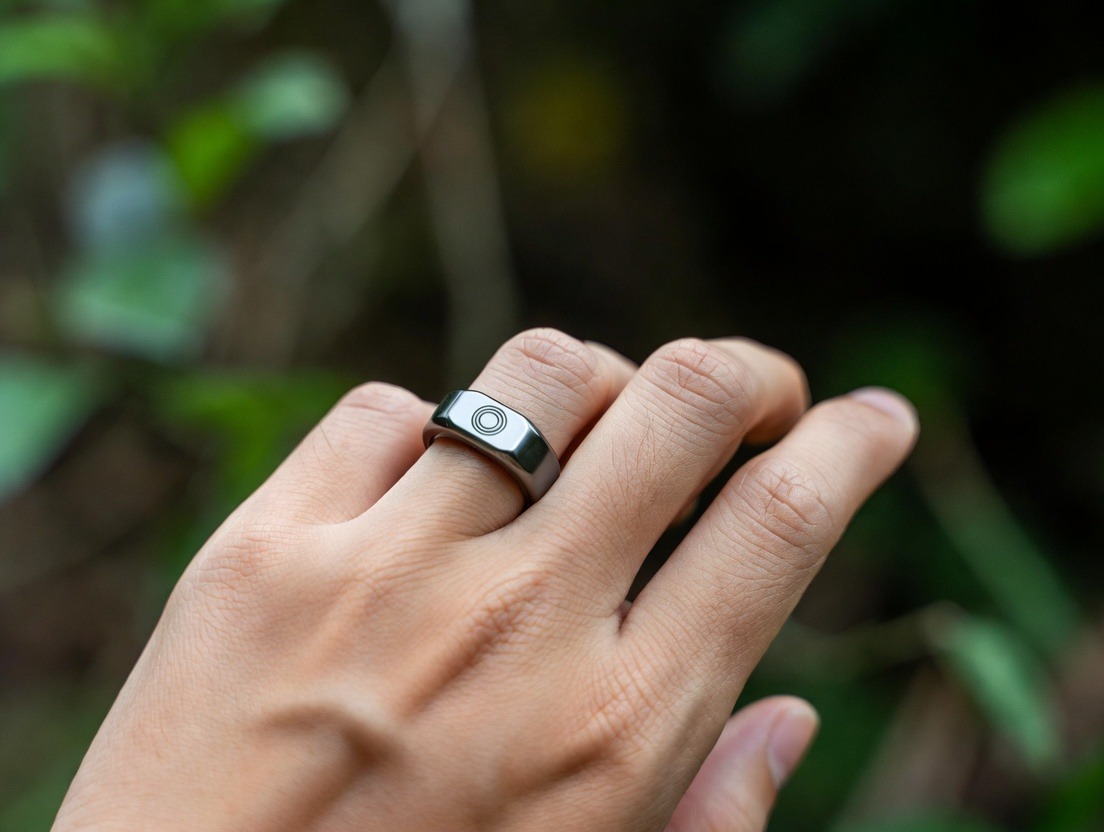
We have explored how smart rings move us from generic quick fixes to personalized lifestyle insights. But what comes after insight? The next frontier, already emerging in the data from your finger, is the shift from reactive monitoring to predictive health. This is where your device stops being just a historian of your body and starts becoming a forecast system, allowing you to act before your health dips—the ultimate form of preventive medicine.
Early Warning Systems for Illness. One of the most powerful predictive capabilities lies in spotting the earliest signs of illness, often before you feel a single symptom. A sudden, unexplained elevation in your resting heart rate (RHR) that persists for 24-48 hours, coupled with a drop in heart rate variability (HRV) and a rise in skin temperature, is a classic biometric signature of your body mounting an immune response. This pattern has been documented in studies tracking the onset of infections, from the common cold to COVID-19. By alerting you to these subtle shifts, your ring gives you a precious head start. Instead of pushing through until you crash, you can proactively prioritize rest, hydration, and immune-supportive nutrition, potentially mitigating the severity or duration of the illness. This transforms "catching a bug" from a random event into a managed biological process.
Predicting Performance and Recovery Needs. Beyond illness, your data can forecast your capacity. Advanced algorithms analyze trends in sleep, HRV, and activity to predict your "readiness" not just for today, but for the coming days. Imagine your ring suggesting: "Based on your current recovery trajectory and planned workload, your resilience scores are projected to be low on Thursday. Consider scheduling a lighter day or prioritizing an early bedtime on Wednesday." This moves you from managing day-to-day to planning week-to-week, optimizing your energy expenditure and recovery for important events, deadlines, or competitions. It turns the concept of "periodization" from an athletic training principle into a lifestyle practice for everyone.
Learning Your Personal Stress Signatures and Triggers. Prediction also works on a micro-scale. Over time, your ring’s data, combined with contextual logging (or future AI that passively infers context), can learn your unique stress signatures. It might identify that back-to-back virtual meetings without a break consistently spike your stress score, or that certain types of social interactions lead to a delayed dip in HRV hours later. With this learned model, your device could eventually offer gentle, predictive nudges: *"You have three meetings scheduled this afternoon. Would you like to block a 10-minute recovery window after the second one?"* or "Your data shows you often have restless sleep after late spicy meals." This is personalized, predictive coaching at its most intimate.
The Ethical Frontier of Predictive Health. This powerful capability comes with profound responsibility. Predictive alerts could lead to health anxiety if not presented carefully. Who owns this predictive data about your future state? How should it be integrated with healthcare systems? The promise is immense—reducing healthcare burdens by preventing crises—but it requires a foundation of user education and ethical design. Companies leading this space must prioritize user empowerment over paternalism, a principle you can explore in our company's mission and core values. The goal is not to create a nervous system of constant alerts, but to provide a calm, trusted forecast that empowers better daily decisions.
This predictive layer represents the full maturation of the lifestyle model. You are no longer just responding to yesterday’s choices; you are anticipating tomorrow’s needs. Health becomes a smooth, proactive journey of navigation, rather than a series of reactions to potholes and breakdowns. The quick fix is entirely obsolete in this model, as it only addresses the pothole after you’ve already blown a tire.
The wealth of data from a smart ring is its greatest strength, but it can also be a source of paralysis, obsession, or anxiety—a state often called "analysis paralysis" or "quantified-self fatigue." To truly benefit from lifestyle tracking, you must cultivate a sustainable, psychologically healthy relationship with your data. This means moving from being a data slave to a data sovereign.
The 80/20 Rule of Biomarker Focus. You do not need to optimize every metric every day. The key is to identify the one or two biomarkers that are your most sensitive "canaries in the coal mine." For most people, this is sleep consistency and HRV trend. If you protect and nurture these foundational pillars, most other metrics (RHR, activity, etc.) tend to fall into place. Check your detailed sleep stages or temperature variations not daily, but when you’re troubleshooting a specific issue or running an experiment. Let your high-level scores (Sleep Score, Readiness Score) be your daily check-in, and dive deeper only when prompted.
Trends Over Snapshots: The Big Picture Mindset. A single day’s data is almost meaningless. Biology is noisy. A low HRV score on Tuesday could be due to a hard workout Monday, a difficult conversation, a poor night's sleep, or the beginnings of a cold. The magic is in the trend line. Train yourself to look at weekly and monthly averages. Is your HRV trend gently sloping upward over the last three months? That’s a monumental victory, regardless of daily fluctuations. This perspective inoculates you against daily disappointment and helps you see the true impact of your lifestyle changes. For help interpreting these trends, our FAQ section is a great resource for common questions.
Seasonal and Cyclical Detachment. There will be life seasons—periods of intense work, travel, grief, or celebration—where your metrics will not be in their ideal range. This is not failure; it is life. During these times, it can be healthy to change your relationship to the device. You might switch to only tracking sleep to ensure a minimum baseline, or even take a short break from looking at scores altogether, trusting the ring to collect data in the background for later review. The goal of lifestyle tracking is to serve your life, not to become an additional source of performance pressure.
From Judgement to Curiosity. Reframe your internal dialogue. When you see a poor score, replace "I failed" with "I wonder why?" Approach your data with the neutral curiosity of a scientist studying a fascinating subject (you!). This mindset shift is critical. It turns a "bad" data point into a puzzle: "My sleep was restless. Was it the late coffee? The stressful email I read in bed? Am I coming down with something?" This curious, investigative stance is empowering and reduces anxiety.
Using Data to Validate Rest, Not Just Productivity. Our culture often glorifies data as a tool for optimization and output. Reclaim your data as a tool for validation of rest and recovery. Seeing a high Sleep Score or a strong recovery metric should feel as rewarding as checking off a productive task. Celebrate when your data confirms you took a needed rest day or went to bed early. This rewires your brain to value recovery as a productive, data-verified essential, not as lazy time.
By mastering this relationship, you ensure the smart ring remains a empowering tool for self-knowledge, not a source of stress. It sits quietly in the background, offering insights when you seek them, providing gentle nudges based on trends, and ultimately freeing up mental space to actually live the healthy life you are designing.
As we invite these devices deeper into our lives, collecting our most intimate physiological data, critical questions arise. Embracing a lifestyle improvement model over quick fixes isn't just a health choice; it's a philosophical stance on personal autonomy, data sovereignty, and the ethics of knowing oneself. Navigating this thoughtfully is part of the journey.
Data Sovereignty and Privacy: Who Owns Your Biology? The minute-by-minute record of your heart, sleep, and stress is arguably more sensitive than your financial history. It can reveal your state of mind, your health vulnerabilities, and your daily routines. A foundational requirement for any wellness technology must be transparent, user-centric data policies. Who stores this data? How is it encrypted? Is it aggregated for research, and if so, is it fully anonymized? Can you delete it? As a user, you must prioritize companies that treat your biometric data not as a commodity to be mined, but as a sacred trust. Your data should empower you first and foremost.
The Autonomy Paradox: Empowerment vs. Outsourcing. The goal of the smart ring is to increase bio-literacy and self-efficacy—to help you understand your body’s signals so you can make better independent choices. However, there’s a risk of slipping into bio-dependency, where you outsource your intuition to the device ("I feel fine, but my ring says I'm stressed, so I must be"). The ethical use of this technology lies in using it to hone your internal sense of interoception (feeling what’s happening inside your body), not replace it. The question to ask is: "Is this data helping me tune in to my body, or tune it out?"
Avoiding the Optimization Trap and Embracing "Good Enough." The quest for perfect scores can become a new form of pathology—orthosomnia (an unhealthy preoccupation with perfect sleep) or obsessive fitness tracking. The ethical, healthy approach is to use data to find your "good enough" zone, the range where you function and feel well, and then relax into it. Wellness should not be a never-ending ladder of optimization. Sometimes, the most healthy choice is to ignore the data and go dancing with friends, even if it means a late night and a lower sleep score. The data should inform your life, not govern it.
Equity and Accessibility. The promise of personalized, data-driven health must be tempered with the reality that these devices are luxury items. This raises questions of equity: could widespread adoption create a "health data divide," where those who can afford tracking gain even greater advantages in managing their well-being? While consumer devices lead the market, the ethical imperative is for the insights they generate—about the fundamental importance of sleep, circadian rhythm, and nervous system health—to filter into public health messaging and workplace policies that benefit everyone, regardless of their ability to own a ring.
Engaging with these questions isn't a detour; it's central to building a mature, sustainable practice of self-tracking. It ensures that your journey toward lifestyle improvement is not only effective but also conscious, autonomous, and aligned with your values. It moves you from being a passive user of technology to an active participant in shaping how this powerful tool integrates into human flourishing.
Abstract principles come to life through stories. Let’s move from theory to the tangible by exploring archetypal case studies, synthesizing how the smart ring facilitates a complete shift from quick-fix desperation to empowered lifestyle management. These composites, drawn from common user experiences, illustrate the journey.
Case Study 1: The Burnt-Out Professional (Maria)
Case Study 2: The Frustrated Fitness Enthusiast (David)
Case Study 3: The New Parent (The Lee Family)
These stories highlight the common thread: the ring provides the objective, compassionate evidence needed to break destructive cycles and build sustainable systems tailored to real life. The transformation is not in the body first; it is in the mindset.
You have the knowledge, the philosophical framework, and the inspiration from real-world change. Now, let’s crystallize this into a concrete, phased action plan to begin or deepen your own journey from quick fixes to empowered lifestyle stewardship, using your smart ring as your guide.
Phase 1: The Observation Month (Weeks 1-4)
Phase 2: The Connection Phase (Weeks 5-8)
Phase 3: The Foundation Phase (Months 3-6)
Phase 4: The Optimization & Personalization Phase (Ongoing)
Phase 5: The Integration & Wisdom Phase (The Long Game)
This action plan is a marathon, not a sprint. Each phase may take longer than suggested. The key is progress, not perfection. By following this staged approach, you systematically dismantle the quick-fix architecture and replace it with a resilient, adaptable, and joyful lifestyle built on the most reliable source of truth available: the wisdom of your own body, finally made audible.
Your Trusted Sleep Advocate: Sleep Foundation — https://www.sleepfoundation.org
Discover a digital archive of scholarly articles: NIH — https://www.ncbi.nlm.nih.gov/
39 million citations for biomedical literature :PubMed — https://pubmed.ncbi.nlm.nih.gov/
Experts at Harvard Health Publishing covering a variety of health topics — https://www.health.harvard.edu/blog/
Every life deserves world class care :Cleveland Clinic - https://my.clevelandclinic.org/health
Wearable technology and the future of predictive health monitoring :MIT Technology Review — https://www.technologyreview.com/
Dedicated to the well-being of all people and guided by science :World Health Organization — https://www.who.int/news-room/
Psychological science and knowledge to benefit society and improve lives. :APA — https://www.apa.org/monitor/
Cutting-edge insights on human longevity and peak performance:
Lifespan Research — https://www.lifespan.io/
Global authority on exercise physiology, sports performance, and human recovery:
American College of Sports Medicine — https://www.acsm.org/
Neuroscience-driven guidance for better focus, sleep, and mental clarity:
Stanford Human Performance Lab — https://humanperformance.stanford.edu/
Evidence-based psychology and mind–body wellness resources:
Mayo Clinic — https://www.mayoclinic.org/healthy-lifestyle/
Data-backed research on emotional wellbeing, stress biology, and resilience:
American Institute of Stress — https://www.stress.org/


