


How Your Wellness Ring Monitors Heart Health While You Sleep
How your wellness ring monitors your heart health while you sleep.
How your wellness ring monitors your heart health while you sleep.
%402x.svg)
In the quiet of night, while the conscious world fades away, a vital conversation continues within you—the steady, rhythmic language of your heart. For centuries, this nocturnal dialogue went largely unmeasured and misunderstood, hidden behind the veil of sleep. Today, a revolution in personal health technology is translating that conversation in real-time, from the palm of your hand—or more precisely, from the base of your finger.
Welcome to the era of the wellness ring, a discreet, powerful device that is transforming our understanding of cardiovascular health during its most critical period of restoration and repair: sleep. Gone are the days when heart monitoring was confined to clinical settings with cumbersome wires and sticky electrodes. The modern smart ring is a marvel of miniaturization and biomedical engineering, designed to operate as a silent sentinel through the night, capturing a symphony of physiological data that reveals far more than just your heart rate.
This technology isn't merely about tracking; it's about translating. While you journey through sleep cycles, your ring is busy interpreting the subtle whispers and patterns of your heart. It analyzes your heart rate variability (HRV)—the nuanced time variation between beats that is a profound indicator of nervous system balance, recovery status, and resilience. It monitors your resting heart rate, a fundamental vital sign that can signal changes in fitness, stress, or overall health. Advanced models even track blood oxygen saturation (SpO2) at the pulse point and can identify potential disturbances like sleep apnea through heart rate and movement patterns.
But how does a device so small accomplish so much? And more importantly, what should you do with this intimate nightly report card from your own body? This deep dive will illuminate the sophisticated technology packed into these sleek bands, explain the critical heart health metrics they monitor as you sleep, and guide you on how to interpret this data to make meaningful, proactive improvements to your long-term well-being. We'll move beyond the basics, exploring the science behind the sensors, the clinical relevance of the data, and how integrating these insights into your life can empower you to become the true architect of your health. The journey into the heart of the night begins here.
We spend roughly one-third of our lives asleep, yet for most of human history, this period was a black box for health assessment. Modern science has shattered that notion, revealing sleep not as a passive state of inactivity, but as an active, essential, and highly informative physiological process. For cardiovascular health specifically, sleep is the most revealing diagnostic window we have. During the day, your heart rate and function are influenced by a cacophony of external stimuli—stress, activity, caffeine, emotions, and posture. It's a noisy signal. At night, provided you are in a state of true rest, the background static fades away, allowing the intrinsic, baseline function of your cardiovascular and autonomic nervous systems to be clearly observed.
Think of it like trying to listen to a delicate piece of music in a crowded, noisy street versus in a soundproofed studio. Sleep provides the "soundproofed studio" for your heart. During deep sleep (slow-wave sleep), your body enters a state of profound restoration. Blood pressure drops, breathing becomes slow and regular, and the sympathetic nervous system—the "fight or flight" branch—takes a back seat. The parasympathetic nervous system—the "rest and digest" branch—becomes dominant. This shift is crucial for heart health, as it gives the cardiovascular system a chance to recover from the day's stresses. A wellness ring monitoring your heart rate variability (HRV) during this phase can accurately gauge your parasympathetic tone, a key marker of recovery and resilience.
Furthermore, sleep is when potential problems often announce themselves. Events like sleep apnea—characterized by repeated breathing interruptions—directly strain the heart, causing blood oxygen to drop and forcing the heart to work harder. These events trigger micro-arousals (brief awakenings you're unaware of) and create a signature pattern of heart rate spikes and dips. A ring equipped with SpO2 and heart rate sensors can detect these patterns, serving as an early warning system. Nighttime also reveals anomalies like unexplained tachycardia (high heart rate during sleep) or an abnormally high resting heart rate, which can be early indicators of overtraining, illness, or chronic stress.
By capturing data in this pristine, controlled state, a wellness ring provides a consistent and comparable nightly benchmark. You're not comparing your heart rate during a Monday morning meeting to your heart rate during a Wednesday workout. You're comparing your heart's behavior every night under similar conditions. This consistency is what makes longitudinal sleep data so powerful. It allows you to see trends—how your heart responds to a new training regimen, a period of work stress, a change in diet, or even the early stages of a cold. It transforms subjective feelings of "I'm tired" into objective data: "My resting heart rate is 8 BPM higher than my baseline, and my HRV has dropped by 30%, indicating my body is under significant strain."
This foundational understanding of sleep as a diagnostic gold standard is what makes the data from your ring so actionable. For a deeper exploration of how this technology fits into the broader ecosystem of wellness tracking, our blog offers a wealth of resources on interpreting biometric data. As we move forward, we'll unpack the specific technology that makes this nightly surveillance possible.
When you glance at your sleep report in the morning, you're likely presented with a series of numbers and graphs. To the untrained eye, it might look like technical jargon. But each metric is a distinct chapter in the story of your night, offering unique insights into your heart's function and your body's systemic state. Let's decode the primary cardiac metrics your wellness ring is monitoring while you slumber.
Resting Heart Rate (RHR): This is the cornerstone. Measured in beats per minute (BPM), your sleeping RHR is typically the lowest and most consistent heart rate you achieve in a 24-hour period. It's a powerful, simple indicator of cardiovascular fitness and efficiency. A strong, healthy heart pumps more blood with each beat, so it doesn't need to beat as often. Therefore, a lower RHR (generally, for adults, anything below 60 BPM is considered bradycardic but can be a sign of fitness, while consistently above 80-90 may be a concern) often correlates with better aerobic fitness. More importantly, tracking the trend of your RHR is critical. A sudden, sustained increase in your nightly RHR can be one of the earliest signs of impending illness, overtraining, dehydration, or heightened stress load.
Heart Rate Variability (HRV): If RHR is the volume of the music, HRV is the complex, rich melody. It measures the millisecond variations in the time intervals between consecutive heartbeats, known as R-R intervals. Contrary to popular belief, a healthy heart does not beat with metronomic regularity. It is constantly and subtly adjusting the timing of the next beat in response to signals from the autonomic nervous system. High HRV indicates a heart that is responsive and adaptable—a sign of good parasympathetic ("rest and digest") tone and resilience to stress. Low HRV suggests the nervous system is in a state of sympathetic dominance ("fight or flight"), which can be due to physical, mental, or emotional strain. Your ring calculates HRV (often using a method called rMSSD) throughout the night, providing a nightly score that is arguably the single best objective metric for tracking recovery, readiness, and overall nervous system balance.
Blood Oxygen Saturation (SpO2): Measured as a percentage, SpO2 indicates how much oxygen your red blood cells are carrying from your lungs to the rest of your body. While you sleep, it's normal for SpO2 to dip slightly, but consistent, significant dips (usually below 90-92%) can be a red flag. These desaturations are a hallmark of sleep-disordered breathing, like sleep apnea, where the airway becomes blocked, breathing stops, and oxygen levels fall. This places acute strain on the heart and brain. Continuous SpO2 monitoring from a ring can help identify these patterns, prompting further evaluation.
Respiratory Rate: By analyzing the subtle, rhythmic variations in your heart rate caused by breathing (a phenomenon called respiratory sinus arrhythmia), advanced algorithms can derive your breaths per minute. An elevated respiratory rate during sleep can indicate stress on the cardiorespiratory system, potentially related to issues like heart failure, lung conditions, or, again, sleep apnea.
Sleep Staging & Cardiac Patterns: Your ring uses a combination of heart rate, HRV, and movement data to infer your sleep stages (light, deep, REM). Each stage has a distinct cardiac signature. Deep sleep is characterized by a slow, steady heart rate and high HRV. REM sleep, where vivid dreaming occurs, shows a more variable, faster heart rate similar to wakefulness, but with muscle paralysis. Disruptions in the normal architecture of these stages, reflected in your heart's patterns, can point to poor sleep quality.
Understanding these metrics individually is the first step. The real magic—and the true power of a comprehensive wellness ring like those developed by Oxyzen—lies in the synthesis. The platform doesn't just show you numbers; it correlates them. It can show you that the night your SpO2 dipped, your heart rate spiked. It can reveal that a week of late nights didn't just lower your sleep duration, it also suppressed your HRV and elevated your RHR. This integrated view transforms raw data into a coherent narrative about your health, empowering you to take informed action. For those curious about the specifics of how these metrics are calculated and validated, our FAQ section provides detailed technical insights.
The ability to capture clinical-grade cardiac data from a device that fits on your finger is nothing short of an engineering marvel. It's a masterclass in sensor fusion, signal processing, and miniaturization. So, how does this "invisible lab" actually work? Let's demystify the technology.
At the heart of the system is Photoplethysmography (PPG). This is the foundational optical technology used by nearly all consumer wearable heart monitors. A small LED, typically green, shines light into the capillaries and blood vessels just beneath the skin on the palmar side of your finger. Hemoglobin in your red blood cells absorbs this light. With each heartbeat, blood volume in the capillaries increases slightly, absorbing more light. Between beats, the volume decreases, absorbing less. A photodetector next to the LED measures these minute, rhythmic changes in light absorption. This waveform—the PPG signal—is a direct correlate of your pulse. The timing between the peaks of this wave is used to calculate your heart rate and, with sophisticated analysis, your heart rate variability.
But why the finger? The finger, particularly the base where rings are worn, is an ideal site for PPG. It has a high density of capillaries, providing a strong signal. It's less affected by motion during sleep compared to a wrist (which can flop around), and the bone structure helps the ring maintain consistent contact and pressure, reducing signal noise. Some advanced rings also use infrared PPG for SpO2 measurement. This works on a similar principle but uses two wavelengths of light (red and infrared) to distinguish between oxygenated and deoxygenated hemoglobin, calculating the saturation percentage.
However, raw PPG data is messy. It can be corrupted by movement—even the slight tremor of a finger. This is where accelerometers and gyroscopes come in. These motion sensors detect movement, allowing the device's algorithms to identify and filter out periods of motion artifact from the PPG signal. They are also crucial for sleep staging, identifying periods of rest versus tossing and turning.
The true genius lies in the on-board and cloud-based algorithms. The raw signals from the PPG and motion sensors are processed through a series of complex mathematical filters and machine learning models. These algorithms:
Finally, this processed data is synced to a smartphone app, where it is visualized for you. The app provides the user interface—the graphs, scores, and trends—that turn biomedical data into personal insight. It's this seamless integration of hardware physics, software intelligence, and user-centric design that defines the modern wellness ring. The journey from a flickering LED to a personalized health report is a testament to the innovation driving this field, a story of passion and precision you can learn more about on our about-us page.

A single night of data from your wellness ring is a fascinating snapshot, but it is just that—a single point in time. Your heart rate might be high because you had a late, heavy meal or watched an intense movie before bed. Your HRV might be low because you had an unusually stressful day. Isolating one night can lead to unnecessary alarm or, conversely, misplaced confidence. The transformative power of this technology is unlocked not in the daily glance, but in the long-term observation of trends and patterns over weeks, months, and years.
This longitudinal view acts as a personalized health baseline. Your app isn't just showing you last night's HRV; it's showing you your HRV relative to your own 30-day rolling average. This is critical because "good" and "bad" values are highly individual. An HRV of 45 ms might be excellent for one person and a sign of severe fatigue for another. By establishing your normal, the ring can effectively highlight meaningful deviations.
For example, consider these trend-based insights:
This process of trend-spotting turns your wellness ring from a passive tracker into an active biofeedback tool. You can make a change—start meditating, improve sleep hygiene, adjust training—and see how your physiology responds over time. It closes the loop between action and outcome, providing tangible evidence of what works for you. This empowers a truly personalized approach to health, moving beyond generic advice to data-driven self-knowledge. To see how this plays out in real life, with all its triumphs and challenges, our testimonials page shares stories from users who have discovered their own unique patterns.
One of the most significant and potentially life-saving applications of overnight heart monitoring is in the screening for sleep-disordered breathing, with obstructive sleep apnea (OSA) being the most common. OSA is characterized by repeated collapse of the upper airway during sleep, leading to breathing pauses (apneas) or shallow breaths (hypopneas). These events can occur dozens or even hundreds of times per night, often without the sleeper being fully aware. The consequences, however, are severe: chronic daytime fatigue, increased risk of hypertension, heart disease, stroke, and type 2 diabetes.
Traditional diagnosis requires an in-lab polysomnography (sleep study), which is expensive, inconvenient, and often has long wait times. This is where the wellness ring, as a screening and monitoring tool, shines. It doesn't replace a formal diagnosis from a sleep specialist, but it can provide compelling evidence that further investigation is warranted. It does this by detecting the distinct physiological fingerprints that apnea events leave on your cardiac data.
When your breathing stops or becomes shallow, your blood oxygen level begins to drop—a desaturation. Your brain, sensing this hypoxia, triggers a micro-arousal to restart breathing. This "gas-and-brake" pattern creates a telltale signature:
Advanced wellness ring algorithms analyze these coupled patterns—SpO2 desaturations paired with heart rate surges—to estimate the frequency of potential disturbances. Some apps provide a metric like "nighttime disturbances" or a "breathing regularity" score. A consistently poor score, especially when paired with symptoms like snoring, daytime sleepiness, or morning headaches, is a powerful piece of information to bring to a doctor.
For those already diagnosed with sleep apnea and using a CPAP machine, the ring becomes a valuable tool for tracking therapeutic efficacy. You can observe if your nightly SpO2 has stabilized at a healthy level (typically above 94%) and if the chaotic heart rate oscillations have smoothed out, indicating the treatment is working effectively. This at-home monitoring empowers patients to be more engaged in their own care. For more detailed information on how specific devices handle this kind of monitoring, visiting the manufacturer's resource center, such as the Oxyzen FAQ, can provide valuable clarity.
We've mentioned Heart Rate Variability several times, but its importance as the premier metric for assessing autonomic nervous system (ANS) balance and recovery readiness merits its own deep focus. Think of your ANS as the autopilot of your body, controlling everything you don't consciously think about: digestion, hormone release, and, critically, heart rate. It has two main branches in a constant, dynamic tug-of-war: the sympathetic (SNS) and parasympathetic (PNS).
The SNS is your accelerator. It prepares you for action—increasing heart rate, blood pressure, and alertness. The PNS is your brake. It promotes rest, recovery, digestion, and conservation of energy. HRV is the most sensitive, non-invasive window we have into the relative activity of these two systems. High HRV indicates a strong, responsive "brake" (PNS) and a flexible system that can shift smoothly between states. It's a sign of good recovery, adaptability to stress, and overall resilience. Low HRV suggests the "accelerator" (SNS) is dominant, the system is under strain, and recovery is compromised.
Your wellness ring calculates HRV primarily during sleep because, as we established, it's the most stable and noise-free period. The most common method used in these devices is rMSSD (the root mean square of successive differences between heartbeats), which is particularly sensitive to the fast, beat-to-beat changes influenced by the PNS via the vagus nerve. This is your nightly recovery score.
How can you use this North Star?
It's crucial to remember that HRV is highly personal. Comparing your number to someone else's is meaningless. Age, genetics, and fitness level all influence it. The focus must always be on your own trends. A wellness ring that provides clear, trend-based HRV data gives you direct access to the conversation between your brain and your heart, allowing you to make choices that support balance and long-term health. For those looking to dive deeper into practical applications of this data, exploring curated content on our blog can offer further guidance and science-backed strategies.

With great data comes great responsibility—and the potential for great anxiety. It's easy to fall into the trap of "data obsession," where you fixate on a single night's "bad" score, spiraling into stress that ironically worsens your next night's data. The goal of a wellness ring is empowerment, not anxiety. The art lies in intelligent, calm interpretation. Here’s how to approach your morning report with a balanced, productive mindset.
1. Embrace the Trend, Not the Datum.
This cannot be overstated. Never judge your health on a single data point. Your body is not a machine; it has daily fluctuations. Look at the graphs showing your 7-day and 30-day averages. Is last night's elevated RHR a one-off blip in an otherwise stable trend, or is it the fourth night in a row of a climbing trend? The latter is meaningful; the former is likely noise. Use the app's trend views religiously.
2. Context is King.
Always mentally (or in a journal) annotate your data with lifestyle context. The app gives you the "what"; you provide the "why." Tag nights with notes like: "Late work dinner," "Intense leg day," "Argument with partner," "Started feeling a scratchy throat," "Meditated before bed." Over time, you'll build a personal guidebook. You'll learn that for you, a late workout always tanks your deep sleep, or that alcohol raises your RHR by an average of 7 BPM. This turns data from a judge into a teacher.
3. Look for Correlations, Not Isolations.
The most powerful insights come from connections. Don't just see a low HRV score and panic. Look at the other metrics on the same night. Was your sleep fragmented (high movement)? Did your SpO2 have dips? Was your respiratory rate elevated? A low HRV with good SpO2 and solid sleep staging might just mean you're physically fatigued. The same low HRV with oxygen dips and a high respiratory rate paints a very different, more concerning picture. Synthesize the story.
4. Set Personalized, Meaningful Ranges.
Instead of aiming for a generic "good" score, work with your own baseline. Many apps will show your personal range for a metric (e.g., "Your HRV typically ranges from 32 to 68 ms"). A score of 35 might be "low for you" even if it's "high" for someone else. Pay attention when you fall outside your own normal range consistently.
5. Use It for Positive Reinforcement, Not Just Problem-Spotting.
The data isn't only for catching problems. Use it to celebrate and reinforce positive behaviors. Notice that on the nights you followed your wind-down routine, your deep sleep percentage was consistently higher. See how your average RHR dropped over a month of consistent aerobic exercise. This positive feedback loop is incredibly motivating and helps build sustainable healthy habits.
6. Know When to Step Back.
If you find yourself checking the app compulsively, feeling stressed by the numbers, or losing sleep over your sleep score, it's time for a digital detox. Put the ring on, but don't look at the app for a few days or a week. The data is still being collected, and you can review the trends later with a clearer, less attached mindset. The tool should serve you, not the other way around.
By adopting this interpretive framework, you transition from a passive data consumer to an active health scientist, experimenting on your own "n of 1" study with curiosity and compassion. This balanced approach is at the core of our philosophy, a principle born from our own journey to create meaningful technology, which you can read about in our-story.
Your heart's behavior at night doesn't exist in a vacuum. It is deeply entwined with your body's master clock: your circadian rhythm. This roughly 24-hour internal cycle, governed by the suprachiasmatic nucleus in your brain, regulates everything from hormone release (like cortisol and melatonin) to body temperature, digestion, and, crucially, cardiovascular function. A wellness ring, by tracking the timing and quality of your sleep alongside heart metrics, provides a unique lens into the health and synchronization of this fundamental biological rhythm.
Your cardiovascular system has a clear circadian pattern. Blood pressure and heart rate typically peak during the late afternoon and reach their nadir in the middle of the night during deep sleep. This nightly dip is known as "nocturnal dipping," and its absence (non-dipping) is a recognized risk factor for hypertension and cardiovascular events. By monitoring your heart rate trend across the 24-hour period, a ring can help illustrate this pattern, showing a clear descent as you fall asleep and a gradual rise toward morning.
When your sleep schedule is misaligned with your circadian rhythm—due to shift work, social jet lag (e.g., staying up late and sleeping in on weekends), or poor sleep hygiene—it creates "circadian misalignment." This discord has direct cardiac consequences, which your ring can detect:
Furthermore, for individuals who menstruate, there is another vital layer: the infradian rhythm of the hormonal cycle. Estrogen and progesterone fluctuations across the follicular and luteal phases have documented effects on autonomic nervous system balance, body temperature, and sleep architecture. Many users report observable patterns in their ring data:
A wellness ring that allows cycle tracking (or syncs with other apps) can empower users to see these patterns clearly. Instead of wondering why they feel more fatigued or their heart rate is up for a week, they can correlate it with their cycle phase. This knowledge fosters self-compassion and allows for cycle-synced planning—scheduling harder workouts during the follicular phase when recovery may be better, and prioritizing rest and recovery during the luteal phase.
By honoring these biological rhythms—both the daily circadian and the monthly infradian—you work with your body, not against it. The ring becomes a tool for synchronization, helping you align your sleep, activity, and nutrition with your innate physiology to optimize heart health and overall well-being around the clock, and throughout the month.
You've woken up, checked your app, and absorbed the story of your night. Perhaps your HRV is lower than you'd like, your resting heart rate is a few beats higher than your baseline, or your sleep score took a hit. The critical question is: Now what? Data without action is merely trivia. The true value of your wellness ring lies in its ability to inform precise, personalized interventions. Here is a framework for translating your nocturnal cardiac insights into tangible daytime behaviors that can enhance your heart health and sleep quality.
1. For Low HRV & Elevated Resting Heart Rate: Prioritize Parasympathetic Activation.
This combination is the classic signature of a nervous system under strain—too much "gas" (sympathetic), not enough "brake" (parasympathetic). Your goal is to stimulate your vagus nerve and promote a state of calm.
2. For Poor Sleep Staging & Fragmentation: Optimize Your Sleep Hygiene.
If your heart rate is volatile and your sleep is light and broken, focus on creating a sanctuary for consistent, deep sleep.
3. For Concerning SpO2 or Disturbance Patterns: Seek Professional Context.
If your ring consistently flags potential breathing disturbances or shows recurrent significant SpO2 dips, use this data as a catalyst for a professional conversation.
4. The Holistic Foundations: Nutrition, Hydration, and Movement.
Your daytime choices set the stage for your nighttime physiology.
By systematically applying interventions based on your specific data patterns, you engage in a virtuous cycle: action → improved data → motivation → sustained action. This turns your wellness ring from a reporting tool into a coaching system. For a continually updated repository of actionable tips and deep dives into these lifestyle strategies, be sure to explore our comprehensive resource library on the Oxyzen blog.

The current generation of wellness rings is remarkably sophisticated, but the frontier of what's possible is expanding at a breathtaking pace. The next wave of innovation, already emerging in research labs and high-end prototypes, promises to bring capabilities once confined to cardiology clinics directly to your finger, night after night. Let's explore the near-future technologies that will redefine nocturnal heart health monitoring.
Continuous Blood Pressure Monitoring: This is the holy grail of wearable cardiology. While current devices offer snapshots, true cuffless, continuous blood pressure tracking would be revolutionary. The leading method is Pulse Transit Time (PTT), which measures the time it takes for a pulse wave to travel between two points (e.g., from the heart to the finger). Since this time is inversely related to blood pressure, sophisticated algorithms can estimate BP trends. Some next-gen rings are experimenting with integrating PPG sensors with bioimpedance sensors to derive PTT, aiming to provide trends in systolic and diastolic pressure throughout the night. This could transform the management of hypertension, capturing the crucial nocturnal dipping pattern and alerting users to dangerous non-dipping or morning surges.
Atrial Fibrillation (AFib) Detection: AFib is an irregular and often rapid heart rhythm that significantly increases stroke risk. It can be paroxysmal—coming and going, often unnoticed. Detecting these fleeting episodes is a major challenge. Smart rings, with their continuous nocturnal monitoring, are ideal screening tools. Advanced PPG algorithms are being trained to identify the characteristic "irregularly irregular" pulse pattern of AFib. While not a diagnostic device, a ring that flags a potential AFib episode during sleep provides critical information for a follow-up with a cardiologist, potentially leading to earlier intervention and stroke prevention.
Advanced Hemodynamic Metrics: Beyond simple pulse, researchers are working on deriving more detailed cardiac output metrics from PPG waveforms. This includes insights like Stroke Volume (the amount of blood ejected per heartbeat) and Total Peripheral Resistance (the resistance in your blood vessels). Tracking these trends overnight could offer unprecedented insights into cardiovascular fitness, fluid status, and how your heart adapts to different stressors.
Multimodal Sensor Fusion: The future lies not in a single sensor, but in the intelligent combination of many. Imagine a ring that fuses:
Predictive Analytics and Personalized Alerts: As machine learning models ingest vast anonymized datasets, they will move from description to prediction. Your ring's AI might analyze a subtle confluence of factors—a creeping rise in resting heart rate, a specific pattern in HRV fragmentation, a slight increase in nocturnal respiratory rate—and provide a gentle, early alert: "Your recent data suggests elevated systemic stress. Consider prioritizing recovery over the next few days." This shifts the paradigm from reactive to truly proactive health management.
These advancements will blur the line between consumer wellness and medical-grade monitoring, empowering individuals with a depth of knowledge about their hearts that was unimaginable a decade ago. The mission at the core of this evolution is one of democratizing health insight, a driving principle you can learn more about on our about-us page. The goal is not to make everyone their own cardiologist, but to provide the intelligent, accessible tools that foster earlier conversations, deeper personal awareness, and more collaborative healthcare.
While the primary value of a wellness ring is deeply personal, the aggregate, anonymized data collected from millions of users worldwide holds transformative potential for public health and medical science. This is the macro view: how the silent, nightly monitoring of countless individual hearts can paint a revolutionary picture of collective cardiovascular health and its drivers.
Epidemiological Research at Unprecedented Scale and Granularity: Traditional heart health studies rely on intermittent check-ups, self-reported surveys, or small, controlled cohorts. Imagine a longitudinal study that continuously tracks resting heart rate, HRV, and sleep metrics for a diverse population of 500,000 people, across different geographies, ages, and lifestyles, for five years. Researchers could:
Environmental and Social Determinants of Health: By correlating anonymized location data with physiological trends, we could gain profound insights into how our environments shape our hearts. Does air quality index correlate with nighttime heart rate variability in a city? How does noise pollution from traffic affect sleep-related blood pressure dipping? Do individuals in neighborhoods with more green space show better recovery metrics? This data could inform urban planning, environmental policy, and public health initiatives with a direct line to physiological outcomes.
Drug and Intervention Efficacy in the Real World: Clinical trials are conducted in highly controlled settings. Post-market surveillance often relies on sporadic adverse event reporting. With opt-in, anonymized data from wearable users, pharmaceutical companies and health researchers could monitor the real-world physiological impact of medications (like antihypertensives or beta-blockers) or public health interventions (like a new wellness program). They could see how a drug affects not just blood pressure at a doctor's visit, but 24/7 heart rate patterns, sleep quality, and overall autonomic balance in a diverse, living population.
Democratizing Health Equity: One of the most promising implications is the potential to address health disparities. Access to specialist care and advanced diagnostic tools is uneven. A relatively affordable, accessible device like a wellness ring can provide underserved communities with a powerful tool for early detection and health awareness. Community health programs could utilize aggregated, anonymized data to identify area-specific health challenges and tailor interventions more effectively.
Of course, this future hinges on two critical pillars: Privacy and Ethics. The stewardship of such intimate biometric data is a monumental responsibility. Leading companies in this space must operate with privacy-by-design principles: data anonymization at source, robust encryption, transparent user control over data sharing, and clear, limited purposes for any aggregated research. Users must be empowered partners, not data points.
The journey from a single ring on a single finger to a global network of health insight represents a paradigm shift. It moves us from a healthcare system focused on treating sickness to one increasingly capable of fostering sustained wellness. It's a future where your personal nightly report contributes, anonymously and securely, to a broader understanding of human health—a collective effort we are deeply committed to, as outlined in the vision shared in our-story.
With the market for smart rings expanding rapidly, selecting the right device for serious cardiac monitoring can be daunting. Not all rings are created equal. Some are fashion-forward step trackers with a heart rate sensor tacked on, while others are bona fide biomedical monitoring devices. If your primary interest is unlocking the secrets of your heart health during sleep, here are the key features and considerations to prioritize.
1. Sensor Accuracy and Validation: The Non-Negotiable Foundation.
This is where you must do your homework. Look for rings that have undergone clinical validation or have published peer-reviewed studies comparing their data to gold-standard medical devices (like ECG for heart rate/HRV, or medical-grade pulse oximeters for SpO2). Key questions to research:
2. The Sleep Staging Algorithm: Intelligence Matters.
The ring’s ability to accurately stage your sleep (light, deep, REM) directly impacts the context of your heart data. Inquire about the algorithm's basis. The best use multi-method approaches, fusing movement (actigraphy), heart rate, HRV, and sometimes respiratory rate to mimic the accuracy of professional polysomnography more closely. A ring that only uses movement will be a poor sleep tracker.
3. Battery Life and Charging for Uninterrupted Monitoring.
For heart health, consistency is everything. You need a ring that can last at least 5-7 days on a single charge. A ring that dies every other night creates data gaps that ruin your trend analysis. Look for efficient charging solutions, like a portable charging case, that make it easy to maintain the habit without forgetting to charge.
4. Data Depth and App Intelligence.
The hardware collects data; the software delivers insight. Evaluate the companion app critically:
5. Comfort and Form Factor for Unconscious Wear.
You will be wearing this every night for years. It must be:
6. Brand Philosophy and Long-Term Support.
You're investing in a health partner. Consider:
Choosing the right ring is an investment in your long-term health awareness. By focusing on these pillars—accuracy, intelligence, battery life, app depth, comfort, and brand integrity—you can select a tool that will serve as a trustworthy, insightful guardian of your heart’s nighttime story for years to come. To see how these principles translate into real-world user satisfaction and outcomes, reading through authentic testimonials can provide invaluable social proof before making your decision.
We have journeyed deep into the night, exploring the sophisticated technology, the critical physiological metrics, and the profound personal implications of monitoring your heart health while you sleep. What began as a question about how a small ring works has unfolded into a comprehensive map of the interconnected landscape of sleep, the autonomic nervous system, circadian biology, and long-term cardiovascular resilience.
The core revelation is this: the quiet hours of sleep are not a blank space in your health timeline. They are a rich, data-dense period of restoration and revelation. A modern wellness ring acts as a translator, converting the subtle language of your pulse, the variability between beats, and the oxygen in your blood into a coherent narrative about your recovery, your readiness, and your risks. This isn't about achieving a perfect score every night—that's neither possible nor desirable. It's about establishing a deep, evidence-based relationship with your own body.
You now understand that a single night's data is a snapshot, but a month of trends is a diagnosis of your lifestyle. You've seen how elevated resting heart rate and suppressed HRV are calls to activate your parasympathetic nervous system through breath and mindfulness. You've learned how SpO2 dips and heart rate oscillations can be sentinels for sleep-disordered breathing, prompting life-saving conversations with a doctor. You are equipped to interpret your morning report not with anxiety, but with the curious, analytical mind of a scientist studying their most important subject.
As this technology evolves—toward continuous blood pressure, AFib detection, and predictive analytics—your role will evolve with it. You will transition from a patient who reacts to illness to a human who proactively manages wellness. The ring is the tool, but you are the agent of change. It provides the feedback; you provide the action. It highlights the pattern; you adjust the behavior.
Let this knowledge empower you. Use your nightly data to celebrate the positive effects of a good workout, a managed stress day, or a consistent bedtime. Use it to compassionately understand the impact of life's inevitable challenges. Most importantly, use it to start conversations—with yourself about self-care, and with healthcare professionals about tangible, data-supported concerns.
The pursuit of heart health is a marathon, not a sprint. It is built night by night, beat by beat. By welcoming this silent guardian into your life, you are choosing to listen to one of your body's most fundamental voices. You are choosing awareness over ambiguity, and prevention over presumption. You are taking ownership of the one-third of your life where your heart speaks most clearly, and in doing so, you are investing in the health and vitality of all the days and nights to come.
This exploration of the nocturnal heart is just the beginning. To continue your journey into optimizing every aspect of your well-being, from daytime activity to nutrition and mental fitness, a world of detailed guides and expert insights awaits on our main resource hub at https://oxyzen.ai/.
You've spent weeks, perhaps months, collecting nocturnal heart data. The trends are clear: your resting heart rate is trending down, your HRV is becoming more resilient, and you understand your personal patterns. Now, the pivotal work begins—transforming this intimate knowledge into a structured, sustainable lifestyle architecture that supports cardiovascular health for the long term. Data is the map; action is the journey.
Creating a holistic action plan requires moving beyond isolated sleep hacks to address the interconnected pillars of wellness that your ring’s data reflects. Here is a framework for building your personalized Heart-Health Action Plan, using your nightly metrics as your guide and compass.
Pillar 1: Sleep as Non-Negotiable Cardiology
Your ring has proven the direct link between sleep quality and cardiac metrics. Elevate sleep from a passive activity to an active, scheduled component of your heart health regimen.
Pillar 2: Strategic Nutrition for the Rhythm of the Heart
Food is information that directly influences inflammation, autonomic balance, and vascular function—all reflected in your nightly data.
Pillar 3: Intelligent, Data-Informed Movement
Exercise is medicine for the heart, but the dose and timing are critical. Your HRV and RHR are your direct feedback mechanisms for prescribing this medicine.
Pillar 4: Conscious Stress Mastery
Psychological stress is cardiovascular stress. Your HRV is the real-time monitor of your nervous system's reaction to your life.
Building and Evolving Your Plan:
Start with one change from one pillar. Implement it for two weeks while monitoring the corresponding data trend in your ring app. Did your sleep consistency improve your deep sleep percentage? Did cutting off caffeine after 2 PM lower your nocturnal heart rate? Document these micro-victories.
This is not a rigid set of rules, but a dynamic framework for experimentation. Your body is not static; your plan shouldn't be either. Revisit and revise it quarterly, using your long-term data trends as the ultimate report card on what is truly working for your unique physiology. For continuous support and new evidence-based strategies as you build this plan, our evolving collection of resources at https://oxyzen.ai/blog is designed to be your companion.
The empowerment of personal health data carries with it a significant responsibility: knowing its limits. A wellness ring is a phenomenal screening and trend-tracking tool, but it is not a diagnostic medical device. The line between insightful self-awareness and dangerous self-diagnosis is fine but critical. This section provides a clear framework for understanding when your ring's data should prompt a professional consultation, and how to prepare for that conversation effectively.
Red Flags: Data Patterns That Warrant Professional Evaluation
How to Prepare for the Doctor's Visit: Be a Data-Powered Patient
Walking into a doctor's office saying "my smart ring says I'm sick" is ineffective. Instead, become an organized, data-informed partner.
What Your Doctor Can Do That Your Ring Cannot
A physician can connect the dots in a broader clinical context. They will:
Your wellness ring is the canary in the coal mine—an incredibly sensitive early-warning system. It empowers you to bring concrete, timely concerns to a professional, potentially catching issues in their earliest, most treatable stages. It transforms you from a passive recipient of care into an active, informed participant in your health journey. For common questions about how this process works or what specific metrics mean in a clinical context, resources like our FAQ page can provide helpful preliminary information to prepare you for that crucial conversation.
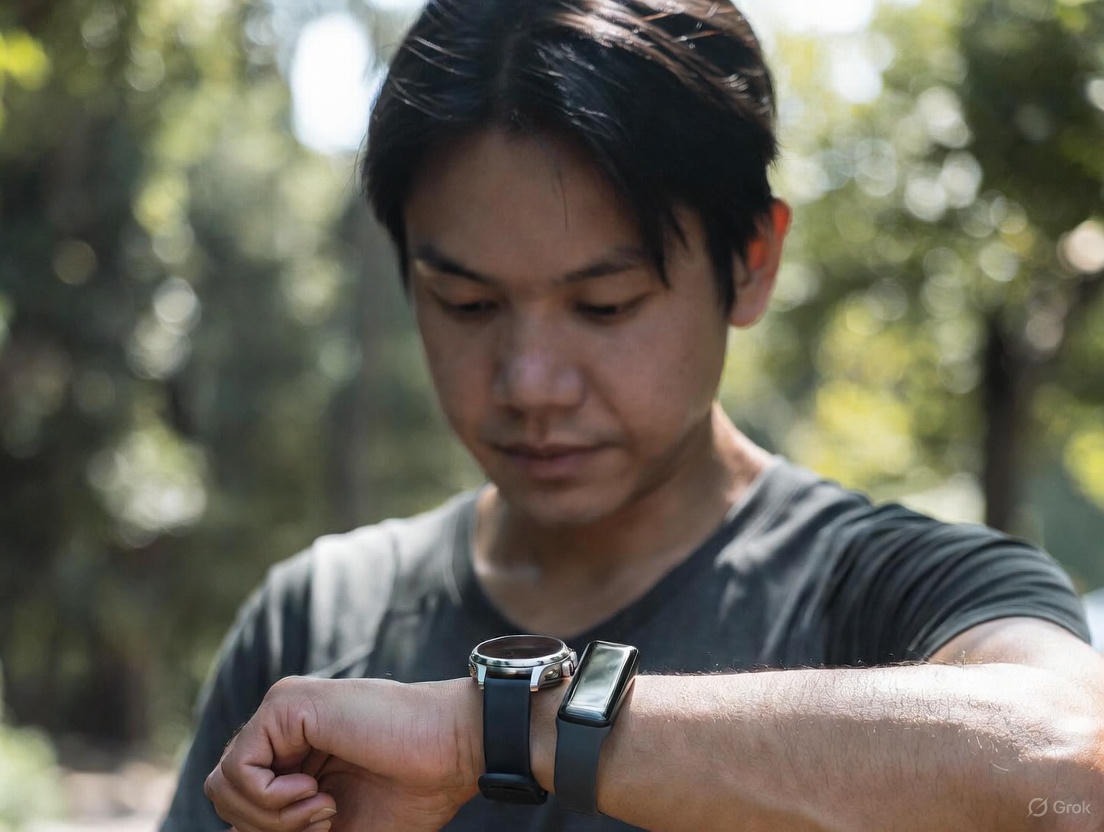
We have explored the physical inputs—sleep, nutrition, exercise. But the data on your ring is perhaps most sensitive to the state of your mind. The connection between mental/emotional health and cardiovascular function is not metaphorical; it is physiological, mediated by the autonomic nervous system and the hypothalamic-pituitary-adrenal (HPA) axis, and it is written clearly in your nocturnal heart patterns. Understanding this link is key to a complete interpretation of your data.
The Stress-Heart Pathway: More Than Just a "Feeling"
When you experience stress, anxiety, or ruminative thoughts, your brain triggers a cascade. The amygdala signals the hypothalamus, which activates the sympathetic nervous system (the "fight or flight" response) and the HPA axis, resulting in the release of cortisol and adrenaline. This has direct cardiac consequences:
If stress is acute and resolved, these changes are temporary. However, chronic psychological stress—from work, relationships, financial worry, or trauma—keeps this system activated. This leads to a sustained pattern your ring will detect: a higher average resting heart rate, a suppressed HRV baseline, and more fragmented sleep. It's a state of constant, low-grade cardiovascular strain.
What Your Ring Reveals About Your Mental Load
Your nightly data can be a mirror to your mental state, often with surprising honesty.
Actionable Strategies to Calm the Mind and Heal the Heart
Because the mind-heart connection is a two-way street, calming the mind directly improves cardiac metrics. Here are evidence-based strategies:
By treating your mental and emotional wellbeing with the same seriousness as your physical training, you address a root cause of many cardiac metric disruptions. Your ring provides the objective proof that practices like meditation aren't "just relaxing"—they are physiologically transformative, moving your nervous system from a state of threat to a state of safety and recovery. This holistic view of health—integrating the physical, mental, and emotional—is central to our mission, a philosophy we delve into on our about-us page.
A wellness ring is not a gadget for a season; it is a companion for a lifetime. Its greatest power is unlocked over years and decades, as it silently accumulates a unique, priceless asset: your personalized, longitudinal health biography. This long-term data becomes an invaluable tool for navigating the natural shifts of aging, recovering from major life events, and making proactive choices that support healthspan—the period of life spent in good health.
Establishing Your Baselines Through Life's Seasons
Your "normal" at age 25 is not your "normal" at 45 or 65. Aging brings gradual changes to cardiovascular function, such as a natural, slight increase in resting heart rate and a decrease in HRV due to reduced parasympathetic tone. By tracking continuously, you learn your rate of change. Is your RHR climbing faster than the expected age-related drift? Is your HRV decline steeper than average? This personalized insight is far more meaningful than population averages. It allows you to distinguish between normal aging and a potential problem.
Navigating Major Life Events with Data
Life is punctuated by events that strain the system: childbirth, major surgery, career changes, grief, or a global pandemic. Your ring’s data provides an objective record of your body's journey through these events.
Proactive Healthspan Management
The goal shifts from merely tracking to proactively managing the rate of decline. Your longitudinal data helps you test interventions aimed at preserving function.
Creating a Health Legacy
Imagine being able to show your cardiologist a 10-year graph of your resting heart rate and sleep patterns. This is a diagnostic tool of unparalleled personal value. It moves medicine from reactive to deeply personalized and preventive. You are no longer a patient describing symptoms from memory; you are a partner presenting a detailed, objective record of your body's history.
This long-term perspective transforms the wellness ring from a consumer electronics product into a lifelong health companion. It fosters a mindset of stewardship—caring for your cardiovascular system with the same diligence you would maintain a cherished vehicle, using data not for daily judgement but for lifelong navigation. The commitment to supporting this lifelong journey is woven into the fabric of our company, a story of dedication you can explore in our-story.
We have journeyed from the micro-level flicker of a green LED capturing a pulse wave to the macro-level implications of a lifetime of heart data. This exploration has revealed that the question, "How does your wellness ring monitor heart health while you sleep?" is merely the gateway to a far more profound inquiry: How will you listen to, and ultimately partner with, the intelligent, rhythmic core of your being?
The technology is a miracle of modern engineering, but it is a means, not an end. The PPG sensors, the accelerometers, the cloud-based algorithms—they are all in service of one goal: to return agency over your health to you. They break down the barrier between your internal, unconscious physiology and your conscious, decision-making mind. That morning report is a daily invitation to a conversation with yourself.
The core tenets of this empowered path are now clear:
Looking forward, your relationship with this technology will deepen. It will become less of a novelty you check obsessively and more of a trusted background advisor—like a wise friend who gently points out patterns you might have missed. It will be there to celebrate your progress, to offer unbiased feedback when you stray, and to provide hard evidence when you need to advocate for yourself in a medical setting.
The ultimate promise of this technology is not a life of perfect scores, but a life of profound connection and responsive care. It’s about moving from a paradigm of fighting disease to one of cultivating vitality. It’s about knowing that your heart’s nightly rhythm is a lullaby of information, and you now have the tools to understand its song.
This is the new frontier of personal health: not passive monitoring, but active collaboration. Your heart is speaking. You have learned how to listen. Now, go forth and build a life that gives it a healthy, resilient, and joyful story to tell, night after night, for all the years to come.
Your journey into continuous, intelligent health awareness is just beginning. To discover the specific device engineered to be your partner on this lifelong path, to see its design philosophy, and to understand how it brings together all the principles discussed here, the best starting point is your source for integrated wellness technology at https://oxyzen.ai/.
Your Trusted Sleep Advocate (Sleep Foundation — https://www.sleepfoundation.org/)
Discover a digital archive of scholarly articles (NIH — https://www.ncbi.nlm.nih.gov/
39 million citations for biomedical literature (PubMed — https://pubmed.ncbi.nlm.nih.gov/)
experts at Harvard Health Publishing covering a variety of health topics — https://www.health.harvard.edu/blog/)
Every life deserves world class care (Cleveland Clinic -
https://my.clevelandclinic.org/health)
Wearable technology and the future of predictive health monitoring. (MIT Technology Review — https://www.technologyreview.com/)
Dedicated to the well-being of all people and guided by science (World Health Organization — https://www.who.int/news-room/)
Psychological science and knowledge to benefit society and improve lives. (APA — https://www.apa.org/monitor/)
Cutting-edge insights on human longevity and peak performance
(Lifespan Research — https://www.lifespan.io/)
Global authority on exercise physiology, sports performance, and human recovery
(American College of Sports Medicine — https://www.acsm.org/)
Neuroscience-driven guidance for better focus, sleep, and mental clarity
(Stanford Human Performance Lab — https://humanperformance.stanford.edu/)
Evidence-based psychology and mind–body wellness resources
(Mayo Clinic — https://www.mayoclinic.org/healthy-lifestyle/)
Data-backed research on emotional wellbeing, stress biology, and resilience
(American Institute of Stress — https://www.stress.org/)


