


How Your Wellness Ring Protects Your Heart Health Daily
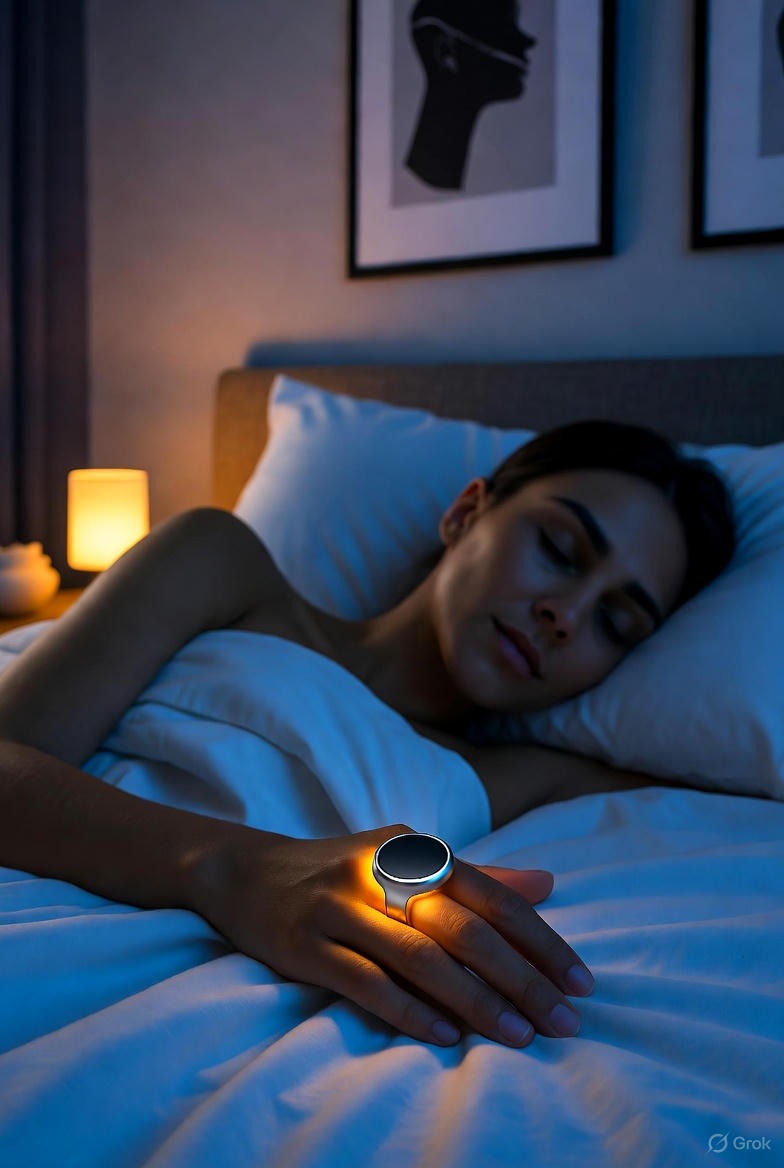
How your wellness ring works daily to protect your heart health.
How your wellness ring works daily to protect your heart health.
%402x.svg)
In the quiet hum of modern life, your heart performs its ancient, vital rhythm—often without a second thought from you. It beats roughly 100,000 times a day, pumping over 2,000 gallons of blood through a 60,000-mile network of vessels. For decades, understanding this intricate system required a trip to a doctor’s office, a series of tests, and a snapshot of health from a single moment in time. But what about the story your heart tells in the dead of night, during a stressful work meeting, or halfway through your morning run? That story has remained, until now, largely untold.
Enter the wellness ring: an unassuming piece of wearable technology that is revolutionizing proactive heart health. This isn't about step counts or sleep scores anymore. We're talking about a 24/7 personal health guardian, engineered to decode the subtle, continuous language of your cardiovascular system. From detecting irregular heartbeats that might whisper of future problems to measuring how your body recovers from daily stress, the modern smart ring transforms your finger into a powerful health monitoring station.
This article is your definitive guide to understanding exactly how this elegant device works tirelessly to protect your most vital organ. We'll move beyond the marketing specs and dive into the physiological principles, the cutting-edge sensor technology, and the actionable insights that place you—not a doctor's appointment six months from now—at the center of your heart health journey. By the end, you'll see your ring not as a piece of tech, but as a seamless extension of your body's own intelligence, offering a daily defense strategy for the heart that powers your life.
Imagine knowing not just that you slept, but the quality of your deep sleep and its direct impact on your blood pressure. Picture receiving a gentle nudge that your stress levels have been elevated for an hour, prompting a two-minute breathing exercise that literally steadies your heart. Envision having concrete data that shows how your new meditation habit is lowering your resting heart rate over time. This is the new frontier of daily heart protection, and it’s already on your finger.
It seems almost like magic: a sleek band of titanium or ceramic, worn on your finger, somehow knows the secrets of your heart. The transformation from inert accessory to intelligent health monitor is a feat of modern miniaturization and biomedical engineering. At its core, the wellness ring is a masterclass in non-invasive sensing, leveraging the unique vascular access point that is your finger.
Your fingertip is one of the body's richest capillary beds. These tiny blood vessels are close to the skin's surface and pulsate with every heartbeat, changing minutely in volume with each surge of blood. This phenomenon, known as photoplethysmography (PPG), is the fundamental principle behind the ring's power. Embedded within the inner curve of the ring are tiny, powerful LED lights—typically green and red wavelengths—that shine into the skin. A corresponding photodetector then measures the amount of light reflected back. As your blood volume pulses with each heartbeat, light absorption changes, creating a waveform that is, in essence, a direct window into your cardiovascular system.
But a raw PPG signal is just the beginning. The true genius lies in the sophisticated algorithms and additional sensors working in concert. An accelerometer and gyroscope track your motion, allowing the system to distinguish between a rising heart rate from climbing stairs and one stemming from anxiety while seated. A skin temperature sensor provides context for metabolic activity and sleep cycles. All this data streams to an onboard microprocessor that performs initial processing before syncing with your smartphone.
The algorithms are the unsung heroes. They filter out noise—the jostle of typing, the grip of a steering wheel—to isolate the true cardiac signal. They analyze the time intervals between each heartbeat to calculate not just Heart Rate (HR), but Heart Rate Variability (HRV), a critical marker of nervous system balance and cardiovascular resilience. Advanced rings, like those developed by Oxyzen, employ proprietary algorithms that cross-reference PPG data with motion and temperature to generate remarkably precise readings for heart rate, blood oxygen saturation (SpO2), and even respiratory rate.
This isn't a passive data log. It's an active interpretation. The ring constructs a personalized baseline of your normal. It learns your unique rhythms: what your resting heart rate is at 3 a.m. versus 3 p.m., how your body temperature dips during deep sleep, how quickly your heart recovers after exercise. By establishing this multi-parameter baseline, the ring can identify meaningful deviations—the anomalies that may signal everything from the onset of illness to latent stress or poor recovery. It turns continuous data into continuous understanding, making your finger a silent, vigilant guardian of your heart's daily story.
Most of us are familiar with heart rate—the number of times your heart beats per minute. But if heart rate is the drumbeat of your life, then Heart Rate Variability (HRV) is the complex, syncopated rhythm within it. It measures the subtle, millisecond variations in the time intervals between consecutive heartbeats. Contrary to intuition, a healthy heart is not a perfect metronome; it has a dynamic, adaptable rhythm. Higher HRV (greater variability) generally indicates a robust, resilient cardiovascular system and a well-balanced autonomic nervous system. Lower HRV suggests your body is under strain—from physical stress, emotional anxiety, illness, or poor recovery.
Your wellness ring is uniquely positioned to track HRV with clinical-grade accuracy because it can capture data during the most telling periods: deep sleep. During sleep, external influences are minimized, providing a clear signal of your autonomic nervous system's baseline state. The ring's PPG sensors and algorithms measure the R-R intervals (the time between heartbeats) throughout the night, calculating your nightly HRV average—a pure metric of your recovery status.
Why is this daily HRV snapshot so crucial for heart protection? It’s a direct line to your nervous system’s two branches: the sympathetic ("fight-or-flight") and the parasympathetic ("rest-and-digest"). Chronic stress, overtraining, poor sleep, and unhealthy lifestyle choices keep the sympathetic system dominant, lowering HRV and keeping your heart under constant low-grade strain. This state is a known risk factor for hypertension, inflammation, and cardiovascular events. By tracking your HRV trend daily, your ring gives you an objective, early-warning system.
For example, you might wake up feeling "fine," but your ring's data shows a 15% drop in your HRV from your personal baseline. This objective data prompts you to ask the right questions: Did I have that extra drink last night? Was my sleep interrupted? Am I coming down with something? Is work stress creeping in? Instead of pushing through, you can make proactive choices—prioritizing a light workout over an intense one, incorporating more mindful breaks, or ensuring an early bedtime. Over time, you can experiment and see what truly improves your resilience. Does meditation increase your HRV? Does cutting caffeine after 2 p.m.? The ring provides the feedback loop.
This is preventive cardiology in action. By using HRV as a daily guide, you're not just avoiding feeling burnt out; you're actively training your nervous system for balance, reducing the cumulative strain on your heart, and building a foundation of resilience that protects against long-term disease. It transforms the abstract concept of "stress management" into a tangible, data-driven practice. For a deeper dive into how this data translates into daily habits, our resource hub at the Oxyzen blog offers extensive guides on optimizing recovery and stress.

We spend roughly a third of our lives asleep, and for our hearts, this isn't downtime—it's essential maintenance. During deep, non-REM sleep, your heart rate slows, blood pressure drops, and the body enters a state of repair. Growth hormone is released, tissues are restored, and the cardiovascular system gets a reprieve from the demands of the day. Disrupted or poor-quality sleep short-circuits this vital process, leading to sustained higher blood pressure, increased inflammation, and hormonal imbalances that strain the heart. In fact, chronic sleep disorders like sleep apnea are directly linked to hypertension, atrial fibrillation, and heart failure.
Your wellness ring is a premiere sleep lab on your finger. It goes far beyond simple duration tracking ("you slept 7 hours"). By analyzing heart rate, HRV, movement, and blood oxygen saturation (SpO2) throughout the night, it constructs a detailed architecture of your sleep:
Protecting your heart nightly means acting on this data. Imagine your ring flags a pattern of frequent, subtle SpO2 dips alongside elevated nighttime heart rate. This actionable insight could be the nudge you need to seek a professional sleep evaluation before more serious symptoms arise. Or, you might notice your deep sleep percentage plummets after late-night heavy meals or alcohol consumption. You now have a personal, cause-and-effect map to adjust your habits.
The ring empowers you to optimize the single most restorative period for your heart. By prioritizing sleep based on concrete data, you directly support lower blood pressure, reduced inflammation, better glucose metabolism, and a stronger, more resilient cardiovascular system. It turns sleep from a passive state into an active component of your heart health strategy. This commitment to holistic, data-informed wellness is at the core of the Oxyzen mission.
Blood oxygen saturation (SpO2) is more than just a number for climbers and pilots. It's a fundamental vital sign that offers a direct glimpse into the efficiency of your respiratory and circulatory systems. Simply put, it measures the percentage of hemoglobin in your blood that is carrying oxygen. At sea level, a healthy individual typically maintains an SpO2 between 95% and 100%. While a single reading is rarely diagnostic, trends and nocturnal patterns captured by your wellness ring provide powerful insights into your heart's daily workload and health.
The heart and lungs are an inseparable team. The right side of the heart pumps blood to the lungs to be oxygenated; the left side then pumps that oxygen-rich blood to the entire body. Any inefficiency in oxygen uptake or delivery forces the heart to work harder. Your ring's SpO2 sensor (using red and infrared LEDs) works on the same principle as a hospital pulse oximeter, but continuously and in your daily life.
For daily heart protection, SpO2 monitoring serves two primary functions:
By providing a 24/7 log of your oxygen saturation, your ring adds a crucial layer to your heart health picture. It answers questions like: Is my circulatory system efficiently delivering oxygen during my workout? Is my recovery sleep truly restorative, or is my body struggling to breathe properly? A consistently healthy SpO2 trend is a strong indicator that your heart isn't being forced into overdrive due to oxygen debt. It's a silent reassurance that this core partnership between your heart and lungs is functioning smoothly. When questions arise about how this data is collected and used, our comprehensive Oxyzen FAQ provides clear answers on data accuracy and privacy.
Skin temperature, as tracked by your wellness ring, is far more than a measure of whether you're hot or cold. It's a dynamic signal influenced by your metabolism, blood flow, sleep cycles, hormonal fluctuations, and immune response. For your heart, which is central to thermoregulation (diverting blood to cool or warm the body), subtle shifts in baseline temperature can be highly informative.
The ring's temperature sensor tracks these minute changes, often fractions of a degree, to establish your personal circadian rhythm of temperature. A healthy rhythm shows a clear dip in core body temperature at night, initiating sleep, and a rise in the morning, promoting wakefulness. Disruptions to this rhythm—a flatter temperature curve or shifts in timing—can signal metabolic or hormonal imbalances that indirectly affect cardiovascular health.
Here’s how temperature data acts as a heart health sentinel:
By integrating temperature trends with HR, HRV, and sleep data, your wellness ring creates a holistic picture of your body's internal state. It helps you distinguish between different types of stress on the heart—is it metabolic stress from fighting a bug, or nervous system stress from a deadline? This allows for nuanced, appropriate responses, ensuring your daily choices truly support, rather than inadvertently challenge, your cardiovascular system.
The sheer volume of data a wellness ring collects could be overwhelming. But its true power for daily heart protection lies in its ability to distill that data into actionable intelligence. This happens through two key functions: real-time alerts and long-term trend analysis. Together, they transform the ring from a historian of your health into an active guardian.
Real-Time Alerts: The Immediate Intervention
Advanced rings can be programmed to monitor for specific, potentially critical anomalies. The most significant for heart health is irregular heart rhythm detection. By analyzing the PPG waveform, algorithms can identify patterns consistent with atrial fibrillation (AFib), a common arrhythmia where the heart beats irregularly and often rapidly. AFib itself may feel like fluttering or palpitations, but it can also be silent. It significantly increases the risk of stroke and heart failure. A ring that detects a potential AFib episode and alerts you to log symptoms and consult a doctor can be a life-saving intervention. It’s like having a cardiac screening in your pocket every minute of the day.
Long-Term Trend Analysis: The Preventative Roadmap
While alerts handle the acute, trends handle the chronic. This is where you become the CEO of your own heart health. Your ring’s companion app synthesizes weeks and months of data to reveal your personal trends:
Seeing these trends on a chart is powerful. It moves the conversation from "I feel tired" to "My data shows my recovery capacity has dropped 20% this month. I need to adjust." You can then implement changes—more sleep, better nutrition, managed stress, adjusted training—and watch the data respond. This positive feedback loop is the essence of proactive defense. It empowers you to make changes before a trend becomes a symptom, and a symptom becomes a diagnosis. Countless users have shared stories of how this long-term view transformed their health approach, as seen in the powerful experiences documented in our Oxyzen testimonials page.
In an age of comparison, heart health data is profoundly personal. The widely cited "normal" ranges for resting heart rate (60-100 bpm) or HRV are vast starting points, but they are not your truth. A marathon runner with a RHR of 38 is healthy. So is someone with a RHR of 72. The absolute number is less important than your baseline and how you deviate from it. This is the paradigm shift enabled by continuous wear: your wellness ring doesn't just measure you against a population average; it meticulously learns and defines what is normal for you.
This personal baseline is built over approximately two weeks of consistent wear. The ring observes how your metrics interact across different contexts—your heart rate during your morning coffee, your temperature dip at 11 PM, your HRV spike after yoga. It establishes a multi-parameter fingerprint of your unique physiology. Once this baseline is set, the ring becomes exquisitely sensitive to deviations.
This is critical because the earliest signs of trouble are often not a number crossing a generic red line, but a departure from your own norm. For instance:
Protecting your heart daily means listening to these personalized signals. Your ring empowers you to understand your body's unique language. You learn that a certain type of work stress causes a specific HRV drop. You see that eating after 8 PM reliably fragments your sleep and elevates your next-morning RHR. This self-knowledge is the ultimate form of prevention. It allows for hyper-personalized interventions. Instead of generic advice like "reduce stress," you can say, "When my HRV drops below my baseline of X, I will do Y breathing exercise for 10 minutes." This journey of discovery, of learning your body's unique patterns, mirrors the foundational Oxyzen our story, which began with a vision for deeply personalized health intelligence.
Data without action is just noise. The final, and most crucial, step in how your wellness ring protects your heart is its role as a catalyst for sustainable behavior change. It bridges the gap between knowing and doing, providing the motivation, accountability, and precise feedback needed to build lasting heart-healthy habits.
The ring doesn't just tell you your sleep was poor; it shows you the correlation between that late-night screen time and reduced deep sleep. It doesn't just report a high stress score; it guides you through a guided breathing exercise and lets you watch your real-time heart rate drop in response. This cause-and-effect clarity is transformative.
Consider these integrated daily defenses:
This integration creates a virtuous cycle: Actionable data prompts healthy behaviors, which improve your metrics, which reinforces the behaviors. Your ring becomes a compassionate coach, celebrating your progress and gently nudging you back on track. It makes the abstract concept of "heart health" a tangible, daily practice woven into the fabric of your life. For ongoing inspiration and new ideas on integrating these insights, the Oxyzen blog is continually updated with practical tips and user stories.
The widespread adoption of devices like wellness rings represents a seismic shift in our approach to health—from episodic and reactive to continuous and proactive. We are moving away from a model where heart disease is diagnosed during a crisis or an annual physical, toward a model where risk is managed in real-time, every day, by the individual. This is the dawn of true preventative cardiology, powered by personal data.
The implications are profound. In the hands of consumers, this technology democratizes health awareness, fostering a new era of patient engagement and self-advocacy. In the hands of clinicians, the longitudinal data from a wellness ring—weeks or months of heart rate, HRV, SpO2, and sleep trends—can be more valuable than a single ECG snapshot taken in a sterile office. It can help diagnose intermittent conditions like arrhythmias, assess the real-world impact of a new medication, or provide concrete evidence of a treatment's effectiveness (like CPAP therapy for sleep apnea).
The future points toward even deeper integration:
Your wellness ring is at the forefront of this revolution. It is a tool that empowers you to take ownership of your cardiovascular destiny. It provides the knowledge to understand your heart's language, the insights to make it stronger, and the warnings to keep it safe. By wearing this silent guardian, you are not just tracking your life; you are actively participating in a new, smarter, and more hopeful future for heart health—one heartbeat at a time.
Having established the foundational science and the core metrics—HRV, SpO2, sleep, and temperature—we now delve into the sophisticated, actionable systems that transform this raw data into a coherent, daily defense strategy. The true genius of a modern wellness ring lies not in any single measurement, but in the synthesis of these data streams. It’s in the correlations it discovers and the personalized guidance it generates. This next portion of our exploration focuses on the advanced protective layers: from detecting critical anomalies to building long-term resilience through behavior change. We move from understanding the what to mastering the how—how to leverage this continuous stream of insight to forge a heart that is not only protected but actively strengthened by your daily choices.

While trends tell the story of chronic risk, certain cardiac events speak in the sudden, silent language of immediate danger. Atrial fibrillation (AFib) is a prime example—an irregular, often rapid heart rhythm that can come and go without obvious symptoms. Yet, it increases the risk of stroke fivefold. For decades, catching these ephemeral events required luck or wearing an uncomfortable clinical monitor for a limited time. Now, the continuous PPG sensor in your wellness ring acts as a perpetual screening tool, capable of identifying suspicious rhythm patterns 24/7.
This real-time vigilance operates on a sophisticated algorithmic level. The ring’s processor is constantly analyzing the precise intervals between heartbeats derived from the PPG signal. In a normal sinus rhythm, these intervals, while variable, follow a generally predictable pattern. During an arrhythmia like AFib, the intervals become irregularly irregular—with no discernible pattern at all. Advanced algorithms are trained to recognize this signature. When a potential episode is detected, the ring can provide an immediate, discreet alert on your paired smartphone.
This functionality transforms daily heart protection from a preventative concept into an active intervention system. Consider these real-world scenarios:
The power of these alerts lies in their context. The ring knows if you’re running or resting. An elevated heart rate during exercise is expected; the same spike while you’re reading a book is not. This contextual intelligence minimizes false alarms and highlights truly anomalous events that demand attention. It’s like having a cardiologist in your corner, constantly checking your pulse. This peace of mind, knowing that an invisible threat can be made visible, is one of the most profound protections the ring offers. For users curious about the accuracy and frequency of such alerts, our Oxyzen FAQ details the sensitivity settings and validation processes behind these features.
Isolating metrics is informative, but the crescendo of understanding occurs when they are played together. Your heart does not operate in a vacuum. Your stress level affects your sleep, which impacts your recovery, which influences your exercise capacity, which circles back to your stress. A wellness ring’s most advanced protection comes from sensor fusion—the integrative analysis of all data streams to paint a complete, contextual picture of your systemic health.
This is where machine learning and proprietary algorithms truly shine. The ring’s software looks for correlations and causations that a human reviewing separate charts might miss. For instance:
This multi-parameter approach creates a powerful feedback loop for lifestyle experiments. You can test a change and see its ripple effect across your entire physiological dashboard. For example:
By synthesizing data, the ring moves from reporting statistics to providing contextual understanding. It answers the "why" behind the "what." This holistic insight is the cornerstone of intelligent, personalized prevention, a principle deeply embedded in the Oxyzen mission to deliver complete, contextual health intelligence.
For the fitness-conscious, protecting the heart isn't just about avoiding disease; it's about optimizing performance and preventing the cardiac strain of overtraining. The line between productive training and destructive overreaching is thin and highly individual. Your wellness ring serves as an objective, daily recovery coach, using heart-centered metrics to guide your training intensity and timing with unparalleled precision.
The concept of "listening to your body" is made empirical. Key metrics become your coaching staff:
An advanced ring doesn't just show you this data; it can synthesize it into a simple, actionable Readiness or Recovery Score. This single score (often on a scale of 1-100) amalgamates your nightly HRV, RHR, sleep, and temperature data to answer one question: "How prepared is my body—and my heart—for stress today?" A high score suggests you are primed for a challenging workout or a demanding day. A low score is a clear recommendation to prioritize recovery through light activity, mobility work, or complete rest.
This daily guidance system protects your heart from the cumulative damage of chronic overtraining, which can lead to performance plateaus, hormonal imbalances, inflammation, and in extreme cases, conditions like atrial fibrillation or myocardial fatigue. It empowers you to periodize your training not just based on a calendar, but on your body's actual, daily state. This leads to more consistent progress, fewer injuries, and a cardiovascular system that is strengthened, not worn down, by your fitness journey. The stories of athletes and active individuals who have transformed their training with this approach are a testament to its power, many of which are shared in our community-driven Oxyzen testimonials section.
Stress is not a psychological abstraction; it is a physiological event with direct cardiac consequences. When the sympathetic nervous system activates, it releases catecholamines (like adrenaline) that cause your heart to beat faster and more forcefully, constrict blood vessels, and raise blood pressure. Chronic, unmanaged stress keeps this system perpetually engaged, leading to sustained hypertension, inflammation of the arterial lining, and increased risk of heart attack and stroke.
Your wellness ring makes this invisible threat visible and quantifiable. It provides two primary, real-time mirrors of your stress physiology:
But the ring’s role extends beyond diagnosis to intervention and management. Many devices offer guided breathing exercises directly linked to the sensor. You can launch a session and watch your heart rate drop in real-time as you follow the paced breathing, witnessing the direct activation of your parasympathetic (calming) nervous system. This tangible feedback makes stress management a concrete, skill-based practice.
Furthermore, by reviewing your daily "stress timeline" in the app, you can identify predictable triggers. You may discover your stress metrics consistently peak between 3-4 PM, or every time you check work email after dinner. With this knowledge, you can implement pre-emptive strategies, such as scheduling a walking break at 2:45 PM or establishing a digital curfew. You protect your heart by creating buffers between stressors and your physiological response, reducing the total daily cardiac load from stress hormones. This proactive management of modern life's pressures is a central theme explored in depth on the Oxyzen blog, which offers science-backed strategies for building resilience.
Heart protection is not a static goal; it's the outcome of a continuously improving system. One of the most motivating and protective features of your wellness ring is its ability to document your cardiovascular progress—the positive reinforcement that your healthy choices are making a tangible, physical difference. This long-term tracking turns the abstract goal of "a healthy heart" into a series of achievable, data-backed milestones.
Key metrics become your progress reports:
Seeing this data charted over weeks, months, and years provides unparalleled motivation. It answers the question, "Is this working?" with hard evidence. That drop in your RHR from 68 to 62 didn't happen by accident; it’s the result of consistent exercise, better sleep, and managed stress. This positive feedback loop reinforces healthy habits, making them self-perpetuating.
This longitudinal view also provides an early warning system for detraining or backsliding. If you see a gradual creep in your RHR and a fall in HRV over a month despite no change in routine, it might prompt a check on other factors like diet or hidden stress. It allows for course correction long before fitness losses become significant or health risks emerge. By playing the long game with your data, you steward your heart health with the care and attention it deserves, a journey that often begins with the personal discovery highlighted in Oxyzen our story.
The ultimate stage of personal health technology is its seamless integration with professional healthcare. Your wellness ring generates a type of data that was previously impossible to obtain: long-term, real-world, physiological trends. When shared strategically with healthcare providers, this data transitions from a personal insight tool to a powerful clinical asset, creating a collaborative partnership for your heart health.
Imagine walking into your cardiologist's or primary care physician's office not just with symptoms, but with a three-month report showing:
This information moves the conversation from generic advice to personalized, data-informed care. It can help:
To share this data effectively, look for rings and companion apps that offer clinician-ready reports—clean, summarized PDFs that highlight key trends and anomalies without overwhelming with raw data. Before any appointment, you can generate a report for the relevant time period. This proactive approach demonstrates engagement in your own health and provides your care team with a richer context than a single-point blood pressure reading.
This bridge between daily life and clinical practice represents the future of preventative cardiology. It empowers you to be an informed partner in your care, using the continuous monitoring from your ring to fill the vast gaps between annual check-ups, ensuring your heart is protected not just by you, but by a informed, collaborative healthcare team. For technical questions on data sharing and report generation, users can always refer to the support resources in the Oxyzen FAQ.
The seamless user experience and powerful insights of a wellness ring are built upon a foundation of deliberate hardware engineering and intuitive software design. Every material choice, sensor placement, and interface decision is made with one goal: to enable comfortable, continuous wear and accurate, actionable data. This "always-on" capability is the non-negotiable prerequisite for daily heart protection.
Hardware: The Engine of Continuous Sensing
Software: The Brain That Translates Data
This symbiotic relationship between robust, comfortable hardware and intelligent, user-centric software is what makes a wellness ring a viable tool for lifelong heart health management. It’s the difference between a device you try and a device you live with. The commitment to this seamless integration of design and purpose is evident in the meticulous journey of product creation, a process detailed in Oxyzen our story.
Ultimately, the ring’s greatest protection lies in its ability to foster agency. It returns the control and understanding of your heart health to you. This empowerment manifests as a continuous feedback loop that makes the cause-and-effect of lifestyle on physiology transparent, immediate, and personally relevant.
This loop has four stages:
This process demystifies health. You become an expert on your own body. You learn that for you, eight hours of sleep with a 90-minute wind-down routine yields a higher HRV than nine hours with screen time until lights out. You prove to yourself that a daily 20-minute walk reduces your average workday heart rate. This self-knowledge is unshakable and forms the bedrock of lasting habit change.
The ring becomes a partner in this journey, not a judge. It doesn't scold you for a poor night's sleep; it shows you the potential impact on your day and helps you plan around it. It celebrates your progress by showing you the improving trends. This supportive, evidence-based relationship is fundamentally different from fleeting motivation or restrictive diets. It’s sustainable because it’s built on personal proof and positive reinforcement.
By wearing this device, you are committing to a practice of mindful living. You are choosing to be informed, to be proactive, and to engage in the daily, incremental work of building a resilient heart. This is the pinnacle of modern heart protection: not a pill or a procedure, but an empowered, educated, and daily dedication to the rhythm of your own life. For continuous learning and community support on this empowering journey, a wealth of resources awaits on the Oxyzen blog.
The journey thus far has equipped you with a deep understanding of the how and the why—how the ring's sensors capture the symphony of your physiology, and why metrics like HRV and SpO2 are critical sentinels for your heart. We've explored the transformation of data into daily defense through alerts, trends, and holistic synthesis. Now, we move from universal principles to personalized application. In this section, we examine how this technology adapts to the unique heart health journeys of different individuals. Whether you are an aging adult focused on longevity, an athlete pushing performance limits, or someone managing a specific health condition, the wellness ring offers a customized layer of protection and insight. Here, we bridge the gap between general knowledge and personal utility, demonstrating how continuous monitoring becomes an indispensable tool across the spectrum of life and health goals.

As we age, the cardiovascular system undergoes natural changes: arteries may stiffen, the heart muscle can thicken, and the electrical conduction system may become more prone to irregularities. While these changes are typical, the risk of developing significant heart disease rises substantially. For the aging population, a wellness ring shifts from an optimization tool to a critical early-warning and management system, offering a powerful means to age proactively rather than reactively.
The ring’s continuous monitoring addresses key age-related concerns with unique advantages over sporadic check-ups:
1. Silent Arrhythmia Detection: Atrial fibrillation (AFib) incidence increases dramatically with age and is often asymptomatic ("silent AFib"). It's a leading preventable cause of stroke in older adults. A ring with competent arrhythmia detection can catch these episodic events during sleep or daily activities, providing tangible evidence to discuss with a cardiologist. This can lead to timely initiation of anticoagulant therapy, potentially averiting a devastating stroke.
2. Unmasking Nocturnal Hypertension & Sleep Apnea: Blood pressure naturally has a "nocturnal dip." Loss of this dip (non-dipping) is a strong independent risk factor for cardiovascular events. While the ring doesn't measure blood pressure directly, elevated nighttime heart rate and low HRV can be surrogate markers of stress on the cardiovascular system during sleep. Coupled with SpO2 monitoring for apnea, it provides a compelling case for a formal sleep study or 24-hour blood pressure monitoring.
3. Tracking the Impact of Medication: Many older adults take medications for blood pressure, heart rhythm, or other conditions. A wellness ring can help monitor the real-world, daily effectiveness of these medications. Does a new beta-blocker successfully lower resting heart rate and improve HRV? Does it cause noticeable bradycardia (excessively slow heart rate) during sleep? This objective feedback, shared with a doctor, can aid in fine-tuning dosages for optimal effect with minimal side effects.
4. Fall Detection and Autonomic Function: Some advanced rings, through sophisticated analysis of motion and heart rate data, can detect hard falls—a major health risk for older adults. Furthermore, a long-term decline in HRV can indicate worsening autonomic nervous system function, which is associated with frailty and increased mortality risk. Observing this trend can motivate interventions like supervised exercise, balance training, and nutritional adjustments to build resilience.
For children monitoring aging parents or for seniors themselves prioritizing independence, the ring offers peace of mind. It’s a discreet, dignified way to maintain a connection to one’s own health data, fostering a sense of control and engagement. It empowers older adults to have informed conversations with their doctors, moving from "I feel okay" to "Here's what my heart has been doing for the last three months." This collaborative, data-informed approach is the future of geriatric cardiology. For families considering this technology for loved ones, the Oxyzen FAQ provides clear guidance on setup and data privacy for multi-user scenarios.
For the athlete—from the dedicated amateur to the elite professional—the heart is the ultimate performance engine. The goal shifts from basic protection to precision tuning. An athlete's heart undergoes specific adaptations: lower resting heart rate, larger stroke volume, and often, a higher degree of heart rate variability. A wellness ring becomes an essential part of the coaching toolkit, providing granular, daily feedback that can make the difference between peak performance and injury, between productive training and overtraining syndrome.
Key Applications for the Athletic Heart:
1. Precision Periodization and Readiness-Based Training: Traditional training plans are based on the calendar. Smart training is based on physiological readiness. An athlete's daily Readiness Score (derived from HRV, RHR, sleep, and temperature) dictates the day's workload. A high score signals go-ahead for a high-intensity session or competition. A low score mandates a recovery day, regardless of what the weekly plan says. This auto-regulation maximizes adaptation and minimizes injury and illness risk.
2. Quantifying Training Load and Cardiac Strain: By tracking heart rate zones during exercise and total heartbeats above resting, the ring helps quantify the internal cardiac load of a workout—not just its external duration or distance. Two athletes can run the same 10k, but the one with a higher average HR and longer time in Zone 4 places a significantly greater strain on their cardiovascular system. Understanding this helps balance training stress.
3. Monitoring Heart Rate Recovery (HRR): The speed at which heart rate drops after intense exercise is a powerful indicator of cardiovascular fitness and autonomic function. A faster recovery (e.g., a drop of 25+ beats in the first minute) indicates good fitness and efficient parasympathetic reactivation. A slowing HRR over time can be an early sign of overreaching or fatigue, signaling the need for rest before performance declines.
4. Detecting Potential Overtraining Syndrome (OTS): OTS is a debilitating condition marked by a performance plateau, chronic fatigue, mood disturbances, and hormonal imbalances. Its cardiac signs are often the earliest detectable: a persistently elevated resting heart rate, a suppressed HRV that fails to rebound with rest, and a poor, unrefreshing sleep pattern. The ring provides the longitudinal data to spot this dangerous downward spiral weeks before competition results suffer, allowing for crucial intervention.
5. Altitude and Heat Acclimation: For athletes training in or traveling to new environments, the ring can track physiological adjustments. During heat acclimation, resting heart rate may initially rise and then fall as plasma volume expands. At altitude, SpO2 will drop, and resting heart rate may increase. Monitoring these trends helps gauge when the body has adapted and is ready for intense efforts.
For the athlete, data is truth. The wellness ring removes guesswork from recovery and training intensity. It transforms the athlete from a passenger to a co-pilot of their own performance, using their heart's direct feedback to navigate the narrow path to peak condition while safeguarding their most important muscle. The stories of how data-driven recovery has revolutionized training are plentiful, and many are shared by performance-focused users in our Oxyzen testimonials section.
For millions living with chronic conditions like hypertension (high blood pressure), diabetes, or anxiety disorders, daily management is a fact of life. These conditions are not isolated; they form a dangerous network of risk for cardiovascular disease. Here, the wellness ring transitions from a wellness device to a chronic disease management aid, providing continuous, contextual data that complements clinical treatment.
Hypertension Management:
While rings do not yet directly measure blood pressure (though this is an emerging frontier), they provide invaluable proxy data. Stress is a major driver of acute BP spikes. By using the ring's stress tracking and HRV data, individuals can identify stressful triggers (meetings, commutes, family dynamics) and employ breathing exercises or other techniques to mitigate the sympathetic nervous system response, potentially blunting those spikes. Furthermore, by optimizing sleep quality (a known regulator of BP), they support the nocturnal dip. Tracking the impact of lifestyle changes—like a new meditation habit or reduced salt intake—on resting heart rate and HRV provides positive reinforcement and objective proof of progress to share with a doctor.
Diabetes and Metabolic Health:
There is a powerful bidirectional link between metabolic health and heart health. Poor sleep, as measured by the ring, disrupts glucose metabolism and insulin sensitivity. Elevated nighttime heart rate and low HRV are associated with insulin resistance. For a diabetic, using the ring to ensure high-quality, consistent sleep is a direct strategy for better glycemic control, which in turn reduces cardiovascular strain. Additionally, the ring's activity tracking and heart rate zones can help ensure exercise is both safe and effective, a cornerstone of diabetes management.
Anxiety and Mental Health:
Anxiety creates a very real physiological burden on the heart through chronic sympathetic activation. The ring makes this connection tangible. It serves as a powerful biofeedback tool. During a moment of anxiety, seeing a real-time heart rate spike on the watch face can feel validating, while using a guided breathing exercise and watching the rate descend provides a sense of direct control. Over time, tracking HRV trends can show the cardiovascular benefit of therapy, medication, or mindfulness practices. It helps individuals understand the somatic cost of anxiety and the tangible cardiac reward of managing it effectively.
For these populations, the ring’s value is in connecting daily choices to physiological outcomes. It answers: Did my new medication help me sleep more soundly? Does my heart show signs of strain when my anxiety is high? Is my body recovering well from the new exercise regimen my doctor recommended? This feedback loop fosters engagement, adherence to treatment plans, and a proactive partnership in one’s own healthcare journey, a philosophy deeply aligned with the holistic vision at Oxyzen.
Travel—whether for business or pleasure—is a profound stress test for the cardiovascular system. Jet lag, disrupted sleep, dehydration, rich foods, and the general stress of navigating unfamiliar environments all conspire to strain the heart. A wellness ring acts as a portable health anchor, providing stability and insight amidst the chaos, helping you protect your heart even when your routine is upended.
Combating Jet Lag with Data: Jet lag is fundamentally a misalignment between your internal circadian rhythm and the external light-dark cycle. Your ring tracks your body’s core circadian signals—body temperature and resting heart rate rhythms. By monitoring how these shift as you cross time zones, you can gauge your adaptation. The data can inform strategies: if your temperature minimum is still occurring at your home-timezone's night, you know your body is not yet locally aligned. You can then be more strategic about light exposure (seeking morning light, avoiding evening light) to accelerate adjustment. Better, faster adaptation means less systemic stress on your heart.
Monitoring Hydration and Strain: Travel often leads to dehydration (airplane cabins, unfamiliar water sources, increased alcohol consumption). Dehydration causes a noticeable increase in resting heart rate as the heart works harder to maintain blood pressure with lower blood volume. A sudden, unexplained rise in your RHR while traveling is a clear, data-driven prompt to drink more water.
Maintaining Recovery Amidst Irregularity: It’s easy to overdo it on vacation or during a busy work trip. The ring’s Recovery or Readiness Score is an impartial judge. A low score after two consecutive days of intense sightseeing or back-to-back meetings is a signal to schedule a restful afternoon rather than pushing on. It helps you balance activity with recovery to avoid returning home exhausted and rundown, which leaves the heart vulnerable.
Sleep in Unfamiliar Places: Hotel sleep is often poor due to noise, strange bedding, and temperature. The ring quantifies this objectively. Seeing the data can motivate you to use travel tools like white noise apps, eye masks, and setting the room temperature to your known optimal range (often cooler), proactively protecting your most restorative period.
By wearing your ring while traveling, you maintain a thread of physiological self-awareness. It helps you make smarter, heart-friendly choices on the road, ensuring you return home not only with memories but with your health and resilience intact. For more tips on optimizing health while traveling, our curated content on the Oxyzen blog offers practical, data-informed guides.
A critical question for any health technology is: Can I trust the data? For a device making claims about heart health protection, its credibility hinges on validation. The best wellness rings undergo rigorous testing to compare their photoplethysmography (PPG)-derived metrics against clinical gold-standard equipment like 12-lead ECGs, medical-grade pulse oximeters, and polysomnography (sleep studies) in controlled settings.
Heart Rate and HRV Validation: Studies published in peer-reviewed journals have demonstrated that PPG sensors in well-designed rings can achieve a very high degree of accuracy (often >99% correlation) for heart rate measurement during rest and controlled activities compared to an ECG. HRV accuracy, particularly for common time-domain metrics like RMSSD, is also high during rest and sleep, though it can degrade during high-motion activities—which is why the best algorithms use motion data to isolate clean signals.
SpO2 Validation: Accuracy here is measured against a hospital-grade finger-clip pulse oximeter. Top-tier rings aim for a mean absolute difference of within 2% for SpO2 readings at rest, which is within the acceptable range for consumer devices. It's crucial to understand that ring SpO2 is excellent for tracking trends and nocturnal dips (highly useful for spotting sleep apnea patterns) but is not intended as a diagnostic medical device for absolute, clinical decision-making.
Sleep Stage Estimation: This is one of the more complex validations. Rings are validated against polysomnography, the multi-sensor sleep lab test. No consumer device matches PSG accuracy perfectly, as PSG uses brain waves (EEG) as the definitive marker. However, by combining heart rate, HRV, movement, and temperature, advanced rings can achieve high agreement (often 80-90%+) in distinguishing sleep from wake and providing reliable estimates of light, deep, and REM sleep—more than sufficient for tracking personal trends and the impact of lifestyle changes.
What This Means for You: This validation work is not just academic. It means the trends you see—the drop in HRV, the rise in RHR, the pattern of SpO2 dips—are real and meaningful. It allows you to act on the data with confidence. When a ring manufacturer invests in and publishes this research, it demonstrates a commitment to scientific integrity. This foundation of trust is essential for a device positioned as a heart health guardian. We encourage users to review the science behind the sensors, details of which are often provided in the Oxyzen FAQ and technical white papers.
The wellness ring does not exist in a vacuum. It's part of an ecosystem of personal health monitors, primarily competing with smartwatches and chest strap heart rate monitors. Understanding its comparative advantages and trade-offs is key to appreciating its unique role in heart health protection.
Vs. Smartwatches:
Vs. Chest Strap Monitors:
The Verdict: The wellness ring is not the best at everything; it is the best at continuous, holistic, lifestyle-integrated monitoring. It wins on the totality of the heart health picture. For the individual whose primary goal is understanding their body's daily rhythms, stress response, sleep quality, and recovery status to protect their heart over the long term, the ring is arguably the superior tool. It complements, rather than replaces, other devices. An athlete might use a chest strap for key workouts and a ring for everything else. This philosophy of focused, seamless integration is core to the product design journey you can explore in Oxyzen our story.
When you entrust a device with the intimate, continuous story of your heart, the security of that data is paramount. This isn't step count data; this is sensitive physiological information that deserves the highest level of protection. Reputable wellness ring companies build their platforms with privacy-by-design principles, ensuring your health journey remains yours alone.
Key Pillars of Data Security for Heart Health Devices:
Questions to Consider:
Protecting your heart health data is an extension of protecting your heart itself. Choosing a device from a company that prioritizes security is a non-negotiable first step. It allows you to benefit from the profound insights of continuous monitoring without compromising your personal privacy. At Oxyzen, we believe trust is built on transparency, and our commitment to these principles is outlined in our core values, which you can learn about on our about us page.
The wellness ring of today is impressive, but it is merely the foundation for a more profound future. We are on the cusp of a revolution where continuous monitoring will evolve from descriptive and diagnostic to predictive and prescriptive. The next generation of technology will focus on anticipating health events and providing personalized, automated interventions.
Near-Future Advancements on the Horizon:
This future is not science fiction; it's the logical extension of the technology already on your finger. By adopting a wellness ring today, you are not just buying a product; you are stepping onto a platform that will grow smarter and more capable over time, offering ever-deeper layers of protection for your heart. To stay abreast of these exciting developments as they move from lab to life, the Oxyzen blog is your ongoing resource for cutting-edge insights.
Your Trusted Sleep Advocate (Sleep Foundation — https://www.sleepfoundation.org/)
Discover a digital archive of scholarly articles (NIH — https://www.ncbi.nlm.nih.gov/
39 million citations for biomedical literature (PubMed — https://pubmed.ncbi.nlm.nih.gov/)
experts at Harvard Health Publishing covering a variety of health topics — https://www.health.harvard.edu/blog/)
Every life deserves world class care (Cleveland Clinic -
https://my.clevelandclinic.org/health)
Wearable technology and the future of predictive health monitoring. (MIT Technology Review — https://www.technologyreview.com/)
Dedicated to the well-being of all people and guided by science (World Health Organization — https://www.who.int/news-room/)
Psychological science and knowledge to benefit society and improve lives. (APA — https://www.apa.org/monitor/)
Cutting-edge insights on human longevity and peak performance
(Lifespan Research — https://www.lifespan.io/)
Global authority on exercise physiology, sports performance, and human recovery
(American College of Sports Medicine — https://www.acsm.org/)
Neuroscience-driven guidance for better focus, sleep, and mental clarity
(Stanford Human Performance Lab — https://humanperformance.stanford.edu/)
Evidence-based psychology and mind–body wellness resources
(Mayo Clinic — https://www.mayoclinic.org/healthy-lifestyle/)
Data-backed research on emotional wellbeing, stress biology, and resilience
(American Institute of Stress — https://www.stress.org/)


