


How Your Wellness Ring Validates the Power of Evening Rituals
The overall power of having an evening ritual is validated by your wellness ring data.
The overall power of having an evening ritual is validated by your wellness ring data.
%402x.svg)
For centuries, the quiet hours after sunset have been a canvas for human ritual. From the Japanese tea ceremony to the Scandinavian concept of hygge, cultures worldwide have intuitively understood that how we end our day profoundly shapes how we begin the next. But for the modern individual, this intuitive wisdom has often been drowned out by the endless scroll of blue light, the ping of late-night emails, and the subtle anxiety of an unmeasured life. We’ve known evening rituals feel beneficial, but we’ve lacked the tangible, objective proof—until now.
Enter the wellness ring. This unassuming piece of wearable technology, resting silently on your finger, has become the definitive bridge between ancient intuition and modern biometrics. It doesn’t just track sleep; it decodes the entire pre-sleep narrative. It transforms anecdotal evening habits—that cup of herbal tea, that chapter of a book, that five-minute meditation—from soft suggestions into hard, data-driven imperatives. Your wellness ring is the impartial judge, jury, and reporter on your evening routine, offering validation not in vague feelings of calm, but in quantifiable metrics: Heart Rate Variability (HRV) slopes upward, resting heart rate trends downward, sleep latency decreases, and deep sleep duration extends.
This article is a deep exploration of that validation. We will journey through the physiological and psychological architecture of evening rituals, using the lens of your wellness ring’s data to move beyond guesswork. We’ll examine how specific, intentional actions in the hours before bed directly manipulate the levers of your nervous system, your hormonal orchestra, and your cognitive restoration—all reflected with stunning clarity on your accompanying app. This isn’t about adding more to your to-do list; it’s about using empirical feedback to craft a personalized, sustainable, and powerfully effective evening practice that doesn’t just promise better rest, but proves it, night after data-rich night.

We are creatures of rhythm, governed by an internal timekeeping system known as the circadian clock. This isn't a metaphor; it's a physical cluster of neurons in the hypothalamus called the suprachiasmatic nucleus (SCN). The SCN acts as the master conductor, synchronizing every organ and cell in your body to a 24-hour cycle, dictating the ebb and flow of hormones, body temperature, metabolism, and neurological activity. Your evening ritual is not a trivial luxury; it is a series of conscious cues that harmonize with this primordial biological score, signaling the critical transition from the sympathetic “fight or flight” dominance of the day to the parasympathetic “rest and digest” state essential for night.
As daylight fades, the SCN instructs the pineal gland to secrete melatonin, the hormone of darkness. This is the starter’s pistol for sleep. However, in our modern environment, this process is easily sabotaged. Artificial light, especially the blue spectrum emitted by screens, mimics sunlight, suppressing melatonin production and confusing the SCN. The result? Your body thinks it’s 2 PM when it’s actually 10 PM. Stress hormones like cortisol, which should be at their diurnal low in the evening, can spike due to late work or anxious thoughts, further blocking melatonin’s signal. This creates a state of “physiological contradiction”—a body ready for action in an environment expecting rest.
This is where the genius of the ritual, and your wellness ring’s validation, begins. A consistent evening ritual works by applying consistent, gentle pressure on these biological systems. By performing the same sequence of calming activities at roughly the same time each night, you are essentially creating a “shadow rhythm” that reinforces your natural circadian biology. You are telling your SCN, in no uncertain terms, “The day is now concluding. Initiate the shutdown sequence.”
Your wellness ring provides the irrefutable report card on how well your ritual aligns with your biology. For instance, a ring that tracks skin temperature will show the subtle drop that naturally occurs as the body prepares for sleep—a drop that can be blunted by poor evening habits. More directly, by monitoring your heart rate variability (HRV), the ring shows the balance between your sympathetic and parasympathetic nervous systems. A successful evening ritual should see a gradual increase in HRV as you wind down, indicating a shift toward recovery and resilience. If your HRV remains flat or dips during your ritual, the data tells you the ritual isn’t hitting the mark; perhaps it’s too stimulating, or your mind is still engaged in unresolved stress from the day. This objective feedback loop is the cornerstone of moving from generic advice to personalized, high-impact behavior change.
For generations, the advice on sleep and evening routines was prescriptive and generic: “Take a warm bath.” “Avoid caffeine.” “Read a book.” While sound in principle, this approach suffers from a fatal flaw: it ignores individual variation. What calms one person may energiously stimulate another. A warm bath might spike someone’s core body temperature, delaying the necessary cooling for sleep onset, while for another, it’s the perfect relaxant. Without data, you are navigating in the dark.
The modern wellness ring changes the game entirely, transforming your evening from a shot in the dark into a guided biofeedback session. Think of it as a personal laboratory strapped to your finger, running continuous, non-invasive experiments. Every element of your ritual becomes a variable you can test, and your physiological data is the outcome measure.
Consider the common ritual of evening meditation. Subjectively, you may feel calmer afterward. But your ring provides the objective truth. Did that 10-minute mindfulness session actually lower your resting heart rate by 5 BPM? Did it trigger a noticeable rise in your HRV, indicating a genuine shift into parasympathetic dominance? You can see the direct line between action and physiological reaction on a graph, often with a timestamp that correlates exactly with your practice. This transforms meditation from a “should-do” activity into a powerful, validated tool you can trust.
This biofeedback capability extends to every facet of your routine. That magnesium supplement? Track its impact on deep sleep percentage over a two-week period. The effect of cutting off screen time at 8 PM versus 9 PM? Compare your sleep latency scores. The impact of a difficult conversation right before bed? Observe the tangible spike in your nighttime heart rate and the corresponding dip in sleep quality. This data empowers you to become the architect of your own recovery. You learn what your unique system needs, not what a magazine article says you should do. You begin to understand your personal stress signatures and your unique pathways to calm, building what researchers call an architecture for long-term emotional stability.
Perhaps most powerfully, this data provides motivation through visible progress. Willpower is finite; but seeing a tangible score improve—like your “Readiness” or “Recovery” score on your ring’s app—creates a powerful reinforcement loop. The ritual is no longer just about feeling sleepy; it’s about “scoring” well on your own health metrics, gamifying the path to better well-being in the most meaningful way possible.
To fully harness the power of your wellness ring, you must become fluent in the language it speaks: the language of biometrics. These are not abstract numbers; they are direct, real-time readings of your autonomic nervous system and its state of balance or strain. Let’s translate the key metrics that serve as the ultimate validation for your evening ritual.
Heart Rate Variability (HRV): This is the North Star metric for recovery and balance. HRV measures the subtle variations in time between each heartbeat. Contrary to intuition, a higher HRV is better—it indicates a heart that is responsive and adaptable, a sign of a resilient nervous system with strong parasympathetic (rest-and-digest) tone. A low HRV suggests a heart stuck in a metronomic, rigid pattern, often a sign of stress, fatigue, or overtraining. Your evening ritual’s primary goal is to elevate your HRV. A successful wind-down will show a gradual upward trend in your HRV in the hour before sleep. If your ritual isn’t working, your HRV will remain flat or even decline. Monitoring your emotional set point over time is deeply connected to your average HRV trends, as both reflect your foundational physiological capacity to handle stress.
Resting Heart Rate (RHR): Your RHR is exactly what it sounds like—your heart rate when you are fully at rest, typically during sleep. A lower RHR generally indicates better cardiovascular fitness and more efficient heart function. A key sign of a successful evening is a steady, low RHR throughout the night. A spike in your nighttime RHR is one of the clearest signals your ring can give you: it often indicates physical stress (like fighting an illness), digestive strain (a late, heavy meal), or psychological stress (anxiety, nightmares). Your ritual should aim to shepherd your heart into this low, steady state.
Sleep Stages (Deep, Light, REM): Beyond just total sleep time, the architecture of your sleep is critical. Deep sleep (slow-wave sleep) is for physical restoration and memory consolidation. REM sleep is for emotional processing and creativity. Your evening ritual can directly influence this architecture. For example, alcohol or a large meal too late can suppress REM sleep. Intense evening exercise might delay deep sleep onset. Your ring’s breakdown shows you whether your ritual is fostering a balanced, restorative night of sleep or skewing it in an unproductive direction.
Sleep Latency: This is the golden metric for the immediate effectiveness of your ritual. Sleep latency is the time it takes you to fall asleep after turning out the lights. Experts consider 15-20 minutes ideal. A latency consistently over 30 minutes suggests your nervous system is not adequately prepared for sleep by your current evening habits. Improving this number is one of the most direct validations that your ritual is working.
Skin Temperature & Respiratory Rate: These are supporting but insightful metrics. A natural drop in distal skin temperature (like in your fingers) is part of the sleep-onset process. Your ring can track this trend. Similarly, a calm, slow respiratory rate during your pre-sleep routine and into the night is a classic sign of parasympathetic activation. Seeing these metrics align with your ritual is further confirmation you’re on the right biological path.
By learning to read this dashboard, you move from simply “having a routine” to “orchestrating your physiology.” Each data point is a feedback loop, allowing you to refine and perfect your evening practice for maximum impact.
If your evening ritual were a house, the “Digital Sunset” would be the foundation. Without it, every other practice you build is on unstable, sleep-sabotaging ground. The term refers to the conscious, deliberate cessation of digital device use—phones, tablets, computers, and televisions—at a fixed time before bed. The science behind it is unequivocal: blue light emission suppresses melatonin production, the cognitive stimulation of content (even “relaxing” shows) activates the brain, and the potential for stress-inducing notifications keeps the sympathetic nervous system on alert.
Your wellness ring provides the brutal, honest truth about your digital habits. It can’t see you scrolling, but it can see the consequences. You may notice that on nights you watched a thrilling show right up until bedtime, your sleep latency was longer, your first sleep cycle was shallower, or your heart rate was elevated for the first hour of sleep. This data transforms the vague advice “avoid screens” into a personal, consequential fact: “For me, screens after 9 PM cost me 30 minutes of deep sleep.”
Implementing a true Digital Sunset requires more than willpower; it requires strategy.
Your ring validates this step by showing improvements in the very first sleep metrics: how quickly you fall asleep and the quality of your initial sleep cycles. It proves that by protecting your brain from artificial stimulation, you are allowing your natural sleep chemistry to flow unimpeded. This act of strategic emotional and cognitive disengagement from the digital world is perhaps the single most impactful modern evening ritual you can adopt.

With the digital distractions silenced, we can now engage in practices that actively engineer a state of physiological calm. The goal here is to directly counteract the residual cortisol (the primary stress hormone) from the day and stimulate the vagus nerve, the main conduit of the parasympathetic nervous system, to raise your HRV. Your wellness ring is the perfect tool to measure the efficacy of these practices in real-time.
Breathwork as a Direct Lever: You cannot directly control your heart rate with your mind, but you can with your breath. Slow, diaphragmatic breathing (e.g., 4-7-8 breathing: inhale for 4, hold for 7, exhale for 8) is a proven vagus nerve stimulant. Try this: Sit quietly for five minutes and practice this breathing pattern. Then, check your ring’s live heart rate or review the HRV trend for that period. You will likely see a direct, causal drop. This isn’t placebo; it’s physiology. Making conscious breathwork a cornerstone of your ritual provides an immediate, data-verifiable shift toward calm. It’s a foundational skill for building emotional balance without numbing your feelings, as it allows you to sit with and regulate discomfort physically.
The Power of Temperature: The relationship between body temperature and sleep is a delicate dance. While a warm bath or shower feels relaxing, its true genius is thermoregulatory. It raises your core body temperature slightly, but as you step out, the rapid cooling that follows mimics the natural temperature drop that occurs at sleep onset, sending a powerful signal to your brain that it’s time for sleep. Your ring’s skin temperature sensor can track this post-bath cooldown, correlating it with a reduced sleep latency. Conversely, keeping your sleeping environment cool (around 65°F or 18°C) supports maintaining this lower temperature throughout the night, promoting deeper sleep.
Gentle, Restorative Movement: Intense exercise is a cortisol-elevating, sympathetic activity and should be avoided in the 2-3 hours before bed. However, gentle movement like restorative yoga, static stretching, or a slow walk can be immensely beneficial. This type of movement helps release physical tension held in the muscles—tension that can keep the nervous system in a low-grade state of alert. The feedback from your ring will clarify what “gentle” means for you. If your post-movement heart rate is elevated and takes a long time to come down, it was too intense. The ideal movement ritual should result in a lower resting heart rate and higher HRV afterward.
By focusing on these physiological levers—breath, temperature, and gentle tension release—you are speaking directly to the archaic parts of your brain and nervous system that govern sleep and recovery. Your ring validates each step, showing you which practices create the most significant and reliable shift in your biomarkers, allowing you to invest your time in the rituals that deliver the highest return on investment for your unique biology.
A quiet body is only half the battle; a quiet mind is the other. The “monkey mind”—that relentless stream of planning, worrying, and replaying—is the enemy of sleep onset. An effective evening ritual must include a deliberate process for cognitive closure and emotional processing. This moves you from being physically in bed to being mentally ready for sleep. Your wellness ring, particularly through sleep stage analysis and heart rate data during sleep, will show the cost of an unprocessed day in the form of disrupted REM sleep or elevated nighttime heart rate.
The Ritual of Journaling: The practice of “dumping” your thoughts onto paper is one of the most effective cognitive closures known. It’s not about crafting beautiful prose; it’s about externalizing your mental load. Two powerful, structured approaches are:
Intentional Visualization and Meditation: Guided sleep meditations, body scans, or simple visualization exercises (like imagining a peaceful scene) serve a critical function: they give your active mind a single, gentle, non-stimulating task to focus on. This crowds out the chaotic mental chatter. The biofeedback from your ring is crucial here. Many people find their heart rate actually decreases during a guided meditation, and their HRV increases. This objective data helps you find the specific type of guided audio (a calm voice, nature sounds, silence with gentle prompts) that works best for your nervous system.
The Ritual of Planning Tomorrow: Often, anxiety at night stems from uncertainty about the coming day. A simple ritual of writing down the top 1-3 priorities for the next day can create immense cognitive relief. It signals to your brain, “It’s captured. You don’t need to hold this overnight.” This reduces anticipatory stress and allows the mind to truly disengage.
These cognitive rituals are about creating a narrative of closure. They tell the story that the day is complete, its events have been acknowledged or filed away, and there is now permission to rest. When your ring shows you falling asleep quickly and moving smoothly through sleep cycles, it’s validating that this story has been successfully told to your subconscious.
Our nervous systems are highly associative. We can condition ourselves to respond to specific sensory cues with relaxation and sleepiness, a concept known as stimulus control. Your evening ritual is the perfect opportunity to build these powerful “sensory anchors” that tell your body, in a language deeper than words, that it’s time to shut down.
The Power of Scent: Olfaction has a direct pathway to the brain’s limbic system, the seat of emotion and memory. Incorporating a consistent, calming scent into your ritual—such as lavender, chamomile, or sandalwood via a diffuser, pillow spray, or lotion—can create a powerful Pavlovian response. Over time, simply smelling that scent will trigger a physiological shift toward calm. Your wellness ring can help you track this by comparing nights with and without the scent cue, looking for differences in sleep latency or resting heart rate in the first part of the night.
The Soundscape of Silence (or Calm): Noise pollution is a major sleep disruptor. Conversely, consistent, soothing sound can mask disruptive noises and cue relaxation. White noise, pink noise (softer than white noise), or nature sounds like rainfall or ocean waves can be excellent anchors. The key is consistency. Your ring’s sleep score, particularly the “restlessness” or “awakenings” metric, can reveal if a new soundscape is improving your sleep continuity by preventing micro-arousals you might not even remember.
The Dimming of Light: This goes hand-in-hand with the Digital Sunset but extends to your entire environment. Using dim, warm-toned lights (under 2700 Kelvin) in the evening supports melatonin production. The ritual of dimming the lights as you move through your evening routine acts as a progressive sensory signal of the approaching night. Some advanced wellness rings with ambient light sensors can even contextualize your sleep data based on your light exposure before bed, providing direct feedback on your lighting environment.
By consciously designing this sensory landscape—what you smell, hear, and see in the hour before bed—you are building a fortress of cues that protect your wind-down process. These anchors work on a subconscious level, making the transition to sleep feel natural and effortless. Your ring validates their effectiveness not with a single metric, but with the overall consistency and quality of your sleep architecture.
The phrase “you are what you eat” extends powerfully into the night. Your evening nourishment choices are a direct intervention in your sleep biochemistry, influencing everything from digestion to neurotransmitter production. Your wellness ring, through metrics like nighttime heart rate, HRV, and sleep restlessness, is an excellent detective for pinpointing dietary culprits or allies in your quest for perfect sleep.
The Timing Principle: The golden rule is to finish your last significant meal 2-3 hours before bedtime. This allows for the active process of digestion (which raises core body temperature and metabolic activity) to subside before you attempt to sleep. A ring will often catch a late meal in the act: a higher resting heart rate throughout the night and suppressed deep sleep in the first half of the night. This is your body working to digest instead of restore.
Sleep-Supportive Nutrients:
The Hydration Balance: Dehydration can lead to nighttime awakenings and muscle cramps, but drinking large volumes of fluid right before bed guarantees disruptive trips to the bathroom. The ritual is about front-loading hydration earlier in the day and tapering off in the evening, with only a small sip if needed at bedtime. Your ring’s sleep consistency score (awakenings) will loudly protest a poor hydration strategy.
The Great Saboteurs:
Crafting a nourishing evening ritual isn’t about deprivation; it’s about strategic, intentional fueling. It’s viewing your last meal or snack as the first step of your sleep preparation. Your ring’s data provides the clear, cause-and-effect evidence needed to turn nutritional choices from guesswork into a precise sleep-optimization strategy.
This is the culmination of everything we’ve explored. Generic evening ritual lists are obsolete. With a wellness ring, you move from following a prescribed plan to conducting a personal science experiment where you are the subject. The goal is to synthesize the data from all the previous sections to build a ritual that is uniquely and perfectly tailored to your physiology, psychology, and lifestyle.
Start with a baseline audit. For one week, live your normal life. Go to bed with your phone, skip the journaling, have that late snack. Don’t judge, just observe. Let your ring collect the baseline data: average sleep latency, HRV trend, deep sleep percentage, resting heart rate. This is your “before” picture.
Then, introduce one single change at a time. This is the scientific method applied to self-care. For two weeks, implement a strict Digital Sunset 90 minutes before bed. Keep everything else the same. At the end of two weeks, analyze the data. Did sleep latency improve? Did HRV in the pre-sleep hour increase? If yes, that ritual element is a keeper. If the change was negligible, maybe your sunset needs to be longer, or perhaps screen time wasn’t your primary issue.
Next, layer in another element. Keep the Digital Sunset, and now add 10 minutes of breathwork. Two more weeks of data. Compare. Does this new layer provide an additional benefit, or has the low-hanging fruit already been picked? Continue this process of systematic, layered experimentation with journaling, temperature rituals, dietary tweaks, and sensory anchors.
What you will discover is your personal hierarchy of impact. For one person, a Digital Sunset might yield a 40% improvement in sleep quality, while breathwork adds another 10%. For another, dietary changes might be the game-changer, while scent has little effect. Your ring reveals your unique levers.
This process of building your blueprint is an exercise in developing emotional and physiological balance through intentional practice. It teaches you to listen to the objective signals of your body over the subjective noise of habit or societal “shoulds.” The final ritual you build won’t look exactly like anyone else’s. It will be a seamless, personal sequence of actions that you know work because you have the hard data to prove it. This ritual becomes non-negotiable, not out of rigidity, but out of respect for the empirically-verified path to your own optimal restoration.
The validation from your wellness ring doesn’t stop at the edge of the mattress. The benefits of a powerful evening ritual cascade forward into every aspect of your waking life, building a foundation of emotional resilience and sharpening daytime performance. The ring tracks these downstream effects through metrics like daytime HRV, activity levels, and even subjective mood logging integrated into some apps.
Emotional Regulation: A well-rested brain is a regulated brain. The prefrontal cortex (PFC)—the seat of executive function, impulse control, and emotional regulation—is exceptionally vulnerable to sleep deprivation. When you skimp on deep sleep, the amygdala (the fear and emotion center) becomes hyper-reactive, and its connection to the PFC weakens. This is the neurological recipe for overwhelm, irritability, and poor decision-making. Your evening ritual, by securing quality sleep, literally fortifies your brain’s ability to handle stress. You’ll find you have a larger capacity for patience and a slower trigger for frustration. This is fundamental to maintaining emotional balance in romantic relationships, where independence and intimacy require a steady nervous system, and is equally critical for modeling emotional regulation for kids as a parent.
Cognitive Performance: Sleep is when memories are consolidated and neural connections are pruned and strengthened. A consistent ritual leads to consistent sleep, which directly translates to improved focus, creativity, problem-solving ability, and learning capacity. Your ring’s “Readiness” or “Recovery” score, often calculated from HRV, RHR, and sleep data, is a direct predictor of your cognitive potential for the day ahead. A high score suggests your brain is primed for high-level work.
Physical Vitality and Recovery: For the athletically inclined, the evening ritual is the cornerstone of recovery. Deep sleep is when human growth hormone is released, facilitating muscle repair and adaptation. A lower resting heart rate and higher HRV indicate a body that has recovered from the stresses of the day (and workout) and is ready for new challenges. Neglecting your evening wind-down can sabotage your fitness goals, no matter how hard you train.
The Compound Effect: The true power is in the compound effect of a nightly ritual. It’s not about one perfect night; it’s about the trendline. Over weeks and months, the cumulative effect of lower allostatic load (the wear and tear from chronic stress) rebuilds your physiological and psychological baseline. You raise your emotional set point to a higher, more resilient level. You’re not just managing stress; you’re building a system that is inherently less stressed. This creates a virtuous cycle: better evenings lead to better days, which lead to less accumulated stress, making your evening unwind easier and more effective, and so on. This is the essence of viewing emotional balance as a long-term project of patience and progress, where your evening ritual is the daily investment.
Your wellness ring makes this expansive payoff visible. It connects the dots between the 9 PM meditation and your calm, focused response to a work crisis at 2 PM the next day. It shows how protecting your sleep is the ultimate proactive strategy for excelling in your career, your relationships, and your personal well-being. The evening ritual, validated by cold, hard data, becomes the keystone habit upon which a high-performance, resilient life is built.
Our evenings are rarely spent in complete isolation. For many, the hours after work are filled with family time, conversations with a partner, or social interactions. These connections are vital to our well-being, but they can also be significant sources of stimulation, conflict, and unresolved emotion that sabotage sleep. An effective evening ritual must, therefore, include a strategy for social disengagement—a “Social Sunset.” This involves consciously managing the tone, timing, and content of your interactions to ensure they support, rather than disrupt, your wind-down. Your wellness ring, particularly through its measurement of nighttime heart rate and HRV, is an uncannily accurate judge of the emotional residue left by your evening conversations.
The goal is not to become antisocial, but to become intentional. The sympathetic nervous system doesn’t distinguish between a heated argument and an exciting, positive debate; both are cognitively and physiologically arousing. A late-night, deep conversation about future plans can fire up your brain just as effectively as a stressful one. Your ritual should include a buffer zone—perhaps the final 60-90 minutes before bed—where you transition from engaging, problem-solving, or emotionally intense communication to gentle, affirming, and low-stakes connection.
This might look like:
Your wellness ring’s data will starkly reveal the cost of unmanaged social stress. A night following a heated disagreement will often show elevated resting heart rate, lower HRV, and fragmented sleep, especially in the REM stage where emotional processing occurs. Conversely, nights that end with a sense of secure connection will support the physiological metrics of recovery. Learning to set emotional boundaries to protect your peace is not just a relational skill; it is a core component of sleep hygiene, directly validated by your nocturnal biometrics.
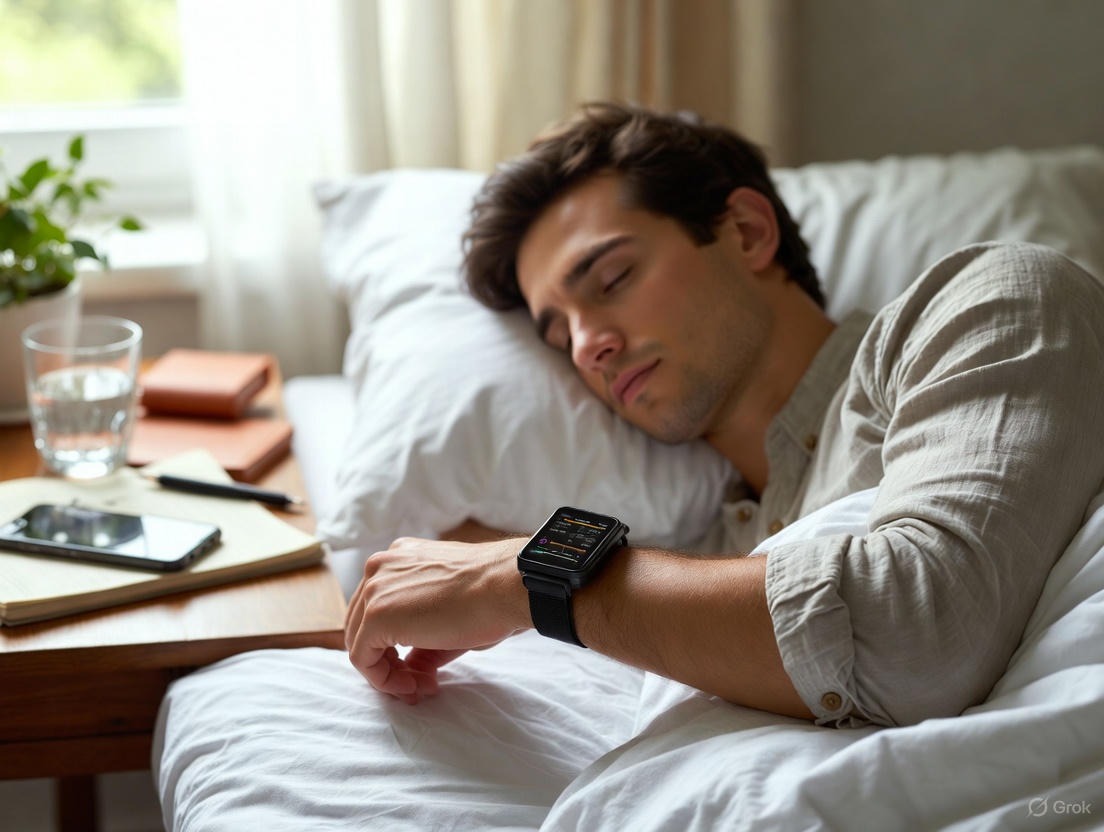
In the quiet space after the Digital Sunset and before sleep, lies a potent opportunity to reshape your brain’s inherent negativity bias. Our survival-oriented minds are wired to scan for and hold onto threats, a tendency that can amplify daily stressors and anxieties as we lie in the dark. A deliberate ritual of gratitude and positive reflection acts as a direct counterweight to this neural default, actively training your attention toward safety, abundance, and accomplishment. This isn’t mystical thinking; it’s neuroplasticity in action, and its calming effects on the nervous system are often visible in your wellness ring’s data.
The practice is simple in design but profound in cumulative effect. Dedicate the last 5-10 minutes of your conscious wakefulness to a structured review that emphasizes the positive. Two powerful formats are:
How does this affect your physiology? Focusing on positive emotions and memories stimulates the release of neurotransmitters like serotonin and dopamine, which promote feelings of well-being and safety. This chemical shift supports the parasympathetic nervous system, easing the transition into sleep. In practice, many users see a direct, calming effect: a noticeable drop in their live heart rate reading on their ring’s app during or immediately after this practice. Over time, the consistent ritual can contribute to a higher baseline HRV, a marker of resilience.
Furthermore, this practice is a gentle form of emotional auditing, not of deficits, but of assets. It provides a balanced ledger of the day, ensuring that minor frustrations don’t disproportionately dominate your final narrative. By consistently ending your day by consciously directing your attention to the good, you are quite literally strengthening the neural pathways associated with positivity and contentment. This doesn’t erase life’s difficulties; it builds a stronger, more resilient psychological foundation from which to face them, and your ring’s recovery metrics will reflect this fortified inner stability over the long term.
Even the most beautifully crafted evening ritual will occasionally fail. You might follow your perfect sequence—digital sunset, warm tea, meditation, journaling—only to lie awake with a racing mind or wake up feeling unrefreshed. In the past, this would have been a disheartening mystery. With a wellness ring, it’s not a failure; it’s a diagnostic opportunity. The data from that “off” night is a treasure trove of clues, allowing you to move from frustration to forensic analysis. Your ring helps you ask the right questions and find the hidden disruptors.
Step 1: Examine the Obvious Biometrics. Start with the night’s core metrics. Was your sleep latency exceptionally long? This points to an issue with your pre-sleep wind-down; perhaps an unbidden stressful thought hijacked your meditation, or a hidden source of blue light (like an LED on a charger) interfered. Was your resting heart rate 5-10 BPM higher than your baseline? This is a clear red flag for physiological stress. The culprit could be subclinical illness (your body fighting a virus), excessive alcohol, a heavy meal too late, or intense exercise too close to bedtime. Was your HRV dramatically lower than normal? This indicates your nervous system was under high strain and couldn’t achieve a recovery state.
Step 2: Cross-Reference with Lifestyle Logs. Most ring apps allow you to tag your days or add notes. This is where context becomes king. On the night with high RHR, did you forget to log that second glass of wine? On the night with poor deep sleep, did you have a difficult conversation right before bed that you didn’t journal about? The ring shows the what; your logs provide the potential why. This process teaches you about your unique stress signatures. You might discover that caffeine after 2 PM is a bigger issue for you than the average person, or that even “fun” social events past 9 PM have a quantifiable cost on your recovery.
Step 3: Look for Environmental and Subtle Factors. Sometimes the disruptors are silent. A sudden change in room temperature, a partner’s different sleep schedule, or even seasonal allergies can fragment sleep. Your ring’s data on restlessness (periods of movement) and awake time can pinpoint these disturbances. Perhaps you see a cluster of awakenings at 3 AM every night, corresponding to the time your house’s heat kicks on and dries out the air.
Step 4: Acknowledge the Non-Physical: Stress and Emotional Carryover. Your ring is exceptionally sensitive to emotional states. A surge of anxiety, grief, or excitement that you thought you’d managed can manifest as a physiological event hours later. Seeing this data can be the prompt you need to employ more active coping strategies during the day, such as the techniques explored in our guide on how to recover emotional balance after emotional outbursts. The ring validates that the emotion was real and had a bodily impact, moving it from the realm of the subjective to the objective, which can itself be a step toward processing and release.
By learning to troubleshoot with data, you demystify poor sleep. You stop seeing it as personal failing and start viewing it as a system output. This empowers you to make precise, informed adjustments rather than sweeping, guesswork-based changes. The ritual becomes a living, adaptable practice, refined not by dogma, but by the continuous feedback loop between your actions and your body’s honest, data-driven response.
The true transformative power of an evening ritual is not captured in a single night’s perfect sleep score. It is revealed in the long-term trends—the slow, upward trajectory of your foundational health metrics over weeks, months, and seasons. This is where your wellness ring transitions from a nightly sleep tracker to a longitudinal health monitor, providing incontrovertible evidence that your small, consistent evening actions are compounding into a major health asset. You are not just sleeping better; you are altering your physiological baseline, a process central to building emotional stability and a research-based architecture for long-term equilibrium.
Witnessing the HRV Trendline: One of the most significant validations is a gradual increase in your average Heart Rate Variability (HRV). HRV is a premier marker of autonomic nervous system fitness and resilience. A rising trendline indicates that your nervous system is becoming more adaptable, more able to handle stress and return efficiently to a state of calm. Your evening ritual is the daily training ground for this adaptability. By consistently practicing parasympathetic activation through breathwork, calm, and disengagement, you are strengthening that “rest and digest” muscle. The ring’s monthly or yearly view of your HRV becomes a direct report card on the efficacy of your ritualized recovery.
Observing the Resting Heart Rate Dip: Similarly, a long-term downward trend in your resting heart rate (RHR) is a classic sign of improved cardiovascular efficiency and fitness. While exercise plays a role, quality recovery is its essential counterpart. Chronic poor sleep and evening stress keep your RHR artificially elevated. A sustained, effective evening ritual that ensures deep, restorative sleep allows your RHR to find its true, healthy low. This isn’t just about athletic performance; a lower RHR is associated with greater longevity.
The Stabilization of Sleep Architecture: Over time, a consistent ritual leads to consistent sleep. You’ll see less night-to-night volatility in your deep sleep, REM sleep, and total sleep time. Your body and brain come to trust the predictable rhythm you’ve established. This stability is a cornerstone of metabolic health, immune function, and cognitive performance. It creates a reliable foundation upon which you can build a more demanding and fulfilling day.
Building Resilience Against Life’s Disruptions: Perhaps the most profound long-term benefit is increased resilience. When an inevitable life stressor hits—a work deadline, a family illness, travel—your body has a stronger baseline from which to dip. Your well-honed ritual becomes an anchor, a non-negotiable touchpoint of calm amidst the chaos. The data will show this: while a stressful event might still lower your HRV and raise your RHR, the magnitude of the dip will be smaller, and the recovery back to your baseline will be faster. You have built a buffer.
Your wellness ring makes this long-term progress visible and motivating. It turns the abstract concept of “health” into a series of tangible, improving graphs. The evening ritual stops being a chore and becomes an investment in your future self, with daily dividends paid out in energy, mood, and vitality. You are, quite literally, data-verifying your way to a more resilient and thriving state of being.
In our quest for data-driven optimization, a critical tension can arise: an over-reliance on the numbers at the expense of listening to our own subjective, embodied experience. The goal of using a wellness ring is not to outsource your sense of well-being to an algorithm, but to create a balanced partnership between technology and intuition. The ring provides the objective “what,” while you provide the subjective “why” and “how it feels.” The most powerful health practice emerges from the dialogue between these two forms of intelligence.
Let Data Inform, Not Dictate. It’s easy to become anxious about a single night of low HRV or a poor sleep score. This “quantified-self anxiety” is counterproductive, creating the very stress the ring is meant to help you manage. The wise approach is to look at trends, not daily fluctuations. A single data point is noise; a two-week trend is a signal. Use the data to spot patterns and make gentle course corrections, not to pass daily judgment on yourself. If you feel fantastic but your “Readiness” score is low, trust your feeling, but perhaps also look back at the data from two days prior for a delayed stress response you might have missed.
Use the Ring to Recalibrate Your Intuition. For many, a lifetime of ignoring the body’s signals has dulled their internal awareness. You might not realize you’re chronically stressed until you burn out. The ring acts as a teacher, helping you reconnect physical sensations with their physiological correlates. That tightness in your chest you’ve learned to ignore? It likely corresponds with a dip in your live HRV. That feeling of afternoon sluggishness? It’s highly correlated with a night of poor deep sleep. Over time, as you cross-reference your internal state with the ring’s data, your own intuition becomes more accurate. You start to feel your HRV dropping before you check the app.
Embrace the Subjective Log. The partnership is strengthened when you add your qualitative notes to the ring’s quantitative data. Log how you felt emotionally before bed. Note if you were grieving, excited, lonely, or content. This context explains the numbers. A low HRV score accompanied by a note about a profound personal loss is understood differently than the same score with a note about a normal Tuesday. This practice of integrated logging is a form of using journaling for emotional balance, marrying the objective metric with the human story.
Know When to Take a Break. The ultimate sign of a healthy partnership is the ability to step away. Occasionally, consider taking the ring off for a night or a weekend. Sleep without being measured. Reconnect with the pure, unquantified experience of rest. This prevents the tool from becoming a source of pressure and reaffirms that you are more than your biometrics. You’ll likely return to the data with fresher eyes and a more balanced perspective.
In this ideal partnership, the wellness ring is not a crutch, but a compass. It doesn’t tell you exactly where to go, but it shows you the direction your body is heading based on the choices you make each evening. You remain the conscious captain, using both the compass reading and your own felt sense of the terrain to navigate toward lasting well-being.
A one-size-fits-all evening ritual does not exist because our bodies and lives are not static. The hormonal landscapes, social demands, and physiological needs of a 25-year-old athlete, a 40-year-old new parent, and a 60-year-old navigating menopause are profoundly different. Your evening ritual must be agile enough to adapt to these life stages and unique circumstances. Your wellness ring becomes an essential guide during these transitions, helping you differentiate between normal fluctuations and indicators that your ritual needs a fundamental overhaul.
Hormonal Transitions: Periods of significant hormonal shift—such as pregnancy, postpartum, perimenopause, menopause, and andropause—directly and powerfully impact sleep architecture and nervous system regulation. For example, the progesterone surge in early pregnancy can cause profound daytime sleepiness but also disrupt nighttime sleep. Perimenopause often brings night sweats and insomnia due to fluctuating estrogen. Your ring’s data during these times is invaluable. It can help you track the severity of sleep disruption (e.g., how many times you wake up due to temperature spikes) and validate the effectiveness of interventions like adjusting room temperature, using moisture-wicking bedding, or timing certain supplements. Understanding that your body’s needs are in flux can help you practice self-compassion and adapt your ritual without frustration, a key aspect of maintaining emotional balance during hormonal transitions.
Parenting and Caregiving: The evening routines of parents and caregivers are often at the mercy of others’ needs. A newborn’s schedule, a sick child, or an aging parent’s requirements can shatter any pretense of a personal wind-down. Here, the ritual must become flexible and opportunistic. It might be a 10-minute breathing exercise after finally getting a child to sleep, rather than a 60-minute pristine routine. The ring’s data during these chaotic phases serves two purposes: first, to offer grace (showing you clearly why you’re so tired), and second, to help you snatch recovery where you can. It can show that even those 10 minutes of intentional breathing made a measurable dent in your stress physiology, encouraging you to prioritize those micro-rituals. This is also a critical time for modeling emotional regulation for kids, as they absorb your state of calm or chaos.
Shift Work and Non-Traditional Schedules: For those who work nights or rotating shifts, the entire circadian framework is challenged. The goal of the ritual shifts from aligning with the solar cycle to creating a powerful, consistent signal for sleep whenever it must occur. This involves aggressively managing light exposure (using blackout curtains and blue-light blocking glasses post-shift), controlling meal timing, and doubling down on sensory anchors to override conflicting environmental cues. The ring is crucial for finding what works, tracking sleep quality during the day, and helping to maintain some semblance of circadian rhythm amidst the disruption.
High-Stress Professional Periods: During times of extreme work pressure—a major project, a launch, exam periods—the urge is to sacrifice the evening ritual for more work time. This is almost always counterproductive. The data from your ring can be a compelling deterrent. When you see that the night you worked until midnight resulted in a 25% drop in your next-day readiness score, it provides a cost-benefit analysis. It might convince you to protect a shortened but non-negotiable 20-minute ritual (digital sunset + breathwork) even on the busiest nights, because you have proof that it preserves your cognitive function for the work itself. This is a direct application of understanding emotional balance and work performance as two sides of the same coin.
By allowing your ritual to be informed by both your life circumstances and the clear feedback from your body, you create a sustainable practice that supports you through all of life’s seasons, rather than being another rigid standard to which you fail to adhere.
The final, and perhaps most satisfying, validation of an effective evening ritual does not come from the sleep data itself, but from the quality of your awakening. How you feel in the first 30 minutes of the day sets the tonal trajectory for everything that follows. A night governed by a conscious, calming ritual leads to a morning characterized by natural ease, clarity, and purposeful energy—a stark contrast to the groggy, anxious fumbling for a caffeine hit that follows a chaotic night. Your wellness ring’s “Readiness” or “Recovery” score is the first quantitative hint of this, but the subjective experience is the real prize.
Waking Before the Alarm (Naturally): One of the clearest signs of well-regulated circadian rhythm and sufficient sleep is awakening naturally, just before your alarm sounds. This indicates that you have completed a full sleep cycle and your body is in a light sleep stage, ready for transition. This gentle, internal awakening is vastly less jarring than being ripped from deep sleep by an alarm, which can cause a spike in cortisol and set a stressed tone for the day. Your evening ritual, by promoting consistent sleep timing and quality, makes this natural wake-up a more frequent occurrence.
The Absence of “Sleep Inertia.” Sleep inertia—that heavy, groggy, disoriented feeling upon waking—can last for 30 minutes to several hours, severely impairing cognitive function. It is often worse after fragmented sleep or when awoken from deep sleep. A ritual that fosters consolidated, architecturally sound sleep minimizes this inertia. You open your eyes and feel awake, not like you need to claw your way back to consciousness. Your ring’s data on sleep cycles will show you the nights you achieved full cycles without major interruptions, correlating directly with mornings of mental clarity.
Emotional Groundedness at Dawn. Just as unprocessed emotions can disrupt sleep, unrefreshing sleep can sabotage morning mood. A poor night’s sleep leaves the amygdala reactive and the prefrontal cortex offline, priming you for irritability, anxiety, and overwhelm. A morning after a validated, effective ritual feels different. There is a sense of emotional neutrality or even quiet optimism—a clean slate. You have the cognitive space to choose your response to the day, rather than reacting from a place of deficit. This grounded start is the launching pad for maintaining emotional balance throughout the day's inevitable challenges.
Energy for Morning Rituals: A truly restorative night provides the fuel to engage in positive morning practices, whether it’s exercise, meditation, a nutritious breakfast, or simply a moment of quiet. When you’re exhausted, these become burdens. When you’re recovered, they become energizing choices that further compound the benefits of your evening routine, creating a virtuous cycle of daily renewal.
Your wellness ring connects these dots. A high “Readiness” score in the morning is a prediction of this positive experience. Over time, you’ll learn to trust that a high score correlates not just with physiological metrics, but with a tangible feeling of capability and calm as you start your day. The evening ritual, therefore, is a gift you give to your future self—not just the sleeping self, but the waking self who must engage with the world. It is the ultimate act of preparation, ensuring you don’t just survive the night, but thrive in the day that follows.
We have journeyed from the fundamental biology of the circadian rhythm to the nuanced personalization of a life-stage-appropriate wind-down, all through the validating lens of wearable technology. The central thesis stands clear: evening rituals are not a relic of a slower past or a trendy wellness cliché. They are a fundamental, non-negotiable pillar of modern human performance and health. What has changed is our ability to move beyond folklore and feel-good advice into the realm of personalized, precision practice.
Your wellness ring is the key that unlocked this new realm. It transforms the quiet, private hour before bed into a interactive dialogue with your own physiology. Each breathwork session, each early digital sunset, each page of a journal becomes an experiment, with clear, graphical results delivered by morning. This feedback loop is revolutionary. It replaces guilt with curiosity, shame with strategy, and frustration with understanding. It shows you the direct line between the evening investment and the daily return in energy, mood, and resilience.
The data validates more than just sleep quality; it validates a philosophy. It proves that recovery is not passive—it is an active skill to be cultivated. It demonstrates that small, consistent actions compound into monumental shifts in your health baseline. It underscores that in a world designed for constant activation, the conscious, deliberate act of deceleration is your most powerful tool for not just coping, but excelling.
As you move forward, let this data-driven validation empower you. Use it to build a ritual that is uniquely and unapologetically yours—one that respects your individual biology, adapts to your changing life, and consistently delivers the profound restoration you need to live fully. The power was always within the ritual; now, with the objective truth on your finger, you have the clarity and confidence to fully harness it.
The journey toward a restful night is fundamentally a journey toward emotional equilibrium. Your evening ritual is, in essence, a nightly reset for your emotional landscape—a deliberate process of discharging the day's accumulated stresses, processing unresolved feelings, and arriving at a state of inner stillness that permits sleep. Your wellness ring provides the physiological translation of this emotional journey. Metrics like HRV and resting heart rate are not just indicators of physical readiness; they are barometers of emotional load. When your ritual successfully guides you to emotional balance, the data sings in harmony: HRV rises, heart rate falls, and sleep deepens.
This connection is rooted in neurobiology. The brain's emotional centers, particularly the amygdala and the prefrontal cortex, are exquisitely sensitive to sleep and circadian rhythms. A chaotic, stressful evening leaves the amygdala (the alarm bell) hypersensitive and the prefrontal cortex (the wise executive) impaired. This neural state translates directly into the biometrics of stress: low HRV and high heart rate. Conversely, a ritual that includes emotional processing—through journaling, meditation, or mindful reflection—actively calms the amygdala and engages the prefrontal cortex, initiating a physiological cascade toward relaxation that your ring measures.
Understanding this link allows you to craft rituals that target emotional regulation explicitly. For instance, a "worry download" journaling session where you brain-dump anxieties onto paper can feel subjectively helpful. But seeing a corresponding 10% increase in your overnight HRV average provides objective, reinforcing proof that the practice did more than just "feel good"—it genuinely downregulated your nervous system's stress response. This transforms emotional self-care from a soft, optional practice into a hard, non-negotiable component of physiological recovery. It’s a practical application of the principles behind building emotional balance without numbing feelings—you're using the ritual to process and regulate, not to avoid.
Ultimately, your evening becomes a sanctuary for emotional audit. It's a scheduled time to ask, "What am I carrying?" and to use your ritual tools to gently set it down before bed. The ring's validation is crucial because sometimes we are poor judges of our own emotional residue. We might think we've let something go, only to have the ring reveal a elevated nighttime heart rate, telling the true story of tension held in the body. This feedback teaches you deeper somatic awareness, helping you align your felt sense of calm with the objective reality of your physiology, forging a stronger mind-body connection that serves you long after you wake.
In a culture that often prizes novelty and flexibility, the humble power of consistency is easily underestimated. Yet, when it comes to evening rituals and sleep health, consistency is the master key. It is the factor that transforms a collection of helpful practices into a transformative, biological signal. Your wellness ring doesn't just measure single nights; it thrives on detecting patterns. And it is through unwavering consistency that your ring's data will show the most dramatic and sustained improvements.
Your circadian rhythm is a creature of habit. The suprachiasmatic nucleus (SCN) in your brain anticipates events based on recurring cues. By performing your wind-down sequence at roughly the same time every night, you are providing a reliable set of Zeitgebers ("time-givers") that powerfully entrain your internal clock. Going to bed and waking up at consistent times—even on weekends—is arguably more impactful for sleep quality than any single element of the ritual itself. When you disrupt this schedule with a late Friday night, you don't just lose sleep that night; you create "social jet lag" that can degrade your sleep for several days as your body struggles to readjust. Your ring will vividly display this as a cluster of poor recovery scores following the disruption, a clear visual cost of inconsistency.
The data rewards routine because the body thrives on predictability. Consistent sleep onset leads to more stable sleep architecture (the proportion of deep, light, and REM sleep). Consistent pre-sleep relaxation practices lead to a stronger, more automatic parasympathetic response. Over time, this consistency builds what researchers call "sleep efficiency"—the percentage of time in bed actually spent sleeping. A high sleep efficiency score on your ring's app is a badge of honor earned through routine. It means your body has learned that bed equals sleep, not scrolling, worrying, or watching TV.
This principle extends to the rituals themselves. The neurological power of a sensory anchor—like a specific scent or sound—is built entirely on consistency. The first time you diffuse lavender oil during your breathwork, it's just a nice smell. The fiftieth time, the scent alone begins to trigger a conditioned relaxation response because your brain has learned to associate it with the ensuing state of calm. Your ring can track the strengthening of this association; you might see your heart rate begin to drop slightly sooner in your ritual over time, as your body anticipates the relaxation to come.
Adhering to consistency is, in itself, a practice in emotional balance and boundaries. It requires saying "no" to late-night invitations sometimes, or setting a boundary with work, or choosing your well-being over one more episode. The ring's positive feedback—the rising readiness scores, the perfect sleep latency times—provides the reinforcement to make those healthy choices easier. It proves that the discipline of routine is not restrictive, but rather liberating, as it frees up immense cognitive and emotional energy otherwise spent battling fatigue and dysregulation. In the long-term project of health, consistency is the compound interest, and your wellness ring is the statement showing your balance growing.
While we often think of evening rituals as a solitary pursuit, their power multiplies exponentially when shared. Couples and families who co-create evening wind-down routines don't just improve their individual sleep metrics; they invest directly in the health of their relationship ecosystem. The pre-sleep hours transition from a time of potential friction—competing for bathroom time, mismatched sleepiness, unresolved tensions—into a sacred space for synchronized de-escalation and connection. Your paired wellness rings can tell a fascinating story of physiological synchrony (or discord), offering unique insights into the interpersonal dimension of recovery.
A shared ritual creates what psychologists call "positive association." Instead of your partner's presence being a potential source of late-night disturbance, it becomes a cue for relaxation. This could be as simple as agreeing on a joint Digital Sunset, after which phones go into a charging station outside the bedroom. It could be brewing two cups of herbal tea together, or spending 10 minutes side-by-side in quiet reading. The action itself is less important than the shared commitment to a collective downshift. When both parties are actively engaged in calming their nervous systems, they are less likely to inadvertently stimulate each other's. This is a practical foundation for emotional balance in romantic relationships, where the goal is to foster intimacy without enmeshment and independence without distance.
The biometric data from two rings can reveal powerful interpersonal dynamics. Imagine a scenario where one partner initiates a stressful conversation right before bed. Both rings would likely show elevated heart rates and lowered HRV. But the data might also show that one partner's physiology recovers within 30 minutes, while the other's remains elevated for hours, impacting their sleep. This objective data, viewed without blame, can lead to healthier agreements, such as establishing a household "hard stop" for serious conversations by 8 PM. It validates the need for strategic emotional disengagement as a couple, not as a rejection, but as a mutual pact to protect each other's rest.
For families with children, a shared evening ritual is the cornerstone of modeling emotional regulation for kids. A predictable sequence—bath, story, cuddle, lights out—isn't just about getting children to sleep; it's teaching them, through repetition, how to transition from the alertness of the day to the peace of the night. It’s a live demonstration of calming techniques. Parents can use their own ring data to manage their patience; seeing that their own HRV is low after a long day can be a cue to lean more heavily on the ritual's structure and to be extra mindful of their tone, knowing they are co-regulating their child's nervous system while managing their own.
In this way, shared evening rituals become a form of non-verbal communication and mutual caretaking. They silently say, "Your peace is important to me, and I will create an environment that supports it." The synchronized drop in heart rates and the parallel rise in readiness scores the next morning become a shared victory, a data-driven testament to a home that prioritizes collective restoration. This transforms the evening from a mere prelude to sleep into a daily, relational practice of building a calmer, more connected household.
Your Trusted Sleep Advocate: Sleep Foundation — https://www.sleepfoundation.org
Discover a digital archive of scholarly articles: NIH — https://www.ncbi.nlm.nih.gov/
39 million citations for biomedical literature :PubMed — https://pubmed.ncbi.nlm.nih.gov/
Experts at Harvard Health Publishing covering a variety of health topics — https://www.health.harvard.edu/blog/
Every life deserves world class care :Cleveland Clinic - https://my.clevelandclinic.org/health
Wearable technology and the future of predictive health monitoring :MIT Technology Review — https://www.technologyreview.com/
Dedicated to the well-being of all people and guided by science :World Health Organization — https://www.who.int/news-room/
Psychological science and knowledge to benefit society and improve lives. :APA — https://www.apa.org/monitor/
Cutting-edge insights on human longevity and peak performance:
Lifespan Research — https://www.lifespan.io/
Global authority on exercise physiology, sports performance, and human recovery:
American College of Sports Medicine — https://www.acsm.org/
Neuroscience-driven guidance for better focus, sleep, and mental clarity:
Stanford Human Performance Lab — https://humanperformance.stanford.edu/
Evidence-based psychology and mind–body wellness resources:
Mayo Clinic — https://www.mayoclinic.org/healthy-lifestyle/
Data-backed research on emotional wellbeing, stress biology, and resilience:
American Institute of Stress — https://www.stress.org/


