


HRV and Peak Performance Windows: Timing Your Best Work
Identifying peak performance windows by timing them with your HRV.
Identifying peak performance windows by timing them with your HRV.
%402x.svg)
For generations, the pursuit of peak performance was a game of brute force and guesswork. We pushed through fatigue, fueled by caffeine and willpower, scheduling important work based on the clock, not our internal rhythms. The 9-to-5 grind, the back-to-back meetings, the late-night cram sessions—all were built on the flawed assumption that our cognitive and physical capacity is a constant, ready to be summoned on command.
But what if you could look under the hood of your own biology and see the real-time blueprint of your readiness? What if you could identify the exact windows of time each day when your brain is primed for deep, creative focus, and know just as clearly when it needs restorative breaks? This isn’t science fiction; it’s the new frontier of human optimization, unlocked by a profound yet simple metric: your Heart Rate Variability (HRV).
Heart Rate Variability is the subtle, millisecond variation in the time between each heartbeat. Far from being a sign of an irregular heart, a higher HRV typically indicates a robust, responsive autonomic nervous system—the intricate balance between your "gas pedal" (sympathetic nervous system) and "brake" (parasympathetic nervous system). This balance is the master regulator of your stress, recovery, and overall readiness. When your HRV is high, your body signals resilience and a capacity to perform under pressure. When it dips, it’s a clear, physiological plea for rest.
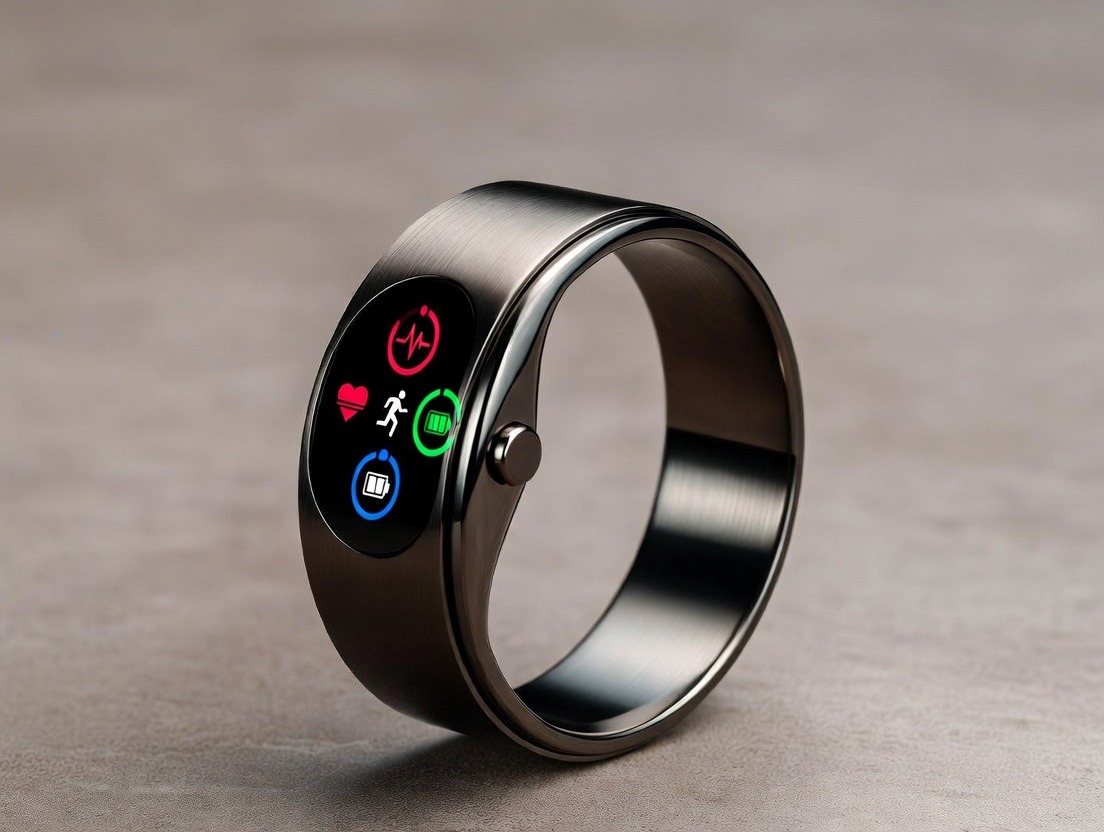
This article will guide you beyond simply tracking a number. We will explore how HRV serves as your personal, biological compass, directly pointing you toward your daily Peak Performance Windows—those golden hours where focus is effortless, creativity flows, and complex problem-solving feels intuitive. We’ll move from theory to practice, showing you how to interpret your HRV data, align your most demanding tasks with your biological prime time, and structure your entire day for sustainable high achievement. This is the end of working against your body’s grain and the beginning of working in harmony with its innate intelligence. To truly harness this power in your daily life, the right technology is essential. A device like the Oura Ring or the comprehensive system from Oxyzen makes this continuous, effortless bio-tracking a seamless part of your routine, providing the personalized data you need to make these transformative shifts.
To leverage HRV, we must first move beyond the common misconception that a "steady" heartbeat is ideal. In reality, a healthy heart is constantly in dialogue with your brain and environment, speeding up slightly with each inhalation and slowing down with each exhalation. This is respiratory sinus arrhythmia, and it’s a good thing. The greater this variability—the more dynamically your heart can respond—the healthier and more resilient your nervous system.
Think of your autonomic nervous system (ANS) as the conductor of your body’s orchestra. The sympathetic branch (SNS) plays the stirring, stimulating symphonies of action—the fight, flight, or focus response. The parasympathetic branch (PNS), primarily via the vagus nerve, plays the soothing, restorative melodies of "rest and digest." HRV is the harmony between these two. A high HRV score indicates a conductor in full command, able to cue a powerful crescendo of focus when needed and a gentle adagio of recovery afterward. A low, stagnant HRV suggests a stuck or overwhelmed system, often stuck in a low-grade sympathetic tone, leaving you feeling wired, tired, and incapable of shifting gears effectively.
Why has HRV exploded as the go-to metric for everyone from elite athletes to Fortune 500 CEOs? Because it is proactive, predictive, and personal.
For the modern professional or creator, this is revolutionary. It means you can stop asking, "Do I feel like I can tackle this big proposal?" and start knowing, based on objective data, "Is my biology primed to tackle this big proposal?" This foundational understanding turns HRV from a curious health metric into the central dashboard for managing your human performance. For a deeper dive into the science behind bio-tracking, our wellness blog offers a wealth of resources that explore these concepts in detail.
Knowing HRV’s importance is one thing; tracking it reliably is another. The gold standard is a chest-strap ECG, but for daily, practical insights, convenience is key. This is where modern wearable technology, particularly smart rings, has changed the game. Worn overnight, a device like the Oura or Oxyzen ring provides a superior measurement window: your sleep. During sleep, external variables are minimized, giving you a clean, consistent reading of your body’s recovery state—your Nightly HRV.
Your morning HRV reading isn’t just a number; it’s a report card on yesterday and a forecast for today. The standard practice is to observe your HRV Baseline (a rolling average, typically over the last 4-6 weeks) and then note your Daily HRV relative to that baseline.
Crucial Interpretation Nuances:
The goal here is not to chase a higher number every day—that’s impossible and counterproductive. The goal is to understand the story the number tells. Is your body asking for a hard charge or a gentle recharge? This daily insight is the first, critical step in moving from a schedule dictated by the clock to a rhythm guided by your biology.
To truly master the timing of your performance, you must become fluent in the language of your Autonomic Nervous System (ANS). It’s the unseen operating system running every aspect of your physiology—from your heart rate and digestion to your hormone secretion and cognitive focus. As mentioned, the ANS has two primary modes, and your performance is entirely dependent on which one is in the driver’s seat.
Sympathetic Nervous System (SNS) - "The Performance Engine":
This is your accelerator. When engaged, it releases catecholamines (like adrenaline) and cortisol, sharpening your senses, increasing heart rate and blood pressure, and mobilizing energy. This is essential for focused work, competitive effort, and meeting deadlines. However, it’s a costly, high-octane state. You cannot run on sympathy dominance indefinitely without depleting your resources.
Parasympathetic Nervous System (PNS) - "The Recovery & Repair Dock":
Governed by the vagus nerve, this is your brake and repair system. It promotes digestion, cell repair, immune function, and memory consolidation. It lowers heart rate and induces calm. This is the state of deep rest, creative incubation, and assimilation. Most high-level insight and physical repair occur here.
HRV is the direct readout of the dynamic interplay between these two systems. A high HRV indicates a system that can shift powerfully into high-performance SNS mode when challenged and then efficiently downshift into restorative PNS mode to recover. A low HRV indicates a system that’s stiff, stuck, or struggling to make these transitions—often lingering in a stressful, middle-ground state of "sympathetic lock."
The Performance Implication:
You cannot be creatively insightful, strategically wise, or physically recovering while in a strong sympathetic state. Conversely, you cannot execute a high-intensity workout or deliver a gripping presentation while in a deep parasympathetic state. Peak performance isn’t about living in one state; it’s about orchestrating the precise transition between them. Your HRV data shows you if you have the flexibility to make those transitions effectively. Understanding this internal engine is at the core of our mission at Oxyzen, where we build technology to make this deep self-awareness accessible.
The Cortisol-Connection: How Stress Hormones Sculpt Your Daily Energy Landscape
While the ANS provides the real-time control, the hormone cortisol acts as its chief scheduler, carving out the broad contours of your energy throughout the 24-hour day. Cortisol, often vilified as the "stress hormone," is actually essential for life and performance. Its healthy diurnal rhythm is the master script for your daily potential.
A robust, healthy cortisol curve looks like this:
This rhythm exists for a reason. It evolutionarily primes us for activity during daylight and recovery at night. Your Peak Performance Window for analytical, focused, execution-based work is typically aligned with that morning cortisol peak and the sustained high-energy period that follows.
However, modern life brutally disrupts this rhythm. Chronic stress, poor sleep, blue light at night, and erratic schedules can:
Here’s where HRV and cortisol tell a connected story. Chronic stress (high, dysregulated cortisol) directly suppresses vagal tone and lowers HRV. A low HRV, in turn, indicates a system less capable of managing stress, making you more vulnerable to cortisol dysregulation. It’s a feedback loop.
Therefore, a rising or high HRV trend often correlates with a healthy, robust cortisol rhythm. By using HRV as your guide to manage stress and recovery, you are indirectly nurturing the optimal hormonal landscape for your Peak Performance Windows to emerge. Protecting your morning focus period and ensuring a proper evening wind-down aren’t just productivity hacks; they are acts of biological alignment. The founders of Oxyzen understood this deep connection, which is why they built a system designed to protect these natural rhythms.
Even with a perfect cortisol curve and high HRV, we are not identical. Your innate, genetically influenced preference for sleep and wake times—your chronotype—adds another critical layer of personalization to finding your Peak Performance Windows. Popularized by sleep specialist Dr. Michael Breus, chronotypes categorize our natural tendencies:
Your chronotype dictates your natural Peak Performance Window. A Lion forcing a critical strategy session at 9 PM is fighting biology. A Wolf trying to nail a creative pitch at 8 AM is operating at a fraction of their potential.
The Synergy with HRV:
Your chronotype is your hardwired schedule; your HRV is your daily readiness report. Even a Wolf, during a period of high HRV (good recovery), will find their evening window more potent and may even find their morning less painful. A Lion with a low HRV (poor recovery) will find their coveted morning window foggy and ineffective.
The strategy is to layer these insights:
This personalized approach ends the tyranny of the universal "morning routine" and allows you to craft a rhythm that respects your unique design. Many users of the Oxyzen system share how discovering this synergy between their chronotype and HRV data revolutionized their work schedules and output.
Identifying Your Biological Prime Time: The 90-Minute Ultradian Rhythm Cycle
Zooming in from the 24-hour day, we find an even more precise pulse governing our focus and energy: the Ultradian Rhythm. These are biological cycles that repeat multiple times within a 24-hour period. The most critical for performance is the 90-120 minute Basic Rest-Activity Cycle (BRAC).
Throughout the day, your brain doesn’t operate at a steady state. It naturally cycles through approximately 90 minutes of higher alertness followed by 20 minutes of lower alertness. During the high-alertness "peak" phase, neurons fire in cohesive, harmonious patterns ideal for sustained focus. As the cycle winds down, your brain waves change, signaling a need for disengagement and restoration.
The Performance Implication:
Your Peak Performance Window isn’t necessarily a 4-hour block. It is a series of 90-minute "sprints" of ultra-productive potential. Pushing through the natural dip at the end of a cycle with caffeine or sheer grit leads to diminishing returns, mental fatigue, and stress.
How HRV Integrates with Ultradian Rhythms:
Think of your HRV as the amplifier of these natural cycles.
Practical Application: The 90-Minute Time Block:
By aligning your work sprints with this innate rhythm and using HRV to gauge the quality of each sprint, you move from linear, grinding workdays to a rhythmic dance of focused effort and strategic recovery. This is the essence of sustainable high performance.
The Recovery Imperative: Why Deep Rest is Non-Negotiable for Peak Windows
This brings us to the most counterintuitive truth for driven individuals: Your ability to access Peak Performance Windows is not determined in the moment of work; it is determined in the hours and days of recovery that precede it. You cannot spend cognitive and physical capital you have not accrued. Recovery is not the absence of work; it is the active, essential process of rebuilding your biological capacity.
1. Nightly Recovery (Sleep):
Sleep is the single most potent performance enhancer. It’s when your brain clears metabolic waste (via the glymphatic system), consolidates memories, and your body repairs tissues. HRV during sleep, particularly during deep (Slow-Wave) sleep, is a direct metric of this restorative process. A high nightly HRV indicates effective recovery. A low one suggests your sleep is shallow or disrupted, meaning you’re waking up biologically "in debt."
2. Daily Recovery (Micro-Breaks & Downtime):
This is the active practice of parasympathetic activation throughout the day—the 20-minute dips between ultradian cycles, lunch breaks away from your desk, short walks, and deliberate breathing. These moments of "vagal braking" prevent sympathetic lock, reduce cumulative stress, and protect your HRV.
The Non-Linear Relationship:
Performance and stress follow a curve, not a straight line. The Yerkes-Dodson Law illustrates that performance improves with physiological arousal (stress) up to an optimal point. Beyond that point, further stress leads to plummeting performance. Your HRV helps you identify your personal position on this curve.
Therefore, scheduling a Peak Performance Window without ensuring prior recovery is like planning a championship game while ignoring training and sleep. It will fail. The data from your smart ring is the accountability partner you need to prioritize rest as seriously as work. It transforms recovery from a passive hope into an active, scheduled strategy. For those seeking to optimize this balance, exploring the stories of others who have mastered it can be incredibly motivating—check out the experiences shared on our testimonials page.
Practical Scheduling: Building Your HRV-Informed Daily Blueprint
Now, we synthesize everything into a practical, actionable daily schedule. This is not a rigid template but a flexible framework you adapt based on your daily HRV readiness score and your chronotype. Let’s follow a hypothetical day for a "Bear" chronotype (the most common).
Phase 1: The Morning Audit (Upon Waking)
Phase 2: Morning Power Block (Aligning with Cortisol Peak)
Phase 3: The Afternoon Rebuild (Managing the Circadian Dip)
Phase 4: Evening Wind-Down (Protecting Tomorrow’s HRV)
This blueprint turns abstract concepts into a lived reality. It creates a dynamic feedback loop: tonight’s recovery dictates tomorrow’s readiness, and today’s mindful work protects tonight’s recovery. To see how this integrates with a full wellness technology ecosystem, you can learn more about the Oxyzen approach here.
Beyond the Workday: Optimizing Exercise, Nutrition, and Relationships with HRV
Your Peak Performance Windows aren't just for cognitive work. The same principles apply to physical performance, nutritional timing, and even social interactions, creating a holistic life in sync with your biology.
Exercise & HRV:
HRV is the definitive guide for autoregulated training. Instead of following a pre-set, rigid workout plan, you let your daily HRV guide your intensity.
Nutrition & HRV:
What and when you eat profoundly impacts your nervous system.
Relationships & Social Dynamics:
Social stress is a massive HRV modulator. Conflict, difficult conversations, and excessive social stimulation (especially for introverts) are sympathetic stressors. Positive, connective social interactions, laughter, and touch can boost vagal tone.
By extending the HRV lens to all life domains, you create a fully integrated, bio-harmonious lifestyle. Every decision—from your workout to your lunch to your evening plans—becomes an opportunity to either invest in or withdraw from your biological bank account, directly determining the quality and availability of your future Peak Performance Windows. This holistic philosophy is woven into the very fabric of our purpose, a journey you can read more about in our story.
The Cognitive Symphony: How HRV Mirrors Brain Function and Mental Flow

To understand why a high HRV state is the gateway to peak mental performance, we must venture into the brain itself. Your brain's electrical activity, measured in waves, is not a monolith. It fluctuates between different states, each associated with specific types of thinking and consciousness. Remarkably, the coherence of your heart's rhythm—your HRV—is in constant, intimate dialogue with these brainwave patterns.
This communication highway is known as the heart-brain axis. It's a two-way street where the heart sends far more signals to the brain than the brain sends to the heart. When your heart's rhythm is coherent (high, stable HRV), it sends a powerful signal of safety and optimal function to the brain, particularly to the prefrontal cortex—the CEO of your brain responsible for executive function, decision-making, and focused attention.
The Brainwave States of Performance:
The HRV Connection:
A coherent, high-HRV state facilitates a smooth, flexible transition between these brainwave states as needed. It’s the biological foundation for entering and sustaining flow states—those periods of effortless, hyper-productive immersion where time seems to disappear.
Practical Takeaway: Your morning HRV score is a proxy for your brain’s potential flexibility and coherence that day. A green-light HRV doesn't just mean you're rested; it means your brain is primed to orchestrate the complex symphony of brainwaves required for genius-level work. Protecting this state isn't just about productivity; it's about accessing your highest cognitive potential.
Environmental Engineering: Designing Your Space for HRV-Friendly Focus
Your environment is not a passive backdrop; it's an active participant in your nervous system's state. You can have a high HRV baseline, but a poorly designed workspace can trigger sympathetic spikes that fracture your focus and drain your biological resources. Engineering your environment is a proactive strategy to protect your Peak Performance Windows.
1. The Light Factor:
Light is the primary driver of your circadian rhythm. Mismanaged light exposure is a direct assault on your cortisol curve and, consequently, your HRV.
2. The Soundscape:
Noise pollution is a constant, low-grade stressor that elevates cortisol and lowers HRV. Conversely, certain soundscapes can enhance focus and calm.
3. The Ergonomic & Clutter Factor:
Physical discomfort and visual chaos are sympathetic nervous system triggers.
4. The Nature Connection:
The concept of biophilia—our innate connection to nature—has direct physiological effects. Studies show that even brief exposure to nature (or images/sounds of nature) can lower cortisol, increase parasympathetic activity, and boost HRV.
By deliberately designing your environment, you create a "performance cocoon" that actively supports your high-HRV state and defends your focused time from biological sabotage. It turns your space from a place you work in to a tool you work with.
The Fuel & The Flame: Nutrition Strategies to Support High HRV and Mental Energy
You cannot out-run, out-meditate, or out-smart a poor diet when it comes to your HRV and cognitive performance. Food is the raw material for neurotransmitters, the building blocks of cell membranes, and the fuel for mitochondrial energy production. Every meal is a direct intervention in your autonomic nervous system.
The HRV-Enhancing Nutritional Framework:
1. Prioritize Stable Blood Sugar:
Blood sugar spikes and crashes are a rollercoaster for your ANS. A rapid spike in glucose triggers a sympathetic stress response (insulin release), followed by a crash that triggers cortisol release to stabilize levels—both disruptive to HRV.
2. Champion Anti-Inflammatory Foods:
Systemic inflammation is a primary enemy of vagal tone and HRV. Chronic, low-grade inflammation from processed foods irritates the nervous system.
3. Support Your Gut-Brain-Vagus Axis:
The gut is often called the "second brain." It produces a significant portion of the body's serotonin and communicates directly with the brain via the vagus nerve. An unhealthy gut microbiome can promote inflammation and send stress signals to the brain, lowering HRV.
4. Master the Art of Timing (Chrono-Nutrition):
Hydration: The Non-Negotiable Baseline
Dehydration thickens the blood, making the heart work harder, and directly reduces HRV. It also impairs cognitive function. Your goal should be consistent, clear-to-light-yellow urine throughout the day. Add electrolytes (a pinch of sea salt, magnesium) to your water, especially if you sweat or consume caffeine.
The Red Flags: Be acutely aware of how the following affect your HRV (track it!):
By treating food as information and fuel for your nervous system, you build a physiological foundation from which high HRV and clear Peak Performance Windows can reliably emerge. For more detailed guides on bio-hacking your nutrition, our wellness blog offers continuously updated resources.
The Breath Bridge: Using Respiration to Instantly Modulate HRV and Focus
If you could only use one tool to directly influence your HRV and mental state in real-time, it would be your breath. Breathing is unique—it’s an autonomic function that we can also consciously control. This gives us a direct "remote control" for our nervous system. By changing the rhythm, depth, and pattern of our breath, we can swiftly shift from sympathetic agitation to parasympathetic calm, directly impacting HRV and cognitive clarity.
The Science of Coherent Breathing:
Research from the HeartMath Institute and others has identified a specific breathing pattern that optimally promotes heart rate variability coherence. It's simple: Breathe at a rate of 5-6 breaths per minute. This typically translates to a 5-second inhale and a 5-second exhale (or a 4-6 or 6-6 pattern).
Why this works:
Practical Breathing Protocols for Performance:
1. The Pre-Work "Focus Primer" (3-5 Minutes):
2. The Mid-Work "Reset Breath" (60 Seconds):
3. The "Physiological Sigh" for Instant Calm (30 Seconds):
4. The Evening "Nervous System Drop" (10 Minutes):
Integrating Breath with Technology:
The most advanced smart rings and sensors are beginning to incorporate breathing rate as a core metric alongside HRV. Seeing your real-time breathing rate (often elevated during stress) can serve as a prompt to engage in these techniques. It closes the loop: data shows dysregulation, breathwork corrects it, improved data confirms the effect.
Mastering your breath is the ultimate biohack—a free, always-available tool that puts you in the driver's seat of your own biology, allowing you to create the internal conditions for a Peak Performance Window on demand.
The Movement Paradox: How Strategic Exercise Creates—and Protects—Performance Capacity
Our cultural narrative around exercise often glorifies "more is better" and "no days off." But from the perspective of your HRV and nervous system, this is a dangerous oversimplification. Exercise is a potent, intentional stressor (a "eustress"). The right dose builds resilience and elevates your baseline HRV. The wrong dose—too much, too intense, without adequate recovery—becomes a destructive distress that depletes your capacity for mental work.
The Hormetic Curve of Exercise:
The relationship between exercise stress and adaptation follows a bell curve. Your goal is to apply the optimal stress that pushes your system to adapt positively (increasing HRV and mitochondrial density), without overshooting into the zone of chronic fatigue, injury, and sympathetic overload (which crushes HRV).
HRV as Your Personal Training Coach:
This is where daily HRV readings become revolutionary for your fitness regimen, enabling autoregulation.
Timing Exercise to Amplify (Not Steal) Cognitive Performance:
When you exercise matters just as much as how you exercise.
The Cognitive Benefits of the Right Movement:
Beyond HRV, exercise boosts Brain-Derived Neurotrophic Factor (BDNF)—"fertilizer for the brain"—which supports neuroplasticity, learning, and memory. The key is to harness these benefits without crossing into the realm of overtaxing your system. By letting your HRV guide the type and intensity of movement, you ensure that your fitness regimen is a powerful ally in building your daily performance capacity, not an adversary that depletes it. Learning to listen to these subtle signals is a journey, and many of our users share their experiences with this on our community and testimonials page.
Digital Hygiene: Managing Technology to Prevent HRV Sabotage

Our devices are double-edged swords. They provide the tools for our best work and the data (like HRV) to optimize it, yet their very design is a constant, insidious threat to our nervous system. Unmanaged, technology becomes the single greatest disruptor of Peak Performance Windows. Digital hygiene is therefore not a luxury; it is a non-negotiable practice for protecting your biological prime time.
The "Always-On" Assault on Your ANS:
A Protocol for Digital Hygiene:
1. Declare War on Notifications (The Single Most Important Step):
2. Implement a "Focus Stack" for Deep Work:
When entering a 90-minute Peak Performance Window, create a digital fortress:
3. Create Sacred Tech-Free Zones and Times:
4. Practice Conscious Consumption:
5. Leverage Technology for Good:
Use your tech as a tool to enforce these boundaries. Set up Do Not Disturb schedules automatically. Use screen-time tracking not as a guilt-trip, but as a diagnostic tool. The data from your Oxyzen ring can show you the direct correlation between a chaotic digital day and a crashed HRV night, providing the motivation to stay disciplined.
By aggressively managing your digital environment, you reclaim your cognitive space and protect your nervous system from a thousand tiny cuts. You create the quiet, both externally and internally, necessary for your highest-quality thinking to emerge. For more strategies on creating a balanced, high-performance lifestyle, you'll find a trove of actionable advice on our blog dedicated to modern wellness.
The Long Game: Tracking Trends, Building Resilience, and Avoiding Burnout
Focusing solely on today's HRV score is like a stock trader watching only the daily ticker. The real wealth—and the real warning signs—are in the long-term trends. Sustainable peak performance isn't about hitting a personal best every day; it's about building a resilient system with a high average capacity, while avoiding the catastrophic crashes of burnout. This requires a strategic, longitudinal view of your data.
Interpreting the Macro-Trends:
The Concept of "Stress Banking":
Think of your HRV baseline as your biological savings account. Every night of good sleep, every nutritious meal, every moment of genuine relaxation makes a deposit. Every intense workout, demanding work sprint, or emotional stress makes a withdrawal.
Building Anti-Fragility:
The goal is to become anti-fragile—to benefit from the right kind of stress. This is done through periodization, not just in fitness, but in life.
The Role of the Smart Ring as a Longitudinal Biometric Journal:
A device worn continuously becomes this longitudinal record. It allows you to look back and answer critical questions:
This long-view transforms you from a reactive manager of daily symptoms to a strategic architect of your long-term health and performance. It empowers you to make life decisions—about career paths, project commitments, and lifestyle choices—with hard data about their biological cost. Understanding this cost-benefit analysis is central to the philosophy behind our technology, a story you can explore further here.
The Social Symphony: How Relationships and Communication Shape Your HRV Landscape
We are not biohacking islands. Our nervous systems are exquisitely tuned to the people around us—a phenomenon known as physiological co-regulation. Every interaction, from a tense email exchange to a heartfelt conversation with a loved one, sends ripples through your autonomic nervous system, directly impacting your HRV and, by extension, your capacity for peak performance. To master your biological prime time, you must also master the social environment that shapes it.
The Science of Connection and Threat:
Social connection, particularly feelings of trust, safety, and belonging, is a powerful stimulator of the parasympathetic nervous system and the vagus nerve. Positive social interactions can trigger the release of oxytocin, which buffers stress and can elevate HRV. Conversely, social threats—conflict, criticism, exclusion, or even perceived negativity—are among the most potent activators of the sympathetic "fight-or-flight" response, crashing HRV.
HRV as a Social Barometer:
Pay close attention to how specific interactions and social contexts affect your biometric data.
Strategic Social Scheduling for Performance:
The Introvert-Extrovert Continuum:
This is deeply personal. For extroverts, social interaction can be energizing and may correlate with positive HRV trends. For introverts, socializing, while enjoyable, is metabolically costly and often requires significant recovery time to restore nervous system balance. Know your type and honor your recovery needs without guilt. An introvert forcing back-to-back social days is depleting the very resources needed for their best solo work.
By viewing your social calendar not just as a list of events but as a series of physiological inputs, you can arrange your relationships and interactions to support, rather than sabotage, your performance biology. For more on building a lifestyle that supports sustainable performance, our blog offers numerous perspectives from experts and community members.
The Travel & Disruption Protocol: Maintaining HRV Stability Across Time Zones and Chaos

Life is not a controlled laboratory. Business trips, vacations, family emergencies, and project deadlines will inevitably disrupt your perfectly crafted routine. The goal is not rigid consistency, but resilience—the ability to withstand disruption and return to baseline quickly. This is where your understanding of HRV shifts from a fine-tuning tool to an essential survival guide.
The Triple Threat of Travel (The Perfect HRV Storm):
Travel combines multiple major stressors:
A Pre-emptive and Active Travel Protocol:
Before You Go (The Preparation Phase):
During Transit (The Damage Control Phase):
Upon Arrival (The Rapid Re-Synchronization Phase):
Managing Non-Travel Disruptions (Deadlines, Family Stress):
The principles are the same: double down on the fundamentals you can control.
Your wearable data during these times is invaluable. It shows you the real cost of disruption and, more importantly, which recovery strategies work for you to bounce back fastest. This transforms you from a victim of chaos to a skilled navigator of it.
Troubleshooting the Data: When Your HRV and Feelings Don't Align
You've embraced the practice: you track diligently, follow the trends, and schedule your life accordingly. But then, a confusing scenario arises: You feel fantastic—energized, focused, and positive—but your HRV is low. Or, conversely, you feel sluggish and foggy, but your HRV reading is high. This dissonance between subjective feeling and objective data is not a failure of the system; it's a critical learning opportunity. Let's decode the common reasons for this mismatch.
Scenario 1: High HRV, But You Feel Terrible ("The Zombie State")
Scenario 2: Low HRV, But You Feel Great ("The False Peak")
The Golden Rule: Contextual, Holistic Interpretation.
Never look at HRV in isolation. It must be part of a dashboard:
When feelings and data clash, investigate. Talk to a coach, review your recent activities, or check in with a healthcare professional. The goal of this technology is not to have you obey a number blindly, but to start a deeper conversation with your body. This nuanced understanding is what we strive to facilitate, as detailed in our company's mission and approach.
Advanced Integration: Stacking Bio-Hacks to Compound Your Performance Windows

Once you are fluent in the language of your HRV and can reliably identify your Peak Performance Windows, the next level is strategic intervention stacking. This involves combining specific, timed practices to amplify the quality and potency of your focused time and accelerate your recovery from it. Think of it as creating a bespoke, multi-layered protocol that pushes your biological potential to its zenith.
The Pre-Window "Focus Stack" (90 Minutes Before Prime Time):
This protocol is designed to prime your nervous system and brain for maximum coherence and output.
The Intra-Window "Flow Maintenance Stack":
Practices to sustain the quality of your 90-minute sprint.
The Post-Window "Recovery Acceleration Stack":
How you end a performance sprint determines how quickly you can begin another. The goal is to actively downshift your nervous system.
The Weekly "Re-Set Stack":
One day per week (often a weekend day), engage in a longer protocol to pay down any accumulated stress debt and boost baseline HRV.
By strategically stacking these evidence-based practices around your biological windows, you move from passive tracking to active performance engineering. Each layer compounds, making your focused time more potent and your recovery more efficient. This represents the cutting edge of personal optimization, a topic we frequently explore with our community—you can find ongoing discussions and case studies on our Oxyzen blog.
The Ethical and Sustainable Future: HRV, Performance, and the Avoidance of Obsessive Optimization
As we integrate deeply personal biometrics into our daily lives, we must pause and consider the philosophical and ethical dimensions. The goal of understanding HRV and Peak Performance Windows is not to turn yourself into a perfectly optimized machine, devoid of spontaneity, joy, or human frailty. The dark side of biohacking is obsession, anxiety, and a disconnection from the present moment in service of a future metric. This is the antithesis of a resilient, high-performing life.
Guarding Against Data Anxiety:
It is easy to become a slave to the score—checking your app compulsively, feeling anxiety when your HRV dips, and basing your self-worth on a green readiness score. This behavior itself is a sympathetic stressor that will lower your HRV. You have now become the stressor you sought to manage.
The "Good Enough" Principle:
Aiming for a perfect HRV score every day is a fool's errand. Life involves stress, celebration, late nights, rich meals, and emotional upheavals. These are not failures; they are the texture of a human life. The goal is resilience and trend-line management, not daily perfection. A sustainable performance life has an 80-85% adherence to supportive habits, allowing 15-20% for life, spontaneity, and enjoyment without guilt.
The Question of Access and Equity:
Advanced wearables and the time to analyze this data are privileges. As this field grows, we must advocate for the democratization of this knowledge and be mindful of not creating a new performance divide. The core principles—listening to your body, honoring rest, aligning work with energy—are accessible to everyone, even without technology.
The Ultimate Goal: Agency and Freedom, Not Control.
The true purpose of this deep self-knowledge is to grant you agency. Agency to say "no" to a meeting in your biological trough because you have data-backed confidence in your own rhythm. Agency to take a rest day without guilt because you understand it's an investment in tomorrow's capacity. Agency to design a life that doesn't just extract from you, but actively builds you up.
It is about moving from being a passive recipient of your energy levels to an active architect of your days. It’s about having more time and energy for what truly matters—deep work, meaningful relationships, and personal growth. This journey from data to wisdom to lived freedom is what truly defines the modern pursuit of peak performance. It is a journey we are deeply committed to supporting, as it aligns with the core values and vision that guide our work.
Conclusion: Your Rhythmic Blueprint for a Masterful Life
We began by challenging the industrial-age notion of time as a uniform commodity to be filled with effort. We've journeyed through the science of the heart-brain connection, the circadian and ultradian rhythms that orchestrate our days, and the profound metric of HRV that reveals our unique, internal readiness signature.
The key takeaway is this: Peak performance is not an act of willpower exerted against your biology; it is an act of wisdom achieved through alignment with it.
You now possess the framework for a radical reorganization of your life:
This is not about doing more. It is about doing what matters, better, and with less wear and tear. It is about ending the cycle of burnout and chronic stress that plagues the modern high-achiever. It is about reclaiming the joy and ease that should accompany mastery.
The path forward is iterative. Start small. Observe your energy for a week without changing anything. Then, perhaps, protect one 90-minute focus block. Experiment with a breathing technique. Notice the impact of a night of good sleep. As you build this practice, you will find that the quest for peak performance gracefully evolves into a more profound pursuit: the art of living in deep, sustainable harmony with your own miraculous human design.
Your time, your energy, and your potential are your most sacred resources. May you use this knowledge to steward them wisely, work profoundly, and live fully, in rhythm with the intelligent pulse of your own being.
For continued learning, personalized insights, and to join a community dedicated to mastering their performance through biological alignment, we invite you to explore the full suite of resources and technology available at Oxyzen . Have specific questions? Our FAQ is a great place to start, and to see the real-world impact of this approach, read the stories of others on our testimonials page .
Your Trusted Sleep Advocate (Sleep Foundation — https://www.sleepfoundation.org/)
Discover a digital archive of scholarly articles (NIH — https://www.ncbi.nlm.nih.gov/
39 million citations for biomedical literature (PubMed — https://pubmed.ncbi.nlm.nih.gov/)
experts at Harvard Health Publishing covering a variety of health topics — https://www.health.harvard.edu/blog/)
Every life deserves world class care (Cleveland Clinic -
https://my.clevelandclinic.org/health)
Wearable technology and the future of predictive health monitoring. (MIT Technology Review — https://www.technologyreview.com/)
Dedicated to the well-being of all people and guided by science (World Health Organization — https://www.who.int/news-room/)
Psychological science and knowledge to benefit society and improve lives. (APA — https://www.apa.org/monitor/)
Cutting-edge insights on human longevity and peak performance
(Lifespan Research — https://www.lifespan.io/)
Global authority on exercise physiology, sports performance, and human recovery
(American College of Sports Medicine — https://www.acsm.org/)
Neuroscience-driven guidance for better focus, sleep, and mental clarity
(Stanford Human Performance Lab — https://humanperformance.stanford.edu/)
Evidence-based psychology and mind–body wellness resources
(Mayo Clinic — https://www.mayoclinic.org/healthy-lifestyle/)
Data-backed research on emotional wellbeing, stress biology, and resilience
(American Institute of Stress — https://www.stress.org/)


