HRV and Physical Performance: Training Smarter With Your Smart Ring
HRV and physical performance: training more effectively with smart ring data.
HRV and Physical Performance: Training Smarter With Your Smart Ring
You’ve hit a plateau. Your training logs are pristine, your nutrition is dialed in, you’re putting in the work—yet you’re not getting faster, stronger, or recovering better. Something is missing from the equation. That missing variable isn’t your effort; it’s likely your body’s internal conversation, a dialogue you haven’t been able to hear. Until now.
For decades, elite athletes and their coaches have whispered about a secret weapon: Heart Rate Variability (HRV). This subtle, millisecond fluctuation between heartbeats is your nervous system’s most honest translator. It doesn’t just measure how fast your heart beats; it measures how wisely it responds. A high, resilient HRV signals a body ready to adapt, to conquer, and to grow. A suppressed HRV is a flashing red light from your physiology, whispering “caution” before injury, illness, or burnout screams it.
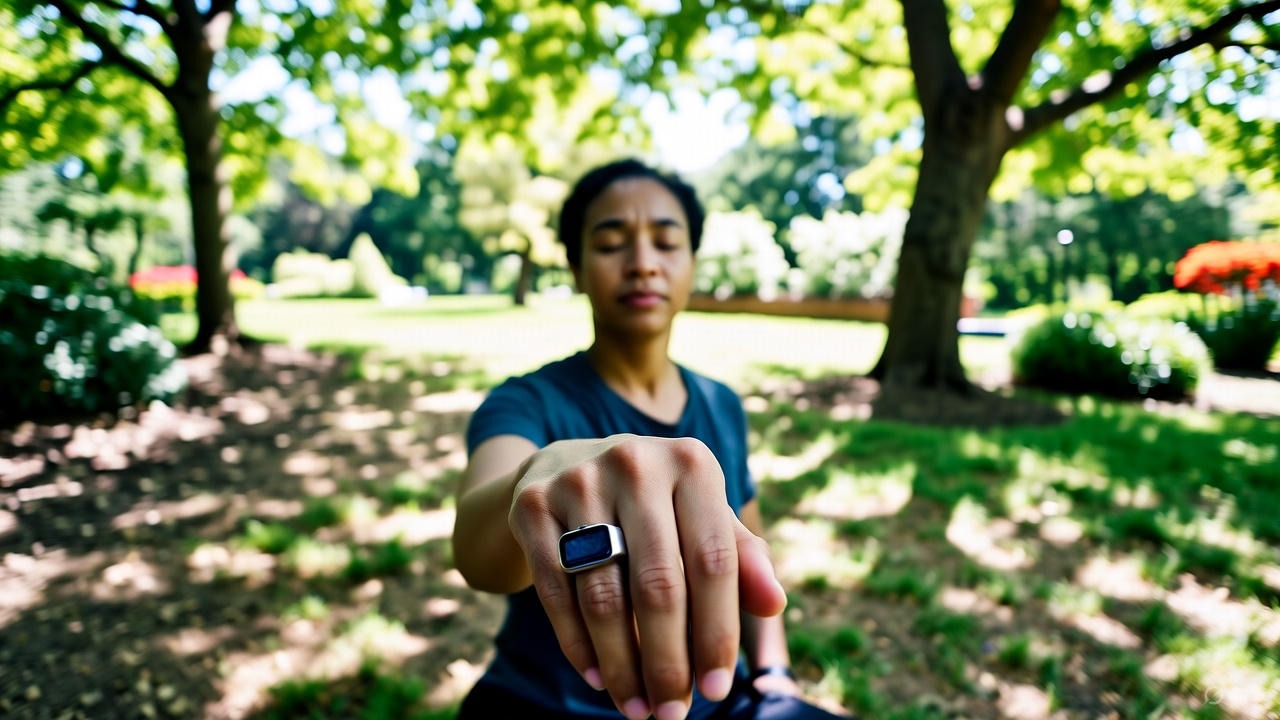
But HRV was once the domain of lab-coated scientists and Olympians with access to expensive, cumbersome equipment. For the everyday athlete, it was an intriguing but inaccessible metric. The rise of the smart ring has changed everything. By slipping a sleek, unobtrusive ring onto your finger, you now have a 24/7 window into your autonomic nervous system, turning that secret weapon into a daily guide.
This article is your masterclass in leveraging this powerful data. We will move beyond simply tracking HRV to truly understanding it, using it to dictate your training intensity, optimize your recovery, and unlock a level of performance you’ve been chasing. This is not about working harder. This is about training smarter, guided by the most personalized data stream your body produces. It’s time to listen.
The Silent Conductor: What HRV Really Is (And Isn't)
Before we can harness HRV, we must strip away the myths and understand its profound biological roots. Your heart rate, say 60 beats per minute, does not mean your heart beats like a metronome, once every exact second. In a healthy, resilient system, the time between beats is constantly varying—perhaps 1.05 seconds, then 0.95 seconds, then 1.10 seconds. This variance, measured in milliseconds, is HRV.
At its core, HRV is the output of a timeless tug-of-war inside your autonomic nervous system (ANS). The ANS is the autopilot of your body, controlling functions you don’t consciously think about: digestion, respiration, and, crucially, heart rate.
The Gas Pedal (Sympathetic Nervous System): This is your "fight-or-flight" system. It mobilizes energy, increases heart rate, and prepares you for action. Stress, anxiety, a hard workout, or a looming deadline all press this pedal.
The Brake (Parasympathetic Nervous System): Often called the "rest-and-digest" system, it promotes recovery, conservation, and restoration. It slows the heart, aids digestion, and facilitates repair. Deep sleep, meditation, and genuine relaxation engage this system.
HRV is the real-time reflection of this dynamic interplay. High HRV indicates a strong, active brake and a flexible system. It means your body can swiftly respond to stress and then efficiently return to a calm state. It’s a sign of good fitness, adaptability, and resilience. Low HRV suggests the gas pedal is stuck, or the brake is weak. Your system is under sustained stress, less adaptable, and possibly overreached.
A critical, often misunderstood point: HRV is deeply personal. There is no universal "good" number. A value of 60 ms might be excellent for one person and a sign of trouble for another. The true power lies in tracking your own trends over time. This is where the smart ring becomes indispensable. While chest straps offer snapshots during workouts, a device like the Oxyzen smart ring captures your nocturnal HRV—considered the gold standard—giving you a clean, consistent baseline unaffected by the day’s movements. By observing your personal baseline and its daily fluctuations, you move from guessing to knowing.
Common Myth-Busting:
Myth: A higher HRV is always better.
Reality: While a high baseline is generally positive, a sudden, sharp increase can sometimes indicate your body is fighting an illness. Context from other metrics (like skin temperature and resting heart rate) is key.
Myth: HRV is just about fitness.
Reality: It’s about total load. Mental stress, poor sleep, emotional strain, dietary choices, and even alcohol consumption can profoundly suppress HRV, often more than a physical workout. It is a holistic health metric.
Understanding HRV as the silent conductor of your internal symphony is the first step. The next is learning how to measure it accurately and consistently, which is where modern technology truly shines.
From Lab to Finger: How Smart Rings Decode Your Nervous System
The journey of HRV from an esoteric medical measurement to a daily wellness metric is a story of technological miniaturization and innovation. Early HRV assessment required electrocardiogram (ECG) machines in clinical settings. The advent of chest-strap heart rate monitors brought it to athletes, but only in short, controlled sessions. The breakthrough for 24/7, life-integrated monitoring came with photoplethysmography (PPG) sensors and the form factor of the smart ring.
So, how does a ring on your finger accomplish what once required a lab?
The Science of PPG Sensing: At the heart of your smart ring is a tiny, powerful PPG sensor. It emits a beam of green LED light into the capillaries in your finger. Hemoglobin in your blood absorbs this light. As your heart beats, blood volume in the capillaries pulses. The sensor detects these minute changes in light absorption, creating a waveform that corresponds directly to your heartbeat. Advanced algorithms then analyze the precise timing between these beats to calculate HRV (most commonly using the root mean square of successive differences, or RMSSD, a time-domain measure ideal for wearable tracking).
Why the Finger is the Ideal Window: The finger, particularly the base, offers a high-density capillary bed with strong pulsatile flow, providing a clear signal. Unlike a wrist, the finger has less connective tissue and fat between the skin and arteries, and it experiences less motion artifact during sleep—the most critical time for measurement. A ring form factor also ensures consistent sensor contact and placement, a variable that can plague wrist-based devices.
Nocturnal HRV: The Unfiltered Truth Your smart ring’s most valuable data is collected while you sleep. This is when external stimuli are minimized, and your body’s true state emerges. A daytime HRV reading can be skewed by posture, activity, caffeine, or conversation. Your nocturnal HRV, especially the average from your deepest sleep cycles, is your pure, unfiltered baseline. Devices like the Oxyzen ring specialize in capturing this pristine data, giving you a reliable daily score that reflects your body’s readiness, not your momentary activity.
Beyond a Single Number: The Data Ecosystem A cutting-edge smart ring doesn’t just spit out an HRV number. It contextualizes it within an ecosystem of complementary biometrics:
Resting Heart Rate (RHR): Often rises with sustained stress or impending illness.
Sleep Stages: Correlates HRV dips and spikes with light, deep, and REM sleep.
Skin Temperature: A deviation from your personal baseline can signal inflammation, illness, or menstrual cycle phase.
Blood Oxygen (SpO2): Can indicate respiratory efficiency or sleep disturbances like apnea.
Activity & Recovery: Balishes workout strain against physiological recovery.
This multi-metric approach is what transforms data into insight. For instance, a slightly lower HRV with a stable RHR and good sleep might simply indicate productive training load. The same lower HRV paired with elevated RHR, poor sleep, and higher skin temperature is a clear sign your body is fighting something and needs rest. To understand how these metrics interplay in real-world scenarios, you can explore case studies and user experiences on our testimonials page.
The technology has democratized access to our inner physiology. But collecting data is pointless without a framework to interpret it. This leads us to the central paradigm of modern performance: the balance between strain and recovery.
The Readiness Score: Your Daily Go/No-Go Gauge
You wake up. Do you crush today’s intense interval session, or do you opt for gentle mobility work? For generations, this decision was governed by guesswork—how you "feel." While subjective feeling is important, it’s famously unreliable. Fatigue can be masked by caffeine and adrenaline, leading to overtraining. Conversely, you might feel sluggish before a workout that would actually boost your energy and resilience.
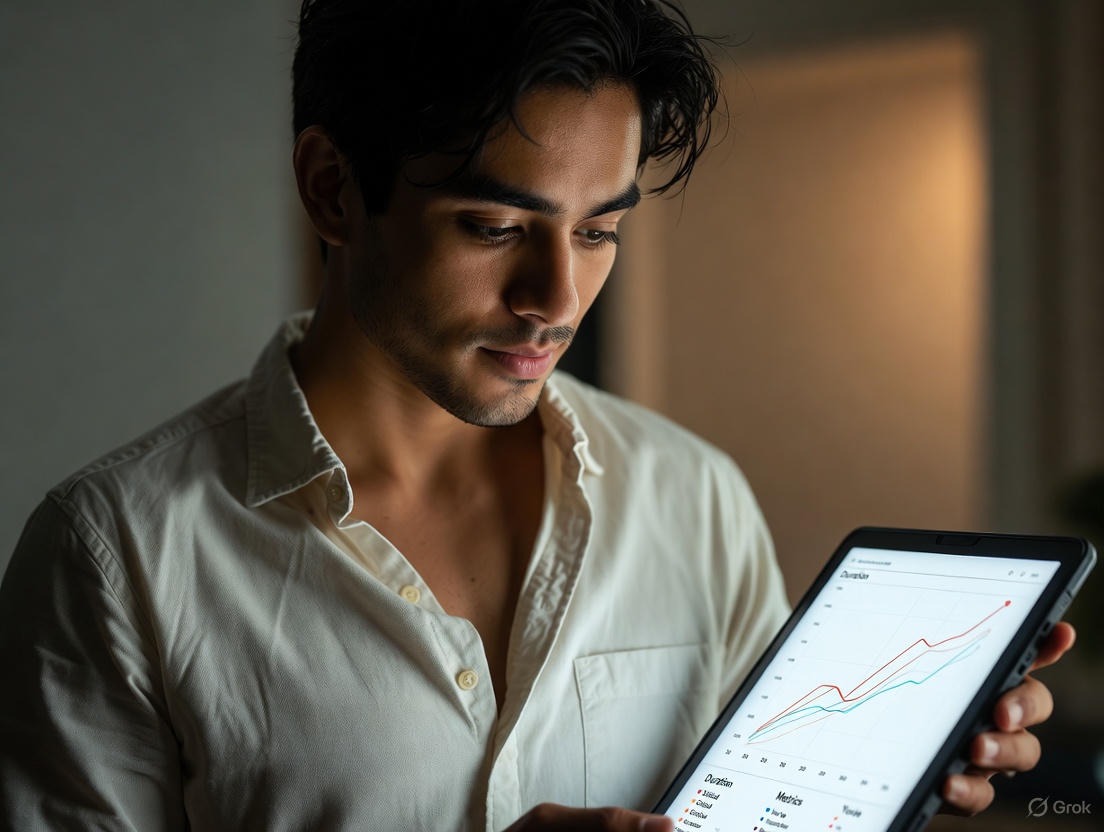
This is the mission of the Readiness Score (sometimes called Recovery Score, Strain Score, or Body Battery in different ecosystems). It is an algorithmically generated number, typically on a scale of 1-100, that synthesizes your overnight biometric data—primarily HRV, HRV balance, resting heart rate, sleep quality, and sometimes body temperature—into a single, actionable insight. It answers the question: "How physiologically prepared is my body to handle stress today?"
Deconstructing the Algorithm: While each brand’s exact formula is proprietary, the logic is consistent. The algorithm establishes your personal baselines over an initial period (usually 2-4 weeks). Each morning, it compares last night’s data to those baselines.
HRV Above Baseline + High Sleep Quality + Low RHR = High Readiness (e.g., 85-100). Translation: Your nervous system is recovered and resilient. Your body is primed to adapt to a challenging stimulus. This is a day to pursue intensity, strength, or skill work.
HRV Below Baseline + Disrupted Sleep + Elevated RHR = Low Readiness (e.g., 30-50). Translation: Your system is stressed and resource-depleted. The goal today is conservation—active recovery, walking, hydration, nutrition, and stress management. Forcing strain here risks injury, illness, and negative adaptation.
Mixed Signals (e.g., good sleep but lower HRV) = Moderate Readiness (e.g., 60-75). Translation: Proceed with caution. A moderate, technique-focused session may be fine, but listen closely to your body and be prepared to dial it back.
A Practical Week in Readiness: Let’s follow Alex, a recreational marathoner using his smart ring:
Monday: Readiness 42. He ran a long, hard effort on Sunday. His HRV is low, RHR is up 5 bpm. Action: He does 20 minutes of light cycling and foam rolling.
Tuesday: Readiness 78. Sleep was deep, HRV is rebounding. Action: He completes a scheduled, moderate-paced run.
Wednesday: Readiness 91. HRV hit a new personal high. Sleep was excellent. Action: He tackles his weekly high-intensity interval session, nailing his paces.
Thursday: Readiness 65. He feels fine, but his data shows slightly elevated nighttime heart rate and less deep sleep. Action: He swaps his run for a yoga session, trusting the data over his subjective feeling.
Friday: Readiness 88. Recovery is complete. Action: Strong performance in his strength training session.
Saturday: Readiness 35. Despite no hard workout Friday, a late night out with friends and alcohol dramatically suppressed his HRV. Action: Complete rest day. He learns a powerful lesson about holistic load.
The Readiness Score democratizes the concept of autoregulation—adjusting training based on daily physiological feedback. It turns a rigid, pre-written training plan into a living, breathing document that respects your body’s reality. For a deeper dive into how these algorithms are developed and our philosophy on personalized data, you can learn more about our mission and development process at Oxyzen.
But readiness is only half of the equation. To use it effectively, you must understand the other side: the calculated application of strain.
Strain & Load: Quantifying the Stress You Apply
If Readiness is your body’s capacity to handle stress, then Strain (or Training Load) is the measurement of the stress you apply. In the past, we quantified training with simple volume metrics: miles run, hours trained, weight lifted. While better than nothing, these are one-dimensional. They don’t account for intensity, which is the primary driver of physiological adaptation.
Modern wearables, including smart rings, use heart rate data to calculate a more nuanced metric: Heart Rate-Based Strain or Training Load. This score considers both the duration and the intensity of your activity relative to your personal heart rate zones.
How Strain is Calculated: The most common method uses Heart Rate Reserve (HRR) or Training Impulse (TRIMP) models. In simple terms:
Your device establishes your personal heart rate zones (Zones 1-5) based on your measured max heart rate or heart rate reserve.
During an activity, it tracks how much time you spend in each zone.
It applies a weighting factor: time in Zone 1 (very light) counts for little, while time in Zone 5 (maximum effort) counts for a lot.
The total, weighted score for the activity is your Strain for that session.
A 60-minute walk in Zone 1 might yield a Strain of 25. A 60-minute race-pace run dipping into Zones 4 and 5 could yield a Strain of 120. This quantifies what you intuitively know: those two sessions are not the same, despite equal duration.
The Critical Relationship: Strain vs. Readiness This is where the magic happens for performance optimization. Your goal is to apply strategic strain when readiness is high, and allow for absorption and adaptation when readiness is low.
High Readiness + High Strain = Positive Adaptation. This is the sweet spot. You challenge your system when it’s prepared, creating a powerful stimulus for growth. Your body responds by getting stronger, faster, more efficient.
Low Readiness + High Strain = Risk & Breakdown. This is the danger zone. You’re kicking a system that’s already down. This leads to excessive fatigue, hormonal disruption, increased injury risk, and stalled progress. It’s the definition of overtraining.
Low Readiness + Low Strain = Recovery & Replenishment. This is strategic de-loading. You provide the resources (rest, nutrition) for your body to repair and supercompensate.
Chronic High Strain Without Adequate Readiness = Overtraining Syndrome. A deep, persistent state of fatigue, declining performance, and dysregulation that can take months to recover from.
Using Your Ring to Manage Load:
Log All Activity: Ensure your ring (or connected app) logs all formal workouts. Many sync seamlessly with platforms like Strava, Apple Health, or Google Fit.
View the Acute vs. Chronic Load: Advanced platforms show your acute (short-term, e.g., last 7 days) load versus your chronic (long-term, e.g., last 28 days) load. The ratio between them (Acute:Chronic) is a superb injury risk predictor. A sharp spike in acute load relative to your chronic baseline is a major red flag.
Balance Your Week: Use your daily Readiness Score to decide not just if you train, but how you train. Let the data guide your intensity.
By quantifying both sides of the equation—your body’s readiness to perform and the precise load you’re applying—you move from random effort to purposeful training. The next step is to apply this framework to the most potent lever for recovery: your sleep.
Sleep: The Non-Negotiable Foundation of Recovery & High HRV
You cannot out-train, out-supplement, or out-tech poor sleep. Sleep is the master regulator of your autonomic nervous system and the primary driver of HRV restoration. During deep (N3) sleep, your body enters a state of profound physical repair: tissue growth, muscle repair, protein synthesis, and human growth hormone release. Your parasympathetic nervous system (the "brake") dominates, which is reflected in higher HRV during these stages.
A smart ring transforms your understanding of sleep from a duration-based metric ("I got 7 hours") to a quality-based architecture. It reveals not just how long you sleep, but how well you cycle through the crucial stages.
The Sleep Stages & HRV Connection:
Light Sleep (N1 & N2): The transition into and out of sleep. HRV begins to rise as you disengage from the day’s stress.
Deep Sleep (N3): The physical restoration phase. This is where HRV typically reaches its highest, most consistent peaks of the night. Maximizing deep sleep is crucial for physical recovery from training.
REM Sleep: The mental restoration phase, vital for memory consolidation and cognitive function. HRV can be more variable here, often showing a different pattern than in deep sleep.
How to Use Your Ring to Engineer Better Sleep for Higher HRV: Your ring’s data provides actionable feedback to improve your sleep architecture:
Consistency is King: Your ring will show the direct correlation between a consistent bedtime/wake time and higher, more stable HRV. A erratic schedule confuses your circadian rhythm, suppressing HRV.
The Wind-Down Window: Observe how late-evening activities affect your sleep graph. A high-strain workout, heavy meal, or screen time right before bed can delay sleep onset, reduce deep sleep, and lower overnight HRV. Use this data to create a personal, effective pre-sleep ritual.
Environmental Optimization: Spikes in resting heart rate or awakenings logged by your ring can point to environmental disruptors: a room that’s too warm, light pollution, or noise. Use this to fine-tune your bedroom.
Spotting Sleep Disruptors: Alcohol is a prime example. It may help you fall asleep faster, but your ring data will vividly show how it fragments sleep, decimates deep sleep, and craters your HRV for the night. This objective feedback is more powerful than any anecdote.
The Performance Payoff: When you prioritize sleep as measured by your ring—aiming for high scores on duration, consistency, and deep sleep—you directly invest in your HRV baseline. A higher baseline HRV means:
Improved glucose metabolism and nutrient partitioning.
A stronger immune system, keeping you training consistently.
In essence, sleep is the deposit you make into your recovery bank. HRV is the interest rate. The better your sleep, the higher your interest, and the more "currency" (readiness) you have to spend on high-quality training. For more science-backed strategies on improving sleep hygiene, our blog features a wealth of articles on this foundational topic.
But your body’s stress response isn’t only physical. The mind exerts a powerful, and measurable, influence on your readiness to perform.
The Mental Load: How Stress, Mindset, and Lifestyle Crush or Cultivate HRV
Your nervous system does not differentiate between a deadline, an argument, a hard sprint, or a viral pathogen. It simply registers "stress" and activates the sympathetic (gas pedal) response accordingly. This is why a week of high mental stress at work can suppress your HRV just as effectively as a week of hard training—or more so.
This holistic view is the superpower of HRV tracking. It forces you to acknowledge and account for total life load. Your smart ring becomes a mirror, reflecting the physiological cost of your lifestyle choices.
Lifestyle Factors That Appear in Your HRV Data:
Psychological Stress: A demanding work project, family tension, or financial worry often shows up as a suppressed HRV and elevated resting heart rate, even with perfect sleep and no training.
Nutrition & Digestion: A large, late, or inflammatory meal can trigger a stress response, disrupting sleep and lowering overnight HRV. Dehydration is also a common suppressor.
Alcohol & Substances: As noted, alcohol’s impact is stark and predictable: a collapse in HRV and deep sleep. This data can be a powerful motivator for moderation.
Travel & Circadian Disruption: Jet lag, shift work, and irregular schedules wreak havoc on HRV by disrupting your core body clock.
Caffeine Timing: A late-afternoon coffee might not stop you from falling asleep, but it can reduce deep sleep quality, subtly impacting HRV.
Using Data to Build Resilience: The goal isn’t to eliminate stress—that’s impossible—but to manage your response to it. Your ring provides the feedback loop to build mental fitness:
Correlation & Awareness: See the direct line between a stressful day and a poor readiness score the next morning. This awareness alone is transformative. It moves stress from an abstract feeling to a quantified impact on your performance.
Validating Recovery Modalities: Try a 10-minute meditation, a nature walk, or a breathing exercise before bed. Check your data the next morning. Did your deep sleep increase? Did your HRV stay higher? This turns mindfulness into an evidence-based practice. You learn what actually works for your unique system.
Strategic De-Loading: When life stress is high (a "mental strain" spike), your ring data gives you permission to pull back on physical strain. This prevents the catastrophic stacking of stressors that leads to burnout.
The Mindset of the Data-Informed Athlete: This approach fosters a profound shift from being a slave to a training plan to becoming the CEO of your own performance. You stop seeing a low readiness score as a failure and start seeing it as high-value information. It’s not saying "you're weak"; it’s saying "today, recovery is the most productive training."
This integrated, mind-body approach is what separates good athletes from resilient, enduring performers. It’s also the bridge to applying these principles to your specific sport or goal.
Periodization 2.0: Dynamic Planning Based on Biomarkers
Traditional periodization—the planned manipulation of training variables (volume, intensity, frequency) over weeks and months—is a cornerstone of athletic development. A classic model might prescribe three weeks of building load followed by one week of recovery. But what if your body needs that recovery week after two weeks? Or is ready for four weeks of building?
Rigid periodization meets the chaotic reality of life. HRV and readiness data enable Dynamic Periodization or Autoregulatory Periodization. Your plan becomes a flexible framework, not a rigid scripture, guided by your daily biomarkers.
Implementing a Dynamic Training Week: Here’s how a data-informed week differs from a pre-scripted one:
Traditional Plan: Monday: Interval Run. Tuesday: Strength. Wednesday: Tempo Run. Thursday: Rest. Friday: Strength. Saturday: Long Run.
Dynamic, Data-Informed Approach:
Sunday Night: Review readiness forecast (many apps provide a multi-day trend). Plan a tentative week.
Monday AM: Readiness 92. Action: Execute the high-intensity interval run as planned.
Tuesday AM: Readiness 65 (due to poor sleep from a neighbor’s noise). Action: Swap the planned strength session for a Zone 1 recovery run or mobility work. Push strength to tomorrow.
Wednesday AM: Readiness 85. Action: Execute the strength session, perhaps at a slightly reduced volume from the original plan to account for the accumulated fatigue.
Thursday AM: Readiness 88. Action: Perform the tempo run.
Friday AM: Readiness 70. Action: Light, technique-focused active recovery.
Saturday AM: Readiness 90. Action: Execute the Long Run with confidence.
The total weekly strain might be similar, but the timing of the high-stress sessions has been optimized for when the body could best handle and adapt to them. This dramatically increases the quality of each key session and reduces injury risk.
Navigating Life Events: Dynamic periodization shines when life intervenes. A work trip, a sick child, or a social event will disrupt your plan. Instead of frantically trying to "make up" missed workouts (a classic error that leads to overload), you simply re-route based on your current readiness. The plan serves you, not the other way around.
Long-Term Trend Analysis: Over months, your smart ring data becomes a goldmine for evaluating your training approach.
Is your baseline HRV trending upward over a training block? This suggests positive adaptation.
Is it trending downward over several weeks despite recovery days? This is a clear sign of functional overreaching tipping into non-functional overreaching (overtraining).
How does your body respond to different types of strain (e.g., high-intensity vs. high-volume weeks)?
With this framework for intelligent planning in place, we can now explore the practical application of HRV data to specific, common performance goals.
Goal-Specific Applications: From Strength to Endurance to Fat Loss
The principles of HRV-guided training are universal, but their application varies beautifully depending on your objective. Let’s break down how to tailor this approach to three primary fitness goals.
For the Strength & Power Athlete: The goal is to maximize neuromuscular adaptation and muscular hypertrophy. High-readiness days are non-negotiable for heavy, complex lifts.
Strategy: Schedule your max-effort sessions (heavy squats, deadlifts, Olympic lifts) only when your readiness score is in the top third of your personal range. This ensures optimal neural drive, technique, and safety.
Recovery Focus: Strength training is highly taxing on the CNS. Use your ring’s sleep and HRV data to ensure you are getting sufficient deep sleep for repair. A low readiness score after a heavy session is a strong indicator to delay your next intense session, perhaps focusing on accessory work or complete rest.
Volume Management: If readiness is moderate, consider a "volume over intensity" approach—more sets/reps at a lower percentage of your 1RM—to accumulate strain without the high neurological cost.
For the Endurance Athlete (Runner, Cyclist, Triathlete): The goal is to improve aerobic capacity, efficiency, and fatigue resistance. The balance of high-intensity intervals and high-volume base work is critical.
Strategy: Use high-readiness days for your key intensity sessions: VO2 max intervals, lactate threshold work, or race-pace efforts. These sessions require a fresh, adaptable system to yield gains.
Low-Readiness Training: Moderate or low-readiness days are perfect for Zone 2 (low-intensity, steady-state) base work. This aerobic development is less neurologically taxing and can often be performed effectively even when not fully recovered. It also promotes active recovery.
The Long Run/Ride: Ideally performed on a high-readiness day, but if readiness is moderate, consider slightly reducing the intensity or duration to match your body’s capacity on that day. The goal is to complete the session productively, not destructively.
For the Fat Loss & Metabolic Health Seeker: The goal is to create a sustainable calorie deficit while preserving muscle and metabolic health. Consistency and managing stress are paramount.
Strategy: The biggest risk here is stacking dietary stress (caloric deficit) on top of excessive training stress, which crashes HRV, elevates cortisol, and can lead to muscle loss and metabolic adaptation.
Data as a Guardrail: Your readiness score is a guardrail against overdoing it. A consistently low score while in a deficit is a sign you need a diet break (a short period at maintenance calories) or to reduce training strain.
Optimizing Workout Selection: On higher-readiness days, incorporate resistance training and HIIT to prioritize muscle retention and metabolic boost. On lower-readiness days, focus on NEAT (non-exercise activity thermogenesis—walking, daily movement) and gentle activity. This approach keeps you active without pushing you into a burnout spiral.
Sleep & HRV Connection: Never sacrifice sleep for a workout while dieting. Poor sleep increases hunger hormones and decreases satiety hormones, making dietary adherence nearly impossible. Your ring will show you this direct link.
In all cases, the smart ring moves you from a "guess and check" model to a "measure and respond" model. It provides the objective feedback needed to align your daily actions with your long-term goals, preventing the derailments of illness, injury, and burnout. Of course, questions will arise when you start this deep dive into your own data, which is why having resources is key. For common technical and practical questions, our comprehensive FAQ is an excellent support resource.
As we conclude this portion of our exploration, we look ahead to the advanced frontiers of this technology and its profound implications for long-term health.
The Long Game: HRV, Longevity, and Beyond Performance
While we’ve focused heavily on performance optimization, the implications of HRV tracking extend far beyond your next personal record. Your HRV is a powerful biomarker of overall systemic health and longevity. In medical literature, low HRV is consistently associated with an increased risk of all-cause mortality, cardiovascular disease, diabetes, and other chronic conditions.
By cultivating a higher HRV through the intelligent management of training, recovery, sleep, and stress, you are not just building a better athlete—you are building a more resilient human.
HRV as a Lifelong Vital Sign: Think of HRV as the "flexibility" of your cardiovascular system. Just as flexibility in joints prevents injury, flexibility in heart rate indicates a robust, responsive system capable of handling life’s varied stressors. Tracking it over years provides an unparalleled view of your health trajectory.
The Future is Predictive and Preventive: The next evolution of this technology lies in predictive analytics. By establishing your ultra-personalized baseline, advanced algorithms could:
Provide early warnings of impending illness (like a cold or flu) days before symptoms appear, by detecting subtle rises in resting heart rate and drops in HRV.
Identify patterns of chronic stress or burnout long before they manifest in serious health consequences.
Offer personalized recommendations not just for training, but for nutrition timing, meditation, and lifestyle adjustments tailored to your unique physiology.
This shifts the healthcare paradigm from reactive (treating disease after it occurs) to proactive and preventive (optimizing health to prevent disease).
Your Role in the Data Partnership: The device is just a tool. The real transformation happens when you form a partnership with your data. This means:
Observing without Judgment: Viewing low scores as information, not failure.
Experimenting Systematically: Testing how one change (e.g., earlier caffeine cutoff, a new magnesium supplement, 10 minutes of breathwork) affects your metrics.
Building Your Personal Guidebook: Over time, you will compile a deep, intuitive understanding of what your unique body needs to thrive.
This journey begins with a single step: gaining consistent, accurate insight. The modern smart ring, worn seamlessly day and night, is the most effective tool ever created for this purpose. It quietly collects the story your nervous system is telling, waiting for you to read it and respond.
In the next portion of this comprehensive guide, we will dive into the practicalities of choosing the right smart ring, setting up your monitoring for success, advanced breathing and biohacking techniques to directly influence HRV, and detailed case studies from athletes across disciplines. We’ll also explore the science of HRV biofeedback and how you can actively train your nervous system for greater resilience, moving from passive tracking to active cultivation of your most important performance metric.
The path to training smarter is here. It’s data-driven, personalized, and responsive. It starts with listening to the silent conductor within. To begin exploring the technology that makes this possible, discover how Oxyzen is designed to be your partner in this journey.
The journey from data collection to genuine wisdom is where transformation occurs. You now understand the language of HRV—the silent conductor, the readiness gauge, the strain quantifier. But knowledge without application is merely trivia. This section is your practical manual, moving from theory to action. We will navigate the critical steps of implementation: choosing your tool, establishing your baseline, interpreting complex signals, and applying advanced techniques to not just measure your nervous system, but to actively train it for greater resilience. The goal is to forge an unbreakable feedback loop between your body’s signals and your daily decisions, creating a self-reinforcing cycle of performance and health.
Choosing Your Tool: A Buyer’s Guide to Performance-Optimizing Smart Rings
Not all smart rings are created equal. For the athlete and performance-focused individual, specific features are non-negotiable. Your ring is your primary data source; its accuracy, reliability, and analytical depth will dictate the quality of your insights. Here’s what to prioritize when making your selection.
Critical Technical Specifications for Athletes:
Sensor Accuracy & Sampling Rate: The PPG sensor’s quality is paramount. Look for rings that use medical-grade or advanced PPG sensors with a high sampling rate, especially during sleep. A higher rate captures the subtle beat-to-beat nuances critical for precise HRV (RMSSD) calculation. Rings that use multiple wavelengths (e.g., green and red LEDs) can often provide more robust data across different skin tones and activity levels.
Battery Life & Charging: For seamless 24/7 monitoring, you need a battery that lasts at least 5-7 days on a single charge. Frequent charging creates data gaps, disrupting your trend analysis. Look for efficient charging solutions (like a portable charging case) that fit an active lifestyle.
Form Factor & Durability: The ring must be comfortable for constant wear, including during sleep and most workouts (check manufacturer guidelines for weightlifting, etc.). Materials like titanium offer a strong, lightweight, and hypoallergenic option. A scratch-resistant coating is a major plus for active users.
Water & Sweat Resistance: A minimum of IP68 or ATM rating is essential. It must withstand sweat from intense sessions, rain during runs, and showers without compromising function.
The App & Analytics Platform: Where the Magic Happens The hardware collects raw data; the software transforms it into insight. This is the most important differentiator.
Readiness/Recovery Algorithm: Does it provide a simple score, or does it explain why? The best apps break down the contributors (sleep, HRV, RHR, temperature) so you can understand the root cause of a low score.
Sleep Staging Accuracy: Look for platforms that use a combination of HRV, heart rate, movement, and sometimes SpO2 to stage sleep. The ability to see HRV overlayed on your sleep graph is a premium feature.
Strain/Training Load Analysis: It should automatically detect and score activities, and ideally, sync with your preferred fitness platforms (Strava, TrainingPeaks, Apple Health, Google Fit) to consolidate all your strain data in one place.
Trend Analysis & Health Metrics: Beyond daily scores, you need access to long-term trends. Can you easily view your 30-day HRV baseline? Your weekly sleep average? Your acute vs. chronic training load ratio? This historical view is crucial for periodization.
Actionable Insights & Education: The best platforms don’t just show charts; they offer contextual notes, articles, and suggestions. For example: “Your HRV dropped 15% last night. This often correlates with late alcohol consumption or intense late-day training. Consider scheduling a recovery day.”
Integrating with Your Existing Ecosystem: Consider how the ring and its app will fit into your current tech stack. Seamless integration with Apple HealthKit or Google Fit is a major advantage, allowing data to flow to and from other apps you use for nutrition, mindfulness, or training planning. Some rings offer direct API integrations with advanced coaching platforms, a feature serious athletes will appreciate.
The Investment vs. The Return: A high-quality smart ring is an investment in your performance and long-term health. When evaluating cost, consider it not as a gadget purchase, but as a coaching tool, a preventive health monitor, and a sleep consultant all in one. The return on investment—in terms of avoided injuries, optimized training time, improved healthspan, and achieved goals—can be immense. To compare the philosophy and approach behind different devices, you can learn more about how Oxyzen is engineered specifically for this performance-focused, holistic approach.
Once you’ve selected your tool, the real work begins: the foundational period of establishing your personal biometric signature.
The Baseline Phase: Establishing Your Normal (The First 30 Days)
The most common mistake new users make is immediate, day-one interpretation. Seeing an HRV of 52 ms and Googling “is 52 a good HRV?” is a dead end. Remember: HRV is personal. The number 52 is meaningless without your personal context. The first month of ownership is not for making training decisions; it is for silent observation and baseline establishment.
The Protocol: Consistency is Data
Wear It Always: The ring must be worn every night and as much as possible during the day. Consistency in data collection is the bedrock of accuracy.
Live Your Normal Life: Don’t try to be “perfect” for the ring. Follow your regular training schedule, sleep habits, and diet. The goal is to capture your true normal, not an idealized version.
Minimize Obsession: Resist the urge to check your data constantly throughout the day. Review it once in the morning to check your readiness, and perhaps once in the evening to see your activity strain. The 24-hour cycle is the unit of measure.
What the Algorithm is Learning: During this phase, the device’s algorithms are performing critical calculations:
Establishing Baselines: It calculates your average nightly HRV, resting heart rate, sleep duration, and skin temperature. These become your personal “set points.”
Learning Your Patterns: It begins to understand how you respond to strain. How much does your HRV dip after a heavy leg day versus a long run? How long does it take you to recover?
Calibrating to You: The “good” and “bad” ranges for your readiness score are being defined relative to you, not a population average.
Key Metrics to Watch Emerge:
HRV Baseline (RMSSD): Your typical range. For example, you might learn you typically operate between 45-75 ms, with an average around 60 ms.
Resting Heart Rate Baseline: Your typical overnight low. Perhaps it’s 48-52 BPM for you.
Sleep Baseline: Your average sleep duration and quality score.
HRV Balance & Stability: Some platforms show how “stable” your HRV is night-to-night. High stability is a sign of a resilient system.
After 30 Days: The Transition to Action Once you have a solid month of data, you can begin to interpret daily deviations in context. A score of 50 ms is no longer just a number. If your baseline is 60 ms, a 50 ms reading is a significant (~17%) drop, prompting investigation. If your baseline is 40 ms, a 50 ms reading is a substantial increase, possibly signaling supercompensation or an oncoming illness.
This personalized baseline turns the ring from a novelty into a powerful diagnostic tool. It allows you to move into the nuanced world of interpreting the complex, sometimes contradictory, signals your body sends.
Beyond the Score: Interpreting Conflicting Signals & Context
A low readiness score tells you “something is off.” But your job as the CEO of your performance is to diagnose the “why.” Often, the data presents mixed or conflicting signals. This is not a flaw; it’s a richer, more detailed story. Learning to read this story is the art of data-informed training.
Common Data Conflicts and What They Mean:
Scenario 1: High Sleep Score, Low HRV
Data: You slept 8 hours with great sleep staging, but your HRV is 25% below baseline.
Potential Interpretations:
High Residual Training Load: Yesterday’s workout was more taxing than you realized. Your body is deeply in repair mode, which can suppress HRV even during good sleep.
Mental/Emotional Stress: You carried significant anxiety or cognitive load to bed. While you slept, your nervous system was still on alert.
Subclinical Illness: Your body may be fighting a pathogen before symptoms appear. Check for a slight elevation in resting heart rate or skin temperature.
Action: Treat as a low-readiness day. Opt for active recovery. Monitor for other symptoms. Do not add additional strain.
Scenario 2: Low Sleep Score, High/Normal HRV
Data: You only got 5.5 hours of fragmented sleep, but your HRV is at or even above your baseline.
Potential Interpretations:
Acute Sleep Debt, Not Chronic: Your body is resilient and handling one bad night well. Your deep sleep, though limited, may have been very efficient.
Over-Excitement/Positive Stress: Perhaps the sleep loss was due to travel for an exciting event or pre-race nerves—a eustress that doesn’t crush your physiology in the same way as distress.
Data Anomaly: Rare, but possible. Consider how you feel subjectively.
Action: Proceed with caution. You may be able to handle a moderate session, but your cognitive function and motor skill may be impaired. Prioritize sleep the following night. This is not a license to ignore sleep, but a sign your system has buffer—for now.
Scenario 3: Normal HRV, Elevated Resting Heart Rate (RHR)
Data: Your HRV is spot-on your baseline, but your overnight RHR is up by 5+ BPM.
Potential Interpretations:
Heat/Dehydration: You slept in a warm room or were slightly dehydrated.
Metabolic Digestion: A larger or later meal than usual.
Very Early Sign of Immune Response: Often, RHR elevates before HRV drops in the early stages of fighting something off.
Action: This is an early warning signal. Hydrate well, take it easy, and monitor closely. It’s a yellow light, not a red one.
The Triangulation Method: Never rely on a single metric. Always triangulate:
HRV Trend: Is it up, down, or stable relative to my baseline?
RHR Trend: Is it elevated or normal?
Sleep Data: What was the quantity and architecture?
Subjective Feeling: How do I actually feel? (This is data point #4, not #1).
Life Context: What happened yesterday? Intense workout? Tough meeting? Big night out?
By cross-referencing these data streams, you move from “my score is low” to a precise hypothesis: “My score is low because my HRV dropped 30% and my RHR is up 8 BPM after a poor night’s sleep, likely due to yesterday’s extreme heat and my hard interval session. I need a full recovery day.”
This diagnostic skill turns data into true self-knowledge. It also highlights areas where you can actively intervene to improve your physiology, leading us to one of the most powerful levers you control: your breath.
Breathing Your Way to Higher HRV: Practical Biohacking Techniques
Your breath is the remote control for your autonomic nervous system. While you can’t consciously lower your blood pressure or increase your digestion, you can directly influence them through deliberate breathing. This is called heart rate variability biofeedback (HRV-BF), and it’s a proven method to increase HRV, enhance parasympathetic tone, and improve stress resilience. Your smart ring provides the perfect tool to measure the effectiveness of these practices in real-time.
The Science of Coherent Breathing: When you breathe at a specific, slow rate—typically around 5 to 6 breaths per minute (an inhalation of 5 seconds, exhalation of 5 seconds)—you synchronize your heart rate, blood pressure, and respiratory rhythms. This synchronization is called cardiovascular coherence, and it’s marked by a smooth, wave-like pattern in your heart rate and a maximized HRV. This state powerfully activates the parasympathetic nervous system (the “brake”).
Proven Techniques to Practice (Measured by Your Ring):
The 5-5-5 Coherent Breath (Basic):
Method: Inhale gently through your nose for a count of 5. Exhale gently through your nose for a count of 5. Repeat for 5-10 minutes.
Smart Ring Lab: Do this session while wearing your ring in a relaxed seated position. Later, check your HRV graph for that period. You will likely see a clear, elevated plateau during the practice. Try it in the morning to set the tone for the day, or in the evening to wind down.
Physiological Sigh (For Acute Stress):
Method: Popularized by Dr. Andrew Huberman, this is a double-inhalation through the nose (the first normal, the second a sharp “top-up”), followed by a long, slow exhale through the mouth. Do this for 1-3 cycles.
Smart Ring Lab: Use this when you feel stressed. While you won’t see a long-term graph shift, the immediate physiological effect (slowing heart rate) is profound and can be observed in real-time if your ring has a live mode.
Box Breathing (4-4-4-4):
Method: Inhale for 4, hold for 4, exhale for 4, hold for 4. Repeat. This adds a breath-hold element which can enhance CO2 tolerance and further calm the nervous system.
Smart Ring Lab: Practice for 5 minutes before bed. Compare your sleep HRV and deep sleep percentage on nights you do this versus nights you don’t. Many users see a measurable improvement.
How to Use Your Ring to Optimize Your Practice:
Find Your Resonant Frequency: The ideal breathing rate (often between 4.5 and 6.5 breaths per minute) is slightly different for everyone. Use your ring’s live HRV feedback (if available) or perform sessions at different rates (4-4, 5-5, 6-6) and see which produces the highest, smoothest HRV reading.
Track Consistency vs. Effect: Don’t just do the practice; measure its impact. Note how regular breathing practice affects your morning readiness score over weeks. The goal is to raise your baseline, not just create temporary spikes.
Pre-Workout & Post-Workout Application: A 3-minute coherent breathing session before a workout can improve focus and neural drive. A 5-10 minute session post-workout can accelerate the shift into recovery mode, something you can verify by watching your heart rate drop faster on your ring’s activity graph.
Breathing is a direct, zero-cost, always-available biohack. By using your ring to validate its effects, you transition from “hoping it works” to knowing it works for you, creating a powerful incentive for consistency. This principle of active cultivation extends to other key lifestyle domains, most notably nutrition.
Fueling for Resilience: Nutrition’s Measurable Impact on HRV & Recovery
You are not just what you eat; your HRV reflects what you eat, when you eat it, and how you digest it. Nutritional choices can be one of the most significant suppressors or enhancers of your HRV baseline. Your smart ring provides objective feedback, helping you identify food triggers and optimize your fueling strategy for performance and recovery.
The Major Dietary Influencers on HRV:
Meal Timing & Size:
The Data Pattern: A large, heavy, or high-fat meal within 2-3 hours of bedtime often results in a higher resting heart rate, less deep sleep, and a lower overnight HRV. Your body is diverting energy to digestion instead of restoration.
Actionable Insight: Use your ring to find your ideal “last meal” window. Try finishing dinner 3 hours before bed for a week, then 4 hours, and note the differences in your sleep and readiness scores. For early morning trainers, a small, easily digestible pre-workout snack may be better than a fasted state—let your energy levels and performance data guide you.
Hydration Status:
The Data Pattern: Chronic under-hydration is a low-grade stressor. Acute dehydration from a hard workout or sauna session without replenishment will suppress HRV.
Actionable Insight: Correlate days of lower-than-usual fluid intake with your readiness scores. Notice how rehydrating after a sweaty session affects your next morning’s data. Your ring won’t measure hydration directly, but its effects are clearly written in your HRV and RHR.
Alcohol & HRV: The Inescapable Correlation:
The Data Pattern: This is the most dramatic and consistent correlation you will see. Alcohol is a central nervous system depressant that destroys sleep architecture (obliterating deep sleep) and acts as a diuretic and inflammatory agent. The result is a near-guaranteed crash in HRV and spike in RHR.
Actionable Insight: Let the data inform your relationship with alcohol. Have a drink or two on a Friday night and observe the direct, quantitative cost on your Saturday recovery and readiness. This isn’t about moral judgment; it’s about informed trade-offs. For many, seeing the stark data is motivation to reserve alcohol for rare occasions rather than regular habits.
Inflammatory vs. Anti-Inflammatory Foods:
The Data Pattern: While harder to isolate, diets high in processed sugars, refined carbs, and industrial seed oils can promote systemic inflammation, which stresses the body and may suppress HRV over time. Conversely, diets rich in omega-3s, antioxidants, and phytonutrients from whole foods support recovery.
Actionable Insight: If you undertake an elimination diet (e.g., removing gluten or dairy) or adopt a more anti-inflammatory eating pattern, monitor your HRV baseline trend over 4-6 weeks. Is it rising? This is powerful, personal evidence of what “eating well” truly means for your body.
Creating Your Personal Nutrition Protocol: Use your ring as a lab partner.
Run Experiments: Change one variable at a time (e.g., meal timing, hydration goal, removing evening alcohol) for at least a week.
Measure the Outcome: Look at the trend in your morning readiness, sleep quality, and HRV.
Iterate: Build a personal fueling protocol that maximizes your physiological readiness. You might discover that you perform best with a larger lunch and a very light dinner, or that ensuring 3 liters of water daily is the single biggest boost to your recovery scores.
This data-driven approach to nutrition removes dogma and guesswork. It’s not about a fad diet; it’s about constructing an eating pattern that sustainably supports your high-performance physiology, as defined by your own biomarkers. For more exploration on the intersection of lifestyle and biometrics, our blog offers continuous research and insights.
With your foundational habits of breath and nutrition aligned, you’re ready to apply this entire framework to the pinnacle of athletic pursuit: preparing for and executing on race day.
Race Week & Taper: Using Data to Peak Perfectly
The taper—the reduction in training load before a key event—is as much an art as a science. Too little rest, and you arrive fatigued. Too much, and you feel flat and lethargic. HRV and readiness data provide an objective compass to navigate this critical period, ensuring you arrive on the start line physically and neurologically primed.
The Ideal Taper Pattern: In a textbook taper, as you reduce training volume (strain), you should observe a gradual rise in your HRV baseline and a drop in your resting heart rate. This is your body supercompensating—catching up on deep repair, replenishing glycogen stores, and upregulating enzymes. Your readiness scores should trend upward into the “high” range.
Using Your Ring to Guide Your Taper (The Week Before Race Day):
7-5 Days Out: Significant reduction in volume, maintenance of very light intensity. Data Goal: See the beginning of an HRV rise. Readiness should be good. If it’s not rising, you may have been more fatigued than you thought; prioritize sleep and nutrition.
4-2 Days Out: Very light activity, mostly mobility and short, sharp neuromuscular “pop” sessions (like strides for runners) to maintain feel without fatigue. Data Goal: HRV should be at or near peak levels. Resting heart rate should be at its lowest. Readiness scores should be consistently high (85+). This is a sign of complete recovery.
The Day Before: Complete rest or a very short shake-out. Data Goal: All metrics should be optimal. High HRV, low RHR, high sleep score. Your nervous system should be calm yet spring-loaded.
Navigating Taper Anomalies with Data:
Scenario: HRV Drops During Taper. This is common and can cause panic. Potential causes:
Taper Tantrum: Your body is confused by the sudden drop in habitual stress and is in a state of adjustment. It’s often temporary.
Life Stress: Work or travel stress has filled the void left by reduced training stress.
Oncoming Illness (The Biggest Risk): Check for elevated RHR or skin temperature.
Action: Don’t panic. Trust the process. Focus on sleep, hydration, and relaxation. Do not add “panic workouts.”
Scenario: Feeling “Flat” but Data is Great. This is extremely common. The feeling of flatness is often due to lower circulating adrenaline and cortisol, not a lack of fitness. Your high HRV and low RHR are the true indicators of readiness. Trust the data over the feeling.
Race Morning Check: Check your readiness score. If it’s high, you have the green light. If it’s unexpectedly low, don’t ignore it. Assess why (poor sleep? nerves? digestive issue?). You may need to adjust your race plan slightly (start more conservatively), but the fitness is in the bank. The data helps you make a strategic, not emotional, decision.
Post-Race Recovery Monitoring: The ring is perhaps most valuable after the goal event. Your physiological stress is enormous. Your HRV will likely be severely suppressed for days, and your RHR elevated.
Data-Guided Return: Let your readiness score guide your return to training. It may take a week or more for it to normalize. Active recovery is key, but only when your data shows you’re ready to handle even light strain. This data-driven approach prevents post-race burnout and injury.
The ring transforms the emotionally volatile taper into a data-informed process, providing reassurance and preventing last-minute errors. This level of insight is what allows everyday athletes to apply protocols once reserved for the elite.
From Ambitious Amateur to Data-Informed Athlete: Real-World Case Studies
Theory is powerful, but stories solidify understanding. Let’s examine how three different individuals used HRV and smart ring data to solve specific performance puzzles and break through plateaus.
Case Study 1: Maria – The Overtrained Marathoner
Profile: 38, running 50+ miles per week for her first marathon. Stubbornly followed her plan despite increasing fatigue.
The Problem: Chronic fatigue, nagging shin pain, and missed pace targets in key workouts. Subjectively, she felt “off.”
The Data (Upon Getting Her Ring): Her baseline HRV was low for an athlete (avg. 32 ms) and showed a clear downward trend over 2 weeks. Her RHR was elevated by 7 BPM from her established baseline. Her sleep scores were poor despite 8 hours in bed.
The Insight & Action: The data confirmed non-functional overreaching. She was digging a hole. With this objective proof, she took a mandatory 5-day reset: no running, only walking, yoga, and strict sleep hygiene. By day 5, her HRV had climbed 40%, and her RHR normalized.
The New Approach: She resumed training at 70% volume, only increasing when her 7-day average HRV was stable or rising. She used readiness to decide which workouts to intensify and which to moderate.
The Result: She arrived at the marathon start line with her highest-ever HRV baseline. She ran a negative split, setting a 23-minute personal best, injury-free.
Case Study 2: Ben – The Time-Crunched Strength Athlete
Profile: 45, busy executive. Trains strength 4x/week early morning. Stalled on his key lifts for 6 months.
The Problem: Inconsistent energy for 6 AM sessions. Felt some workouts were strong, others terrible, with no clear pattern.
The Data: His readiness scores were highly variable. He discovered a direct correlation: on nights he slept less than 6 hours (due to late work), his next morning’s readiness was below 40. On nights with 7+ hours, it was above 75. His strong sessions exclusively occurred on high-readiness days.
The Insight & Action: The limiting factor wasn’t his program, but his recovery. He used the data to schedule his intensity strategically. He moved his heaviest squat and deadlift sessions to days after he could guarantee good sleep (e.g., Friday mornings after a lighter Thursday). On low-readiness mornings, he did mobility work or conditioning.
The Result: Within 8 weeks, his lifts began progressing again. He learned to protect his sleep as fiercely as his training time, leading to more consistent progress and less frustration.
Case Study 3: Chloe – The Fitness Enthusiast Seeking Fat Loss
Profile: 30, doing daily HIIT classes and strict calorie counting. Hit a weight loss plateau and felt constantly irritable and tired.
The Problem: “I’m doing everything right but not seeing results, and I’m miserable.”
The Data: Her HRV was chronically low (avg. 28 ms), and her RHR was high. Her sleep graph showed very little deep sleep. The data painted a picture of a system under severe combined stress: dietary deficit + high exercise strain + life stress.
The Insight & Action: She was in a classic sympathetic-dominant state, where high cortisol was hindering fat loss and recovery. On advice, she drastically reduced her exercise strain for two weeks, swapping HIIT for walking and yoga. She also took a 1-week diet break, eating at maintenance calories.
The Result: Her HRV soared, her sleep improved, and her subjective energy returned. After the reset, she returned to a more moderate routine (3x HIIT, 2x strength, daily walking) and continued her diet. The weight loss resumed, but more importantly, her relationship with her body and training transformed from punitive to supportive. For more stories of transformation and real-user experiences, you can read detailed accounts from our community.
These cases illustrate the universal truth: the body’s signals don’t lie. A smart ring provides the translation manual, allowing individuals to solve problems that subjective feeling alone could not decipher.
The Future of Biomarker-Driven Performance
We stand at the frontier of a new era in human performance and health optimization. The smart ring and its continuous biomarker tracking are just the beginning. The future lies in deeper integration, predictive intelligence, and personalized AI coaching.
Emerging Trends on the Horizon:
Continuous Glucose Monitoring (CGM) Integration: The combination of HRV (stress/recovery) with real-time glucose (energy/metabolic response) creates a complete picture of fuel utilization and metabolic health. Future devices may incorporate non-invasive glucose sensing or seamlessly integrate with existing CGMs.
Advanced Stress Biomarkers: Future sensors may measure cortisol levels in sweat or heart rate-derived stress markers with greater nuance, differentiating between physical, mental, and emotional stress loads.
AI-Powered Predictive Coaching: Beyond telling you your readiness today, AI will analyze months of your personal data, cross-reference it with population studies, and predict optimal training blocks, identify injury risks weeks in advance, and suggest micro-adjustments to nutrition and sleep.
True Personalized Health Baselines: As large, anonymized datasets grow, we’ll move beyond population norms to sub-population norms (e.g., “What is a typical HRV trend for a 40-year-old female marathoner in peak training?”), providing even more relevant context for your data.
The Closed-Loop System: Imagine your wearable not only suggesting a workout but automatically adjusting the resistance on your smart bike or treadmill in real-time based on your live HRV and readiness, ensuring you train at the exact optimal intensity for that day.
The Ethical and Philosophical Core: As this technology advances, the core principle must remain: empowerment, not obsession. The data should serve to enhance your intuitive connection to your body, not replace it. It should provide freedom through knowledge, not create anxiety through constant scoring. The goal is to use these tools to build a more resilient, capable, and healthier version of yourself, and then to step away from the data and simply live, perform, and enjoy the life you’ve optimized.
Your journey with HRV and a smart ring is a partnership—a conversation between you and your innate biology. By listening closely, responding wisely, and using technology as a guide rather than a god, you unlock a level of performance and well-being that was previously reserved for those with full-time coaches and medical teams.
We have journeyed from understanding the silent language of HRV to implementing it as a daily guide, from biohacking our breath to navigating race day with data. This final portion is about synthesis, sustainability, and transcendence. It’s about moving beyond the novelty of tracking to integrate these principles so deeply into your life that they become second nature—the foundation of a lifetime of resilient performance and health. Here, we address the advanced questions, troubleshoot common pitfalls, and explore how this knowledge empowers you to become the ultimate authority on your own potential.
Advanced HRV Metrics: Decoding SDNN, LF/HF, and the Time/Frequency Domains
For those who wish to dive deeper into the science, HRV analysis occurs in two primary domains, each offering a different lens on autonomic nervous system activity. While your smart ring app likely simplifies this into a single score (like RMSSD), understanding the underlying components can enrich your interpretation.
The Time Domain: Measuring the Millisecond Differences This is where the raw intervals between heartbeats (called NN intervals) are analyzed statistically. Your ring primarily uses time-domain metrics.
RMSSD (Root Mean Square of Successive Differences): The gold standard for wearables. It emphasizes the beat-to-beat changes regulated by the parasympathetic nervous system (the “brake”). It’s highly responsive to acute stress and recovery, making it perfect for daily readiness tracking. This is your ring’s key metric.
SDNN (Standard Deviation of NN Intervals): Reflects overall HRV, influenced by both sympathetic and parasympathetic branches over a longer period (like a 24-hour period). It’s a broader marker of overall system resilience. Very low SDNN is a strong predictor of cardiovascular risk. While less useful for daily training decisions, a long-term upward trend in your SDNN (if your app provides it) is a powerful sign of improving overall health.
The Frequency Domain: Parsing the Waves of Influence This method uses power spectral analysis to break down the heart rate rhythm into its component frequencies, like separating a musical chord into individual notes.
High Frequency (HF) Power: (0.15-0.40 Hz) Strongly associated with parasympathetic (vagal) activity. It’s linked to the respiratory sinus arrhythmia—the natural speeding up and slowing down of your heart with each breath. Practices like coherent breathing directly boost HF power.
Low Frequency (LF) Power: (0.04-0.15 Hz) A more debated metric. Once thought to represent sympathetic activity, it’s now understood to reflect a mix of both sympathetic and parasympathetic influences, as well as baroreceptor function (blood pressure regulation).
The LF/HF Ratio: Historically used as a “sympathovagal balance” indicator, with a higher ratio suggesting sympathetic dominance. However, due to the ambiguity of LF power, this ratio’s interpretation is complex and best left to clinical settings.
The Practical Takeaway for Athletes: For your daily training decisions, focus on your time-domain RMSSD trend. It’s the most valid, reliable, and actionable metric derived from wearable PPG sensors. The advanced frequency domain analysis is fascinating for research and deep dives, but can be noisy and less practical for daily application. The elegance of a great readiness algorithm is that it distills this complex physiology into a simple, actionable score. If you’re curious about the advanced science behind these metrics, our blog features deep-dive articles for the analytically minded.
Troubleshooting & FAQ: Solving Common Smart Ring Dilemmas
Even with the best technology, questions arise. Here are solutions to the most frequent challenges faced by data-informed athletes.
“My data is all over the place—no consistent trends!”
Possible Cause: Inconsistent wear. The ring must be worn snugly every night. A loose fit or forgetting to wear it creates gaps that destroy trend analysis.
Solution: Make it part of your bedtime ritual, like brushing your teeth. Ensure it’s charged during a consistent, low-activity time (e.g., while showering).
“My readiness is always low, even when I feel great.”
Possible Cause 1: Your baseline was established during a period of high stress or poor recovery. The “normal” you’re being compared to is already depressed.
Solution: Perform a deliberate “recovery reset.” For 5-7 days, prioritize sleep, nutrition, hydration, and only very gentle movement. Let your body establish a new, true baseline of calm.
Possible Cause 2: You have a naturally lower HRV baseline, which is genetically influenced. The absolute number is less important than the relative change.
Solution: Stop comparing your score to others. Focus on what a 10% drop or rise means for you. Adjust your thresholds for “high” and “low” readiness in your mind based on your personal range.
“I drank one beer and my score crashed. Is it really that sensitive?”
Answer: Yes. For most people, alcohol has a profound and measurable effect on autonomic function and sleep architecture. The ring is reflecting a biological truth, not a moral judgment. This feedback allows you to make informed choices about timing and quantity.
“Can I wear it during weightlifting or contact sports?”
Answer: Check your manufacturer’s guidelines. Generally, it’s safe for most cardio and light strength training. For heavy weightlifting, the grip can put pressure on the ring and sensor, potentially causing discomfort or inaccurate readings. For sports like rock climbing, basketball, or martial arts, the risk of injury (to your finger or the ring) is high. The best practice is to remove it for such activities. A short gap is better than a broken finger or device. For general support and device-specific questions, our FAQ page is always available.
“How do I differentiate between good fatigue (from a hard workout) and bad fatigue (from illness)?”
Solution: Triangulate with other metrics.
Good Fatigue: HRV may dip moderately, but RHR is stable or only slightly elevated. Sleep is deep and satisfying. You feel physically tired but mentally positive.
Bad Fatigue (Illness): HRV drops sharply, RHR is significantly elevated (+5-10 BPM from baseline). Skin temperature may be up. Sleep is often fragmented. You may feel rundown, achy, or have a sore throat.
Building Your Personal Performance Blueprint: A 90-Day Integration Plan
Knowledge becomes power through systematic application. This 90-day plan will help you transition from a curious observer to a confident, self-coached athlete.
Days 1-30: The Observation Phase (The Baseline)
Goal: Establish your personal baselines without judgment.
Actions: Wear the ring consistently. Log training as normal. Each morning, note your readiness score and the contributing factors (sleep, HRV, RHR). Do not change your behavior based on the data yet. Simply observe correlations in a journal.
Days 31-60: The Experimentation Phase (The Lab)
Goal: Test hypotheses and learn your levers.
Actions:
Week 1: Experiment with sleep. Aim for 30 minutes more sleep per night. Note the impact on your baseline.
Week 2: Experiment with hydration. Increase your water intake by 1 liter per day.
Week 3: Experiment with a recovery modality. Add 10 minutes of evening breathing or meditation.
Week 4: Experiment with nutrition. Move your last meal 30 minutes earlier for the week.
Document what moves the needle for you.
Days 61-90: The Autoregulation Phase (The Partnership)
Goal: Make data-driven daily decisions.
Actions: Let your morning readiness score formally dictate your training intensity for the day.
Low Readiness (< your 30th percentile): Mandatory recovery day. Walk, stretch, focus on nutrition.
Moderate Readiness (30th-70th percentile): Execute maintenance or technique-focused sessions. Avoid new max efforts.
High Readiness (> your 70th percentile): This is your green light for high-intensity, high-skill, or high-volume work.
By day 90, this process should feel intuitive, not burdensome.
The Mindset of the Resilient Athlete: Avoiding Data Obsession
The greatest risk of any quantification tool is that it can foster anxiety, turning self-optimization into self-criticism. The ring is a guide, not a gospel. Cultivating the right mindset is crucial.
Principles for Sustainable Data Use:
Trends Over Snapshots: A single bad score is meaningless. Look at the 7-day rolling average. Is the overall direction positive?
Data Informs, Not Dictates: If your readiness is a 45 but you have a once-in-a-lifetime fun event (a hike with friends, a recreational game), go do it. Joy is a potent performance enhancer that doesn’t always show up in HRV. Use the data to manage the consequences (plan extra recovery after), not to avoid life.
Embrace the Off-Season: Periodically, take a break from looking at the scores. A week where you simply live, train by feel, and reconnect with the intrinsic joy of movement can be mentally refreshing and prevent burnout from constant monitoring.
You Are Not a Number: Your worth as an athlete or person is not correlated with your HRV. The data is a tool for exploration, not a report card.
The ultimate goal is informed intuition. After months of correlation, you’ll find that the data often confirms what a quiet, attentive mind already senses. The ring simply gives you the confidence to trust that intuition sooner and act on it more effectively. This journey of aligning external data with internal wisdom is at the heart of our philosophy, which you can learn more about in our story.
Conclusion: The Unbreakable Feedback Loop – A Lifetime of Smarter Training
We began with a plateau—the frustration of effort without progress. We end with a paradigm shift: the understanding that true performance is not about the relentless application of force, but the intelligent dance between stress and recovery, guided by the most ancient and personal rhythm we possess: our heartbeat.
Your smart ring is the key that unlocked a direct line of communication with your autonomic nervous system. Heart Rate Variability is the language. You have now learned its grammar:
High, resilient HRV is your body’s “yes,” signaling readiness to adapt and grow stronger.
Suppressed, low HRV is your body’s “not yet,” a call for patience and restoration.
By integrating this feedback loop—measuring strain, prioritizing recovery through sleep and nutrition, using breath to hack your state, and letting daily readiness guide your intensity—you have moved beyond training by guesswork. You are now training by response.
This is not a shortcut; it is a smarter path. It leads to fewer injuries, less burnout, more consistent progress, and ultimately, a longer and more vibrant athletic lifespan. The principles you apply to your running or lifting are the same ones that fortify your health against the stresses of modern life. You are not just optimizing for a race; you are investing in your healthspan—the number of years you live with vitality and capacity.
The future of human performance is personalized, physiological, and empowered. It sits on your finger, quietly gathering the story of your resilience. Your role is to listen, to learn, and to respond.
The plateau is behind you. The path ahead is informed, adaptable, and uniquely yours. Go train smarter.
Your Next Steps:
Review your last 30 days of data (or start collecting it) to find your true baseline.
Pick one lever—sleep timing, evening breathing, or hydration—and run a two-week experiment.
Let your next hard workout be dictated by a high readiness score, not just your calendar.



%402x.svg)