Sleep Score Red Flags: When Low Numbers Signal Health Issues
Consistently low scores, especially with high resting heart rate, could signal sleep disorders or other health issues.
Sleep Score Redrows: When Low Numbers Signal Health Issues
You wake up feeling groggy, your mind foggy, your body heavy with a fatigue that coffee can’t seem to touch. A glance at your smart ring or sleep tracker confirms it: another night with a disappointingly low Sleep Score. For a week, the number has languished in the "Poor" zone. You dismiss it—stress, maybe a poor diet, one too many late nights. But what if that persistent digital readout is more than just a badge of modern life’s exhaustion? What if it’s a silent, nightly broadcast of your body’s internal state, flagging potential health issues long before other symptoms dare to whisper?
Welcome to the new frontier of preventative health, where the data on your wrist—or finger—isn't just a metric but a meaningful conversation. A consistently low Sleep Score is not a personal failing; it is a complex biometric report card. It’s your autonomic nervous system writing a story in the language of heart rate, oxygen, movement, and temperature. This article is your translation guide. We will move beyond the simplistic goal of "chasing a high score" and embark on a diagnostic journey. We’ll dissect what each component of your score truly means, identify the specific red flags that warrant deeper attention, and connect the dots between poor sleep data and underlying conditions like sleep apnea, cardiovascular strain, metabolic disruption, and mental health disorders.
This isn't about inducing anxiety over a single night’s reading. It’s about empowered awareness. By understanding the why behind the number, you transform from a passive observer of your health to an active investigator, equipped with the knowledge to have informed conversations with healthcare professionals and to leverage technology like the Oura Ring, Whoop, or our own advanced Oxyzen smart ring as a true partner in well-being. The journey to better health begins not when you feel symptoms, but when you learn to read the signals you’ve been emitting all along. Let’s start decoding.
The Anatomy of a Sleep Score: What Your Tracker Is Really Measuring
Before we can sound the alarm, we must understand the instrument panel. Your Sleep Score—whether from Oura, Fitbit, Garmin, Apple Watch, or a dedicated smart ring like Oxyzen—is not a random number. It’s a weighted algorithm synthesizing multiple physiological data streams captured throughout the night. Think of it not as a single test grade, but as a cumulative GPA from different, crucial classes. Dismissing the overall score because you "feel fine" is like ignoring a sinking GPA because you aced one quiz.
The core pillars that nearly all advanced sleep algorithms assess include:
Sleep Duration: The most straightforward metric, but nuanced. It’s not just total time in bed. Trackers differentiate between time asleep and time in bed. The consensus for adults is 7-9 hours of actual sleep. Chronically logging under 6 hours is a primary red flag, linked by overwhelming research to impaired immune function, cognitive decline, and increased risk for chronic diseases.
Sleep Consistency: This is where your body’s internal clock, or circadian rhythm, speaks up. Going to bed and waking up at wildly different times each day (a concept known as "social jetlag") confuses your biological systems. High consistency reinforces a stable circadian rhythm, which regulates everything from hormone release (cortisol, melatonin) to digestion and cellular repair. A low consistency score, even with adequate duration, is a sign of internal chaos.
Sleep Architecture (Stages): This is the qualitative heart of the score. Sleep isn’t a monolithic state. We cycle through light sleep (stages N1 & N2), deep sleep (Slow-Wave Sleep, or N3), and REM (Rapid Eye Movement) sleep. Each has a non-negotiable role:
Deep Sleep: The physical restoration phase. This is when tissue growth and repair occur, energy is restored, and crucial hormones for growth and development are released. It’s your body’s nightly maintenance window.
REM Sleep: The mental restoration phase. This is essential for memory consolidation, learning, emotional processing, and brain detoxification. It’s where dreams are most vivid.
A healthy sleep cycle shows a balanced, cyclical pattern of these stages throughout the night. An algorithm penalizes a score for insufficient deep or REM sleep, as this indicates restorative processes were cut short or disrupted.
Restfulness (Sleep Disturbances): How many times did you toss, turn, or experience micro-awakenings you don’t even remember? High restlessness, often measured by a combination of movement and heart rate spikes, fragments sleep. It prevents you from spending sustained time in the deeper, restorative stages. It’s the difference between a peaceful, continuous highway drive and a commute with constant traffic jams and red lights—you cover the same distance, but the journey is far less efficient and more taxing.
Physiological Markers: This is where advanced sensors, particularly those in smart rings that benefit from the optimal vasculature of the finger, shine. They monitor:
Resting Heart Rate (RHR): Your heart rate at its most tranquil. A lower RHR generally indicates better cardiovascular fitness and efficient autonomic function. A trend of elevated nighttime RHR is a significant red flag, suggesting your body is under stress (physical, psychological, or immunological) and cannot fully power down.
Heart Rate Variability (HRV): The subtle, millisecond variations between each heartbeat. High HRV is a key marker of resilience, parasympathetic (rest-and-digest) nervous system dominance, and recovery capacity. A persistently low or dropping HRV trend is one of the clearest biometric signals that your body is struggling with overload and is in a state of sympathetic (fight-or-flight) dominance.
Respiratory Rate: The number of breaths you take per minute during sleep. Significant deviations from your personal baseline can signal respiratory issues or system-wide stress.
Blood Oxygen Saturation (SpO2): Measured via pulse oximetry, this is the percentage of oxygen-carrying hemoglobin in your blood. Frequent, significant dips (desaturations) during sleep are a primary indicator of Sleep-Disordered Breathing, like sleep apnea.
Your final Sleep Score is the algorithm’s judgement of how well you performed across all these categories. It provides a holistic snapshot. To ignore a chronically low score is to ignore a symphony of bodily data pleading for attention. In the next sections, we’ll isolate each red flag and trace it back to its potential source. For a deeper dive into how specific wearables capture this data, you can explore our comparative analysis on the Oxyzen blog.
Red Flag #1: Chronically Elevated Nighttime Resting Heart Rate
Your heart is the drumbeat of your health, and its rhythm during sleep is profoundly telling. While awake, your heart rate responds to movement, stress, and caffeine. During true, restorative sleep, it should descend to its lowest, most steady baseline. A smart ring or wearable tracking your Resting Heart Rate (RHR) is looking for that peaceful trough. When your RHR remains stubbornly high night after night—typically 5-10+ BPM above your established personal baseline—it’s not a random glitch. It’s a systemic flare.
What Your Body is Saying: An elevated nighttime RHR is a classic sign that your sympathetic nervous system (SNS) is stuck in the "on" position. Think of the SNS as your body’s accelerator—it’s for fight, flight, and action. Its counterpart, the parasympathetic nervous system (PNS), is the brake—for rest, digest, and repair. Sleep is supposed to be a time of PNS dominance. A high RHR indicates the accelerator is still being pressed, meaning your body is in a state of high alert and cannot fully engage in repair.
Potential Health Connections:
Overtraining or Insufficient Recovery: For athletes and active individuals, a spiking nighttime RHR is often the first sign of overreaching or overtraining syndrome. The body is struggling to repair muscle micro-tears and manage systemic inflammation, requiring more cardiac output even at rest.
Subclinical Infection or Inflammation: Your body may be fighting off the early stages of a virus, a bacterial issue, or dealing with chronic low-grade inflammation (often from diet, autoimmune conditions, or poor gut health). The immune response demands energy and increases metabolic rate, raising heart rate.
Chronic Stress and Anxiety: Psychological stress doesn’t clock out when you do. The constant drip of cortisol and adrenaline keeps the SNS engaged, directly impacting heart rate. This creates a vicious cycle: stress raises RHR, poor sleep from high RHR increases stress sensitivity.
Cardiovascular Strain: Over the long term, a consistently high RHR is an independent risk factor for cardiovascular events. It can reflect hypertension, atherosclerosis, or other conditions that make the heart work harder.
Metabolic Dysregulation: Conditions like hyperthyroidism (an overactive thyroid) literally speed up your entire metabolism, including your heart rate. Poor blood sugar control, especially nocturnal hypoglycemia or high blood sugar, can also trigger autonomic responses that elevate RHR.
The Investigation Checklist: If your sleep tracker shows this trend for over a week (excluding obvious causes like alcohol consumption or a known illness), become a health detective.
Correlate with HRV: Is your Heart Rate Variability simultaneously low or dropping? This pair—high RHR + low HRV—is a potent double-confirmation of autonomic nervous system imbalance and high allostatic load.
Review Lifestyle Log: Note stress levels, workout intensity and timing, dietary changes (especially heavy meals, sugar, or alcohol before bed), and caffeine intake.
Check for Other Symptoms: Are you feeling unusually fatigued, anxious, or running warmer than normal?
This data point gives you a powerful, objective starting point for a conversation with a doctor. Instead of saying "I feel tired," you can say, "My biometric data shows my nighttime resting heart rate has been elevated by an average of 8 BPM for two weeks, alongside low HRV, despite adequate sleep duration." This shifts the dialogue from subjective to clinically actionable. For more on how to track and interpret these vital signs, our FAQ section provides detailed guidance.
Red Flag #2: The Persistent Plunge – Low and Dropping Heart Rate Variability (HRV)
If Resting Heart Rate is the volume of your heart’s beat, Heart Rate Variability (HRV) is its nuanced rhythm and emotional cadence. It measures the subtle, millisecond variations in time between consecutive heartbeats. Counterintuitively, a higher HRV is a marker of supreme health—it signals a robust, adaptable autonomic nervous system that can seamlessly switch between sympathetic (stress) and parasympathetic (recovery) modes. A low or consistently declining HRV is one of the most sensitive and significant red flags your wearable can provide.
What Your Body is Saying: A low HRV indicates your system is under chronic strain and has lost its flexibility. It’s like a rubber band that has been stretched too far for too long and can no longer snap back. Your body is stuck in a state of "fight-or-flight" (sympathetic dominance) with diminished capacity for "rest-and-digest" (parasympathetic) recovery. During sleep, when HRV should naturally be higher, a low reading means your body is not achieving deep, restorative recovery.
Potential Health Connections:
Chronic Stress and Burnout: HRV is exquisitely sensitive to psychological stress. A downward trend is a quantitative measure of your body’s burden from work pressure, emotional turmoil, or life demands. It often drops before you consciously feel "burned out."
Systemic Inflammation: Inflammatory cytokines released due to poor diet, chronic infection, or autoimmune disorders directly affect the autonomic nervous system, suppressing HRV. It’s a key link between lifestyle, inflammation, and physiological resilience.
Overtraining Syndrome: In athletes, a plummeting HRV is a more precise warning than soreness or fatigue. It signals the body is overwhelmed by training load and cannot adequately recover, greatly increasing injury risk.
Cardiovascular Risk: Low HRV is a well-established predictor of future cardiac events and mortality, even in seemingly healthy individuals. It reflects poor autonomic regulation of the heart.
Mental Health Correlations: Clinically low HRV is strongly associated with anxiety disorders, depression, and PTSD. The nervous system’s inability to regulate effectively manifests in both psychological and physiological symptoms.
The Investigation Checklist: HRV is highly personal. Compare yourself to your own baseline, not others.
Observe the Trend: Look at your 7-day rolling average. A sustained downward trend over weeks is more important than any single low day.
Cross-Reference with Sleep: Is low HRV paired with poor sleep architecture, especially low deep sleep? This combination severely limits physical repair.
Assess Lifestyle Load: Log your stress, workout intensity, sleep, nutrition, and alcohol intake. Even one night of heavy drinking can crater HRV for days, revealing its systemic toxic load.
Consider Infection: Like RHR, HRV often drops precipitously in the 24-48 hours before you feel symptoms of an illness, acting as an early warning system.
Tracking HRV empowers you to make proactive adjustments. Seeing a dip, you might prioritize a rest day over a hard workout, engage in mindfulness or breathwork, or focus on sleep hygiene. It turns abstract "self-care" into a data-driven practice. As the team at Oxyzen often notes, understanding your own biometric story is at the core of our mission to personalize wellness.
Red Flag #3: Frequent Oxygen Desaturations – The Silent Signal of Sleep-Disordered Breathing
This red flag moves us from the realm of autonomic nervous system tone to a direct measure of respiratory health. Advanced wearables with pulse oximetry (SpO2) sensors, particularly those worn on the finger where signal accuracy is superior, can detect blood oxygen desaturations—moments when the oxygen level in your blood drops by 4% or more from your baseline. Occasional, minor dips can be normal. But frequent, significant desaturations, especially when patterned (like cyclical drops every few minutes), are a glaring, potentially serious sign of sleep-disordered breathing.
What Your Body is Saying: During stable sleep, your breathing should be regular, and oxygen levels should remain steady. Desaturations occur when your breathing becomes shallow or stops entirely (an apnea) for 10 seconds or more, or is significantly reduced (a hypopnea). Your brain briefly arouns you to restart breathing, often with a gasp or snort you may not remember. This cycle can repeat hundreds of times a night, fragmenting sleep and starving your brain and organs of oxygen.
Potential Health Connections:
Obstructive Sleep Apnea (OSA): This is the most common culprit. The airway collapses or becomes blocked during sleep. It’s strongly associated with obesity, but can affect anyone. OSA is a major risk factor for hypertension, stroke, heart attack, atrial fibrillation, and type 2 diabetes.
Central Sleep Apnea (CSA): Less common, this occurs when the brain fails to send proper signals to the muscles that control breathing. It’s often linked to heart failure, stroke, or opioid use.
Chronic Respiratory Conditions: Conditions like COPD or severe asthma can cause nocturnal oxygen desaturations.
Metabolic and Cardiovascular Strain: The repeated "stress tests" of oxygen deprivation and sudden arousal spike blood pressure and stress hormones, placing immense strain on the cardiovascular system and contributing to insulin resistance.
The Investigation Checklist: If your SpO2 report shows frequent desaturation events:
Look for Patterns: Are the drops cyclical (e.g., every 1-2 minutes)? This "sawtooth" pattern is classic for sleep apnea.
Correlate with Movement/Snoring: Do the oxygen drops coincide with spikes in movement (from micro-arousals) or, if you have a partner, reports of loud snoring, choking, or gasping sounds?
Assess Daytime Symptoms: Do you experience excessive daytime sleepiness, morning headaches, dry mouth, poor concentration, or irritability despite seemingly adequate sleep duration?
Evaluate Risk Factors: Consider weight, neck circumference, family history, and alcohol use (a muscle relaxant that can worsen airway collapse).
Crucial Note: A consumer wearable is not a diagnostic medical device. However, it is an exceptional screening tool. Persistent, patterned desaturations provide powerful evidence to bring to a doctor, who can then order a formal sleep study (polysomnography). This is a prime example of how wearable data can bridge the gap from vague fatigue ("I'm always tired") to a specific, treatable condition. For personal stories of how this data has changed lives, you can read testimonials from users who discovered similar issues.
Red Flag #4: The Disappearance Act – Consistently Low Deep or REM Sleep
Sleep architecture is non-negotiable biology. You can be in bed for 9 hours, but if those hours are spent primarily in light sleep with minimal deep (Slow-Wave Sleep) or REM sleep, you are missing their unique, irreplaceable benefits. Trackers estimate these stages using a combination of movement, heart rate, and HRV. While not as precise as a lab EEG, consistent trends are highly informative. A chronic deficit in either stage is a major red flag that restoration is failing.
The Deep Sleep Deficit: Deep sleep is the cornerstone of physical renewal. It’s when human growth hormone (HGH) is predominantly released, driving tissue repair, muscle growth, and bone building. The brain’s glymphatic system also kicks into high gear, clearing out metabolic waste products like beta-amyloid (associated with Alzheimer’s disease).
Causes & Health Implications of Low Deep Sleep:
Aging: Deep sleep naturally decreases with age, but a precipitous drop can be accelerated by poor health.
Nighttime Disruptions: Pain, frequent urination, environmental disturbances (noise, light), or a partner’s movements can prevent you from sinking into or maintaining deep sleep.
Substance Use: Alcohol and certain medications (like benzodiazepines) suppress deep sleep. You may fall asleep faster, but the architecture is severely compromised.
Hyperarousal: Chronic stress, anxiety, and an overactive mind keep the brain in a higher state of alert, blocking the descent into deep sleep.
Health Impact: Long-term deficiency is linked to chronic pain, impaired immunity, poor metabolic health, and reduced growth/repair capacity.
The REM Sleep Deficit: REM sleep is the theater of the mind, essential for emotional regulation, memory consolidation, and creative problem-solving. During REM, the brain processes emotional experiences, moving them from the reactive amygdala to the rational prefrontal cortex for long-term storage.
Causes & Health Implications of Low REM Sleep:
Substance Use: Alcohol is a potent REM suppressant. SSRI antidepressants also commonly reduce REM.
Sleep Schedule Disruption: REM sleep periods get longer as the night progresses. Consistently cutting your sleep short (e.g., with a very early alarm) disproportionately robs you of REM.
Sleep Apnea: Apnea events are most likely to occur during REM sleep (due to muscle atonia), causing repeated awakenings that truncate REM periods.
Health Impact: REM deprivation is associated with emotional dysregulation, anxiety, depression, difficulty learning and retaining information, and decreased creativity.
The Investigation Checklist:
Identify the Missing Stage: Is it deep, REM, or both? The pattern offers clues.
Review Timing & Substances: Look at alcohol intake, medication timing, and your wake-up time. Are you allowing a full, unmasked sleep cycle?
Check for Disruptors: Is your sleep environment ideal? Is pain or anxiety a factor?
Correlate with Daytime Function: Do you struggle with physical recovery (low deep sleep) or emotional resilience and memory (low REM sleep)?
Addressing these deficits often requires tackling the root cause—whether it’s stress management, adjusting habits, optimizing the sleep environment, or investigating conditions like apnea. This level of insight transforms sleep from a black box into a tunable system for health. To learn more about the science of sleep stages, our blog features several expert-written articles on the topic.
Red Flag #5: Restless Nights – High Toss-and-Turn Scores and Frequent Awakenings
The "Restlessness" metric or a high count of "awakenings" on your sleep report quantifies the fragmentation of your sleep. While a certain amount of movement is normal during stage shifts, excessive restlessness—the feeling of being a "toss-and-turner"—means your sleep is shallow and choppy. You’re experiencing frequent micro-arousals, which prevent sustained periods in deep and REM sleep. This is the traffic-jam sleep we mentioned earlier: inefficient and draining.
What Your Body is Saying: Restlessness is a symptom, not a diagnosis. It’s your body’s physical manifestation of an underlying disruptor. It indicates your sleep is unstable and easily disturbed, preventing the seamless progression through sleep cycles that defines restorative rest.
Potential Health Connections & Causes:
Pain and Discomfort: Chronic pain from arthritis, back issues, or injuries is a prime cause of restlessness. You subconsciously move to find a position that relieves pressure, fragmenting sleep.
Sleep-Disordered Breathing: As covered, apneas and hypopneas often end with a brief arousal and movement as you gasp for air. Restlessness can be a surrogate marker for undiagnosed breathing issues.
Restless Legs Syndrome (RLS): This neurological condition causes an uncontrollable urge to move the legs, often accompanied by uncomfortable sensations. It peaks in the evening and at night, directly causing severe sleep disruption.
Digestive Issues: Acid reflux (GERD), indigestion, or bloating can cause discomfort that wakes you or prevents deep sleep.
Stress and Anxiety: A racing mind doesn’t just make it hard to fall asleep; it can maintain a higher level of background brain activity, leading to lighter, more fractured sleep throughout the night.
Environmental Factors: An uncomfortable mattress, room temperature too warm, light pollution, or noise are direct physical disruptors.
The Investigation Checklist:
Time the Restlessness: Does it occur throughout the night or more in the second half? RLS and digestive issues often strike later.
Correlate with Other Data: Check for simultaneous SpO2 dips (suggesting apnea) or elevated RHR (suggesting pain/stress).
Conduct an Environment Audit: Is your bedroom cool, dark, and quiet? Is your mattress supportive?
Track Food & Drink: Note meals close to bedtime, spicy foods, or alcohol, which can trigger reflux or disrupt sleep architecture.
Assess for RLS: Do you have creeping, crawling sensations in your legs at rest that are relieved by movement?
Reducing restlessness is fundamentally about identifying and removing the disruptor. The data narrows the search, guiding you to investigate pain management, dietary changes, stress reduction techniques, or a professional evaluation for RLS or sleep apnea. This process of elimination, guided by your own biometrics, is the essence of modern, proactive self-care.
Red Flag #6: The Thermostat Glitch – Abnormal Sleep Body Temperature Trends
Your body temperature is not a fixed number but a dynamic, circadian-driven wave. Core temperature naturally drops in the evening to initiate sleep and reaches its nadir in the middle of the night, before rising in the early morning to help promote wakefulness. This delicate thermal rhythm, governed by your hypothalamus, is fundamental to sleep quality and overall metabolic health. Advanced wearables, particularly smart rings worn on the finger which can track peripheral temperature with high fidelity, now allow you to monitor this nocturnal curve. A consistently aberrant temperature profile—one that is too high, too low, or lacking its natural dip—is a profound, yet often overlooked, red flag.
What Your Body is Saying: Temperature dysregulation during sleep is a sign of systemic imbalance. It indicates that your body’s central thermostat or its methods of heat dissipation (like blood vessel dilation in the skin) are not functioning optimally. This disrupts the very biochemical cascade needed to fall and stay asleep, as the sleep-inducing hormone melatonin is partly released in response to that core temperature drop.
Potential Health Connections:
Metabolic Dysfunction and Insulin Resistance: A flatter nighttime temperature curve (a blunted drop) is strongly correlated with insulin resistance and metabolic syndrome. The body's ability to efficiently regulate energy and heat is compromised. Research suggests this may be due to mitochondrial inefficiency or disruptions in brown adipose tissue activity.
Subclinical Inflammation and Immune Activation: Inflammatory cytokines, released during infection or due to chronic inflammatory conditions, act as pyrogens—they raise the body’s internal temperature set-point. A consistently elevated baseline nighttime temperature can be a subtle sign of ongoing low-grade inflammation, long before other symptoms appear.
Hormonal Imbalances: The female menstrual cycle is a clear example of temperature’s sensitivity to hormones, with a post-ovulatory rise. In men, low testosterone can affect thermoregulation. Thyroid disorders are also major players; hyperthyroidism can cause overall temperature elevation, while hypothyroidism can lead to feeling abnormally cold.
Poor Sleep Onset and Fragmentation: If your body can’t cool down efficiently, you will struggle to fall asleep. This is why a cool bedroom is paramount. A high or rising temperature throughout the night can also cause repeated awakenings and lighter sleep.
Overtraining and Recovery Failure: Intense physical stress can alter thermoregulation. An elevated nighttime temperature can signal that the body is still in a high-metabolic, inflammatory state from training and failing to enter a full recovery mode.
The Investigation Checklist:
Establish Your Baseline: Look at your long-term (30-day) average temperature curve to understand your personal norm. Women should view this in the context of their menstrual cycle phases.
Note Deviations: Is your entire baseline shifting up or down over weeks? Or are you seeing a loss of the characteristic dip?
Cross-Reference: Is an elevated temperature paired with elevated RHR and low HRV? This trio is a powerful indicator of systemic stress, be it from illness, inflammation, or metabolic strain.
Consider Lifestyle Factors: Late, heavy meals, alcohol consumption, and sleeping in a room that’s too warm can all artificially raise nighttime skin temperature.
Evaluate Hydration and Circulation: Dehydration impairs the body's ability to thermoregulate through sweating.
Monitoring your temperature trend provides a unique window into your metabolic and hormonal health. It’s a parameter that often changes before you feel subjectively different. For instance, a creeping upward trend in baseline temperature could be your earliest sign of a food sensitivity or a brewing infection. By paying attention to this signal, you can make proactive adjustments to diet, stress, and sleep environment, or bring compelling data to an endocrinologist or functional medicine practitioner. It’s a key piece of the puzzle in our holistic view at Oxyzen, where we believe in tracking the complete physiological picture.
Red Flag #7: Irregular and Shallow Breathing Patterns During Sleep
Beyond the dramatic oxygen dips of apnea lies a more subtle, yet equally informative, metric: respiratory rate and stability. Most adults have a stable sleeping respiratory rate between 12 and 20 breaths per minute. While the absolute number is personal, significant deviations from your own baseline and a pattern of high variability (erratic, shallow breathing) are significant signals. This data, captured via minute chest movements or more accurately via pulse wave analysis on the finger (photoplethysmography or PPG), speaks to the quality of your autonomic regulation and respiratory health.
What Your Body is Saying: Stable, rhythmic breathing is a hallmark of parasympathetic (rest-and-digest) dominance and healthy lung function. Irregular, rapid, or shallow breathing (often defined as a high respiratory rate with low amplitude) indicates arousal, stress, or respiratory compensation. It’s a sign that your automatic breathing control centers are being perturbed.
Potential Health Connections:
Anxiety and Stress Intrusion: During the day, anxiety can cause rapid, shallow "chest breathing." This pattern often persists into sleep. Erratic breathing during sleep can be a direct reflection of a nervous system that is hypervigilant and unable to fully disengage.
Sleep-Disordered Breathing Beyond Apnea: Before events become severe enough to cause oxygen desaturation, the body may compensate with unstable breathing patterns. This can be a precursor or a milder form of Upper Airway Resistance Syndrome (UARS).
Cardiovascular Strain: In individuals with heart failure, a pattern called Cheyne-Stokes respiration—a cyclical waxing and waning of breath depth followed by apneas—can occur. While a wearable cannot diagnose this, a highly irregular, oscillating pattern warrants medical investigation.
Chronic Pain or Discomfort: Pain can alter breathing patterns, causing breath-holding or shallow, guarded breathing to avoid discomfort.
Poor Air Quality or Allergies: Allergens, dust, or poor air quality can cause airway irritation, leading to faster, less efficient breathing as the body works harder to oxygenate.
The Investigation Checklist:
Know Your Baseline: What is your typical, calm sleeping respiratory rate? A sustained increase of 2-3 breaths per minute from this baseline is noteworthy.
Look for Patterns: Is the irregularity throughout the night, or does it cluster in the second half (potentially linked to REM sleep or digestion)?
Correlate with Other Signals: Does erratic breathing coincide with spikes in heart rate or movement (arousals)? Is it paired with elevated RHR/low HRV (suggesting stress)?
Assess for Symptoms: Do you wake with a dry mouth, sore throat, or feeling unrefreshed? Do you have daytime nasal congestion or known allergies?
Review Environment: Consider potential allergens in your bedroom—dust mites, pet dander, mold—or dry air.
Addressing irregular breathing often starts with daytime practices. Implementing slow, deep diaphragmatic breathing exercises (like 4-7-8 breathing) before bed can train your nervous system for calm and carry over into sleep. Optimizing bedroom air quality with a HEPA filter and humidity control can also make a measurable difference. This metric underscores that sleep is not an isolated event but a continuation of your daytime physiological state. For practical tips on creating an ideal sleep sanctuary and breathing techniques, our blog offers a wealth of actionable guides.
Red Flag #8: The Consistency Crisis – Highly Variable Sleep and Wake Times
This red flag concerns not the internal quality of your sleep, but its timing—a factor that modern algorithms weigh heavily in overall Sleep Score calculations. Sleep Consistency refers to the regularity of your bedtime and wake time. In our 24/7 world, "social jetlag"—the chronic misalignment between your biological clock and your social clock—is an epidemic. Going to bed at 10 p.m. on weekdays and 1 a.m. on weekends creates a form of internal time-zone travel, confusing the intricate circadian system that governs nearly every physiological process.
What Your Body is Saying: Your circadian rhythm is orchestrated by a master clock in the brain (the suprachiasmatic nucleus) and peripheral clocks in every organ. These clocks rely on consistent external cues, especially light and darkness, to stay synchronized. Erratic sleep timing sends conflicting signals, leading to a state of internal desynchrony. It’s like having the conductor of an orchestra show up at random times; the musicians (your hormones, organs, and cells) fall out of harmony.
Potential Health Connections:
Metabolic Chaos and Weight Gain: Circadian misalignment directly disrupts the hormones leptin (satiety) and ghrelin (hunger), leading to increased appetite and cravings for high-calorie foods. It also impairs glucose metabolism and insulin sensitivity, significantly raising the risk for obesity and type 2 diabetes.
Mood Disorders: A disrupted circadian rhythm is a core component of major depressive disorder, bipolar disorder, and seasonal affective disorder (SAD). Irregular sleep can both trigger and exacerbate mood instability.
Impaired Immune Function: Immune cell trafficking and cytokine release follow strong circadian patterns. Inconsistent sleep weakens immune surveillance and response, making you more susceptible to infections.
Cognitive Impairment: Memory consolidation, learning, and executive function are tied to circadian cycles. Social jetlag is associated with reduced cognitive performance, akin to the effects of chronic sleep deprivation.
Cardiovascular Risk: Shift work, the extreme of circadian disruption, is a known carcinogen and cardiovascular risk factor. Even milder weekly variability in sleep timing is associated with higher blood pressure and poorer lipid profiles.
The Investigation Checklist:
Quantify Your Variability: Use your tracker’s consistency score or simply note the standard deviation of your bedtime over a month. A swing of more than 60 minutes regularly is problematic.
Assess Light Exposure: Are you exposing yourself to bright blue light (screens) late at night, which delays your clock? Are you getting bright morning light to anchor it?
Correlate with Daytime Energy: Do you feel significantly worse on Monday mornings or after a weekend of late nights?
Review Work/Life Demands: Are you creating your own inconsistency, or is it driven by an unavoidable schedule (shift work)?
Fixing consistency is one of the most powerful, non-pharmacological interventions for health. It involves prioritizing a regular wake time (even on weekends) as the anchor, and allowing bedtime to naturally follow. It means managing light exposure—dimming lights in the evening and seeking morning sunlight. The payoff is a more robust, resilient, and synchronized physiology. As we often discuss with our community, stability in your daily rhythm is the foundation upon which all other wellness habits are built. If you're struggling with shift work or irregular schedules, our FAQ has specific strategies to help.
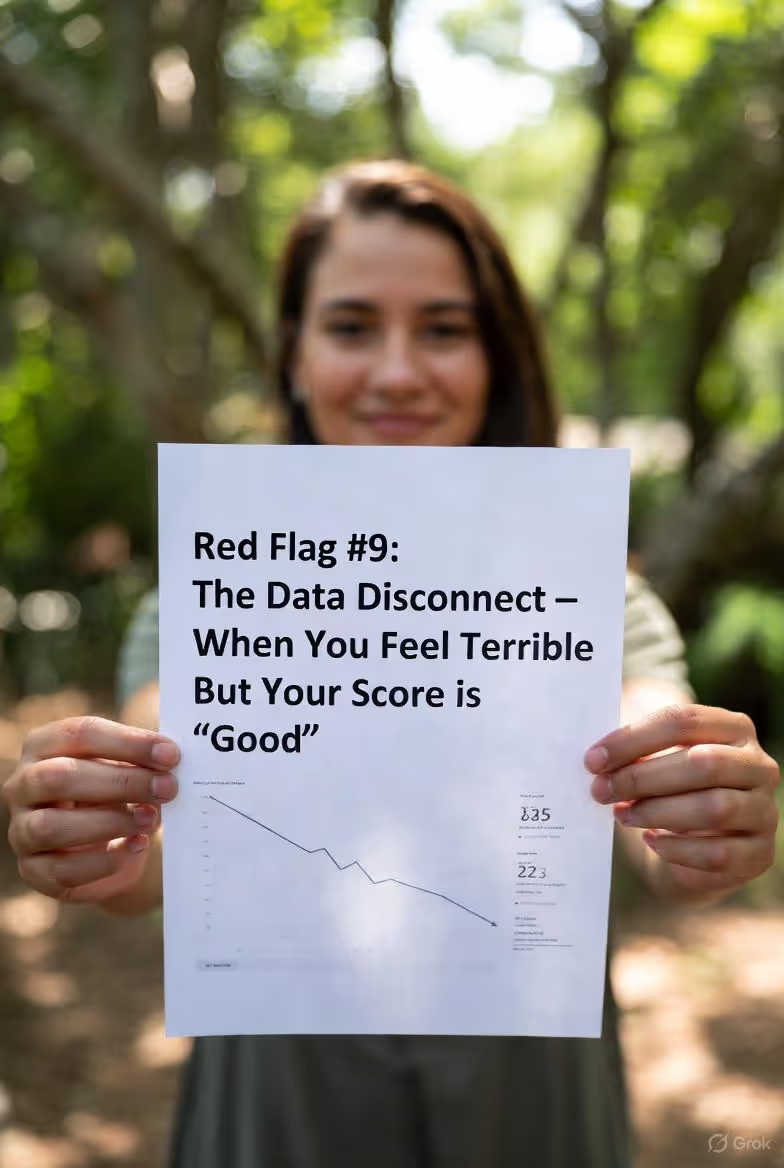
Red Flag #9: The Data Disconnect – When You Feel Terrible But Your Score is "Good"
This final red flag is perhaps the most psychologically complex and critical. It’s the experience of waking up feeling exhausted, foggy, and unrefreshed, only to check your sleep tracker and see a score in the "Good" or even "Excellent" range. This Data Disconnect can lead to frustration, self-doubt ("Is it all in my head?"), and a loss of trust in the technology. However, this mismatch is not a failure of the device or your perception; it is a crucial data point in itself. It signals that the algorithm’s standard model is missing something specific to your biology or that your subjective experience is capturing a dimension the sensors cannot.
What Your Body is Saying: Your subjective feeling of refreshment (sleep quality) and the algorithm’s objective score (based on movement, heart, and breathing) are two different, though related, constructs. A disconnect means one of the following:
The Algorithm's Blind Spot: Standard scores heavily weight duration and reduced movement. You may have slept a long, motionless sleep, but if it was dominated by light sleep with little deep or REM (which consumer devices estimate with less certainty), you won’t feel restored. Or, you may have an undetected sleep disorder (like UARS) that causes arousals without major movement or oxygen dips.
A Non-Sleep-Related Drain: Your fatigue may be stemming from factors outside of sleep that the ring can’t directly attribute, such as chronic pain, depression, nutrient deficiencies (e.g., B12, iron, vitamin D), hormonal imbalances (like hypothyroidism), or chronic fatigue syndromes. Your sleep data might be "normal," but your body is struggling with other pathologies.
Psychological or Emotional Exhaustion: Profound stress, grief, or emotional burnout can create a feeling of fatigue that sleep alone cannot remedy. The wear on your nervous system is real, but it may manifest more in daytime HRV and RHR than in the classic sleep metrics.
The Investigation Checklist:
Interrogate the Score Breakdown: Look past the headline number. Was your sleep duration long but your deep/REM sleep percentages low? Was your HRV low despite good sleep metrics? Drill into the components.
Track Subjective Metrics: Keep a simple daily journal alongside your data. Rate your morning refreshment, energy levels, mood, and brain fog on a scale of 1-10. Look for correlations or persistent disconnects.
Broaden Your Health View: Consider getting basic blood work to check for iron, ferritin, thyroid hormones (TSH, Free T3/T4), vitamin D, and B12. These are common, correctable causes of persistent fatigue with "normal" sleep.
Assess Mental and Emotional Health: Be honest with yourself about stress, anxiety, and mood. Could psychological factors be the primary driver?
Consider a More Advanced Device or Study: If the disconnect persists and is affecting your life, it may be worth discussing a clinical-grade home sleep test or polysomnography with a sleep specialist to rule out subtle disorders.
This red flag teaches a vital lesson: You are the ultimate interpreter of your data. The score is a guide, not a verdict. It should start a conversation with yourself, not end it. If you consistently feel terrible despite good scores, it’s a powerful indication to look beyond sleep hygiene and investigate broader health and lifestyle factors. This human-centric approach to data is why we designed Oxyzen to provide such detailed breakdowns—to foster understanding, not just scoring. For real-world examples of how users have navigated these disconnects, our testimonials page shares these powerful stories.
Red Flag #6: The Thermostat Glitch – Abnormal Sleep Body Temperature Trends
Your body temperature is not a fixed number but a dynamic, circadian-driven wave. Core temperature naturally drops in the evening to initiate sleep and reaches its nadir in the middle of the night, before rising in the early morning to help promote wakefulness. This delicate thermal rhythm, governed by your hypothalamus, is fundamental to sleep quality and overall metabolic health. Advanced wearables, particularly smart rings worn on the finger which can track peripheral temperature with high fidelity, now allow you to monitor this nocturnal curve. A consistently aberrant temperature profile—one that is too high, too low, or lacking its natural dip—is a profound, yet often overlooked, red flag.
What Your Body is Saying: Temperature dysregulation during sleep is a sign of systemic imbalance. It indicates that your body’s central thermostat or its methods of heat dissipation (like blood vessel dilation in the skin) are not functioning optimally. This disrupts the very biochemical cascade needed to fall and stay asleep, as the sleep-inducing hormone melatonin is partly released in response to that core temperature drop.
Potential Health Connections:
Metabolic Dysfunction and Insulin Resistance: A flatter nighttime temperature curve (a blunted drop) is strongly correlated with insulin resistance and metabolic syndrome. The body's ability to efficiently regulate energy and heat is compromised. Research suggests this may be due to mitochondrial inefficiency or disruptions in brown adipose tissue activity.
Subclinical Inflammation and Immune Activation: Inflammatory cytokines, released during infection or due to chronic inflammatory conditions, act as pyrogens—they raise the body’s internal temperature set-point. A consistently elevated baseline nighttime temperature can be a subtle sign of ongoing low-grade inflammation, long before other symptoms appear.
Hormonal Imbalances: The female menstrual cycle is a clear example of temperature’s sensitivity to hormones, with a post-ovulatory rise. In men, low testosterone can affect thermoregulation. Thyroid disorders are also major players; hyperthyroidism can cause overall temperature elevation, while hypothyroidism can lead to feeling abnormally cold.
Poor Sleep Onset and Fragmentation: If your body can’t cool down efficiently, you will struggle to fall asleep. This is why a cool bedroom is paramount. A high or rising temperature throughout the night can also cause repeated awakenings and lighter sleep.
Overtraining and Recovery Failure: Intense physical stress can alter thermoregulation. An elevated nighttime temperature can signal that the body is still in a high-metabolic, inflammatory state from training and failing to enter a full recovery mode.
The Investigation Checklist:
Establish Your Baseline: Look at your long-term (30-day) average temperature curve to understand your personal norm. Women should view this in the context of their menstrual cycle phases.
Note Deviations: Is your entire baseline shifting up or down over weeks? Or are you seeing a loss of the characteristic dip?
Cross-Reference: Is an elevated temperature paired with elevated RHR and low HRV? This trio is a powerful indicator of systemic stress, be it from illness, inflammation, or metabolic strain.
Consider Lifestyle Factors: Late, heavy meals, alcohol consumption, and sleeping in a room that’s too warm can all artificially raise nighttime skin temperature.
Evaluate Hydration and Circulation: Dehydration impairs the body's ability to thermoregulate through sweating.
Monitoring your temperature trend provides a unique window into your metabolic and hormonal health. It’s a parameter that often changes before you feel subjectively different. For instance, a creeping upward trend in baseline temperature could be your earliest sign of a food sensitivity or a brewing infection. By paying attention to this signal, you can make proactive adjustments to diet, stress, and sleep environment, or bring compelling data to an endocrinologist or functional medicine practitioner. It’s a key piece of the puzzle in our holistic view at Oxyzen, where we believe in tracking the complete physiological picture.
Red Flag #7: Irregular and Shallow Breathing Patterns During Sleep
Beyond the dramatic oxygen dips of apnea lies a more subtle, yet equally informative, metric: respiratory rate and stability. Most adults have a stable sleeping respiratory rate between 12 and 20 breaths per minute. While the absolute number is personal, significant deviations from your own baseline and a pattern of high variability (erratic, shallow breathing) are significant signals. This data, captured via minute chest movements or more accurately via pulse wave analysis on the finger (photoplethysmography or PPG), speaks to the quality of your autonomic regulation and respiratory health.
What Your Body is Saying: Stable, rhythmic breathing is a hallmark of parasympathetic (rest-and-digest) dominance and healthy lung function. Irregular, rapid, or shallow breathing (often defined as a high respiratory rate with low amplitude) indicates arousal, stress, or respiratory compensation. It’s a sign that your automatic breathing control centers are being perturbed.
Potential Health Connections:
Anxiety and Stress Intrusion: During the day, anxiety can cause rapid, shallow "chest breathing." This pattern often persists into sleep. Erratic breathing during sleep can be a direct reflection of a nervous system that is hypervigilant and unable to fully disengage.
Sleep-Disordered Breathing Beyond Apnea: Before events become severe enough to cause oxygen desaturation, the body may compensate with unstable breathing patterns. This can be a precursor or a milder form of Upper Airway Resistance Syndrome (UARS).
Cardiovascular Strain: In individuals with heart failure, a pattern called Cheyne-Stokes respiration—a cyclical waxing and waning of breath depth followed by apneas—can occur. While a wearable cannot diagnose this, a highly irregular, oscillating pattern warrants medical investigation.
Chronic Pain or Discomfort: Pain can alter breathing patterns, causing breath-holding or shallow, guarded breathing to avoid discomfort.
Poor Air Quality or Allergies: Allergens, dust, or poor air quality can cause airway irritation, leading to faster, less efficient breathing as the body works harder to oxygenate.
The Investigation Checklist:
Know Your Baseline: What is your typical, calm sleeping respiratory rate? A sustained increase of 2-3 breaths per minute from this baseline is noteworthy.
Look for Patterns: Is the irregularity throughout the night, or does it cluster in the second half (potentially linked to REM sleep or digestion)?
Correlate with Other Signals: Does erratic breathing coincide with spikes in heart rate or movement (arousals)? Is it paired with elevated RHR/low HRV (suggesting stress)?
Assess for Symptoms: Do you wake with a dry mouth, sore throat, or feeling unrefreshed? Do you have daytime nasal congestion or known allergies?
Review Environment: Consider potential allergens in your bedroom—dust mites, pet dander, mold—or dry air.
Addressing irregular breathing often starts with daytime practices. Implementing slow, deep diaphragmatic breathing exercises (like 4-7-8 breathing) before bed can train your nervous system for calm and carry over into sleep. Optimizing bedroom air quality with a HEPA filter and humidity control can also make a measurable difference. This metric underscores that sleep is not an isolated event but a continuation of your daytime physiological state. For practical tips on creating an ideal sleep sanctuary and breathing techniques, our blog offers a wealth of actionable guides.
Red Flag #8: The Consistency Crisis – Highly Variable Sleep and Wake Times
This red flag concerns not the internal quality of your sleep, but its timing—a factor that modern algorithms weigh heavily in overall Sleep Score calculations. Sleep Consistency refers to the regularity of your bedtime and wake time. In our 24/7 world, "social jetlag"—the chronic misalignment between your biological clock and your social clock—is an epidemic. Going to bed at 10 p.m. on weekdays and 1 a.m. on weekends creates a form of internal time-zone travel, confusing the intricate circadian system that governs nearly every physiological process.
What Your Body is Saying: Your circadian rhythm is orchestrated by a master clock in the brain (the suprachiasmatic nucleus) and peripheral clocks in every organ. These clocks rely on consistent external cues, especially light and darkness, to stay synchronized. Erratic sleep timing sends conflicting signals, leading to a state of internal desynchrony. It’s like having the conductor of an orchestra show up at random times; the musicians (your hormones, organs, and cells) fall out of harmony.
Potential Health Connections:
Metabolic Chaos and Weight Gain: Circadian misalignment directly disrupts the hormones leptin (satiety) and ghrelin (hunger), leading to increased appetite and cravings for high-calorie foods. It also impairs glucose metabolism and insulin sensitivity, significantly raising the risk for obesity and type 2 diabetes.
Mood Disorders: A disrupted circadian rhythm is a core component of major depressive disorder, bipolar disorder, and seasonal affective disorder (SAD). Irregular sleep can both trigger and exacerbate mood instability.
Impaired Immune Function: Immune cell trafficking and cytokine release follow strong circadian patterns. Inconsistent sleep weakens immune surveillance and response, making you more susceptible to infections.
Cognitive Impairment: Memory consolidation, learning, and executive function are tied to circadian cycles. Social jetlag is associated with reduced cognitive performance, akin to the effects of chronic sleep deprivation.
Cardiovascular Risk: Shift work, the extreme of circadian disruption, is a known carcinogen and cardiovascular risk factor. Even milder weekly variability in sleep timing is associated with higher blood pressure and poorer lipid profiles.
The Investigation Checklist:
Quantify Your Variability: Use your tracker’s consistency score or simply note the standard deviation of your bedtime over a month. A swing of more than 60 minutes regularly is problematic.
Assess Light Exposure: Are you exposing yourself to bright blue light (screens) late at night, which delays your clock? Are you getting bright morning light to anchor it?
Correlate with Daytime Energy: Do you feel significantly worse on Monday mornings or after a weekend of late nights?
Review Work/Life Demands: Are you creating your own inconsistency, or is it driven by an unavoidable schedule (shift work)?
Fixing consistency is one of the most powerful, non-pharmacological interventions for health. It involves prioritizing a regular wake time (even on weekends) as the anchor, and allowing bedtime to naturally follow. It means managing light exposure—dimming lights in the evening and seeking morning sunlight. The payoff is a more robust, resilient, and synchronized physiology. As we often discuss with our community, stability in your daily rhythm is the foundation upon which all other wellness habits are built. If you're struggling with shift work or irregular schedules, our FAQ has specific strategies to help.
Red Flag #9: The Data Disconnect – When You Feel Terrible But Your Score is "Good"
This final red flag is perhaps the most psychologically complex and critical. It’s the experience of waking up feeling exhausted, foggy, and unrefreshed, only to check your sleep tracker and see a score in the "Good" or even "Excellent" range. This Data Disconnect can lead to frustration, self-doubt ("Is it all in my head?"), and a loss of trust in the technology. However, this mismatch is not a failure of the device or your perception; it is a crucial data point in itself. It signals that the algorithm’s standard model is missing something specific to your biology or that your subjective experience is capturing a dimension the sensors cannot.
What Your Body is Saying: Your subjective feeling of refreshment (sleep quality) and the algorithm’s objective score (based on movement, heart, and breathing) are two different, though related, constructs. A disconnect means one of the following:
The Algorithm's Blind Spot: Standard scores heavily weight duration and reduced movement. You may have slept a long, motionless sleep, but if it was dominated by light sleep with little deep or REM (which consumer devices estimate with less certainty), you won’t feel restored. Or, you may have an undetected sleep disorder (like UARS) that causes arousals without major movement or oxygen dips.
A Non-Sleep-Related Drain: Your fatigue may be stemming from factors outside of sleep that the ring can’t directly attribute, such as chronic pain, depression, nutrient deficiencies (e.g., B12, iron, vitamin D), hormonal imbalances (like hypothyroidism), or chronic fatigue syndromes. Your sleep data might be "normal," but your body is struggling with other pathologies.
Psychological or Emotional Exhaustion: Profound stress, grief, or emotional burnout can create a feeling of fatigue that sleep alone cannot remedy. The wear on your nervous system is real, but it may manifest more in daytime HRV and RHR than in the classic sleep metrics.
The Investigation Checklist:
Interrogate the Score Breakdown: Look past the headline number. Was your sleep duration long but your deep/REM sleep percentages low? Was your HRV low despite good sleep metrics? Drill into the components.
Track Subjective Metrics: Keep a simple daily journal alongside your data. Rate your morning refreshment, energy levels, mood, and brain fog on a scale of 1-10. Look for correlations or persistent disconnects.
Broaden Your Health View: Consider getting basic blood work to check for iron, ferritin, thyroid hormones (TSH, Free T3/T4), vitamin D, and B12. These are common, correctable causes of persistent fatigue with "normal" sleep.
Assess Mental and Emotional Health: Be honest with yourself about stress, anxiety, and mood. Could psychological factors be the primary driver?
Consider a More Advanced Device or Study: If the disconnect persists and is affecting your life, it may be worth discussing a clinical-grade home sleep test or polysomnography with a sleep specialist to rule out subtle disorders.
This red flag teaches a vital lesson: You are the ultimate interpreter of your data. The score is a guide, not a verdict. It should start a conversation with yourself, not end it. If you consistently feel terrible despite good scores, it’s a powerful indication to look beyond sleep hygiene and investigate broader health and lifestyle factors. This human-centric approach to data is why we designed Oxyzen to provide such detailed breakdowns—to foster understanding, not just scoring. For real-world examples of how users have navigated these disconnects, our testimonials page shares these powerful stories.
In the next portion of this comprehensive guide, we will move from identification to action. We will explore how to systematically investigate these red flags, when to seek professional medical advice, and how to use your wearable data to have productive conversations with your doctor. We will also build a personalized framework for intervention, targeting each specific red flag with evidence-based strategies for sleep optimization, stress management, and lifestyle change, turning alarming data into a roadmap for revitalized health.
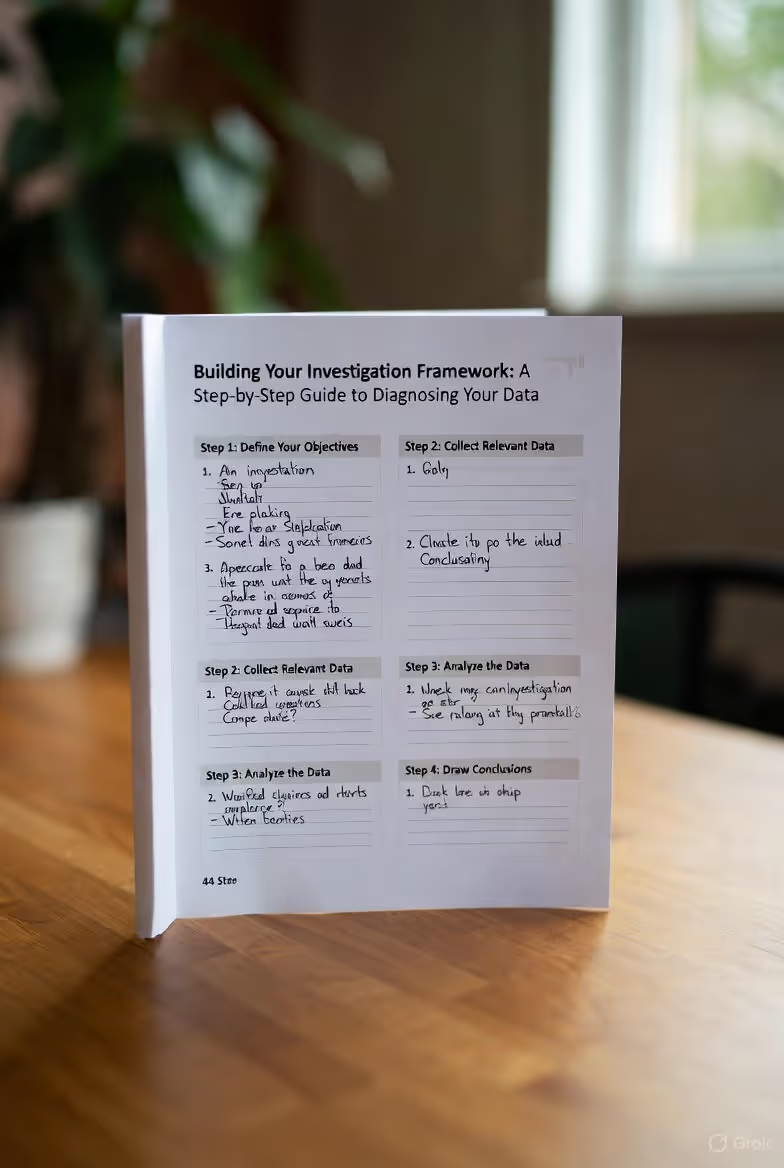
Building Your Investigation Framework: A Step-by-Step Guide to Diagnosing Your Data
Identifying a red flag is only the beginning. The power of this technology lies not in fostering anxiety but in enabling informed, systematic investigation. When you spot a persistent anomaly—be it elevated RHR, vanishing deep sleep, or a troubling oxygen trend—you move from being a passive observer to an active health detective. This framework provides a structured, rational approach to diagnosing the story your sleep data is telling, helping you rule out common culprits and pinpoint when professional help is essential.
Step 1: Establish a True Baseline and Rule Out "Noise"
The first rule of biometric interpretation is: Never overreact to a single data point. Human physiology is variable. A single night of poor sleep or a high RHR can be caused by a myriad of transient, non-pathological factors.
The "Noise" Checklist:
Diet & Alcohol: Did you have a large, heavy, or spicy meal within 3 hours of bedtime? Did you consume alcohol? Alcohol notoriously suppresses REM sleep, increases awakenings in the second half of the night, and elevates heart rate.
Exercise Timing: An intense workout too close to bedtime can keep your core temperature, heart rate, and sympathetic nervous system elevated, disrupting sleep onset and architecture.
Acute Stress: A difficult conversation, a work deadline, or family stress can create a one- or two-night spike in RHR and a drop in HRV.
Environmental Factors: Was your room unusually hot, cold, noisy, or bright? Did you sleep in an unfamiliar place?
Caffeine & Stimulants: A late afternoon coffee or even certain medications can have longer-than-expected half-lives.
Action: Before delving deeper, ensure you have a persistent trend. Look at a 7-day and 30-day rolling average in your app. A true red flag is a deviation that lasts for 10-14 days or more, beyond these obvious lifestyle perturbations. Tools like the Oura Ring, Whoop, and Oxyzen smart ring excel at showing these longitudinal trends, separating signal from noise.
Step 2: Correlate Across Multiple Metrics – The Power of Data Triangulation
No single metric tells the whole story. The true diagnostic power emerges when you cross-reference. This is where an advanced wearable that captures a holistic data set becomes invaluable.
Key Correlation Patterns to Investigate:
Pattern A: The Stress & Inflammation Signature
Metrics: Elevated Nighttime RHR + Low/Declining HRV + High Body Temperature Baseline.
Story: This triad strongly suggests your body is under sustained systemic load. This could be psychological stress, low-grade inflammation from diet or an autoimmune issue, a lingering subclinical infection, or metabolic strain. Your nervous system is stuck in "fight-or-flight," and recovery is impaired.
Pattern B: The Sleep-Disordered Breathing Hypothesis
Metrics: Frequent SpO2 Dips + High Restlessness/Toss-and-Turn + Elevated RHR (upon awakening) + Low Deep Sleep.
Story: Oxygen desaturations paired with movement arousals and poor restorative sleep are hallmarks of apnea or UARS. The heart rate often remains elevated due to the stress of repeated breathing events.
Story: Erratic bed and wake times disrupt the timing of sleep stages and autonomic stability. This pattern often underlies metabolic issues and daytime fatigue despite adequate time in bed.
Action: Use the journal feature in your app or a simple notebook. When you see a primary red flag, immediately check the other metrics for that night and the surrounding trend. Document the pattern. This multi-parameter view is what you will bring to a healthcare professional.
Step 3: Conduct a Lifestyle and Environment Audit
With a correlated pattern identified, it’s time to scrutinize your daily habits and sleep sanctuary. This is the domain of variables you can directly control.
The Comprehensive Audit List:
Pre-Sleep Routine (Last 90 Minutes):
Are you engaged with stimulating content (work, intense TV, social media)?
Is your environment bright with blue-light-emitting screens?
Are you consuming food, alcohol, or caffeine?
Is your routine chaotic or calm?
Sleep Environment:
Temperature: Is your bedroom between 60-67°F (15-19°C)? Is your bedding breathable?
Light: Is it pitch dark? Consider blackout curtains and covering any LED indicators.
Sound: Is it quiet? Consider a white noise machine to mask inconsistent sounds.
Comfort: Is your mattress supportive? Are your pillows appropriate for your sleep position?
Air Quality: Is the air dry or allergen-filled? Consider a humidifier or HEPA air purifier.
Daytime Habits:
Light Exposure: Do you get bright, natural light within 30-60 minutes of waking? This is the strongest anchor for your circadian rhythm.
Stress Management: Do you have practices to down-regulate your nervous system (e.g., mindfulness, walking in nature, deep breathing)?
Nutrition & Hydration: Are you eating a balanced diet? Are you adequately hydrated throughout the day (not just before bed)?
Action: Systematically test changes. For one week, enforce a strict digital sunset. For another, optimize your bedroom temperature. Note the impact on your biometric trends. This methodical testing turns guesswork into data-driven self-experimentation. For a detailed guide on conducting a full sleep environment audit, our blog offers a room-by-room checklist.
Step 4: Know When to Seek Professional Help – Bridging the Data Gap
Your smart ring is a world-class screening tool, but it is not a diagnostic device. Its ultimate value is in providing objective, longitudinal data to inform a clinical conversation. Here’s when and how to take that step.
Clear Indicators for Professional Consultation:
Persistent, Patterned SpO2 Dips: If you see frequent (e.g., more than 5 per hour) desaturation events, especially if they are cyclical, it is time to see a sleep specialist or your primary care physician. This is the highest-priority red flag for referral.
Chronic, Unexplained Fatigue with "Good" Data: If you have followed the investigation framework for 4-6 weeks, made lifestyle changes, and still feel debilitating fatigue despite normalized sleep scores, consult your doctor. Request blood tests to rule out deficiencies (iron, B12, Vitamin D) and hormonal issues (thyroid, cortisol).
Suspicion of Restless Legs Syndrome (RLS) or Periodic Limb Movement Disorder (PLMD): If your restlessness is accompanied by uncomfortable leg sensations or your partner reports rhythmic kicking, a neurologist or sleep specialist can provide a diagnosis and treatment.
Unremitting High RHR/Low HRV Despite Stress Management: If your autonomic nervous system metrics show chronic distress without an identifiable lifestyle cause, cardiovascular or endocrine evaluation may be necessary.
Significant Impact on Daytime Function: If your sleep issues are causing excessive daytime sleepiness that affects driving, work performance, or mood to a debilitating degree, seek help.
How to Prepare for the Doctor's Visit – The Data-Driven Patient:
Walking into a doctor's office with, "My sleep tracker says my score is bad," may not be effective. Walking in with the following is transformative:
A One-Page Summary: Create a simple document.
Presenting Concern: "I have experienced unrefreshing sleep and daytime fatigue for 3 months."
Key Biometric Findings: "My data shows a persistent trend of elevated nighttime resting heart rate (average +8 BPM from baseline), low heart rate variability, and frequent oxygen desaturations (attached graphs)."
Lifestyle Interventions Attempted: "I have optimized my sleep environment, eliminated alcohol after 6 PM, and maintained a consistent bedtime for 4 weeks with minimal change in these metrics."
Specific Request: "Given this data, I am concerned about sleep-disordered breathing and would like to discuss a referral for a sleep study."
Visual Data: Screenshot clear graphs from your app showing the 30-day trends of your key red flags. A picture is worth a thousand words.
A Symptom Journal: Supplement the quantitative data with 2 weeks of qualitative notes on morning refreshment, daytime energy crashes, and observed snoring/gasping.
This approach transforms you from a passive patient into a collaborative partner. It provides the clinician with objective evidence that transcends subjective reporting, often leading to faster, more accurate referrals and diagnoses. For more on how to compile and present your health data, our FAQ section provides templates and tips.
From Data to Diagnosis: Common Medical Conditions Linked to Sleep Data Red Flags
Understanding the potential clinical correlates of your data demystifies the process and underscores its importance. Here, we connect persistent biometric patterns to conditions a healthcare provider might investigate.
Condition Focus: Sleep Apnea and Beyond
As highlighted, Obstructive Sleep Apnea (OSA) is a prime target for wearable detection. The classic data profile includes:
Signature: Cyclic SpO2 dips (every 1-2 minutes), correlated with movement arousals (restlessness), elevated RHR, and low deep sleep.
Next Step: A home sleep apnea test (HSAT) or in-lab polysomnography (PSG) is the diagnostic gold standard. Treatment (like CPAP therapy) often produces dramatic improvements not only in sleep scores but also in daytime RHR and HRV, showcasing the body's recovery.
Upper Airway Resistance Syndrome (UARS) is a related condition where breathing is labored and causes arousals, but without the pronounced oxygen dips of classic apnea. Its signature can be more subtle:
Signature: High restlessness and frequent awakenings, elevated RHR, without major SpO2 drops. It often presents with a high respiratory rate variability.
Diagnosis Challenge: UARS can be missed by standard HSATs and sometimes requires more sensitive PSG scoring. Your data showing high arousal counts with "normal" oxygen is a key clue to bring up with a sleep specialist.
Condition Focus: Cardiovascular and Metabolic Strain
Chronic sleep disruption and autonomic imbalance are direct pathways to cardiometabolic disease.
Hypertension & Cardiovascular Risk: Persistent high nighttime RHR and low HRV are independent risk factors. They indicate constant sympathetic overdrive and vascular stress. This pattern warrants a blood pressure check and potentially a cardiac workup.
Insulin Resistance & Type 2 Diabetes: The culprits here are often low deep sleep, high sleep consistency variability, and a blunted nighttime temperature dip. These disrupt glucose metabolism and insulin sensitivity. If this is your pattern, fasting glucose and HbA1c tests are prudent.
Condition Focus: Mental Health and Neurological Links
The brain is both a driver and a victim of poor sleep.
Anxiety and Depression: The bidirectional relationship is clear in the data. Low REM sleep, low HRV, and high RHR are common features. Treating the sleep disturbance is often a core component of treating the mood disorder.
Chronic Fatigue Syndrome (CFS/ME) and Fibromyalgia: Patients often report severe unrefreshing sleep—the classic "Data Disconnect." Polysomnography may show alpha-wave intrusions into deep sleep (a pattern consumer trackers can't detect), explaining the feeling of exhaustion despite "adequate" sleep metrics. This disconnect itself is a diagnostic clue.
The Takeaway: Your sleep data provides a pre-clinical map. It shows the terrain of your health—the stress points, the blocked pathways, the unstable ground. A medical professional uses this map, combined with their expertise and diagnostic tools, to navigate to a precise diagnosis. By providing this map, you accelerate the journey. To understand how this collaborative approach aligns with our core philosophy, you can learn more about Oxyzen's mission to empower personal health discovery.
Creating Your Personalized Intervention Plan: Targeting Each Red Flag
Armed with investigation and, if necessary, professional guidance, the final step is targeted action. This is not about generic "sleep hygiene" tips, but about building a customized protocol based on your specific red flag profile. Think of it as biohacking your way to restoration.
Intervention Protocol for Autonomic Imbalance (High RHR, Low HRV)
Goal: Shift nervous system from sympathetic (fight-or-flight) to parasympathetic (rest-and-digest) dominance.
Strategic Breathwork: Implement daily "physiological sigh" practice (double inhale through nose, long exhale through mouth). This is a rapid, on-demand nervous system reset. Before bed, practice 5-10 minutes of 4-7-8 breathing (inhale 4, hold 7, exhale 8).
Temperature Therapy: Evening warm bath or shower 1-2 hours before bed. The subsequent drop in core temperature as you cool down is a powerful sleep signal and promotes parasympathetic activation.
Manage Training Load: If you’re active, use HRV as your guide. If HRV is low, swap a high-intensity workout for gentle movement like walking, yoga, or stretching. Prioritize recovery.
Digital Sunset & Dawn: Enforce a 60-minute screen curfew. In the morning, get 5-10 minutes of bright, outdoor light without sunglasses to anchor your circadian rhythm, which stabilizes autonomic function.
Intervention Protocol for Suspected Sleep-Disordered Breathing
Goal: Reduce airway obstruction and improve nocturnal oxygenation.
Positional Therapy: If you are a back sleeper (supine), apnea events are often worse. Use a wearable positional trainer or a simple tennis ball sewn into the back of a t-shirt to encourage side sleeping.
Nasal Breathing Optimization: Practice daytime nasal breathing only. Use breath-striping tape (like mouth tape) with caution and only if you can breathe comfortably through your nose to encourage nasal breathing during sleep, which reduces snoring and apneas.
Weight Management & Evening Nutrition: If applicable, even a 5-10% reduction in body weight can significantly improve OSA. Avoid heavy meals and alcohol within 3-4 hours of bedtime, as they relax airway muscles.
Professional Evaluation: This protocol should run in parallel with seeking a diagnosis, not instead of it.
Intervention Protocol for Poor Sleep Architecture (Low Deep/REM)
Goal: Increase time and quality of restorative sleep stages.
Protect Sleep Duration and Timing: Never sacrifice sleep for an early workout. Deep sleep is prioritized earlier in the night, while REM dominates later. Ensure you have a long enough, consistent sleep window to complete multiple full cycles.
Optimize Nutrient Timing: Consume complex carbohydrates with tryptophan (e.g., oatmeal with walnuts, banana with almond butter) in a small snack 60-90 minutes before bed. This can facilitate serotonin and melatonin production.
Minimize Alcohol and THC: These are REM and deep sleep suppressants. For a true restoration reset, consider a 30-day elimination period while monitoring your stage data.
Manage the Mind: To increase deep sleep, engage in high-intensity physical activity earlier in the day. To protect REM, engage in creative or emotionally processing activities (like journaling) in the evening to reduce cognitive load.
Intervention Protocol for Circadian Disruption (Poor Consistency)
Goal: Strengthen and entrain the internal body clock.
Anchor Your Wake Time: Choose a consistent wake-up time and stick to it every single day, weekends included. This is the most powerful lever for circadian stability. Use morning light exposure immediately after waking to reinforce it.
Evening Light Management: Install blue-light blocking apps on all devices after sunset. Use dim, warm-toned lighting in your home. Consider amber-tinted glasses if you must be in bright environments at night.
Meal Timing: Try to eat your meals at consistent times each day, and avoid large meals close to bedtime. Time-restricted eating (e.g., a 12-hour eating window) can also strengthen circadian rhythms.
The 20-Minute Rule: If you can't fall asleep within 20 minutes, get out of bed. Do a quiet, non-stimulating activity in dim light (like reading a physical book) until you feel sleepy. This prevents your brain from associating the bed with wakefulness.
The Iterative Process: Track, Adjust, Refine
Implement one intervention at a time for a minimum of one week while closely monitoring your key metrics. Did your HRV improve by 5%? Did your deep sleep percentage increase? Use the objective data to validate what works for your unique biology.
This process of hypothesis, experimentation, and validation is the core of modern, empowered wellness. It turns your smart ring from a passive reporter into an active coach in your health optimization journey. The stories of transformation that emerge from this process are profound, and we are continually inspired by those shared on our testimonials page.



%402x.svg)