


HRV Explained in 5 Minutes: The Beginner's Guide to Heart Rate Variability
A quick beginner's guide to understanding Heart Rate Variability.
A quick beginner's guide to understanding Heart Rate Variability.
%402x.svg)
Your heart is talking to you. Not in words, of course, but in a subtle, intricate language of milliseconds—the tiny, fluctuating spaces between each beat. Most of us think of a healthy heart as a perfect, metronomic drum: thump-thump-thump-thump. But modern science reveals the opposite is true. A sign of a truly resilient, healthy, and adaptable nervous system is a heart that dances—a rhythm that is constantly, subtly changing. This is your Heart Rate Variability (HRV), and understanding its language is one of the most profound things you can do for your overall well-being.
For decades, this metric was confined to cardiology labs and elite athletic training facilities. Today, thanks to wearable technology like advanced smart rings, this deep physiological signal is accessible right on your finger. It’s a window into your stress, recovery, fitness, and even your emotional state. Yet, for something so powerful, it remains shrouded in mystery and misunderstanding.
This guide is designed to change that. We’re going to demystify HRV completely, translating the complex science into actionable wisdom you can use today. Whether you're a biohacker looking to optimize performance, someone navigating chronic stress, or simply a person curious about the inner workings of your own body, this is your map. We’ll start with the absolute fundamentals—what HRV actually is—and journey through the science, the measurement, and the practical steps to improve it. By the end, you'll not only understand your HRV, you'll know how to listen to what it's telling you and how to respond.
Let's begin by unraveling the biggest misconception of all: that a variable heart is an anxious one.
If you glance at a fitness tracker or smartwatch, you’ll see your heart rate—the number of times your heart beats per minute (BPM). It’s a straightforward metric: 60 BPM means your heart is contracting once per second. Heart Rate Variability is completely different. HRV measures the variation in time between each of those successive heartbeats, specifically the R-R intervals (the time between peaks) measured in milliseconds.
Imagine two people both with an average heart rate of 60 BPM over a minute.
Both average 60 BPM. But Person A has high HRV (the intervals vary), and Person B has low or zero HRV (the intervals are perfectly uniform). Counterintuitively, Person A is likely in a state of better physiological adaptability and health. This variability is not randomness or arrhythmia; it is a precise, elegant reflection of your autonomic nervous system (ANS) at work.
Your ANS is the autopilot of your body, controlling functions you don’t consciously think about: digestion, breathing, and yes, heart rate. It has two primary branches constantly engaged in a delicate tug-of-war:
HRV is the real-time readout of this conversation. When your body is calm, safe, and recovering, the parasympathetic brake is gently applied, slowing the heart down slightly on the out-breath, creating variability. When stress hits, the sympathetic accelerator presses down, speeding the heart up and reducing that subtle variability to create a more steady, driven rhythm for action.
Therefore, a higher HRV generally indicates a strong, responsive parasympathetic system and a body that is resilient, recovered, and adaptable. A lower HRV can signal a dominant sympathetic state—often from chronic stress, overtraining, illness, or poor sleep—meaning your body is under strain and has less capacity to adapt to new challenges.
It’s a foundational biomarker of your system’s flexibility. To truly appreciate its power, we need to travel back in time and see how this knowledge evolved from ancient observation to a cornerstone of modern quantifiable health.
The story of HRV is a fascinating journey through medical history, proving that while our technology is new, the observation is ancient. The intuitive understanding of the pulse’s significance dates back thousands of years.
Ancient Foundations: The Pulse as a Diagnostic Art
In traditional Chinese medicine, as early as the Shang Dynasty (1600–1046 BCE), physicians like Bian Que were revered for their mastery of pulse diagnosis. They would palpate the radial artery at three positions on each wrist, feeling not just for speed, but for a spectrum of qualities: depth, strength, width, and rhythm. They believed the pulse carried a complete picture of the body’s energy (Qi) and the balance between organs. A "slippery," "wiry," or "choppy" pulse indicated different imbalances. While they didn’t measure milliseconds, they were acutely attuned to the subtle variability and texture of the heartbeat, linking it directly to overall health.
Similarly, Ayurvedic medicine in India developed Nadi Pariksha (pulse diagnosis), a practice where a Vaidya (physician) uses three fingers to assess the Vata, Pitta, and Kapha doshas from the pulse's rhythm, amplitude, and force. The Greek physician Galen (129–216 AD) also wrote extensively on the pulse’s qualities. These were the first, profound recognitions that the heartbeat’s story was richer than just its speed.
The Scientific Revolution: From Marey to Medical Monitoring
The leap from qualitative art to quantitative science began in the 18th and 19th centuries. In 1733, Reverend Stephen Hales made the first direct measurement of arterial pressure in a horse. But the pivotal moment came with the invention of the electrocardiogram (ECG) by Willem Einthoven in the early 1900s. For the first time, the electrical activity of the heart could be visualized precisely on paper, allowing scientists to measure the exact time between R-wave peaks.
However, for decades, physicians considered this inter-beat interval variation as inconsequential "noise" or even benign arrhythmia. The focus remained squarely on the average rate. The paradigm shift started in the 1960s when researchers began to correlate this "noise" with health outcomes. They discovered that fetal distress was marked by a loss of heart rate variability long before a change in average heart rate. This was the first major clinical clue that HRV mattered.
The Space Age and Modern Emergence
The most compelling chapter in HRV’s modern history was written by NASA. In the 1960s and 70s, as they prepared for long-duration spaceflight, they needed a way to monitor astronaut health and fitness in the extreme environment of space. They discovered that HRV was a superb, non-invasive marker of autonomic nervous system function and adaptation to stress. A dropping HRV could signal fatigue, excessive workload, or the onset of illness—critical information when you're 240,000 miles from Earth.
This research ignited a firestorm of clinical interest. Throughout the 1980s and 1990s, large-scale studies, like the famous Framingham Heart Study, cemented HRV’s prognostic power. They found that reduced HRV was a stronger predictor of mortality after a heart attack than traditional risk factors like ejection fraction. It was linked to diabetes, depression, and chronic heart failure. Concurrently, sports scientists began using it to optimize athletic training, using rises and falls in HRV to tailor workout intensity and prevent overtraining.
Today, we stand at the convergence of this deep clinical legacy and the democratization of technology. With devices like the Oxyzen smart ring, the same biomarker used to keep astronauts safe and predict cardiac mortality is now available for anyone to track their daily stress, recovery, and resilience. It’s a profound tool, but to use it effectively, we must understand the two master systems that write its message: the nervous system and the heart itself.

To truly grasp HRV, you must meet the unseen conductors of your body’s orchestra: the Sympathetic and Parasympathetic branches of the Autonomic Nervous System. Think of them not as simple on/off switches, but as dynamic, ever-adjusting dials that govern your entire physiological state. HRV is the clearest readout we have of the tension and balance between them.
The Sympathetic Nervous System: The Accelerator
The SNS is your mobilization system. Evolved for survival, it prepares you to face a threat or seize an opportunity. When activated—by a sudden noise, a demanding boss, or a heavy barbell—it triggers a cascade of effects:
This is the "fight-or-flight" response. It’s brilliant and essential for acute challenges. The problem in modern life is that psychological stressors—emails, traffic, financial worries—can trigger this same physiological cascade chronically, leaving the sympathetic dial subtly but persistently turned up. This constant state of low-grade mobilization suppresses HRV.
The Parasympathetic Nervous System: The Brake
The PNS, predominantly mediated by the tenth cranial nerve or vagus nerve, is your restoration and growth system. Its domain is "rest-and-digest" or "feed-and-breed." When dominant, it promotes:
The vagus nerve is the key player here. It acts like a gentle, rhythmic brake on the heart’s pacemaker (the sinoatrial node). With each exhale, the vagus nerve fires, slowing the heart down slightly. This respiratory-linked rhythm is a major component of HRV and is why coherent breathing techniques are so powerful. A strong, toned vagus nerve means a more responsive brake, leading to higher HRV and faster recovery from stress.
The Balance and the Rhythm
Health is not about being perpetually parasympathetic. It’s about high autonomic flexibility—the ability to press the accelerator powerfully when needed (a hard workout, a critical presentation) and then efficiently apply the brake to recover afterward. A high HRV reflects this flexibility: a nervous system that can make rapid, appropriate adjustments moment-to-moment.
A low HRV often indicates a system stuck in a pattern. This could be:
Understanding this duel is the first step. The next is to see exactly how this nervous system conversation manifests in the physical chambers of your heart, creating the measurable signal we call HRV.
We’ve been culturally programmed to see the heart as a simple mechanical pump—a sophisticated muscle that merely responds to orders from the brain. This view is radically incomplete. The heart is, in fact, a complex sensory organ and information encoding center with its own intrinsic nervous system, often called the "heart brain" or intrinsic cardiac nervous system.
This discovery reshapes our understanding of HRV. The heart doesn’t just obey; it communicates.
The Heart’s Own Nervous System
Embedded in the tissue of the heart is a network of over 40,000 neurons, along with a complex array of neurotransmitters and support cells. This "little brain in the heart" can sense, process information, learn, remember, and make functional decisions independent of the cranial brain. It controls local heart rate, rhythm, and contraction force, processing information from the body and sending vast amounts of data up to the brain.
The Neural Dialogue: From the Heart to the Head
The primary highway for this communication is the vagus nerve. For decades, we thought 90% of its fibers carried signals from the brain down to the organs. We now know the opposite is true: up to 90% of the fibers in the vagus nerve are afferent, carrying information from the heart and other organs up to the brain.
The heart sends a constant, rhythmic pattern of neurological signals to the brainstem, which then influences higher brain centers involved in perception, emotion, and cognitive function. The pattern of this heartbeat signal matters profoundly:
The Hormonal Conversation
The heart is also an endocrine gland. It secretes Atrial Natriuretic Peptide (ANP), a hormone that reduces stress hormones like cortisol, inhibits the sympathetic nervous system, and promotes feelings of calm. A heart functioning in a healthy, rhythmic state secretes ANP effectively, creating a positive feedback loop for relaxation. This is a concrete example of how the heart’s behavior directly influences the body’s stress chemistry.
What This Means for You and Your HRV
This two-way street means that working on your "heart brain" directly benefits your "head brain." Practices that increase HRV and create heart coherence—like heart-focused breathing, gratitude, or compassion—are not just "feeling good" exercises. They are literal neuro-cardio training. You are using the heart’s powerful communication channel to send a signal of safety and order to the brain, which then reshapes your entire physiological and emotional landscape.
This is why tracking HRV is so much more than tracking fitness; it’s tracking the quality of this fundamental heart-brain dialogue. For those curious about the tangible tools that make this tracking possible, our exploration into the science behind modern wearables reveals how devices like smart rings capture this intricate conversation. Now that we understand the why, let's dive into the how—the specific methods used to quantify this complex signal.
Capturing the subtle millisecond variations of HRV requires precise technology. The journey from a clinical gold standard to a comfortable device you wear daily is a triumph of miniaturization and sensor innovation.
The Gold Standard: Electrocardiogram (ECG)
In a medical or research setting, HRV is derived from an electrocardiogram. Adhesive electrodes are placed on the skin to detect the heart’s electrical activity with high fidelity. The precise timing of the R-wave peaks (the sharp upward spikes representing ventricular contraction) is recorded, creating a series of R-R intervals. This data is then analyzed using sophisticated mathematical methods (which we’ll cover next) to calculate HRV. It’s highly accurate but impractical for continuous, daily life monitoring.
The Modern Workhorse: Photoplethysmography (PPG)
This is the technology inside your smart ring, fitness band, and most optical heart rate monitors. PPG works by shining a green LED light (sometimes red or infrared) onto the skin, typically on the underside of a wrist or finger. A photodetector then measures the amount of light reflected back.
Here’s the key principle: Blood absorbs light more than surrounding tissue. With each heartbeat, a pulse of blood surges through the capillaries, momentarily increasing blood volume and thus light absorption. Between beats, blood volume decreases, and more light is reflected back. The sensor creates a waveform—a pulse wave—that corresponds to your heartbeat. The time between peaks of these pulse waves is used to estimate the inter-beat intervals, similar to an ECG.
PPG vs. ECG: Understanding the Trade-offs
Best Practices for Accurate HRV Measurement
To get reliable, meaningful HRV data from a wearable:
Understanding measurement is the bridge to the numbers themselves. Once we have a clean series of inter-beat intervals, we need sophisticated math to interpret the story they tell. This leads us to the different domains of HRV analysis.

Raw inter-beat interval data is just a list of numbers. To extract meaning, we need mathematical lenses. Scientists use three primary types of analysis to view HRV from different angles, each revealing a different aspect of your autonomic nervous system's function.
Time Domain Analysis: The Statistical View
This is the most intuitive method. It applies statistical formulas directly to the series of R-R intervals. Common metrics include:
Think of time domain as giving you the "summary statistics" of your heart's rhythm—its overall spread and short-term fluctuations.
Frequency Domain Analysis: The Spectral View
This more advanced technique uses a mathematical transformation (Fast Fourier Transform) to break down the heart rhythm into its constituent frequency "waves," much like a prism splits white light into a rainbow. It shows how much power (variability) is present at different oscillation frequencies.
The LF/HF Ratio was once simplistically used as a "sympathovagal balance" score, but this interpretation is now widely cautioned against in the scientific community. Frequency analysis is powerful in research and clinical settings, providing a nuanced map of autonomic inputs.
Non-Linear Analysis: The Complexity View
This is the cutting edge. It views the heart not as a simple oscillator but as a complex, dynamic system. Healthy systems are not just variable; they are complexly variable. Think of the difference between the monotonous tap of a metronome (ordered, predictable, low complexity) and the rhythm of jazz drums (variable, unpredictable, but with an underlying order—high complexity). Non-linear metrics like Sample Entropy or DFA Alpha 1 quantify this "complexity." A loss of complexity (the system becomes more predictable) is associated with aging, disease, and fatigue.
What This Means for You
Most consumer devices, for simplicity, provide you with a primary metric—often RMSSD—because it’s a reliable, parasympathetic-focused number that responds well to lifestyle interventions. Advanced platforms may show SDNN or even provide simplified frequency graphs. The key takeaway is that behind your single "HRV score" lies a rich, multidimensional physiological portrait. To learn more about how your specific device calculates and interprets this data, consult our detailed FAQ.
Now, equipped with an understanding of the "what" and the "how," we arrive at the most critical question: What do the numbers actually mean for your life?
You’ve tracked your HRV, and now you have a number—let’s say it’s 52 ms (using RMSSD). Is that good? Bad? Average? Interpreting HRV is deeply personal, but guided by science. Here’s a framework to understand your score.
The Cardinal Rule: Compare Yourself to Yourself
DO NOT compare your HRV number directly to a friend’s, a partner’s, or an online "normal" chart. HRV is highly individual. It is influenced by:
Therefore, your personal baseline is your only meaningful reference point. Establishing this requires at least a few weeks of consistent tracking (ideally upon waking).
Establishing Your Baseline and "Normal" Range
Reading the Signals: Trends and Deviations
Using HRV for Daily Readiness
This is the most practical application. Many apps and devices provide a "Readiness" or "Recovery" score based primarily on your morning HRV relative to your baseline.
Interpreting your number turns data into wisdom. But numbers don’t exist in a vacuum. They are part of a larger physiological tapestry. To truly optimize your health, you need to see how HRV interacts with its most powerful partner: sleep.
Sleep is not a passive state; it is an active, highly regulated recovery process. It is the primary time when your parasympathetic nervous system takes the wheel, repairing tissues, consolidating memory, and clearing metabolic waste from the brain. Unsurprisingly, HRV and sleep share a profound, bidirectional relationship.
Sleep Architecture and HRV Dynamics
Throughout the night, your sleep cycles through stages, each with a distinct HRV signature:
What Your Nightly HRV Reveals
HRV as a Diagnostic Lens for Sleep Issues
For those exploring the root causes of unrefreshing sleep, HRV can be a guiding light. For instance, frequent, unexplained spikes in heart rate and drops in HRV during the night can be a sign of sleep-disordered breathing, prompting a conversation with a doctor. Seeing your HRV fail to rise during the night can indicate your nervous system is stuck in a vigilant state, pointing to underlying stress or anxiety.
Using HRV to Improve Sleep (and Vice Versa)
This is where the feedback loop becomes powerful.
By tracking both, you move from guessing about sleep quality to knowing how restorative your night truly was. For a deeper exploration of the science of recovery and how to structure your day for optimal rest, our blog offers a wealth of related resources. Just as sleep restores us, movement challenges us. Next, we examine the complex, dualistic relationship between HRV and physical exercise.
Exercise is a hormetic stressor—a controlled dose of challenge that, with proper recovery, makes your body stronger and more resilient. HRV is the perfect tool to navigate this delicate balance, ensuring you train hard enough to provoke adaptation but not so hard that you tip into breakdown.
The Acute Effect: How a Workout Impacts HRV
During exercise, sympathetic drive skyrockets to deliver oxygen to muscles. Heart rate increases, and HRV plummets—this is normal and necessary. The true story unfolds after the workout, during recovery.
Using HRV for Personalized Training (HRV-Guided Training)
Instead of following a rigid, pre-written plan, HRV-guided training dynamically adjusts your workout intensity based on your daily physiological readiness.
HRV as a Marker of Aerobic Fitness
While genetics play a role, one of the most reliable ways to increase your baseline HRV is to improve your cardiovascular fitness. Consistent aerobic exercise (like running, cycling, swimming) strengthens the heart muscle itself and enhances the efficiency of the autonomic nervous system. It increases parasympathetic (vagal) tone and improves the heart’s responsiveness to it. Endurance athletes typically have very high HRV scores—a reflection of this enhanced efficiency and resilience.
Different Exercise Modalities and HRV
The Big Picture: Avoiding the Pitfall
The greatest risk for fitness enthusiasts is the "always push harder" mentality. HRV provides the objective data to counter this. It teaches you that recovery is not laziness; it is the productive phase where your body actually gets stronger. Listening to a low HRV and taking an extra rest day is a strategic move for long-term progress, not a setback.
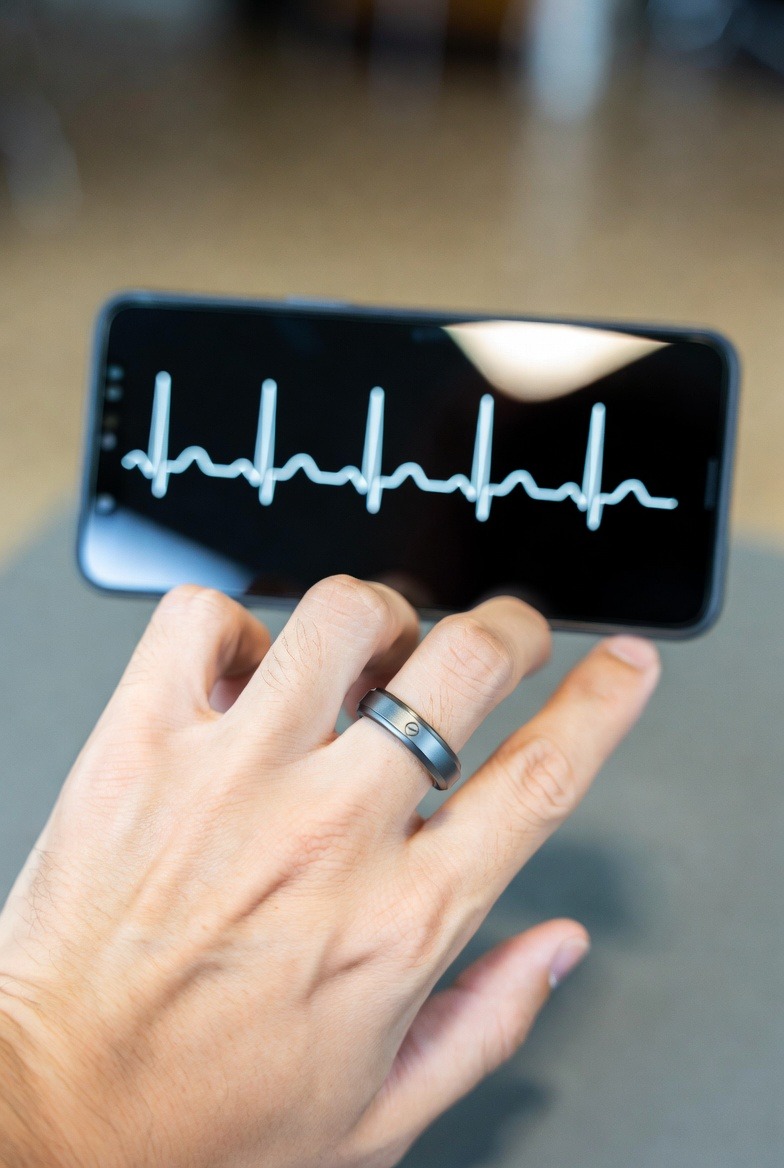
Stress is not a concept; it’s a measurable physiological event. While we often think of stress as mental or emotional, its most immediate impact is on the body—and HRV provides a real-time, objective readout of your nervous system’s response to it. This transforms HRV from a fitness metric into a powerful tool for mental and emotional well-being.
The Acute Stress Signature: Seeing the "Spike"
Imagine receiving a stressful work email. Before you even fully process the words, your body reacts. Your amygdala sounds an alarm, triggering a sympathetic nervous system cascade. Within seconds, your heart rate increases, and critically, your HRV plummets as the system locks into a more rigid, driven rhythm to prepare for action. Modern wearable technology can capture this moment. You might see your HRV score dip sharply during a difficult conversation, a tight deadline, or even while watching a tense movie. This isn’t "bad"—it’s your body’s brilliant, ancient survival mechanism in action. The problem arises not from the dip, but from the lack of recovery.
Chronic Stress and the "Stuck" State: When Low HRV Becomes a Baseline
The defining feature of healthy stress is recovery. After the email is dealt with, a resilient system should see HRV rebound back to baseline as the parasympathetic brake re-engages. Chronic stress, however, is characterized by a persistent, low-grade sympathetic tone. The accelerator is perpetually pressed, even if just slightly. This leads to a sustained suppression of HRV. Your nervous system loses its flexibility, remaining in a state of vigilant defense. This is the physiological bedrock of burnout, anxiety disorders, and a host of stress-related illnesses. A chronically low HRV is one of the strongest biomarkers of this maladaptive state.
Using HRV for Stress Intervention and Resilience Building
This is where HRV biofeedback turns passive tracking into active training. The goal is not to avoid stress dips but to improve your rate of recovery. By observing how specific events affect your HRV, you can:
The HRV-Emotion Link
Emotions have distinct physiological profiles. Frustration, anger, and anxiety typically create chaotic, jagged HRV patterns (low coherence). Emotions like appreciation, compassion, and gratitude generate smooth, coherent, high-HRV patterns. This isn't mystical; it’s the measurable effect of emotion-triggered neurochemical shifts on the heart’s pacemaker. By learning to shift your emotional state through reframing or gratitude practice, you can directly steer your physiology toward a more resilient state. Many users of the Oxyzen ring find that tracking their HRV provides a tangible anchor for emotional awareness, a theme echoed in real user experiences shared in our testimonials.
Understanding stress through the lens of HRV empowers you to move from feeling overwhelmed by it to strategically managing it. It provides the evidence you need to prioritize recovery, just as an athlete would. And what fuels both stress and recovery more than anything? The very substances we consume.
The food you eat is far more than calories; it’s information that directly influences inflammation, oxidative stress, gut health, and hormone balance—all of which are intricately linked to the autonomic nervous system. Your HRV can be a sensitive gauge for how well your diet is serving your body’s need for balance and resilience.
The Acute Impact: Meals, Alcohol, and Caffeine
Chronic Dietary Patterns and Baseline HRV
Long-term eating patterns set the stage for your autonomic tone.
Using HRV for Personalized Nutrition
HRV turns nutrition from a generic prescription into a personal experiment.
Nutrition provides the foundational building blocks for a healthy nervous system. But the fuel is only part of the equation. How we process the information of our lives—our mental patterns—plays an equally critical role. This brings us to the powerful intersection of the mind and the body’s rhythm.

The connection between the mind and body is nowhere more evident than in the relationship between mental health and Heart Rate Variability. HRV is increasingly recognized not just as a correlate, but as a potential biomarker and even a therapeutic target for conditions like anxiety, depression, and PTSD. It quantifies the physiological underpinnings of emotional regulation.
The Low HRV Pattern in Mental Health Challenges
Extensive research shows a robust association between low HRV and a range of psychological conditions:
In all these cases, low HRV reflects a core symptom: reduced neurovisceral integration. The brain's emotional centers (like the amygdala and prefrontal cortex) are not communicating effectively with the body, leading to poor emotional regulation and a diminished capacity to cope with stress.
HRV Biofeedback as a Therapeutic Tool
The exciting frontier is the use of HRV biofeedback (HRV-B) as an active intervention. By training individuals to increase their HRV through paced breathing and mindfulness, we can directly strengthen the prefrontal cortex's "top-down" control over the amygdala and enhance vagal tone.
Mindfulness, Meditation, and HRV
Consistent mindfulness and meditation practices are among the most reliable ways to increase baseline HRV. They work by:
Practical Application for Everyday Well-being
You don't need a clinical diagnosis to benefit from this connection. Monitoring your HRV can:
This deep connection between our psychological state and our heart's rhythm underscores why HRV is a holistic health metric. And just as our minds are shaped by experience, our body's baseline is shaped by the immutable passage of time. Next, we examine how HRV charts the story of our lifespan.
Our heart's rhythm tells the story of our life—not just day-to-day, but across decades. Heart Rate Variability follows a distinct, non-linear arc from birth to old age, serving as a powerful biomarker of developmental maturity, peak resilience, and the rate of biological aging. Understanding this trajectory helps contextualize your personal score and reveals how lifestyle choices can profoundly influence your autonomic aging curve.
The First Beat: HRV in Infancy and Childhood
From the moment we enter the world, HRV is a critical sign of health and development.
Peak Resilience: HRV in Adulthood
For most individuals, HRV peaks in the late teens or early twenties and begins a very gradual, natural decline thereafter. This peak period represents the zenith of autonomic flexibility—the ability to ramp up sympathetic drive for intense physical and mental challenges and then rapidly recover. In your 20s and 30s, lifestyle factors begin to exert a dominant influence over the genetic baseline:
The Gradual Descent: HRV and Aging
The age-related decline in HRV is one of the most consistent findings in physiology. This decline is attributed to several factors:
However, this decline is not a fixed destiny. It is a slope that can be dramatically flattened. A 60-year-old master athlete can have a higher HRV than a sedentary, stressed 30-year-old. This is the core promise of HRV tracking: it provides a feedback loop to actively manage your rate of biological aging.
HRV as a Biomarker of "Biological Age"
Chronological age tells you how long you've lived; biological age tells you how well you've lived. HRV is increasingly used as a component in composite biomarkers of biological age (alongside DNA methylation, telomere length, etc.). A higher-than-expected HRV for one's age is a strong indicator of systemic resilience and youthfulness at the cellular and organ-system level. It suggests better stress tolerance, cognitive function, and longevity prospects.
Implications for Healthy Longevity
The goal isn't to have the HRV of a 20-year-old at age 70. The goal is to maintain the highest possible HRV for your age, preserving autonomic flexibility and resilience. This has direct implications for quality of life:
By tracking HRV over the years, you gain an objective measure of how your lifestyle is influencing your vitality trajectory. It empowers you to make choices that add not just years to your life, but life to your years. For a deeper look at the company mission to make this kind of longevity-focused health tracking accessible, you can explore our story and vision here.
As we've now mapped HRV's role across the entire human experience, it's time to move from understanding to action. How do we practically, measurably improve this critical biomarker?
Improving your HRV is synonymous with improving your overall health and resilience. It’s about creating an internal environment—through daily habits and choices—that supports a strong, responsive parasympathetic nervous system and reduces unnecessary sympathetic load. The strategies are interconnected; they work synergistically to raise your baseline.
Sleep is non-negotiable for HRV recovery. Aim for both quantity and quality.
Exercise is a stress that, when properly dosed, builds resilience.
Feed your nervous system the nutrients it needs to function and repair.
You can directly stimulate your vagus nerve and calm your nervous system in real-time.
Implementing these strategies transforms HRV from a passive number into an active guide for living. But to navigate this journey effectively, you need the right tools. The next step is understanding how to choose and use the technology that will empower this transformation.
With the explosion of wearable technology, measuring HRV has moved from the clinic to the consumer. But not all devices are created equal. The choice of tracker impacts the accuracy, convenience, and ultimately the usefulness of your data. Here’s a breakdown of the major options, focusing on the unique advantages of the emerging category leader: the smart ring.
1. Chest Strap Monitors (Polar, Garmin HRM-Pro)
2. Wrist-Worn Smartwatches & Fitness Bands (Apple Watch, Garmin, Whoop)
3. Smart Rings (Oura, Oxyzen, Ultrahuman)
For the specific purpose of tracking baseline HRV and recovery, the smart ring has distinct advantages:
Choosing the right tool is the first step in a lifelong practice. With your tracker chosen, you are ready to build a sustainable, insightful daily practice around this profound biomarker. This is where the real transformation begins.
Your Trusted Sleep Advocate (Sleep Foundation — https://www.sleepfoundation.org/)
Discover a digital archive of scholarly articles (NIH — https://www.ncbi.nlm.nih.gov/
39 million citations for biomedical literature (PubMed — https://pubmed.ncbi.nlm.nih.gov/)
experts at Harvard Health Publishing covering a variety of health topics — https://www.health.harvard.edu/blog/)
Every life deserves world class care (Cleveland Clinic -
https://my.clevelandclinic.org/health)
Wearable technology and the future of predictive health monitoring. (MIT Technology Review — https://www.technologyreview.com/)
Dedicated to the well-being of all people and guided by science (World Health Organization — https://www.who.int/news-room/)
Psychological science and knowledge to benefit society and improve lives. (APA — https://www.apa.org/monitor/)
Cutting-edge insights on human longevity and peak performance
(Lifespan Research — https://www.lifespan.io/)
Global authority on exercise physiology, sports performance, and human recovery
(American College of Sports Medicine — https://www.acsm.org/)
Neuroscience-driven guidance for better focus, sleep, and mental clarity
(Stanford Human Performance Lab — https://humanperformance.stanford.edu/)
Evidence-based psychology and mind–body wellness resources
(Mayo Clinic — https://www.mayoclinic.org/healthy-lifestyle/)
Data-backed research on emotional wellbeing, stress biology, and resilience
(American Institute of Stress — https://www.stress.org/)


