Maintain improvements long-term by viewing sleep hygiene as a non-negotiable lifestyle, not a temporary project, and adapting routines as life changes.
The Silent Superpower: A Master Guide to Sustaining Peak Sleep for Life
You did it. You conquered the midnight scroll. You traded the late-night espresso for chamomile. You followed the "rules," optimized your bedroom, and finally—gloriously—experienced what it means to truly sleep. You woke up feeling refreshed, your mind clear, your energy stable. The transformation was real. But now, a quiet, nagging question whispers in the back of your rested mind: "How do I make this last?"
Achieving great sleep is a victory. Maintaining it for years, through life’s inevitable twists, stresses, and changing seasons? That’s an art form. It’s the difference between a fleeting detox and a permanent lifestyle upgrade. The sad truth is that most sleep improvements fade. They’re abandoned when work gets hectic, when you travel, when you have a child, or simply when the initial motivation wanes. The routine becomes a chore, the progress plateaus, and slowly, you slide back into old patterns.
This guide is your answer to that whisper. This is not another list of basic sleep hygiene tips. This is a deep, evidence-based, and strategic blueprint for embedding perfect sleep into the very fabric of your life. We will move beyond the "what" and into the "how" of long-term adherence, exploring the psychology of habit formation, the science of circadian resilience, and the technology that turns insight into effortless action. Consider this your masterclass in making restorative sleep your non-negotiable, lifelong superpower.
The journey to lasting sleep isn't about rigidity; it's about building a flexible, intelligent system that supports you. It's about understanding your unique biology, crafting a sustainable environment, and using tools that adapt with you. With the right framework, you won’t just have good sleep—you’ll be a good sleeper, regardless of what life throws your way.
Let’s begin building your forever foundation.
The Psychology of Permanence: Why Most Sleep Gains Fade (And How to Beat the Odds)
We start not in the bedroom, but in the mind. Lasting change is a psychological battle before it’s a behavioral one. Understanding why we relapse is the first step to preventing it.
The most common pitfall is the "All-or-Nothing" mindset. You’re perfect for three weeks: lights out at 10:07 PM, no screens, perfect room temperature. Then, one night, a work deadline forces you to burn the midnight oil. The next morning, you feel defeated. "I’ve ruined my streak," you think. This binary thinking—perfect sleep or failure—is the fastest route to abandonment. In reality, sustainable sleep is resilient sleep. It can withstand the occasional disruption without collapsing entirely.
The second enemy is hedonic adaptation. The incredible feeling of waking up energized becomes your new normal. The contrast that initially motivated you fades. The brain is wired to take new positives for granted, shifting its focus to the next problem. Without conscious reinforcement, the drive to protect your sleep routine diminishes.
Finally, there's a lack of identity shift. You were someone trying to sleep better. For it to last, you must become a person who prioritizes and values sleep. This identity is what carries you through moments of low motivation. When offered a nightcap at 11 PM, "I'm trying to sleep better" is a weak defense. "I'm not a late drinker; it ruins my sleep" is a statement of identity that requires no willpower.
Strategies for Psychological Resilience:
Embrace the 80/20 Rule: Aim for perfection 80% of the time. Give yourself explicit permission for a 20% "life happens" buffer. One late night or poor night’s sleep is not a failure; it’s a data point. The goal is to return to your baseline routine the very next day, not to punish yourself.
Create a "Sleep Resume": Instead of a streak counter, maintain a running list of your sleep victories and how they’ve impacted your life. "Slept 7+ hours for 18 of the last 21 nights. Result: Presented confidently at the quarterly meeting and didn’t need afternoon coffee." This reinforces the value, not just the act.
Implement Identity-Based Habits: Start making decisions from your new identity. Ask: "What would a well-rested person do in this situation?" Would they check email in bed? Would they schedule a 7 AM flight after a red-eye? Frame your choices through this lens. For deeper insights into building a wellness-centric identity, our blog features several articles on behavioral design.
The key is to build a system so robust that a single misstep is irrelevant. It’s the overall trajectory that matters. By winning the mental game first, you lay an unshakable foundation for every practical step that follows.
Beyond the Basics: The Core Four Pillars of Unshakeable Sleep Hygiene
Most people know the basics: dark, cool, quiet room; limit caffeine; have a routine. But to sustain sleep for decades, you must move beyond surface-level tips and engineer your environment and behavior to make good sleep the easiest, most default option. Think of these as the four non-negotiable pillars of your sleep architecture.
Pillar 1: Light as Your Chief Zeitgeber Light is the single most powerful regulator of your circadian rhythm. Managing it isn’t just about avoiding blue light at night; it’s about strategic exposure throughout the day.
Morning (Within 30 Minutes of Waking): Seek 10-15 minutes of bright, outdoor light. This signals your suprachiasmatic nucleus (SCN) that the day has begun, setting a countdown for melatonin release roughly 14-16 hours later. No sunrise? A bright light therapy lamp can work.
Daytime: Maximize exposure to natural light. Take walking meetings, eat lunch outside. High daytime light intensity strengthens your circadian drive, making you more alert by day and sleepier by night.
Evening (2-3 Hours Before Bed): Initiate "light hygiene." Dim overhead lights. Use amber or red-toned lamps. The goal is to create a gradual sunset in your home. Apps like f.lux or built-in phone "Night Shift" modes are helpful, but physical light reduction is paramount.
Pillar 2: Temperature Regulation Your core body temperature must drop by about 1-2 degrees Fahrenheit to initiate and maintain sleep. You can hack this process.
The Pre-Sleep Drop: A warm bath or shower 60-90 minutes before bed is paradoxically effective. It brings blood to your skin's surface, then as you cool, it creates a rapid drop in core temperature, signaling sleep readiness.
The Sleep Environment: The ideal bedroom temperature is around 65°F (18.3°C), but personal preference varies. The critical factor is coolness. Use breathable, moisture-wicking bedding (like cotton or linen). Consider a cooling mattress pad or a bed fan like the BedJet. Your feet and head are key thermoregulators; having them slightly cool can facilitate the overall drop.
Pillar 3: The Wind-Down Ritual (Not Just a Routine) A routine is a series of actions. A ritual is a series of actions imbued with meaning and intention. Your wind-down should be a sacred buffer zone between the stress of the day and the vulnerability of sleep.
Duration: It must be long enough to actually decompress—aim for 45-60 minutes.
Components: It should be analog and gentle. This could include: light stretching or yoga nidra, journaling to "download" worries from your mind, reading fiction (a physical book), or a guided breathing practice. The activity itself matters less than the consistent signal it sends to your nervous system: "The day is over. It is safe to rest."
The Digital Sunset: The ritual must start with the deliberate disconnection from reactive technology—email, social media, news. This is non-negotiable for long-term mental calm.
Pillar 4: Consistency as the Ultimate Lever This is the most cited and most ignored advice for a reason: it’s the most powerful. Your SCN thrives on predictability. A consistent wake-up time is even more important than a consistent bedtime. By fixing your wake-up time, you anchor your entire circadian cycle. Fluctuations of more than 60 minutes on weekends ("social jet lag") can induce a metabolic state similar to mild shift work.
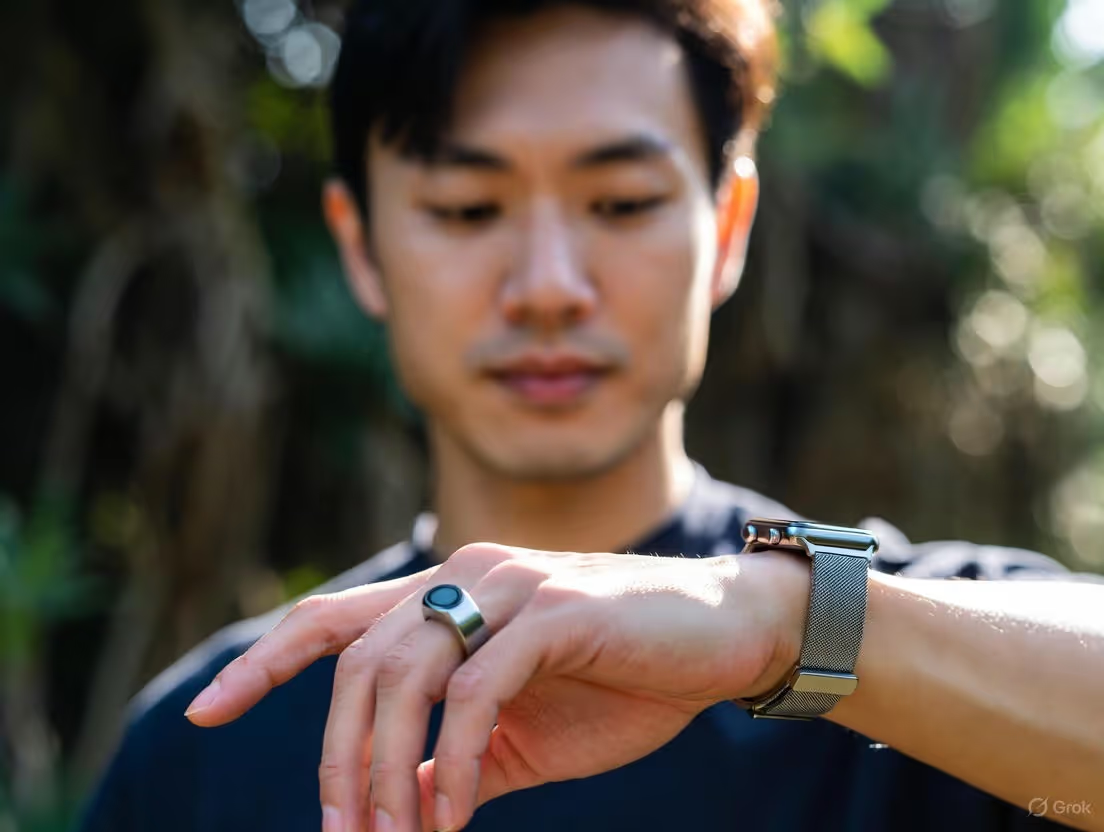
Sustaining This Long-Term: You don’t have to manage these pillars through guesswork. A smart wellness device can turn these principles into an automated, personalized feedback loop. For instance, Oxyzen's smart ring technology tracks your sleep stages, resting heart rate, and heart rate variability (HRV) overnight. This data shows you objectively how your light exposure, evening routine, and temperature management directly impact your sleep quality. Seeing the tangible connection between a cool room and deeper sleep makes adherence to these pillars feel less like a chore and more like a smart, data-driven investment in yourself.
Mastering Your Chronotype: Aligning Sleep with Your Biological Design
Forcing a night owl to sleep at 9 PM is an exercise in frustration. Lasting sleep improvement requires you to work with your innate biological wiring, not against it. This is your chronotype—your genetically influenced predisposition for sleep and wake times.
Chronotypes exist on a spectrum, often simplified into four animal archetypes:
The Bear (55%): Follows the solar cycle. Wakes easily, most productive in the mid-morning, experiences a post-lunch dip.
The Lion (15%): The early riser. Wakes before dawn, peaks in the morning, energy declines by late afternoon.
The Wolf (15%): The classic night owl. Struggles to wake early, peaks in the late afternoon and evening, most creative at night.
The Dolphin (10%): The light, anxious sleeper. Often has irregular sleep patterns, wakes easily, may struggle with insomnia.
Knowing your chronotype isn't an excuse ("I'm a Wolf, I'm just doomed to bad sleep!"); it's an empowerment tool. It allows you to design a sustainable sleep schedule that respects your biology.
Strategies for Each Chronotype to Sustain Sleep Long-Term:
For Lions (Early Risers): Your challenge is evening sleepiness and a tendency to wake too early. Protect your sleep by guarding against late-night social commitments that disrupt your rhythm. Use blackout curtains to prevent early morning light from cutting your sleep short. Your wind-down ritual can start earlier in the evening.
For Bears (The Majority): Your rhythm aligns well with the standard 9-5 world, but you are susceptible to the post-lunch crash and evening overstimulation. Prioritize morning light to solidify your cycle. Schedule demanding work before lunch. Be vigilant about your digital sunset to prevent evening alertness from creeping in.
For Wolves (Night Owls): The modern world is stacked against you. The key is strategic compromise. Use bright light therapy immediately upon waking to shift your clock earlier, even by 30 minutes. Advocate for flexible morning starts if possible. Protect your later bedtime by making your evening wind-down ritual exceptionally strong—it's your most vulnerable time for delay. Your "consistent wake time" is crucial, even on weekends, to prevent total drift.
For Dolphins (Light Sleepers): Your focus must be on lowering anxiety and hypervigilance. Your wind-down ritual is your most critical tool, emphasizing relaxation techniques like progressive muscle relaxation or mindfulness. A heavy blanket may provide calming proprioceptive input. Meticulous attention to a cool, dark, and quiet (consider white noise) environment is non-negotiable.
The Long-Term Application: Your chronotype isn't static; it can shift with age (often earlier as you get older). The goal is to find your current sweet spot and build a life that accommodates it as much as possible. This self-knowledge reduces the guilt and friction around sleep, making your routine feel like a natural expression of who you are, not a punishment. To understand how technology can help identify and track your unique patterns over time, our FAQ details how our sensors capture this biometric data.
Nutrition as a Sleep Regulator: Building a Diet for Sustainable Rest
You are not just what you eat; you sleep how you eat. The connection between diet and sleep is a two-way street: poor sleep disrupts hunger hormones, leading to poor dietary choices, which in turn degrade sleep. Breaking this cycle is essential for long-term sleep health.
Macro-Timing for Micro-Recovery:
The Last Meal: Finish your last large meal at least 2-3 hours before bedtime. Digestion raises core body temperature and requires energy, conflicting with the body's sleep initiation processes. A heavy meal too late can lead to reflux and fragmented sleep.
The Strategic Snack: If you need something closer to bed, opt for a small snack combining complex carbohydrates with a bit of protein or healthy fat (e.g., a few almonds and half a banana, a small bowl of oatmeal). This can help stabilize blood sugar through the night and provide tryptophan, a precursor to serotonin and melatonin.
Key Nutrients and Compounds:
Magnesium: Often called the "relaxation mineral," it plays a role in muscle relaxation and nervous system regulation. Deficiency is linked to insomnia. Dietary sources: leafy greens, nuts, seeds, avocados, and dark chocolate.
Tryptophan: An essential amino acid that is a building block for serotonin and melatonin. It’s found in turkey, chicken, eggs, dairy, pumpkin seeds, and soy. To be effective, it needs to cross the blood-brain barrier, which is aided by consuming it with carbohydrates.
Melatonin-Containing Foods: Tart cherries, grapes, tomatoes, and walnuts contain small amounts of melatonin and may provide a gentle signal to the body.
The Hydration Paradox: Dehydration can cause nighttime leg cramps and dry mouth, disrupting sleep. However, drinking large volumes of fluid right before bed guarantees disruptive bathroom trips. The solution is front-loading hydration. Consume the majority of your daily water earlier in the day, tapering off in the last 2 hours before bed. A small sip to quench thirst is fine.
The Long-Term Diet Pattern: The overall dietary pattern most associated with sustained good sleep is the Mediterranean diet: high in fruits, vegetables, whole grains, healthy fats (olive oil, nuts), and lean proteins, with limited processed foods and red meat. This pattern supports stable blood sugar, reduces inflammation, and provides a broad spectrum of sleep-supportive nutrients.
Alcohol and Sleep: The Grand Illusion: This is a critical long-term consideration. Alcohol is a sedative; it knocks you out but demolishes sleep architecture. It suppresses REM sleep in the first half of the night, leading to a rebound of intense, often disruptive REM in the second half, which can cause vivid dreams or nightmares. It also relaxes throat muscles, exacerbating sleep apnea. For truly sustainable, restorative sleep, view alcohol as a profound sleep disrupter. The goal is not necessarily teetotalism, but strategic timing and moderation—consuming it earlier in the evening and well away from your bedtime, and understanding its true cost on your recovery.
Sustaining these dietary habits requires seeing food as part of your sleep ecosystem. It’s not about restrictive nightly rules, but about cultivating an overall pattern of eating that supports, rather than fights, your goal of deep, consistent rest. Real user experiences often highlight how tracking sleep revealed the direct impact of diet, as shared in our testimonials.
Movement and Recovery: How Exercise Fuels (and Follows) Elite Sleep
The relationship between exercise and sleep is one of the most powerful positive feedback loops in human health. Get it right, and each reinforces the other. Get the timing or intensity wrong, and it can backfire. For long-term adherence, understanding this synergy is key.
Exercise as a Sleep Catalyst: Regular physical activity:
Promotes deeper Slow-Wave Sleep (SWS): This is the most physically restorative stage, crucial for tissue repair and growth hormone release.
Reduces Sleep Latency: It helps you fall asleep faster.
Alleviates Anxiety and Stress: By modulating stress hormones like cortisol, exercise quiets the mind for sleep.
Strengthens Circadian Rhythms: Daytime activity, especially outdoors, reinforces your body’s internal clock.
The Timing Matrix: When you exercise is critical for long-term sleep synergy.
Morning/Afternoon (Ideal): Exercise early in the day capitalizes on natural cortisol rhythms and uses the subsequent rise in body temperature to your advantage. The cooling phase that follows hours later aligns perfectly with bedtime. Outdoor morning exercise delivers the double win of movement and bright light exposure.
Evening (Proceed with Caution): The old rule of "no exercise 3 hours before bed" is being nuanced. It depends on the individual and the exercise type. For most, vigorous, high-intensity exercise too close to bedtime can be overstimulating, raising core temperature, heart rate, and adrenaline. However, low-intensity, rhythmic movement like gentle yoga, walking, or stretching can be a perfect part of a wind-down ritual. The key is to know yourself. If you sleep poorly after evening spin class, move it earlier.
The Recovery Imperative: This is the often-missing piece. Exercise is a stressor (a good one) that breaks the body down. Sleep is when it rebuilds stronger. Without prioritizing sleep, you short-circuit the entire purpose of training. Overtraining without adequate sleep leads to plateaus, injury, and burnout.
Listen to Your Body: Waking with a consistently elevated resting heart rate (RHR) can be a sign of under-recovery or impending illness. Persistent low Heart Rate Variability (HRV) also indicates your nervous system is stressed and needs more rest.
Adapt Your Training: A sustainable fitness plan ebbs and flows with recovery metrics. A poor sleep night might mean swapping a planned HIIT session for a walk or yoga. This dynamic approach prevents exercise from becoming another sleep-disrupting stressor.
Building a Sustainable Movement-Sleep Protocol:
Anchor with Consistency: A consistent, moderate routine (e.g., 30 minutes most days) is better for sleep than sporadic, intense bouts.
Embrace Non-Exercise Activity Thermogenesis (NEAT): Walk, take the stairs, garden. Low-level movement throughout the day supports metabolic health and sleep pressure without systemic stress.
Use Data to Navigate: Subjective feeling is unreliable. Objective biometrics are your guide. A device that tracks your overnight recovery metrics provides the actionable feedback needed to intelligently pair movement and rest. Seeing that your deep sleep increases on days you exercise at 4 PM, but decreases when you exercise at 8 PM, turns guesswork into a personalized, sustainable plan.
For the long haul, view exercise not as an independent goal, but as one half of a vital partnership with sleep. They are the yin and yang of physical and mental renewal.
Stress, Mindfulness, and the Hyper-Aroused Mind
In the modern world, the greatest thief of sustainable sleep is not caffeine or light—it’s an unchecked mind. Stress and anxiety activate the sympathetic nervous system (fight-or-flight), directly opposing the parasympathetic state (rest-and-digest) required for sleep. Achieving sleep once is possible through fatigue; maintaining it through life’s pressures requires tools to manage cognitive and emotional arousal.
The Cortisol-Sleep Loop: Cortisol, your primary stress hormone, should follow a beautiful curve: high in the morning to help you wake, gradually declining throughout the day, reaching its lowest point around midnight. Chronic stress flattens this curve, keeping cortisol elevated into the evening. This directly suppresses melatonin production and makes your mind race just when it should be quieting.
Cognitive Detachment: The Art of Mental Closure The inability to "switch off" work or personal worries is a primary cause of sleep-onset insomnia. Your brain needs a signal that the "workday" is over.
The Brain Dump: A concrete, 5-10 minute journaling session as part of your wind-down. Write down every task, worry, or idea swirling in your head. The act of externalizing it onto paper tells your brain, "It is recorded. You do not need to hold this overnight."
The Next-Day Buffer: At the end of your brain dump, write the first 1-3 tasks you will do tomorrow. This creates cognitive closure, reducing the anxiety that you'll forget something important.
Parasympathetic Activation Techniques: These are direct lines to your nervous system's "off switch." Practice them consistently to build resilience.
Diaphragmatic Breathing (4-7-8 Method): Inhale quietly through your nose for 4 seconds. Hold your breath for 7 seconds. Exhale completely through your mouth, making a whoosh sound, for 8 seconds. Repeat 4 times. This physiologically slows the heart rate and promotes calm.
Body Scan Meditation: Lying in bed, bring attention slowly to each part of your body, from toes to head, noticing any sensations without judgment and consciously relaxing each area. This marries mindfulness with physical relaxation.
Progressive Muscle Relaxation (PMR): Systematically tense and then release different muscle groups. The contrast between tension and deep relaxation teaches the body the feeling of letting go.
Reframing Sleep Anxiety: Ironically, the fear of not sleeping is a major cause of not sleeping. This creates a vicious cycle of performance anxiety around sleep itself.
Adopt a Neutral Stance: When you can't sleep, get out of bed. Go to another dimly lit room and do a quiet, boring activity (read a physical book, listen to a calm podcast) until you feel sleepy. This breaks the association of bed = frustration.
Practice Acceptance: Sometimes, rest is enough. Lying quietly in a dark room with your eyes closed, even if not asleep, is still profoundly more restorative than scrolling in frustration. Telling yourself "It's okay, I'm still resting" can reduce the panic that perpetuates wakefulness.
For long-term sleep health, these mindfulness practices are not emergency tools for bad nights; they are daily hygiene for the mind, much like brushing your teeth. They build a baseline of calm that protects your sleep from the inevitable stresses of life. For a deeper exploration of these techniques, our blog regularly covers mindfulness and sleep science.
The Social & Environmental Architect: Designing a Life That Protects Sleep
Your sleep does not exist in a vacuum. It is constantly negotiated within your relationships, your job, your home, and your social life. To sustain excellent sleep for years, you must become the architect of an environment—both physical and social—that defends it.
The Social Contract of Sleep:
Communicate Your Priority: This is the foundational step. Explain to partners, family, and close friends that sleep is a non-negotiable pillar of your health and performance. Frame it positively: "I'm much more present and pleasant when I'm well-rested, so I'm committing to protecting my sleep schedule."
Negotiate Shared Spaces: If you share a bed, collaborate on the sleep environment. Compromise on temperature (dual-zone electric blankets exist), address snoring issues compassionately (encourage a sleep study), and agree on rules like no phones in bed. Use white noise machines or sleep headphones to manage differing schedules or noises.
Manage Social Jet Lag: The tendency to stay up much later on weekends disrupts your circadian rhythm. You don't have to forgo social life. Strategize: Schedule dinner with friends instead of late-night drinks. If you do have a late night, protect your wake-up time within 60-90 minutes of normal. The quick reset is easier than a two-hour shift.
The Professional Boundary: The "always-on" work culture is a sleep killer. Long-term, you must establish boundaries to prevent work stress from contaminating your sleep sanctuary.
Create a Digital Curfew: Set an official time when work communication stops. Use an auto-responder if needed. This is not just about not sending emails; it's about not receiving them, which creates anticipatory stress.
The Commute Home (Even If It's a Hallway): Use your physical travel from workspace to living space—or even a short walk around the block—as a ritual to mentally shed the workday. Listen to a podcast, music, or simply observe your surroundings. Don't carry your laptop into your bedroom.
The Physical Sanctuary Audit: Re-evaluate your bedroom with the precision of a sleep scientist. This is an ongoing process.
Light: Is it truly dark? Use a blackout sleep mask or install blackout curtains. Cover or remove every LED light (chargers, smoke detectors, electronics). Consider it a light-tight bunker.
Sound: If you can't control the noise (city traffic, a snoring partner, early garbage trucks), mask it. A white noise machine, a fan, or apps that play brown/pink noise are essential. They create a consistent auditory blanket that covers disruptive, unpredictable sounds.
Air Quality: Often overlooked. A stuffy room can impair sleep quality. An air purifier (especially for those with allergies) or a simple humidifier/dehumidifier to keep humidity around 40-50% can make a significant difference in breathing ease.
The "Bed is for Sleep (and Sex)" Rule: Reinforce this association rigorously. Do not work, watch thrilling movies, or have stressful conversations in bed. Your brain must know that this space equals rest.
Architecting this supportive ecosystem turns willpower into a system of defaults. Good sleep becomes the path of least resistance. This proactive design is what allows your sleep improvements to survive holidays, houseguests, and hectic periods. It’s about building a fortress for your rest, brick by brick. The Oxyzen story is rooted in this philosophy of designing technology that seamlessly integrates into and enhances your personal environment, making optimal health the default.
Data, Not Dogma: Using Biometric Feedback for Personalized Adaptation
This is the modern frontier of sustained sleep optimization: moving from generic advice to a personalized, dynamic feedback loop. Your body gives you signals every night about the quality of your rest. Learning to listen to them—through data—allows you to adapt in real-time and make informed decisions that compound over a lifetime.
Key Biometric Signals and Their Meaning:
Resting Heart Rate (RHR): Typically measured upon waking. A lower RHR generally indicates better cardiovascular fitness and recovery. A sudden, sustained increase in your RHR (5+ bpm above your baseline) can signal under-recovery, onset of illness, dehydration, or accumulated stress.
Heart Rate Variability (HRV): The variation in time between heartbeats. It's a direct window into your autonomic nervous system. A higher HRV indicates a strong, resilient parasympathetic (rest-and-digest) state and good recovery. A lower HRV suggests your body is under stress (from training, work, emotional strain, or poor sleep itself). Tracking HRV trends is arguably the single best objective metric for knowing when to push hard or pull back.
Sleep Stages (Light, Deep, REM): While perfect percentages are highly individual, drastic deviations from your personal norm are informative. A sharp drop in Deep Sleep may indicate late alcohol consumption or an overly warm room. Suppressed REM can point to high stress or certain medications. Consistency in your stage distribution is a marker of a stable, healthy sleep pattern.
Sleep Latency & Restlessness: How long it takes you to fall asleep and how much you move during the night. Consistently long latency points to an insufficient wind-down or circadian misalignment. High restlessness can be linked to stress, diet, or an uncomfortable sleep environment.
Building Your Personal Sleep Algorithm: With this data, you stop guessing and start experimenting.
Establish Your Baseline: Wear your tracker consistently for 2-4 weeks during a "normal" period to understand your personal averages for RHR, HRV, and sleep stages.
Conduct Single-Variable Experiments: Change one thing at a time and observe the data over 3-7 nights.
Experiment: Drink a cup of chamomile tea 90 minutes before bed.
Data Check: Did sleep latency decrease? Did deep sleep increase?
Experiment: Do 20 minutes of evening yoga.
Data Check: How did HRV and restlessness respond?
Identify Your Positive and Negative Levers: You'll discover your unique triggers. Perhaps dairy before bed destroys your deep sleep, but a 10-minute meditation boosts your HRV. Perhaps morning exercise is golden, but evening exercise is disastrous. This turns sleep from a mystery into a manageable science.
The Long-Term Mindset: The goal is not to become a slave to the data or anxious over a single night's score. It's to observe trends. Over months and years, this data becomes an unparalleled record of your health. It can show you how your sleep changes with age, seasons, or life stages. It provides objective proof of what works for you, making your routine incredibly robust and personalized. This is the power of a device like the Oxyzen ring—it provides the continuous, comfortable, and accurate biometric monitoring needed to fuel this lifelong learning process. For specific questions on how this data is captured and used, our technical FAQ is a great resource.
Navigating Lifespan & Life Changes: How Sleep Evolves (And How to Adapt)
A sleep routine that works at 25 will not suffice at 45 or 65. Hormonal shifts, changing social and professional demands, and the natural aging process all alter your sleep architecture and needs. Sustaining sleep improvement means gracefully adapting your strategies through every decade.
The Twenties and Thirties (Building the Foundation):
Challenges: Irregular schedules, social pressure for late nights, building careers, young children. The resilience of youth can mask poor habits.
Adaptation Strategy: This is the time to build the core habits and identity discussed in earlier sections. Use technology to your advantage. Prioritize consistency even amidst chaos. The habits solidified now will pay exponential dividends later. Protect your sleep as the foundation of your performance and mental health.
The Forties and Fifties (The Hormonal Shift):
Challenges (Perimenopause & Menopause): For women, declining estrogen can lead to hot flashes, night sweats, and increased insomnia. For men, a gradual decline in testosterone can reduce deep sleep. Both genders may notice sleep becoming more fragile.
Adaptation Strategy: Temperature management becomes paramount. Invest in advanced cooling solutions: moisture-wicking pajamas, cooling mattress toppers (like Chilipad or BedJet), and precise bedroom climate control. Stress management is also critical, as the ability to "bounce back" from poor sleep diminishes. A consistent, non-negotiable wind-down ritual is essential. This is where biometric data becomes invaluable to track what interventions (like dietary changes, timing of exercise) actually move the needle on sleep quality and nighttime disturbances.
The Sixties and Beyond (Embracing Change):
Challenges: Natural aging leads to a phase advance (getting sleepy earlier and waking earlier), reduced production of sleep-promoting hormones like melatonin, more frequent nighttime awakenings, and less time in deep sleep.
Adaptation Strategy: Focus on sleep quality and consistency over duration. A solid 6-7 hours of good sleep is better than 8 hours of fragmented sleep. Maximize daylight exposure, especially in the morning and late afternoon, to reinforce a robust circadian rhythm. Pay meticulous attention to medication side effects (many common prescriptions disrupt sleep). Nap strategically—a short 20-minute "power nap" before 3 PM can boost daytime alertness without interfering with nighttime sleep. Prioritize strength and balance training; maintaining muscle mass and preventing falls is directly linked to independence and, by reducing anxiety, to better sleep.
Life Events: Travel, Parenthood, Shift Work
Travel: Use light strategically to beat jet lag. Upon arrival, seek bright light at the local "morning" to shift your clock forward. Use melatonin supplements cautiously (0.5-3 mg) at local bedtime to help reset. Stay hydrated.
Parenthood: This is about survival and partnership. Sleep in shifts with your partner if possible. When the child's sleep consolidates, ruthlessly prioritize your own sleep routine again. A sleep-deprived parent is less safe and less patient. Your health remains a priority.
Shift Work: The most difficult challenge. If permanent, try to maintain your shift schedule even on days off. Use blackout curtains, white noise, and explicitly communicate your sleep needs to your household. Strategic caffeine use (only in the first half of your "day") and maximizing sleep opportunity in a dark, cool room are critical.
The through-line for every stage is flexibility within a framework. Your core principles (light, rhythm, environment) remain, but their application must evolve with your biology and life circumstances. This adaptive mindset is what separates a temporary fix from a lifelong commitment to restorative sleep. The journey of adapting technology to life's changing needs is core to our mission at Oxyzen.
Navigating Lifespan & Life Changes: How Sleep Evolves (And How to Adapt)
A sleep routine that works at 25 will not suffice at 45 or 65. Hormonal shifts, changing social and professional demands, and the natural aging process all alter your sleep architecture and needs. Sustaining sleep improvement means gracefully adapting your strategies through every decade, viewing change not as an enemy to your routine, but as a parameter to be intelligently managed.
The Twenties and Thirties (Building the Foundation):
Challenges: Irregular schedules, social pressure for late nights, building careers, young children. The resilience of youth can mask the accumulating sleep debt. The perceived ability to "get by" on poor sleep fosters unsustainable habits.
Adaptation Strategy: This is the critical decade for establishing your sleep identity and non-negotiable pillars. Use your higher recovery capacity not as an excuse, but as a training ground. Experiment with what works through data, not just feeling. The habits of consistent wake times, managed light exposure, and a protected wind-down ritual, built now, become automatic by middle age. This is where you learn that saying "no" to a late-night event in service of sleep is a profound act of self-respect, not social failure.
The Forties and Fifties (The Hormonal Shift & Metabolic Crossroads):
Challenges: For women, perimenopause and menopause bring declining estrogen, directly impacting the brain's thermoregulatory center. This leads to vasomotor symptoms: hot flashes and night sweats that shatter sleep continuity. Sleep architecture shifts, with less deep sleep. For men, a gradual decline in testosterone can similarly reduce slow-wave sleep and increase nighttime awakenings. Both genders may notice a heightened sensitivity to caffeine, alcohol, and stress.
Adaptation Strategy: Precision and data become your best allies. Generic advice fails here. You must become a detective of your own physiology.
Thermoregulation is Job One: Invest in a hyper-cooled sleep environment. This goes beyond a fan. Consider a bed cooling system (e.g., Chilipad, BedJet) that actively regulates temperature. Use moisture-wicking, breathable bamboo or Tencel bedding. Keep a frozen cold pack or cooling pillow by the bed.
Dietary Precision: Track how specific foods (spicy meals, sugar, alcohol) correlate with nighttime disturbances visible in your sleep data. An anti-inflammatory diet rich in phytoestrogens (for women) and magnesium can be supportive.
Stress Resilience: The margin for error shrinks. A high-stress day that you shook off at 30 now guarantees a poor night's sleep at 50. This makes daily mindfulness or breathwork non-optional maintenance, not a luxury.
The Sixties and Beyond (Embracing the New Rhythm):
Challenges: The master circadian clock in the suprachiasmatic nucleus (SCN) weakens and becomes less responsive to Zeitgebers (time cues like light). This leads to a pronounced phase advance (sleepy by 8 or 9 PM, awake at 4 or 5 AM), reduced melatonin production, more frequent and prolonged nighttime awakenings, and a significant decrease in deep sleep. The risk of sleep disorders like sleep apnea and restless leg syndrome increases.
Adaptation Strategy: Focus on sleep quality, rhythm reinforcement, and holistic health.
Light as Medicine: Double down on bright light exposure, especially in the morning (to combat early awakening) and again in the late afternoon (to strengthen the fading circadian signal and prevent excessively early evening sleepiness).
Strategic Napping: If you wake early, a short, planned 20-minute nap in the early afternoon can restore alertness without compromising nighttime sleep. Unplanned, long naps on the couch in the evening will further disrupt the rhythm.
Medication Audit: Review all medications with a doctor or pharmacist for sleep-disrupting side effects. Common culprits include diuretics, some blood pressure medications, and corticosteroids.
Move for Sleep: Regular physical activity, particularly strength training and balance exercises, is crucial. It directly improves sleep quality, maintains mobility (reducing pain that can disrupt sleep), and supports the metabolic health that underlies restful nights.
Life Events: The Stress Tests of Your Sleep System
Parenthood (The Ultimate Disruption): Survival mode is temporary; your long-term health is not. The key is partnership and shifting. Sleep in shifts with your partner to guarantee each of you a 4-5 hour consolidated core sleep block. When the child’s sleep consolidates, ruthlessly prioritize re-establishing your own routine. A child benefits more from a well-rested, present parent than a martyred, exhausted one. This period tests and ultimately should strengthen your commitment to sleep as a non-negotiable.
Travel & Jet Lag: This is an acute test of your circadian fluency. Use light with surgical precision: Seek bright morning light at your destination to shift forward; avoid it if you need to shift backwards. Consider a small, short-term dose of melatonin (0.5-3 mg) at local bedtime. Most importantly, protect your first sleep back home. Do not schedule demanding work. Allow your body to reintegrate using the robust routine you’ve built.
Shift Work (The Chronic Challenge): If permanent, consistency on your days off is vital. Mimic your work-night sleep schedule as closely as possible. Use blackout curtains, white noise, and explicit "do not disturb" protocols with your household. Consider strategic melatonin use before your daytime sleep period. Most importantly, have regular health check-ups, as chronic circadian misalignment carries significant risks.
The through-line for every stage is flexibility within a principled framework. Your core principles—light management, consistency, a wind-down ritual, a cool dark room—remain your anchors. But their execution—duration, timing, and supporting technology—must evolve with wisdom. This adaptive, informed mindset is what separates a fleeting sleep fix from a lifelong partnership with restorative rest. It’s about honoring your body’s changing needs, a philosophy that guides our approach to wellness technology at Oxyzen.
Technology as a Force Multiplier: Using Smart Rings and Apps for Sustained Insight
In the quest for lasting sleep improvement, willpower and good intentions are weak reeds. Consistent, objective feedback is the steel reinforcement. Modern wellness technology, particularly smart rings and sophisticated apps, act as 24/7 sleep scientists on your finger, transforming abstract goals into a dynamic, personalized feedback loop. This isn't about gadgetry; it's about creating a system of accountability and insight that makes optimal sleep the default.
The Unmatched Advantage of the Smart Ring: Unlike wrist-worn devices or phone apps, a smart ring worn on the finger provides a unique combination of convenience and clinical-grade data.
Optimal Sensor Placement: The finger has rich capillary beds and less variation in tissue density than the wrist, allowing for more reliable and consistent photoplethysmography (PPG) readings for heart rate, heart rate variability (HRV), and blood oxygen saturation (SpO2).
Unobtrusive & Sleep-Friendly: A ring doesn't bulk up your wrist, making it comfortable to wear 24/7. There's no screen to light up or buzz and disrupt your wind-down or sleep. It seamlessly integrates into your life.
Continuous, Passive Monitoring: It gathers data without you lifting a finger—throughout the day during activity, stress, and rest, and of course, all night long. This creates a holistic picture of how your lifestyle fuels (or depletes) your sleep.
Key Metrics and Their Long-Term Coaching Value: This technology translates your body's whispers into clear data points.
Sleep Stages & Consistency: Beyond just duration, seeing your deep sleep (SWA) and REM sleep percentages night after night shows the quality of your recovery. Long-term, you can see how these stages shift with training cycles, seasons, and stress periods.
Resting Heart Rate (RHR) & Heart Rate Variability (HRV): Your morning HRV is your daily "readiness" score. A downward trend is a clear, objective signal from your nervous system to pull back—maybe skip the intense workout, prioritize meditation, or get to bed 30 minutes earlier. This prevents the boom-bust cycles that derail long-term progress.
Respiratory Rate & Blood Oxygen (SpO2): Nightly tracking of your breathing rate and oxygen levels can reveal subtle signs of sleep-disordered breathing (like mild sleep apnea) that you might be totally unaware of, but which chronically fragment sleep and impact cardiovascular health.
Body Temperature Trends: Some advanced rings track subtle changes in peripheral body temperature. A higher-than-normal nocturnal temperature can indicate illness onset, inflammation, or, for women, pinpoint ovulation and phases of the menstrual cycle—all of which profoundly affect sleep.
From Data to Sustainable Action: The Feedback Loop: The magic isn't in the numbers; it's in the behavioral loop they create.
Observe: You see a week of suppressed deep sleep and elevated nighttime heart rate.
Hypothesize: You recall you've been having a late afternoon coffee to beat the 3 PM slump.
Experiment: You eliminate caffeine after 12 PM for one week.
Validate: Your deep sleep metrics rebound and your nighttime heart rate drops. The connection is now irrefutable for you.
Institutionalize: The new "no caffeine after noon" rule is no longer a guess; it's a data-backed personal law. This process turns willpower into wisdom.
Apps and Integration: Building Your Sleep Dashboard: The best devices integrate with apps that act as your sleep coach. They don't just show data; they:
Provide Context: "Your HRV is 15% below your baseline. Consider a lighter day."
Suggest Wind-Down: Based on your daily stress load, they might prompt you to start your wind-down ritual 15 minutes earlier.
Track Progress: Long-term graphs show your journey, reinforcing how far you've come. Seeing your average sleep score climb from 72 to 86 over six months is a powerful motivator.
For the long haul, this technology removes the guesswork and the guilt. It provides compassionate, objective feedback that allows you to adapt in real-time. It turns the monumental task of "sleeping better for life" into a series of small, manageable, data-informed adjustments. It is, in essence, the ultimate tool for building the self-knowledge required for permanent change. To explore how this technology works in practice, our FAQ addresses many common questions about data accuracy and usage.
The Advanced Toolkit: Supplements, CBT-I, and Professional Support
When lifestyle optimization and data tracking reach their limit, or when you face entrenched insomnia or specific sleep disorders, it's time to engage the advanced toolkit. Sustaining sleep long-term means knowing when and how to strategically deploy these evidence-based interventions without becoming dependent on them.
Supplements: Strategic Use, Not Crutches The supplement landscape is vast and often misleading. For long-term use, focus on supplements with strong safety profiles and clear mechanisms of action. They are supporters of your routine, not replacements for it.
Magnesium Glycinate or L-Threonate: Magnesium is a cofactor for hundreds of enzymatic processes, including those regulating GABA, a calming neurotransmitter. Glycinate is highly bioavailable and gentle on the stomach. L-Threonate is uniquely able to cross the blood-brain barrier. Dosing: 200-400 mg about 30-60 minutes before bed. Long-term role: A nightly mineral replenisher, especially useful for those under stress or with diets low in leafy greens and nuts.
Melatonin (Micro-Dose): Critically, melatonin is a chronobiotic (a timing signal), not a hypnotic (a knock-out pill). It tells your brain "it's night time," helping to shift circadian phase. For sleep onset issues, a micro-dose of 0.3 mg to 1 mg taken 30-60 minutes before bed is often more effective than the commonly sold 5-10 mg doses, which can cause morning grogginess and suppress natural production. Long-term role: A tool for jet lag, shift work adjustment, or occasional use to reinforce a target bedtime. Not intended for nightly, indefinite use.
L-Theanine: An amino acid found in green tea that promotes alpha brain waves (associated with relaxed alertness) and increases GABA. Dosing: 100-400 mg. It's excellent for taking the edge off evening anxiety without causing sedation. Long-term role: A safe, non-habit-forming agent for stressful periods to aid the transition into your wind-down ritual.
Apigenin: A flavonoid found in chamomile. It acts as a GABA-A receptor modulator, similar to some pharmaceutical sleep aids but far milder. Found in chamomile extract supplements. Long-term role: A gentle, plant-based component of a nightly wind-down tea or supplement.
Cognitive Behavioral Therapy for Insomnia (CBT-I): The Gold Standard For chronic insomnia, CBT-I is the first-line treatment, outperforming sleep medications in long-term outcomes. It's not therapy in the traditional sense; it's a structured, skills-based program that rewires the dysfunctional thoughts and behaviors perpetuating poor sleep. Core components include:
Stimulus Control: Re-forging the association between bed and sleep. Instructions: Go to bed only when sleepy. If not asleep in 20 minutes, get up and do something quiet in dim light until sleepy again. Use the bed only for sleep and sex.
Sleep Restriction: Temporarily limiting time in bed to match actual sleep time. This builds strong sleep drive and consolidates sleep, increasing efficiency before gradually expanding the window.
Cognitive Restructuring: Identifying and challenging catastrophic sleep thoughts ("I'll never sleep!" "My next day is ruined!") and replacing them with balanced, evidence-based perspectives.
Long-term role: CBT-I provides the psychological and behavioral "operating system" for lasting sleep health. It's a finite program (usually 6-8 weeks) that equips you with skills for life, making you resilient to future sleep challenges.
Knowing When to Seek Professional Help: Technology and supplements have limits. Consult a sleep specialist if you experience:
Loud, chronic snoring punctuated by gasps or pauses in breathing (signs of sleep apnea).
An irresistible urge to move your legs in the evening, relieved by movement (Restless Legs Syndrome).
Persistent difficulty falling or staying asleep (insomnia) despite consistent adherence to good sleep hygiene for over a month.
Overwhelming daytime sleepiness where you fall asleep in inappropriate situations (like during conversations or while driving).
Acting out dreams (kicking, punching, yelling) during sleep.
A professional diagnosis via a sleep study (which can often now be done at home) is the first step to targeted, effective treatment, whether it's a CPAP machine for apnea or specific medication for RLS.
Sustaining sleep means being resourceful and knowing which tool is right for which job. The foundational pillars are for daily life. Supplements are for targeted support. CBT-I is for rewiring deep-seated patterns. And professional care is for treating medical conditions. This tiered, intelligent approach ensures you have a sustainable answer for every sleep challenge that arises. For insights from others who have navigated this journey, our testimonials page shares real stories of transformation.
Building Your Personal Sleep Protocol: A Step-by-Step Integration Plan
Knowledge is only potential power. Execution is everything. This section is your practical workshop for synthesizing everything we’ve covered into a living, breathing, personalized sleep protocol—a dynamic operating system for rest that you can sustain for decades. We will move from theory to action.
Phase 1: The 2-Week Foundation Audit (Weeks 1-2)
Goal: Establish your unbiased baseline. No changes yet, just observation.
Actions:
Wear Your Tracker: Consistently use your smart ring or wearable. Ensure it’s synced and charged.
Log Subjectively: Each morning, note in a journal or app: 1) Your subjective sleep quality (1-10), 2) Energy upon waking (1-10), 3) Any obvious disruptors (late meal, stress, alcohol).
Track the Basics: Log your bedtime, wake time, caffeine/alcohol intake times, and exercise.
Environment Check: Measure your bedroom temperature and note light/noise disturbances.
Phase 2: The Pillar Implementation & Single-Variable Testing (Weeks 3-8)
Goal: Systematically install the Core Four Pillars (Light, Temperature, Ritual, Consistency) and test their impact.
Weekly Focus & Experiment Schedule:
Week 3: Light Mastery. Implement morning light exposure (10 min outside or with lamp). Enforce a digital sunset 60 min before bed. Dim house lights after sunset. Observe in data: Changes in sleep latency, morning alertness.
Week 4: Temperature Optimization. Set thermostat to 65-68°F. Install cooling bedding if needed. Try a warm shower 90 min before bed 3 nights. Observe: Changes in deep sleep percentage and restlessness.
Week 5: Wind-Down Ritual Creation. Design a 45-minute, screen-free ritual. Implement it consistently. Observe: Changes in sleep-onset HRV dip (if your device shows it) and subjective calm before sleep.
Week 6: Consistency Lock-In. Fix your wake-up time to within a 30-minute window, 7 days a week. Protect it fiercely. Observe: Changes in overall sleep score consistency and daytime energy stability.
Weeks 7-8: Nutritional Experiment. Choose ONE variable: Eliminate caffeine after 2 PM, or finish dinner 3 hours before bed, or test a magnesium supplement. Hold all other pillars constant. Observe: The specific, isolated effect on your sleep data.
Phase 3: Data Synthesis & Personal Algorithm Development (Week 9)
Goal: Review 8 weeks of data to identify your unique levers and triggers.
Analysis Questions:
On my best sleep nights, what were the common denominators?
What single change produced the most dramatic positive shift in my deep sleep or HRV?
What is my most destructive sleep habit (e.g., evening screen scroll, late coffee)?
What is my ideal bedtime and wake time based on my natural rhythm and data?
Output: Create a one-page "My Sleep Protocol" document. It should list, in order of importance:
Non-Negotiables (Daily): e.g., "Wake at 6:30 AM. Morning light. Digital sunset at 9 PM."
Positive Levers (As Needed): e.g., "If HRV is low, add 10-min meditation. If stressed, use L-Theanine."
Negative Triggers (Avoid): e.g., "Caffeine after 12 PM. Alcohol within 3 hours of bed. Intense exercise after 7 PM."
Phase 4: Integration, Flexibility, and Long-Term Review (Ongoing)
Goal: Live within your protocol while building in intelligent flexibility for real life.
The 80/20 Live Rule: Adhere to your protocol 80% of the time. For the 20% (social events, travel, crises), have a recovery plan. Example: "If I have a late night, I still get up within 90 minutes of my normal time. I will prioritize a 20-min nap the next day and ensure my wind-down is flawless the following night."
Quarterly Reviews: Every 3 months, spend 30 minutes reviewing your long-term data trends. Have your deep sleep averages held steady? Is your HRV baseline improving? Adjust your protocol based on life changes (new job, change of season, aging).
Annual Sleep "Retreat": Once a year, take a weekend to deeply audit your sleep. Read the latest science, consider a new technology upgrade, or even do a brief CBT-I refresher using a workbook or app.
This protocol isn't a rigid cage; it's the trellis that allows your sleep to grow strong and resilient. It provides structure but is designed to adapt. By following this step-by-step integration, you move from being a passive victim of your sleep to becoming its active, knowledgeable architect. This is the essence of taking control for the long term. For more resources and guides on building personalized wellness systems, our blog is continually updated with the latest insights.
The Ultimate Goal: Sleep as a Cornerstone of a Flourishing Life
We end where we began, but from a higher vantage point. The ultimate goal of this entire journey is not merely to achieve a high "sleep score" on your app. It is to transform sleep from a problem you manage into the unshakable cornerstone of a flourishing, vibrant, and resilient life. When you sustain excellent sleep over years, the benefits compound in ways that transcend mere alertness.
Sleep as the Foundation of Cognitive Longevity: Long-term quality sleep is like a nightly power wash for your brain. The glymphatic system, most active during deep sleep, clears out metabolic waste products like beta-amyloid, a protein associated with Alzheimer's disease. By protecting your deep sleep for decades, you are engaging in the most powerful, proactive neuroprotection available. You are preserving memory consolidation, creativity, and executive function well into later life. You're not just avoiding grogginess; you're investing in the clarity of your future mind.
Sleep as Metabolic and Immune Resilience: Chronic short sleep is a direct driver of insulin resistance, increased appetite (via ghrelin and leptin dysregulation), and weight gain. Sustaining good sleep is a non-negotiable pillar of metabolic health, as critical as diet and exercise. Furthermore, during sleep, your immune system releases cytokines, proteins that fight infection and inflammation. A lifetime of robust sleep builds an immune system that is vigilant, responsive, and efficient—your best defense against everything from the common cold to more serious illnesses.
Sleep as Emotional Regulation and Mental Fortitude: The amygdala, the brain's emotional alarm center, is hyperreactive under sleep deprivation. The prefrontal cortex, which modulates emotional responses, is impaired. Sustained good sleep provides the daily reset that allows you to face stress, navigate conflict, and experience joy with balance and perspective. It is the bedrock of emotional intelligence and mental health. Over a lifetime, this translates to greater resilience, healthier relationships, and a more stable sense of well-being.
The Ripple Effect: When you are consistently well-rested, you show up differently in the world. You have the patience for your children, the presence for your partner, the focus for your work, and the energy for your passions. You make better decisions, from what you eat to how you invest your time. The discipline of protecting your sleep radiates out, fostering discipline and intentionality in other areas of your life. It becomes a keystone habit that elevates your entire existence.
This long-term vision is what makes the effort worthwhile. It's not about a single perfect night; it's about the aggregate of thousands of nights spent in restorative rest, each one quietly rebuilding and fortifying you. It's about arriving at age 60, 70, or 80 not merely "healthy for your age," but vibrantly, cognitively, and energetically alive because you honored this fundamental biological need.
Your journey to sustaining sleep is, in truth, a journey to sustaining yourself at your highest potential. It is the ultimate act of self-respect and future-minded care. With the framework, tools, and mindset outlined in this guide, you are equipped not just to sleep better tonight, but to build a life where great sleep—and therefore, a great life—is simply who you are and how you live.
The Art of the Reset: Recovering from Setbacks Without Losing Progress
No long-term sleep journey is a linear ascent. Life is punctuated by inevitable disruptions: illness, travel, work deadlines, family emergencies, or periods of high stress. The true mark of sustainable sleep mastery isn't avoiding these setbacks—it's mastering the art of the rapid, compassionate reset. This section provides the tactical playbook for recovering from a bad night, a bad week, or even a bad month, ensuring a temporary lapse doesn't become a permanent regression.
The Neuroscience of the Sleep Debt Spiral: A single poor night of sleep creates what researchers call "sleep debt"—a deficit in both quantity and quality. The immediate effects are well-known: fatigue, irritability, brain fog. However, the psychological trap is more insidious. Sleep deprivation impairs the prefrontal cortex, the very part of the brain responsible for impulse control, rational decision-making, and long-term planning. This means that when you're tired, you are biologically less capable of making the choices that would help you recover. You're more likely to reach for sugary snacks, skip your workout, drink extra caffeine, and doom-scroll late into the night, thereby incurring more sleep debt. This is the spiral.
The 24-Hour Reset Protocol: For a single bad night, implement this immediate action plan to halt the spiral before it gains momentum.
Morning Light (Non-Negotiable): Even if you're exhausted, get 10-15 minutes of bright light within 30 minutes of waking. This is the most powerful signal you can send to recalibrate your circadian rhythm, suppressing lingering melatonin and boosting daytime alertness.
Hydrate & Nourish Strategically: Drink a large glass of water. For breakfast, choose protein and complex carbs (eggs and oatmeal, Greek yogurt and berries). Avoid the sugary pastry, which will cause an energy crash later.
Caffeine with Precision: If you use caffeine, take it early (before 10 AM) and keep it to your usual amount. Do not "stack" extra coffee throughout the day. The afternoon crash will be worse, and caffeine's long half-life will disrupt the next night's sleep.
Embrace Movement, Not Exercise: Opt for gentle movement—a 20-minute walk outside in the light, some light stretching. Avoid intense training, which adds systemic stress your body can't recover from.
Double Down on Evening Ritual: Your wind-down is your lifeline. Start it 15 minutes earlier than usual. Be meticulous. The temptation will be to "zone out" with TV; resist it. Your brain needs the clear signal that tonight is for recovery.
Practice Radical Acceptance in Bed: If sleep is slow to come, use your mindfulness tools. Remind yourself, "My job right now is to rest, not to sleep." The reduction in performance anxiety can itself be the key to falling asleep.
The Week-Long Recovery Plan: For a series of poor nights—say, after travel, an illness, or a stressful project—you need a structured recovery week.
Days 1-3 (The Stabilization Phase): Your goal is not to "catch up" on all lost sleep at once, but to stabilize your rhythm. Go to bed only when truly sleepy, but maintain your fixed wake-up time religiously. You may need to move bedtime 30-60 minutes earlier, but avoid crashing into bed at 8 PM, which can lead to fragmented sleep and early waking. Prioritize your sleep environment: ensure it is maximally dark, cool, and quiet. Consider a short (20-minute) nap before 3 PM if absolutely necessary, but view it as an emergency measure, not a habit.
Days 4-7 (The Reconsolidation Phase): As your sleep drive normalizes, focus on sleep quality. This is where your biometric data is crucial. Observe your deep sleep and HRV. Are they trending back to baseline? Use this phase to gently reintroduce your full wind-down ritual and optimal habits. You may find you need slightly more sleep (e.g., 7.5 hours instead of 7) during this week—honor that.
The Post-Illness or Post-Travel Reset: These events disrupt both your circadian rhythm (through timing changes or fever cycles) and your homeostatic sleep drive.
For Jet Lag: Use light exposure as your primary tool. For eastward travel (e.g., NY to Paris), seek bright morning light at your destination to shift your clock earlier. For westward travel (LA to Tokyo), seek bright afternoon/evening light to delay your clock. Consider 0.5 mg of melatonin at local bedtime for the first few nights.
For Post-Viral Fatigue: Illness, even a mild one, can leave your nervous system in a state of heightened alertness (high sympathetic tone). Your HRV will likely be low. During recovery, sleep needs are greater. Treat yourself as an athlete in recovery: prioritize rest, gentle nutrition, and hydration. Do not rush back into intense exercise. Let your sleep data guide you—a return to your baseline HRV is a good signal that your body is ready for more.
The Mindset of the Compassionate Scientist: Crucially, approach setbacks not as failures, but as experiments. When you have a bad night, put on your scientist's hat.
Observe: "Fascinating. Despite my normal routine, I had high restlessness and low deep sleep."
Hypothesize: "Was it the spicy dinner? The difficult conversation I had before bed? The neighbor's dog barking at 2 AM?"
Learn & Adapt: "I'll note the spicy dinner as a potential trigger and see if the pattern repeats. I'll also consider a white noise machine." This mindset removes shame and guilt, the two emotions most likely to derail long-term adherence. It transforms a setback into simply more data for your personal sleep algorithm.
Remember, resilience isn't about never falling; it's about how quickly and effectively you get back up. By having a reset protocol ready, you ensure that life's disruptions are mere commas in the long sentence of your sleep health, not full stops. For support and community stories on navigating these challenges, you can always find relatable experiences in our user testimonials.
Sleep and the Modern World: Navigating Screens, Schedules, and Societal Pressures
The architecture of modern life is, in many ways, antagonistic to natural sleep. The constant glow of screens, the glorification of busyness, the erosion of boundaries between work and home, and social pressures that valorize late nights create a perfect storm for sleep disruption. To sustain sleep long-term, you must become a conscious navigator of this landscape, creating a personalized "counter-culture" of rest.
The Blue Light Dilemma: Beyond the Filter The advice to "avoid blue light before bed" is correct but incomplete. The problem is twofold:
Circadian Disruption: Blue wavelengths suppress melatonin production.
Cognitive and Emotional Arousal: The content on our screens—work emails, stressful news, social comparison on Instagram, stimulating TV—activates the mind in ways that are antithetical to sleep.
Advanced Screen Strategy:
Hardware Solutions: Install physical blue light-blocking bulbs (amber/red) in your bedroom and bathroom for evening use. Wear blue-light blocking glasses starting 2-3 hours before bed—not just the clear lenses, but ones with an amber or red tint.
Software Enforcement: Use apps like f.lux, or built-in "Night Shift" modes, but set them to activate at sunset, not just an hour before bed. Make your screens visibly warmer for longer.
The Content Curfew: This is more important than the light itself. Establish a "No Reactive Tech" rule for your wind-down. This means no email, no social media, no news, no work messaging. Shift to passive, calming, or offline activities: reading a physical book, listening to a calming podcast or music, gentle stretching, or conversation.
The Charging Station: Make your bedroom a phone-free zone. Charge your devices in another room. If you must use your phone as an alarm, put it in airplane mode and Do Not Disturb mode, and place it across the room, screen down.
Reclaiming Time: The Battle Against "Time Poverty" The feeling of having "no time" is a primary reason people sacrifice sleep. You must audit your time with the ruthlessness of a CEO.
Conduct a Time Audit: For one week, track how you spend your time in 30-minute blocks. You will likely find "time sinks"—mindless scrolling, binge-watching shows you don't even enjoy, inefficient chores.
Apply Sleep ROI: Evaluate activities by their "Return On Investment" for your sleep and energy. An extra hour of sleep yields more next-day productivity and joy than an extra hour of mediocre television. Reframe sleep not as lost time, but as invested time that multiplies your effectiveness and enjoyment of waking hours.
Batch & Automate: Batch mundane tasks (meal prep, errands) to create larger blocks of free time. Automate what you can (bill payments, grocery delivery). Protect the reclaimed time for your wind-down ritual and sleep.
Navigating Social and Professional Pressures: Saying "no" to protect your sleep is a skill that requires diplomacy and confidence.
The "Early Start" Alibi: For late-night events, you can gracefully bow out with, "I'd love to see you, but I have a very early start tomorrow—can we do brunch/dinner earlier instead?" This frames it around a commitment, not a judgment.
The "Health Priority" Reframe: With closer friends, family, or a progressive employer, be direct and positive. "I'm prioritizing my sleep as a key part of my health routine, so I'm going to head out after dinner to stick to my schedule. I'm feeling so much better since I started this!" This normalizes the choice and can inspire others.
Advocating for Workplace Change: If possible, champion policies that support sleep health: flexible start times for different chronotypes, discouraging after-hours communication, and providing education on sleep's impact on performance and safety.
Creating Your Micro-Culture of Rest: Ultimately, you must build a small ecosystem that supports you. This might mean finding a partner who values sleep, creating a friend group that enjoys daytime hikes over late-night bars, or setting clear expectations with roommates about quiet hours. Share articles, discuss your learnings, and model the benefits. By living your values, you give others permission to do the same.
Sustaining sleep in the modern world is an act of quiet rebellion. It requires pushing back against currents that pull you toward constant connectivity and activity. But the reward is a profound sense of agency over your own health, time, and energy. It is the ultimate declaration that your well-being is not negotiable. For more strategies on creating a tech-healthy lifestyle, our blog explores these themes regularly.



%402x.svg)