


How to Maximize Your Wearable Health Tech Investment
How to get the most value from your wearable health tech purchase.
How to get the most value from your wearable health tech purchase.
%402x.svg)
You unboxed it with a sense of anticipation. A sleek device promising a healthier, more optimized you. For the first week, you were a data ninja—checking your sleep score religiously, celebrating a resting heart rate dip, feeling a surge of motivation with every closed activity ring. Then, life happened. The notifications became background noise. The data felt like a confusing report card you didn’t know how to improve. Now, that significant investment sits on your wrist or finger, underutilized, a silent monument to good intentions.
You’re not alone. The wearable tech market is booming, with millions of devices sold each year, yet a staggering number end up in the “drawer of good intentions” within six months. The gap isn’t in the technology; it’s in the strategy. A wearable isn’t a magic health talisman. It’s a sophisticated tool, and like any high-end instrument, its value is unlocked not by ownership, but by mastery.
This definitive guide is your roadmap to that mastery. We’re moving beyond simply wearing a device to strategically leveraging it as your 24/7 personal health intelligence platform. Whether you’ve just invested in a cutting-edge smart ring from innovators like Oxyzen or are a veteran of the wrist-based tracker wars, the principles of maximization remain the same. It’s about transforming raw data into actionable insight, passive tracking into proactive behavior change, and a gadget into a genuine partner in your wellness journey. By the end of this guide, you will know exactly how to calibrate, interpret, and act on your data to achieve tangible results—making your wearable health tech investment one of the most impactful purchases you’ve ever made for your well-being.
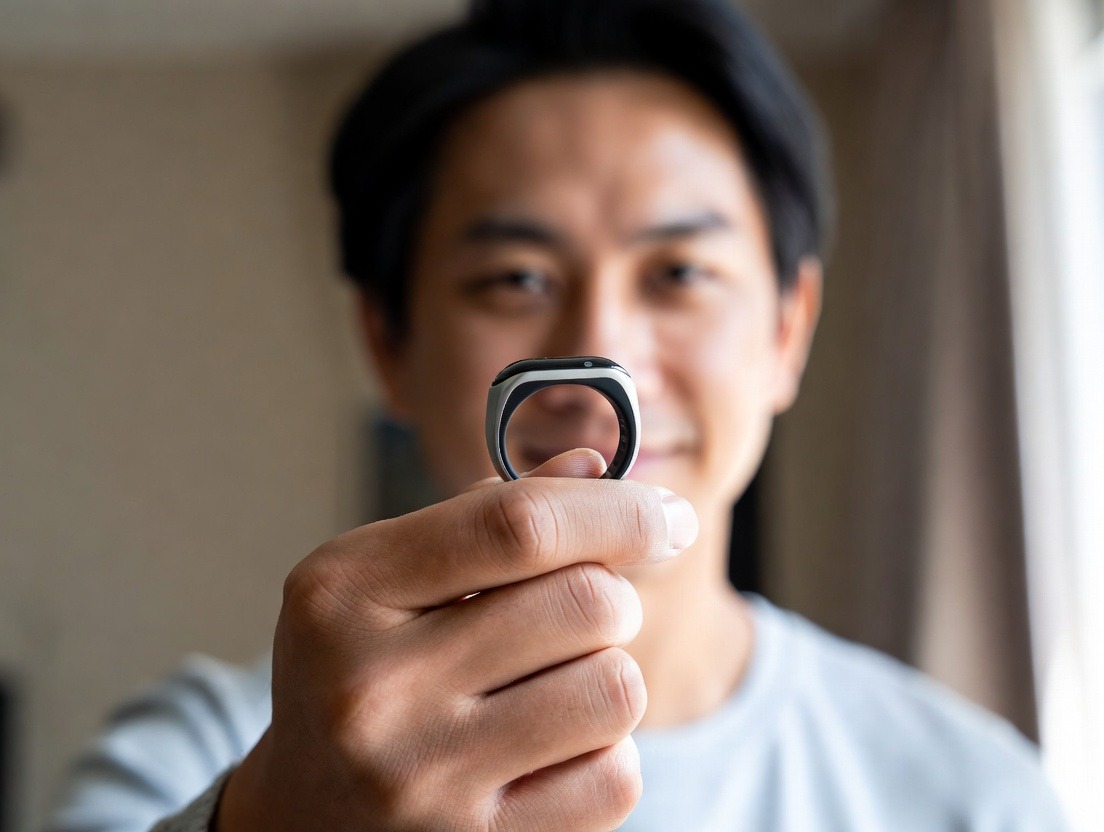
The first step to maximizing your investment is a fundamental mindset shift. Your device is not a critic; it’s a consultant. It doesn’t judge your lazy Sunday; it provides the contextual data to understand its impact. The purpose of a modern wearable extends far beyond step counting. It’s about building a holistic picture of your physiological intelligence.
Think of your body as a complex, constantly humming engine. Your wearable is the dashboard, monitoring key vitals like heart rate variability (HRV), resting heart rate (RHR), skin temperature, and blood oxygen saturation. These aren’t just numbers; they are your body’s nonverbal language, speaking volumes about your stress resilience, recovery status, immune system readiness, and sleep quality.
The goal is to stop chasing arbitrary targets (like 10,000 steps, a one-size-fits-all number with debatable origins) and start listening to your body’s unique signals. As we explore on the Oxyzen.ai/blog, the future of wellness is personalized, and it starts with this foundational understanding. Your device’s true purpose is to give you an objective, data-backed mirror, reflecting the interplay between your lifestyle choices and your biological responses.
Not all wearables are created equal, and the "best" device is entirely dependent on your primary objectives. A misalignment between your goals and your device’s strengths is a primary cause of abandonment. Let’s break down the ecosystem.
Smart Rings (The Subtle Biomonitor):
Devices like the Oura Ring, Ultrahuman Ring Air, and newcomers focused on holistic health are the stealth operatives of wearables. Worn on the finger, they excel in continuous, medical-grade sensing with minimal user interaction.
Smartwatches (The Connected Command Center):
Apple Watch, Samsung Galaxy Watch, Garmin, and Fitbit models dominate this space. They are your wrist-bound computers.
Fitness Trackers (The Focused Motivator):
Basic Fitbits, Xiaomi bands, and similar devices are the streamlined cousins of smartwatches.
How to Choose? Start with a ruthless priority list. Is your #1 goal to improve deep sleep and manage stress? A smart ring is likely your champion. Do you need detailed running metrics and offline music? A high-end sports watch is key. Are you just starting and want to build a basic activity habit? A fitness tracker is a perfect entry point. Your journey to maximizing your investment begins with this critical alignment. Reading real customer reviews and user experiences on sites like Oxyzen.ai/testimonials can provide invaluable, real-world insight into how different devices perform in daily life.
Your device is out of the box. Before you charge into the data stream, the most crucial—and most often skipped—step is the meticulous setup. This is where you move from generic tracking to personalized intelligence.
1. The Input Storm: Fill Out Your Profile Completely.
Every serious health platform will ask for age, weight, height, and gender. This isn’t bureaucratic; it’s foundational. These inputs calibrate the algorithms that estimate everything from calorie burn to sleep needs. Be accurate, and update these metrics if your weight changes significantly.
2. Dominant Hand & Wear Location Settings.
For wrist-worn devices, specifying if it’s on your dominant or non-dominant hand adjusts the algorithm for activity recognition (your dominant hand moves more). For rings, ensuring you’ve selected the correct finger size is paramount for sensor contact.
3. The Golden Week: Establishing Your Baseline.
Do not judge your data for the first 5-7 days. Your primary mission during this period is data collection, not optimization. Wear the device consistently (especially during sleep) and go about your normal life. This allows the device to learn your normal. What is your average resting heart rate? What does your typical sleep architecture look like? What is your baseline HRV? This personal baseline is the single most important reference point you will have. All future insights—the “You’re recovering well” or “You may be getting sick” alerts—are based on deviations from this established normal.
4. Notification Triage: Cultivating Focus, Not Addiction.
During setup, you’ll be bombarded with notification requests. Here’s the strategic approach:
5. Goal Personalization.
If your device allows, customize your goals. The default 10,000 steps might be too high or too low for you. Perhaps your focus is active minutes, or sleep consistency (going to bed within the same 30-minute window each night). Set goals that are challenging yet achievable to build momentum.
This calibration phase transforms your device from a stranger giving generic advice into a knowledgeable coach familiar with your unique physiology. For more detailed setup tips and troubleshooting, a visit to the Oxyzen.ai/faq can provide clear, step-by-step guidance.
Now, with a solid foundation and a personalized baseline, we can start interpreting the language of your data. This is where confusion often sets in, so let’s demystify the most critical metrics.
Sleep: It’s About Architecture, Not Just Duration.
Eight hours of sleep is not created equal. Your device breaks sleep into stages:
The Actionable Insight: Don’t just fixate on the score. Look at the balance and timing. Consistently low deep sleep? Prioritize a wind-down routine and cooler bedroom temperature. Low REM? This can be linked to high afternoon caffeine intake or antidepressant medications (consult your doctor). The goal is consistency in your sleep schedule above all else.
Recovery: HRV and the Story of Stress.
HRV is the time variation between each heartbeat. It’s controlled by your autonomic nervous system (ANS)—the balance between the “gas pedal” (sympathetic, “fight or flight”) and the “brake” (parasympathetic, “rest and digest”).
The Actionable Insight: Track the trend, not the daily number. A single low HRV reading isn’t alarming; a steady downward trend over several days is your body’s red flag. It’s a powerful signal to incorporate more rest, manage stress through meditation (which many devices can guide), and ensure you’re hydrated and nourished.
Activity: Beyond the Step Count – Strain & Adaptation.
Modern platforms now provide an “activity score” or “strain” metric that combines workout intensity, duration, and daily movement. This is a far superior metric to steps alone.
The Actionable Insight: Use your readiness score (which combines sleep and recovery metrics) to guide your daily activity. High readiness? It’s a green light for a challenging workout. Low readiness? Honor it with a walk, yoga, or complete rest. This is the essence of listening to your body with data.
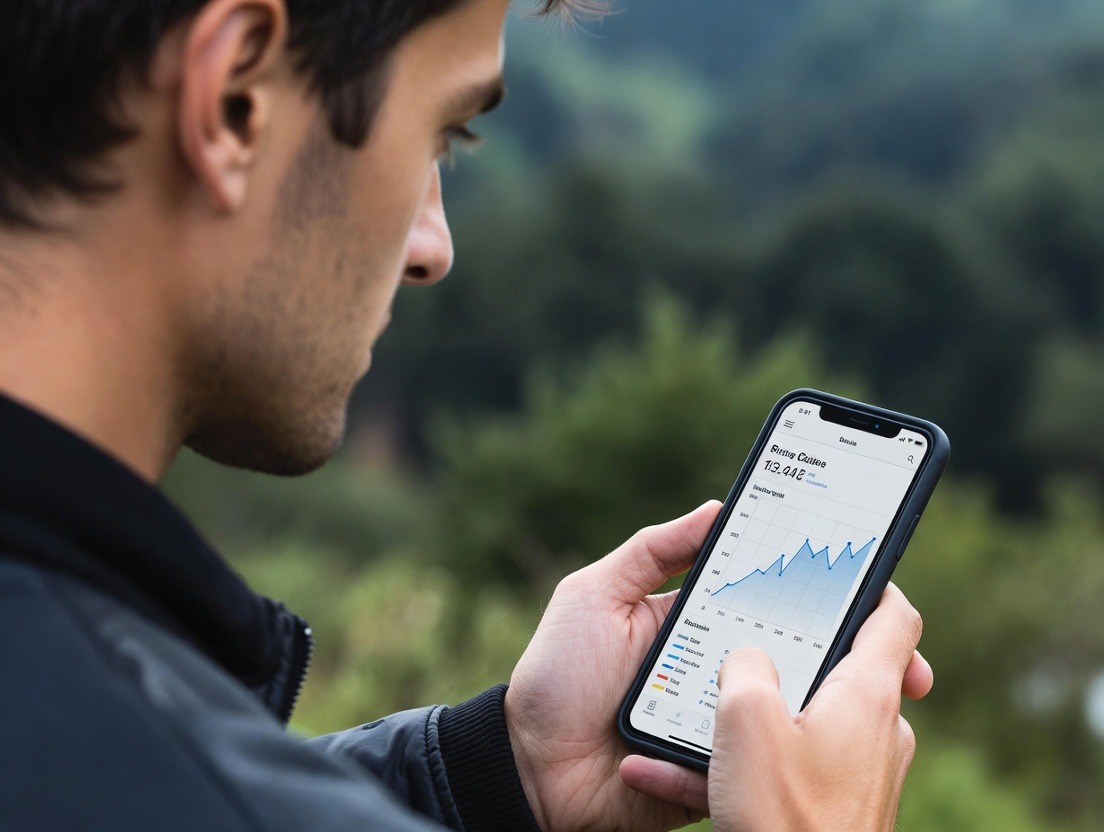
Your wearable is a powerful sensor, but its intelligence multiplies when its data converses with other apps in your health ecosystem. This integration creates a unified dashboard for your life.
Nutrition + Activity: The Complete Energy Picture.
Apps like MyFitnessPal, Cronometer, or Lose It! track your energy input (calories/nutrients). Your wearable tracks your energy output (calories burned). When connected, you get a near-complete picture of your daily energy balance. More importantly, you can start to see correlations: “On days I eat less than 50g of carbs, my sleep quality drops.” Or, “When I hit my protein goal, my recovery score improves.”
Mindfulness + Stress: Quantifying Calm.
Apps like Calm, Headspace, or Whoop’s guided journal can be linked. You can log a meditation session in Calm, and see its direct impact on your physiological stress (via a reduced daytime heart rate or increased HRV) in your wearable app. This creates a powerful feedback loop, proving the tangible biological benefit of mindfulness.
Fitness Platforms + Workouts: The Automated Log.
Connect your wearable to Strava, Peloton, or Apple Fitness+. When you complete a workout on these platforms, the detailed metrics (power output, cadence, route map) automatically sync with your wearable’s activity data, creating a rich, automated fitness journal without double entry.
The Technical How-To: This is usually done within the “Settings” or “Apps & Devices” section of your wearable’s companion app. Look for “Connected Services” or “Third-Party Apps.” The process typically involves granting permission for the two services to share specific data points.
The Strategic Benefit: This integration moves you from data observer to systems manager. You’re no longer looking at isolated metrics but at the interconnected web of your lifestyle. You begin to run experiments: “If I meditate for 10 minutes at 5 PM, how does it affect my sleep latency?” This is the heart of true biohacking and personalized wellness. For more ideas on creating a connected wellness system, explore our blog for more wellness tips and integration guides.
Data is inert. Insight is passive. Transformation only happens through action. This section is about building closed-loop systems where data triggers a deliberate behavioral response.
The “If This, Then That” Framework for Health:
Identify a key data signal and pair it with a specific, small action.
Building Your Personal Protocols:
Create your own health playbook based on your wearable’s alerts.
The power here is in removing decision fatigue. When the data speaks, you have a pre-determined, rational response ready. This turns anxiety-inducing alerts into empowering calls to action.
The allure of wearables can sometimes backfire, leading to obsessive daily checking and health anxiety. Maximizing your investment is a marathon, not a sprint. It requires a strategic, long-term perspective.
Shift Your Focus from Daily Scores to Weekly/Monthly Trends.
Your daily sleep score of 72 doesn’t mean much in isolation. But seeing your 30-day sleep average climb from 78 to 85 is a monumental victory. Use the trend graphs in your app religiously. Look for:
Embrace the “Off Day” as a Data Point, Not a Failure.
A poor recovery day after a friend’s wedding, complete with late night, alcohol, and rich food, is not a failure—it’s a brilliant, real-world experiment. It quantifies the physiological cost of that lifestyle choice. Observe the data without judgment, learn from it, and use it to make more informed choices in the future. The device shows the cost; you decide if the experience was worth the price.
Schedule “Data Digests,” Not Constant Checking.
To avoid obsession, limit your deep dives. Perhaps you review your sleep and readiness score each morning to plan your day, and then do a weekly 15-minute “health review” every Sunday to analyze trends and adjust habits for the coming week. This ritualized approach is far more sustainable and insightful than frantic, in-the-moment checking.
Beware of Comparison. Your HRV of 45 is not “worse” than someone else’s 80. Physiology is wildly individual, influenced by age, genetics, and more. The only valid comparison is you vs. your past self. This philosophy is core to the vision and values of companies truly focused on personalized health, where the journey is individual, not a competition.
For those ready to take their optimization to the next level, the true power of wearable data is unlocked when it’s interpreted by a trained professional. Your data becomes a shared language between you and your health team.
For the Athlete: The Coach-Device Partnership.
A great coach no longer has to rely solely on how you “feel.” They can see objective data. You can share trends showing cumulative fatigue, allowing them to periodize your training perfectly—pushing you when you’re resilient, pulling back when you’re at risk. This prevents overtraining and maximizes performance peaks.
For Stress & Mental Health: Informing Therapeutic Practice.
Therapists and health coaches can use your stress and sleep data to see the physiological footprint of anxiety or depression. It can help track the efficacy of interventions. For example, a client can demonstrate that their new mindfulness practice is correlated with a 15% increase in their average weekly HRV, providing powerful reinforcement.
For General Wellness: The Proactive Doctor’s Visit.
Walking into your doctor’s office with 90 days of trend data on your resting heart rate, sleep patterns, and activity is transformative. Instead of describing “tiredness,” you can show a graph of declining deep sleep and elevated nighttime heart rate. This moves the conversation from vague symptoms to targeted investigation, potentially catching issues like sleep apnea or subclinical thyroid problems earlier.
The Ethics of Data Sharing: Always ensure you are using platforms that give you full control over your data and clear, transparent options for sharing it securely with the professionals you choose to trust.
A $300+ health tool deserves care. Proper maintenance ensures data accuracy and extends the life of your investment.
Sensor Hygiene: The #1 Rule for Accuracy.
The optical heart rate sensors on the back of your device must have clean skin contact.
Battery Health Best Practices:
Firmware Updates: Your Device Gets Smarter.
When your companion app notifies you of a firmware update, do it promptly. These updates often include:
Treating your wearable as a precision instrument, not just a piece of jewelry or tech, guarantees it serves you faithfully for years. For device-specific care instructions, always refer to the manufacturer’s guidelines, which you can often find in the support section or FAQ page.
As we deepen our relationship with data, we must also cultivate wisdom. Maximization isn’t about blind obedience to metrics; it’s about informed partnership.
Combating Health Anxiety (Orthosomnia):
The term “orthosomnia” describes an unhealthy obsession with perfect sleep data. If you find yourself losing sleep over your sleep score, it’s time to step back.
The Critical Privacy Conversation.
You are generating deeply intimate physiological data. You must understand how it is used.
Knowing When to Tune Out:
Your device is a guide, not a gospel. There are times to ignore it:
This balanced approach ensures your wearable remains a liberating tool for self-knowledge, not a source of confinement or fear. It empowers you to use the technology without letting the technology use you.

Human beings are inherently social creatures, and our health journeys are no exception. While wearable data provides a powerful internal feedback loop, its impact is often magnified when shared within a context of community. The "gamification" of health, when done thoughtfully, can transform a solitary pursuit into a shared mission, providing the accountability and encouragement that can make the difference between short-term effort and lifelong habit change.
Beyond the Leaderboard: Cultivating Supportive Networks.
Early fitness apps relied heavily on public leaderboards, which could foster motivation for some but intimidation and disengagement for many. Modern wearable platforms have evolved toward more nuanced social features. The key is to move from broadcast-style competition to intimate, supportive connection.
The Power of Storytelling and Shared Discovery.
Community is not just about comparison; it's about collective learning. When a member of your group experiments with a new mindfulness app and sees a dramatic improvement in their sleep latency, that story becomes a powerful, credible testimonial for everyone else. You can crowdsource solutions: "My stress score is always high on Mondays—anyone have a pre-work ritual that helps?" The shared real customer reviews and user experiences within a trusted circle are often more impactful than any marketing copy.
Navigating the Pitfalls of Social Comparison.
Even in supportive groups, comparison can creep in. It’s crucial to anchor your community's culture in foundational principles:
For those looking to expand their community or find others on a similar path, many brands foster these connections. You can often learn more about smart ring technology and user communities through official forums or social media groups linked from pages like the Oxyzen.ai/blog, where shared learning is a core value.
We are standing at the precipice of a revolution in wearable technology: the shift from descriptive analytics (telling you what happened) to predictive and prescriptive analytics (forecasting what will happen and suggesting what to do about it). This is where artificial intelligence transforms your device from a historian into a proactive health advisor.
From Reactive Alerts to Proactive Nudges.
Current devices are reactive: "Your resting heart rate is elevated today." AI-powered systems are becoming predictive: "Based on your elevated nighttime heart rate, declining HRV trend, and a slight rise in skin temperature, there is an 82% probability you are fighting off a pathogen. Your immune system is under load for the next 48-72 hours."
This predictive capability is built on machine learning models that analyze your unique historical data patterns against massive, anonymized population datasets. The AI learns what your specific precursors look like for common outcomes like illness, poor recovery, or even optimal performance windows.
Personalized Prescriptions, Not Generic Tips.
The next step—prescriptive analytics—is where the true magic happens. Instead of giving you a generic tip like "get more sleep," an AI coach might say: "To mitigate the incoming immune challenge, prioritize 9 hours in bed tonight, increase your hydration by 30%, and consider a 20-minute mindfulness session at 6 PM to lower cortisol. I've automatically softened your smart lights for a 9:30 PM wind-down."
These prescriptive "nudges" will become hyper-contextual, factoring in your calendar (an AI won't suggest a 90-minute workout before your big presentation), your location (suggesting a walking meeting if you've been sedentary), and even real-time environmental data (pollen count, air quality) pulled from other sources.
The Quantified Gut and Emotional State.
Future sensors will move beyond the circulatory system. Prototypes for non-invasive glucose and lactate monitoring are in development, offering real-time insight into metabolic health. Furthermore, advanced algorithms are beginning to correlate physiological data (heart rate variability, respiratory rate) with subjective emotional states entered through micro-journals or voice analysis. Your device might one day say: "Your physiological pattern suggests high anxiety. Would you like to launch your breathing exercise routine?"
This level of personalization requires immense trust and transparency. Users will need to understand how these predictions are generated and retain ultimate agency over their choices. Companies leading this charge, like those you can learn more about on Oxyzen.ai/about-us, will need to build their models on a foundation of ethical AI and unwavering user privacy. The goal is empowerment through foresight, not a deterministic health prophecy.
Your wearable doesn't exist in a vacuum. Its data becomes exponentially more powerful when it can communicate with and control the other technology in your life, creating a responsive environment that actively supports your wellness goals. This is the concept of the "bio-smart" ecosystem.
Sleep Sanctuary Automation.
This is the most mature and impactful integration. By connecting your wearable to platforms like Apple HomeKit, Google Home, or IFTTT, you can create automated routines.
Productivity and Focus Enhancements.
Your physiological data is a direct readout of your brain's capacity for focused work.
Fitness Ecosystem Synergy.
Imagine starting a run. Your wearable detects the activity and automatically:
The Implementation Hub.
Setting this up often requires a middleman platform like IFTTT (If This, Then That) or Zapier, which allows different apps and devices that aren't natively compatible to "talk" to each other. You create "applets" or "zaps": "IF my Oura ring says I'm in sleep mode, THEN set the Nest thermostat to 65°F." While this requires some initial tech-savviness, the payoff is a living environment that intuitively supports your well-being, making healthy choices the default, effortless path. For those interested in the philosophy of connected, human-centric technology, the brand journey at Oxyzen.ai/our-story explores this vision of seamless integration.
Let's address the elephant in the room: high-end wearables, especially subscription-based models, are a significant investment. A $300 ring plus a $10/month subscription can feel daunting. To maximize this investment, we must reframe it from a "purchase" to an "investment" and calculate its Cost Per Insight (CPI).
The Breakdown: From Sticker Shock to Value Assessment.
Consider the annual cost. Let's say a device and its subscription total $420 for the first year. That's $1.15 per day. Now, ask yourself: what is the value of one impactful health insight?
If over a year, your device provides just a handful of these profound, actionable insights, the return on investment (ROI) in health, productivity, and avoided medical costs is enormous. The $1.15/day becomes a trivial cost for a 24/7 health monitoring consultant.
The Subscription Model Justification.
Why a subscription? The ongoing cost funds the continuous development of the AI algorithms, new feature development (like the predictive analytics discussed earlier), data storage, and security. You are not paying for the hardware alone; you are investing in a constantly evolving software service that makes the hardware smarter over time. It’s the difference between buying a one-time map and paying for live, updating GPS navigation.
Conducting Your Own Quarterly Value Audit.
Every three months, take 15 minutes to review:
This audit ensures you remain an active, critical consumer of the technology, continually assessing its worth in your life. It shifts the mindset from "Is this gadget worth it?" to "Is the ongoing flow of personalized health intelligence worth the price of a daily coffee?" For many, after experiencing the depth of insight, the answer is a resounding yes. If you're evaluating different options, reading through a comprehensive FAQ page can help clarify what ongoing value a subscription truly offers.
We've covered the philosophy, the metrics, the integrations, and the value. Now, it's time to synthesize everything into a actionable, step-by-step plan—your Personal Health Operating System (OS). This is your master blueprint for wearable mastery.
Phase 1: Foundation & Awareness (Weeks 1-4)
Phase 2: Integration & Experimentation (Weeks 5-12)
Phase 3: Optimization & Automation (Months 4-6)
Phase 4: Mastery & Refinement (Ongoing)
This Health OS is a living framework. It starts simple and becomes more sophisticated as you do. It turns the flood of data into a curated stream of wisdom, guiding you toward a healthier, more optimized life. For continuous learning and new strategies as the technology evolves, make a habit of exploring resources like the Oxyzen.ai/blog to keep your Health OS updated.
As we solidify our mastery of today's devices, it's thrilling to look at the horizon. The next five years will see wearable technology become even more seamless, comprehensive, and integrally woven into preventive healthcare.
Non-Invasive Blood Chemistry: The Holy Grail.
The most significant frontier is moving "inside the body" without breaking the skin. Research is advancing rapidly on sensors that use spectroscopic techniques (like Raman or NIR spectroscopy) to measure biomarkers from blood interstitial fluid through the skin. We could see wearables that provide continuous, non-invasive readings for:
Continuous, Medical-Grade Monitoring.
Devices will blur the line between consumer wellness and clinical medicine. We already see this with FDA-cleared ECG and blood pressure monitoring. The future includes:
The Frictionless Form Factor.
The device itself will disappear further into our lives.
The Ethical and Societal Implications.
With these advancements come profound questions. Who owns this incredibly detailed health data? How is it protected? Could it be used by insurers or employers? Will it create a "health divide" between those who can afford this technology and those who cannot? The companies that will lead this future are those building not just advanced hardware, but also a robust framework of ethics, privacy, and accessibility. This commitment to responsible innovation is a core part of the mission of forward-thinking brands in this space.
Your journey to maximize your wearable investment is, therefore, also a journey to become a savvy citizen of this new health landscape—empowered by data, guided by wisdom, and prepared for the incredible tools just around the corner.
Even with a deep understanding, practical frustrations arise. Let’s solve the most common ones.
Q: My data is all over the place and doesn't seem consistent. Is my device broken?
A: Fluctuation is normal and often contains the most valuable information. Your body is not a machine; it’s a responsive biological system. Look for patterns in the fluctuation. Does your HRV dip every Monday? Does your sleep score suffer after late dinners? The "noise" is often the signal pointing to lifestyle triggers. Only be concerned if a metric makes a sudden, permanent, and unexplained shift (e.g., resting heart rate jumps 10 bpm and stays there for two weeks), which may warrant a check-in with your doctor.
Q: I’m getting "poor readiness" scores even when I feel great. Should I ignore it?
A: First, honor the feeling. Subjective wellness is paramount. However, treat the data as a curious friend asking a question. Dive deeper. Is one metric (like resting heart rate) dragging the score down? Could it be detecting a subclinical issue, like mild dehydration or the very early stages of an illness your conscious mind hasn't registered yet? Use it as a prompt for extra self-care, not as an invalidation of your feeling. Sometimes the body signals stress before the mind acknowledges it.
Q: I’ve hit a plateau. My scores aren’t improving anymore.
A: Congratulations! You’ve likely optimized the obvious lifestyle factors. This is where advanced strategy begins.
Q: The battery life is annoying. How do I manage it without losing data?
A: Develop a charging ritual that aligns with a daily low-data activity. For watches: charge during your morning shower and coffee routine. For rings with multi-day batteries: charge during a weekly bath, a long shower, or while you’re sitting at your desk for a focused work session. Most devices sync data to the cloud continuously, so a 30-60 minute charge won’t create a meaningful gap in your long-term trends.
Q: How do I talk to my doctor about this data without sounding like a hypochondriac?
A: Frame it as a tool for better collaboration. Before your appointment, use your app to generate a Trend Report (most premium apps have this feature) covering the last 30-90 days for the relevant metric. Say: "I've been tracking my resting heart rate, and I've noticed this upward trend over the past two months, which coincides with when I started experiencing this fatigue. I brought the trend data to see if it provides helpful context." This presents you as an engaged, proactive patient providing objective evidence, not anecdotal worries.
ANS (Autonomic Nervous System): The part of your nervous system that controls involuntary bodily functions like heart rate, digestion, and respiratory rate. It has two main branches: sympathetic ("fight or flight") and parasympathetic ("rest and digest"). Your wearable metrics, especially HRV, are direct windows into ANS balance.
Baseline: Your personal, established normal range for a metric (e.g., sleep, HRV, RHR). All meaningful insights come from observing deviations from your own baseline, not comparing to population averages.
Biohacking: The practice of using data, technology, and lifestyle interventions to experiment with and optimize your own biology. Your wearable is the primary tool of the modern biohacker.
Body Battery/Readiness Score: A composite score generated by algorithms that synthesize sleep, recovery, and activity data to suggest your body's capacity for physical or mental strain for the coming day.
HRV (Heart Rate Variability): The variation in time between successive heartbeats. It is the single most important metric for assessing recovery status, nervous system resilience, and overall physiological stress. Higher HRV (within your personal range) is generally better.
NPV (Negative Predictive Value): In the context of wearables, this is the power of a "good" score. For example, a high readiness score is highly predictive that you are physiologically prepared to perform well.
PPG (Photoplethysmography): The optical technology used by most wearables to measure heart rate and heart rate variability by shining light into the skin and detecting changes in blood volume.
RHR (Resting Heart Rate): Your heart rate when you are fully at rest, typically measured during sleep. A lower RHR generally indicates better cardiovascular fitness.
Sleep Architecture: The cyclical pattern of sleep stages (Light, Deep, REM) throughout the night. Good sleep is about the quality and balance of this architecture, not just total duration.
Sleep Latency: The amount of time it takes you to fall asleep. Consistently long latency can indicate poor sleep hygiene or elevated pre-sleep stress.
SpO2 (Peripheral Oxygen Saturation): A measure of the oxygen levels in your blood. Wearables estimate this via PPG sensors. Sustained overnight dips can be a sign of sleep apnea.
If you’ve read this far, you are no longer a passive owner of a gadget. You are an architect of your own well-being, equipped with a powerful tool. The path to mastery is not found in reading alone, but in doing.
So, here is your single, simple invitation: Tonight, commit to one action.
Not ten. One.
Based on what you’ve learned, choose one single, implementable step from this guide and do it with full attention.
Take that step. Observe the result. Feel the shift from being controlled by data to being in conversation with it. This is how the partnership begins. This is how the drawer of good intentions stays closed forever, replaced by a wrist or finger that holds not just a piece of technology, but a key to a more conscious, vibrant, and intelligently lived life.
Your data is a story. You are the author. Now, write an incredible next chapter. For ongoing inspiration, science, and community as you write it, remember that resources like the Oxyzen.ai/blog are there to support your evolving narrative. The journey to maximize your investment is, ultimately, the journey to invest in the most important asset you will ever have: yourself.
We began this journey at the "drawer of good intentions," that graveyard of forgotten fitness trackers and unmet goals. We've navigated the intricate landscape of metrics, moved from passive data collection to active experimentation, and built a personalized Health OS designed for sustainability. Now, we arrive at the final, most important realization: maximizing your wearable health tech investment is not a project with an end date. It is the beginning of a lifelong partnership—a dynamic collaboration between you and a stream of objective data that illuminates the ever-changing story of your health.
This partnership is not about achieving a static state of "perfect health," a mythical destination defined by flawless scores. Life is a series of seasons: periods of intense training, times of deep stress, chapters of joyous chaos, and moments of quiet recovery. Your wearable's ultimate value is its adaptability. It serves as your compass through these seasons. During a training block, it’s a hard-nosed coach, pushing you based on recovery. During a period of family stress or intense work deadlines, it transforms into a compassionate guardian, prompting you to protect your sleep and manage your nervous system load. In a season of travel or celebration, it becomes a curious scientist, quantifying the impact of new experiences without judgment, allowing you to enjoy life fully and return to baseline with intention.
The true measure of success is not a number on the dial, but the quality of the conversation you have with your own body. Before this technology, that conversation was often vague and emotional: "I'm tired." "I feel off." "I have no energy." Now, it can be specific and insightful: "My HRV has dropped 20% below my baseline for three days, and my sleep latency has increased. This suggests my system is overloaded. I need to prioritize rest tonight." This shift—from frustrated confusion to empowered understanding—is the priceless return on your investment.
Your Trusted Sleep Advocate: Sleep Foundation — https://www.sleepfoundation.org
Discover a digital archive of scholarly articles: NIH — https://www.ncbi.nlm.nih.gov/
39 million citations for biomedical literature :PubMed — https://pubmed.ncbi.nlm.nih.gov/
Experts at Harvard Health Publishing covering a variety of health topics — https://www.health.harvard.edu/blog/
Every life deserves world class care :Cleveland Clinic - https://my.clevelandclinic.org/health
Wearable technology and the future of predictive health monitoring :MIT Technology Review — https://www.technologyreview.com/
Dedicated to the well-being of all people and guided by science :World Health Organization — https://www.who.int/news-room/
Psychological science and knowledge to benefit society and improve lives. :APA — https://www.apa.org/monitor/
Cutting-edge insights on human longevity and peak performance:
Lifespan Research — https://www.lifespan.io/
Global authority on exercise physiology, sports performance, and human recovery:
American College of Sports Medicine — https://www.acsm.org/
Neuroscience-driven guidance for better focus, sleep, and mental clarity:
Stanford Human Performance Lab — https://humanperformance.stanford.edu/
Evidence-based psychology and mind–body wellness resources:
Mayo Clinic — https://www.mayoclinic.org/healthy-lifestyle/
Data-backed research on emotional wellbeing, stress biology, and resilience:
American Institute of Stress — https://www.stress.org/


