


How Temperature Control Completes Your Nighttime Routine
Taking a warm bath or shower early in the routine helps lower core body temperature, a key signal for sleepiness.
Taking a warm bath or shower early in the routine helps lower core body temperature, a key signal for sleepiness.
%402x.svg)
You’ve dimmed the lights an hour before bed. You’ve sipped your magnesium-rich tea. You’ve journaled, meditated, and donned your blue-light blocking glasses. Your meticulously crafted nighttime routine is a masterpiece of modern wellness—yet you still spend hours tossing, turning, and kicking off the covers. The missing piece, the silent saboteur of your sacred sleep, isn’t your mindset or your melatonin. It’s your temperature.
For too long, the conversation around optimal sleep has been dominated by light, sound, and schedule, while a far more primal force has been overlooked: thermoregulation. Your body’s core temperature is not a static setting but a dynamic curve, a descending ramp that is the single most reliable physiological signal that tells your brain it’s time for deep, restorative sleep. When this curve is disrupted by a room that’s too hot, too cold, or simply inconsistent, your sleep architecture crumbles. You miss the vital window for slow-wave sleep, your REM cycles fragment, and you wake feeling unrefreshed.
This isn’t just about comfort; it’s about cellular repair, cognitive consolidation, and metabolic reset. Mastering your thermal environment is the final, non-negotiable layer of a truly effective nighttime routine. It’s the bridge between ritual and result. And for the first time, with the advent of intelligent, personalized technology like the Oxyzen smart ring, achieving this mastery is no longer a guessing game. It’s a precise science.
Imagine concluding your wind-down routine not just with a hope for good sleep, but with a data-driven understanding of your unique thermal needs. This is where the future of recovery begins. Welcome to the new frontier of sleep optimization: the complete, temperature-controlled night.
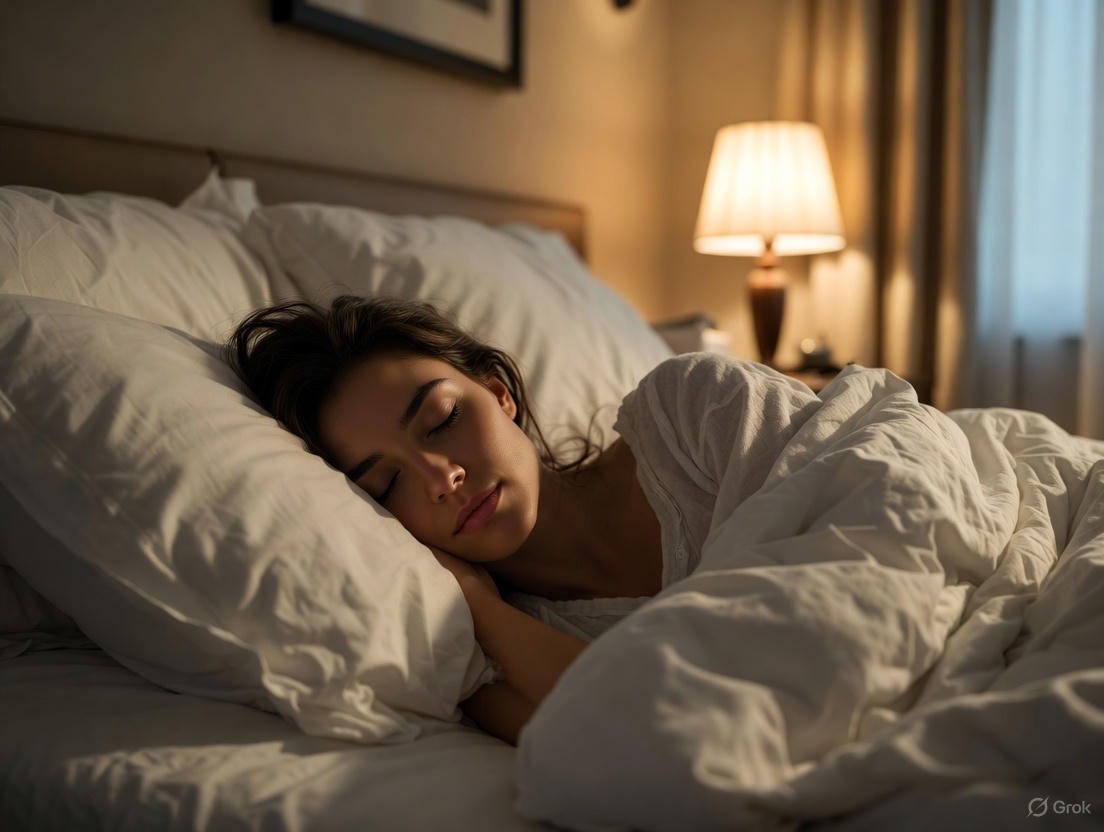
To understand why temperature is so fundamental, we must journey into the ancient wiring of the human hypothalamus. This tiny, almond-sized region of your brain acts as the body’s master thermostat, constantly fine-tuning your core temperature in a delicate 24-hour rhythm known as the circadian temperature cycle.
As evening approaches and melatonin begins to rise, your hypothalamus orchestrates a critical biological event: vasodilation. It sends blood rushing to your extremities—your hands and feet—which act as radiators, dissipating inner heat. Your core temperature drops by roughly 1-2 degrees Fahrenheit (0.5-1 degree Celsius). This drop is not a side effect of sleep; it is a cause of sleep. It is the key that unlocks the gate to slumber.
Research from the Sleep Medicine Center at the University of Pittsburgh underscores this, showing that the rate of this core temperature decline is a stronger predictor of sleep onset latency (how quickly you fall asleep) than melatonin levels alone. Your body is essentially “cooling the engine” to enter power-saving mode.
When your bedroom environment fights this natural process—by being too warm—your body must work overtime to shed heat, straining the cardiovascular system and delaying sleep onset. If it’s too cold, your body may constrict blood vessels to conserve heat, preventing the necessary core cooling. Both scenarios lead to fragmented, shallow sleep.
Think of it this way: all your other nighttime routines—the chamomile tea, the reading, the meditation—are software updates designed to calm the conscious mind. But temperature control is a direct hardware command to the brainstem. It speaks the primal language of survival that your body is hardwired to obey. By aligning your environment with this innate biological cue, you’re not just creating comfort; you’re signaling profound safety and triggering the cascade of neurochemicals (like adenosine and GABA) that usher in true, restorative rest. It’s the difference between politely asking your body to sleep and giving it the perfect physiological condition in which sleep is inevitable.
For a deeper dive into the circadian science behind recovery, you can always explore our blog for more insights on optimizing your biology.
Sleep is not a monolithic state of unconsciousness. It is a meticulously organized sequence of cycles, each with distinct stages that serve specific restorative functions. This is your sleep architecture, and temperature is the chief architect.
A full sleep cycle lasts about 90 minutes and consists of Non-Rapid Eye Movement (NREM) sleep—divided into N1 (light sleep), N2, and N3 (deep or slow-wave sleep)—and Rapid Eye Movement (REM) sleep. The thermal needs of your body shift dramatically as you navigate this architecture.
The progression through these stages is a thermal ballet. The initial cooling promotes sleep onset and deep sleep. Later in the night, as REM periods lengthen, a slightly warmer environment (or a bedding system that adapts) can help preserve those vital cycles. The problem with a static bedroom temperature is that it’s optimized for only one phase of this dynamic process, inevitably disrupting another.
This is why the most advanced approach isn’t just about finding a single “perfect” temperature, but about supporting the body’s natural thermal journey through the night. Understanding your personal architecture is the first step, which is why tools that provide detailed sleep stage analysis are invaluable. To see how real users have transformed their sleep by tracking this data, our testimonials page shares powerful stories of discovery.

Our ancestors slept in environments that closely tracked the natural drop in outdoor temperature. Modern life, however, has erected a series of formidable barriers to our natural thermal rhythm. We are, quite literally, insulating ourselves from the very signal our brains need.
The cumulative effect is a state of chronic "thermal pollution" at bedtime. We’ve spent centuries engineering comfort, only to discover that our definition of comfort for a waking, clothed body is fundamentally misaligned with the needs of a sleeping, vulnerable physiology. Reclaiming sleep means identifying and mitigating these saboteurs, a process that begins with awareness. For common questions on how technology can help identify these disruptions, our FAQ is a great resource.
The oft-cited "ideal" sleep temperature of 65°F (18.3°C) is a useful population average, but it is a starting point, not a prescription. Your personal Goldilocks Zone is influenced by a constellation of unique factors:
Finding your zone requires moving beyond the thermostat on the wall and thinking about microclimate management—the immediate environment between your body and your bedding. This involves a layered approach:
The goal is to create a system with high thermoregulatory flexibility, allowing you to shed or retain heat effortlessly throughout the night’s changing phases without fully waking. This personalized approach is at the heart of modern sleep science. At Oxyzen, we believe technology should adapt to your unique biology, a principle central to our story and mission.
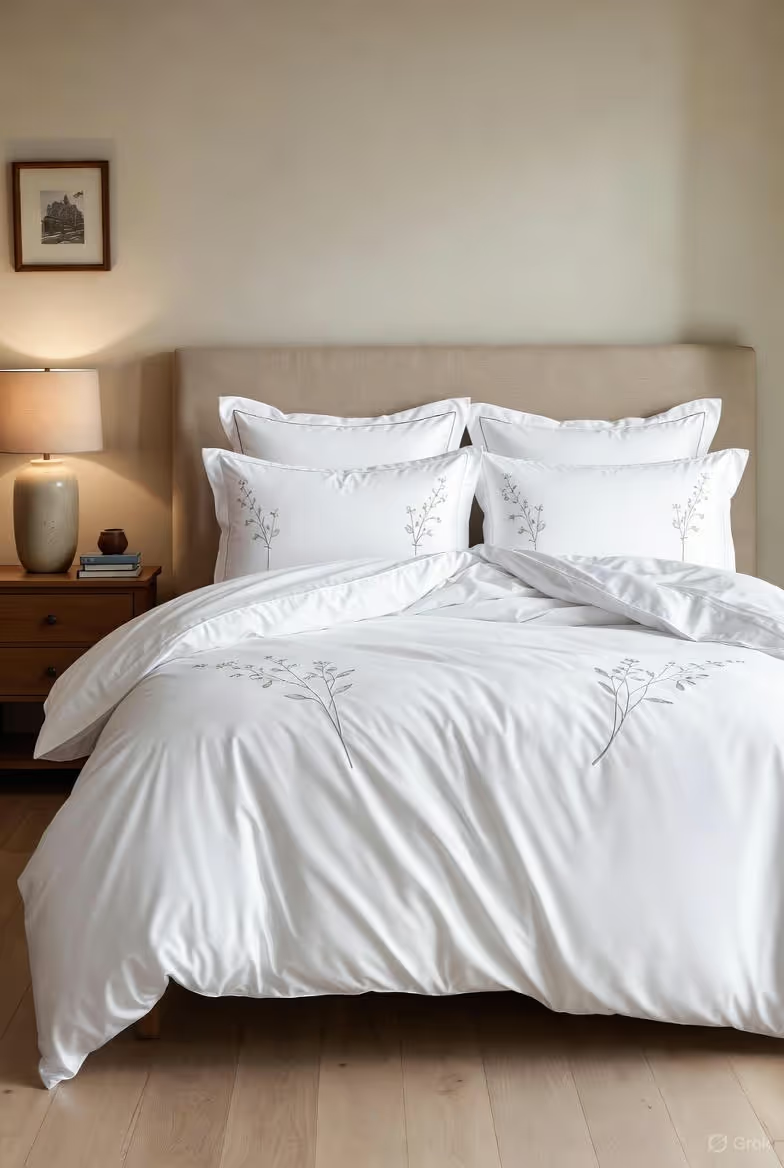
For decades, our approach to sleep temperature was passive and static: set the thermostat, buy a "cooling" pillow, and hope for the best. We treated our sleep environment like a room, not an ecosystem. Today, we are at the inflection point of a revolution: the shift to active thermal management.
This new paradigm uses biometric feedback to dynamically adjust your sleep environment in real-time, creating a true biofeedback loop. Imagine a system that knows, because it can measure, that your core temperature is not dropping sufficiently during your initial sleep phase. Instead of you waking hours later feeling unrested, the system responds: it gently cools your mattress pad or the airflow around you, guiding your physiology back onto the optimal cooling curve.
The catalyst for this intelligence is the continuous, medical-grade collection of core biometrics—specifically, peripheral temperature and heart rate variability (HRV). Your peripheral temperature (from your fingers, toes, or earlobes) is a superb proxy for tracking the vasodilation process and core temperature trends. HRV, the nuanced variation in time between heartbeats, is a direct window into your autonomic nervous system. As you cool down and prepare for sleep, your HRV pattern shifts, indicating increased parasympathetic (rest-and-digest) activity.
A device that can measure these metrics comfortably and accurately throughout the night becomes the brain of your sleep ecosystem. It moves us from guesswork to guidance, from a fixed environment to a responsive one. This isn't science fiction; it's the logical next step in personalized wellness, transforming the bedroom from a passive space into an active partner in recovery. To understand the technology enabling this shift, you can learn more about how Oxyzen’s advanced sensing works.
In the quest for accurate, uninterrupted night-time biometrics, the form factor is paramount. Wrist-based devices can be bulky and suffer from signal gaps due to movement. Chest straps are intrusive. The solution emerging as the gold standard for 24/7, user-compliant tracking is the smart ring.
Why the finger? The finger’s rich vascular bed provides an excellent site for photoplethysmography (PPG) sensors to measure blood flow, heart rate, and HRV. Its position on a peripheral artery makes it ideal for tracking the vasodilation and temperature changes critical to sleep onset. Furthermore, a well-designed ring is unobtrusive, worn continuously without discomfort, and far less prone to motion artifact during sleep than a device on the wrist, which can twist or be covered by blankets.
A sophisticated smart ring like Oxyzen acts as your Biometric Navigator. It silently charts your body’s journey through the night—mapping your core temperature trend, your sleep stages via movement and pulse rate, your HRV recovery score, and your respiratory rate. This data creates your unique Thermal Sleep Profile.
This profile doesn’t just tell you if you slept well; it reveals the how and why. It can answer questions like:
With this navigational data in hand, you graduate from generic advice to personalized protocol. The ring is the indispensable sensor, the always-on guardian of your physiology, providing the truth your subjective feeling in the morning cannot. For those curious about the specifics of this data and how it’s presented, our blog features detailed breakdowns and case studies.
Raw biometric data is just numbers. The power lies in interpretation—connecting the dots between temperature curves, sleep stages, and HRV to write the narrative of your night. Here’s how to read your body’s thermal story.
Chapter 1: The Wind-Down (90-60 Minutes Before Bed)
Chapter 2: The Descent (Sleep Onset to First Deep Sleep Cycle)
Chapter 3: The Deep Sleep Plateau
Chapter 4: The REM Rollercoaster
The Hero Metric: Heart Rate Variability (HRV)
Weave your HRV trend through this entire story. A successful thermal descent should be accompanied by a rising HRV trend through the night, indicating deep parasympathetic recovery. If your temperature drops but your HRV remains low or drops, it could indicate other stressors (immune activity, psychological stress, overtraining) are at play, overriding the thermal benefit.
Learning to read this story empowers you. A night of poor sleep is no longer a mystery; it’s a chapter with clear clues—"temperature didn’t drop," "awakening correlated with a spike"—waiting to be solved. Many of our users share how learning this language changed their approach to health; you can read their testimonials for real-world examples.

Armed with knowledge and data, you can now construct a proactive, temperature-optimized nighttime protocol. This is where theory becomes transformative practice.
Phase 1: The Evening Pre-Cool (2-3 Hours Before Bed)
Phase 2: The Bedside Biometric Check (30 Minutes Before Bed)
Phase 3: The Adaptive Night (During Sleep)
Phase 4: The Morning Audit (Upon Waking)
This protocol turns you from a passive sleeper into an active sleep scientist, experimenting and iterating based on objective feedback. For support in fine-tuning this process, our comprehensive FAQ addresses many common implementation questions.
Temperature control is the most powerful lever, but it is not the only one. Its effect is magnified exponentially when pulled in concert with the other pillars of sleep hygiene: light, timing, and mental state. This is the Sleep Synergy Effect.
Think of it as an orchestra. Temperature is the lead violin, the most prominent melody. But light exposure sets the tempo, consistency is the conductor keeping everyone in time, and mindfulness ensures the instruments are tuned and ready. When all sections play in harmony, the result is a masterpiece of restorative sleep. To explore more about crafting a holistic wellness routine that includes all these elements, our blog is regularly updated with integrative strategies.
Optimizing your sleep temperature is not a hack for a single better morning; it is a foundational investment in long-term systemic health. The dividends paid by consistent, thermally-supported sleep compound over a lifetime.
The act of cooling your sleep space is, therefore, one of the most potent forms of preventative medicine available. It requires no prescription, has no side effects, and its benefits touch every organ system. This profound potential is what drives us at Oxyzen. We are committed to providing the tools that unlock this foundational health, a commitment rooted in our vision and values as a company.

We stand at the dawn of a new era in rest. The future of sleep is not about more pillows or louder white noise machines. It is about biometric personalization, proactive environmental adaptation, and holistic integration.
The next wave of innovation will see your Biometric Navigator—your smart ring—seamlessly communicating with the ecosystem around you. It will signal your thermostat to begin pre-cooling your bedroom 30 minutes before your optimal bedtime, as determined by your personal circadian rhythm data. It will interface with a dynamic mattress pad that provides subtle cooling during your initial deep sleep cycles and gentle warmth during late-night REM. Your morning alarm will be tied to your sleep stage, waking you at the optimal point in your cycle based on your physiology, not a arbitrary clock time.
This future moves us from reactive sleep tracking ("I slept poorly last night") to predictive sleep stewardship ("My data shows I’m at risk for a poor night; my environment will adjust to prevent it"). It transforms sleep from a mysterious, passive state into a actively managed pillar of health, as deliberate and optimized as nutrition and exercise.
This journey begins with a single, profound realization: that the blanket you curl under and the air you breathe as you sleep are not mere background details. They are active participants in your biology. By taking control of them, you take control of your recovery, your health, and your vitality. Your nighttime routine is finally complete. The adventure of optimizing it, with precise data as your guide, is just beginning. To become part of this future and start mapping your own thermal journey, discover how Oxyzen is designed to be your guide.
While you sleep, your body engages in a monumental task far beyond simple rest: it performs a system-wide reset. This overnight overhaul is critical for flushing toxins, repairing cellular damage, and preparing you for the demands of a new day. And the conductor of this intricate biological symphony is, once again, temperature.
The brain’s glymphatic system, a recently discovered waste-clearance network, becomes exceptionally active during deep NREM sleep. Think of it as the brain’s nightly power-wash. Cerebrospinal fluid pulses through brain tissue, sweeping away metabolic debris like beta-amyloid and tau proteins—proteins whose accumulation is associated with neurodegenerative diseases. This process is highly temperature-dependent. A cooler core temperature facilitates more efficient fluid dynamics and neural activity synchronization, allowing the glymphatic system to operate at peak capacity. Studies suggest that even mild sleep disruption from heat can reduce this cleansing efficiency by up to 40%, leaving behind the neurological "gunk" that impairs cognitive function over time.
Simultaneously, at the cellular level, a repair festival is underway. DNA damage accrued from daily exposure to sunlight, pollution, and stress is mended. Muscle tissue broken down by exercise is rebuilt stronger. This repair work is fueled by a cascade of hormones, most notably human growth hormone (HGH), the majority of which is secreted during the first cycle of deep, slow-wave sleep. The release of HGH is exquisitely sensitive to core body temperature. The optimal cooling environment that promotes deep sleep also creates the perfect endocrine conditions for a robust HGH pulse. In contrast, a warm, disrupted sleep environment can blunt this vital release, slowing recovery, hampering muscle growth, and accelerating the physical markers of aging.
This detox-and-repair cycle is a primary reason you wake up feeling mentally clear and physically renewed—or, conversely, foggy and achy. It’s not an abstract concept; it’s a physiological event that your thermal environment either supports or sabotages. By prioritizing temperature control, you’re not just sleeping better; you’re actively extending the healthspan of your brain and body every single night.
The changing seasons present one of the most practical challenges to maintaining a consistent sleep temperature. Your body’s needs shift subtly with the humidity and length of the day, and your strategy must be as dynamic as the weather.
Summer’s Swelter: The challenge is combating both high ambient temperature and humidity, which impairs sweat evaporation, the body’s primary cooling mechanism.
Winter’s Dry Chill: The danger in winter is often over-compensation. We crank the heat, creating an arid, overly warm environment that prevents core cooling.
Spring and Fall’s Fluctuations: These transitional seasons are trickiest, with large temperature swings between day and night.
The goal is not to create an identical climate every night of the year, but to maintain the integrity of your body’s core temperature curve despite external changes. Your personal data is the compass that guides these seasonal tweaks, taking the guesswork out of staying on course. For more tips on adapting your wellness tech to seasonal changes, our community often shares their insights on the blog.
One of the most common and frustrating obstacles to perfect sleep temperature is sharing a bed with a partner whose internal thermostat seems calibrated for a different planet. This "thermostat war" is more than a relationship quirk; it’s a profound physiological mismatch that can degrade sleep quality for both people. Solving it requires moving from conflict to compromise, armed with data and smart solutions.
First, Understand the "Why": The differences are often biological. Men typically have a higher metabolic rate and greater muscle mass per pound, generating more heat. Women, due to hormonal cycles, experience fluctuating thermal set points—often running cooler in the first half of the menstrual cycle and warmer in the second. Perceptions of "hot" and "cold" are also subjective neural interpretations, not just objective measurements.
The Data-Driven Truce: This is where individual biometric tracking becomes a relationship-saver. When both partners wear a device like the Oxyzen ring, you move beyond "I’m hot" vs. "I’m cold" to objective data. You can compare graphs: "Look, my data shows my temperature didn’t drop at all after 11 PM, which is when you piled on the duvet." This frames the issue as a shared physiological puzzle to solve, not a personal complaint.
Practical Solutions for a Dual-Climate Zone:
By addressing the thermal disconnect, you often solve other sleep issues like movement disturbance. The result is a shared space that respects individual biology, leading to better sleep and less friction. It’s a powerful example of how personalized wellness tech can improve not just personal health, but relational harmony. Reading about our story reveals how solving real-world human problems is at the core of our design philosophy.
Your body’s ability to cool down at night is not determined solely in the hours before bed; it’s programmed by your actions throughout the entire day. Think of your circadian rhythm as a flywheel, and every daytime habit is either a push that builds momentum for a smooth evening descent or a drag that brings it to a grinding halt.
The Prime Movers (Habits that Promote Evening Cooling):
The Drags (Habits that Impede Evening Cooling):
The Synergy Check: Use your smart ring’s daytime metrics to connect the dots. Notice how a day with a morning walk and consistent hydration correlates with a higher "readiness" score and a steeper temperature drop at night. Conversely, see how a day of back-to-back meetings, endless coffee, and a late dinner shows up in a sluggish thermal descent and poor sleep quality. This feedback loop turns every daily choice into a conscious investment in your night. For a deeper exploration of circadian-aligned daily routines, our blog features several comprehensive guides.
The world of sleep advice is riddled with well-intentioned myths that can derail your thermal optimization efforts. Let’s bring data and physiology to bear on some of the most persistent ones.
Myth 1: "If you have night sweats, just make the room colder."
The Truth: While a hot room can cause sweating, chronic night sweats are often a symptom of an underlying issue, not just an environmental one. They can be driven by hormonal fluctuations (menopause, andropause), sleep apnea (the body sweats due to the stress of struggling to breathe), medication side effects, or an overactive sympathetic nervous system. Blasting the AC might provide superficial relief but misses the root cause. A biometric device can be illuminating here, showing if night sweats correlate with spikes in heart rate or drops in blood oxygen, pointing toward potential sleep-disordered breathing.
Myth 2: "Cold feet are normal; just wear socks."
The Truth: Cold feet at bedtime are a sign that vasodilation—the critical release of heat from the core—has not yet begun or is insufficient. While wearing socks can provide comfort and can sometimes help initiate the process by making the body feel overall warm enough to start shedding heat, it’s a workaround. The deeper goal is to improve circulatory health and circadian signaling so your feet naturally warm themselves through vasodilation. If cold feet are a constant issue, it’s worth investigating factors like iron levels, thyroid function, and daily activity.
Myth 3: "Humans slept in variable temperatures for millennia, so we should just get used to it."
The Truth: This argument ignores context. Our ancestors also slept in sync with sunset and sunrise, experienced near-total darkness, and lived with physical fatigue we can scarcely imagine. Their "variable" temperature was a predictable, gradual cooling aligned with fading light. Modern life gives us artificial light that delays our clock, constant stress that raises our baseline temperature, and insulating homes that prevent cooling. We aren't battling natural variability; we're battling a constant, unphysiological thermal plateau. Optimizing our environment isn't "weak"; it's using modern knowledge to correct for modern disruptions and reclaim a natural biological rhythm.
Myth 4: "The perfect sleep temperature is a fixed number for everyone."
The Truth: As explored earlier, this is a dangerous oversimplification. While the 60-67°F (15.5-19.5°C) range is a scientifically valid starting point, your perfect temperature is a range within a range, influenced by your personal profile. Relying on a single number can lead you to give up if 65°F doesn't work. The truth is found in your personal data trend, not a textbook.
Dispelling these myths clears the path for a more nuanced, effective, and personalized approach. It moves you away from generic advice and toward becoming the expert on your own sleep physiology. If you encounter conflicting advice, our FAQ is a great place to find science-backed clarifications.
Creating the ultimate temperature-optimized sleep environment is about integrating tools into a seamless, user-friendly system. This is your tech-enabled sleep sanctuary, where technology serves biology quietly and effectively.
The Core Biometric Hub: Your smart ring is the brain of this operation. It provides the continuous, passive feedback that informs every other decision. Choose a device that offers not just sleep staging, but detailed temperature trend analysis and HRV, like the Oxyzen ring. Its 24/7 wearability ensures it captures your body’s truth, not just your night’s estimate.
The Environmental Responders:
The Integration Dream: The true potential lies in connectivity. Imagine a future where your smart ring detects your core temperature beginning its descent, signaling your thermostat to lower the room to your personalized set point. At 3 AM, when it detects you entering a long REM cycle and your skin temperature drifting down, it signals your bed pad to provide a whisper of warmth to preserve that cycle. This Internet of Things (IoT) for sleep is rapidly becoming a reality, turning your bedroom into an adaptive extension of your own physiology.
Start building your sanctuary step-by-step. Begin with the biometric hub—the ring—to establish your baseline. Then, add the most impactful environmental controller, likely a smart thermostat. Build from there based on your data and specific pain points. The goal is not complexity, but harmony—a system that works so intuitively you forget it’s there, only noticing the profound improvement in how you feel every morning. To see the kind of technology that can act as your hub, learn more about Oxyzen’s capabilities and design.
Collecting data is only the first step. The transformation happens when you translate those numbers and graphs into a repeatable, personalized protocol—a set of rules your body loves. This is the art and science of becoming your own sleep biohacker.
Step 1: Establish a Baseline (2 Weeks)
Wear your biometric device consistently and live your normal life. Do not try to change anything yet. The goal is to gather honest data on your current sleep architecture, temperature curve, and HRV baseline. Use the app’s journal feature to note daily factors: stress levels, workout timing and intensity, caffeine and alcohol intake, meal times.
Step 2: Identify Patterns and Correlations (1 Week of Analysis)
Look for the story in your data. Ask:
Step 3: Implement a Single Change (1-2 Week Experiments)
Based on your analysis, choose ONE variable to modify. For example: "I will lower my bedroom thermostat to 66°F and keep it there for two weeks." Or "I will stop caffeine after 1 PM." The key is singularity. Change only one thing at a time so you can clearly see its effect in your data.
Step 4: Measure the Impact
After the experimental period, review your data. Did the intervention:
Step 5: Iterate and Refine
If it worked, lock that change in as part of your permanent protocol. If it didn’t, or had negative effects, discard it and test a different variable. Then, move on to the next lever: maybe adjusting your dinner time, introducing a warm bath, or changing your bedding.
Over months, this process builds a Personal Sleep Playbook unique to you. It might read: *"For optimal sleep: Bedroom at 64°F with humidifier at 45%. No coffee after 2 PM. Finish eating by 7 PM. 10-minute warm shower at 9:15 PM. Bed by 10:30 PM. Use weighted blanket only in winter."*
This playbook is dynamic. It can be adjusted for travel, stress periods, or changes in fitness. It turns you from a passive patient receiving generic advice into an empowered architect of your own restoration. This journey of self-discovery is what we champion at Oxyzen, and you can read about our mission to enable this kind of personal mastery.
The implications of nightly thermal optimization extend far beyond feeling sharp tomorrow. They tap into the fundamental mechanisms of aging and chronic disease, positioning controlled sleep temperature as a potent, underutilized lever for longevity.
The Cellular Aging Link: At the ends of our chromosomes lie telomeres, protective caps that shorten with each cell division, a key marker of cellular aging. Chronic sleep deprivation and poor sleep quality are associated with accelerated telomere shortening. Since deep, thermally-supported sleep is when critical cellular repair and antioxidant processes peak, it follows that protecting this sleep may help preserve telomere length. It’s a nightly opportunity for cellular maintenance.
Metabolic and Cardiovascular Guardrails: We’ve touched on sleep’s role in regulating hormones like cortisol, insulin, and growth hormone. A consistently cool, stable sleep environment protects the architecture that manages these hormones. Over decades, this protection compounds. It helps maintain insulin sensitivity (warding off Type 2 diabetes), supports healthy blood pressure dipping at night (a crucial cardiovascular marker), and reduces systemic inflammation—a root driver of virtually every chronic condition from heart disease to arthritis.
The Neurological Dividend: By maximizing glymphatic clearance each night, you are proactively reducing the burden of neurotoxic proteins linked to Alzheimer’s and Parkinson’s diseases. Think of it as taking out the brain’s trash every single night, without fail. This consistent maintenance may be one of the most powerful preventative neuroscience strategies available.
The Performance-Longevity Crossover: For those focused on athletic or cognitive performance, this is your secret weapon. The recovery that happens in a thermally-optimized night reduces injury risk, accelerates skill consolidation, and enhances mitochondrial biogenesis (the creation of cellular energy powerhouses). In the long run, staying physically and cognitively capable longer is a core component of healthspan—living well, not just living long.
Investing in your sleep temperature is, therefore, an investment in your future self. It is a non-pharmacological, proactive intervention with a staggering return on investment. It requires no prescription, but it does require intention and the right tools to execute precisely. By making this a cornerstone of your lifestyle, you are building a foundation for a longer, healthier, and more vibrant life. The journey of a thousand days begins with a single, cool, restorative night. To join a community focused on this long-term vision of health, we invite you to discover more about Oxyzen and our commitment to your wellness journey.
You’ve mastered the basics. Your room is cool, your bedding is breathable, and you’re tracking your data. Now, we enter the realm of precision optimization. For athletes, high-performers, and serious biohackers, the goal shifts from avoiding bad sleep to engineering perfect recovery. This involves strategically manipulating your thermal curve to enhance specific physiological outcomes.
Targeting Hormonal Peaks: As mentioned, human growth hormone (HGH) release is tightly coupled to deep sleep. Research indicates that the amplitude of your core temperature drop can influence the magnitude of this pulse. To potentially amplify it:
Optimizing for Cognitive vs. Physical Recovery: Your needs may change based on your daily demands.
The Power of Consistency vs. Adaptation: While the body appreciates consistency, it also responds to novel stimuli. Some advanced practitioners use thermic periodization—intentionally varying their sleep temperature by 2-3 degrees every few weeks. The hypothesis is that this minor, controlled stressor keeps the thermoregulatory system "responsive" and may prevent adaptive downregulation of cooling efficiency. This is frontier biohacking; if you experiment, do so methodically and track metrics like HRV, resting heart rate, and subjective recovery scores meticulously. The community at Oxyzen’s blog often discusses such advanced experimentation.
Even with the best protocol, you’ll have off nights. Your biometric data is your diagnostic tool. Here’s how to play sleep detective and decode common thermal dysregulation patterns.
Problem 1: The "Flatline" Night. Your peripheral temperature graph shows almost no decline after bedtime. It remains stubbornly flat.
Problem 2: The "Sawtooth" Pattern. Your temperature graph shows a jagged series of small peaks and troughs throughout the night.
Problem 3: The "Premature Rise." Your core temperature begins climbing steeply at 3 or 4 AM, leading to an early and unwaking.
Systematically troubleshooting with data turns frustration into a productive problem-solving session. It removes the mystery and empowers you with actionable insights. For persistent issues, consulting the data with a professional or exploring our FAQ for technical insights can provide next steps.
Your body’s thermal response can be classically conditioned, much like Pavlov’s dogs. You can train your physiology to associate a specific, gentle thermal cue with the immediate initiation of sleep—a powerful tool for overcoming insomnia or erratic sleep onset.
Creating a Thermal Anchor: This involves consistently pairing a mild, pleasant thermal stimulus with the state of drowsiness.
Breathing as a Thermal Tool: The 4-7-8 breathing method (inhale for 4, hold for 7, exhale for 8) does more than calm the mind. The prolonged exhalation stimulates the vagus nerve, enhancing parasympathetic activity, which promotes peripheral vasodilation. Practicing this in your cool bedroom literally uses your breath to accelerate the cooling process. You can measure its direct effect by watching your real-time heart rate drop on your smart ring’s app as you do it.
Cognitive Reframing: Instead of dreading a cool room, consciously reframe it. As you crawl into your cool sheets, think or whisper a mantra like "This coolness is my signal to heal. My body knows exactly what to do." This pairs the physiological cue with a positive, expectant mental state, reducing any subconscious resistance or anxiety about being cold.
This conditioning leverages neuroplasticity. You’re not just creating a good environment; you’re training your nervous system to use that environment with maximum efficiency. It turns your bedtime routine into a potent, reflexive trigger for sleep.
Travel is the ultimate sleep disruptor—jet lag, unfamiliar environments, and loss of control over your space. A proactive thermal strategy is your best defense for maintaining performance and minimizing disruption.
The Portable Sanctuary Kit:
Strategic Jet Lag Mitigation: Use temperature to hack your circadian shift.
The "First Night Effect" Solution: Many people sleep poorly the first night in a new place due to heightened hemispheric asymmetry in the brain (one hemisphere stays more alert). You can’t eliminate it, but you can dampen it. Meticulously recreate your thermal ritual: use your portable tools to mimic your home environment as closely as possible. The familiar sensory input of your cool, humidified microclimate and your sleep data tracking provides a powerful signal of safety to your nervous system. Sharing travel hacking tips is a favorite topic among our users; you can find creative ideas in our community testimonials.
Optimal sleep temperature is not one-size-fits-all across a lifetime. The very young and the older adult have unique thermoregulatory challenges that demand tailored approaches.
For Infants and Children:
For Older Adults:
Addressing these lifespan-specific needs underscores a core principle: thermal optimization is about supporting the body’s inherent biology at its current stage, not imposing an external ideal. It’s a compassionate, science-backed approach to better sleep for all ages. Our commitment to creating inclusive, beneficial technology is part of the story behind Oxyzen.
Investing in sleep optimization has upfront costs. Is it worth it? A clear-eyed cost-benefit analysis, looking at both financial and quality-of-life returns, makes a compelling case.
The Cost Side:
The Benefit Side (The ROI):
The Verdict: For most people, especially those struggling with sleep or operating in high-demand roles, the long-term benefits dramatically outweigh the costs. The investment is not in gadgets, but in the foundational infrastructure of your health and potential. It shifts spending from treating problems to preventing them and enhancing capability. When viewed through this lens, a smart ring and a cool bedroom aren't expenses; they are among the highest-yield investments you can make in yourself. To understand the value our users derive, the stories on our testimonials page speak volumes.
We are on the cusp of a revolution in how we understand and interact with our sleep. The next ten years will move us from generalized tracking to predictive, closed-loop ecosystems that are virtually autonomic.
Predictive Analytics and AI: Your sleep data, combined with other lifestyle inputs (calendar, fitness tracker, diet log), will feed into machine learning algorithms. Your device won’t just tell you how you slept; it will predict your sleep quality for the coming night based on your day and suggest micro-adjustments: *"Given your high-stress meeting at 4 PM and intense workout, we recommend lowering bedtime temperature by 1.5 degrees tonight to compensate."*
Closed-Loop, Multi-System Integration: The true "smart bed" will be a hub that receives data from your ring and controls multiple parameters seamlessly:
Non-Contact Sensing: Radar-based sensors (like those in latest smartwatches) will advance to the point where they can measure core temperature trends, respiratory rate, and sleep stages from your nightstand, no wearable required. This will make seamless tracking even more accessible.
Personalized Chronotherapy: Treatment for circadian disorders, shift work, and jet lag will become highly personalized. Based on your genetic profile and continuous biometrics, you’ll receive a tailored protocol of light, temperature, and melatonin timing to reset your clock with pharmaceutical precision.
The Democratization of Sleep Medicine: These tools will put powerful diagnostic and interventional capabilities in the hands of consumers, working in tandem with sleep specialists. You’ll arrive at a doctor’s appointment with months of detailed, objective data, transforming the consultation from guesswork to targeted analysis.
The future of sleep is proactive, personalized, and integrated. It recognizes that sleep is not a separate compartment of life, but the foundational rhythm upon which all health, performance, and well-being are built. Leading this change requires a commitment to innovation grounded in real human need, a principle you can explore in our vision for the future.
The science is clear. The tools are available. The potential transformation in your energy, health, and life is profound. The journey to thermally-optimized sleep begins with a single, simple step: curiosity.
Start by observing. Tonight, before you sleep, ask yourself: "Do I feel hot, cold, or just right?" Note it. When you wake, ask: "Did I sleep soundly, or was I restless?"
Then, elevate that curiosity with data. Consider a device that can show you the invisible story—the Oxyzen smart ring is designed for this exact purpose. It’s not about becoming obsessed with numbers, but about gaining a fluent understanding of your body’s most basic language. Let it guide you to your personal Goldilocks Zone.
Begin with one change. Perhaps it’s lowering your thermostat by 3 degrees tonight. Or swapping your polyester sheets for cotton. Or committing to a digital sunset.
This isn’t about perfection; it’s about progress. It’s about moving from being a victim of your environment and your restless nights to becoming the architect of your own restoration. Each cool, deep, restorative night is a brick in the foundation of a healthier, more resilient, and more vibrant you.
The community of sleep optimizers is growing. People are discovering that the secret to peak performance and longevity isn’t always about doing more—it’s about recovering smarter. And it all starts with embracing the cool, welcoming dark of a perfectly tuned night.
We are here to support that journey. To provide the technology, the knowledge, and the community. Your path to perfect sleep begins now. Take that first step. Discover how Oxyzen can be your guide to a cooler, deeper, and more restorative future.


