


Health for Athletes: How Your Wellness Ring Prevents Performance Plateaus
How your ring helps prevent performance plateaus.
How your ring helps prevent performance plateaus.
%402x.svg)
For the athlete, progress is a sacred pursuit. It’s found in the shaving of seconds, the addition of pounds, the feeling of untapped power finally unlocked. But woven into this narrative of ascension is a universal antagonist: the performance plateau. That maddening, flat stretch of road where effort yields no reward, where the body seems to whisper, “This is all you have.” For generations, athletes have waged war against plateaus with grit, volume, and sheer will—often at the cost of burnout, injury, and stalled progress.
But what if the problem wasn't a lack of effort, but a deficit of insight? What if the secret to unlocking perpetual progress wasn't just training harder, but training smarter, based on the invisible, internal signals your body broadcasts 24/7? We are entering a new paradigm in athletic performance, one where the most critical data isn't captured on the stopwatch or the barbell, but in the quiet hum of your autonomic nervous system as you sleep.
This is the promise of the modern wellness ring: a continuous, non-invasive window into your body’s true readiness. It moves beyond tracking what you do to your body and begins to reveal how your body is responding. It transforms you from a pilot flying blind through fatigue into a strategic commander with a full dashboard of biometric intelligence. By understanding your unique physiological language—through metrics like Heart Rate Variability (HRV), resting heart rate, sleep architecture, and body temperature—you gain the power to anticipate plateaus before they solidify and navigate around them with precision.
This article is your comprehensive guide to leveraging this technology not as a passive gadget, but as an active coaching partner. We will explore how the data from your finger can guide your training intensity, optimize your recovery, fine-tune your nutrition, and ultimately forge a path of sustainable, plateau-breaking progress. The era of guessing is over. Welcome to the era of knowing.
Every athlete knows the feeling. You’re on a roll—personal records are falling, energy is high, progress feels linear and inevitable. Then, without warning, you hit a wall. The weights feel anchored, your pace stubbornly refuses to improve, and motivation wanes under the weight of stagnation. This is the performance plateau, and its roots are far more complex than simple laziness or lack of trying.
At its core, a plateau is your body’s homeostasis fighting back. You’ve adapted to the current stress load—the volume, intensity, and frequency of your training. To make progress, you must apply a novel stimulus that forces new adaptation. The traditional, brute-force approach is to simply add more: more miles, heavier weights, longer sessions. This works… until it doesn’t. This linear escalation inevitably collides with the non-linear nature of recovery. The body’s ability to repair tissue, replenish energy systems, and rebalance hormones is not infinite. When the stress of training chronically outpaces your capacity to recover, you enter a state of overreaching, which, if sustained, becomes overtraining syndrome. This is not a plateau; it’s a regression masked as hard work.
The insidious nature of plateaus lies in their subtle onset. They are rarely preceded by dramatic warning signs but by a slow creep of minor symptoms: workouts feel consistently "harder" than they should, motivation dips, sleep becomes restless, and nagging little aches appear. Most athletes ignore these signals, misinterpreting them as necessary "grind." They push through, believing toughness is the solution. In reality, they are digging the plateau deeper.
This is where intuition fails us. Our perceived exertion is a notoriously flawed metric, heavily influenced by mood, caffeine, and motivation. You can feel ready to crush a session while your nervous system is silently drowning in stress. Conversely, you might feel sluggish on a morning when your body is actually primed for high performance. Training by feel alone is like investing without looking at the market—sometimes you win, but often you’re operating on dangerous assumptions.
The fundamental flaw in the "just push harder" model is its disregard for individual, daily variance. A 10k tempo run is not the same physiological stress on a day following poor sleep as it is after a night of deep recovery. A max squat attempt is riskier when your HRV shows your nervous system is still frayed from a work deadline. Plateaus are not just about the training plan written on paper; they are the result of the complex, dynamic interaction between that plan and your ever-shifting internal state. To break them, you must first learn to listen to what your body is saying, not just what your mind is willing. For a foundational understanding of how these internal signals translate to daily capability, our complete beginner-friendly guide to peak performance using ring data explores this critical mind-body dialogue.
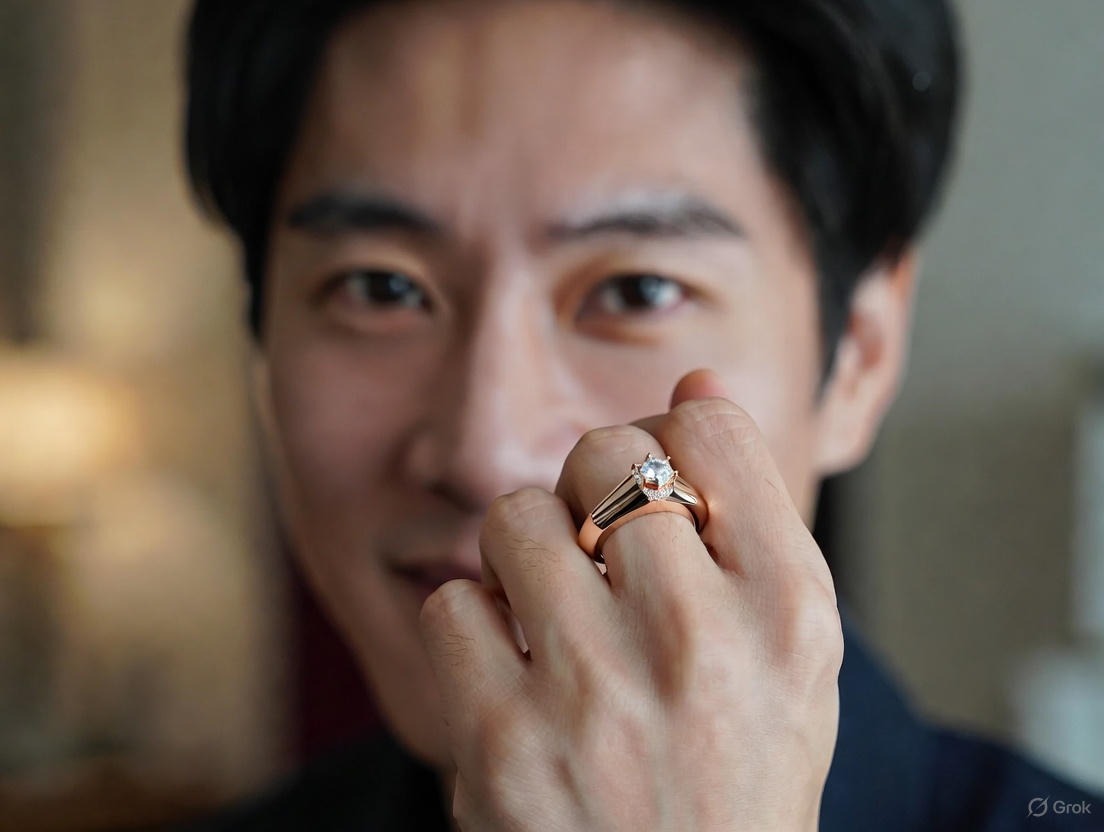
In the quest for physiological data, athletes have long turned to wrist-worn devices. They track steps, estimate calories, and monitor heart rate. But for the nuanced demands of performance optimization and plateau prevention, the wrist has significant limitations. The wellness ring, worn on the finger, represents a technological and methodological leap forward, offering a clearer, more continuous, and more relevant signal for the serious athlete.
The primary advantage is signal fidelity. The vasculature in the finger is richer and closer to the surface than in the wrist. This allows photoplethysmography (PPG) sensors in a ring to obtain a stronger, cleaner pulse wave signal with less motion artifact. For metrics like Heart Rate Variability (HRV)—a gold-standard indicator of autonomic nervous system balance and recovery status—this clarity is paramount. HRV requires precise measurement of the millisecond intervals between heartbeats. A noisy signal from a loose wrist device during sleep can render this data useless, while a snug ring provides clinical-grade accuracy night after night. This reliable overnight HRV is your single most important metric for assessing recovery and readiness.
Secondly, the ring form factor enables true 24/7 continuous monitoring. A wristwatch is often removed for showers, certain sports, or simply for comfort. This creates data gaps, especially during critical recovery periods like sleep. A ring, however, is unobtrusive and safe to wear almost constantly (excluding high-impact contact sports). It collects data seamlessly during the most important part of an athlete’s day: the hours spent recovering. This continuous data stream builds a comprehensive baseline of your normal—your personal fingerprint of health. Deviations from this baseline (a spike in resting heart rate, a dip in HRV, a disruption in sleep) become powerful, early-warning signals long before performance drops or illness strikes.
Furthermore, the ring provides a more complete recovery picture. Beyond HRV and resting heart rate, advanced rings track core body temperature trends and respiratory rate during sleep. Nocturnal temperature is a profound marker of circadian rhythm health and inflammatory response, while respiratory rate can be an early sign of elevated metabolic stress or incomplete recovery. These metrics, combined with detailed sleep stage analysis (deep, light, REM), transform abstract feelings of "tiredness" into a quantifiable recovery score.
This isn't about replacing your sports watch for tracking pace or power during a workout. It's about augmenting it with a superior tool for monitoring the outcome of that workout and your preparedness for the next one. The watch tells you what you did; the ring tells you how it affected you and what you should do next. It’s the difference between knowing the score of a game and understanding the game plan, player fatigue, and strategy for the next match. For those managing demanding careers alongside athletic pursuits, this 24/7 insight is invaluable for finding balance, as discussed in how to use a wellness ring to build the work-life balance you deserve.
Your wellness ring produces a symphony of data. To the untrained eye, it can seem like noise. But for the athlete, each metric is a vital instrument, telling a part of the story of your readiness, strain, and adaptation. Let’s translate these signals into actionable athletic intelligence.
Heart Rate Variability (HRV): The Master Metric
HRV is not your heart rate; it’s the variation in time between each heartbeat. A higher HRV generally indicates a resilient, well-recovered nervous system with a strong ability to adapt to stress. A lower HRV suggests your sympathetic ("fight or flight") system is dominant, often due to training fatigue, life stress, or illness. For athletes, tracking HRV trends is far more important than any single number. A sustained downward trend is a clear red flag that recovery is insufficient and you’re flirting with overreaching. It’s your body’s most honest plea for rest. Conversely, a rising or stable high HRV trend signals good recovery and a green light for intense training. Using HRV to guide daily training decisions—a practice known as HRV-guided training—is one of the most powerful ways to prevent plateaus by ensuring you only stress a body that’s ready for it.
Resting Heart Rate (RHR): The Basal Stress Gauge
Your RHR, measured first thing in the morning, is a classic indicator of cardiovascular fitness and overall stress load. While a low RHR is generally a sign of fitness, it’s the changes that matter. A RHR elevated 5-10+ beats per minute above your personal baseline is a hallmark sign of incomplete recovery, systemic fatigue, or impending illness. It’s a simple, undeniable signal that your body is working harder than it should be at rest, often due to the metabolic cleanup required from prior training.
Sleep Architecture: The Foundation of Adaptation
Sleep is not a monolithic state. It’s a carefully orchestrated cycle of light, deep, and REM sleep. Each stage plays a non-negotiable role in physical and cognitive recovery.
Body Temperature & Respiratory Rate: The Silent Alarms
Nocturnal core temperature trends and breathing rate are emerging as critical biomarkers. A elevated nighttime temperature can indicate circadian disruption, heightened inflammation from excessive training load, or the onset of illness. Similarly, a higher-than-normal respiratory rate during sleep can signal that your metabolic system is overactive, struggling to recover. These metrics often shift days before you feel symptoms, giving you a crucial head start to adjust training, prioritize sleep, and hydrate.
By learning to speak this biometric language, you move from being a passenger in your training to being the pilot. You’re no longer guessing about fatigue; you’re measuring it. This is the first, essential step toward intelligent, plateau-proof planning. For a deeper dive into managing your most fundamental resource, see our beginner-friendly guide to energy management using smart ring productivity insights.
Raw data, while valuable, can be overwhelming. Is a 5% dip in HRV significant? What if RHR is up but sleep was good? This is where the concept of a Readiness Score or Recovery Score becomes an athlete’s best friend. This single, algorithmically-derived number (often on a 0-100 scale) synthesizes all your key biometrics—HRV, RHR, sleep quality and quantity, temperature—and compares them to your personal baseline. It provides an immediate, intuitive answer to the most important question of the day: "How ready is my body for stress?"
Think of it as your daily performance forecast.
The revolutionary power of the readiness score is its objectivity. It cuts through the "I should" and the "I feel okay enough" with hard data. It protects you from yourself on days when enthusiasm outpaces recovery, and it gives you confidence to push when your body is truly prepared. This dynamic, daily adjustment is the antithesis of a rigid, pre-written training plan that ignores your human variability. It’s the cornerstone of autoregulation—letting your body’s state dictate the training stimulus. This principle is key for anyone seeking sustainable high performance without burnout.
Armed with your daily readiness score, you graduate from a static training plan to a dynamic, responsive training strategy. This is autoregulation: the practice of adjusting workout intensity, volume, and modality based on your current physiological state. It’s the death knell for the mindless, "program must be followed" approach that leads directly to plateaus.
Here’s how it works in practice:
Your planned week might look like this on paper:
Now, let’s overlay your readiness data:
This fluid approach ensures you are always applying the right stress at the right time. You maximize positive adaptations on green days and minimize negative ones on yellow and red days. This is how you create a positive adaptation spiral instead of a fatigue death spiral.
Autoregulation also applies within a single workout using live data. While a ring is not a chest-strap heart rate monitor for capturing max efforts, its recovery data pre-workout is invaluable. If your readiness is borderline yellow, you might use Rate of Perceived Exertion (RPE) more conservatively, deciding during the session to cut a set or two short. The ring teaches you to respect the subtle dialogue between stress and recovery, a lesson that is fundamental for long-term athletic development and preventing the productivity burnout that parallels athletic overtraining.
For an athlete, sleep is not downtime; it is a vital, active part of the training program. It is the primary period for physiological repair, memory consolidation, and hormonal regulation. A wellness ring transforms sleep from a black box into a transparent process you can measure, analyze, and optimize.
Your ring provides far more than just "8 hours." It reveals the structure of those hours. A key metric is Sleep Consistency—going to bed and waking up at similar times. This regularity strengthens your circadian rhythm, the internal clock that governs sleep-wake cycles, hormone release (like cortisol and melatonin), and even metabolism. An erratic sleep schedule, even with the same total hours, undermines recovery and hampers performance.
The detailed breakdown of Sleep Stages is your quality control. Are you getting enough Deep Sleep for physical repair? If not, factors like evening intense exercise, caffeine too late, or a warm room might be culprits. Are you deficient in REM sleep for cognitive recovery? Alcohol, even in small amounts, is a notorious REM suppressant. Seeing the direct impact of these choices on your sleep architecture is a powerful motivator for change.
Sleep Efficiency—the percentage of time in bed actually spent sleeping—is another critical metric. Tossing and turning for an hour might still give you 7 hours of sleep, but the efficiency is low, indicating restless, non-restorative sleep. This often points to environmental (light, noise, temperature) or behavioral (screen time, late meals) issues.
Armed with this data, you can conduct targeted experiments:
This is the essence of biofeedback. You make a change, and the ring provides objective, immediate feedback on its efficacy. Over time, you build a personalized, bulletproof sleep protocol that maximizes your recovery and sets the stage for breakthrough performances. The profound impact of this overnight data on your entire day cannot be overstated, as it directly shapes a truly effective morning routine.
Training stress is only one part of the equation. Your body cannot differentiate between the stress of a brutal workout and the stress of a brutal work deadline, family conflict, or financial worry. It all flows through the same physiological pathways, activating the sympathetic nervous system and raising cortisol levels. This is your Allostatic Load—the cumulative burden of all stressors.
An athlete meticulously following a training plan can still plateau or regress if their life stress is chronically high. The wellness ring excels at revealing this hidden tax. You may be nailing your workouts and nutrition, but if your HRV is perpetually low and your RHR elevated, the ring is pointing to a non-training stressor sabotaging your recovery.
Common life stressors that show up in your biometrics include:
When your ring shows a low readiness score without an obvious training cause, it’s time to audit your life stress. This awareness allows for crucial countermeasures:
By honoring the total stress load, you prevent the systemic overwhelm that is a primary cause of long-term plateaus. You learn that sometimes the most productive thing you can do for your athletic goals is not train, but manage the rest of your life with intention. This holistic view is essential for the modern athlete, much as it is for the modern professional seeking productivity-health synergy during high-pressure periods.

Nutrition for athletes has often been governed by rigid plans: eat X grams of protein, Y grams of carbs, at Z times. While foundational principles matter, the optimal fuel strategy is dynamic, changing with your daily recovery status and training demands. Your wellness ring provides the context to move from generic meal timing to personalized fueling.
The connection is clear: poor recovery affects metabolism, and poor nutrition sabotages recovery. Your ring’s metrics can guide your nutritional choices in powerful ways:
On High-Readiness (Green) Days:
Your body is primed to utilize nutrients efficiently, especially for intense training. This is the day to ensure carbohydrate availability is high to fuel performance and replenish glycogen stores post-workout. Protein intake should be consistent to support the muscle repair you’ve signaled your body is ready to undertake.
On Low-Readiness (Red) Days:
Your body is in a stressed state. Forcing down a large, complex meal may add digestive stress. Focus on easy-to-digest, nutrient-dense foods: broths, cooked vegetables, quality proteins like fish or eggs. This is also a key day to double down on hydration and electrolytes, as stress and poor sleep increase fluid loss and can disrupt mineral balance. An elevated resting heart rate can sometimes be partially mitigated by strategic hydration.
The Sleep-Nutrition Feedback Loop:
Your ring’s sleep data is a direct report card on your evening habits.
You can experiment: have your standard late dinner one night, and a slightly earlier, lighter meal another. Compare the sleep scores and morning readiness. The ring provides the objective evidence to build your optimal evening nutrition protocol. This kind of data-driven fine-tuning extends to all aspects of routine, including the often overlooked optimization of your lunch break using wellness ring data, which can significantly impact afternoon energy and recovery.
Traditional periodization involves planning training blocks (mesocycles) weeks or months in advance, progressing from volume to intensity to a peak. This is sound theory, but it assumes your body will respond predictably to the planned loads. Life, as we know, is not so predictable. Your wellness ring introduces a layer of responsive, data-driven periodization on top of your master plan.
By reviewing long-term trends in your biometrics, you can answer macro-level questions:
This trend analysis allows for truly intelligent deloading. Instead of arbitrarily taking a light week every fourth week, you can deload when your data says you need it. Perhaps after three hard weeks, your metrics are still strong—you can push for a fourth. Or maybe after two weeks, you’re showing significant fatigue—time to pull back early. This responsive approach maximizes positive adaptation time and minimizes time spent digging out of fatigue holes.
Furthermore, you can plan your peak performances with greater confidence. If you have a race or competition, you can look back at trends to understand the taper that works best for you. How many days of reduced load does it take for your HRV to peak? How does your sleep change during taper? Your personal data creates your perfect peaking formula, taking the guesswork out of your most important events.
This long-view, guided by objective data, is the ultimate safeguard against the year-long plateau. It ensures your training is always aligned with your physiology, creating a sustainable path of continual improvement. It’s the principle behind achieving performance longevity through health.
Let’s make this tangible. Meet Alex, a dedicated runner stuck at a 5k personal best of 21:30 for eight months. She increased her mileage, added more speed work, but only felt more tired and slower. Frustrated, she started wearing a wellness ring.
Week 1-2 (Observation): Alex followed her usual plan. Her ring data revealed:
Insight: Alex was in a state of chronic, low-grade overreaching. Her "hard work" was preventing recovery, not driving adaptation.
Week 3 (Intervention): Based on the data, Alex made changes:
The Data Shift: Within two weeks:
Week 6-8 (The Breakthrough): With her recovery system now robust, Alex’s body could finally adapt to the quality sessions she was doing. She felt powerful on her green day workouts. After 8 weeks of data-guided training:
Alex’s story illustrates the fundamental shift: from focusing solely on the stressor to mastering the recovery. This is the new frontier of athletic performance, where a small device provides the wisdom to train not just hard, but smart. For any athlete or high-performer, the underlying principle is the same, as explored in how a smart ring proves recovery enhances productivity.
Embarking on this data-driven journey can be exciting but daunting. Here is a simple, 4-week protocol to integrate your wellness ring seamlessly into your athletic practice.
Week 1: Establish Your Baseline
Week 2: Connect the Dots
Week 3: Your First Autoregulation Experiment
Week 4: Optimize One Recovery Lever
By following this gradual protocol, you transform the ring from a source of data overload into a trusted advisor. You learn its language and begin a continuous, positive feedback loop with your own body, laying the groundwork for a lifetime of intelligent training and plateau-resistant progress. This methodical approach to experimentation is the key to unlocking the full potential of any health technology, much like the process outlined in our complete beginner-friendly guide to morning routine experimentation.
For an athlete, injury is the ultimate plateau—a forced and often devastating halt to progress. Traditional injury prevention relies on post-hoc analysis: you get hurt, then you (and your physio) work backwards to figure out why. The wellness ring shifts this paradigm to predictive prevention. By monitoring subtle, systemic biomarkers, it can alert you to rising inflammation, accumulating fatigue, and nervous system strain that dramatically increase injury risk long before a specific muscle or tendon gives way.
The link between poor recovery and injury is mechanistic, not anecdotal. When you are under-recovered:
Your ring acts as an early-warning system for these conditions. Here’s what to watch for:
The Pre-Injury Signature:
Actionable Prevention Protocol:
When you see this "risk cluster" in your data for 3+ days, it’s not just a suggestion to take it easy—it’s a mandatory intervention.
By treating your biometric dashboard with the same respect a pilot treats engine warnings, you move from reactive rehabilitation to proactive preservation. This allows for not just plateau prevention, but career longevity. This holistic, data-informed view of the body's stress capacity is crucial for anyone in a demanding field, paralleling the strategies remote workers use for ring-optimized schedules to prevent burnout.
Harnessing biometric data is a powerful tool, but it comes with a psychological tightrope to walk. On one side lies ignorant bliss (ignoring the data); on the other lies analysis paralysis and anxiety (obsessing over every fluctuation). The goal is the middle path: informed intuition.
Common Psychological Pitfalls:
Building a Healthy Data Relationship:
The ring’s ultimate psychological gift is trust. It helps you build trust in your body’s signals. Over time, you’ll start to feel the low readiness before you see it, and you’ll learn to distinguish between mental laziness and true physiological fatigue. This cultivates a mature, respectful athlete-coach relationship with your own physiology. It’s the same foundational trust required to use data for sustainable achievement in any domain, a theme explored in the complete beginner-friendly guide to sustainable achievement through health.
Your training happens within a context—your environment and lifestyle. These external factors create a "biosphere" that either supports or sabotages your recovery. Your wellness ring provides the feedback loop to optimize this extended ecosystem, turning your entire day into a performance-enhancing protocol.
Circadian Rhythm Alignment: Your body operates on a 24-hour cycle governing hormone release, metabolism, and sleep propensity. Disruption of this cycle (from jet lag, inconsistent sleep times, or insufficient morning light) impairs performance and recovery.
Travel & Adaptation: Travel is a massive stressor—circadian disruption, dehydration, cramped positions, and sleep in unfamiliar environments.
Temperature & Climate Acclimation: Training in heat or cold adds a metabolic and cardiovascular load.
Social & Leisure Stress: Not all stress is bad, but all stress counts. A late night out with friends, while enjoyable, is a physiological stressor (late bedtime, alcohol, rich food).
By viewing your entire lifestyle through the lens of its impact on your core biometrics, you gain agency. You can make informed choices, understanding their true cost and planning for their impact. Your life becomes an integrated performance system.

A common fear is that technology will replace the coach. In reality, a wellness ring does the opposite: it augments and enriches the coach-athlete relationship. It provides an objective, shared language that moves conversations beyond "How do you feel?" to a deeper analysis of cause and effect.
For the Athlete: The ring empowers you to become a more informed, proactive partner in your own development. You come to coaching sessions not just with subjective feedback ("I felt tired Tuesday"), but with objective data ("My HRV dropped 15% Tuesday morning after that Monday night session, and my sleep was fragmented"). This leads to more productive, efficient, and personalized planning.
For the Coach: The ring provides unparalleled insight into the athlete’s response to the prescribed load. It answers critical questions:
This allows the coach to:
The Triad in Practice:
Imagine a weekly check-in. The athlete shares their readiness trend and sleep data. The coach reviews it alongside the training log.
This collaborative, data-informed dialogue creates a powerful synergy. The coach provides the expertise and programming, the athlete provides the effort and subjective experience, and the ring provides the unbiased physiological truth. It’s the future of personalized coaching. This model of synergistic partnership is equally transformative in professional settings, where a smart ring can act as a personal performance coach.
The pursuit of peak performance is often a sprint. The pursuit of athletic longevity is a marathon. A wellness ring is a critical tool for both, but its value for long-term health may be its most profound contribution. By teaching you to manage stress, prioritize sleep, and listen to your body, it fosters habits that extend your athletic career and protect your health far beyond it.
The "Athlete's Paradox": Intense training promotes health, but chronic overtraining and poor recovery can accelerate aging, increase systemic inflammation, and suppress immune function. The line is fine.
Monitoring Health Markers: Beyond recovery, the ring tracks foundational health metrics.
The Transition Out of Peak Competition: For athletes moving from elite competition to a lifelong fitness ethos, the ring provides a seamless transition. The metrics shift from "How ready am I to destroy myself today?" to "How can I support my health and energy for life?" The same data guides gentle, health-focused movement, stress management, and sleep optimization, ensuring the habits built in pursuit of performance pay dividends for decades in the form of vitality. This perspective aligns with the goal of achieving elite productivity through health optimization, where sustainable health is the foundation of lasting output.
The Big Picture: In ten years, you may not remember your 5K time from today. But the ability to sleep soundly, manage stress, and understand your body’s needs? That is a lifetime skill. The wellness ring, at its best, is not just a performance tool; it’s an educational platform that teaches you to be the expert on your own health, ensuring your athletic journey contributes to a longer, healthier, more vibrant life.
Consider Mark, a 48-year-old cyclist and former amateur racer. Juggling a demanding career and family, he found his performance declining steadily. His usual strategy—trying to cram in more high-intensity rides on weekends—left him perpetually tired and prone to illness. He assumed this was "just aging."
After six months with a wellness ring, Mark’s approach transformed.
The standalone power of a wellness ring is significant, but its true potential is unlocked when it becomes the central, recovery-focused hub in a broader ecosystem of health and performance technology. This interconnected approach creates a holistic performance management system.
Integration with Training Platforms (Strava, TrainingPeaks, Garmin Connect):
Many rings allow you to sync your readiness or recovery score directly to your training log. This is a game-changer.
Pairing with Continuous Glucose Monitors (CGM):
For athletes deeply focused on nutrition and metabolic health, combining ring data with CGM data is revolutionary.
Syncing with Mindfulness & Stress Apps (Calm, Headspace, Whoop):
The Future: The Central Nervous System of Your Health Stack
Imagine a dashboard where:
This is not science fiction; it’s the near future of personalized athletic optimization. The ring, with its continuous, recovery-focused data, is the perfect foundation for this ecosystem. It provides the crucial "how are you coping" context for all the other "what did you do" data points. This integrated, data-rich approach to life optimization is already being explored for strategic planning using smart ring data.
As with any powerful technology, it’s crucial to use wellness rings with awareness of their limitations and with respect for your personal data.
Data Privacy and Security:
Accuracy and Calibration:
The Limits of Quantification:
Use the ring as a brilliant assistant, not an omniscient oracle. It provides a piece of the truth—a very valuable piece—but the full picture of your health and performance includes your emotions, your relationships, your purpose, and your own unquantifiable wisdom. This balanced perspective is essential, much like the one needed to understand the true relationship between health and output.
We stand at the confluence of sport science and personal technology. The era of the one-size-fits-all training plan, followed with grim determination regardless of personal context, is ending. The new paradigm is responsive, personalized, and sustainable.
Your wellness ring is the key that unlocks this paradigm. It transforms you from an athlete who imposes a plan on their body to an athlete who collaborates with their body. It changes the fundamental question from "Did I complete the workout?" to "Did that workout create a positive adaptation?"
This shift holds the answer to the perennial problem of the performance plateau. Plateaus are not failures of effort; they are failures of information. They occur when we can no longer distinguish between productive stress and destructive strain. The ring restores that distinction with brilliant clarity.
By embracing this data-informed approach, you gain:
The journey ahead is not about being enslaved to a device, but about being empowered by knowledge. It’s about learning the unique language of your body, so you can guide it to heights you once thought were reserved for genetics or luck. Strap on your ring, listen closely, and prepare to redefine your limits.
The current capabilities of wellness rings are revolutionary, yet they represent just the first chapter in a story of deepening physiological insight. The future of athletic wearables lies in more advanced, non-invasive sensors and predictive algorithms that will transform coaching, recovery, and performance strategy from reactive disciplines into prescriptive sciences.
Multimodal Sensing and Biomarker Expansion:
Future iterations will likely incorporate a broader array of sensors to paint a fuller picture of the athlete's internal state.
Predictive Analytics and AI Coaching:
Raw data is static; intelligence lies in prediction. The next leap will be rings powered by sophisticated AI that doesn't just report your readiness, but predicts it.
The Seamless, Invisible Ecosystem:
The ultimate goal is technology that fades into the background. Future devices will be even smaller, with week-long battery life, and will seamlessly integrate data into the fabric of daily life—through smart mirrors that display your readiness as you brush your teeth, or car systems that suggest a calming playlist on a high-stress commute home from a tough session. The ring becomes the quiet, constant guardian of your physiological balance, a true sixth sense for your internal state. This vision of effortless integration is already taking shape in concepts for optimal conditions for creative work as determined by your ring.
Knowledge is power, but implementation is victory. This toolkit provides the actionable steps, frameworks, and mental models to integrate your wellness ring into every facet of your athletic life.
1. The Daily Decision Matrix:
Use this simple flowchart each morning upon checking your readiness score.
text
Readiness Score > 75 (GREEN)
├── Planned High-Intensity/Strength? → EXECUTE with confidence.
└── Planned Recovery/Easy? → Consider upgrading to moderate work if feeling exceptional.
Readiness Score 60-75 (YELLOW)
├── Planned High-Intensity/Strength? → DOWNGRADE to technique-focused or moderate intensity. Reduce volume 15-25%.
└── Planned Recovery/Easy? → PROCEED as planned. Perfect day for skill work.
Readiness Score < 60 (RED)
├── Any hard training planned? → CANCEL. Swap for gentle movement (walk, yoga, mobility) or complete rest.
└── Already a rest day? → DOUBLE DOWN on sleep, nutrition, hydration. Protect from non-training stress.
2. The Weekly Review Ritual (Sunday Evening):
Set aside 15 minutes each week for a data retrospective. Don't just look at logs; seek stories.
3. The Pre-Competition Taper Template:
Use your historical data to build your perfect taper. Answer these questions by looking back at data from past successful peaks:
4. The Travel Resilience Protocol:
5. The Conversation Guide for Your Coach/Support Team:
Bridge the gap between data and dialogue. Come prepared with specific observations:
Q: My ring says I’m ready (green), but I feel terrible. Should I still train hard?
A: This is a classic "data-feel disconnect." First, trust the objective measure of your autonomic nervous system over transient mood. However, investigate the feeling. Are you dehydrated? Mentally drained? Did you sleep enough hours, even if the quality was good? You can proceed with the session, but start conservatively. Use the first 10-15 minutes as a "body scan." If the feeling persists and your power/pace is significantly off, it's okay to pull back. The data is a guide, not a dictator.
Q: I had a few drinks last night and my sleep score was awful, but my readiness is green. Is the ring wrong?
A: Not necessarily. Alcohol severely fragments sleep architecture (destroying REM), which the sleep score captures. However, it can also depress nervous system activity, leading to an artificially higher HRV and lower RHR the next morning—the primary drivers of a readiness score. This creates a "false green." Your body is sedated, not recovered. Treat this as a yellow or red day regardless of the score. The ring teaches you the nuanced difference between nervous system depression (alcohol, certain medications) and true parasympathetic recovery (genuine rest).
Q: How long does it take to establish a reliable baseline?
A: A minimum of 14-30 nights of consistent wear is needed for the algorithms to learn your unique patterns and establish a personal range for metrics like HRV. Don't make major training decisions based on day-to-day fluctuations in the first two weeks. Focus on collecting data and observing patterns without acting on them.
Q: Can I use my ring to track workouts in real-time?
A: While some rings offer workout heart rate tracking, they are not ideal for high-intensity interval training or strength sessions where hand motion creates signal noise. Their supreme value is in tracking the outcome of the workout (recovery), not the execution. For in-session heart rate, a chest strap or dedicated sports watch is superior. Use the right tool for the right job.
Q: My HRV is always low compared to my friend who is less fit. Am I doing something wrong?
A: Never compare absolute HRV values. HRV is highly individual, influenced by age, genetics, and even breathing patterns. What matters is your trend relative to your own baseline. A "low" number that is stable or rising is a sign of good health for you. Comparing numbers is meaningless and can create unnecessary anxiety. Focus on your own trajectory. This principle of individualized data is key across all applications, from decision-making quality based on ring metrics to training.

The application of wellness ring technology isn't limited to individual endurance athletes or lifters. Its potential in team sports is staggering, offering a way to manage squad health, optimize practice loads, and maximize game-day availability.
The "Team Dashboard" Concept:
A coaching staff can view an anonymized dashboard showing the collective readiness of the team.
Talent Identification and Development:
The Cultural Shift: Implementing this technology requires trust. Players must believe the data is used to help them, not to bench them. When integrated ethically, it fosters a culture that values rest and intelligent preparation as much as grit and effort, leading to healthier, longer careers and more consistent team performance. This cultural shift towards valuing recovery is equally transformative in corporate teams, as discussed in the context of what wellness rings prove about morning routines compounding over time—small, consistent investments in health yield major collective returns.
Ultimately, the greatest benefit of a wellness ring may not be in any single metric, but in its function as a keystone habit—a routine that, once established, has a ripple effect, triggering positive changes across multiple areas of your life.
The Ripple Effect:
The ring sits at the center of this virtuous cycle. It provides the immediate, tangible feedback that motivates each small, positive decision. It makes the abstract concept of "health" concrete, measurable, and therefore manageable.
The journey of an athlete has always been a dialogue between ambition and limitation. For too long, that dialogue has been hampered by a fundamental information asymmetry: we could measure our output with exquisite detail (watts, pace, weight lifted) but remained largely blind to our internal capacity to handle that output. We flew the plane without a fuel gauge, an engine temperature readout, or an altimeter.
The modern wellness ring ends that guessing game. It completes the dashboard. It provides the missing biometric data stream that turns training from an act of faith into a science of the self.
Preventing performance plateaus is no longer about mythical "breaking through" with sheer force. It is about the intelligent, daily navigation of stress and recovery. It’s about having the wisdom to push when the body says "yes" and the courage to rest when the body says "not yet." It is about understanding that the peak is not a distant summit reached only by the genetically gifted, but a series of sustainable, incremental gains available to anyone who learns to listen.
Your ring is more than a tracker. It is a translator, converting the silent language of your physiology into actionable insight. It is a mentor, teaching you the rhythms of your own resilience. And it is a partner, accompanying you on the long road of sustainable progress.
Put it on. Pay attention. Learn its language. Let it guide you to not just a higher peak, but to a richer, more insightful, and longer journey in the sport you love. The era of training blind is over. Welcome to the clarity of data, the power of knowledge, and the limitless potential of an athlete truly in tune with their greatest asset: their own body.
Your Trusted Sleep Advocate: Sleep Foundation — https://www.sleepfoundation.org
Discover a digital archive of scholarly articles: NIH — https://www.ncbi.nlm.nih.gov/
39 million citations for biomedical literature :PubMed — https://pubmed.ncbi.nlm.nih.gov/
Experts at Harvard Health Publishing covering a variety of health topics — https://www.health.harvard.edu/blog/
Every life deserves world class care :Cleveland Clinic - https://my.clevelandclinic.org/health
Wearable technology and the future of predictive health monitoring :MIT Technology Review — https://www.technologyreview.com/
Dedicated to the well-being of all people and guided by science :World Health Organization — https://www.who.int/news-room/
Psychological science and knowledge to benefit society and improve lives. :APA — https://www.apa.org/monitor/
Cutting-edge insights on human longevity and peak performance:
Lifespan Research — https://www.lifespan.io/
Global authority on exercise physiology, sports performance, and human recovery:
American College of Sports Medicine — https://www.acsm.org/
Neuroscience-driven guidance for better focus, sleep, and mental clarity:
Stanford Human Performance Lab — https://humanperformance.stanford.edu/
Evidence-based psychology and mind–body wellness resources:
Mayo Clinic — https://www.mayoclinic.org/healthy-lifestyle/
Data-backed research on emotional wellbeing, stress biology, and resilience:
American Institute of Stress — https://www.stress.org/


