


The Beginner-Friendly Guide to Lunch Break Optimization Using Wellness Ring Data
A beginner's guide to optimizing your lunch break for afternoon productivity using insights from your ring.
A beginner's guide to optimizing your lunch break for afternoon productivity using insights from your ring.
%402x.svg)
For most of us, the lunch break is a forgotten frontier. It’s the 30 to 60 minutes bookended by the frantic mornings and demanding afternoons, often spent scrolling mindlessly, rushing through a sad desk salad, or worse—skipped entirely in the name of productivity. We treat this mid-day pause as an afterthought, a biological necessity to be managed, not a powerful performance lever to be optimized. But what if this daily intermission held the key to not just surviving your workday, but fundamentally transforming it? What if you could emerge from your lunch hour not with a food coma, but with genuine renewal, focus, and resilience?
Enter the modern wellness ring—a sleek, unintrusive piece of wearable technology that quietly gathers the most intimate story of your day: the biological one. While you’re pushing through tasks, your body is speaking in a language of heartbeats, temperature shifts, and nervous system whispers. This ring translates that data, revealing your unique stress patterns, recovery capacity, and energy flow in real-time. For the first time, you have an objective, personalized consultant on your finger, ready to guide you beyond generic advice into the precise actions your body needs.
This guide is your blueprint for that transformation. We’ll move beyond guesswork and into the era of data-driven personal restoration. By pairing the objective insights from your wellness ring with intentional practices, you will learn to craft a lunch break that actively counteracts workplace stress, replenishes your mental reserves, and sets a powerful trajectory for the rest of your day. This isn’t about adding more to your plate; it’s about reclaiming the time you already have and using it with surgical precision. Welcome to the new science of the lunch break.

We operate under a collective illusion: that powering through, skipping breaks, and consuming lunch while working is a badge of honor and a path to greater output. This is the modern lunch break paradox—the belief that less pause equals more productivity. The science, however, tells a starkly different story. Our brains are not designed for sustained, unbroken focus. The prefrontal cortex, responsible for high-level thinking, decision-making, and willpower, is like a muscle that fatigues. Without deliberate rest, its function declines, leading to poor choices, diminished creativity, and increased irritability.
Consider the typical "working lunch." As you attempt to digest food while digesting information, your body is thrust into a state of physiological conflict. The parasympathetic nervous system (responsible for "rest and digest") is trying to engage to process your meal, while the sympathetic nervous system ("fight or flight") remains activated by work demands. This state of divided attention and biological confusion often results in poor digestion, superficial eating that leaves you unsatisfied, and a stress response that lingers long after the meal is over. You return to your tasks physically full but mentally and energetically depleted.
This is where your wellness ring becomes an essential truth-teller. It cuts through the paradox by showing you the real-time cost of these habits. You might see:
The data provides irrefutable evidence that the "always-on" lunch is a net loss. It’s not a break at all; it’s merely a continuation of the drain. By confronting this paradox with the objective metrics from your ring, you can begin to dismantle the flawed belief that skipping rest serves you. The first step to optimization is recognizing the deficit you’re starting from. For a deeper understanding of how chronic, unaddressed stress builds over time, our article on tracking chronic stress vs. acute stress episodes provides a crucial framework.
Before you can optimize, you must learn to observe. Your wellness ring is a dashboard of your inner state, but to the untrained eye, the numbers can seem abstract. Let’s decode the three most critical metrics for lunch break optimization, transforming them from data points into actionable insights.
Heart Rate Variability (HRV): Your Body’s Resilience Score
HRV is arguably the most important metric for understanding your readiness to perform and recover. Contrary to what the name implies, it doesn’t measure how fast your heart beats, but the subtle, millisecond variations between each heartbeat. A higher HRV generally indicates a flexible, resilient nervous system—one that can adapt smoothly to stress and then recover effectively. A lower HRV suggests a nervous system that is fatigued, overloaded, or stuck in a stressed state.
Stress Score: Your Real-Time Nervous System Barometer
Most rings synthesize data like heart rate, HRV, skin temperature, and movement to generate a composite "stress score." This score estimates the level of activation in your sympathetic nervous system. It’s a direct look at whether your body is in a state of calm, moderate engagement, or high alert.
Body Temperature & Sleep Data: The Contextual Clues
While less directly actionable in a 60-minute window, these metrics provide essential context. A slightly elevated baseline temperature can sometimes indicate systemic stress or the onset of illness. Poor sleep quality from the previous night, evident in your sleep score and breakdown of sleep stages, sets the stage for your entire next day.
Learning to interpret these numbers in concert is the foundation of data-driven self-care. For a comprehensive exploration of all the metrics at your disposal, our complete guide to biomarker-based stress tracking is an invaluable resource. And if you're curious about the technical precision behind your device, you can explore the science behind wearable stress tracking technology to understand how these insights are generated.
An optimized lunch break doesn’t start at noon; it starts the moment you wake up. Your morning biometrics are a forecast, giving you a preview of what kind of day your body is having. By conducting a simple 2-minute pre-lunch check-in, you can move from a one-size-fits-all break to a bespoke, responsive strategy.
Step 1: Review Your Sleep & Wake-Up Metrics (The Foundation)
Before you even leave home, glance at your ring’s app. What was your sleep score and deep/REM sleep percentage? Did you have a restless night with many awakenings? This tells you about your body’s overnight repair work. A low score means you began the day with an energy debt. Your lunch break mission today is recovery-centric.
Step 2: Assess Your Morning Stress Trend (The Load)
During your first work session, keep an eye on your stress score trend line. Was it a calm, focused climb, or did it spike repeatedly due to back-to-back meetings, urgent emails, or complex problem-solving? A morning filled with sharp spikes indicates a high cognitive and emotional load. Your lunch break mission today is nervous system resets and mental detachment.
Step 3: Synthesize and Plan (The Prescription)
Combine these insights to prescribe your break:
This proactive approach turns your break into a strategic intervention, not a passive default. It’s the difference between taking a random supplement and taking a medication specifically prescribed for your diagnosed condition. Your body’s data provides the diagnosis; you execute the precise treatment. To build the skill of interpreting these daily data flows, learning to create a personal stress baseline for accurate tracking is an essential next step.
Have you ever technically stepped away from your desk but found your mind still churning with work thoughts, your shoulders tense, and your break half over before you’ve mentally arrived? The transition into your break is a critical ritual that most people ignore. The "5-Minute Rule" is a deliberate buffer zone designed to signal to your brain and body that a shift in mode is occurring. Without it, you risk carrying your work stress directly into your recovery time, nullifying its benefits.
Why a Ritualized Transition is Non-Negotiable
Your nervous system doesn’t have an "off" switch; it has a dimmer. The 5-Minute Rule is you turning that dimmer down. A sharp, context-less switch from high-focus work to attempted relaxation creates cognitive dissonance, leaving you physically present but mentally absent. A ritual—a repeated sequence of actions—creates a powerful psychological cue that tells your subconscious, "It is now time to restore."
Executing the 5-Minute Rule with Your Ring as Guide
This five-minute investment pays exponential returns. It dramatically increases the depth and quality of your subsequent rest or activity, ensuring you are fully present for your own recovery. For more on creating powerful transitional rituals that extend beyond the lunch hour, explore our guide on evening calm practices for transitioning from work to rest. Furthermore, the breathwork you begin here is a cornerstone practice; to understand its profound impact on your nervous system data, you can delve into the breath analysis method of tracking stress through respiration.
Food is fuel, but it’s also information. Every meal sends a cascade of instructions to your hormones, neurotransmitters, and nervous system. The standard lunch of refined carbs, sugar, and unhealthy fats is a recipe for an afternoon crash—spiking your blood sugar and insulin, leading to inflammation and fatigue. An optimized lunch, guided by your body’s signals, provides sustained energy and supports cognitive function.
Listening to Your Body’s Pre-Meal Cues
Before you eat, take a final glance at your ring. A high pre-lunch stress score is a crucial piece of data. Eating in a physiologically stressed state (sympathetic dominance) impairs digestion because blood flow is directed away from your digestive organs. This can lead to bloating, discomfort, and poor nutrient absorption.
The Macro-Nutrient Balance for Sustained Focus
Your afternoon brain needs steady fuel, not a sugar rocket. Aim for a plate that balances:
The Post-Meal Data Loop: Learning from Your Choices
This is where your wellness ring becomes a powerful nutritional biofeedback tool. After your meal, be mindful of how you feel, but also check your biometrics about 30-60 minutes later.
Use this feedback to iterate. If the large grain bowl spiked your stress, maybe next time try a lighter salad with more protein. If the fatty meal made you sluggish, adjust the ratios. You are conducting a personal nutrition experiment with objective results. For individuals managing multiple health considerations, this iterative approach is key; learn more about how to track stress effectively when managing multiple health conditions.
The old advice was simply, "Take a walk at lunch." While movement is universally beneficial, the type and intensity of movement should be a direct response to your body’s current state, not a rigid routine. Your wellness ring data provides the perfect filter for choosing from your personal "Movement Menu."
Category 1: The Nervous System Reset (High Stress Score, Low HRV)
When your data shows you’re wired and tired, intense exercise can be an additional stressor. Opt for gentle, rhythmic movements that promote parasympathetic activation.
Category 2: The Energy Booster (Low Stress, But Feeling Sluggish)
If you’re calm but lethargic from a morning of sedentary work, you need to stimulate circulation and alertness.
Category 3: The Focus Sharpener (Moderate Stress, Needing Cognitive Clarity)
For afternoons requiring deep work, choose movements that integrate mind and body and enhance blood flow to the brain.
The key is flexibility. Let the data guide you away from the "no pain, no gain" mindset at lunch. The objective is not to log a fitness milestone; it’s to strategically use movement as a tool to regulate your state for the afternoon ahead. For a deeper exploration of how to calibrate movement with your body's signals, especially for fitness enthusiasts, our article on stress tracking for athletes optimizing training and recovery offers advanced insights.

The lunch hour presents a critical choice: do you dive deeper into the digital world, or do you seek human connection? Both can be restorative or draining, depending on context. Your wellness ring data can help you navigate this choice wisely, preventing you from unknowingly choosing an activity that depletes you further.
When to Choose a Digital Detox (And What That Really Means)
If your morning was spent on video calls, responding to a barrage of messages, or analyzing dense digital information, your brain is likely suffering from cognitive overload. A "detox" doesn’t mean sitting alone in silence if that feels isolating; it means giving your brain a different type of stimulus.
When to Choose Strategic Social Connection
Humans are social creatures, and positive interaction is a powerful source of regulation. However, not all socializing is equal. "Strategic" connection means choosing interactions that are likely to be uplifting, not obligatory or draining.
The Pitfall of "Zombie Scrolling"
The worst choice, which data almost always reveals as harmful, is the passive, endless scroll through social media or news feeds. This activity provides neither the quiet of a true detox nor the nourishment of real connection. It often leads to comparison, information overload, and fragmented attention. If you choose screen time, make it intentional: watch one short, uplifting video, or listen to a single song you love—then put the device away.
You don’t always have a full hour. Sometimes, you have 10 minutes between meetings, or your break gets cut short. This is where micro-practices—ultra-short, hyper-focused interventions—become your secret weapon. Guided by your ring’s real-time feedback, these 60-second resets can change your physiological trajectory in moments.
1. The Physiological Sigh (For Rapid Stress Score Reduction)
Discovered by Stanford neuroscientists, this is arguably the fastest physiological hack to reduce acute stress.
2. Box Breathing for Focus (To Stabilize a Wandering Mind)
This practice balances the nervous system and centers your attention, ideal when you need to transition into a focused task.
3. Sensory Grounding (For Cognitive Overload)
When your mind is racing with thoughts, pull it into the present through your senses.
The power of these micro-practices lies in their consistency and intentionality. By using your ring to see their immediate effect, you build a powerful belief in your own ability to self-regulate. For a broader toolkit of these brief, powerful techniques, explore our dedicated article on micro-calm practices for finding peace in everyday moments.
An optimized system requires feedback. The "Post-Lunch Audit" is a 3-minute ritual you perform as you transition back to work. Its purpose is to solidify the learning from your break and create a powerful feedback loop that informs future decisions. This turns a single lunch hour into a continuous personal science experiment.
Step 1: Capture the Subjective Feelings (The Narrative)
Before looking at any data, ask yourself three quick questions and jot down one-word answers in a notes app or journal:
This creates the qualitative narrative that the quantitative data will explain.
Step 2: Analyze the Biometric Shift (The Numbers)
Now, open your wellness ring app. Compare two key data points:
Step 3: Correlate and Conclude (The Insight)
This is where the magic happens. Link the narrative to the numbers.
Step 4: The One-Sentence Takeaway
Formulate one simple principle for tomorrow. "Tomorrow, if my morning stress is high, I will prioritize a solo, device-free walk." This locks in the learning.
By conducting this brief audit, you move from hoping your break was helpful to knowing what works for you, under specific conditions. This builds immense self-trust and personal agency. To develop a more structured approach to this weekly review, our guide on creating a weekly stress report to review data effectively offers a fantastic framework.
The impact of a truly optimized lunch break does not end at 1:00 PM. It creates a positive ripple effect that alters the physiology and psychology of your entire afternoon and evening, setting a new default for how you experience work and life. This is the compound interest of daily self-care, and your wellness ring can trace its trajectory.
The Afternoon Performance Lift
A break that successfully lowered your stress score and increased parasympathetic activity pays dividends in cognitive function. You return to your desk with:
The Evening Wind-Down Advantage
Perhaps the most significant ripple effect is on your evening. A common pattern is dragging intense work stress right up until bedtime, leading to poor sleep. An optimized lunch break disrupts this by creating a meaningful mid-day pressure release valve.
Your wellness ring allows you to see this beautiful chain reaction. A positive lunch break leads to a more productive and pleasant afternoon, which leads to a more relaxed evening, which fuels better sleep, which provides a stronger foundation for the next morning… and the next optimized lunch. It’s a virtuous cycle, initiated by one intentional hour.

Now, we synthesize everything into a living, breathing action plan—your Personalized Lunch Break Protocol. This is not a rigid schedule, but a flexible framework with decision trees, powered by your data. Think of it as your playbook, which you will refine over the next 30 days.
Phase 1: The Foundation Week (Days 1-7) – Observation & Baseline
Phase 2: The Experimentation Fortnight (Days 8-21) – Intentional Testing
Phase 3: The Protocol Design (Day 22-30) – Synthesis & Rules
The Living Document:
Your protocol is never finished. Life changes, jobs change, stress changes. Revisit it monthly. Use the aggregate view in your ring’s app to spot monthly trends—is your average afternoon stress score lower than it was two months ago? That’s the ultimate measure of success. To master this long-term trend analysis, guidance on the aggregate view for monthly and yearly stress trend analysis is essential.
You’ve followed the protocol. You did the 5-Minute Rule, ate a balanced meal, took a walk, and performed your Post-Lunch Audit—only to find your stress score stubbornly high or even higher. This moment of frustration is not a failure; it’s a critical data point and an invitation to deeper investigation. An optimized system requires you to be a detective of your own biology, looking for hidden variables and subtle patterns.
First, Rule Out the “Stealth Stressors”
Sometimes, the activity we think is restorative is laced with subconscious stressors that our ring picks up on.
Analyze the Broader Context: It Might Not Be the Break
Your lunch hour exists within the ecosystem of your entire day. If your break isn’t moving the needle, look at what’s happening just before and just after.
When Your Body Is Signaling a Deeper Deficit
Sometimes, the data is telling you that the issue is systemic and can’t be solved in one hour. Consistently poor recovery during your break, especially when paired with other metrics, can be an early warning sign.
The key is to treat “failed” breaks with curiosity, not judgment. Use your ring’s detailed timeline—often you can see the exact minute your stress began to climb again. Was it when you looked at your phone? When a particular thought arose? This granular feedback is the true power of biometric tracking, transforming guesswork into precise personal insight.
For many, the ideal of a silent, mindful walk or a leisurely solo meal clashes with the reality of open-plan offices, team expectations, and a culture that glorifies busyness. Optimizing your lunch break isn’t just a personal challenge; it’s a social and political one. Here’s how to navigate these waters skillfully, using data as your ally, not your antagonist.
Reframing the “Lunch Break” Conversation
The most powerful tool you have is a shift in language. Stop calling it a “lunch break” and start framing it as “strategic recovery time” or “cognitive refueling.” This isn’t semantics; it changes the perception from idleness to a high-performance practice.
Creating Micro-Boundaries in Shared Spaces
You may not have a private office, but you can create pockets of peace.
Leveraging Data for Collective Good
If you’re in a leadership position or have a receptive team, you can use these concepts to improve group dynamics.
Your wellness ring is the cornerstone of your lunch break optimization, but it doesn’t have to work alone. A carefully curated “tech stack” of complementary apps can enhance your practice, providing structure, guidance, and deeper insight. The goal is to use technology intentionally—as a servant to your recovery, not a distraction from it.
For Guided Mental Detachment (The Audio Guide)
When your mind needs explicit direction to shut off, audio apps are invaluable.
For Nutritional Logging and Insight (The Food-Mood Connector)
While rings don’t track food, pairing them with a simple food logging app can reveal powerful correlations.
For Environmental and Habit Tracking (The Context Builder)
Your ring measures your internal response; other apps can help you log the external causes.
The principle is integration, not fragmentation. The ring provides the core biometric truth. These other tools help you control the inputs and interpret the results. Avoid app overload; choose one from each category that feels simplest and stick with it for a full month to gather meaningful data.
Knowledge is only potential energy. Transformation requires action, consistency, and measurement. This 30-Day Challenge is your structured program to turn the concepts in this guide into ingrained, life-changing habits. Each week builds upon the last, with your wellness ring as your coach, providing real-time feedback and proof of progress.
Week 1: Foundation & Awareness (Days 1-7)
Week 2: Intentional Intervention (Days 8-14)
Week 3: Nutritional & Movement Experiments (Days 15-21)
Week 4: Protocol Integration & Troubleshooting (Days 22-30)
This challenge provides the structure. Your ring provides the accountability and the positive reinforcement. Seeing the numbers improve is a powerful motivator that transcends willpower. For those who thrive on structured journeys, this mirrors the process of learning to measure progress in your calm mind practice.
While beating the 3 PM crash is a worthy and immediate goal, the consistent practice of a data-optimized lunch break accrues benefits that compound into profound long-term health outcomes. This is where the practice shifts from a productivity hack to a legitimate pillar of preventive medicine, and your wellness ring’s long-term trend data becomes a health record.
Cardiovascular and Metabolic Health
Chronic, unmanaged day-time stress is a known contributor to hypertension, elevated resting heart rate, and insulin resistance. By creating a daily “pressure release valve,” you actively combat this.
Enhanced Immune Function and Reduced Inflammation
The stress hormone cortisol, in acute bursts, is adaptive. When levels are chronically elevated, it becomes immunosuppressive and pro-inflammatory.
Mental Health and Burnout Prevention
This is perhaps the most significant benefit. Daily, deliberate recovery is the primary antidote to burnout—a state of emotional, physical, and mental exhaustion caused by prolonged stress.
Cognitive Preservation and Neuroplasticity
A brain constantly bathed in stress chemicals is a brain focused on survival, not growth. It impairs the prefrontal cortex and can hinder the formation of new neural connections.
Your lunch break, therefore, is more than a pause. It’s a daily investment in the longevity and quality of your biological and mental systems. The ring’s long-term charts—showing a year of managed stress versus a year of chaos—become a powerful visual narrative of your commitment to your own health.
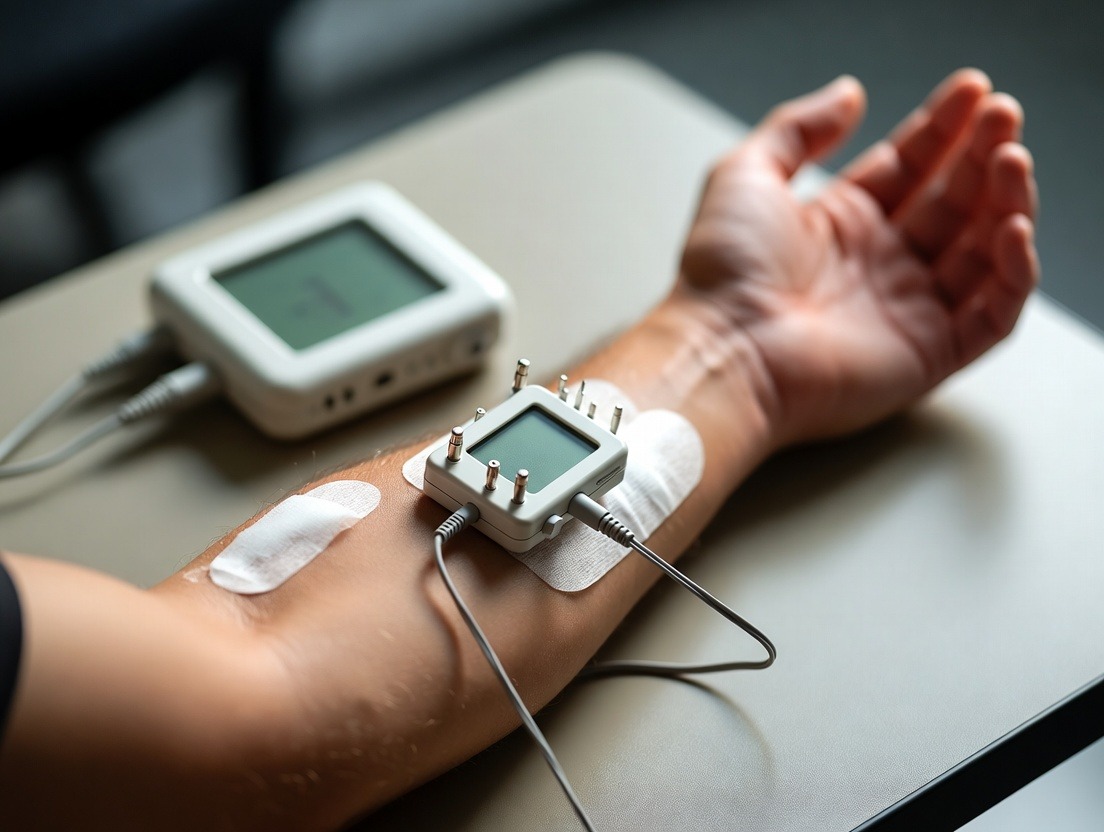
Once you’ve mastered the fundamentals of stress scores and basic HRV, your wellness ring offers a deeper layer of biomarkers that can refine your lunch break optimization to expert level. These metrics provide nuanced context, helping you understand the “why” behind the “what.”
Skin Temperature Trends: The Subtle Signal
While your absolute temperature matters less than its trends, this metric is surprisingly insightful.
Heart Rate Variability (HRV) Deep Dive: RMSSD vs. SDNN
Many rings now break down HRV into different measurements. Two common ones are RMSSD (short-term variability, linked to parasympathetic activity) and SDNN (longer-term variability, influenced by circadian rhythms and overall fitness).
The Sleep-Lunch Feedback Loop
Your previous night’s sleep doesn’t just set your morning baseline; it dictates your entire day’s recovery capacity.
By layering these advanced biomarkers, you move from generic “stress management” to precision recovery. You’re not just trying to feel better; you’re addressing specific physiological subsystems with targeted interventions. This represents the cutting edge of personal wellness optimization. To become truly fluent in this language, consider studying an expert framework for interpreting chronic stress numbers.
At first glance, mindfulness—the practice of non-judgmental present-moment awareness—and biometric tracking might seem at odds. One is subjective and internal, the other is objective and external. However, when combined, they create a powerful synergy: your ring’s data becomes a mirror for your internal state, grounding abstract practices in tangible reality and accelerating your mindfulness journey.
From Subjective Feeling to Objective Validation
A common challenge for mindfulness beginners is doubt. “Am I doing this right?” “Is this even working?” Your wellness ring provides concrete answers.
Identifying Subtle Agitation (The “Hidden Storm”)
Sometimes, we feel “fine” but our body tells a different story. You might sit to meditate and feel impatient or restless without knowing why. A glance at a pre-session elevated stress score can provide the context: “Ah, my body is still processing that morning meeting. This restlessness isn’t failure; it’s information.” This allows you to bring kinder attention to the agitation.
Using Real-Time Data as a Meditation Anchor
For a truly advanced practice, you can use your ring’s real-time heart rate display as your meditation object.
Cultivating Non-Attachment to the Numbers
This is the final, crucial stage. Data is a guide, not a god. The goal of mindfulness is equanimity—peace regardless of conditions. Once you’ve learned the correlations, practice observing a “bad” score (high stress, low HRV) with the same non-judgmental curiosity as a “good” one.
In this way, your wellness ring evolves from a stress tracker to a mindfulness teacher. It provides the feedback loop that deepens introspection and validates the inner work, making the invisible visible and the intangible, tangible.
A rigid protocol breaks under pressure. Life is dynamic—you travel, you face deadlines, you have family emergencies, you change jobs. The mark of a truly integrated practice is its flexibility. Your protocol must have “contingency modes” that allow you to maintain the core intent of your lunch break even when the ideal conditions are impossible.
The “Emergency Reset” Protocol (For Crisis Days)
When your morning is a five-alarm fire, a 60-minute optimized break is fantasy. The goal shrinks to damage control.
The Travel & Off-Site Protocol
Your environment is unfamiliar, and your schedule is disrupted. The goal is rhythm preservation, not perfection.
The “Life Transition” Protocol (New Job, Move, Family Event)
During prolonged periods of change, stress is expected. Your protocol shifts from stress reduction to stress integration and resilience support.
The principle is graceful degradation. Your practice has a core (awareness + intentional transition) and peripherals (ideal activity, perfect nutrition). When life happens, you protect the core at all costs and adapt the peripherals without guilt. This ensures your practice is lifelong, not just for calm seasons.
We have journeyed from understanding the modern lunch break paradox to building a flexible, data-informed protocol capable of weathering the storms of real life. You are no longer at the mercy of your afternoon slump or your workplace culture. You have been equipped with a translator for your body’s language (your wellness ring) and a playbook for responsive action.
Remember, the ultimate goal is not to become a slave to your biometrics, but to use them as a teacher. They illuminate the cause-and-effect relationships between your choices and your state of being, fostering a profound self-knowledge that transcends the device itself. The true metric of success is not a perfect stress score graph, but the felt sense of agency you develop—the knowledge that you can actively steward your energy, focus, and well-being amidst daily demands.
This journey begins not tomorrow, but with your very next lunch break. Perform the Pre-Lunch Check-In. Execute the 5-Minute Rule. Make one intentional choice based on what you’ve learned. Then, observe. That single act of data-curious, self-compassionate experimentation is the seed from which mastery grows.
In the final portion of this guide, we will explore the horizon—tying your daily practice to long-term life goals, building a supportive community, and answering the most frequently asked questions to solidify your expertise. The path from beginner to adept is paved with consistent, informed action. Your next break is your first step.
Your Trusted Sleep Advocate: Sleep Foundation — https://www.sleepfoundation.org
Discover a digital archive of scholarly articles: NIH — https://www.ncbi.nlm.nih.gov/
39 million citations for biomedical literature :PubMed — https://pubmed.ncbi.nlm.nih.gov/
Experts at Harvard Health Publishing covering a variety of health topics — https://www.health.harvard.edu/blog/
Every life deserves world class care :Cleveland Clinic - https://my.clevelandclinic.org/health
Wearable technology and the future of predictive health monitoring :MIT Technology Review — https://www.technologyreview.com/
Dedicated to the well-being of all people and guided by science :World Health Organization — https://www.who.int/news-room/
Psychological science and knowledge to benefit society and improve lives. :APA — https://www.apa.org/monitor/
Cutting-edge insights on human longevity and peak performance:
Lifespan Research — https://www.lifespan.io/
Global authority on exercise physiology, sports performance, and human recovery:
American College of Sports Medicine — https://www.acsm.org/
Neuroscience-driven guidance for better focus, sleep, and mental clarity:
Stanford Human Performance Lab — https://humanperformance.stanford.edu/
Evidence-based psychology and mind–body wellness resources:
Mayo Clinic — https://www.mayoclinic.org/healthy-lifestyle/
Data-backed research on emotional wellbeing, stress biology, and resilience:
American Institute of Stress — https://www.stress.org/


