


Longevity Essentials: Why Less Can Be More for Lifespan
Why sometimes doing less can lead to a longer life.
Why sometimes doing less can lead to a longer life.
%402x.svg)
We live in a world of more. More information, more supplements, more complex fitness regimens, and more promises for a healthier, longer life. Yet, as we amass this mountain of longevity advice, a quiet counter-narrative is emerging from the leading edges of science: the profound power of less.
The pursuit of a long, vibrant life doesn't have to be a story of relentless accumulation—more pills, more hours at the gym, more restrictive diets. Instead, groundbreaking research suggests that some of the most potent levers for extending our healthspan are rooted in strategic subtraction. It’s about removing the excess—the chronic stressors, the metabolic overload, the constant digital noise—that accelerates aging at a cellular level. This paradigm shift moves us from fighting for health to creating the precise conditions where health effortlessly emerges.
Modern technology, particularly the advent of discreet, continuous health monitoring, is now giving us the tools to practice this art of intelligent reduction. By translating the subtle whispers of our physiology into actionable data, we can identify what truly needs to be less in our lives. This article delves into the essential, science-backed pillars of longevity where less isn’t just more—it’s everything. We’ll explore how embracing calculated constraints on food, stress, and even information can unlock our biological potential for a longer, more vital life. And we’ll examine how a simple device, like a wellness smart ring from Oxyzen.shop, can become your personal guide in this journey of purposeful simplification, helping you listen to the one expert that matters most: your own body.
The wellness industry is a multi-trillion-dollar engine built on a promise of addition. Scroll through any health forum or walk down a supplement aisle, and the message is clear: to live longer, you must add this superfood, add that biohacking protocol, add another hour of high-intensity training. This "more is more" philosophy has created a culture of wellness overwhelm, where the path to health feels like a second, exhausting job.
Yet, this approach often overlooks a fundamental biological truth: the human body is a masterpiece of efficiency, honed by millions of years of evolution in environments defined by scarcity, not surplus. Our hormonal pathways, cellular repair mechanisms, and energy production systems are exquisitely calibrated to respond to cycles of challenge and recovery, not to a constant, unrelenting flood of inputs. When we chronically overwhelm these systems—with excess calories, incessant stress signals, or relentless stimulation—we don't optimize them; we accelerate their decline. This is the longevity paradox: the very act of aggressively adding interventions can create the internal noise that drowns out the body's innate signals for balance and repair.
Consider the analogy of a skilled gardener. A novice might believe that more water, more fertilizer, and more attention will always yield a better plant. But the expert gardener knows that too much water drowns the roots, too much fertilizer burns them, and constant interference stunts growth. The expert's art lies in knowing what to withhold, when to prune, and how to create the conditions—often sparse and challenging—that force the plant to develop deep roots and resilient strength. Our physiology is no different. The emerging science of gerontology—the study of aging—increasingly points to hormetic stressors: brief, acute challenges (like fasting, exercise, or temperature exposure) that trigger a stronger, more adaptive response. The benefit comes not from the stressor itself, but from the powerful restorative rebound that follows after it is removed. The "less" is what allows the "more" of cellular repair to occur.
This section isn't a dismissal of proactive health measures, but a crucial reframing. The goal is to shift from a mindset of anxious accumulation to one of intentional curation. It's about learning to distinguish between the signal and the noise, both in the wellness advice we receive and within our own bodies. By understanding this paradox, we can begin to see longevity not as a complex puzzle to be solved by adding countless pieces, but as a state of grace that emerges when we have the courage and insight to take the unnecessary pieces away. To explore how technology can help cut through the noise, our guide on making a confident purchase decision in the wellness ring space can be a valuable first step in simplifying your approach.
The most replicated and robust intervention for extending lifespan across nearly every species studied—from yeast and worms to rodents and primates—is not a drug or a superfood. It’s the simple, powerful practice of caloric restriction (CR): consistently reducing calorie intake without malnutrition. This isn't about starvation; it's a deliberate, moderate reduction, typically in the range of 10-25% below one's normal energy needs, while maximizing every calorie for nutritional value.
The mechanisms behind this phenomenon are where the biology becomes breathtaking. When the body senses a gentle reduction in energy availability, it doesn't just hunker down; it initiates a sophisticated survival program that enhances resilience and repair. This program is coordinated by a suite of longevity pathways, with key players being:
Autophagy is perhaps the crown jewel of caloric restriction's benefits. Translated as "self-eating," it's the body's innate recycling program. During periods of low energy intake, cells systematically degrade and recycle damaged components—misfolded proteins, dysfunctional mitochondria, and other cellular debris. This spring-cleaning at the cellular level is critical for preventing the accumulation of damage that leads to aging and neurodegenerative diseases like Alzheimer's and Parkinson's.
The challenge, of course, is that chronic, self-imposed calorie counting is notoriously difficult and can border on the miserable. This is where the concept of nutrient density transforms the practice. The goal shifts from "eating less of everything" to "eating less, but better." Every calorie must work harder by delivering a powerhouse of vitamins, minerals, antioxidants, and phytochemicals. A plate centered on leafy greens, colorful vegetables, lean proteins, and healthy fats provides satiety and nourishment while naturally keeping calorie counts in a healthier range. This approach also aligns beautifully with time-restricted eating (a topic for a later section), where the focus is on when you eat, creating a daily window of caloric restriction that is more sustainable than constant portion control.
Implementing this pillar isn't about drastic, immediate cuts. It's a gradual recalibration. A smart wellness ring can be an invaluable partner here, not by counting calories for you, but by providing the biofeedback that matters. By monitoring your resting metabolic rate trends and heart rate variability (HRV), a device like the Oxyzen ring can offer insights into how your body is responding to dietary changes. A sustained, healthy rise in HRV can indicate improved metabolic flexibility and resilience, while stable energy levels throughout the day signal you're on the right track. It turns the abstract concept of "eating for longevity" into a personalized, data-informed practice. For those beginning this journey, understanding the basics of how a wellness ring supports different health goals is a great place to start.
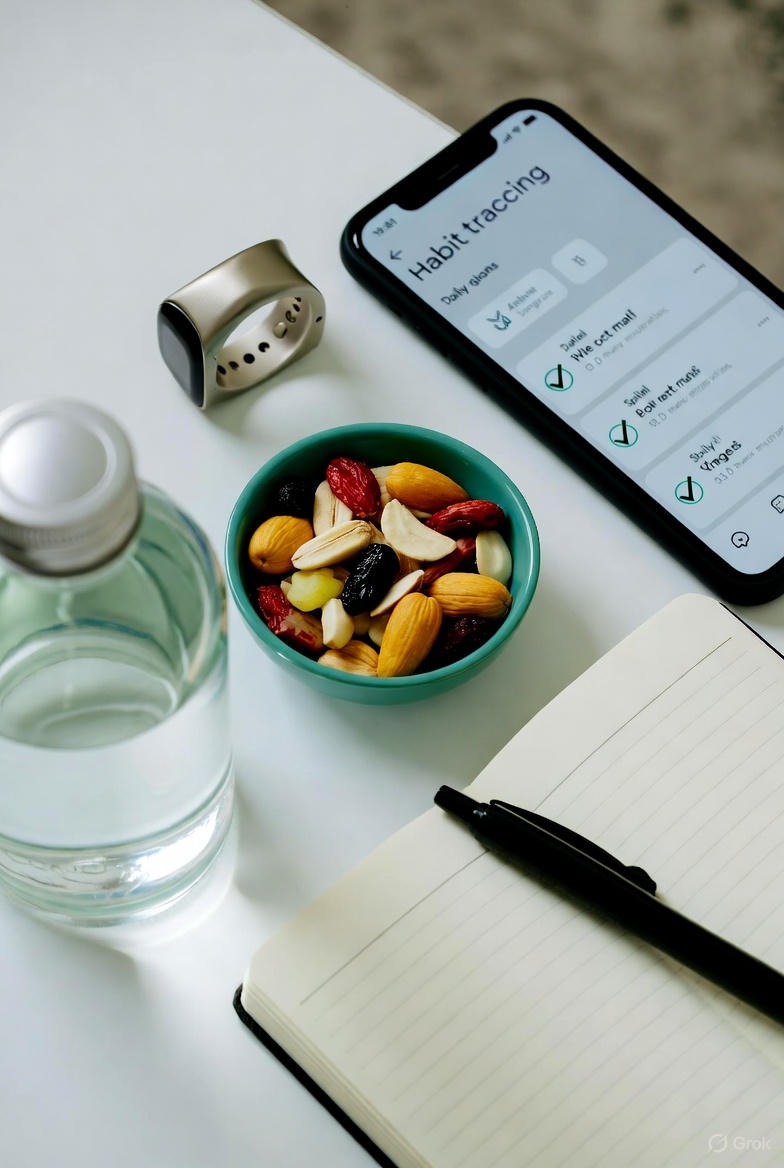
Building directly on the foundation of nutrient-dense eating, intermittent fasting (IF) takes the principle of "less" and applies it to time. It is not a diet, but a pattern of eating that cycles between periods of fasting and eating. By compressing our daily food intake into a specific window (e.g., 8 hours), we naturally extend the period each day where our body is in a fasted state, reaping the benefits of caloric restriction without the need to meticulously count every calorie.
The ultimate goal of IF is to cultivate metabolic flexibility—the body's ability to efficiently switch between burning different fuel sources, primarily carbohydrates and fats. The modern, high-snack-frequency diet keeps us perpetually in "fed" mode, reliant on glucose from food. We become metabolically inflexible, like a car that can only run on premium fuel and sputters when it runs low. When we fast, blood glucose and insulin levels drop, signaling the body to tap into its abundant secondary fuel tank: stored body fat. This shift to fat-burning (ketosis) is a powerful longevity trigger.
The physiological benefits of this fasted state are profound:
Popular IF protocols include the 16/8 method (fast for 16 hours, eat within an 8-hour window), the 5:2 diet (eat normally for 5 days, restrict to ~500-600 calories on 2 non-consecutive days), and Eat-Stop-Eat (one or two 24-hour fasts per week). The key is to find a sustainable rhythm that fits your lifestyle.
This is where objective biofeedback becomes non-negotiable. How do you know if your chosen fasting protocol is working for you? Subjective feelings are important, but data provides clarity. A continuous health monitor can track key biomarkers that indicate a successful transition to the fasted state and metabolic flexibility:
By using a tool like the Oxyzen ring, you move beyond guesswork. You can objectively see if your 16-hour fast is truly lowering your resting heart rate and boosting your HRV, or if it's causing undue stress that spikes your nighttime heart rate. This allows for intelligent personalization, turning intermittent fasting from a generic trend into a finely-tuned longevity tool. For a deeper look at the technology enabling this kind of insight, delve into the science behind the sensors and algorithms that make it possible.
Stress is not the enemy of longevity; in fact, it’s essential. The problem is the type, duration, and volume of stress we experience. We must differentiate between eustress (good, acute stress) and chronic distress (bad, unrelenting stress). Longevity thrives on the former and withers under the latter. The art lies in strategically applying the right kind of stress and, more importantly, ensuring deep, adequate recovery—the "less" of nervous system activation.
Eustress is the hormetic challenge we’ve discussed: the acute spike from a hard workout, a cold plunge, a challenging mental task, or even the mild hunger of a fast. These are discrete, manageable events that trigger a beneficial adaptive response. Once the stressor is removed, the body supercompensates, becoming stronger, more resilient, and more capable. This is the essence of anti-aging: a controlled injury followed by a robust repair.
Chronic Distress, however, is the true longevity saboteur. It's the unending drip of workplace anxiety, financial worry, relational friction, digital overload, and the pervasive low-grade inflammation from a poor diet. This type of stress keeps the body's defense systems—primarily the Hypothalamic-Pituitary-Adrenal (HPA) axis—permanently engaged. The result is persistently elevated cortisol, the primary stress hormone. While crucial in acute bursts, chronic high cortisol:
Therefore, the "less" in this pillar is unequivocally: less chronic sympathetic (fight-or-flight) nervous system activation. The goal is to spend more of your day in a parasympathetic (rest-and-digest) state, which is the engine of restoration.
Quantifying this balance is the breakthrough. You cannot manage what you cannot measure. Key biomarkers reveal the hidden story of your stress:
A 24/7 wellness ring is arguably the perfect tool for this pillar. Unlike a smartwatch you take off, a ring like Oxyzen provides continuous, comfortable monitoring, capturing your true resting heart rate and HRV during sleep—the gold standard for measurement. It allows you to see the direct impact of a stressful meeting, a difficult conversation, or even scrolling through news before bed on your nervous system. More importantly, it lets you validate the effectiveness of your recovery practices: does that 10-minute meditation actually increase your HRV? Does a walk in nature lower your resting heart rate? This feedback loop is transformative, empowering you to replace chronic distress with intentional eustress and proven recovery. To understand how this data can be part of a broader preventive health strategy, read about enabling preventive health monitoring with modern wearables.
The fitness industry, much like the supplement world, often sells "more": more miles, more weight, more hours, more intensity. While progressive overload is a principle of strength building, the longevity-focused approach to movement prioritizes quality, consistency, and recovery over sheer volume. It embraces a minimalist, intelligent philosophy: move often, move well, lift heavy things occasionally, and prioritize rest as zealously as activity.
This pillar is built on three core components:
1. Functional, Resistance-Based Strength Training: Muscle is not just for aesthetics; it is a critical longevity organ. Sarcopenia, the age-related loss of muscle mass and strength, is a primary driver of frailty, loss of independence, and metabolic decline. Preserving and building muscle is non-negotiable. The focus here should be on compound, functional movements (squats, hinges, pushes, pulls, carries) that build strength applicable to daily life. The protocol can be surprisingly minimalist: short, intense sessions (2-3 times per week) focusing on lifting challenging weights with excellent form. This provides the powerful hormetic stress (eustress) that signals the body to maintain muscle, strengthen bones, and boost metabolic rate, all while minimizing joint wear and tear.
2. Non-Exercise Activity Thermogenesis (NEAT): This is the "less" of formal exercise, but the "more" of all-day movement. NEAT encompasses all the calories you burn outside of sleeping, eating, and sports-like exercise: walking, taking the stairs, gardening, pacing while on the phone, even fidgeting. For long-term metabolic health and weight management, high NEAT is arguably more influential than a single daily workout. A sedentary person who goes to the gym for an hour but sits the other 23 has a profoundly different physiological profile than someone who moves consistently throughout the day. Cultivating a high-NEAT lifestyle is a foundational, low-impact longevity strategy.
3. The Sanctity of Recovery: In the minimalist movement paradigm, recovery is not passive; it's an active, essential component of the program. This includes dedicated rest days, prioritizing sleep (the ultimate recovery tool), and incorporating practices like foam rolling, gentle yoga, or mobility flows. Without adequate recovery, the beneficial stress of exercise becomes a source of chronic distress, elevating cortisol, impairing immune function, and stalling progress.
Tracking here must go far beyond simple step counts. A sophisticated wellness device provides the nuanced data needed to optimize this balance:
By using a device that measures these biomarkers, your movement practice becomes a dialogue. You learn the unique rhythm of stress and recovery that your body requires. This intelligent feedback, available from a discreet device like the Oxyzen ring, helps you avoid the common trap of "more is better" and instead adopt a sustainable, longevity-optimized movement practice that honors the essential need for rest. Seeing how real users integrate this data into their lives can be inspiring; you can find such experiences in our customer testimonials and user experiences.
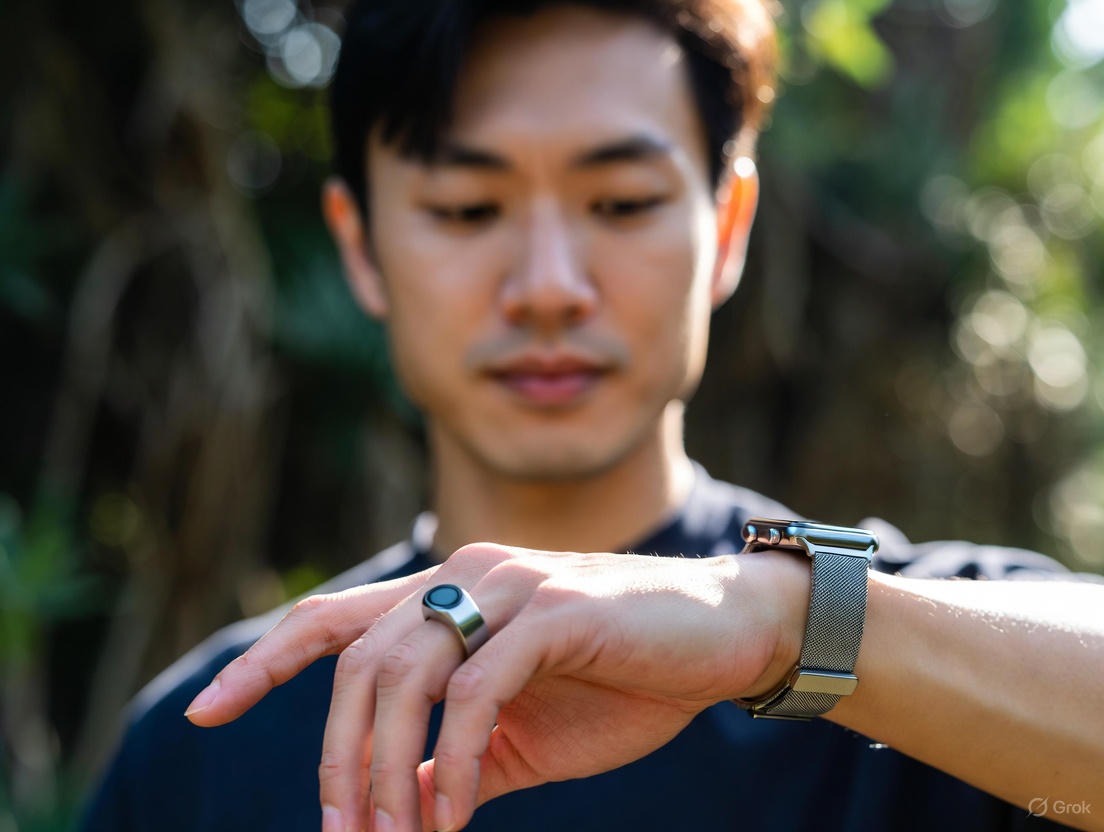
If there is one universal, non-negotiable pillar of longevity, it is sleep. It is the ultimate physiological state of "less": less movement, less consciousness, less sensory input. Yet, in this state of quiet withdrawal, the body engages in a frenzy of essential, life-extending activity. To neglect sleep is to sabotage every other longevity effort you make; it is the foundational infrastructure upon which health is built.
During sleep, particularly deep (Slow-Wave) sleep and REM (Rapid Eye Movement) sleep, the body executes its most critical repair and regulatory functions:
Pursuing "more" sleep isn't just about duration (though 7-9 hours is the well-established sweet spot for adults). It's about quality and consistency. One night of poor sleep can spike cortisol, impair glucose metabolism as severely as a prediabetic state, and reduce cognitive function.
This is where passive, continuous monitoring becomes revolutionary. A smart ring, worn overnight, is uniquely positioned to provide clinical-grade sleep insights without the discomfort of a headband or wrist device. It tracks:
Armed with this data, you can move beyond vague feelings of being "tired" and conduct precise experiments. Does reading a book instead of scrolling on your phone 30 minutes before bed increase your deep sleep? Does a cooler room temperature reduce restlessness? Does finishing your last meal 3 hours before bedtime improve your sleep latency? The ring provides the answers, transforming sleep from a mysterious, passive process into an active, optimized component of your longevity protocol. For beginners looking to master this aspect of their health, our guide on wellness ring basics for beginners is an excellent resource to start with.
Our quest for "less" must extend beyond the physical to the cognitive and digital realms. The modern mind is perpetually fed—and overloaded—by a firehose of information, notifications, and fragmented attention. This constant cognitive consumption creates a state of chronic low-grade stress, fragments our focus, and erodes our capacity for deep thought and creativity. Just as we practice intermittent fasting for our metabolism, we must practice digital and cognitive fasting to restore the health of our minds.
Digital Fasting involves creating intentional, scheduled periods where you disconnect from electronic devices—smartphones, computers, tablets, and televisions. The goal is to break the cycle of dopamine-driven feedback loops from social media, news, and email, which keep the brain in a state of anxious anticipation and shallow processing. The benefits are profound:
Cognitive Fasting is a complementary practice of intentionally limiting novel information input. This could mean dedicating time for "deep work" without any background podcasts or music, taking silent walks, or simply sitting in quiet reflection. It's about creating mental "white space" where your own thoughts, ideas, and sense of internal awareness can surface.
The connection to physiological longevity is concrete. The stress of information overload activates the same sympathetic nervous system pathways as physical threats, elevating cortisol and inflammatory markers. Furthermore, poor sleep, often caused by blue light exposure and mental stimulation from devices, undermines every cellular repair process discussed earlier.
While a wellness ring doesn't track screen time, it provides the ultimate biofeedback on the impact of your digital habits. After implementing a digital sunset (no screens 1-2 hours before bed), you can objectively see the improvement in your:
By correlating your digital behaviors with these biomarkers, you gain a powerful incentive to create boundaries. The data makes it clear: protecting your cognitive space isn't just a luxury for mental clarity; it's a direct intervention for lowering systemic stress and promoting a physiological state conducive to longevity. For more on integrating such mindful practices with technology, explore our blog for additional wellness tips and resources.
Humans are inherently social creatures, and strong social connections are consistently linked to longer, healthier lives. The Harvard Study of Adult Development, one of the longest-running studies on happiness and health, found that the quality of our relationships is a more powerful predictor of long-term health and longevity than cholesterol levels or even genetics. However, the longevity-focused approach to relationships also embraces a principle of "less": less superficial connection, less draining interaction, and less social obligation. It advocates for social pruning—the intentional cultivation of a small number of deep, reciprocal, and supportive relationships while limiting exposure to toxic or chronically stressful social dynamics.
Chronic social stress—be it from a conflict-ridden relationship, a toxic work environment, or the feeling of loneliness—is a potent driver of inflammation and poor health. It activates the same threat response as physical danger, keeping cortisol elevated and undermining immune function. Conversely, positive, secure social bonds act as a buffer against stress, promote feelings of safety (activating the parasympathetic nervous system), and encourage healthy behaviors.
The "less is more" strategy involves:
Quantifying the impact of social health might seem abstract, but our physiology tells the tale. Once again, the biomarkers captured by a continuous health monitor provide a startlingly clear picture:
By reviewing this data, you can move from a vague sense that "that person drains me" to objective evidence of their physiological impact on your nervous system. This empowers you to make more conscious choices about where to invest your most precious resource: your time and social energy. It turns the art of relationship-building into a science of longevity optimization, guided by the unflinching feedback of your own body. To see how others have used technology to support holistic health goals, including social well-being, you can read about how doctors find this data useful.
Longevity is not just an internal process; it is a constant interaction with our environment. The modern world exposes us to a unprecedented cocktail of low-level toxins and sensory pollutants that create a chronic, hidden burden on our biology—a concept known as the exposome. The "less" in this pillar focuses on reducing this total toxic load by simplifying our immediate surroundings: the air we breathe, the water we drink, the products we put on our skin, and the light and noise we absorb.
Key areas for environmental simplification include:
The cumulative effect of these "small" exposures is a persistent, low-grade inflammation and oxidative stress that accelerates cellular aging and increases disease risk. Reducing this load allows the body's natural detoxification and repair systems to function more efficiently.
While a wellness ring doesn't measure toxins in your water, it provides a vital feedback mechanism on how your environment is affecting your circadian rhythm and nervous system. For example:
By using biometric feedback, you can test the efficacy of your environmental interventions. Does using an air purifier in your bedroom improve your sleep quality score? Does switching to non-toxic laundry detergent correlate with better skin (less inflammation) and slightly improved overnight recovery metrics? This turns environmental simplification from a vague, greenwashed concept into a personalized, data-driven component of your longevity protocol. For those concerned about the materials in close-contact devices, you can learn about hypoallergenic options and materials in wellness wearables.
Our final pillar moves from the tangible to the existential, but its impact on lifespan is documented and profound. A strong sense of purpose—a clear, overarching intention that guides your choices and provides a sense of meaning—is a longevity superpower. Studies show that individuals with high "purpose in life" have a reduced risk of cardiovascular events, better cognitive function as they age, and literally live longer. However, in a world that glorifies busyness and encourages us to pursue endless goals, the longevity-aligned approach champions essentialism: the disciplined pursuit of less but better. It's about focusing your finite time and energy on the few things that matter most, and eliminating the trivial many.
Chronic distraction and a lack of focused direction are forms of psychological entropy. They lead to decision fatigue, shallow engagement, and a lingering sense of dissatisfaction—all of which are stressors. Conversely, a clear purpose acts as a filter, simplifying decisions and reducing anxiety. It provides a resilience buffer against life's inevitable setbacks, as challenges are framed within a meaningful narrative rather than as random suffering.
Cultivating this involves:
The connection to biometrics is, once again, found in the state of your nervous system. A life spent chasing scattered goals and reacting to others' agendas is a life of chronic sympathetic activation. A life guided by a clear purpose and focused action creates more opportunities for flow states and parasympathetic restoration. Your wellness data becomes the mirror:
In this way, the journey of longevity circles back to a simple, profound principle: a long and vital life is not created by adding endless complexities, but by having the courage to subtract everything that is not essential—from excess calories and chronic stress to toxic relationships, meaningless noise, and trivial pursuits. It is about creating the physical, mental, and environmental space where your biology can express its full, resilient, and enduring potential. To continue exploring how to build a life and habits centered on this principle, our collection of 50 healthy aging tips offers actionable strategies to implement daily.
The philosophy of "less is more" is not merely a collection of isolated tips; it's an integrated system, a lens through which to view every choice. Having established the nine core pillars—from metabolic flexibility and stress modulation to environmental simplification and purposeful focus—we now turn to the practical art of implementation. How do we weave these principles into the fabric of a modern life? The answer lies not in rigid discipline, but in intelligent adaptation, guided by the most personal data stream available: your own physiology. This is where technology transitions from a distracting complication to an essential tool for simplification, enabling a personalized, responsive, and sustainable approach to longevity.
Understanding the science of caloric restriction, intermittent fasting, and stress resilience is one thing. Living it, consistently and without burnout, is another. The greatest pitfall in the pursuit of longevity is the "all-or-nothing" mindset—launching into a drastic 20% calorie cut, daily 18-hour fasts, and two-hour gym sessions simultaneously. This is a recipe for failure, as it ignores the body's need for gradual adaptation and creates an unsustainable state of white-knuckled willpower.
The intelligent approach is sequential and additive integration. Think of it as building a pyramid. You begin with the broad, foundational base—the pillars that will support everything else. For most, this is Sleep (Pillar 5) and Stress Modulation (Pillar 3). You cannot hope to reap the benefits of fasting or intense training if you are chronically sleep-deprived and your nervous system is in overdrive. Start by using a wellness ring to establish a true baseline: What is your current sleep score? What is your average nightly HRV? What daily activities cause your stress levels to spike?
Once you have a week of baseline data, introduce one small change focused on your foundational pillar. For sleep, this might be implementing a digital sunset (Pillar 6) 60 minutes before bed. Observe for 3-5 days. Does your sleep latency improve? Does your deep sleep increase? The data provides immediate, objective feedback. If it works, the change sticks, not because a book told you to, but because you see the benefit. Then, you might layer in an environmental tweak from Pillar 8, like making your bedroom pitch dark and slightly cooler.
Only after these foundations feel stable do you carefully introduce a more active hormetic stressor. You might begin with Pillar 2 (Intermittent Fasting) by simply delaying your breakfast by one hour for a week, closely monitoring your energy and HRV. The ring's data will tell you if this is a beneficial eustress or if it's tipping you into distress (manifested by a crashing HRV or poor sleep). Following that, you could integrate Pillar 4 (Minimalist Movement) by adding two short, weekly strength sessions, using your "readiness score" to decide which days you're truly recovered enough to train effectively.
This methodical, data-informed layering turns the nine pillars from a daunting checklist into a personal symphony of habits. Each new practice is validated by your body's response, creating a powerful positive feedback loop that reinforces consistency. The technology becomes your co-pilot, ensuring you are building up, not breaking down. For a comprehensive look at how to build these foundational habits, our guide on how a wellness ring helps build healthy habits provides a detailed framework.

The promise of the "quantified self" movement is personalization. In the context of longevity, generic advice fails because we all have unique genetics, lifestyles, stress tolerances, and circadian rhythms. The 16/8 fasting window might be perfect for one person but disastrous for another. One person thrives on early morning workouts, while another's cortisol rhythm demands afternoon sessions. The question is: how do you discover your personal formula for "less"?
The answer lies in correlation and experimentation. A continuous health monitor provides a rich, multivariate dataset. The skill is in learning to read the story it tells. Here are key correlations to investigate:
This process transforms you from a passive recipient of health advice into an active scientist of your own body. You form hypotheses ("I think eating after 7 PM disrupts my sleep") and test them, with the ring providing the objective results. This empowers you to create a truly personalized longevity protocol—one that respects your individual biology rather than fighting against it. It demystifies the process, replacing dogma with discovery. For those curious about the technological backbone that makes this possible, the article on the accuracy revolution in health tracking technology is a fascinating read.
Perhaps the most elegant and impactful application of the "less is more" principle is the alignment of your daily habits with your innate circadian rhythm. This 24-hour internal clock, governed by a master pacemaker in the brain called the suprachiasmatic nucleus (SCN), regulates nearly every physiological process: hormone release, body temperature, digestion, metabolism, and sleep-wake cycles. Fighting your circadian rhythm is like swimming against a powerful current; it expends tremendous energy for little progress. Aligning with it is the ultimate form of physiological efficiency—doing the right thing at the right time with less effort.
Modern life is profoundly circadian-disruptive. Irregular sleep schedules, constant artificial light, late-night eating, and caffeine consumed in the afternoon all send conflicting signals to the SCN, leading to a state known as circadian misalignment. This condition is linked to obesity, diabetes, depression, impaired cognitive function, and accelerated aging.
Aligning with your rhythm involves creating a consistent, light-informed daily structure:
A wellness ring is an exceptional tool for circadian tracking because it monitors the downstream outputs of your clock: body temperature and heart rate. Your core body temperature follows a predictable circadian wave, dipping to its lowest point during sleep and rising throughout the day. Your resting heart rate also follows a circadian pattern. By tracking these over time, the ring can actually infer your circadian phase and identify disruptions.
You can see if a late night or a crossed time zone has thrown your rhythm off. You can test whether morning light viewing advances your rhythm, making you sleepier earlier. This biofeedback allows you to fine-tune your daily schedule into perfect harmony with your biology, reducing the internal friction that wastes energy and accelerates aging. It is the epitome of working smarter, not harder. Understanding this is part of the broader evolution of health tracking technology, from manual logs to automated, physiological insight.
As you master the foundational pillars and achieve basic circadian alignment, your curiosity may turn towards more advanced biomarkers of aging. The field of biogerontology is moving beyond chronological age (the number of years you've lived) to focus on biological age—the functional state of your cells and organs. The goal of a longevity lifestyle is to make your biological age significantly younger than your chronological age.
While comprehensive biological age tests (like epigenetic clocks such as GrimAge or PhenoAge) require blood or saliva samples analyzed in a lab, continuous wearable data can provide powerful proxies and track the effectiveness of your interventions on systems-level health. Key advanced insights include:
By tracking these metrics over quarters and years, rather than days, you gain a panoramic view of your health trajectory. Are your interventions moving the needle on these deep biomarkers? This long-view tracking turns your wellness ring from a daily habit coach into a lifelong health dashboard, providing motivation and proof that your commitment to "less" is yielding a biological "more." To see how this kind of data is beginning to intersect with professional medicine, explore how health tracking technology is changing preventive medicine.
No longevity journey is a straight, upward line. Life is inherently variable: illness, travel, work deadlines, family emergencies, and simple lapses in motivation are all part of the human experience. A critical aspect of sustainable practice is how you respond to these inevitable setbacks and plateaus. The "all-or-nothing" mindset sees a missed fasting window or a week of poor sleep as a catastrophic failure, leading to abandonment of the entire protocol. The longevity mindset, informed by data, sees these as data points and learning opportunities—temporary deviations in a long-term trend.
This is where historical data becomes your anchor. When you feel you've "fallen off the wagon," look at your data from the last three months. You'll likely see a clear overall trend of improvement in HRV, resting heart rate, and sleep quality, with small dips corresponding to stressful events. This visual proof is incredibly empowering. It shows that your baseline has shifted; a "bad" week now might be what a "good" week looked like six months ago.
Furthermore, data helps you diagnose plateaus. If your HRV has stagnated for a month despite consistent habits, it might be a signal to introduce a new hormetic challenge (a different workout, a longer fasting window once a week) or, conversely, to deliberately incorporate a dedicated recovery week where you dial everything back—less intense training, a wider eating window, extra sleep. Often, a strategic "less" can break a plateau better than pushing for more.
The wellness ring provides the objective evidence to quiet the inner critic. It replaces guilt and vague anxiety with clarity and strategy. A setback is no longer a moral failing; it's a physiological event with clear causes (travel, stress, poor sleep) and a clear path back to baseline. This compassionate, data-driven approach is what makes a longevity practice resilient for decades, not just weeks. For common questions on navigating the use of this technology, our FAQ section offers detailed support.
While social pruning (Pillar 7) emphasizes quality over quantity, the selective cultivation of a supportive community is a powerful longevity accelerant. The journey of intentional simplification can sometimes feel countercultural or isolating. Connecting with others who share similar values and goals provides motivation, accountability, and a shared pool of knowledge.
This community can take several forms:
The key is to ensure these communities align with the "less is more" philosophy—spaces that are supportive and informative rather than stressful, competitive, or filled with extreme, unscientific advice. A good community should reduce your cognitive load, not add to it. It should simplify your journey by providing trusted, vetted perspectives.
Your biometric data gives you a firm foundation to engage in these communities. You're not just sharing opinions; you're sharing evidence-based experiences. This raises the quality of the conversation and helps you filter advice. If someone suggests a new protocol, you can test it against your own data to see if it works for you, preventing you from being swept up in every new wellness fad. This measured, data-first approach to community is the final piece that turns personal practice into a sustainable, supported lifestyle. To hear directly from others on their journey, our testimonials page shares real user experiences and social proof.
The frontier of longevity technology is moving at a breathtaking pace, promising to make the principles of "less" even more precise, personalized, and powerful. The smart ring or wearable of today is a glimpse into a future where continuous, non-invasive monitoring will provide an ever-more holistic picture of our healthspan. Understanding this trajectory helps contextualize the tools we use today.
Emerging trends and near-future possibilities include:
In this future, the mantra of "less is more" will be supercharged. You won't just know that fasting is generally good; you'll know the exact fasting length that optimizes your autophagy markers. You won't just guess at food sensitivities; you'll see a real-time glucose and inflammatory response to every meal. The goal remains the same: to remove guesswork, reduce wasteful interventions, and apply the minimal effective dose of every longevity strategy. The technology becomes the ultimate tool for simplification, cutting through the noise of generic advice to deliver a crystal-clear, personalized path to a longer, healthier life. For a speculative look at what's on the horizon, explore our thoughts on health tracking technology in 2025 and what's possible.
We have journeyed from the core paradox of longevity—that addition often leads to subtraction of years—through the nine essential pillars where strategic reduction unlocks our biological potential. We've explored how practices like caloric restriction, intermittent fasting, stress modulation, and digital fasting are not about deprivation, but about creating the conditions for cellular renewal and resilience. We've seen how sleep, minimalist movement, environmental simplification, social pruning, and a focused purpose form the infrastructure of a vital life.
Most importantly, we've established that this journey is not one of blind austerity or rigid dogma. It is a personalized exploration, guided by the most intimate data possible: the real-time language of your own heart, nervous system, and circadian rhythm. A device like the Oxyzen wellness ring acts as a translator and guide in this exploration, turning the abstract principles of "less" into a tangible, responsive, and sustainable daily practice.
The path to longevity is, ultimately, the path to essentialism. It is the courageous and continual editing of your life—of your plate, your schedule, your relationships, your environment, and your attention—to preserve and direct your finite energy towards what truly matters: not just adding years to your life, but adding vibrant, healthy, and purposeful life to your years. It begins with a single, simple step: choosing to measure, so you can understand, and choosing to understand, so you can wisely do less.
In the next portion of this comprehensive guide, we will dive into specific protocols, meal plans, workout templates, and case studies that bring these pillars to life. We will address common myths, troubleshoot typical challenges, and provide a practical roadmap for your first 90 days on the essentialist path to longevity.
The Practical Blueprint: Protocols, Plates, and Progress
Understanding the philosophy and pillars of a "less is more" longevity strategy is the crucial first step. Now, we bridge the gap between theory and tangible reality. This section is your practical blueprint, offering concrete protocols, dietary frameworks, movement templates, and real-world strategies to implement the nine pillars seamlessly into your life. This is not about prescribing a single rigid plan, but about providing adaptable tools and templates that you can personalize using your biofeedback—the ultimate guide.
Embarking on a longevity journey can feel overwhelming. A structured, phased approach prevents burnout and fosters sustainable habit formation. This 90-day framework is designed to systematically introduce the pillars, allowing your body and mind to adapt gradually.
Phase 1: Foundation & Awareness (Days 1-30)
Phase 2: Strategic Introduction of Hormetic Stress (Days 31-60)
Phase 3: Optimization & Personalization (Days 61-90)
This framework is a guide, not a prison. Your biometric data is the ultimate compass. If your HRV crashes in Phase 2, pause and spend another week in Phase 1. The goal is lifelong progress, not a perfect 90-day sprint. For a wealth of complementary daily tips that align with this phased approach, explore our curated list of 50 healthy aging tips a smart ring helps implement.

Moving from Pillar 1, let's visualize what "eating less, but better" looks like on a daily basis. The Longevity Plate is a flexible template, not a rigid diet, designed to maximize micronutrients, fiber, and phytonutrients while providing satiating protein and healthy fats.
The Template:
Practical Meal Examples:
The "Less" in Practice:
Using Your Data: Pay close attention to how these meals affect your continuous glucose response (if your device estimates it) and your energy levels 2-3 hours later. Does a higher-carb meal cause an energy crash? Does a meal high in processed food visibly impact your sleep graph that night? This biofeedback allows you to personalize the template to perfection. Understanding the body's signals is part of the mastery journey from unboxing to expert user.
Following Pillar 4, here are sample weekly movement templates that balance strength, NEAT, and recovery. They require minimal equipment (dumbbells/kettlebells and resistance bands can suffice) and minimal time.
Template A: The Time-Crunched Beginner (Total: ~2.5 hours/week)
Template B: The Intermediate Hybrid (Total: ~3.5 hours/week)
The Role of Data:
This approach ensures every minute of movement has a purpose, eliminating junk volume and maximizing the hormetic benefit while fiercely protecting recovery. For insights into how movement tracking specifically works, see our basics on activity and movement tracking.
Pillar 2 (Intermittent Fasting) is a powerful tool, but one size does not fit all. Here’s a toolkit of protocols, matched to different lifestyles and goals, with guidance on how to use biometrics to choose and adjust.
1. The 16/8 Protocol (Daily Fasting)
2. The 5:2 Protocol (Modified Fasting)
3. Eat-Stop-Eat (24-Hour Fasting)
4. Circadian Rhythm Fasting (Early Time-Restricted Feeding)
How to Choose & Pivot:
Start with the protocol that seems least disruptive. Use your wellness ring data for 2-3 weeks as your guide. The correct protocol enhances your recovery metrics over time. The wrong one will degrade them. This is personalized medicine in action—letting your physiology choose the path. For answers to common questions about implementing such practices, our basics blog with common questions answered is a great resource.
Recovery Optimization: Beyond Just Sleep
While sleep is paramount, Pillar 4 reminds us that recovery is multi-faceted. Here are advanced recovery techniques to layer in, with guidance on measuring their efficacy.
1. Temperature Therapy
2. Vagus Nerve Stimulation & Breathwork
3. Strategic De-Loading
4. Sensory Deprivation & True Boredom
By quantitatively measuring the impact of these practices, you move beyond wellness trends. You build a personal recovery toolkit filled only with what proves effective for your biology. This is the essence of intelligent simplification. To understand the underlying technology that enables this fine-grained tracking, delve into the science behind modern health tracking.
Theory and templates come alive through example. Let's examine three hypothetical but realistic case studies of individuals applying these principles, guided by their data.
Case Study 1: The "Burnt-Out Executive" (Mark, 48)
Case Study 2: The "Fitness Enthusiast in a Plateau" (Elena, 36)
Case Study 3: The "Perimenopausal Professional" (David, 52)
These cases illustrate that the "less is more" protocol is not monolithic. It is a diagnostic and prescriptive framework, where biometric data identifies the most impactful lever to pull first. The path to improvement always involves strategic subtraction of a stressor (overtraining, late eating, digital overload) to allow the body's innate healing mechanisms to engage. Seeing real-world success stories can be motivating; read more in our dedicated testimonials section.
Even with the best plan and data, you will encounter obstacles. Here’s how to troubleshoot common roadblocks using a data-informed lens.
Roadblock 1: "My HRV is Going Down, Not Up!"
Roadblock 2: "I Can't Fall Asleep or Stay Asleep."
Roadblock 3: "I'm Always Hungry During My Fasting Window."
Roadblock 4: "I Have No Time for This."
The common thread in troubleshooting is returning to your data. It removes emotion and guesswork. A problem becomes a pattern to be analyzed and corrected, not a personal failure. For ongoing support with such challenges, our FAQ page is continually updated with user-driven insights.
The final, and perhaps most important, practical tool is the cultivation of the correct mindset. In a world of instant gratification, longevity is a game of compounded marginal gains over decades. Your wellness ring data is most powerful when viewed through the correct lens: the trend line, not the daily data point.
This mindset shift—from daily obsession to trend-based curiosity—is what makes the practice sustainable and enjoyable. It turns the journey into a lifelong exploration of your own potential, guided by the intimate feedback of your living, breathing biology. It is the ultimate application of "less": less anxiety about daily metrics, less rigid attachment to outcomes, and more trust in the process of aligning with your essential nature.
In the final portion of this definitive guide, we will look at the future synthesis of these practices, exploring cutting-edge research, the ethical considerations of lifespan extension, and how to build a legacy of health that extends beyond yourself.
To continue refining your practice with the right tools, explore the full range of options and find the perfect fit for your journey at Oxyzen.shop. For a deeper understanding of the brand behind the technology, our our story page shares the vision and values that drive us.
Your Trusted Sleep Advocate (Sleep Foundation — https://www.sleepfoundation.org/)
Discover a digital archive of scholarly articles (NIH — https://www.ncbi.nlm.nih.gov/
39 million citations for biomedical literature (PubMed — https://pubmed.ncbi.nlm.nih.gov/)
experts at Harvard Health Publishing covering a variety of health topics — https://www.health.harvard.edu/blog/)
Every life deserves world class care (Cleveland Clinic -
https://my.clevelandclinic.org/health)
Wearable technology and the future of predictive health monitoring. (MIT Technology Review — https://www.technologyreview.com/)
Dedicated to the well-being of all people and guided by science (World Health Organization — https://www.who.int/news-room/)
Psychological science and knowledge to benefit society and improve lives. (APA — https://www.apa.org/monitor/)
Cutting-edge insights on human longevity and peak performance
(Lifespan Research — https://www.lifespan.io/)
Global authority on exercise physiology, sports performance, and human recovery
(American College of Sports Medicine — https://www.acsm.org/)
Neuroscience-driven guidance for better focus, sleep, and mental clarity
(Stanford Human Performance Lab — https://humanperformance.stanford.edu/)
Evidence-based psychology and mind–body wellness resources
(Mayo Clinic — https://www.mayoclinic.org/healthy-lifestyle/)
Data-backed research on emotional wellbeing, stress biology, and resilience
(American Institute of Stress — https://www.stress.org/)


