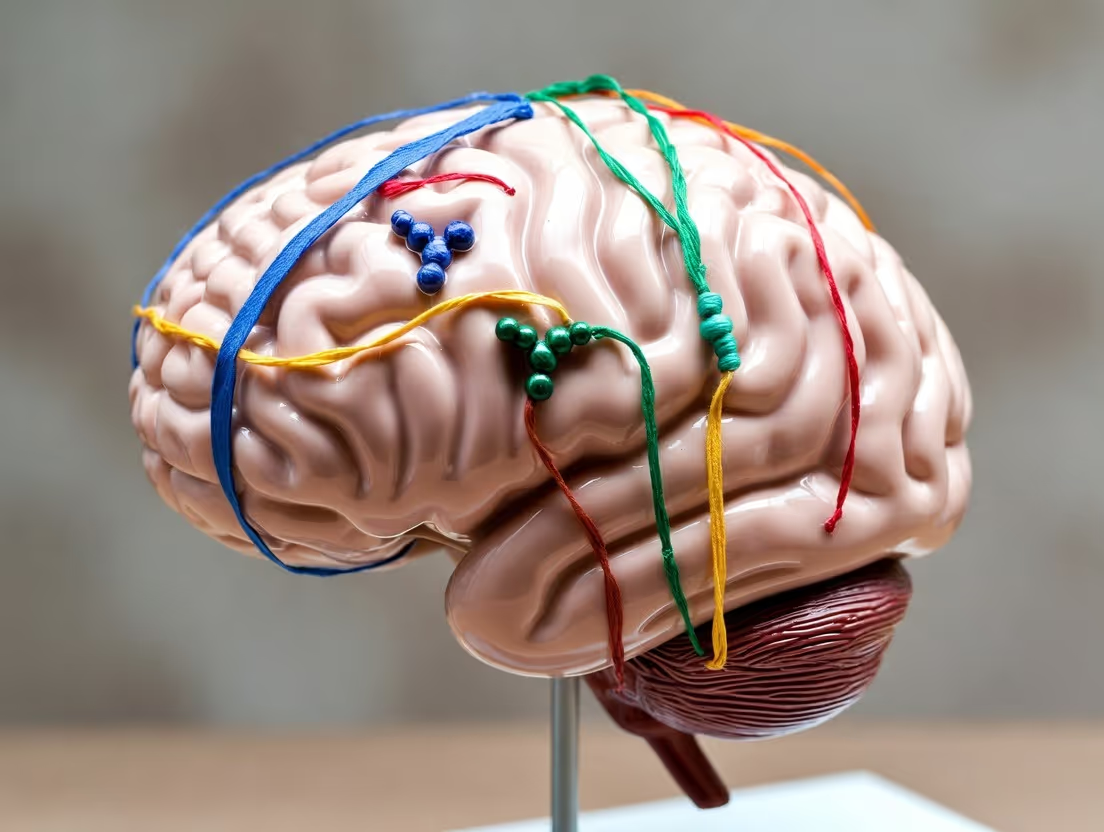
Mental Wellness and Hormonal Changes: Puberty, Pregnancy, Menopause
Hormonal fluctuations can significantly impact mood and anxiety; understanding these patterns allows for better self-care and planning.
The Invisible Current: How Hormones Shape Our Mental Wellness Through Life's Great Transitions
We live in an age of unprecedented focus on mental wellness. From mindfulness apps to therapy, we are collectively seeking peace, clarity, and emotional resilience. Yet, despite our best efforts, many find that their internal landscape can shift unpredictably—waves of anxiety crash without warning, foggy cognition descends, or a low mood stubbornly persists. What if a significant key to understanding these fluctuations isn't just in our minds or circumstances, but flowing silently in our bloodstream?
Hormones are the body’s master chemical messengers, orchestrating everything from metabolism and sleep to growth and reproduction. But their profound and often under-discussed role is as architects of our emotional and mental states. Across a lifetime, specific hormonal upheavals—most notably during puberty, pregnancy, and menopause—act as powerful catalysts, reshaping the very foundation of our mental wellness. These are not mere “mood swings” to be dismissed; they are systemic neurological events that redefine how we think, feel, and experience the world.
Understanding this connection is not about pathologizing natural life stages, but about empowering ourselves with knowledge. It’s about moving from feeling at the mercy of mysterious changes to becoming an insightful observer and active participant in our own wellbeing. Imagine being able to distinguish between everyday stress and a hormonally-driven shift, or to anticipate patterns and equip yourself with precise, personalized strategies. This is where modern technology, like advanced wellness wearables, bridges the gap between biological insight and daily life.
In this exploration, we will dive deep into the intricate dance between hormones and the mind. We’ll chart the course through three of life’s most transformative hormonal journeys, uncovering the science behind the emotions and arming you with knowledge for resilience. We’ll also explore how tools like the Oxyzen smart ring are revolutionizing personal health intelligence, offering a window into your body’s unique rhythms. For those seeking a deeper dive into the technology enabling this awareness, you can always discover how Oxyzen works to translate biological signals into actionable insight.
This journey begins with a fundamental truth: to cultivate true, lasting mental wellness, we must first listen to the language of our bodies.
The Endocrine-Mind Connection: Your Hormones as Neurochemical Conductors
To comprehend how puberty, pregnancy, and menopause can revolutionize mental health, we must first establish a foundational understanding of the endocrine system and its intimate dialogue with the brain. Think of your body not as a collection of separate systems, but as a sophisticated, interconnected network where hormones act as both messengers and managers.
Hormones: More Than Just Sex Chemicals While often narrowly associated with sex and reproduction, hormones are far more versatile. Produced by glands like the pituitary, thyroid, adrenals, and ovaries/testes, they regulate metabolism (thyroid hormones), stress response (cortisol), sleep-wake cycles (melatonin), and pleasure/reward (dopamine). They travel through the bloodstream, locking onto specific receptors in target organs—including vast networks within the brain.
The Brain: A Hormone-Sensitive Organ Your brain is densely packed with hormone receptors. When a hormone binds to these receptors, it can alter nerve cell activity, change the production of neurotransmitters (like serotonin and GABA), and even influence the growth and connections between neurons. This means fluctuations in hormone levels don't just affect your ovaries or testes; they directly remodel the circuitry of your mind.
Estrogen, for instance, is a neuroactive steroid. It enhances serotonin activity (the "feel-good" neurotransmitter), boosts the production of mood-protective brain-derived neurotrophic factor (BDNF), and modulates the stress response system. High, stable estrogen is often associated with improved mood, cognitive sharpness, and emotional resilience.
Progesterone has a calming, sedative effect by stimulating GABA receptors (similar to anti-anxiety medications). However, its rapid withdrawal can lead to irritability, anxiety, and disrupted sleep.
Testosterone in all genders influences motivation, confidence, and libido, and plays a role in regulating mood.
Cortisol, the primary stress hormone, in acute bursts is adaptive, but chronic elevation can shrink the hippocampus (involved in memory) and amplify anxiety and depression pathways.
Thyroid hormones are critical for brain energy metabolism; even slight imbalances can manifest as depression, brain fog, or anxiety.
The mental experience of any hormonal transition depends on three key factors: the absolute levels of hormones, the ratio between different hormones (like estrogen to progesterone), and, crucially, the rate of change. A rapid drop in hormones, as seen premenstrually or postpartum, is often more destabilizing than a consistently low level.
This explains why simply measuring a single hormone level at one point in time often fails to capture the dynamic story. Continuous tracking of physiological proxies—like heart rate variability (HRV), skin temperature, sleep patterns, and activity—can reveal these patterns and rhythms. For example, a wearable device like the Oxyzen smart ring can detect the subtle nocturnal temperature shifts of the menstrual cycle or the sleep disturbances that precede a mood shift, offering a holistic view of your body’s unique language. To understand the full scope of what such technology can reveal, explore our blog for more wellness tips on decoding your body's data.
Understanding this foundational connection transforms our perspective. The mental challenges of life’s great transitions are not "all in your head." They are, quite literally, a reflection of profound and legitimate changes in the biochemical environment of your brain. With this knowledge, we can now embark on the first of our three deep dives: the tumultuous voyage of adolescence.
Puberty: The Neurohormonal Storm of Adolescence
Puberty is often visualized through its external markers: growth spurts, changing body shapes, and the development of secondary sexual characteristics. However, beneath the surface rages a far more dramatic transformation—a wholesale renovation of the brain, driven by a crescendo of hormones. This period, typically between ages 8 and 14, is not just about becoming capable of reproduction; it's about the brain rewiring itself for adulthood, a process fraught with both vulnerability and incredible potential for mental wellness.
The Hormonal Cascade The process begins in the brain with the hypothalamus releasing gonadotropin-releasing hormone (GnRH). This triggers the pituitary gland to secrete luteinizing hormone (LH) and follicle-stimulating hormone (FSH), which then signal the ovaries to produce estrogen and progesterone, or the testes to produce testosterone. This surge doesn't happen smoothly; it comes in pulses, often at night, leading to unpredictable fluctuations. These hormones flood the brain, binding to receptors and initiating a complex sequence of neuronal pruning and strengthening.
The Remodeling Adolescent Brain Two key brain regions undergo significant change:
The Limbic System (Emotional Center): Areas like the amygdala, responsible for processing emotions like fear and pleasure, become hyper-reactive. Fueled by hormonal surges and increased dopamine activity, this leads to the hallmark intensity of teenage emotions—ecstatic highs, crushing lows, and a heightened sensitivity to social evaluation and rejection.
The Prefrontal Cortex (PFC - Executive Control Center): This region, responsible for judgment, impulse control, long-term planning, and emotional regulation, is the last to mature, often not fully developing until the mid-20s. It's essentially "under construction" during puberty.
The result is a neurological mismatch: a powerful, emotionally charged engine (limbic system) with a partially installed brake system (prefrontal cortex). This biological reality underpins common adolescent experiences: risk-taking, emotional volatility, intense peer focus, and conflict with parents as they seek autonomy.
Mental Wellness Challenges and Manifestations This neurohormonal upheaval creates a perfect storm for the onset of many mental health conditions. The adolescent brain is at peak neuroplasticity—highly adaptable but also highly sensitive to stress.
Mood Disorders: The risk for depression and anxiety disorders increases dramatically. Hormonal fluctuations, combined with social and academic pressures, can overwhelm the still-developing coping mechanisms. Girls, with the added variable of the menstrual cycle beginning, are at a particularly increased risk for depression.
Body Image and Identity: As the body changes rapidly, hormones directly influence self-perception. Estrogen and testosterone drive concerns about appearance, while the brain's social circuits are fine-tuned, making peer approval feel paramount. This can seed issues with body image, self-esteem, and identity formation.
Sleep Architecture Disruption: The circadian rhythm shifts naturally during puberty, favoring later sleep and wake times. Melatonin is secreted later at night. When combined with early school start times, this leads to chronic sleep deprivation, which exacerbates emotional dysregulation, irritability, and poor concentration.
Navigating the Storm: Strategies for Support Supporting mental wellness during puberty requires a multi-pronged approach that acknowledges the biological roots of the behavior:
Education as Empowerment: Teaching adolescents about the brain changes they are experiencing normalizes their feelings. Framing it as "your brain is upgrading" can reduce shame and foster self-compassion.
Sleep Hygiene as Non-Negotiable: Protecting sleep is protecting mental health. Encouraging consistent routines, limiting screens before bed, and advocating for later school start times are critical.
Mind-Body Connection Practices: Techniques like mindfulness meditation can help strengthen the prefrontal cortex's ability to regulate the emotional limbic system. Physical activity is a potent regulator of hormones, stress, and mood.
Monitoring Patterns: For teens (and parents) feeling blindsided by mood shifts, technology can offer insight. Tracking sleep, recovery, and daily readiness scores with a wearable can help identify patterns, like poor sleep correlating with difficult days, making the invisible visible and guiding interventions.
This journey through the adolescent neurohormonal storm sets the stage for the next great transition. While puberty equips the body for potential reproduction, the actual event of pregnancy takes hormonal influence on mental wellness to an entirely new, and profound, level.
Pregnancy: The Profound Biochemical Symphony of Creation
If puberty is a storm, pregnancy is a symphony—an intricate, nine-month orchestration of hormones so powerful it creates and sustains a new human life. Every system in the body adapts, and the brain undergoes one of the most significant transformations of a woman's life. The mental wellness journey through pregnancy is not a linear path of "glowing" contentment; it is a complex narrative of adaptation, shaped dramatically by the ebb and flow of reproductive hormones at levels never before experienced.
The Hormonal Landscape of Pregnancy From the moment of implantation, the body enters a state of endocrine revolution:
Human Chorionic Gonadotropin (hCG): The "pregnancy hormone" detected by tests, hCG signals the corpus luteum to continue producing progesterone, maintaining the uterine lining. Its rapid rise is often linked to first-trimester nausea.
Estrogen and Progesterone: These hormones rise exponentially, produced first by the ovaries and later by the placenta. Estrogen promotes blood flow and tissue growth, while progesterone maintains uterine quiescence, preventing premature contractions. Their profound influence on the brain is continuous and evolving.
Cortisol: Levels naturally increase two to four times, playing a crucial role in fetal development but also contributing to the feeling of being "wired" or stressed.
Oxytocin: Known as the "love hormone," it increases gradually, promoting bonding and, later, triggering labor contractions and milk let-down.
Prolactin: Rises throughout pregnancy, preparing the mammary glands for lactation.
The "Pregnancy Brain": Neurological Remodeling The term "pregnancy brain" or "momnesia" is often used humorously, but it reflects a real, structural change. Research shows that pregnancy induces gray matter pruning in specific areas of the brain related to social cognition and theory of mind—essentially, fine-tuning the neural network to be more efficient at attuning to the needs of an infant. This "synaptic pruning" may temporarily affect memory and focus but is believed to enhance maternal attunement. Furthermore, the flood of hormones alters neurotransmitter systems, affecting mood, anxiety, and stress response circuits.
Mental Wellness Spectrum: From Perinatal Mood to Anxiety Disorders Pregnancy can be a time of positive mental health, but it also carries significant risk for mood disorders due to the sheer magnitude of hormonal shifts.
Antenatal (Prenatal) Depression & Anxiety: Affecting up to 1 in 7 women, symptoms include persistent sadness, worry, irritability, and sleep disturbances outside of normal pregnancy discomforts. The risk is heightened by a history of depression, poor social support, or an unplanned pregnancy.
Pregnancy-Specific Anxiety: This includes intense fears about the baby's health, the birth process, or one's ability to parent. Hormonal sensitivity can amplify these normal worries into clinical anxiety.
Impact of Hormonal Sensitivity: Some women's brains are exquisitely sensitive to the rapid rises in progesterone and estrogen. For them, instead of a stabilizing effect, these surges can trigger dysphoria, panic, and emotional lability, particularly in the first trimester when the rise is most dramatic.
The Mind-Body Web: Physical Symptoms with Psychological Impact The mental state in pregnancy cannot be disentangled from the physical experience:
Hyperemesis Gravidarum: Severe nausea and vomiting lead to dehydration, weight loss, and exhaustion, severely impacting mood and mental health.
Sleep Disruption: Physical discomfort, nocturia, and anxiety can lead to chronic sleep fragmentation, a known trigger for depression and anxiety.
Body Image Evolution: As the body changes at a rapid pace, feelings about self-image can fluctuate, influenced by hormones and societal pressures.
Cultivating Wellness During Pregnancy Proactive mental wellness strategies are essential prenatal care:
Psychoeducation: Understanding that emotional volatility has a strong biological basis reduces self-blame and stigma.
Precision Monitoring: Tracking physiological metrics can provide reassurance and identify early signs of strain. For instance, monitoring heart rate variability (HRV) and sleep quality with a wearable device like the Oxyzen ring can offer objective data on the body's stress load and recovery needs, helping to guide decisions about rest and activity. Many expectant mothers find that reading real customer reviews and user experiences of others using wellness tech during pregnancy provides valuable community insight.
Mindfulness and Gentle Movement: Prenatal yoga and meditation can modulate the stress response and improve emotional regulation.
Building a Support Network: Social connection buffers against prenatal depression and anxiety.
The hormonal symphony of pregnancy prepares the body and mind for the ultimate transition: birth and the postpartum period. But the story of hormonal influence on mental wellness does not end with delivery; in many ways, it enters its most critical and vulnerable chapter.
The Postpartum Period: Navigating the Hormonal Cliff and New Reality
Birth is not just the arrival of a baby; it is also a seismic endocrine event. Within the first 24-48 hours after the placenta is delivered, levels of estrogen, progesterone, and other pregnancy hormones plummet precipitously—a drop often described as the greatest sudden hormonal shift a human body can experience outside of a medical intervention. This "hormonal cliff" occurs simultaneously with the monumental physical demands of recovery and the psycho-social transition to parenthood, creating a high-risk period for mental wellness challenges.
The Postpartum Hormonal Rollercoaster The endocrine system must rapidly recalibrate to a non-pregnant state while initiating lactation:
The Great Withdrawal: The sudden withdrawal of high levels of progesterone and estrogen can have a depressogenic and anxiolytic effect, similar to withdrawal from a psychoactive substance. This directly impacts neurotransmitter systems in the brain, particularly serotonin and GABA.
Prolactin and Oxytocin Take Center Stage: Prolactin rises to establish milk supply, and oxytocin is released during nursing to facilitate let-down and promote bonding. These hormones encourage a focus on the infant but can also contribute to feeling "touched out" or in a state of constant alertness.
Thyroid Dysfunction: Postpartum thyroiditis, an autoimmune inflammation of the thyroid, affects up to 10% of women, often manifesting first as anxiety, insomnia, and irritability (hyperthyroid phase), followed by fatigue, depression, and brain fog (hypothyroid phase).
Cortisol and Sleep Deprivation: The stress of newborn care and severe sleep fragmentation leads to dysregulated cortisol rhythms, further impairing emotional regulation and cognitive function.
Spectrum of Postpartum Mood and Anxiety Disorders (PMADs) It is critical to normalize "baby blues"—transient tearfulness, mood swings, and anxiety in the first two weeks—while distinguishing it from more serious, clinical conditions that require intervention.
Postpartum Depression (PPD): Affecting 1 in 7 women, PPD symptoms include pervasive sadness, anhedonia (inability to feel pleasure), intense irritability or anger, feelings of worthlessness or guilt about not being a "good mother," and sometimes thoughts of harming oneself or the baby. It is a medical condition, not a character flaw.
Postpartum Anxiety & OCD: Often co-occurring with depression, this can involve relentless, intrusive worry about the baby's health, safety, or one's own caregiving abilities. Postpartum OCD features disturbing, intrusive thoughts (e.g., of accidental harm) and compulsive behaviors to neutralize the anxiety.
Postpartum Psychosis: A rare (1-2 per 1000) but severe medical emergency characterized by hallucinations, delusions, paranoia, and confusion. It requires immediate treatment.
The Invisible Load: Sleep Deprivation as a Primary Catalyst While hormones set the stage, sleep disruption is arguably the primary exacerbating factor in postpartum mental health. The brain's ability to cope with hormonal volatility is utterly compromised by chronic, severe sleep deprivation. This creates a vicious cycle: hormonal shifts disrupt sleep, and lack of sleep worsens the brain's hormonal regulation and emotional resilience.
Strategies for Grounding and Healing Supporting mental wellness postpartum requires a community and technological approach:
Prioritizing Sleep Over All Else: This is medical treatment. Implementing shifts with a partner, accepting help for nighttime feedings, and sleeping when the baby sleeps are crucial. Objective sleep tracking can help new parents understand their patterns and advocate for their needs. A device that measures sleep stages and overall quality without being intrusive can be invaluable.
Hormonal Awareness: Knowing that days 3-10 postpartum are often the hardest hormonally can provide perspective. Some find tracking their mood alongside simple metrics like resting heart rate revealing.
Nutrition and Hydration for Hormonal Support: Supporting adrenal and thyroid function with balanced blood sugar, healthy fats, and key nutrients (like omega-3s, B vitamins, and iron) is foundational for mental health.
Screening and Professional Help: Routine screening for PMADs and rapid access to therapists and psychiatrists specializing in perinatal mental health is vital. Treatment often includes therapy, support groups, and sometimes medication compatible with breastfeeding.
The postpartum period is a testament to resilience, but it underscores a crucial theme: mental wellness is inextricably linked to biological rhythms. As the body eventually finds a new equilibrium after childbearing years, it approaches another inevitable transition—one that, like puberty, is a natural part of the lifecycle but carries its own profound hormonal reckoning: perimenopause and menopause.
Perimenopause: The Unpredictable Prelude to Transition
While menopause is officially marked by the final menstrual period, the journey there—perimenopause—is often the most challenging chapter for mental wellness. Lasting an average of 4-8 years (but sometimes a decade or more), perimenopause is characterized by erratic, often extreme, hormonal fluctuations as the ovaries begin their gradual retirement. This is not a period of decline, but of dramatic and unpredictable change, where the brain and body are highly responsive to hormonal instability.
The Hormonal Chaos of the "Menopause Transition" The defining feature of perimenopause is declining ovarian reserve and increasing anovulatory cycles (cycles where no egg is released).
Erratic Estrogen: Estrogen levels don't simply decline smoothly; they can swing wildly from very high to very low within a single cycle or even a single day. These "estrogen surges and crashes" are due to the pituitary gland pumping out more FSH in a frantic attempt to stimulate the aging ovaries, which occasionally respond with a last hurrah of estrogen production.
Declining Progesterone: Since progesterone is primarily produced after ovulation, anovulatory cycles lead to a state of "estrogen dominance" relative to progesterone. This imbalance can exacerbate symptoms like anxiety, breast tenderness, and heavy bleeding.
The Role of Testosterone: Levels also gradually decline, which can affect energy, motivation, and libido.
The Neuropsychiatric Symptoms: More Than Hot Flashes The impact of this hormonal turbulence on the brain is profound and frequently misattributed to stress or aging.
"Perimenopausal Rage" and Irritability: Sudden, intense irritability or anger that feels foreign and uncontrollable is a common report. This is linked to estrogen's role in modulating serotonin; as estrogen swings, so can temper.
Anxiety and Panic Attacks: New-onset anxiety or a resurgence of previously controlled anxiety is extremely common. The GABA-calming effect of progesterone is often absent, and estrogen crashes can trigger a jittery, "wired" feeling.
"Menopause Brain" or Brain Fog: Women report forgetfulness, difficulty concentrating, and losing their train of thought. Estrogen is crucial for hippocampal function and neurotransmitter activity; its instability directly impacts cognitive clarity.
Sleep Architecture Destruction: Even before classic hot flashes, sleep can become fragmented due to subtle night sweats, anxiety, or the direct effect of hormonal changes on the sleep-wake cycle. Poor sleep then becomes a primary driver of worsening mood, anxiety, and cognitive issues.
Mood Disorders: Perimenopause is a high-risk window for new-onset major depression. Women with a history of PMDD or postpartum depression are particularly vulnerable to these hormonal shifts.
The Invisible Struggle and Misdiagnosis Because periods may still be relatively regular, many women (and their doctors) do not connect these mental wellness symptoms to perimenopause. They may be misdiagnosed with generalized anxiety disorder or treated for depression without addressing the underlying hormonal driver. Tracking symptoms alongside physiological data becomes a powerful advocacy tool. Noticing that nights of poor sleep (tracked by a device like Oxyzen) predict days of high anxiety and brain fog can reveal the biological pattern, moving the conversation from "it's all stress" to "my body is going through a measurable transition." For a deeper look at the personal journeys through such transitions, you can read about our brand's vision and values which are rooted in empowering individuals with personalized health insights.
Navigating the Prelude: Proactive Management
Symptom Tracking & Cycle Awareness: Even with irregular cycles, tracking moods, sleep, physical symptoms, and bleeding can reveal patterns linked to hormonal phases.
Lifestyle as Foundation: Stress reduction (yoga, meditation), regular aerobic exercise, and a blood-sugar-balancing diet are non-negotiable for stabilizing the hypothalamic-pituitary-ovarian axis.
Targeted Supplementation: Some find support with supplements like magnesium glycinate (for anxiety and sleep), B vitamins (for energy and neurotransmitter production), and omega-3s (for brain health), though individual needs vary greatly.
Informed Medical Consultation: Seeking a provider knowledgeable in perimenopause is key. Discussions may include the potential role of low-dose hormonal therapy to stabilize fluctuations, which can be profoundly effective for neuropsychiatric symptoms when started in perimenopause.
Perimenopause is the storm before the calm. Understanding its chaotic nature allows women to brace, adapt, and seek the right support. Eventually, this transition leads to menopause itself—a new, and often more stable, hormonal baseline.
Menopause: Finding Equilibrium in a New Hormonal Landscape
Menopause, defined as the point 12 months after a woman's final menstrual period, marks the end of the reproductive era and the beginning of a new, post-reproductive life stage. While perimenopause is characterized by chaotic fluctuation, postmenopause brings a more consistent, though dramatically lower, hormonal profile. The mental wellness challenge here shifts from managing volatility to adapting to a new, long-term biochemical environment and addressing the cumulative impacts of prolonged hormonal deficiency.
The Postmenopausal Hormonal Profile The ovaries have largely ceased production of estrogen and progesterone, though small amounts are still produced by the adrenal glands and fat tissue.
Persistently Low Estrogen: This is the defining feature. The neuroprotective, serotonin-boosting, and BDNF-promoting effects of estrogen are now absent, leaving the brain more vulnerable to mood disorders, stress, and cognitive decline over the long term.
Low Progesterone: With no ovulation, progesterone remains minimal.
Continued Androgen Decline: Testosterone levels continue a slow decline, which can further impact energy, libido, and sense of vitality.
Cortisol Sensitivity: The loss of estrogen's modulating effect on the HPA axis can make the stress response more reactive or harder to turn off.
Long-Term Mental and Cognitive Health Implications The sustained loss of estrogen's beneficial effects on the brain has significant implications:
Vulnerability to Depression and Anxiety: The risk for clinical depression remains elevated in the early postmenopausal years. Chronic, low-grade anxiety is also common, linked to both neurochemical changes and the psychosocial transitions of this life stage.
Cognitive Changes and Dementia Risk: Many women experience a lifting of the "brain fog" of perimenopause as hormones stabilize, but some report lingering issues with memory and processing speed. Critically, research indicates that early menopause (before age 45) and surgical menopause (removal of ovaries) are associated with a higher risk of cognitive decline and dementia later in life, underscoring the long-term neuroprotective role of estrogen.
Sleep Architecture Challenges: While night sweats may improve for many, sleep often remains fragile due to lower progesterone (a natural sedative), increased vulnerability to stress, and higher rates of sleep apnea. Chronic poor sleep is a direct pathway to depression and cognitive impairment.
The Psychosocial Intersection: This life stage often coincides with other major transitions: becoming an "empty nester," caring for aging parents, redefining one's career or purpose, and confronting societal ageism. These stressors interact with the biological changes, amplifying mental health challenges.
Redefining Wellness: Strategies for the Postmenopausal Chapter Thriving in menopause requires a holistic, long-view approach to brain and body health.
Hormone Therapy (HT): A Reconsidered Tool: The role of HT for brain health is an active area of research. For healthy women under 60 or within 10 years of menopause, systemic HT can effectively treat vasomotor symptoms (hot flashes) that disrupt sleep and, in doing so, improve mood and cognitive complaints. Its use for the primary prevention of cognitive decline or depression is not currently approved, but it may be considered part of an individualized strategy. The "window of opportunity" hypothesis suggests early initiation may provide more benefit.
Lifestyle as Neuroprotection: This becomes paramount. Aerobic exercise is one of the most powerful tools—it boosts BDNF, improves cerebral blood flow, and enhances mood. A Mediterranean-style diet rich in antioxidants and healthy fats supports brain health. Cognitive stimulation (learning new skills) and social connection are critical for building cognitive reserve.
Precision Monitoring for Prevention: Tracking key metrics can help maintain equilibrium. Monitoring sleep quality and consistency, heart rate variability (as an indicator of stress resilience), and activity levels provides objective feedback. Noticing a trend of declining sleep efficiency or rising resting heart rate can be an early cue to double down on stress management or consult a doctor. This kind of proactive health management is at the core of what we believe in at Oxyzen; to learn more about our mission is to understand our commitment to this very philosophy.
Mindfulness and Stress Resilience Training: Practices that strengthen the prefrontal cortex and modulate the amygdala—like meditation and mindfulness—are especially valuable in counteracting the brain's increased stress sensitivity.
Menopause is not an end, but a transition to a different phase of life with its own strengths and challenges. By understanding the sustained hormonal shifts and their impact on the brain, women can advocate for comprehensive care that supports not just bone and heart health, but lifelong mental wellness and cognitive vitality.
The Common Threads: Stress, Sleep, and the HPA Axis Across Transitions
From the emotional surges of puberty to the sleep disturbances of menopause, a single, master biological system weaves through every transition discussed: the Hypothalamic-Pituitary-Adrenal (HPA) axis, our central stress response network. Its interaction with sex hormones (estrogen, progesterone, testosterone) is the linchpin connecting hormonal change to mental wellness outcomes. Understanding this interplay reveals why sleep and stress management are not mere lifestyle tips but critical medical interventions during these vulnerable periods.
The HPA Axis: The Body's Stress Conductor The HPA axis is a feedback loop involving:
Hypothalamus: Detects stress and releases corticotropin-releasing hormone (CRH).
Pituitary Gland: Responds to CRH by releasing adrenocorticotropic hormone (ACTH).
Adrenal Glands: ACTH stimulates the adrenals to produce cortisol, the primary stress hormone.
Cortisol mobilizes energy, increases alertness, and modulates inflammation. In a healthy system, the loop turns off via negative feedback once the threat passes. However, chronic stress can lead to HPA axis dysregulation—either burnout (low cortisol) or constant hyperactivity (high cortisol)—both harmful to mental health.
Sex Hormones as HPA Axis Modulators Estrogen, progesterone, and testosterone are not passive players; they directly influence the sensitivity and activity of the HPA axis.
Estrogen generally enhances the stress response, making the system more reactive. This is adaptive in the short term but can predispose to anxiety during times of high estrogen fluctuation (perimenopause) or levels (pregnancy).
Progesterone (and its metabolite allopregnanolone) has a calming, inhibitory effect on the HPA axis, promoting relaxation. Its absence or withdrawal (postpartum, anovulatory cycles in perimenopause) removes this buffer, leaving anxiety unchecked.
Testosterone tends to blunt the HPA axis response, which may be one reason males often show lower cortisol reactivity to some stressors.
During life transitions, this delicate modulation is disrupted. In perimenopause, erratic estrogen and low progesterone can lead to a hypersensitive, jittery stress response. Postpartum, the sudden loss of both hormones leaves the HPA axis vulnerable, often in a state of exhaustion. Chronic stress itself can then disrupt gonadotropin release, worsening hormonal imbalances—a vicious cycle.
Sleep: The Essential Regulator (And First Casualty) Sleep is the most powerful regulator of the HPA axis and hormonal balance. Deep sleep (slow-wave sleep) suppresses cortisol release and supports the production of growth hormone, which aids repair. REM sleep is crucial for emotional processing.
Disruption Breeds Dysregulation: Hormonal changes (night sweats, pregnancy discomfort, newborn care) disrupt sleep. This fragmented sleep then leads to elevated next-day cortisol and reduced stress resilience.
A Primary Pathway to Mood Disorders: In every transition discussed, sleep disturbance is a stronger predictor of developing depression and anxiety than the hormonal changes alone. Treating sleep is treating mental health.
Breaking the Cycle: Strategic Interventions
Track to Understand: The first step is objective awareness. Using a wearable device to track Heart Rate Variability (HRV) provides a direct window into autonomic nervous system balance and HPA axis tone. A low or declining HRV trend is a clear signal of accumulated stress and poor recovery. Similarly, tracking sleep stages (not just duration) reveals restorative quality. For practical guidance on interpreting this data, our FAQ page offers support and answers to common questions.
Prioritize Sleep Hygiene: This is non-negotiable. Creating a cool, dark sleep environment, maintaining consistent sleep/wake times, and implementing a wind-down routine are powerful interventions.
Adopt HPA-Axis-Supportive Practices: Mindful movement (yoga, tai chi), deep breathing (especially extended exhales), and meditation directly stimulate the parasympathetic ("rest and digest") nervous system, counteracting HPA axis hyperactivity.
Nutritional Support: Balancing blood sugar with regular, protein-rich meals prevents cortisol spikes. Key nutrients like magnesium, vitamin C, and B vitamins are cofactors in cortisol production and nervous system function.
By viewing stress, sleep, and sex hormones as an interconnected triad, we move from treating isolated symptoms to supporting the fundamental regulatory systems of the body. This systemic approach empowers individuals to build resilience not just for one transition, but for a lifetime of mental wellness.
Beyond Biology: The Psychosocial Context of Hormonal Transitions
While hormones provide the biochemical script, the experience of mental wellness during puberty, pregnancy, and menopause is performed on a stage set by psychosocial, cultural, and environmental factors. Biology is not destiny; it interacts dynamically with a woman's life story, support systems, societal expectations, and access to resources. Ignoring this context risks reducing complex human experiences to mere chemistry. A holistic understanding requires we examine these powerful modifiers.
The Lens of Personal History and Trauma A person's psychological history profoundly shapes their navigation of hormonal transitions.
Previous Mental Health Conditions: A history of depression, anxiety, PMDD, or eating disorders significantly increases vulnerability to mood disturbances during periods of hormonal flux. The brain's pathways are already sensitized.
Trauma and ACEs: Adverse Childhood Experiences (ACEs) or past trauma can lead to a chronically dysregulated HPA axis. When hormonal changes add another layer of stress, the system is more likely to become overwhelmed, manifesting as heightened anxiety, flashbacks, or dissociation during transitions like pregnancy or postpartum.
Body Image and Relationship History: Puberty and pregnancy involve dramatic body changes. A history of body shame or disordered eating can make these changes intensely triggering, impacting self-esteem and mental health.
The Scaffolding of Social Support and Relationships The quality of a person's interpersonal environment is a powerful predictor of mental wellness outcomes.
Partner Support: A supportive, equitable partner who shares domestic and caregiving loads is a massive protective factor against perinatal and perimenopausal depression. Conversely, relationship conflict or a lack of support is a major risk factor.
Community and "The Village": Isolation is toxic during these transitions. Access to a community—friends, family, parent groups, women's circles—provides validation, practical help, and buffers against stress. The modern erosion of this village contributes to the mental health crisis in motherhood and midlife.
Workplace Environment: A flexible, supportive workplace that accommodates prenatal appointments, postpartum recovery, or perimenopausal symptoms (like hot flashes or sleep disruption) can drastically reduce stress. A hostile or inflexible environment exacerbates it.
The Weight of Cultural Narratives and Societal Expectations The stories our culture tells about these life stages script our expectations and our self-judgment.
The "Glowing Pregnancy" Myth: The pervasive image of the serene, radiant expectant mother can make those experiencing anxiety, depression, or severe physical discomfort feel like failures, silencing them from seeking help.
The "Perfect Mother" Ideal: Postpartum, intensive mothering ideals create impossible standards, fueling guilt and inadequacy that interact with biological vulnerability to drive depression.
The Invisibility of Perimenopause: In a youth-centric culture, perimenopause is often a silent, shameful transition. Lack of mainstream conversation leaves women bewildered by their symptoms, blaming themselves for "falling apart" rather than recognizing a biological process.
Medical Gaslighting: Too often, women's reports of hormonal mental health symptoms are dismissed as "just stress" or "all in your head" by healthcare providers unfamiliar with the endocrinology of these transitions. This erodes trust and delays care.
Socioeconomic Factors and Access to Care Mental wellness is not equally accessible.
Financial Security: Stress over finances is a profound mental health burden. The ability to afford therapy, supportive supplements, childcare, or time off work is a privilege that directly impacts outcomes.
Healthcare Access: Access to knowledgeable, empathetic healthcare providers—be it a reproductive psychiatrist, a menopause specialist, or a supportive OB-GYN—is inequitable. This includes access to diagnostic tools and treatments, including hormone therapy.
Information Access: The ability to seek out and understand reliable health information (health literacy) empowers self-advocacy. Those without this access are more vulnerable to misinformation and poor outcomes.
Integrating the Context for Holistic Care True support must address the whole person:
Therapeutic Approaches: Therapy modalities like CBT, DBT, or EMDR can help process trauma, challenge unhelpful narratives, and build coping skills alongside medical treatment.
Building Your Village: Proactively seeking community—online or in-person—is a act of mental health prevention.
Advocacy and Education: Arming oneself with knowledge and objective data (like sleep or cycle tracking) can combat medical gaslighting. "My data shows my sleep efficiency dropped 40% this month, correlating with my mood changes" is a powerful statement.
Systemic Change: Advocating for better workplace policies, medical education on hormonal mental health, and public health campaigns to normalize these conversations are macro-level solutions.
Biology loads the gun, but psychosocial context pulls the trigger. By widening our lens, we can develop compassion, improve support systems, and create pathways to wellness that honor the complexity of the human experience during life's great hormonal journeys.
The Modern Toolkit: Leveraging Technology for Insight and Empowerment
In the past, navigating the mental wellness maze of hormonal transitions relied on intuition, often unreliable memory ("how was my sleep last month?"), and infrequent snapshots from lab tests. Today, we stand at the frontier of a new era in personalized health, where continuous biometric monitoring technology provides an objective, dynamic window into the body's inner workings. This isn't about obsession with data; it's about translating the subtle language of physiology into actionable insight, transforming guesswork into guided understanding.
The Biometric Symphony: Key Metrics for Hormonal & Mental Wellness Advanced wearables, particularly those worn on the finger like smart rings, can track a suite of metrics that serve as proxies for hormonal influence, stress load, and nervous system state. When viewed together, they tell a cohesive story.
Heart Rate Variability (HRV): The gold-standard, non-invasive measure of autonomic nervous system balance and resilience. A higher HRV generally indicates a strong, flexible stress response (parasympathetic dominance). HRV is acutely sensitive to hormonal shifts, stress, and recovery status. It often drops predictably before menstruation, during high-stress life phases, and with poor sleep.
Resting Heart Rate (RHR): Tends to increase with systemic stress, illness, lack of recovery, and can be influenced by hormonal phases (e.g., higher in the luteal phase).
Skin Temperature & Temperature Trends: Nocturnal basal body temperature (BBT) is a classic marker of ovulation (a sustained temperature rise). Continuous tracking can reveal the entire biphasic pattern of the menstrual cycle and detect its disruption in perimenopause. It also identifies the subtle night sweats that fragment sleep long before a woman is consciously aware of them.
Sleep Architecture: Beyond just duration, measuring sleep stages (light, deep, REM) is crucial. Hormonal changes can disproportionately affect deep (restorative) or REM (emotional processing) sleep. Seeing a trend of reduced deep sleep can explain unrelenting fatigue and low mood.
Blood Oxygen Saturation (SpO2) & Respiratory Rate: These can indicate sleep disturbances like sleep apnea, which becomes more common in menopause and can be a primary driver of depression and cognitive fog.
From Data to Narrative: The Power of Pattern Recognition The true power lies not in a single night's data, but in trends and correlations over time—the very pattern recognition that is impossible for the human brain to perform accurately.
Predicting the Personal Cycle: A woman can see how her HRV, RHR, and temperature shift predictably across her menstrual cycle, helping her anticipate and plan for more vulnerable emotional days.
Identifying Triggers: She might discover that on days after her deep sleep drops below a certain threshold, her anxiety is 80% likely to be high. This shifts the intervention focus squarely to improving sleep quality.
Validating Experience: For the perimenopausal woman told "it's just stress," a longitudinal chart showing increasingly erratic temperature patterns and declining sleep efficiency provides objective, undeniable evidence of a biological transition, empowering her to seek appropriate care.
Measuring the Impact of Interventions: Did that new magnesium supplement improve deep sleep? Did a week of meditation increase average HRV? Data provides feedback, allowing for personalized, iterative optimization of lifestyle choices.
The Oxyzen Smart Ring: A Case Study in Integrated Insight Devices like the Oxyzen smart ring are designed specifically for this kind of holistic, nuanced tracking. Worn on the finger—an ideal location for accurate physiological sensing due to rich vasculature—it collects data continuously throughout the night and day without the intrusiveness of a wrist device. Its algorithms synthesize metrics like HRV, temperature, and sleep into easy-to-understand Readiness and Sleep Scores, offering a daily snapshot of the body's capacity to handle stress and its need for recovery.
This becomes an invaluable companion through hormonal transitions:
In Postpartum: A new parent can see their Sleep Score objectively reflect the newborn reality. On a morning when the baby miraculously slept a longer stretch, a higher Readiness Score can give them "permission" to tackle a bit more, while a low score is a clear signal to prioritize rest over chores.
In Perimenopause: Tracking can pinpoint which nights are disrupted by subtle temperature fluctuations, helping to distinguish between anxiety-induced insomnia and biologically-driven sleep fragmentation—a critical distinction for treatment.
For Overall Stress Management: Regardless of life stage, understanding one's unique physiological response to stress (via HRV trends) allows for proactive management before symptoms escalate.
Technology as a Partner, Not a Panacea It is vital to frame this technology correctly. It is not a diagnostic medical device, but a behavioral informatics tool. Its goal is to foster a deeper mind-body connection, reduce anxiety through knowledge, and guide personalized wellness choices. It turns the invisible visible. For those curious about how this technology integrates into daily life, we invite you to explore our blog for more wellness tips and user experiences.
The modern toolkit bridges the gap between the internal experience of hormonal change and the external understanding needed to navigate it wisely. It empowers individuals to become the experts on their own bodies, transforming the journey through life's hormonal transitions from one of passive endurance to one of active, informed participation.
Nutrition and Supplementation: Building a Biochemical Foundation for Mental Resilience
The food we consume provides the raw materials for hormone production, neurotransmitter synthesis, and cellular repair. During periods of hormonal transition, when the body's biochemical demands are high and its systems are under strain, strategic nutrition and targeted supplementation can act as powerful stabilizers for mental wellness. This is not about restrictive dieting, but about foundational support for the brain and endocrine system.
Macronutrient Balance: Fueling Stability
Protein: Provides essential amino acids. Tryptophan is a precursor to serotonin. Tyrosine is a precursor to dopamine and norepinephrine. Adequate protein at each meal stabilizes blood sugar, preventing the cortisol spikes and crashes that exacerbate anxiety and irritability.
Healthy Fats: The brain is nearly 60% fat. Omega-3 fatty acids (EPA & DHA from fatty fish, algae) are critical for reducing neuroinflammation, supporting neuronal membrane fluidity, and have been shown to be as effective as antidepressants for some in mild-to-moderate depression. Saturated fats and cholesterol are necessary for steroid hormone (estrogen, progesterone, cortisol) synthesis.
Complex Carbohydrates: Fiber-rich carbs from vegetables, fruits, and whole grains support steady glucose levels and a healthy gut microbiome. They also facilitate the transport of tryptophan into the brain for serotonin production.
Key Micronutrients: The Cofactors for Mental Wellness
B Vitamins (Especially B6, B9 Folate, B12): Act as essential cofactors in the pathways that produce serotonin, dopamine, and GABA. B6 is particularly crucial for estrogen metabolism and progesterone synthesis. Deficiency or insufficiency is strongly linked to depression and cognitive issues.
Magnesium: The "original chill pill." This mineral is a cofactor in over 300 enzymatic reactions, including those regulating the HPA axis and GABA function. It eases anxiety, improves sleep quality, and can reduce menstrual migraines. Glycinate and L-threonate forms are well-absorbed for brain benefits.
Zinc: Crucial for neurotransmitter function, thyroid hormone conversion, and immune regulation. Low zinc is associated with depression and can be depleted by chronic stress and certain medications.
Vitamin D: Functions as a neurosteroid hormone. Receptors are widespread in the brain, and deficiency is robustly correlated with depression, seasonal affective disorder, and cognitive decline.
Iron: Iron deficiency (even without full anemia) is a major cause of fatigue, brain fog, and low mood, especially in menstruating, pregnant, and postpartum individuals.
Gut-Brain Axis: The Second Brain Connection The gut microbiome produces a significant portion of the body's serotonin and communicates directly with the brain via the vagus nerve. Dysbiosis (an imbalance in gut bacteria) is linked to inflammation, which can trigger or worsen depression and anxiety.
Prebiotics & Probiotics: A diet high in diverse fibers (prebiotics) and fermented foods (probiotics like yogurt, kefir, sauerkraut) supports a healthy microbiome, which in turn supports mental health.
Reducing Inflammatory Foods: For some, reducing processed foods, refined sugars, and industrial seed oils can lower systemic inflammation, leading to improved mood and energy.
Strategic Supplementation for Transitional Phases While food comes first, targeted supplements can address increased demands or deficiencies. (Always consult a healthcare provider before starting new supplements.)
For Perimenopausal Mood & Sleep: Magnesium glycinate, a high-quality B-complex, and omega-3s form a strong foundational trio. Some find relief with herbal adaptogens like rhodiola for stress or lemon balm for anxiety.
Postpartum Support: Continuing a prenatal vitamin is wise, with special attention to iron, B12, and omega-3 levels, which are often depleted by pregnancy and lactation.
For PMS/PMDD: Studies support calcium (1200mg/day) and Vitamin B6 for reducing symptoms. Chasteberry (Vitex agnus-castus) may help modulate progesterone levels for some.
The Role of Amino Acids: For some, supplemental L-theanine (from green tea) promotes calm focus, while 5-HTP (a serotonin precursor) may be used cautiously and under guidance for low mood.
Personalization Through Insight This is where biometric data creates a powerful feedback loop. If you are experimenting with a magnesium supplement to improve sleep and anxiety, you don't have to rely on subjective feeling alone. Your wearable can show you objective changes: does your deep sleep percentage increase? Does your overnight HRV trend upward? Does your resting heart rate become lower and more stable? This turns wellness from a guessing game into a personalized science experiment.
Nutritional psychiatry is a rapidly growing field, affirming that we truly are what we eat—and that during hormonal transitions, providing the brain with optimal nutritional support is one of the most direct and empowering acts of self-care we can undertake. Building a resilient biochemical foundation equips the mind to weather the storms of change with greater steadiness and clarity.
Beyond the Big Three: Hormonal Transitions Across the Male Experience
While the focus on hormonal mental wellness has rightly centered on the dramatic shifts experienced by women, it is crucial to expand the lens. Men are not hormonally static beings. They experience a significant, albeit more gradual, hormonal transition of their own: andropause, often termed "late-onset hypogonadism" or "low testosterone (Low T)." The mental wellness impact of this transition is significant, yet frequently overlooked, undiagnosed, or misattributed to other factors like stress or aging.
Understanding Andropause: A Gradual Decline Unlike the relatively abrupt drop in estrogen at menopause, testosterone decline in men is a slow, steady process beginning around age 30, at a rate of about 1% per year. By age 70, a significant portion of men have testosterone levels below the youthful range. However, the rate of decline and the sensitivity to lower levels vary dramatically, making symptom onset and severity highly individual.
The Mental Wellness Symptoms of Low Testosterone Testosterone receptors are abundant in areas of the brain governing mood, motivation, and cognition. When levels fall, the psychological effects can be profound:
Depressed Mood and Irritability: Low T is strongly associated with dysthymia (persistent low-grade depression), loss of enjoyment, and increased irritability. This isn't just "grumpiness"; it's a neurochemical shift linked to altered serotonin and dopamine activity.
Loss of Motivation and Initiative (Anhedonia): A hallmark symptom is a profound loss of the "get-up-and-go" feeling—the drive to pursue goals, engage in hobbies, or initiate social or work projects. This can be mistaken for laziness or depression but has a distinct hormonal component.
Cognitive Changes – "Andropause Brain": Men report increased brain fog, difficulty concentrating, and memory lapses. Testosterone plays a role in neuronal health and synaptic plasticity in the hippocampus.
Anxiety and Loss of Confidence: Testosterone has an anxiolytic (anxiety-reducing) effect. Declining levels can unmask or exacerbate anxiety and erode self-confidence and assertiveness.
Sleep Disruption and Fatigue: Low T can contribute to poor sleep quality and sleep apnea. The resulting chronic fatigue then worsens all other mental wellness symptoms, creating a vicious cycle.
The Diagnostic Maze and Stigma Men face significant barriers to diagnosis. Societal expectations to "tough it out" and the stigma around discussing "male menopause" prevent many from seeking help. Symptoms are often attributed to "midlife crisis," work stress, or normal aging. Diagnosis requires a clinical evaluation of symptoms alongside consistently low morning testosterone levels on at least two tests.
Navigating Treatment and Wellness
Lifestyle as First-Line Therapy: Weight loss (especially reducing visceral fat), strength training, optimizing sleep, and managing stress are potent natural boosters of testosterone and can improve symptoms significantly.
Testosterone Replacement Therapy (TRT): For men with clinically diagnosed Low T and significant symptoms, TRT (via gels, injections, or pellets) can be transformative. It can restore energy, improve mood, sharpen cognition, and rebuild motivation. However, it requires careful medical supervision due to potential impacts on cardiovascular health, hematocrit, and fertility.
The Holistic View: Just as with women, a man's mental wellness during this transition is best supported by looking at the whole picture: hormone levels, sleep data (where sleep apnea is a common co-factor), stress metrics (HRV), nutrition, and psychological support. Objective tracking can help distinguish between a low-energy day and a sustained pattern of physiological depletion that warrants medical investigation.
Acknowledging andropause completes our panoramic view of the hormonal lifespan. It underscores that hormonal mental wellness is a universal human experience, not a gendered one, and that proactive, informed care is essential for all.
The Role of Community and Finding Your Tribe
Hormonal transitions can be profoundly isolating. When your internal world is shifting unpredictably, it's easy to believe you are alone in your struggle—that other teens are effortlessly cool, other new mothers are blissfully bonded, other midlife women are navigating menopause with graceful ease. This isolation is a potent fuel for mental health decline. Conversely, community is medicine. Finding your "tribe"—people who share and validate your experience—can be as crucial as any supplement or therapy.
Breaking the Silence, Normalizing the Experience Community shatters the illusion of isolation. In a support group, on a moderated forum, or in a candid conversation with a friend, you hear your own story reflected back.
"You too? I thought it was just me." This simple phrase is powerfully therapeutic. It dissolves shame and normalizes symptoms, reframing them from personal failings to shared human experiences.
De-stigmatizing the Struggle: Open conversation about postpartum anxiety, perimenopausal rage, or the confusion of andropause chips away at cultural taboos, making it easier for the next person to seek help.
The Exchange of Practical Wisdom While doctors provide medical protocols, communities provide the "life hacks"—the lived, practical wisdom.
A postpartum group shares which lactation consultant was most helpful, how to soothe a colicky baby, or the reality of the first weeks.
A perimenopause forum buzzes with recommendations for cooling pajamas, HRT-savvy doctors, and supplements that actually helped with brain fog.
A puberty-focused parenting group exchanges strategies for talking about body image or managing screen time without World War III.
This peer-to-peer knowledge is irreplaceable and highly personalized.
The Power of Witness and Accountability A supportive community provides both witness and gentle accountability.
Witness: Having others acknowledge your struggle ("That sounds incredibly hard, and you're doing great just getting through the day") provides validation that is emotionally fortifying.
Accountability: Committing to a daily walk with another new mom, or a weekly meditation check-in with a friend also in perimenopause, creates positive behavioral momentum. It’s easier to prioritize self-care when it's woven into connection.
Finding Your Digital and IRL Tribe
Curated Online Spaces: Look for moderated, private groups on platforms like Facebook or dedicated forums (e.g., on sites like Reddit, but beware of unmoderated misinformation). Seek spaces with clear rules of support and non-judgment.
Professional-Facilitated Groups: Many therapists, doulas, and health centers run support groups for postpartum parents, perimenopausal women, or managing PMDD. These offer a safe, structured container.
Interest-Based Connection: Sometimes the best hormonal support comes from a community built around something else entirely—a book club, a hiking group, a volunteer organization. The shared activity provides a positive identity beyond "patient" or "struggling parent."
Integrating Technology into Community Wearables and apps are now fostering new forms of community. Some platforms allow you to anonymously benchmark your biometric data (like sleep or activity) against aggregated, age- and life-stage-matched peers. This can provide a reassuring sense of "normal range" for your phase of life. Sharing (with permission) your data trends with a trusted friend or partner can also help them understand your experience on a deeper level, fostering empathy. For those looking to connect with others on a similar journey of using data for wellness, reading real customer reviews and user experiences can be a starting point for feeling part of a larger community.
In the end, we are wired for connection. Hormonal transitions, for all their biological intensity, are also rites of passage. Navigating them within a community of fellow travelers doesn't just make the journey easier; it can transform it into a source of unexpected strength, wisdom, and deep human connection.
The Global and Cultural Lens: Diverse Experiences of Hormonal Health
Our understanding of hormonal transitions is largely shaped by Western biomedical models and cultural narratives. However, the experience of puberty, pregnancy, postpartum, and menopause varies dramatically across cultures, influenced by rituals, diet, social structures, and belief systems. Exploring this global tapestry not only broadens our perspective but also reveals alternative frameworks for supporting mental wellness that we can learn from and integrate.
Cultural Scripts and Rites of Passage
Puberty: In many Indigenous cultures, a girl's first menstruation is celebrated as a sacred entry into womanhood, marked by community rituals, seclusion for teaching, and honoring (e.g., the Apache Sunrise Ceremony). This confers a sense of pride and place, potentially buffering against the body image struggles common in cultures where menstruation is hidden and stigmatized.
Pregnancy and Postpartum: The concept of the "lying-in" period, or postpartum confinement, is practiced in varied forms across Asia, Latin America, and other regions (e.g., Zuo Yuezi in China, La Cuarentena in Latin America). For 30-40 days, the new mother is relieved of all work, cared for by female relatives, fed special nutrient-dense foods, and kept warm. This practice explicitly recognizes the vulnerability of the postpartum body and mind, providing a structured, socially mandated recovery period—a stark contrast to the Western expectation of a rapid "bounce back."
Menopause: In some Japanese and Mayan cultures, menopause has been associated with increased social status and freedom, releasing women from taboos and childbearing duties. The low reported rate of hot flashes among Japanese women (with the term even being imported from English) has been linked to diet (high soy isoflavones) and cultural attitudes.
Diet and Phytoestrogens as Cultural Buffers Dietary patterns play a direct biochemical role in hormonal experience.
Soy-Rich Diets: Traditional diets in East Asia, high in fermented soy products (natto, miso, tempeh), provide abundant phytoestrogens. These plant compounds can have a mild estrogenic or anti-estrogenic effect, potentially smoothing the estrogen fluctuations of perimenopause and reducing vasomotor symptoms.
Anti-Inflammatory Foundations: Mediterranean, Okinawan, and other traditional diets high in vegetables, legumes, whole grains, and healthy fats provide the micronutrients and anti-inflammatory compounds that support endocrine and neurological health, offering a dietary foundation for mental wellness.
Food as Medicine in Postpartum: Specific soups, teas, and dishes prepared during confinement periods are designed to promote healing, support lactation, and replenish nutrients like iron (e.g., liver, bone broths).
Social Structures and the "Village" The mental load of hormonal transitions is heavily mediated by social support systems.
Extended Family Living: In cultures where multi-generational living is the norm, practical support for new parents or perimenopausal women managing teen children is built-in, reducing isolation and stress.
Collectivist vs. Individualist Mindsets: In more collectivist societies, the identity shift of menopause or the challenges of new motherhood may be felt less as a personal crisis and more as a natural evolution within a stable social role.
Challenges and Modern Hybrid Models It is not to romanticize other cultures; each has its own constraints and challenges. However, these diverse practices highlight critical gaps in the modern Western approach: the lack of ritual marking, the absence of mandated recovery periods, and the erosion of the functional "village."
We can integrate these insights to create a more supportive modern framework:
Create Personal and Community Rituals: We can intentionally create our own rites of passage—a mother blessing ceremony before birth, a "menopause moon lodge" gathering with friends, a special conversation with a teen to mark their development.
Reclaim the "Lying-In" Principle: Even without a full village, we can advocate for and plan a minimum 2-4 week period of prioritized rest and nourishment postpartum, delegating tasks and setting firm boundaries.
Adopt a Global Pantry: Incorporate phytoestrogen-rich and anti-inflammatory foods from various culinary traditions into our diets as preventive wellness.
Build Intentional Community: Since the geographic village is often gone, we must proactively build our "village of choice" through friendships, support groups, and neighborly connections.
By looking through a global lens, we see that the biological reality of hormonal change is universal, but the experience of it is malleable. Culture can amplify suffering or cultivate resilience. We have the power to choose, borrow, and create the cultural practices that will best support our mental wellness through every season of life. For more explorations into holistic wellness practices from around the world, our blog offers additional resources and related articles.
The Ethics of Tracking: Data Privacy, Obsession, and Maintaining a Human Connection
The advent of sophisticated personal health technology is a double-edged sword. While it offers unprecedented insight, it also raises important ethical and psychological questions. As we embrace devices that quantify our sleep, stress, and cycles, we must navigate the terrain consciously, balancing the benefits of data with the risks of obsession, ensuring privacy, and preserving the unquantifiable essence of human experience.
The Pitfall of Orthosomnia and Data Anxiety A new phenomenon, "orthosomnia," has emerged: an unhealthy preoccupation with achieving perfect sleep data, ironically leading to more anxiety and worse sleep. This can extend to all metrics.
When the Number Becomes the Truth: It's easy to start prioritizing the biometric score over your actual felt experience. "My Oxyzen ring says I got 8 hours of sleep, but I feel exhausted—is it broken? Am I broken?" This can create a cycle of distrust in your own body.
The Comparison Trap: Benchmarking against averages or others can be discouraging. Remember, the data is meant to reveal your personal trends, not to grade you against a population norm.
Paralysis by Analysis: Constant monitoring can lead to hyper-vigilance, where every dip in HRV is seen as a failure rather than a natural fluctuation.
Antidote: Use Data as a Guide, Not a Gospel.
Check-In, Don't Check Constantly: Designate a specific, calm time to review your data (e.g., morning with coffee), rather than compulsively checking the app throughout the day.
Correlate, Don't Dictate: Always pair the data with your subjective journal. How did you feel on the day your readiness score was 85? The insight is in the correlation, not in the number alone.
Embrace the "Why" Behind the "What": If your sleep score is low, use it as a curious starting point for investigation, not as a judgment. "I wonder what contributed to this? Was it late caffeine, that stressful conversation, or the full moon?" This fosters a compassionate, scientific mindset.
The Paramount Issue of Data Privacy and Security When you track the most intimate details of your physiology—your sleep patterns, your potential fertility window, your stress levels—you are generating extraordinarily sensitive data.
Questions to Ask Any Provider: Who owns this data? Where is it stored and encrypted? Is it anonymized and aggregated for research? Can it be sold to third parties (insurers, employers, data brokers)? What are the transparency and control policies?
The Importance of Trust: Choose companies that are transparent about their privacy policies, that prioritize data minimization (collecting only what's necessary), and that allow you to download and delete your data. Your biometric data is as personal as your medical records and should be treated with the same level of confidentiality and respect. At Oxyzen, we believe trust is foundational; you can learn more about our mission and data philosophy to understand how we approach these critical issues.
Preserving the Qualitative Amid the Quantitative The deepest aspects of mental wellness often elude quantification.
Joy, Connection, and Meaning: A perfect HRV score cannot capture the feeling of belly laughter with a friend, the profound peace of holding a sleeping baby, or the sense of purpose derived from meaningful work.
Intuition and Body Wisdom: Technology should enhance, not replace, your innate interoceptive awareness. The goal is to use the data to better understand the language of your body's signals (e.g., "That tight feeling in my chest correlates with a dip in HRV—it's my body saying it's stressed"), not to outsource your sense of self to an algorithm.
Ethical Use in Relationships and Healthcare
With Partners: Data should be used to foster empathy and collaboration, not as a weapon ("Your data shows you're fine, so you should do more chores") or a diagnosis from afar.
With Healthcare Providers: Data can revolutionize appointments, but it should be presented as a collaborative tool for discussion, not a demand for a specific treatment. The provider's clinical judgment and the patient's lived experience remain paramount.
The ethical path forward is one of mindful adoption. We must harness the power of these tools while maintaining firm boundaries, critical thinking, and a steadfast commitment to our own privacy and psychological well-being. The technology is a servant to our health, not the master of it.
The Lifelong Practice: Building a Resilient Mind-Body Foundation
Ultimately, navigating the mental wellness challenges of hormonal transitions is not about finding a magic bullet for each discrete phase. It is about the lifelong cultivation of a resilient mind-body foundation—a set of core practices and principles that fortify you against all of life's stressors, including internal biochemical ones. This foundation turns you from a reactive responder to crises into a proactive steward of your own wellbeing, regardless of what life stage you're in.
The Non-Negotiable Pillar: Sleep Sovereignty Sleep is the bedrock of hormonal and mental health. It regulates the HPA axis, clears metabolic waste from the brain, consolidates memory, and balances hunger hormones. Protecting sleep is the single highest-yield investment you can make.
Practice: Establish a non-negotiable sleep-wake time (even on weekends). Create a sacred, screen-free bedtime ritual. Optimize your sleep environment for coolness, darkness, and quiet. View sleep not as lost time, but as your most important daily wellness activity.
The Movement Mandate: For Metabolism and Mood Regular physical activity is a master regulator. It improves insulin sensitivity, boosts BDNF (brain-derived neurotrophic factor), reduces inflammation, and is a first-line treatment for mild-to-moderate depression and anxiety.
Practice: Find movement you enjoy and can sustain—be it walking, dancing, cycling, or weight training. Aim for a mix: cardio for heart health, strength for metabolic and bone health, and flexibility/mobility for stress release. Listen to your body's needs, using recovery data to know when to push and when to rest.
Nutritional Intelligence: Eating for Stability Food is information that instructs your hormones and neurotransmitters. A diet that stabilizes blood sugar and reduces inflammation creates a stable biochemical platform for the brain.
Practice: Prioritize whole foods: plenty of colorful vegetables, quality proteins, healthy fats, and fiber-rich carbohydrates. Eat at regular intervals to avoid cortisol-spiking crashes. Stay hydrated. Consider your diet as the raw material from which your hormones and neurotransmitters are built.
Stress Resilience: Cultivating the Pause You cannot eliminate stress, but you can change your relationship to it. Chronic, unmanaged stress dysregulates every system we've discussed.
Practice: Integrate micro-practices of mindfulness throughout your day—conscious breaths, body scans, moments of gratitude. Develop a formal practice, even 10 minutes of meditation daily, to strengthen the neural pathways of the prefrontal cortex. Learn to insert a "pause" between a stressor and your reaction.
Connection and Purpose: The Spiritual Pillars Loneliness is a health risk. A sense of purpose is a health tonic. These feed the soul in ways that directly impact physiological stress.
Practice: Nurture a few deep, authentic relationships. Seek community around shared interests or challenges. Engage in activities that make you feel connected to something larger than yourself—nature, art, spirituality, volunteer work.
The Meta-Skill: Self-Compassion and Curious Awareness This is the attitude that underpins all the practices. Beating yourself up for a bad night's sleep or a mood swing is counterproductive.
Practice: Cultivate the stance of a friendly, curious scientist toward your own experience. "Hmm, I'm really irritable today. I wonder what's going on in my body? Let me check my data and my journal with kindness, not judgment." This removes the layer of suffering that comes from self-criticism.
Using Technology to Reinforce the Foundation This is where your wearable becomes a reinforcement tool, not a novelty. It helps you see the direct ROI of your practices.
See the Effect: Notice how your HRV improves after a week of consistent meditation. See your deep sleep increase when you stick to your bedtime ritual. Observe your readiness score climb when you prioritize recovery after a hard workout.
Prevent Drift: Life gets busy, and we drift from our good habits. A gradual decline in your sleep score or HRV trend is an early, objective warning signal to recommit to your foundational pillars before symptoms arise.
Building this foundation is not a project with an end date. It is the ongoing practice of a lifetime—a compassionate commitment to tending the intricate, magnificent garden of your body and mind, so it can flourish through every season. For ongoing support and ideas on maintaining this practice, explore our blog for more wellness tips and strategies.
A Call to Action: Your Personalized Hormonal Wellness Blueprint
We have journeyed through the science, the stories, the strategies, and the future of hormonal mental wellness. Now, it is time to turn this knowledge into a living, breathing plan—your own Personalized Hormonal Wellness Blueprint. This is not a rigid prescription, but a flexible, evolving guide that puts you in the director's chair of your health. Follow these steps to create it.
Step 1: The Assessment – Where Are You Now?
Life Stage: Identify your current primary hormonal phase (e.g., perimenopausal, postpartum, parenting a teen, navigating andropause).
Symptom Inventory: Without judgment, list your top 3 mental/physical challenges (e.g., afternoon anxiety, sleep fragmentation, crushing fatigue).
Current Supports: List what's already working (e.g., a weekly yoga class, a supportive partner, a good multivitamin).
Data Baseline: If you have a wearable, look at your 30-day averages for key metrics: Sleep Score/ duration, HRV, resting heart rate. If not, simply track your sleep and energy subjectively for two weeks.
Step 2: The Education – Understand Your Terrain
Learn Your Biology: Re-read the sections of this article relevant to your phase. What hormones are likely in flux? What are the common brain-body connections?
Identify Your Triggers: Use a simple journal or app to track symptoms alongside potential triggers (diet, sleep, stress events, cycle day). Look for patterns after 1-2 cycles.
Step 3: The Foundation – Fortify the Basics Choose ONE foundational pillar to optimize first. Master it before adding another.
Option A (Sleep): Commit to a consistent bedtime and wake time, and implement a 30-minute screen-free wind-down ritual.
Option B (Nutrition): Commit to eating a protein-rich breakfast within an hour of waking and drinking a certain amount of water daily.
Option C (Stress): Commit to a 5-minute morning meditation or a 10-minute evening walk without your phone.
Step 4: The Investigation – Gather Your Data
Consider Your Tools: Decide if a biometric wearable would provide the missing insight you need. Research options, prioritizing data privacy and the metrics most relevant to you (e.g., temperature tracking for perimenopause). If you have questions about how such technology integrates into a wellness plan, our FAQ page offers support and answers.
Professional Consultation: Based on your assessment, do you need to book an appointment with a specialist (e.g., a reproductive endocrinologist, a menopause practitioner, a reproductive psychiatrist)? Prepare for it by bringing your symptom journal and any data.
Step 5: The Experimentation – Try, Measure, Adapt This is the core of the blueprint. Adopt a mindset of "n=1 experimentation."
Pick One Intervention: Based on your research, try one new thing for 4-6 weeks. Examples: adding 400mg of magnesium glycinate before bed, using a progesterone cream in your luteal phase, implementing a "digital sunset" at 9 PM, or doing three 30-minute strength sessions per week.
Measure the Outcome: How do you feel? What does your data show? Did your average sleep score improve? Did your premenstrual anxiety lessen?
Adapt: Did it help? Keep it. Did nothing? Tweak it or discard it. Did it make things worse? Stop it. Then, choose your next experiment.
Step 6: The Support System – Build Your Village
Communicate Needs: Have a clear conversation with your partner or family about one specific way they can support your new priority (e.g., "I need to be in bed by 10:30; can you handle the dog's last walk?").
Find Your Tribe: Join one online group or local community related to your life stage.
Step 7: The Review – Your Quarterly Check-In Every 3 months, revisit your blueprint.
What's working?
What's not?
What has changed in my life or phase?
What is my next experiment?
Your Personalized Hormonal Wellness Blueprint is a declaration of self-advocacy. It states that you are the expert on your own body, that you deserve to feel well, and that you are empowered to use every tool at your disposal—from ancient wisdom to cutting-edge technology—to navigate your hormonal journey with wisdom and grace. The path to mental wellness is not about finding a static state of perfection, but about mastering the art of adaptive, compassionate self-care through every chapter of your life.



%402x.svg)