


Mindful Living and Environmental Consciousness: Sustainable Awareness
Mindful living changes your relationship with time by making you less focused on rushing to the next thing and more present in the now.
Mindful living changes your relationship with time by making you less focused on rushing to the next thing and more present in the now.
%402x.svg)
We live in an age of acceleration. Information streams, notifications buzz, and the demands of modern life pull our attention in a dozen directions at once. Amid this whirlwind, a quiet but powerful counter-movement is taking root. It’s the conscious choice to slow down, to pay attention, and to live with intention. This is mindful living. Yet, mindfulness is often framed as a purely internal practice—a way to reduce stress and improve personal well-being. But what if this inward turn is the very key to a more profound outward change? What if the practice of paying deep attention to our own breath, body, and thoughts is the foundational training for paying meaningful attention to the world around us, and ultimately, to the planet we call home?
This article explores the profound and symbiotic relationship between mindful living and environmental consciousness. We will journey through the science of awareness, the psychology of consumption, and the practical pathways that link personal peace with planetary health. We’ll uncover how cultivating a mindful mindset doesn’t just calm the nervous system; it rewires our relationship with stuff, with nature, and with time itself. This is not about adding more to your to-do list—it’s about a fundamental shift in perception. It’s about realizing that the path to a sustainable future isn't paved with guilt and sacrifice, but with awareness, connection, and intentional choice.
And in this journey of awareness, technology is evolving from a source of distraction to a potential tool for connection. The emergence of elegant, data-driven wellness wearables, like the advanced smart rings from innovators such as Oxyzen, offers a fascinating bridge. By providing real-time, personalized feedback on our internal states—our stress, our sleep, our energy—these devices can help us tune into the subtle rhythms of our own biology. This self-knowledge is the first, crucial step in expanding our circle of care beyond ourselves. When we are connected to our own well-being, we become more capable of perceiving and responding to the well-being of our environment.
This is the beginning of a deep exploration into sustainable awareness. Let’s begin by understanding the very bedrock of this connection: the mindful mind itself.
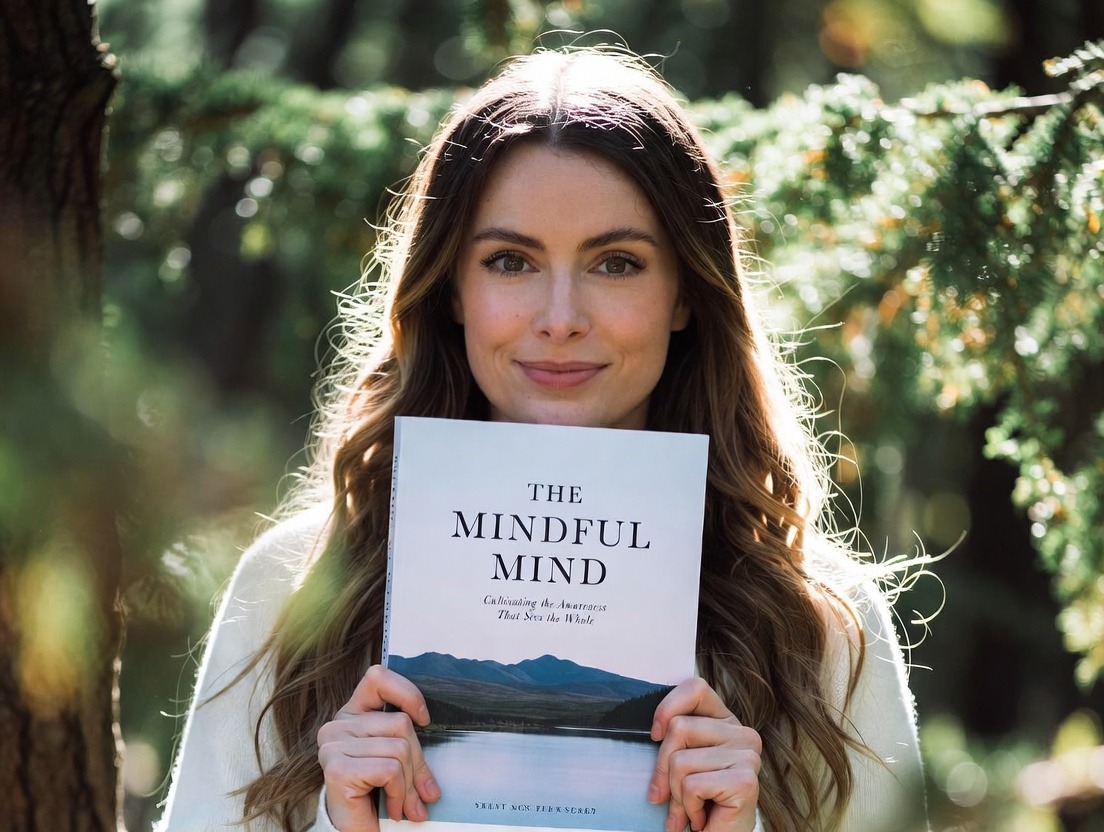
Mindfulness, at its essence, is the practice of paying purposeful attention to the present moment without judgment. It’s the conscious return to the here and now, away from the relentless chatter of the past and the anxiety of the future. Neuroscientific research has illuminated how this simple practice physically alters the brain. It strengthens the prefrontal cortex—the seat of executive function, responsible for focus, decision-making, and emotional regulation—while calming the amygdala, our brain’s threat detection center.
But how does this internal rewiring relate to the external environment? The link is found in the quality of attention itself. A mind trained in mindfulness is a mind less prone to automaticity. It pauses before reacting. It notices the impulse to scroll, to buy, to consume, to discard. This “sacred pause” is the birthplace of choice. In that space between stimulus and response, we find our agency.
Consider the act of drinking a glass of water. In a state of autopilot, you might grab a single-use plastic bottle, drink it without thought, and toss it away. A mindful approach changes everything. You might pause to consider the source of the water. You feel the coolness of the glass in your hand, the sensation of the liquid meeting your thirst. You are grateful for its availability. This simple, attentive act naturally raises questions: Where did this water come from? Is it clean? What was the environmental cost of this container? The mindful mind doesn’t just consume; it connects.
This expanded awareness is what psychologist Ellen Langer calls “sideways learning.” It’s the ability to see the context, the interconnections. A mindful person doesn’t see a disposable coffee cup as an isolated object; they see the chain of events—the paper from forests, the plastic lining from fossil fuels, the energy for production and transport, and the landfill or ocean where it will reside for centuries. This isn’t about inducing guilt; it’s about seeing reality with clear eyes. Mindfulness cultivates the mental clarity needed to perceive systems, not just isolated parts. To learn more about how technology can support this foundational awareness of your own biological systems, you can explore the science behind mindful wearables like Oxyzen.
Ultimately, the mindful mind is the antithesis of the consumption-driven mind. One is characterized by presence, curiosity, and connection. The other is driven by lack, distraction, and disconnection. By training our attention, we are not just building personal resilience; we are building the cognitive foundation for ecological intelligence. We are preparing ourselves to truly see—and therefore care for—the intricate web of life we are part of.
Our modern economy is expertly engineered to keep us on autopilot. From targeted ads that exploit our insecurities to the seamless, one-click purchase, the system is designed to bypass our conscious decision-making. We consume not out of need, but out of habit, boredom, or a fleeting emotional void. This is mindless consumption, and its environmental toll is catastrophic. It fuels the endless extraction of resources, the mountains of waste, and the carbon emissions pushing our climate to the brink.
Mindfulness acts as a circuit breaker in this cycle. It brings the unconscious process of “see-want-buy-discard” into the light of conscious awareness. Let’s break down how this works:
This shift transforms consumption from a reflexive habit into a series of intentional choices. It leads to what author J. B. MacKinnon calls the “deep simplification” of our lives. We begin to buy less, but better. We choose quality over quantity, durability over disposability, and experiences over possessions. We repair, share, borrow, and thrift. This isn’t a lifestyle of deprivation; it’s a lifestyle of curation and deep satisfaction.
The role of community and shared stories in this journey is powerful. Reading about others who have embraced intentionality can provide inspiration and practical tips. For a wealth of resources on intentional living and wellness, our blog offers numerous insights and personal journeys. The path away from autopilot is one we walk together, learning from each other’s experiences and challenges.
By breaking the cycle of mindless consumption, we accomplish two vital things. First, we directly reduce our ecological footprint. Second, and perhaps more importantly, we reclaim our attention, our time, and our values from the marketplace. We start to define our worth not by what we own, but by how we live and how we connect.

The human affinity for nature is not merely poetic; it is biological. E.O. Wilson’s “biophilia hypothesis” posits that we possess an innate tendency to seek connections with nature and other forms of life. Modern science confirms this. Studies show that spending time in natural environments—forests, parks, even gardens—lowers cortisol (the stress hormone), reduces blood pressure, improves mood, and enhances cognitive function. A mere 20 minutes in a park can significantly boost feelings of vitality.
Mindfulness supercharges this innate connection. While a distracted walk in the woods with your eyes glued to a screen offers limited benefit, a mindful immersion in nature can be transformative. It’s the practice of engaging all your senses: truly listening to the layered symphony of birds and wind, feeling the texture of bark or moss, smelling the petrichor after rain, observing the intricate pattern of a leaf or the relentless industry of an ant. This is not a passive backdrop; it’s an active, participatory relationship.
When we engage with nature mindfully, several profound shifts occur:
This mindful connection also highlights the stark contrast between the chaotic, overstimulating built environment and the restorative, rhythmic patterns of the natural world. Many people turn to technology to manage the stress caused by this very disconnect. Interestingly, the most forward-thinking wellness technology is now designed to help us reconnect with our own natural rhythms. For example, by using a device to track sleep and stress patterns, we can make lifestyle adjustments to live more in sync with our biology, creating a healthier internal environment. You can discover how our approach to wellness technology prioritizes this harmonious reconnection.
By cultivating biophilia through mindfulness, we don’t just get a dose of “nature therapy.” We rebuild our fundamental kinship with the living world. This rekindled relationship becomes the most powerful motivator for sustainable living. We protect what we love, and we can only love what we truly see and feel connected to. Mindfulness gives us the eyes to see and the heart to feel that connection.
We often speak of “saving the planet,” but this framing can feel abstract and overwhelming. A more accessible entry point is the ecosystem we inhabit every second of our lives: our own body. The human body is a marvel of interconnected systems—circulatory, nervous, digestive, endocrine—all working in delicate balance to sustain life. This is a microcosm of the planetary macrocosm.
Mindful living invites us to become intimate with this internal landscape. Practices like body scan meditations, conscious breathing (pranayama), and mindful movement (like yoga or tai chi) train us to listen to the subtle signals of our physiology. We learn to recognize the flutter of anxiety in our stomach, the tension of stress in our shoulders, the fog of poor sleep in our minds. This self-awareness is the first step toward self-regulation and health.
The parallel to environmental consciousness is striking. Our planetary “body” is also giving us clear signals: rising temperatures (fever), extreme weather events (immune response), plastic pollution (toxicity in the bloodstream), and biodiversity loss (collapse of vital systems). Yet, as a society, we have been profoundly disconnected from these signals, ignoring the feedback loops until they become crises.
By learning to tune into and care for our personal ecosystem, we develop the sensitivity and the metaphorical language to understand our planetary one. Consider these parallels:
This is where personal wellness technology finds a powerful role. A smart ring that tracks your heart rate variability (HRV)—a key marker of your nervous system’s resilience and balance—is giving you direct data on your internal ecosystem’s state. Low HRV can signal chronic stress or poor recovery, a “warning signal” from your body. Learning to heed these personal warnings builds the habit of heeding larger environmental warnings. It’s a practice in responsive care. If you have questions about how such data can be interpreted for personal balance, our FAQ section provides detailed guidance.
When we begin to see our body as a sacred, complex ecosystem worthy of mindful care, we cannot help but extend that same ethic of stewardship to the larger body of the Earth. The boundary between self-care and Earth-care begins to dissolve.

Waste is the end result of inattention. It is the physical manifestation of a broken relationship between consumer and object, between need and resource. A mindful approach to consumption, as we’ve explored, begins at the point of acquisition. But its power extends throughout the entire lifecycle of what we own, fundamentally reshaping our relationship with “waste.”
Mindfulness encourages us to see the life story—the narrative—embedded in every object. This narrative awareness changes everything:
This narrative thinking is central to the concepts of the Circular Economy, which aims to eliminate waste by design. Mindfulness is the personal, psychological engine that can drive this systemic shift. It turns the abstract idea of “zero waste” into a daily practice of thoughtful choices.
Consider the simple act of food. Mindless eating leads to over-purchasing, forgotten leftovers, and spoiled produce tossed in the bin—a huge source of methane emissions in landfills. A mindful kitchen involves planning meals, shopping with a list, storing food properly, creatively using scraps (broth from vegetable peels!), and composting the rest. Each step is an act of attention and respect for the life of the plant or animal, the labor of the farmer, and the energy of the sun and soil that created it.
This mindful management of our personal “metabolism”—the flow of resources into and out of our lives—is a profound form of environmental action. It reduces our direct waste output, lowers demand for virgin resources, and supports systems of reuse and repair. The satisfaction derived from this mindful engagement is deep and lasting, far surpassing the fleeting thrill of a new, thoughtless purchase. To see how others are integrating mindfulness and intentionality into all aspects of their lifestyle, including the technology they choose to wear, you can read real user experiences and testimonials.
When we mindfully engage with the full lifecycle of our possessions, we become authors of a new kind of story—one of care, longevity, and cyclicality, rather than extraction, consumption, and disposal.
In our quest for sustainability, we often focus on tangible things: plastic bags, gasoline, fast fashion. But there is an invisible, growing behemoth in the room: our digital footprint. The “cloud” is not an ethereal abstraction; it is a vast network of energy-hungry data centers, transmission networks, and billions of devices. Streaming a high-definition movie, storing thousands of photos online, sending emails with large attachments, and scrolling endlessly through social media feeds all consume significant electricity, much of which is still generated by fossil fuels.
Mindfulness, as the practice of conscious attention, is perhaps the most potent tool we have to curb this invisible consumption. Digital mindfulness asks us to bring awareness to our virtual behaviors and their real-world impacts.
Practicing digital mindfulness creates a beautiful double dividend. First, it directly reduces the carbon emissions of our digital lives. Second, it reclaims our most precious personal resource: our time and attention. We redirect that attention from the virtual world back to the present moment—to our surroundings, our relationships, and our own thoughts. Many people find that tools which promote awareness of their physical state help them break free from digital trances. For instance, a gentle vibration reminding you to move after an hour of sedentary screen time can be a powerful nudge back to the present. Learn more about how thoughtful device design can support digital wellness.
By being mindful of our digital consumption, we align our virtual behaviors with our ecological values. We learn that a lighter digital footprint contributes to a lighter planetary footprint, and in the process, we discover a richer, more present life offline.

The data on climate change and ecological collapse is stark and terrifying. This often leads to communication characterized by fear, urgency, and blame—which, while rooted in truth, can be counterproductive. It triggers defensiveness, denial, or paralyzing eco-anxiety. Mindful living offers a different model for environmental advocacy: one rooted in compassion, deep listening, and skillful speech.
Mindful communication starts with self-awareness. It requires us to check our own emotional state before engaging. Are we speaking from a place of anger and judgment, or from a place of care and shared concern? The former builds walls; the latter builds bridges. The principles are simple but transformative:
This approach transforms environmentalism from a polarizing debate into a shared exploration of values and a collaborative search for well-being. It recognizes that to change minds, we must first connect hearts.
This ethos of compassionate, user-centered communication is one we strive for in all our interactions. Whether explaining complex wellness data or supporting a customer’s journey, the goal is to empower, not overwhelm. Our company’s mission is deeply aligned with this principle of supportive awareness.
By bringing mindfulness to our conversations about the planet, we do more than spread information; we build the relational trust and social cohesion necessary for collective action. We move from preaching to a choir to building a broader, more inclusive community of care.
Our environment shapes our behavior, often without our conscious knowledge. The architecture of our homes, the layout of our cities, and the design of our digital spaces cue certain actions and discourage others. Mindful living involves becoming the conscious architect of our immediate personal environment to naturally support sustainable awareness and action.
This is about designing for ease and alignment, making the eco-friendly choice the default, effortless choice. Here’s how to apply this principle:
By thoughtfully designing our personal ecosystems, we reduce the cognitive load required to live sustainably. The path of least resistance becomes the path of greatest care. This principle of intentional design extends to the technology we choose to integrate into our lives. A well-designed wellness device shouldn’t be a source of distraction or anxiety; it should seamlessly integrate, providing gentle, actionable feedback that supports your intentions without demanding constant attention. Discover the design philosophy behind our approach to mindful wearables.
When we architect our lives with intention, we create a feedback loop. Our environment supports our mindful values, and our mindful choices continually refine our environment. This creates a self-reinforcing system that makes sustainable living not a struggle, but a natural expression of who we are.
Speed is the ethos of the modern age. Fast food, fast fashion, fast internet, fast results. This culture of speed is fundamentally at odds with ecological principles. Nature operates on cycles: the slow growth of a forest, the gradual turning of seasons, the patient decomposition that builds new soil. Our relentless acceleration disrupts these cycles, leading to extraction faster than regeneration and waste creation faster than assimilation.
Mindful living is, in many ways, a practice of deceleration. It is the cultivation of slowness, not as laziness, but as a profound form of intelligence and respect. By slowing down our internal tempo, we naturally begin to slow down our consumption patterns and align more closely with nature’s pace.
Embracing slowness is also an act of rebellion against the forces that profit from our haste and inattention. It reclaims our time as our own. This reclaimed time is the space where mindfulness grows, where connection deepens, and where sustainable choices become not just possible, but preferable.
In our own health, slowness is equally vital. Rushing through life creates chronic stress, which degrades our sleep, digestion, and immune function—our personal ecosystem’s health. Tools that help us monitor our stress and recovery are, in effect, measuring our internal “speed.” They can show us when we are living at an unsustainable tempo. By understanding your personal data, you can make informed choices to slow down, rest, and recover—benefiting both your personal well-being and, by extension, reducing the frantic consumption often linked to a stressed lifestyle.
Choosing slowness is choosing a tempo that the Earth can sustain. It is a commitment to living at a human pace, in harmony with the ancient, patient rhythms of the natural world.
As our awareness of environmental crises deepens, so too does a profound and legitimate emotional response: eco-grief, climate anxiety, and a sense of overwhelming dread. This is not a pathology; it is a rational, empathetic reaction to the unraveling of the living world we love. However, if left unaddressed, these feelings can lead to paralysis, burnout, and disengagement—precisely the opposite of what is needed.
Mindfulness provides an essential toolkit for processing these difficult emotions and transforming them into grounded, resilient action. It teaches us how to feel the fear and grief without being consumed by it.
This journey from anxiety to agency is deeply personal, and it requires nurturing your own well-being to stay in the work for the long haul. Many who are deeply engaged in environmental and social causes find that tracking core wellness metrics helps them maintain their resilience. It’s a form of mindful self-care that ensures you don’t burn out. Seeing the stories of others who balance deep care with personal sustainability can be a source of inspiration and solidarity.
By mindfully navigating our eco-emotions, we honor the love that is at their source. We convert the raw energy of our fear and grief into the steady, compassionate power of sustained action. We become not just aware of the crisis, but resilient actors within it.
While personal transformation is vital, the scale of our ecological challenges demands systemic, collective change. The final piece of the puzzle is understanding how individual mindful practice scales up to create a more mindful, and therefore more sustainable, society. This is the shift from my awareness to our awareness, from personal practice to cultural transformation.
Shared mindfulness in groups, organizations, and communities creates a powerful field of collective intelligence characterized by:
We see this in action in businesses that adopt mindful leadership and triple-bottom-line accounting (people, planet, profit). We see it in communities that come together for participatory budgeting, deciding to invest in green spaces, renewable energy, and zero-waste infrastructure. We see it in social movements that maintain non-violent discipline and compassionate messaging even in the face of opposition.
This vision of a collectively mindful society is the ultimate destination of our exploration. It’s a society where the feedback loops between personal well-being and planetary health are not just understood but are actively designed into our institutions, our economies, and our daily lives. At its best, technology serves this vision by providing transparent data, fostering connection, and enhancing our innate human capacities for care and coordination. Our commitment at Oxyzen is to be part of this ecosystem of conscious innovation.
We have established that mindfulness is the keystone habit, the internal training that allows us to perceive the interconnectedness of all things. But understanding is not enough. For awareness to become meaningful, it must be embodied. It must move from the realm of thought into the domain of action, habit, and daily ritual. This is where the abstract concept of "sustainable living" becomes tangible. It transforms from a distant ideal into the very texture of our lives.
This embodied ethic is not about achieving perfection or a carbon-neutral badge of honor. It is about alignment. It’s the profound sense of integrity that arises when your daily actions—what you eat, how you move, what you buy—begin to reflect your deepest values of care, reciprocity, and respect for life. When personal wellness is understood not as a spa day or a supplement, but as the holistic vitality of the complex system that is "you," it becomes impossible to wall off that concern at the boundary of your skin. The care extends outward, naturally and inevitably.
Think of it as concentric circles of awareness. The innermost circle is your breath and body. The next is your home and immediate community. The next is your bioregion, and the outermost is the global ecosystem. A mindful, embodied ethic strengthens each circle sequentially, recognizing that a healthy outer circle is impossible without healthy inner circles, and vice versa. You cannot pour from an empty cup, and you cannot fill your cup from a poisoned well. This section explores how we bridge the gap between inner knowing and outer doing, making sustainable living the default expression of a well and mindful life.
Few daily acts are more intimate or impactful than eating. Food is more than fuel; it is connection. It is the literal conversion of the world—soil, water, sunlight—into the substance of our bodies. Every meal is therefore an agricultural act, an ecological vote, and a statement of values. Mindful eating, then, becomes one of the most powerful practices of environmental consciousness.
Moving beyond simple calorie-counting or restrictive dieting, mindful eating is the practice of bringing full attention to the process of nourishing ourselves. This attention naturally expands to encompass the entire story on our plate.
When we eat mindfully, we do more than improve our personal health. We directly support agricultural systems that heal the land, reduce greenhouse gas emissions, conserve water, and protect biodiversity. Our plate becomes a powerful tool for landscape-scale change. As we become more attuned to how food affects our personal energy and well-being—a connection that tools like a smart ring can illuminate through sleep and recovery data—we become more discerning about the quality and source of that food. For insights on how biometric feedback can inform lifestyle choices like nutrition, our blog offers deep dives into data-driven wellness.
The mindful plate is where the personal and the planetary converge in the most visceral way possible. It is the daily practice of eating our values, one nourishing bite at a time.
How we move through the world shapes our experience of it and our impact upon it. The default mode of modern transportation—the private, fossil-fueled vehicle—insulates us. It creates a bubble of climate control, curated sound, and accelerated blur. We move from Point A to Point B with minimal engagement with the space in between. This is motion on autopilot, and it comes with a heavy carbon cost.
Mindful living invites us to re-enchant our journeys. It asks us to consider not just the destination, but the quality of the journey itself, and to choose modes of transport that align with our well-being and the well-being of the planet.
Sustainable motion is about aligning our pace with our purpose. The constant rush to be everywhere is often a refusal to be fully anywhere. By choosing slower, more engaged modes of transport, we rediscover our local environment, improve our physical and mental health, and drastically cut our carbon footprint. This shift often requires us to be more intentional with our time—a skill that is strengthened by understanding our own energy patterns. Knowing your daily peaks and troughs of focus and energy, which can be revealed through consistent biometric tracking, allows you to schedule walks or bike rides during your natural lulls, turning them into rejuvenating breaks rather than chores. Understanding your personal rhythm is key to designing a sustainable life.
When we move mindfully, we cease to be mere consumers of distance and become inhabitants of space. We trade the isolation of the car for the connection of the street, and in doing so, we build a more human-scale, livable, and low-carbon world.
Fashion is a powerful form of self-expression, but the industry behind it is one of the world's most polluting. Fast fashion—the rapid production of cheap, trend-driven clothing—has created a cycle of disposability that is devastating ecosystems, exploiting labor, and flooding the planet with microplastics and textile waste. The mindful alternative is not drabness, but a profound shift in our relationship with clothing: from disposable costume to curated, meaningful wardrobe.
This is the practice of the "conscious closet," built on the pillars of mindfulness: awareness, intention, and care.
Building a conscious closet is a journey of self-discovery. It asks: Who am I, beyond the labels and the trends? What do I truly feel good in? This process aligns your external presentation with your internal values, creating a powerful sense of integrity. The satisfaction of a thoughtfully built, long-lasting wardrobe far outweighs the fleeting dopamine hit of a fast-fashion haul.
Just as we might use a device to track our physical vitality, we can apply a similar principle of "tracking" to our consumption. Being mindful of what we bring into our lives—including our closets—is a practice of auditing our personal ecosystem. For stories of how people are integrating mindfulness into all aspects of their lifestyle, from what they wear on their bodies to what they wear on their fingers, our user testimonials offer genuine inspiration.
The conscious closet demonstrates that style and sustainability are not opposites; in fact, true style is inherently sustainable because it is timeless, personal, and cared for.
For many of us, work occupies a significant portion of our waking hours and mental energy. It is also a domain where our individual actions can be amplified through the influence and resources of an organization. Bringing a mindful, sustainable ethos into our professional lives is therefore a critical frontier for impact. This isn't just about corporate social responsibility departments; it's about each of us becoming agents of positive change within our daily roles.
Mindfulness at work begins with the same principles of presence and intentionality, applied to our tasks, our communication, and our workspace.
Work is where our personal values meet collective action. By mindfully applying our skills and influence within an organization, we can help redirect the massive flows of capital, materials, and innovation toward regenerative ends. This professional mindfulness also protects our own well-being, preventing the stress and disconnection that leads to burnout. Tools that help manage work-life balance by highlighting the need for recovery are becoming essential for the modern, purpose-driven professional. To see how the philosophy of balanced, intentional living informs everything we do, you can learn more about our company's core values and mission.
The green mind at work understands that a healthy business cannot exist on a depleted planet. It strives to make the organization not just less harmful, but a net positive force in the world.
Money is energy in tangible form. It represents the time, skill, and life force we exchange for the means to live. How we earn, spend, save, and invest that energy is one of the most concrete expressions of our values. Financial mindfulness moves beyond budgeting and saving for personal gain; it is the practice of using our economic power as a lever for the world we wish to create. This is where sustainable awareness meets the bedrock of the global economy.
Financial mindfulness dispels the myth that our individual economic choices are too small to matter. Collectively, they move markets. When millions of people shift their deposits, their investments, and their spending, it sends an undeniable signal to corporations and governments. It proves that a values-aligned economy is not just possible, but profitable.
Managing our personal resources wisely—whether time, energy, or money—is a holistic practice. Just as we might use technology to gain insights into our physical resource management (like energy levels), applying that same principle of intentional tracking to our finances creates a powerful feedback loop for conscious living. For more on building holistic, intentional systems for your life, our blog explores the intersection of data, awareness, and action.
When we align our finances with our values, we become investors in the future we envision, not just spectators of a future we fear.
Sustainability is inherently intergenerational. The choices we make today will shape the world our children and grandchildren inherit. Therefore, cultivating sustainable awareness within the family unit is not just about reducing a household footprint; it’s about nurturing the values, knowledge, and emotional resilience that will equip the next generation to be compassionate stewards. Mindful parenting and family life provide the perfect, loving container for this education.
This approach moves away from lectures about melting ice caps and toward immersive, joyful experiences that foster a deep, embodied love for the natural world and a sense of empowered responsibility.
The mindful family is a micro-community practicing the principles of a regenerative society: connection, care, reciprocity, and joy in simplicity. It’s about creating a home environment where sustainable living feels natural, engaging, and full of love, not restriction.
This journey is one of constant learning and adaptation for parents as well. Seeking out resources and communities that support this lifestyle is key. For families interested in how technology can be integrated mindfully to support health and awareness without creating disconnect, our FAQ addresses common questions about balanced use.
By raising children with a mindful connection to the Earth, we are not just lowering our carbon footprint today; we are planting the seeds for a more conscious, compassionate civilization tomorrow.
In our globalized world, we can know more about events on another continent than about the ecosystem outside our door. This disconnection from place is a root cause of environmental disconnection. The antidote is cultivating a bioregional mind. A bioregion is a geographical area defined not by political borders, but by natural boundaries—a watershed, a mountain range, a specific type of ecosystem. Developing a bioregional consciousness means learning to see, understand, and commit to the life-systems of the place you call home.
This is mindfulness applied to geography. It is the deep, slow work of becoming a native to your own place, whether you were born there or not.
Developing a bioregional mind is the ultimate act of grounding. It pulls the vast, overwhelming concept of "the environment" down to the scale of the knowable, the touchable, the lovable. You cannot mindfully care for what you do not know. By knowing your place, you learn how to care for it, and in turn, it cares for you.
This journey of deep, local connection often goes hand-in-hand with a journey of personal grounding. Understanding your own internal "bioregion"—your health patterns—can be a parallel practice of attentive care. Just as you might learn the seasonal patterns of your local creek, learning the patterns of your sleep, stress, and recovery creates a foundation of self-knowledge. To understand the vision behind creating technology that supports this kind of integrated, place-based awareness, you can read about our founding story and values.
When you cultivate a bioregional mind, you stop being a global consumer and start becoming a local citizen. You exchange the anxiety of planetary crisis for the empowered, specific work of healing your own home ground.
Our economic and cultural systems are predicated on one powerful, insidious idea: more is better. More money, more stuff, more status, more experiences. This engine of endless growth is colliding with the physical limits of a finite planet. Mindfulness offers a radical counternarrative: the concept of enough.
"Enough" is not a number; it is a feeling. It is the sense of sufficiency, contentment, and completeness that arises when our fundamental needs are met and our lives are rich in connection, purpose, and experience. Cultivating a sense of "enough" is the psychological liberation required for a sustainable society.
The art of enough is the ultimate rebellion against a system designed to make you feel perpetually inadequate. It is a declaration that you are already whole. This inner sense of completeness is the most powerful antidote to compulsive consumption.
Finding your personal "enough" requires tuning into your own body's signals of stress, satisfaction, and balance—something that can be illuminated by paying attention to your biometric data. Recognizing when you are pushing beyond your sustainable limits is a form of self-knowledge that mirrors the planetary concept. For real-world examples of how people are finding balance and "enough" in their own lives, our testimonials page shares these powerful journeys.
When we master the art of enough, we discover that prosperity is not about having more than others, but about having enough for ourselves while ensuring there is enough for all, and for the planet itself. We transition from a culture of growth to a culture of thriving.
In a productivity-obsessed world, rest is often framed as laziness, a reward for work completed, or a sign of weakness. This "hustle culture" is not only detrimental to human health—leading to epidemic levels of burnout, anxiety, and chronic disease—but it is also ecologically pathological. A culture that cannot rest is a culture that cannot stop consuming, extracting, and producing. It is a linear system on overdrive, mirroring the dysregulated nervous system of a stressed individual.
Mindful living reclaims rest as a sacred, necessary, and radical act. It recognizes rest not as the opposite of work, but as the essential counterpart to sustainable action. This is rest as resistance to a destructive pace of life, and rest as regeneration for both people and the planet.
By championing rest, we challenge the core engine of the unsustainable economy: the idea that human well-being and planetary health must be sacrificed for endless growth. We create a culture that values regeneration over extraction, both within ourselves and in the world.
Technology, when designed with intention, should support this rhythm of activity and rest, not disrupt it. A well-designed wellness wearable shouldn't nag you to do more; it should help you recognize when you need to do less, providing gentle prompts to breathe, move, or wind down. This philosophy of supportive technology is central to our design process. Learn more about our approach to creating technology that serves human well-being.
When we embrace rest as a core value, we build lives and societies that are not just sustainable, but nourishing, resilient, and truly alive. We learn that sometimes, the most productive thing we can do for the world is to stop, breathe, and simply be.
Your Trusted Sleep Advocate: Sleep Foundation — https://www.sleepfoundation.org
Discover a digital archive of scholarly articles: NIH — https://www.ncbi.nlm.nih.gov/
39 million citations for biomedical literature :PubMed — https://pubmed.ncbi.nlm.nih.gov/
Experts at Harvard Health Publishing covering a variety of health topics — https://www.health.harvard.edu/blog/
Every life deserves world class care :Cleveland Clinic - https://my.clevelandclinic.org/health
Wearable technology and the future of predictive health monitoring :MIT Technology Review — https://www.technologyreview.com/
Dedicated to the well-being of all people and guided by science :World Health Organization — https://www.who.int/news-room/
Psychological science and knowledge to benefit society and improve lives. :APA — https://www.apa.org/monitor/
Cutting-edge insights on human longevity and peak performance:
Lifespan Research — https://www.lifespan.io/
Global authority on exercise physiology, sports performance, and human recovery:
American College of Sports Medicine — https://www.acsm.org/
Neuroscience-driven guidance for better focus, sleep, and mental clarity:
Stanford Human Performance Lab — https://humanperformance.stanford.edu/
Evidence-based psychology and mind–body wellness resources:
Mayo Clinic — https://www.mayoclinic.org/healthy-lifestyle/
Data-backed research on emotional wellbeing, stress biology, and resilience:
American Institute of Stress — https://www.stress.org/


