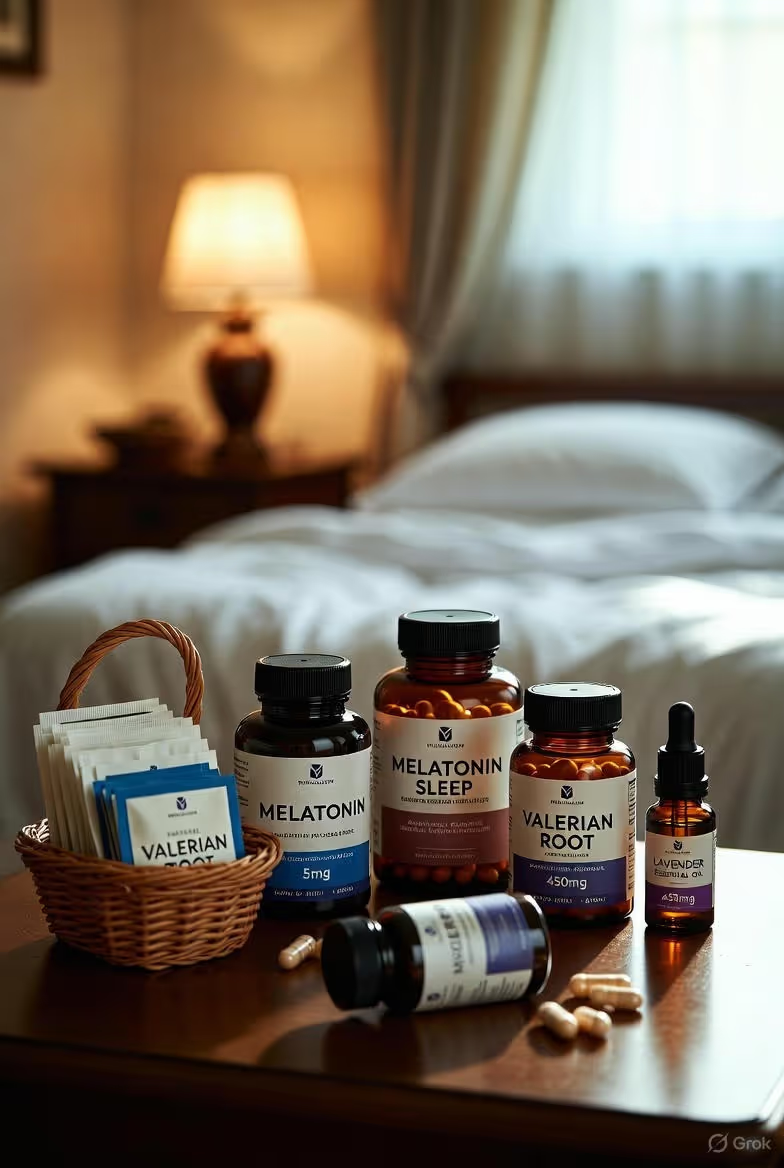
Natural Sleep Supplements: What Works and What's Just Hype
Natural sleep supplements vary dramatically in effectiveness. This honest evaluation guide distinguishes evidence-based options like magnesium and melatonin from unproven marketing hype, provides dosage recommendations, explains timing strategies, and helps you make informed decisions about supplementation.
Natural Sleep Supplements: What Works and What's Just Hype
We live in an age of fatigue. In our always-on, digitally saturated world, a good night’s sleep has transformed from a basic biological necessity into a coveted luxury, a benchmark of optimal wellness. The quest for restorative slumber has spawned a multi-billion dollar industry, with natural sleep supplements sitting squarely at its booming center. Walk down any pharmacy aisle or scroll through an online wellness store, and you’re met with a dizzying array of bottles promising "deep, restful sleep," "calm nights," and "natural relaxation." From ancient herbal remedies to modern nutraceuticals, the options are vast, the marketing is compelling, and the claims are often shrouded in a mist of hope and confusion.
But how do you separate the scientifically-substantiated sleep aids from the overhyped, under-delivering placebos? When your mind is racing at 2 a.m., the temptation to reach for any promising solution is powerful. Yet, an informed choice is crucial. Not all supplements are created equal, and what works wonders for one person may do nothing—or even cause unwanted side effects—for another. This deep dive aims to cut through the noise, grounding you in evidence, physiology, and practical wisdom.
The truth about sleep is that it’s a complex, orchestrated dance of neurotransmitters, hormones, and circadian rhythms. A supplement can’t fix poor sleep hygiene, chronic stress, or an underlying medical condition. However, when used strategically as part of a holistic approach, certain natural compounds can gently support your body’s own innate sleep mechanisms. This is where the synergy between ancient wisdom and modern technology becomes truly powerful. While a supplement may help prepare your biochemistry for sleep, how do you know it’s actually working? This is where objective tracking from a device like a smart ring from Oxyzen can transform guesswork into actionable insight, allowing you to see the direct impact on your sleep architecture—measuring deep sleep, REM, and restlessness with clinical-grade precision.
This comprehensive guide is your evidence-based map through the labyrinth of natural sleep supplements. We will explore the robust science behind the top contenders, debunk common myths, and provide a clear framework for understanding what might work for you. We’ll journey from the calming pathways of your nervous system to the latest clinical research, arming you with the knowledge to make empowered decisions for your sleep health. Let’s begin by understanding the very foundation we’re trying to support: the intricate biology of sleep itself.
The Science of Sleep: Your Body's Nightly Symphony
To truly appreciate how a natural supplement might work, we must first understand what we’re trying to influence. Sleep is not a passive state of unconsciousness; it’s an active, vital, and highly organized physiological process essential for survival. Think of it as your body’s most critical overnight maintenance shift, where repair, consolidation, and reset operations are executed. This nightly symphony is conducted by a complex interplay of biological systems.
At the heart of sleep regulation are two primary processes: your circadian rhythm and your sleep-wake homeostasis. Your circadian rhythm is your internal 24-hour biological clock, primarily influenced by light exposure. It’s governed by a tiny region in your brain called the suprachiasmatic nucleus (SCN), which uses light cues from your eyes to synchronize bodily functions—including the release of the key sleep hormone, melatonin—with the day-night cycle. Homeostasis, on the other hand, is essentially a "sleep pressure" system. The longer you’re awake, the more the sleep-promoting substance adenosine builds up in your brain, creating an increasing drive to sleep. When you finally rest, adenosine is cleared away.
The journey through a night of sleep is architecturally composed of cycles, each lasting about 90 minutes and consisting of distinct stages:
NREM Stage 1 (Light Sleep): The transition from wakefulness to sleep, lasting several minutes. Muscle activity slows, and you can be easily awakened.
NREM Stage 2 (Light Sleep): Heart rate slows and body temperature drops. You spend nearly 50% of your total sleep here. This stage is crucial for memory consolidation and synaptic pruning.
NREM Stage 3 (Deep Sleep or Slow-Wave Sleep): The most physically restorative phase. It’s when tissue growth and repair occur, energy is restored, and crucial hormones for growth and development are released. This is the hardest stage to be awakened from.
REM Sleep (Rapid Eye Movement): The stage most associated with vivid dreaming. Your brain is highly active, your eyes dart back and forth, but your voluntary muscles are temporarily paralyzed. REM is critical for cognitive functions like learning, memory, and emotional processing.
A disruption in the timing, balance, or quality of these stages is what we experience as poor sleep. This is where the targeted action of supplements comes into play. Some aim to increase calming neurotransmitters like GABA to quiet a racing mind. Others seek to boost melatonin levels as a direct signal that it’s time for sleep. Others still may work on reducing cortisol (the stress hormone) or supporting the natural buildup of adenosine.
Understanding your personal sleep architecture is the first step toward improving it. Relying on subjective feelings of "I slept okay" is often misleading. This is why so many biohackers and wellness enthusiasts are turning to unobtrusive, all-night tracking technology. A device like the Oura Ring or similar advanced wearables provides detailed insights into your sleep stages, heart rate variability (HRV), and resting heart rate—data that is invaluable when trialing a new supplement. You can move beyond "I think this helps" to "I have data showing my deep sleep increased by 12%." For a deeper exploration of how this technology integrates into holistic health, our blog features numerous case studies and guides.
The goal of any sleep intervention, including supplementation, should be to support the natural elegance of this symphony, not to brute-force unconsciousness. With this foundational knowledge, we can now critically examine the supplements that claim to do just that, starting with one of the most famous and widely misunderstood: melatonin.
Melatonin: The Darkness Hormone Beyond Jet Lag
When most people think of a natural sleep aid, melatonin is the first—and often only—name that comes to mind. It’s ubiquitous, available over-the-counter, and commonly referred to as "the sleep hormone." But this simplification leads to widespread misuse. Melatonin is not a sedative. It is a chronobiotic—a substance that influences the timing of biological rhythms. It’s your body’s biochemical signal of darkness, telling your brain and organs that "nighttime has arrived," and thus, it’s time to initiate the cascade of processes leading to sleep.
Your pineal gland produces melatonin in response to decreasing light, with levels typically rising in the evening, peaking in the middle of the night, and falling by morning. Supplementing with melatonin is most effective when this internal timing is out of sync with your desired schedule. This makes it a powerful tool for specific situations:
Jet Lag: Rapidly crossing time zones disrupts your circadian rhythm. Taking melatonin at the target bedtime of your new location can help reset your internal clock faster.
Delayed Sleep-Wake Phase Disorder (DSWPD): A condition where your natural sleep time is significantly later (e.g., falling asleep at 2 a.m. or later). Low-dose melatonin taken in the early evening can help advance the clock.
Shift Work Sleep Disorder: For those working nights, taking melatonin at the start of their daytime sleep period can help signal darkness and improve daytime sleep quality.
Blindness with Non-24-Hour Sleep-Wake Disorder: For individuals who cannot perceive light cues, melatonin is essential for entraining a 24-hour rhythm.
For the average person struggling with general insomnia, however, melatonin is frequently misapplied. Popping a high dose (like the common 5mg or 10mg capsules) right before bed when your own production is already sufficient is like shouting "IT'S DARK!" into a system that already knows. It can lead to morning grogginess, vivid dreams, and even downregulation of your own production over time.
The Evidence: The scientific consensus is clear on melatonin’s efficacy for circadian rhythm disorders. For general insomnia, the evidence is mixed, showing a small but statistically significant reduction in the time it takes to fall asleep. Crucially, less is more. Clinical studies for sleep initiation typically use doses between 0.3 mg and 1 mg, taken 30-60 minutes before bedtime. The mega-doses found on shelves are pharmacologically excessive for most people.
The Hype: The idea that melatonin is a one-size-fits-all, powerful sleeping pill. The hype also extends to its inclusion in countless "sleep blend" formulas at unnecessarily high doses, capitalizing on its name recognition rather than its optimal use.
Key Takeaway: Use melatonin strategically for timing, not for sedation. Start with a microdose (0.3-1 mg) if using for general sleep onset. For circadian issues, timing is everything—consult a schedule or a healthcare provider. To understand how your body’s timing is affected by lifestyle, tracking your sleep consistency with a device can provide incredible insight. Many users of Oxyzen's smart ring technology use the Readiness and Sleep scores to see how factors like evening light exposure and supplement timing impact their circadian alignment.
Magnesium: The Relaxation Mineral's Multifaceted Role
If melatonin is the conductor of the sleep-timing orchestra, magnesium is the stage crew that ensures the theater is calm, quiet, and ready for the performance. Magnesium is an essential mineral involved in over 300 enzymatic reactions in the body, and its role in sleep is both direct and multifaceted. An estimated 50% of adults in industrialized countries get less than the recommended daily amount of magnesium from their diets, making deficiency a potential silent contributor to sleep troubles.
Magnesium supports sleep through several key mechanisms:
Nervous System Regulation: It acts as a gatekeeper for NMDA receptors, which are involved in nervous system excitation. Magnesium sits in the channel of these receptors, helping to calm neuronal excitability. It also regulates the neurotransmitter GABA, which is the brain’s primary "brake pedal," quieting neural activity and promoting relaxation.
Stress Response Modulation: Magnesium helps regulate the hypothalamic-pituitary-adrenal (HPA) axis, your body’s central stress response system. Adequate magnesium levels can buffer the release of cortisol, the alertness hormone that is antagonistic to sleep, especially when elevated at night.
Muscle Relaxation: As an electrolyte, magnesium is crucial for muscle function. It helps muscles relax and can alleviate restless legs syndrome (RLS) and minor nighttime muscle cramps, which are common sleep disruptors.
The Evidence: Research specifically on magnesium supplementation for sleep is promising but still evolving. Several studies have shown that magnesium supplementation can improve subjective measures of insomnia, sleep efficiency, and sleep time, particularly in older adults and those with low dietary intake. It has also been shown to increase levels of melatonin. For RLS, magnesium may offer relief for some individuals, though the evidence is not as robust as for iron (a common deficiency in RLS).
The Hype: The hype around magnesium isn’t so much about false claims of efficacy, but about confusion regarding form and dosage. Not all magnesium supplements are equal for sleep.
Magnesium Glycinate: Magnesium bound to glycine (an inhibitory neurotransmitter). This is often considered the gold standard for sleep due to glycine’s own sleep-promoting effects and the form's high bioavailability and gentle effect on the gut.
Magnesium L-Threonate: A newer form that has shown promise in crossing the blood-brain barrier, with studies focusing on cognitive benefits. Its direct sleep effects are less studied but anecdotally reported.
Magnesium Citrate: Highly bioavailable but has a pronounced osmotic effect in the intestines, making it better known as a gentle laxative. Not ideal for bedtime for many people.
Magnesium Oxide: A common, inexpensive form with very low bioavailability. It’s poorly absorbed and best avoided for therapeutic purposes.
Key Takeaway: Magnesium is a foundational sleep-support nutrient, best viewed as correcting a potential deficiency that undermines relaxation. For sleep, Magnesium Glycinate (typically 200-400 mg of elemental magnesium) taken 30-60 minutes before bed is often the most effective and well-tolerated strategy. It’s a cornerstone of many holistic sleep protocols. Tracking your physiological stress markers, like Heart Rate Variability (HRV), can be a great way to observe magnesium’s calming effects. A higher overnight HRV often correlates with better recovery, a metric easily monitored with a wellness-focused smart ring.
L-Theanine: The Zen in Your Tea Cup
Found naturally in green tea leaves (Camellia sinensis), L-Theanine is a unique amino acid that has earned a stellar reputation for promoting a state of "calm alertness." Unlike sedatives that induce drowsiness, L-Theanine’s magic lies in its ability to take the jagged edge off anxiety and mental chatter without causing lethargy—a quality that makes it exceptionally useful for those whose sleep is sabotaged by a busy mind.
Its primary mechanism of action involves influencing key neurotransmitters in the brain:
Boosts GABA: L-Theanine increases levels of Gamma-Aminobutyric Acid (GABA), the chief inhibitory neurotransmitter that puts the brakes on brain activity, inducing calm.
Modulates Glutamate: It blocks glutamate, the primary excitatory neurotransmitter, from binding to its receptors, preventing over-excitation.
Increases Alpha Brain Waves: Studies using EEG show that L-Theanine promotes the generation of alpha brain waves, which are present during states of wakeful relaxation, meditation, and creative flow—the mental state just before the gateway to sleep.
This profile makes L-Theanine particularly effective for "stress-induced insomnia." It helps create a mental buffer between the day’s stresses and the tranquility needed for sleep, making the transition to rest smoother.
The Evidence: Human clinical trials support L-Theanine’s role in reducing subjective stress and anxiety, and improving sleep quality. A notable 2011 study published in the Journal of the American College of Nutrition found that a combination of L-Theanine (200mg/day) and GABA (100mg/day) significantly improved sleep quality based on both subjective reports and actigraphy data. Other studies show it can help people fall asleep more easily and experience fewer nighttime awakenings, especially when stress is a factor. Its safety profile is excellent, with no known significant side effects or dependency issues.
The Hype: The hype around L-Theanine is generally well-deserved, but with a caveat: it’s not a powerful hypnotic. Don’t expect it to knock you out. It’s a subtle, gentle modulator. The hype to be wary of is in "mega-dose" claims or expectations of an immediate, dramatic effect. Its power is in consistent, strategic use.
Key Takeaway: L-Theanine (typically 100-200 mg) is an excellent choice for the overthinker, the anxious, or anyone who finds themselves mentally "wired" at bedtime. It can be taken 30-60 minutes before bed. It also pairs beautifully with other supplements like magnesium, creating a synergistic relaxation effect. For the biohacker, pairing L-Theanine supplementation with objective data is fascinating. You can track whether your "time to fall asleep" metric improves or if your sleep graph shows less restlessness in the first few hours of the night. Resources on our blog often discuss nootropic stacks and their measurable impacts on biometrics.
Valerian Root: The Ancient Sedative Under the Microscope
Valerian (Valeriana officinalis) is one of the oldest and most traditional herbal sleep remedies, used since the times of ancient Greece and Rome. Its name is derived from the Latin valere, meaning "to be strong or healthy." For centuries, it has been a go-to for nervousness, restlessness, and insomnia. The root of the plant contains a complex mixture of compounds, including valerenic acid, isovaleric acid, and a variety of antioxidants, which are believed to contribute to its effects, primarily through interaction with the GABA system.
Valerenic acid has been shown to inhibit the breakdown of GABA in the brain, leading to increased GABA availability and a subsequent calming, anxiety-reducing effect. Think of it as putting a temporary "GABA blockade" in place, allowing the calming signal to persist longer.
The Evidence: Here is where we encounter the classic divide between traditional use and modern science. Clinical studies on valerian root have produced notoriously mixed and inconclusive results. Some randomized controlled trials show modest benefits for sleep latency (time to fall asleep) and overall sleep quality, particularly when used consistently over a period of weeks. Other studies show no significant difference from a placebo.
This inconsistency is likely due to several factors:
Variability in Preparation: The concentration of active compounds can vary dramatically between different growers, harvest times, and extraction methods. A standardized extract is crucial for predictable effects.
Delayed Onset: Unlike pharmaceutical sleep aids, valerian may need to be taken for several days or weeks to build up noticeable effects, which is difficult to capture in short-term studies.
Individual Biochemistry: Genetics and individual gut flora (which metabolizes the compounds) may create significant variation in response.
The Hype: Valerian is often hyped as "nature's valium," a comparison that is both inaccurate and potentially dangerous. Its effects are far milder and work on a different timeline. The hype also exists in the opposite direction—some dismiss it entirely due to the mixed science, ignoring its long history of anecdotal efficacy and the potential for it to work well for a subset of individuals.
Key Takeaway: Valerian root may be worth a trial for those seeking a gentle, traditional herbal aid, particularly for sleep initiation issues linked to anxiety. It is not a quick fix. Look for standardized extracts (typically 0.8-1.0% valerenic acid) and commit to a trial of at least two weeks, taking 300-600 mg about an hour before bedtime. Be aware that a small percentage of people experience a paradoxical stimulant effect or vivid dreams. It’s also not recommended for long-term, daily use without breaks. As with any supplement, personal experimentation is key, and tracking your results objectively is invaluable. Reading about real user experiences with various wellness strategies can provide helpful context for your own journey.
GABA: The Brain's Brake Pedal - To Supplement or Not?
Gamma-Aminobutyric Acid (GABA) is the workhorse inhibitory neurotransmitter of your central nervous system. It is, quite literally, your brain's primary "brake pedal," counteracting excitatory signals and slowing down neural firing to induce calm, relaxation, and ultimately, the quiescent state necessary for sleep. Low GABA activity is strongly associated with anxiety disorders, chronic stress, and insomnia.
Given its central role, the idea of taking a GABA supplement seems logical: flood the system with the calming compound to force relaxation. However, neurochemistry is not that simple, leading to one of the most heated debates in the supplement world.
The Big Question: Does Oral GABA Cross the Blood-Brain Barrier (BBB)? The traditional pharmacological view holds that GABA molecules are too large and polar to passively cross the BBB in significant amounts. This has led many scientists to dismiss oral GABA supplements as ineffective, arguing any perceived effects must be placebo or mediated through peripheral systems (like the gut).
The Evidence & Emerging Science: This traditional view is being challenged. A growing body of research suggests that GABA can influence brain function orally, through several potential pathways:
BBB Permeability: Some studies indicate that during periods of stress or when the BBB is more permeable, GABA may cross in small amounts.
Enteric Nervous System & Vagus Nerve: The gut has an immense number of GABA receptors. Oral GABA may act locally in the enteric nervous system (the "second brain" in the gut), sending calming signals to the brain via the vagus nerve.
Modulation of Brain Waves: Several EEG studies show that oral GABA supplementation (typically 100-300 mg) increases alpha wave activity (associated with relaxed wakefulness) and decreases beta waves (associated with active, anxious thinking) within 30-60 minutes.
Clinical studies on sleep are limited but promising. A 2018 double-blind study found that 300mg of GABA taken before bed significantly shortened sleep latency (time to fall asleep) and improved sleep efficiency compared to a placebo, as measured by polysomnography (the gold standard for sleep measurement).
The Hype: The hype exists on both sides. One side hypes GABA as a direct, potent brain-calming pill, oversimplifying the complex BBB issue. The other side hypes the dismissal, claiming it's completely useless despite emerging evidence to the contrary. The truth likely lies in the middle: GABA may work, but not for everyone, and not necessarily by directly flooding brain synapses as once imagined.
Key Takeaway: If you are curious about GABA, it is a low-risk option to trial. A dose of 100-300 mg, 30-60 minutes before bed, is common. Its effects may be more noticeable for those with high stress or anxiety. It is often found in combination formulas with L-Theanine and Magnesium, creating a multi-pathway approach to relaxation. To move beyond anecdote, pairing a GABA trial with a device that measures sleep latency and heart rate can provide personal data on its efficacy for you. Understanding your own data is part of the mission behind personalized wellness technology.
Glycine: The Simple Amino Acid with Profound Sleep Benefits
Glycine is a modest, non-essential amino acid that serves as a building block for proteins. Yet, its role in the nervous system is anything but modest. It functions as both an inhibitory neurotransmitter in the brainstem and spinal cord (where it helps control motor and sensory signals) and as a co-agonist, alongside glutamate, at NMDA receptors in the brain (influencing learning and memory). For sleep, glycine’s benefits are gaining impressive clinical support.
The proposed sleep-promoting mechanisms of glycine are elegant:
Core Body Temperature Reduction: Glycine supplementation has been shown to induce a rapid drop in core body temperature by increasing blood flow to the extremities, a key physiological signal that initiates sleep. A lower core temperature is a prerequisite for deep, restorative sleep.
Neurotransmitter Modulation: It enhances the action of GABA and serotonin in certain brain regions, promoting calm.
Improvement of Sleep Architecture: Research indicates it doesn't just help you fall asleep; it may improve the quality of sleep.
The Evidence: The science on glycine for sleep is particularly compelling. A landmark 2012 study published in Sleep and Biological Rhythms gave participants 3 grams of glycine before bed. Using polysomnography and subjective questionnaires, researchers found that glycine significantly improved sleep quality, reduced daytime sleepiness, and improved performance on memory recognition tasks. Participants fell asleep faster and spent more time in the deeper, restorative slow-wave sleep (NREM Stage 3). Other studies have replicated these findings, showing glycine improves subjective sleep satisfaction and daytime alertness in individuals with chronic sleep complaints.
The Hype: There is relatively little hype around glycine, which is perhaps why it’s such a well-kept secret in the sleep optimization community. It’s not marketed as aggressively as melatonin or valerian. The limited hype tends to accurately reflect the science—it’s praised for its effectiveness in improving sleep quality and next-day function without grogginess.
Key Takeaway: Glycine is a standout supplement for enhancing sleep quality and next-day cognitive performance. A dose of 3 grams (3000 mg) taken 30-60 minutes before bedtime is the standard used in successful studies. It has a subtly sweet taste and dissolves easily in water or herbal tea, making it a pleasant bedtime ritual. For those tracking their sleep, the promise of increased deep sleep is a key metric to watch. Observing an uptick in your deep sleep duration or a more stable core body temperature via a wearable can provide clear confirmation of glycine’s physiological effects. For more on optimizing sleep stages, our resource library offers in-depth analysis.
Passionflower: The Gentle Vine for a Restless Mind
Passionflower (Passiflora incarnata) is a beautiful, intricate vine whose name originates from Catholic missionaries in South America who saw symbols of the Passion of Christ in its flowers. Traditionally used by Native Americans and later adopted into Western herbalism, it has been a remedy for anxiety, nervousness, and insomnia for centuries. Its complex phytochemistry includes flavonoids (like chrysin and apigenin) and alkaloids believed to contribute to its calming properties.
Similar to valerian, passionflower is thought to exert its effects primarily through the GABA system. Research suggests its compounds may increase levels of GABA in the brain by reducing its breakdown, leading to a mild anxiolytic (anti-anxiety) and sedative effect. It’s often described as a milder alternative to valerian, with a lower risk of morning grogginess.
The Evidence: Clinical research on passionflower, while less extensive than for some other herbs, is positive. Several human trials have shown it to be effective in reducing symptoms of generalized anxiety disorder, with an efficacy comparable to some pharmaceutical anxiolytics but with fewer side effects like impairment on job performance. For sleep, studies often pair it with other herbs. A study on a combination of passionflower, valerian, and hops showed significant improvement in sleep quality. Another study found that passionflower tea improved subjective sleep quality in adults with mild sleep fluctuations.
Its strength appears to lie in mitigating the anxious pre-sleep cognitive arousal that prevents sleep onset—the "monkey mind" that won't quiet down.
The Hype: Passionflower is rarely over-hyped as a powerful knockout pill. Instead, it is sometimes undervalued or overlooked in favor of more famous supplements. The hype, to the extent it exists, accurately positions it as a gentle, safe option for stress-related sleep difficulties, particularly in tea form.
Key Takeaway: Passionflower is an excellent choice for those with mild to moderate anxiety that interferes with sleep. It can be taken as a standardized extract (250-500 mg) about an hour before bed, or enjoyed as a soothing cup of tea in the evening. Its gentle action makes it suitable for longer-term use than some stronger sedative herbs. It epitomizes the concept of a "nightcap" herbal remedy. Combining this gentle herbal approach with a wind-down routine—and then measuring its success through objective sleep data—is a powerful modern strategy. You can learn more about creating effective evening rituals in articles on our blog.
Chamomile: More Than Just a Bedtime Tea
Chamomile, specifically German Chamomile (Matricaria recutita), is arguably the world's most famous "relaxing" herbal tea. Its use dates back to ancient Egypt, Greece, and Rome. For many, the ritual of brewing a cup of chamomile tea is synonymous with bedtime. But is this just a placebo effect born of ritual, or is there pharmacological substance behind the tradition?
The primary active compounds in chamomile are the antioxidants apigenin and luteolin. Apigenin, in particular, has been studied for its mild anxiolytic effects. It is believed to bind to benzodiazepine receptors in the brain (the same receptors targeted by drugs like Valium, but much more weakly), enhancing the effect of GABA. This provides a scientific basis for its gentle calming and sleep-promoting reputation.
The Evidence: Most studies on chamomile focus on its anti-anxiety and antidepressant properties rather than sleep per se. A 2016 randomized controlled trial published in Phytomedicine found that chamomile extract significantly reduced moderate-to-severe symptoms of generalized anxiety disorder. While robust clinical trials specifically measuring sleep metrics like polysomnography are limited, the reduction in anxiety is a well-established pathway to improving sleep. A small study on postpartum women showed chamomile tea improved sleep quality and reduced symptoms of depression. The evidence supports its role as a mild sedative and nervine relaxant.
The Hype: Chamomile is not hyped as a potent sleep inducer, and rightly so. The hype is more about its cultural status as the ultimate soothing beverage. The potential pitfall is expecting a cup of weak tea to solve significant clinical insomnia. Its power is in its gentleness, safety, and the synergistic effect of its compounds with the ritual of a warm, caffeine-free drink before bed.
Key Takeaway: Chamomile is a fantastic, safe entry point into herbal sleep support, especially for those new to supplements or with very mild sleep disturbances. For a noticeable effect, strength matters. Use two tea bags or a heaping tablespoon of loose flowers, steep covered for 10+ minutes to extract the maximum apigenin. For a stronger effect, standardized extracts (typically 220-1100 mg daily) are available. Think of chamomile as a tool for enhancing sleep hygiene and promoting relaxation rather than a direct sleep drug. This philosophy of using gentle, foundational supports aligns with a holistic view of health, a topic we explore in our company's story and vision.
Lavender: The Power of Scent in Sleep Support
Lavender (Lavandula angustifolia) introduces a completely different modality into the sleep supplement conversation: aromatherapy. While not ingested in the same way as a pill or tea, lavender essential oil is one of the most researched and effective natural agents for improving sleep and reducing anxiety, working through the powerful connection between scent, the limbic system, and the nervous system.
When inhaled, the volatile molecules of lavender oil travel through the olfactory nerves directly to the amygdala and hippocampus—the brain's epicenters for emotion, memory, and arousal. This direct pathway allows scent to have an immediate impact on psychological state. Linalool and linalyl acetate, the primary active constituents of lavender, have demonstrated sedative, mood-stabilizing, and anti-anxiety effects in numerous studies.
The Evidence: The clinical data on lavender for sleep is impressive, particularly for inhalation.
Aromatherapy: Multiple studies, including ones on ICU patients, women postpartum, and individuals with mild insomnia, have shown that inhaling lavender oil before and during sleep improves sleep quality, increases sleep duration, and reduces anxiety. It's often used in diffusion or applied topically (diluted) to the temples or chest.
Oral Supplementation: Silexan is a patented, standardized lavender oil extract prepared in oral capsules. It has been approved in Germany as a treatment for anxiety. Several randomized, double-blind, placebo-controlled trials have shown Silexan (typically 80 mg/day) to be as effective as some prescription anti-anxiety medications (like lorazepam) for generalized anxiety disorder, with concomitant improvements in sleep quality and no sedative side effects or risk of dependency.
The Hype: Lavender's hype is generally positive and evidence-based, though it's crucial to distinguish between methods. Not all lavender oils are created equal—therapeutic grade is important. The hype to be cautious of is around ingesting non-standardized essential oils, which can be dangerous. For oral use, only specifically prepared supplements like Silexan should be used.
Key Takeaway: Lavender is a versatile and powerful non-ingestible sleep aid. Inhalation (via a diffuser, a few drops on your pillow, or a personal inhaler) is a safe, effective strategy for almost anyone. For a more systemic effect, oral Silexan extract (80 mg daily) is a proven anti-anxiety supplement with sleep benefits. It represents a beautiful convergence of traditional aromatherapy and modern phytopharmacology. Integrating lavender aromatherapy into your pre-sleep routine is a perfect example of sensory sleep hygiene. Tracking the impact of such routines on your "time to fall asleep" and "sleep balance" scores can be seamlessly done with a device designed for holistic tracking, addressing common questions about how such technology fits into daily life.
This concludes the first third of our deep exploration into natural sleep supplements. We have laid the groundwork by understanding sleep biology and examined ten of the most prominent players, from the hormonal signal of melatonin to the sensory influence of lavender. In the next portion, we will delve into synergistic blends, critical safety considerations, the importance of third-party testing, and how to integrate these supplements into a holistic sleep protocol that includes diet, light, and behavior—all with the goal of moving you from desperate trial-and-error to empowered, evidence-based rest.
Synergy in a Bottle: Deconstructing Popular Sleep Stack Formulas
Walk into any health store, and you’ll find shelves lined with products boasting complex "sleep support," "deep relaxation," or "nighttime recovery" blends. These formulas promise a comprehensive solution by combining multiple ingredients we’ve discussed. But are these blends masterfully crafted symphonies or merely marketing-driven noise? The answer depends entirely on the formula’s design philosophy and the quality of its components.
A well-designed sleep stack should target multiple stages and pathways of the sleep process in a logical sequence. Think of it as a coordinated evening routine for your biochemistry:
The Wind-Down (60-90 mins before bed): Ingredients that reduce stress and quiet mental chatter (e.g., L-Theanine, PharmaGABA, Lemon Balm).
The Signal (30-60 mins before bed): Ingredients that reinforce the body’s natural sleep-wake signals (e.g., low-dose melatonin, glycine for temperature drop).
The Sustain (Through the night): Ingredients that support sleep maintenance and architecture (e.g., magnesium glycinate for muscle relaxation and GABA support, apigenin for prolonged calm).
Let’s analyze a few common and rational synergistic combinations:
Logic: L-Theanine and Lemon Balm both promote alpha brain waves and modulate GABA, tackling cognitive anxiety from slightly different angles. Magnesium Glycinate provides the ionic mineral support for neuromuscular relaxation and boosts GABA production. Together, they address the mental and physical tension that prevents sleep onset without heavy sedation.
Logic: Glycine directly promotes the drop in core body temperature and increases deep sleep. Magnesium bisglycinate (another highly bioavailable form) supports muscular and nervous system recovery. Apigenin (a flavonoid found in chamomile and parsley) provides mild, sustained GABAergic activity. This stack is less about knocking you out and more about optimizing the restorative quality of the sleep you get.
Logic: This is a strategic stack for shift workers or those with jet lag. The micro-dose of melatonin provides a precise timing signal without overwhelming the system. Magnesium and L-Theanine work to calm the nervous system that is stressed from circadian disruption, making it easier to sleep at an unnatural time.
Red Flags in Formulations:
Proprietary Blends with Undisclosed Doses: If a label says "Proprietary Relaxation Blend: 500mg" and lists 10 herbs, you cannot know how much of each you’re getting. It might be 450mg of cheap filler and 50mg of the actives.
Excessively High Melatonin Doses: Blends containing 5mg or 10mg of melatonin alongside other sedating compounds are often overkill and increase the risk of morning grogginess and next-day fog.
Stimulating Adaptogens at Night: Some blends confusingly include ingredients like rhodiola or ashwagandha (which can be stimulating for some people, especially if taken at night) without clear rationale.
The most informed approach is to either select a transparent, well-regarded blend from a reputable company or to become your own "formulator" by trialing individual ingredients, then combining them based on your personal response. This is where biometric tracking becomes invaluable. By using a device like a smart ring from Oxyzen, you can test a single ingredient for a week, note its impact on your sleep latency, deep sleep, and HRV, then add another, observing the synergistic effect. This transforms supplementation from guesswork into a data-driven personal science. For insights on how others navigate this process, our blog features user-driven experimentation stories.
Safety First: Interactions, Side Effects, and When to Consult a Professional
The "natural" label can be dangerously misleading. It fosters an assumption of absolute safety, leading many to self-prescribe without consideration for underlying conditions, medication conflicts, or long-term implications. Just because a compound is derived from a plant does not mean it is free of pharmacological activity or risk. Responsible use demands a safety-first mindset.
Common Side Effects & Considerations:
Melatonin: Morning grogginess, vivid/nightmares, headaches, potential hormone disruption with long-term, high-dose use. Can interact with immunosuppressants and blood pressure medications.
Valerian Root: Can cause drowsiness the next day, vivid dreams, and, paradoxically, agitation in some. Not recommended for use alongside sedative medications (benzodiazepines, barbiturates) or alcohol. Due to its effect on GABA systems, sudden discontinuation after prolonged high-dose use should be tapered.
Magnesium: High doses, especially of poorly absorbed forms like citrate or oxide, commonly cause loose stools or diarrhea. This is less likely with glycinate or threonate.
GABA: Generally well-tolerated. Some report a transient tingling sensation (paresthesia) or mild stomach upset at high doses.
5-HTP: This requires extreme caution. 5-HTP increases serotonin production. It should NEVER be combined with prescription antidepressants (SSRIs, SNRIs), migraine medications (triptans), or certain painkillers due to the risk of serotonin syndrome, a potentially life-threatening condition. It should only be used under direct medical supervision.
Critical Interactions to Know:
Sedative Medications (Benzodiazepines, Sleep Aids, Anticonvulsants, some Antihistamines): Combining these with sedative herbs (Valerian, Kava, Lemon Balm) or supplements like melatonin can have an additive effect, leading to dangerous levels of drowsiness, respiratory depression, or impaired motor function.
Blood Thinners (Warfarin, etc.): Several herbs, including Ginkgo Biloba and high-dose Melatonin, can have blood-thinning properties and increase the risk of bleeding.
Immunosuppressants: Melatonin can stimulate immune function, potentially interfering with these drugs.
Diabetes Medications: Some supplements like Magnesium and Alpha-Lipoic Acid can lower blood sugar, requiring careful monitoring to avoid hypoglycemia when combined with medication.
Blood Pressure Medications: Magnesium, L-Theanine, and Hawthorne can lower blood pressure, potentially causing it to drop too low.
The Non-Negotiables: When to See a Doctor Before Supplementing
If you are pregnant, breastfeeding, or trying to conceive.
If you are taking any prescription medication, especially for mood, sleep, pain, blood pressure, blood thinning, or immune function.
If you have a diagnosed medical condition such as liver disease, kidney disease, hormone-sensitive cancers, or a neurological disorder.
If your insomnia is severe, chronic (lasting more than a few weeks), or accompanied by symptoms like loud snoring (potential sleep apnea), restless legs, or daytime fatigue so severe it impacts safety.
If you are under the age of 18.
A qualified healthcare provider—such as a integrative medicine doctor, a naturopathic physician, or a pharmacist knowledgeable in supplements—can review your full health picture and medication list to identify safe and effective options. They can also help rule out underlying causes like sleep apnea, thyroid issues, or vitamin deficiencies (like iron for RLS). For any questions about how wellness technology interfaces with professional care, our FAQ page provides helpful guidance.
The Pillars of Sleep: Why Lifestyle is Your Foundation
Supplements are precisely that: supplemental. They are adjuvants to a solid foundation, not substitutes for it. Pouring sleep supplements into a lifestyle that actively sabotages rest is like trying to bail out a sinking boat with a teaspoon while ignoring the gaping hole in the hull. The most powerful "sleep aid" at your disposal is your daily behavior. These are the non-negotiable pillars:
1. Light: The Master Circadian Cue Your circadian rhythm is exquisitely sensitive to light. Bright, blue-rich light during the day (especially morning sunlight) strengthens your circadian signal, boosting daytime alertness and solidifying nighttime sleep pressure. Conversely, exposure to the same blue-rich light from screens and LEDs in the evening delays melatonin production by hours.
Action: Get 10-30 minutes of morning sunlight. Use blue-light blocking apps (f.lux, Night Shift) on devices after sunset. Consider amber-tinted glasses for evening screen use. Make your bedroom pitch black.
2. Routine: The Power of Predictability Your brain thrives on predictability. A consistent sleep schedule (even on weekends) and a relaxing pre-sleep ritual train your nervous system to recognize that sleep is imminent. This ritual activates the parasympathetic "rest-and-digest" system.
Action: Set a fixed bedtime and wake-up time within a 30-minute window. Create a 60-minute "wind-down" ritual: dim lights, read a physical book, take a warm bath (the subsequent cooling mimics glycine's effect), practice gentle stretching or breathwork.
3. The Sleep Environment: Your Cave for Rest Your bedroom should be a sanctuary designed for one primary purpose: sleep. This involves optimizing all sensory inputs.
Temperature: The ideal is cool, around 65°F (18.3°C). A drop in core temperature is a key sleep trigger.
Sound: Silence is ideal, but if noise is unavoidable, use a white noise machine or fan to create a consistent auditory blanket.
Comfort: Invest in a supportive mattress and pillows. Use breathable, natural-fiber bedding.
4. Diet & Exercise: Fuel and Movement
Caffeine: Its half-life is 5-6 hours. For most, no caffeine after 2 p.m. is a good rule. Some "slow metabolizers" may need to cut off by noon.
Alcohol: It is a sedative but severely fragments sleep architecture, suppressing REM sleep and causing mid-sleep awakenings as it wears off.
Food: Avoid large, heavy, or spicy meals 2-3 hours before bed. A small snack combining protein and complex carbs (e.g., almond butter on a rice cake) can be helpful if hunger is disruptive.
Exercise: Regular daily exercise is one of the best evidence-based ways to improve sleep. However, intense exercise too close to bedtime can be stimulating for some. Finish vigorous workouts at least 3 hours before bed.
5. Stress & Mind Management Chronic stress keeps cortisol elevated at night, directly opposing sleep. The mind must be calm for the body to follow.
Action: Incorporate daily stress-reduction practices. This could be mindfulness meditation (even 10 minutes), journaling to "download" worries before bed, or diaphragmatic breathing. The 4-7-8 breathing technique is a potent tool for immediate relaxation.
These pillars are the bedrock. Supplements are the fine-tuning tools you employ when the foundation is solid but specific issues remain. A smart wellness tracker doesn't just measure sleep; it illuminates the connection between these pillars and your results. Seeing how a late workout affects your deep sleep, or how alcohol consumption destroys your sleep score, provides the motivation to maintain these healthy habits. This holistic approach is at the core of Oxyzen's mission to empower personalized health.
Beyond the Basics: Emerging and Niche Sleep Supplements
Once the foundational supplements and lifestyle pillars are in place, those on a quest for optimized sleep often explore more nuanced or emerging compounds. These have promising, but sometimes preliminary, research and cater to specific sleep challenges.
Lemon Balm (Melissa officinalis): This lemon-scented member of the mint family is a gentle yet effective nervine. Research suggests it increases GABA levels by inhibiting the enzyme that breaks it down (GABA transaminase). It's particularly noted for reducing stress-induced anxiety and the ruminative thoughts that prevent sleep onset. Unlike stronger sedatives, it typically doesn't cause grogginess. Typical Use: 300-600 mg of a standardized extract (often titrated to rosmarinic acid) 30-60 minutes before bed. It pairs beautifully with Valerian or L-Theanine.
Apigenin: We mentioned this flavonoid in the context of chamomile, but it’s now available as a concentrated supplement. Apigenin is a mild benzodiazepine receptor agonist (binding to the same site as drugs like Xanax, but with far lower affinity and no addictive potential). It promotes muscle relaxation and sustained calm throughout the night. It’s gaining popularity in the biohacking community as a non-habit-forming alternative for sleep maintenance. Typical Use: 50 mg before bed.
Inositol: Often called vitamin B8 (though not a true vitamin), inositol is a sugar alcohol that plays a key role in cellular signaling and insulin sensitivity. For sleep and anxiety, its mechanism involves supporting serotonin and GABA activity. High-dose inositol (up to 18 grams daily) has shown efficacy in treating panic disorder and OCD. For sleep, it can help quiet a racing, obsessive mind. It has a subtly sweet taste. Typical Use: For sleep support, 500-1000 mg before bed is common. For anxiety-related sleep issues, higher doses may be used under guidance.
Tart Cherry Juice/Extract: A natural source of melatonin, tart cherries (Montmorency variety) also contain anti-inflammatory compounds and may increase the availability of tryptophan. Small studies have shown that consuming tart cherry juice concentrate twice daily can increase total sleep time and efficiency. Its effects are likely a combination of the mild melatonin boost and reduced exercise-induced inflammation, which can disrupt sleep in athletes. Typical Use: 1 ounce of concentrated juice or 400-600 mg of extract in the evening.
Zinc & Copper: These essential minerals are cofactors in the synthesis of neurotransmitters and melatonin. Zinc, in particular, has been observed to play a direct role in the regulation of sleep, with deficiencies linked to poor sleep quality. Some research shows zinc supplementation can improve sleep efficiency. However, zinc and copper exist in a delicate balance; excessive zinc supplementation can lead to copper deficiency. Typical Use: It's best obtained through diet (oysters, pumpkin seeds) or as part of a balanced mineral complex, not megadosed in isolation for sleep.
Important Note: The evidence for these niche supplements is growing but often less robust than for the foundational players. They represent a "second layer" of optimization. Their effects can be highly individual, making personal experimentation—coupled with objective tracking—key. Reading about real-world experiences with advanced supplementation can provide helpful anecdotal context to the scientific literature.
The Gut-Sleep Axis: How Your Microbiome Influences Rest
One of the most exciting frontiers in sleep science is the profound connection between the gut and the brain, known as the gut-brain axis. Your gut microbiome—the trillions of bacteria residing in your intestines—doesn't just aid digestion; it produces a vast array of neuroactive compounds, including neurotransmitters that directly influence sleep and mood. An estimated 90% of the body's serotonin (a precursor to melatonin) is produced in the gut. GABA, dopamine, and other sleep-modulating chemicals are also produced by gut bacteria.
This means the composition of your microbiome can directly impact your sleep architecture. Dysbiosis (an imbalance of gut bacteria) has been linked to increased inflammation, altered stress response, and disrupted sleep patterns. This creates a bidirectional loop: poor sleep can negatively alter the microbiome, and an unhealthy microbiome can perpetuate poor sleep.
Polyphenols: These plant compounds found in berries, green tea, and dark chocolate act as fuel for good bacteria and have anti-inflammatory effects.
Targeted Supplements: Certain probiotic strains are being studied for sleep. For example, Lactobacillus helveticus and Bifidobacterium longum have shown promise in reducing stress and improving sleep quality in human trials. Probiotic supplements containing these strains may offer a novel approach to sleep support by working at the root of neurotransmitter production.
Avoid Gut Disruptors: Excessive sugar, artificial sweeteners, and antibiotics (when not medically necessary) can harm beneficial gut flora.
The emerging understanding of this axis underscores why a holistic approach is non-negotiable. Taking a sleep supplement while eating a diet that destroys your gut microbiome is a contradictory strategy. Supporting your gut health is a foundational, long-term investment in better sleep. Monitoring how dietary changes affect your sleep, perhaps by tracking the correlation between a high-fiber meal day and your deep sleep score, is a powerful application of wearable technology. For more on the interconnected systems of wellness, explore articles on our blog dedicated to holistic health.
Navigating the Marketplace: How to Choose a Quality Supplement
The supplement industry is notoriously under-regulated. This places the burden of quality assurance squarely on the consumer. A bottle can claim to contain 500mg of valerian root, but that root could be devoid of active compounds, contaminated with heavy metals, or adulterated with undeclared pharmaceuticals. Here is your essential checklist for navigating the marketplace:
1. Third-Party Certification is Non-Negotiable. Look for seals from independent testing organizations. These verify that what’s on the label is in the bottle (potency, purity) and that the product is free from harmful levels of contaminants (heavy metals, pesticides, microbes).
USP (United States Pharmacopeia): The gold standard for quality and purity.
NSF International: Rigorous testing for sports and consumer products.
ConsumerLab.com: An independent tester that publishes results for subscribers.
Informed-Choice/Informed-Sport: Important for athletes concerned about banned substances.
2. Seek Standardized Extracts for Herbs. For herbal supplements like Valerian, Lemon Balm, or Passionflower, a "standardized extract" is crucial. This means the product is guaranteed to contain a specific, measurable amount of the known active compound(s). For example: "Valerian Root Extract standardized to contain 0.8% valerenic acid."
3. Examine the Form and Bioavailability. As discussed with magnesium, the form matters immensely. Is it magnesium oxide (poor) or glycinate (good)? Is the melatonin immediate-release or sustained-release? Does the formula include black pepper extract (piperine) to enhance the absorption of certain compounds like curcumin? The most expensive ingredient is useless if your body can't absorb it.
4. Research the Brand's Reputation. Look beyond marketing. Does the company employ in-house scientists? Do they practice transparency about their sourcing and manufacturing processes (often described as cGMP – current Good Manufacturing Practices)? Do they make their Certificates of Analysis (CoAs) available upon request? Brands that invest in science and transparency generally charge more, and for good reason.
5. Be Wary of Extravagant Claims. If a product sounds too good to be true—"Cure insomnia in one night!"—it almost certainly is. Real sleep support is about subtle, consistent improvement, not magic bullets.
Choosing a quality product is an act of self-advocacy. It ensures you are getting a safe, effective tool that will provide meaningful data in your personal experimentation. Your journey is unique, and it deserves to be supported by products of integrity, much like the commitment to quality and user trust that defines the Oxyzen story.
Creating Your Personal Sleep Protocol: A Step-by-Step Guide
Now, we synthesize everything into a actionable plan. Creating a personal sleep protocol is a methodical process of building on a solid foundation, introducing variables one at a time, and measuring outcomes. Rushing in and taking five new supplements on night one is a recipe for confusion and potential side effects.
Phase 1: Fortify the Foundation (Weeks 1-2)
Action: Do not introduce any new supplements. Focus exclusively on the Lifestyle Pillars.
Implement: A consistent sleep/wake time. A 60-minute digital sunset and wind-down ritual. Optimize your sleep environment for darkness, coolness, and quiet. Address diet and exercise timing.
Measure: Use a sleep tracker to establish your baseline. Note your average sleep latency, total sleep, deep/REM sleep percentages, and HRV. How do you feel subjectively upon waking?
Phase 2: Introduce Foundational Support (Weeks 3-4)
Action: Choose ONE foundational, broad-support supplement to add. Given the evidence and safety profile, Magnesium Glycinate (200-400 mg elemental Mg) is an excellent first choice.
Protocol: Take it consistently 30-60 minutes before bed for 7-10 days.
Measure: Compare your sleep data and subjective feeling to your baseline. Has sleep latency improved? Is deep sleep more consistent? Has morning muscle tension decreased? Document your observations.
Phase 3: Address Your Primary Challenge (Weeks 5-6+)
Action: Based on your results and your specific sleep problem, add a second, targeted supplement.
If the issue is "I can't turn my brain off": Add L-Theanine (100-200 mg) or Lemon Balm (300-600 mg).
If the issue is "I wake up feeling unrefreshed": Add Glycine (3 g).
If the issue is "Erratic schedule/jet lag": Add a micro-dose Melatonin (0.3-0.5 mg).
Protocol: Continue Magnesium. Add the new supplement, again taking it for 7-10 days consistently.
Measure: Observe the combined effect. Does this combination move the needle further? Be meticulous in your tracking.
Phase 4: Fine-Tuning & Synergy (Ongoing)
Only consider a third supplement if clear issues remain after Phases 2 & 3. Perhaps add Apigenin for sleep maintenance or a specific probiotic strain for gut support.
Consider a Pre-formulated Blend: If you find a combination of 2-3 singles that works, you might later switch to a reputable blend that matches your profile for convenience.
Cycle if Necessary: For some adaptogens or herbs, taking a 5-day break every month can prevent habituation.
The Golden Rules of Your Protocol:
One Change at a Time: This is the only way to attribute an effect (positive or negative) to a specific agent.
Consistency is Key: Give each new intervention at least 5-7 nights to work before judging it. Night-to-night variability is normal.
Listen to Your Body & Data: If you experience negative side effects (grogginess, stomach upset, agitation), stop the supplement. Your biometric data is your unbiased guide—trust it over your expectations.
Re-assess Periodically: Every 3-6 months, take a week off all supplements (maintaining lifestyle pillars) and re-establish a baseline. Do you still need them? Has your sleep improved permanently?
This structured, patient approach transforms you from a passive consumer into an active participant in your sleep health. It demystifies the process and leads to sustainable, long-term solutions. For support and common questions during this self-experimentation phase, a resource like our comprehensive FAQ can be an invaluable companion.
The Future of Personalized Sleep Support: From Guesswork to Data
We are on the cusp of a revolution in sleep health, moving from generalized advice and one-size-fits-all pills towards hyper-personalized, dynamic interventions. The future lies in the integration of three powerful forces:
1. Advanced Biometric Tracking: The next generation of wearables, like advanced smart rings and sleep headbands, will move beyond heart rate and movement to include metrics like core body temperature variability, nocturnal blood oxygen saturation (for spotting sleep apnea), and detailed EEG sleep staging outside the lab. This will provide a near-clinical picture of your sleep architecture every single night.
2. AI-Driven Personalization: Artificial intelligence will analyze your unique biometric data stream—sleep, activity, HRV, temperature—alongside your lifestyle logs (supplement timing, diet, stress) to identify personalized patterns and predictors. It won't just tell you that you slept poorly; it will suggest why, perhaps pinpointing, "Your deep sleep drops significantly on nights you have caffeine after 3 p.m.," or "Glycine supplementation increases your deep sleep by an average of 15%, but only when taken on an empty stomach."
3. Dynamic Supplementation & "Digital Therapeutics": Imagine a future where your sleep data informs not just behavior, but also supplement regimen. A connected dispenser could suggest or even provide a tailored stack based on your upcoming schedule: a "jet lag prevention" capsule blend before a red-eye flight, or a "stress recovery" blend on a night following a high-cortisol day. Nutraceuticals will become responsive and contextual.
This is the ultimate destination: a closed-loop system where you are no longer guessing. You have a continuous feedback loop between your actions, your body's responses, and your recovery tools. It turns sleep from a mysterious, often frustrating, black box into a manageable, optimizable biological system.
This vision of empowered, data-informed wellness is what drives innovation in the field. It’s about providing individuals with the tools—both physiological supports like quality supplements and technological insights like those from Oxyzen's tracking platform—to become the architects of their own health, starting with the most fundamental pillar of all: restorative sleep. As we continue in the final portion of this guide, we will confront common myths, answer pressing questions, and solidify your actionable roadmap to truly better sleep.
Myth Busting: Common Misconceptions About Natural Sleep Aids
The world of sleep supplements is rife with oversimplifications and marketing-driven myths. Believing these can waste your money, lead to disappointment, and sometimes cause harm. Let’s set the record straight.
Myth 1: "Natural" Means "Safe for Everyone and Always Effective." This is the most dangerous misconception. "Natural" simply denotes a source, not a safety profile. Hemlock and arsenic are natural. Many potent pharmaceuticals are derived from plants. The safety and efficacy of a natural compound depend on its dosage, your individual biochemistry, interactions with medications, and the purity of the product. Valerian can interact with sedatives, 5-HTP can cause serotonin syndrome, and high-dose melatonin can disrupt your endocrine system. Always approach natural supplements with the same respect and caution you would a pharmaceutical.
Myth 2: "If One Pill is Good, Two Must Be Better." The dose-response relationship in pharmacology is often a bell curve, not a straight line. More is not always better; after a certain point, benefits plateau and side effects increase. This is especially true for melatonin, where clinical efficacy is often seen at 0.3-1 mg, but consumers routinely take 5-10 mg, leading to next-day grogginess and potential receptor downregulation. Similarly, excess magnesium causes diarrhea, and high doses of certain herbs can lead to toxicity or paradoxical reactions.
Myth 3: "This Supplement Knocks You Out, So It Must Be Working." A state of forced unconsciousness is not the same as natural, restorative sleep. Powerful sedatives (including some herbs at high doses) can suppress brain activity in a way that bypasses the natural sleep architecture. You may be unconscious for 8 hours but miss out on crucial deep sleep (NREM Stage 3) and REM sleep cycles. The goal is to support the body's innate sleep processes, not to override them with a chemical sledgehammer. Quality matters more than sheer knockout power.
Myth 4: "I Can Take a Sleep Supplement to Counteract Bad Sleep Habits." This is the "magic bullet" fallacy. A supplement cannot neutralize the effects of chronic late-night screen time, erratic sleep schedules, excessive caffeine, or high evening stress. It is a supporting actor, not the lead. Using supplements to paper over a crumbling foundation of sleep hygiene is ineffective and unsustainable. The most powerful "supplement" is a consistent bedtime, a dark room, and a calm mind.
Myth 5: "If It Works for My Friend, It Will Work for Me." Sleep disruption has myriad root causes: high cortisol, low GABA, circadian misalignment, magnesium deficiency, gut dysbiosis, anxiety, or pain. Your friend’s success with glycine might be due to their problem with core temperature regulation, while your insomnia might stem from rumination better addressed by L-theanine. Individual genetics, gut microbiome, and life circumstances make sleep support highly personal. Your protocol must be yours alone, informed by your own data and experience. This personalized approach is why resources like our blog share a variety of strategies and user experiences, not one-size-fits-all solutions.
Myth 6: "You Can't Become Dependent on Natural Supplements." While not addictive in the classic sense of craving, the body can develop a habituation or rebound effect with certain natural compounds, especially those that directly modulate neurotransmitter systems like GABA (e.g., Valerian). If used nightly at high doses for extended periods, stopping abruptly might lead to a resurgence of insomnia or anxiety worse than the original symptoms. It’s wise to cycle off supplements periodically (e.g., 5 days off per month) and use the lowest effective dose.
Dispelling these myths clears the path for a rational, effective relationship with sleep supplements. They are tools, not miracles, and they work best in the hands of an informed user.
Beyond Pills: Holistic and Ancillary Sleep Support Practices
While supplements act on your internal biochemistry, several external practices and tools can powerfully influence your sleep by working on your nervous system and environment. Think of these as the "adjunct therapies" to your core protocol.
Weighted Blankets: Deep Pressure Stimulation The gentle, distributed pressure of a weighted blanket (typically 10% of your body weight) is thought to stimulate the release of serotonin and melatonin while increasing parasympathetic nervous system activity. It provides a sensation of being held or swaddled, which can significantly reduce nighttime anxiety and restlessness, particularly in individuals with ADHD, autism, or PTSD. For many, it leads to a noticeable decrease in nighttime awakenings.
Temperature Regulation Technology: We know a cool room (65°F/18°C) is ideal. New technology takes this further. Bedding with phase-change materials, mattress cooling pads, or smart thermostats that lower the bedroom temperature on a schedule can actively facilitate the core temperature drop necessary for sleep initiation. Tracking your sleep can reveal if you’re overheating at night—a common disruptor of deep sleep.
Acupressure Mats and Pads: These devices, covered in plastic points, stimulate acupressure points on the back. The initial sensation is intense, but it triggers the release of endorphins, promoting deep relaxation and muscle tension release. Using one for 20-40 minutes before bed can be a potent physical wind-down ritual for some.
Pink Noise and Binaural Beats: While white noise masks disruptive sounds, pink noise (which has more low-frequency energy, like steady rain) has shown promise in research for increasing stable deep sleep and improving memory recall. Binaural beats (playing slightly different tones in each ear) aim to entrain brainwaves into theta or delta frequencies associated with deep relaxation and sleep. The evidence is mixed but anecdotally strong, and they present a low-risk option to try.
Nasal Breathing and Mouth Taping: Chronic mouth breathing during sleep is associated with snoring, sleep apnea, and reduced sleep quality. It also reduces nitric oxide production from the sinuses. Gentle mouth taping (using specialized porous tape) can encourage nasal breathing, which improves oxygenation and may reduce sleep disruptions. This should only be attempted after ensuring nasal passages are clear and should never be used if you suspect sleep apnea without a professional diagnosis.
These practices highlight a key principle: sleep is a whole-body experience. Optimizing it often requires a multi-sensory approach. Combining a magnesium supplement (internal) with a weighted blanket (tactile) and pink noise (auditory) can create a synergistic relaxation response far greater than any single intervention. It’s about building a fortress of sleep-promoting cues around you. The founders of Oxyzen understood this integrative philosophy from the start, seeking to create technology that fits seamlessly into a holistic wellness lifestyle.
The Long-Term View: Building Sustainable Sleep Health
A "sleep protocol" implies a temporary fix for a problem. What we should ultimately strive for is sustainable sleep health—a state where good sleep is the default, supported by ingrained habits and occasional, strategic use of supports when life inevitably disrupts your rhythm. This is a marathon, not a sprint.
Shifting from Protocol to Lifestyle:
Embed the Pillars: The lifestyle foundations (light, routine, environment, diet) must become as automatic as brushing your teeth. They are not a "30-day challenge"; they are your new normal.
Use Supplements Strategically, Not Chronically: Your goal should be to use the lowest effective dose of any supplement, for the shortest duration needed. Many foundational supports like magnesium and glycine can be part of a long-term regimen if well-tolerated. However, more potent modulators like melatonin or valerian should be used as needed—for travel, periods of high stress, or the occasional sleepless night—not as a nightly crutch.
Develop a "Sleep First-Aid Kit": Have a go-to plan for when sleep goes off the rails. This kit might include:
For a racing mind: Your notebook for a "brain dump," plus an L-theanine capsule.
For a disrupted schedule: Your 0.5 mg melatonin for a 3-night reset.
For muscle tension: A magnesium glycinate powder and a stretching routine.
For general recalibration: A commitment to a "sleep reset weekend" with perfect hygiene, no alcohol, and early morning light.
Listen to Your Body's Feedback: As you build sustainable health, your need for supplements may decrease. Periodically (e.g., every 3 months), take a week off all sleep aids. Has your baseline sleep quality improved? Can you fall asleep easily based on habit and routine alone? This is the ultimate test of progress.
The Role of Continuous Learning: Sleep science is evolving. New research on the gut-brain axis, novel herbal extracts, and understanding of genetic polymorphisms (like those affecting caffeine or melatonin metabolism) will continue to emerge. Staying informed through credible sources allows you to refine your approach over a lifetime. This journey of learning and adaptation is shared by a community, as seen in the evolving conversations and testimonials from users who are constantly refining their own health strategies.
Sustainable sleep health is the quiet bedrock of a high-performance, joyful, and resilient life. It is not glamorous, but it is profoundly powerful.
When to Seek Professional Help: Red Flags and Next Steps
Despite your best efforts with lifestyle and high-quality supplements, some sleep problems are signs of underlying medical conditions that require professional diagnosis and treatment. Self-care has its limits. It is crucial to recognize the red flags that signal it’s time to consult a sleep specialist or other healthcare provider.
Clear Medical Red Flags:
Loud, Chronic Snoring, Especially with Gasping or Choking Sounds: This is the hallmark symptom of Obstructive Sleep Apnea (OSA), a condition where breathing repeatedly stops and starts during sleep. It strains the cardiovascular system and severely fragments sleep. No supplement can treat OSA; it requires medical intervention (often with a CPAP machine or oral appliance).
An Overwhelming, Uncontrollable Urge to Move Your Legs at Rest (Restless Legs Syndrome - RLS): While magnesium may help mild cases, significant RLS is often linked to iron deficiency (specifically low ferritin), kidney disease, or other neurological issues. A doctor can run tests and prescribe appropriate treatments.
Acting Out Dreams Physically (Kicking, Punching, yelling in sleep): This can be a sign of REM Sleep Behavior Disorder, which requires neurological evaluation.
Excessive Daytime Sleepiness to the Point of Impaired Function: Falling asleep uncontrollably during conversations, meals, or while driving is not normal and could indicate narcolepsy, severe sleep apnea, or another disorder.
Chronic Insomnia That Persists Despite 3+ Months of Consistent Lifestyle and Supplement Efforts: This warrants a professional workup to rule out hormonal imbalances (thyroid, cortisol), mood disorders (depression, anxiety), chronic pain, or medication side effects.
The Diagnostic Process: A sleep specialist will typically start with a detailed interview and may recommend:
A Sleep Study (Polysomnography): The gold standard for diagnosing sleep apnea, periodic limb movement disorder, and other sleep disorders. It is an overnight test in a lab that monitors your brain waves, breathing, heart rate, oxygen levels, and movement.
At-Home Sleep Apnea Tests: Simplified devices you use at home to screen for OSA.
Blood Tests: To check for deficiencies (iron, vitamin D, B12), thyroid function, and other metabolic markers.
Seeking help is not a failure; it is the smartest step when you’ve hit a plateau or see warning signs. A proper diagnosis can be life-changing. For questions on how wearable data can complement professional diagnosis, our FAQ page offers some guidance.
Conclusion: Your Empowered Path to Restorative Sleep
We have traversed a vast terrain—from the microscopic actions of neurotransmitters to the broad strokes of lifestyle medicine, from scrutinizing clinical trials to navigating the supplement aisle. The central thesis that emerges is one of empowered agency. You are not at the mercy of your insomnia. You have a wealth of evidence-based tools at your disposal.
Let’s crystallize the core tenets of this empowered approach:
Respect the Foundation. Sleep hygiene is non-negotiable. Prioritize light, rhythm, and a tranquil environment. Supplements are architects, not construction crews; they design improvements on a solid base.
Embrace Personalization. You are a unique biological ecosystem. Use the scientific evidence as a starting map, but let your own data—both subjective feeling and objective biometrics—be your guide. The journey of discovering what works for you is the most important research of all.
Prioritize Quality and Safety. Invest in third-party tested supplements from reputable brands. Understand interactions and side effects. "Natural" is not a synonym for "harmless."
Adopt a Sequential, Patient Strategy. Introduce one change at a time. Observe, measure, and adjust. Building sustainable sleep health is a gradual process of iteration and learning.
Integrate, Don't Isolate. View supplements as one component of a holistic system that includes nutrition, movement, stress management, and, where helpful, technology. The synergy between a magnesium supplement, a pre-bed meditation, and a device that confirms your improved sleep continuity is a powerful feedback loop for positive change.
Know When to Hand Off. Recognize the signs that point to a medical issue. Partner with healthcare professionals when needed. Your goal is optimal health, and that requires the right tool for the job—sometimes that's a specialist, not a supplement.
The modern promise of wellness technology, like that developed by Oxyzen, is to close the loop between action and insight. It provides the objective feedback that turns anecdote into knowledge. When you take a new supplement, you no longer have to wonder if it worked; you can see its impact on your deep sleep duration, your resting heart rate, and your heart rate variability. This transforms hope into strategy.
In the end, the pursuit of good sleep is a profound act of self-respect. It is an acknowledgment that to show up fully in your waking life—to be creative, compassionate, resilient, and healthy—you must first honor your non-negotiable need for rest. By applying the knowledge in this guide, you move from being a passive victim of sleepless nights to an active curator of your own restoration. You move from hype to hope, and from hope, armed with evidence and tools, to truly restful nights.
A Final Note: This guide is a comprehensive resource, but it is not static. The field of sleep science and nutraceuticals is vibrant and evolving. We encourage you to continue your education, stay curious, and adapt your approach as new high-quality evidence emerges. For ongoing exploration and to see how these principles are applied in real time, we invite you to join the conversation and discover more resources on our blog. Here’s to your journey toward deeper, more restorative sleep.



%402x.svg)